
Plug-in hybrid vehicles, often called PHEVs, have become one of the most practical bridges between traditional gasoline cars and full battery electric vehicles. In 2026, they are especially relevant for drivers who want electric efficiency without committing to full home charging infrastructure.
While most discussions around plug-in hybrids assume that owners will regularly charge at home, the reality is more flexible than that. Many modern PHEVs are designed to function efficiently even when charging is occasional, relying on their hybrid systems to maintain strong fuel economy in all conditions.
A plug-in hybrid combines a gasoline engine with a rechargeable battery that can power the vehicle for short electric-only trips. Even if a driver never plugs in regularly, the car still behaves like a highly efficient hybrid.
The main difference is that the extra battery adds weight, but also allows improved energy recovery, smoother acceleration, and lower fuel consumption compared to standard hybrids. In 2026, most plug-in hybrids offer electric-only ranges between 30 and 80 kilometers, depending on model and driving conditions.
For people without home chargers, such as apartment dwellers or those living in shared housing, PHEVs offer a practical middle ground. Instead of relying on overnight charging, drivers can use occasional public charging when convenient, such as at shopping centers or workplaces.
Even without plugging in frequently, the vehicle still delivers strong efficiency thanks to regenerative braking and intelligent power management systems.
Automakers in 2026 have also improved the usability of plug-in hybrids by increasing battery efficiency and making the hybrid system more seamless. Many modern PHEVs automatically optimize fuel and electric usage based on driving style and terrain. This means even if the battery is rarely charged, the system continues to provide better mileage than traditional gasoline SUVs or sedans.
This article explores nine plug-in hybrid cars that make sense even if you do not have access to a home charger. These models are selected based on real-world practicality, hybrid efficiency, electric range, reliability, and value in everyday driving conditions.
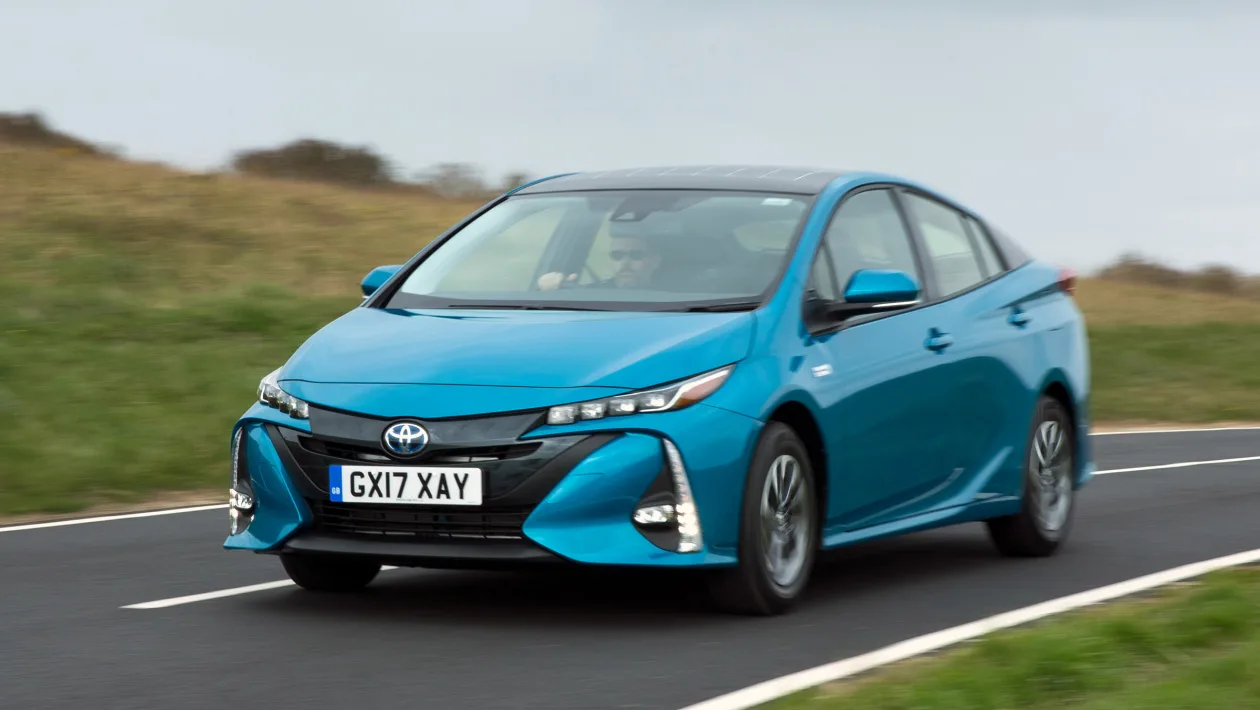
Toyota Prius Plug-In Hybrid
The Toyota Prius Plug-In Hybrid continues to define the benchmark for efficiency-focused plug-in hybrids in 2026, especially for drivers who do not have access to a home charging setup. Unlike many modern plug-in hybrids that rely heavily on regular charging to deliver their advertised efficiency, the Prius Plug-In is engineered so that it still performs exceptionally well even when it is rarely plugged in.
This is because Toyota has spent decades refining its hybrid synergy system, allowing the car to intelligently balance petrol and electric power in a way that prioritizes fuel savings under almost all driving conditions. In real-world usage, this means that even if the battery is mostly depleted, the vehicle continues to operate as a highly efficient hybrid rather than reverting to a conventional fuel-heavy system.
Another important strength of the Prius Plug-In Hybrid is its ability to maximize energy recovery through regenerative braking. In stop-and-go traffic, which is common in urban environments, the system constantly captures kinetic energy and converts it back into usable electric charge.
While this will not fully replace external charging, it ensures that the electric motor is still actively contributing to short bursts of acceleration and low-speed driving. Over time, this significantly reduces fuel consumption compared to traditional gasoline vehicles, especially in city conditions where braking is frequent.
Toyota has also focused heavily on reliability and long-term durability, which makes the Prius Plug-In Hybrid particularly appealing for buyers who want low maintenance costs.
Owners still benefit from a system that is mechanically simpler than many performance-oriented hybrids. The engine is designed to operate efficiently across a wide range of loads, while the electric motor serves as a supportive component rather than a dependency, helping reduce wear on the internal combustion system.
Comfort and usability are also strong points in the 2026 Prius Plug-In Hybrid. The driving experience is smooth, predictable, and designed for efficiency rather than aggressive performance. The cabin is optimized for ergonomics and driver assistance, making long commutes less tiring.
Even though it is not a luxury vehicle, it offers modern connectivity features and safety systems that make it feel current and practical for everyday use.
The Prius Plug-In Hybrid remains one of the most logical choices for drivers without home chargers because it does not punish the user for not plugging in regularly. Instead, it simply continues to deliver consistent fuel savings and reliable hybrid performance regardless of charging habits.
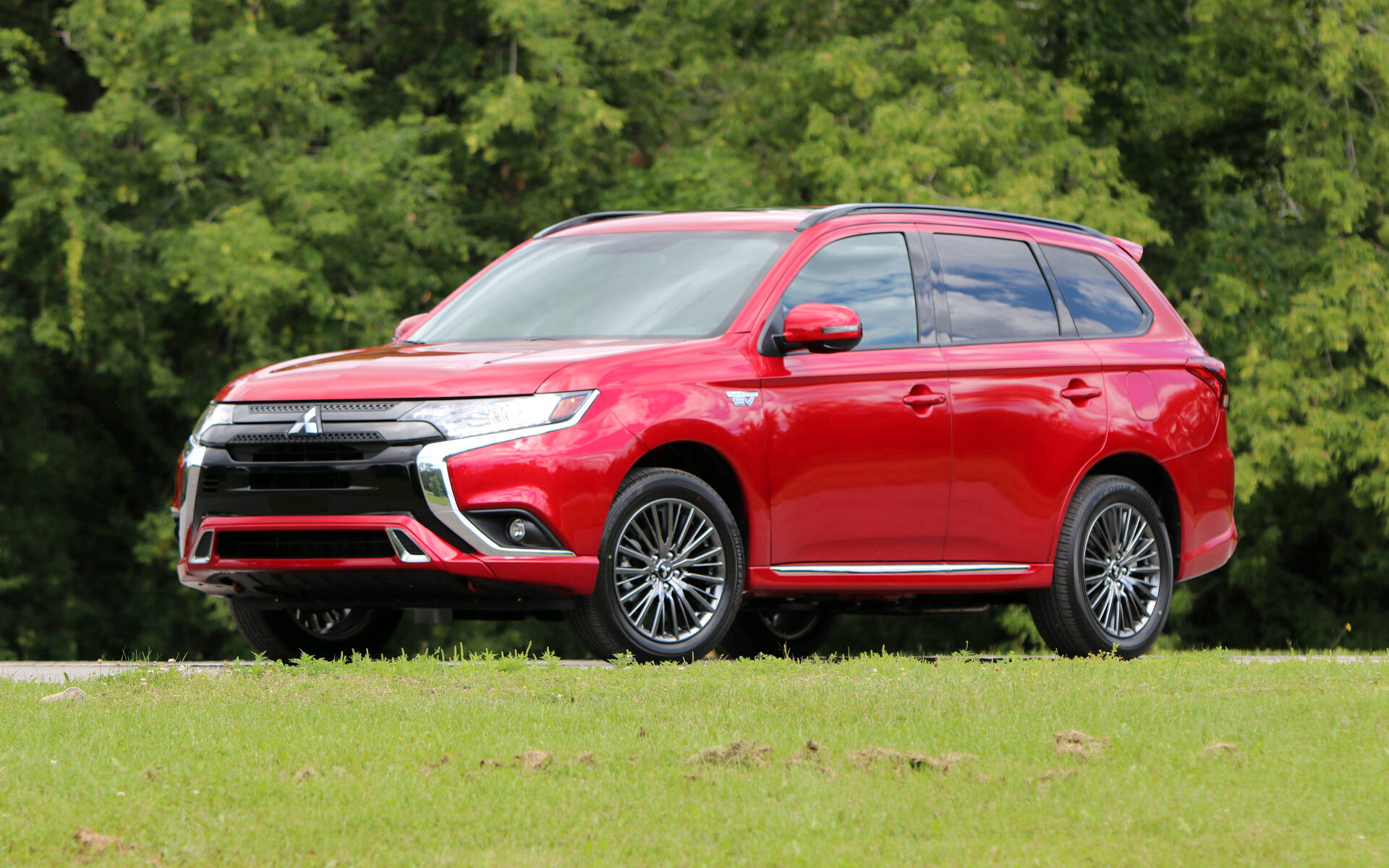
Mitsubishi Outlander PHEV
The Mitsubishi Outlander PHEV is one of the most versatile plug-in hybrid SUVs available in 2026, particularly for drivers who cannot depend on home charging. Unlike smaller hybrid sedans, the Outlander is designed to handle a wide range of driving environments, from dense city traffic to long highway journeys and even light off-road conditions.
Its plug-in hybrid system is built to function as a self-sustaining hybrid when charging is infrequent, which makes it highly practical for users who rely primarily on gasoline operation.
One of the most impressive aspects of the Outlander PHEV is its dual-motor all-wheel-drive system. This setup allows the vehicle to distribute power intelligently between the front and rear axles, improving traction and stability in varying road conditions.
Even when the battery is not fully charged, the system continues to deliver balanced performance by combining electric assistance with the petrol engine. This makes it especially useful in regions with mixed terrain or unpredictable weather conditions.
Fuel efficiency is another area where the Outlander PHEV performs strongly, even without regular charging. The hybrid system is tuned to prioritize efficiency during cruising and low-load conditions, meaning the petrol engine does not constantly operate at high consumption levels.
In urban driving, the vehicle can still operate in partial electric mode during acceleration and low-speed movement, which reduces fuel usage compared to traditional SUVs of similar size.
Interior space and practicality further enhance its appeal. The Outlander PHEV is designed as a family SUV, offering generous seating capacity and cargo space without significantly compromising due to battery placement.
This makes it suitable for long trips, family use, and daily commuting alike. The cabin is also designed with comfort in mind, featuring modern infotainment systems and driver assistance features that enhance usability.
The Mitsubishi Outlander PHEV stands out as a practical, all-round SUV that does not require strict charging habits. It delivers consistent hybrid performance, strong usability, and flexible driving capability, making it one of the most dependable choices for non-charging households.
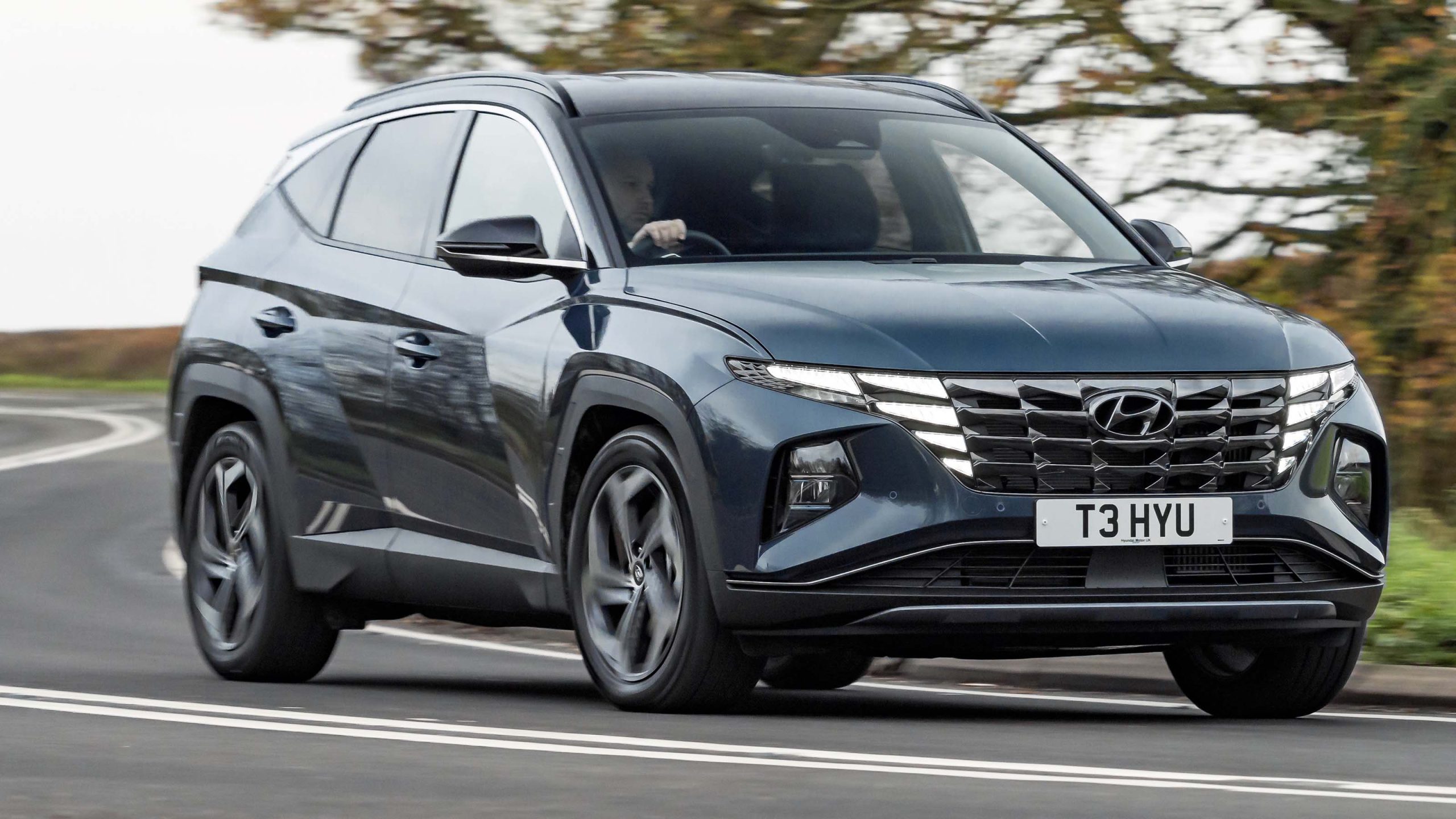
Hyundai Tucson Plug-In Hybrid
The Hyundai Tucson Plug-In Hybrid has become one of the most balanced compact SUVs in the hybrid segment, particularly for drivers who may not have access to a home charging station. In 2026, it represents a strong combination of modern design, efficient hybrid engineering, and everyday practicality.
Even when charging is occasional or inconsistent, the Tucson PHEV continues to operate efficiently as a hybrid SUV, thanks to Hyundai’s well-optimized powertrain strategy.
One of the key advantages of the Tucson Plug-In Hybrid is its smooth power delivery system. The transition between electric motor and gasoline engine is carefully calibrated so that drivers experience minimal disruption during acceleration or cruising.
This becomes especially important when the battery is not regularly charged, as the system compensates by intelligently managing engine load and electric assistance to maintain efficiency.
Hyundai has also improved the regenerative braking system in the Tucson PHEV, allowing it to recover energy more effectively during deceleration. This means that even in urban environments where frequent stopping is required, the vehicle is able to regenerate usable energy that supports short electric driving bursts. While this does not replace external charging, it significantly enhances fuel economy compared to non-hybrid SUVs.
Another strong aspect of Tucson is its technology integration. The vehicle is equipped with advanced driver assistance systems that indirectly improve efficiency by encouraging smoother driving habits. Features such as adaptive cruise control and predictive energy management help optimize fuel usage without requiring driver intervention.
The Hyundai Tucson Plug-In Hybrid is a highly practical choice for drivers who want modern SUV comfort and hybrid efficiency without needing a dedicated charging setup. It is designed to adapt to real-world usage rather than ideal charging conditions.
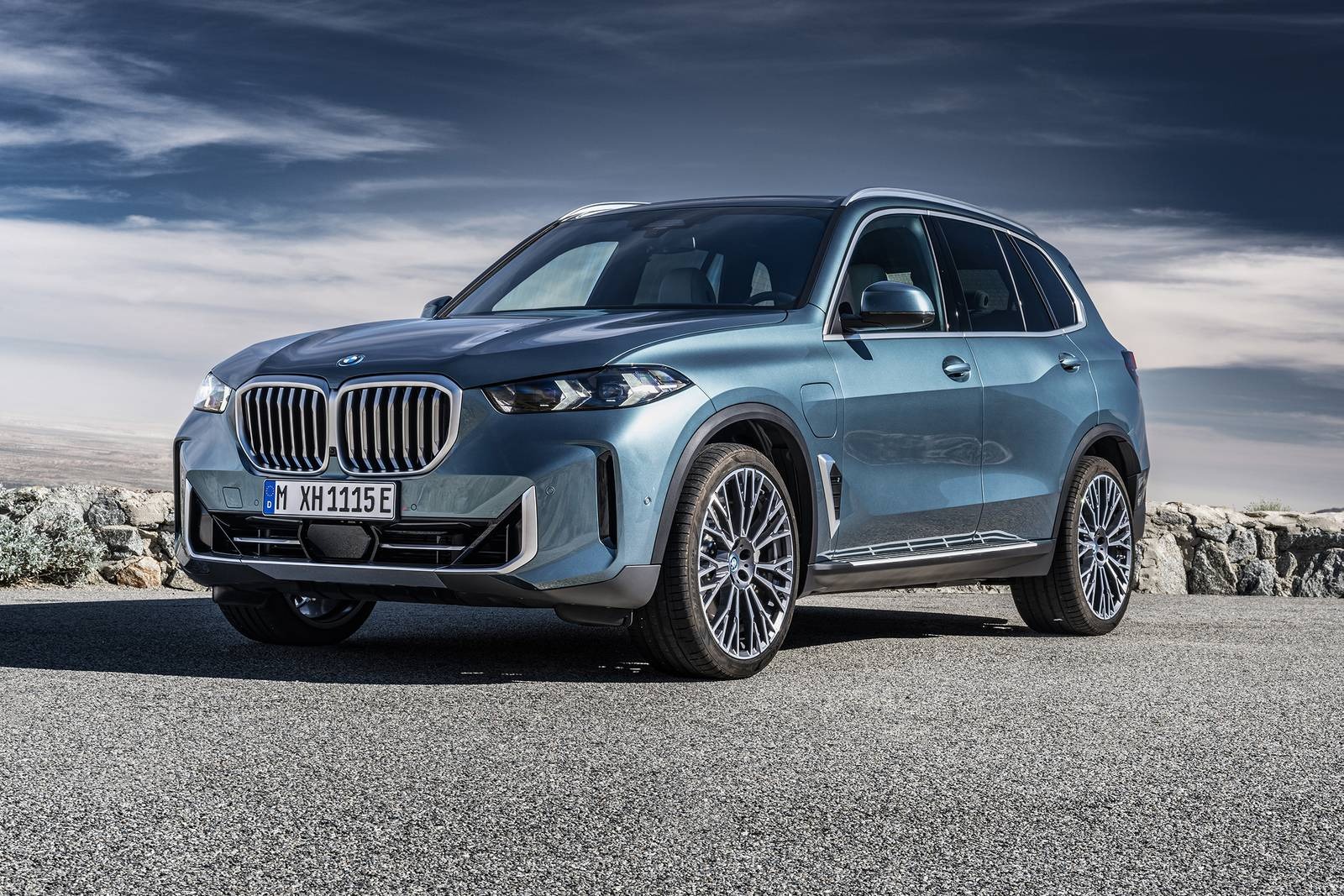
BMW X5 xDrive50e
The BMW X5 xDrive50e represents the luxury end of the plug-in hybrid spectrum, combining performance, comfort, and hybrid efficiency in a single package. While many plug-in hybrids depend heavily on regular charging to achieve their best fuel economy, the X5 xDrive50e is engineered to remain capable and refined even when used primarily as a gasoline-powered hybrid SUV.
At the core of its performance is a powerful combination of a turbocharged engine and an advanced electric motor system. This setup ensures that the vehicle delivers strong acceleration and smooth power delivery regardless of battery charge level. Even when the battery is depleted, the system continues to operate efficiently by balancing engine output with electric support where available.
BMW has also focused on maintaining driving dynamics, which means the X5 xDrive50e does not feel compromised when operating without charging. The hybrid system is tuned to preserve responsiveness and torque delivery, which is essential for a vehicle in this performance-oriented luxury segment. This makes it suitable for drivers who prioritize driving experience as much as efficiency.
Fuel efficiency, while not as extreme as smaller hybrids, is still significantly better than traditional luxury SUVs. In urban environments, the regenerative braking system helps recover energy, allowing short electric assistance during stop-and-go driving. This contributes to lower fuel consumption over time, even in non-ideal charging conditions.
In essence, the BMW X5 xDrive50e is designed for users who want luxury and performance with hybrid efficiency as a bonus rather than a dependency. It remains a strong choice for drivers who do not want to rely on home charging infrastructure.
Also read: 5 Cars That Outlast Their Owners And 5 That Die Before The Loan Ends
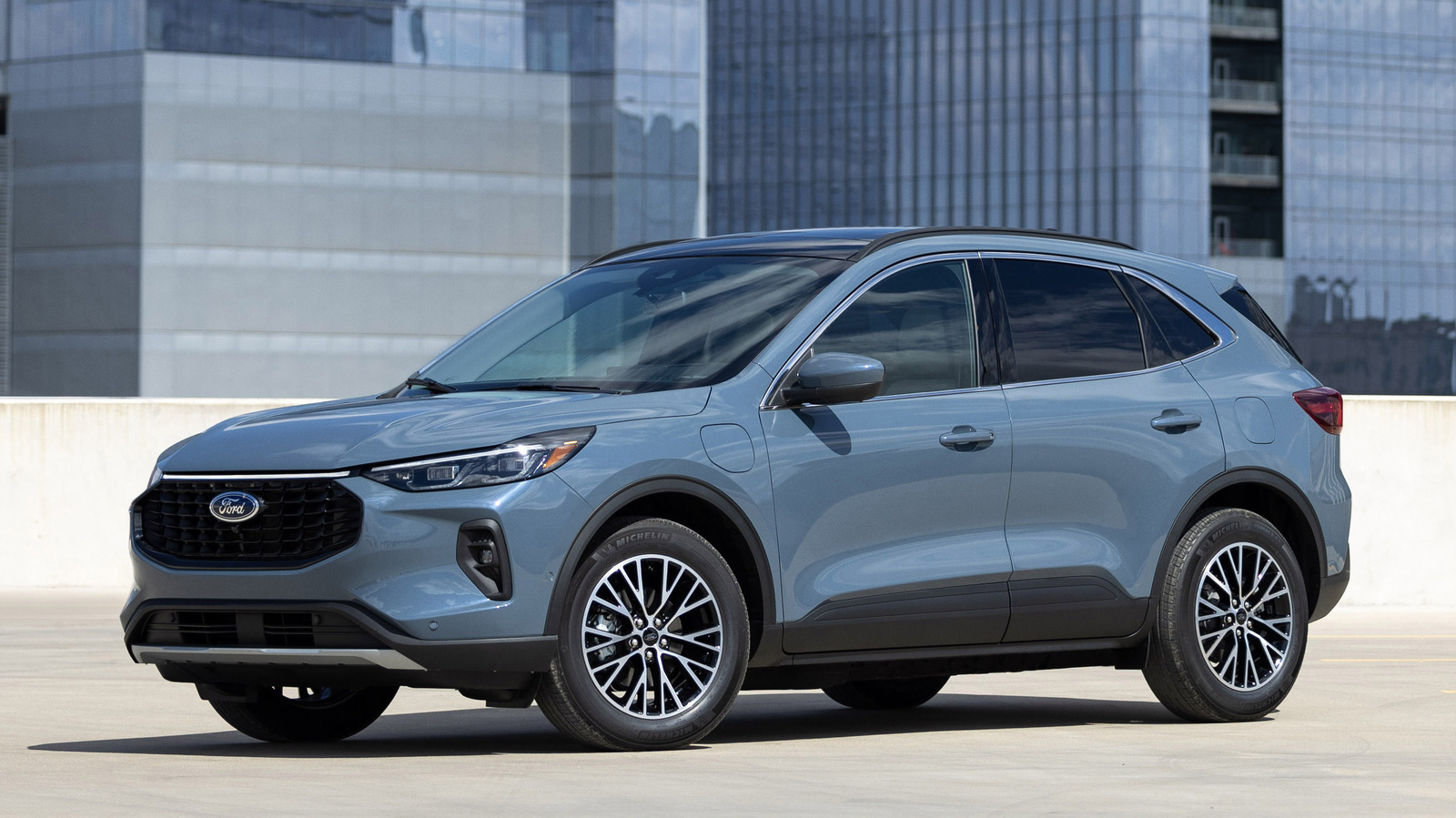
Ford Escape Plug-In Hybrid
The Ford Escape Plug-In Hybrid is one of the most accessible and practical plug-in hybrid SUVs in 2026, especially for drivers who cannot consistently charge at home. It is designed to function efficiently even when used primarily as a traditional hybrid, making it a strong entry point into plug-in hybrid ownership.
One of its biggest strengths is its adaptive hybrid system, which automatically adjusts power distribution based on driving conditions. The vehicle continues to prioritize fuel efficiency by optimizing engine load and electric assistance during acceleration and cruising. This helps keep fuel consumption lower than that of comparable non-hybrid SUVs.
Ford has also worked on improving drivability, ensuring that the transition between electric and gasoline power is smooth and nearly unnoticeable. This becomes especially important for drivers who may not regularly monitor charging levels, as the vehicle maintains consistent performance regardless of battery state.
The regenerative braking system plays a crucial role in enhancing efficiency. In urban driving conditions, the system captures energy during deceleration and uses it to support the electric motor in short bursts. While this does not replace full charging, it improves fuel economy and reduces dependency on gasoline over time.
The Ford Escape Plug-In Hybrid is a highly practical SUV for everyday users. It delivers flexibility, efficiency, and usability without requiring strict charging discipline, making it one of the most sensible choices in its category.
Kia Sportage Plug-In Hybrid
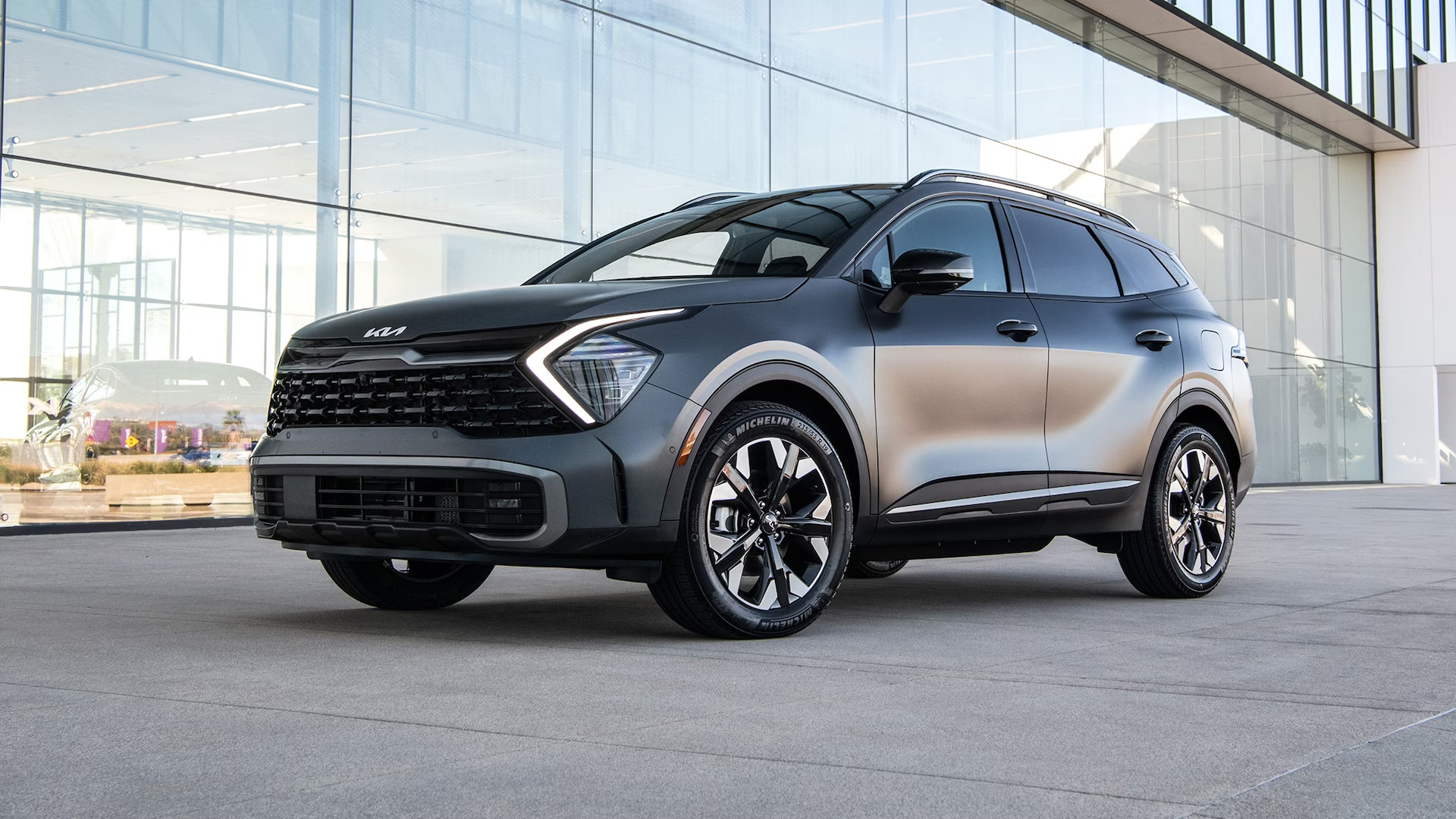
The Kia Sportage Plug-In Hybrid has established itself as one of the most well-rounded compact SUVs in the plug-in hybrid segment, especially for drivers who do not have consistent access to home charging. In 2026, it stands out because it is engineered to remain highly usable even when charging is irregular or infrequent.
Unlike early-generation plug-in hybrids that lose efficiency when not plugged in regularly, the Sportage PHEV is designed with a hybrid-first mindset, meaning it can seamlessly operate as a traditional hybrid vehicle while still offering the benefits of a rechargeable battery system when available.
A key strength of the Sportage Plug-In Hybrid is its intelligent power management system. The vehicle continuously analyzes driving conditions such as speed, terrain, and throttle input to decide when to use electric power and when to rely on the petrol engine.
Even when the battery is not fully charged, the system ensures that energy is used in the most efficient way possible. This allows the vehicle to maintain competitive fuel economy in both city and highway driving without requiring frequent charging sessions.
Kia has also made significant improvements in ride comfort and cabin refinement, which enhance the ownership experience. The Sportage PHEV offers a spacious interior with modern digital displays and intuitive controls, making it feel more premium than earlier Kia models.
This is particularly important for drivers who use the vehicle as their primary daily transport, as comfort and usability become just as important as fuel efficiency.
Another important factor is the regenerative braking system, which plays a crucial role in maintaining partial electric support even when external charging is limited.
During stop-and-go traffic or downhill driving, the system recaptures energy and stores it in the battery, which is then used to assist acceleration or low-speed movement. This helps reduce fuel consumption and ensures that the electric motor is still contributing meaningfully to efficiency.
The Kia Sportage Plug-In Hybrid is a highly practical SUV that delivers flexibility, comfort, and efficiency without demanding strict charging habits. It is particularly well-suited for urban drivers and small families who want modern hybrid benefits without infrastructure limitations.
Volvo XC60 Recharge
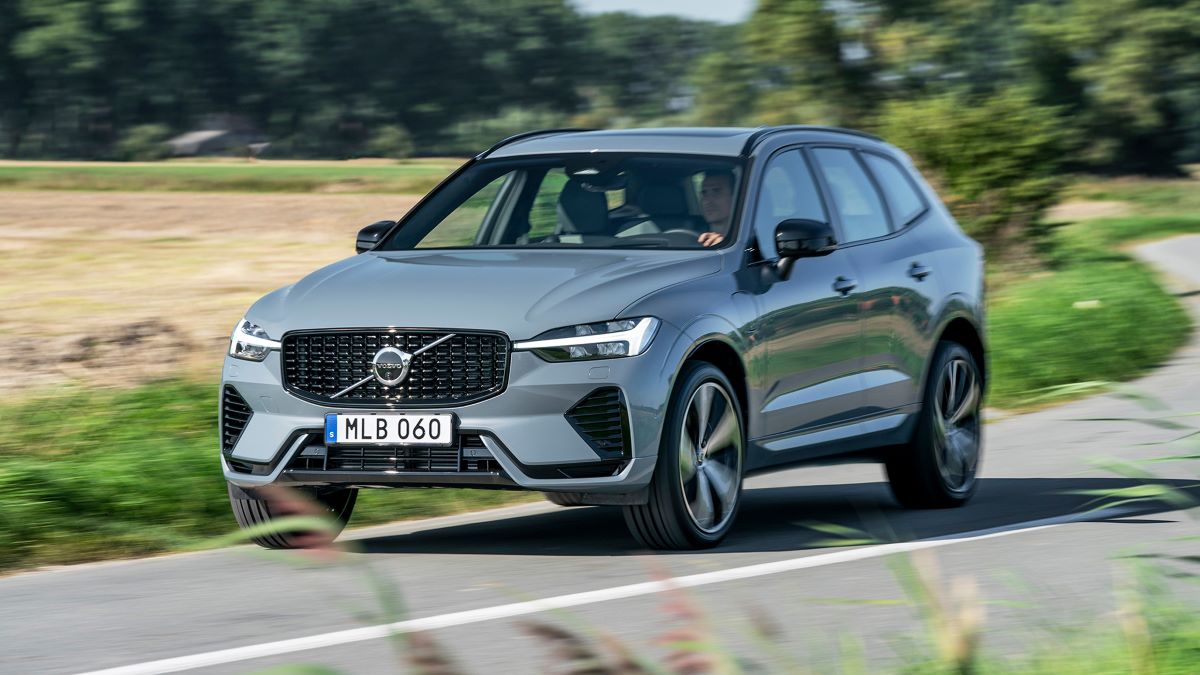
The Volvo XC60 Recharge is a premium plug-in hybrid SUV that combines Scandinavian design, safety engineering, and hybrid efficiency in a way that remains effective even without regular home charging.
In 2026, it continues to be one of the most balanced luxury PHEVs because it does not rely entirely on plug-in usage to deliver a refined driving experience. Instead, it is designed to function smoothly as a hybrid SUV under all conditions, making it suitable for users who may only charge occasionally or rely mainly on gasoline operation.
One of the defining characteristics of the XC60 Recharge is its focus on comfort and smoothness. The hybrid system is tuned not for aggressive performance, but for seamless transitions between electric and petrol power.
This becomes particularly important when the battery is not frequently charged, as the vehicle compensates by optimizing engine behavior to maintain consistent refinement. Drivers experience a calm and controlled ride regardless of battery level, which is a key feature of Volvo’s design philosophy.
The XC60 Recharge also benefits from strong energy recovery systems. Regenerative braking captures energy during deceleration and uses it to support low-speed electric driving or assist acceleration. While this does not fully replace external charging, it ensures that the electric motor remains active in everyday driving situations such as traffic congestion or city commuting.
Volvo’s emphasis on safety and driver assistance also indirectly contributes to efficiency. Features such as adaptive cruise control and intelligent speed regulation help maintain smoother driving patterns, which reduces unnecessary fuel consumption. These systems are especially useful for drivers who may not actively manage charging schedules but still want optimal fuel economy.
Jeep Grand Cherokee 4xe
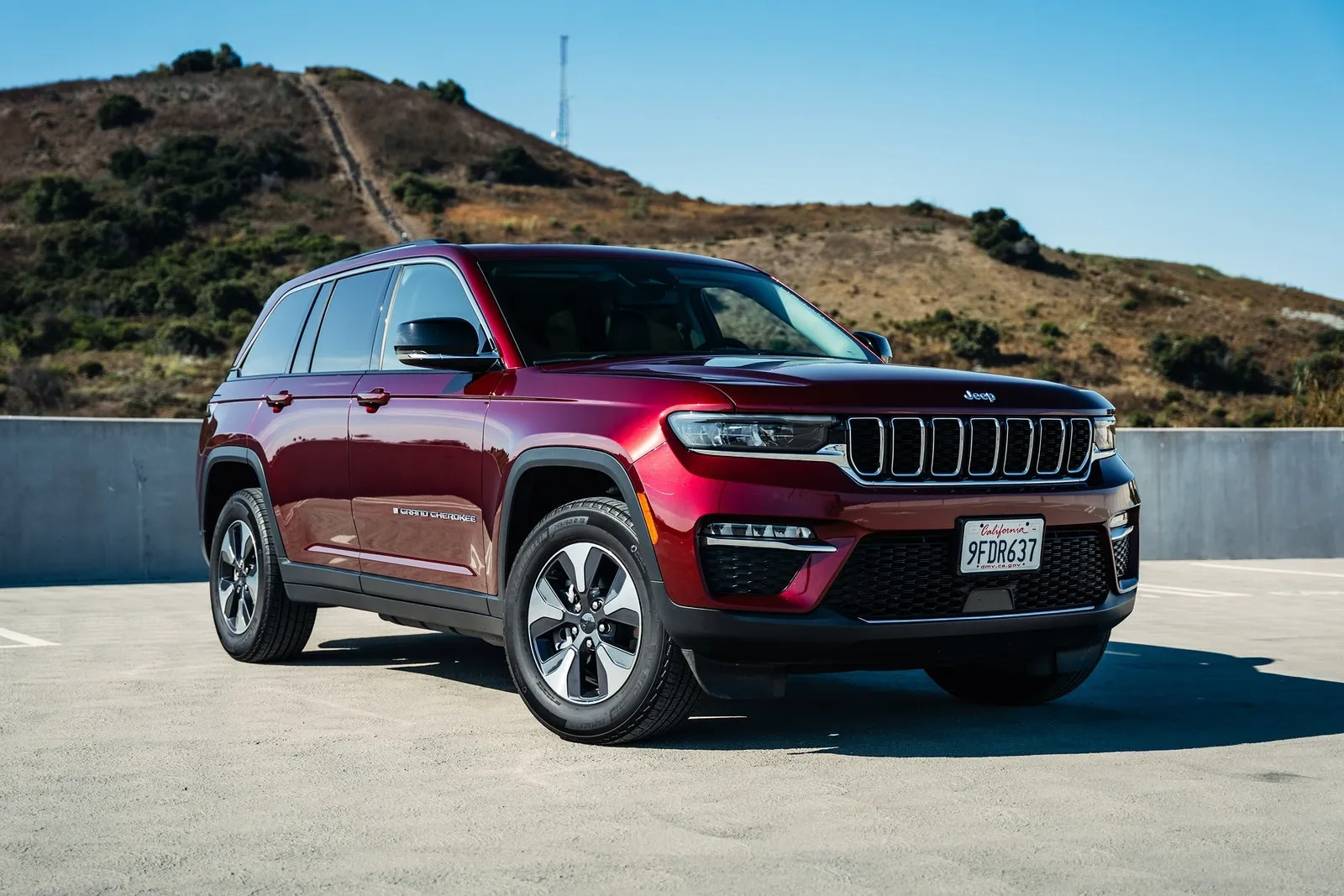
The Jeep Grand Cherokee 4xe is one of the most capable plug-in hybrid SUVs in 2026, especially for drivers who require off-road performance but do not have reliable access to home charging.
Unlike many plug-in hybrids that are optimized primarily for city driving, the Grand Cherokee 4xe is engineered to handle rugged terrain, long-distance travel, and everyday commuting with equal competence. Its hybrid system is designed to remain effective even when charging is infrequent, making it highly suitable for real-world versatility.
One of its standout features is the combination of electric torque and a turbocharged engine. The electric motor provides instant low-end torque, which is especially useful for off-road situations such as climbing, rock crawling, or handling uneven terrain.
Even when the battery is not fully charged, the system continues to operate as a strong hybrid, ensuring that performance does not drop significantly in demanding conditions.
Jeep has also optimized the hybrid system for durability and consistency. Unlike efficiency-focused hybrids, the 4xe system prioritizes usable power across different driving environments. This means that even when running primarily on gasoline, the vehicle still benefits from electric assistance during acceleration and low-speed movement, which helps reduce strain on the engine.
Fuel efficiency improvements are also noticeable compared to traditional gasoline SUVs in the same class. While it is not designed to be a hyper-efficient commuter vehicle, the hybrid system still reduces fuel consumption in urban environments where regenerative braking and electric support are most active.
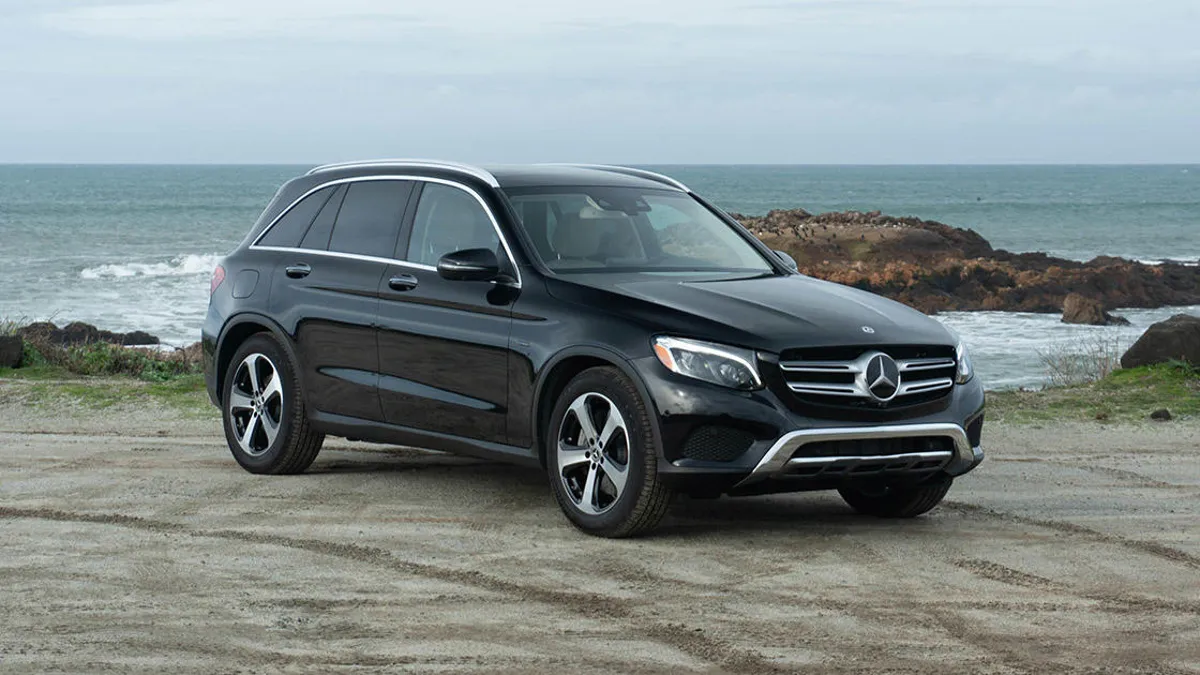
Mercedes-Benz GLC 350e
The Mercedes-Benz GLC 350e is a compact luxury plug-in hybrid SUV that combines premium comfort, advanced technology, and hybrid efficiency in a way that remains practical even without consistent charging access. In 2026, it is designed to appeal to drivers who want luxury refinement but do not want to depend on home charging infrastructure to maintain efficiency.
One of the strongest aspects of the GLC 350e is its smooth hybrid integration. The transition between electric motor and gasoline engine is nearly imperceptible, which is especially important when the battery is not frequently charged.
The system intelligently balances power delivery to ensure that the driving experience remains consistent regardless of battery state, which is a key advantage in real-world usage scenarios.
Mercedes-Benz has also focused on making the vehicle efficient in hybrid-only operation. Even when the battery is low, the engine works in coordination with the electric system to reduce fuel consumption during city driving and moderate-speed cruising. This ensures that the vehicle remains more efficient than traditional luxury SUVs in similar conditions.
Regenerative braking plays a supporting role in maintaining efficiency. In urban environments, the system captures energy during deceleration and uses it to assist short bursts of electric driving. While this does not eliminate fuel use, it reduces dependency on gasoline and improves efficiency over time.
