
Bad roads are a reality in many parts of the world. From cracked urban streets and broken highways to rural routes full of deep potholes, drivers often face conditions that can destroy weak suspension systems in just a few years. While many modern SUVs advertise comfort and ruggedness, not all of them are built to survive constant punishment from rough roads.
Some models begin developing suspension noise, worn bushings, damaged control arms, or alignment problems surprisingly early. Others continue absorbing impacts year after year with minimal issues, earning a reputation for long-term durability and dependable ride quality.
A strong suspension system does more than improve comfort. It protects the chassis, maintains tire contact with the road, reduces steering wear, and helps preserve alignment over time. SUVs designed with durable shocks, reinforced suspension arms, quality bushings, and well-tuned dampers tend to handle potholes far better than models focused purely on sporty handling.
Larger tire sidewalls, generous suspension travel, body-on-frame construction, and proven mechanical simplicity also contribute to long-lasting durability. According to multiple automotive reliability discussions and suspension durability reports, vehicles like the Toyota 4Runner, Lexus GX, and Honda CR-V consistently stand out for surviving rough road abuse with fewer repairs than many competitors.
Drivers who regularly travel on damaged roads often discover that suspension durability matters more than flashy technology. Expensive adaptive systems and ultra-low profile wheels may feel impressive during a test drive, but they can become costly liabilities when exposed to years of potholes and broken pavement.
In contrast, SUVs engineered for off-road capability or heavy-duty use usually feature tougher suspension components that tolerate repeated impacts far better. Community discussions among drivers dealing with rough roads frequently highlight practical factors such as smaller wheel sizes, thicker tire sidewalls, and simpler suspension designs as key reasons certain SUVs remain reliable over time.
This article examines nine SUVs known for suspension systems that continue performing reliably despite rough roads and relentless pothole seasons. These vehicles were selected based on long-term durability reputation, suspension engineering, owner experiences, off-road capability, reliability records, and ability to absorb punishment without constant repairs.
Some are traditional body-on-frame machines built for serious abuse, while others are crossover SUVs with surprisingly durable suspension tuning. Each model offers a different balance of comfort, toughness, maintenance costs, and everyday practicality, but all share one important trait: they can keep handling terrible roads year after year without falling apart.
Also Read: 10 Cars With Insurance Premiums Lower Than a Compact Sedan
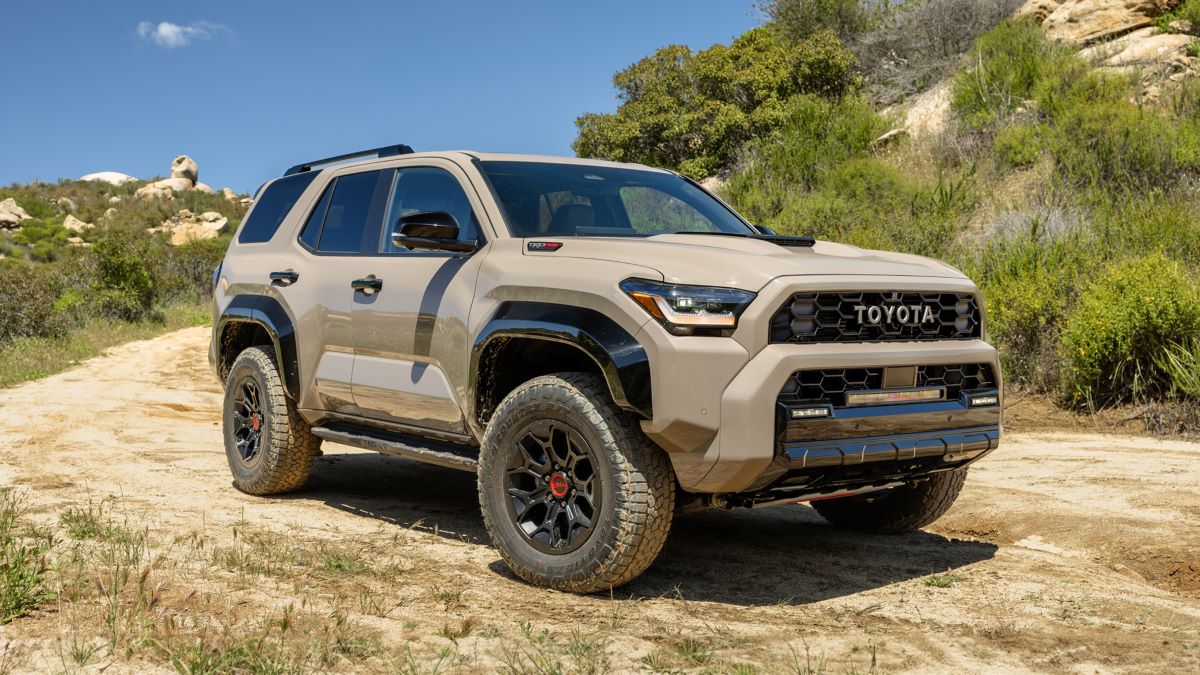
1. Toyota 4Runner
The Toyota 4Runner has built a long-standing reputation as one of the most durable SUVs on the planet, especially when it comes to surviving harsh road conditions and repeated suspension abuse. Unlike modern crossovers that prioritize comfort or styling trends, the 4Runner is engineered on a traditional body-on-frame platform that is directly influenced by Toyota’s pickup truck architecture.
This design choice alone gives it a massive advantage in handling potholes, broken highways, and uneven rural roads. The suspension system is not just designed for smooth driving, but for long-term resilience under constant mechanical stress. Its double wishbone front suspension and solid rear axle configuration allow it to distribute impact forces more evenly, preventing localized stress that typically damages weaker crossover setups over time.
Many long-term owners report that even after more than 150,000 to 200,000 miles, the suspension remains structurally sound with only standard wear components needing replacement, which is a rare achievement in today’s SUV market.
Another major reason the 4Runner thrives in pothole-heavy environments is Toyota’s conservative and proven engineering philosophy. Instead of relying on complex air suspension systems or electronically adaptive dampers that can become expensive and failure-prone, Toyota sticks with time-tested mechanical components that have been refined over decades.
Every part of the suspension system, from bushings to control arms, is designed with durability as a priority rather than performance tuning or luxury softness. This results in a slightly firmer ride compared to modern crossovers, but that firmness directly translates into reduced suspension wear and greater long-term reliability.
Owners in regions with extreme weather conditions, poorly maintained roads, and heavy off-road usage consistently highlight that the 4Runner rarely develops alignment issues or premature suspension failures, even after years of abuse.
The SUV also benefits significantly from its ability to accommodate high-profile tires and relatively simple wheel setups. Unlike many modern SUVs that use large alloy wheels with thin, low-profile tires for aesthetic appeal, the 4Runner performs best with smaller wheels and thicker sidewall tires that act as the first line of defense against pothole impacts.
These tires absorb a large portion of road shock before it reaches the suspension components, dramatically reducing stress on shocks, struts, and steering assemblies. This setup also minimizes the chances of bent rims or damaged suspension geometry, which are common issues in urban environments with poor road maintenance. Drivers frequently note that switching to more practical tire setups further enhances the SUV’s already impressive durability.
In addition to its mechanical toughness, the 4Runner’s suspension travel and chassis articulation are designed for extreme conditions. It was originally engineered to handle off-road environments where wheel movement and uneven terrain are far more severe than typical city driving.
This means that when the SUV encounters deep potholes or broken pavement, the suspension has enough travel to absorb the impact without bottoming out harshly. This prevents sudden shock loads from transferring directly into the chassis or steering system. The result is a vehicle that not only survives rough roads but continues to maintain ride stability and structural integrity over many years of demanding use.
The Toyota 4Runner remains one of the most dependable SUVs for drivers who face constant pothole conditions. Its combination of body-on-frame durability, simple suspension design, and rugged engineering philosophy makes it nearly unmatched in long-term resilience.
While it may not offer the most refined ride in its class, it delivers something far more valuable in harsh environments: long-lasting suspension strength that refuses to deteriorate even under continuous punishment.
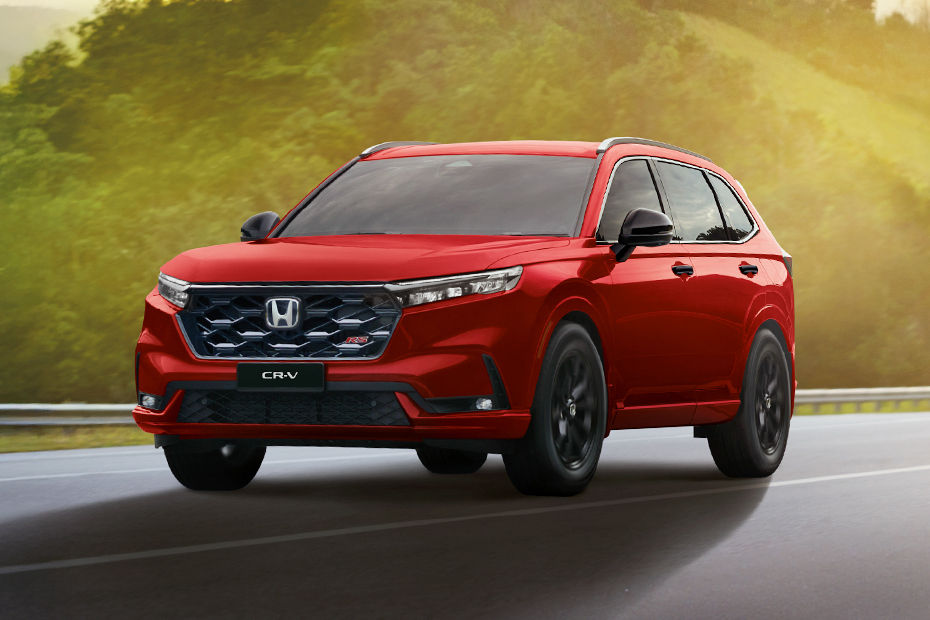
2. Honda CR-V
The Honda CR-V stands out as one of the most well-balanced compact SUVs in the world, particularly when it comes to combining everyday comfort with long-term suspension reliability. Unlike heavier body-on-frame SUVs, the CR-V uses a unibody construction paired with a carefully engineered MacPherson strut front suspension and multi-link rear suspension system.
This setup allows the vehicle to absorb road imperfections efficiently while maintaining structural integrity over extended periods of rough use. What makes the CR-V especially impressive is that it achieves this durability while still offering a smooth and comfortable ride, making it one of the most practical choices for drivers who deal with pothole-filled urban environments on a daily basis.
A major strength of the CR-V lies in Honda’s commitment to mechanical simplicity and long-term dependability. Rather than over-engineering the suspension system with complicated adaptive components that may improve short-term comfort but increase long-term failure risk, Honda focuses on refining traditional suspension geometry. This results in a system that is predictable, easy to maintain, and highly resistant to wear.
Many CR-V owners report reaching mileage well beyond 100,000 to 150,000 kilometers without experiencing significant suspension issues, apart from routine maintenance such as shock absorber replacement or minor bushing wear. This level of reliability is particularly impressive given how often compact SUVs are used in congested cities with frequent pothole exposure.
Another factor contributing to the CR-V’s suspension durability is its comfort-oriented tuning philosophy. Instead of prioritizing aggressive handling characteristics that require stiff suspension setups, Honda tunes the CR-V for compliance and shock absorption.
This means the suspension is allowed to move more freely when encountering uneven surfaces, reducing the intensity of impact forces transferred into the chassis. Over time, this reduces stress on critical components such as control arms, tie rods, and mounting points. The result is not only a smoother ride for passengers but also reduced long-term mechanical wear, which directly contributes to the vehicle’s reputation for reliability.
The CR-V also benefits from its relatively lightweight structure compared to larger SUVs. When a vehicle is too heavy, each pothole impact generates significantly higher force on suspension components, accelerating wear and increasing the likelihood of premature failures.
The CR-V avoids this issue by maintaining a balanced weight distribution that allows the suspension to function efficiently without being overloaded. Combined with quality damping and well-engineered geometry, this ensures that even repeated exposure to rough roads does not lead to rapid deterioration of suspension performance.
Additionally, the CR-V’s practical wheel and tire configuration plays a critical role in protecting its suspension system. Honda avoids overly large wheels with thin tires, instead opting for setups that include sufficient sidewall height to absorb shocks before they reach the suspension.
This significantly reduces the likelihood of bent rims, damaged struts, or alignment issues, which are common problems in SUVs that prioritize styling over practicality. In real-world driving conditions, especially in areas with poorly maintained roads, this design choice becomes one of the most important factors in long-term durability.
The Honda CR V may not have the rugged construction of a body-on-frame SUV, but it excels in intelligent engineering that prioritizes longevity and everyday usability. Its suspension system is designed to handle constant urban abuse without breaking down prematurely, making it one of the most reliable compact SUVs for pothole-heavy environments.
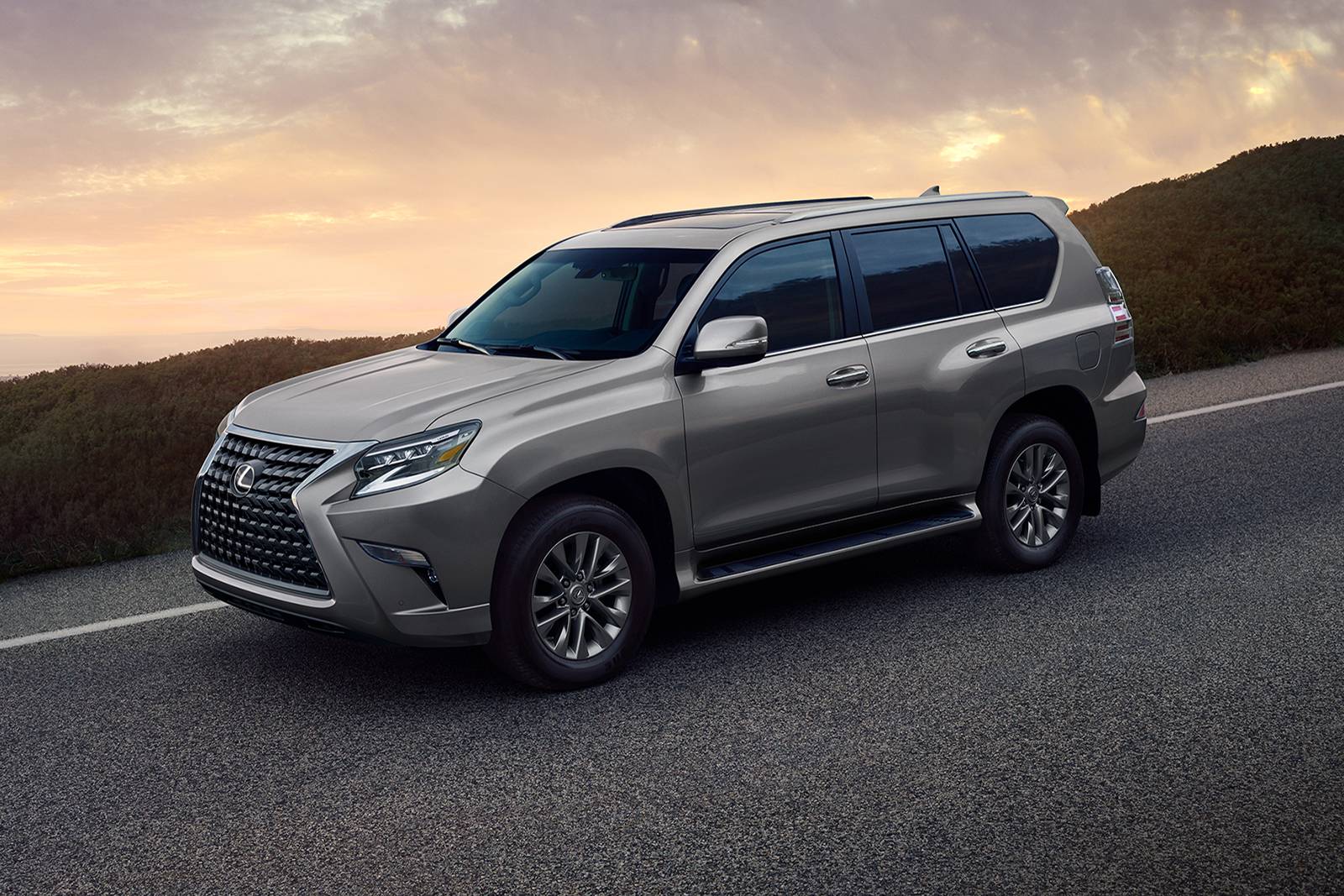
3. Lexus GX
The Lexus GX represents a rare combination in the automotive world, blending luxury comfort with genuine off-road toughness. Built on a body-on-frame platform shared with Toyota’s rugged Land Cruiser Prado lineage, the GX is engineered to withstand far more abuse than typical luxury crossovers.
This foundation gives it a significant advantage when dealing with pothole-ridden roads, uneven highways, and rough terrain. Unlike many luxury SUVs that prioritize smoothness at the expense of durability, the GX is designed to maintain both comfort and structural resilience over many years of demanding use.
One of the standout features of the GX is its advanced suspension system, which includes durable coil springs and, in many versions, adaptive damping technologies or the Kinetic Dynamic Suspension System. This system helps optimize wheel movement and stability by adjusting to varying road conditions in real time.
While this adds complexity compared to simpler setups, Lexus ensures that all components are built to high durability standards. The suspension is capable of handling repeated impacts without quickly degrading, which is a common issue in less robust luxury SUVs. Owners frequently report that even after extended use on rough roads, the GX maintains its composure without developing significant suspension noise or instability.
The body-on-frame construction plays a crucial role in enhancing long-term suspension durability. Unlike unibody vehicles, where the chassis and body are integrated into a single structure, the GX uses a separate frame that absorbs and distributes impact forces more effectively.
This reduces stress on suspension mounting points and prevents long-term structural fatigue. As a result, the vehicle is far less prone to alignment issues or chassis-related suspension problems, even after years of driving on poor-quality roads. This makes it especially suitable for regions where road infrastructure is inconsistent or frequently damaged.
Another important factor is the GX’s tire and wheel configuration, which is optimized for both luxury and durability. Lexus avoids excessively large wheels with ultra-thin tires, instead favoring setups that maintain enough sidewall height to absorb road impacts.
This provides an additional layer of cushioning that protects the suspension system from harsh shocks caused by potholes. Combined with long suspension travel and high-quality damping, the GX delivers a ride that feels both smooth and controlled even in challenging conditions.
Despite being a luxury SUV, the Lexus GX is widely regarded as one of the most durable vehicles in its category. It manages to offer premium comfort without compromising on mechanical toughness, making it an ideal choice for drivers who want refinement without sacrificing reliability.
Its ability to withstand years of rough road usage without significant suspension degradation sets it apart from many competitors in the luxury SUV segment.
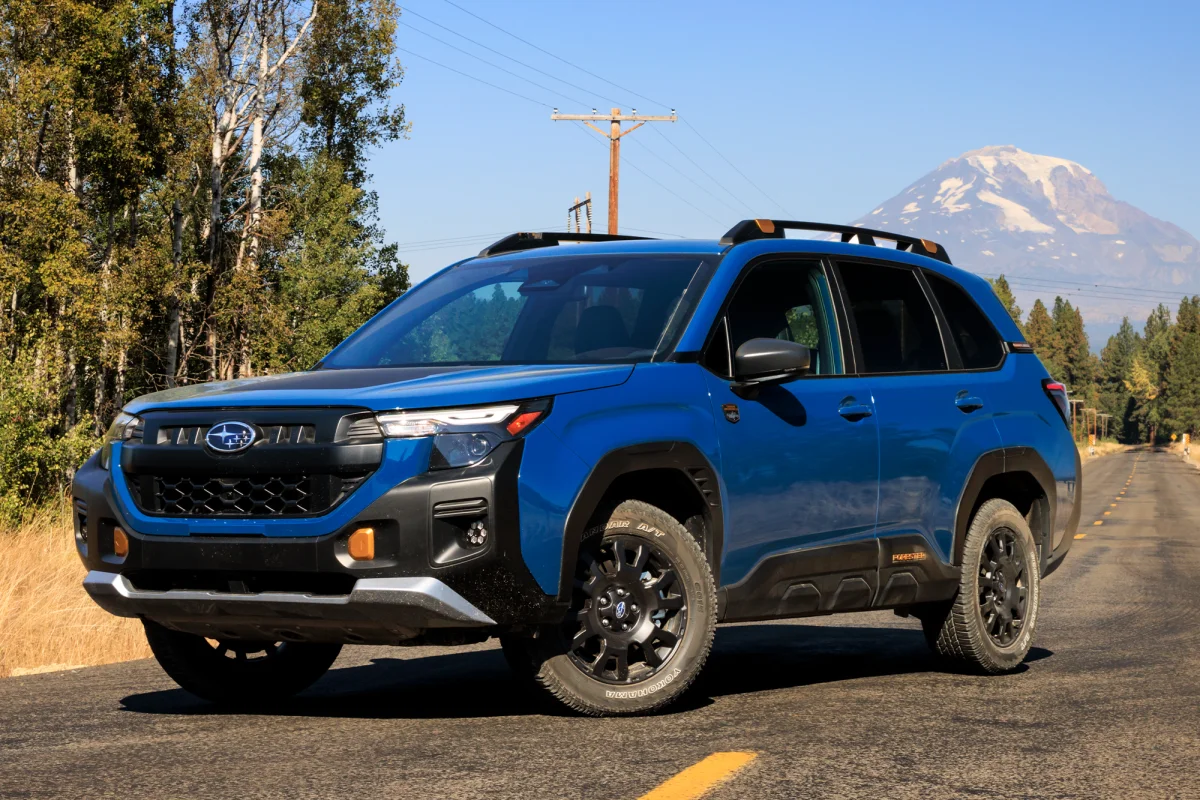
4. Subaru Forester
The Subaru Forester has earned a strong reputation as one of the most practical and durable compact SUVs for rough road conditions, particularly due to its balanced suspension design and symmetrical All Wheel Drive system.
Unlike many crossovers that are tuned primarily for urban comfort or sporty handling, the Forester is engineered with real-world versatility in mind. Its suspension system is designed to absorb uneven surfaces effectively while maintaining stability and control, making it especially well-suited for roads filled with potholes, gravel, and broken pavement.
A key strength of the Forester lies in its suspension geometry and tuning philosophy. Subaru engineers prioritize stability and comfort over aggressive performance characteristics, resulting in a suspension setup that is naturally compliant over rough surfaces.
The MacPherson strut front suspension and double wishbone rear suspension work together to distribute impact forces evenly across the chassis. This reduces stress concentration on individual components, which helps extend the lifespan of shocks, bushings, and control arms. Many owners report that the Forester maintains its suspension integrity even after extensive use on poorly maintained roads.
Ground clearance is another major advantage that contributes to the Forester’s durability. With higher clearance than many competitors in its class, the SUV is less likely to suffer underbody impacts or suspension bottoming out when encountering deep potholes.
This additional space allows the suspension system to operate within its optimal range, reducing the risk of damage caused by extreme compression events. Over time, this translates into fewer repairs and better long-term reliability.
The Forester also benefits from Subaru’s practical approach to wheel and tire design. Instead of prioritizing oversized wheels for aesthetic appeal, Subaru equips the Forester with tire sizes that offer sufficient sidewall height to absorb road shocks effectively.
This plays a critical role in protecting suspension components from sudden impact forces, which are often the primary cause of premature wear in urban environments. Drivers who regularly encounter rough roads often find that this setup significantly improves long-term durability and reduces maintenance costs.
In addition to its mechanical strengths, the Forester’s relatively lightweight design contributes to its ability to handle rough conditions effectively. A lighter vehicle places less strain on suspension components when traveling over uneven surfaces, reducing wear. Combined with Subaru’s reputation for mechanical reliability, the Forester stands out as one of the most dependable compact SUVs for drivers who need a vehicle capable of surviving pothole-heavy environments year after year.
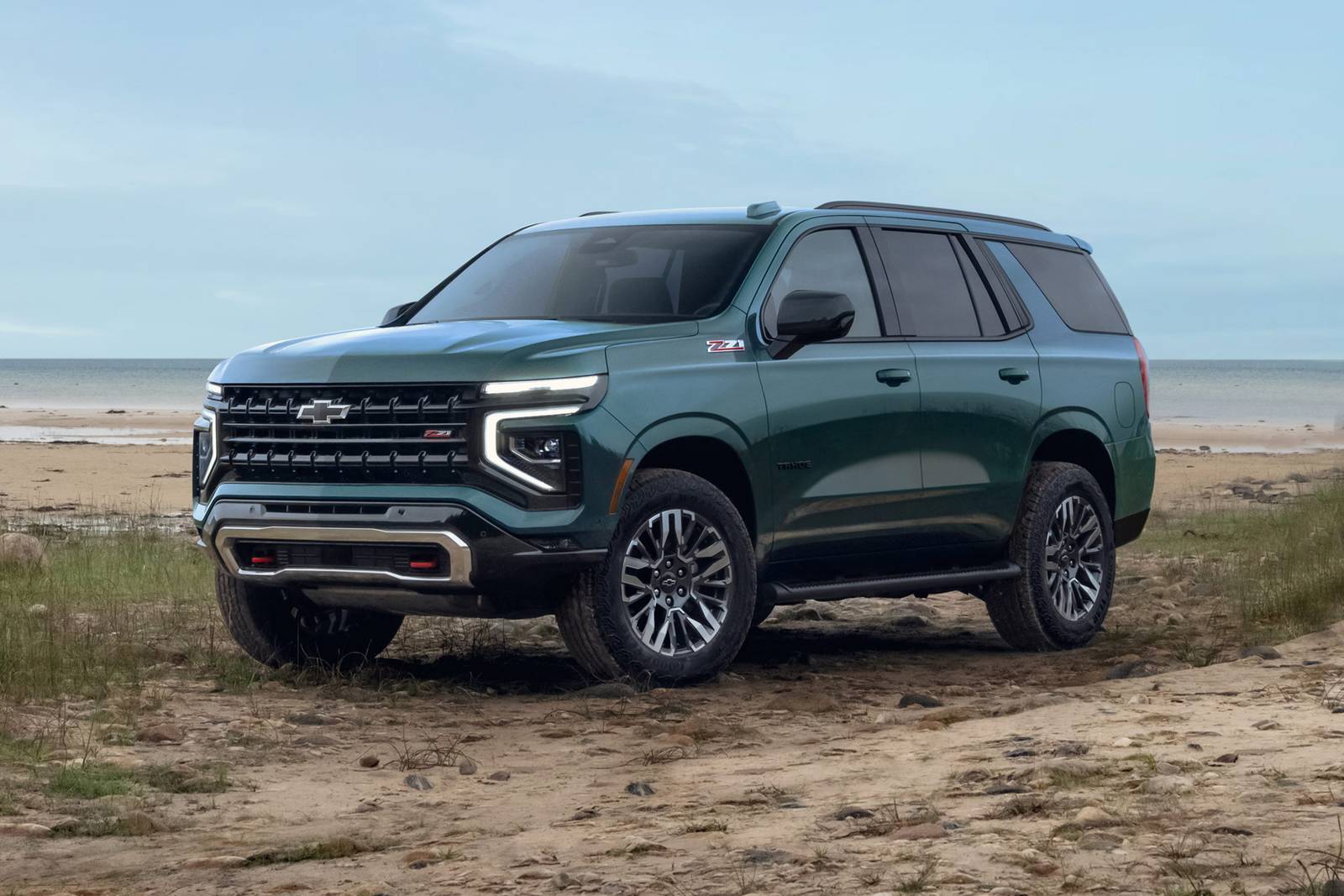
5. Chevrolet Tahoe
The Chevrolet Tahoe is widely recognized as one of the most durable full-size SUVs on the market, particularly when it comes to handling rough roads and heavy-duty usage. Built on a truck-based platform, the Tahoe is engineered to withstand demanding conditions that would quickly wear down smaller or less robust vehicles.
Its suspension system is designed not only for comfort but also for long-term resilience under constant stress, making it an excellent choice for drivers who regularly encounter pothole-filled highways and uneven terrain.
One of Tahoe’s defining strengths is its large-scale suspension architecture. The SUV features independent front suspension and a robust rear setup that is capable of handling heavy loads and absorbing significant impacts.
The size of its components, including control arms, shocks, and bushings, contributes directly to its ability to withstand rough road conditions over extended periods. Unlike smaller crossovers that may struggle with repeated pothole impacts, the Tahoe is built to absorb such stresses without rapid degradation.
The vehicle’s weight and wheelbase also play an important role in its suspension durability. A longer wheelbase allows the Tahoe to distribute impact forces more evenly, reducing the severity of shocks felt by the suspension system. This makes it particularly stable when driving over uneven surfaces or broken pavement. Combined with heavy-duty construction, the SUV maintains composure even under challenging conditions that would destabilize lighter vehicles.
Tire selection further enhances the Tahoe’s ability to survive rough roads. With larger tires featuring substantial sidewall height, the SUV gains an additional layer of protection against pothole damage.
These tires act as a buffer, absorbing impacts before they reach the suspension system. This reduces wear on critical components and helps maintain alignment and ride quality over time. Many owners note that the Tahoe remains comfortable and stable even after years of heavy use in demanding environments.
In modern versions, Chevrolet has also improved ride comfort without compromising durability. Advanced suspension tuning allows the Tahoe to deliver a smoother driving experience compared to older generations, while still retaining its rugged mechanical foundation. This balance makes it one of the most versatile large SUVs available, capable of handling both family duties and harsh road conditions with equal confidence.
Also Read: 10 Cars That Survive Being Used as Daily Uber Vehicles
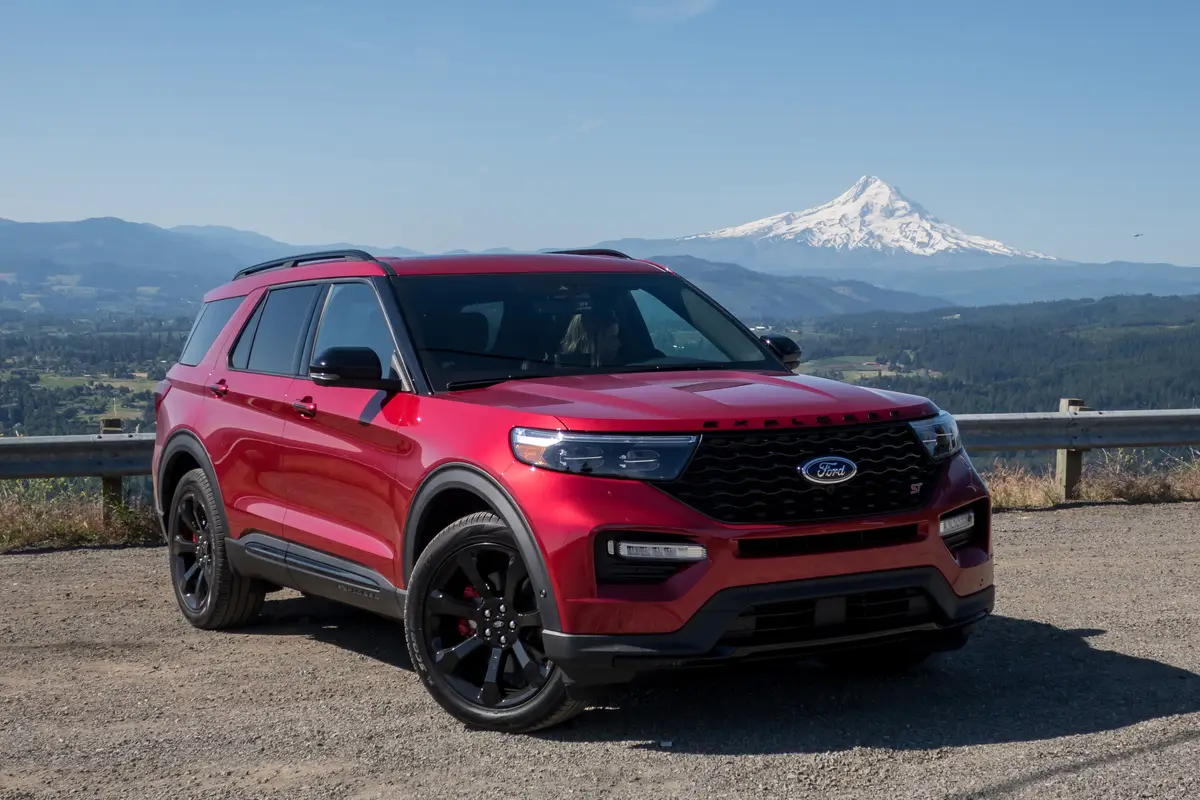
6. Ford Explorer
The Ford Explorer has evolved through several generations, but its core strength has consistently remained its ability to handle real-world road abuse while maintaining comfort and practicality. As a midsize SUV built on a unibody platform in its modern form, it bridges the gap between traditional rugged SUVs and refined family crossovers.
What makes the Explorer particularly relevant for pothole-heavy environments is its carefully balanced suspension tuning, which is designed to absorb impacts without sacrificing stability at higher speeds. The front and rear independent suspension systems work together to distribute road shocks evenly, reducing stress concentrations that typically lead to premature wear in control arms, bushings, and struts.
Over long-term ownership, this balance becomes crucial in ensuring that the vehicle does not develop chronic alignment issues or suspension noise even after repeated exposure to poor road surfaces.
Another important aspect of the Explorer’s durability is Ford’s focus on structural reinforcement in key suspension mounting areas. While many midsize SUVs prioritize lightweight construction to improve fuel efficiency, the Explorer maintains sufficient structural rigidity where it matters most, especially around the subframe and suspension attachment points.
This helps prevent the kind of gradual deformation or fatigue that can occur when a vehicle repeatedly hits deep potholes or uneven road edges. In practical terms, this means the suspension geometry remains stable over time, which directly contributes to better tire wear patterns and fewer long-term repair requirements. Drivers who regularly travel on rough highways often notice that the Explorer retains its composed driving feel even after several years of use.
The SUV also benefits from a suspension setup that is tuned more toward comfort and compliance than aggressive cornering performance. This tuning philosophy allows the wheels to move more freely when encountering sudden road imperfections, reducing the shock force transmitted into the cabin and chassis.
While some performance-oriented SUVs sacrifice comfort for sharper handling, the Explorer’s approach ensures that repeated impacts do not overstress suspension components. This is especially important in urban environments where potholes can appear unpredictably and in clusters, placing continuous strain on the suspension system over time.
Wheel and tire configuration also plays a key role in the Explorer’s pothole resilience. Ford generally equips the vehicle with tire sizes that maintain a reasonable sidewall height, which acts as a natural cushioning layer between the road and the suspension system.
This design choice significantly reduces the likelihood of rim damage or suspension shock overload when encountering sharp-edged potholes. In combination with well-calibrated damping, this setup helps extend the lifespan of critical suspension components while maintaining a comfortable ride quality for passengers.
The Ford Explorer stands out as a well-rounded SUV that successfully balances everyday usability with long-term suspension durability. While it may not be as rugged as body-on-frame off-road vehicles, it offers a practical and reliable solution for families and commuters who regularly face broken roads and pothole-heavy conditions. Its ability to maintain composure, comfort, and mechanical stability over time makes it a dependable choice in the midsize SUV category.
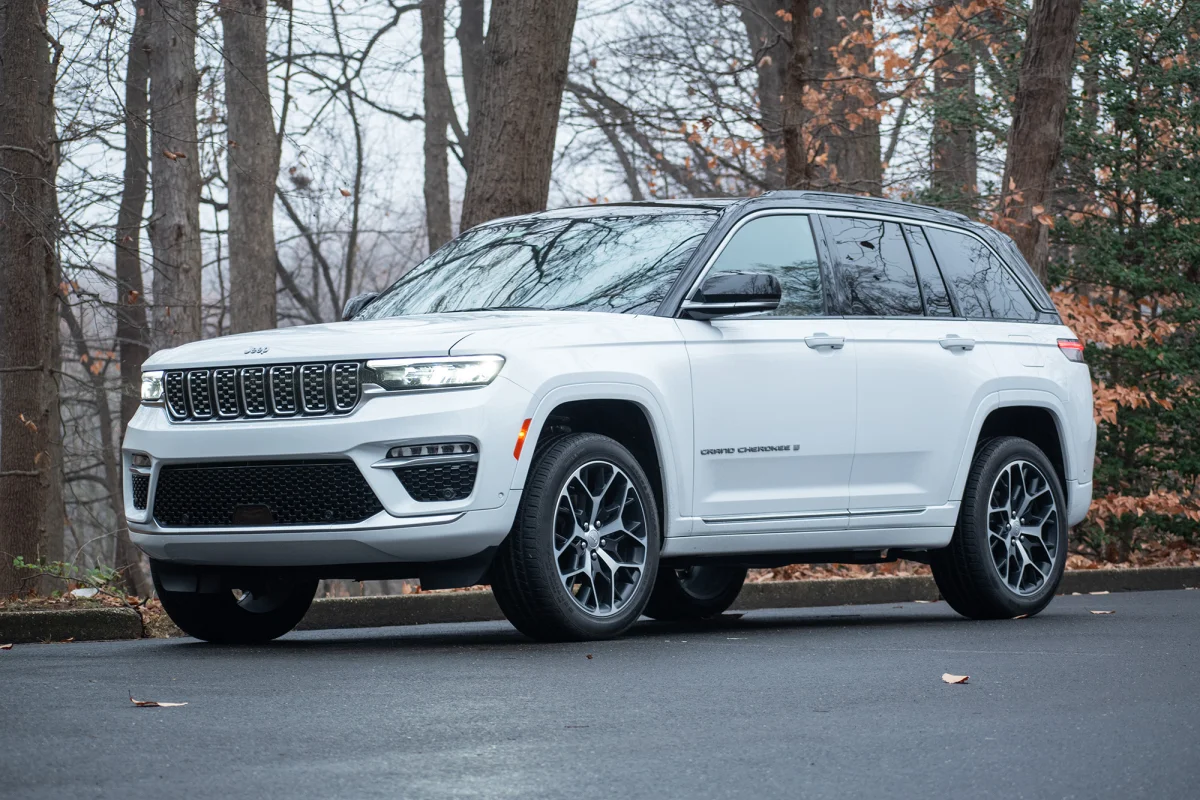
7. Jeep Grand Cherokee
The Jeep Grand Cherokee has long been recognized as one of the most versatile SUVs in its class, offering a unique blend of luxury comfort and genuine off-road capability. Unlike many urban-focused crossovers that struggle under repeated road stress, the Grand Cherokee is engineered with a more robust foundation that allows it to handle both highway driving and rough terrain with equal confidence.
Its suspension system is designed to absorb significant road irregularities while maintaining vehicle stability, making it particularly well-suited for environments where potholes and broken pavement are a constant challenge.
A key factor in the Grand Cherokee’s durability is its sophisticated suspension architecture, which varies depending on trim level but often includes multi-link setups and available air suspension systems. These systems are designed to improve ride quality by actively adjusting to road conditions, allowing the vehicle to maintain optimal wheel contact even on uneven surfaces.
While air suspension systems can introduce additional maintenance considerations over the long term, Jeep has engineered the components with durability in mind, ensuring that they can withstand repeated cycles of compression and rebound without rapid degradation under normal use conditions.
The vehicle’s off-road heritage also plays a significant role in its ability to survive harsh road conditions. Jeep has designed the Grand Cherokee to handle extreme environments such as rocky trails, steep inclines, and uneven terrain, which naturally requires a suspension system capable of withstanding higher levels of stress.
This translates directly into improved durability on pothole-filled roads, where similar impact forces are encountered in a different form. The longer suspension travel allows the wheels to move more freely over obstacles, reducing harsh impacts and minimizing wear on key components such as shocks, bushings, and control arms.
Another advantage lies in the Grand Cherokee’s structural engineering, which emphasizes chassis strength and load distribution. The suspension mounting points are reinforced to handle repeated stress without deformation, which helps maintain proper alignment over extended periods of rough use.
This is particularly important in regions where roads deteriorate quickly, and drivers frequently encounter unpredictable surface conditions. A stable suspension geometry ensures consistent handling and prevents uneven tire wear, which is often a major issue in less robust SUVs.
Tire and wheel design further enhances the Grand Cherokee’s ability to handle potholes effectively. Jeep typically avoids overly aggressive low profile tire setups in favor of more balanced configurations that provide sufficient sidewall height for impact absorption.
This allows the tires to act as the first line of defense against road imperfections, significantly reducing the force transmitted to the suspension system. Combined with well tuned damping and a solid chassis foundation, this results in a vehicle that remains comfortable, controlled, and durable even after years of exposure to poor road conditions.
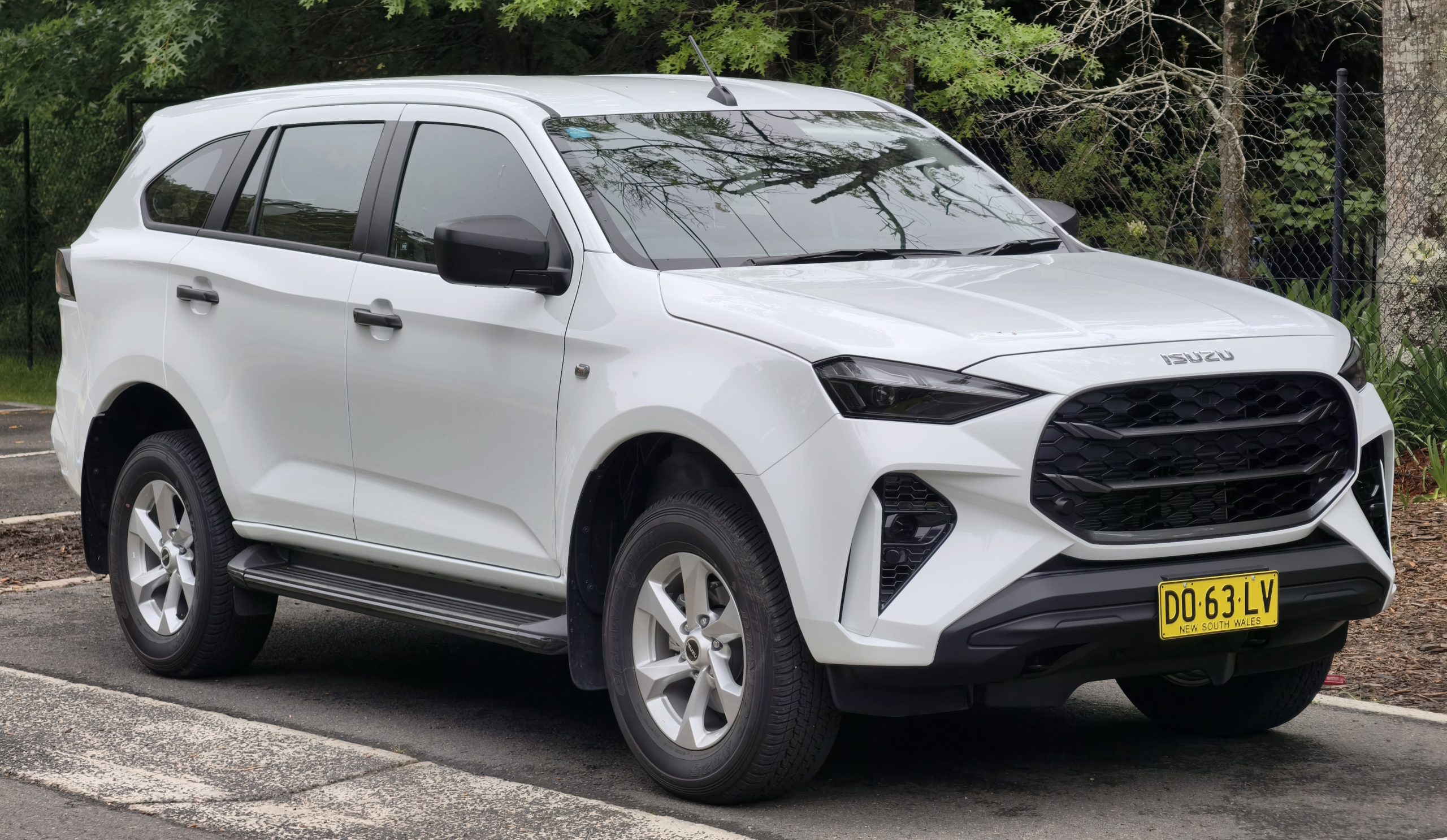
8. Isuzu MU-X
The Isuzu MU-X is often overlooked in mainstream SUV discussions, but it has quietly built a strong reputation in markets where road conditions are consistently rough and unpredictable. Its strength lies in its traditional body-on-frame construction and commercial-grade engineering, which prioritizes durability and long-term reliability over luxury refinement.
This makes it one of the most capable SUVs in its class for surviving pothole-heavy environments and continuous suspension stress.
One of the defining characteristics of the MU-X is its suspension system, which is designed to handle both passenger comfort and heavy-duty usage. The front suspension typically uses a double wishbone setup that provides strong articulation and impact absorption, while the rear multi-link or coil spring arrangement is tuned for stability under load.
This configuration allows the vehicle to maintain composure even when traveling over severely damaged roads, where many crossovers would struggle to remain stable. The suspension components are engineered with durability in mind, allowing them to withstand repeated compression cycles without rapid degradation.
The MU-X also benefits from Isuzu’s commercial vehicle heritage. Unlike many SUV manufacturers that focus heavily on styling and urban driving dynamics, Isuzu has decades of experience building vehicles designed for harsh working conditions. This influence is clearly visible in the MU-X’s suspension durability.
Components such as bushings, shocks, and control arms are designed to endure extended periods of stress without premature failure. This makes the SUV particularly well-suited for rural areas, construction zones, and regions with poor road infrastructure.
Another important advantage is the vehicle’s practical tire and wheel setup. The MU-X uses tire sizes that prioritize impact absorption rather than low-profile aesthetics. This allows the tires to cushion pothole impacts effectively before they reach the suspension system.
In combination with strong damping characteristics and a stable chassis design, this significantly reduces long-term wear on suspension components and helps maintain alignment stability even after years of rough usage.
The Isuzu MU-X may not be the most luxurious or widely marketed SUV, but it excels in one of the most important real-world categories, suspension durability under harsh conditions. For drivers who need a dependable vehicle that can survive constant pothole exposure and demanding road environments, it remains one of the most underrated yet highly capable options available.
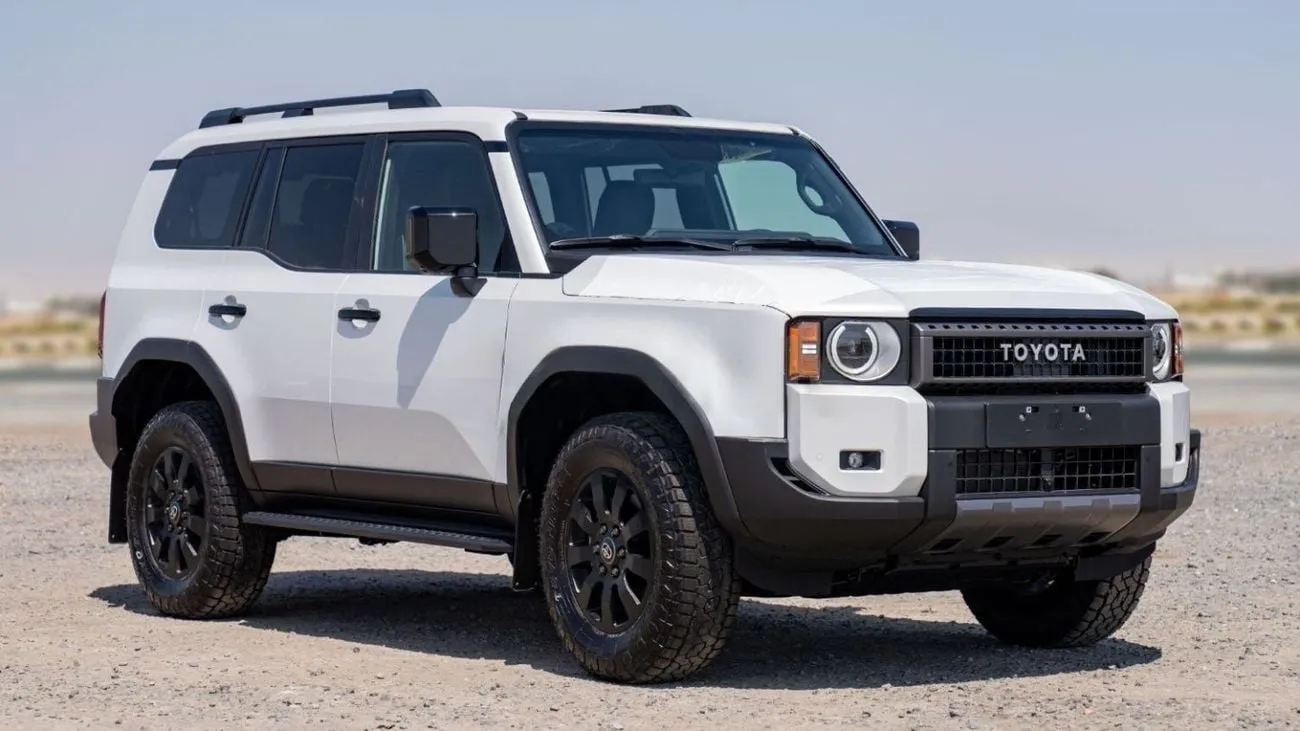
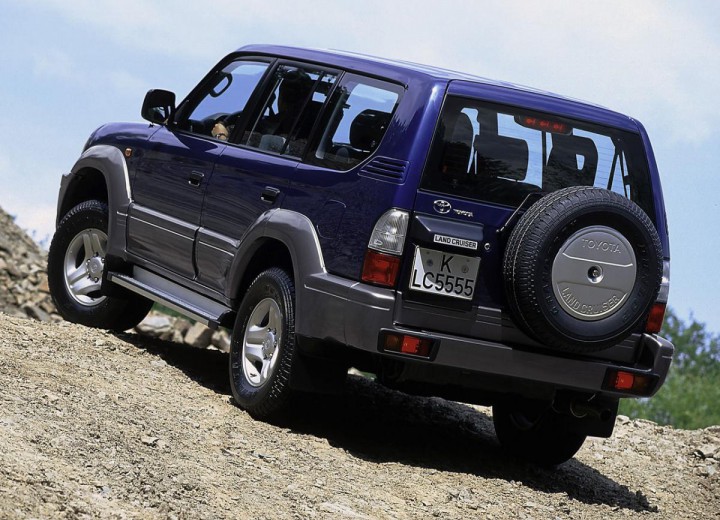
9. Toyota Land Cruiser Prado
The Toyota Land Cruiser Prado is one of the most globally respected SUVs when it comes to long-term durability, and its suspension system is a major reason it consistently performs well in pothole-heavy and extreme road environments.
Built on a body-on-frame platform derived from Toyota’s legendary Land Cruiser family, the Prado is engineered for regions where road quality is unpredictable, infrastructure is inconsistent, and vehicles must endure continuous mechanical stress for years without failure.
Its suspension is not designed purely for comfort or sporty handling, but for endurance, articulation, and stability under repeated impact loads, which makes it exceptionally well-suited for surviving harsh road conditions.
At the core of the Prado’s strength is its robust suspension architecture, which typically includes a double wishbone front setup and a multi-link or coil spring rear configuration, depending on the variant and market. This combination allows the SUV to manage uneven surfaces and deep potholes with controlled wheel movement, ensuring that impact forces are distributed across the system rather than concentrated on a single component.
The long suspension travel is particularly important, as it allows the wheels to absorb large vertical displacements without bottoming out harshly. This reduces stress on shock absorbers, control arms, and chassis mounting points, significantly extending the lifespan of the entire suspension system even under severe usage conditions.
Another major advantage of the Prado is Toyota’s long-standing engineering philosophy focused on reliability and mechanical simplicity. While some modern SUVs introduce complex adaptive suspension systems that can improve short-term ride comfort, they often increase long-term maintenance risks.
The Prado, on the other hand, relies heavily on proven mechanical systems that are easier to service and more resistant to failure in harsh environments. This makes it especially valuable in regions where road conditions are rough, and service infrastructure may not always be readily available. Owners frequently report that the suspension remains stable and quiet even after extensive mileage over broken roads, gravel surfaces, and urban potholes.
The SUV also benefits significantly from its wheel and tire configuration, which is designed with practicality in mind rather than low-profile styling trends. The use of higher-profile tires allows the Prado to absorb a substantial portion of road impact before it reaches the suspension system.
This acts as a natural cushioning layer that reduces stress on critical components and helps prevent issues such as bent rims, premature bushing wear, or misalignment caused by repeated pothole impacts. Combined with its high ground clearance, the Prado is able to navigate severely damaged roads with minimal risk of underbody or suspension damage.
The Toyota Land Cruiser Prado stands as one of the most dependable SUVs in the world for rough road durability. Its combination of body-on-frame strength, long travel suspension design, and Toyota’s proven reliability engineering makes it a top-tier choice for drivers who regularly face pothole-filled roads and demanding driving conditions. It is not just built for comfort or status, but for long-term survival in environments where most vehicles struggle to last.
