
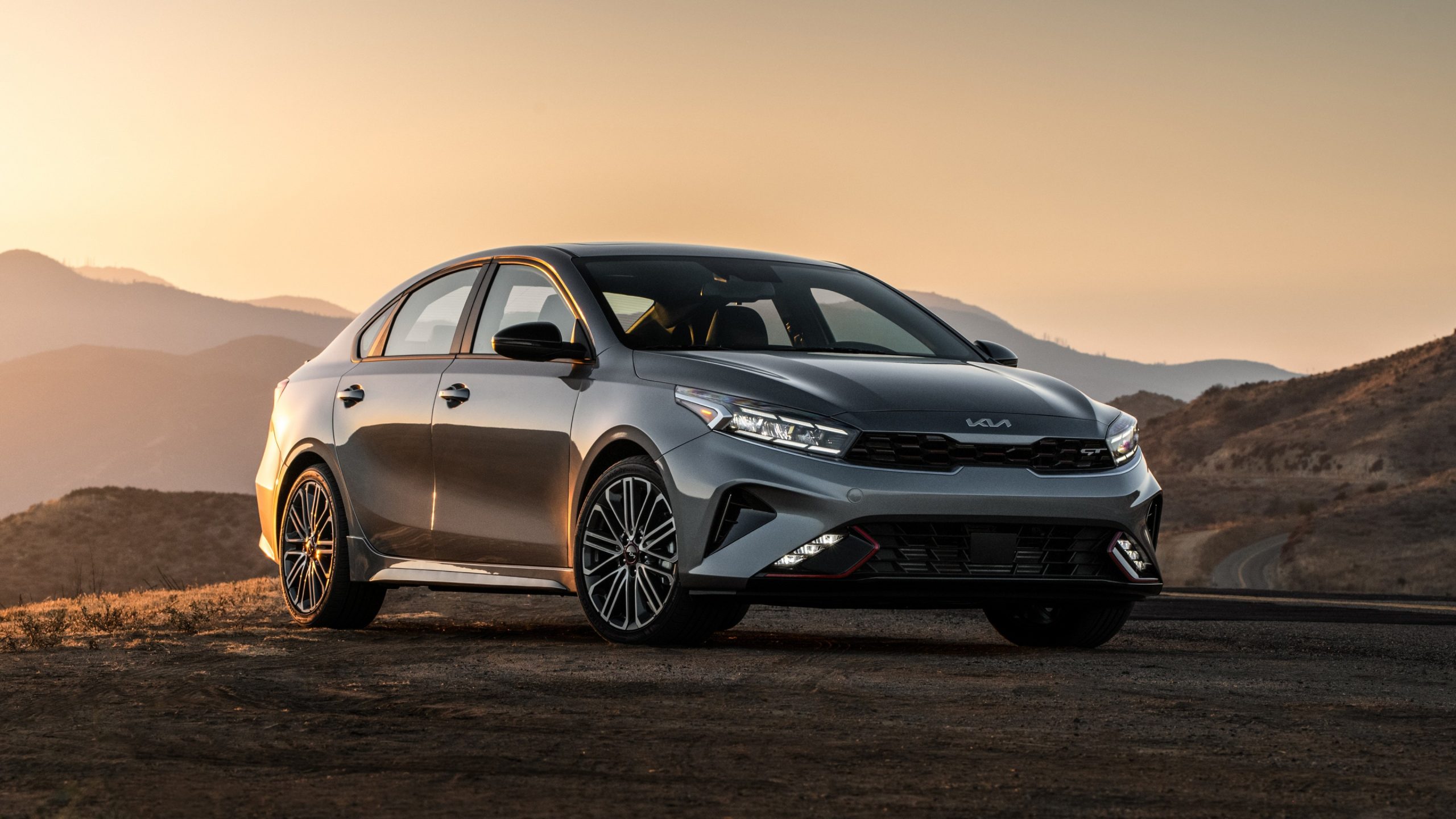
When buying a vehicle, most people focus on the sticker price, fuel economy, and features. However, one of the most important long-term factors that determines whether a car is truly affordable is its annual maintenance and repair cost. A vehicle that is cheap to buy but expensive to maintain can quickly become a financial burden, while a well-engineered, reliable car can save thousands of dollars over its lifetime.
Across global automotive data and reliability studies, a small group of vehicles consistently stand out for their exceptionally low maintenance costs. These cars are engineered with simplicity, durability, and mass-market parts availability in mind. As a result, they often remain below the $400 per year repair and maintenance threshold, especially during the first 8 to 12 years of ownership under normal driving conditions.
Several factors contribute to low-cost ownership. First is engineering simplicity. Cars with naturally aspirated engines, fewer electronic systems, and proven mechanical platforms tend to break down less often.
Second is parts availability. Brands like Toyota, Honda, and Nissan produce millions of units globally, which keeps spare parts inexpensive and widely accessible. Third is service network strength, which ensures repairs can be done at competitive prices almost anywhere.
According to long-term ownership studies and maintenance cost analyses, models like the Toyota Corolla, Honda Civic, Hyundai Elantra, and certain Nissan sedans regularly report annual repair expenses well below $400.
In some cases, owners report only basic servicing costs such as oil changes, filters, and brake pads over several years of use. For example, reliability data shows that mainstream Japanese and Korean sedans consistently outperform luxury vehicles in long-term cost control, sometimes by thousands of dollars over a decade.
In contrast, luxury brands often exceed this threshold due to expensive parts, complex systems, and higher labor costs. European luxury cars, in particular, are known to significantly increase maintenance expenses after warranty periods expire.
In this article, we will explore 10 vehicles that are widely recognized for staying under or around $400 in annual repair costs. These vehicles are chosen based on reliability data, ownership reports, and long-term maintenance trends across global markets. Each vehicle listed is known for durability, low breakdown frequency, and affordable servicing, making them ideal for budget-conscious drivers seeking long-term value rather than short-term luxury.
Also Read: 10 Cars With Insurance Premiums Lower Than a Compact Sedan
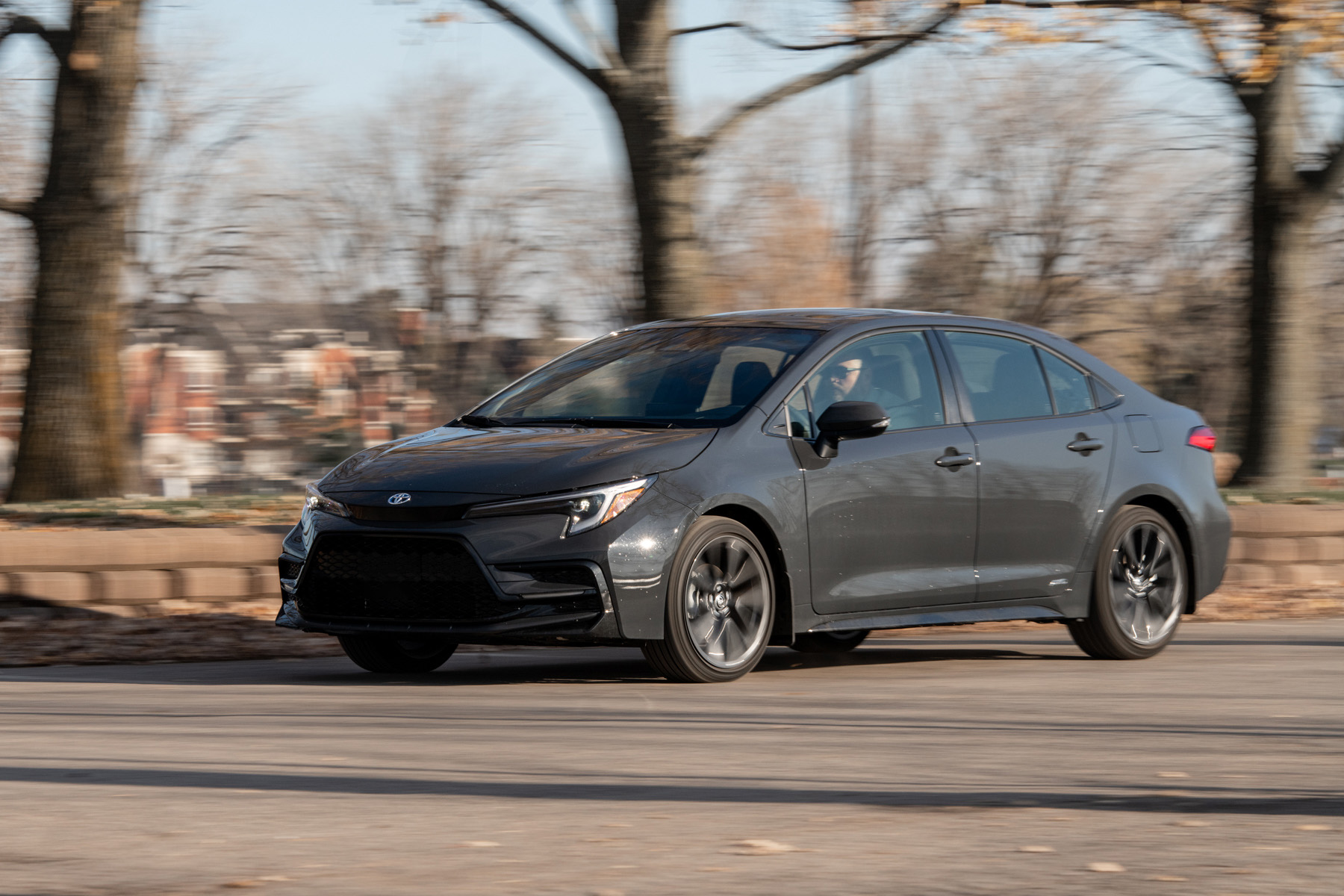
1. Toyota Corolla
The Toyota Corolla has earned a global reputation as one of the most dependable and cost-effective vehicles ever produced. Its long-standing success comes from Toyota’s philosophy of prioritizing reliability over complexity.
The Corolla is engineered with a focus on long-term durability, which means it avoids overly complicated systems that could lead to expensive failures. This design approach is one of the main reasons why owners consistently report extremely low annual maintenance expenses.
Another major factor contributing to the Corolla’s low repair cost is its naturally aspirated engine design. Unlike turbocharged engines that require more precision and frequent maintenance, the Corolla’s engine is built for simplicity and endurance. It runs efficiently under normal driving conditions and experiences less mechanical stress over time. This reduces the likelihood of major engine repairs, which are typically the most expensive part of car ownership.
The availability of spare parts also plays a significant role in keeping maintenance costs under control. Since the Toyota Corolla is one of the best-selling cars in the world, replacement parts are mass-produced and widely available. This high supply keeps prices low, and even independent mechanics can service the vehicle without specialized tools or expensive dealership intervention. As a result, even unexpected repairs remain affordable.
Real-world usage further supports the Corolla’s reputation for low running costs. Many owners, including rideshare drivers and small business fleets, report that the vehicle can go years with only routine maintenance such as oil changes, brake pad replacements, and tire rotations. Major mechanical failures are rare, even after high mileage usage exceeding 150,000 to 200,000 miles.
The Toyota Corolla stands out as a vehicle that delivers predictable and minimal maintenance costs. In many cases, annual repair expenses remain well below $400, making it one of the most financially efficient cars for long-term ownership.
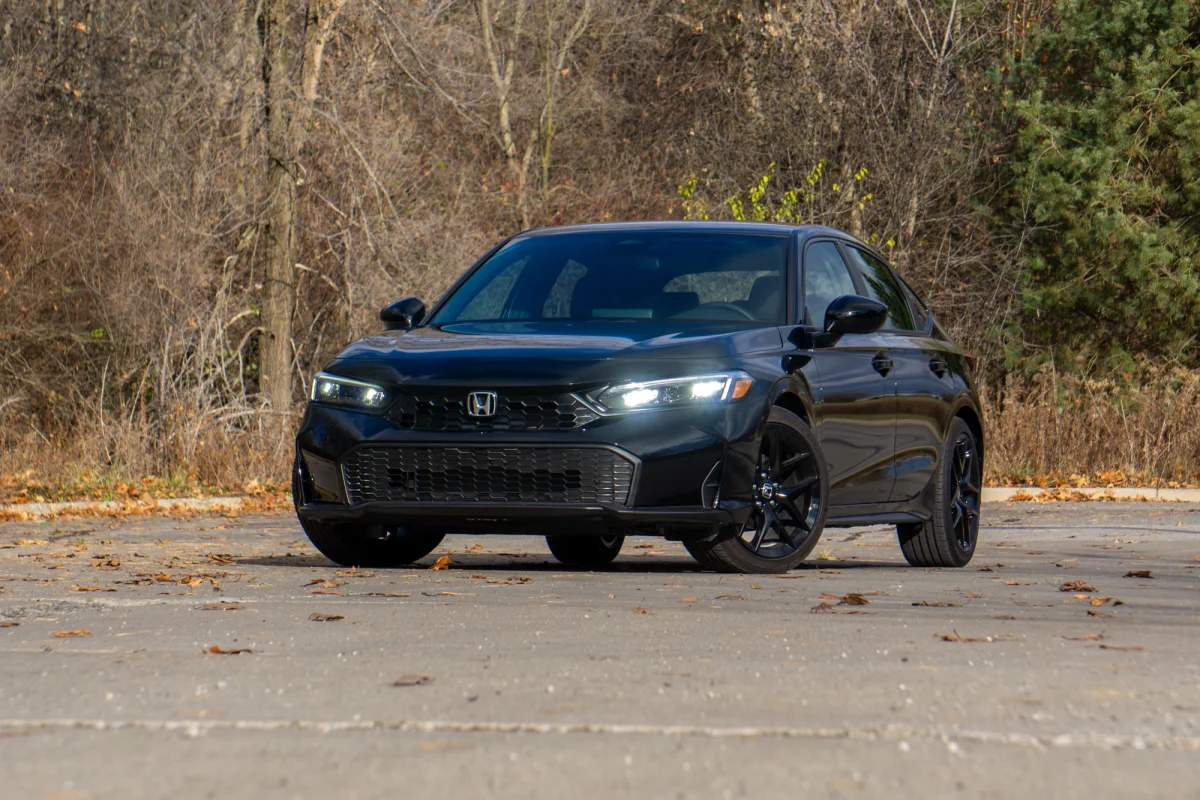
2. Honda Civic
The Honda Civic is widely recognized as one of the most reliable compact cars ever built, offering a strong balance of performance, fuel efficiency, and low maintenance costs. Its engineering philosophy focuses on durability and long engine life, which has made it a favorite among commuters and budget-conscious drivers for decades. The Civic consistently performs well in long-term reliability studies, which directly translates into reduced repair expenses.
One of the Civic’s strongest advantages is its engine longevity. Honda engines are designed with precision engineering and high-quality materials that allow them to operate efficiently for hundreds of thousands of miles. These engines experience minimal internal wear when properly maintained, which significantly reduces the risk of costly breakdowns. This durability is a key reason why Civic owners often report very low annual repair bills.
Another important factor is the relatively simple mechanical structure of the Civic compared to more complex modern vehicles. While it includes modern technology and safety systems, Honda has managed to maintain a balance that avoids unnecessary complexity. This helps reduce electronic failures and keeps diagnostic and repair costs lower than those of many competitors in the same category.
Maintenance affordability is also supported by the wide availability of Honda parts across global markets. Because the Civic is sold in large numbers worldwide, replacement parts are inexpensive and easily accessible. Independent mechanics are also highly familiar with the model, which reduces labor costs and eliminates the need for expensive dealership servicing in many cases.
In practical ownership scenarios, the Honda Civic consistently demonstrates low total maintenance costs. Many owners report that routine servicing is often sufficient for years without requiring major repairs. This stability makes the Civic one of the strongest choices for drivers aiming to keep annual repair expenses under $400.
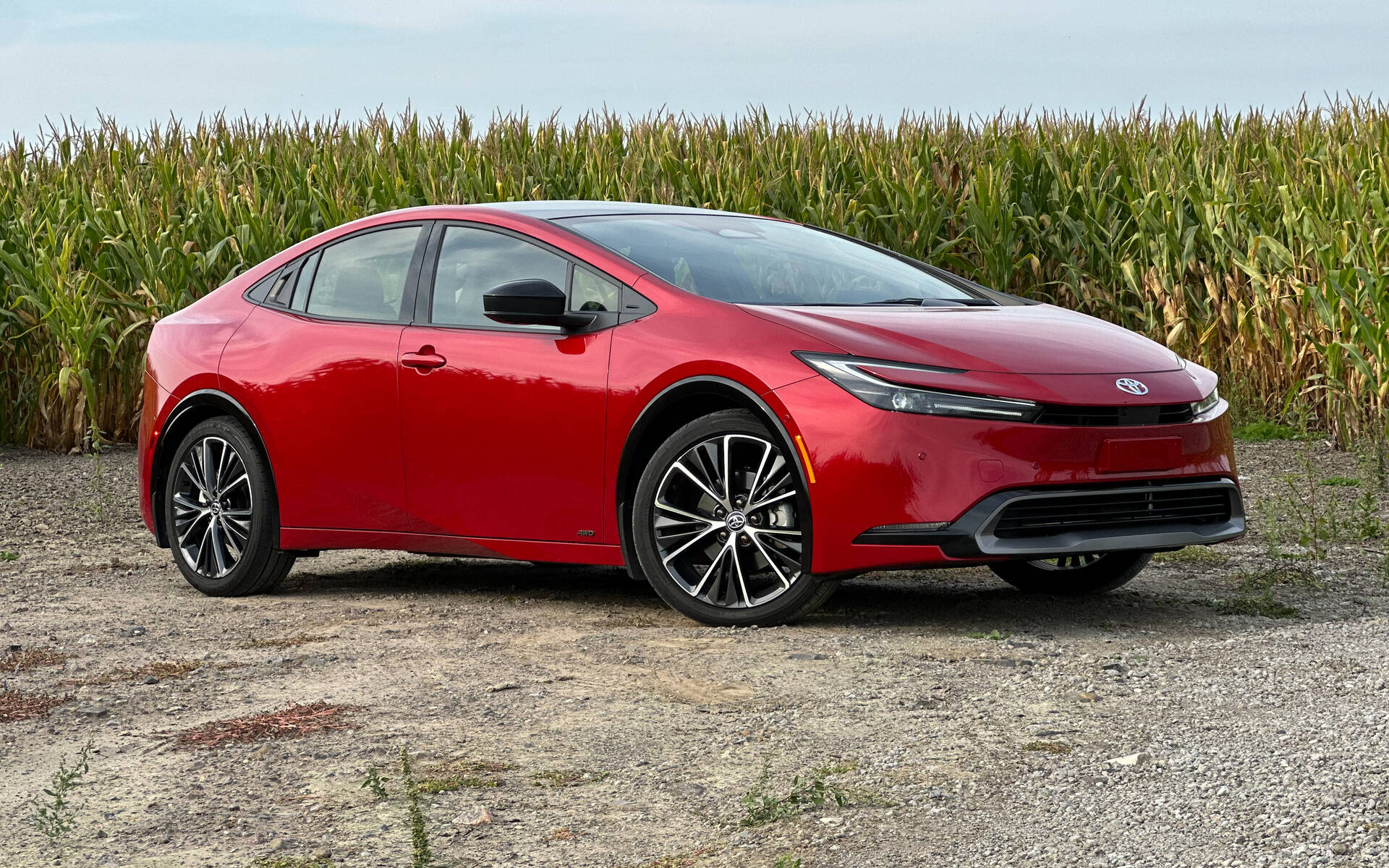
3. Toyota Prius
The Toyota Prius is one of the most well-known hybrid vehicles in the world and is widely respected for its exceptional fuel efficiency and low maintenance requirements. Its hybrid system is designed not only to save fuel but also to reduce mechanical strain on the engine, which directly contributes to lower repair costs over time. This unique engineering approach makes the Prius one of the most cost-efficient vehicles to own.
A key reason for the Prius’s reliability is its hybrid synergy drive system. This system allows the electric motor and gasoline engine to work together in a way that reduces stress on both components. Since the electric motor assists during acceleration and low-speed driving, the gasoline engine does not operate under constant heavy load. This significantly reduces wear and tear, which helps extend engine life.
The regenerative braking system in the Prius also contributes to lower maintenance costs. Instead of relying solely on traditional brake pads, the vehicle uses electric regeneration to slow down and recharge the battery. This reduces brake pad usage and extends the lifespan of braking components, which are typically one of the most frequently replaced parts in conventional vehicles.
Battery longevity is another important aspect of Prius ownership. Toyota has engineered its hybrid batteries to last for many years under normal driving conditions, often exceeding 150,000 miles or more before requiring replacement. While battery replacement can be expensive, most owners do not face this cost during the early or middle stages of ownership.
In real-world applications, especially among taxi and rideshare drivers, the Toyota Prius is known for its extremely low operating costs. Many drivers report that aside from routine servicing, major repairs are rare. This consistent performance allows the Prius to stay well within or below the $400 annual maintenance range for many users.
4. Hyundai Elantra
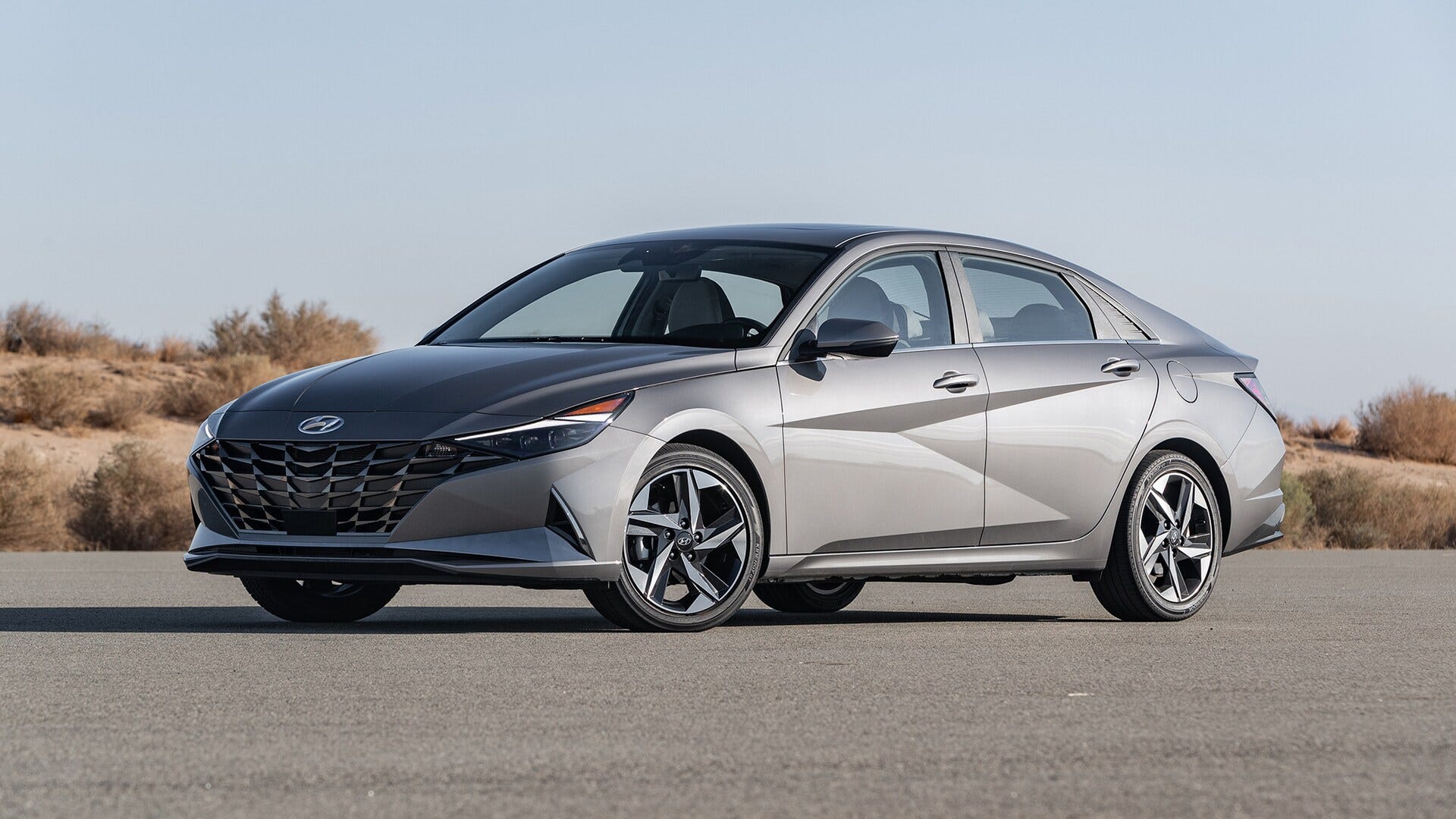
The Hyundai Elantra has significantly improved its reputation over the past decade and is now considered a strong competitor in the low-maintenance vehicle segment. Modern Elantra models are designed with improved engineering standards, better build quality, and enhanced reliability compared to earlier generations. This evolution has helped it become a popular choice among budget-conscious buyers.
One of the main advantages of the Elantra is its straightforward mechanical design. Hyundai has focused on simplifying the engine and transmission systems in order to improve long-term durability. This reduction in unnecessary complexity helps minimize the chances of expensive mechanical or electronic failures, which directly contributes to lower maintenance costs.
Another important factor is Hyundai’s competitive warranty coverage. Many Elantra models come with long-term warranties that cover major components for several years. This significantly reduces out-of-pocket expenses for owners during the early years of ownership, and even after the warranty period, repair costs remain relatively affordable compared to those of luxury brands.
The availability and pricing of spare parts also contribute to the Elantra’s affordability. Hyundai has built a strong global supply chain, ensuring that parts are widely accessible and reasonably priced. Independent repair shops are also familiar with the model, which helps keep labor costs lower than those of premium vehicles that require specialized servicing.
In everyday use, the Hyundai Elantra has proven to be a reliable commuter vehicle with manageable maintenance needs. Many owners report that routine servicing, such as oil changes, brake replacements, and tire maintenance, is usually sufficient to keep the car running smoothly. This helps keep annual repair costs close to or under $400 in many cases.
Also Read: 10 Cars That Survive Being Used as Daily Uber Vehicles
5. Toyota Yaris
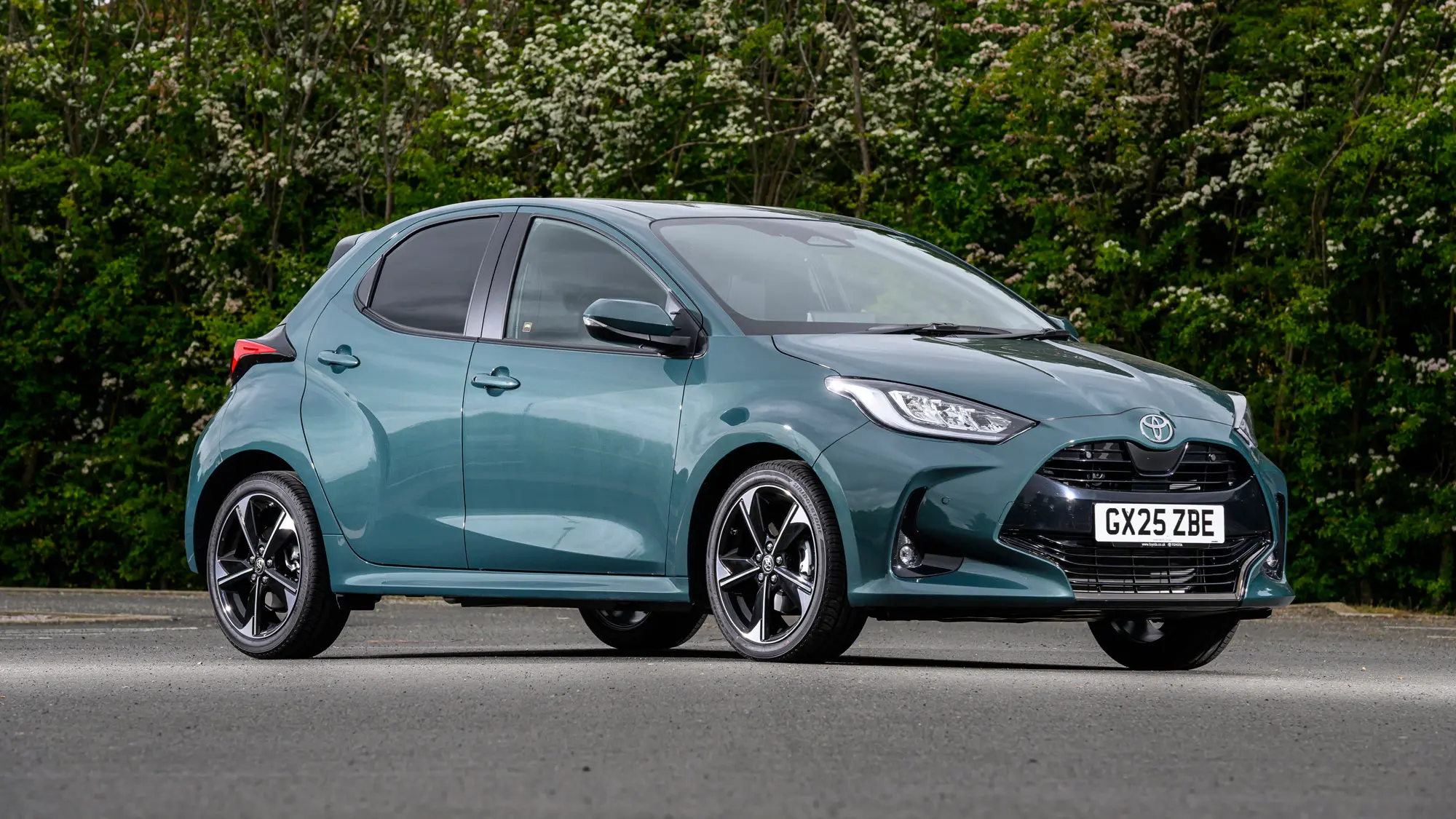
The Toyota Yaris is a compact vehicle designed with simplicity, efficiency, and reliability at its core. It is one of the smallest models in Toyota’s lineup, but it benefits from the same engineering philosophy that makes Toyota vehicles so dependable. The Yaris is especially popular among urban drivers who prioritize low running costs and easy maintenance.
A major strength of the Yaris is its compact and lightweight design. Because the vehicle places less strain on its engine and drivetrain, components tend to last longer compared to heavier vehicles. This reduced mechanical stress plays a significant role in minimizing breakdowns and keeping repair costs low over time.
The engine used in the Toyota Yaris is typically small, fuel-efficient, and mechanically simple. This simplicity is intentional, as it reduces the number of parts that can fail. Fewer components mean fewer repairs, and when maintenance is required, it is usually inexpensive and straightforward to perform.
Another advantage is the Yaris’s excellent fuel efficiency, which indirectly contributes to lower maintenance costs. Efficient fuel consumption reduces engine strain and heat buildup, which helps extend the lifespan of internal components. Over time, this contributes to fewer mechanical issues and more stable long-term reliability.
Ownership experience with the Toyota Yaris is highly cost-effective. Many drivers report that the vehicle requires very little beyond routine servicing for long periods of time. Because of its durability and simplicity, it is one of the most reliable options for keeping annual maintenance expenses consistently under $400.
6. Nissan Sentra
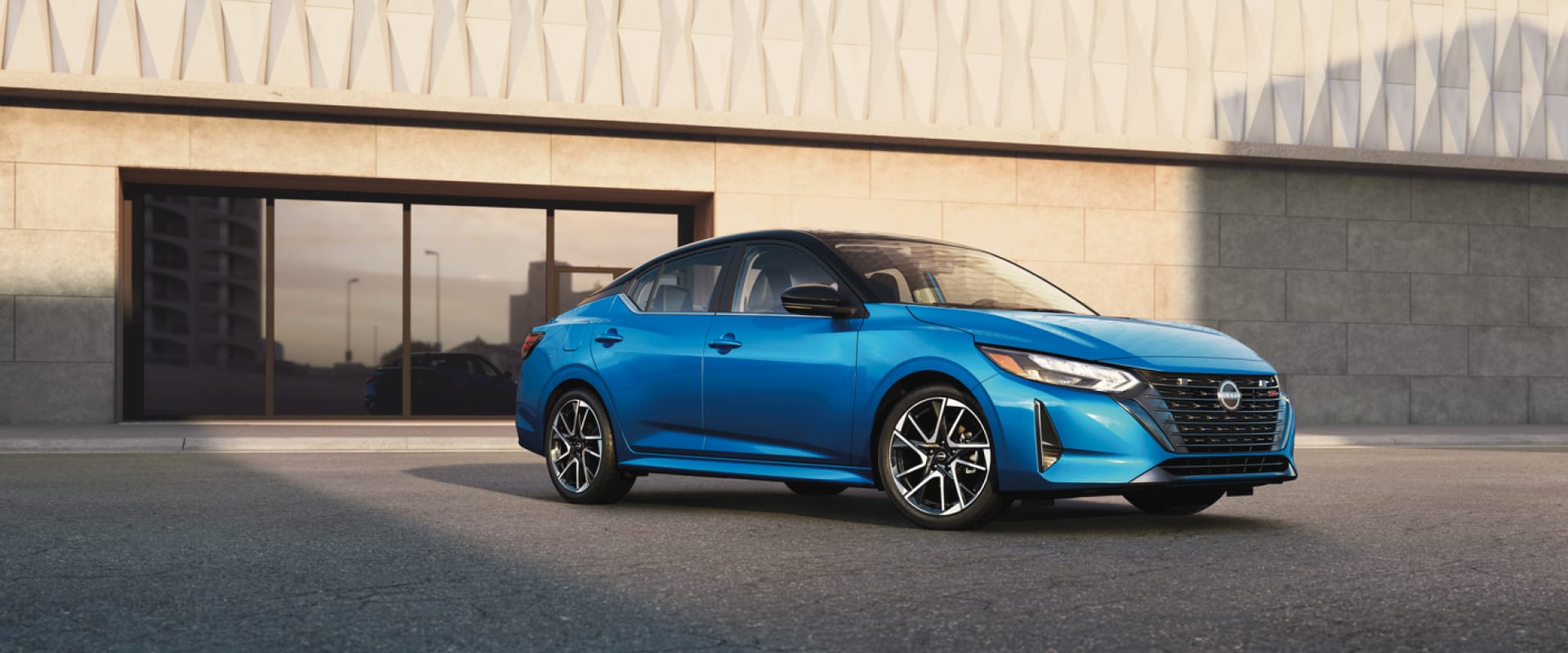
The Nissan Sentra has long been positioned as an affordable compact sedan, and its maintenance profile reflects that philosophy when properly maintained. While it may not have the same legendary reputation as Toyota or Honda, it still offers relatively low ownership costs, especially for drivers who prioritize practicality over performance.
The Sentra benefits from a straightforward engineering approach in most of its generations, which helps keep repair frequency and complexity at a manageable level. This simplicity is one of the key reasons why many owners report predictable and budget-friendly maintenance expenses.
A major contributor to the Sentra’s affordability is its relatively simple drivetrain system. In many models, Nissan has focused on reliability and fuel efficiency rather than high-performance engineering. This reduces the stress placed on engine components during normal driving conditions.
When a vehicle is not pushed to its mechanical limits regularly, wear and tear naturally decrease, which helps keep repair needs low over time. As a result, many Sentra owners experience fewer unexpected mechanical issues compared to more complex or performance-oriented vehicles.
Another important factor is the cost and availability of replacement parts. Nissan vehicles are widely sold across global markets, which means that parts are generally easy to source and not overly expensive. This is particularly important for long-term ownership because affordable parts directly influence the total cost of repairs.
Independent mechanics are also typically familiar with the Sentra, which reduces diagnostic and labor costs compared to brands that require specialized dealership servicing.
In everyday use, the Sentra tends to perform best when it is maintained consistently with basic servicing such as oil changes, brake inspections, and fluid replacements. When owners follow routine maintenance schedules, the vehicle can remain reliable for many years without requiring major mechanical repairs. This makes it particularly suitable for commuters and first-time car buyers who want predictable expenses without financial surprises.
While the Nissan Sentra may not lead the industry in reliability rankings, it still manages to stay within a low-maintenance cost bracket for many owners. With proper care, annual repair expenses often remain close to or under the $400 mark, making it a reasonable choice for budget-conscious drivers.
7. Honda Fit
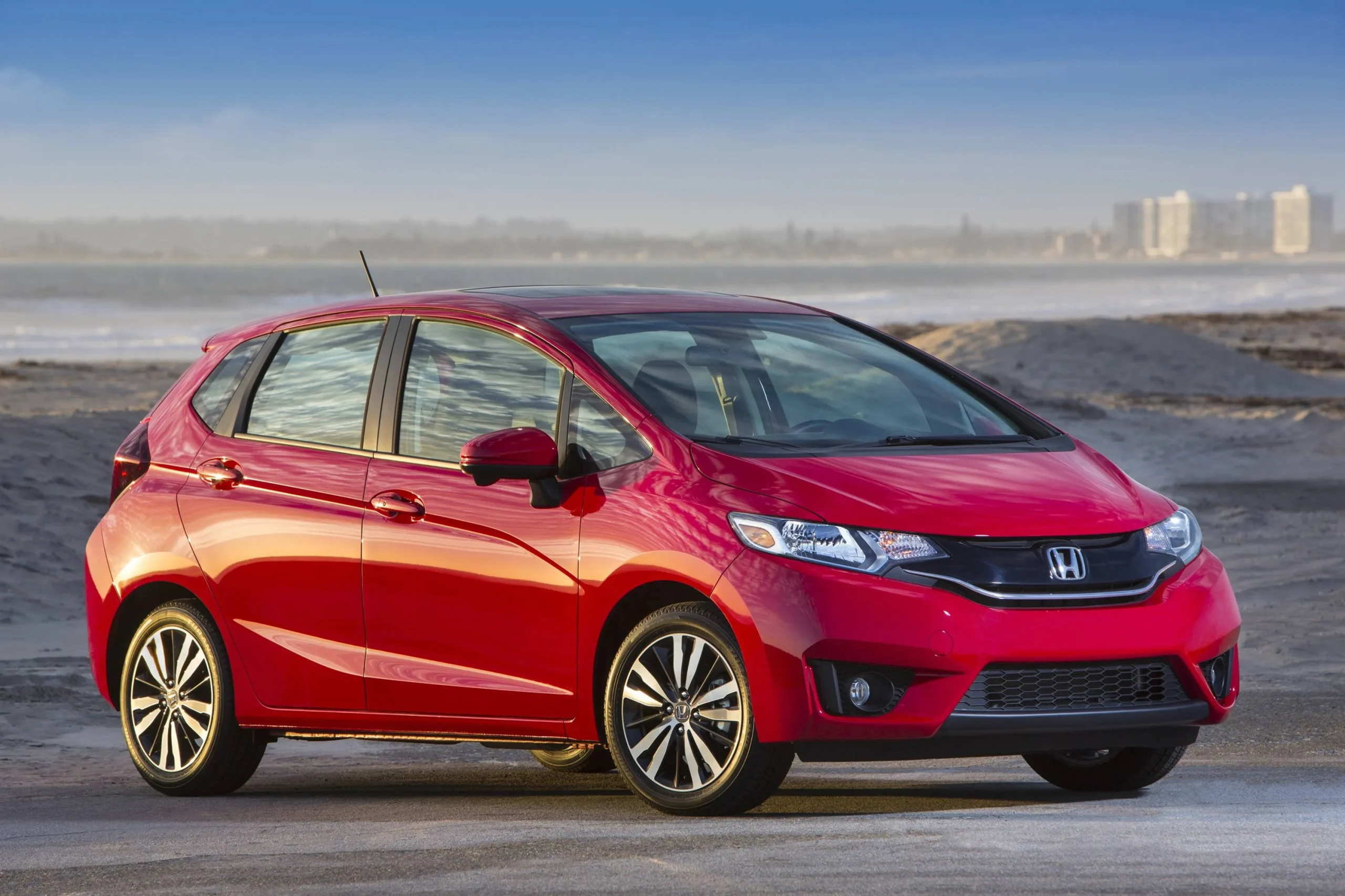
The Honda Fit is widely regarded as one of the most practical and cost-efficient small cars ever produced. Its design focuses heavily on maximizing space efficiency, fuel economy, and long-term reliability. Because of its compact size and lightweight construction, the Fit places relatively low stress on its engine and mechanical components. This reduced strain is one of the primary reasons why it consistently ranks among the lowest in annual maintenance costs.
The engine in the Honda Fit is small but highly efficient, designed specifically for urban driving conditions and daily commuting. This simplicity means fewer components that can fail over time, which directly reduces the likelihood of expensive repairs.
Honda’s engineering philosophy ensures that even under frequent use, the engine maintains durability and stability. Many Fit owners report that the engine remains strong even after extensive mileage with only basic maintenance.
Another reason for its low maintenance cost is the vehicle’s lightweight structure. Since the car weighs significantly less than larger sedans and SUVs, components such as brakes, suspension, and tires experience less wear. This leads to longer intervals between part replacements and reduces the frequency of service visits. Over time, this significantly lowers total ownership costs, especially for drivers who use the car daily in city environments.
The Honda Fit also benefits from excellent fuel efficiency, which indirectly contributes to reduced mechanical stress. Efficient fuel combustion helps the engine operate at optimal temperatures and reduces strain during acceleration. This smoother operation helps extend the lifespan of key components and minimizes the risk of overheating or premature wear. Combined with Honda’s reputation for reliability, this makes the Fit a strong long-term investment.
In real-world ownership scenarios, the Honda Fit consistently demonstrates extremely low maintenance requirements. Many owners report that aside from routine servicing, the vehicle rarely needs major repairs. Because of its durability, efficiency, and simple engineering, it is one of the strongest candidates for keeping annual repair costs comfortably under $400.
8. Toyota Camry
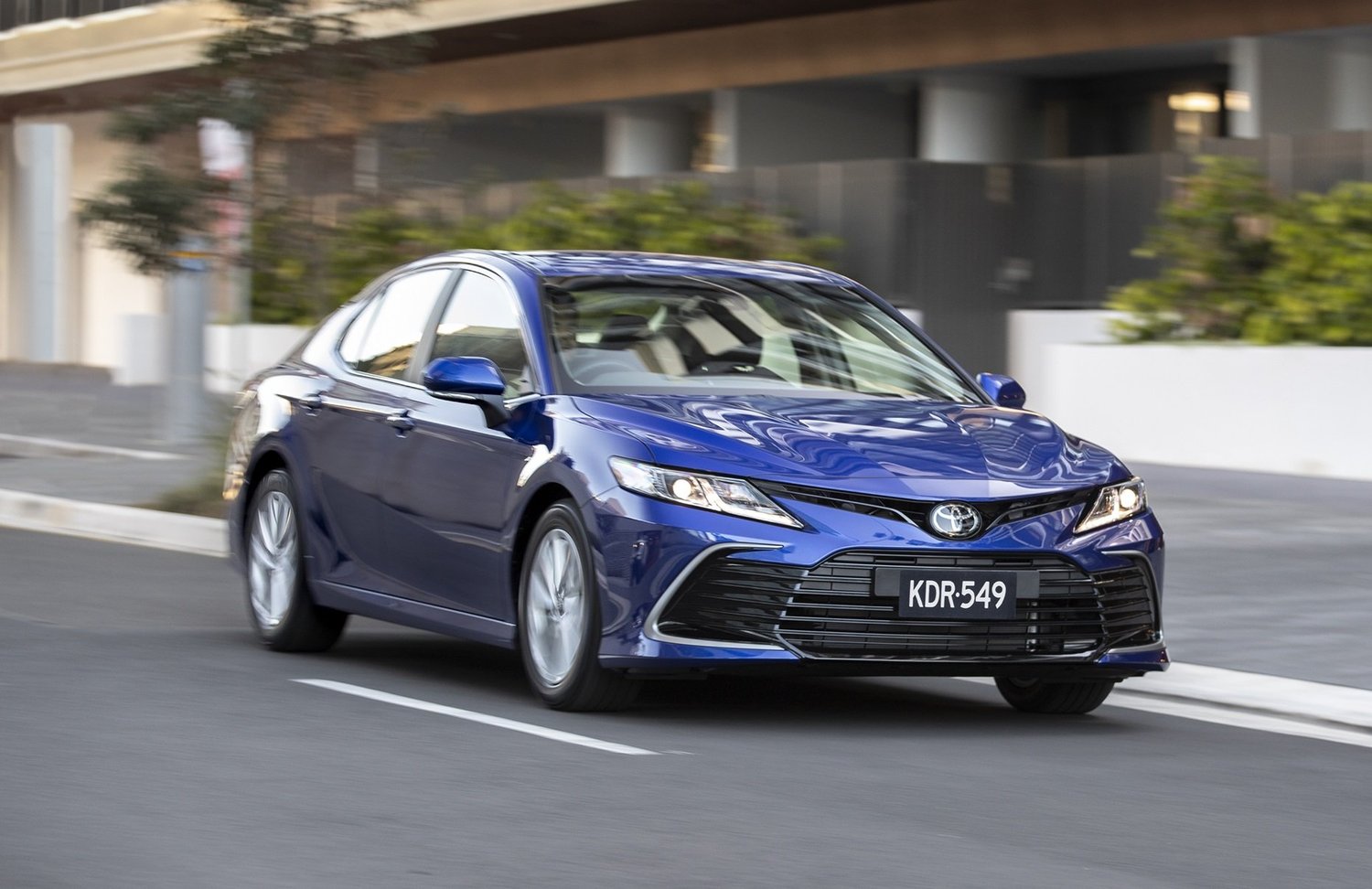
The Toyota Camry is one of the most trusted mid-size sedans in the world and has built its reputation on long-term durability and consistent performance. It is designed to offer comfort and reliability without introducing unnecessary mechanical complexity. This balanced engineering approach allows the Camry to remain one of the most cost-effective vehicles in its class when it comes to maintenance and repairs.
One of the strongest advantages of the Camry is its highly durable engine lineup. Toyota engines used in the Camry are known for their ability to last well beyond 200,000 miles when properly maintained. These engines are built with a focus on longevity rather than aggressive performance, which reduces internal stress and lowers the likelihood of major mechanical failures. This long lifespan is a key factor in its low annual maintenance costs.
The Camry also benefits from a well-established global service network and widespread parts availability. Because it is one of Toyota’s best-selling models worldwide, spare parts are produced at scale, keeping prices affordable. This availability also ensures that repairs can be performed by a wide range of mechanics, reducing dependency on expensive dealership services. As a result, even when repairs are needed, costs tend to remain reasonable.
Another factor contributing to its low maintenance profile is the stability of its mechanical systems. The Camry avoids overly complex engineering in favor of proven, time-tested designs. This reduces the likelihood of electronic failures or complicated system malfunctions, which are often expensive to diagnose and repair in modern vehicles. The simplicity of its core systems plays a major role in keeping ownership costs predictable.
In real-world usage, the Toyota Camry is frequently used in taxi fleets, corporate transportation, and long-distance commuting due to its reliability. Many owners report that the vehicle requires only routine maintenance for years without major issues. This consistent performance ensures that annual repair costs often remain under $400, making it one of the most dependable mid-size sedans for long-term affordability.
9. Kia Forte
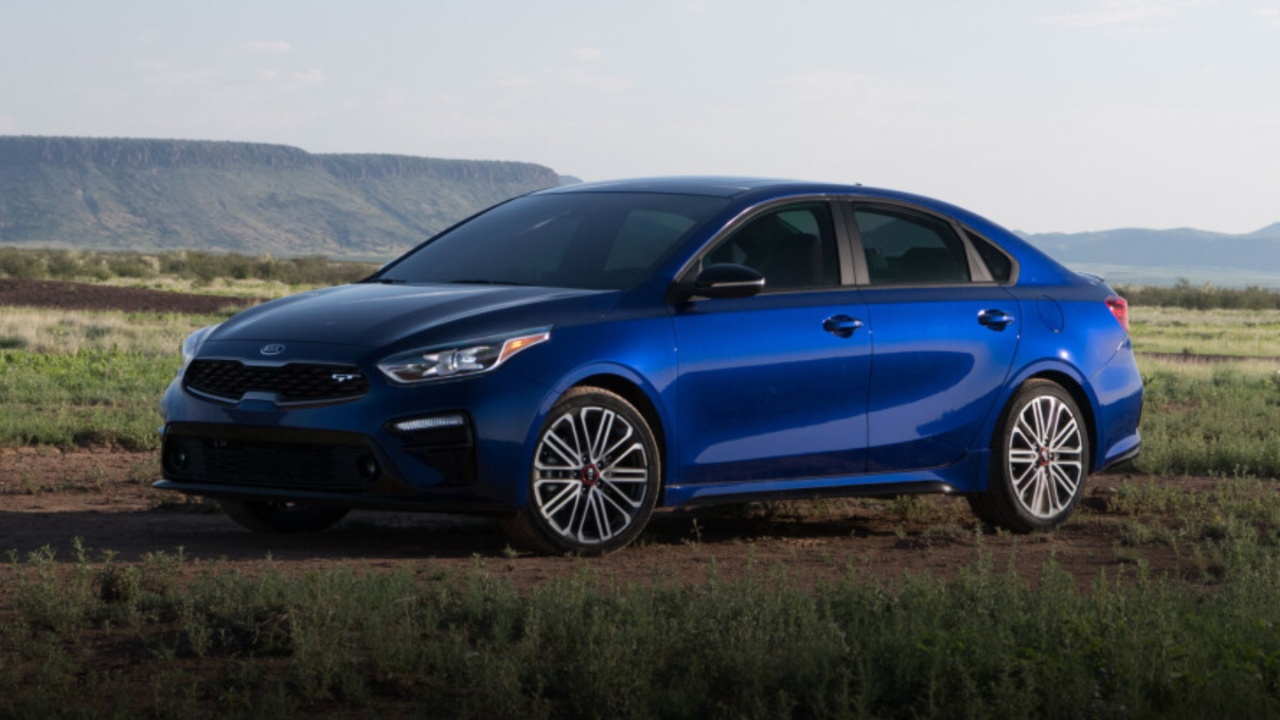
The Kia Forte has steadily improved its reputation over recent years and is now considered a strong contender in the affordable compact sedan segment. Kia has made significant advancements in engineering quality, reliability, and long-term durability, which have helped reduce maintenance concerns compared to older models. As a result, the Forte is increasingly recognized as a cost-effective option for budget-conscious drivers.
One of the key strengths of the Kia Forte is its modern engineering design. Newer models are built with improved materials and better manufacturing standards, which enhance reliability and reduce the frequency of mechanical issues. Kia has also simplified certain systems to ensure long-term durability, which helps minimize repair complexity and cost.
Another important advantage is Kia’s strong warranty coverage, which is among the best in the automotive industry. This extended protection significantly reduces out-of-pocket repair expenses during the early years of ownership. Even after the warranty period ends, many Forte owners continue to experience relatively low maintenance costs due to the vehicle’s improved reliability.
The availability of affordable parts also contributes to the Forte’s low ownership cost. Kia has expanded its global supply chain, ensuring that replacement components are widely accessible and competitively priced. This makes repairs more affordable compared to premium or luxury vehicles, where parts can be significantly more expensive.
In everyday driving conditions, the Kia Forte performs reliably as a commuter vehicle. Owners frequently report that routine maintenance, such as oil changes, brake servicing, and tire replacements, is sufficient to keep the vehicle in good condition. Because of its improved reliability and low servicing costs, many Forte owners experience annual maintenance expenses that remain close to or under $400.
10. Mazda3
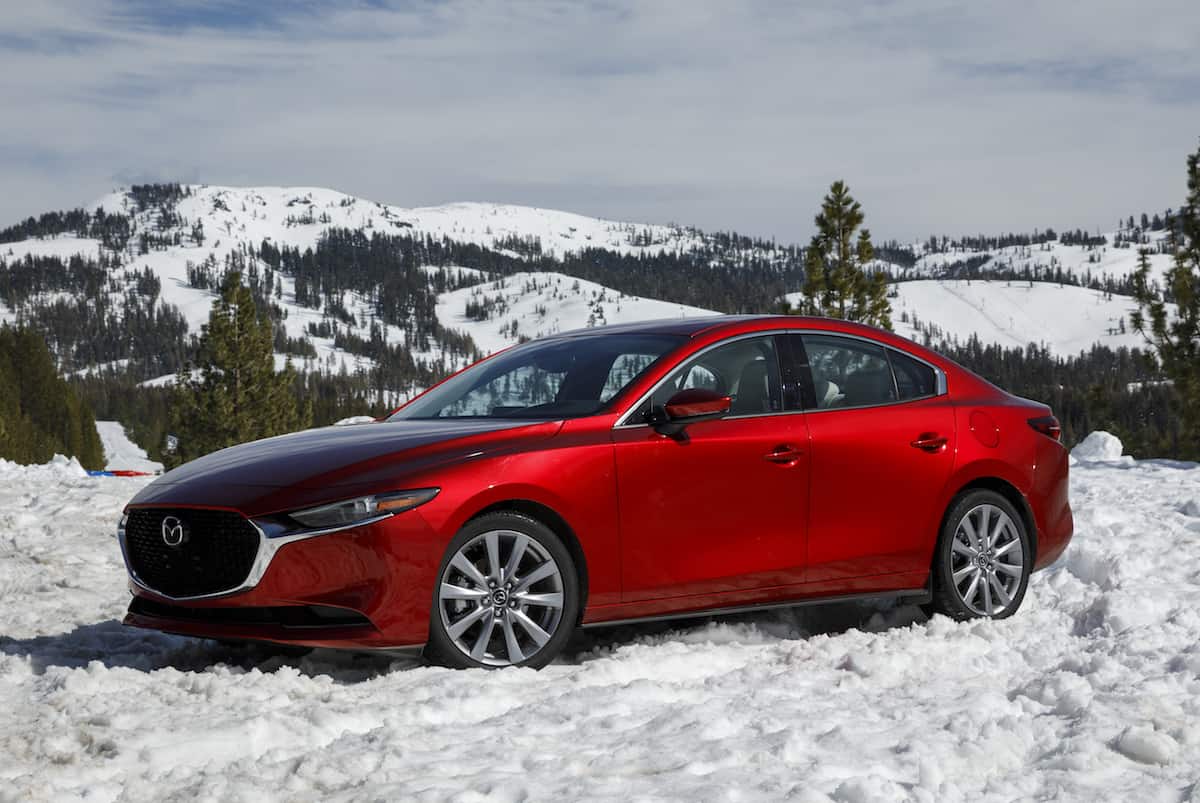
The Mazda3 is known for combining driving enjoyment with strong reliability and relatively low maintenance costs. Mazda has built a reputation for producing vehicles that feel more premium than their price suggests, while still maintaining mechanical simplicity in key areas. This balance makes the Mazda3 an appealing option for drivers who want both performance and affordability in long-term ownership.
One of the standout features of the Mazda3 is its well-engineered powertrain. Mazda focuses heavily on refining its engines for efficiency and durability rather than extreme performance. This approach results in fewer mechanical issues over time and helps extend the lifespan of critical engine components. Many owners report that the engine remains smooth and reliable even after high mileage usage.
Another factor contributing to its low maintenance cost is Mazda’s emphasis on quality manufacturing. The brand has consistently improved its build quality, which reduces the likelihood of premature wear in both mechanical and interior components. This attention to detail helps minimize unexpected repair needs and keeps long-term maintenance predictable.
The Mazda3 also benefits from relatively affordable servicing compared to luxury competitors in its segment. While it offers a more refined driving experience, it does not carry the high repair costs typically associated with premium brands. Parts are reasonably priced, and independent mechanics are generally familiar with the vehicle, which helps reduce labor expenses.
In real-world ownership, the Mazda3 has proven to be a dependable and cost-efficient vehicle for daily use. Many drivers report that it requires only routine maintenance for extended periods without major mechanical issues. As a result, annual repair costs often remain within or below the $400 range, making it a strong option for those seeking both driving enjoyment and financial practicality.
