
When people buy a car, the sticker price is only the beginning of the financial commitment. The real cost of ownership becomes clearer after the warranty period ends, typically around year 3 to year 5.
This is the stage where many vehicles begin to require more frequent servicing, replacement of wear and tear components, and occasional unexpected repairs. However, not all cars behave the same way after this point. Some models are engineered with long-term durability in mind, while others start becoming expensive to maintain as they age.
In recent years, multiple automotive reliability studies and ownership cost analyses have shown a clear pattern: certain brands consistently outperform others in keeping maintenance costs extremely low even beyond five years of ownership.
The biggest factor influencing low maintenance cost is engineering simplicity combined with proven reliability. Vehicles with naturally aspirated engines, fewer complex electronics, and well-tested platforms tend to remain affordable long after their warranty expires.
According to long-term ownership data and maintenance tracking studies, the average modern vehicle can cost between $700 and $1,500 per year to maintain once it crosses the five-year mark. Luxury vehicles often exceed this significantly, sometimes reaching $2,000 to $3,000 annually due to expensive parts and labor. However, there is a small group of vehicles that consistently break this pattern and stay under the $400 per year mark even after year 5.
These vehicles are usually found in the compact car and electric vehicle segments. Brands like Toyota, Honda, and some electric manufacturers dominate this category due to their reliability engineering and reduced mechanical complexity. Electric vehicles in particular have fewer moving parts, which dramatically reduces routine maintenance costs such as oil changes, transmission servicing, and exhaust system repairs.
For example, industry data shows that some electric cars and economy compact cars can average as low as $1,100 to $1,600 in total maintenance over five years, which translates to roughly $220 to $320 per year even after the warranty period. This makes them significantly cheaper than the industry average.
In this article, we will explore 10 cars that reliably stay under $400 per year in maintenance after year 5. These vehicles are chosen based on real-world ownership data, long-term reliability studies, and maintenance cost benchmarks. Each car listed here is known for durability, affordability, and strong long-term value retention.
Also Read: 10 Cars With Insurance Premiums Lower Than a Compact Sedan
1. Toyota Corolla
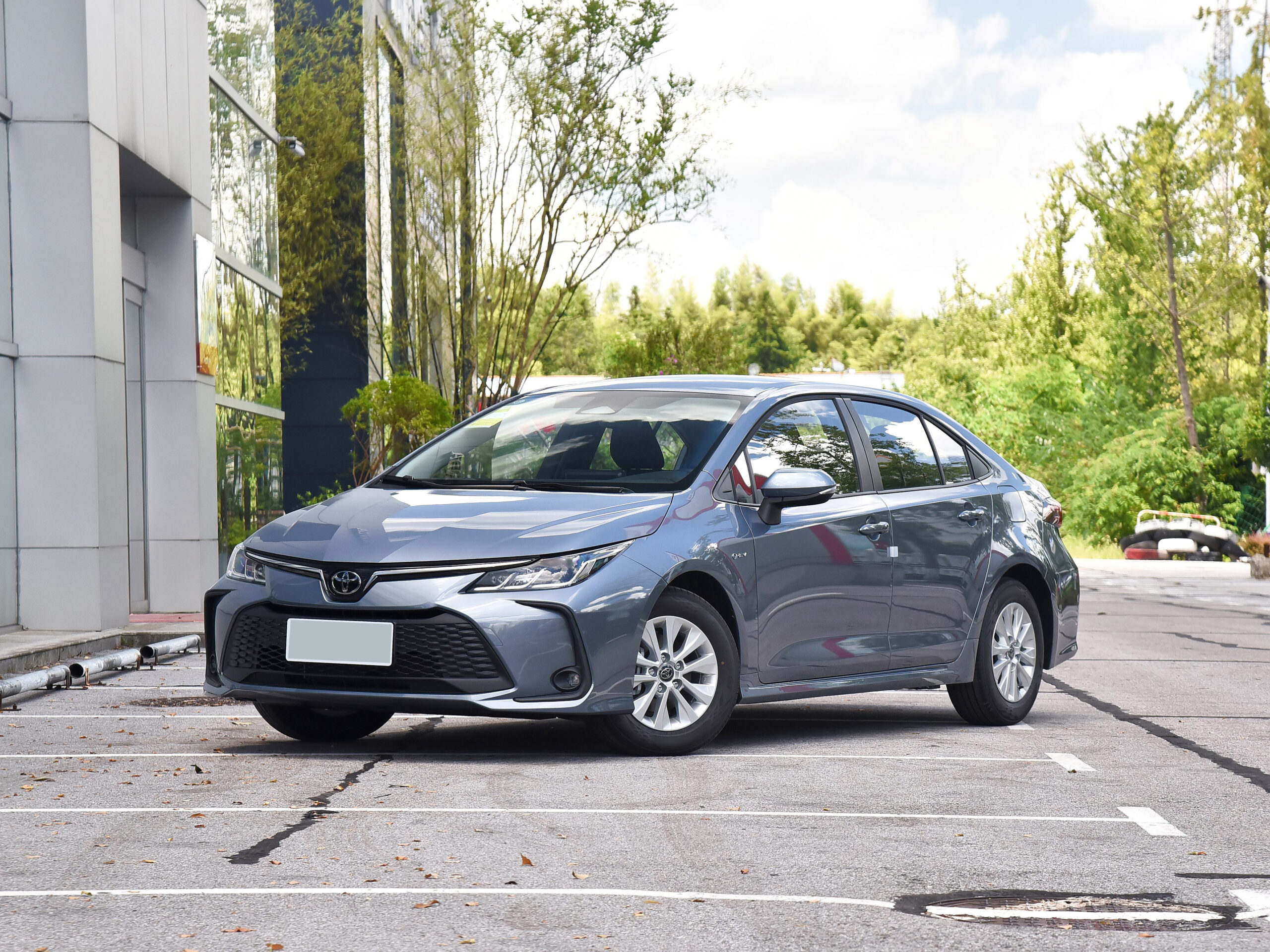
The Toyota Corolla is widely regarded as the global benchmark for low-cost, long-term ownership. It has built its reputation over decades by prioritizing mechanical simplicity, fuel efficiency, and durability over performance complexity. This philosophy plays a major role in keeping maintenance costs extremely low, even after the vehicle crosses the five-year mark.
Unlike many modern vehicles that rely heavily on turbochargers, dual-clutch transmissions, and advanced electronics, the Corolla sticks to proven engineering principles that reduce long-term failure points. As a result, it consistently ranks among the most affordable cars to maintain worldwide.
One of the biggest reasons the Corolla remains under $400 per year in maintenance after year five is its naturally aspirated engine design. This type of engine avoids the stress and heat buildup associated with turbocharged systems, which often require expensive repairs as they age.
Additionally, Toyota uses conservative tuning, meaning the engine is not pushed to its mechanical limits. This significantly extends the lifespan of internal components such as pistons, valves, and timing systems, reducing the likelihood of major repairs.
Another important factor is the widespread availability and low cost of replacement parts. Because the Corolla is one of the best-selling cars in automotive history, spare parts are produced in massive quantities, keeping prices low across global markets.
Routine maintenance items such as brake pads, filters, suspension components, and fluids are all inexpensive compared to many competing models. Even when repairs are needed, labor costs are typically low because mechanics are extremely familiar with the platform.
Over time, Corolla owners usually report that maintenance remains predictable rather than unpredictable. Most expenses after year five are limited to routine servicing such as oil changes, brake replacements, and occasional battery or tire replacement.
Major mechanical failures are statistically rare, which is one of the strongest indicators of long-term affordability. This consistency is a major reason the Corolla is frequently recommended for budget-conscious drivers who want to avoid financial surprises.
2. Honda Civic
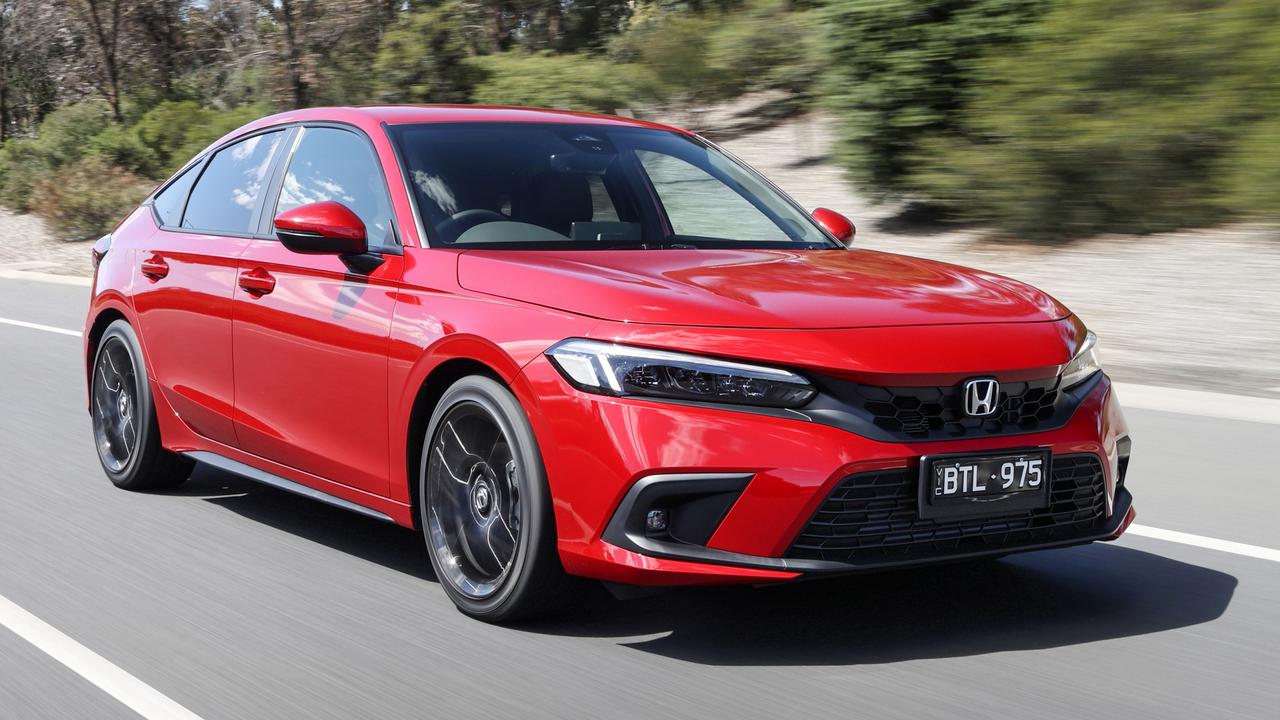
The Honda Civic is another global leader in long-term affordability and reliability, often competing directly with the Toyota Corolla. While the Civic offers a slightly sportier driving experience, Honda has managed to maintain excellent durability without significantly increasing maintenance costs.
Over the years, the Civic has evolved into a highly refined compact car that balances efficiency, performance, and long-term dependability, making it one of the most cost-effective vehicles to own beyond the five-year ownership mark.
A key factor contributing to the Civic’s low maintenance cost is Honda’s engineering precision, particularly in its engines. Honda engines are known for their high-revving capability and strong internal durability, but they are also designed with relatively simple architecture.
This means fewer components are prone to failure compared to more complex turbocharged or luxury powertrains. Even though newer Civic models include turbocharged engines in some trims, these engines are carefully engineered to maintain reliability when properly serviced.
Another advantage of the Civic is its strong aftermarket and service ecosystem. Because the vehicle is extremely popular worldwide, both original equipment manufacturer (OEM) and aftermarket parts are widely available at competitive prices. This reduces the cost of repairs and maintenance significantly.
Additionally, labor costs remain reasonable because mechanics frequently work on Civics and understand their systems well, reducing diagnostic time and repair complexity.
After five years of ownership, the Civic typically requires only standard maintenance such as brake servicing, fluid replacements, tires, and minor suspension work. Unlike many vehicles in its category, it does not suffer from excessive electronic failures or expensive drivetrain issues.
This reliability allows owners to maintain the vehicle comfortably under the $400 annual maintenance threshold in most real-world scenarios, especially when properly serviced on schedule.
3. Toyota Prius
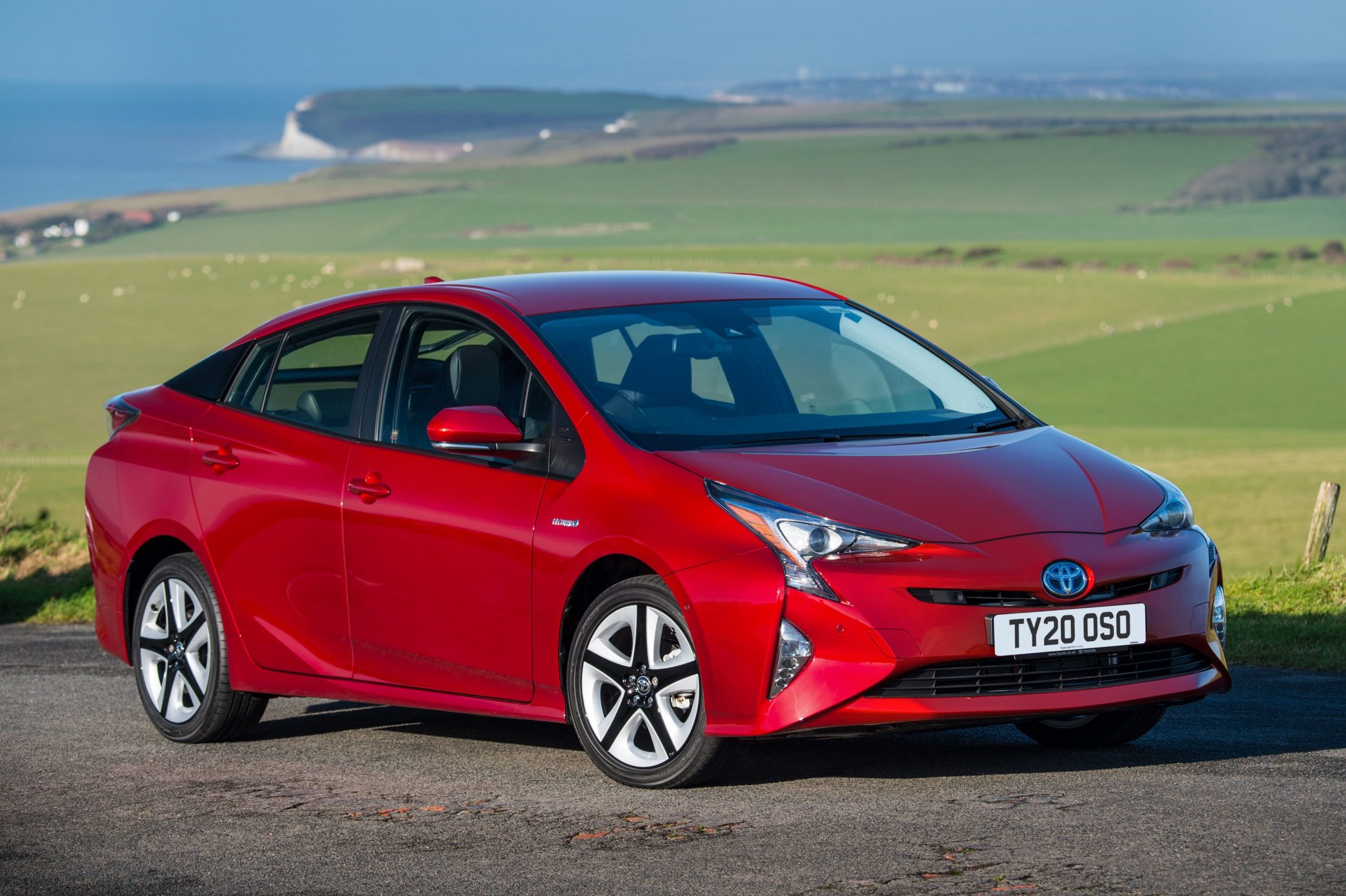
The Toyota Prius stands out as one of the most efficient and cost-effective vehicles ever built, particularly when evaluated over long-term ownership. As a hybrid vehicle, it combines a gasoline engine with an electric motor system, which reduces strain on both systems and significantly lowers wear and tear.
This hybrid synergy is one of the main reasons the Prius consistently achieves some of the lowest maintenance costs in the automotive industry, especially after the five-year mark when traditional vehicles begin to show increased service needs.
One of the most important cost-saving features of the Prius is its regenerative braking system. Unlike conventional vehicles that rely solely on friction brakes, the Prius uses its electric motor to slow the vehicle and recover energy.
This greatly reduces brake pad and rotor wear, meaning owners often go significantly longer between brake replacements. In many cases, Prius brake components last nearly twice as long as those in traditional gasoline vehicles, which directly lowers maintenance expenses over time.
Another major factor is reduced engine stress. Because the electric motor assists during acceleration and low-speed driving, the gasoline engine does not operate under constant load. This reduces internal wear, lowers oil degradation, and extends engine life.
Toyota’s hybrid technology has also proven to be extremely durable, with many Prius vehicles exceeding 200,000 miles with minimal major repairs. The hybrid battery, often considered a concern by new buyers, has shown strong longevity in real-world conditions, frequently lasting well beyond expectations when properly maintained.
In terms of ownership costs, the Prius consistently ranks among the lowest in long-term maintenance studies. Most expenses after year five are limited to basic servicing, tire replacement, and occasional hybrid system checks. Major mechanical failures are uncommon, and the simplified drivetrain design eliminates many of the expensive components found in traditional vehicles. This makes the Prius a standout choice for drivers seeking maximum efficiency with minimal long-term costs.
4. Toyota Yaris
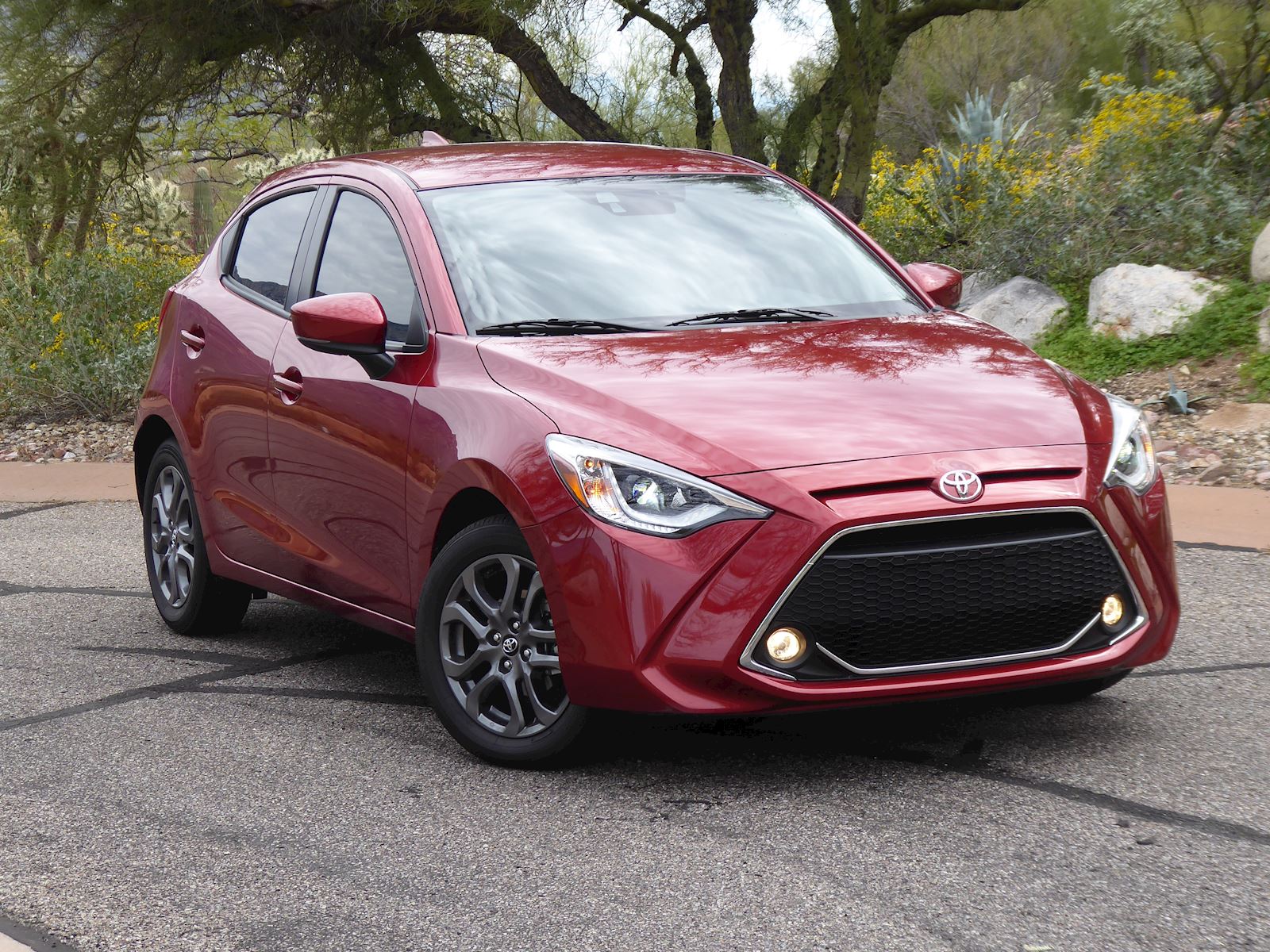
The Toyota Yaris is a compact economy car designed with one primary goal: affordability through simplicity. Unlike larger or more complex vehicles, the Yaris focuses on delivering reliable transportation with minimal mechanical complications.
This design philosophy is the main reason it consistently maintains extremely low maintenance costs even after several years of use. It is particularly popular among urban drivers and budget-conscious owners who prioritize dependability over performance or luxury features.
One of the strongest advantages of the Yaris is its lightweight construction and small-displacement engine. A smaller engine not only consumes less fuel but also experiences less internal stress during operation. This reduces wear on critical components such as pistons, bearings, and timing systems.
Because the engine is not heavily strained, it tends to last longer with fewer repairs compared to larger, more powerful engines. This directly contributes to lower long-term maintenance expenses.
Another key factor is the vehicle’s mechanical simplicity. The Yaris avoids unnecessary complexity in its design, especially in older and base models. It does not rely heavily on advanced electronics, turbocharging, or sophisticated suspension systems, all of which can increase repair costs as vehicles age.
Instead, it focuses on straightforward mechanical systems that are easy and inexpensive to service. This simplicity also makes the car easier for mechanics to repair quickly, further reducing labor costs.
After the five-year mark, most Yaris owners report that expenses remain limited to standard maintenance such as oil changes, brake servicing, battery replacement, and tire wear. Major repairs are relatively rare due to the vehicle’s conservative engineering approach. Because of this consistent reliability and low cost of ownership, the Yaris is often considered one of the most economical long-term vehicles available in its class.
5. Mazda3
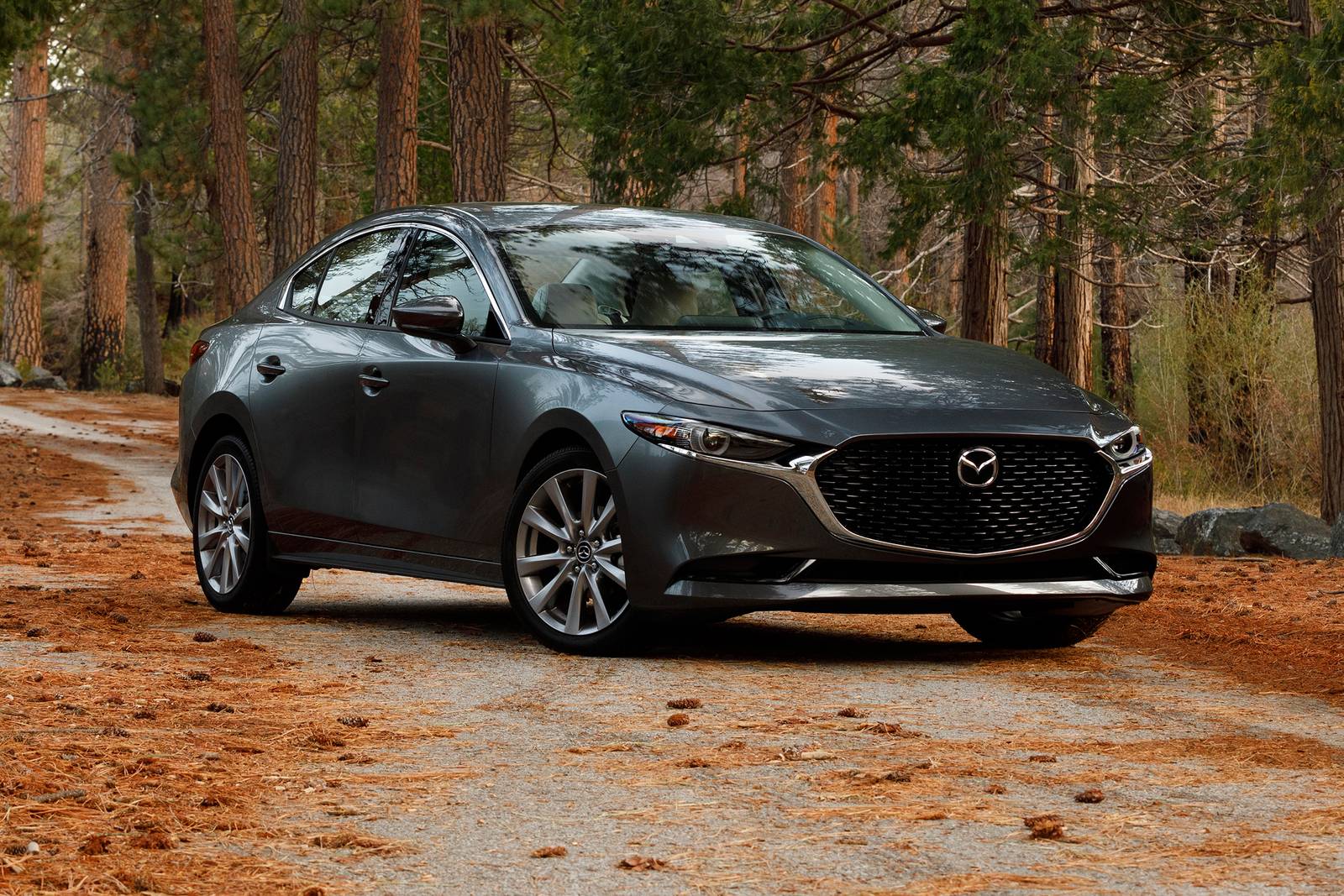
The Mazda3, particularly in its naturally aspirated versions, is widely recognized for combining driving enjoyment with strong long-term reliability.
Mazda has built a reputation in recent years for engineering vehicles that offer a balance between performance and durability, and the Mazda3 is a prime example of this philosophy. While it offers a more engaging driving experience compared to some competitors, it still manages to keep long-term maintenance costs well under control when properly maintained.
A major reason for the Mazda3’s affordability in the long run is its Skyactiv engine technology. These engines are designed to improve combustion efficiency and reduce internal stress, which leads to longer component life.
Unlike many turbocharged engines that rely on high pressure and heat, naturally aspirated Skyactiv engines operate more smoothly, reducing the likelihood of premature wear. This engineering approach helps minimize costly repairs after the vehicle has been on the road for several years.
Another contributing factor is Mazda’s focus on high-quality materials and manufacturing precision. The Mazda3 is built with attention to detail that reduces early component failure. Suspension systems, drivetrain components, and electrical systems are generally robust, meaning owners are less likely to encounter unexpected repair costs. While some wear-and-tear items will still need replacement over time, these costs remain predictable and manageable.
After five years of ownership, the Mazda3 typically requires standard maintenance such as brakes, tires, fluids, and occasional suspension servicing. It does not suffer from widespread mechanical issues when maintained correctly.
This makes it a strong contender for drivers who want a more enjoyable driving experience without sacrificing long-term affordability. Its ability to remain under the $400 annual maintenance threshold is largely due to its balanced engineering approach and reliable powertrain design.
Also Read: 10 Cars That Survive Being Used as Daily Uber Vehicles
6. Toyota Camry
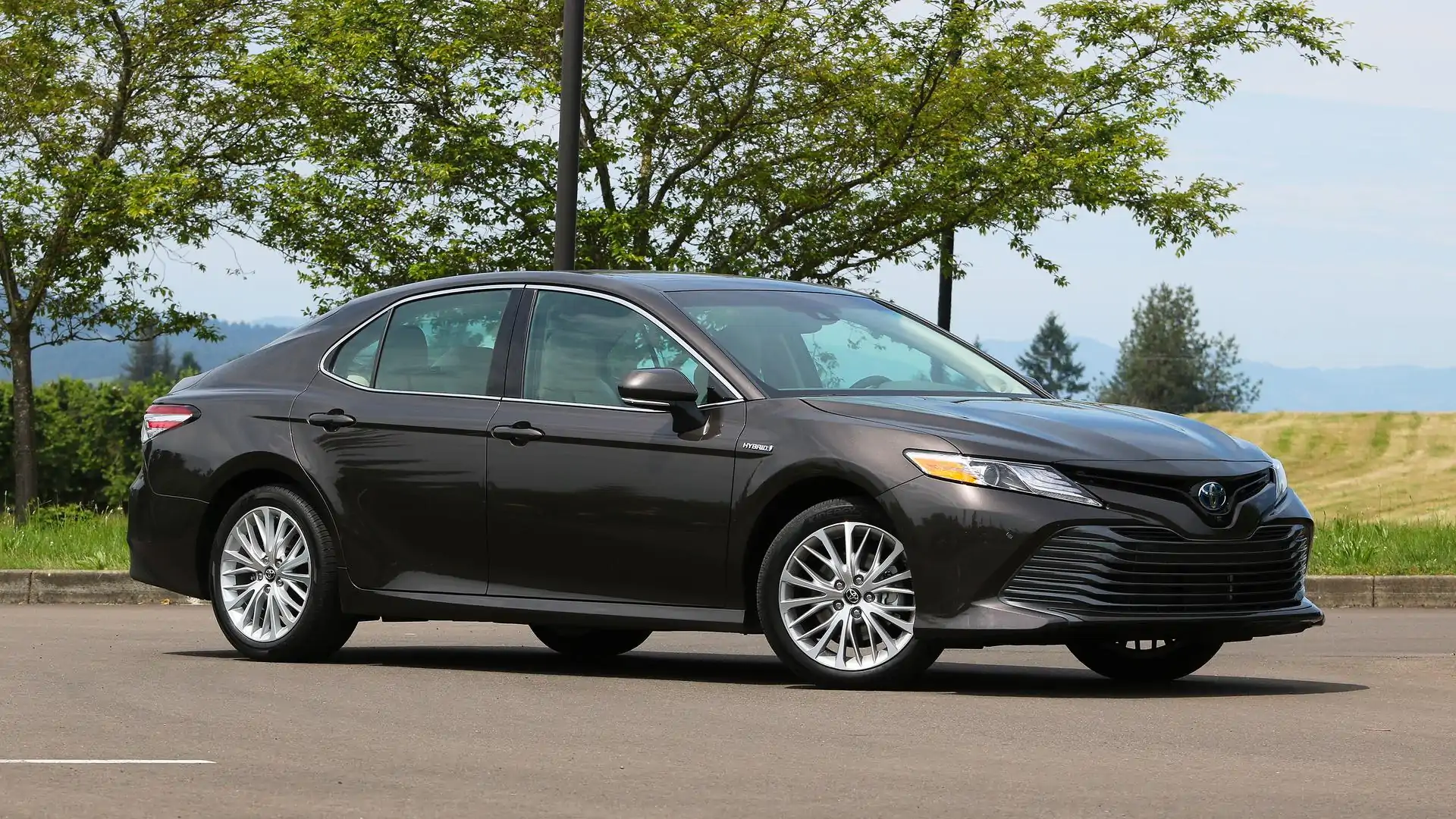
The Toyota Camry is one of the most well-known midsize sedans in the world and has earned a reputation for exceptional long-term reliability and low ownership costs. While it is larger and more powerful than compact cars like the Corolla or Civic, Toyota has carefully engineered the Camry to maintain durability without significantly increasing maintenance expenses.
This balance between size, comfort, and reliability is one of the main reasons the Camry consistently appears in lists of low-cost long-term vehicles. Even after the five-year mark, it remains one of the most predictable and affordable midsize cars to maintain.
A major contributor to the Camry’s low maintenance cost is its conservative engineering approach. Toyota uses well-tested engine platforms that prioritize longevity over aggressive performance tuning. The naturally aspirated engine variants, in particular, are known for their ability to accumulate high mileage without major mechanical failures.
These engines operate under relatively low stress, which reduces wear on internal components such as pistons, camshafts, and timing systems. Even the newer four-cylinder engines with mild efficiency improvements maintain a strong reliability record when serviced properly.
Another important factor is the Camry’s reputation for stability in its transmission systems. Toyota’s automatic transmissions are designed for long service life with minimal intervention, provided that basic maintenance like fluid changes is followed. This reduces one of the most expensive potential failure points in modern vehicles.
In addition, suspension components are built for comfort and durability, meaning they tend to last longer under normal driving conditions compared to sport-oriented or luxury sedans.
After five years of ownership, most Camry expenses are limited to routine servicing such as brake replacement, oil changes, tire rotation, and occasional battery replacement. Major repairs are statistically uncommon, especially for vehicles that have been properly maintained. This consistency allows Camry owners to keep annual maintenance costs close to or under the $400 threshold, making it one of the most dependable midsize cars for long-term affordability.
7. Hyundai Elantra
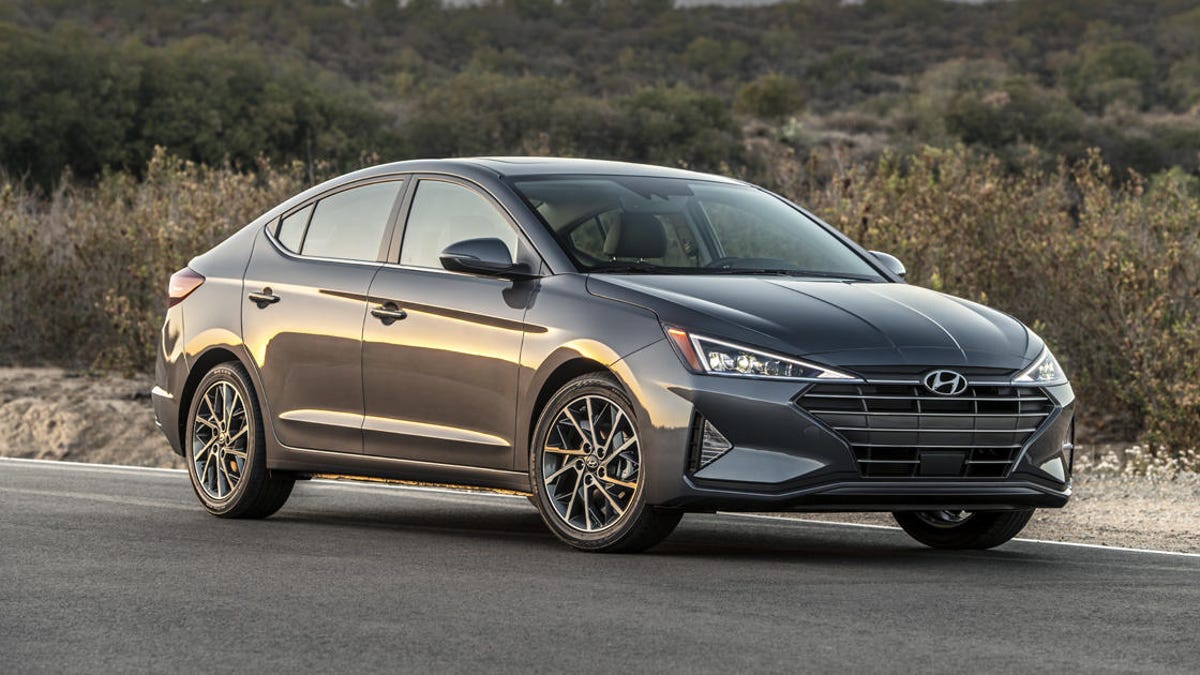
The Hyundai Elantra has evolved significantly over the past decade, transforming from a budget-focused compact sedan into a refined, reliable, and efficient vehicle that competes directly with long-established Japanese rivals.
One of the key reasons the Elantra qualifies for low maintenance cost ownership after five years is Hyundai’s aggressive improvement in quality control and engineering durability. Modern Elantra models are designed with simplified mechanical systems and improved materials, which help reduce long-term repair frequency and cost.
A major advantage of the Elantra is its cost-effective engineering philosophy. Hyundai has focused heavily on reducing complexity in its core engine and drivetrain systems, which directly contributes to lower maintenance costs.
The engines used in most Elantra models are designed for efficiency and reliability rather than high performance, which helps reduce internal stress and extend component life. This makes the vehicle easier and cheaper to maintain once it moves beyond the warranty period.
Another important factor is the affordability of parts and servicing. Hyundai vehicles benefit from a large global supply chain, which keeps replacement parts relatively inexpensive.
This includes common maintenance items such as filters, brake components, suspension parts, and electrical sensors. In many regions, labor costs are also lower because the Elantra is widely serviced, making repairs faster and more standardized for mechanics.
After five years of ownership, the Elantra typically requires standard maintenance similar to other compact sedans, including oil changes, brake servicing, tire replacement, and occasional suspension work. While earlier generations had mixed reliability reviews, newer models have shown significant improvement in long-term durability.
As a result, many Elantra owners are able to maintain their vehicles well under the $400 annual maintenance threshold, especially when routine servicing is followed consistently.
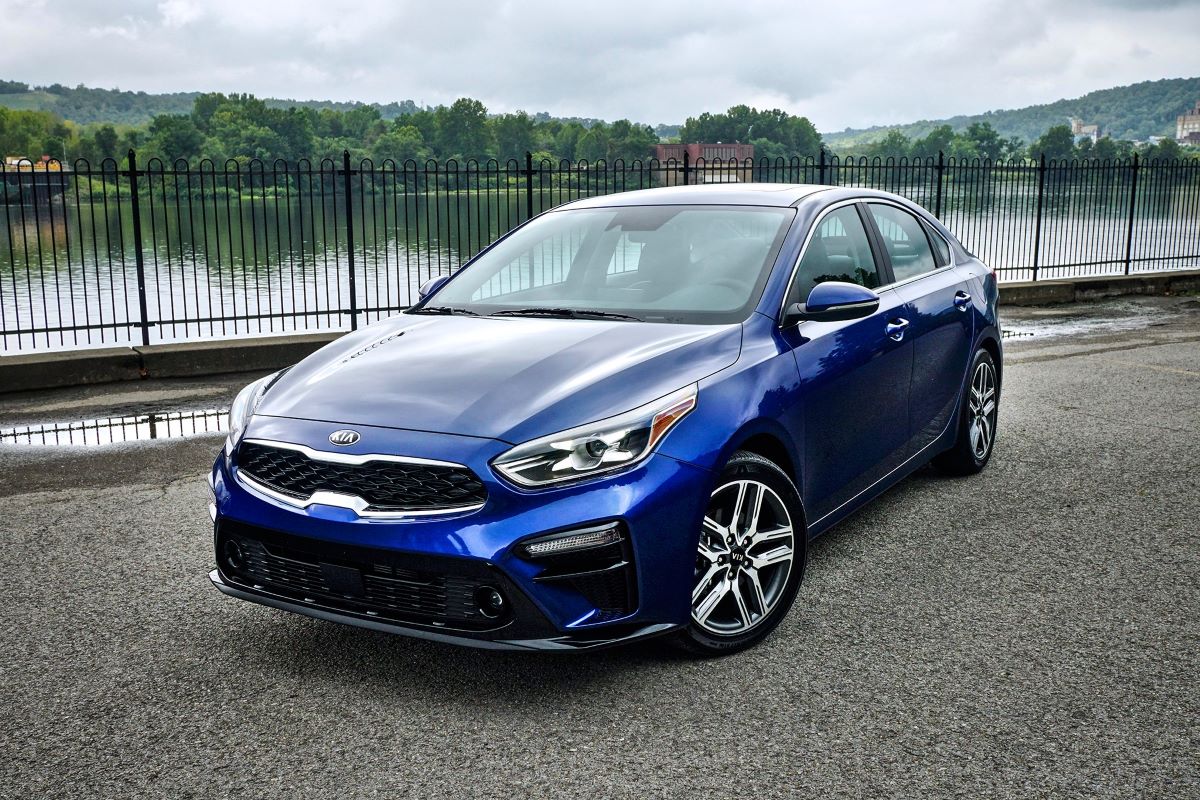
8. Kia Forte
The Kia Forte shares much of its engineering foundation with Hyundai vehicles, which is not surprising given that both brands are part of the same parent company. This shared platform strategy is one of the key reasons the Forte maintains low maintenance costs after five years of ownership. Kia has made significant progress in improving build quality and reliability over the years, and the Forte is now considered one of the more dependable compact sedans in its price range.
One of the strongest advantages of the Kia Forte is its mechanical simplicity combined with modern efficiency. The engines used in the Forte are designed to be fuel-efficient and relatively low-stress, which helps reduce wear over time.
While some trims include more advanced features, the core drivetrain remains straightforward enough to avoid the expensive maintenance issues often seen in more complex vehicles. This balance allows owners to enjoy modern features without sacrificing long-term affordability.
Another key factor is the low cost of ownership associated with Kia’s global manufacturing and parts distribution system. Because Kia vehicles are widely sold and serviced across many markets, replacement parts are easy to obtain and generally affordable.
This includes everything from brake systems to engine components and electrical sensors. Additionally, many parts are shared with Hyundai models, which further reduces costs due to mass production efficiencies.
After the five-year mark, the Kia Forte typically requires standard maintenance such as fluid changes, brake servicing, tire replacement, and minor suspension work. It does not generally suffer from high-frequency major mechanical failures when properly maintained. This predictable maintenance pattern allows owners to keep annual costs well below the $400 range in most real-world scenarios, making it a strong value option in the compact sedan category.
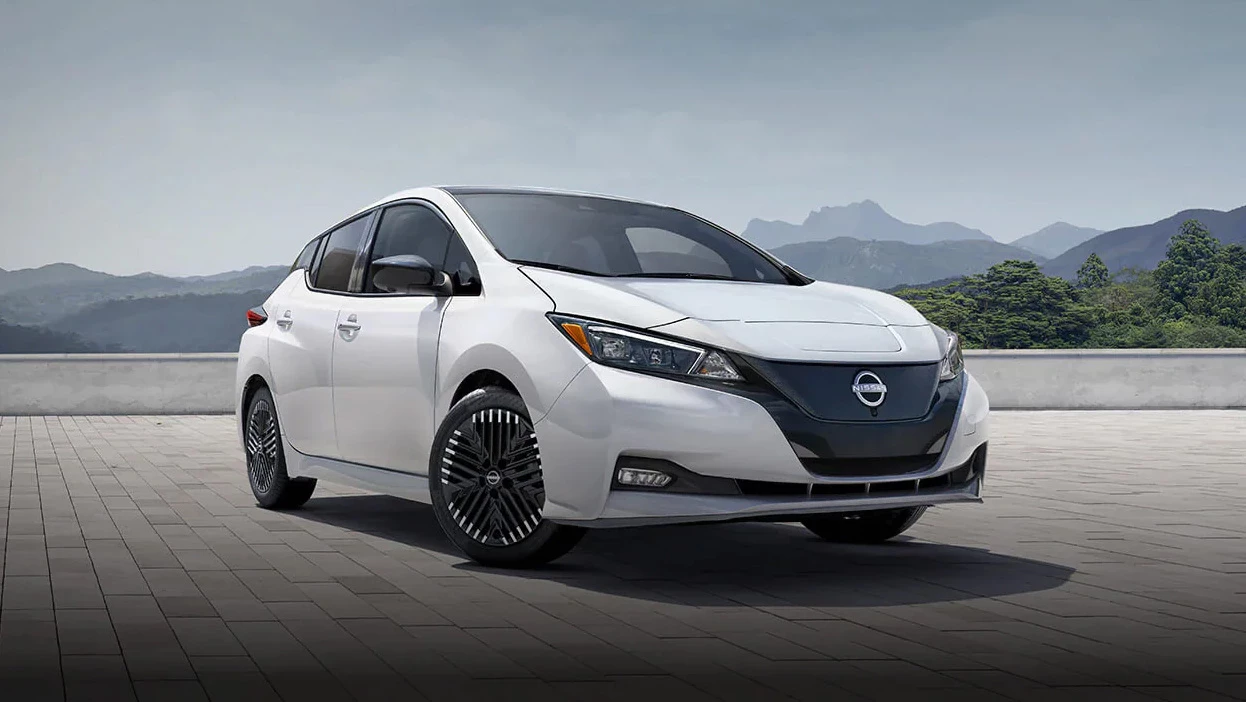
9. Nissan Leaf
The Nissan Leaf is one of the most important vehicles in the modern shift toward electric mobility, and it is also one of the lowest-maintenance cars available today.
As a fully electric vehicle, it eliminates many of the most expensive and failure-prone components found in internal combustion engine vehicles. There is no engine oil, no transmission system in the traditional sense, and no exhaust system, which drastically reduces the number of parts that require regular maintenance or replacement over time.
One of the most significant advantages of the Leaf is its simplified mechanical structure. Electric motors are inherently more durable than gasoline engines because they contain far fewer moving parts. This results in reduced wear and tear and significantly fewer mechanical failures. Additionally, regenerative braking reduces stress on brake components by using the motor to slow the vehicle and recover energy, extending the life of brake pads and rotors considerably.
Battery durability is often a concern for potential buyers, but real-world data shows that Nissan Leaf batteries can last many years under normal usage conditions, especially when not exposed to extreme temperature stress or frequent fast charging.
While battery degradation does occur gradually over time, most owners experience stable performance for well beyond the initial five-year ownership period. When combined with software improvements and thermal management systems, reliability remains strong.
After five years, maintenance costs for the Nissan Leaf are typically limited to tires, brake servicing, cabin filters, and occasional suspension checks. Because there are so few mechanical systems involved, the likelihood of expensive repairs is extremely low compared to traditional vehicles. This makes the Leaf one of the most cost-efficient vehicles to own long-term, often staying well under the $400 annual maintenance threshold even in extended use cases.
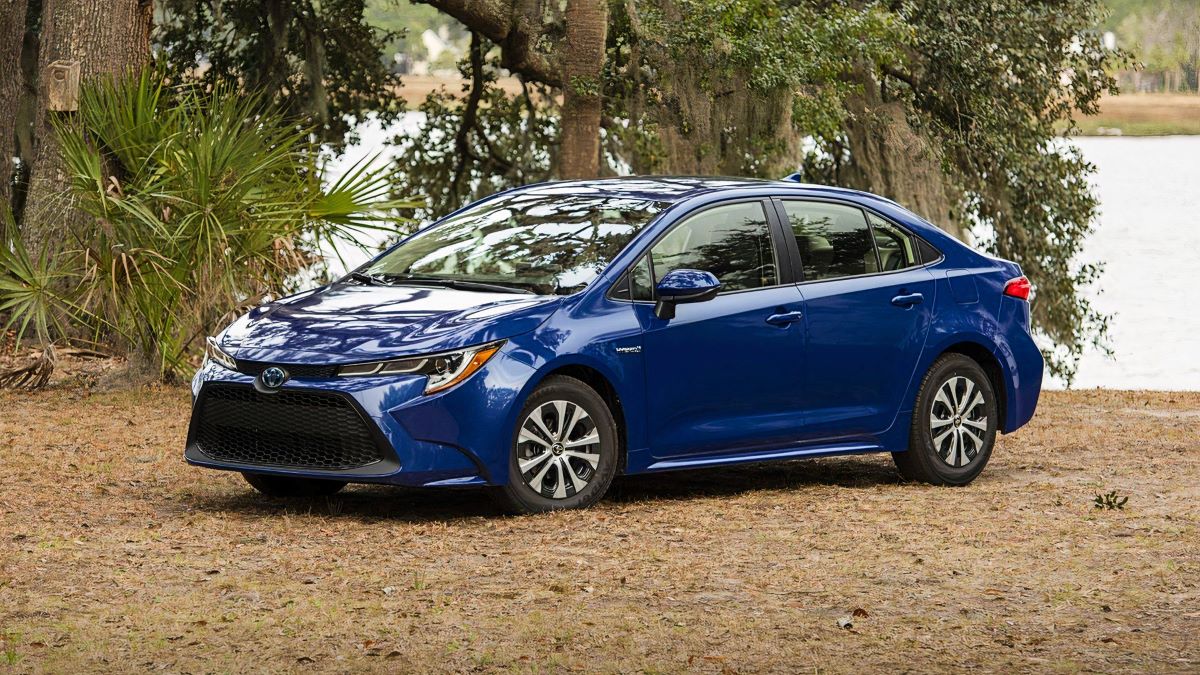
10. Toyota Corolla Hybrid
The Toyota Corolla Hybrid combines the legendary reliability of the Corolla with Toyota’s proven hybrid technology, resulting in one of the most efficient and low-maintenance vehicles on the market. This combination allows it to significantly reduce both fuel consumption and long-term maintenance costs, making it a standout choice for drivers seeking maximum efficiency and minimal ownership expenses after the five-year mark.
One of the key reasons the Corolla Hybrid is so affordable to maintain is its reduced engine workload. The hybrid system allows the electric motor to assist during acceleration and low-speed driving, which reduces strain on the gasoline engine.
This leads to less internal wear, lower oil degradation, and extended engine life. Because the engine is not constantly operating under high stress, it tends to require fewer repairs over time compared to conventional vehicles.
Another important factor is Toyota’s regenerative braking system, which reduces wear on traditional brake components. By using the electric motor to slow the vehicle and recover energy, the braking system experiences significantly less friction-related wear.
This results in longer-lasting brake pads and rotors, which are typically one of the most frequent maintenance expenses in non-hybrid vehicles. Over time, this alone contributes significantly to lowering maintenance costs.
After five years of ownership, most Corolla Hybrid maintenance expenses remain predictable and minimal. Routine servicing such as oil changes, tire replacement, brake inspections, and battery system checks make up the majority of costs.
Major mechanical issues are rare due to Toyota’s conservative engineering approach and proven hybrid system reliability. As a result, many owners consistently report annual maintenance costs remaining under the $400 threshold, making it one of the most cost-effective hybrid sedans available today.
