
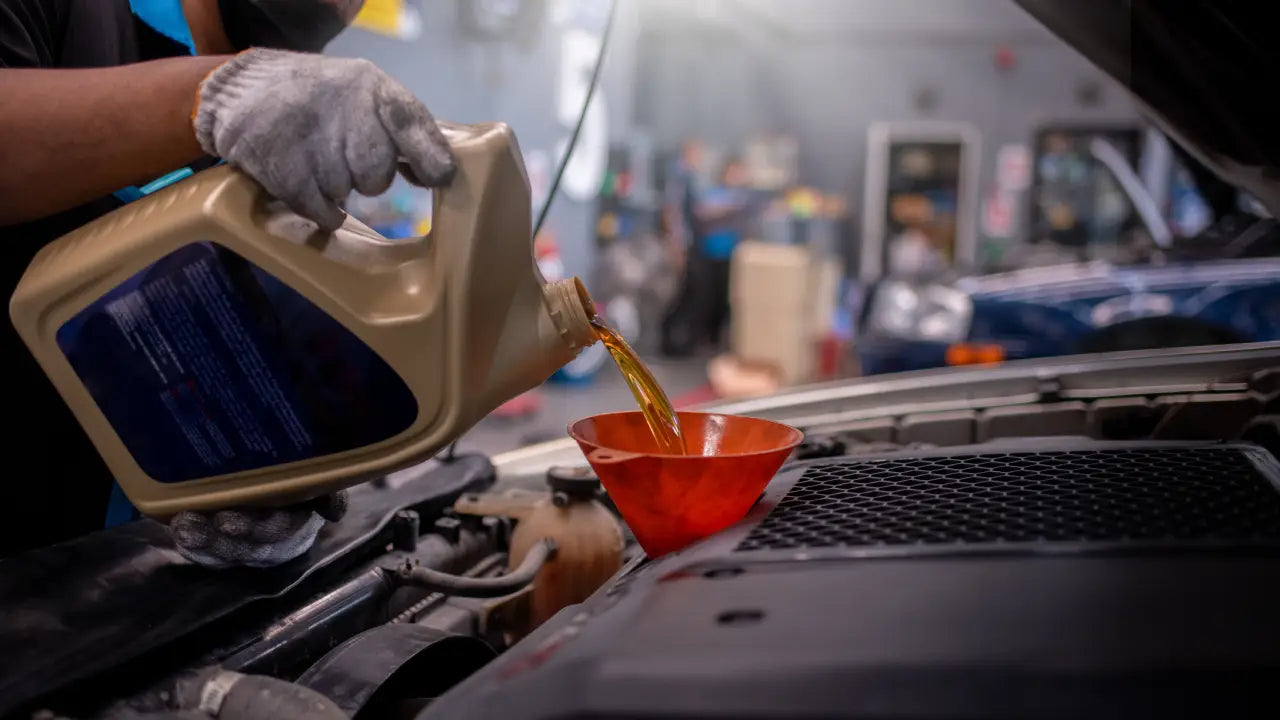
Skipping one oil change feels harmless. Life gets busy, the reminder sticker on the windshield gets ignored, and before long, 5,000 miles past due becomes 10,000, and 10,000 becomes 15,000. It happens to more vehicle owners than anyone in the automotive industry would like to admit, and most of them have no idea what is actually going on inside their engine during those extra miles.
Here is the uncomfortable truth: your engine does not wait patiently while you put off that service. It keeps running, keeps generating heat, keeps pushing metal parts against other metal parts, and keeps depending on oil that is getting worse by the mile.
What started as a transparent, amber-colored lubricant protecting your engine’s most critical components has slowly turned into something closer to sludge, and sludge does not lubricate anything effectively. This article is not designed to make you feel bad about a missed oil change.
It is designed to show you, in clear and honest terms, what physically happens inside an engine when oil service is deferred by 15,000 miles. Each section covers a specific consequence, explained with real vehicle examples and real repair costs, so you understand the actual stakes involved.
Some of the outcomes covered here are gradual. Some are dramatic. All of them are real, all of them are documented by mechanics who have torn down neglected engines across every brand and category, and all of them are entirely avoidable with a service that costs between $50 and $120, depending on your vehicle and oil type.
Read this once, and you will never look at that windshield sticker the same way again. Your engine is working hard for you every single day. This is what happens when it stops getting what it needs to do that job properly.
1. Oil Oxidation and Breakdown Begin Long Before 15,000 Miles and Snowball Fast
Fresh engine oil is a precisely engineered product. Whether conventional, synthetic blend, or full synthetic, it contains a carefully balanced package of base oil and additives designed to lubricate, clean, cool, and protect engine components across a defined service interval.
That additive package is not permanent. It depletes with use, and once it is gone, the base oil begins to break down through a process called oxidation that accelerates with every additional mile and every additional heat cycle the engine goes through.
Oxidation happens when oil molecules react with oxygen at high temperatures. Engine oil reaches temperatures between 200 and 250 degrees Fahrenheit under normal operation. At those temperatures, without a healthy additive package to stabilize the oil, molecular bonds begin breaking.
Viscosity increases as the oil thickens. Acids form inside the oil as combustion byproducts mix with the degraded fluid. Those acids do not just sit harmlessly in suspension. They attack bearing surfaces, corrode valve stems, and etch the soft metal surfaces inside the engine that rely on a clean oil film for protection.
A 2014 Volkswagen Jetta SE with the 1.8-liter turbocharged TSI engine is particularly sensitive to oil quality due to its turbocharger. Turbocharger bearings spin at speeds between 100,000 and 200,000 RPM and are cooled and lubricated entirely by engine oil.
When the oil feeding that turbocharger is oxidized, thickened, and depleted of its protective additives, the bearing surfaces inside the turbo receive inadequate lubrication at those extreme speeds. Turbocharger failure on a 1.8 TSI Jetta runs between $1,200 and $2,200, depending on whether a rebuilt or new unit is installed.
Conventional oil typically begins to break down meaningfully between 3,000 and 5,000 miles under normal driving conditions. Full synthetic oil extends that window to between 7,500 and 10,000 miles for most applications, with some extended-drain synthetics designed for up to 15,000-mile intervals under ideal conditions.
The critical phrase there is ideal conditions. Short trips, stop-and-go traffic, cold starts, and towing all accelerate oil degradation regardless of oil type. An owner who pushes a conventional oil to 15,000 miles, or a synthetic to 15,000 miles under harsh conditions, is operating on oil that has been functionally useless as a lubricant for a substantial portion of that mileage.
2. Sludge Builds Up Inside the Engine and Blocks Oil Passages That Cannot Be Easily Cleaned
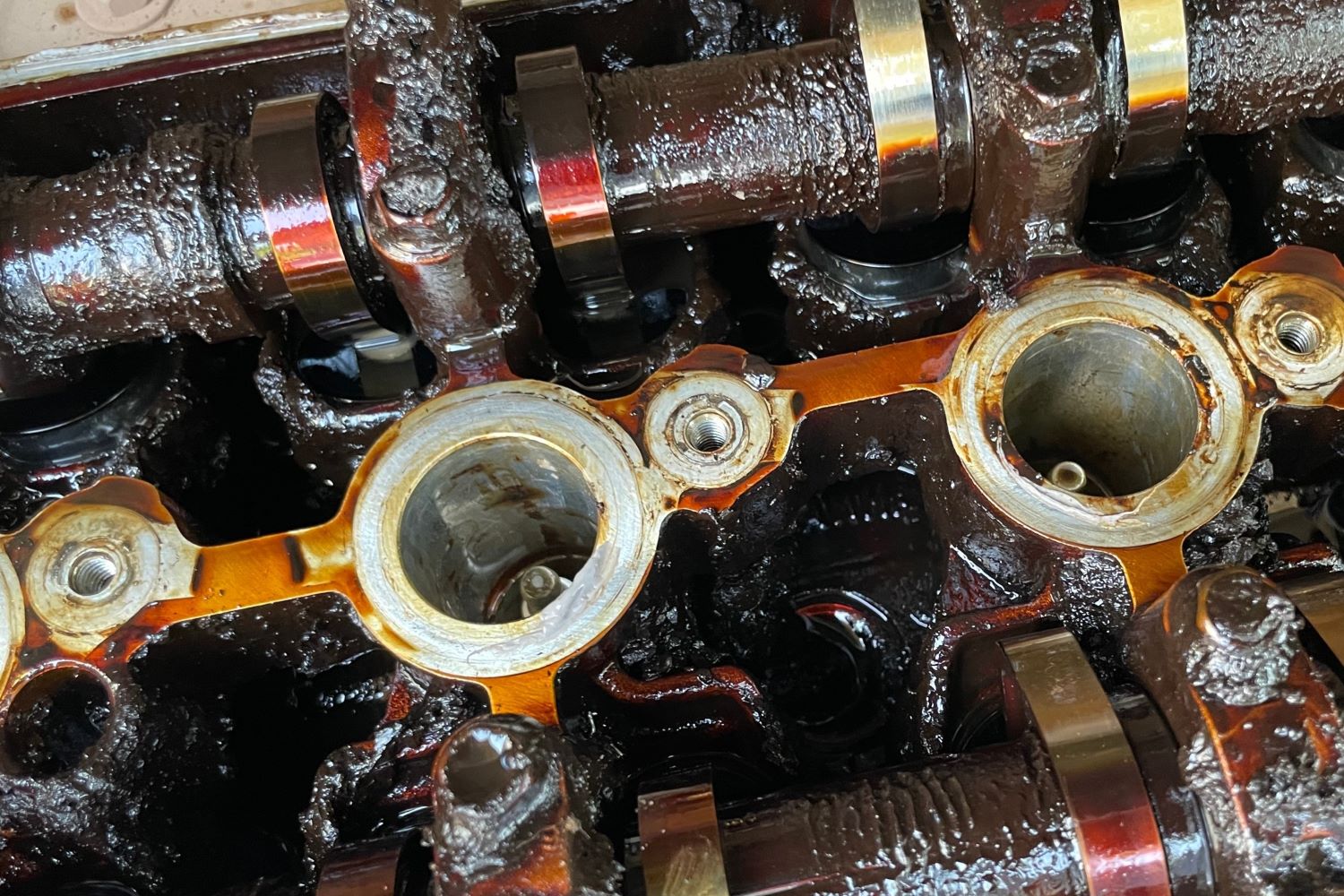
Engine sludge is what happens when degraded oil, combustion byproducts, moisture, and heat combine as time goes on into a thick, tar-like substance that deposits itself on internal engine surfaces. It collects in oil passages, coats valve train components, clogs oil pickup screens, and settles in areas where fresh oil circulation is already limited.
Sludge is not just dirty oil. It is a semi-solid obstruction inside an engine that was designed to circulate clean fluid at high speed through passages sometimes narrower than a pencil. Oil passages in modern engines are precision-drilled channels that carry pressurized oil to every bearing surface, every camshaft lobe, every rocker arm, and every hydraulic lifter.
When sludge accumulates in those passages, oil flow is restricted. Components downstream from the blockage receive less oil than they need. Less oil means less lubrication, more friction, more heat, and faster wear on components that depend on a consistent oil film to survive.
A 2003 Toyota Sludge Settlement is actually a real chapter in automotive history. Certain Toyota engines from that era developed a documented sludge problem, and Toyota extended warranty coverage because of it. Affected vehicles included the 2002 Toyota Camry XLE V6 with the 3.0-liter 1MZ-FE engine, which showed sludge accumulation that blocked oil passages and starved valve train components when owners pushed oil change intervals beyond recommendations.
Toyota’s settlement acknowledged that the engines were sensitive to interval discipline, and the repair costs for affected engines ran from several hundred dollars for cleaning to over $5,000 for engine replacement in severe cases. Sludge removal, once it has accumulated, is not a simple flush.
A basic engine flush can dislodge large deposits and send chunks of sludge directly into the oil pickup screen, causing a sudden loss of oil pressure that is actually worse than the sludge sitting in place. Severe sludge cases require engine disassembly, manual cleaning of passages and components, and inspection of every surface that was exposed to the contamination.
Also Read: 8 Tips for Negotiating the Lowest Interest Rate on a Car Loan in 2026
3. Oil Pressure Drops When Sludge Clogs the Pickup Screen, and That Triggers a Chain Reaction
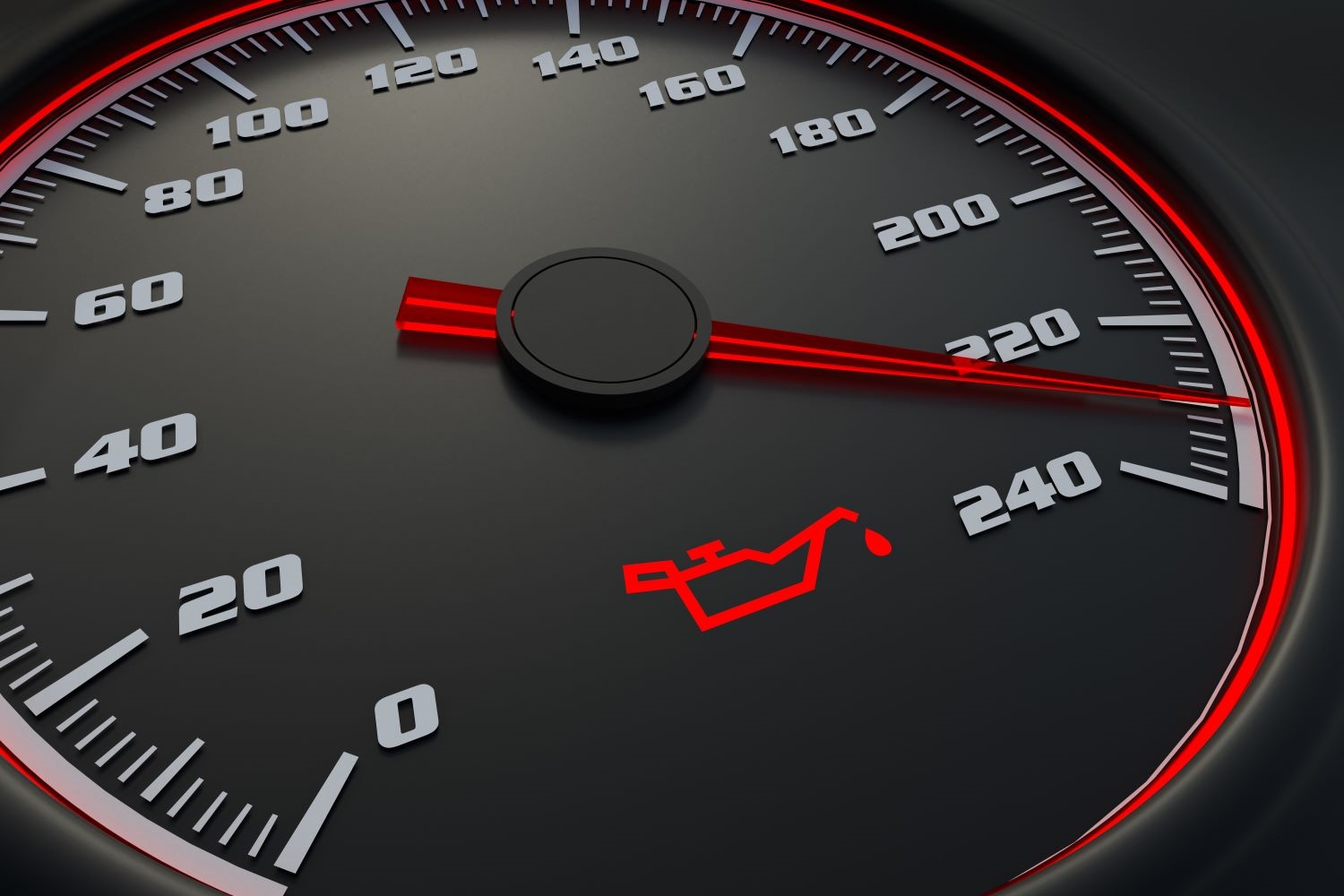
Oil pressure is the foundation of engine survival. Every bearing surface in the engine, from the main crankshaft bearings to the camshaft journals to the rocker arms and hydraulic lifters, depends on pressurized oil delivered consistently and at the correct volume. When oil pressure drops, that delivery system fails, and the chain reaction that follows can destroy an engine in minutes.
At the bottom of the engine oil pan sits the oil pickup tube, a metal tube with a mesh screen at its end that draws oil from the pan and feeds it to the oil pump. That screen exists to catch debris and prevent particles from entering the pump and the rest of the oil circuit. Sludge that has settled in the oil pan gradually coats that screen, restricting flow.
As the restriction increases, the pump works harder to maintain pressure against a partially blocked intake. When the screen becomes severely clogged, oil pressure drops below the minimum threshold the engine requires. A 2006 Chrysler 300 C with the 5.7-liter HEMI engine has an oil pressure warning light that illuminates when pressure falls to a critical level.
When that light comes on at highway speed on a sludge-clogged engine, the driver typically has seconds to minutes before bearing surfaces that are no longer receiving adequate lubrication begin to experience metal-to-metal contact. Connecting rod bearings are usually the first to go. A spun rod bearing on a HEMI engine produces a deep, rhythmic knocking sound that most mechanics recognize immediately as an engine that has suffered serious internal damage.
Rod bearing replacement requires removing the oil pan, pulling the connecting rod caps, and installing fresh bearings. If the crankshaft journals have been scored by the failed bearings, the crankshaft needs to be machined or replaced as well. A rod bearing job that catches damage early can run between $800 and $1,500 at a shop.
If the crankshaft is damaged or additional bearings have failed, the bill climbs to $2,500 or beyond. Engine replacement on a 300 C with the HEMI starts around $4,000 installed. A 2010 Kia Forte EX with the 2.0-liter Theta II engine is a smaller vehicle where oil pickup screen clogging produces equally severe consequences despite the engine’s modest displacement.
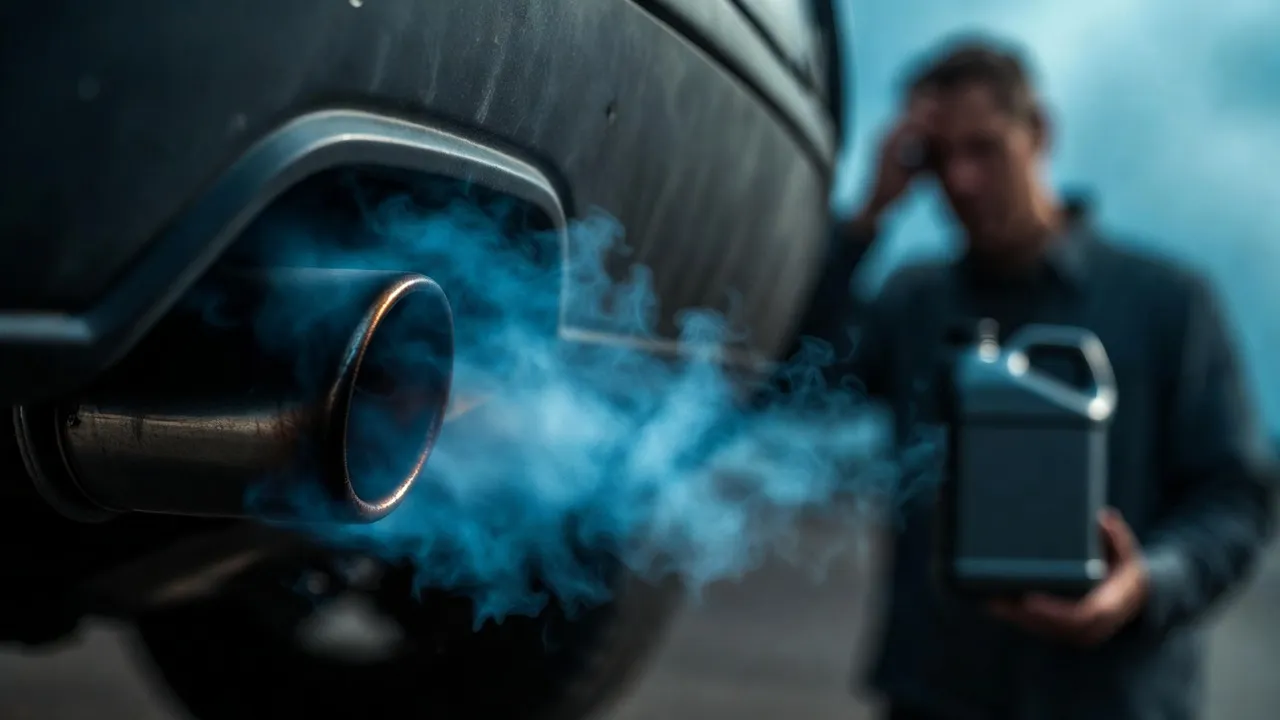
4. Excessive Heat Builds Up as Oil Loses Its Ability To Carry Thermal Energy Away From Components
People think of coolant as the primary engine cooling agent, and it is responsible for a large portion of heat rejection. What most owners do not realize is that engine oil carries a substantial thermal load as well, pulling heat away from bearing surfaces, pistons, valve stems, and turbocharger components that the coolant system cannot directly reach. When oil is degraded and thickened by oxidation, its ability to absorb and transfer heat drops sharply.
Fresh engine oil has a specific heat capacity that allows it to absorb thermal energy as it passes through bearing clearances and across hot metal surfaces. It then carries that heat to the oil pan, where it radiates into the surrounding air, or to an oil cooler if the vehicle is equipped with one. Oxidized oil that has thickened and lost its thermal properties does not absorb heat efficiently.
It arrives at the bearing surface, picks up less energy than it should, and carries away less of the heat that fresh oil would have removed. A 2012 Audi A4 2.0T Quattro with the turbocharged 2.0-liter TFSI engine has a particularly heat-sensitive top end. Variable valve timing actuators on that engine, called cam phasers, operate on oil pressure and are located at the top of the engine where heat concentration is already highest.
Degraded oil that cannot effectively carry heat away from that area causes the cam phaser mechanism to run hot, which accelerates wear on the internal vanes and seals. Cam phaser replacement on a 2.0 TFSI Audi runs between $600 and $1,200, depending on labor rates and whether related components need attention as well.
Piston cooling is another function that oil handles on many modern engines. Oil squirters, small nozzles located in the lower engine block, spray a jet of oil onto the underside of each piston at operating temperature. That oil film keeps piston crown temperatures within the range that the aluminum alloy can handle.
Degraded oil with reduced thermal capacity allows piston temperatures to rise above design limits, which causes the piston material to soften, expand, and eventually scuff against the cylinder wall. Piston and cylinder wall damage requires an engine rebuild to properly address.
A 2019 Subaru Forester 2.5i Premium with the FA25 naturally aspirated boxer engine is a vehicle whose horizontally opposed engine layout creates specific oil distribution challenges. Bearing surfaces on the outer cylinders of a boxer engine are partially dependent on oil splash patterns that change when oil viscosity deviates from specification.
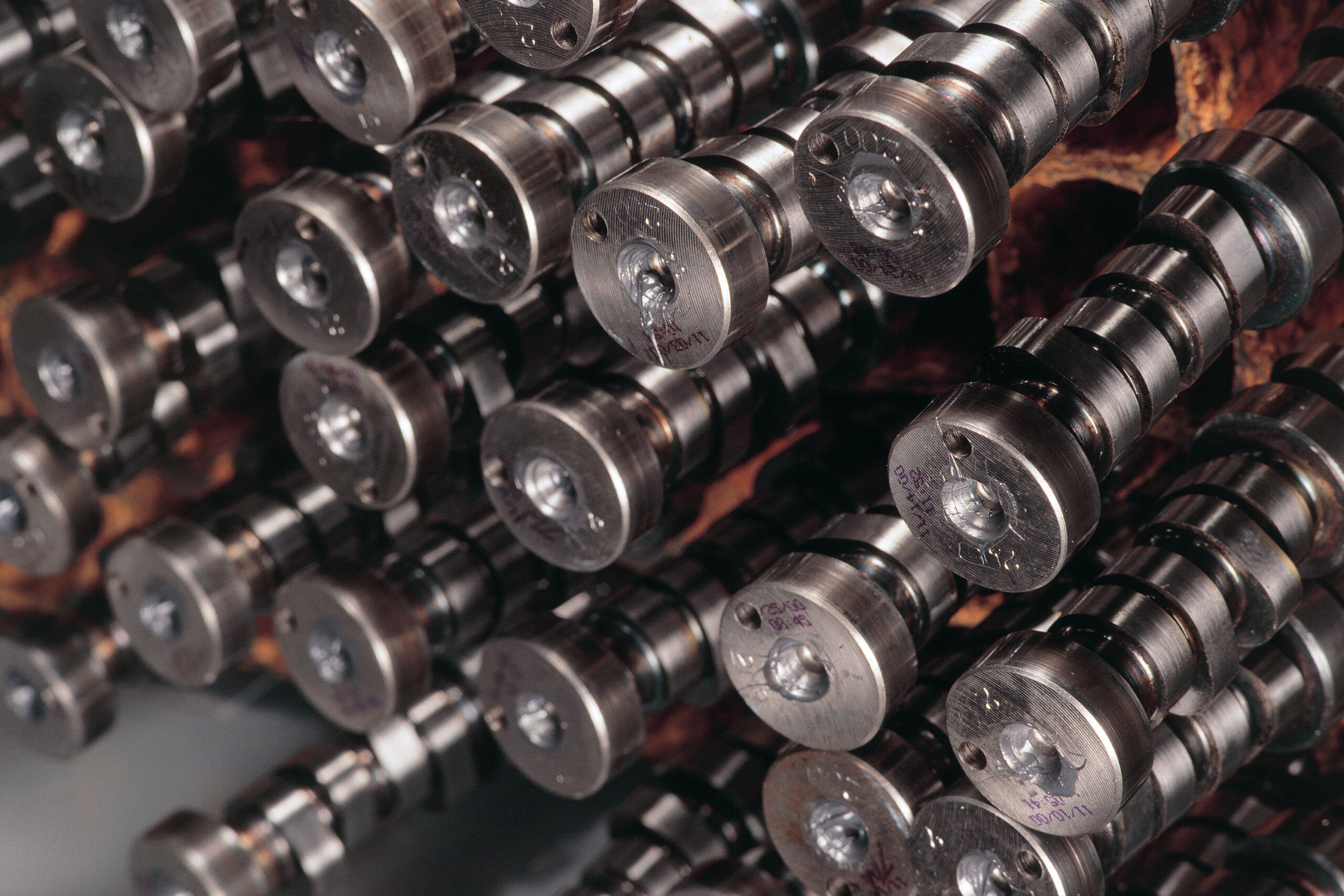
5. Valve Train Wear Accelerates When Dirty Oil Reaches Camshafts and Lifters
Spend any time around a mechanic who has opened up a neglected engine, and you will hear consistent descriptions of what the valve train looks like after running on severely degraded oil. Camshaft lobes with visible wear flats. Lifter bores coated in dark varnish.
Rocker arms with scoring on their contact surfaces. Variable valve timing solenoids are clogged with deposits that prevent proper operation. All of that damage traces back to oil that stopped protecting these components long before the owner got around to scheduling a change.
Camshaft lobes operate under extreme localized pressure. Each lobe pushes against a lifter or follower to open the intake and exhaust valves, and the contact point between the lobe and the follower experiences forces that require a precise oil film to keep metal from grinding against metal.
That oil film is what separates normal operation from accelerated wear. When oil quality drops, the film thins, and the lobe-to-follower interface starts generating metal particles with every revolution of the camshaft. A 2013 Ram 1500 Crew Cab with the 5.7-liter HEMI V8 uses a Multi-Displacement System that deactivates four cylinders under light load to improve fuel economy.
This system uses oil-pressure-actuated lifters that collapse to disconnect certain cylinders from the valvetrain. Degraded oil with incorrect viscosity or depleted additives causes those lifters to operate erratically. MDS lifter failure on the 5.7 HEMI is a documented and expensive repair, with costs ranging from $2,000 to $4,000 depending on how many lifters have failed and whether camshaft damage has occurred.
Hydraulic valve lifters on most modern engines are self-adjusting components that use oil pressure to maintain the correct valve lash automatically. When the oil they depend on is dirty, thickened, or contaminated, the small passages inside the lifter body clog with varnish deposits.
A clogged lifter loses its ability to self-adjust and begins producing a ticking noise that is audible at idle. That ticking is the sound of metal-to-metal contact at the cam lobe interface, and it does not improve without intervention. Lifter replacement across a V8 engine can reach $1,500 to $3,500 in labor alone because of the disassembly required to access them.

6. Fuel Economy Gets Worse as Friction Increases Throughout the Engine
Fuel economy decline is one of the first measurable signs that engine oil has degraded past its useful life, and it is also one of the most consistently ignored because the change happens gradually. Drivers rarely notice that their vehicle is getting one or two fewer miles per gallon than it did six months ago because the change arrives slowly and gets absorbed into the variation they already expect from weather, traffic, and driving habits.
Friction is the enemy of efficiency. Every bearing surface in the engine, every piston ring against every cylinder wall, every gear mesh in the timing chain or valvetrain system creates friction that the engine must overcome to deliver power to the wheels. Fresh oil reduces that friction to its designed minimum. Degraded oil, whether because it has thinned from fuel dilution or thickened from oxidation, increases friction across all of those surfaces simultaneously.
A 2018 Honda CR-V EX-L with the 1.5-liter turbocharged engine is a vehicle that achieved EPA-rated fuel economy figures based on testing with fresh, specification-correct engine oil. Running that engine on oil that is 15,000 miles past its change interval means running it with a lubricant that no longer meets viscosity or additive specifications.
The friction increase is real, and it translates directly to the fuel the engine consumes per mile of travel. Drivers who track fuel economy carefully often report a recovery of one to two miles per gallon immediately after an oil change on a vehicle that was running severely overdue.
Fuel economy loss from degraded oil compounds, with other consequences of extended intervals. Sticky piston rings, which develop when oil varnish deposits build up behind them in the ring grooves, reduce ring seal and allow combustion gases to pass into the crankcase.
That condition, called blow-by, further contaminates the oil while also reducing the engine’s thermal efficiency because some combustion energy is escaping past the rings rather than pushing the piston down. A vehicle experiencing serious blow-by from ring deposits caused by old oil is burning more fuel and producing less power than its design specifies.
A 2015 Infiniti Q50 3.7 AWD with the 3.7-liter VQ37VHR V6 engine is a vehicle where fuel economy is one of several performance metrics that owners track carefully because it is a premium sports sedan with a performance-oriented buyer base.
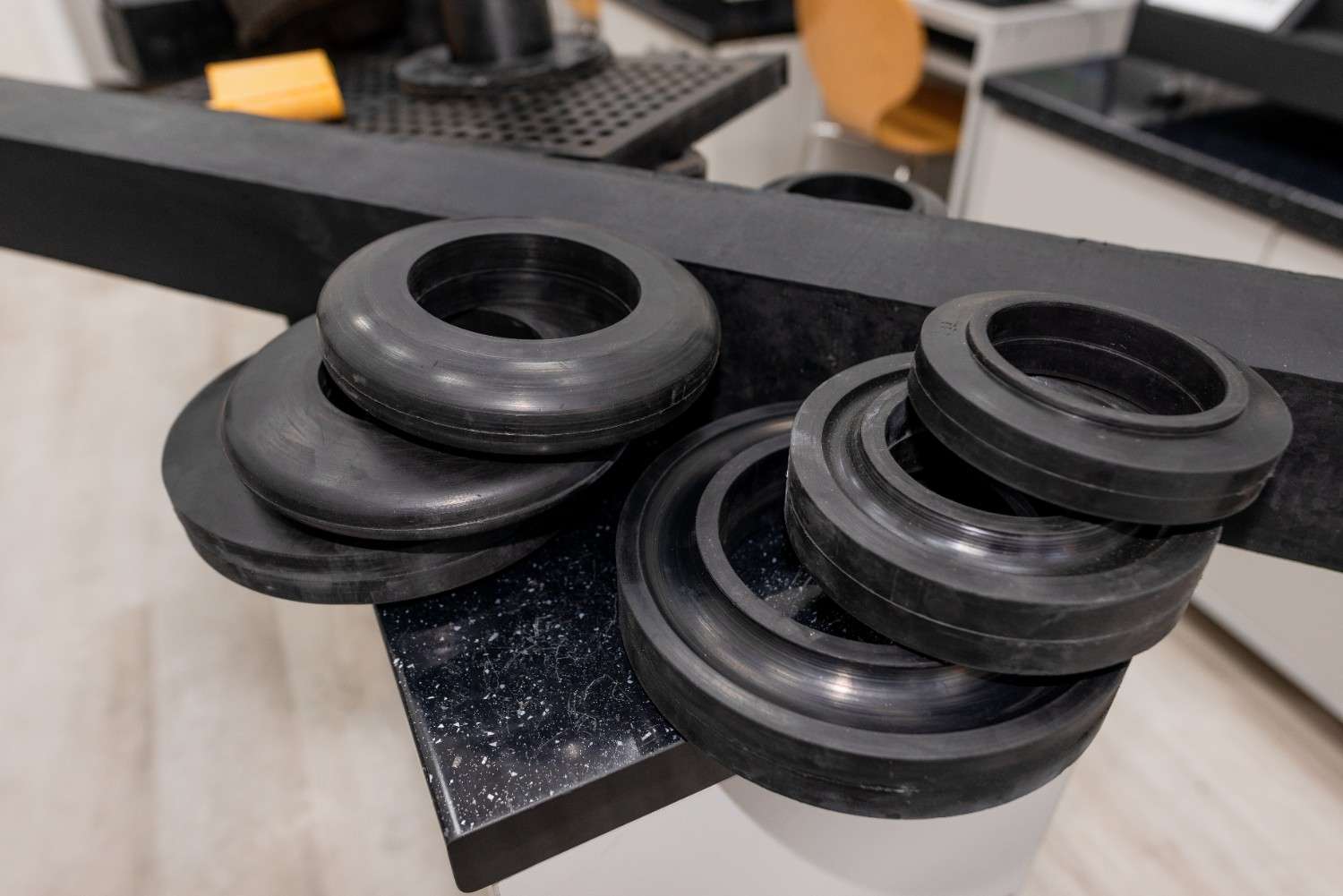
7. Gaskets and Seals Deteriorate Faster When Exposed to Acidic, Degraded Oil
Rubber and cork gaskets, lip seals, and O-rings throughout the engine are engineered to remain flexible and effective when exposed to clean engine oil within their designed operating parameters. Those materials have been tested and validated against fresh oil that meets manufacturer specifications.
What they have not been designed to withstand indefinitely is extended exposure to oil that has turned acidic, thickened with oxidation byproducts, or become contaminated with fuel and moisture. Acids form in engine oil as combustion byproducts, primarily water vapor and partially burned fuel, that enter the crankcase through normal blow-by past the piston rings.
Fresh oil’s additive package includes alkaline compounds that neutralize those acids as they form, maintaining a safe pH balance in the oil. Once those alkaline additives are depleted, which happens well before 15,000 miles on most oil types, acid accumulates in the oil without being neutralized. That acidic environment is hostile to the rubber compounds used in valve cover gaskets, front and rear main seals, camshaft seals, and oil pan gaskets.
A 2009 BMW 328i E90 Sedan with the 3.0-liter N52 naturally aspirated engine has a valve cover gasket and several camshaft position sensor O-rings that are sensitive to oil condition. Owners who have neglected oil changes on that engine and then addressed the deferred service have sometimes found that fresh oil with proper cleaning additives accelerates gasket failure by softening deposits that were previously holding a degraded seal together.
That is a counterintuitive outcome: changing the oil finally leads to a visible external leak because the sludge that was masking a failing gasket gets cleaned away. Valve cover gasket replacement on an N52 BMW runs between $300 and $600 at an independent shop.
Rear main seals on any engine are some of the most labor-intensive components to replace because accessing them requires either pulling the transmission or the crankshaft, depending on the design. A rear main seal compromised by acid-degraded oil starts as a seep, progresses to a drip, and eventually becomes a leak that requires immediate attention to prevent a low oil level from causing secondary engine damage.
Rear main seal replacement labor runs between $500 and $1,500, depending on the vehicle. The seal itself costs under $20. All of that labor cost traces back to a rubber compound that wore out faster than it should have because it was chronically exposed to acidic oil.
Also Read: 8 Tips for Organizing Your Truck Bed to Maximize Daily Utility and Storage
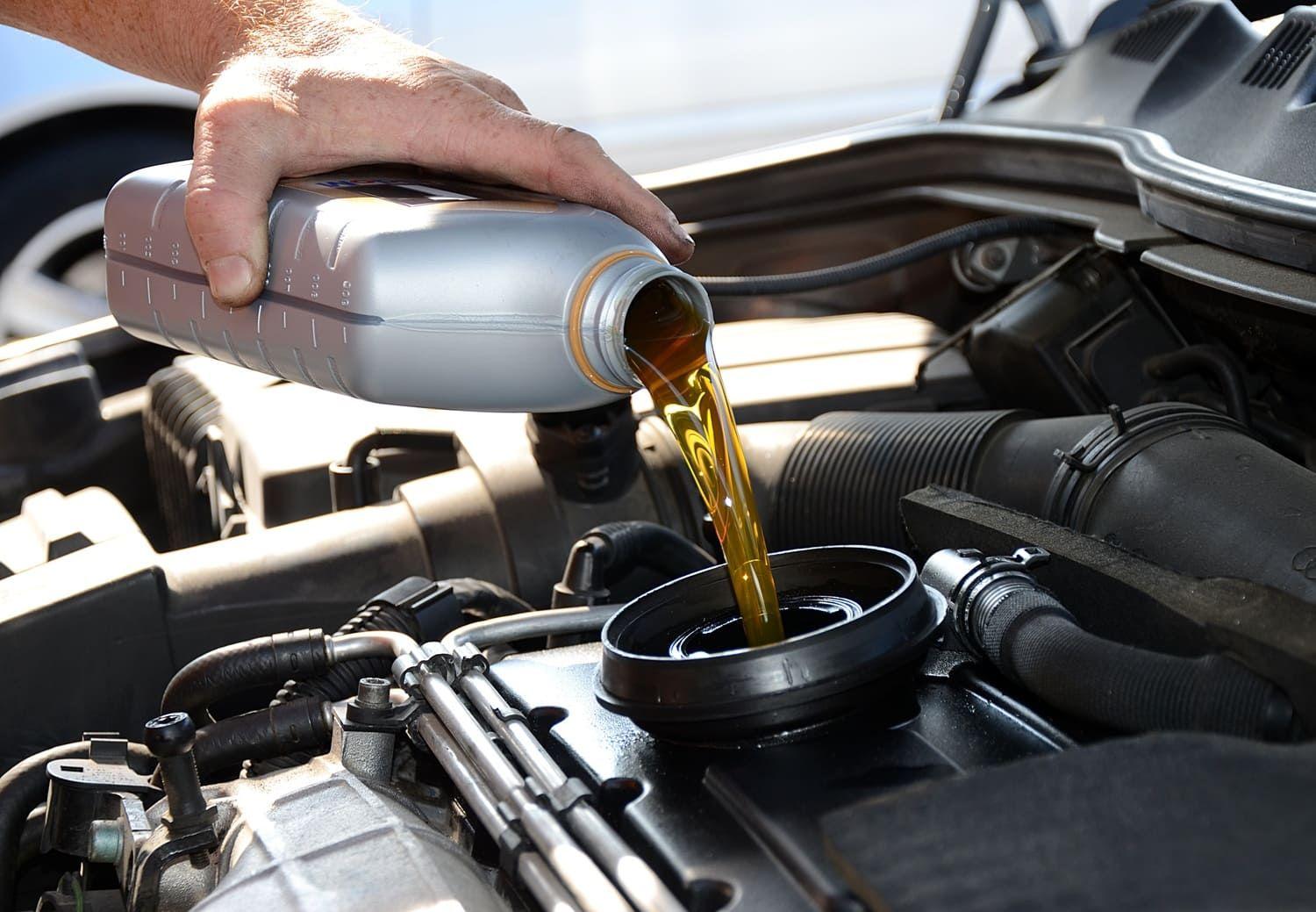
8. The Long-Term Cost of Skipping Oil Changes Always Exceeds the Cost of Doing Them on Schedule
Pull up a receipt for a conventional oil change at a national service chain, and the number is somewhere between $45 and $75. A full synthetic service at an independent shop runs between $80 and $120, depending on the vehicle. Those numbers feel like a routine expense, modest enough to postpone when money is tight or the schedule is full. What does not fit on that receipt is the cost calculation that runs in the background every mile a neglected engine travels.
Bearing replacement, timing chain replacement, VVT solenoid service, turbocharger failure, valve train damage, sludge cleaning, gasket replacement, and in the worst cases, full engine replacement are all outcomes that appear with measurably higher frequency in vehicles with documented oil change neglect.
Mechanics who inspect engines during purchase inspections or at high mileage can often tell within minutes whether an engine has been maintained properly or pushed through extended intervals. The physical evidence is consistent and unmistakable.
A 2011 Cadillac SRX with the 3.0-liter LFW V6 engine is a premium crossover that carries premium repair costs. An engine rebuild on that vehicle due to bearing failure from neglected oil service runs between $4,500 and $7,000 at a shop. A complete engine replacement using a remanufactured long block starts around $5,500 installed.
Against a vehicle with a market value that might be $10,000 to $13,000 in good condition, that repair cost represents a financially devastating outcome. Twenty years of oil changes on that vehicle, at $100 per service every 7,500 miles, costs roughly $4,000 total. The oil change program costs less than a single engine replacement.
Extended interval synthetic oils, which are legitimately designed for 10,000-to-15,000-mile service in vehicles whose manufacturers specify them, are engineered specifically for that task. Using a standard conventional oil and simply choosing not to change it for 15,000 miles is an entirely different situation.
The oil was never designed for that interval, its additives were never formulated to last that long, and the engine was never tested to tolerate the degradation that results. Many owners who push conventional oil to extreme intervals do so under the mistaken impression that modern oil is good for any mileage range. That is not how oil chemistry works.
A 2023 Toyota Camry XSE V6 with the 3.5-liter 2GR-FKS engine represents the current generation of well-engineered, durable vehicles that Toyota owners often assume will handle any level of neglect due to the brand’s reputation for reliability.
