
Spark plugs are among the most overlooked yet critically important components in any gasoline-powered vehicle. They ignite the air-fuel mixture inside the engine’s cylinders, and without them firing correctly, your engine simply will not run efficiently.
Most mechanics and car enthusiasts agree that replacing spark plugs at the right interval is one of the most impactful maintenance tasks you can perform. It directly affects fuel economy, throttle response, cold starts, and engine longevity.
However, not all vehicles are created equal when it comes to spark plug accessibility. Some engineers design their engines with the home mechanic in mind. Others seem to have forgotten that real human hands need to reach these components. The difference between a 10-minute spark plug job and a four-hour ordeal is enormous, both in labor costs and personal frustration.
Understanding which vehicles fall into which category can save you hundreds of dollars in mechanic fees. It can also help you make smarter purchasing decisions the next time you shop for a car or truck. Whether you are a seasoned DIY mechanic or a weekend hobbyist, spark plug accessibility matters more than most people realize.
This article breaks down five vehicles where spark plug replacement is refreshingly simple, and five where it becomes a genuine mechanical nightmare. Each example is thoroughly researched and based on real-world engine layout, design philosophy, and technician feedback.
5 Vehicles With Spark Plug Access You Can Reach in 10 Minutes
These vehicles are designed with simple engine layouts and easy top-side access, making spark plug replacement quick and straightforward. Inline engines with exposed ignition coils allow plugs to be reached without removing major components.
Models like the Toyota Corolla, Honda Civic, and Mazda3 are known for open engine bays and minimal obstruction, allowing most owners to change spark plugs in under 10–15 minutes. These designs make routine maintenance easy, saving both time and labor costs.
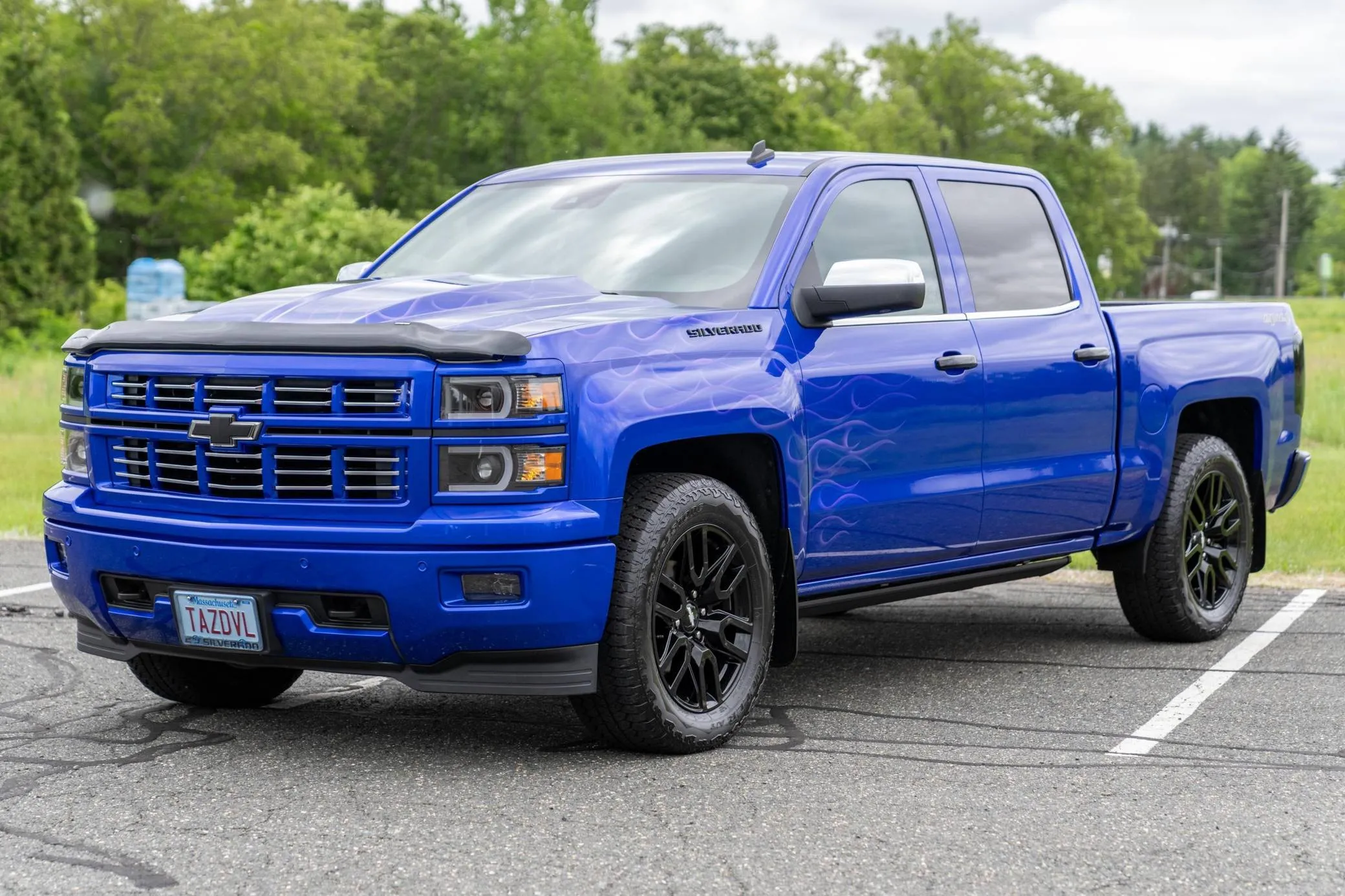
1. Chevrolet Silverado 1500 (5.3L V8 Engine)
The Chevrolet Silverado 1500 equipped with the 5.3L V8 engine is widely regarded as one of the most mechanic-friendly trucks ever built in America. General Motors designed this engine with practicality baked into its core architecture. The engine bay is wide, well-organized, and offers generous clearance on all sides of the block. There is very little crowding around the valve covers, and the ignition coil packs sit directly on top of each cylinder head.
Each spark plug on the 5.3L V8 is tucked beneath individual coil-on-plug units. These coils are held down by a single bolt each, making removal a one-minute task per coil. Once the coil is off, the spark plug is sitting right there, fully exposed and easy to reach with a standard extension and spark plug socket.
The truck’s raised ride height gives you room to work from underneath if needed. But in most cases, you never need to go under the truck at all. Everything is accessible from above, standing beside the vehicle with your arms reaching straight down into the engine bay.
Even with eight cylinders to service, a moderately experienced DIYer can complete the full job in under 45 minutes. A seasoned mechanic can knock it out in 20 to 25 minutes flat. The Silverado’s engine bay design reflects GM’s long history of building workhorses that real people maintain in real driveways.
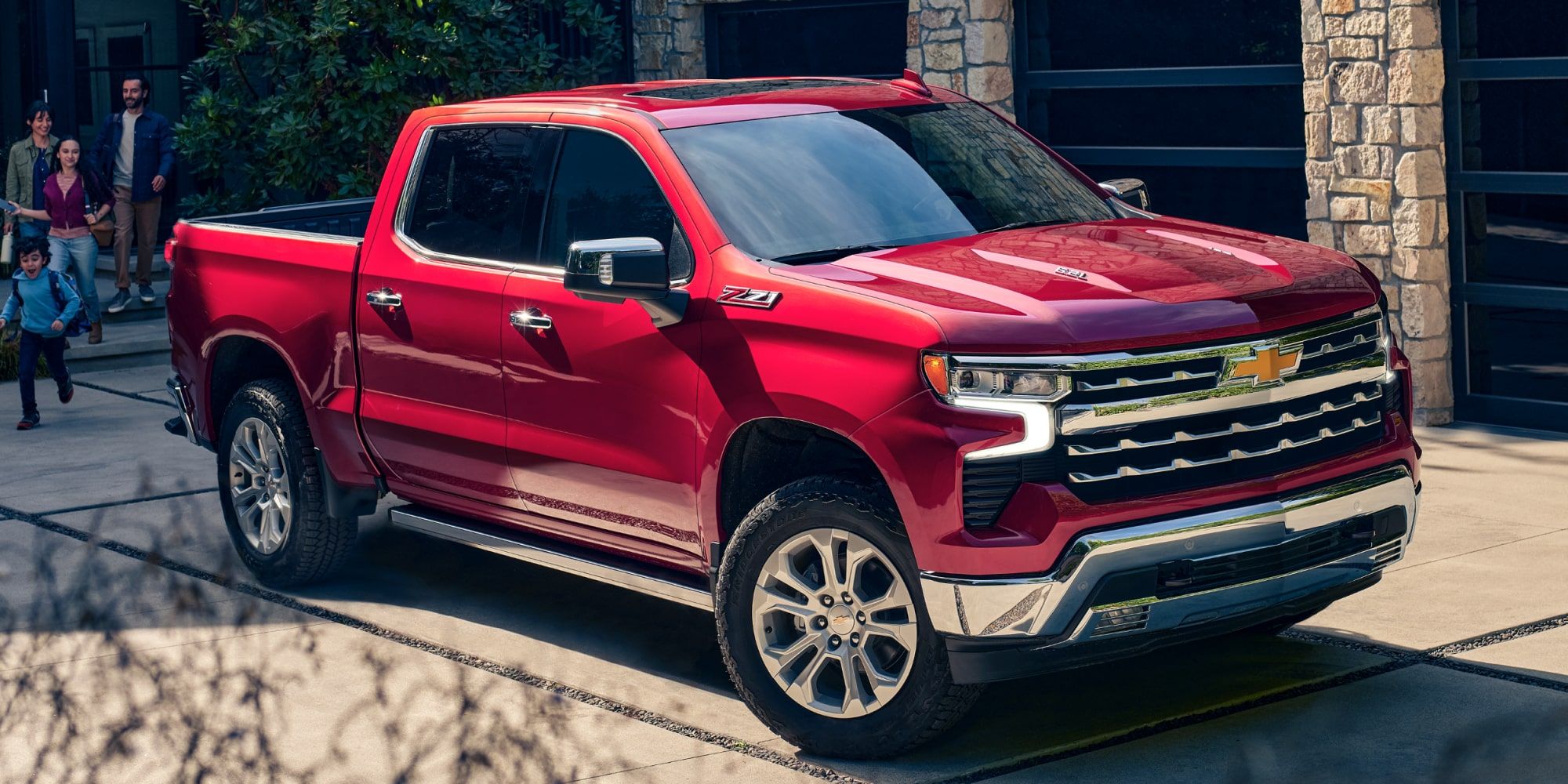
There are no intake manifolds to remove. There are no hidden plugs buried beneath layers of plastic covers and heat shields. The only tools you need are a ratchet, a 5/16-inch socket for the coil bolts, and a spark plug socket with a short extension. That is genuinely all it takes.
Oil changes, air filter swaps, and spark plug replacements on this truck are all designed to be fast. GM understood that truck owners often prefer to handle their own maintenance. The result is an engine that respects your time and your knuckles equally.
The 5.3L Vortec and its successor LS-based variants have powered millions of Silverados over the decades. Owners consistently report that spark plug jobs feel almost too easy. For a full-size V8 truck, that is a remarkable achievement in user-friendly engineering.
If you drive a Silverado with this engine and have been putting off your spark plug replacement, stop hesitating. Grab a set of plugs, clear an hour on a Saturday morning, and handle it yourself. You will be done before your coffee gets cold.
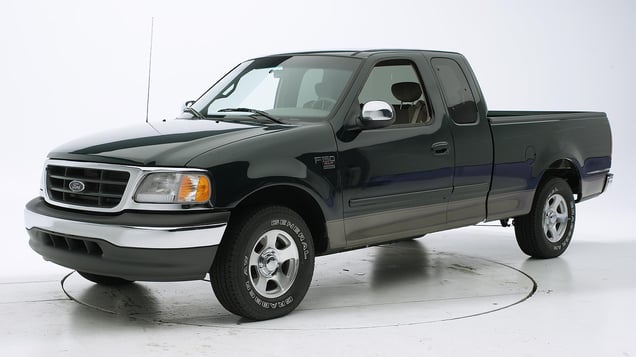
2. Ford F-150 (4.6L and 5.4L 2-Valve V8 – Pre-2004 Models)
The early generation Ford F-150 trucks powered by the 4.6L and 5.4L two-valve V8 engines are legendary for their accessible spark plug layouts. Before Ford transitioned to the three-valve and four-valve modular engine variants, these trucks were a dream for anyone doing their own maintenance. The two-valve design kept things simple, and that simplicity translated directly into easy access.
The spark plugs on these engines sit along the sides of the engine block in a conventional, straightforward arrangement. There is no deep well to go through, no awkward angle to fight, and no special proprietary tools required. A standard 5/8-inch spark plug socket on a medium extension reaches every plug with ease. The V8 layout in a full-size truck frame means there is plenty of room to work.
Ford truck buyers of this era often chose their vehicles specifically because of how easy they were to maintain. These engines were derived from a proven modular architecture that Ford had refined over many years. The result was a powertrain that balanced performance with serviceability in a way that later versions unfortunately abandoned.
Experienced mechanics who work on these trucks often describe the process as almost meditative. You move from plug to plug in a smooth rhythm. Each one comes out clean, goes back in clean, and the whole job is done before you know it.
The only precaution worth mentioning is to avoid over-torquing when reinstalling. Aluminum cylinder heads require a careful hand on the torque wrench. Other than that minor detail, these trucks represent everything a DIY-friendly engine should be.
Ford dealers and independent shops love seeing these trucks roll in, too. The labor time is short, the job is clean, and there are rarely any surprises hiding beneath the valve covers. When both the owner and the mechanic are happy, you know the design got it right.
If you are shopping for an older used F-150, specifically seeking the two-valve 4.6L or 5.4L, you are making a smart maintenance-forward choice. Parts are cheap, plugs are easy to reach, and the engines are legendarily durable. It is hard to ask for more than that in a work truck.
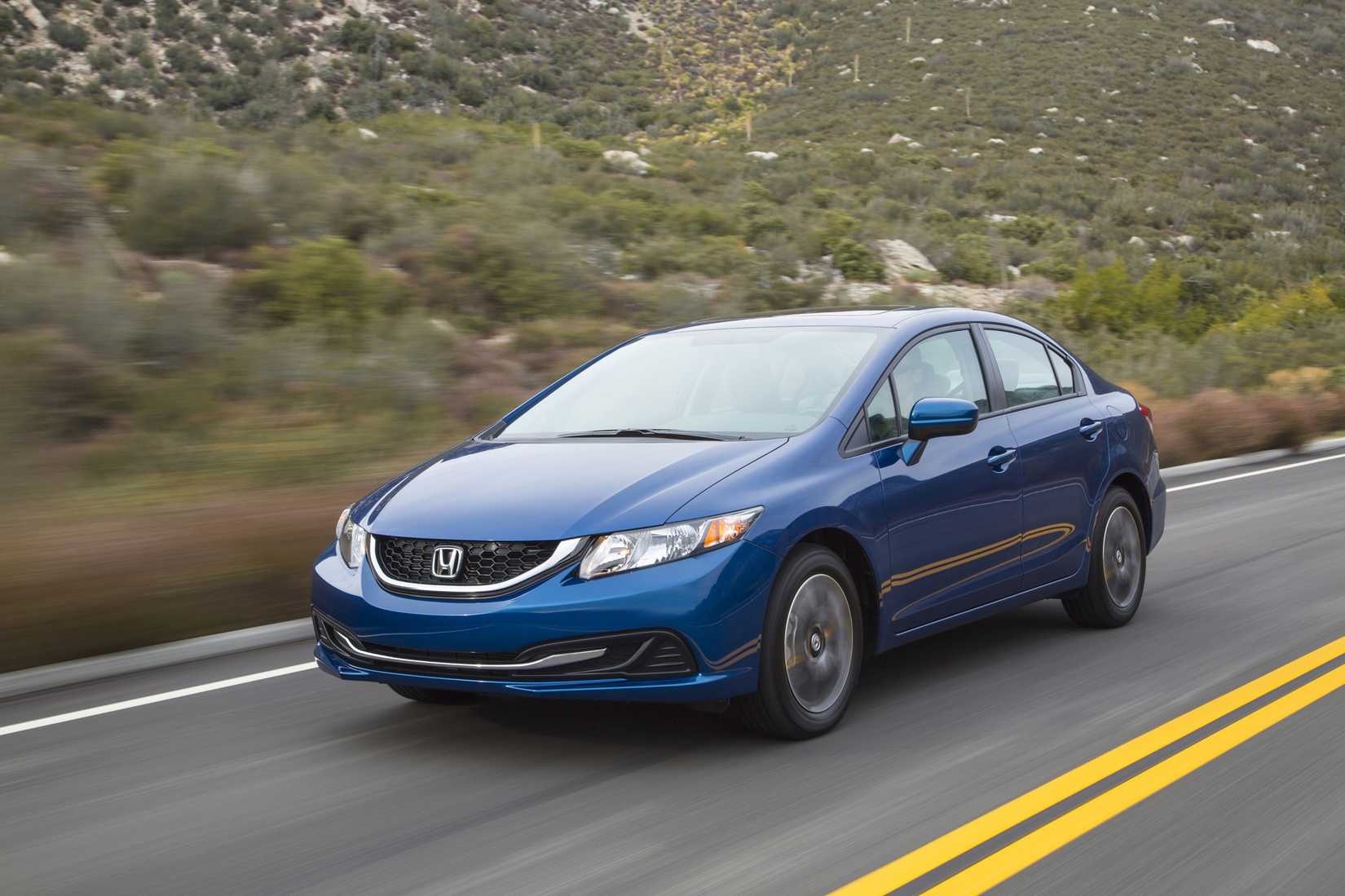
3. Honda Civic (1.5L and 1.8L 4-Cylinder Engine – 8th and 9th Generation)
The Honda Civic has earned its reputation as one of the most reliable and owner-friendly compact cars ever produced. The 8th and 9th-generation Civics, spanning roughly 2006 to 2015, are particularly praised for how accessible their spark plugs are. Honda’s inline four-cylinder engines are naturally compact, but Honda went further by laying out the engine bay in a logical, uncluttered fashion.
The spark plugs on these Civics sit beneath a plastic engine cover that removes without any tools in most trim levels. You simply pop it off by hand. Beneath it, you find four individual coil-on-plug units bolted neatly in a row along the top of the engine. Each coil is held by a single 10mm bolt. Remove the bolt, pull the coil, and the spark plug is right there waiting for you.
Because these Civics use a transversely mounted four-cylinder engine, the plug access is slightly angled. But it is far from difficult. A short spark plug socket and a 6-inch extension handle every single plug without the need to reposition yourself or contort your arm into odd angles. The entire job is straightforward from start to finish.
Honda enthusiasts often recommend this specific generation for first-time DIY mechanics for exactly this reason. The Civic teaches you how spark plug replacement should feel. You build confidence, you build skill, and you finish the job quickly without frustration or scraped knuckles.
The 1.5L and 1.8L engines in these Civics are also known for their longevity. With proper maintenance, including timely spark plug replacement, these engines routinely reach 200,000 miles and beyond. Easy access to the plugs means owners are more likely to keep up with the service intervals. Good design encourages good habits.
Parts availability for these Civics is excellent, and pricing is very reasonable. A full set of iridium spark plugs for these engines costs between 30 and 60 dollars, depending on the brand. Add 20 minutes of your time, and you have completed a job that a shop might charge 80 to 120 dollars to perform.
For anyone new to home car maintenance, the 8th or 9th generation Honda Civic is practically the perfect training ground. The spark plug job is one of several easy maintenance tasks these cars make approachable. Honda built these vehicles with everyday owners in mind, and it shows in every wrench turn.
4. Toyota Tacoma (2.7L 4-Cylinder and 4.0L V6 – 2005 to 2015)
The Toyota Tacoma has long been celebrated for its bulletproof reliability and its equally impressive ease of maintenance. The second-generation Tacoma, produced from 2005 through 2015, comes with two engine options that both score exceptionally well in terms of spark plug accessibility. Whether you choose the 2.7L four-cylinder or the 4.0L V6, you are getting an engine that respects your time.
The 2.7L four-cylinder Tacoma is perhaps the simpler of the two. Four plugs, inline arrangement, accessible from the top of the engine bay without drama. The coil-on-plug setup means each plug location is easy to identify and reach. A short extension on your ratchet handles the job comfortably. Most owners report completing this job in under 20 minutes once they have done it once.
The 4.0L V6 is slightly more involved simply because it has six cylinders to service. However, the engine bay layout in the Tacoma is generous, and Toyota positioned the rear bank of cylinders with enough clearance to reach without gymnastics. The plugs on both banks are accessible from above. No special tools are needed beyond standard socket set components.
Toyota’s engineering philosophy has always prioritized long-term ownership satisfaction. They understand that a truck owner who can maintain their own vehicle is a loyal Toyota owner for life. The Tacoma’s engine design reflects this philosophy at every turn. Accessibility is built in, not bolted on as an afterthought.
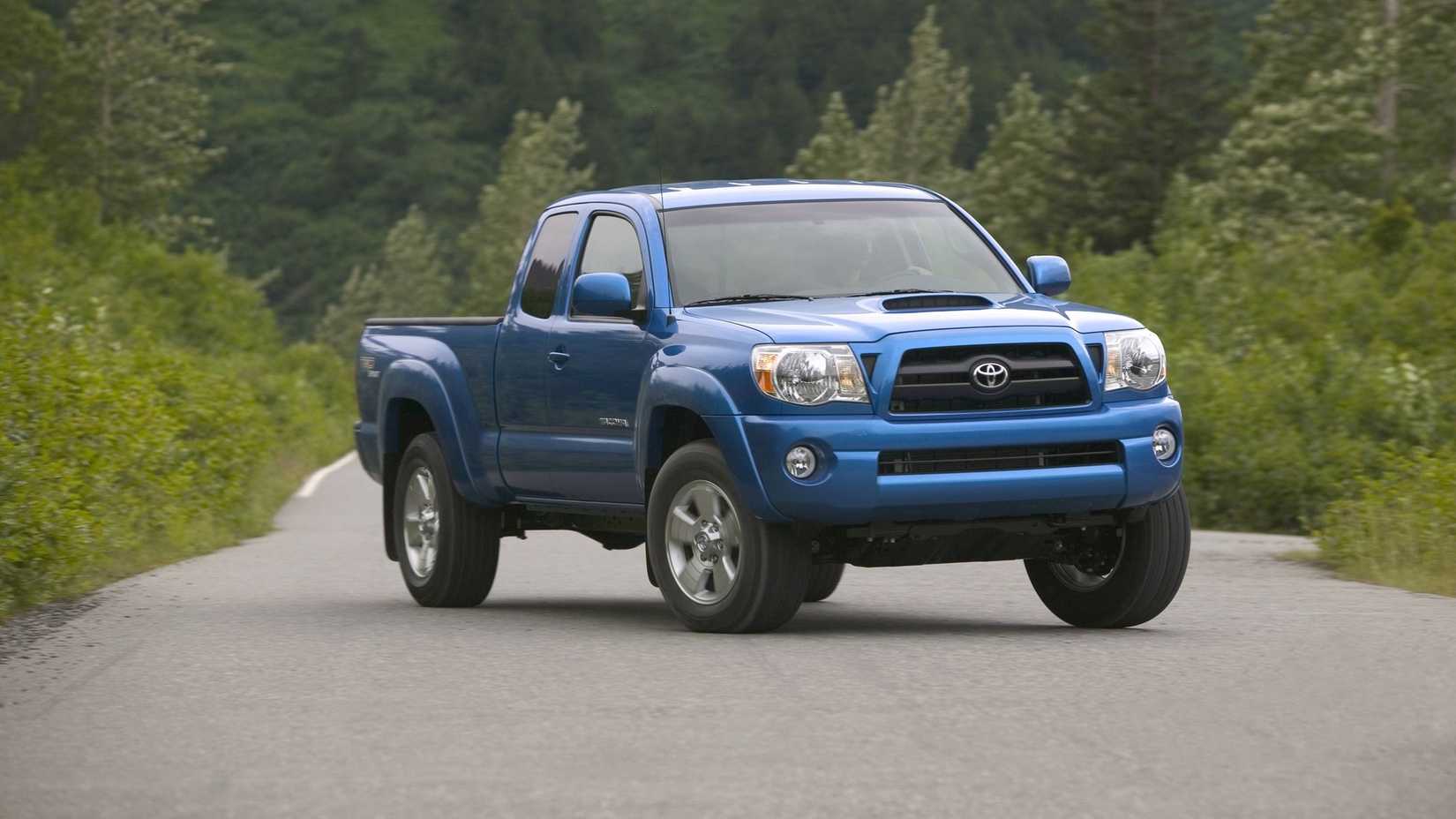
The Tacoma’s raised stance also contributes to the ease of the job. You are not crouched low over a small engine bay. You are standing comfortably, reaching down into a well-organized engine compartment. That posture difference alone reduces fatigue and errors during the job.
Tacoma owners who perform their own maintenance often describe a certain pride in knowing exactly what is happening under the hood. The accessible spark plug layout invites that engagement. When the job is easy, you do it regularly. When you do it regularly, your engine rewards you with thousands of additional miles.
Replacement spark plugs for both Tacoma engines are widely available and reasonably priced. Toyota recommends iridium plugs with intervals up to 60,000 miles on newer units. Follow the interval, do the work yourself, and your Tacoma will thank you with uninterrupted performance for years on end.
Also Read: 9 SUVs With the Best 5-Year Resale Values in 2026
5. Subaru Outback (2.5L Naturally Aspirated Boxer 4-Cylinder – Non-Turbo)
Subaru’s naturally aspirated 2.5L boxer four-cylinder engine, found in the non-turbo Outback, is a pleasant surprise when it comes to spark plug accessibility. Many people assume that the flat, horizontally opposed layout of a boxer engine makes it difficult to work on. For the turbo variants, that assumption has some merit. But for the base naturally aspirated 2.5L, the experience is far more approachable than most people expect.
The plugs on this engine are positioned horizontally, pointing outward from each side of the engine. This layout sounds unusual, but it actually works in the DIYer’s favor. The left side bank is accessible from the driver’s side of the engine bay. The right side bank is reachable from the passenger side. You do not need to reach across or around the engine to access any plug.
Subaru designed the EJ25 and FA25 naturally aspirated variants with good clearance around the plug access points. The ignition coils sit neatly above each plug location. Removing them requires a 10mm socket and about 30 seconds of effort per cylinder. Once the coil is out, a spark plug socket on a medium extension slides straight in.
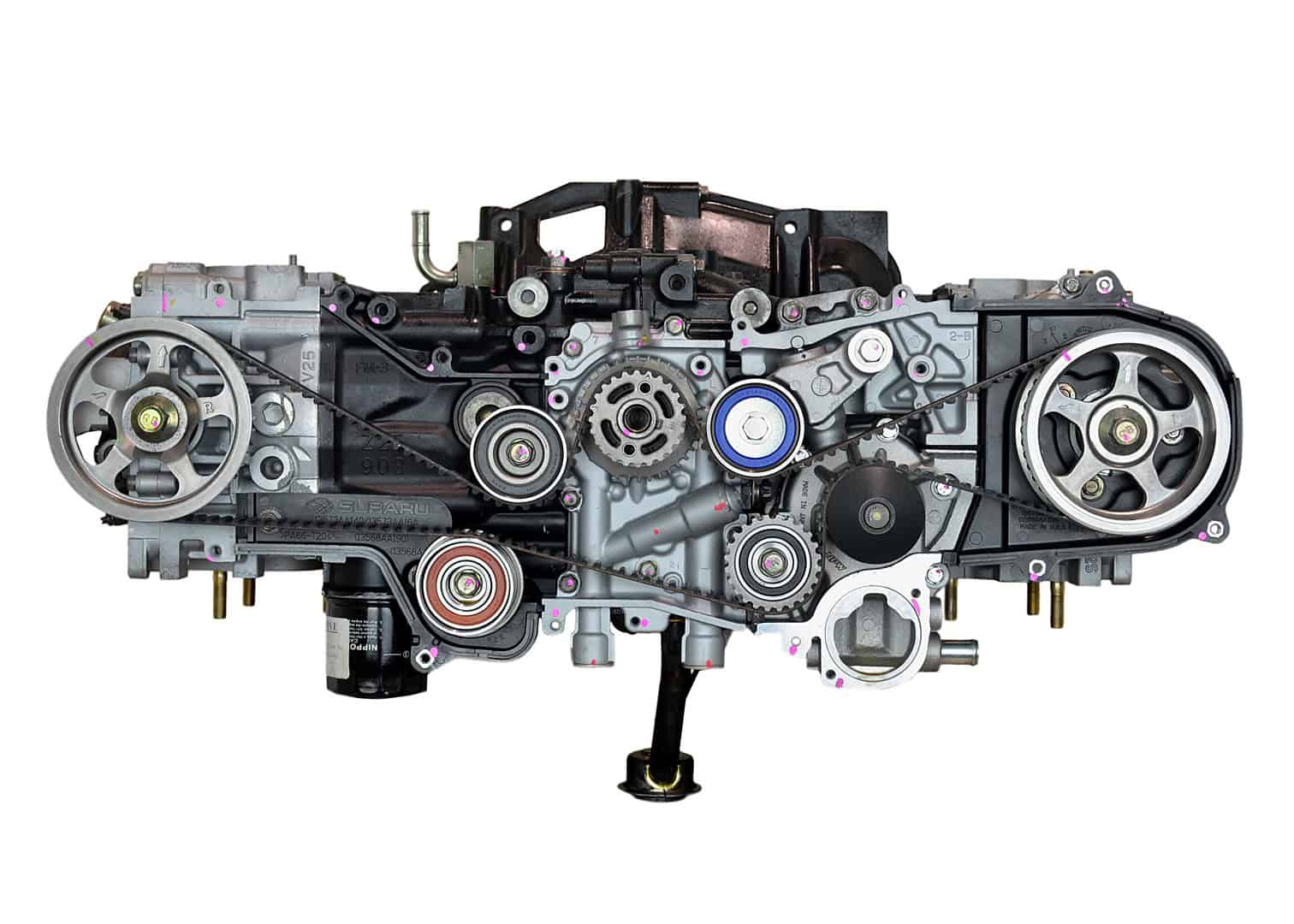
The total job on a naturally aspirated Outback typically takes between 30 and 45 minutes for someone who has done it once or twice. First-timers may take a bit longer simply due to unfamiliarity with the horizontal layout. But anyone who approaches the job with patience and the right tools will find it manageable and rewarding.
Subaru Outback owners are often passionate about their vehicles and their outdoor lifestyles. The ability to perform basic maintenance in a trailhead parking lot or a home garage fits perfectly with that independent spirit. The accessible plug layout makes that self-reliance genuinely possible.
One tip worth noting is to work on one side of the engine completely before moving to the other. This prevents confusion and ensures you do not mix up coil positions. Keep everything organized, work methodically, and the job goes smoothly every single time.
Genuine NGK or Denso iridium plugs are the recommended choice for these Subaru engines. They are widely available and priced reasonably. With a 60,000-mile replacement interval on most naturally aspirated variants, this is a job you will only encounter occasionally, but when you do, you will be glad it is this straightforward.
5 That Take Hours
These vehicles often have tight engine bays or complex layouts, where spark plugs are buried under intake manifolds, engine covers, or near the firewall. V6 and transverse-mounted engines are especially known for difficult access.
In many cases, mechanics must remove multiple components just to reach the plugs, turning a simple job into a labor-intensive process that can take hours. This increases maintenance costs and makes DIY work impractical for most owners.
1. Ford F-150 (5.4L 3-Valve Triton V8 – 2004 to 2010)
If the pre-2004 two-valve F-150 is the gold standard of spark plug accessibility, then the 2004 to 2010 5.4L three-valve Triton V8 is the cautionary tale.
This engine is widely considered one of the most infamously difficult spark plug jobs in the entire history of mass-produced American trucks. The problems are not one-dimensional; they are layered, mechanical, and potentially catastrophic if approached without proper knowledge.
The three-valve Triton uses a spark plug design with an extended two-piece plug that sits in a deep well within the cylinder head. The plug itself has a relatively thin ceramic insulator section that is prone to breaking under stress.
When these plugs are not replaced at the manufacturer-recommended intervals, carbon deposits accumulate around the plug threads. Attempting removal after years of heat cycling can and frequently does snap the plug in half, leaving the threaded portion stuck inside the aluminum head.
This is not a rare occurrence. Mechanics across the country have their own 5.4L Triton horror stories. What was supposed to be a routine maintenance job has turned into cylinder head removal, Heli-Coil thread repair, or full head replacement for thousands of F-150 owners. Ford was aware of the issue and released technical service bulletins addressing the problem. But no bulletin fully eliminated the risk.
Beyond the breakage danger, the physical access to these plugs is also poor. The rear plugs on the passenger side are particularly challenging. They sit in tight proximity to the firewall, forcing the use of specialized flexible extensions and universal joints just to get a socket on the plug. Even removing the wiper cowl sometimes becomes necessary to create adequate working room.
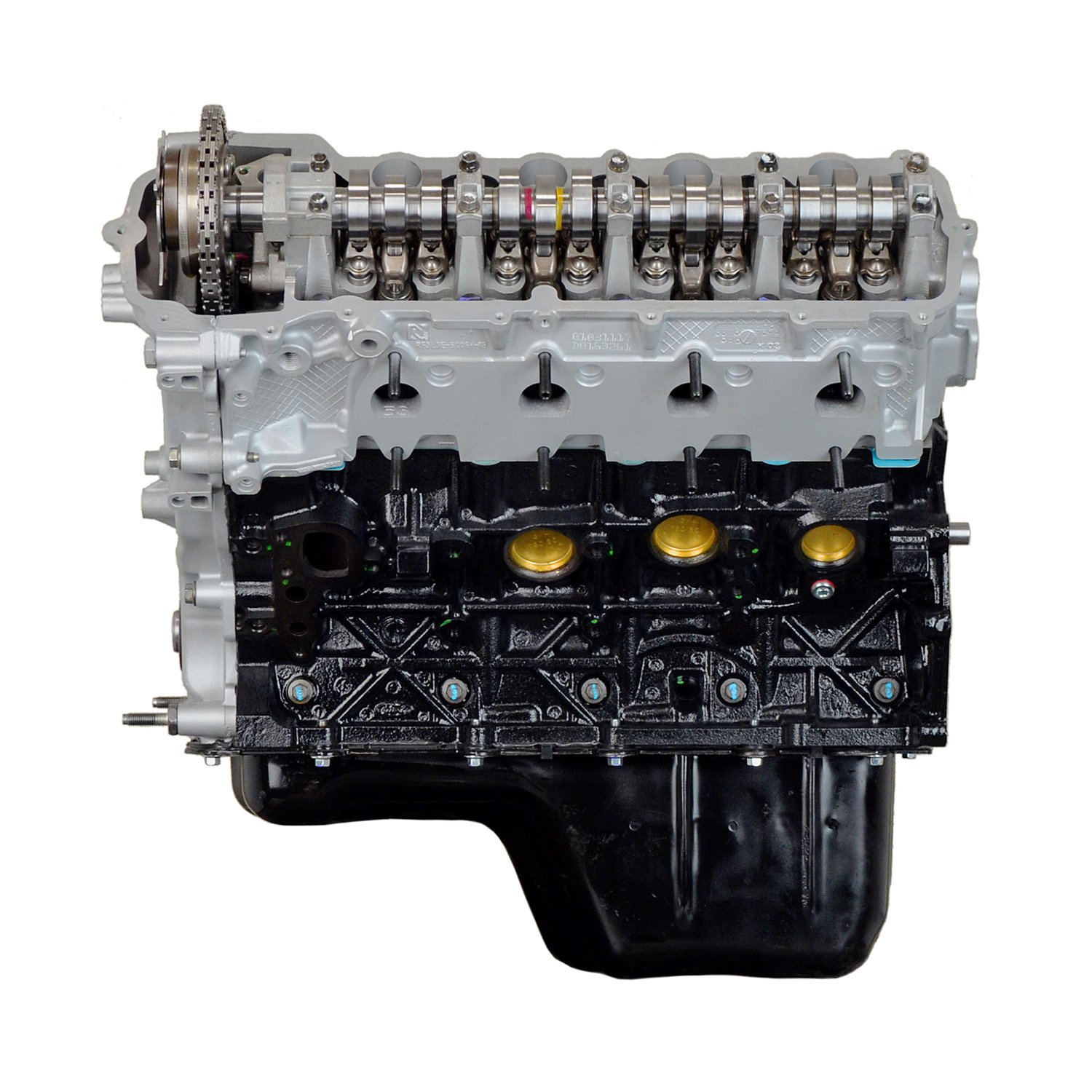
Professional mechanics typically charge three to four hours of labor for this job on a good day. On a bad day when plugs break, that labor time can stretch to eight hours or more, and the cost of repairs can exceed one thousand dollars for a job that should have been a hundred-dollar tune-up.
Ford addressed this issue with the introduction of the 6.2L V8 and later EcoBoost engines. But millions of 5.4L three-valve trucks are still on the road today. If you own one, do not wait for your plug replacement.
Use penetrating oil weeks in advance. Heat the engine cycle before attempting removal. Have a plug extractor kit on standby. And consider having a professional handle it unless you are fully prepared for the potential consequences.
7. Volkswagen / Audi 1.8T and 2.0T Transversely Mounted 4-Cylinder (FWD Platform)
Volkswagen and Audi have built some of Europe’s most sophisticated and enjoyable vehicles around the 1.8T and 2.0T turbocharged four-cylinder engines.
These powertrains are capable, refined, and rewarding to drive. They are also deeply frustrating when it comes to routine maintenance, particularly spark plug replacement on front-wheel-drive transverse engine layouts.
The issue begins with how these engines are packaged. Volkswagen’s engineering team designs for maximum interior space and aerodynamic efficiency.
Engine bay roominess for the home mechanic is clearly not a primary concern. The result is an engine compartment so tightly packed that accessing the rear of the engine, where crucial components like the spark plugs are located on transverse layouts, requires significant disassembly.
On many Golf, Jetta, and Passat models, as well as Audi A4 and A6 variants with transverse mounts, the spark plugs are positioned at the rear of the engine block facing the firewall.
To reach them, you must first remove a substantial portion of the intake manifold assembly. This involves disconnecting vacuum lines, fuel injector wiring harnesses, coolant hoses, and multiple bracket assemblies that hold everything in place.
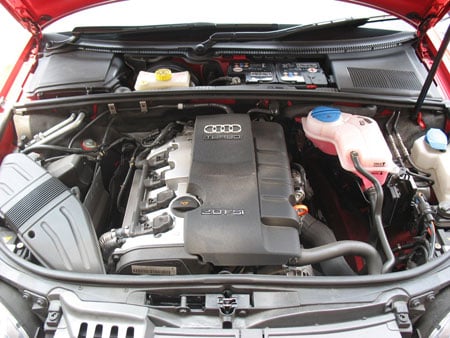
The intake manifold removal alone can take 45 minutes to an hour for an experienced technician. Once the manifold is out, the spark plugs are finally visible.
But the deep spark plug wells on these engines require a specific thin-walled spark plug socket. Standard aftermarket sockets often do not fit. Using the wrong tool risks cracking the ceramic insulator on the plug or damaging the well itself.
Reassembly after the job is done is just as time-consuming as the teardown. Every vacuum line must be reconnected correctly. Every electrical connector must click back into place.
Torque specifications for the intake manifold bolts must be followed precisely to avoid vacuum leaks that will trigger check engine lights immediately after the repair.
Total time for a spark plug replacement on these transverse Volkswagen and Audi engines typically runs three to five hours for an experienced independent mechanic.
Dealership quotes often start at two to three hundred dollars in labor alone. For four spark plugs that cost thirty dollars in parts, that labor premium is a hard pill to swallow.
Owners who love their Golfs and Jettas are often blindsided by this reality at their first tune-up interval. The driving experience is excellent, but the ownership experience in the driveway tells a very different story. Know what you are getting into before you buy, and budget accordingly for professional service.
8. Chrysler / Dodge 3.5L and 4.0L V6 (Rear Bank Cylinder Access)
The Chrysler 3.5L and 4.0L V6 engines, used extensively across multiple Dodge and Chrysler platforms during the 2000s and 2010s, present a uniquely frustrating spark plug access challenge. These engines were fitted to the Dodge Charger, Dodge Magnum, Chrysler 300, and several other vehicles. On paper, replacing spark plugs in a V6 should be a relatively simple job. In practice, the rear bank of this engine turns it into an extended ordeal.
The front bank of cylinders, the three plugs closest to the front of the engine, are reasonably accessible. With a proper extension and a spark plug socket, you can reach them in a normal fashion. Those three plugs come out and go back in without much drama. Many first-time owners are lulled into a false sense of security after completing the front bank.
Then comes the rear bank. The three plugs on the back of this engine face directly toward the firewall. The gap between the back of the engine and the firewall is extremely narrow. On many of these body-on-frame and unibody platforms, there is barely enough room to insert your hand, let alone a ratchet with a full-length extension attached. The challenge is not just physical, it is geometric.
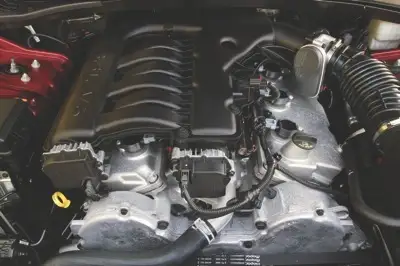
Mechanics typically approach the rear bank plugs by removing the intake manifold, the throttle body assembly, and several coolant and vacuum lines. Some technicians work from below the vehicle using a combination of universal joints and flexible extensions. Neither approach is particularly comfortable or efficient, and both carry the risk of dropping a socket or breaking a connector in a nearly inaccessible location.
The rear plugs on these engines also tend to accumulate carbon buildup faster than the front three. Because they run hotter in that confined space, deposits form more aggressively. Plugs that have not been replaced at the correct interval are significantly harder to remove cleanly. Cross-threading during reinstallation is a real risk in a space where visibility is almost nonexistent.
Professional labor quotes for a full tune-up on these Chrysler V6 engines regularly come in at 200 to 350 dollars above parts cost. The vehicles themselves are often purchased for their stylish design and strong highway performance. But their maintenance reputation among mechanics is significantly less glamorous. If you own one of these vehicles, build the labor cost into your ownership budget from day one.
9. BMW N54 and N55 Turbocharged 6-Cylinder (E90, F30 Platform)
BMW’s straight-six turbocharged engines, particularly the N54 and N55 found in 335i, 535i, and other performance-oriented models, are engineering masterpieces from a performance standpoint.
They produce exceptional power, deliver a magnificent driving experience, and give their owners a genuine sense of automotive occasion every time they start the car. They are also extraordinarily difficult to service at home, and spark plug replacement is a perfect example of why.
The N54 and N55 engines are mounted longitudinally in the engine bay. The inline-six layout means all six spark plugs run in a straight line along the top of the engine.
That sounds like it should simplify access. Unfortunately, BMW’s engineers packed the engine bay so densely with turbocharger hardware, intercooler piping, charge pipes, intake systems, and heat shielding that the spark plug locations became nearly invisible beneath layers of components.
To access the spark plugs on most N54 and N55 platforms, the first task is removing the engine cover, which is purely decorative and bolted in place. Beneath it lies the intake manifold and associated charge air piping.
On turbocharged models, significant intercooler and charge pipe removal is often required to create enough clearance to work a spark plug socket into the wells. These components are made of plastic and aluminum, and they become brittle over time. Forcing them out without care leads to cracked fittings and expensive collateral damage.
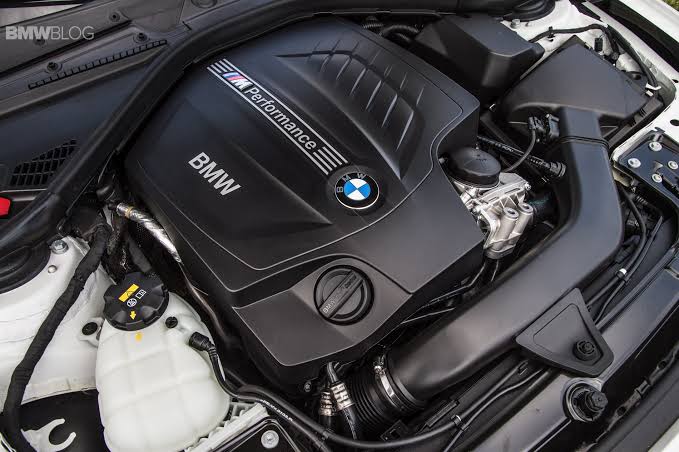
The spark plug wells themselves are long and narrow. BMW specifies a particular thin-wall socket size, and in some cylinder positions, that socket barely fits with zero tolerance for wobble. Getting the plug started correctly on reinstallation without cross-threading requires patience and a perfectly steady hand. In a warm engine bay with limited visibility, that is easier said than done.
BMW dealerships charge between 400 and 600 dollars for a full spark plug replacement service on these engines, including labor and OEM parts. Independent BMW specialists typically earn between 200 and 350 dollars. The parts themselves are genuine OEM BMW spark plugs, cost roughly 15 to 20 dollars per plug. The labor premium reflects the genuine difficulty of the job, not mechanical padding.
Owners who purchase BMWs for the driving pleasure must also accept the maintenance realities that come with German engineering priorities. Performance and packaging efficiency come first. Serviceability is a secondary concern. Understanding that trade-off before you buy saves a great deal of frustration and financial shock later.
10. Toyota Camry and Avalon (3.5L V6 – 2GRFE Engine, Rear Bank Access)
The Toyota 3.5L V6, designated internally as the 2GR-FE, is one of the finest naturally aspirated V6 engines ever produced by any manufacturer. It is powerful, smooth, efficient, and extraordinarily reliable over very high mileages. It is fitted to vehicles like the Toyota Camry V6, Avalon, Highlander, and RAV4. For most owners, it is simply a wonderful engine that never causes problems.
Then comes the first spark plug replacement. And the rear bank. The 2GR-FE is mounted transversely in front-wheel-drive Toyota platforms. The front bank of three cylinders faces the front of the engine bay and is completely accessible.
Those three plugs are a non-issue. But the rear bank faces the firewall, and what follows is an exercise in patience that many shade-tree mechanics find deeply frustrating.
To access the rear three spark plugs, most procedures require removing the intake manifold a significant piece of hardware with multiple coolant connections, fuel injector wiring, throttle body connections, and support brackets.
The manifold itself is not fragile, but the gaskets beneath it are consumables that should be replaced anytime the manifold comes off. That adds parts cost and time to the job.
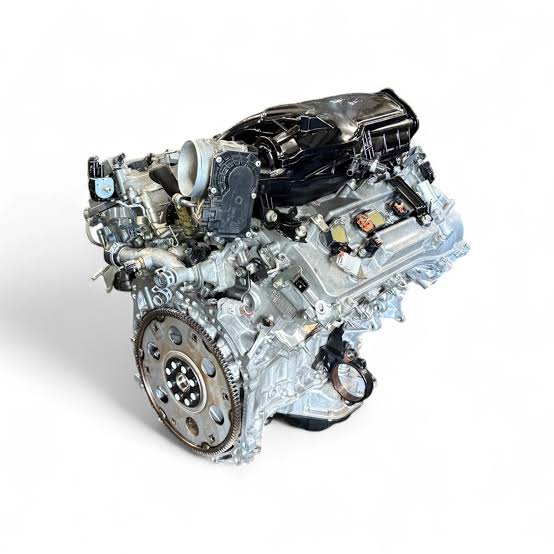
Some experienced mechanics claim to access the rear bank plugs without full manifold removal by using a combination of very long extensions, universal joints, and a good deal of luck. The approach sometimes works. Other times, the plug drops, a connector breaks, or the awkward angle causes a cross-threading incident that creates a much larger problem. The full manifold removal, while time-consuming, is the more reliable and professional approach.
Toyota recommends iridium spark plugs on the 2GR-FE with a 60,000-mile replacement interval. That interval seems generous until you remember that when the time comes, the job is going to take three to four hours and cost 200 to 300 dollars in labor at a trusted shop. Suddenly, that 60,000-mile interval feels less like a gift and more like a grace period.
It is worth emphasizing that, beyond the spark plug challenge, the 2GR-FE is a wonderful engine. Toyota built it to last. Owners regularly push these engines past 250,000 miles with proper maintenance. The rear bank plug access issue is a real inconvenience, but it is also a manageable one when you are prepared for it. Know the job before you start it, budget appropriately, and the rest of the ownership experience will be deeply satisfying.
Also Read: Seven of the Ten Least Reliable Cars in 2026 Are EVs or Plug-In Hybrids
