
The electric vehicle revolution was supposed to change everything. Cleaner roads, lower fuel bills, and a smoother ownership experience were the promises that sent millions of buyers rushing toward a new generation of automobiles.
Governments backed the transition with generous incentives. Automakers restructured entire operations to meet ambitious electrification targets. The momentum felt unstoppable.
But real-world reliability data tells a far more complicated story. Consumer Reports, America’s most trusted independent vehicle assessment organization, conducts an annual reliability study drawing on survey responses from nearly 380,000 vehicle owners across twenty critical performance categories.
The findings for 2026 delivered a result that stunned the automotive world. Seven of the ten least reliable cars of the year are either fully electric vehicles or plug-in hybrids. That number spans Korean, Japanese, and American manufacturers alike, ruling out any single brand as the culprit.
The problem is structural. Battery management systems, integrated charging control units, dual powertrain complexity, and deeply embedded software platforms are proving far harder to perfect than optimistic launch events suggested.
Ordinary families buying these vehicles at premium prices are absorbing the cost of that imperfection in workshop visits, unexpected failures, and daily uncertainty.
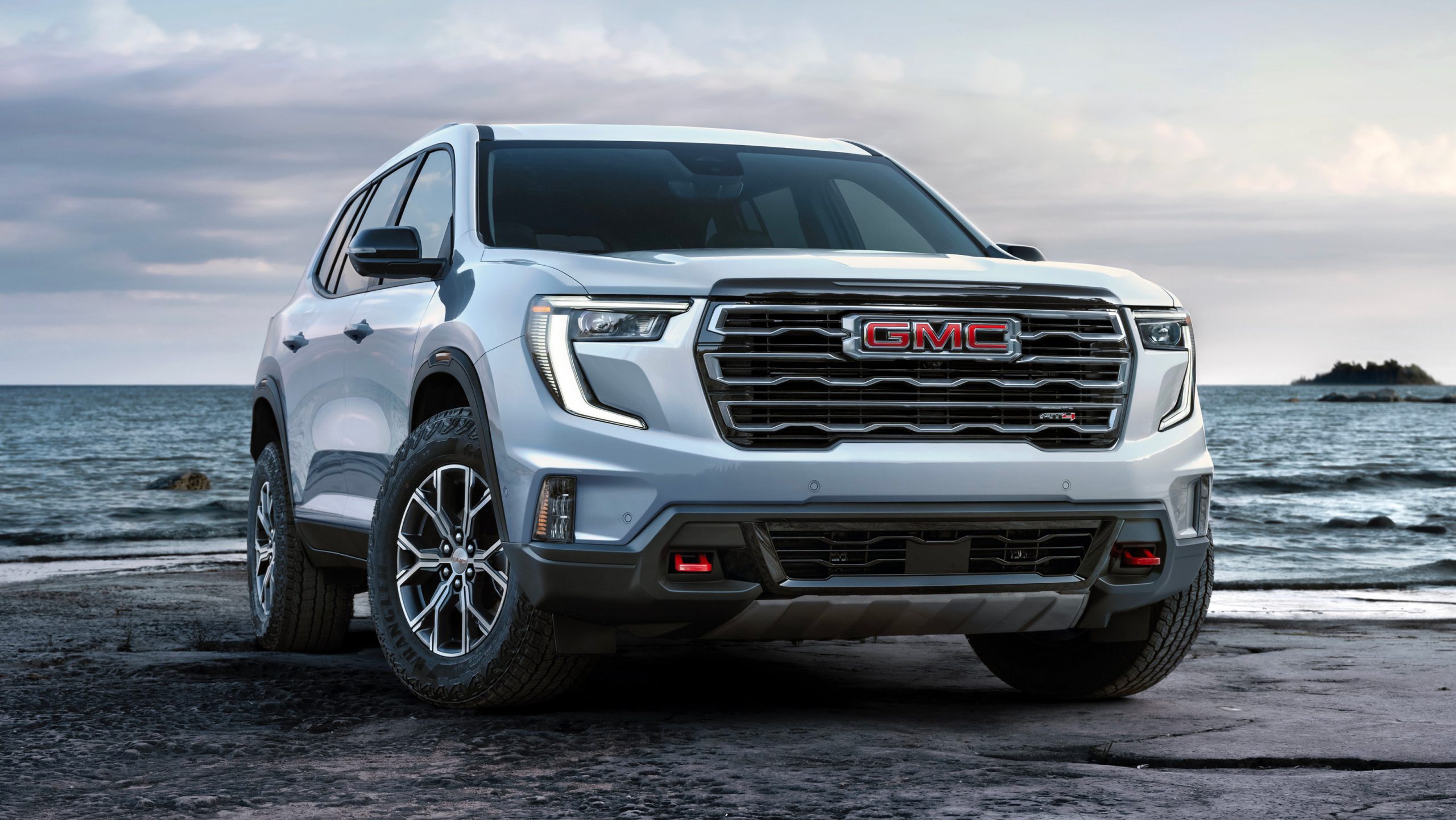
1. GMC Acadia – Reliability Score: 4 out of 100
The GMC Acadia occupies a position at the very bottom of the 2026 reliability rankings that is so extreme it barely seems real. A score of 4 out of 100 does not describe a car with problems.
It describes a car that is, by almost any measure, a rolling exercise in mechanical disappointment. For a mainstream three-row family SUV from one of America’s most established automotive brands, this is not merely a bad report card. It is an institutional failure.
The Acadia’s troubles are not new, and that context matters enormously. The model has carried reliability baggage through multiple generations. Transmission problems plagued the earliest versions when the vehicle launched in 2008. Subsequent generations brought fresh complaints of water leaks, faulty thermostats, and electrical gremlins that dealers struggled to diagnose.
The 2024 redesign was supposed to mark a clean break. A new turbocharged four-cylinder engine, a roomier interior, updated driver assistance technology, and a completely rethought chassis gave the impression that General Motors had finally drawn a line under the Acadia’s troubled history. That impression did not survive contact with reality.
What the redesign actually introduced was a fresh set of problems layered on top of an already fragile reliability foundation. Owners of 2024 and 2025 Acadias began reporting transmission failures at mileages that would embarrass a budget econobox.
Vehicles with fewer than 10,000 miles on the odometer were arriving at dealerships with complete drivetrain failures, fluid leaks that appeared without warning, and clutch components that had simply disintegrated ahead of any reasonable expectation of wear.
The braking system generated its own wave of complaints, with reports of inconsistent pedal feel and premature component wear surfacing across multiple trim levels.
The electrical and electronic side of Acadia has proven equally troubled. Infotainment screens freeze during normal use, sometimes locking the driver out of navigation, climate control, and audio at the same time. The advanced driver assistance systems, which should add confidence on the highway, have instead triggered false emergency braking events that caught drivers entirely off guard.
Buyers who need something dependable to carry children, groceries, and elderly parents are better served looking elsewhere, at least until General Motors demonstrates that it has genuinely resolved the issues that have plagued this vehicle through multiple model years and at least one major redesign.
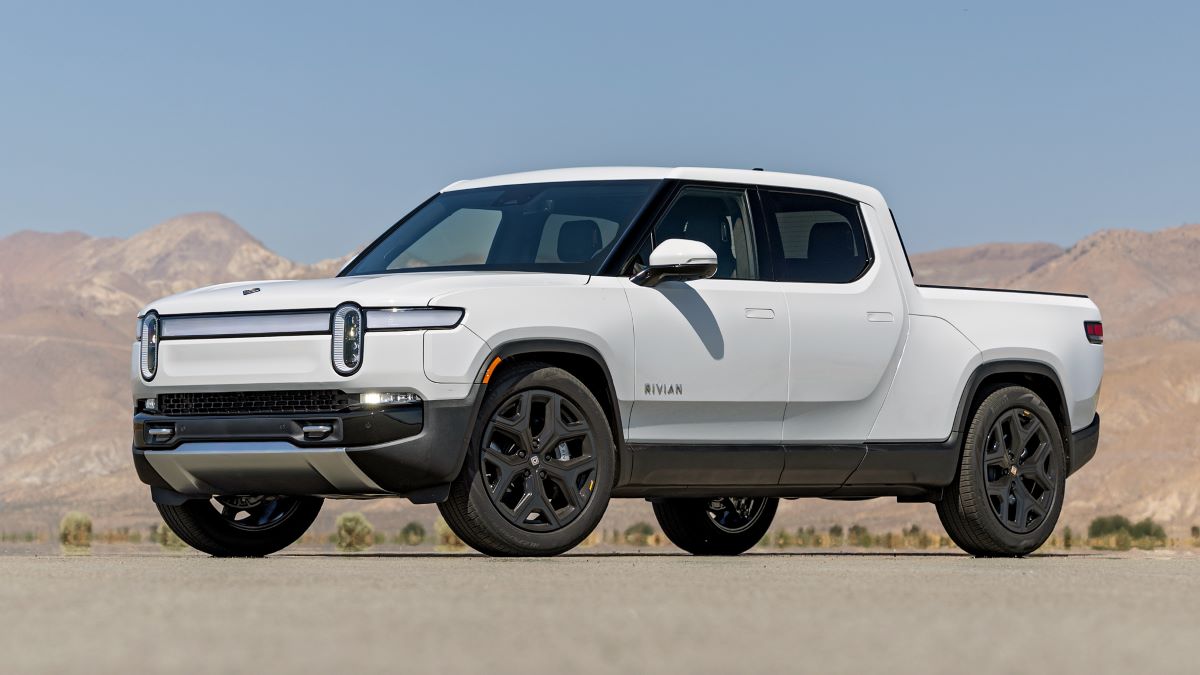
2. Rivian R1T – Reliability Score: 18 out of 100
The Rivian R1T arrived on the market in late 2021 as the first mass-produced all-electric pickup truck in American history, and the enthusiasm that greeted it was extraordinary.
Adventure-oriented buyers fell in love with its ground clearance, its pass-through gear tunnel, its Camp Kitchen option, and the genuinely impressive performance figures it delivered on and off pavement. Rivian positioned itself as the electric truck for people who actually use trucks, and that positioning worked brilliantly as a marketing narrative.
The reliability reality has been considerably less romantic. Rivian is a startup automaker that began delivering vehicles to customers just four years before this reliability report was published.
Building an entirely new vehicle from the ground up, with a proprietary battery system, in-house motor technology, and a software platform that has to manage everything from over-the-air updates to off-road drive modes, is an extraordinarily complex undertaking.
The early R1T models reflected that complexity in their problem rates. Recall campaigns targeted everything from seat belt systems to headlights to turn signals, safety-critical components that should never require post-sale remediation at the frequency Rivian experienced.
For 2026, Consumer Reports assigns the R1T a predicted reliability score of 18 out of 100, a rating that reflects persistent concerns rather than improvements proportional to the vehicle’s maturity.
Build quality issues have defined the R1T ownership experience from the beginning. Early buyers reported vehicles delivered with incorrectly installed seats, disconnected speakers, tailgates that would not close properly, and airbag warnings that appeared before the first road trip was complete.
The fact that Rivian responded to many of these issues with mobile service rangers rather than requiring trips to fixed dealerships is admirable. It does not, however, change the underlying problem rate that feeds into reliability statistics.
The powertrain and climate control system remain the most frequently cited areas of concern for current owners. The R1T’s HVAC system has shown a troubling tendency to require repeated component replacement. Drivers in colder climates have been particularly vocal about thermal management issues that affect both cabin comfort and battery performance.
DC fast charging has produced its own inconsistencies, with charge rate variability frustrating owners who need predictable replenishment on longer journeys.
Buyers who love adventure and are willing to tolerate the occasional unexpected service visit may still find the R1T rewarding. Buyers who prioritize dependability above all else will want to wait for more data before committing.
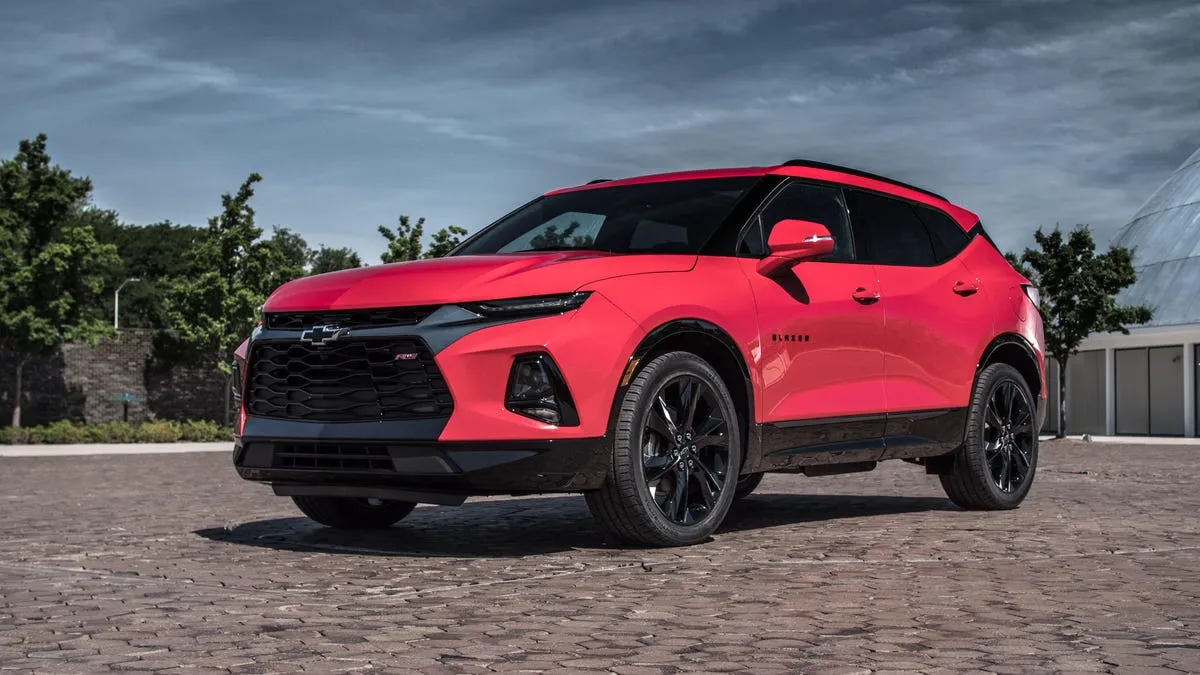
3. Chevrolet Blazer EV – Reliability Score: 19 out of 100
The Chevrolet Blazer EV carries a particular irony in its reliability struggles because it represents one of the most high-profile electric vehicle launches in General Motors’ history. The Blazer nameplate has genuine American recognition.
Reviving it as an all-electric crossover was a bold statement of intent from a company trying to demonstrate that it could compete in the rapidly growing EV segment. What actually arrived in showrooms was a vehicle that spent more time generating headlines about software defects than it did winning customers with smooth ownership experiences.
The Blazer EV’s early production run was marked by a software crisis serious enough that Chevrolet temporarily halted deliveries to address it. The problems were not cosmetic. Incorrect battery charging behavior, electrical system anomalies, and screens that froze or shut down unexpectedly created a vehicle that felt unfinished in ways that buyers paying more than $50,000 had every right not to expect.
Some owners reported high-voltage system errors that triggered the battery to malfunction multiple times over the course of early ownership, not once, not twice, but three separate occasions for the same fault in the same vehicle.
The heating and climate control system has been a particular pain point for Blazer EV owners. An electric vehicle that cannot reliably manage cabin temperature is failing at one of its most basic responsibilities.
The problem is compounded by the vehicle’s dependence on the same electrical architecture for battery thermal management, meaning that climate system faults can have cascading effects on range and charging behavior. This is precisely the kind of complex interdependency that makes EV reliability so much harder to achieve than reliability in a conventional combustion vehicle.
In practice, the platform’s rollout has been characterized by persistent problems that have touched almost every model built on it. The Blazer EV shares these struggles.
Its reliability score of 19 out of 100 places it among the bottom tier of all vehicles on the market, a position that reflects not just early-adoption teething pains but fundamental questions about how GM’s electrification strategy is being executed at the engineering and manufacturing level.
4. Mazda CX-90 Plug-In Hybrid – Reliability Score: 20 out of 100
Mazda has spent years building a reputation for producing cars that punch above their price point in terms of driving engagement, interior quality, and build precision. The CX-90 was the brand’s most ambitious vehicle launch in recent memory, a large, three-row SUV designed to compete directly with luxury alternatives from European brands.
The plug-in hybrid version was positioned as the sophisticated choice for buyers who wanted efficiency without the range anxiety of a full EV. The reliability data suggest that sophistication has come at a high cost.
The CX-90 Plug-In Hybrid’s score of 20 out of 100 tells the story of a dual powertrain system that introduces more complexity than the engineering team has fully tamed. The vehicle combines a turbocharged inline-four combustion engine with an electric motor and a battery that can be charged from an external source. Each of those systems works reasonably well in isolation.
The challenge is making them work together flawlessly, across every driving condition, for years of owner use. That challenge has not been met consistently enough to satisfy the owners who form the backbone of Consumer Reports’ survey data.
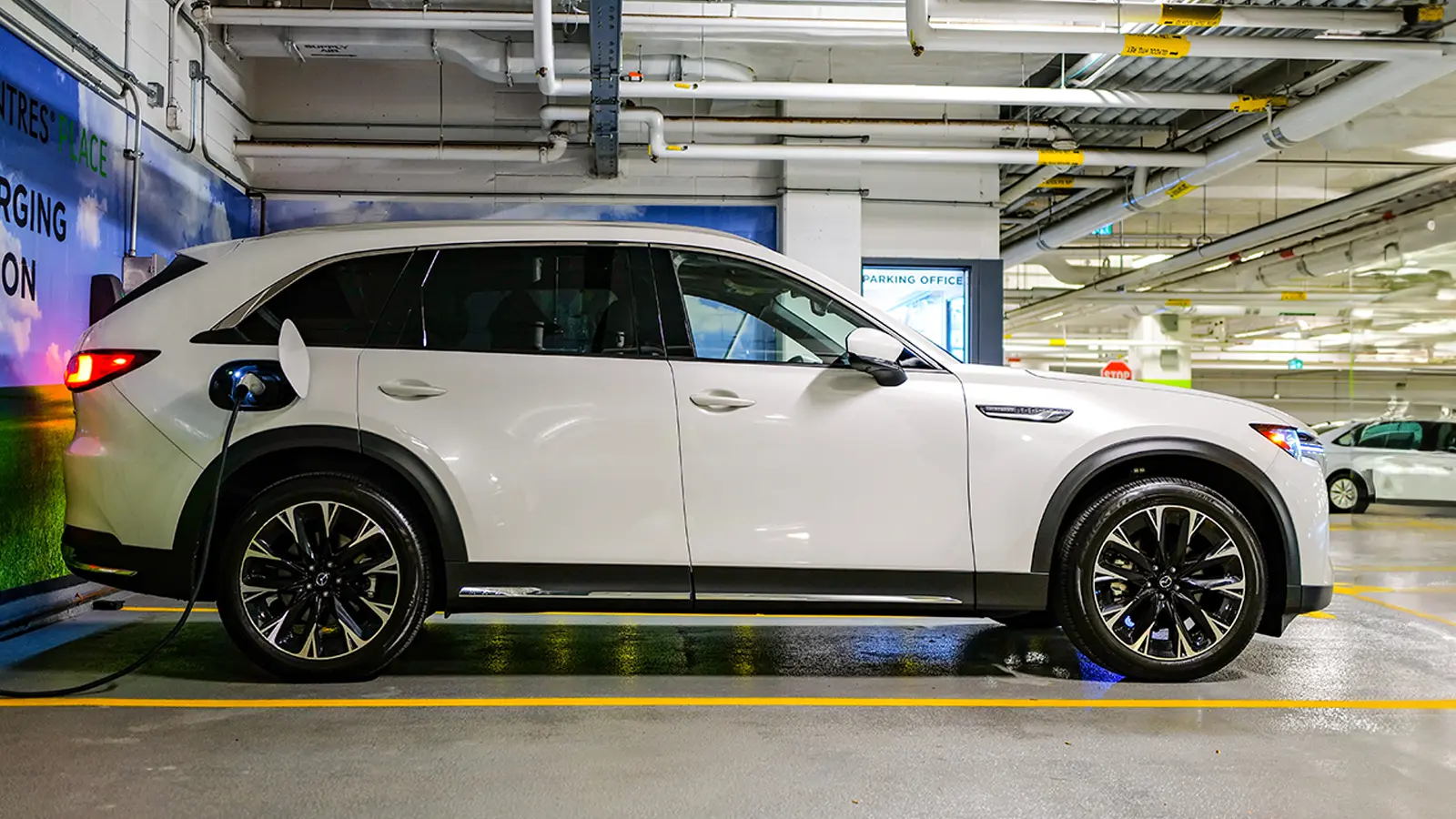
Battery system faults and hybrid drivetrain malfunctions surface repeatedly in owner accounts. The electrical architecture that manages the transition between combustion and electric power, that handles regenerative braking, and that coordinates charging behavior, has shown a tendency to generate fault codes and require dealer intervention at frequencies that owners of conventional CX-90 models simply do not experience.
Steering and suspension components have also appeared in complaints, suggesting that the added weight of the plug-in system may be creating stresses in areas that were not fully recalibrated during the vehicle’s development.
Mazda would argue that plug-in hybrid technology is newer and more complex than their traditional powertrains, and that is true. The consumer would reasonably respond that this complexity should have been resolved before the car reached the showroom floor.
Also Read: 6 Cars That Are Easy on Brakes vs 6 That Eat Pads Every 25,000 Miles
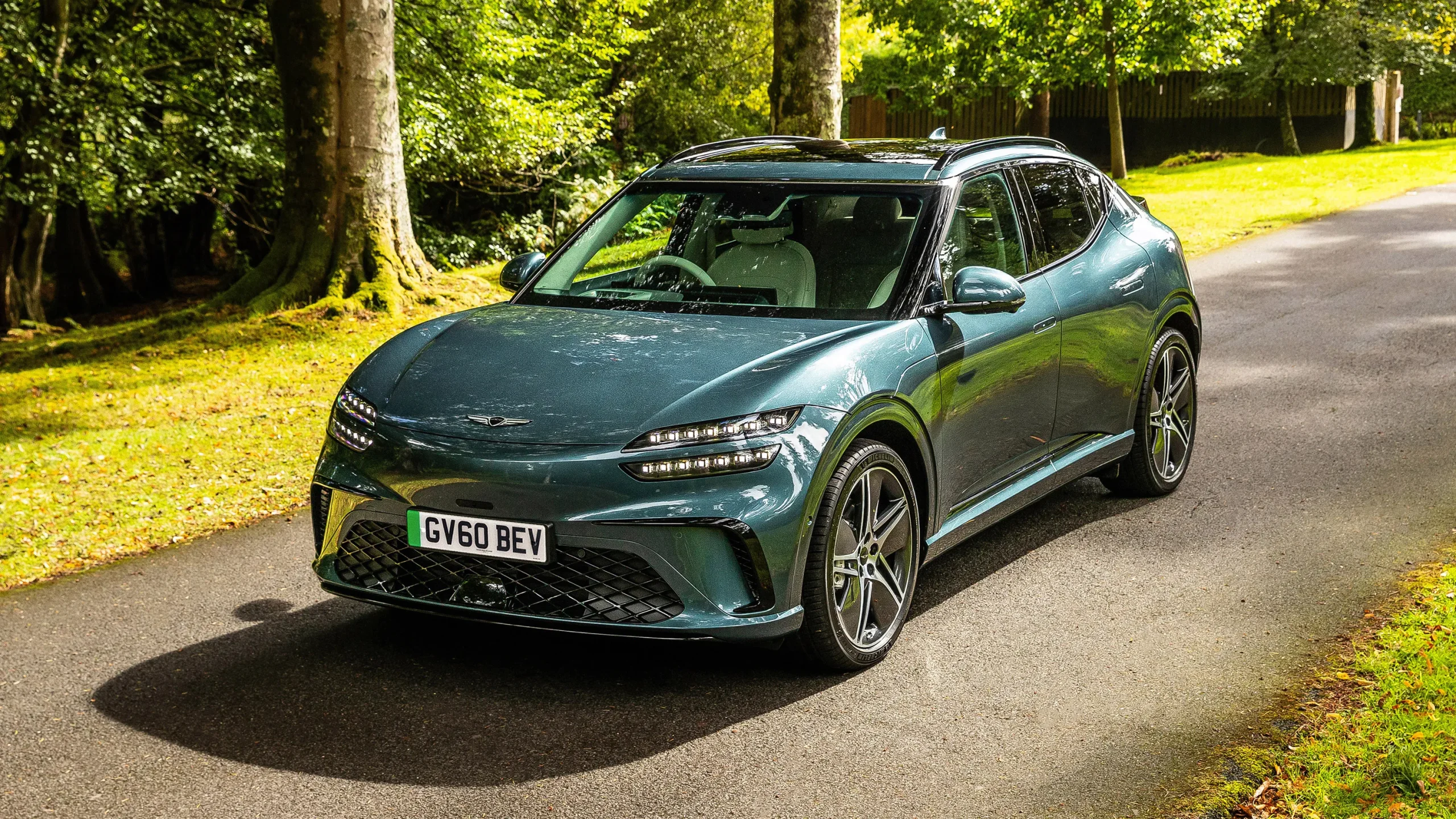
5. Genesis GV60 – Reliability Score: 21 out of 100
Genesis launched its GV60 electric vehicle as a declaration that the brand had arrived as a genuine luxury player. The car is striking to look at, genuinely fast, and fitted with features including a biometric authentication system and a distinctive crystal ball gear selector that demonstrate real ambition from Hyundai’s premium division.
On paper, and frankly on the road during a brief test drive, the GV60 is an impressive machine. The ownership experience, as reflected in reliability surveys, paints a very different portrait.
The GV60’s problems are concentrated in a specific area that has become a recurring headache across Hyundai, Kia, and Genesis electric vehicles: the Integrated Charging Control Unit, universally abbreviated as the ICCU.
This component manages the charging of the vehicle’s 12-volt auxiliary battery, which powers everything from the door locks to the computer systems, while the main high-voltage battery is in use.
When the ICCU fails, and it has failed in significant numbers across multiple model years the 12-volt battery can suddenly lose charge, leaving the driver stranded with a car that has plenty of power in its main battery but cannot operate any of its basic functions.
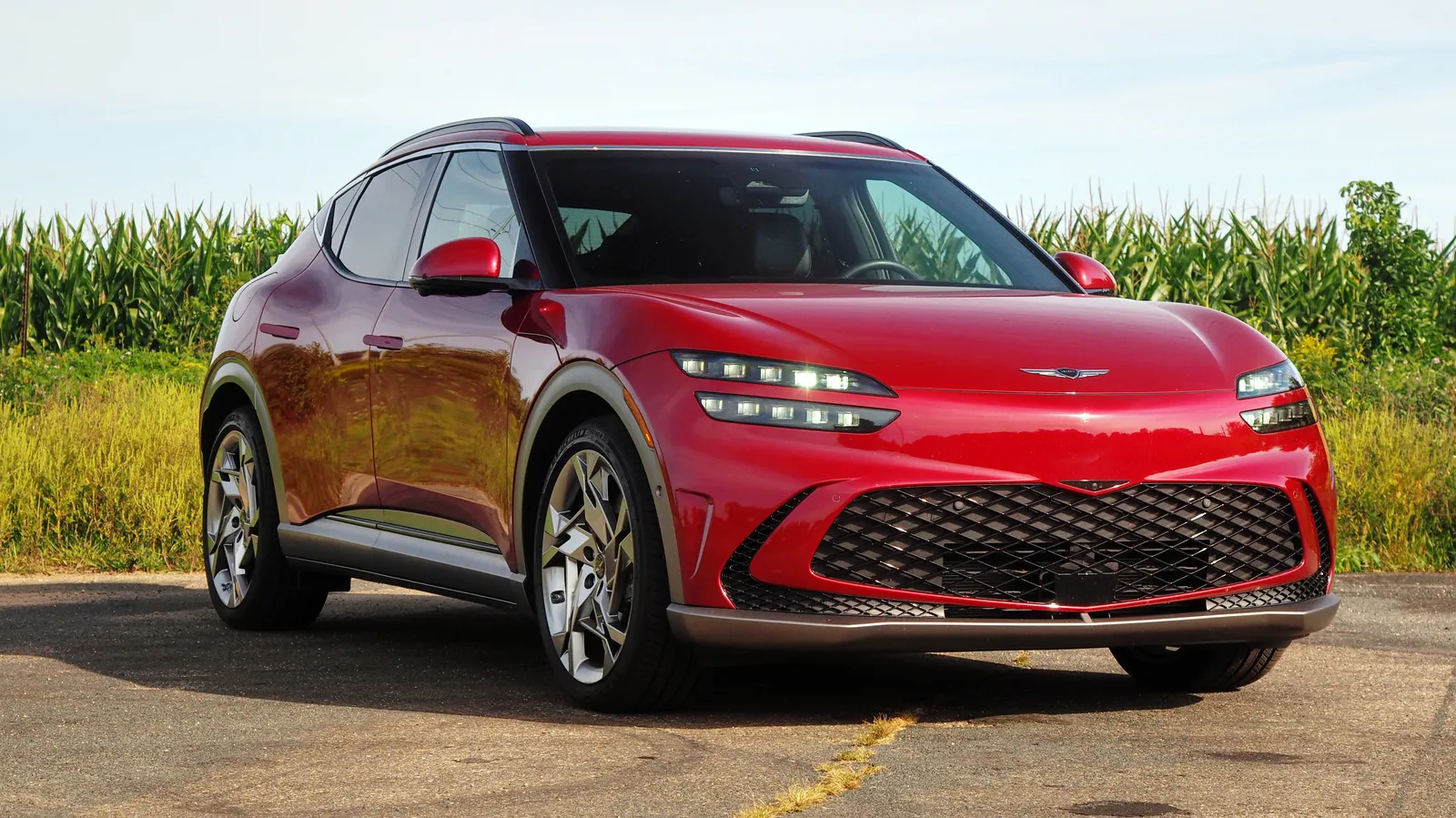
The problem manifests in two particularly alarming ways. The first is the simple inability to start or operate the vehicle. The second is the sudden loss of motive power while the car is actively being driven, which is not merely inconvenient but genuinely dangerous.
Multiple NHTSA recalls have been issued across GV60 model years in response to ICCU-related faults. Rear halfshaft failures, camera malfunctions, and seat belt reliability concerns have added to the GV60’s recall count, which for the 2023 model year alone reached eight separate campaigns, a figure that would be extraordinary for any vehicle, let alone a luxury product.
But reliability surveys measure the accumulated experience of real owners over real time, and that experience shows a vehicle that has asked too much patience from too many people. The GV60 deserves credit for genuine innovation. It needs more engineering refinement before it can claim to be a reliable luxury automobile.
6. Mazda CX-90 (Standard Version) – Reliability Score: 23 out of 100
The standard Mazda CX-90, powered by a turbocharged six-cylinder or four-cylinder combustion engine rather than a plug-in hybrid system, also appears on the 2026 least-reliable list. Its inclusion alongside its PHEV sibling confirms that the CX-90’s reliability challenges extend beyond the complexity of its electrified powertrain into the vehicle’s broader architecture.
A reliability score of 23 out of 100 for a conventional internal combustion vehicle is particularly striking because it removes the excuse that novel EV technology is to blame.
The CX-90 is a large, heavy, premium-positioned vehicle that Mazda engineered as an entirely new platform. New platforms, even from experienced manufacturers, carry inherent risk.
The development timeline for a vehicle this complex spans many years, and real-world owner experience will always reveal problems that cannot be fully anticipated in testing and simulation. In the CX-90’s case, those problems have been concentrated in the powertrain, where engine restart difficulties and unusual drivetrain noises have generated a disproportionate number of owner complaints.
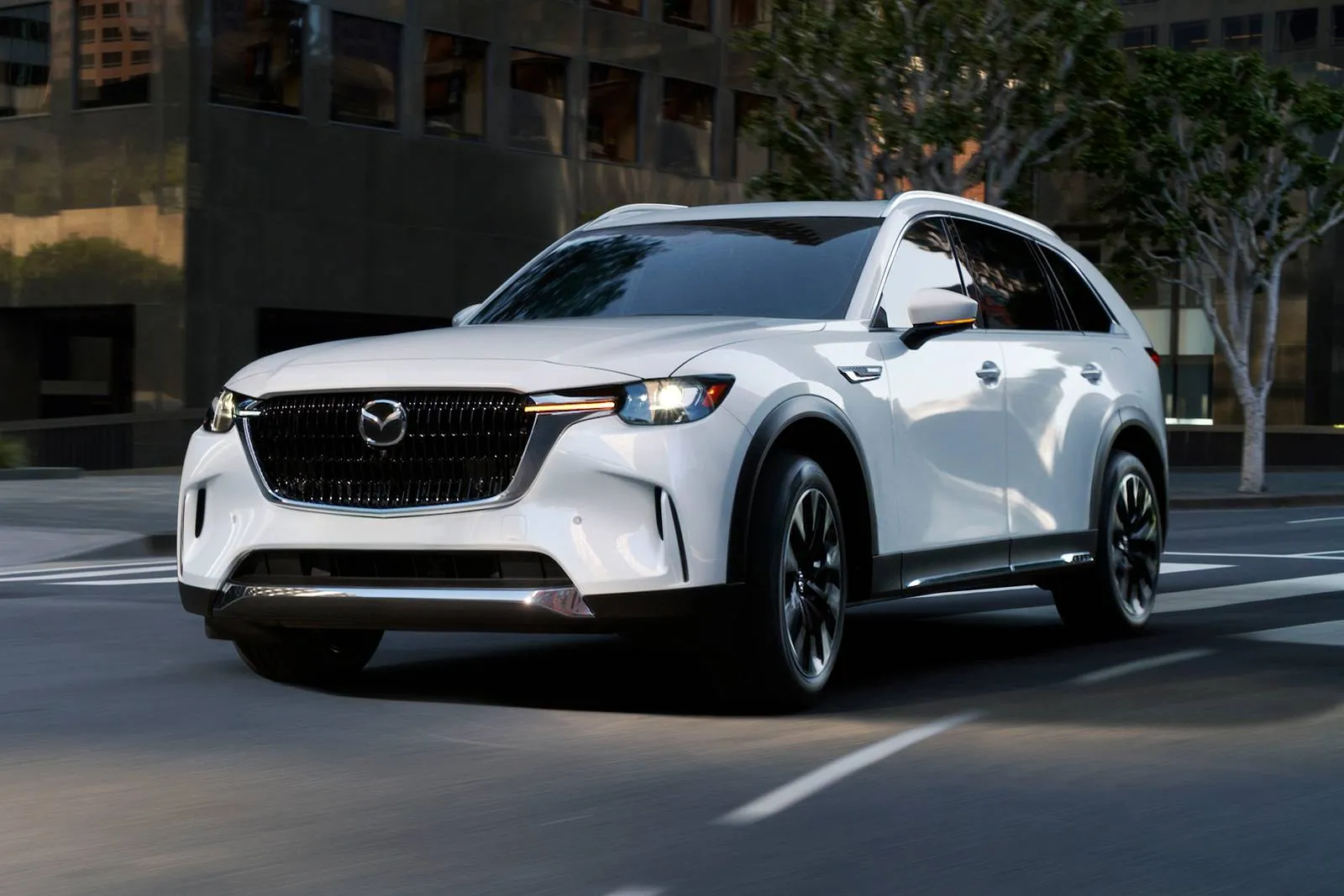
Reports of unexpected loss of power and the need to replace major powertrain components at low mileage suggest that the CX-90’s six-cylinder engine and its associated transmission are not as refined as Mazda’s smaller, more established powertrains.
Recall campaigns have touched tens of thousands of CX-90 units over software bugs affecting battery and powertrain control modules, a problem that spans both the standard and PHEV versions, and confirms that the vehicle’s electrical control architecture is the common thread running through its reliability struggles.
The vehicle’s interior quality, ride refinement, and driving character genuinely stand out in the three-row SUV segment. Those qualities are not worth very much to an owner who is waiting for parts at a dealership service center while their family figures out alternative transportation.
7. Kia EV9 – Reliability Score: 24 out of 100
The Kia EV9 is, by any objective standard, an impressive piece of engineering. It is a large three-row electric SUV that manages to be genuinely quick, reaching 60 miles per hour in around five seconds in top specification, while offering more than 280 miles of range from its battery pack.
The interior is spacious enough for seven occupants, and the vehicle’s vehicle-to-load capability, which allows it to power external devices from its battery, represents the kind of innovative thinking that distinguishes the best Korean EVs from their competition. None of that innovation matters when core systems stop functioning reliably.
The EV9’s reliability score of 24 out of 100 reflects the same ICCU vulnerabilities that plague its GV60 platform-mate, compounded by structural manufacturing issues that resulted in significant safety recalls. A welding defect at one of Kia’s U.S. assembly facilities produced damaged motor shafts in the rear gear drive unit of multiple 2024 EV9 models.
A compromised motor shaft can fail during operation, causing sudden loss of rear-wheel drive and creating a genuine rear-collision hazard for vehicles behind the stricken car. This is not a software glitch or a comfort complaint; it is a fundamental manufacturing quality failure.
The electrical system problems extend beyond the ICCU. The EV9’s digital instrument cluster, which displays vehicle speed, navigation data, and battery information that drivers need during normal operation, has been reported to malfunction in ways that go well beyond cosmetic glitches.
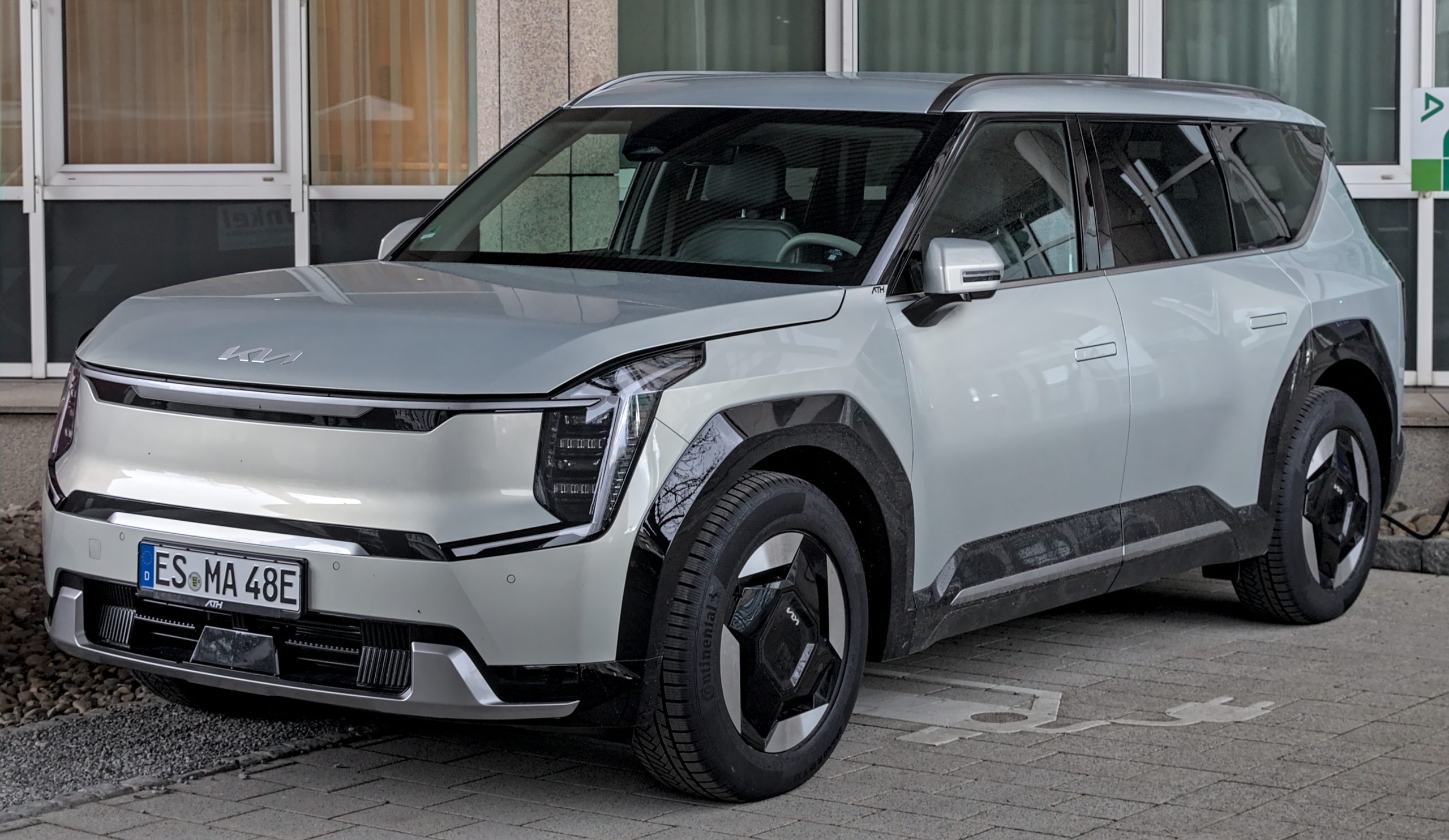
Navigation system connectivity failures have left owners unable to route to charging stations during journeys. In February 2025, a major system outage affecting Kia’s connected services infrastructure left EV9 owners unable to precondition their cabins remotely in sub-zero temperatures, a particularly serious limitation for an electric vehicle whose range and comfort depend on thermal management before departure.
The EV9 positions itself against established premium large SUVs at a price point that demands premium reliability. It delivers premium styling and premium performance.
The reliability record, as of 2026, does not match the asking price or the ambition of the vehicle. Kia has demonstrated it can build excellent electric vehicles. The problem is that excellence in driving dynamics and mediocrity in long-term reliability are not compatible selling points in the family SUV market.
8. Kia EV6 – Reliability Score: 25 out of 100
If the Kia EV9’s reliability struggles seem surprising given Kia’s growing reputation as a serious EV manufacturer, the EV6’s position on this list is almost paradoxical. Consumer Reports awarded the EV6 a road test score of 91 out of 100, among the highest scores ever given to any vehicle in any category.
Professional automotive journalists have consistently praised its driving dynamics, its fast-charging capability, and the quality of its interior materials. The EV6 is, in many respects, one of the most technically accomplished electric vehicles ever developed by a Korean automaker. It is also, by real-world owner experience, one of the least reliable cars you can buy in 2026.
The core of the EV6’s reliability problem is the same ICCU fault that has troubled the entire Hyundai Motor Group EV lineup. The integrated charging control unit in the EV6 is particularly prone to failure, and the consequences of that failure are more serious than mere inconvenience.
In documented cases involving vehicles manufactured between 2022 and 2024, ICCU failure has caused the EV6 to lose motive power while the car was actively being driven at highway speeds. A vehicle that suddenly becomes unable to accelerate or maintain speed while traveling at 70 miles per hour represents a direct threat not just to the driver but to every other vehicle in the surrounding traffic.
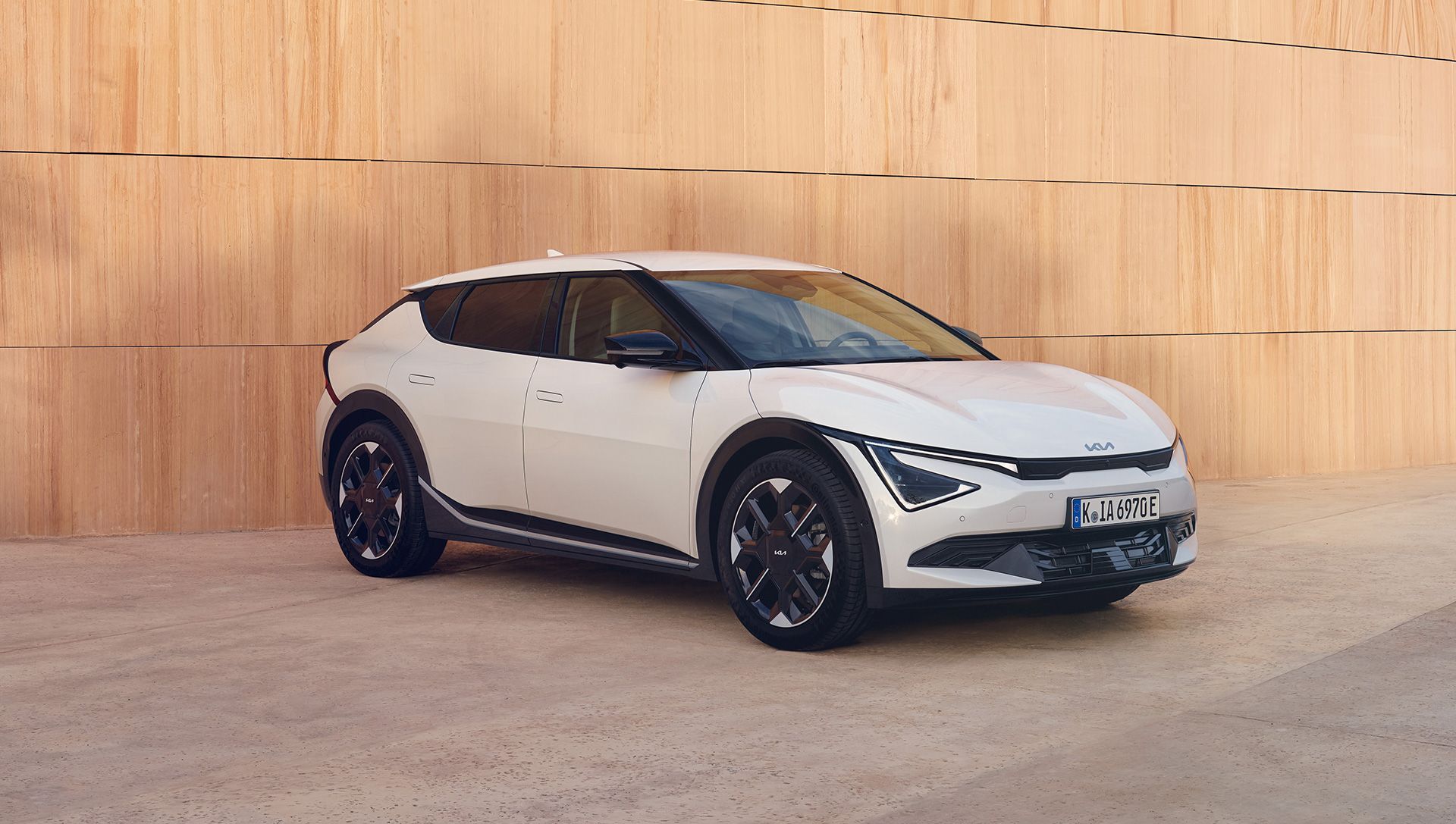
The NHTSA opened a formal investigation into the EV6’s ICCU failures, and Kia recalled more than 4,000 vehicles to address the issue. Owner reports following the recall suggest that the remediation did not fully resolve the problem for all affected vehicles.
Beyond the ICCU, the EV6’s body assembly quality has generated complaints that are unusual for a vehicle in this price bracket. Defective drive shafts, panel fit issues, and electrical accessories that fail at low mileage create an ownership profile that sits in uncomfortable tension with the car’s brilliant driving character.
Battery charging failures that interrupt scheduled overnight charging, leaving owners to discover in the morning that their vehicle has not charged as programmed, add a layer of daily uncertainty that no electric vehicle buyer should have to accept.
Do those three things, and the EV6 becomes the outstanding all-around electric car its road test score suggests it should be. Until then, it remains a brilliant driving machine wrapped in a reliability record that prospective buyers cannot ignore.
9. Honda Prologue – Reliability Score: 25 out of 100
The Honda Prologue carries perhaps the most unusual origin story of any vehicle on this list. It is not, strictly speaking, a Honda. The Prologue is an electric SUV built on General Motors’ Ultium platform, developed as part of a short-lived collaboration between Honda and GM, and sold under Honda’s name to buyers who reasonably assumed that the Honda badge guaranteed some of the legendary reliability that brand has spent decades earning. That assumption has proven costly for early Prologue owners.
Honda’s domestic lineup of combustion and hybrid vehicles continues to rank among the most reliable on the market. The brand’s reliability scores place it consistently near the top of Consumer Reports’ manufacturer rankings.
None of that expertise transferred to the Prologue, because the Prologue’s core technology, its battery, its charging systems, its electrical architecture, comes from General Motors, not from Honda’s engineering teams. The result is a vehicle that wears a Honda badge but carries GM’s reliability baggage.
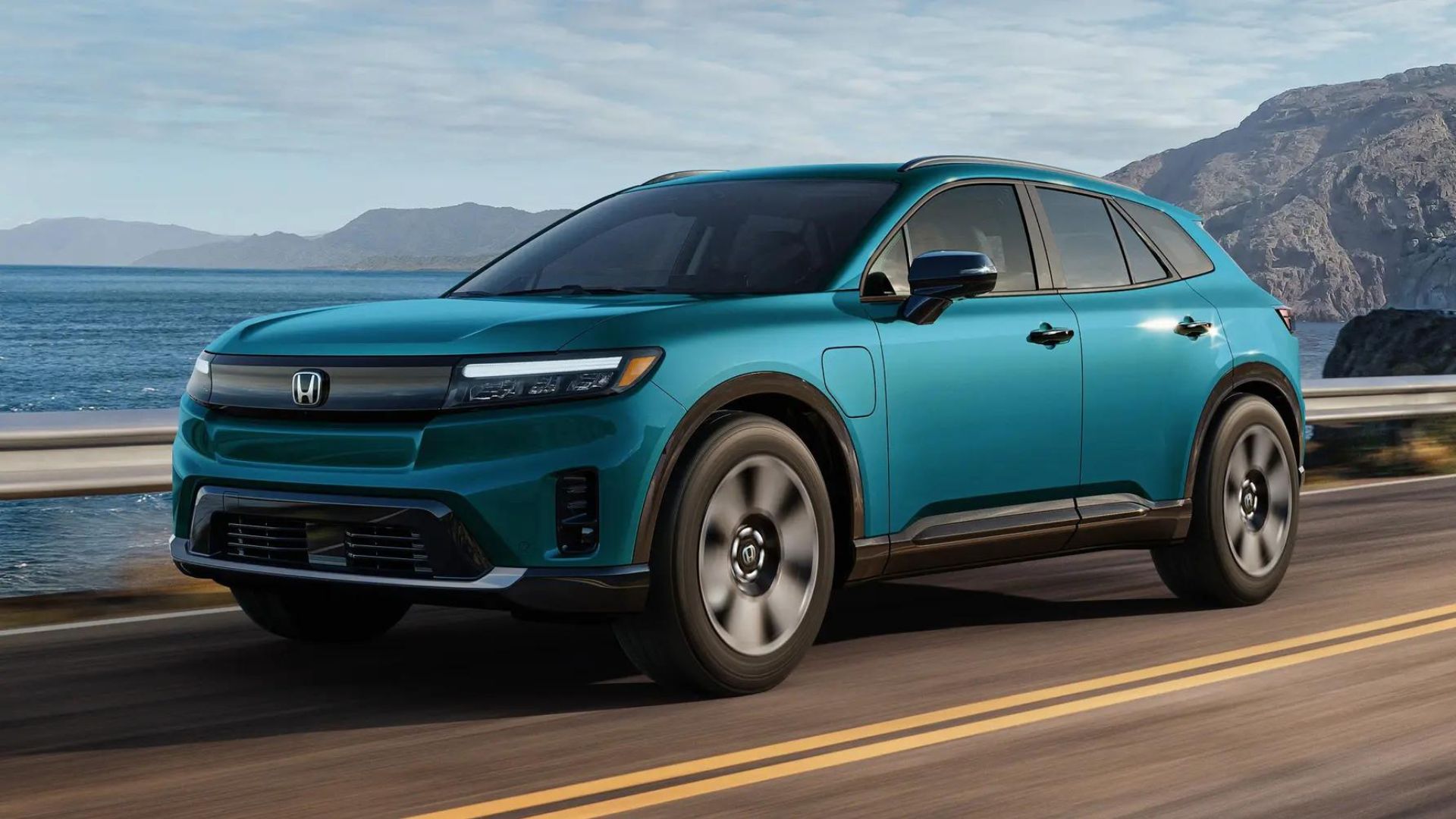
The Prologue’s specific failure areas read like a catalog of the GM Ultium platform’s documented weaknesses. Battery and charging system faults are the most frequently cited problems. Owners have reported that scheduled charging fails to initiate or complete, leaving the vehicle with insufficient range for the following day’s use.
The automatic emergency braking system has generated complaints about incorrect activation of phantom braking events that startle drivers and raise questions about the sensor calibration underlying one of the vehicle’s most important safety systems.
Climate control reliability has been inconsistent, a particularly serious issue for an electric vehicle where HVAC performance is directly linked to the battery’s thermal management.
The irony is sharp: Honda’s own Pilot and Passport share the three-row and two-row SUV space with the Prologue, and both of those gasoline-powered Honda vehicles enjoy dramatically better reliability scores. The Prologue exists as evidence that badge engineering, while commercially understandable, creates real problems when the underlying platform has unresolved quality issues.
10. Chrysler Pacifica Hybrid – Reliability Score: 26–28 out of 100
The Chrysler Pacifica Hybrid closes out the list of the ten least reliable vehicles of 2026, and its inclusion is particularly instructive because it has appeared on similar lists before.
This is not a new entrant struggling with launch teething pains. It is a vehicle that has been available for years, has gone through multiple updates, and continues to generate owner complaints at a rate that Consumer Reports regards as significantly worse than average.
The Pacifica Hybrid’s persistent reliability struggles suggest a design that has never been fully resolved at the engineering level, despite repeated opportunities to do so.
The Pacifica’s fundamental appeal is genuine and well-documented. As a minivan, it offers one of the best driving experiences in a segment that is not exactly famous for driver engagement. Its road test score of 84 out of 100 from Consumer Reports confirms that the vehicle succeeds admirably as a practical family hauler. The suspension and steering have received consistently positive assessments.
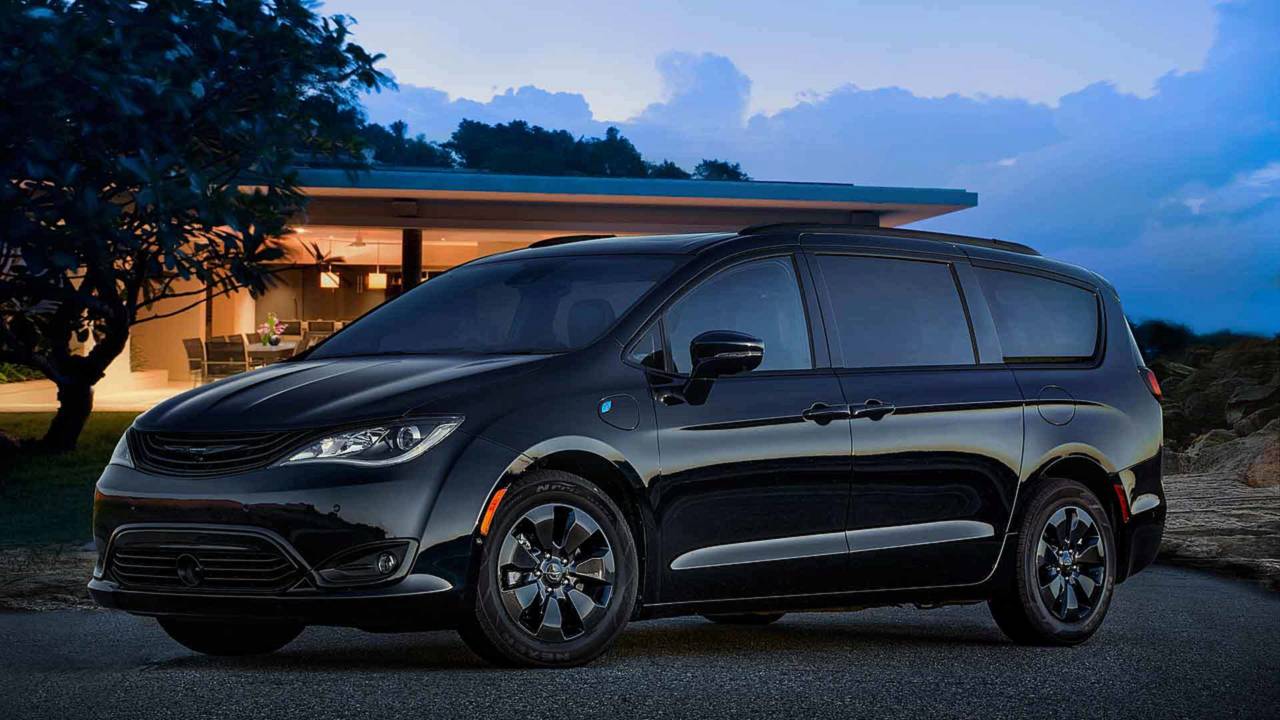
The climate control system has performed well in evaluations. But the powertrain and electronics, the two areas most directly affected by the vehicle’s hybrid architecture, have been its persistent undoing.
The Pacifica Hybrid’s position on this list is not a verdict on minivans or on hybrid technology in the abstract. It is a verdict on this specific vehicle’s specific execution, and that execution has not improved enough, quickly enough, to move the needle on reliability.
Also Read: 9 Cheaper Trucks That Tow Almost as Much as a Heavy Duty
