
Windshield wiper blades are among the most overlooked maintenance items on any vehicle, yet they play a critical role in safety, visibility, and long-term driving comfort. Most SUV owners only think about their wipers when heavy rain starts streaking across the windshield or when the blades begin squeaking during use.
While replacing wiper blades seems like a simple and inexpensive task, the reality varies dramatically depending on the SUV you drive. Some sport utility vehicles are designed with standard J-hook or pinch tab wiper arms that accept affordable aftermarket blades from nearly every major manufacturer.
Others use highly specialized proprietary blade systems that require dealership-specific replacements or expensive OEM parts. Over time, that difference can significantly affect ownership costs and convenience.
Modern SUVs increasingly feature aerodynamic windshield designs, integrated washer systems, hidden wiper assemblies, and curved glass surfaces intended to improve efficiency and styling. While these innovations can enhance appearance and performance, they often lead automakers toward unique wiper blade connectors and custom-fit assemblies.
Proprietary designs may provide quieter operation or improved wiping coverage, but they usually limit consumer choice. Owners often discover that generic replacement blades from local auto parts stores simply do not fit. Instead, they must purchase premium OEM blades that can cost three to five times more than conventional alternatives. In some cases, installation is also more complicated, requiring special adapters or dealership service.
On the other hand, many SUVs continue using industry-standard wiper arm systems that support a wide variety of inexpensive replacement options. These vehicles allow drivers to purchase blades from brands like Bosch, Rain X, Michelin, Valeo, or Trico at reasonable prices.
Because multiple manufacturers compete in the aftermarket space, prices remain low, and replacements are easy to find almost anywhere. This not only reduces maintenance costs but also makes emergency replacements far less stressful during travel or seasonal weather changes.
The difference between cheap universal blades and proprietary systems becomes especially important for families, high-mileage commuters, rideshare drivers, and long-term SUV owners. A vehicle kept for ten years may require several sets of wipers, turning what seems like a minor detail into a recurring ownership expense.
Consumers shopping for a new or used SUV often focus on fuel economy, cargo space, reliability, and technology features, but maintenance friendliness deserves attention too. Wiper blade replacement is a perfect example of how small engineering decisions can affect everyday practicality.
This article examines five SUVs known for using inexpensive and widely available replacement wiper blades, followed by five SUVs that rely on proprietary or more expensive designs.
Each section explores the reasons behind the blade setup, long-term maintenance implications, aftermarket availability, and what owners should expect when replacement time arrives. Understanding these differences can help buyers make smarter ownership decisions and avoid unnecessary maintenance surprises down the road.
Also Read: 10 Cars With Insurance Premiums Lower Than a Compact Sedan
SUVs With Cheap Replacement Wiper Blades
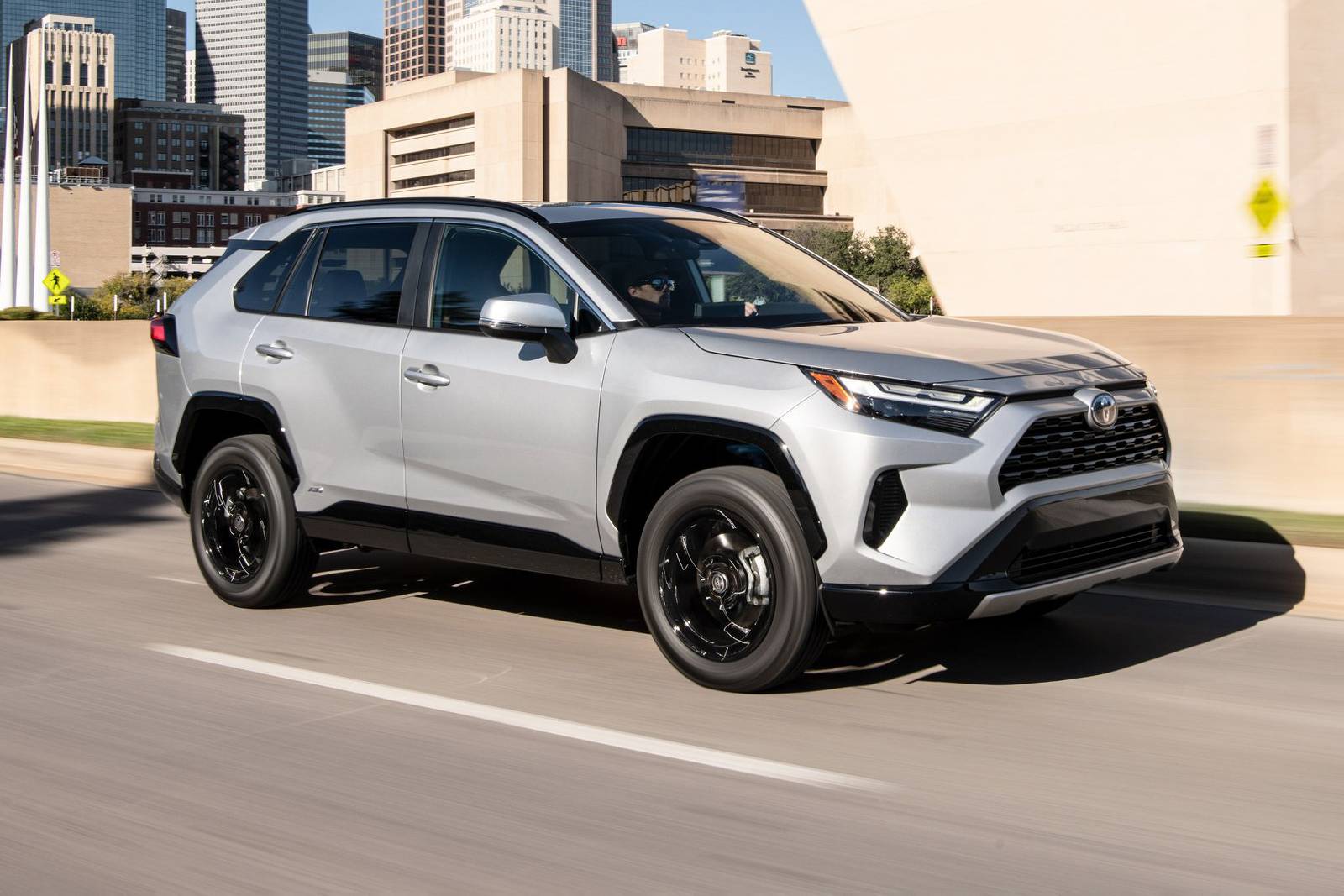
1. Toyota RAV4
The Toyota RAV4 is one of the clearest examples of how smart engineering choices can reduce long-term ownership costs. One of the reasons it remains so popular globally is its commitment to using simple, standardized components wherever possible, including the windshield wiper system.
The use of a conventional hook-style connector means that nearly every major aftermarket wiper brand can design blades specifically for it without needing special adapters or redesigns.
This universal compatibility creates a highly competitive market for replacement blades. Because so many manufacturers produce compatible options, prices stay low, and consumers benefit from a wide range of choices. Whether a driver prefers basic rubber blades or advanced silicone-coated options, there are multiple affordable products available at almost every price point. This flexibility is especially useful for budget-conscious owners.
Another important aspect is accessibility. RAV4 compatible blades are stocked in a wide variety of retail environments, from large automotive chains to small convenience stores. This ensures that even in emergency situations, such as sudden heavy rain or road trips, drivers can find replacements quickly without needing dealership support. That level of availability is not something every SUV segment can offer.
The RAV4 also benefits from a design philosophy that prioritizes ease of maintenance. Toyota engineers tend to avoid unnecessary complexity in wear items, which reduces both repair time and cost. Wiper blade replacement can usually be completed within minutes, and the process is simple enough for first-time vehicle owners to handle without guidance.
Over the long term, this approach significantly reduces ownership expenses. Since wiper blades are replaced regularly due to natural wear from sun, dust, and rain, keeping replacement costs low makes a meaningful difference over the lifespan of the vehicle. This contributes to the RAV4’s reputation as a practical, dependable, and cost-efficient SUV.
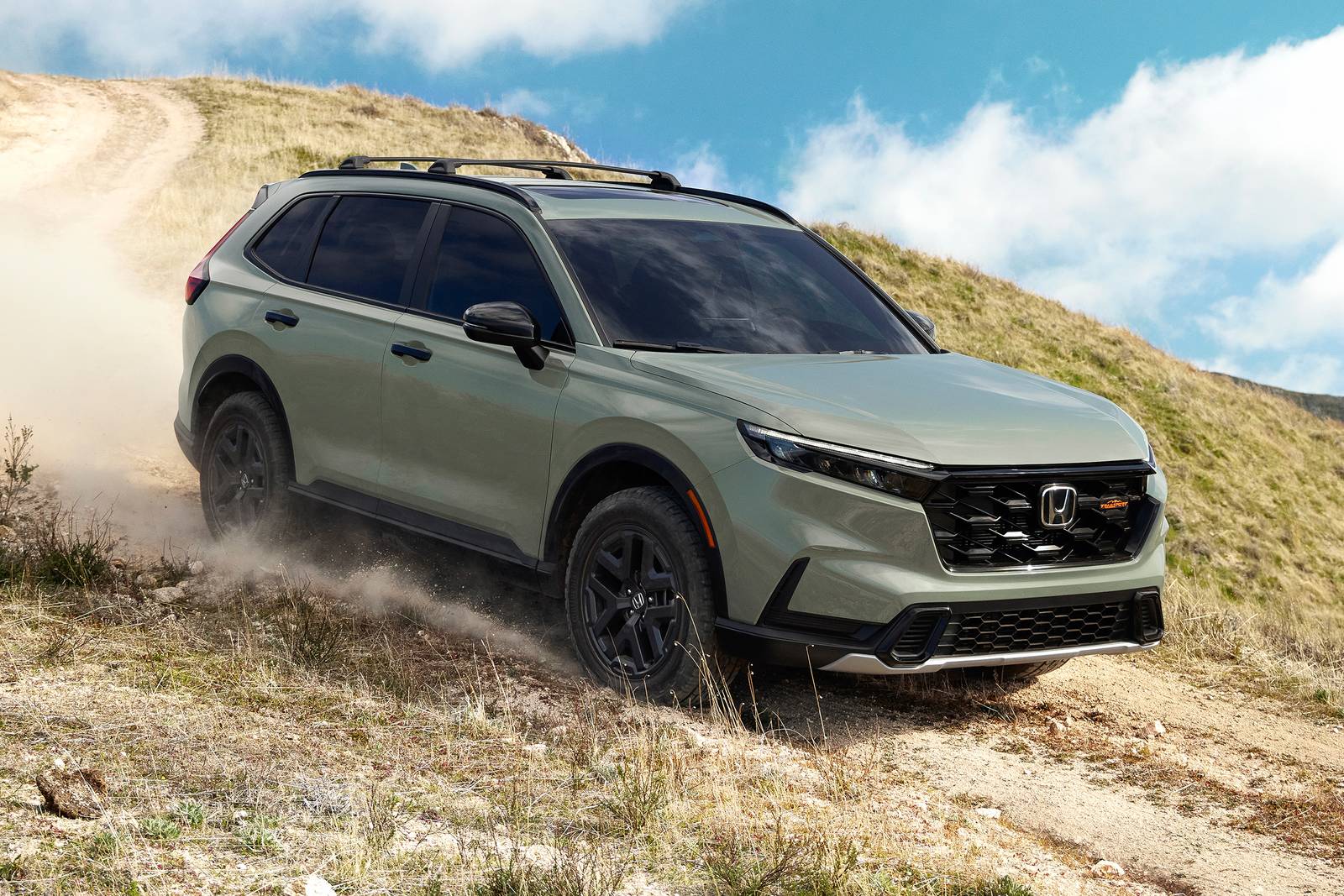
2. Honda CR-V
The Honda CR-V is widely regarded as one of the most practical compact SUVs in the market, and its windshield wiper system reinforces that reputation. Honda continues to rely on widely compatible mounting systems that allow owners to choose from a large selection of inexpensive aftermarket blades. This design decision keeps maintenance simple and affordable for everyday drivers.
One of the strongest advantages of the CR-V is its global popularity. Because it is sold in such large numbers across multiple continents, aftermarket manufacturers prioritize compatibility with this model. As a result, consumers can easily find replacement blades almost anywhere, often at very competitive prices due to market saturation.
Another benefit is the simplicity of installation. The CR-V’s wiper arm system is designed so that blade replacement does not require tools or technical expertise. Most owners can complete the process in just a few minutes, which encourages regular maintenance and ensures safer driving conditions during rain or snow.
The availability of multiple blade types also adds value. Drivers can choose from standard rubber blades for budget use, beam blades for improved aerodynamics, or premium silicone blades for longer lifespan. This variety allows owners to tailor maintenance based on climate, driving habits, and personal preference without being locked into expensive OEM-only options.
This affordability contributes to significantly lower ownership costs. Since wiper blades are consumable items that must be replaced periodically, the ability to purchase inexpensive replacements helps keep long-term maintenance predictable and manageable for families, commuters, and fleet users.
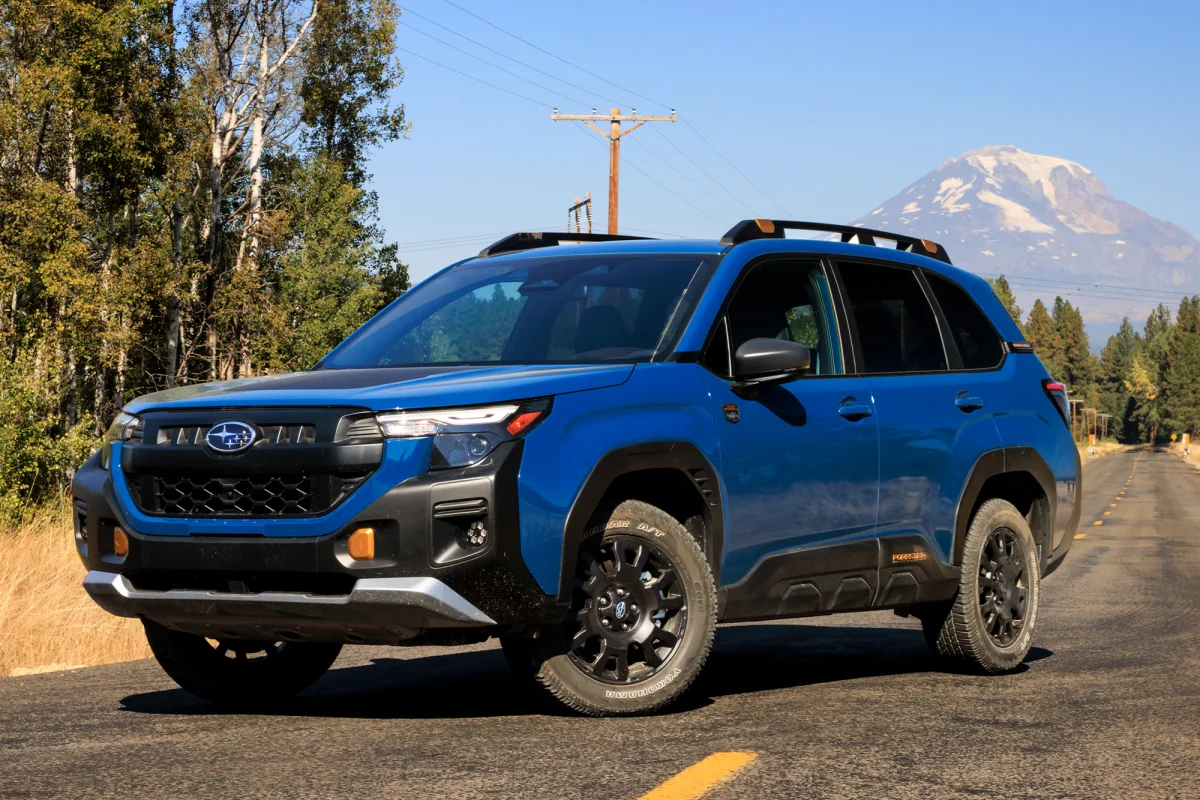
3. Subaru Forester
The Subaru Forester is especially popular among drivers who live in regions with challenging weather conditions, and its windshield wiper system is designed with that practicality in mind. Subaru has maintained a preference for standard wiper blade connectors, ensuring that owners can access affordable replacement options without relying on proprietary systems.
One of the most important strengths of the Forester is its suitability for extreme environments. Whether dealing with heavy snowfall, frequent rain, or dusty off-road conditions, the wiper blades are expected to perform consistently. Because of this high usage demand, replacement frequency can be higher, making affordability a key advantage.
Aftermarket support for the Forester is strong and diverse. Many manufacturers produce blades specifically designed for Subaru vehicles, offering everything from winter-reinforced blades to high-performance aerodynamic designs. This wide availability ensures that drivers can select products based on weather conditions rather than price limitations alone.
Installation is straightforward and user-friendly. Most Forester models use simple attachment mechanisms that allow quick blade swaps without tools. This is particularly useful in emergency situations where visibility suddenly drops due to weather changes. Drivers can quickly restore clear vision without needing professional assistance.
Over the long term, the Forester’s simple blade system supports cost-effective ownership. Since many owners use the vehicle for outdoor travel, commuting, or family transport in variable weather, being able to replace blades frequently without financial strain is a major advantage. This reinforces Subaru’s reputation for building practical, weather-ready vehicles.
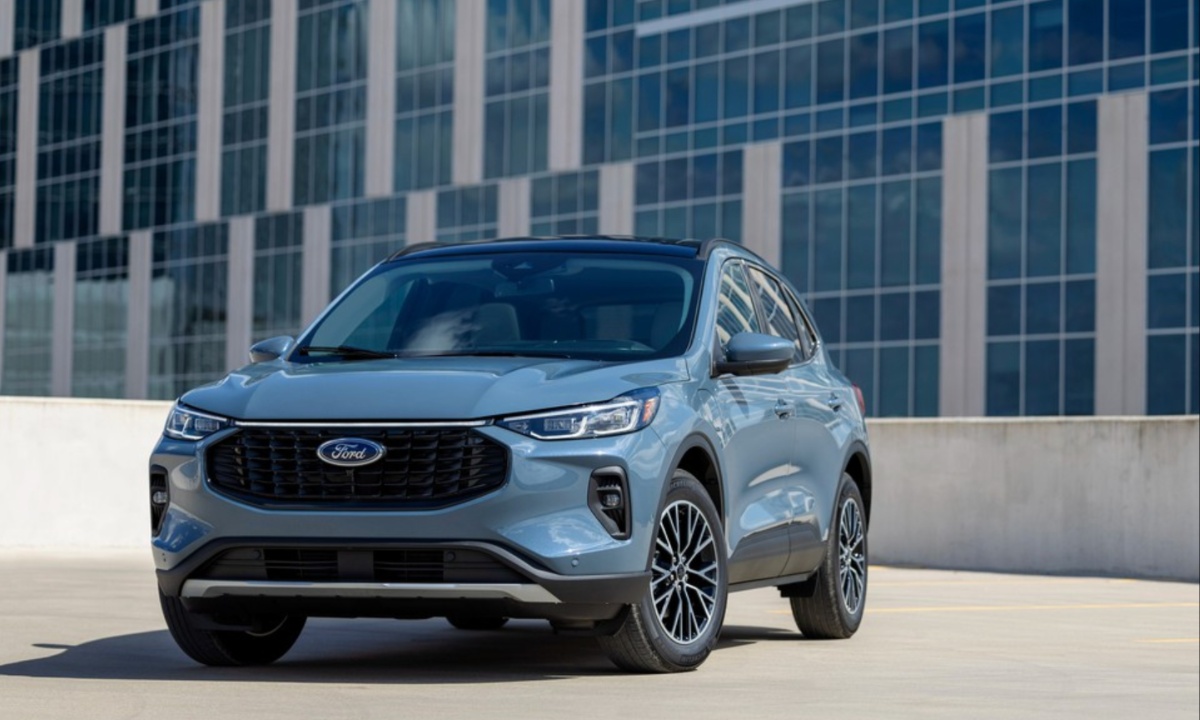
4. Ford Escape
The Ford Escape is a strong example of a mainstream SUV designed with affordability and convenience in mind, including its windshield wiper system. Ford uses a widely compatible blade mounting design on the Escape, which allows owners to choose from a broad selection of inexpensive aftermarket replacements.
One major benefit is the Escape’s large presence in the market. Because it is a high-volume SUV in multiple regions, aftermarket suppliers actively compete to produce compatible blades. This competition naturally lowers prices and improves availability across retail stores, online platforms, and automotive service centers.
Another advantage is how easy the system is to maintain. Most Escape owners can replace wiper blades themselves in just a few minutes. This reduces dependency on dealership services and allows drivers to handle routine maintenance independently, which is both time-saving and cost-effective.
The Escape also supports a wide range of blade types. Drivers can choose basic blades for everyday commuting or upgrade to beam style or hybrid blades for improved performance in heavy rain. The universal compatibility of the system ensures that users are not restricted by limited OEM options.
The affordability of replacement blades contributes to the Escape’s reputation as a budget-friendly SUV. Since wiper blades wear out regularly due to environmental exposure, low-cost replacements help maintain consistent safety without increasing ownership expenses.
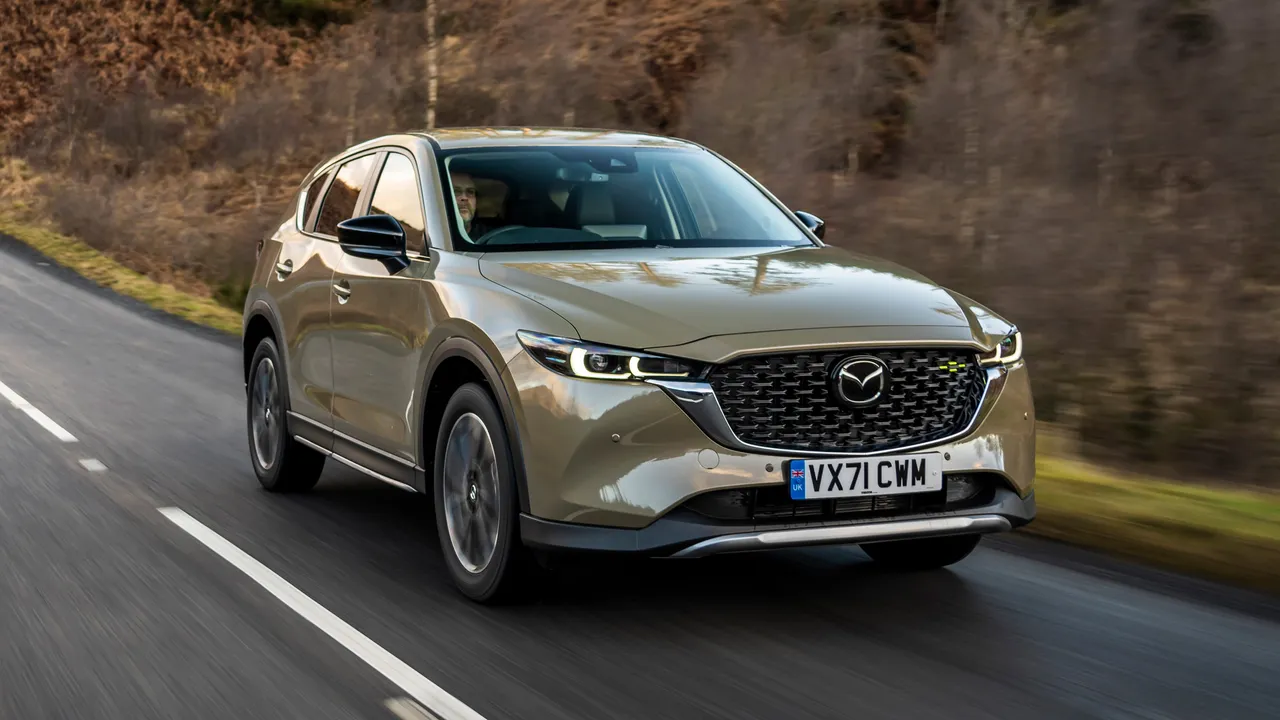
5. Mazda CX-5
The Mazda CX-5 offers a more premium driving experience compared to many competitors in its class, but it still maintains a practical and cost-efficient approach to windshield wiper maintenance. Mazda has avoided overly complex proprietary systems for this model, allowing owners to use widely available aftermarket blades.
One key advantage of the CX-5 is its strong global popularity. Because it is sold in large numbers across multiple regions, aftermarket manufacturers consistently produce compatible blades. This ensures that drivers have access to affordable replacement options regardless of location.
Another important benefit is the balance between design sophistication and maintenance simplicity. While the CX-5 delivers refined handling and upscale interior quality, it does not complicate basic maintenance tasks like wiper blade replacement. This helps keep long-term ownership costs under control.
Installation is quick and uncomplicated. Most CX 5 models use standard connector systems that allow drivers to replace blades in minutes without tools. This encourages regular maintenance, which is essential for maintaining clear visibility in rain, dust, and other challenging conditions.
The CX-5 demonstrates that a vehicle can deliver a premium feel without imposing expensive maintenance requirements. Its inexpensive and widely available wiper blade system makes it a practical choice for drivers who want comfort, style, and long-term affordability in one package.
Also Read: 10 Cars That Survive Being Used as Daily Uber Vehicles
SUVs That Use Proprietary Wiper Blade Designs
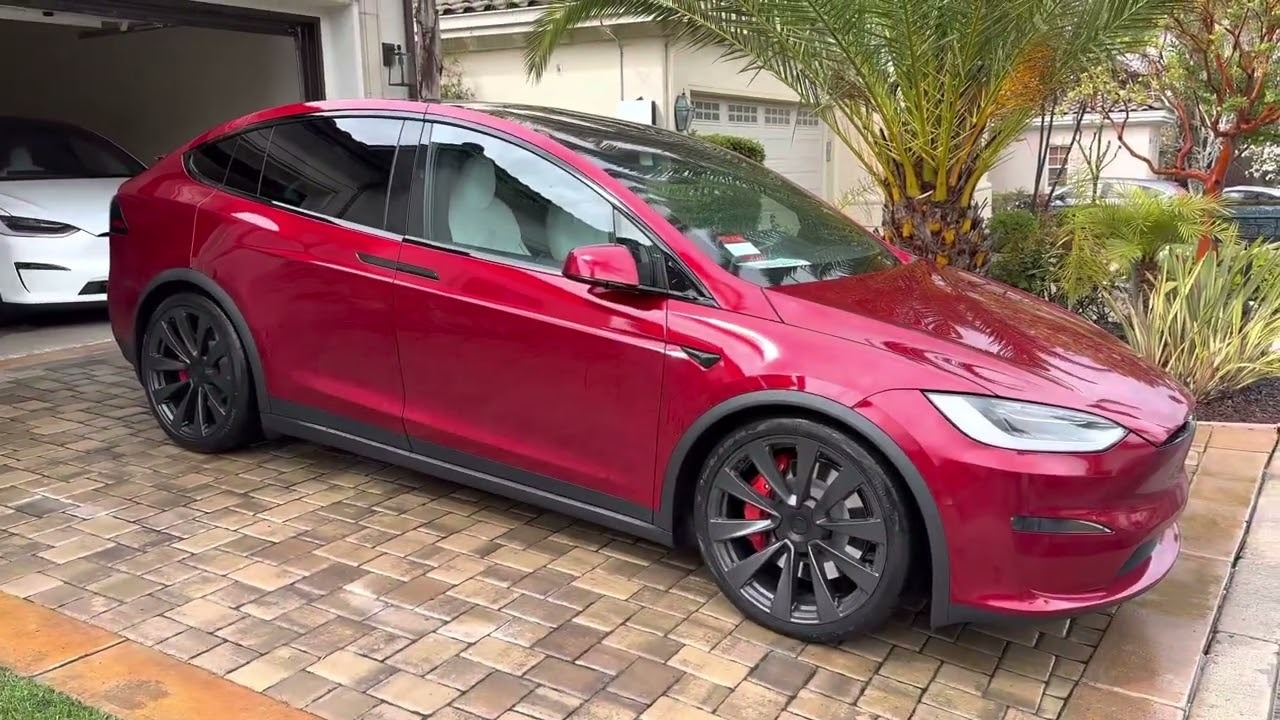
1. Tesla Model X
The Tesla Model X uses one of the more unconventional windshield wiper systems in the modern SUV market, largely influenced by its futuristic design language and aerodynamic goals.
Tesla engineered the Model X with a large panoramic windshield and a focus on minimizing visual clutter, which led to a more specialized wiper blade design compared to traditional SUVs. While this approach contributes to the vehicle’s distinctive appearance, it also introduces complexity when it comes to replacement.
One of the main challenges for owners is that the wiper blades are not universally compatible with standard aftermarket options. The connector system and blade length are designed specifically for the Model X geometry, meaning generic blades often fail to fit correctly or operate efficiently.
This limits consumer choice and increases reliance on Tesla-approved parts or specialized aftermarket solutions designed specifically for this model.
Another factor that affects ownership experience is cost. Because the blades are proprietary, there is less competition among manufacturers, which typically results in higher prices. Instead of purchasing inexpensive universal blades, owners often need to buy complete blade assemblies or OEM replacements that are significantly more expensive than mainstream SUV alternatives. Over time, this increases routine maintenance costs.
Availability can also be a concern in certain situations. While Tesla service centers and online ordering make replacement possible, drivers may not always have immediate access to blades in local stores, especially during emergencies or travel. This contrasts sharply with mainstream SUVs, where replacement blades are widely stocked in nearly every automotive retailer.
Despite these drawbacks, the system does offer performance advantages. The Model X wiper design is optimized for its large windshield and aerodynamic efficiency, ensuring consistent pressure distribution and smooth operation at higher speeds. However, these engineering benefits come at the cost of convenience and affordability.
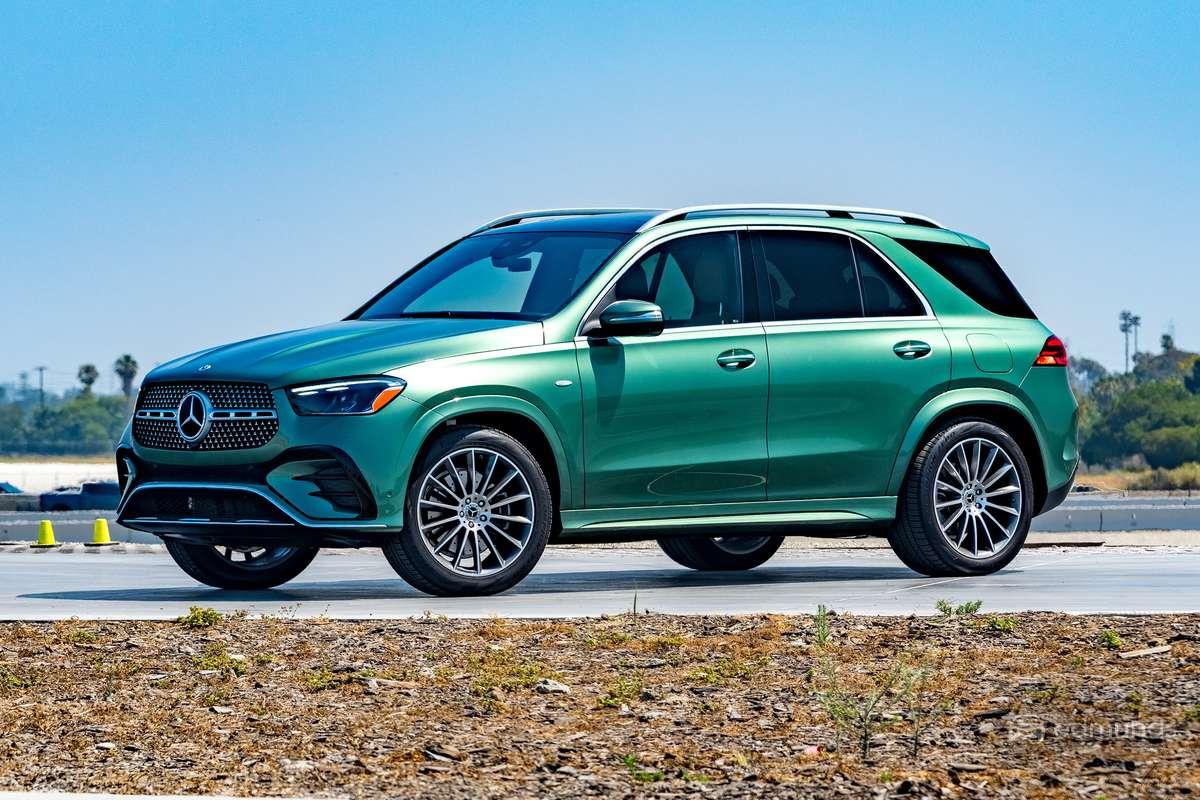
2. Mercedes-Benz GLE
The Mercedes-Benz GLE reflects the brand’s focus on refinement, comfort, and advanced engineering, and this philosophy extends even to its windshield wiper system. Many GLE models use integrated beam-style blades with proprietary connectors designed to enhance aerodynamic performance and reduce noise. While these systems are highly effective, they are not designed for universal compatibility.
One of the defining characteristics of the GLE wiper system is its emphasis on precision. The blades are engineered to match the curvature of the windshield and maintain consistent pressure across the entire glass surface. This improves wiping efficiency at high speeds and reduces streaking, contributing to a quieter and more refined driving experience.
However, this level of engineering sophistication limits aftermarket flexibility. Standard low-cost blades often do not fit properly or fail to perform as intended. As a result, owners are typically required to purchase OEM blades or premium aftermarket products specifically designed for Mercedes vehicles. This reduces competition and increases replacement costs.
Installation is also more complex compared to mainstream SUVs. The proprietary connector system may involve locking mechanisms or specific alignment steps that are not intuitive for casual users. While experienced owners can still perform replacements, the process is less straightforward than simple hook-style systems found in economy vehicles.
These factors contribute to higher maintenance expenses. Although the GLE delivers a premium driving experience with excellent comfort and performance, routine items like wiper blades reinforce the higher cost of ownership associated with luxury vehicles.
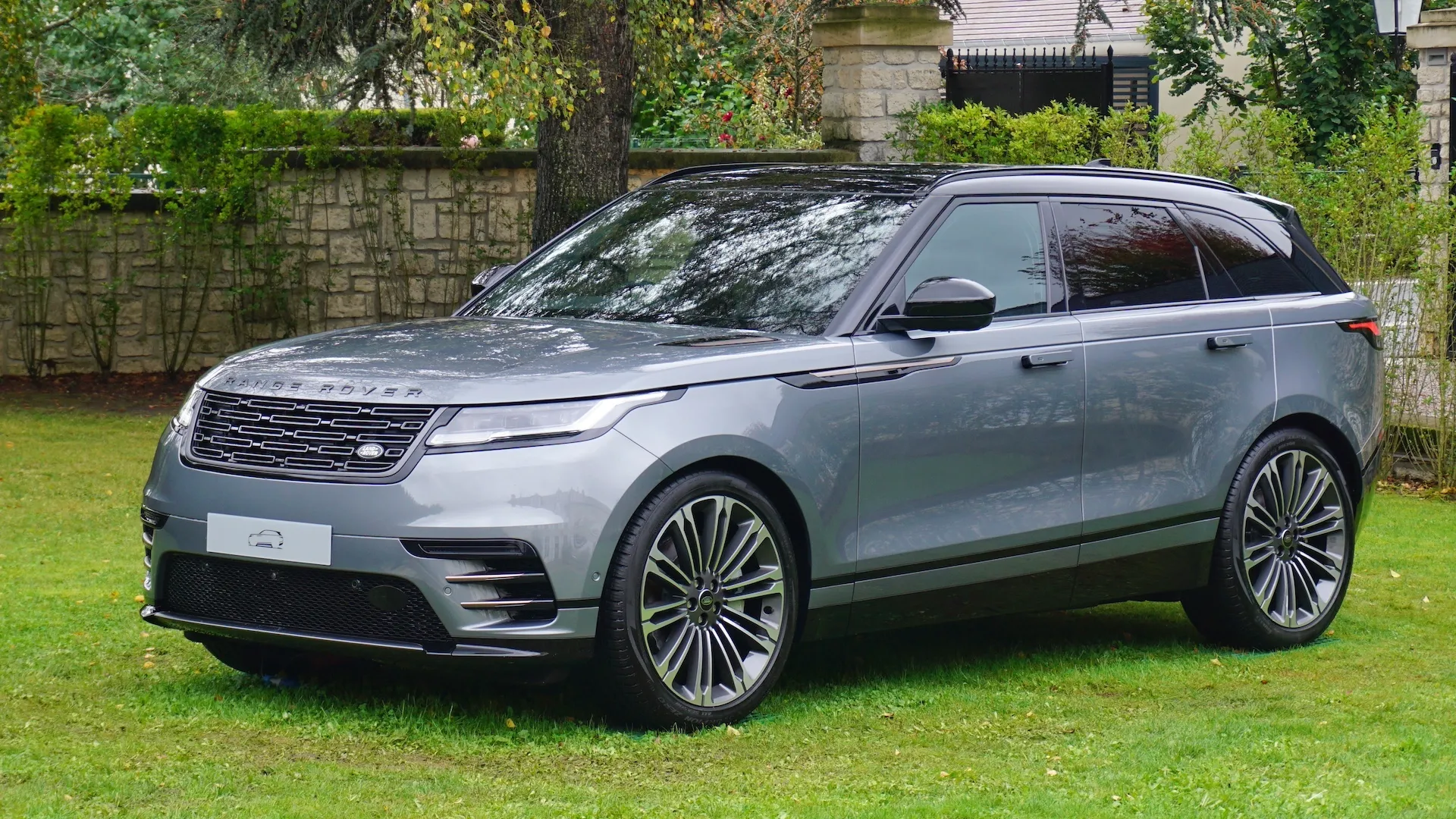
3. Range Rover Velar
The Range Rover Velar is designed with a strong emphasis on modern aesthetics and aerodynamic styling, and its windshield wiper system is integrated into that design philosophy. The Velar features a sleek, minimal exterior appearance where functional components are often hidden or streamlined, including the wiper assembly. While visually appealing, this approach leads to a more specialized blade system.
One of the key design goals for the Velar is maintaining a clean and uninterrupted exterior profile. To achieve this, the wiper system is engineered to sit flush and operate with minimal visual impact. This requires custom blade geometry and mounting systems that are tightly integrated into the vehicle’s design, reducing compatibility with universal aftermarket products.
Because of this integration, replacement blades are not widely interchangeable with standard SUV options. Owners often need exact-fit OEM parts or carefully engineered aftermarket alternatives. This limits availability in general retail stores and increases reliance on dealership or specialized suppliers for replacements.
Another important consideration is cost. Proprietary systems generally reduce market competition, which leads to higher prices for replacement blades. While the performance and design quality are high, owners often pay significantly more for routine maintenance compared to SUVs with universal blade compatibility.
In practical terms, this means that while the Velar offers a premium and visually refined driving experience, even basic maintenance items like wiper blades contribute to a higher cost of ownership. The design prioritizes style and integration over service simplicity.
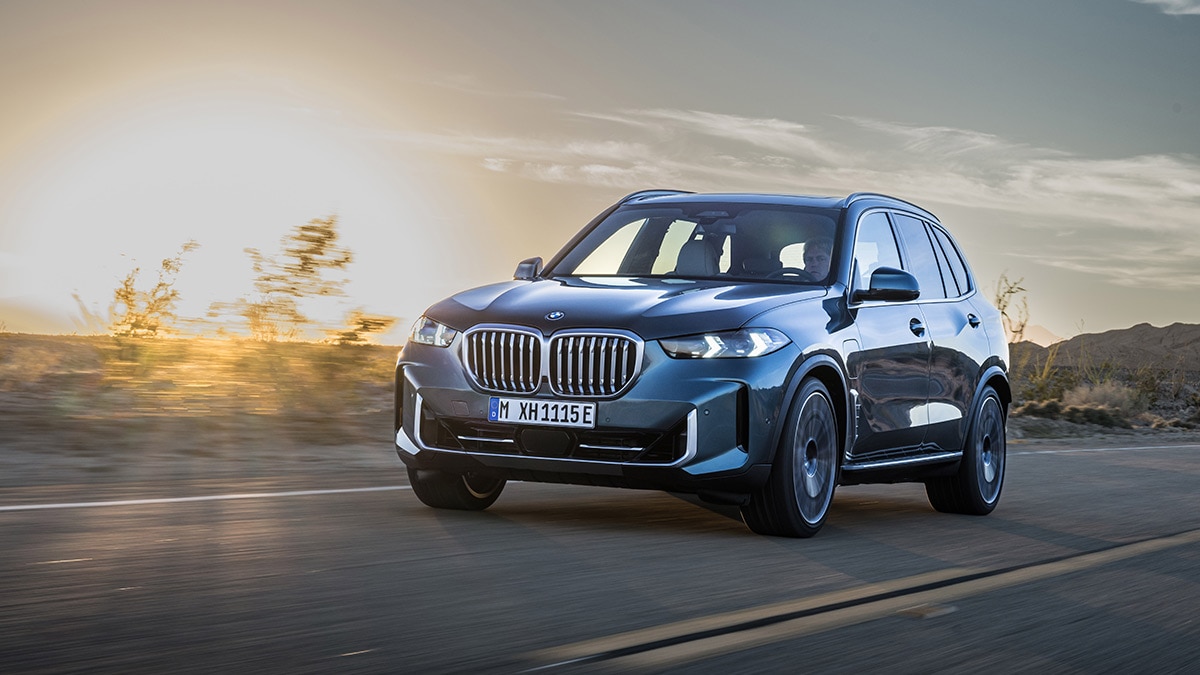
4. BMW X5
The BMW X5 is known for its performance-oriented engineering and luxury refinement, and its wiper system reflects the same attention to detail. BMW uses advanced beam blade technology on the X5, often paired with proprietary connectors designed to optimize high-speed stability, quiet operation, and consistent windshield contact.
One of the main advantages of the X5 system is its aerodynamic efficiency. The blades are designed to minimize wind lift and maintain stable contact even at highway speeds. This is particularly important for a vehicle that emphasizes performance and driving dynamics, ensuring visibility remains consistent under demanding conditions.
However, this precision comes at the cost of compatibility. Many aftermarket universal blades do not properly fit the X5’s mounting system or fail to match its performance requirements. As a result, owners are often limited to OEM blades or premium aftermarket brands that specifically engineer products for BMW vehicles.
Installation can also be more involved than standard SUV systems. The connectors may require specific alignment steps or locking mechanisms that are not immediately intuitive for all users. While not overly complex for experienced owners, it is less convenient than simple hook-based systems found in mainstream vehicles.
The proprietary nature of the system contributes to higher maintenance costs. Frequent blade replacement, especially in harsh weather conditions, becomes more expensive due to limited competition and premium pricing. This is consistent with the broader ownership profile of luxury performance SUVs.
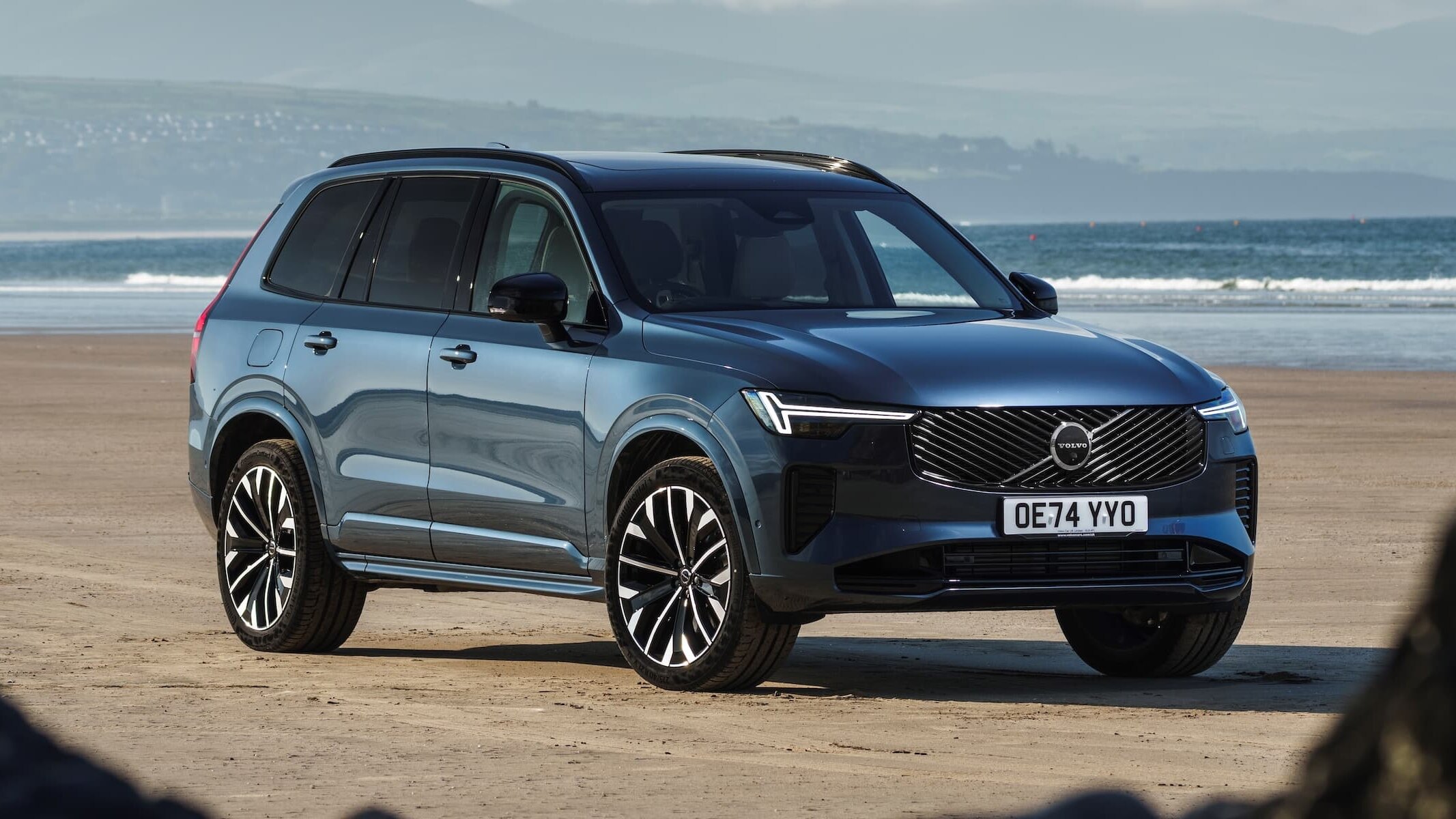
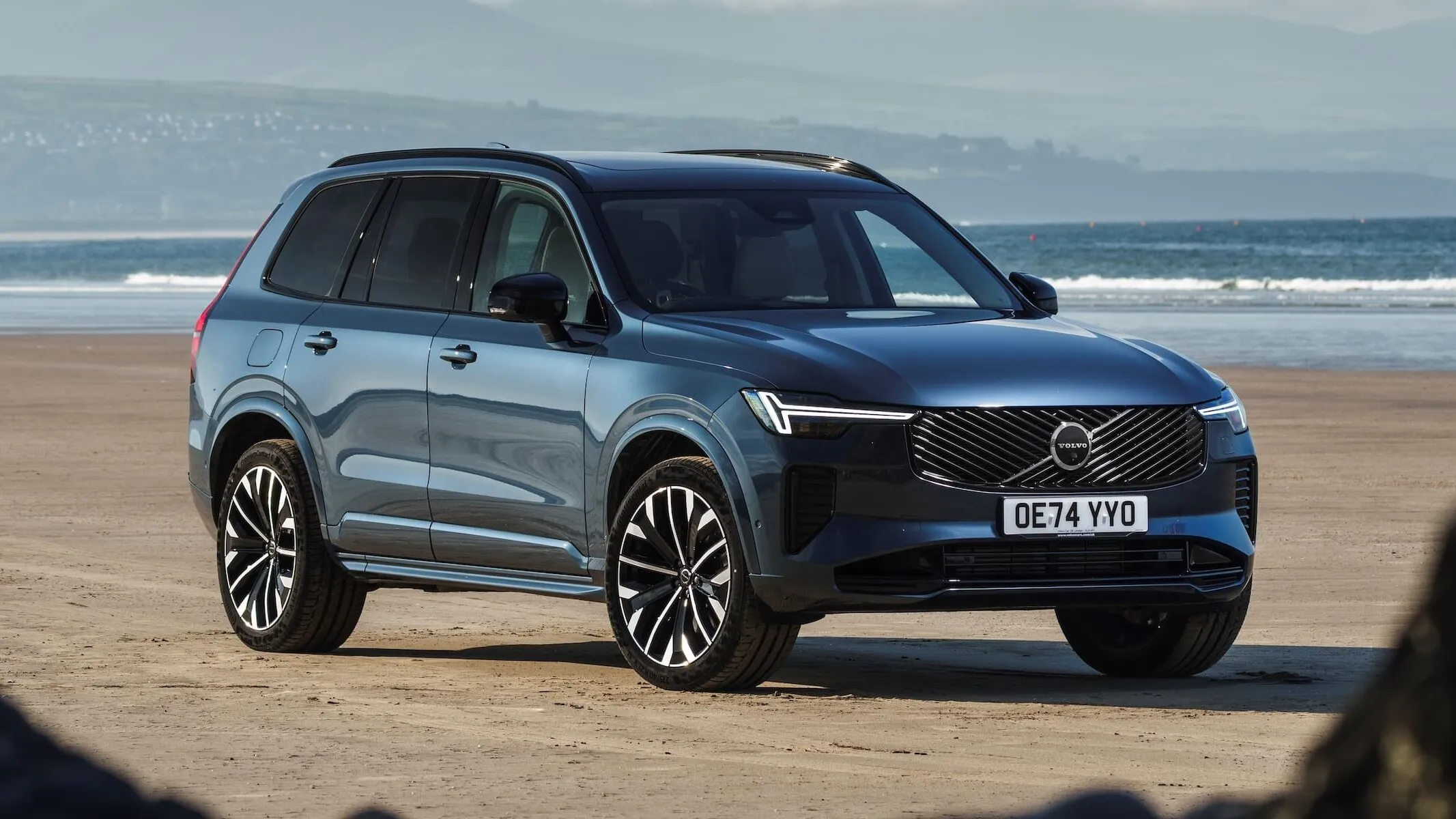
5. Volvo XC90
The Volvo XC90 is designed with a strong emphasis on safety, visibility, and all-weather performance, and its windshield wiper system reflects these priorities. Volvo engineers the XC90 with advanced beam-style blades optimized for cold climates, heavy rain, and snow conditions. While highly effective, this system is more specialized than standard SUV designs.
One of the key strengths of the XC90 wiper system is its consistent performance in harsh environments. The blades are designed to maintain flexibility in freezing temperatures and apply even pressure across the windshield. This ensures reliable visibility in conditions where lesser systems might struggle.
However, the advanced engineering reduces compatibility with generic aftermarket blades. Many standard replacement options do not fit correctly or fail to perform optimally in Volvo’s system. This limits consumer choice and increases dependence on OEM parts or high-quality specialty suppliers.
Another important consideration is integration with safety systems. The XC90 often includes advanced driver assistance features that rely on clear windshield visibility. Poor quality or incorrectly fitted blades can interfere with these systems, making proper OEM fitment more important than in many mainstream SUVs.
Long-term maintenance costs tend to be higher. While the XC90 delivers excellent safety, comfort, and winter performance, its proprietary wiper blade design adds to the cost of ownership, particularly for drivers in regions requiring frequent blade replacement.
