
Buying a car is one of the biggest financial decisions most people make, yet many buyers focus almost entirely on the purchase price while ignoring long-term ownership costs. A vehicle that looks affordable in the showroom can quickly become expensive once repair bills, replacement parts, fuel expenses, and regular servicing begin to add up.
On the other hand, some cars are known for lasting many years with minimal maintenance, helping owners save thousands over time. Understanding which vehicles are inexpensive to maintain and which ones are likely to empty your bank account is essential for anyone who wants to make a smart automotive investment.
Car maintenance costs are influenced by several factors, including reliability, engineering complexity, availability of spare parts, labor costs, and brand reputation. Vehicles built with simple and durable mechanical systems are often cheaper to maintain because repairs are easier and replacement components are widely available.
Brands with strong reliability records also tend to experience fewer breakdowns, reducing the need for expensive repairs. In contrast, luxury cars and high-performance vehicles often come with sophisticated technology, specialized components, and premium labor costs that can significantly increase maintenance expenses. Even routine services like oil changes, brake replacements, or tire rotations can cost several times more for certain luxury models.
Another important factor is depreciation and aging. Some vehicles remain dependable even after crossing 100,000 miles, while others develop serious mechanical and electrical issues as they age. Transmission failures, suspension problems, engine leaks, and electronic malfunctions can quickly transform a dream car into a financial burden.
Many buyers underestimate the impact of these recurring repairs, especially when purchasing used luxury vehicles that may appear affordable upfront but require costly upkeep.
Drivers today are becoming more conscious about total ownership costs rather than just sticker prices. Families, commuters, students, and first-time buyers are increasingly searching for reliable cars that combine affordability with longevity.
At the same time, many enthusiasts are drawn toward premium vehicles without fully understanding the maintenance responsibilities that accompany them. Knowing the difference between a low-maintenance vehicle and a high-maintenance money pit can help buyers avoid unnecessary stress and financial strain.
This article explores four cars widely recognized for their cheap maintenance costs and long-term reliability, along with four vehicles infamous for expensive repairs and ownership costs. Each section examines why these cars fall into their respective categories, looking at reliability history, repair frequency, parts availability, and ownership experience.
Whether you are planning to buy a new car, shop for a used vehicle, or simply learn more about automotive ownership, this guide will help you make a more informed decision and avoid costly mistakes.
Also Read: 10 Cars With Insurance Premiums Lower Than a Compact Sedan
Cars With Cheap Maintenance
1. Toyota Corolla
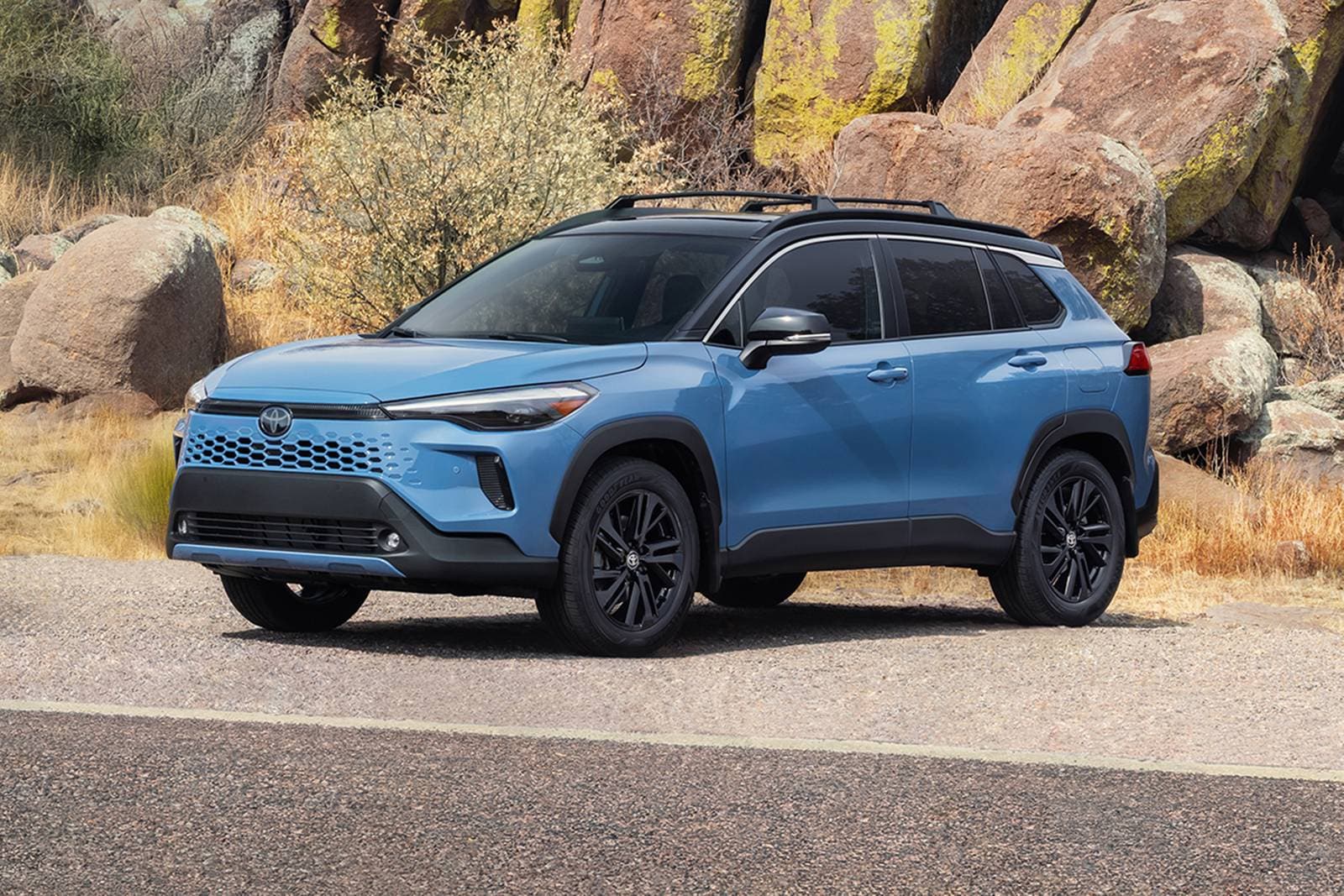
The Toyota Corolla has built a reputation over decades as one of the most reliable and affordable cars to maintain in the world. Its simple engineering, dependable drivetrain, and strong reliability history make it a favorite among budget-conscious drivers.
Owners often report driving their Corollas well beyond 200,000 miles with only basic maintenance such as oil changes, brake replacements, and tire rotations. Because the Corolla is one of the best-selling vehicles globally, spare parts are easy to find and relatively inexpensive compared to many competitors.
Routine maintenance on the Corolla is straightforward and affordable. Independent mechanics are highly familiar with the vehicle, which keeps labor costs low.
The car’s naturally aspirated engines are known for their durability and simplicity, avoiding the complexity that often leads to expensive repairs in turbocharged or high-performance engines. Even older Corolla models tend to remain reliable if properly maintained, making them excellent choices in the used car market.
Fuel efficiency is another reason why the Corolla remains economical to own. Drivers benefit from excellent gas mileage, reducing long-term operating costs. Insurance rates are also generally lower because the vehicle has a strong safety record and affordable repair costs. These savings may appear small individually, but over the years of ownership, they can amount to thousands of dollars.
Toyota’s reputation for quality control also contributes to the Corolla’s low maintenance expenses. Components such as transmissions, suspension systems, and electrical parts are designed for longevity rather than extreme performance. While no car is completely immune to mechanical issues, the Corolla consistently ranks among the most dependable compact sedans available.
For drivers seeking dependable transportation without constant repair bills, the Toyota Corolla remains one of the safest automotive investments. It is practical, fuel-efficient, affordable to repair, and capable of delivering years of reliable service with minimal financial stress.
2. Honda Civic
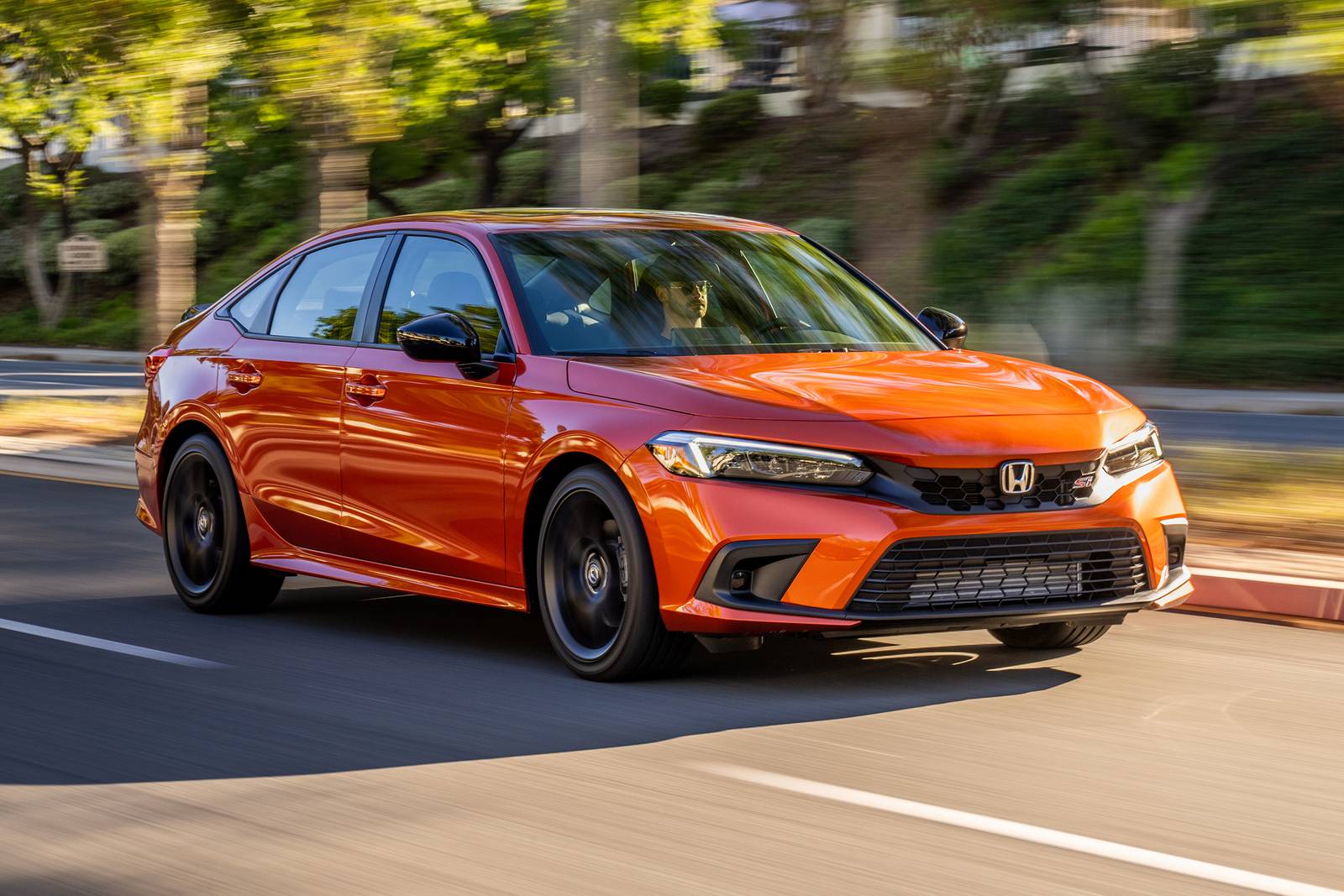
The Honda Civic is another vehicle famous for low maintenance costs and exceptional reliability. For decades, it has been a top choice among commuters, students, and families looking for a practical yet enjoyable driving experience. Honda’s engineering philosophy focuses heavily on efficiency and durability, which has helped the Civic earn a strong reputation in both new and used markets.
One major advantage of owning a Civic is the availability of affordable replacement parts. Since millions of Civics have been sold worldwide, aftermarket and original components are easy to source. This widespread availability keeps repair costs manageable and allows owners to choose from a variety of maintenance options. Mechanics are also very familiar with Civic models, making labor costs relatively reasonable.
The Civic’s engines are generally known for long life and strong reliability. Many owners report reaching high mileage with few major mechanical issues. Routine maintenance intervals are simple to follow, and the vehicle rarely suffers from catastrophic failures when serviced properly. Oil changes, spark plug replacements, and brake services are typically inexpensive compared to many other vehicles.
Another reason the Civic remains affordable is its strong fuel economy. Drivers save money at the pump while benefiting from dependable daily transportation. Insurance premiums are often moderate as well, especially for standard trims. Even though sporty variants like the Civic Si or Type R may cost more to insure and maintain, standard Civic models remain among the cheapest compact cars to own long term.
The Honda Civic also holds its resale value extremely well. Buyers are often willing to pay more for used Civics because of their reputation for reliability and low ownership costs. This strong resale value reduces depreciation, further improving the vehicle’s long-term affordability. For anyone looking for a practical and inexpensive car to maintain, the Honda Civic continues to be one of the best options available.
3. Hyundai Elantra
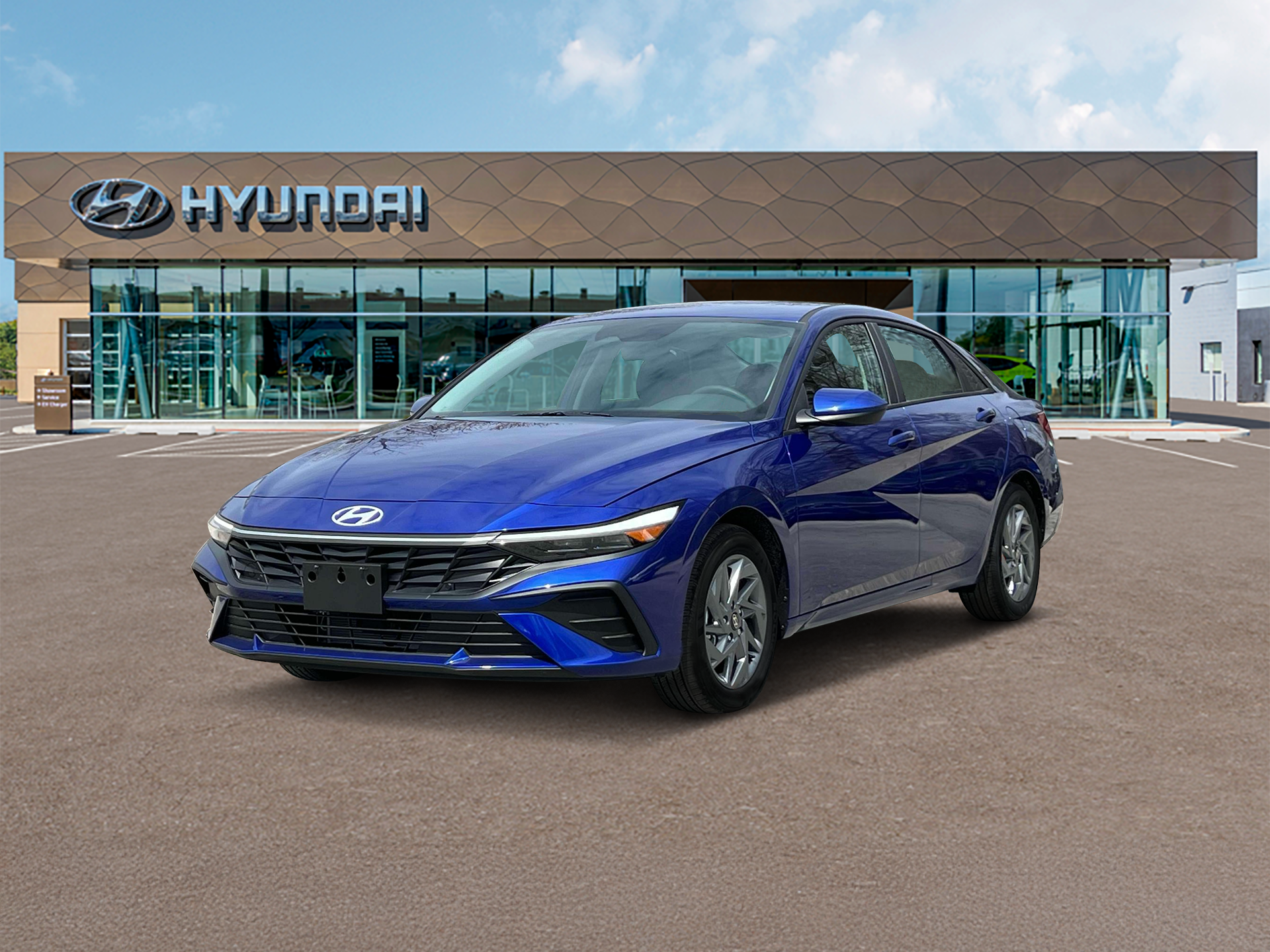
The Hyundai Elantra has improved dramatically over the years and now competes strongly with Japanese rivals in reliability and affordability. Modern Elantra models offer impressive warranties, efficient engines, and relatively low maintenance costs, making them attractive options for budget-conscious buyers. Hyundai’s commitment to improving quality has significantly boosted consumer confidence in the brand.
One of the biggest financial advantages of owning an Elantra is Hyundai’s generous warranty coverage. Long powertrain warranties help reduce unexpected repair costs during the early years of ownership. This coverage provides peace of mind for drivers concerned about expensive mechanical failures. Even after warranty expiration, many Elantra models remain affordable to maintain thanks to reasonably priced parts and simple engineering.
Fuel efficiency is another strong point of the Elantra. Owners often enjoy excellent mileage, especially with newer models equipped with efficient four-cylinder engines. Lower fuel consumption translates directly into reduced operating costs over time. Combined with competitive insurance rates, the Elantra can be very economical for daily commuting.
The Elantra’s maintenance requirements are generally uncomplicated. Basic services such as oil changes, brake work, and battery replacements are affordable compared to luxury vehicles or larger SUVs. Hyundai dealerships have also expanded significantly in many regions, improving service accessibility and reducing maintenance inconvenience for owners.
While older Hyundai models once struggled with reliability concerns, newer Elantras have demonstrated much stronger durability and build quality. Many drivers appreciate the balance between affordability, technology, and low ownership costs. For buyers seeking a modern compact sedan with inexpensive maintenance, the Hyundai Elantra represents a solid value-oriented choice.
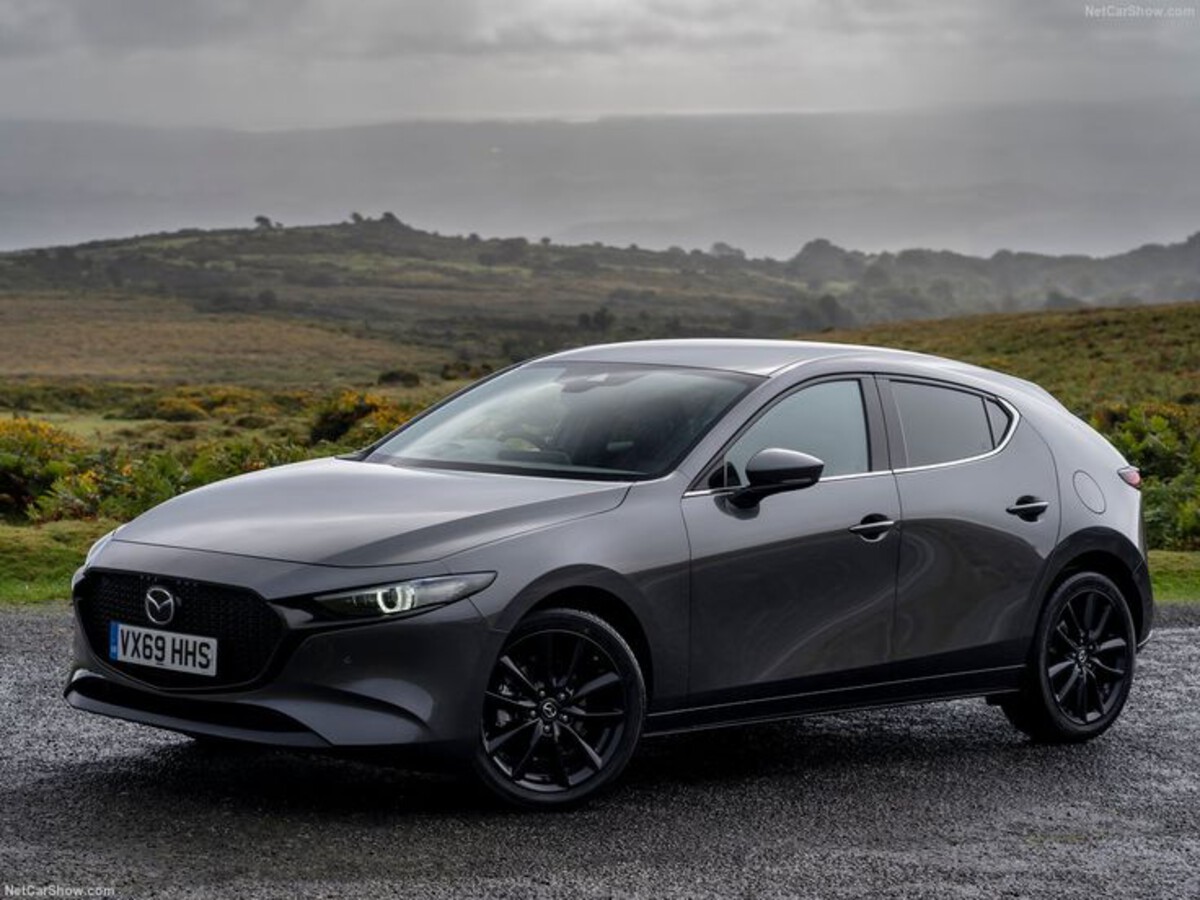
4. Mazda3
The Mazda3 is often praised for delivering an engaging driving experience while maintaining relatively low ownership costs.
Unlike some compact cars that prioritize economy over driving enjoyment, the Mazda3 manages to combine sporty handling with long-term reliability and affordable maintenance. This balance has helped it gain popularity among drivers who want practicality without sacrificing driving pleasure.
Mazda vehicles are generally engineered with simplicity and durability in mind. The Mazda3’s naturally aspirated engines are known for their reliability and efficiency, avoiding many of the costly complications associated with more complex powertrains. Routine maintenance is typically affordable, and major repairs are less common compared to many European competitors.
The availability of reasonably priced replacement parts also contributes to the Mazda3’s affordability. While Mazda may not sell as many vehicles globally as Toyota or Honda, parts remain accessible, and maintenance costs are still competitive within the compact car segment. Independent repair shops are increasingly familiar with Mazda vehicles, helping owners avoid expensive dealership labor fees.
Fuel economy is another area where the Mazda3 performs well. Drivers benefit from efficient engines that reduce gasoline expenses during long-term ownership. Additionally, the vehicle’s quality interior materials and solid build quality help minimize wear and tear over time, reducing the likelihood of expensive cosmetic or interior repairs.
The Mazda3 is particularly appealing for drivers who want a reliable car that feels more refined and enjoyable than many economy-focused alternatives. Its blend of dependability, efficiency, and manageable maintenance expenses makes it one of the smarter choices for cost-conscious car buyers who still value driving dynamics.
Also Read: 10 Cars That Survive Being Used as Daily Uber Vehicles
Cars That’ll Drain Your Wallet
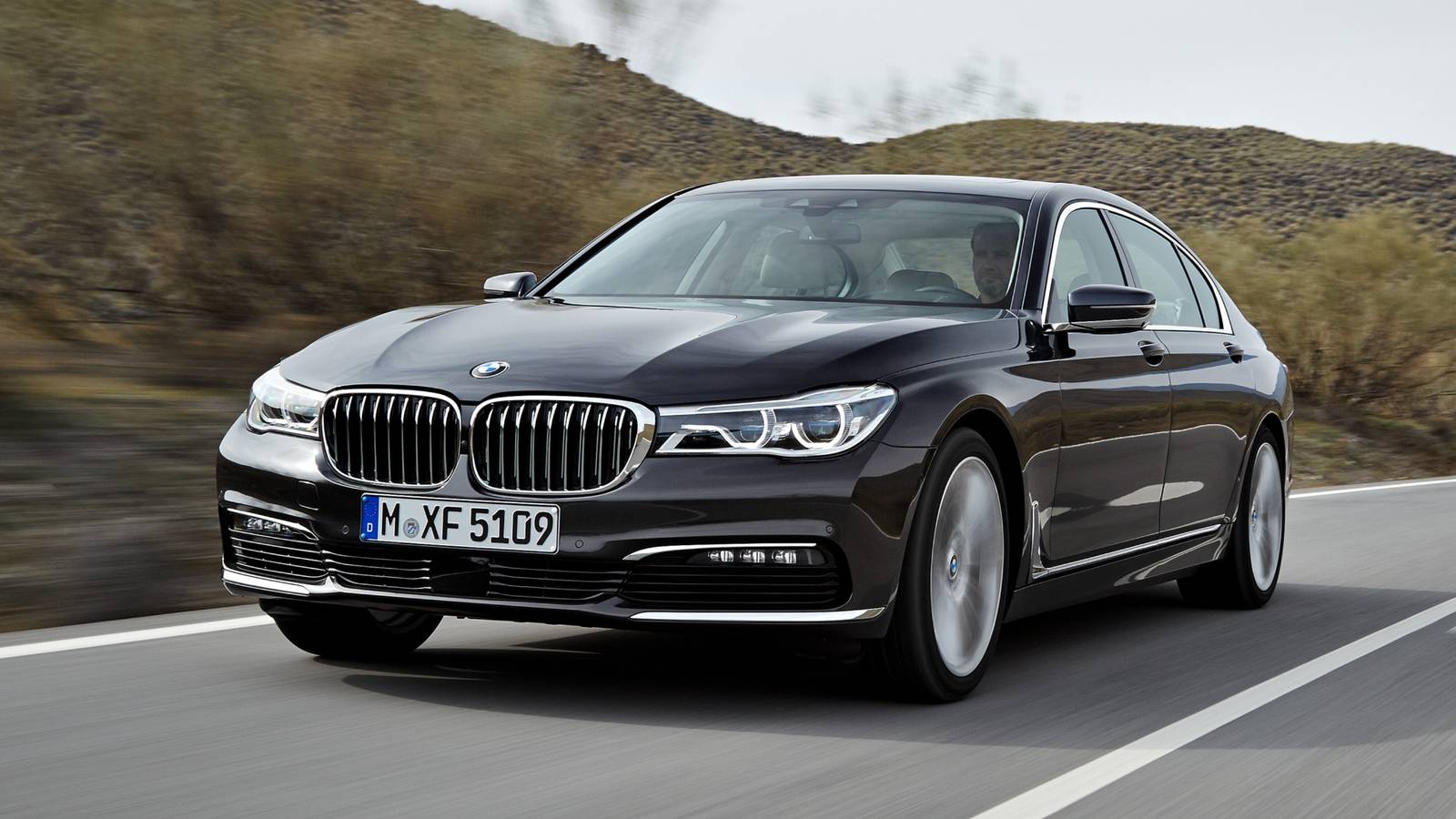
1. BMW 7 Series
The BMW 7 Series is a luxury sedan packed with advanced technology, premium materials, and high-performance engineering. While it offers exceptional comfort and prestige, it is also notorious for expensive maintenance and repair costs. Owners often face significant expenses once the vehicle ages and warranty coverage expires.
One major reason the 7 Series becomes expensive to maintain is its complexity. These vehicles contain sophisticated electronic systems, advanced suspension components, turbocharged engines, and luxury features that require specialized expertise to repair. Even minor issues can result in large repair bills because diagnostics and labor costs at BMW service centers are typically very high.
Parts for the 7 Series are also costly. Components such as air suspension systems, turbochargers, electronic modules, and cooling systems can fail as the vehicle ages, leading to expensive replacements.
Repairs that might cost a few hundred dollars on a mainstream sedan can easily exceed several thousand dollars on a luxury BMW. Owners of older models frequently report recurring electrical problems that become frustrating and expensive to diagnose.
Routine maintenance is also significantly more expensive compared to economy cars. Premium synthetic oil changes, specialized brake systems, and high-performance tires all contribute to elevated ownership costs. Additionally, luxury German vehicles often require more frequent maintenance to remain in optimal condition, further increasing long-term expenses.
While the BMW 7 Series delivers a luxurious driving experience, buyers should understand the financial commitment involved. Purchasing a used model at a discounted price may seem appealing, but maintenance and repair bills can quickly exceed expectations. For drivers without a substantial maintenance budget, the 7 Series can become a serious financial burden.
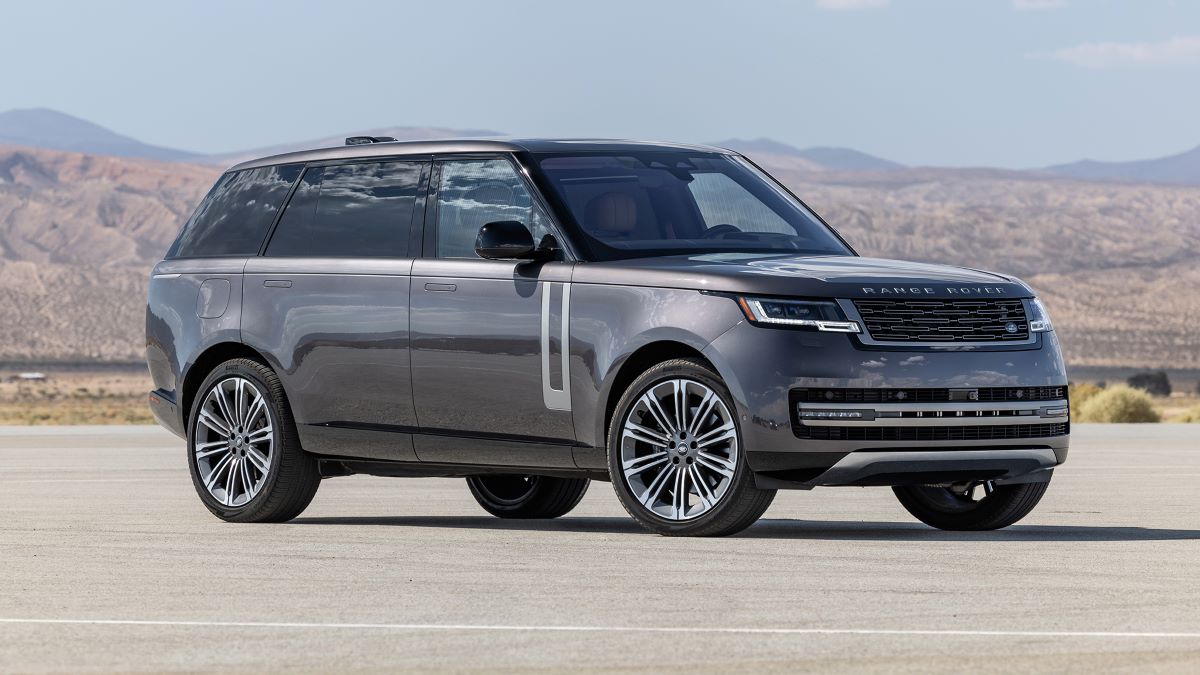
2. Range Rover
Range Rover vehicles are admired for their luxury interiors, off-road capability, and commanding road presence. However, they are equally famous for reliability problems and extremely high maintenance costs. Many automotive experts consider older Range Rovers among the riskiest luxury SUVs to own long-term due to their frequent mechanical and electrical issues.
One of the biggest problems with Range Rover ownership is reliability inconsistency. Owners often report issues involving air suspension systems, electrical failures, engine problems, and transmission repairs. These vehicles contain highly complex systems that can become problematic as mileage increases. Unfortunately, repairs are rarely inexpensive.
The cost of replacement parts for Range Rovers is extremely high. Specialized components imported from Europe can significantly increase repair expenses. Labor costs are also elevated because many repairs require experienced technicians familiar with the brand’s complicated engineering. Simple maintenance tasks may involve lengthy procedures that increase service charges.
Depreciation is another factor that traps many buyers. Used Range Rovers can appear affordable compared to their original sticker prices, tempting buyers into ownership. However, the lower purchase price often hides the reality of massive repair bills waiting ahead. Some owners end up spending thousands annually just to keep their vehicles operational.
Fuel economy is generally poor as well, adding to the cost of ownership. Combined with expensive tires, premium fuel requirements, and high insurance rates, the financial burden becomes substantial. While a Range Rover can provide luxury and prestige, it demands a very large maintenance budget that many owners underestimate.
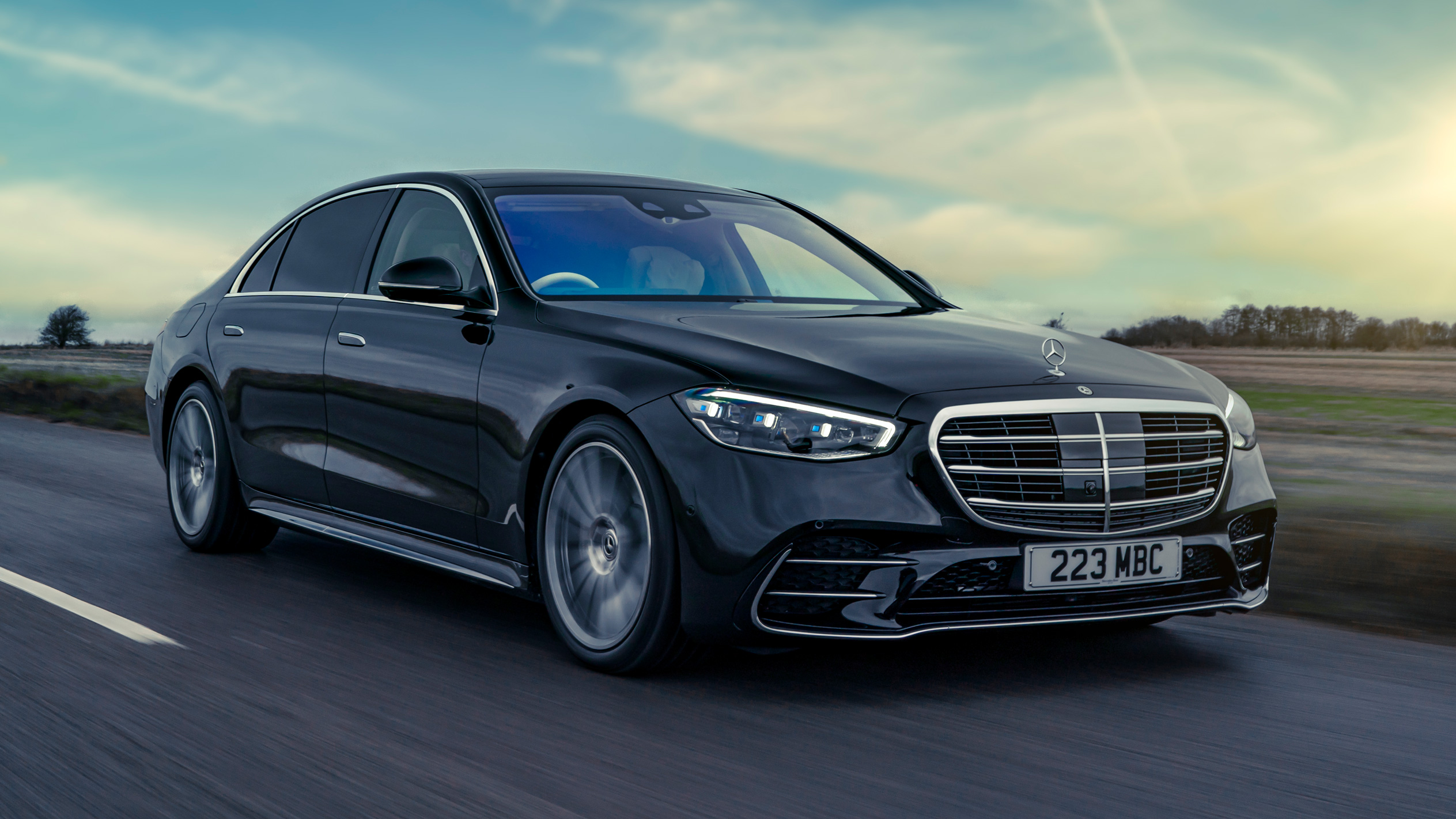
3. Mercedes-Benz S-Class
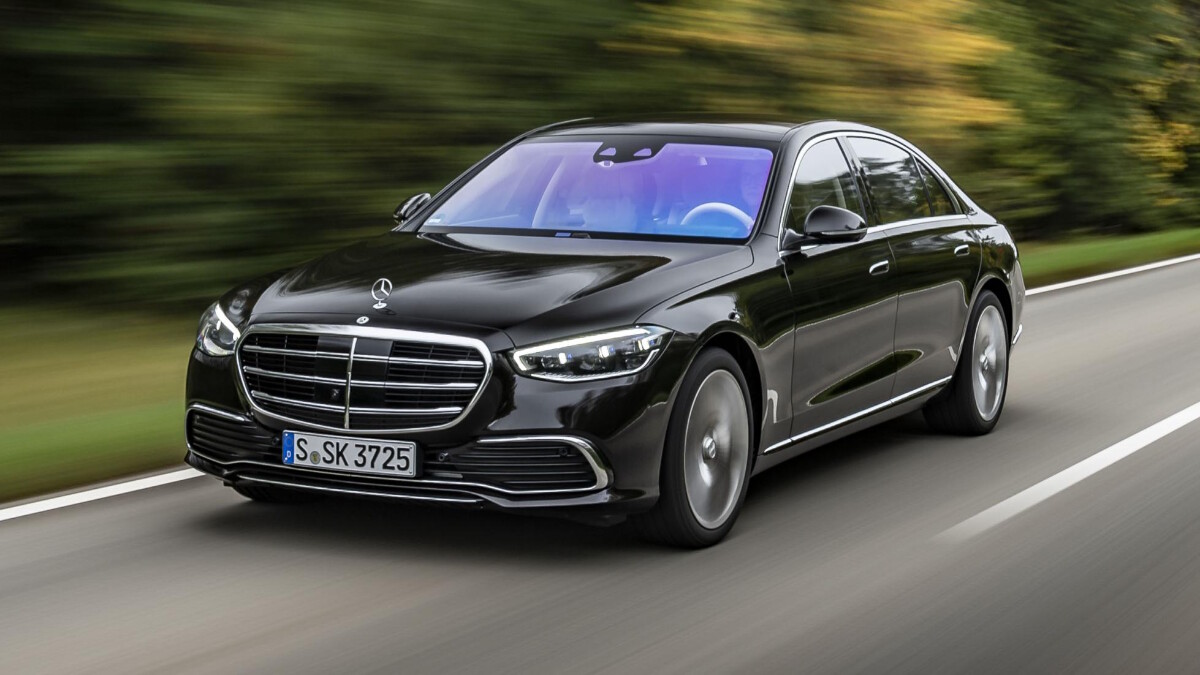
The Mercedes-Benz S-Class is widely regarded as one of the finest luxury sedans ever built. It offers advanced technology, exceptional comfort, and a refined driving experience. However, maintaining an S Class can be incredibly expensive, especially as the vehicle ages beyond its warranty period.
The S Class is filled with cutting-edge features and complex systems designed to enhance comfort and performance. While these technologies create a premium experience, they also introduce numerous potential failure points. Air suspension systems, electronic controls, infotainment systems, and driver assistance features can all require expensive repairs over time.
Repair costs for Mercedes luxury vehicles are often significantly higher than those for mainstream brands. Genuine Mercedes parts carry premium pricing, and many repairs require specialized diagnostic equipment.
Labor costs at authorized dealerships are also among the highest in the automotive industry. Even routine maintenance, such as brake replacements or scheduled services, can cost far more than comparable services for economy vehicles.
Older S-Class models are particularly risky because luxury features tend to become less reliable as vehicles age. Electrical issues can become difficult to diagnose and extremely expensive to repair. Owners may also face transmission problems, oil leaks, cooling system failures, and suspension repairs that cost thousands of dollars.
Despite its high maintenance costs, the S Class continues to attract buyers because of its luxury reputation and advanced engineering. However, potential owners should carefully evaluate whether they are financially prepared for the ongoing maintenance demands. Buying a used S-Class at a bargain price may result in overwhelming repair expenses that outweigh the initial savings.
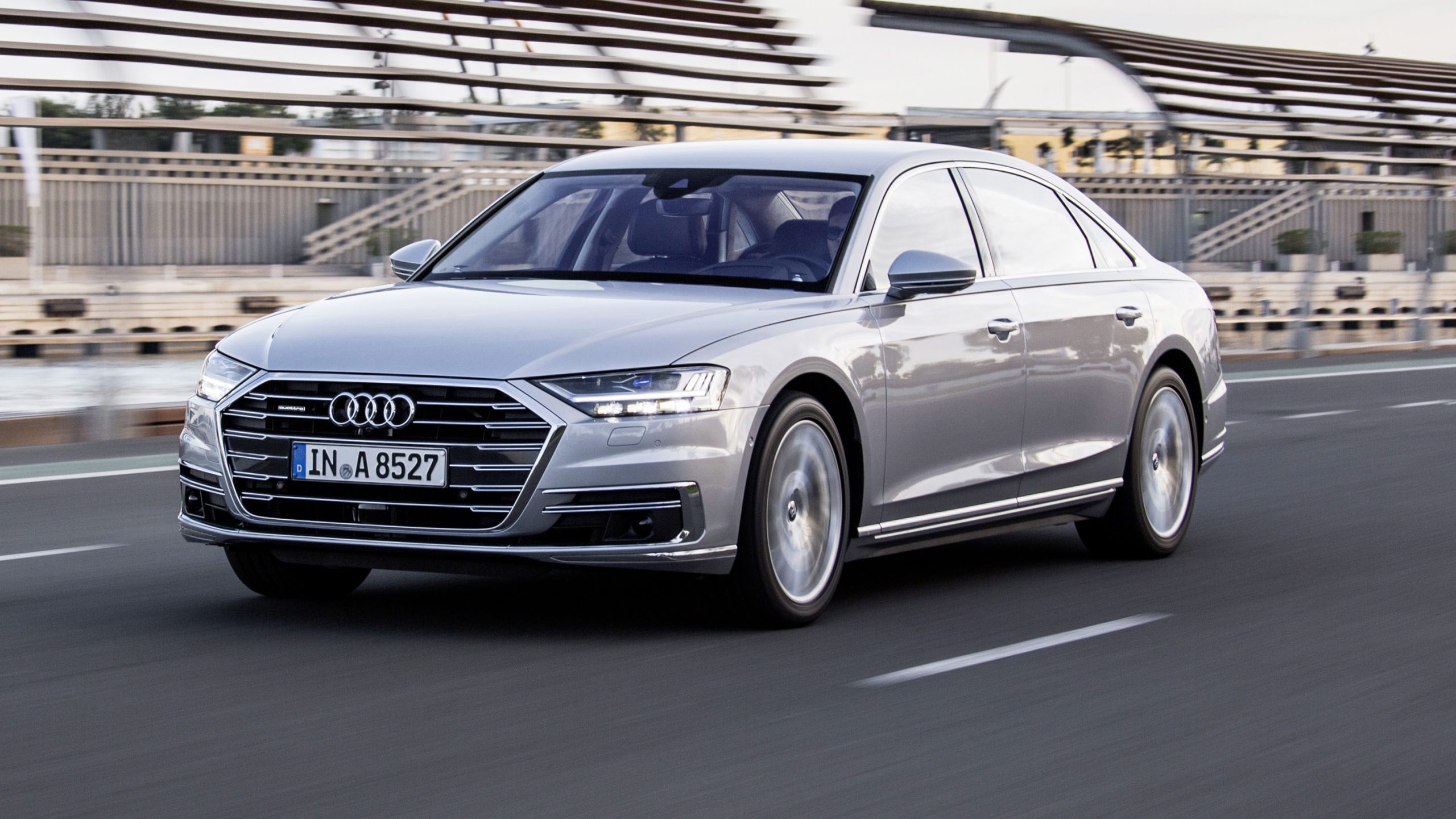
4. Audi A8
The Audi A8 combines luxury, performance, and advanced technology in a sophisticated full-size sedan. While it offers an impressive driving experience, it is also known for costly repairs and maintenance challenges. Like many high-end European luxury cars, the A8 becomes increasingly expensive to own as it ages.
One reason the Audi A8 is costly to maintain is its highly advanced engineering. Quattro All Wheel Drive systems, adaptive air suspension, turbocharged engines, and extensive electronic systems create a complex vehicle that requires specialized expertise. Diagnosing and repairing problems often demands expensive tools and trained technicians.
Electrical issues are a common concern in aging A8 models. Features such as digital displays, sensors, climate control systems, and driver assistance technologies may malfunction over time. Because these systems are interconnected, diagnosing the root cause of a problem can become labor-intensive and expensive.
The cost of parts is another major factor. Genuine Audi components are expensive, particularly for luxury flagship models like the A8. Repairs involving suspension components, engine systems, or transmission parts can easily cost several thousand dollars. Even routine maintenance services are generally pricier than those for mainstream vehicles.
Depreciation can also mislead buyers into thinking the A8 is affordable. A used Audi A8 may sell for a fraction of its original price, but ownership costs often remain similar to when the car was new. This creates a dangerous situation where buyers purchase the vehicle affordably but struggle with ongoing repair bills afterward.
For drivers who prioritize luxury and advanced technology, the Audi A8 can be rewarding to own. However, it requires a substantial maintenance budget and careful long-term financial planning. Without adequate resources, ownership can quickly become stressful and financially draining.
