

Car maintenance is one of those topics that divides owners right down the middle. Some people swear by every scheduled service, while others push their luck and somehow get away with it.
The truth is, not all cars are created equal when it comes to forgiveness. Some engines and drivetrains are so overbuilt that they laugh off missed oil changes and skipped inspections. Others are ticking time bombs the moment you ignore the service light.
Manufacturer service intervals are not just suggestions pulled from thin air. They are carefully calculated windows based on real engineering data, material tolerances, and fluid chemistry.
Yet millions of car owners skip services every year. Some face catastrophic consequences, while others drive hundreds of thousands of miles with minimal maintenance and zero drama.
The difference often comes down to engineering philosophy, build quality, and the specific components involved. Japanese reliability legends behave very differently from complex European performance machines.
This article breaks down six cars where owners regularly got away with skipping service, and six where skipping even one appointment turned into an expensive disaster. Whether you are trying to save money or simply understand your car better, this is essential reading for every driver on the road today.
6 Cars Where Skipping Service Was Fine
These cars are known for forgiving engineering and durable components, meaning they can handle occasional missed service without immediate trouble. Models like the Toyota Corolla, Honda Civic, and Toyota Camry are famous for simple, long-lasting engines that keep running even with imperfect maintenance.
Others like the Mazda3, Subaru Impreza, and older Hyundai Elantra also show strong tolerance to delayed oil changes and minor neglect, continuing to perform reliably. While regular servicing is always best, these cars are more resilient than most.
1. Toyota Hilux
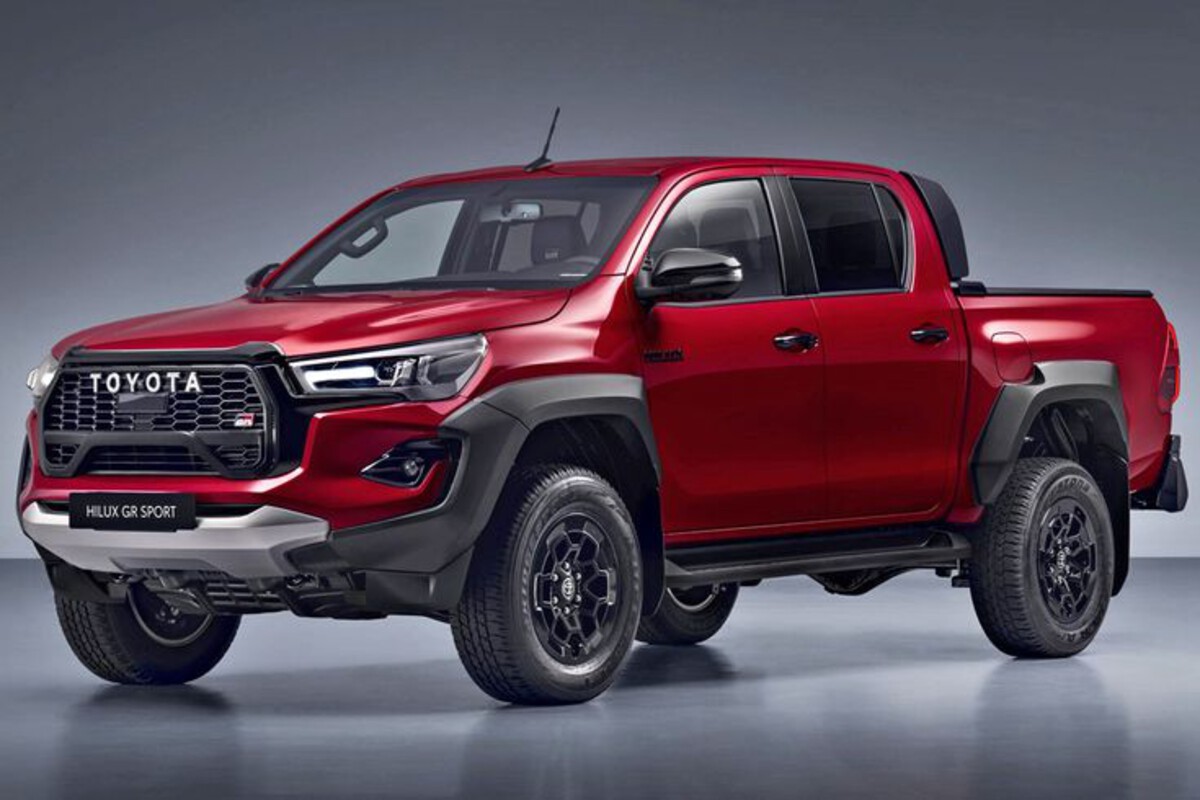
The Toyota Hilux has a reputation that borders on mythology. It has been driven through war zones, flooded rivers, and African deserts with barely a wrench touched to it.
Owners across the developing world have reported running Hilux trucks for years without a single scheduled service. The engines keep turning over despite the odds stacked against them.
The 1KZ-TE and later 1GD-FTV diesel engines are over-engineered by design. Toyota built these motors with generous tolerances, meaning minor wear does not immediately translate into performance loss.
The cooling systems are robust and rarely develop leaks under normal conditions. Even when coolant levels drop slightly, the engine manages heat effectively for extended periods.
Hilux gearboxes are legendary for their durability. Drivers in remote areas report skipping transmission fluid changes for well over 100,000 kilometres without any slipping or grinding.
The suspension components are thick, heavy-duty, and built for punishment. Dust, mud, and water ingress that would destroy a lesser vehicle barely registers on a Hilux.
Farm workers in Australia and Africa often perform their own rough-and-ready maintenance. They top up oil occasionally and change filters when convenient, yet the trucks run for decades.
The chassis resists rust better than most trucks of its class. Even in coastal and tropical climates, structural integrity holds up remarkably well without protective treatments.
Skipping a service on a Hilux is not something we recommend. But the evidence strongly suggests that when life gets in the way, the Hilux handles neglect better than almost anything else on four wheels.
2. Honda Civic (7th Generation, 2001–2005)
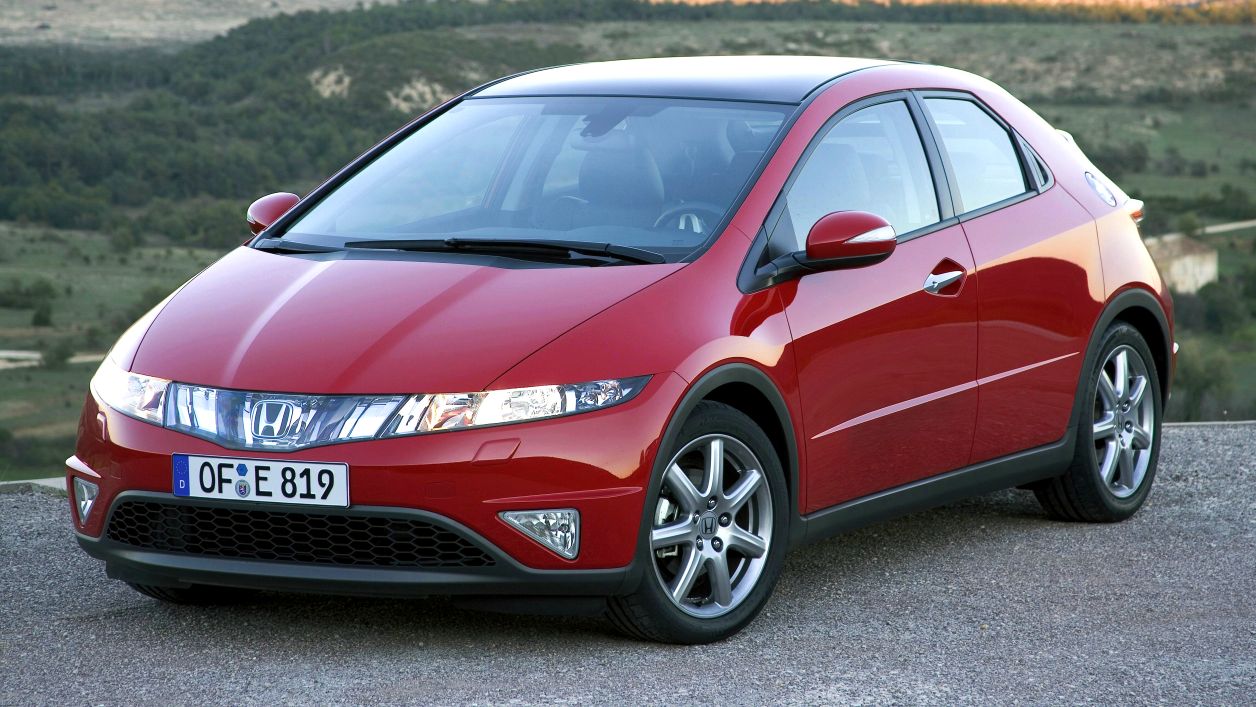
The seventh-generation Honda Civic became the unofficial car of university students worldwide. It was cheap to buy, cheap to insure, and apparently impossible to kill.
Stories of these Civics running 50,000 kilometres between oil changes circulate on forums constantly. Many of those cars are still on the road today, owned by second and third buyers.
The D-series and R-series four-cylinder engines in these Civics are masterpieces of simplicity. Honda designed them to be rev-happy, lightweight, and extraordinarily durable.
Oil consumption on these engines is famously low. Even when owners stretched oil changes far beyond the recommended interval, sludge buildup was minimal compared to competitors.
The manual gearbox found in most of these Civics is almost indestructible. Mechanics regularly pull these transmissions apart and find they look nearly new despite heavy use and missed fluid changes.
Honda’s VTEC system, often misunderstood, is actually very tolerant of slightly degraded oil. It requires clean oil to function at full performance, but it does not immediately fail when oil is old.
The cooling system on the seventh-gen Civic uses a straightforward design. The single thermostat and standard radiator rarely develop issues, even when coolant flushes are skipped.
Brake components last well beyond their rated mileage on light city driving. Many student owners admitted never changing brake fluid yet experienced no fade or corrosion issues.
The seventh-gen Civic is proof that Honda’s reputation in the early 2000s was fully deserved. It forgave young, broke, and inexperienced owners in ways that saved countless budgets and headaches.
3. Lexus LS400
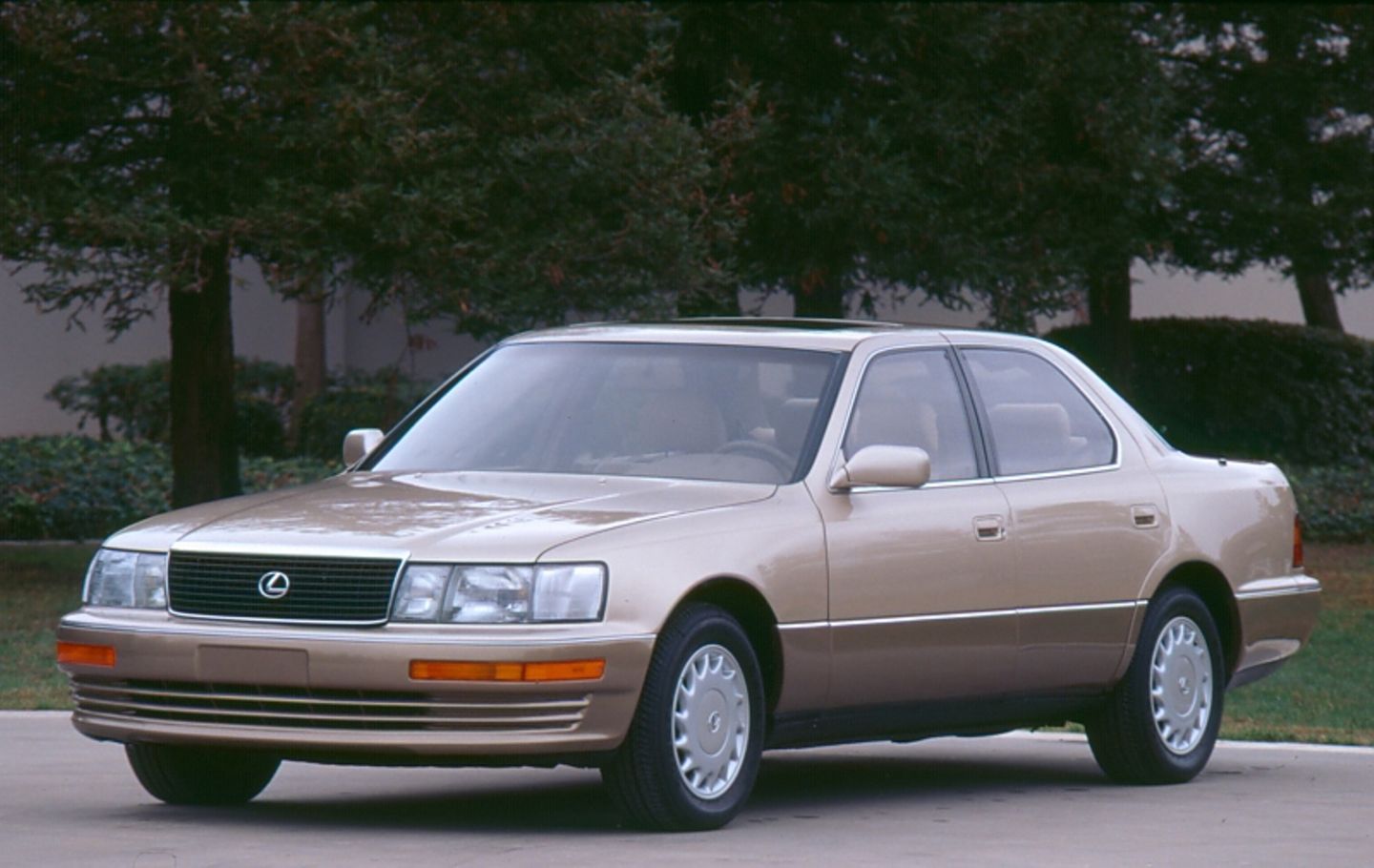
When Toyota launched the Lexus LS400 in 1989, they wanted to humiliate Mercedes-Benz and BMW at their own game. To do that, they overbuilt everything to an almost absurd degree.
The 1UZ-FE V8 engine in the LS400 is routinely described as one of the finest naturally aspirated engines ever made. It is smooth, powerful, and almost comically durable.
Owners on enthusiast forums regularly share stories of buying high-mileage LS400s with unknown service histories. After basic fluid changes, the cars run like new.
The engine produces minimal vibration and heat stress under normal operation. This means internal components wear at a slower rate compared to more highly stressed motors.
Timing belt replacements are technically required, but the belts are heavy-duty and rarely snap catastrophically. Many owners have gone well past the recommended interval without incident.
The automatic transmission in the LS400 is smooth and long-lived. Even with old fluid, it shifts crisply and refuses to develop the shudders and slips common in lesser gearboxes.
The suspension system uses high-quality bushings and ball joints. They last significantly longer than the intervals Toyota suggests, often requiring attention only after 150,000 kilometres or more.
Air conditioning systems on the LS400 remain functional for decades. The compressor and condenser are built to a standard rarely seen in even modern premium vehicles.
Fuel economy remains consistent even as mileage climbs. The engine’s efficiency does not degrade meaningfully until very high mileage is reached, unlike many European V8s.
The LS400 was a statement from Toyota that they could build a better luxury car than the Europeans. In terms of durability and tolerance of neglect, they absolutely succeeded.
4. Volvo 240
The Volvo 240 is not glamorous. It is boxy, slow, and looks like it was designed by someone who had never seen a sports car. But it is legendary for one thing above all others it simply will not die.
Mechanics who worked on these cars in the 1980s and 1990s recall owners driving them into the workshop with oil so dark it looked like tar. The engines were still running fine.
The B21 and B230 four-cylinder engines are massively over-engineered for their output. They produce modest power, which means they are never under significant stress during normal driving.
An engine that is never pushed hard wears slowly. The Volvo 240’s drivetrain was clearly designed with a 30-year lifespan in mind rather than peak performance figures.
The cooling system is simple and robust. A single thermostat, a large radiator, and straightforward hose routing mean problems are rare and easy to fix when they do occur.

Fuel injection systems on later models are basic by modern standards. They are not sensitive to fuel quality variations and rarely develop issues even with extended service intervals.
Volvo’s chassis engineering in this era was focused on safety and longevity. Every structural component was built with safety margins that far exceeded legal requirements.
The interior, while austere, is built from materials that age with dignity. The seats remain supportive, and the trim holds together long after equivalent German cars have begun to fall apart.
Volvo eventually moved on to more sophisticated platforms. But many enthusiasts argue that in doing so, they left behind the very quality that made their cars legendary.
Also Read: Seven of the Ten Least Reliable Cars in 2026 Are EVs or Plug-In Hybrids
5. Toyota Land Cruiser 80 Series
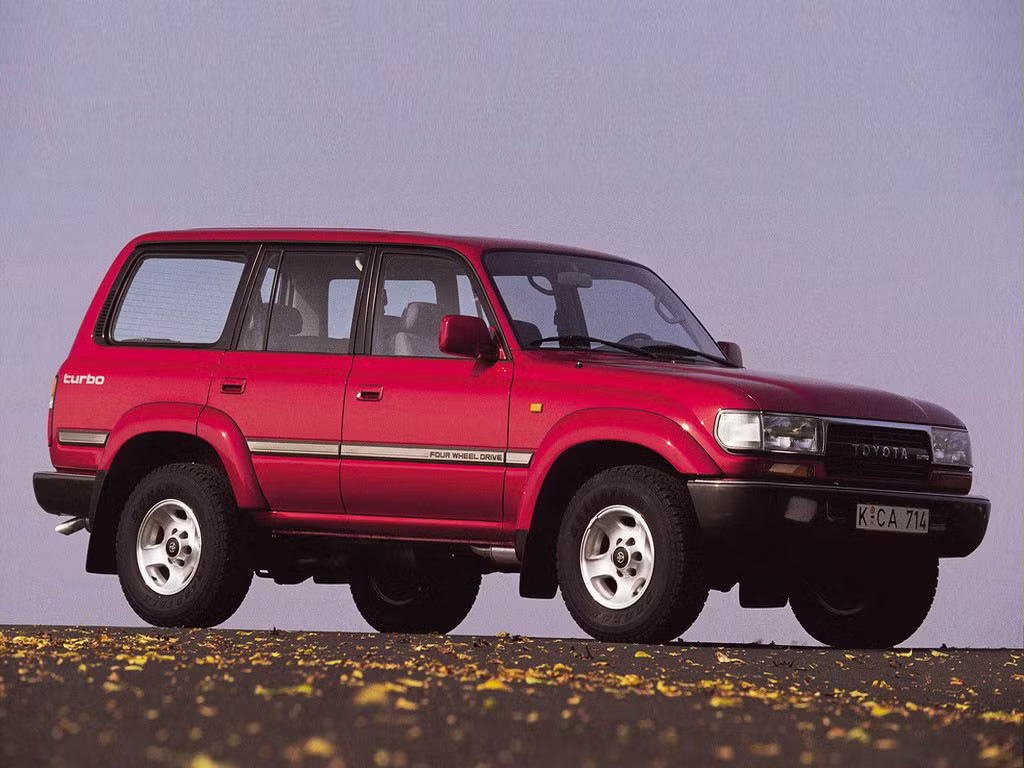
The 80 Series Land Cruiser is arguably the most capable overland vehicle ever mass-produced. It was built for remote expeditions where the nearest mechanic might be 500 kilometres away.
That design philosophy means every component was engineered with survival in mind. Systems that could fail catastrophically in isolation were over-built to prevent exactly that outcome.
The 1FZ-FE petrol engine and the 1HD-T diesel are both famous for their longevity. Running these engines past oil change intervals causes no immediate crisis. Oil capacity in these engines is generous by design. More oil in the sump means slower degradation of lubrication quality between changes.
The transfer case and differentials are sealed, heavy-duty units. They hold fluid well and are not sensitive to minor delays in fluid change schedules.
Four-wheel-drive components are built from aircraft-grade steel in many critical areas. Wear rates are therefore very low under normal operating conditions.
Body-on-frame construction means stress is distributed across the entire vehicle. No single point of failure is likely to cause catastrophic structural collapse.
The suspension system uses large-diameter coil springs and long-travel shock absorbers. These components outlast the recommended service intervals by a significant margin.
The 80 Series proves that engineering for worst-case scenarios produces a vehicle that thrives under ordinary neglect. It was built for deserts and wars, so skipped services barely register.
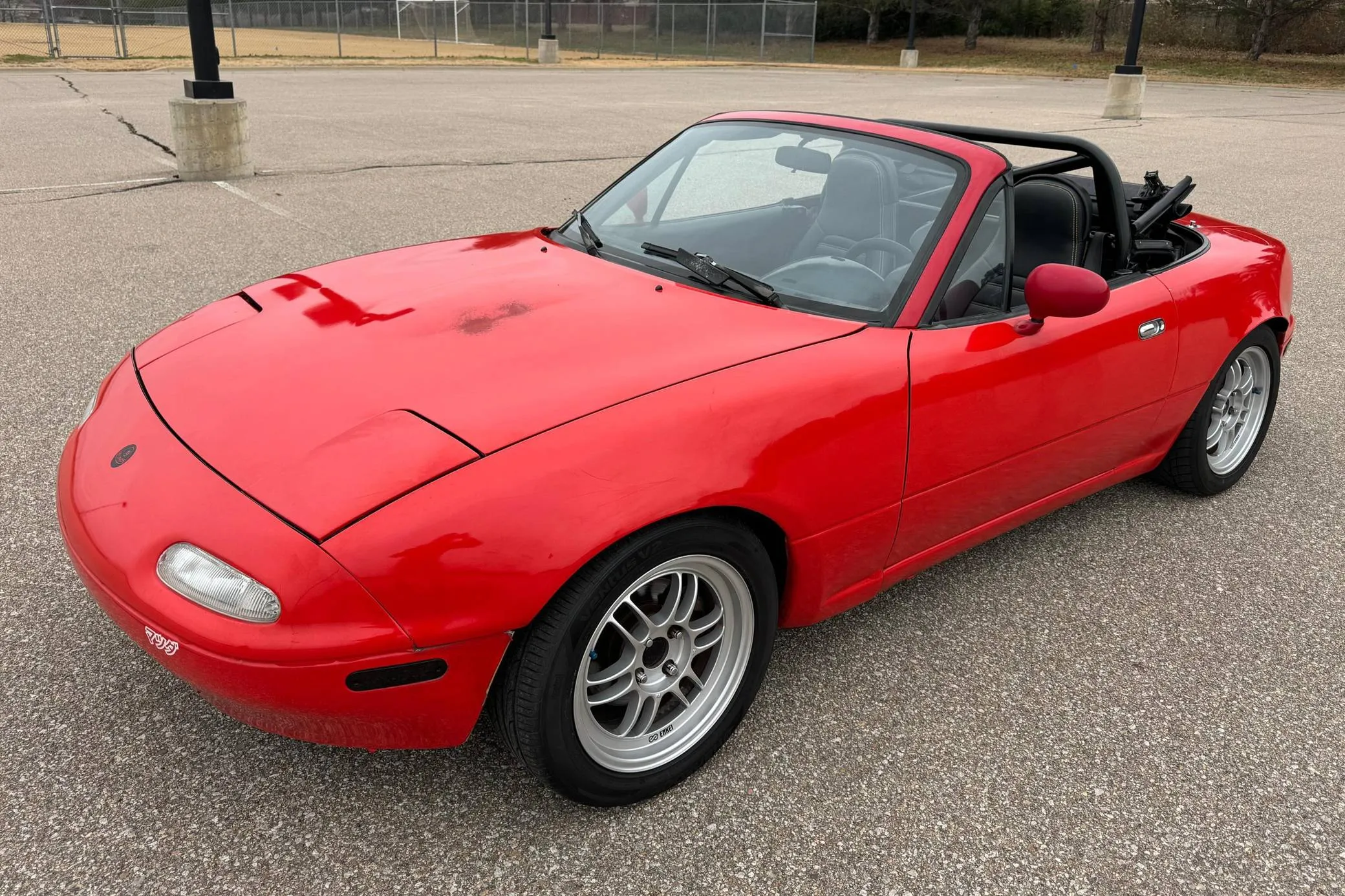
6. Mazda MX-5 NA/NB
The original Mazda MX-5, known as the Miata in North America, was designed around simplicity and driver enjoyment. That focus on simplicity translated directly into low maintenance demands.
The 1.6-litre and 1.8-litre four-cylinder engines are physically small and produce modest power. Small, unstressed engines simply wear more slowly than large, complex ones.
Oil change intervals can be stretched on these engines without significant consequences. The engines do not run hot, do not rev constantly at high RPM, and do not suffer from complex breathing issues.
Manual gearboxes in these cars are light, precise, and durable. Many owners admit never changing the transmission fluid and reporting zero issues through high mileage.
The rear-wheel-drive layout uses a Torsen limited-slip differential on many models. This unit is robust and does not require frequent fluid changes to remain functional.
Suspension components are lightweight but well-designed. The double-wishbone front and rear setups wear slowly and do not require attention at the intervals suggested in the handbook.
Mazda engineered the MX-5 to be affordable to run as well as to buy. That philosophy is visible in every maintenance cost figure associated with these beloved sports cars.
6 Where It Wasn’t
These cars are far less forgiving and can develop serious issues quickly if maintenance is skipped. Turbocharged engines, luxury models, and performance-focused cars often require strict servicing to stay reliable.
Missing routine service in these vehicles can lead to engine damage, overheating, transmission failures, or costly repairs, sometimes much earlier than expected. For these cars, skipping maintenance is rarely a small mistake; it often becomes an expensive one.
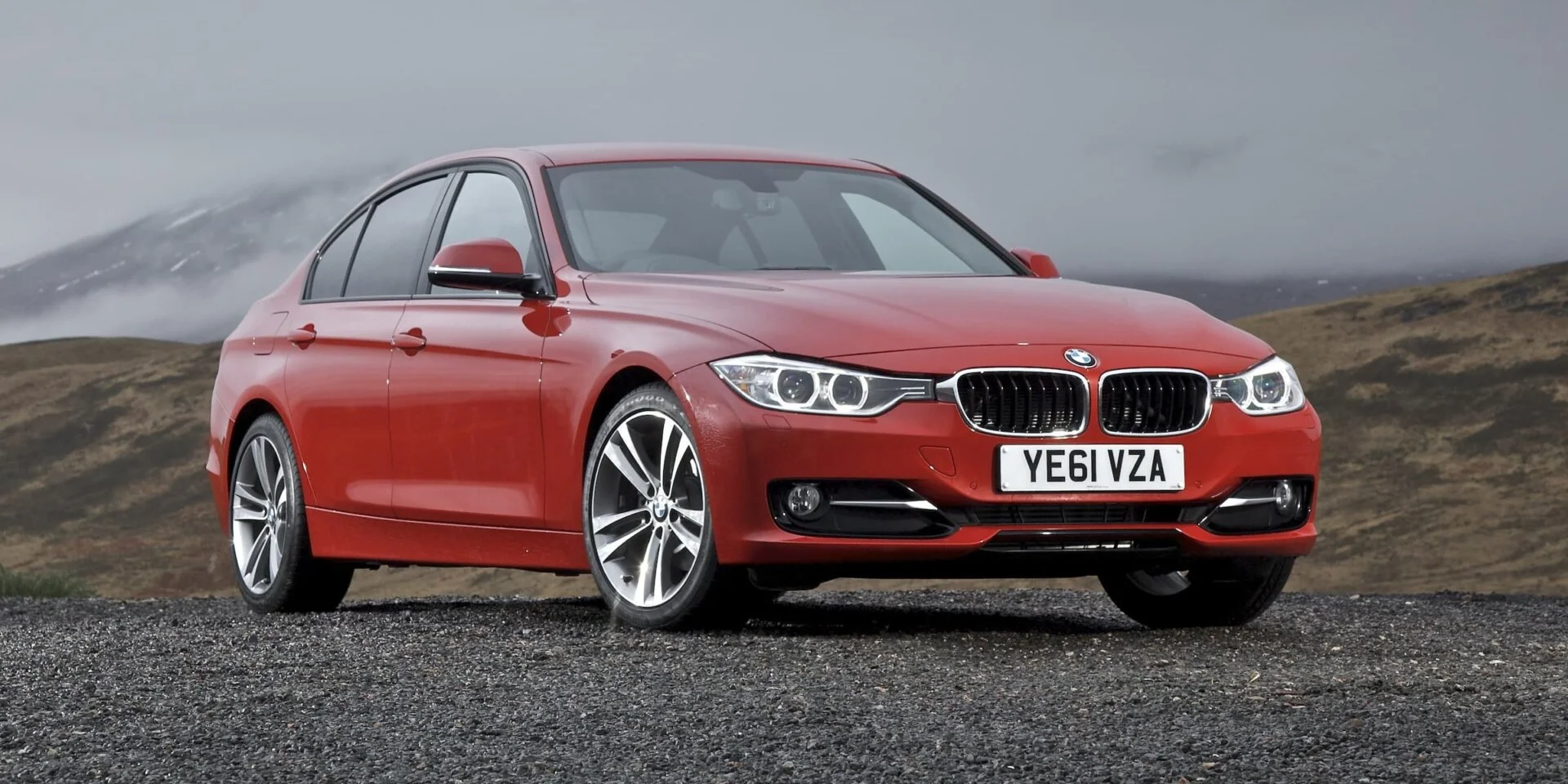
1. BMW 3 Series
The BMW N47 diesel engine appeared in the 1 Series, 3 Series, and 5 Series from around 2007 to 2014. It is a technically impressive unit that also happens to be one of the most catastrophically failure-prone diesel engines ever fitted to a mainstream car.
The N47’s fatal flaw is its timing chain. On most modern engines, timing chains are located at the front of the engine where they can be accessed relatively easily.
On the N47, BMW placed the timing chain at the rear of the engine, directly against the bulkhead. This means any timing chain replacement requires removing the engine from the car entirely.
The chain itself begins to stretch and develop slack from as early as 60,000 kilometres. When the chain slips or snaps, the engine is destroyed instantly and completely.
BMW specified an oil change interval of 30,000 kilometres on these engines, which many independent engineers considered dangerously long. Using clean, high-quality oil is critical to lubricating the timing chain guides.
By the time the rattling noise at startup became noticeable, the damage was often already severe. Many owners ignored the rattle, assuming it was normal diesel clatter.
The N47 disaster is a masterclass in how manufacturer service interval recommendations can be dangerously optimistic. It is also a lesson in how one skipped service can permanently change your relationship with your bank account.
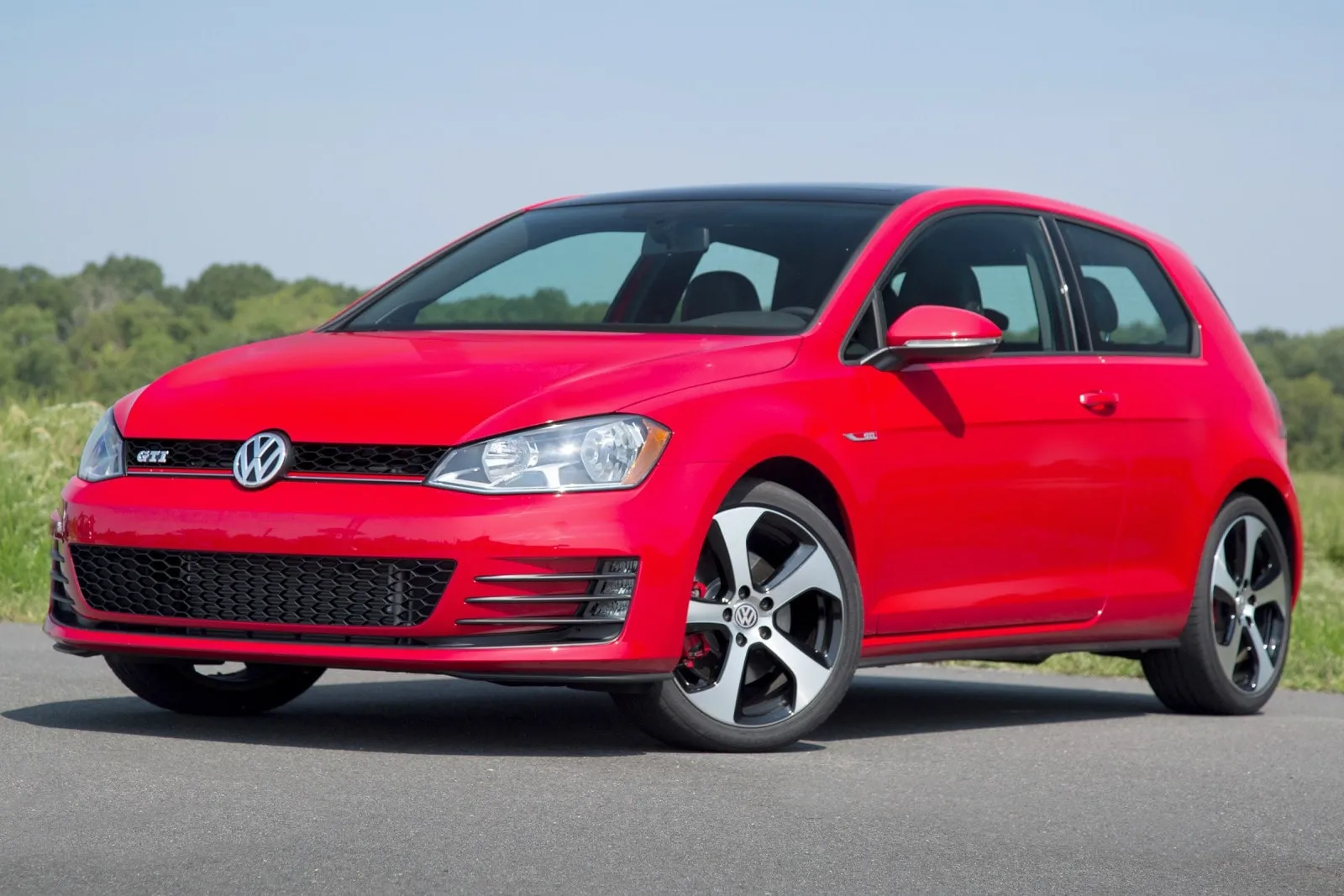
2. Volkswagen Golf
The Volkswagen 2.0 TDI engine family is found in countless Golf, Passat, Tiguan, and Audi A4 models. It is a capable engine when maintained correctly. When maintenance is skipped, it becomes an expensive nightmare.
The timing belt on these engines is the primary concern. Unlike some competitors who moved to timing chains, Volkswagen retained a rubber belt in a high-stress application.
The recommended replacement interval for the timing belt is typically 100,000 kilometres or five years, whichever comes first. Many owners pushed past both limits to save money.
When a 2.0 TDI timing belt snaps, the engine does not simply stop. It becomes an interference engine scenario, where pistons collide with open valves at high speed.
The resulting damage destroys the head, valves, and often the pistons themselves. Rebuild costs regularly exceed £4,000, and many cars were simply written off as uneconomical to repair.
EGR valve issues compound the problem on these engines. When service intervals are missed, carbon buildup in the EGR system accelerates dramatically.
A blocked EGR valve forces the engine to work harder and run hotter. This puts additional stress on all components, accelerating wear throughout the entire drivetrain.
The diesel particulate filter, or DPF, also requires regular regeneration cycles. Owners who drove mostly short journeys and skipped services found their DPFs blocked solid.
The 2.0 TDI is a reminder that modern diesel engines are incredibly precise pieces of machinery. They were designed with the assumption of strict adherence to manufacturer service schedules, and they punish deviation severely.
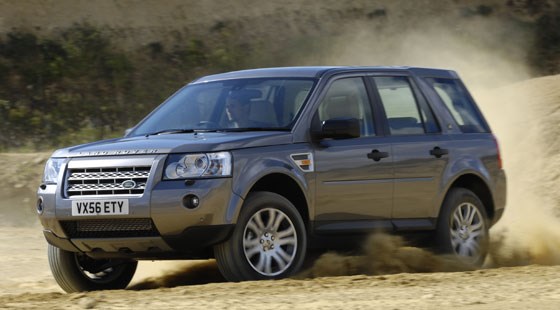
3. Land Rover Freelander 2 (2.2 TD4)
The Land Rover Freelander 2 with the 2.2-litre TD4 diesel engine is a genuinely capable small SUV. It handles off-road terrain well and offers a premium feel that justified its price on launch.
Unfortunately, it also has one of the worst maintenance neglect track records of any mainstream SUV sold in the past 20 years. The consequences of skipped services are almost always financially catastrophic.
The engine is based on a Ford-Peugeot joint venture unit. It is not inherently bad, but it is extremely sensitive to oil quality and regular attention.
The timing chain on this engine stretches when oil changes are delayed. Unlike the BMW N47, the chain is not rear-mounted, but replacement is still expensive and labour-intensive.
Turbocharger failure is extremely common on neglected examples. The turbo relies entirely on clean, correctly pressurised oil for lubrication, and degraded oil starves the bearings
A failed turbocharger on the Freelander 2 costs between £1,200 and £2,500 to replace. If metal fragments entered the engine, the bill can climb significantly higher.
The cooling system requires regular coolant changes to maintain its corrosion-inhibiting properties. Owners who skipped coolant changes experienced head gasket failures at relatively low mileage.
Head gasket replacement on this engine requires significant disassembly. Labour costs alone can reach £1,500 at a Land Rover specialist, and the parts are not cheap either.
Buying a Freelander 2 with a full service history genuinely changes the ownership experience. The same mechanical package that causes heartbreak when neglected can be surprisingly reliable when properly maintained.
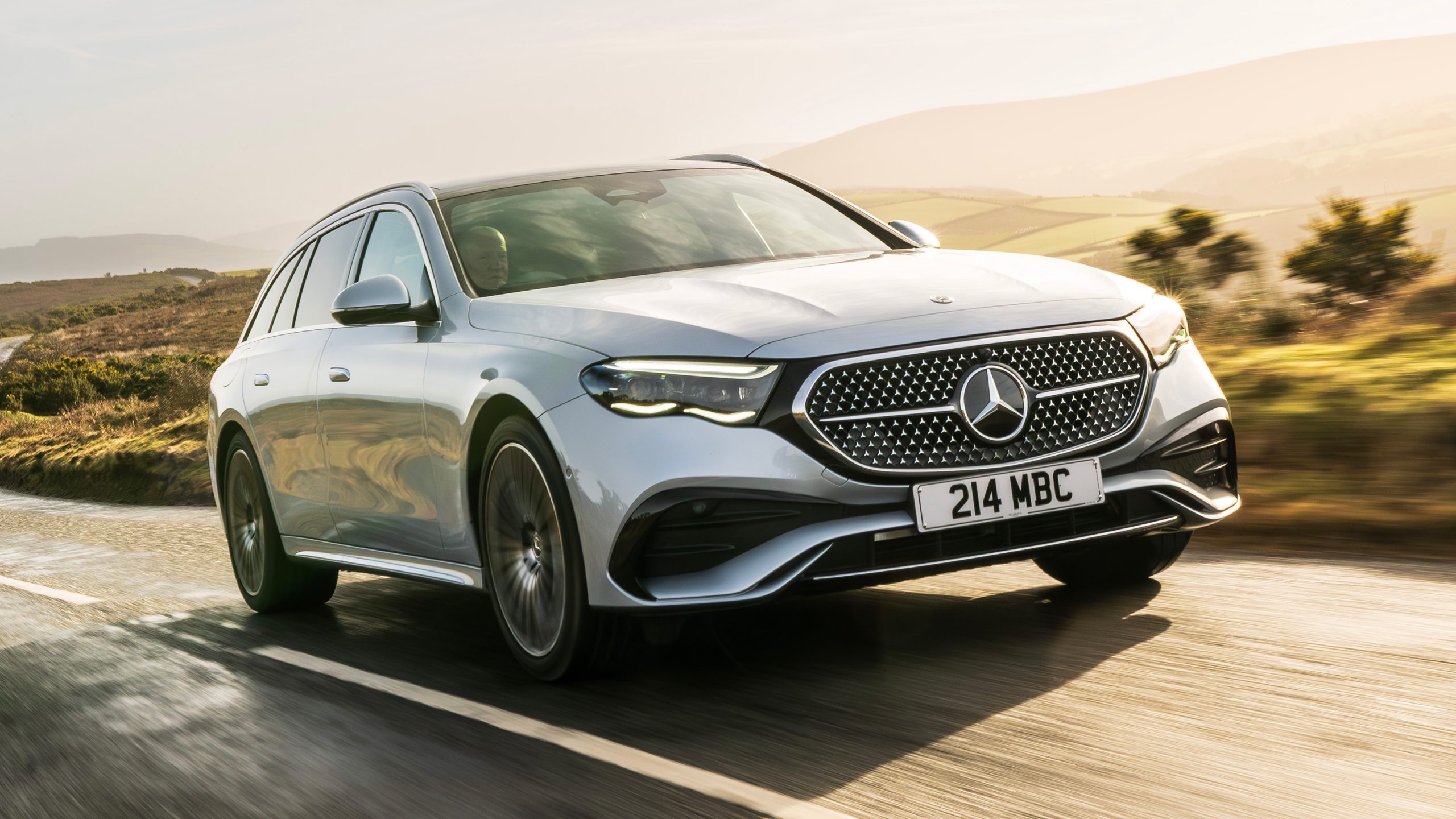
4. Mercedes-Benz E-Class
The Mercedes-Benz M272 and M273 engines powered a wide range of prestigious vehicles from approximately 2004 to 2012. These include the E-Class, C-Class, S-Class, GL-Class, and ML-Class.
These are sophisticated, smooth engines that deliver the refinement and power expected from the three-pointed star brand. They are also associated with one of the most frustrating maintenance-related failures in modern Mercedes history.
The balance shaft unit in these engines uses a sprocket that was manufactured from a material that proved insufficiently durable. Early production engines had this known-defective component fitted.
When the balance shaft sprocket begins to wear, it develops increased play. This play translates into timing variations that the engine management system struggles to compensate for.
The consequences of advanced wear include rough running, poor fuel economy, and eventually hard starting. In severe cases, the engine will not start at all without expensive intervention.
The repair requires the complete removal of the engine and full disassembly to access the balance shaft assembly. This is not a job for a general garage, and specialist labour charges reflect that complexity.
Full repair costs at a Mercedes-Benz specialist typically range from £2,500 to £5,000. Many owners of older models found the repair was more expensive than the current market value of their car.
The M272/M273 issue is a cautionary tale about the gap between manufacturer service recommendations and real-world durability. It is also a reminder that prestige branding does not guarantee engineering perfection.
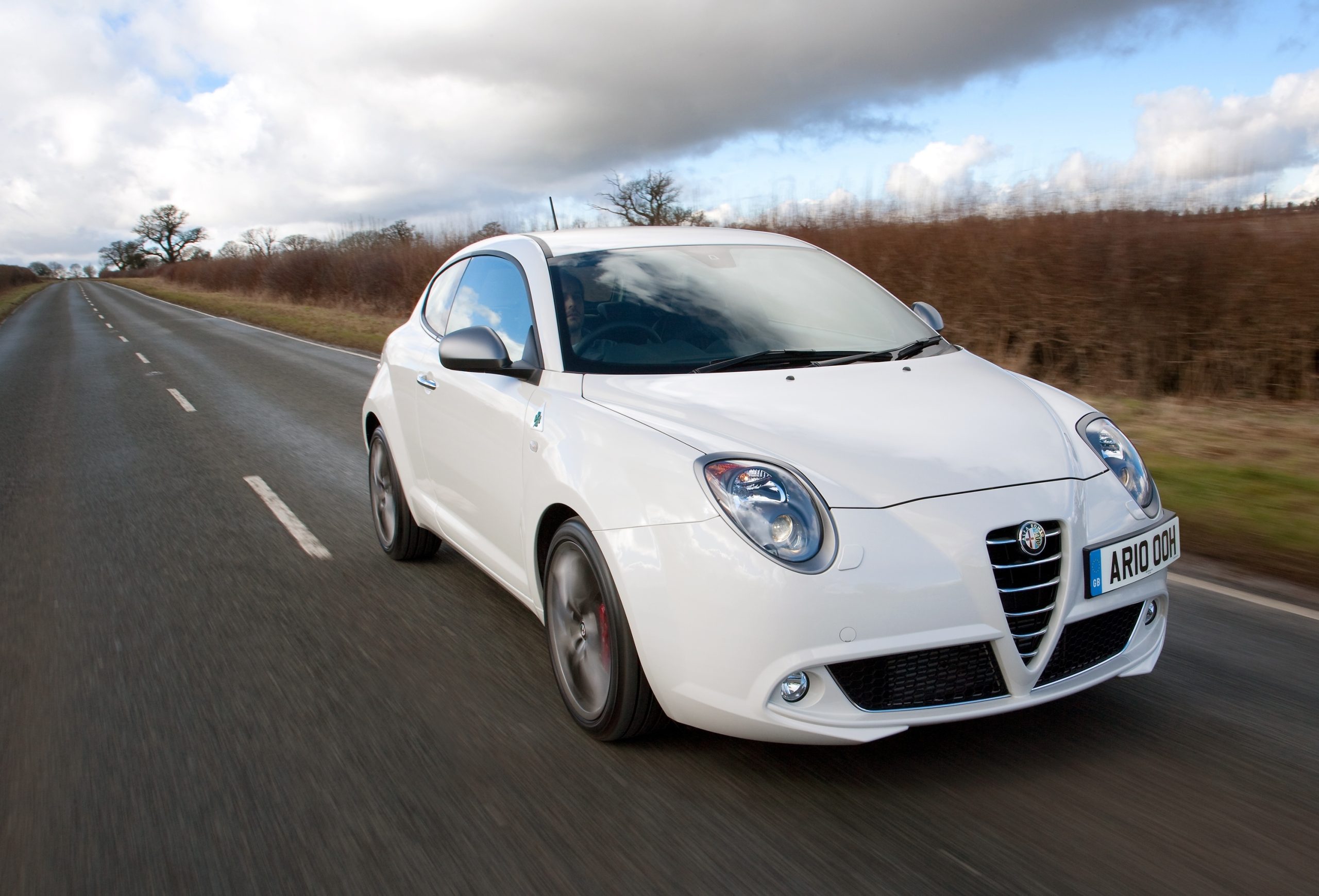
5. Alfa Romeo 1.4 MultiAir
Alfa Romeo’s 1.4-litre MultiAir engine is a genuinely innovative piece of engineering. The electrohydraulic valve actuation system removes traditional camshaft-driven valve timing in favour of a computer-controlled system.
This allows the engine to vary valve lift and timing with extraordinary precision. Fuel economy and performance numbers from such a small engine are impressive as a result.
However, the MultiAir actuator system is extremely sensitive to oil contamination and viscosity changes. Using old, degraded, or incorrect oil causes the actuator to behave erratically.
Owners who skipped oil changes noticed rough idle, hesitation on acceleration, and error codes relating to valve timing. These symptoms appeared sometimes just a few thousand kilometres past the service interval.
The actuator unit itself is not serviceable in the traditional sense. Cleaning and recalibration require specialist equipment that most independent garages simply do not possess.
Replacement actuator units cost between £400 and £900 for the part alone. Labour to fit the component adds a further £300 to £600, depending on access and garage location.
Alfa Romeo enthusiasts often describe a simple choice with these cars maintain them properly and they are wonderful, or neglect them and prepare for an expensive Italian lesson in consequences.
The MultiAir highlights the paradox at the heart of modern engine design. Greater technological sophistication can deliver better performance figures but simultaneously removes the engineering tolerance that allowed older engines to survive neglect.
6. Porsche Cayenne (V8, First Generation)
The first-generation Porsche Cayenne with the 4.5-litre V8 engine arrived in 2002 as Porsche’s first SUV. It was controversial among purists but commercially successful. It was also the beginning of a complex maintenance story.
The V8 engine is related to the unit found in the Volkswagen Touareg and Audi Q7 from the same era. All three vehicles share a common weakness: extreme sensitivity to maintenance schedule adherence.
The intermediate shaft bearing, known as the IMS bearing on related Porsche engines, is a well-documented failure point. This small bearing supports the intermediate shaft that drives the oil pump and balance shaft.
When oil changes are delayed, the IMS bearing receives inadequate lubrication. The bearing begins to wear, generating metal particles that circulate through the engine with devastating effect.

Metal contamination in engine oil acts as an abrasive. Bearings, journals, and other precision components begin to wear at an accelerated rate throughout the entire engine.
By the time an owner notices symptoms such as increased oil consumption or a slight metallic rattle, damage is often already extensive. A full engine teardown at this point reveals widespread wear.
Engine replacement for the first-generation Cayenne V8 can cost between £8,000 and £15,000, depending on whether a new, remanufactured, or donor unit is used. This frequently exceeds the car’s market value.
The air suspension system on these vehicles adds another layer of maintenance sensitivity. Compressor units fail when filters and seals are not maintained, and repair costs are substantial.
The Cayenne story perfectly captures the paradox of affordable luxury. The purchase price may seem reasonable, but the running costs of any modern Porsche demand respect, discipline, and a well-funded maintenance budget.
