
The history of American performance cars cannot be discussed without mentioning Mopar V8 engines. Built under the Chrysler umbrella, Mopar powerplants became legendary for their durability, raw horsepower, racing dominance, and unmistakable sound.
From drag strips and NASCAR tracks to muscle cars cruising city streets, these engines established a reputation that still influences automotive enthusiasts today. While Ford and Chevrolet often dominated mainstream conversations, Mopar quietly developed some of the most powerful and innovative V8 engines of the muscle car era.
These engines were not simply successful because of marketing or limited production hype. They earned respect through real-world performance, engineering excellence, and their ability to outperform expectations in both racing and street applications.
Mopar V8s powered iconic vehicles like the Dodge Charger, Plymouth Road Runner, Dodge Challenger, and Plymouth Barracuda, helping shape the golden age of American muscle. Many of these engines became symbols of rebellion, freedom, and speed during the 1960s and 1970s.
Even decades later, collectors and restorers actively search for vehicles equipped with these legendary engines because of their lasting cultural and mechanical significance. What made Mopar engines stand apart was their unique blend of high compression designs, aggressive camshafts, durable bottom ends, and race-inspired engineering.
Some were designed for all-out drag racing dominance, while others balanced street comfort with extraordinary performance. Their reputations were not built overnight. Instead, they were forged through years of competition, innovation, and loyal fan support.
Modern enthusiasts still praise these engines for their tuning potential, reliability, and ability to produce enormous power figures. Whether naturally aspirated or modified for racing, Mopar V8s continue to command respect in the automotive world.
The following engines are among the most influential and respected Mopar V8s ever created. Each one developed its own identity, proving that reputation is earned through performance, not publicity. These power plants changed the automotive industry and left a permanent mark on American car culture.
Also Read: 10 Cars With Insurance Premiums Lower Than a Compact Sedan
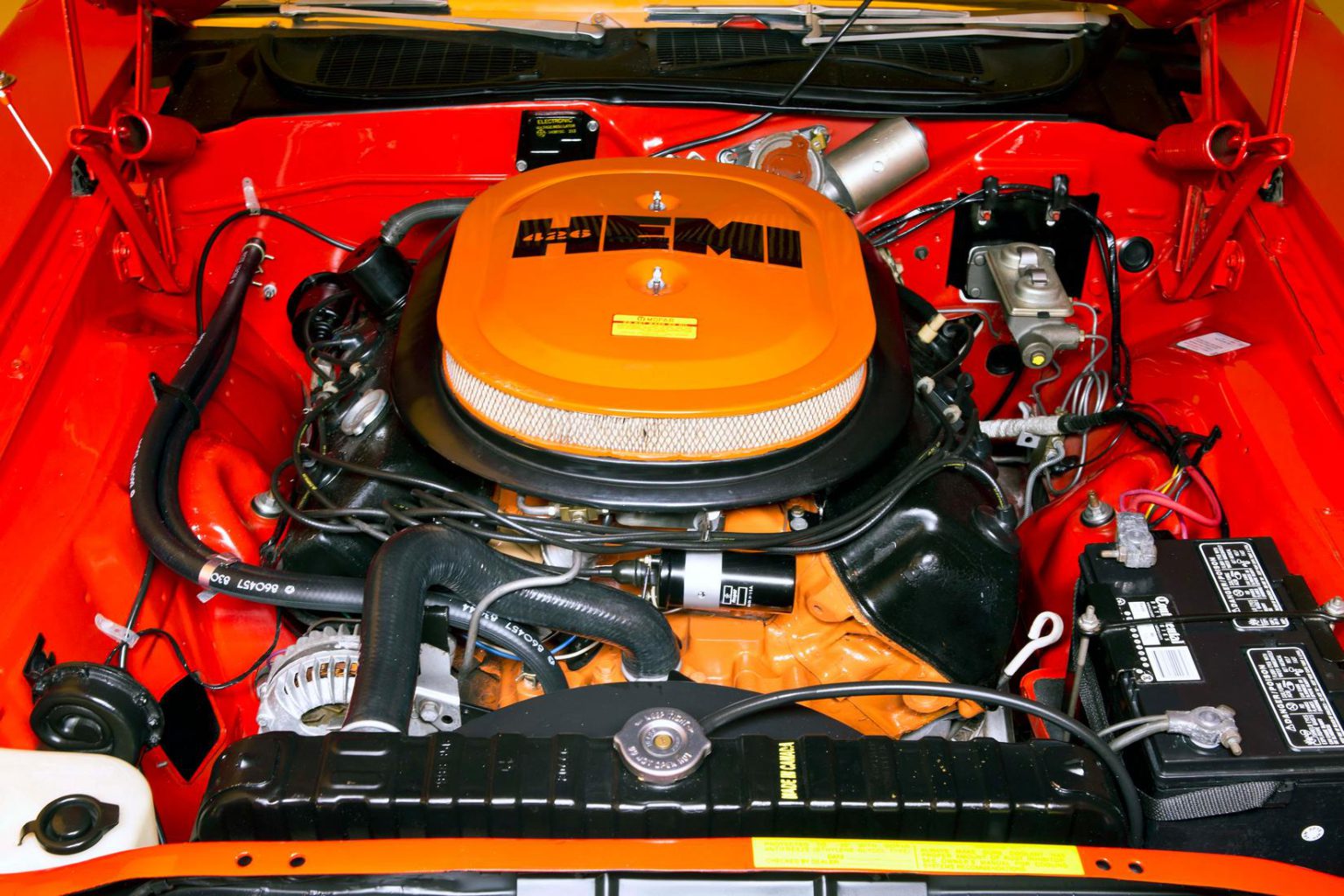
1. Chrysler 426 HEMI
The Chrysler 426 HEMI remains one of the most feared and respected V8 engines ever produced. Introduced in the 1960s, this engine was engineered with one goal in mind: domination. Its hemispherical combustion chambers allowed for exceptional airflow, larger valves, and superior combustion efficiency compared to traditional wedge head engines.
As a result, the 426 HEMI quickly became a powerhouse both on the street and at the racetrack. Officially rated at 425 horsepower, many enthusiasts and historians believe the actual output was significantly higher. The engine’s massive torque and relentless acceleration made it a serious competitor in drag racing and NASCAR competition.
The 426 HEMI earned its nickname, “The Elephant Engine,” because of its enormous size and overwhelming power. Installing one into a production vehicle required careful engineering due to its dimensions, but the payoff was extraordinary. Vehicles equipped with the 426 HEMI instantly became halo cars within the Mopar lineup.
Cars like the Dodge Charger Daytona and Plymouth Superbird gained legendary status partly because of this engine’s unmatched performance credentials. Its aggressive idle and explosive throttle response became instantly recognizable among muscle car enthusiasts.
In motorsports, the 426 HEMI proved nearly unbeatable during its prime years. NASCAR competitors struggled to keep pace once Chrysler introduced the HEMI to stock car racing. The engine’s dominance was so significant that NASCAR temporarily banned it, a move that only increased its mystique.
Drag racers also embraced the 426 HEMI due to its exceptional strength and ability to handle major power increases with relatively minor modifications. Even today, modern drag racing categories continue to rely on HEMI-inspired designs because of their proven effectiveness.
Street versions of the 426 HEMI were rare and expensive, which contributed to their desirability. Buyers willing to pay the premium received one of the most potent production engines available at the time.
Fuel economy and practicality were not priorities for HEMI owners. Instead, the engine represented pure American muscle and unapologetic performance. Its dual four-barrel carburetors and race-inspired internals ensured that every drive felt dramatic and unforgettable.
The legacy of the 426 HEMI continues to influence modern Mopar engineering. Contemporary HEMI engines borrow branding and conceptual inspiration from this iconic predecessor, though the original remains unmatched in terms of historical significance.
Collectors consider factory HEMI cars among the most valuable muscle cars in existence. The engine’s reputation was built through overwhelming success, raw capability, and decades of admiration from automotive enthusiasts worldwide.
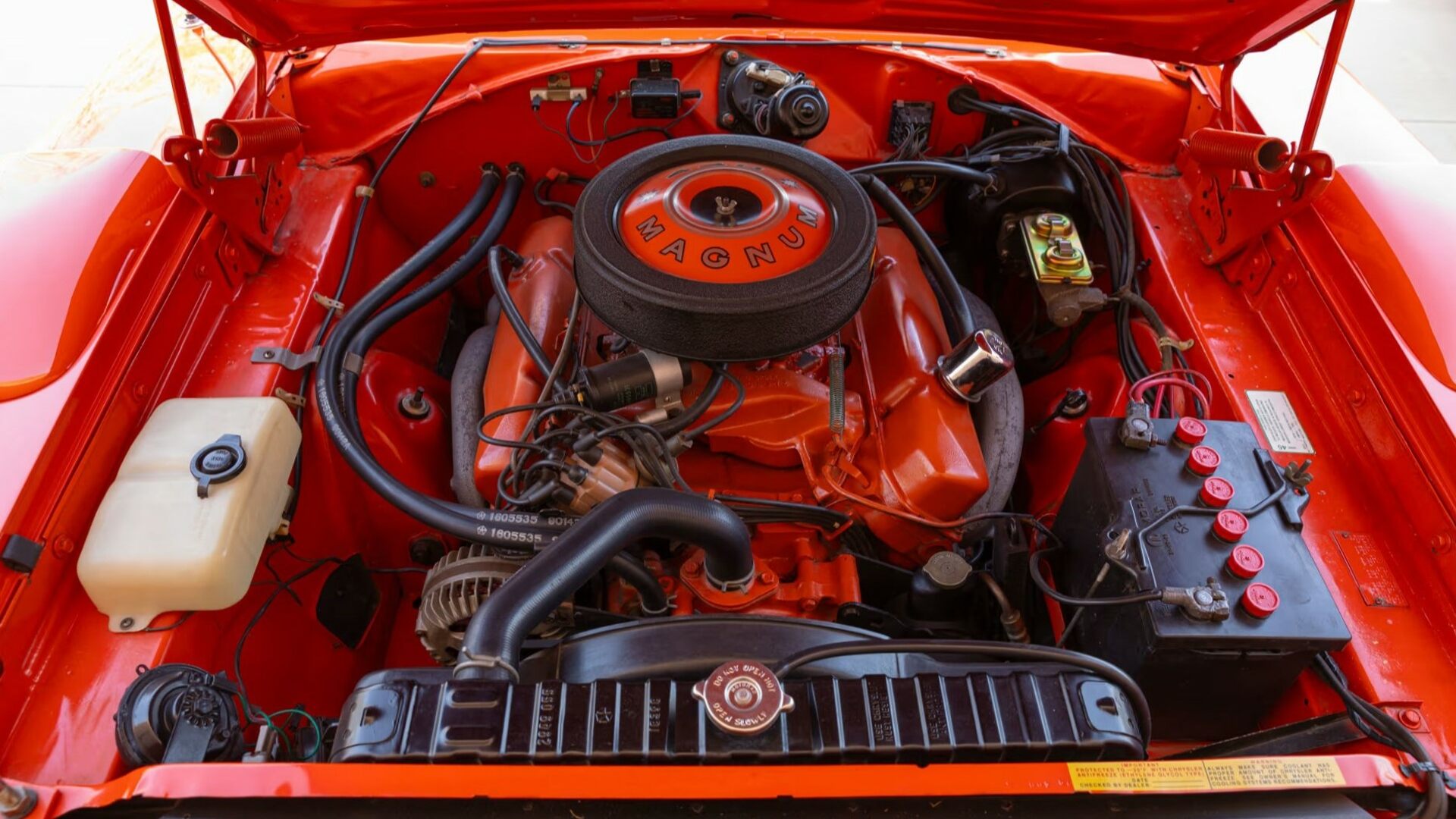
2. Chrysler 440 Magnum
The Chrysler 440 Magnum became famous for delivering enormous torque and outstanding street performance. Unlike the high-revving nature of some competitors, the 440 focused on effortless power delivery and real-world usability.
Introduced during the height of the muscle car era, this big block V8 quickly established itself as one of Mopar’s most versatile and dependable performance engines. Available in numerous Dodge and Plymouth models, the 440 Magnum combined brute force with everyday drivability.
One of the reasons the 440 Magnum earned such respect was its broad powerband. Drivers did not need to push the engine to extreme RPM levels to experience serious acceleration. Massive low-end torque allowed heavy muscle cars to launch aggressively and dominate stoplight races.
Vehicles equipped with the 440 often felt deceptively quick because of how smoothly and effortlessly they delivered power. This characteristic made the engine especially popular among street racers and long-distance cruisers alike.
The 440 Magnum also gained a reputation for reliability. Its robust construction allowed enthusiasts to modify the engine extensively without sacrificing durability.
Simple bolt-on upgrades could unlock substantial horsepower gains, making it a favorite among tuners and racers. The engine’s large displacement provided a strong foundation for performance modifications, and many builders discovered that the 440 could compete with more exotic powerplants at a fraction of the cost.
During the late 1960s and early 1970s, the 440 became available in several performance packages, including the Six Pack configuration featuring three two-barrel carburetors.
This setup dramatically improved airflow and horsepower, transforming already potent Mopar muscle cars into genuine street monsters. Cars like the Dodge Challenger R/T and Plymouth Road Runner equipped with the 440 Six Pack became icons of the era and remain highly sought after today.
Although overshadowed at times by the legendary 426 HEMI, the 440 Magnum built its own reputation through accessibility, reliability, and immense torque.
Many enthusiasts actually preferred the 440 because it offered exceptional performance without the extreme costs associated with HEMI ownership. Its balance of practicality and power ensured lasting popularity. Even decades later, the 440 remains one of the most respected big-block Mopar engines ever produced.
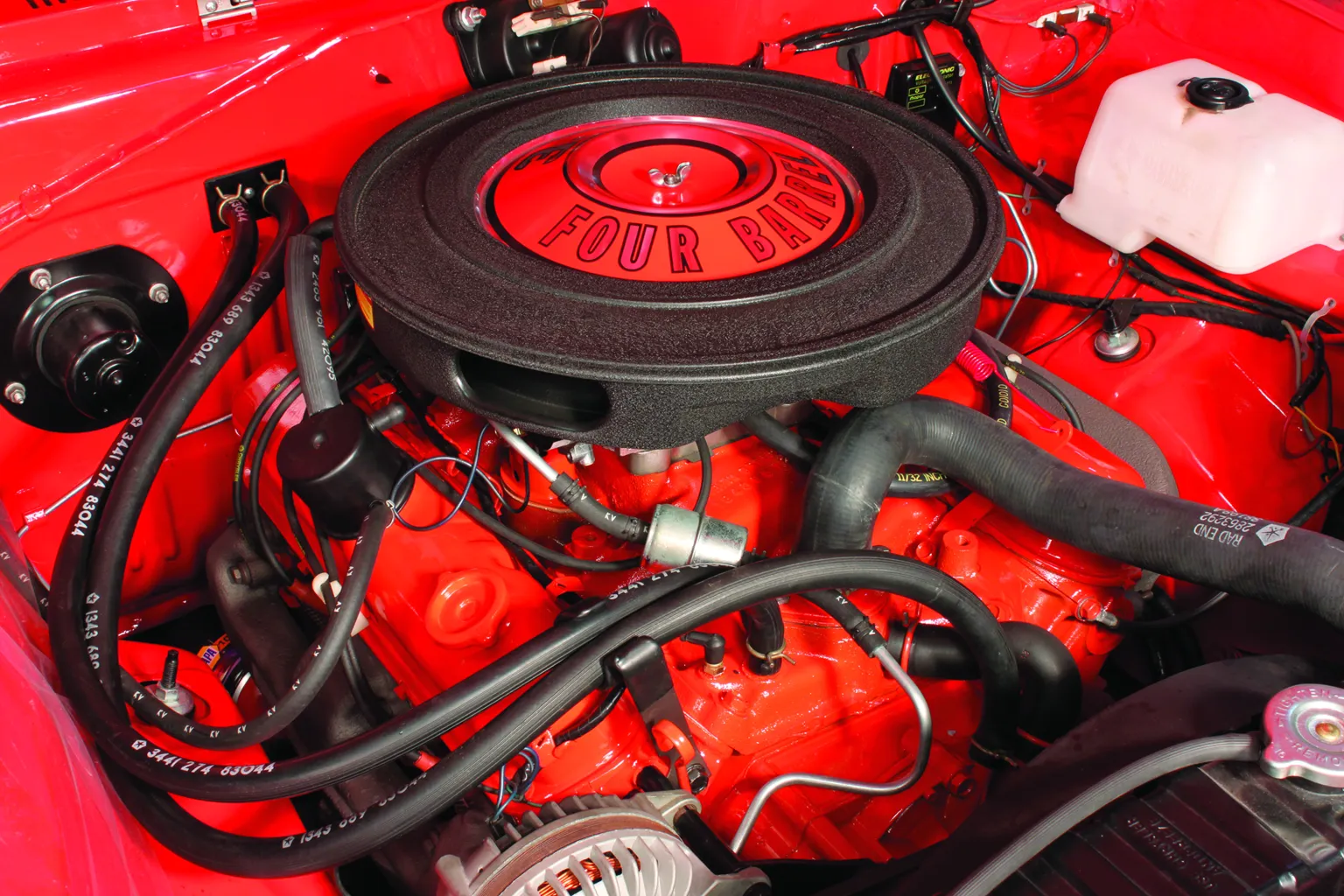
3. Chrysler 340 Small Block
The Chrysler 340 small block proved that massive displacement was not always necessary to achieve serious performance. Introduced in 1968, the 340 quickly became one of the best high-performance small-block V8s of its time.
Engineers designed the engine with performance in mind from the beginning, equipping it with high-flow cylinder heads, a forged crankshaft, and aggressive camshaft profiles. These features allowed the 340 to produce impressive horsepower while maintaining relatively lightweight construction.
One of the 340’s greatest strengths was its willingness to rev. Unlike larger big block engines that focused on low-end torque, the 340 excelled at high RPM performance. Drivers appreciated the engine’s responsive nature and balanced handling characteristics, particularly in smaller vehicles like the Plymouth Duster and Dodge Dart.
The reduced weight over the front axle improved cornering and agility, making 340-powered cars feel more refined and athletic than many of their competitors.
The 340 also earned praise for its underrated factory horsepower figures. Official ratings often failed to capture the engine’s true potential, especially before stricter emissions regulations reduced performance across the industry. Many stock 340-powered cars were capable of outperforming vehicles with supposedly higher horsepower ratings. This discrepancy helped establish the engine’s reputation as a hidden gem within the Mopar lineup.
Racers and tuners quickly embraced the 340 because of its durability and tuning flexibility. The engine responded exceptionally well to modifications, allowing enthusiasts to extract substantial power gains without sacrificing reliability.
High compression ratios and efficient breathing characteristics made the 340 competitive in various forms of motorsport, including drag racing and road racing applications. Even today, many builders consider the 340 one of the finest small-block Mopar engines ever developed.
The lasting appeal of the 340 comes from its balance of power, lightweight construction, and versatility. It offered genuine performance without the excessive size and fuel consumption associated with big block engines.
Enthusiasts continue to praise the 340 for its rev-happy personality and impressive engineering. Its reputation was earned through consistent performance and the ability to surprise drivers who underestimated its capabilities.
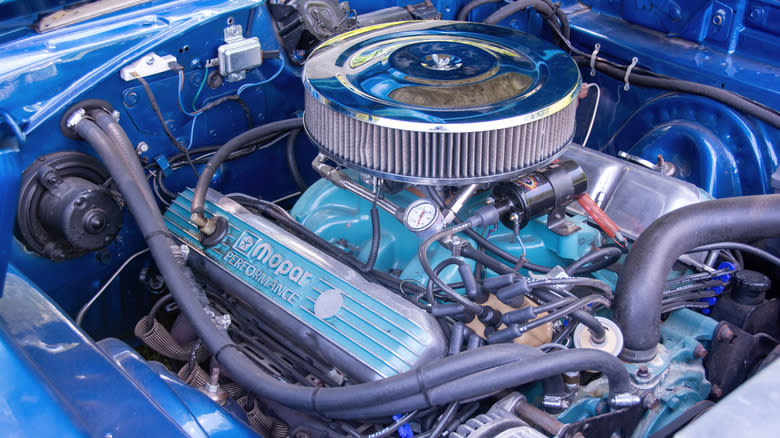
4. Chrysler 383 Magnum
The Chrysler 383 Magnum served as an ideal middle ground within Mopar’s big block lineup. Offering strong horsepower and excellent torque without the extreme weight or cost of larger engines, the 383 became a popular choice among muscle car buyers during the late 1960s.
It powered a wide variety of Dodge and Plymouth models, helping establish Mopar’s reputation for producing fast and affordable performance vehicles.
One of the key advantages of the 383 Magnum was its versatility. The engine delivered enough torque for comfortable street driving while still providing exciting acceleration when pushed hard. This flexibility made it attractive to a broad range of drivers, from casual enthusiasts to dedicated racers. Cars equipped with the 383 often provided an ideal balance between daily usability and muscle car excitement.
Performance versions of the 383 featured upgraded cylinder heads, higher compression ratios, and improved intake systems that enhanced airflow and power output. These enhancements allowed the engine to compete effectively with rival big blocks from Ford and Chevrolet. In many cases, the 383 delivered performance close to larger displacement engines while maintaining better weight distribution and handling characteristics.
The 383 Magnum also developed a reputation for reliability and durability. Its strong internal components allowed owners to enjoy spirited driving without constant mechanical concerns. Tuners appreciated the engine’s straightforward design and relatively affordable maintenance costs. This combination of reliability and performance helped the 383 become a favorite among Mopar loyalists.
Although it sometimes lived in the shadow of the 426 HEMI and 440 Magnum, the 383 earned its own loyal following through consistency and real-world performance. Many enthusiasts consider it one of the most underrated Mopar V8s ever built. Its ability to provide strong acceleration, dependable operation, and tuning potential ensured lasting popularity long after the muscle car era ended.
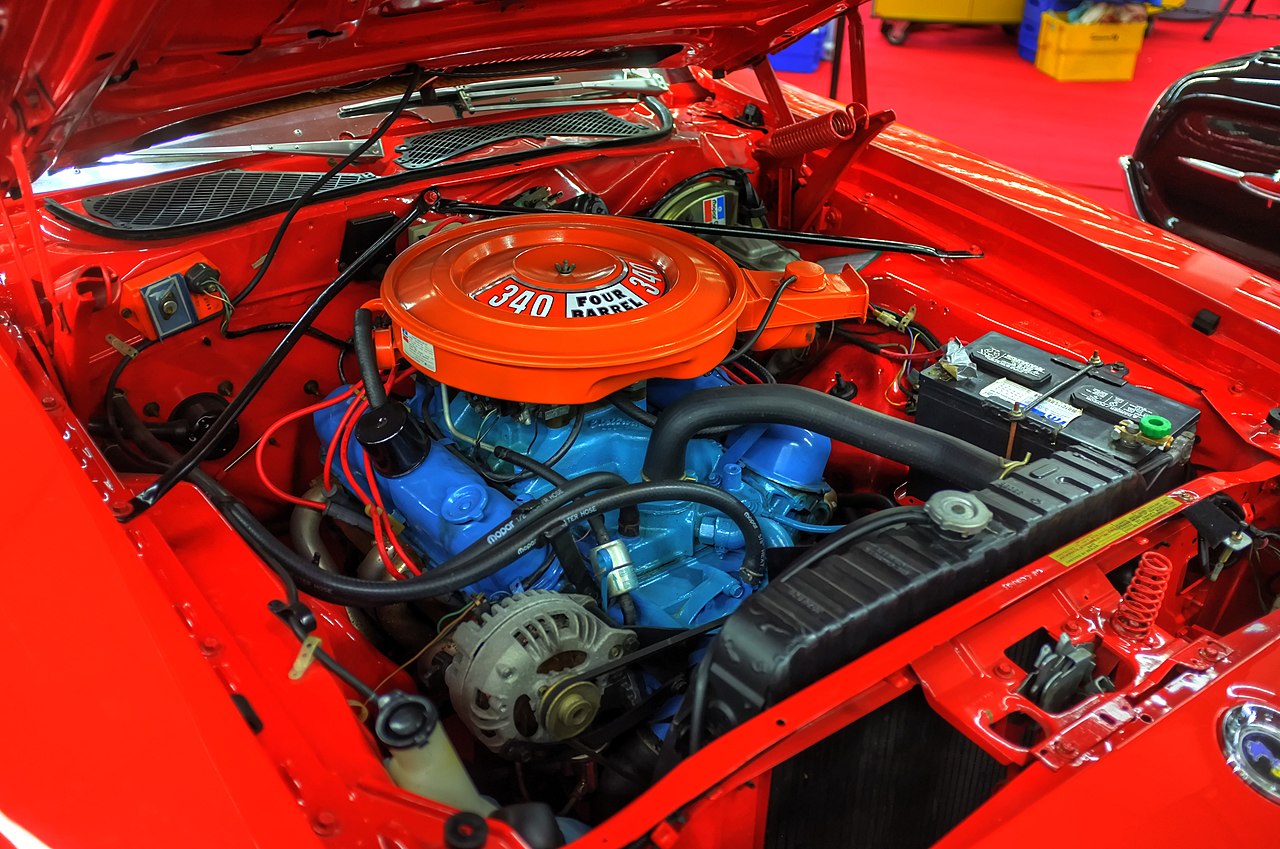
5. Chrysler 318 Poly
The Chrysler 318 Poly occupies a unique place in Mopar history because of its unusual design and dependable character. Introduced before the LA series small blocks, the 318 Poly featured polyspherical combustion chambers that improved airflow compared to traditional wedge head designs. While it was not the most powerful Mopar V8 ever built, the engine earned widespread respect for its durability and smooth operation.
One of the defining traits of the 318 Poly was its reliability. Owners frequently praised the engine for its ability to withstand years of hard use with minimal maintenance issues. Whether installed in family sedans, trucks, or performance-oriented vehicles, the 318 Poly consistently delivered dependable service. This durability helped establish Chrysler’s reputation for producing strong and long-lasting engines.
Despite its reputation as a practical engine, the 318 Poly also demonstrated respectable performance potential. Tuners discovered that the engine responded well to modifications, particularly improvements to intake and exhaust systems. While it never achieved the legendary status of the HEMI or 440, the 318 Poly gained a loyal following among enthusiasts who appreciated its distinctive engineering and underdog appeal.
The engine’s unique appearance also contributed to its identity. Its wide cylinder heads and unusual valve covers gave it a recognizable look that stood apart from other Mopar engines. This visual distinction helped the 318 Poly maintain enthusiast interest even after newer engine families replaced it in Chrysler’s lineup.
Today, the 318 Poly is remembered as one of Mopar’s most dependable early V8 engines. Its reputation was built not through racing dominance or extreme horsepower figures, but through consistency, durability, and mechanical simplicity. Enthusiasts who restore classic Mopars often appreciate the engine’s historical significance and rugged nature.
Also Read: 10 Cars That Survive Being Used as Daily Uber Vehicles
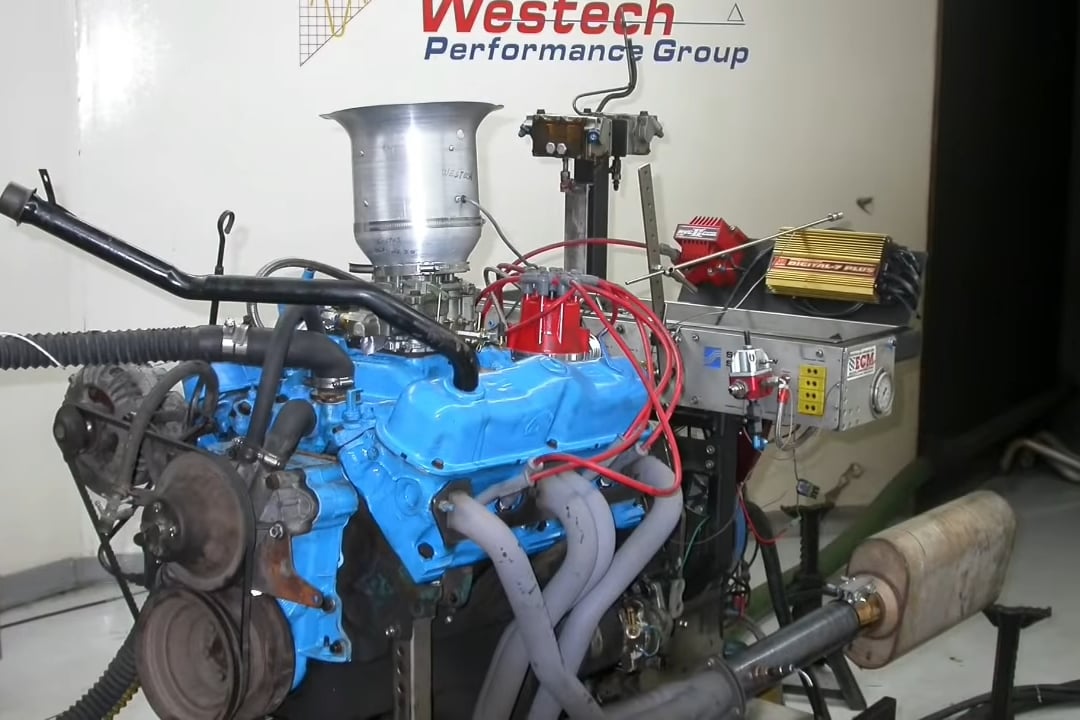
6. Chrysler 360 LA
The Chrysler 360 LA became one of the company’s most versatile and widely used V8 engines. Introduced in the early 1970s, the 360 balanced performance, efficiency, and reliability in a way that appealed to both performance enthusiasts and everyday drivers. It appeared in muscle cars, trucks, vans, and police vehicles, proving its adaptability across multiple applications.
Performance versions of the 360 demonstrated impressive potential despite arriving during an era of tightening emissions regulations. Engineers managed to preserve respectable horsepower and torque figures while maintaining reasonable drivability. Vehicles equipped with the 360 often delivered strong midrange acceleration and smooth highway performance, making them enjoyable for daily use.
The engine’s rugged construction contributed heavily to its reputation. Thick cylinder walls and durable internals allowed the 360 to handle significant stress, particularly in truck applications.
This durability made it a favorite among enthusiasts seeking an affordable and modifiable Mopar V8. Builders discovered that the 360 responded well to aftermarket upgrades, including camshafts, intake manifolds, and cylinder head modifications.
Another reason for the 360’s popularity was its availability. Unlike rare and expensive engines such as the 426 HEMI, the 360 could be found in a wide range of vehicles. This accessibility made it easier for enthusiasts to build powerful Mopar projects without enormous financial investment. As a result, the 360 became deeply integrated into grassroots performance culture.
The Chrysler 360 LA continues to enjoy strong aftermarket support today. Many restorers and hot rod builders appreciate the engine’s balance of affordability, strength, and tuning flexibility. Its reputation was built over decades of dependable service and practical performance, proving that an engine does not need exotic engineering to earn lasting respect.
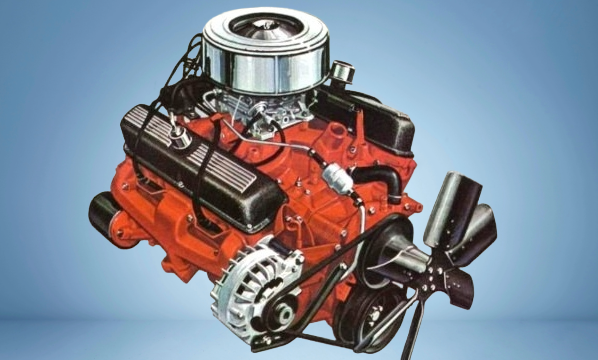
7. Chrysler 273 Small Block
The Chrysler 273 small block played a crucial role in establishing Mopar’s modern small block engine architecture. Introduced in 1964, the 273 became the foundation for later high-performance engines like the 340 and 360. Compact, lightweight, and efficient, the 273 helped Chrysler compete effectively in the growing market for smaller V8-powered vehicles.
Although modest in displacement, the 273 demonstrated impressive engineering for its time. High-performance variants featured four-barrel carburetors, upgraded camshafts, and freer-flowing exhaust systems that significantly improved output. These enhancements allowed lightweight Mopar vehicles to achieve spirited performance without relying on massive big block engines.
The 273 earned a reputation for smooth operation and reliability. Drivers appreciated its refined characteristics, particularly in compact cars where excessive weight could negatively impact handling. The engine’s lightweight design improved vehicle balance and fuel efficiency, making it attractive to buyers seeking a combination of performance and practicality.
Enthusiasts also valued the 273 for its tuning potential. While later engines like the 340 offered greater displacement and horsepower, the 273 provided a strong starting point for performance modifications. Racers experimented with camshafts, carburetors, and cylinder head improvements to unlock additional power from the compact V8.
Today, the 273 is recognized as an important milestone in Mopar engine development. It may not receive the same attention as larger and more famous engines, but its influence on Chrysler’s small block evolution cannot be overstated. The engine built its reputation through solid engineering, reliability, and its role in shaping future Mopar performance legends.
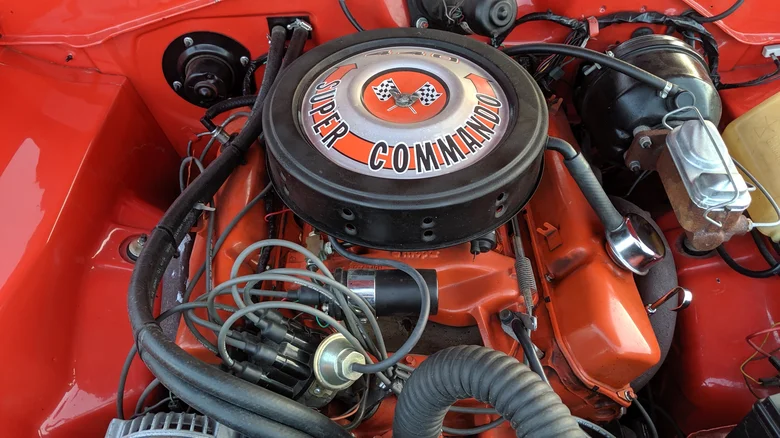
8. Chrysler 400 Big Block
The Chrysler 400 big block arrived during a challenging period for American performance cars. Introduced in the early 1970s, the engine faced stricter emissions standards and changing consumer priorities. Despite these obstacles, the 400 developed a strong reputation for durability and tuning potential, eventually becoming a favorite among modern Mopar enthusiasts.
One of the most important characteristics of the 400 was its large bore design. This configuration improved airflow and created opportunities for substantial performance gains through aftermarket modifications. Builders quickly realized that the 400 could produce impressive horsepower when properly tuned, especially when combined with upgraded cylinder heads and camshafts.
The 400 also benefited from its strong block construction. Many racers appreciated the engine’s ability to handle increased compression and forced induction applications without major reliability concerns. As aftermarket support expanded, the 400 became increasingly popular in drag racing and high-performance street builds.
Although factory horsepower ratings appeared modest compared to earlier muscle car engines, these figures reflected the realities of emissions regulations rather than the engine’s true capabilities. Enthusiasts who invested time and effort into modifications often discovered that the 400 could rival or exceed the performance of more celebrated Mopar V8s.
Today, the Chrysler 400 enjoys renewed appreciation among collectors and builders. Its combination of affordability, strength, and tuning flexibility makes it an attractive option for modern performance projects. The engine’s reputation was not built during its initial release, but rather through decades of rediscovery by enthusiasts who recognized its hidden potential.
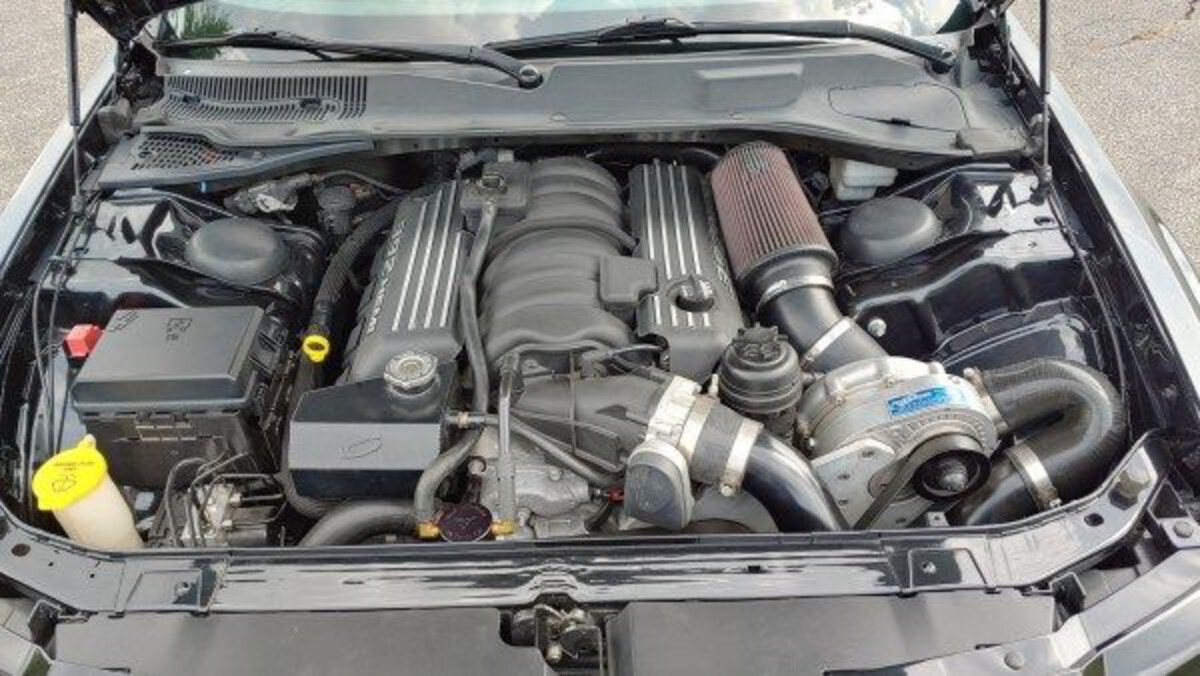
9. Gen III 6.4L HEMI
The Gen III 6.4L HEMI represents the modern continuation of Mopar’s high-performance V8 tradition. Introduced in the twenty-first century, this engine combines classic American muscle characteristics with advanced engineering and modern reliability. Found in vehicles like the Dodge Charger Scat Pack and Dodge Challenger SRT models, the 6.4L HEMI delivers impressive horsepower while meeting contemporary emissions and efficiency standards.
One of the engine’s greatest strengths is its ability to provide massive performance without sacrificing daily usability. Producing well over 400 horsepower in factory form, the 6.4L HEMI offers explosive acceleration, responsive throttle behavior, and smooth operation. Modern fuel injection systems and variable valve timing technology help optimize both power and efficiency.
The Gen III HEMI also benefits from extensive aftermarket support. Enthusiasts have discovered that the engine responds extremely well to upgrades such as superchargers, camshafts, and exhaust modifications.
Many modified 6.4L HEMI builds produce extraordinary power figures while maintaining impressive reliability. This adaptability has helped the engine gain widespread respect within the performance community.
Another important aspect of the 6.4L HEMI’s reputation is its role in reviving American muscle cars during an era dominated by smaller turbocharged engines. Dodge embraced traditional V8 performance while many competitors shifted toward downsized powerplants.
The success of modern HEMI-powered vehicles demonstrated that there was still strong demand for naturally aspirated American muscle.
The Gen III 6.4L HEMI proves that Mopar’s legacy of building memorable V8 engines continues into the modern era. It honors the spirit of classic muscle while incorporating contemporary technology and engineering improvements. Its reputation has been built through real-world performance, enthusiast enthusiasm, and the ability to keep the Mopar V8 tradition alive for a new generation of drivers.
