
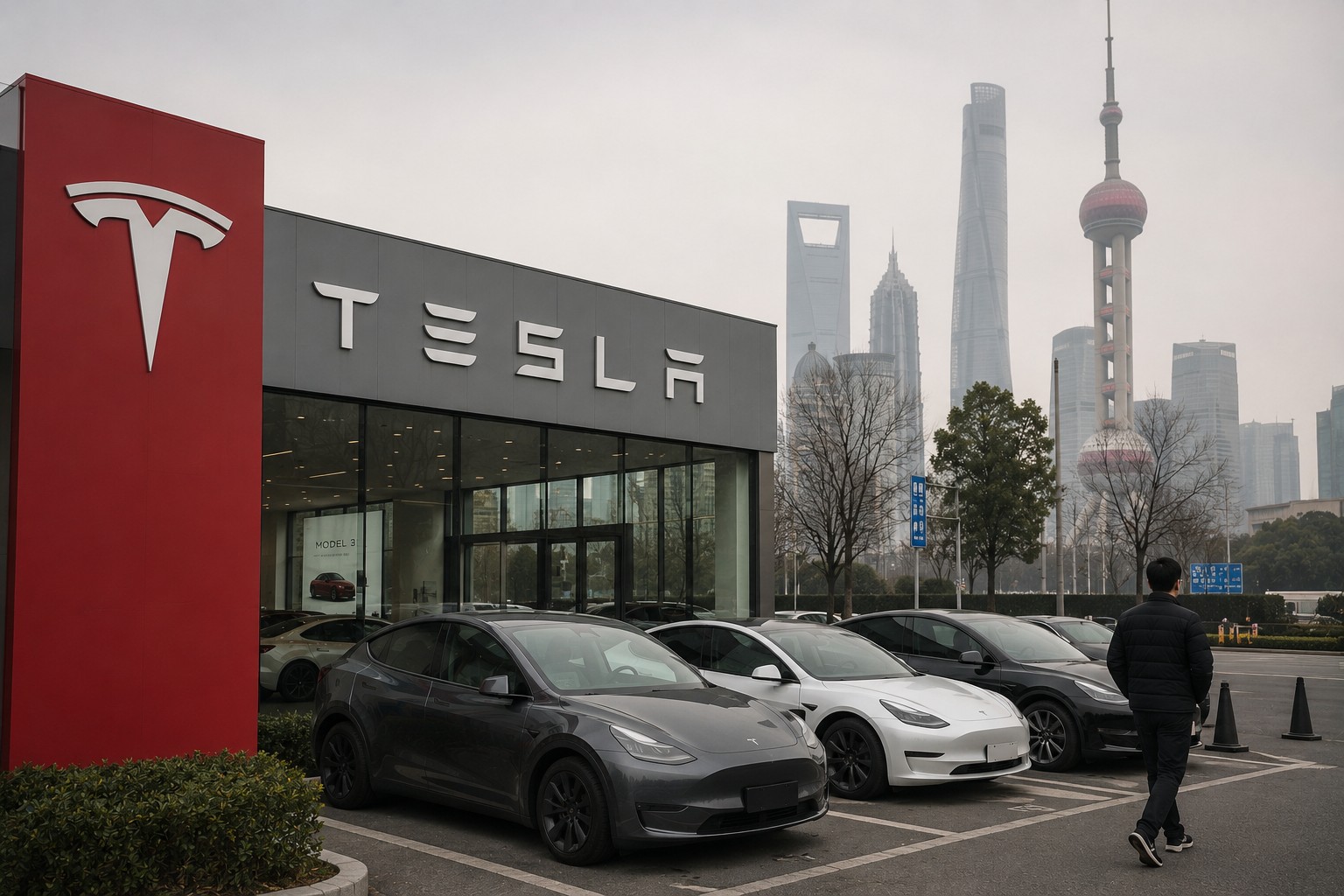
When Tesla reported a sharp jump in its China wholesale numbers earlier this year, headlines erupted with enthusiasm. Analysts cheered, stock tickers climbed, and the narrative of a Tesla comeback in the largest electric vehicle market spread like wildfire.
But beneath the glossy surface of those wholesale figures lay a far less flattering story, one that the company’s own retail data quietly told. Actual consumer purchases of Tesla vehicles in China dropped by 10 percent during the same period, exposing a widening gap between what Tesla ships to dealers and what real buyers are actually taking home.
This is not a minor accounting footnote. It is a structural red flag that strikes at the heart of how Tesla communicates its performance in China and how investors and the public interpret it.
The Wholesale vs. Retail Illusion
To understand why this matters, one must first grasp the difference between wholesale and retail figures. Wholesale numbers reflect vehicles shipped from the factory to dealerships and distribution partners.
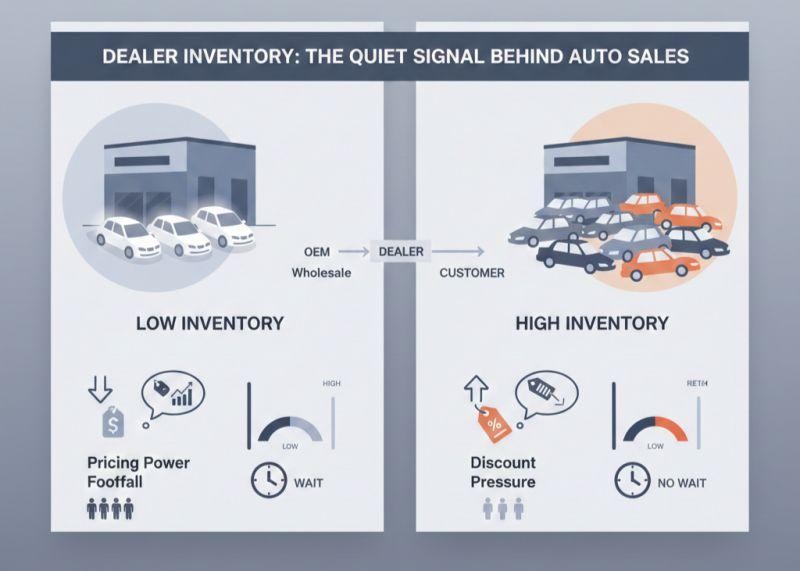
Retail numbers reflect vehicles actually purchased by end consumers. In a healthy market, the two track each other closely. When they diverge dramatically, it typically signals one thing: inventory is piling up in showrooms, not driveways.
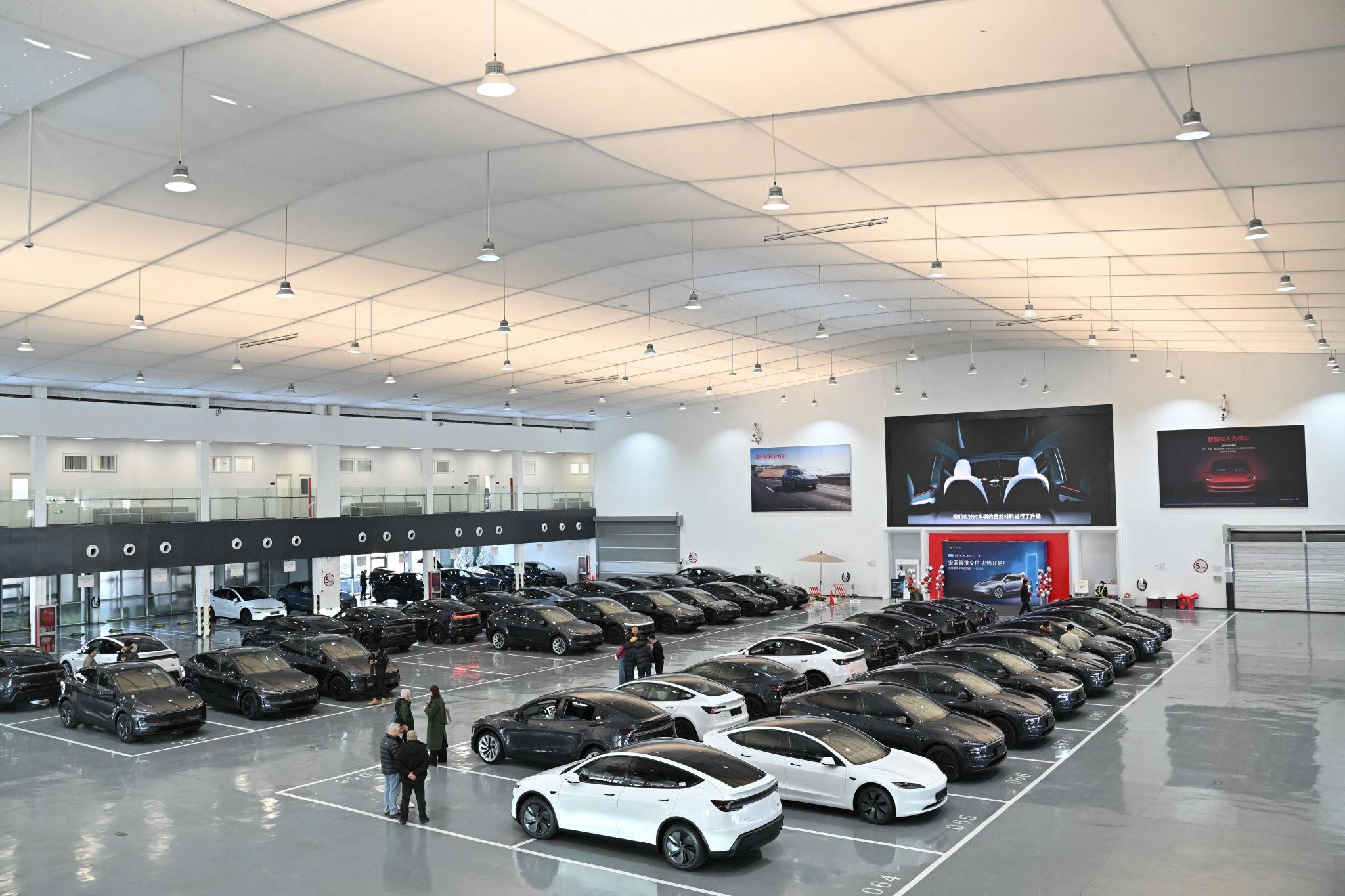
That is precisely what appears to be happening with Tesla in China. The company pushed a significant volume of vehicles into its distribution network, inflating its headline wholesale numbers.
But Chinese consumers, faced with a crowded EV market, aggressive competition from homegrown brands, and shifting brand perception, were not buying at the same pace. The result was a 10 percent decline in actual retail sales, a number that tells a far more honest story about Tesla’s standing among Chinese buyers.
A Market Under Siege
China’s electric vehicle market has transformed dramatically over the past two years. Domestic brands like BYD, NIO, Li Auto, and Huawei-backed Aito have not just caught up with Tesla in many segments, they have surged ahead.
These companies offer cutting-edge technology, locally tailored features, competitive pricing, and deeply embedded after-sales networks that resonate with Chinese consumers in ways that Tesla struggles to replicate.
BYD, in particular, has become a juggernaut. It consistently outsells Tesla in China by enormous margins, offering a wide range of vehicles from budget-friendly options to premium models that directly challenge Tesla’s Model 3 and Model Y.
Chinese consumers, once enamored with Tesla’s first-mover prestige, are increasingly choosing local alternatives that feel more attuned to their needs and values.
Tesla’s pricing strategy in China has also created turbulence. Multiple rounds of price cuts intended to stimulate demand instead triggered buyer hesitation, as existing owners felt burned and prospective buyers waited for the next reduction. Trust, once eroded, is difficult to rebuild.
What Inventory Buildup Signals
A growing gap between wholesale and retail figures is more than a statistical curiosity it carries real operational consequences. Dealers sitting on unsold inventory face mounting financial pressure.
To move stock, they often resort to additional discounts, extended payment terms, or promotional offers that further compress margins. This, in turn, can distort the market perception of Tesla’s brand value, undermining the premium positioning the company has long relied upon.
For investors analyzing Tesla’s China performance, taking wholesale numbers at face value is a mistake. The retail figure down 10 percent, is the number that reflects genuine consumer demand. It is the number that predicts future revenue sustainability.
And it is the number that should anchor any serious assessment of Tesla’s trajectory in China. The surge was a shipment story. The reality is a demand story. And right now, the demand story is pointing in the wrong direction.
Also Read: 5 Luxury Cars That Are Actually Reliable and 5 Money Pits
