
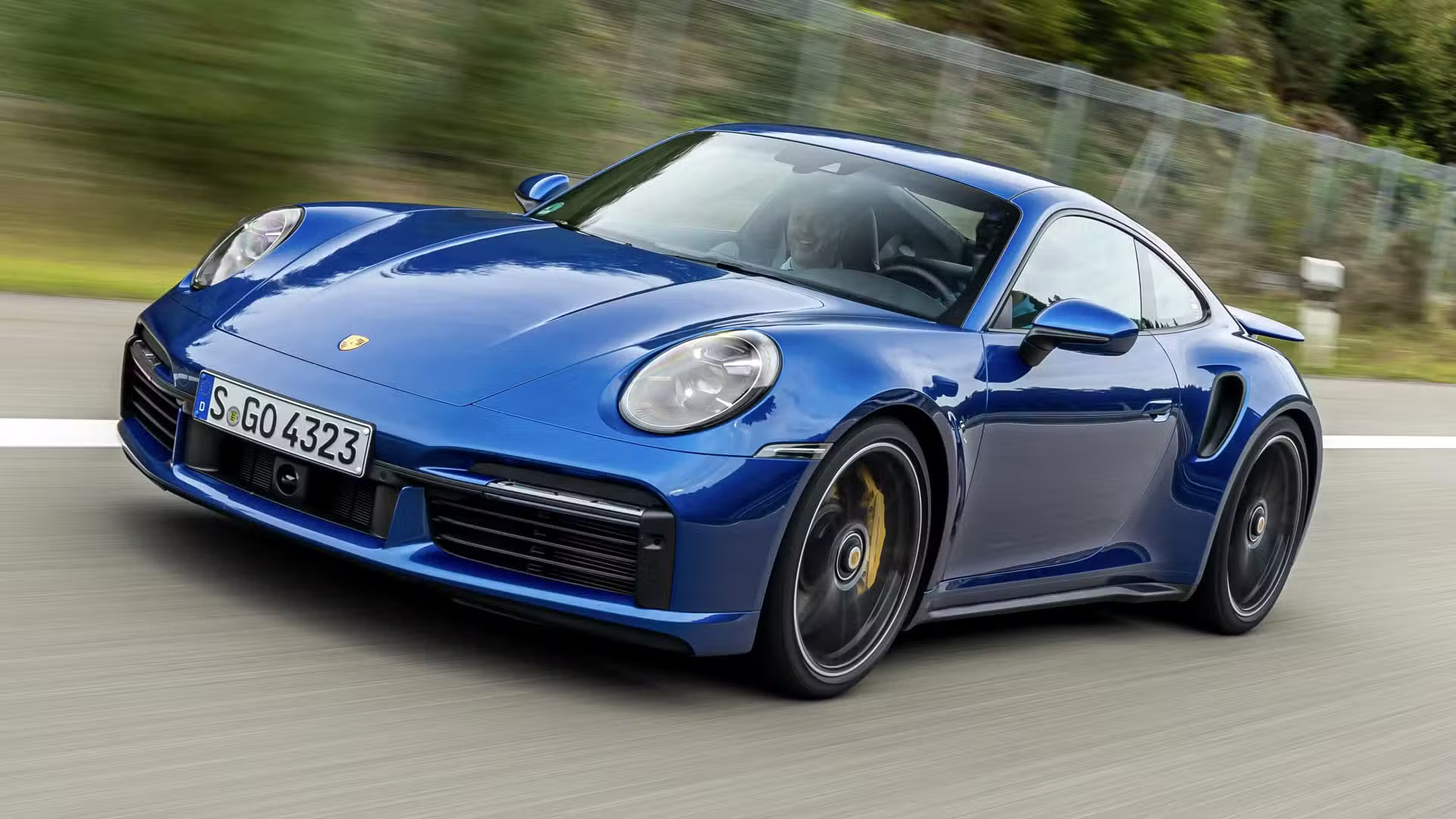
The luxury car market promises the very best of engineering, comfort, and prestige. Gleaming paint, hand-stitched leather, and badges that turn heads, it all feels worth every rupee. But here is the truth that most showroom brochures will never tell you: buying a luxury car is only the beginning of the financial commitment. The real cost often arrives months or years later, when the warranty expires, and the bills start rolling in.
Some luxury cars are built to genuinely last. They are engineered with real-world durability in mind, backed by dealer networks that stock parts, and designed so that maintenance does not feel like a punishment. These are the cars you can drive with confidence, knowing that the badge on the hood does not come with a hidden tax every time something goes wrong.
Then there are the others, the beautiful, seductive machines that look extraordinary in the driveway but quietly drain your bank account. Exotic technology, complicated electronics, and proprietary parts combine to create maintenance bills that can rival a second mortgage. These are the cars that depreciate sharply, break down frequently, and leave their owners regretting the moment they signed the papers.
This guide cuts through the marketing noise. We examine five luxury cars that genuinely deliver on their promise of quality and five that, despite their glamour, are financial traps waiting to spring. Whether you are considering your first luxury purchase or thinking about switching brands, this is the information you need before you commit.
5 Luxury Cars That Are Actually Reliable
These luxury cars stand out for strong reliability, durable engineering, and lower long-term ownership costs, proving that premium comfort doesn’t have to mean constant repairs. Models like the Lexus ES, Lexus RX, and Acura TLX are known for bulletproof powertrains and consistent performance over high mileage.
Others, such as the Genesis G80 and BMW 3 Series (well-maintained, newer generations) offer a balance of luxury features and improved reliability, making them solid choices for buyers who want refinement without excessive maintenance headaches.
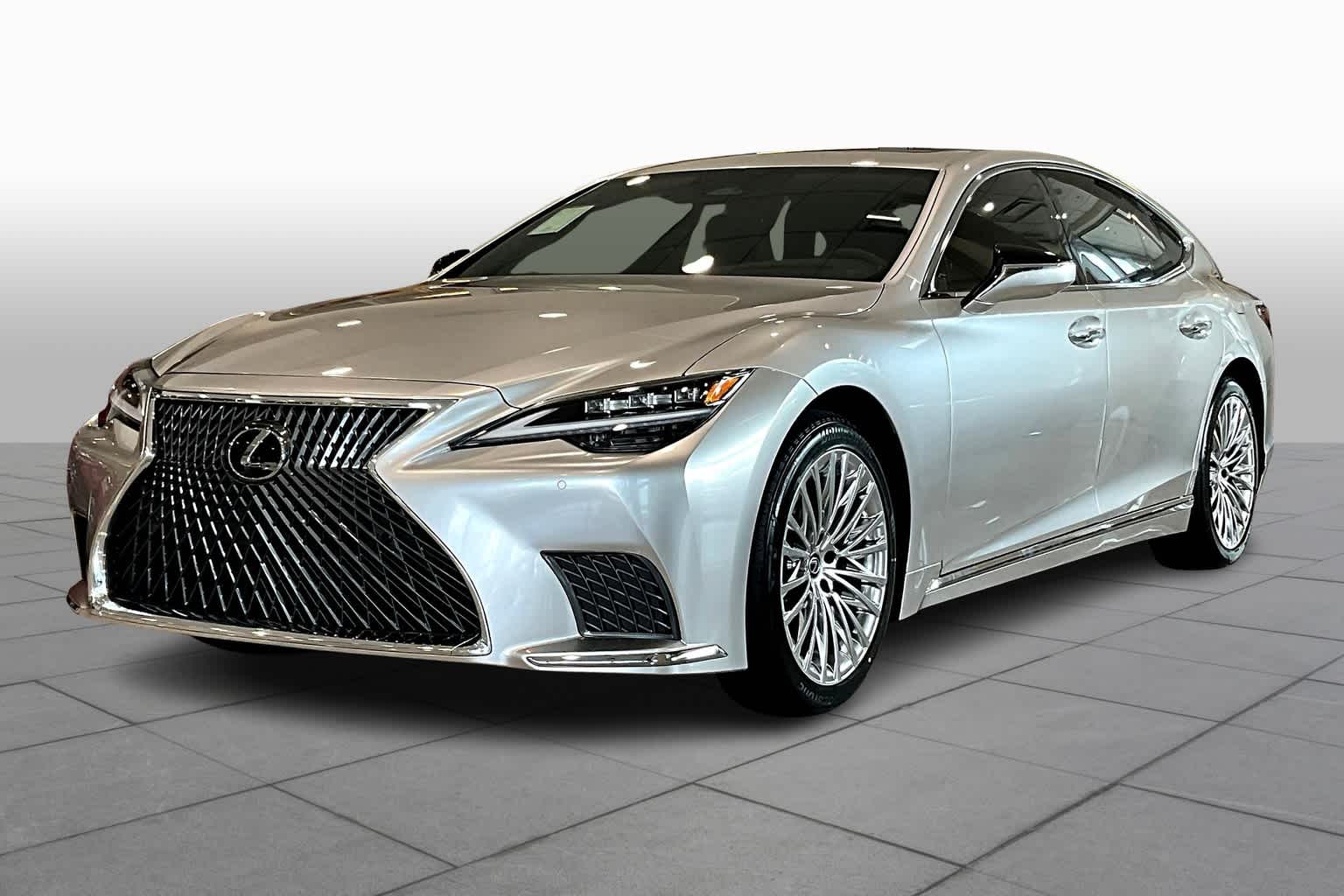
1. Lexus LS 500
The Lexus LS 500 is the car that changed how the world thinks about luxury reliability. It arrived in 1989 and systematically dismantled the assumption that premium quality had to come from Europe. Decades later, the modern LS 500 continues to carry that legacy with remarkable consistency and grace.
At the heart of the LS 500’s reliability story is Toyota’s manufacturing philosophy. Lexus is Toyota’s luxury division, and it builds its flagship sedan with the same obsessive quality control that governs every Corolla and Camry that leaves the factory floor. The difference is that with the LS, those principles are applied to a world-class product using premium materials and more sophisticated engineering.
The 3.5-litre twin-turbocharged V6 engine in the current LS 500 is a masterpiece of balance. It produces 416 horsepower while remaining one of the most thermally stable and mechanically predictable powerplants in its class. Toyota’s engine development teams invest extraordinary time in long-term durability testing. The result is an engine that routinely crosses 300,000 kilometres with nothing more than scheduled oil changes and filter replacements.
Where European competitors frequently struggle with complex air suspension systems, elaborate active aerodynamics, and intricate electronic architectures, Lexus engineers have taken a more measured approach.
The LS 500 uses a sophisticated multi-link suspension, but it is engineered with serviceability in mind. Components are accessible, parts are reasonably priced compared to German rivals, and dealer technicians are well-trained because Lexus invests heavily in its service infrastructure.
The interior of the LS 500 deserves special attention when evaluating long-term ownership. Japanese craftsmanship traditions run deep in this cabin. The switchgear feels precise and durable years after purchase.
Leather stitching holds up under daily use without the premature cracking that afflicts some European alternatives. The touchpad infotainment system has its critics, but it is stable, rarely glitches, and does not require expensive recalibration.
Depreciation is another area where the LS 500 surprises. It holds its value better than almost any direct competitor. A five-year-old LS 500 retains a significantly higher percentage of its original price than comparable German flagship sedans.
That stability translates directly to lower total cost of ownership, making the LS 500 not just the most reliable choice in its class but frequently the most economical one over a full ownership cycle.
Owners consistently report that their service bills remain manageable even outside warranty periods. Routine maintenance costs run considerably lower than those of BMW’s 7 Series or Mercedes-Benz’s S-Class. When something does eventually require attention, Lexus dealers tend to have parts in stock rather than importing them on extended lead times.
The LS 500 is proof that luxury and reliability are not contradictory. It is the car for buyers who want the finest daily experience without the anxiety of ownership.
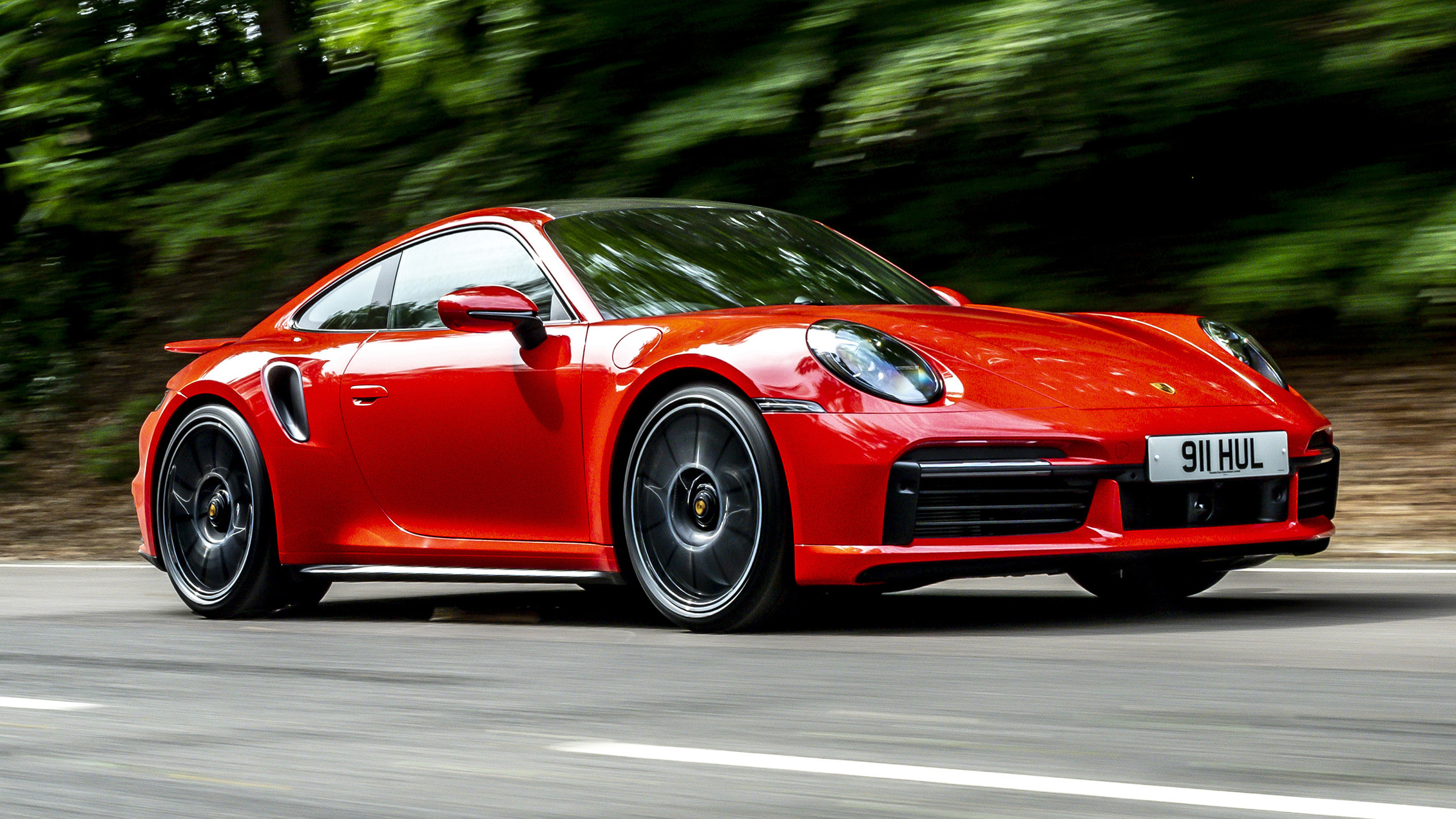
2. Porsche 911
Few cars in history have the engineering pedigree of the Porsche 911. First introduced in 1963, the 911 has evolved continuously through six decades without ever losing its essential character.
It is one of the most studied, refined, and proven automotive platforms ever built. That continuous development cycle has produced a car that is astonishingly reliable for its performance category.
The rear-engine layout that defines the 911 is often described as unusual, occasionally awkward, and frequently misunderstood. What is less discussed is how that layout concentrates mechanical mass and allows Porsche’s engineers to build an exceptionally tight, lightweight front structure.
Every generation of 911 has benefited from lessons learned in the previous one. By the time a component reaches production, it has typically been tested far beyond what any real-world owner will ever demand of it.
Modern 911s use a flat-six engine configuration that Porsche has been perfecting for sixty years. The current turbocharged units are extraordinarily robust.
Porsche engineers run their power units through thermal cycling tests, high-load endurance runs, and cold-weather stress programmes that would destroy less thoroughly tested engines. The result is a power unit that routinely runs for 200,000-plus kilometres without major intervention, provided the owner follows the service schedule.
The electrical architecture of the 911 is notably more conservative than some of its ultra-tech competitors. Porsche was an early and enthusiastic adopter of advanced electronics, but the company insists on validating those systems exhaustively before production.
The infotainment, the active suspension management, and the chassis stability systems all undergo rigorous testing cycles. Failures in the field are relatively rare, and Porsche’s dealer network is among the best-equipped of any performance brand.
Porsche’s approach to model continuity plays a significant role in reliability. Because 911 evolves rather than reinvents itself with every generation, the parts ecosystem is deep. Specialists around the world understand these cars intimately.
Even an older 911 can typically be maintained without sending urgent orders to Stuttgart. That continuity of knowledge and parts availability gives the 911 a practical ownership advantage that pure exotics simply cannot match.
Resale value is one of the 911’s greatest strengths. Porsche 911s are among the slowest-depreciating performance cars. A well-maintained example from five or even ten years ago will command prices that would embarrass most luxury sedans.
That depreciation resistance, combined with reasonable maintenance costs for a sports car of this performance level, makes the 911 one of the most financially sensible luxury purchases available.
Insurance costs are an important consideration, and they are meaningful for 911. But for buyers who use their car regularly and maintain it properly, the 911 delivers a level of engagement, prestige, and mechanical integrity that justifies every aspect of the ownership experience.
3. Mercedes-Benz G-Class
The Mercedes-Benz G-Class is the oldest SUV in continuous production. It was originally developed as a military vehicle in the late 1970s, and that military heritage is the foundation of its extraordinary durability.
While the interior has been comprehensively modernised, the bones of the G-Class remain fundamentally tough in a way that few luxury vehicles can claim. The G-Class body-on-frame construction is the primary reason it continues to outlast virtually every competitor in real-world durability.
Most modern luxury SUVs use unibody construction, which is lighter and more refined but also more complex to repair and less inherently rigid under extreme stress.
The G-Class uses a separate ladder frame beneath its body, a construction technique borrowed directly from commercial vehicles and heavy-duty trucks. That frame provides structural integrity that survives decades of hard use.
Three locking differentials front, centre, and rear give the G-Class genuine off-road capability that exists entirely independently of any electronic assistance.
Many luxury SUVs simulate capability through clever software and multi-mode traction systems. The G-Class delivers the real thing through mechanical engineering that has been validated across the planet’s harshest terrain. Those differentials are mechanically robust, relatively simple to service, and unlikely to fail even under extreme conditions.
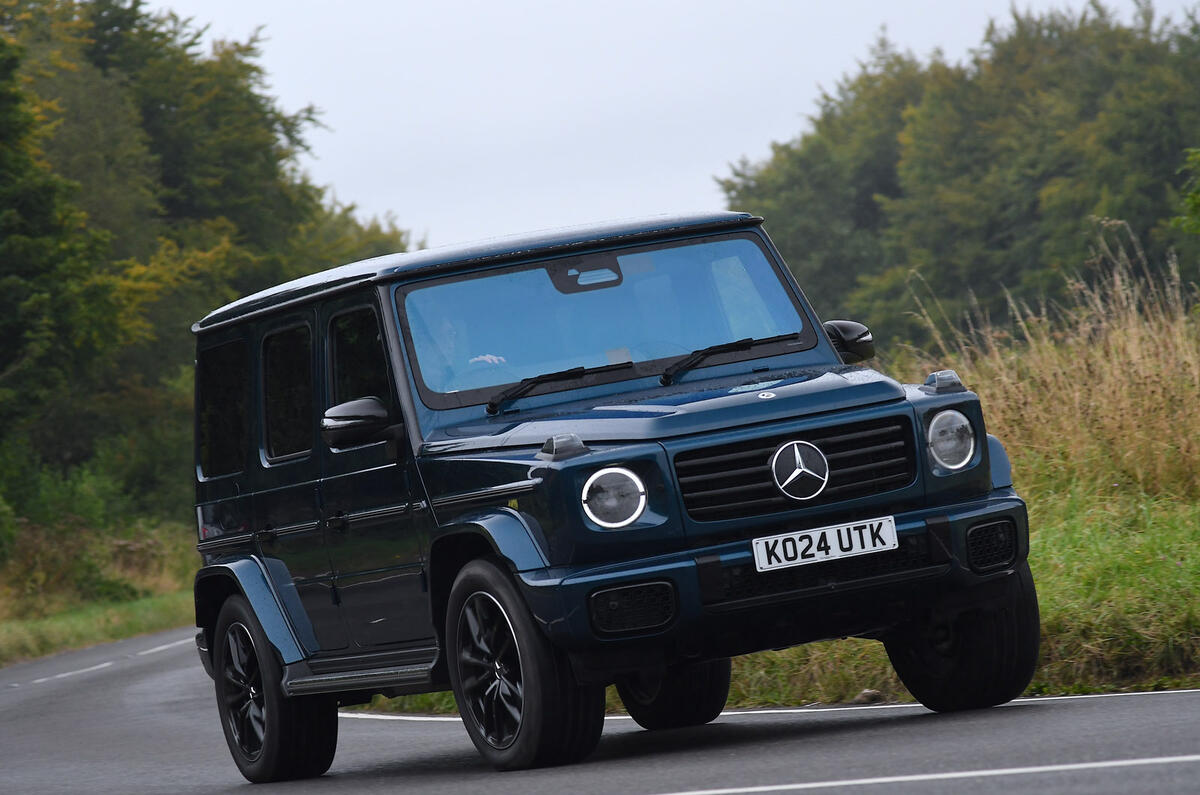
The engine options in the G-Class have always prioritised torque delivery over ultimate revving power, which is exactly the right philosophy for long-term durability. The AMG G63’s 4.0-litre biturbo V8 is one of Mercedes’ most proven performance units.
Owners who maintain proper service intervals routinely report engine longevity that exceeds expectations for a high-performance power unit. Cooling systems are generously sized to handle both desert heat and high-altitude cold.
Build quality inside the G-Class is a study in robustness. The door handles, switchgear, and structural elements are over-engineered by the standards of normal luxury vehicles.
Mercedes has made a conscious decision to retain elements like the external door hinges, the locking handles, and the upright windscreen, not just for aesthetic authenticity but because those proven elements genuinely last. When owners describe their G-Class as feeling solid after 150,000 kilometres, they are not exaggerating.
Parts availability for the G-Class is excellent globally because Mercedes-Benz has maintained a strong commitment to supporting the platform. The model’s enormous popularity among high-net-worth buyers in every market has motivated the company to keep its service infrastructure well-stocked.
Long-term ownership costs are higher than those of a Toyota Land Cruiser, but the G-Class delivers significantly more prestige and comparable durability for the money.
The G-Class is not cheap to maintain, but it is honest about what it costs. Unlike some luxury SUVs that surprise owners with elaborate and expensive failure modes, the G-Class tends to require predictable, manageable service interventions.
For buyers who value authentic durability and the prestige of one of the world’s most iconic badges, it delivers outstanding value over a full ownership lifecycle.
4. Audi A8 (D4 Generation, 2010-2017)
The Audi A8 in its D4 generation represents one of the finest achievements of German luxury car manufacturing in the modern era. Built on Audi’s Space Frame technology using a predominantly aluminium body structure, the D4 A8 delivered exceptional rigidity, reduced weight, and long-term structural integrity in a package that competed directly with BMW’s 7 Series and Mercedes-Benz’s S-Class. Among the three, the A8 earned a reputation for being the most sorted and dependable over extended ownership.
The 3.0-litre TFSI supercharged V6 engine that powered the base A8 is one of Audi’s most celebrated long-term performers. Supercharger-driven forced induction offers different durability characteristics than turbocharging. There is no heat soak from exhaust-driven turbines, and the power delivery is smooth and linear.
Owners who maintain their oil change schedules and keep the cooling system in good health routinely report this engine running cleanly past 200,000 kilometres without fundamental mechanical issues.
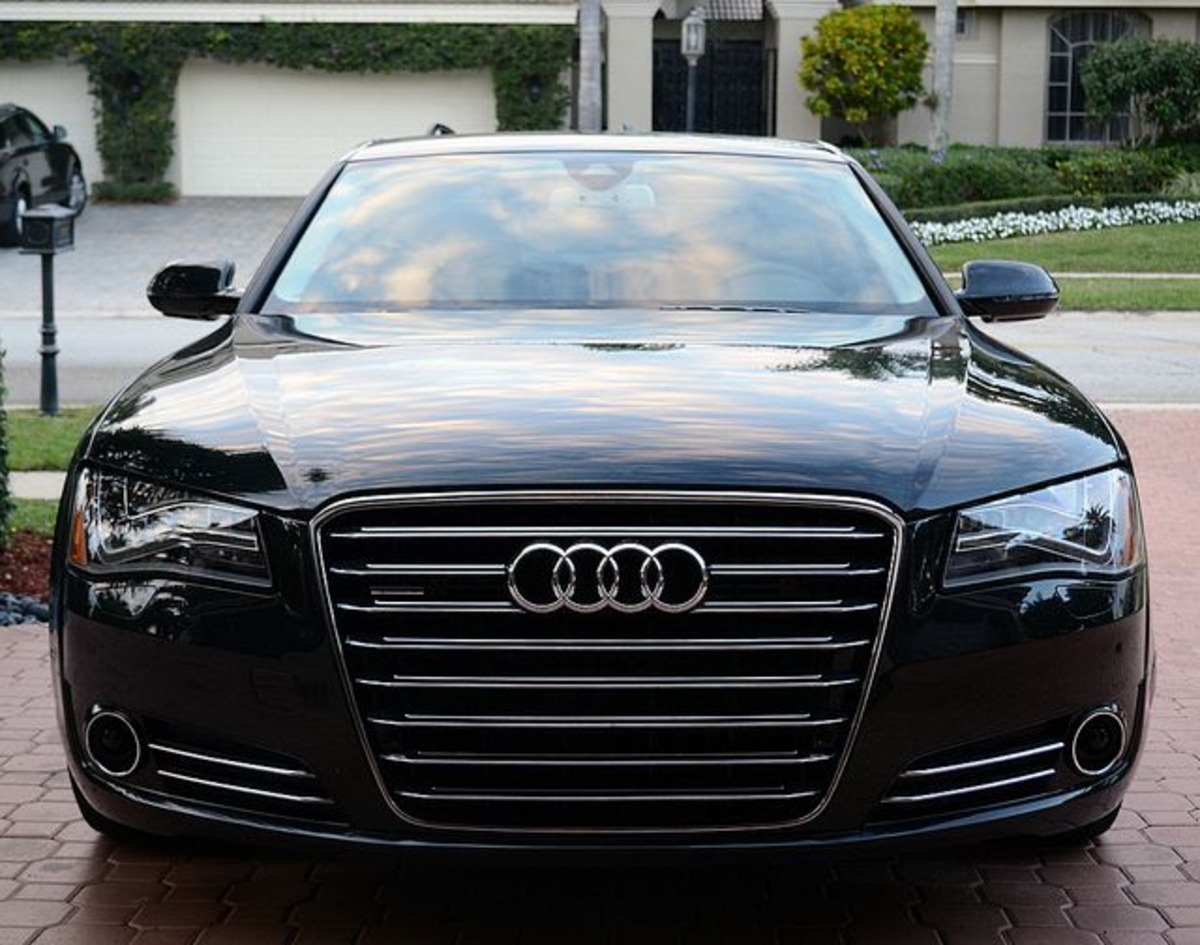
Audi’s Quattro all-wheel drive system is a technical benchmark. It has been refined over decades and distributes torque with precision and consistency that keeps the car stable and mechanically balanced under all conditions.
The transmission that pairs with it, an eight-speed ZF automatic unit is an industry-standard gearbox used by numerous manufacturers and supported by a vast global network of parts and knowledge. When that transmission requires attention, it does not require Audi-specific wizardry.
The interior quality of the D4 A8 has proven genuinely durable in real-world use. Leather surfaces on this generation hold up better than on many competitors.
The MMI infotainment system was advanced for its era and has shown considerably more long-term stability than some rival systems. The rotary controller interface, while showing its age against modern touchscreen interfaces, continues to function reliably in examples that have covered significant kilometres.
Audi’s air suspension system is the one area where D4 A8 owners have sometimes encountered costs. Air suspension components do have a finite service life, and replacement can be expensive.
However, Audi used quality air suspension components on this generation, and failures tend to come at predictable intervals rather than unpredictable early failures. Proactive owners who replace air springs on schedule can largely avoid the dramatic failure modes that give air suspension a bad reputation.
Depreciation on the D4 A8 has been sharp in the used market, which works strongly in favour of buyers who are smart about timing their purchase.
A well-maintained example with full service history can be acquired at a fraction of its original price. Running costs on these engines, when maintained correctly, are predictable and manageable. The D4 A8 represents a genuine opportunity to own flagship German luxury at real-world accessible pricing.
For buyers who do their research, understand the service history of any specific example, and commit to proper maintenance, the D4 Audi A8 is one of the finest long-term luxury car values in the market.
Also Read: 4 Trucks Where Brake Jobs Stay Under $400 vs 4 That Run Past $1,200
5. Genesis G90
Genesis is perhaps the most underappreciated luxury car brand currently operating in the global market. Hyundai’s premium division launched in 2015 with a clear mandate: deliver world-class quality, technology, and comfort without the premium pricing that European and Japanese alternatives command. The G90 flagship sedan is the most emphatic expression of that ambition, and its reliability record is quietly exceptional.
The G90 benefits from Hyundai’s decades of accumulated engineering knowledge, combined with a significant investment in quality control processes specifically designed for luxury vehicle production.
Unlike brand-new luxury manufacturers who are discovering reliability problems in real-world ownership, Genesis can draw on Hyundai’s massive engineering infrastructure. The powertrains, suspension systems, and electronic architectures have roots in platforms that have been tested across millions of vehicles worldwide.
The 3.5-litre twin-turbocharged V6 in the G90 is a thoroughly proven unit. Hyundai developed this engine across multiple platforms before deploying it in a flagship application, which means the teething problems that often afflict new engine designs had been resolved before any G90 owner encountered them. The engine calibration is refined, the cooling system is generously sized, and the oil capacity is appropriate for the thermal demands placed on the unit.
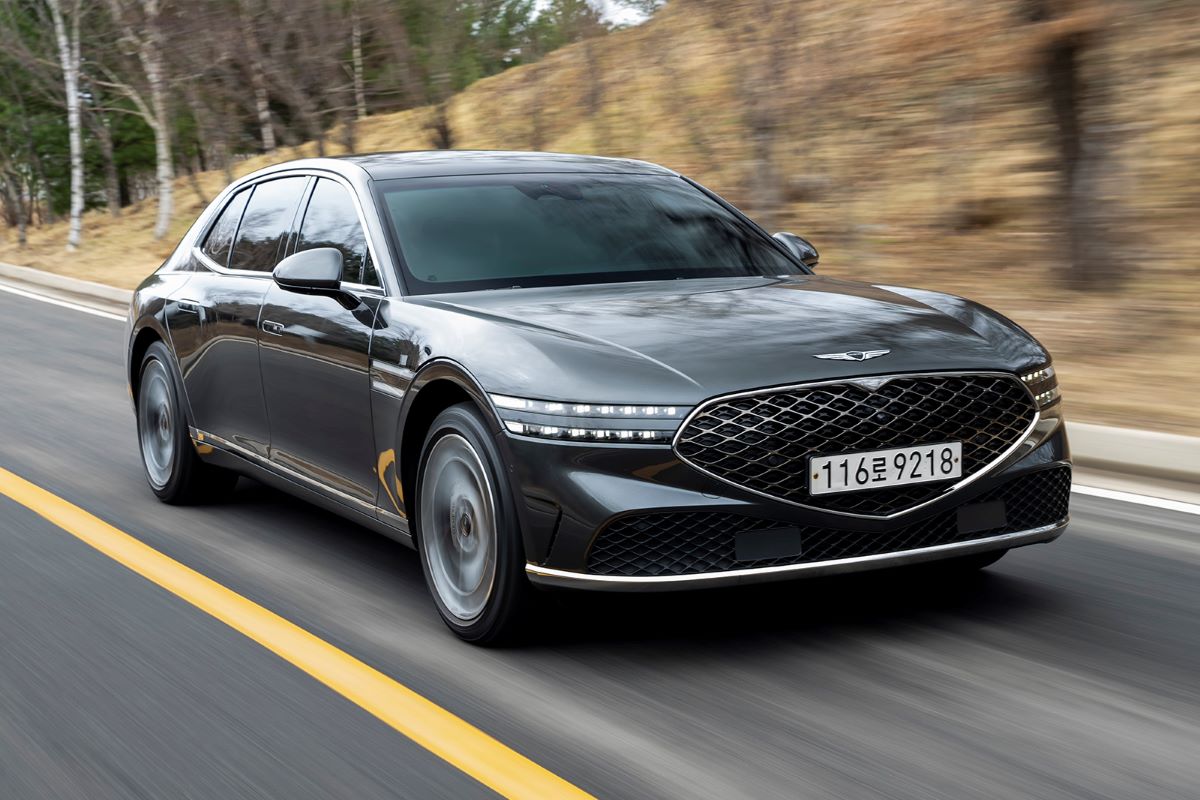
Genesis has invested heavily in interior quality to compete with the Lexus LS and German flagships. The materials used in the G90 cabin are genuinely first-rate soft-close doors, high-grade leather, real wood, and metal trim pieces that do not fade, crack, or delaminate under normal use.
Switchgear feels purposeful and precise. The infotainment system, while not perfect, is stable and does not require periodic resets or software interventions that plague some rival systems.
Service costs for the G90 are where the brand’s value proposition becomes most apparent. Genesis offers genuinely competitive warranty terms, and its service network charges rates that feel considerably more reasonable than European luxury dealer pricing.
Parts are neither exotic nor difficult to source because they share significant design DNA with mainstream Hyundai components. When something does require attention after the warranty period, bills are measurably lower than equivalent work on German alternatives.
Depreciation is the G90’s one genuine weakness from a market perspective. The Genesis badge does not yet command the residual value retention of Lexus or Porsche.
However, for buyers who plan to keep their car for many years rather than cycling through vehicles, that depreciation curve becomes essentially irrelevant. The total cost of a G90 owned for seven or eight years, inclusive of purchase price, maintenance, and insurance, compares very favourably with European rivals over the same period.
The G90 represents a sophisticated, well-engineered, genuinely reliable luxury flagship. It rewards buyers who are willing to overlook the badge prestige in favour of real-world quality and long-term ownership satisfaction.
5 Money Pits
These luxury cars often come with high repair costs, complex systems, and frequent reliability issues, turning ownership into an expensive experience over time. Older European luxury models and certain high-tech sedans can suffer from electrical problems, air suspension failures, or costly engine repairs.
Vehicles with aging electronics, turbocharged engines, or complicated drivetrains may require constant attention, leading to repair bills that quickly add up. While they may feel premium upfront, long-term ownership can become financially draining, making them risky choices for many buyers.
1. BMW 7 Series (F01/F02 Generation, 2009-2015)
The BMW 7 Series has always been the brand’s most technically ambitious product. It is the car in which BMW’s engineers test the limits of what is currently possible, then deploy those solutions in a prestige package aimed at the world’s most demanding buyers.
The F01 and F02 generation 7 Series, produced between 2009 and 2015, is a car of remarkable sophistication and remarkable expense to own beyond the initial years.
The complexity begins under the bonnet, where the N54 and N55 twin-turbocharged straight-six engines produce impressive power but require diligent and expensive maintenance to remain trouble-free.
High-pressure fuel injectors are a known weak point. Carbon build-up on intake valves a characteristic of direct injection engines without port injection, requiring periodic walnut blasting cleaning procedures that add cost to the ownership equation. These are not catastrophic failures, but they are persistent costs that accumulate over time.
The suspension system on this 7 Series uses air springs combined with active damping. The system delivers extraordinary ride quality when functioning correctly.
When components begin to age, and they will age, typically in the 80,000-to-120,000-kilometre range, replacement costs are significant. Air spring bladders, compressors, and electronic control modules all carry premium pricing that reflects their complexity and BMW-specific sourcing requirements.
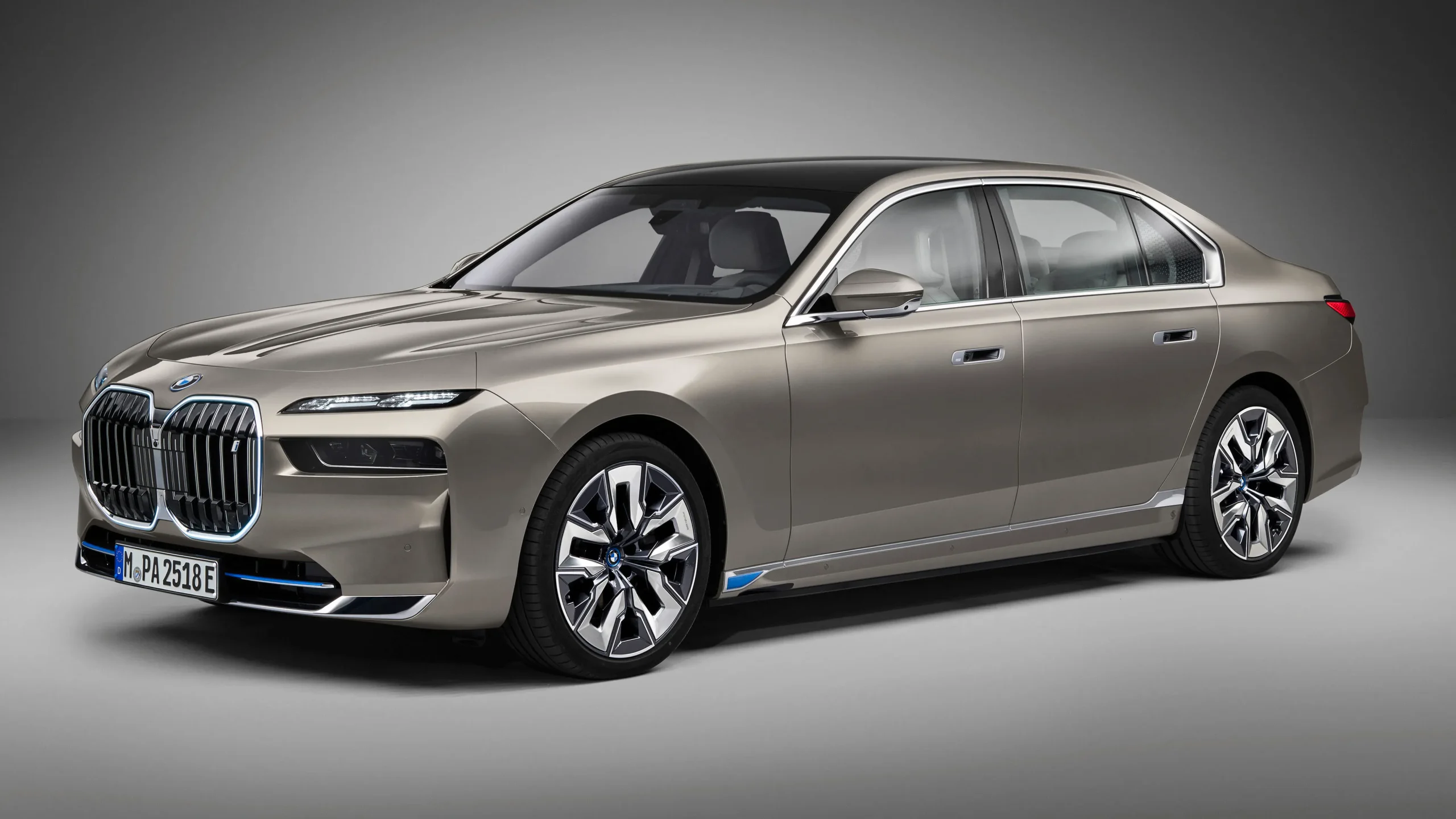
Electrical architecture is where the F01/F02 generation becomes genuinely punishing. BMW was pushing the boundaries of in-car electronics during this period, and that ambition occasionally outran execution.
The iDrive system required updates and occasional resets. Various sensors and control modules developed habits of flagging fault codes that required dealer diagnosis tools to interpret and reset. Out-of-warranty owners who lack access to professional-grade diagnostic equipment face meaningful challenges in managing these systems cost-effectively.
The automatic gearbox in this generation, a ZF 6HP or 8HP unit depending on year, is generally reliable, but proper servicing requires transmission fluid changes that BMW initially claimed were “lifetime” and subsequently acknowledged needed periodic replacement.
Owners who followed the original guidance and skipped transmission services sometimes faced expensive gearbox rebuilds at surprisingly modest mileage figures. This is one of the clearest examples of where manufacturer servicing guidance proved insufficiently conservative.
Depreciation on this generation 7 Series has been dramatic. Pristine examples that cost significant sums new are available used at prices that might seem attractive, but experienced BMW observers know to look beyond the purchase price.
The cost of maintaining all these sophisticated systems in proper working order can transform an apparently reasonable used car into an expensive commitment very quickly.
The F01/F02 7 Series is a brilliant car when it is working and when someone else is paying the bills. For private owners beyond the warranty period, it can become a persistent financial drain.
2. Jaguar XJ (X351 Generation, 2010-2019)
The Jaguar XJ in its X351 generation is one of the most beautiful luxury saloons ever built. Ian Callum’s exterior design was genuinely radical, a dramatic contrast to the conservative styling that had defined the model for decades.
Inside, the XJ offered a genuinely innovative experience, with a panoramic glass roof, sweeping dashboard architecture, and infotainment technology that was genuinely ahead of many rivals at launch. On every aesthetic dimension, it was exceptional.
The reliability story is considerably less beautiful. Jaguar’s transition to aluminium body construction on this generation, using lessons shared with Land Rover, brought structural benefits but also introduced complexity in both manufacturing and repair.
Insurance repair costs for XJs involved in accidents were notably high because aluminium body repair requires specialist equipment and certified technicians. Out-of-warranty owners discovered this the hard way when routine incidents produced bills that seemed wildly disproportionate.
The supercharged V6 and V8 engines in the XJ are sophisticated but demanding. Timing chain issues on some variants required attention earlier than expected. Supercharger belt and nose gasket service intervals are real costs that accumulate.
The cooling system on V8 variants has been a source of concern for some owners, with thermostat and water pump components requiring attention at intervals that seem premature for a flagship luxury car.
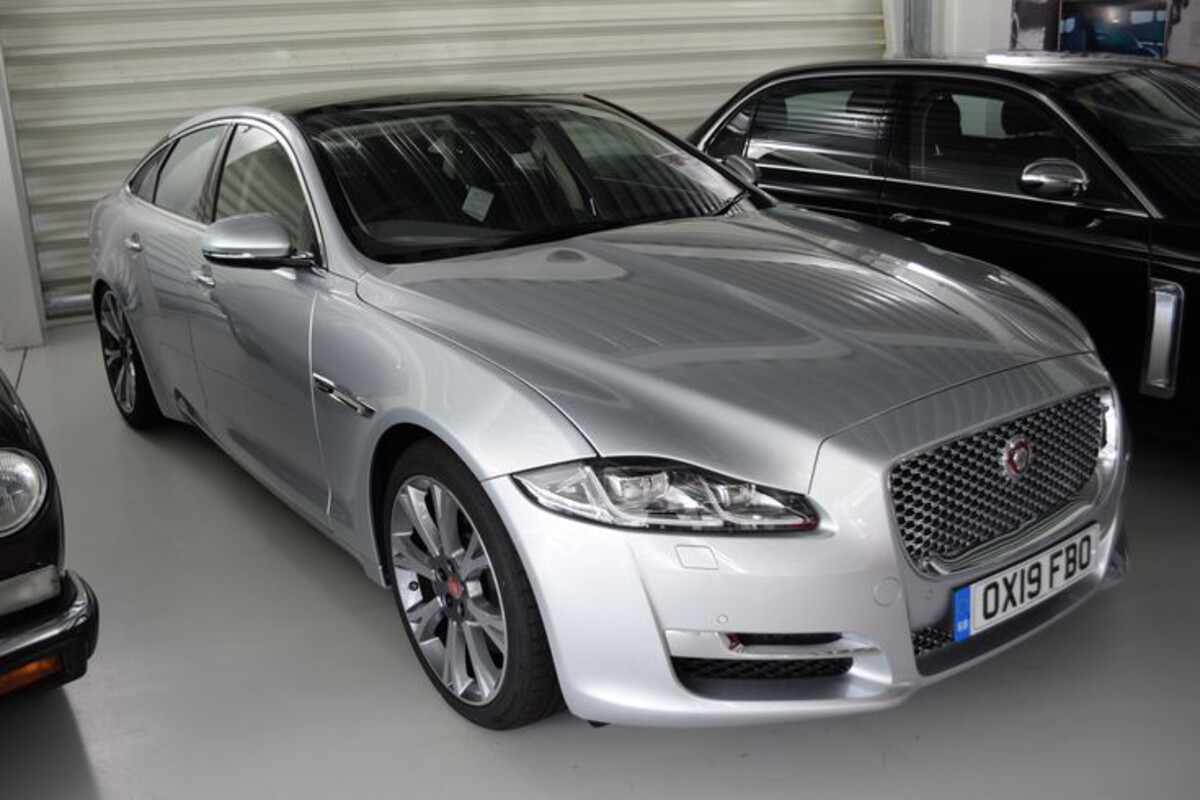
Jaguar’s Touchscreen infotainment system in this generation suffered from notable instability. The system would occasionally freeze, requiring complete resets.
Software updates improved behaviour somewhat, but the fundamental architecture of the system remained prone to the kind of glitches that are simply not acceptable in a car at this price point. The premium audio system sounded magnificent, but its amplifier modules developed reliability issues in some examples that proved expensive to resolve.
Air suspension is a persistent expense in XJ ownership. Jaguar specified air suspension across much of the range, and while the ride quality it delivers is exceptional, the long-term cost profile of maintaining it is significant.
Air spring replacement on the XJ requires more labour than equivalent work on some competitors, pushing bills higher. Owners who have switched to conventional coilover alternatives report lower maintenance costs but acknowledge a noticeable change in ride character.
The Jaguar dealer network presents an additional challenge in markets outside the United Kingdom. Service infrastructure varies enormously in quality, and parts availability for some specific XJ components can involve significant delays. In markets like India, where Jaguar’s network footprint is smaller, owners report challenges in sourcing specific components quickly, leading to extended periods when the vehicle is off the road.
Depreciation on the X351 XJ has been severe. Cars that represented significant luxury investments new can be found in the used market at prices that might seem like opportunities, but the ongoing maintenance cost picture makes them anything but straightforward purchases.
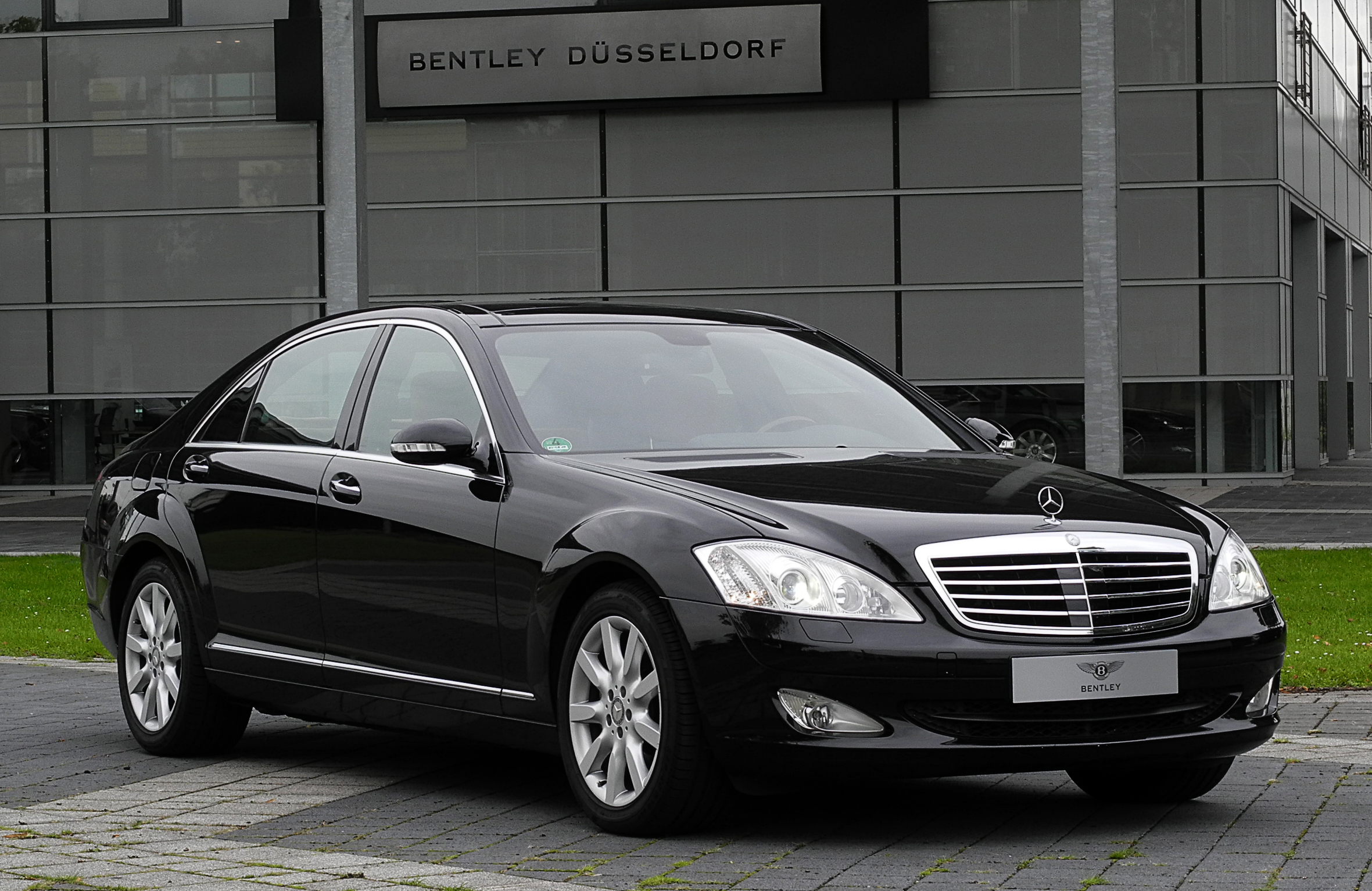
3. Mercedes-Benz S-Class (W221, 2006-2013)
The W221 Mercedes-Benz S-Class was genuinely revolutionary when it launched. It introduced systems that would become industry standards: radar-guided adaptive cruise control, night vision assist, attention monitoring, and an air suspension with road-scanning capability that adjusted damping in anticipation of bumps.
It was a technological tour de force. It was also a preview of how complex luxury cars were becoming, and with that complexity came a maintenance cost profile that surprised many owners.
The AIRMATIC air suspension system on the W221 is legendarily expensive when major components require replacement. Air spring bladders begin to show their age in the 80,000-kilometre range on many examples.
The ABC hydraulic suspension system offered on some S-Class variants is even more demanding, requiring hydraulic fluid changes and presenting failure modes that can cost enormous sums to rectify.
When both front and rear air springs fail in quick succession, which is not uncommon, since components that age together tend to fail together, the total bill can rival the car’s used market value.
The biturbo V8 engines of this era are powerful and refined but require attentive maintenance. Oil consumption that Mercedes described as “within specifications” could strike owners as excessive, and failure to maintain appropriate oil levels accelerated engine wear in some cases. Fuel injector issues affected some variants.
Timing chain tensioner concerns on specific engine codes generated extended discussions in owner communities and occasional expensive interventions.
Electronics are the W221’s most complex challenge. The car communicates through a network of interconnected control modules that require Mercedes-Benz proprietary diagnostic equipment to properly interrogate.
Dashboard warning lights on this generation have a habit of being both numerous and occasionally misleading. A single sensor fault can trigger cascading warnings across multiple systems. Out-of-warranty owners without access to professional STAR diagnostic tools face meaningful challenges in distinguishing genuinely serious faults from nuisance sensor failures.
Maintenance costs at Mercedes-Benz authorised dealers for the W221 S-Class are substantial. Even routine service intervals involve meaningful labour charges because the engineering complexity of the car makes basic access more time-consuming.
Oil services are not simple procedures on these vehicles. When non-routine items arise, and they will the combination of Mercedes-Benz parts pricing and dealer labour rates produces bills that regularly shock owners who underestimated the ongoing commitment.
Depreciation has been dramatic on the W221. This has created a used car market where attractive prices conceal hidden costs that can quickly exceed the purchase price.
The key to understanding the W221 is recognising that the purchase price and the total cost of ownership are completely different numbers, and that gap can be very large indeed.
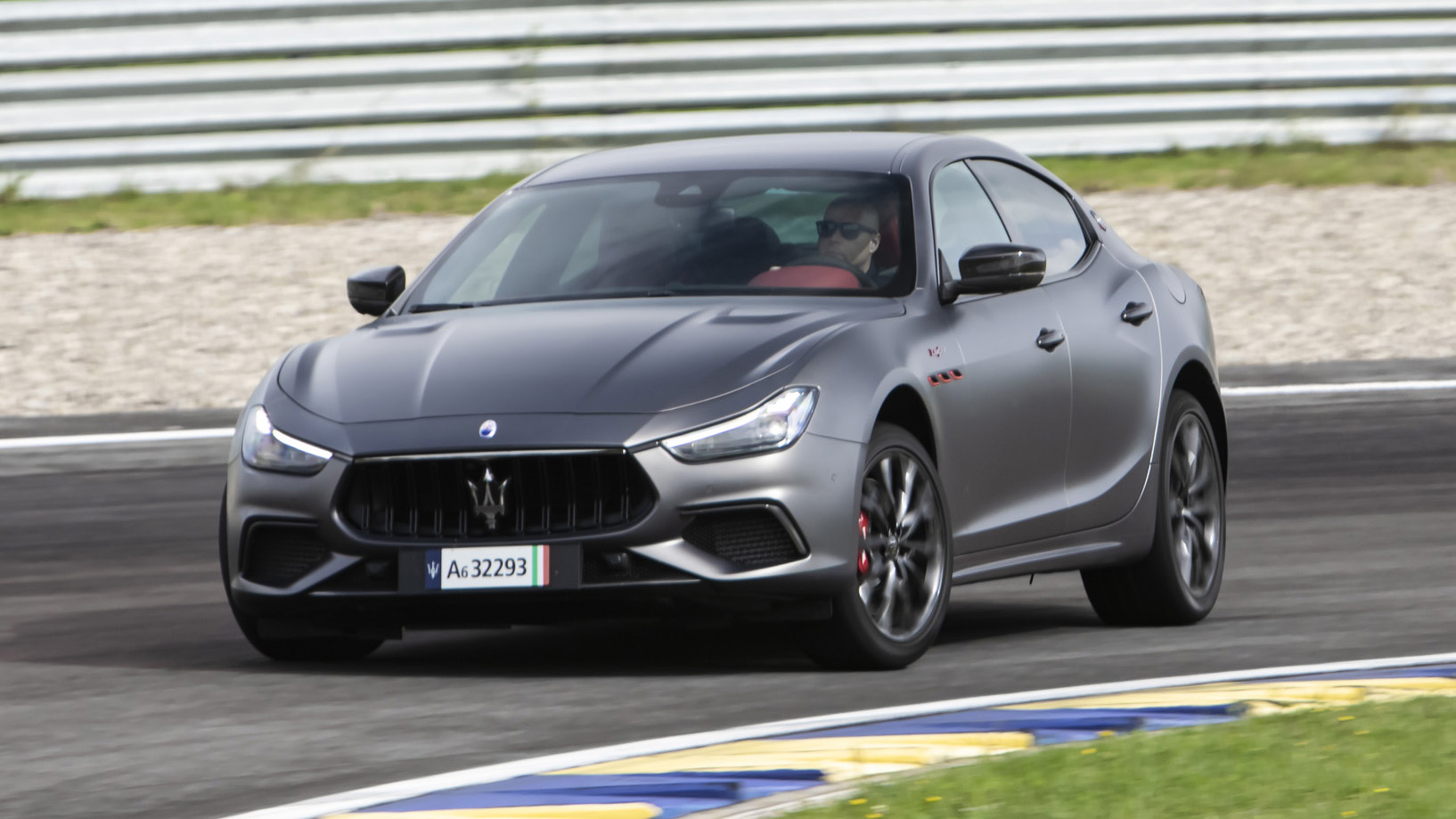
4. Maserati Quattroporte
The Maserati Quattroporte is one of the world’s most emotionally compelling luxury cars. The exterior design is arresting in a way that no German sedan achieves.
The exhaust note from the Ferrari-derived engines is genuinely spine-tingling. Inside, the combination of Italian leather, real wood, and chrome creates an atmosphere that feels distinctly different from the functional opulence of German or Japanese competitors. Driving a Quattroporte is an experience. Owning one, however, is a different matter entirely.
The reliability statistics for Maserati in general make sobering reading. Multiple independent reliability surveys have placed the brand at or near the bottom of luxury car reliability rankings for extended periods.
This is not an anomaly specific to one generation or one model; it reflects structural challenges in parts sourcing, engineering validation, and quality control that have persisted across the brand’s range. The Quattroporte, as the flagship and highest-volume product, concentrates these issues.
The twin-turbocharged engines are derived from Ferrari architecture and produce tremendous power. They also require expensive service intervals and are not forgiving of missed maintenance.
Timing chains on some variants have required attention at intervals that owners of comparable German engines would find remarkably early. The cost of having Maserati-specific work done at authorised dealers is high, reflecting both the brand’s positioning and the genuine scarcity of technicians certified to work on these systems.
The ZF automatic gearbox used in various Quattroporte generations is a quality unit in itself, but the surrounding systems and the calibration specific to Maserati have occasionally produced integration issues.
Owners report concerns ranging from rough low-speed behaviour to more significant transmission communication faults that required dealer intervention. Gearbox work on a Quattroporte, when required, is an expensive undertaking regardless of what specifically needs attention.
Climate control, air suspension, and electronics are consistent sources of owner concern. The Quattroporte uses sophisticated technology in all these areas, but the validation and quality control processes behind it do not match the standards of Japanese or even German competitors.
Individual component failures are more common than they should be in a car at this price level. Diagnosing and rectifying those failures requires access to Maserati-specific diagnostic equipment and parts that are not universally available.
Depreciation on the Quattroporte is among the steepest in the luxury car segment. The combination of brand perception challenges and reliability reputation creates used market pricing that initially appears attractive but contains significant hidden risk.
Purchasing a used Quattroporte requires a comprehensive professional inspection and a frank assessment of the maintenance budget required going forward.
The Quattroporte is a magnificent experience for short periods. As a long-term ownership proposition, it requires financial commitment and patience that goes well beyond what the purchase price suggests.
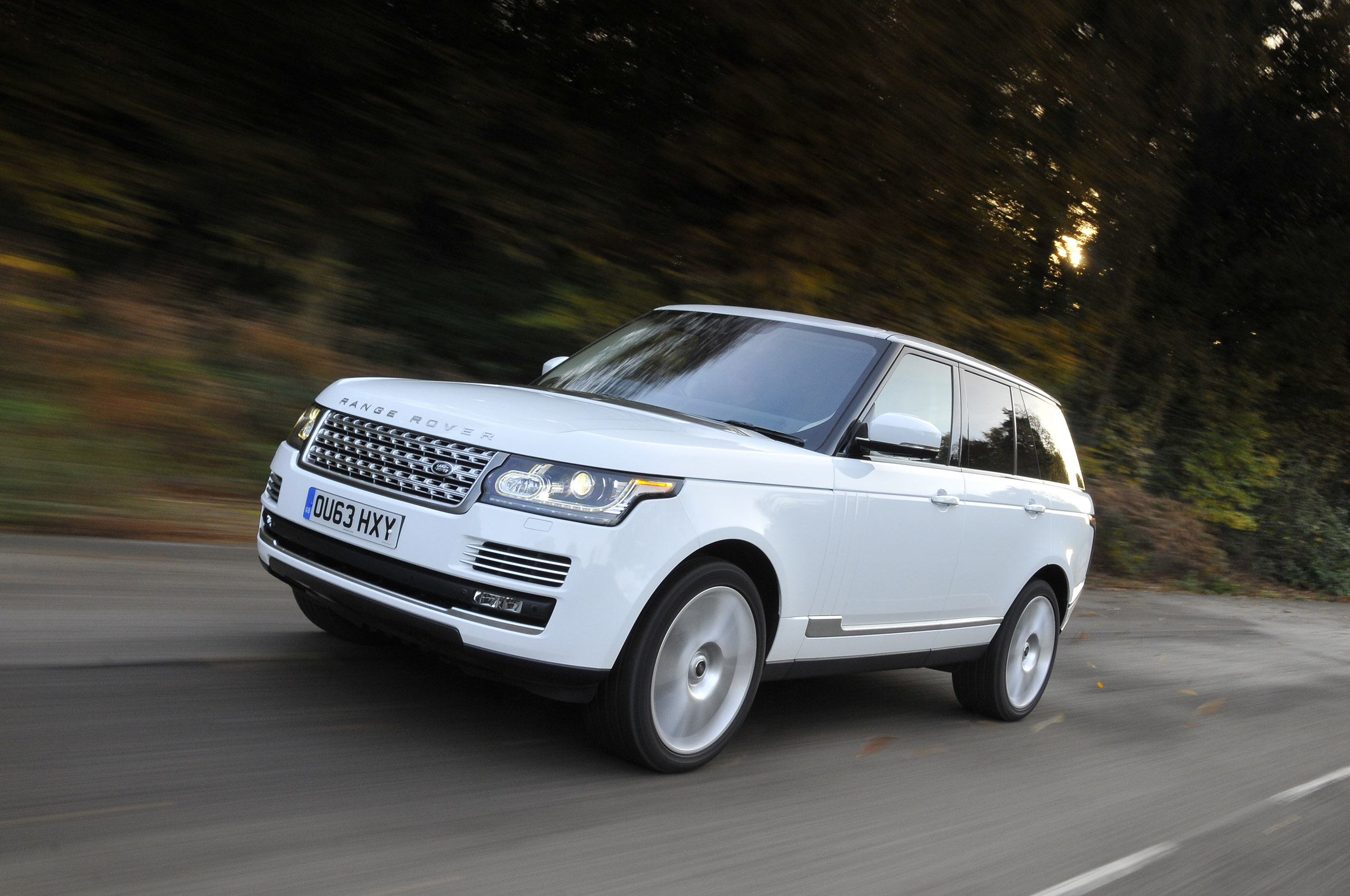
5. Land Rover Range Rover (L405 Generation, 2013-2021)
The Range Rover has occupied a unique position in the automotive world for over fifty years. It invented the premium SUV category, defined what luxury off-road capability looks like, and established a level of prestige that virtually no competitor has successfully challenged.
The L405 generation, produced from 2013 to 2021, represents the most technologically sophisticated Range Rover ever built up to that point. It is also one of the most expensive luxury vehicles to own over an extended period.
The reliability record of this generation Range Rover is frankly poor by the standards of the premium SUV category. Multiple reliability surveys have positioned Land Rover at the bottom of luxury brand rankings with uncomfortable regularity
The L405 specifically has been scrutinised for issues relating to its air suspension, electronic systems, gearbox behaviour, and various powertrain concerns. Owners’ forums are extensive and detailed in their documentation of recurring issues. This is not simply isolated bad luck; it reflects systemic challenges.
The air suspension on the L405 is sophisticated and delivers extraordinary ride comfort when functioning correctly. When it develops problems, and this tends to occur more frequently and earlier than comparable air suspension systems on German or Japanese competitors, the cost of intervention is high.
The system architecture is complex, parts are expensive, and the labour to access suspension components properly is substantial. Multiple air suspension failures over an ownership period can represent a meaningful financial commitment.
The 3.0-litre and 5.0-litre petrol engines offer tremendous performance but are thirsty and require expensive servicing. Timing chain issues on some variants of the 3.0-litre engine have been reported across owner communities globally.
The supercharged 5.0-litre V8 is a characterful unit but demands attentive maintenance and produces fuel bills that are among the highest in the luxury SUV segment. Diesel variants have offered better economy but brought their own concerns around emissions system maintenance, including DPF cleaning and EGR valve attention.
Electrical gremlins are a persistent feature of L405 ownership for some buyers. The Terrain Response system, the active rear locking differential, and the numerous driver assistance systems are all controlled through electronic architectures that have produced fault codes and warning lights with a frequency that many owners describe as wearing.
Out-of-warranty electrical diagnosis at Land Rover dealers involves both significant labour charges and the real possibility of identifying multiple concurrent issues.
Those who purchase based on the badge and the showroom impression without understanding the service cost profile may find themselves surprised in ways that are both expensive and frustrating.
Also Read: 8 Hybrid Models Where Battery Pack Replacement Hits $8,000 Out of Warranty
