Modern vehicles have become more advanced than ever, blending performance, luxury, efficiency, and off-road capability into highly engineered machines. However, this progress also brings a hidden cost that many buyers overlook: expensive transmission repairs. In several popular models, replacing a failed transmission can exceed $6,000, and in some cases, climb far higher depending on labor, parts, and software calibration requirements.
The vehicles in “9 Cars With Transmission Replacement Costs Over $6,000 in 2026” highlight how complex systems such as dual-clutch gearboxes, heavy-duty automatics, and integrated CVTs contribute to rising repair expenses. These transmissions are often sealed, electronically controlled, or tightly integrated with other vehicle systems, making repairs difficult and expensive.
While these models are widely praised for driving experience, technology, or practicality, they also reflect the growing reality that advanced engineering can significantly increase long-term ownership costs. Understanding these risks helps buyers make more informed decisions before committing to a vehicle.
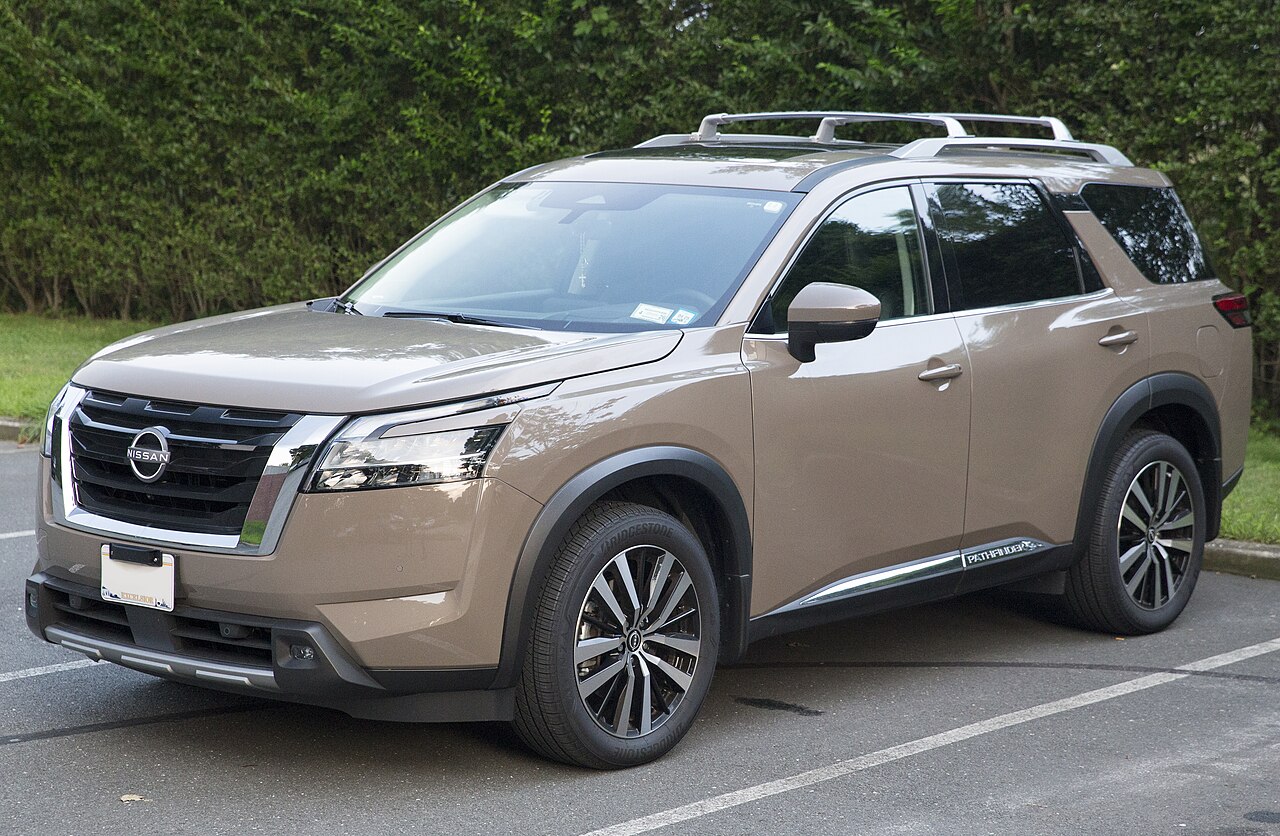
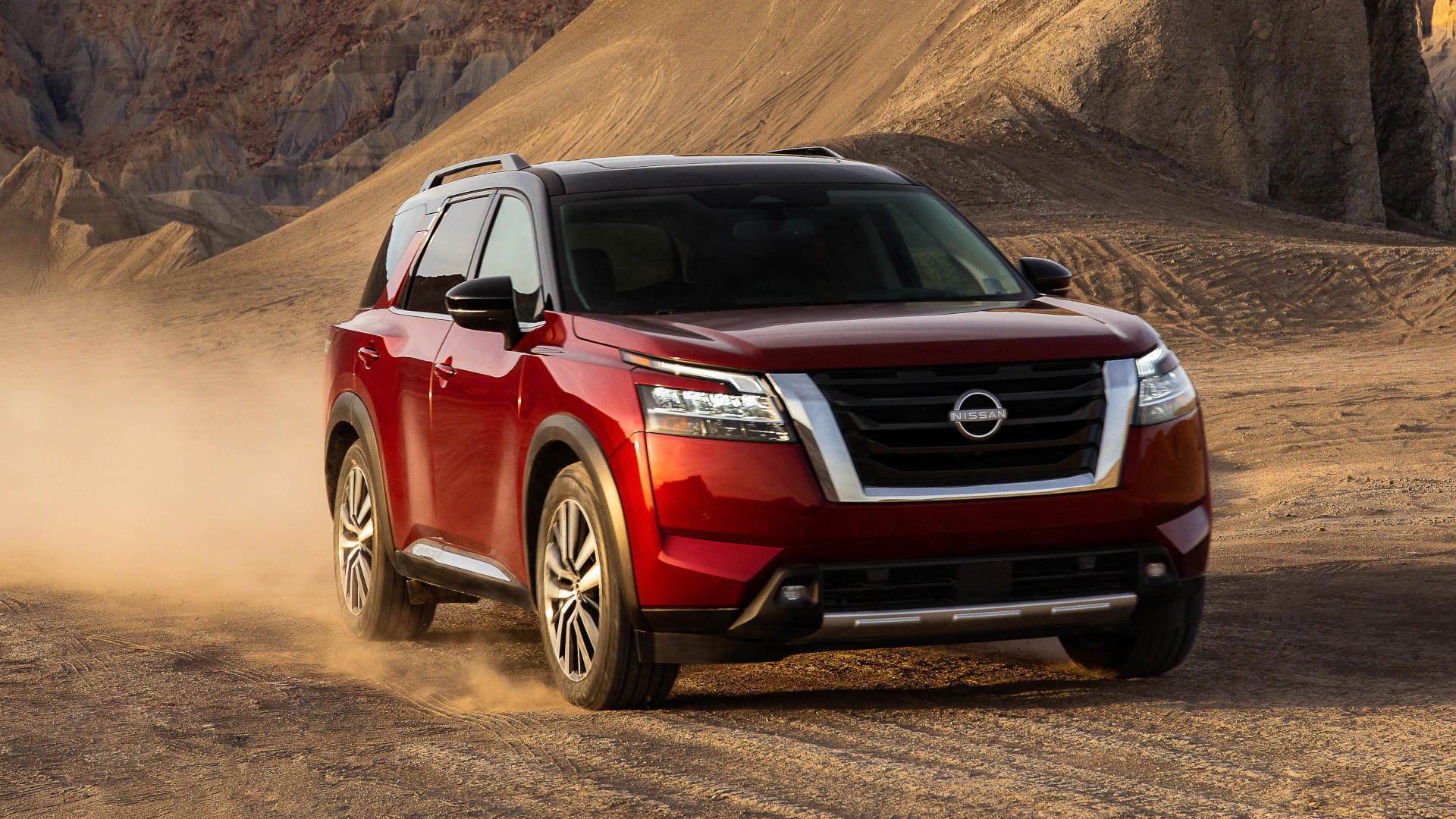
1. Nissan Pathfinder
Transmission design plays a major role in long-term ownership costs, and in this case, it has historically been a weak point. Earlier versions used Xtronic CVT systems that were prone to internal wear, particularly involving the steel belt. Once wear occurred, metal debris could contaminate the entire transmission fluid system.
Because internal components were not designed to be serviced individually, repairs typically required a full replacement of the sealed unit. This process, along with mandatory calibration and programming, often resulted in repair bills ranging from $6,000 to $7,500.
The Nissan Pathfinder has since evolved significantly, especially in its latest generation. The 2026 model replaces the problematic CVT with a more conventional and durable 9-speed automatic transmission. This upgrade greatly improves reliability and provides smoother, more responsive performance. Paired with a 3.5-liter V6 engine producing up to 295 horsepower, the newer powertrain is widely considered more dependable than earlier versions.
In addition to improved durability, the Pathfinder remains a practical and versatile SUV. It offers seating for up to eight passengers, a refined and quiet cabin, and modern technology such as a 12.3-inch touchscreen with wireless connectivity. Towing capacity reaches up to 6,000 pounds, and available all-wheel drive with multiple terrain modes enhances capability.
Despite these strengths, potential owners should still consider repair costs and warranty limitations. Even with improved reliability, major transmission repairs can still be expensive, and the 5-year/60,000-mile powertrain warranty is shorter than some rivals.
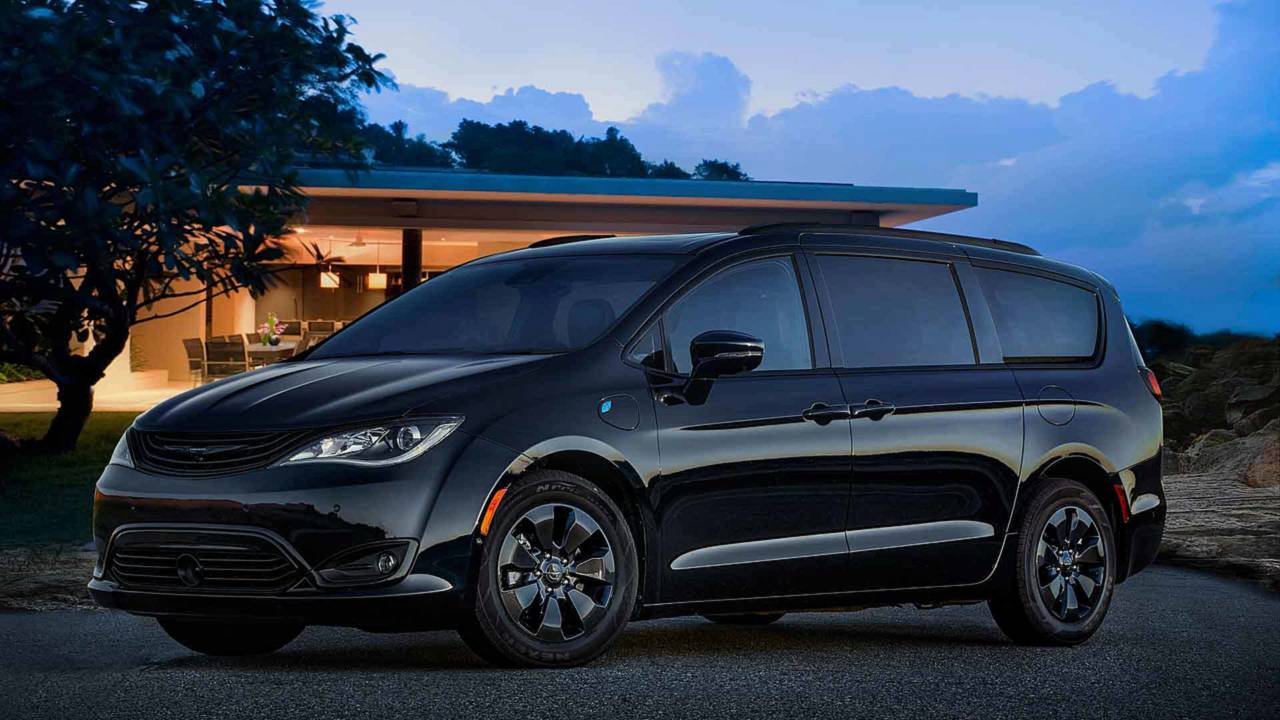
2. Chrysler Pacifica Hybrid
Modern hybrid systems offer impressive fuel savings, but they also introduce complex components that can be expensive to repair. This model uses an eFlite electronic continuously variable transmission that integrates two electric motors within the transmission housing.
Because the mechanical gears and electric drive systems are interconnected, a failure in either area often requires replacing the entire dual-motor transaxle. Repairs demand specialized high-voltage technicians and can cost between $6,500 and $8,500, making it one of the more expensive systems to service.
The Chrysler Pacifica Hybrid continues to stand out due to its strong efficiency and family-focused design. Its plug-in hybrid system combines a 3.6-liter V6 engine with two electric motors and a 16.0-kWh battery. This setup provides about 32 miles of all-electric driving, allowing many daily trips to be completed without gasoline and delivering excellent fuel economy in combined use.
Practicality is a major strength. The Pacifica Hybrid offers seating for seven passengers, a spacious cabin, and a wide range of modern features. These include a large touchscreen infotainment system, wireless smartphone connectivity, and available rear-seat entertainment. Safety is also well addressed with standard driver-assistance features such as adaptive cruise control and blind-spot monitoring.
Performance is adequate for everyday driving, with smooth acceleration and a quiet ride. It reaches 60 mph in just over seven seconds, focusing more on comfort than speed. While towing is not recommended for the hybrid version, it excels as a daily family vehicle.
Even with high potential repair costs, the savings from reduced fuel consumption and the vehicle’s versatility help offset long-term ownership expenses.
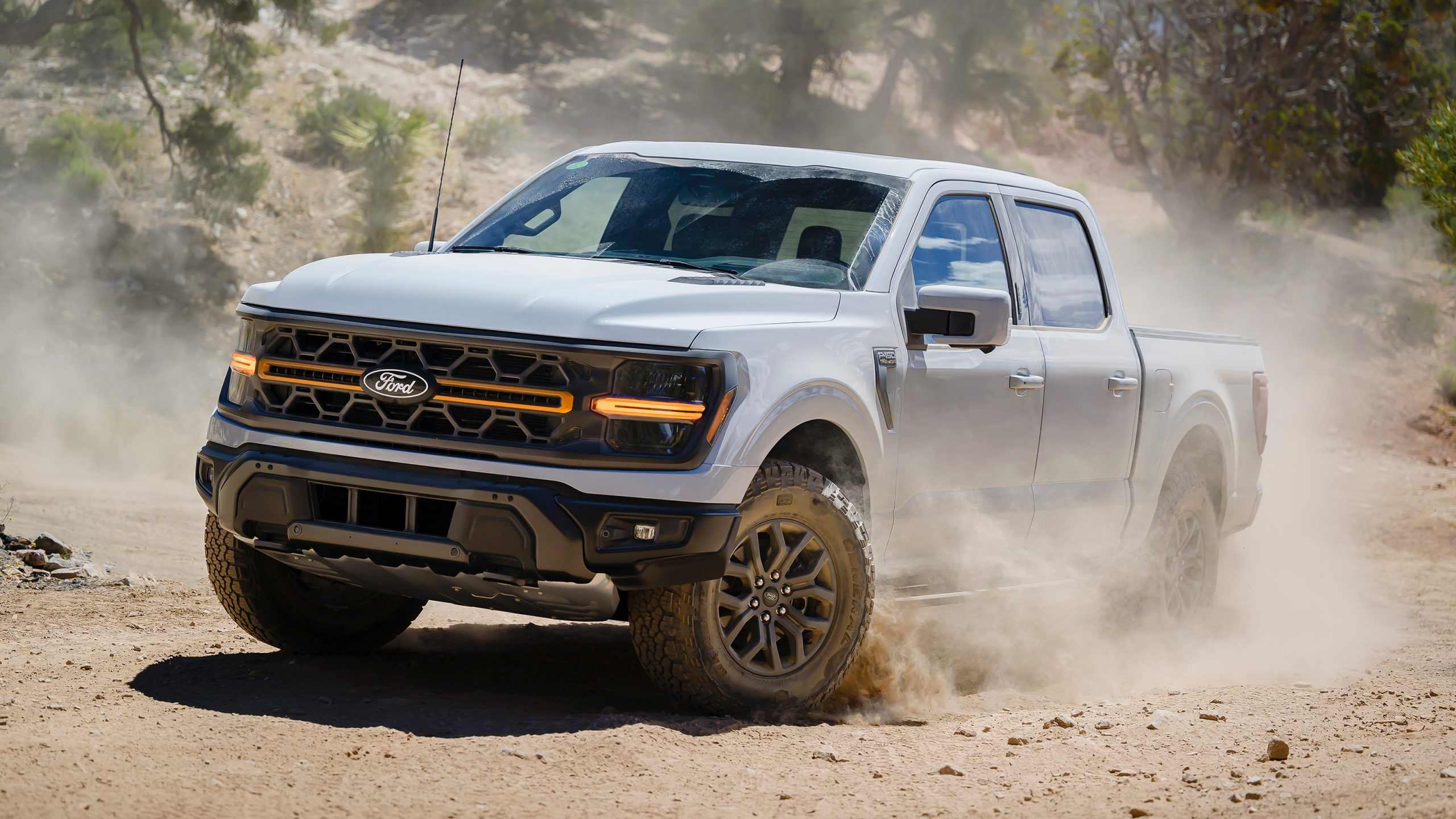
3. Ford F-150
Expensive transmission repairs are a known reality for many modern trucks, and this is especially true for the Ford F-150 equipped with the complex 10R80 10-speed automatic transmission. This system uses multiple planetary gearsets and clutches packed into a compact design to improve efficiency and performance.
When internal components such as the valve body or clutch assemblies fail, repairs become labor-intensive. As a result, most service centers opt to replace the entire transmission unit, pushing costs into the $6,000 to $7,200 range. Additional expenses can arise from required software programming to match the new transmission with the truck’s onboard systems.
Despite these high repair costs, the F-150 remains a strong long-term investment. One of the key reasons is its exceptional lifespan, with many well-maintained examples reaching 150,000 to over 300,000 miles. This durability makes a costly transmission replacement more reasonable compared to purchasing a brand-new truck. Strong resale value further supports this logic, as even high-mileage models retain demand in the used market.
Recent model years have also addressed earlier transmission concerns. Updates to the 10-speed gearbox include improved calibration and refined internal components, helping reduce the likelihood of premature failure. Over-the-air software updates also allow for continuous improvements in shifting behavior and performance.
Beyond reliability, the F-150 offers impressive versatility. Buyers can choose from multiple powertrains, including EcoBoost V6 engines, a V8, and a hybrid option producing up to 430 horsepower. Towing capacity reaches up to 13,500 pounds, making it suitable for both work and recreation.
Although repair costs can be steep, the combination of durability, capability, and widespread parts availability makes the F-150 a practical and valuable choice for long-term ownership.
4. BMW 3 Series
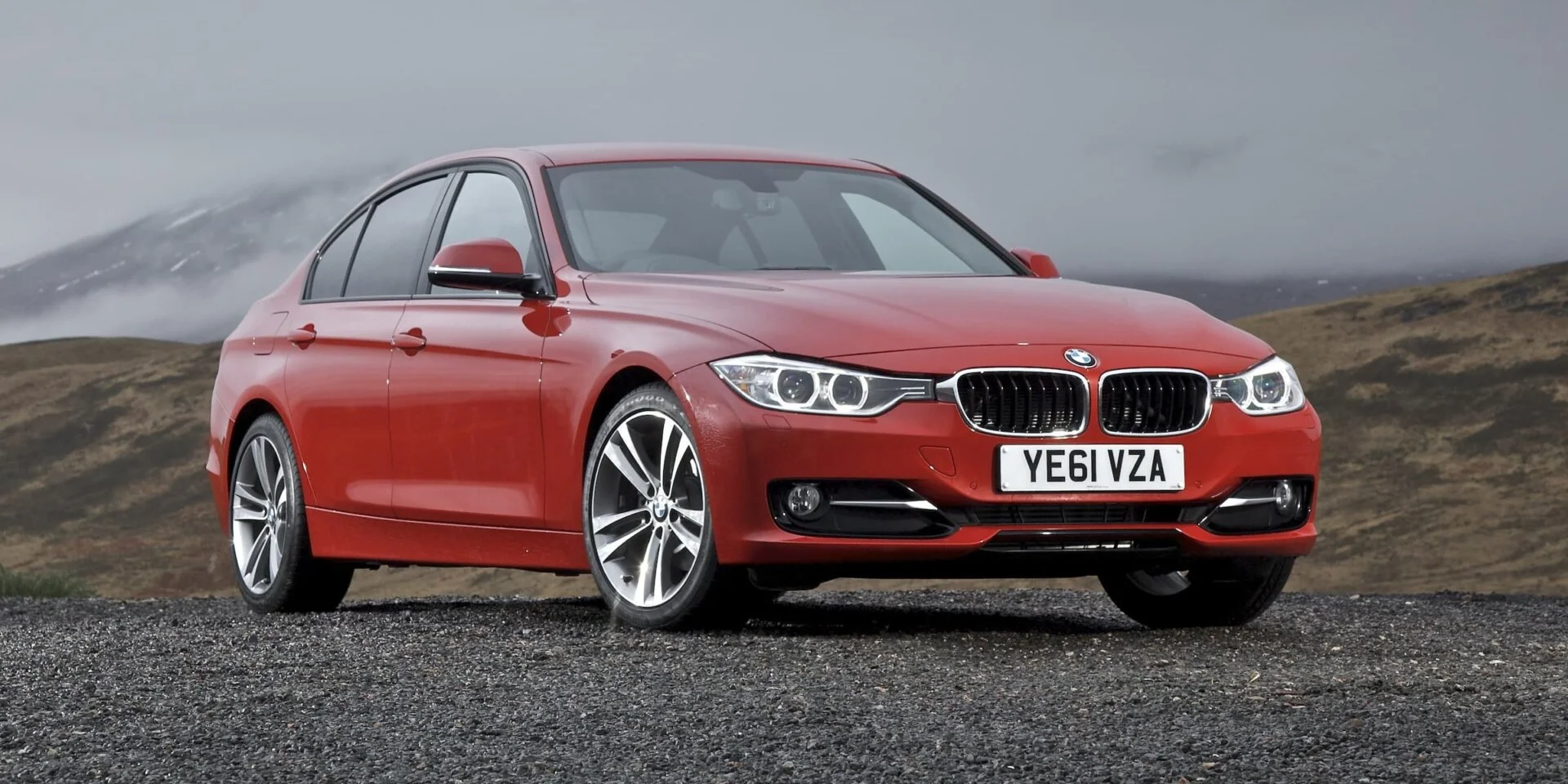
Luxury engineering and advanced technology often come with expensive maintenance, and the BMW 3 Series is a clear example. Transmission replacement costs can range from $6,500 to over $9,000, largely due to its sophisticated ZF 8HP 8-speed automatic transmission. This unit includes an integrated mechatronic system that combines the valve body and electronic controls inside the transmission housing.
When issues arise, repairs are complex and typically require full replacement rather than component-level fixes. Costs are further increased by imported European parts and the need for proprietary dealership software to properly program and sync the new transmission.
Even with these high potential expenses, the 3 Series remains a top contender in the compact luxury segment. It is widely respected for its sharp handling, refined ride quality, and engaging driving dynamics. Many drivers consider it a benchmark for sports sedans, offering a balance between performance and everyday comfort. The suspension system, particularly in adaptive configurations, allows the car to transition smoothly from relaxed cruising to more aggressive driving.
Performance is another strong point. Engine options include a 255-horsepower turbocharged four-cylinder and a 386-horsepower turbocharged inline-six, both enhanced by mild hybrid technology. Acceleration is quick, with higher trims capable of reaching 60 mph in under four seconds. Despite this performance, fuel efficiency remains competitive for its class.
Inside, the cabin features a modern design highlighted by a large curved display and high-quality materials. Technology and infotainment systems are among the most advanced in the segment, adding to its appeal.
While maintenance and repair costs can be high, many owners find that the driving experience, long-term durability, and strong resale value make the investment worthwhile.
Also read: 10 Cars Where the 2026 Version Is More Reliable Than the 2024 Version
5. Volkswagen Golf R
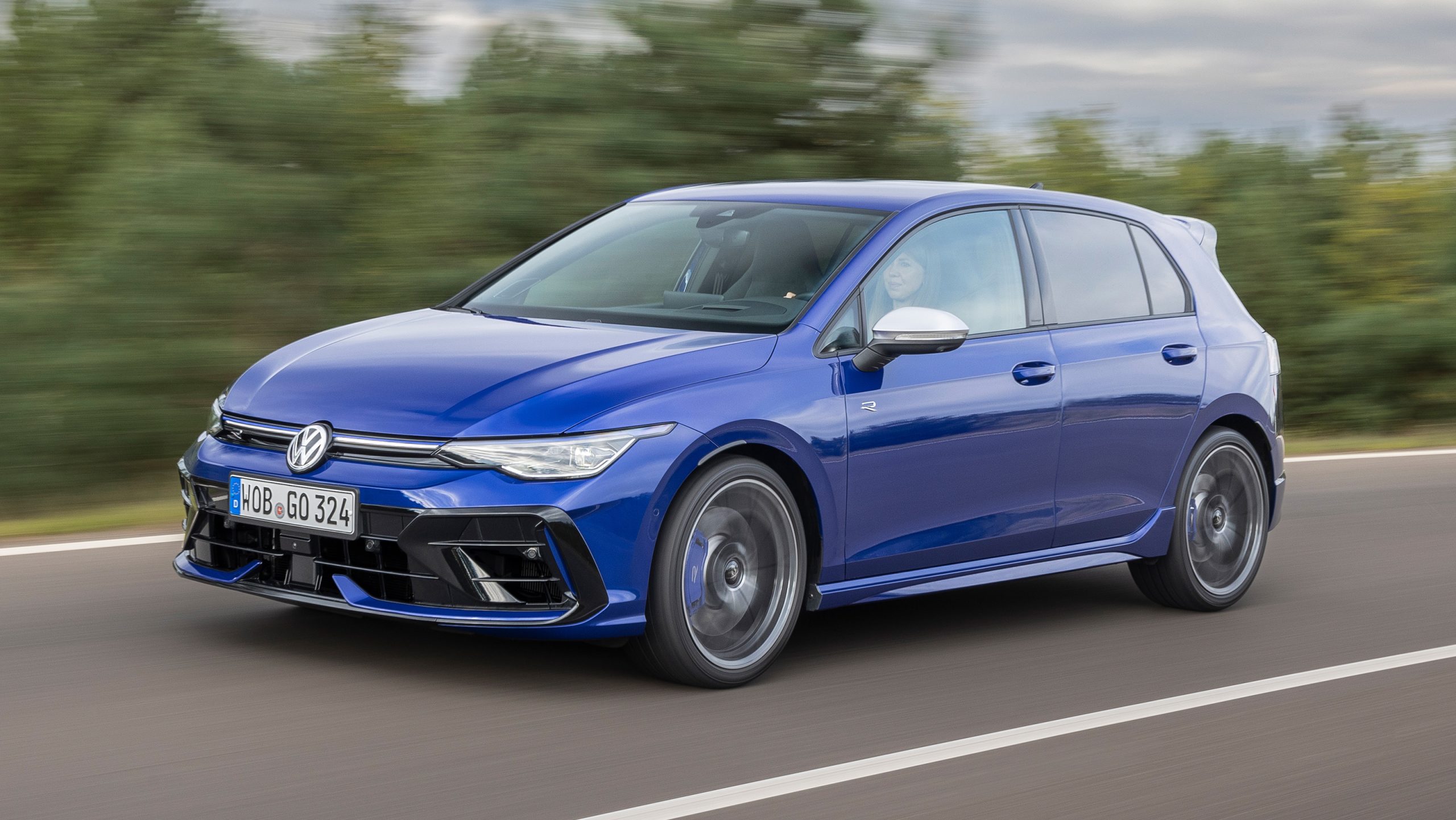
High-performance engineering often brings complex maintenance demands, and the Volkswagen Golf R is a strong example. Transmission replacement costs typically range from $6,200 to $7,800 due to its advanced 7-speed Direct-Shift Gearbox (DSG). This dual-clutch system operates like two manual transmissions working together, using an electro-hydraulic control unit to pre-select gears for rapid shifting.
When failures occur, repairs require precise calibration and specialized tools to align the dual clutches correctly. Even small installation errors can affect shifting performance, which is why full replacement is often preferred over partial repair, significantly increasing costs.
Despite these expenses, the Golf R remains a highly regarded performance car. Its turbocharged 2.0-liter engine produces around 328 horsepower and 295 lb-ft of torque, delivering strong acceleration with a 0–60 mph time of about 4.1 seconds. The standard 4Motion all-wheel-drive system enhances grip and stability by actively distributing power between the rear wheels, making the car capable in both daily driving and spirited conditions.
Technology plays a major role in both its appeal and maintenance costs. The DSG transmission and torque-vectoring system provide precise handling and quick gear changes, but they also demand expert servicing. This level of engineering is typically found in more expensive sports cars, giving the Golf R strong value within its segment.
Beyond performance, practicality adds to its appeal. The hatchback design offers usable cargo space and everyday comfort, making it more versatile than many traditional sports cars. Fuel efficiency is also respectable for its class, helping balance ownership costs.
Although repair bills can be high, the Golf R delivers a blend of speed, control, and everyday usability that many drivers find worth the investment.
6. Land Rover Defender
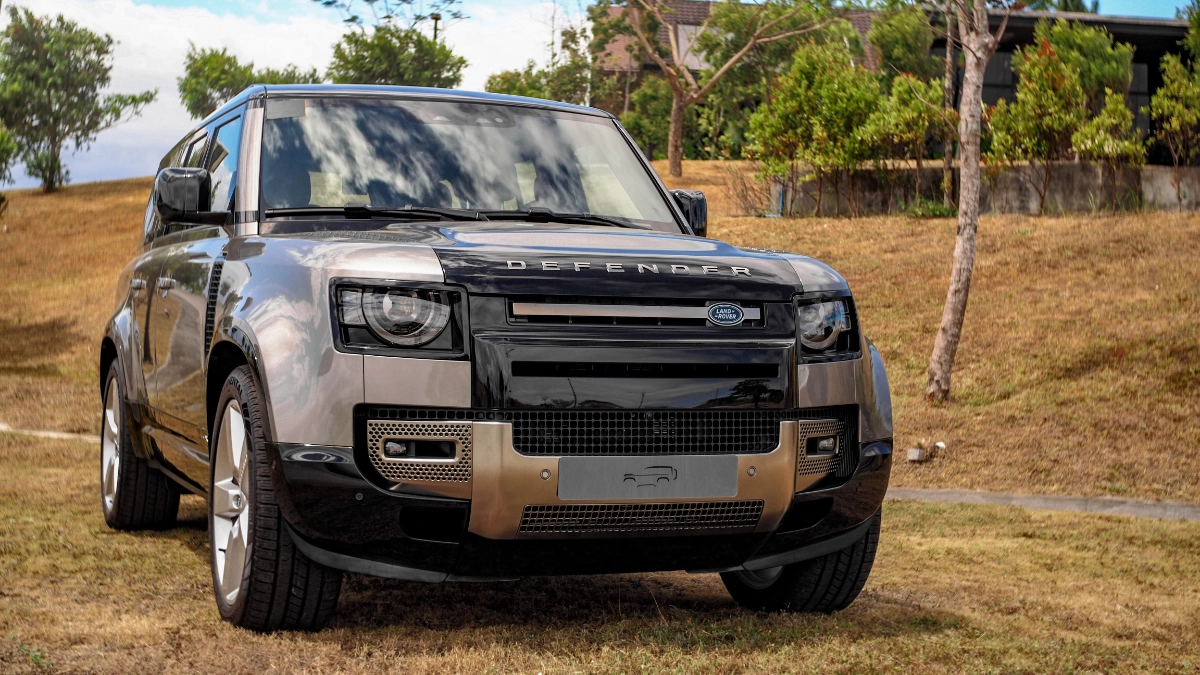
Owning a modern luxury off-roader often means dealing with complex engineering and high repair expenses, and the Land Rover Defender fits that profile. Transmission replacement costs can range from $7,000 to over $10,000 due to the sophisticated ZF 8-speed automatic system paired with advanced four-wheel-drive components.
Replacing this unit is labor-intensive, requiring technicians to disconnect the transmission from transfer cases, air suspension systems, and terrain-response electronics. Since aftermarket options are limited, most repairs rely on expensive original equipment parts, while dealership labor and specialized programming further increase the total cost.
These high expenses are tied directly to the Defender’s advanced design and off-road capability. The transmission integrates electronic and hydraulic systems that manage both smooth highway driving and extreme terrain performance. Because of this, failures often involve replacing entire assemblies rather than repairing individual components. Off-road use adds additional stress, as activities like rock crawling, steep climbs, and water fording generate heat and wear that can shorten component life if maintenance is neglected.
Performance remains a major strength. Engine options range from a 296-horsepower turbocharged four-cylinder to powerful inline-six and V8 variants, including high-performance models capable of reaching 60 mph in under four seconds. Standard four-wheel drive, locking differentials, and adjustable air suspension allow the Defender to handle a wide range of environments while maintaining strong on-road comfort.
The interior blends rugged design with modern luxury, featuring durable materials, advanced infotainment, and practical storage solutions. Technology such as terrain management systems and adaptive suspension adds to both capability and complexity.
Although repair costs can be high, the Defender delivers a unique combination of luxury, durability, and off-road performance that justifies the investment for many owners.
7. Porsche 911
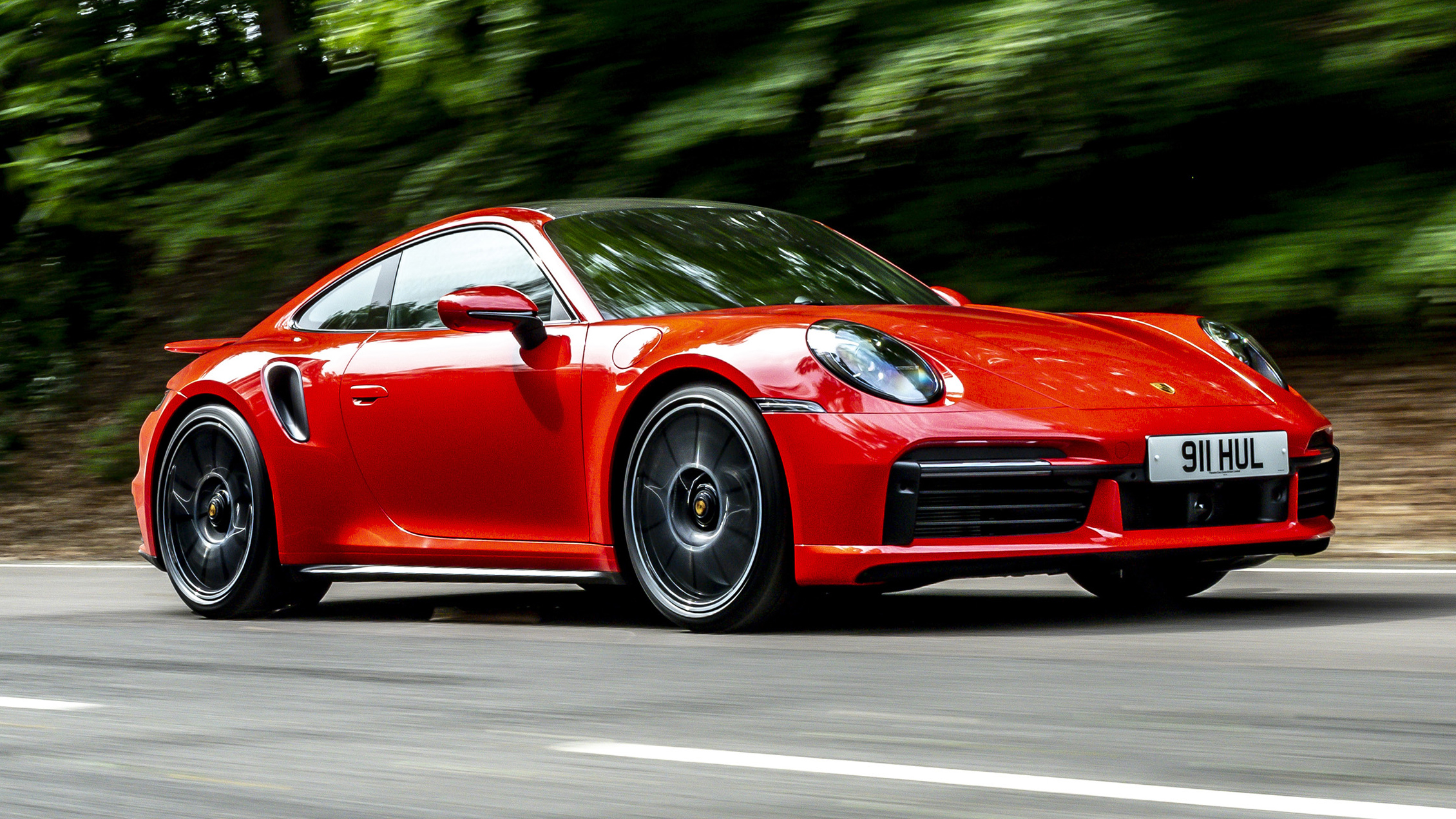
The Porsche 911 is powered by a race-inspired PDK dual-clutch transmission that prioritizes speed, precision, and durability under extreme performance conditions. This system is fully sealed and highly integrated, meaning internal components such as sensors or hydraulic valves cannot be replaced individually.
When a failure occurs, the entire transmission unit must be replaced with a factory-new or Porsche-certified remanufactured assembly sourced from Germany. This design, combined with specialist labor and proprietary diagnostics, pushes repair costs into the five-figure range, often exceeding $10,000 to $15,000.
Despite these high costs, the 911 remains one of the most respected performance cars because it blends supercar-level speed with daily usability. Modern versions, especially the twin-turbo 3.0-liter flat-six models, deliver between 388 and 473 horsepower, while higher-performance variants reach over 530 horsepower with hybrid assistance.
Acceleration is extreme, with 0 to 60 mph times as quick as 2.5 seconds in hybrid GTS versions. The PDK transmission shifts almost instantly, contributing to its reputation for both track dominance and smooth street driving.
Reliability is another defining trait. Unlike many high-performance sports cars, the 911 is engineered for long-term use, often serving as a daily driver while still retaining strong resale value. Owners frequently justify ongoing maintenance costs due to its durability, refined driving experience, and consistent demand in the used market.
Inside, the cabin balances tradition with modern technology, offering a digital instrument cluster, a central infotainment system, wireless connectivity, and premium audio options. Safety features include adaptive cruise control, lane assistance, and collision mitigation systems, making it more practical than many competitors in its class.
Although maintenance and repairs are expensive, the combination of engineering quality, performance capability, and long-term dependability keeps the 911 highly desirable among enthusiasts and collectors.
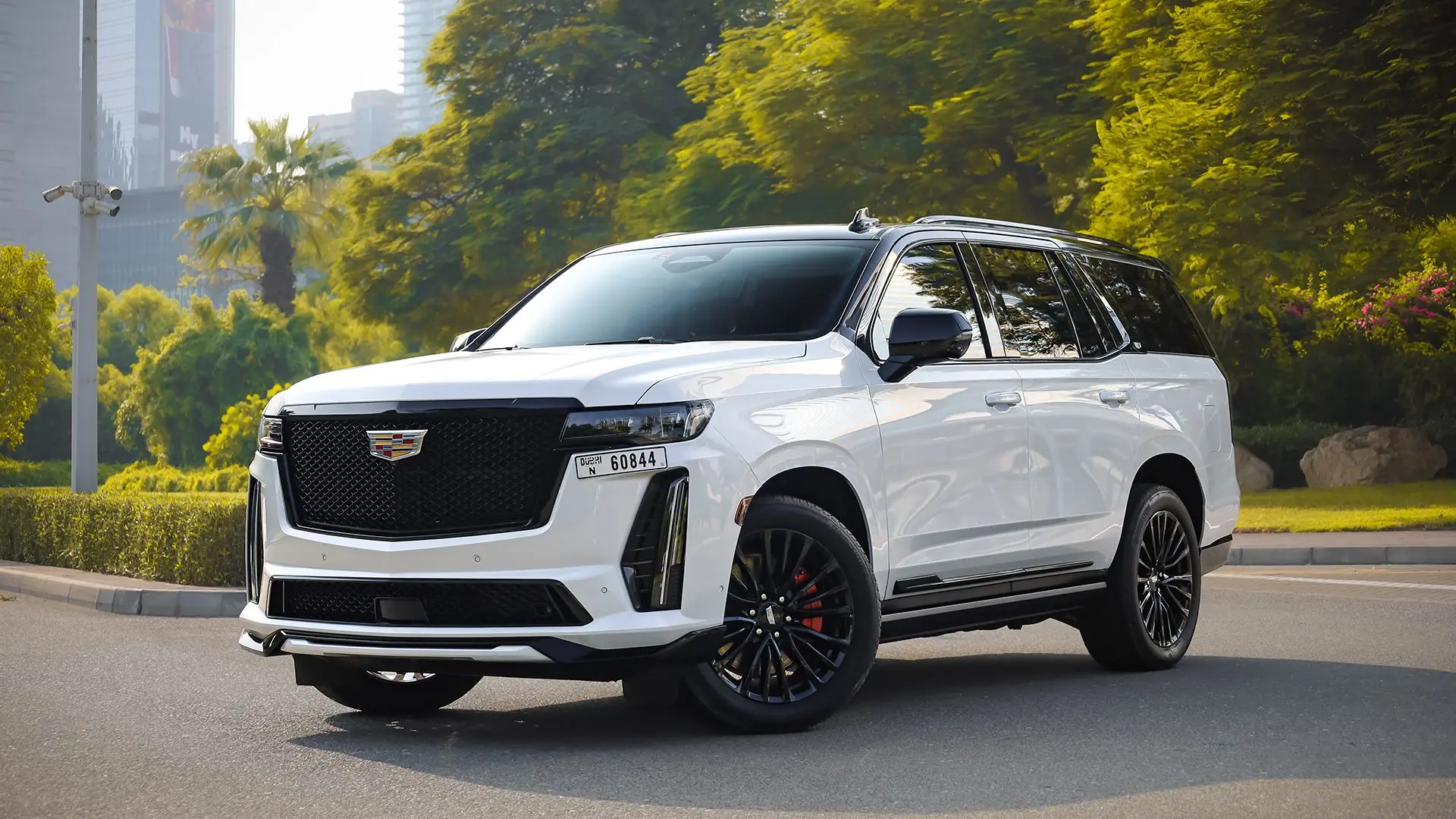
8. Cadillac Escalade
The Cadillac Escalade is a full-size luxury SUV built around a heavy-duty 10-speed automatic transmission designed to handle large V8 engines and substantial towing demands. Its size and complexity make transmission servicing particularly expensive, as removal requires heavy-duty equipment, extended labor time, and careful reprogramming of integrated electronic systems.
Because the vehicle relies heavily on advanced ride control and engine management technologies, any transmission replacement must be precisely calibrated to work with multiple onboard systems, which contributes to repair costs that can exceed $6,000 to $7,500.
Despite these high maintenance expenses, the Escalade remains a leading luxury SUV due to its combination of performance, technology, and comfort. It offers two powerful engine options, including a 420-horsepower 6.2-liter V8 and a high-performance 682-horsepower supercharged V8 in the V-Series. These engines enable strong acceleration, with the performance variant reaching 60 mph in just over 4 seconds while still supporting a towing capacity of up to 8,100 pounds.
Inside, the Escalade emphasizes premium design and advanced technology. A standout feature is its 55-inch curved digital display that spans the dashboard, integrating instrumentation, infotainment, and navigation. Higher trims include luxury upgrades such as massaging seats, semi-aniline leather upholstery, and a 38-speaker AKG sound system. Passenger comfort is further enhanced by spacious seating across three rows and generous cargo capacity, especially in the long-wheelbase ESV version.
The SUV also comes equipped with advanced driver assistance systems, including automated emergency braking, lane-keeping assist, adaptive cruise control, and Cadillac’s Super Cruise hands-free driving feature. Fuel economy is modest due to its size and power, but buyers prioritize capability and luxury over efficiency.
While repair costs for major components like the transmission are high, the Escalade’s strong resale value, advanced features, and commanding road presence help justify long-term ownership for luxury SUV buyers.
9. Subaru Outback
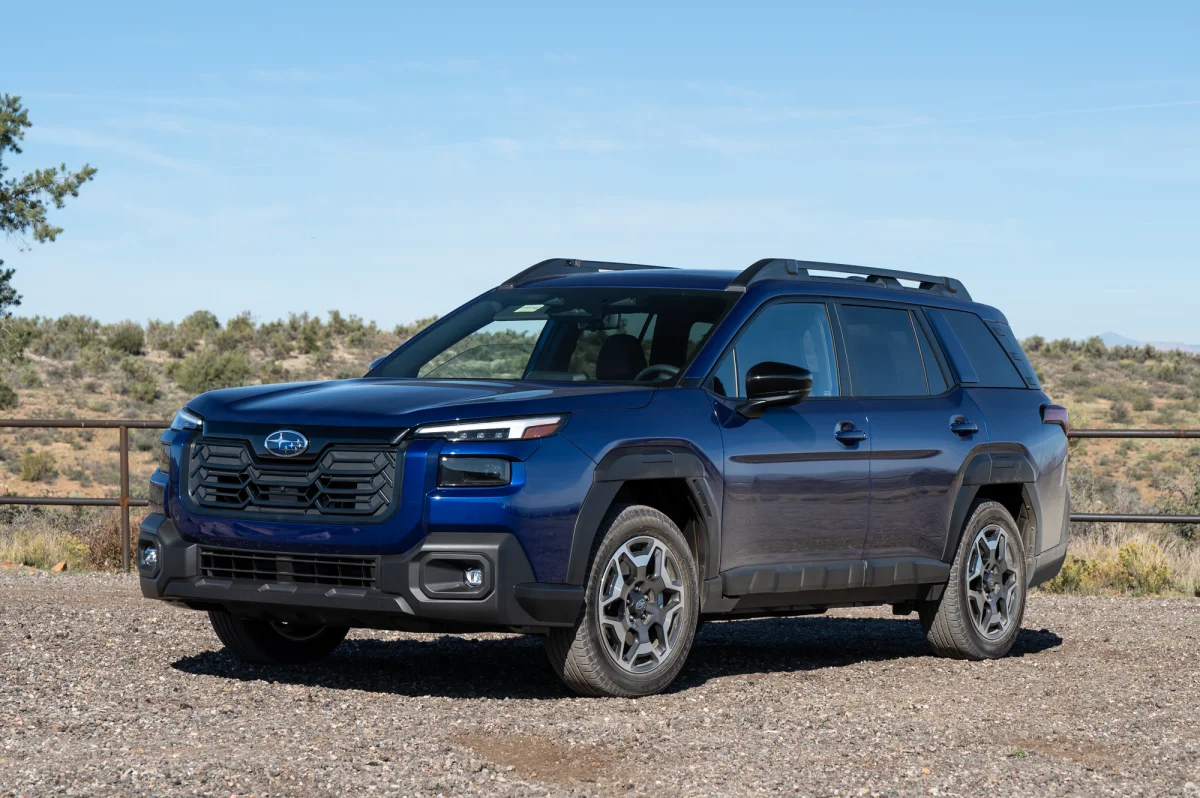
The Subaru Outback uses a Lineartronic continuously variable transmission (CVT) designed for efficiency and smooth power delivery, but its integrated construction can make repairs expensive. This system incorporates a heavy-duty metal chain and is paired with Subaru’s Symmetrical All-Wheel Drive system, which integrates front and rear power distribution within the same housing. When internal wear occurs, Subaru typically requires full transmission replacement rather than individual repairs. This makes major fixes costly, with total expenses often reaching $6,000 or more due to parts, labor, and precise drivetrain recalibration.
Even with this potential drawback, the 2026 Outback remains a strong contender in its segment thanks to its practicality, capability, and value-focused design. It features a refreshed SUV-like exterior, improved technology, and a competitive starting price compared to similar midsize SUVs. Standard all-wheel drive, strong ground clearance, and versatile driving modes reinforce its reputation as a capable vehicle for both city driving and light off-road use.
Power comes from either a 2.5-liter four-cylinder engine or an optional 2.4-liter turbocharged engine, both paired with the CVT. The turbo model offers stronger acceleration, while the base engine prioritizes fuel efficiency. However, the CVT can feel less responsive compared to traditional automatics, especially under hard acceleration.
Inside, the Outback provides a redesigned and more comfortable cabin with improved materials, increased headroom, and expanded cargo space. A large infotainment screen, wireless smartphone integration, and advanced driver-assistance features such as adaptive cruise control and lane-keeping assist come standard. Safety remains a key strength, supported by Subaru’s EyeSight system and strong crash-test performance.
Fuel economy is competitive, with up to 31 mpg on the highway for base models. Proper maintenance, especially regular CVT fluid changes, plays a critical role in preventing long-term transmission issues.
Despite the risk of expensive transmission repairs, the Outback’s balance of practicality, safety, and all-weather capability keeps it highly popular among buyers seeking a dependable and versatile vehicle.
The vehicles featured in “9 Cars With Transmission Replacement Costs Over $6,000 in 2026” demonstrate how modern automotive innovation often comes with higher maintenance risks. Across luxury SUVs, performance sedans, trucks, and family vehicles, transmissions have become highly complex systems that prioritize efficiency, power delivery, and refinement.
However, this complexity frequently leads to expensive full-unit replacements rather than simple repairs. Costs can rise quickly due to specialized labor, proprietary software, and tightly integrated electronic systems that require dealership-level servicing. Despite these challenges, each vehicle on the list continues to attract buyers because of its strengths in performance, comfort, capability, or long-term value retention.
Many owners are willing to accept higher repair potential in exchange for a superior driving experience or added utility. Ultimately, this list underscores an important ownership lesson: advanced technology improves modern vehicles significantly, but it also increases the financial responsibility of keeping them on the road.
Also read: 5 Cars to Buy Before Prices Rise and 5 to Wait On