
The Indian automobile market in 2026 is going through a period of steady but noticeable transformation. Prices of new vehicles are gradually increasing due to multiple factors, including rising raw material costs, stricter emission regulations, higher safety requirements, and ongoing technological upgrades in modern cars.
Industry reports indicate that even modest yearly price revisions of 1 to 3 percent can significantly affect the final on-road cost for buyers, especially in the compact and mid-size segments where affordability is a key decision factor.
At the same time, demand for passenger vehicles remains strong. SUVs continue to dominate sales, while compact cars and entry-level models still form the backbone of first-time ownership in India.
Market trends also show a shift toward feature-rich vehicles, including connected car technology, advanced driver assistance systems, and improved safety standards such as multiple airbags and electronic stability control. These additions improve safety and convenience but also contribute directly to higher manufacturing costs, which are eventually passed on to customers.
Another important factor influencing pricing is regulatory pressure. Upcoming emission norms and fuel efficiency standards are forcing manufacturers to invest heavily in engineering upgrades and hybrid or cleaner powertrain technologies. This transition is not immediate, but it steadily increases the cost base of all manufacturers, especially in internal combustion engine vehicles that still dominate the Indian market.
Because of these combined pressures, the timing of a car purchase in 2026 becomes more important than ever. Buyers who purchase early in the cycle often benefit from lower base prices, seasonal discounts, and dealer incentives. On the other hand, buyers who wait may gain access to newer models with better features but often at a higher price point.
This article breaks down two important perspectives: first, five cars that are likely to become more expensive and are worth buying sooner rather than later, and second, five cars that buyers may be better off waiting for due to upcoming updates, pricing corrections, or stronger future alternatives.
The goal is to help buyers make a more informed decision based on value, timing, and long-term ownership cost rather than impulse or market hype.
Also Read: 10 Cars With Insurance Premiums Lower Than a Compact Sedan
Cars to Buy Before Prices Rise
1. Toyota RAV4
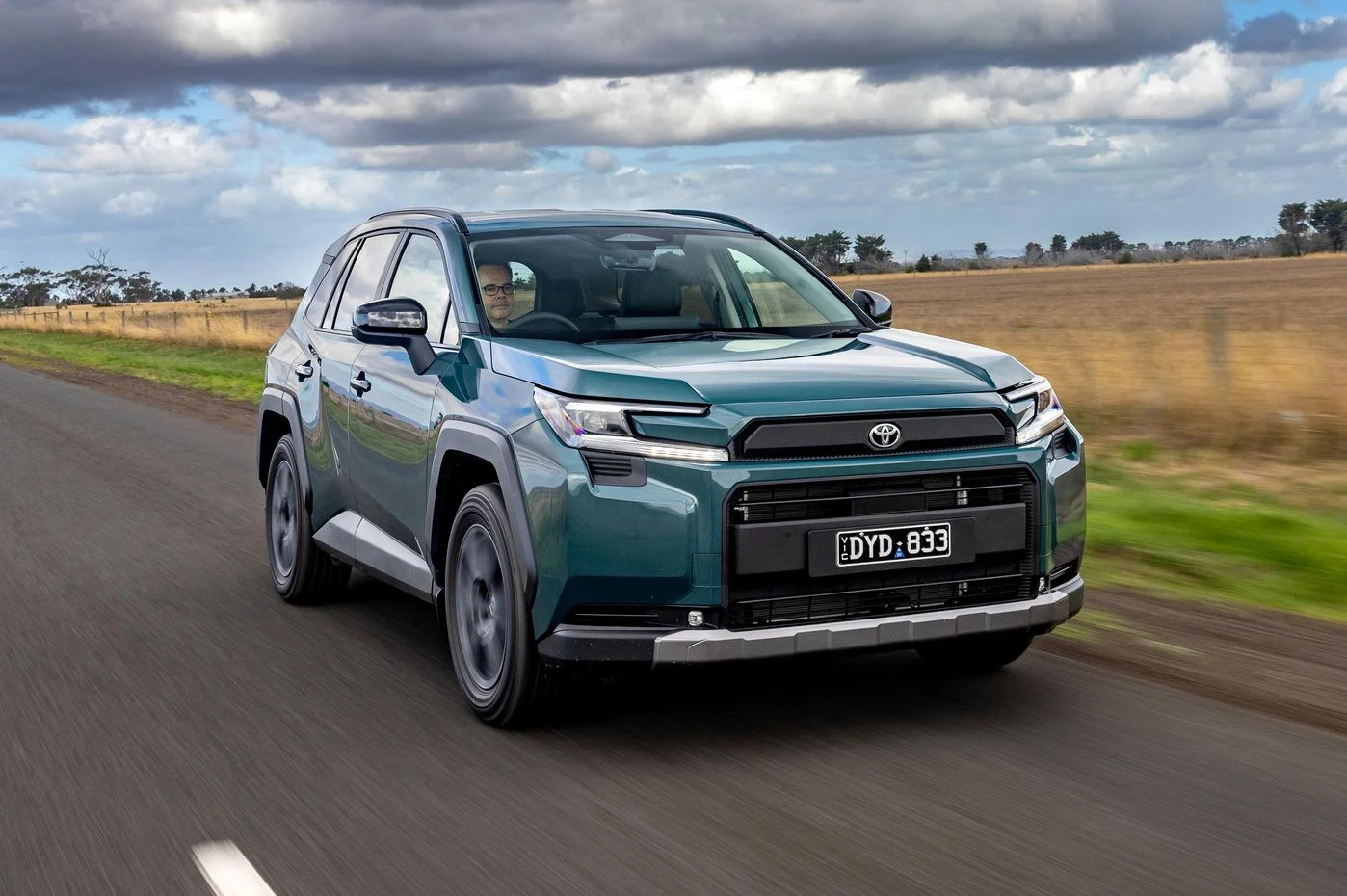
The Toyota RAV4 continues to dominate the US compact SUV market, and its position is not accidental. It has become one of the most balanced vehicles in its class, offering reliability, fuel efficiency, strong resale value, and a reputation for low long-term ownership costs.
In 2026, it remains one of the most sought-after SUVs, especially in hybrid form, where demand has consistently exceeded supply in several regions. This imbalance between demand and production capacity is one of the key reasons why pricing pressure continues to build year after year.
Another important factor affecting the RAV4’s pricing trajectory is the shift toward hybridization. Toyota has heavily invested in hybrid technology across its lineup, and the RAV4 Hybrid and plug-in hybrid variants are now central to its strategy.
However, hybrid components such as battery systems, power electronics, and specialized manufacturing processes increase production complexity and cost. Even if base gasoline models remain relatively stable in price, the hybrid versions tend to pull the entire pricing structure upward over time.
In addition, the RAV4 sits in one of the most competitive segments in the United States, yet competition has not significantly reduced its pricing power. Instead, it has reinforced its value positioning. Buyers consistently choose it over rivals due to long-term reliability perception and strong dealer support.
This consistent demand allows Toyota to gradually adjust pricing without losing market share, which means waiting often results in paying more for similar configurations.
From a buyer’s perspective, the RAV4 represents a classic case of a vehicle where timing matters. Even modest yearly price increases, when combined over time, can significantly affect total ownership cost. Buyers who already plan to purchase in this segment often find better value by acting sooner rather than later, especially before additional model year adjustments or feature upgrades push prices higher again.
2. Honda CR-V
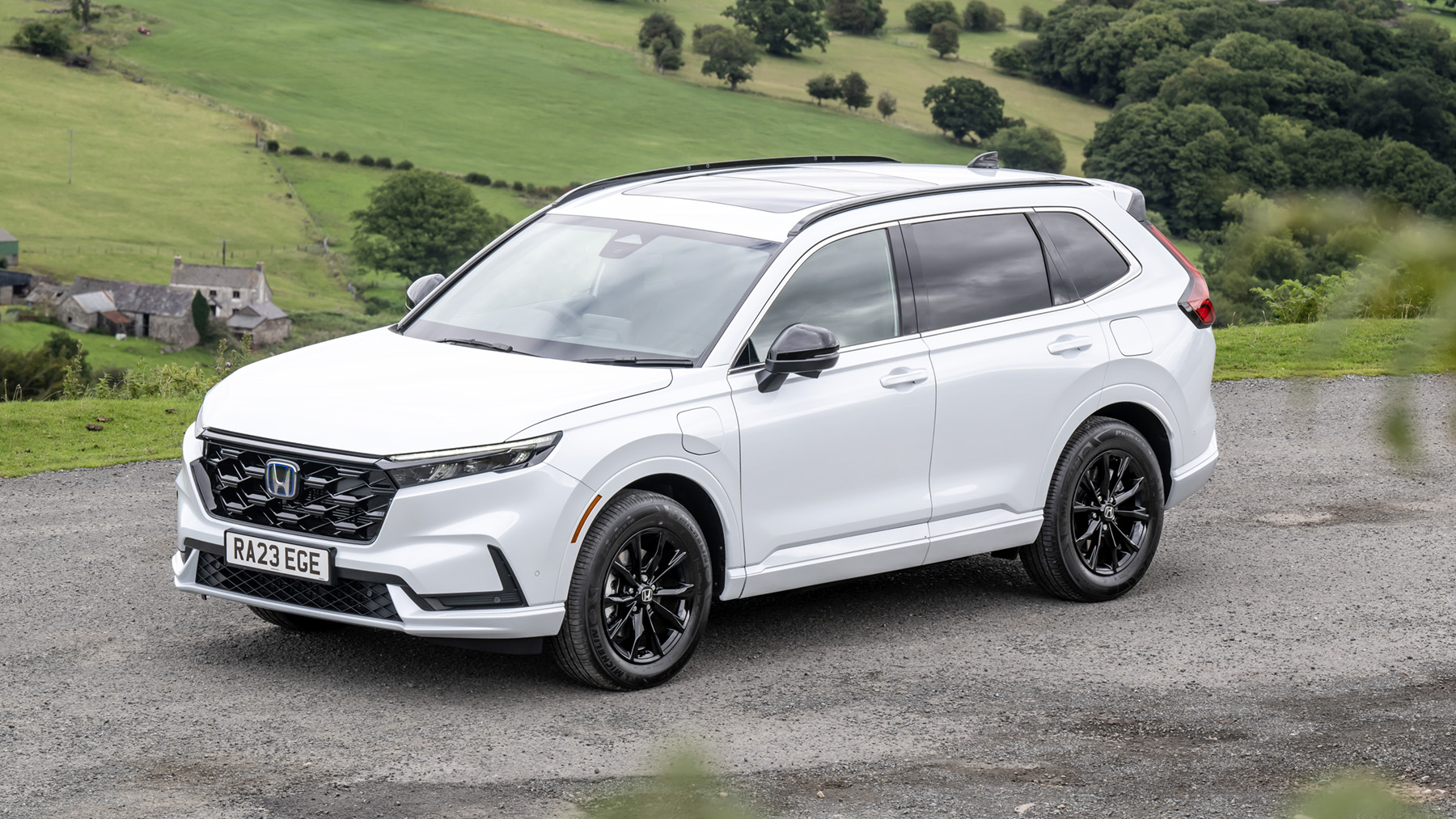
The Honda CR-V is one of the most established compact SUVs in the United States and continues to be a benchmark for practicality and efficiency. Its reputation is built on consistent reliability, strong fuel economy, and a well-designed interior that prioritizes usability over excess complexity.
In recent years, Honda has gradually moved the CR-V upmarket, adding more advanced safety systems, improved infotainment features, and higher-quality interior materials. While these upgrades improve the driving experience, they also contribute directly to higher production costs.
A major factor influencing future pricing is the evolution of safety and technology standards. Modern vehicles are increasingly required to include advanced driver assistance systems, lane keeping support, adaptive cruise control, and enhanced crash protection structures.
The CR-V already meets many of these standards, but each incremental improvement adds cost to both manufacturing and development. These costs are rarely absorbed fully by manufacturers and are instead reflected in gradual price increases over successive model years.
Demand is another critical factor. The CR-V consistently ranks among the top-selling SUVs in the United States, and this strong market position reduces the need for aggressive discounts. In many regions, popular trims sell close to MSRP, especially hybrid versions. This pricing stability benefits Honda but reduces opportunities for buyers to wait for better deals.
Looking ahead, the CR-V is also influenced by broader industry trends, including electrification and stricter emissions standards. Even if buyers choose gasoline versions, shared platform development costs and compliance engineering affect the entire lineup. As a result, future versions are unlikely to become cheaper, and the current generation already reflects a transitional pricing phase where costs are steadily increasing.
For buyers, the CR-V represents a vehicle where delay often leads to higher cost without significant gain, unless a major redesign introduces a fundamentally new platform or pricing strategy.
3. Ford F-150
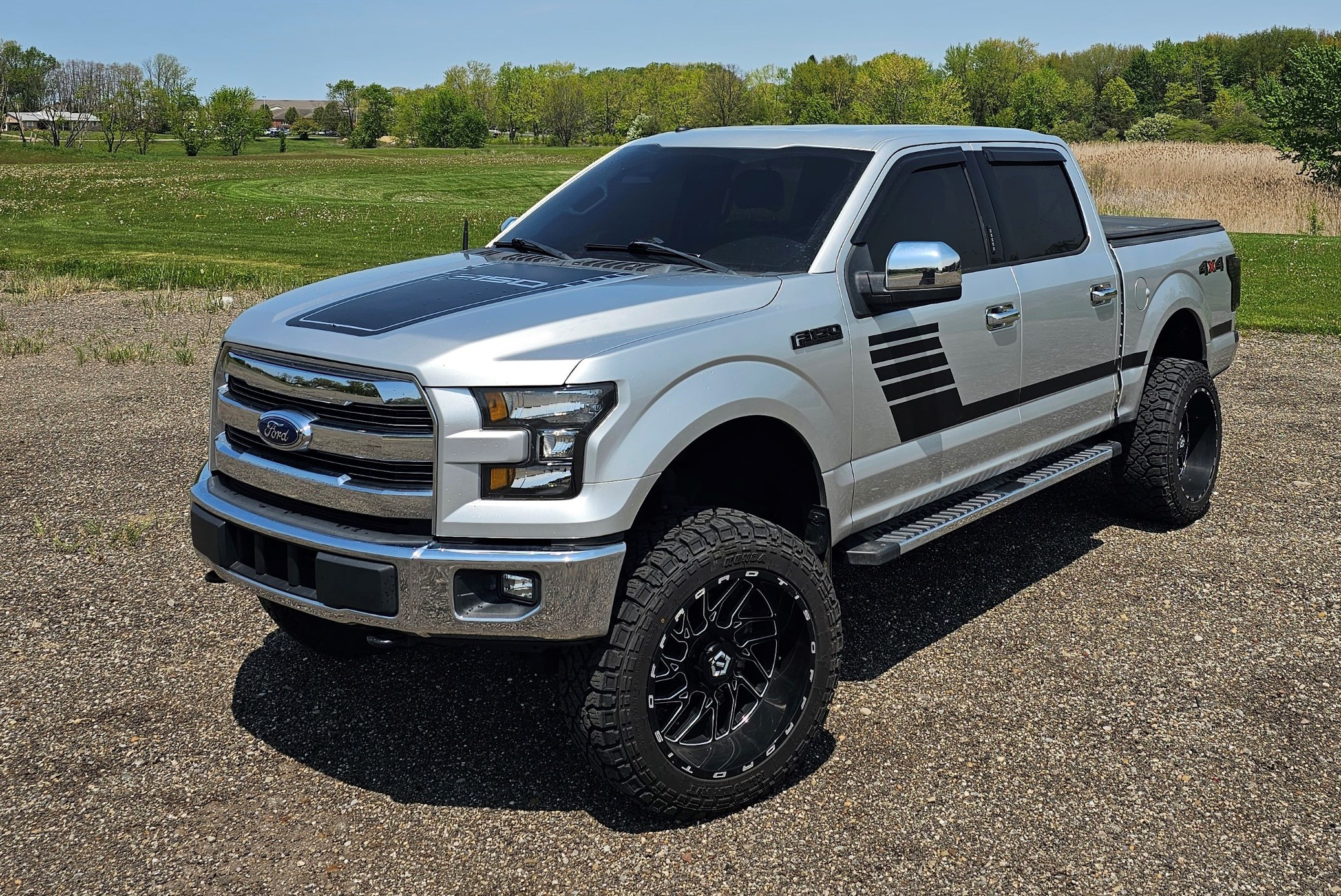
The Ford F-150 is not just a popular truck in the United States; it is the best-selling vehicle in the country and has held that position for decades. This dominance gives Ford significant pricing power, especially in higher trims where margins are strongest.
Over the years, the F-150 has evolved from a basic work truck into a highly sophisticated vehicle offering luxury-level interiors, advanced towing technology, hybrid powertrains, and cutting-edge driver assistance systems.
This evolution has steadily increased production complexity. Modern F-150 models are no longer simple mechanical trucks but highly integrated electronic systems on wheels.
Features such as Pro Power Onboard, digital instrument clusters, adaptive suspension systems, and hybrid engine options all add cost to development and manufacturing. These additions improve capability and comfort but also make it difficult for prices to remain stable over time.
Another factor contributing to price increases is sustained demand across multiple buyer segments. The F-150 is purchased by individual consumers, commercial fleets, and government agencies, creating a broad and stable demand base. This reduces sensitivity to price fluctuations and allows Ford to implement gradual price increases without significantly impacting sales volume.
Additionally, electrification efforts through the F-150 Lightning influence the entire platform strategy. Even traditional gasoline models share engineering and development resources with electric variants, which increases cost allocation. As Ford continues to invest in electrification infrastructure, software integration, and battery development, these costs indirectly affect all versions of the F-150.
From a buyer’s standpoint, the F-150 is a vehicle where waiting often means paying more for similar capability. Discounts are increasingly limited, and inventory constraints in certain trims further reduce negotiation flexibility.
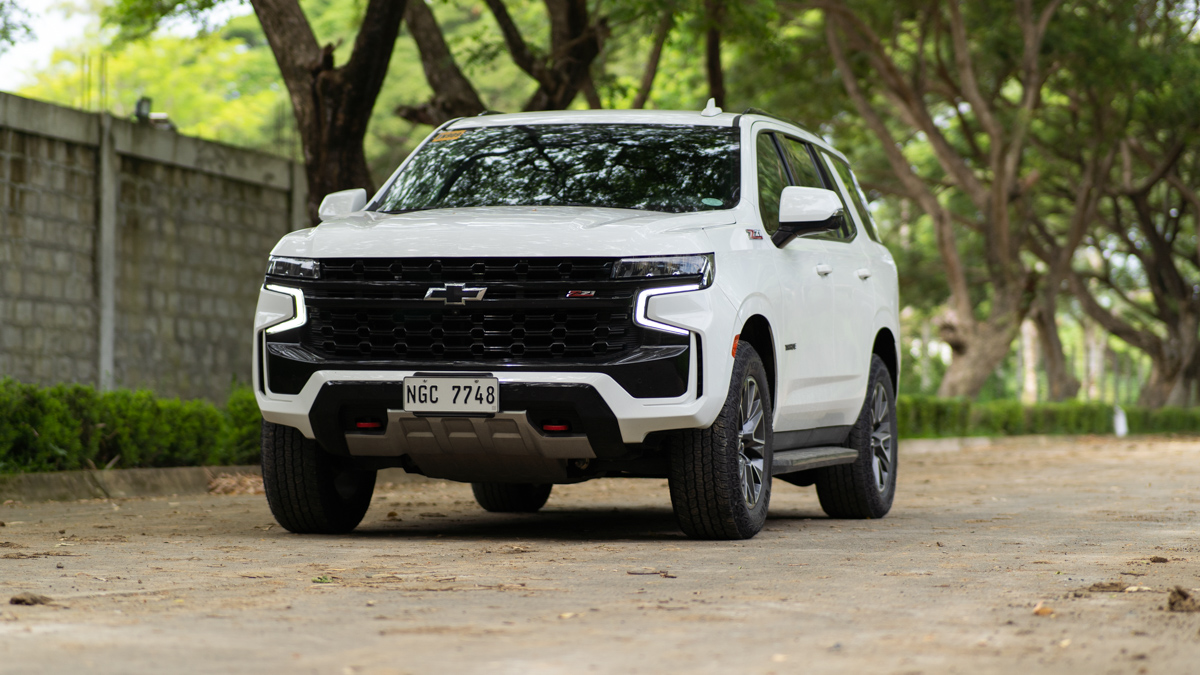
4. Chevrolet Tahoe
The Chevrolet Tahoe occupies a unique position in the US market as one of the most recognized full-size SUVs. It is widely used by families, towing users, and government fleets due to its combination of space, power, and durability. Unlike smaller SUVs, the Tahoe competes in a segment where buyers prioritize capability over price sensitivity, which gives manufacturers more flexibility in pricing decisions.
One of the key drivers of future price increases is regulatory pressure. Full-size SUVs face stricter fuel economy and emissions requirements, which require manufacturers to invest heavily in engine optimization, lightweight materials, and advanced fuel management systems. Even small improvements in efficiency often require significant engineering investment, which increases vehicle cost.
The Tahoe also benefits from strong brand loyalty. Buyers who choose full-size SUVs tend to remain within the same segment for long periods, reducing price sensitivity compared to compact SUV buyers. This allows Chevrolet to adjust pricing gradually without losing a large portion of its customer base.
In addition, the Tahoe’s size and feature set have steadily increased over the years. Modern versions include advanced infotainment systems, premium interior options, and enhanced towing capabilities. Each generation introduces incremental upgrades that raise baseline pricing, making older pricing levels unlikely to return.
For buyers considering a full-size SUV, timing becomes important because price increases in this segment are rarely reversed. Once new pricing levels are established, they typically remain or continue to rise with each model year update.
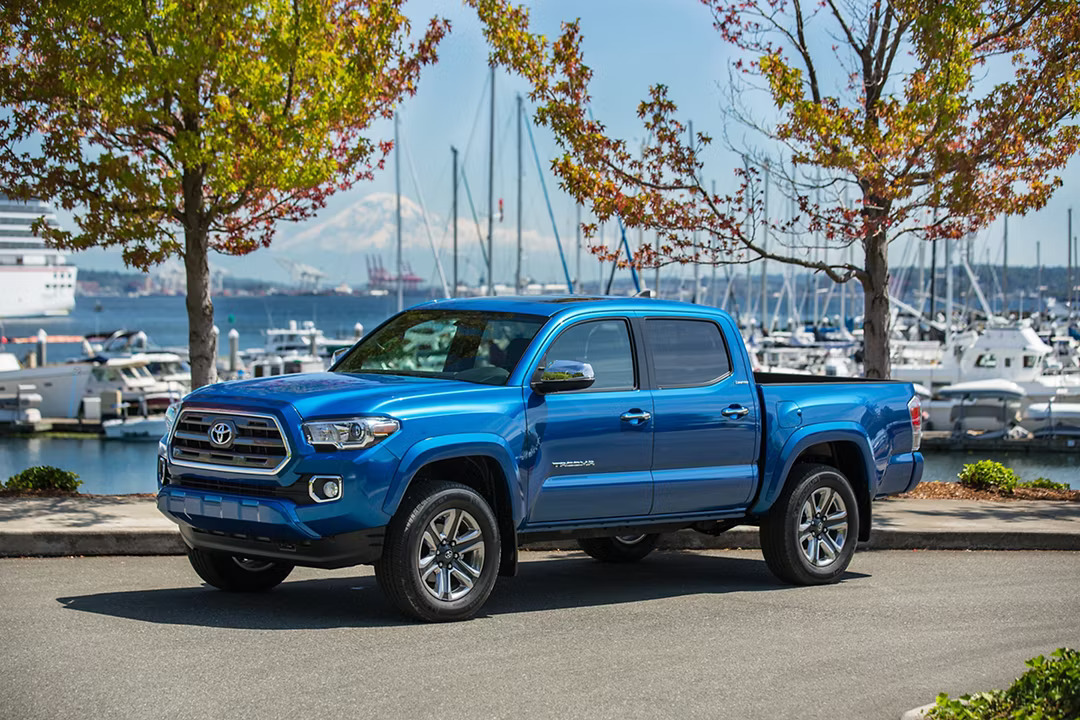
5. Toyota Tacoma
The Toyota Tacoma holds a strong reputation as one of the most durable and reliable midsize trucks in the United States. It has historically enjoyed extremely high resale value and strong demand, often resulting in limited discounts and long waiting periods in certain markets.
This consistent demand has positioned the Tacoma as a premium option within the midsize truck segment despite its relatively simple origins.
Recent generations of the Tacoma have introduced significant changes, including updated engine options, improved interior design, and modern technology features.
These upgrades have increased production costs compared to older versions, particularly as Toyota transitions toward more efficient and potentially hybrid-assisted powertrains. This transition phase often results in pricing adjustments as older inventory phases out and newer models establish higher baseline pricing.
Another factor influencing future pricing is supply-demand imbalance. The Tacoma has historically struggled to keep up with demand in the US market, particularly in regions where midsize trucks are preferred over full-size pickups due to size and efficiency considerations. This sustained demand gives Toyota the flexibility to maintain strong pricing without heavy discounting.
Additionally, the Tacoma benefits from Toyota’s broader brand reputation for reliability, which supports long-term resale value. This allows higher initial pricing because buyers expect lower depreciation over time. However, it also means that entry pricing rarely decreases significantly, even when market conditions fluctuate.
For buyers, the Tacoma represents a vehicle where delaying purchase often results in higher cost and limited negotiation room, especially on popular trims and configurations.
Also Read: 10 Cars That Survive Being Used as Daily Uber Vehicles
Cars to Wait On
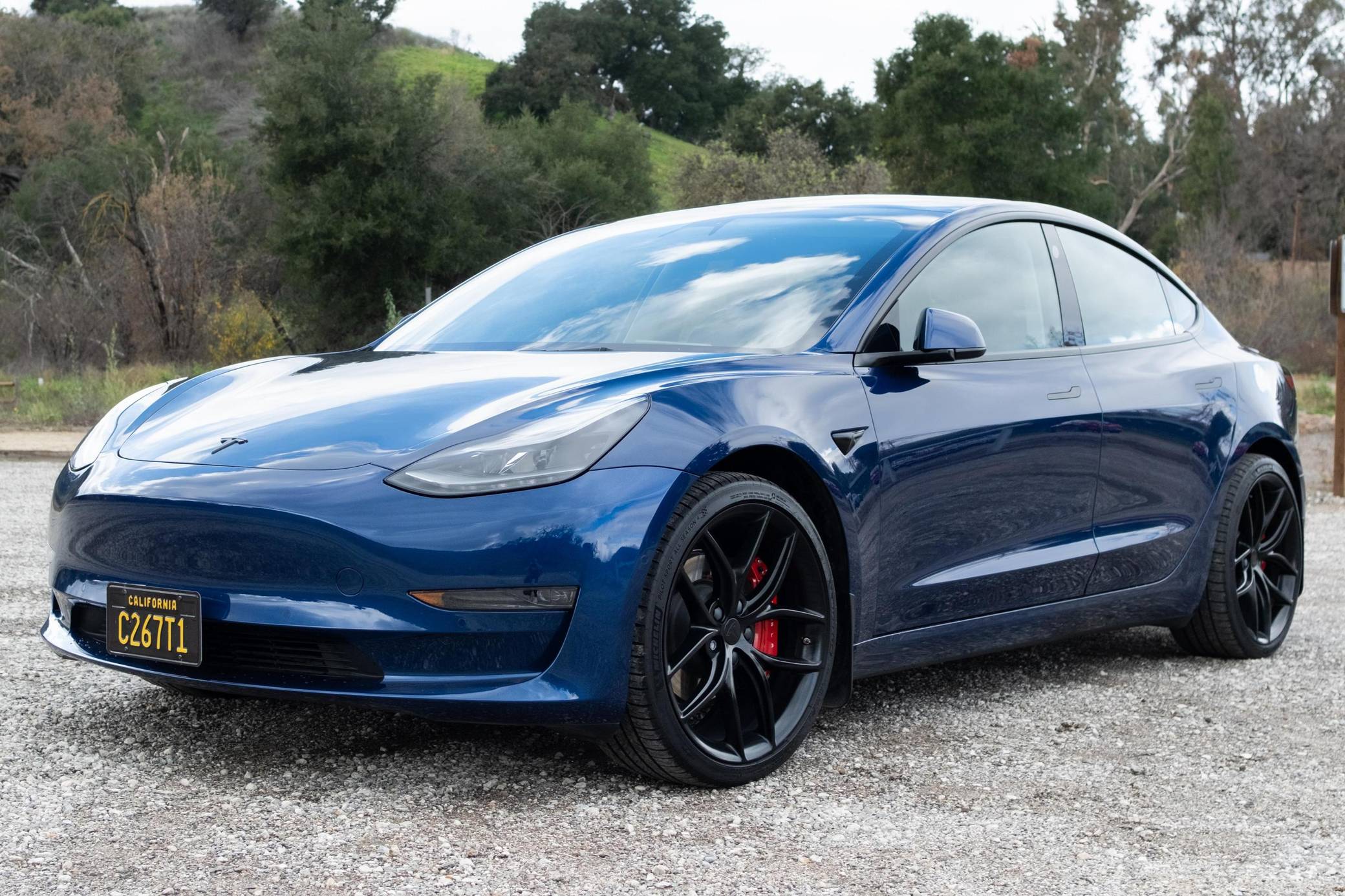
1. Tesla Model 3
The Tesla Model 3 remains one of the most influential electric vehicles in the United States, but it is also one of the clearest examples of a car where waiting can make financial sense in 2026. Tesla operates in a highly dynamic pricing environment, where frequent price adjustments, software updates, and production optimizations directly influence retail pricing.
Over the past few years, the Model 3 has seen multiple rounds of price cuts and increases depending on supply conditions, incentives, and manufacturing efficiency, making it less predictable than traditional gasoline vehicles.
One of the biggest reasons to wait is the rapid evolution of electric vehicle technology itself. Battery chemistry, charging speed, and range efficiency are improving at a fast pace across the industry.
Tesla continues to refine its platforms, and while the Model 3 is already highly efficient, newer iterations are expected to offer incremental improvements in range, charging performance, and interior refinement. Buying too early in such a fast-moving segment can lead to quicker perceived obsolescence compared to traditional vehicles.
In addition, federal and state incentives for electric vehicles continue to evolve in the United States. These incentives can significantly impact the effective purchase price, and changes in eligibility rules or credit amounts may make future purchases more financially attractive than current pricing conditions. Because of this uncertainty, waiting can sometimes result in a lower net cost even if the sticker price remains similar.
Another important consideration is Tesla’s ongoing production strategy. As manufacturing processes become more efficient and new battery technologies are integrated, cost reductions are often passed to consumers in the form of price adjustments. This means buyers who wait may benefit from improved value propositions without sacrificing performance or capability.
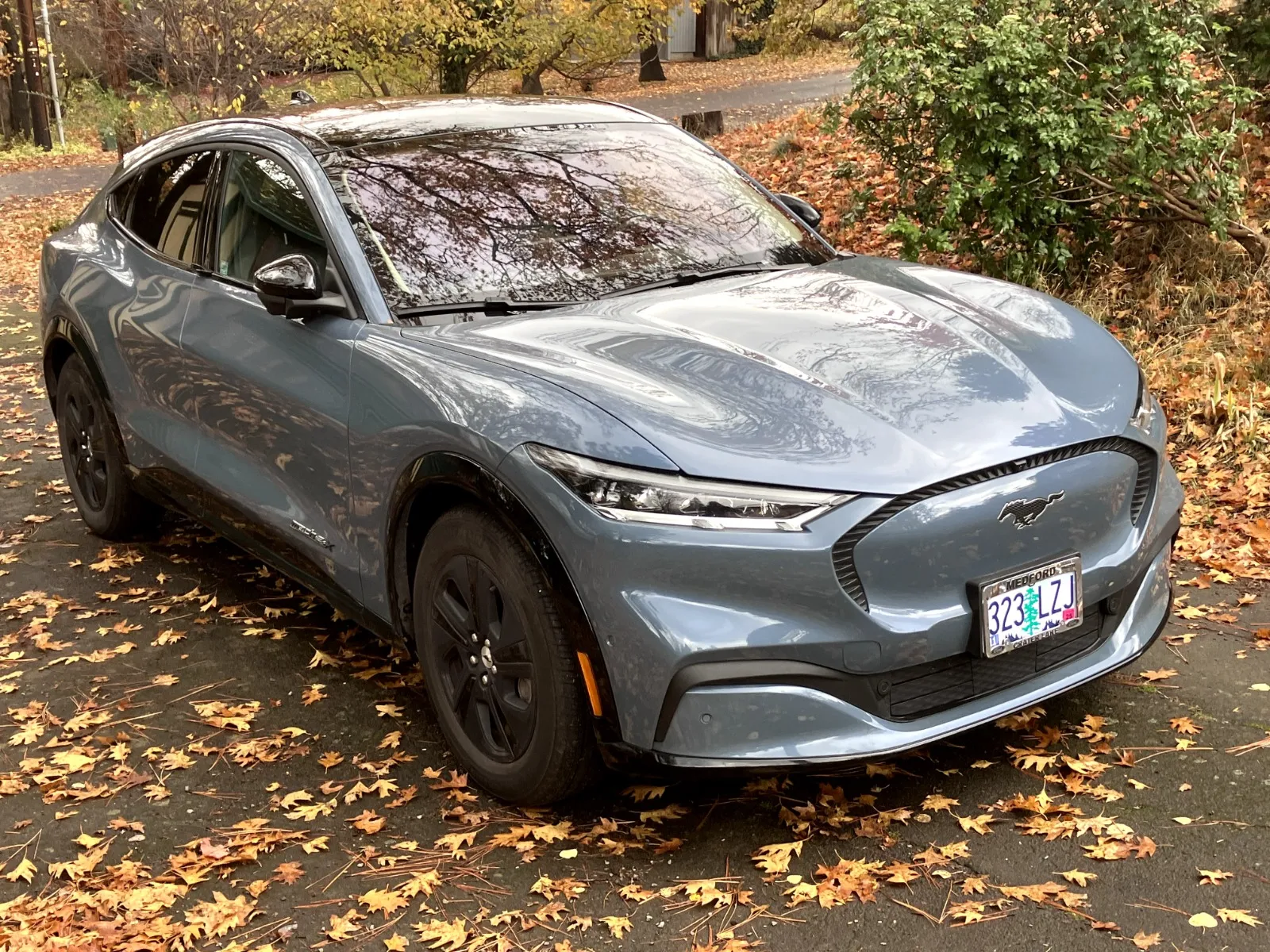
2. Ford Mustang Mach-E
The Ford Mustang Mach-E is one of the most recognizable electric SUVs in the US market, combining Ford’s performance branding with modern EV architecture. However, it is also a vehicle that is still in a relatively early stage of its product lifecycle, which makes it more likely to see meaningful updates and pricing adjustments in the near future. Ford continues to refine its electric vehicle strategy, and the Mach E sits at the center of that evolution.
One of the main reasons to consider waiting is the pace of updates in Ford’s electric lineup. The company is actively working on improving battery efficiency, software integration, and charging infrastructure compatibility.
As these improvements roll out across newer model years, early versions of the Mach E may not represent the most optimized version of the platform. This creates a situation where waiting can result in a significantly improved product without a proportional increase in cost.
Pricing is another factor. The electric SUV segment is highly competitive, with multiple manufacturers entering the space and increasing pressure on pricing strategies. As competition intensifies, manufacturers often adjust pricing or offer incentives to maintain market share. This means the Mach E is more likely than established gasoline SUVs to experience price fluctuations or promotional changes.
Additionally, the EV market is still stabilizing in terms of consumer demand patterns. As adoption increases, production volumes and cost structures are expected to improve, potentially leading to better pricing efficiency in future model years. Buyers who are not in urgent need of a vehicle may benefit from waiting for this stabilization phase.
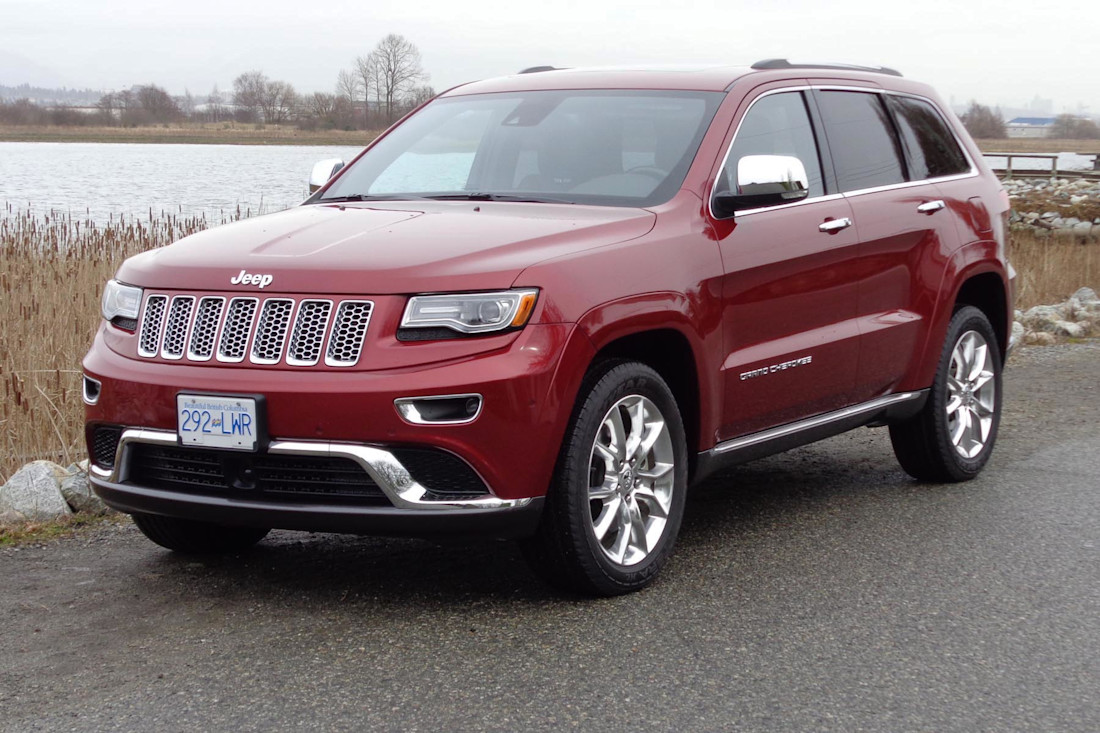
3. Jeep Grand Cherokee
The Jeep Grand Cherokee is a well-known midsize SUV in the United States, offering strong off-road capability, premium interior options, and a long-standing brand reputation.
However, it is also a model that frequently undergoes pricing adjustments due to its positioning in a competitive and evolving SUV market. While it remains a strong seller, it is not immune to cost pressures related to new technology integration and regulatory requirements.
One reason to consider waiting is that Jeep has been gradually transitioning its lineup toward more electrified and hybrid-assisted systems. These changes involve significant engineering investments, which often result in higher pricing for newer model years.
As electrification becomes more central to the Grand Cherokee lineup, pricing structures are likely to shift upward, especially for higher trims with advanced features.
Another factor is that the midsize SUV segment is highly competitive in the US, with strong offerings from both domestic and international manufacturers. This competition often leads to promotional cycles, seasonal incentives, and lease deals that can significantly affect the effective purchase cost. Buyers who wait may find better deal timing opportunities compared to an immediate purchase.
The Grand Cherokee has recently undergone generational updates, which means the current pricing structure may still be in a transitional phase. Early lifecycle pricing is often higher before market stabilization occurs, and waiting can allow buyers to benefit from more balanced pricing as production scales.
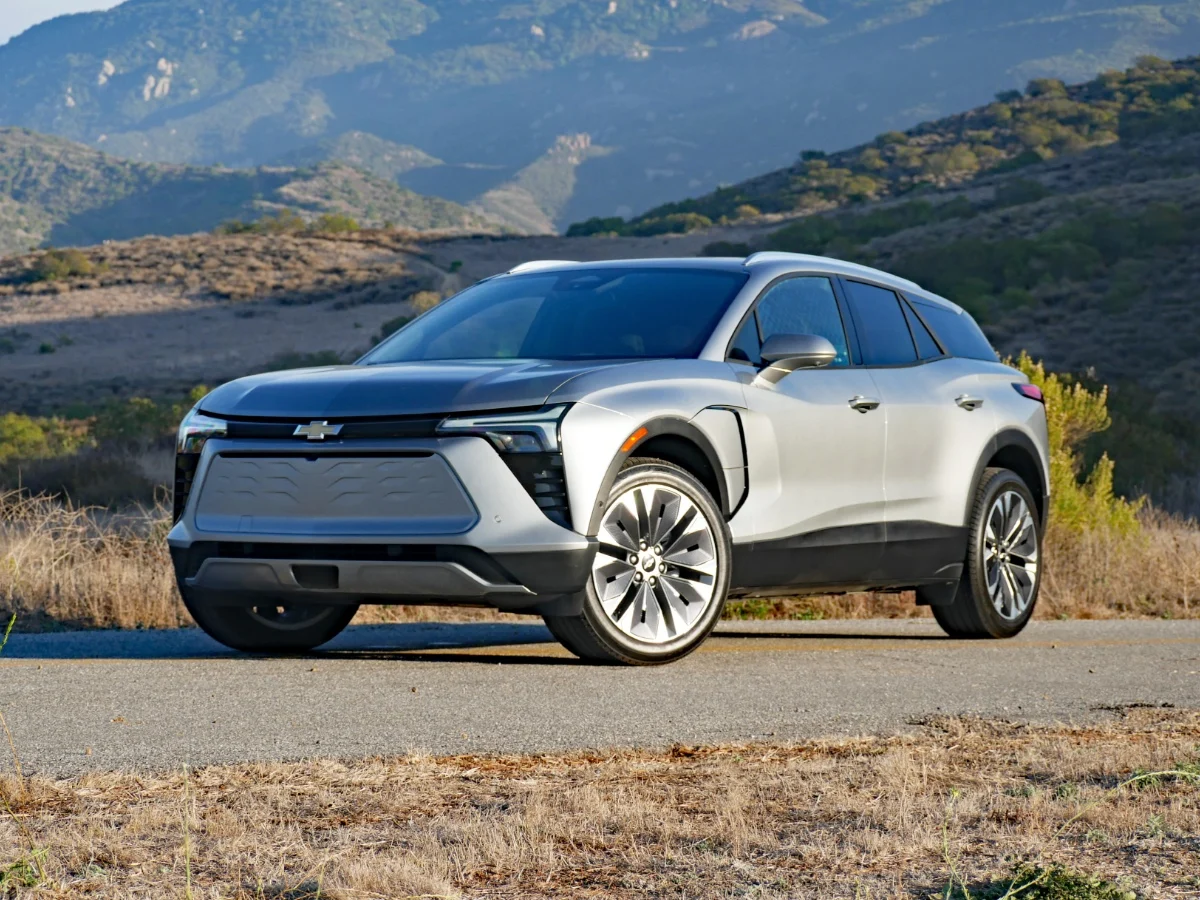
4. Chevrolet Blazer EV
The Chevrolet Blazer EV represents GM’s growing push into the electric SUV segment, but it is still an early-generation product in a rapidly evolving category. Like many new EV launches, it is subject to production scaling challenges, software refinement cycles, and evolving battery supply dynamics. These factors make early pricing less stable compared to more mature vehicle platforms.
One of the main reasons to wait is that electric vehicle platforms improve quickly over short periods. GM is actively developing its Ultium battery architecture, which powers the Blazer EV.
As this technology matures, improvements in efficiency, cost per kilowatt-hour, and manufacturing scale are expected. These improvements often translate into better range, performance, or pricing in later model years.
Another factor is market competition. The electric SUV segment in the US is becoming increasingly crowded, with multiple manufacturers introducing similar vehicles. This competition tends to create pricing pressure over time, especially as production volumes increase and brands compete for market share.
Early adopters of new EV models often face higher prices compared to later buyers who benefit from incentives or price adjustments.
Software plays a major role in modern EV ownership. Vehicles like the Blazer EV rely heavily on software ecosystems for performance, infotainment, and driving assistance. These systems tend to improve significantly after initial release through updates and revisions, meaning later versions of the vehicle often feel more refined than early production units.
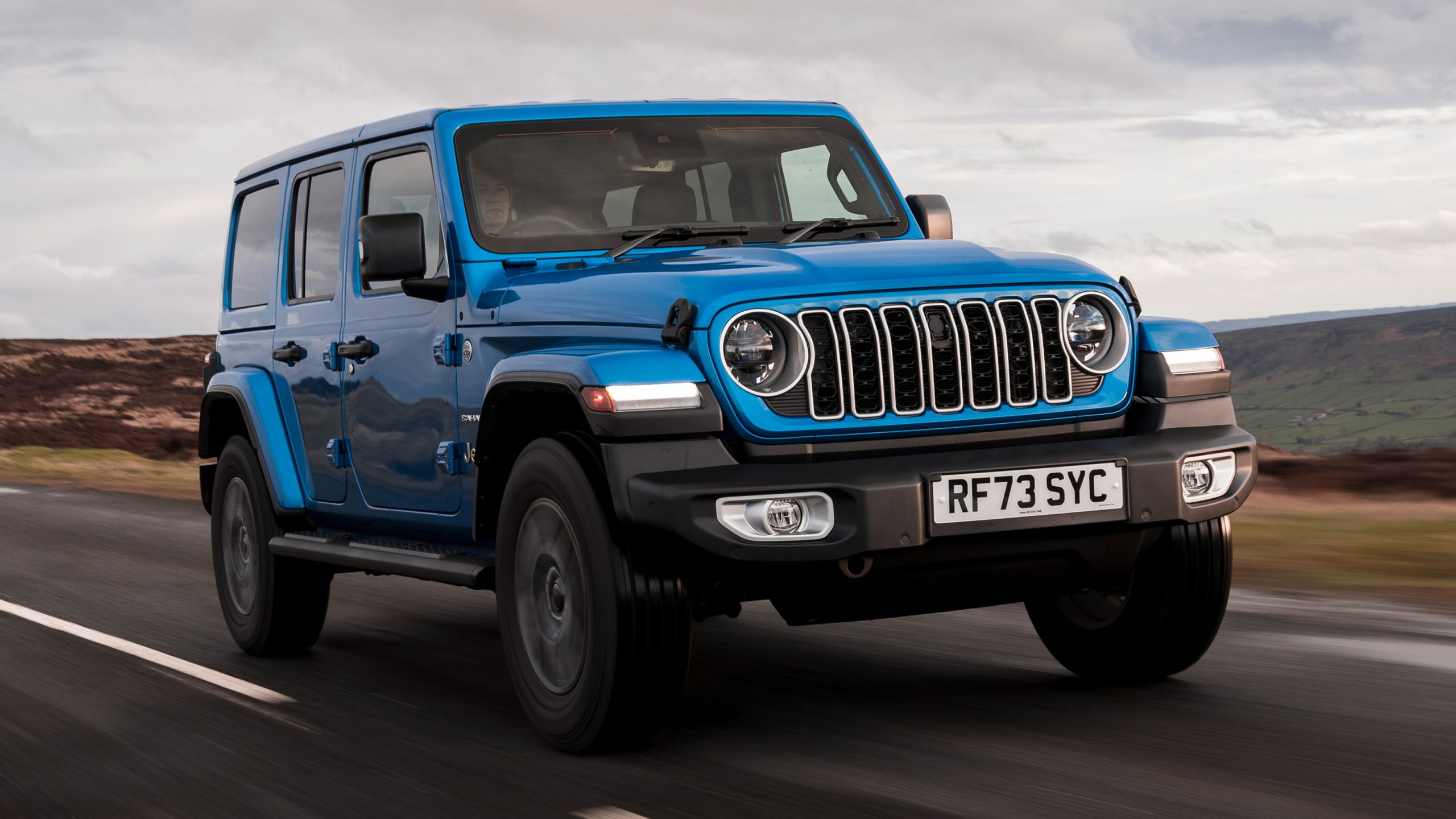
5. Jeep Wrangler
The Jeep Wrangler is one of the most iconic vehicles in the United States, known for its off-road capability, rugged design, and strong enthusiast following. However, it is also one of the vehicles where waiting can be a strategic decision, particularly in 2026, as the platform continues to evolve toward partial electrification and higher feature integration.
One of the key reasons to wait is the ongoing transition toward hybrid and plug-in hybrid variants within the Wrangler lineup.
The introduction of electrified powertrains increases complexity and cost, and early versions of these systems often come with higher pricing as manufacturers recover development expenses. Over time, as production scales and technology stabilizes, pricing can become more competitive or better value-oriented.
Another factor is that the Wrangler is frequently subject to trim-based pricing inflation. Higher trims with advanced off-road packages, infotainment upgrades, and luxury features can significantly increase total cost. However, buyers often find that waiting provides access to better incentive structures or updated configurations that improve value.
In addition, the Wrangler market is highly influenced by lifestyle demand rather than purely functional transportation needs. This means pricing is less sensitive to short-term fluctuations and more tied to brand positioning. As a result, buyers who are not urgently seeking a vehicle may benefit from waiting for seasonal incentives or new model year adjustments.
Jeep regularly updates the Wrangler with incremental improvements rather than full redesigns, meaning timing can significantly impact value. Waiting for the right model year or promotional cycle often results in better pricing efficiency.
