
There was a time when driving felt mechanical, emotional, and deeply personal. Before turbochargers dominated engine bays, before artificial sound generators pumped fake exhaust notes into cabins, and before software controlled nearly every aspect of acceleration, there existed a rare kind of engine that connected the driver directly to the machine.
Among automotive enthusiasts, few powerplants embodied that connection better than BMW’s naturally aspirated inline six engine. Smooth, responsive, balanced, and unmistakably alive, it represented an era when engineering focused less on numbers and more on feel.
The naturally aspirated inline six was not simply an engine. It was the soul of BMW itself. From the legendary E46 M3 to the refined E39 530i and the thrilling E90 generation cars, BMW perfected an engine configuration that became synonymous with driving purity.
It delivered power progressively instead of violently, encouraged drivers to chase the redline, and rewarded precision rather than aggression. Unlike modern turbocharged engines that produce instant torque through forced induction, BMW’s naturally aspirated inline six demanded involvement.
Drivers had to work for the performance, and that challenge created a uniquely satisfying experience behind the wheel. The engine note evolved as the revs climbed, the throttle responded instantly to every input, and the balance of the inline six architecture created a level of smoothness few manufacturers could replicate.
Today, the automotive world has largely moved on. Emissions regulations, fuel economy standards, electrification, and market demands have pushed manufacturers toward smaller turbocharged engines and hybrid systems. While modern engines are undeniably faster and more efficient, many enthusiasts argue that something important has been lost in the process.
BMW’s naturally aspirated inline six represented honesty in engineering because what the driver felt was genuine. There was no artificial amplification, no programmed torque curve masking turbo lag, and no synthetic driving drama. The experience was raw, mechanical, and authentic.
For many enthusiasts, it was the last engine that truly reflected the original spirit of BMW. Understanding why this engine remains so beloved requires looking beyond horsepower figures and acceleration times. It requires exploring the philosophy, engineering, culture, and emotional connection that made BMW’s naturally aspirated inline six one of the greatest engines ever built.
Also Read: 10 Cars With Insurance Premiums Lower Than a Compact Sedan
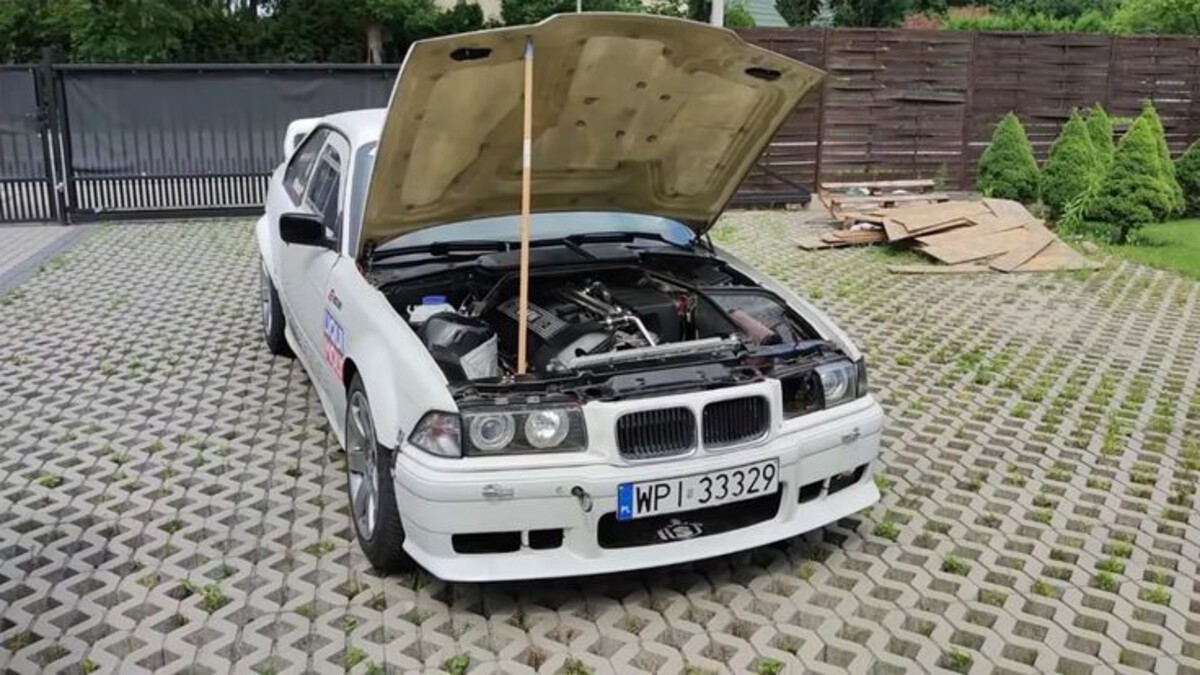
The Engineering Philosophy Behind BMW’s Inline Six
BMW did not arrive at the inline six configuration by accident. The company spent decades refining the architecture because it naturally aligned with the brand’s philosophy of balanced performance and driver engagement. Unlike V6 engines, which often require balance shafts to reduce vibrations, an inline six is inherently balanced by design.
This mechanical harmony gave BMW engineers the perfect foundation for creating engines that felt smooth across the entire rev range while maintaining precise responsiveness. The result was an engine that behaved predictably and consistently, qualities that became central to BMW’s identity.
One of the defining characteristics of BMW’s naturally aspirated inline six was throttle response. Because these engines relied entirely on atmospheric pressure instead of forced induction, power delivery remained linear and immediate. Pressing the accelerator produced an instant reaction without waiting for boost pressure to build.
That direct relationship between driver input and engine output created a level of communication modern turbocharged engines often struggle to replicate. Drivers could modulate throttle inputs with incredible precision, especially during cornering, where smooth power application matters most.
BMW also understood the importance of weight distribution in achieving balanced handling. The inline six configuration fits naturally into the company’s front engine, rear wheel drive layout. Engineers positioned the engine far back in the chassis, helping create the near-perfect 50:50 weight distribution BMW became famous for.
This setup enhanced steering feel, improved cornering dynamics, and contributed to the sense that the car rotated around the driver rather than simply carrying them through turns. The engine was not isolated from the driving experience. It was integrated into every aspect of vehicle dynamics.
Another reason enthusiasts continue to praise BMW’s naturally aspirated inline six is its mechanical simplicity compared to many modern powertrains. Without turbochargers, complex intercooling systems, and excessive electronic intervention, these engines often proved remarkably durable when properly maintained.
The straightforward engineering also made them more accessible for enthusiasts who enjoyed working on their own cars. Owners developed strong emotional connections to these engines because they could understand how they functioned. The engine became something tangible rather than a sealed electronic system hidden beneath layers of software.
The sound of BMW’s naturally aspirated inline six further reinforced its legendary status. At low RPM, the engine produced a smooth and refined hum that reflected German engineering sophistication. As the revs climbed, however, the tone transformed into a sharp metallic symphony that encouraged drivers to push harder.
Unlike artificially enhanced exhaust notes common in modern vehicles, every sound originated from genuine mechanical movement and combustion. The auditory experience became an extension of the engine’s personality, giving drivers emotional feedback that intensified the driving experience.
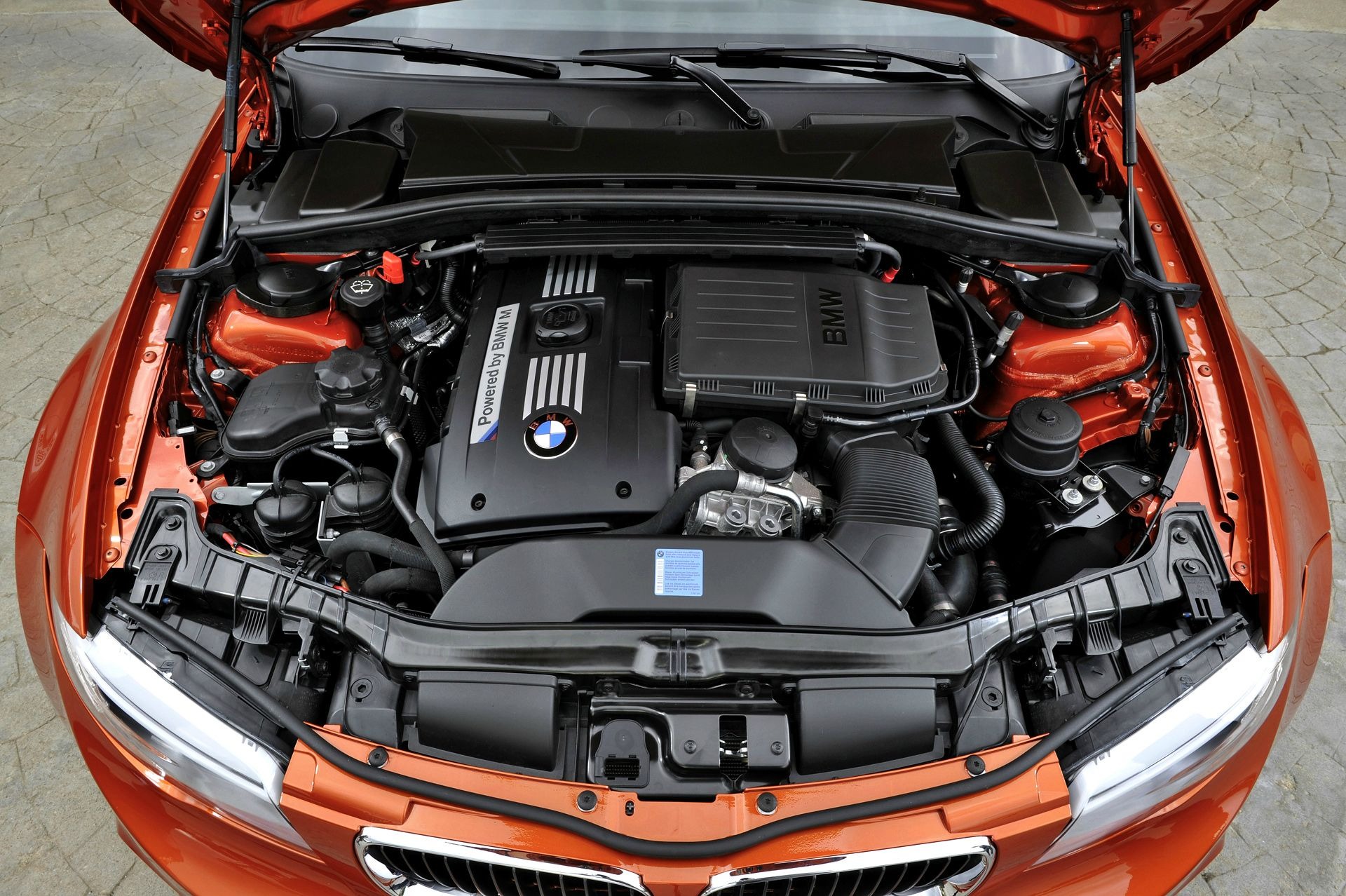
Why Naturally Aspirated Engines Created Better Driver Engagement?
Modern performance cars are objectively faster than many older BMW models equipped with naturally aspirated inline six engines. Turbocharged powertrains produce massive torque figures, dual clutch transmissions shift faster than any human, and electronic systems maximize traction with extraordinary efficiency. Yet despite these advancements, many enthusiasts still prefer older naturally aspirated BMWs because they offer something modern cars often lack: meaningful driver engagement.
Naturally aspirated engines require drivers to interact differently with the vehicle. Power builds progressively as RPM increases, encouraging drivers to explore the upper range of the tachometer. In BMW’s inline six engines, this progression created a rewarding sensation where the engine seemed to come alive near redline.
Drivers learned to maintain momentum, choose gears carefully, and use precise throttle control to extract maximum performance. The car rewarded skill instead of compensating for mistakes with overwhelming torque and electronic assistance.
Turbocharged engines fundamentally alter the driving experience because they prioritize accessibility and efficiency. Massive low-end torque creates effortless acceleration, but it can also reduce the sense of anticipation and buildup that naturally aspirated engines provide.
BMW’s naturally aspirated inline six engines taught drivers patience and technique. Acceleration felt earned rather than instantly delivered. This characteristic transformed everyday driving into a more immersive and memorable experience.
Another important aspect of driver engagement involved the transmission pairing. Many naturally aspirated BMW inline six models came equipped with exceptional manual gearboxes that complemented the engine perfectly. The clutch action, shifter feel, and predictable powerband created a harmonious relationship between driver and machine.
Modern automatic transmissions may outperform manuals in speed and efficiency, but they often remove a layer of interaction that enthusiasts deeply value. The naturally aspirated inline six thrived when paired with a manual transmission because it amplified the feeling of control.
Steering feel also benefited from the naturally aspirated setup. Older BMWs generally weighed less than their modern counterparts, partly because they lacked heavy turbocharging components and extensive electronic systems.
Combined with hydraulic steering systems instead of electrically assisted units, these cars transmitted more information through the steering wheel. Drivers could sense road texture, front tire grip, and chassis balance with remarkable clarity. The naturally aspirated inline six contributed to this transparency because its linear power delivery allowed smoother weight transfer during aggressive driving.
Perhaps the greatest strength of BMW’s naturally aspirated inline six was its honesty. The engine never pretended to be more powerful than it was. There were no artificial sound enhancements, no exaggerated torque spikes, and no computer-generated theatrics.
What the driver experienced came directly from combustion, airflow, and mechanical engineering. In an automotive era increasingly shaped by digital intervention, that authenticity became incredibly valuable. Enthusiasts respected the engine because it delivered genuine emotion instead of manufactured excitement.
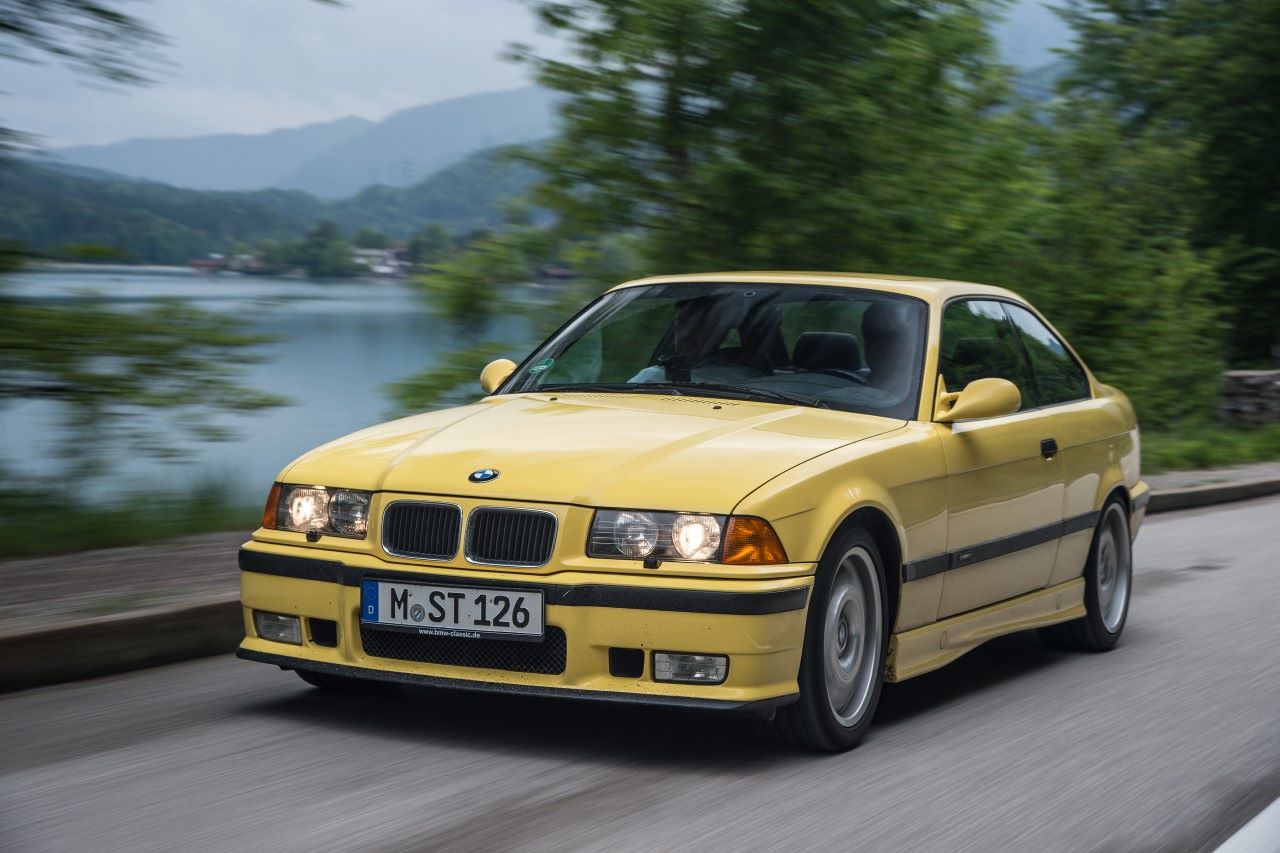
BMW Inline Six Engines That Defined an Era
BMW produced many exceptional inline six engines over the decades, but several stand out as defining examples of naturally aspirated engineering excellence. Each represented a unique moment in automotive history while reinforcing BMW’s reputation for creating driver-focused machines. These engines did more than power cars. They shaped enthusiast culture and established benchmarks still admired today.
The S54 engine found in the E46 M3 remains one of BMW’s greatest achievements. Producing over 330 horsepower without turbocharging, the 3.2-liter inline six combined high-revving performance with astonishing responsiveness.
Its 8000 RPM redline became legendary among enthusiasts because the engine delivered increasing intensity all the way to the top of the rev range. Every throttle input felt immediate, and the induction noise created an unforgettable soundtrack. The S54 demanded attention and skill, qualities that made the E46 M3 one of the most celebrated driver’s cars ever produced.
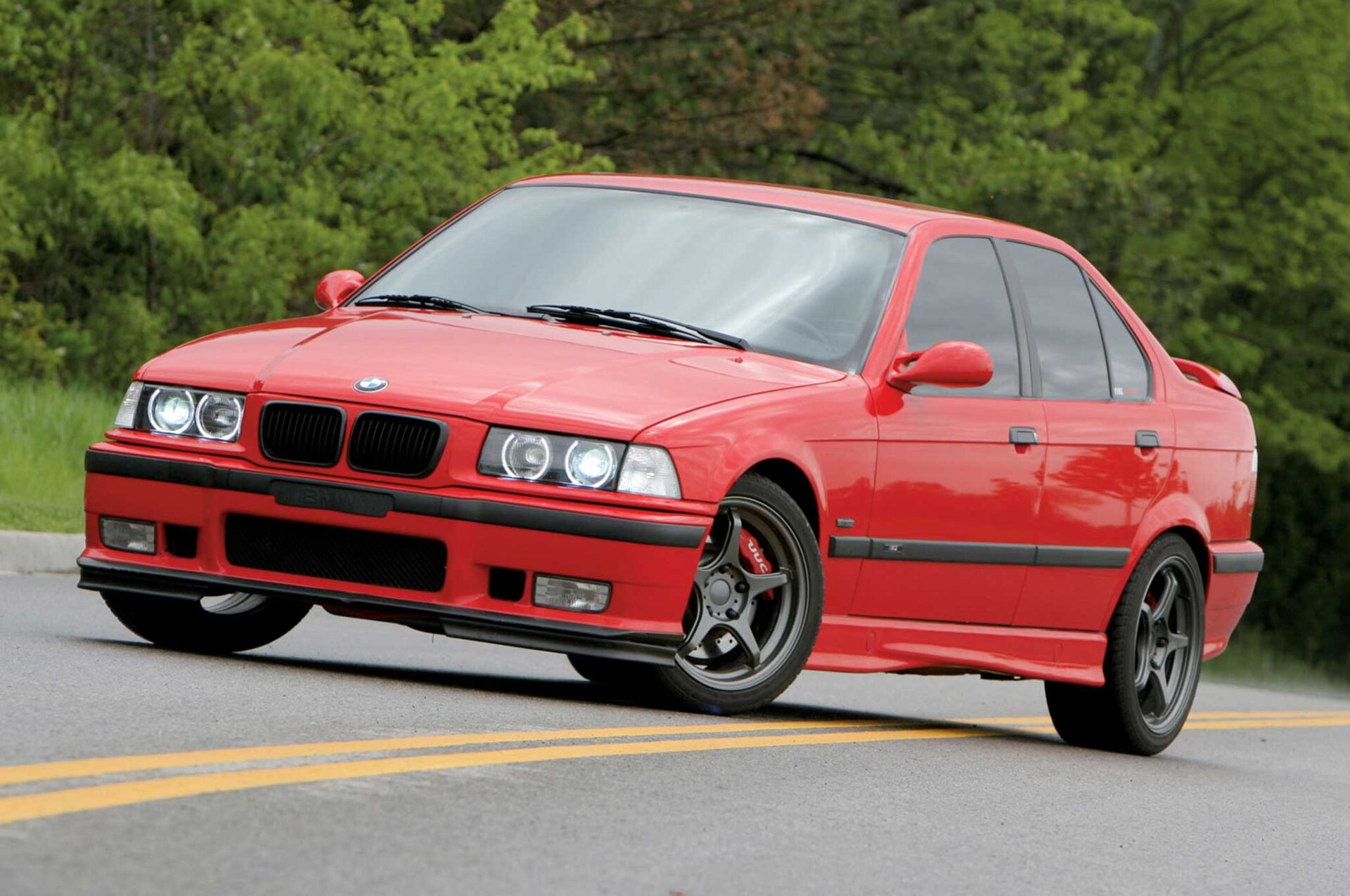
Before the S54, BMW introduced the S50 engine in the E36 M3. Although less aggressive than its successor, the S50 established the formula for modern BMW M engines.
Smooth torque delivery, strong midrange performance, and exceptional balance defined the driving experience. European versions of the engine became especially revered for their individual throttle bodies and higher output. The S50 represented a turning point where BMW Motorsport successfully blended daily usability with serious performance capability.
The M54 engine became another icon, particularly in models like the E39 530i and E46 330i. Unlike the high-strung M engines, the M54 emphasized refinement and versatility. It delivered enough power for spirited driving while maintaining reliability and smoothness suitable for everyday use.
Many enthusiasts consider the E46 330i one of the best-balanced sports sedans ever created because the M54 perfectly complemented the chassis. The engine offered responsiveness and character without becoming overwhelming or difficult to manage.
BMW’s earlier M30 engine also deserves recognition for establishing the company’s inline six reputation. Introduced in the late 1960s, the M30 powered numerous BMW models for decades. Its durability and torque-rich character earned it the nickname “Big Six” among enthusiasts. The engine demonstrated BMW’s long-term commitment to inline six development and laid the foundation for future generations of naturally aspirated excellence.
The N52 engine represented the final chapter for many naturally aspirated BMW inline six models before turbocharging became dominant. Featuring lightweight magnesium construction and Valvetronic technology, the N52 combined modern efficiency with classic BMW responsiveness.
Cars equipped with the N52 maintained much of the analog driving feel enthusiasts loved while adapting to stricter emissions standards. For many drivers, the N52 era marked the end of traditional BMW engine philosophy before the company transitioned fully toward turbocharged performance.
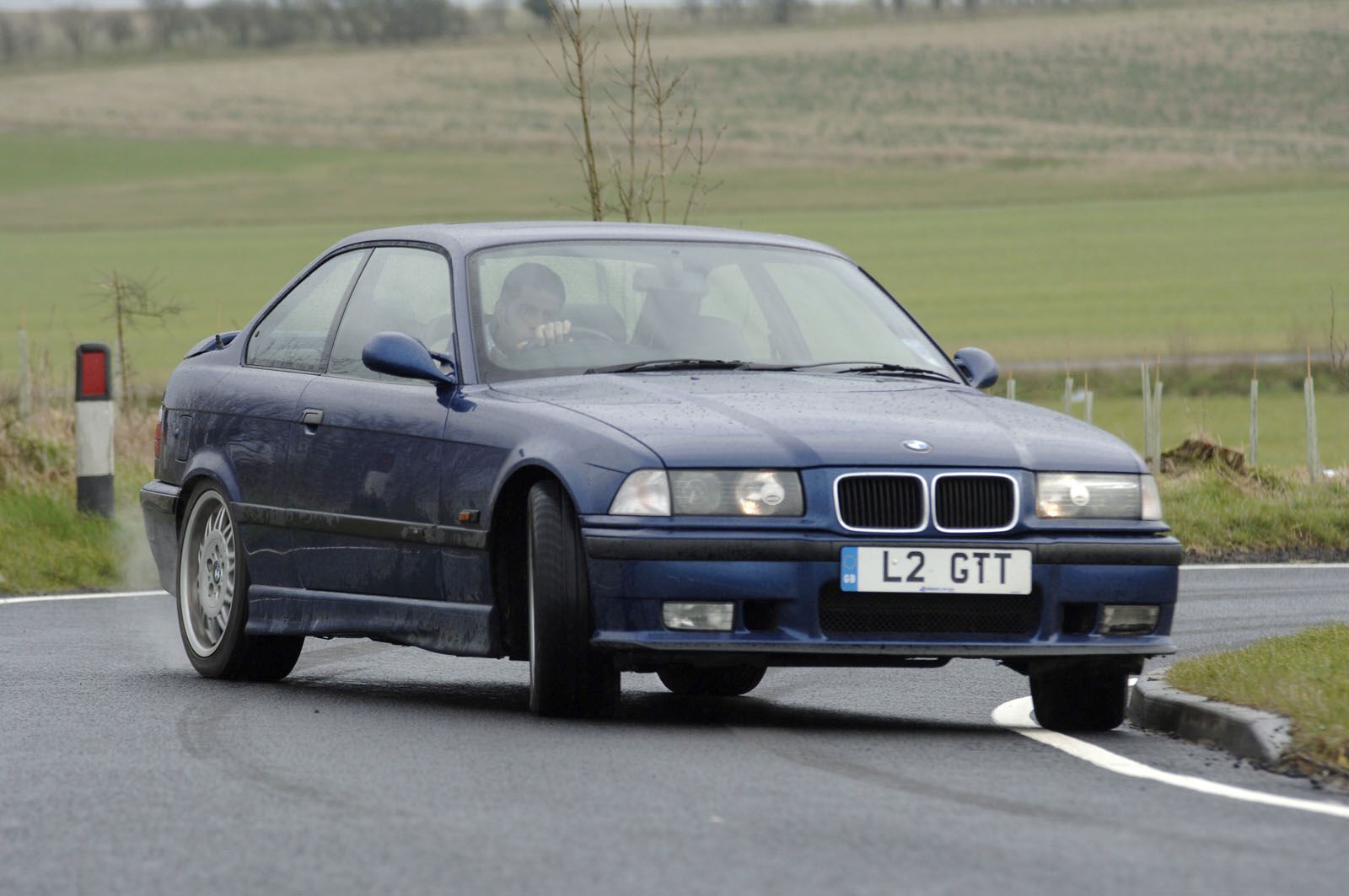
How Modern Turbocharged Engines Changed BMW?
BMW’s transition from naturally aspirated inline six engines to turbocharged powertrains reflected broader industry trends driven by regulation, efficiency demands, and consumer expectations. From a business perspective, the shift made complete sense.
Turbocharged engines offered better fuel economy, lower emissions, and greater torque output from smaller displacement designs. Yet for many enthusiasts, the transition fundamentally changed the emotional character of BMW vehicles.
Turbocharging transformed how BMW engines delivered power. Instead of rewarding high RPM driving, modern turbocharged engines produce substantial torque at low engine speeds. This creates faster acceleration in everyday conditions and improves drivability for average consumers. However, the experience often feels less dramatic because the powerband remains flatter and more predictable. The excitement of chasing redline gradually disappeared as engines prioritized efficiency over emotional buildup.
Another major difference involves sound. Naturally aspirated inline six engines produced distinctive mechanical notes shaped by intake resonance, exhaust flow, and high RPM operation.
Turbochargers muffle much of that natural sound because exhaust gases must pass through turbine housings before exiting the system. To compensate, manufacturers increasingly rely on artificial sound enhancement through speakers and electronic tuning. While modern BMWs can still sound aggressive, many enthusiasts argue that the authenticity has diminished significantly.
Weight and complexity also increased with turbocharging. Modern engines require intercoolers, additional plumbing, advanced cooling systems, and more sophisticated electronics to manage boost pressure and emissions. These components add mass and reduce mechanical simplicity.
As vehicles became heavier and more technologically advanced, some of the tactile purity associated with older BMWs began to fade. Steering systems grew more isolated, throttle response became software dependent, and driver interaction shifted toward digital mediation.
Reliability concerns further complicated enthusiast perceptions of turbocharged BMW engines. While modern engineering has improved significantly, turbocharged systems inherently operate under greater stress due to higher pressures and temperatures.
Maintenance costs can increase as components age, particularly compared to simpler naturally aspirated designs. Enthusiasts who appreciated the durability and straightforward maintenance of older inline six engines sometimes view modern turbocharged BMWs as less approachable and less mechanically transparent.
Despite these criticisms, modern BMW engines remain incredibly capable. Models like the B58-powered M340i demonstrate that turbocharged inline six engines can still deliver impressive performance and refinement. Many reviewers praise these engines for combining strong acceleration with smooth operation.
However, capability alone does not fully replace emotional connection. For enthusiasts who grew up admiring naturally aspirated BMWs, the newer engines often feel more efficient than inspiring. The company still produces fast cars, but the character that once defined BMW has undeniably evolved.
Also Read: 10 Cars That Survive Being Used as Daily Uber Vehicles
Why Enthusiasts Still Worship BMW?
The continued admiration for BMW’s naturally aspirated inline six goes beyond nostalgia. While emotional attachment certainly plays a role, the engine’s reputation persists because it delivered qualities increasingly rare in modern automotive design. Enthusiasts continue to seek these cars because they provide a driving experience difficult to replicate with contemporary technology.
One reason these engines remain beloved is their timeless balance between performance and usability. Many high-performance cars prioritize extreme speed at the expense of everyday enjoyment.
BMW’s naturally aspirated inline six models avoided this trap by offering engaging dynamics in realistic driving situations. Drivers did not need racetrack speeds to appreciate the engine’s responsiveness or character. Even routine commutes became enjoyable because the engine communicated constantly with the driver.
The analog nature of older BMWs also contributes to their enduring appeal. Modern vehicles often filter sensations through electronic systems designed to improve comfort and safety.
While these advancements provide undeniable benefits, they can reduce the sense of direct connection between driver and machine. Naturally aspirated inline six BMWs preserved that connection by allowing mechanical feedback to remain central to the experience. Steering feel, throttle response, engine sound, and chassis movement all felt immediate and authentic.
Car culture itself has further elevated the status of BMW’s naturally aspirated inline six. Enthusiast communities celebrate these engines through forums, restoration projects, motorsport events, and social media content.
Younger enthusiasts who never experienced these cars when new often discover them through videos, reviews, and enthusiast storytelling. As automotive technology becomes increasingly digital and electrified, analog cars gain greater cultural significance because they represent a disappearing form of driving engagement.
The aftermarket industry also helped preserve enthusiasm for naturally aspirated BMW inline six engines. Owners continue modifying and maintaining these vehicles decades after production ended. Performance upgrades, suspension tuning, exhaust systems, and restoration parts remain widely available.
This strong support network allows enthusiasts to keep older BMWs alive while tailoring them to personal preferences. The engines themselves respond well to modifications, further strengthening owner attachment.
Finally, scarcity has increased appreciation for these engines. As manufacturers abandon naturally aspirated performance engines in favor of turbocharging and electrification, surviving examples become more desirable. Certain models equipped with iconic inline six engines have already become collectible, with values rising significantly in recent years.
Enthusiasts recognize that these cars represent the end of a particular automotive philosophy, one centered on mechanical purity rather than technological optimization. Owning and driving one today feels increasingly special because the experience cannot simply be recreated by buying a modern performance car.
