
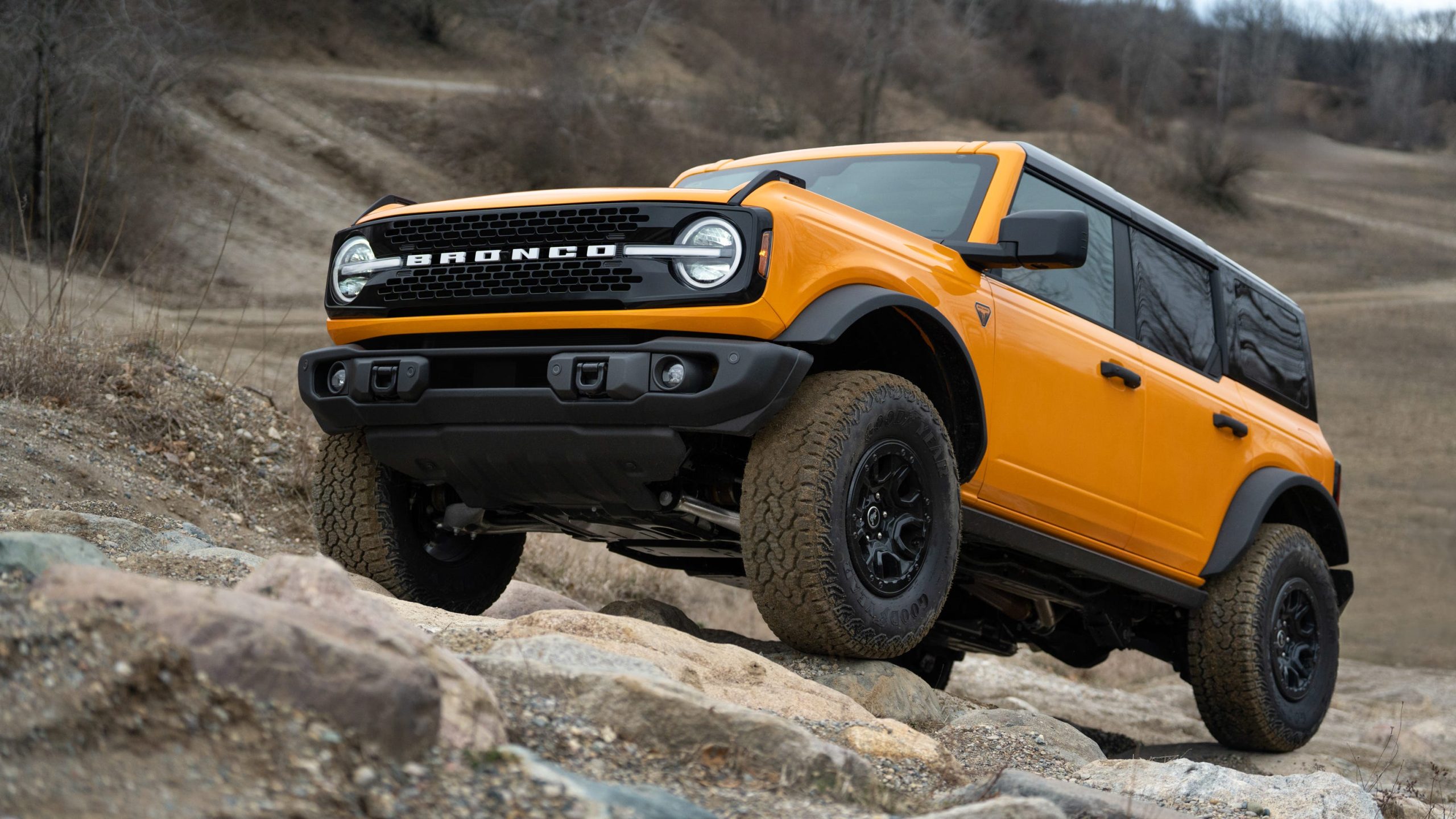
Ford Motor Company has announced a recall that affects some 2024 to 2026 Ranger pickup trucks and Bronco sport utility vehicles after discovering a problem in the front seat structure. Information released through the National Highway Traffic Safety Administration indicates that a part within the seat frame may not perform as expected, which could put occupants at risk if it is not corrected.
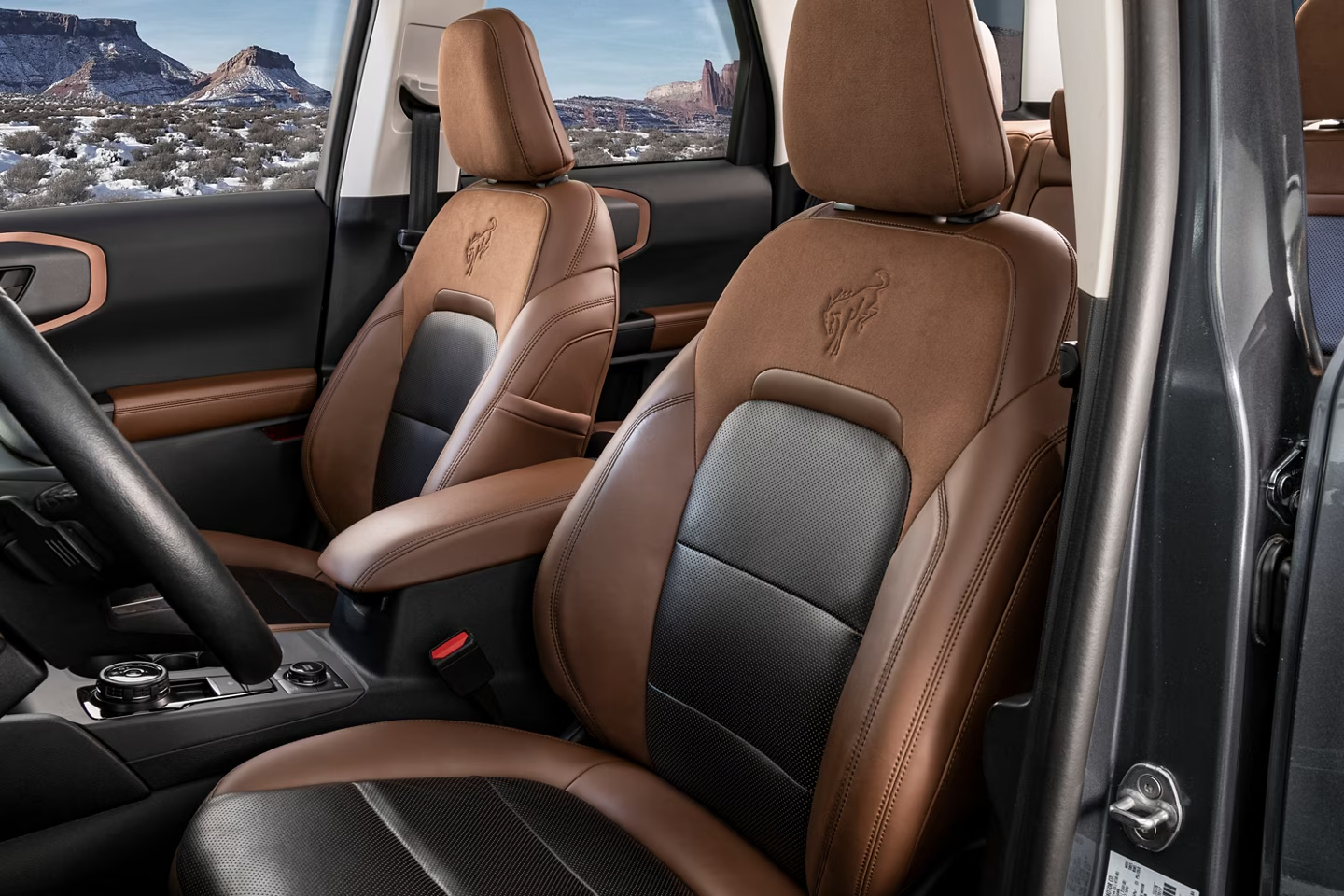
The recall, listed under campaign number 26V268000, centres on the seat height adjustment system. Reports show that a pivot bolt within this mechanism may loosen or come out of place. If that happens, the seat may lose its firmness and proper positioning, especially during a crash. When a seat cannot hold a passenger securely, the chances of injury increase, which is why this issue falls under federal safety rules.
Both affected models are widely used for different purposes. The Ford Ranger is commonly chosen for work and daily driving, while the Ford Bronco is known for its versatility, serving both city use and off-road driving. Because of how common these vehicles are, the recall has drawn attention from both current owners and those considering a purchase.
It is estimated that close to 180,000 vehicles could be involved. Since the recall spans multiple production years, owners are advised to check their vehicle identification number to confirm whether their specific vehicle is affected.
Details of the Seat Hardware Defect and Safety Implications
The identified fault concerns the pivot bolt that forms part of the seat height-adjustment system. This bolt is designed to secure the seat frame at a chosen height, allowing drivers and passengers to position themselves comfortably while maintaining proper support.
In certain vehicles, the bolt may loosen or detach from the pivot joint. When this happens, the seat may no longer maintain its intended position. More importantly, the seat may not provide adequate restraint during a collision, which could reduce the effectiveness of other safety systems such as seatbelts and airbags.
Occupant restraint is a critical element of vehicle safety design. Seats are engineered to work in coordination with seatbelts to keep occupants securely positioned during sudden stops or impacts. Any weakness in the seat structure can compromise this system, increasing the likelihood of injury.
The issue does not necessarily present immediate symptoms in all affected vehicles. In some cases, drivers may notice unusual movement in the seat, difficulty adjusting seat height, or a feeling of instability while seated. In other instances, the defect may not be apparent until the component is inspected by a qualified technician.
Given the nature of the defect, regulatory authorities consider it necessary to carry out inspections and repairs even if no visible symptoms are present. This approach ensures that all affected vehicles meet the required safety standards and continue to provide adequate protection for occupants.
Also Read: Every Generation of Ford F-150, Ranked From Worst to Best
Inspection Process, Remedy, and Notification Timeline
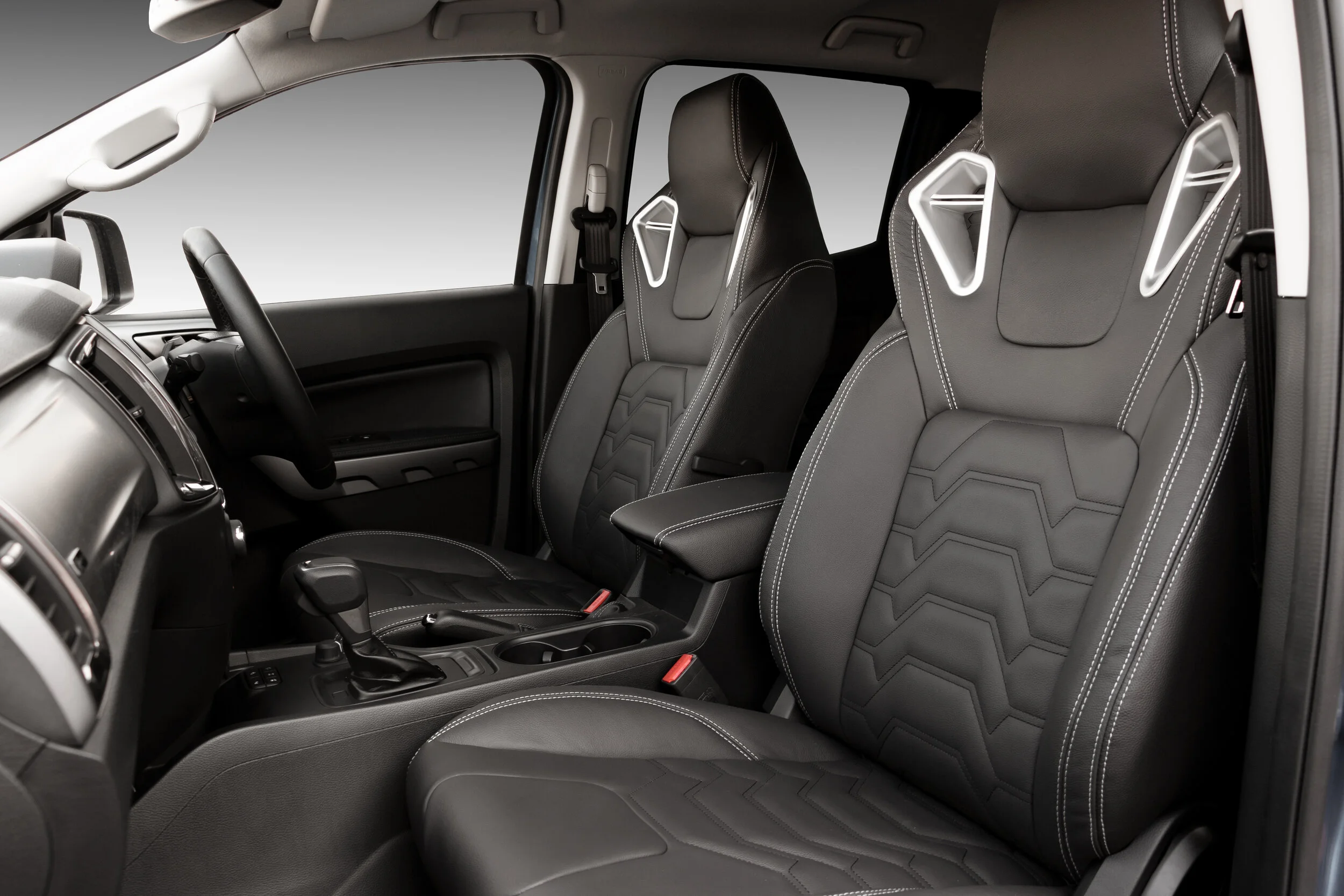
Ford has outlined a clear plan to address the issue through its authorised dealer network. The remedy involves a detailed inspection of the seat frame assembly, focusing on the pivot bolt and associated components. Where necessary, dealers will replace the pivot links and bolts to restore proper function.
All inspection and repair work will be carried out at no cost to the vehicle owner. This is consistent with standard recall procedures, where manufacturers bear responsibility for correcting safety-related defects. Notification to owners is being conducted in stages. Interim letters were expected to be mailed beginning May 11, 2026.
These initial communications inform owners of the issue and advise them to monitor their vehicles while awaiting the availability of replacement parts. A final notification will be issued once the remedy is fully available, which is anticipated in July 2026.
At that point, owners will be encouraged to schedule service appointments with authorised dealers to complete the necessary repairs. Vehicle owners are advised to verify their recall status by checking their vehicle identification number through official channels such as the National Highway Traffic Safety Administration database or Ford’s owner support platforms. This step is essential, as recalls are specific to individual vehicles rather than entire model ranges.
Also Read: What Ford Dealership Salespeople Quietly Recommend to Family Members?
Guidance for Owners, Buyers, and Vehicle Maintenance Planning
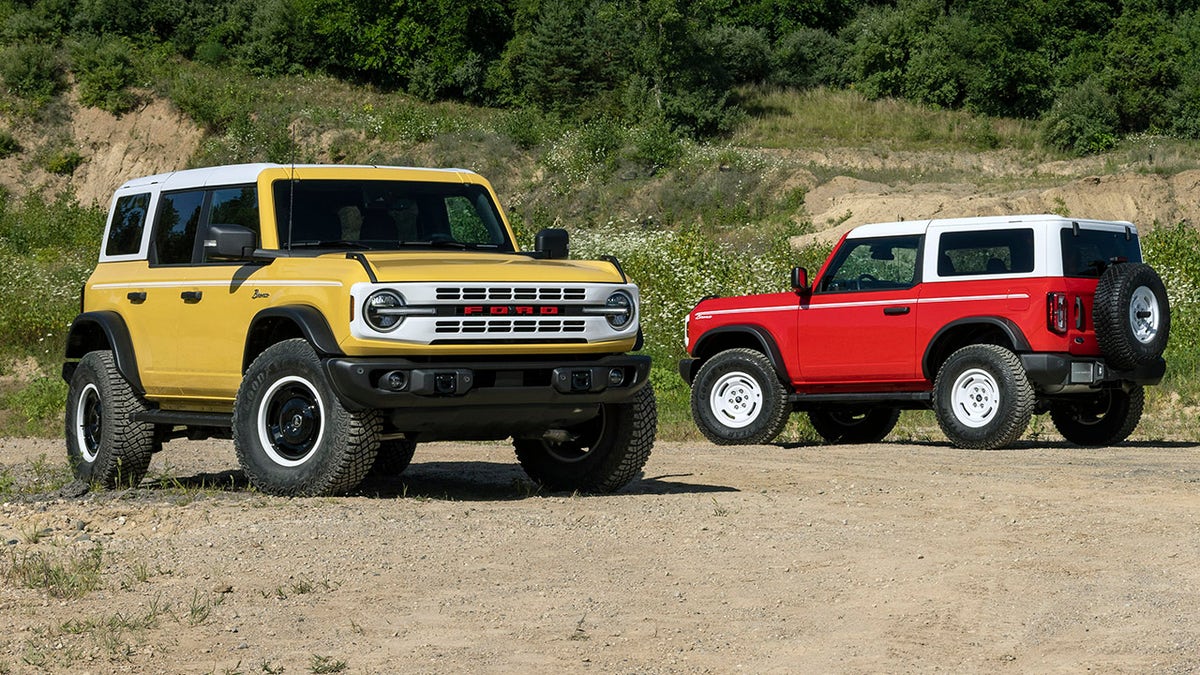
For current owners of affected Ford Ranger and Bronco models, prompt action is recommended. Upon receiving recall notification, arrangements should be made to have the vehicle inspected and repaired as soon as the remedy becomes available. If any irregular seat movement or adjustment issues are observed before that time, professional service advice should be sought without delay.
Individuals considering the purchase of a used Ranger or Bronco should include recall status as part of their evaluation process. A vehicle may still be a suitable choice, provided that all necessary recall work has been completed. Buyers are encouraged to request documentation confirming that inspections and repairs have been carried out where applicable.
It is also advisable for sellers and trade-in customers to maintain organised records, including recall notices, repair invoices, and service history. Proper documentation can assist in demonstrating that the vehicle has been maintained in accordance with manufacturer recommendations, which may influence its value and ease of transaction.
Beyond recall considerations, routine vehicle maintenance remains essential. Regular checks of tyres, braking systems, suspension components, fluid levels, and warning indicators contribute to safe and reliable operation. Incorporating recall verification into these routine checks helps ensure that all aspects of vehicle safety are addressed.
For those arranging vehicle financing, it is prudent to confirm recall status before completing a purchase. While recall repairs are typically carried out at no cost, awareness of any outstanding issues allows buyers to plan accordingly and ensures that the vehicle is in proper condition at the point of delivery.
The recall affecting the Ford Ranger and Bronco highlights the importance of attention to detail in vehicle manufacturing and the need for continuous monitoring of safety performance. By responding promptly to recall notices and maintaining accurate records, owners can help ensure that their vehicles remain safe and dependable for everyday use.
