
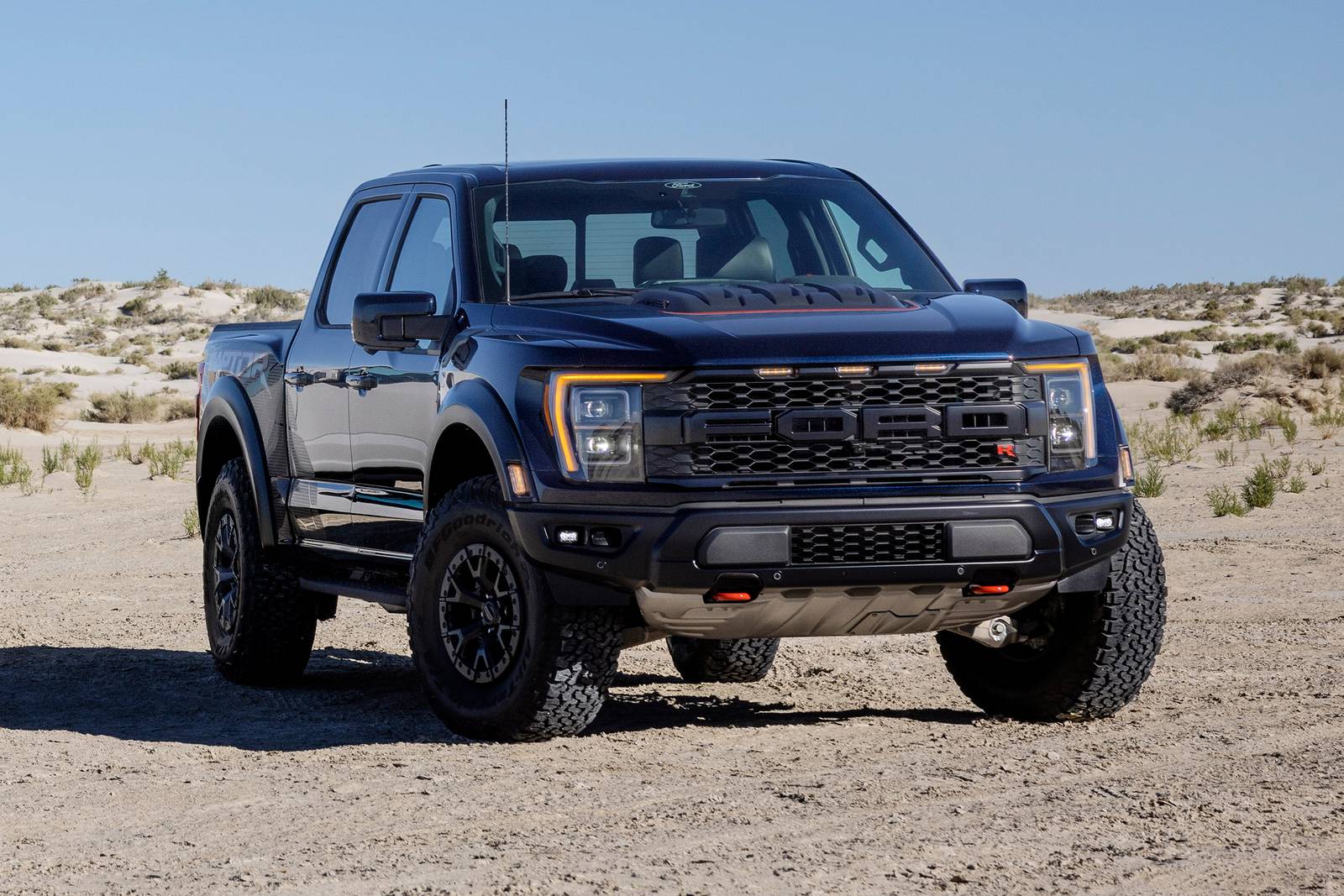
No truck in American automotive history carries more weight, literal and cultural, than the Ford F-150. Since it separated from the original F-Series to become its own distinct model line, it has sold in numbers that make every other vehicle in every other category look modest. It has been America’s best-selling vehicle for over four decades. It has been the backbone of job sites, farms, ranches, and family hauling operations across every state in the country.
But here is something that does not get discussed often enough: not every generation of the F-150 was great. Some were genuinely exceptional from the moment they launched. Some were adequate for their time but have aged into obscurity.
Some had serious problems that Ford took years to address. And at least a couple of them landed on showroom floors in a state that left both buyers and journalists scratching their heads about how the engineers arrived at certain decisions.
Ranking every generation from worst to best is not an exercise in brand criticism. Ford has earned every bit of the F-150’s legendary reputation across its full history, but that reputation was built through the best generations, not protected by papering over the weakest ones. A truck that has sold as well as the F-150 and that carries as much practical and cultural importance deserves an honest accounting of which generations delivered the most and which ones fell short of the truck’s own standards.
What follows covers every distinct F-150 generation in order from worst to best, evaluated on engineering advancement for the era, reliability track record, real-world capability delivered versus promised, and how well each generation served the buyers who depended on it for daily work and transportation. This is the honest ranking. Agree with it or argue with it, but read it through first.
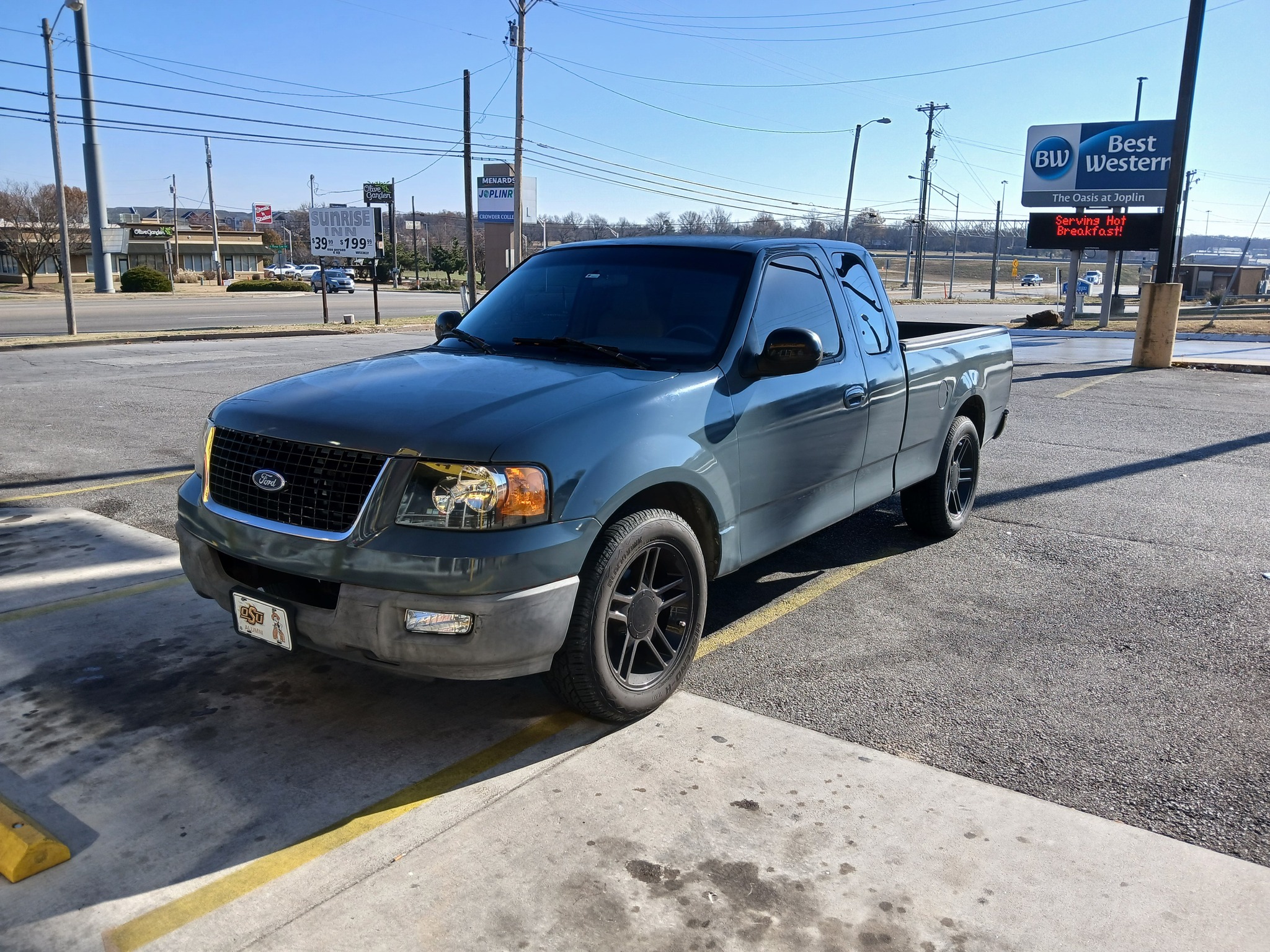
1. (Ranked Worst) Ford F-150 Tenth Generation (1997-2003)
Starting at the bottom of this ranking is a decision that F-150 historians and long-term truck owners will understand immediately, even if casual enthusiasts who did not live through this ownership period might question the placement. Ford’s tenth-generation F-150, which introduced the all-new body style in 1997 and carried it through 2003, had the misfortune of pairing a genuinely attractive new design with a powertrain issue that became one of the most discussed and most expensive engineering problems in F-150 history.
Triton 5.4-liter V8 in the tenth-generation F-150 used a two-piece spark plug design that Ford selected for combustion chamber geometry reasons, and this two-piece design had a fundamental failure mode that owners discovered as mileage accumulated: the spark plugs could break during removal, leaving the threaded portion seized in the aluminum head.
Extraction of broken spark plug segments required specialized tools, huge labor time, and, in many cases, head thread repair that added cost on top of the extraction work itself. When this problem became widespread in owner communities, the ten-minute spark plug change that basic engine maintenance requires became a multi-hour repair that cost hundreds or thousands of dollars, depending on whether the plug broke during extraction.
Ford’s response to this problem was too slow for owners who were dealing with it in the field, and the reputation damage was substantial. Mechanics who worked on these trucks during this period can describe the specific dread that accompanied a customer requesting a spark plug service on a high-mileage 5.4 Triton, because the outcome of the job was unpredictable in ways that professional service technicians find distinctly uncomfortable.
Ignition coil failures were a second reliability concern on the 5.4 Triton during this period, with coil-on-plug units failing in sequences that required individual replacement as each failed rather than allowing a single comprehensive service. Owners who had not budgeted for ignition coil replacement as a routine maintenance item found themselves paying for multiple service visits across a single driving year as coils failed in succession.
Neither the spark plug issue nor the coil failures were fatal to the truck’s operation, and both were addressable through service, which is why the tenth generation does not rank last in truck history from a capability standpoint. It ranked low because the reliability experience it provided to owners who depended on these trucks for work damaged Ford’s F-150 reputation in ways that took subsequent generations years to fully repair.
The body design of the tenth generation was genuinely handsome for its era, and the truck’s capability in payload and towing was competitive with its period competition. Frame and body durability were adequate. The transmission options of the period served their purpose. Had the powertrain reliability situation been different, this generation would rank considerably higher.
The combination of the spark plug situation and the coil issues places it at the bottom of this ranking despite the truck’s other merits.
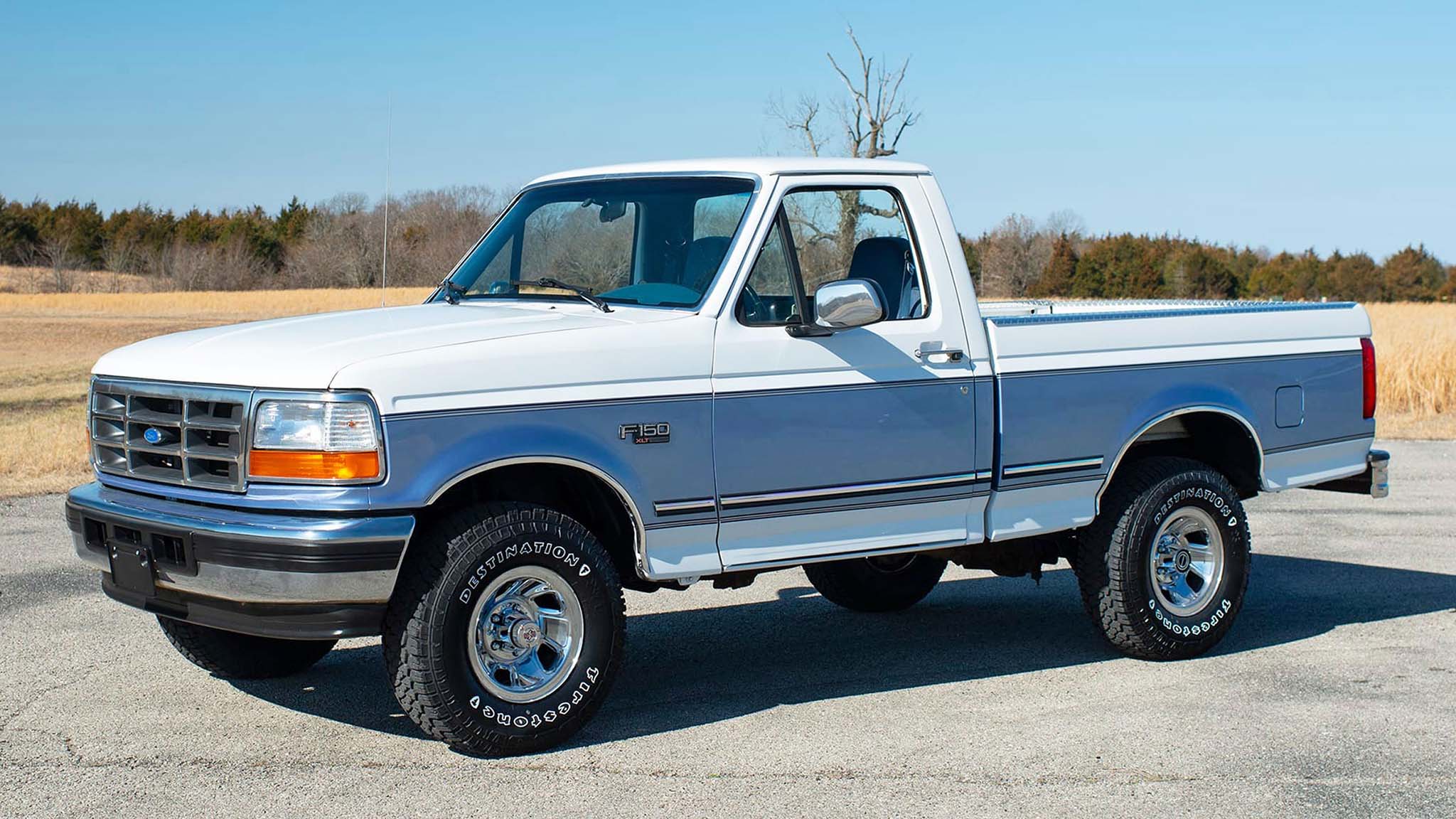
2. Ford F-150 Ninth Generation (1992-1996)
Ford’s ninth-generation F-150, covering the 1992 through 1996 model years, represents the most honest example of a truck that did its job without distinction and without embarrassment, neither advancing the F-150’s engineering nor falling into the kind of problems that create lasting reputation damage. Rating it second from the bottom is not a criticism of its reliability or its basic capability. It is recognition that this generation was caretaking rather than advancing the F-150 lineage.
Body-on-frame construction in this generation was conventional and well-understood, with the truck’s proportions reflecting a design that had been evolving incrementally since the seventh generation rather than undergoing the kind of fundamental rethinking that genuine generational advancement requires. Buyers who purchased ninth-generation F-150s in 1992 were getting trucks that looked like updates of what Ford had been selling for years rather than a new vision of what an F-150 could be.
Powertrain options of the period included the 5.0-liter and 5.8-liter V8s alongside the 4.9-liter inline-six, all of which were proven powerplants with established reliability records, but none of which represented the kind of engineering advancement that competitors were beginning to introduce during this period.
General Motors was investing in technology development that would appear in subsequent products, and Ford’s powertrain strategy during this period appeared more conservative than the market situation warranted. Cab options were limited compared to what buyers wanted, as American truck purchasing patterns were beginning to change toward extended and crew cab configurations for family and lifestyle use alongside traditional work purposes.
Ford’s slow response to the demand for crew cab configurations specifically limited the ninth generation’s appeal to buyers whose requirements were changing faster than the F-150’s available configurations were adapting. Interior quality during this period was functional rather than comfortable, reflecting an era when truck buyers were expected to accept basic interiors as appropriate for working vehicles, regardless of how much they were paying.
This attitude toward truck interiors was beginning to change among buyers during the ninth generation’s production years, and Ford’s failure to advance interior standards during this period is visible in retrospective comparison against what the market would demand from trucks within a decade.
The ninth generation is ranked second from the bottom rather than at the bottom because it did not create the specific, expensive reliability issues that defined the worst generation. It was simply unremarkable in a product category where unremarkable is not the same as adequate, and where the truck’s legacy requires more than adequate to justify its position in the market.
Also Read: 10 Best Used 4x4s That Are Still Rugged and Affordable in 2026
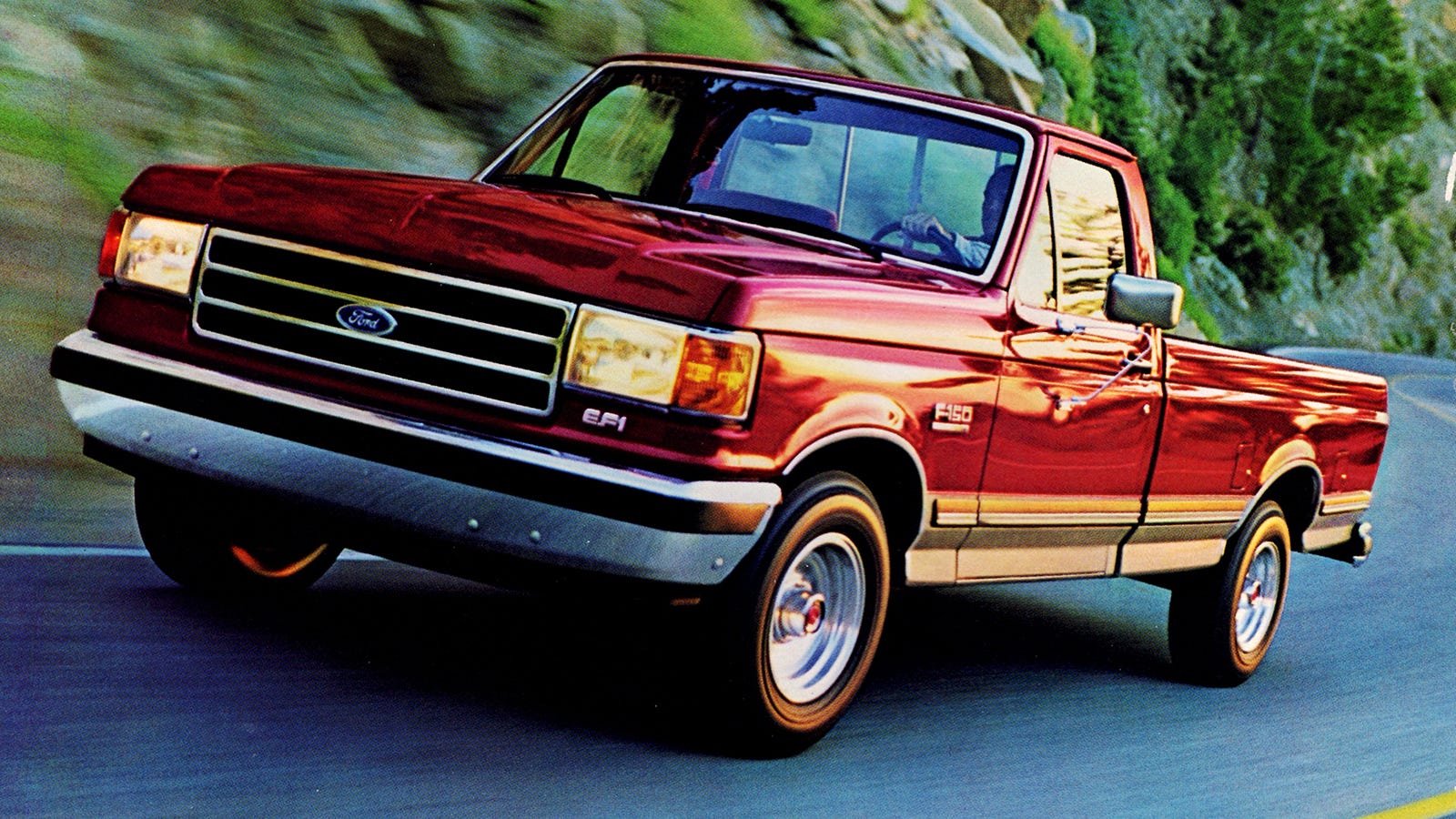
3. Ford F-150 Eighth Generation (1987-1991)
Ford’s eighth-generation F-150 occupied a challenging transitional period in American truck history, where emissions regulations, fuel economy concerns, and the beginning of a move in buyer demographics from pure work users to lifestyle and family buyers created pressures that the engineering team was driving through without a clear playbook for how to balance these competing demands.
Aerodynamic body revisions in this generation moved the F-150’s styling away from the squared-off traditional truck appearance toward a smoother profile that reduced drag compared to previous generations, but the execution was not universally praised by buyers who found the styling neither fully traditional nor fully modern in its appearance. Design compromises that satisfied neither camp fully reduced the eighth generation’s visual appeal relative to the clear character of earlier and later generations.
Fuel Injection adoption across the powertrain lineup during this generation improved fuel economy and cold-weather starting reliability compared to the carbureted alternatives it replaced, which was a genuine advancement that owners appreciated in daily use.
EFI troubleshooting required different skills and equipment from carbureted engine service; however, this created a short-term adjustment period for both owners who self-maintained and independent repair shops, building familiarity with the new systems.
Frame and suspension engineering in this generation was adequate for the truck’s payload and towing ratings, but did not advance meaningfully beyond what previous generations had established, which reflected the engineering resources being directed toward powertrain compliance and fuel economy improvement rather than capability advancement.
Buyers who needed more capability from their F-150 during this period were adequately served, but not exceptionally served by a chassis that remained conservative when market competition was beginning to advance.
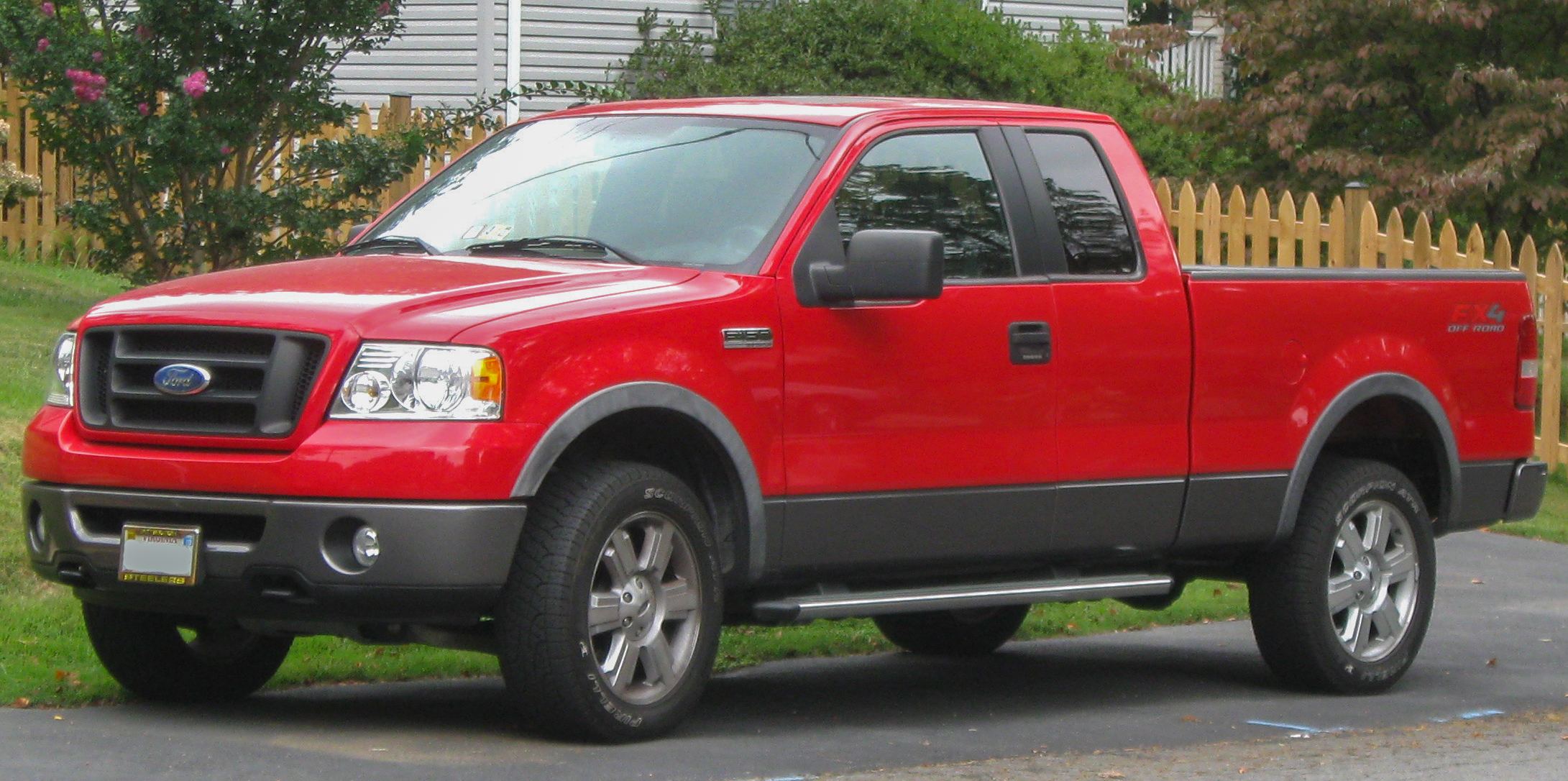
4. Ford F-150 Eleventh Generation (2004-2008)
Ford’s eleventh-generation F-150, launched for 2004 with a completely new body and platform, represented a genuine attempt to address the problems that had accumulated during the tenth generation while advancing the truck’s capability and refinement to better compete with General Motors’ highly regarded GMT800 Silverado and Sierra platforms.
New frame architecture in this generation was substantially stiffer than the outgoing tenth-generation frame, which improved ride quality, handling, and structural integrity under load in ways that buyers who spent time in both generations described as immediately perceptible. Structural improvement at this fundamental level benefits multiple aspects of truck behavior simultaneously, from towing stability to NVH levels to long-term durability of body mounting points that flex in less rigid frames.
Powertrain lineup included a revised 5.4-liter Triton V8 that attempted to address the spark plug concerns of the previous generation, though the fix in early eleventh-generation production was incomplete, and owners of 2004 through approximately 2007 models still experienced spark plug ejection issues in some cases.
Ford’s more effective resolution came later in the generation’s production and in subsequent model years, meaning buyers at the beginning of this generation were still dealing with variations of the problem the generation was supposed to solve.
Interior quality improved substantially in the eleventh generation, with the SuperCrew configuration providing genuine rear passenger space that made the F-150 competitive with the crew cab truck space that buyers were increasingly demanding.
Ford’s attention to interior finish quality during this period reflected the growing understanding that truck buyers expected car-like interior environments rather than stripped working vehicle interiors.
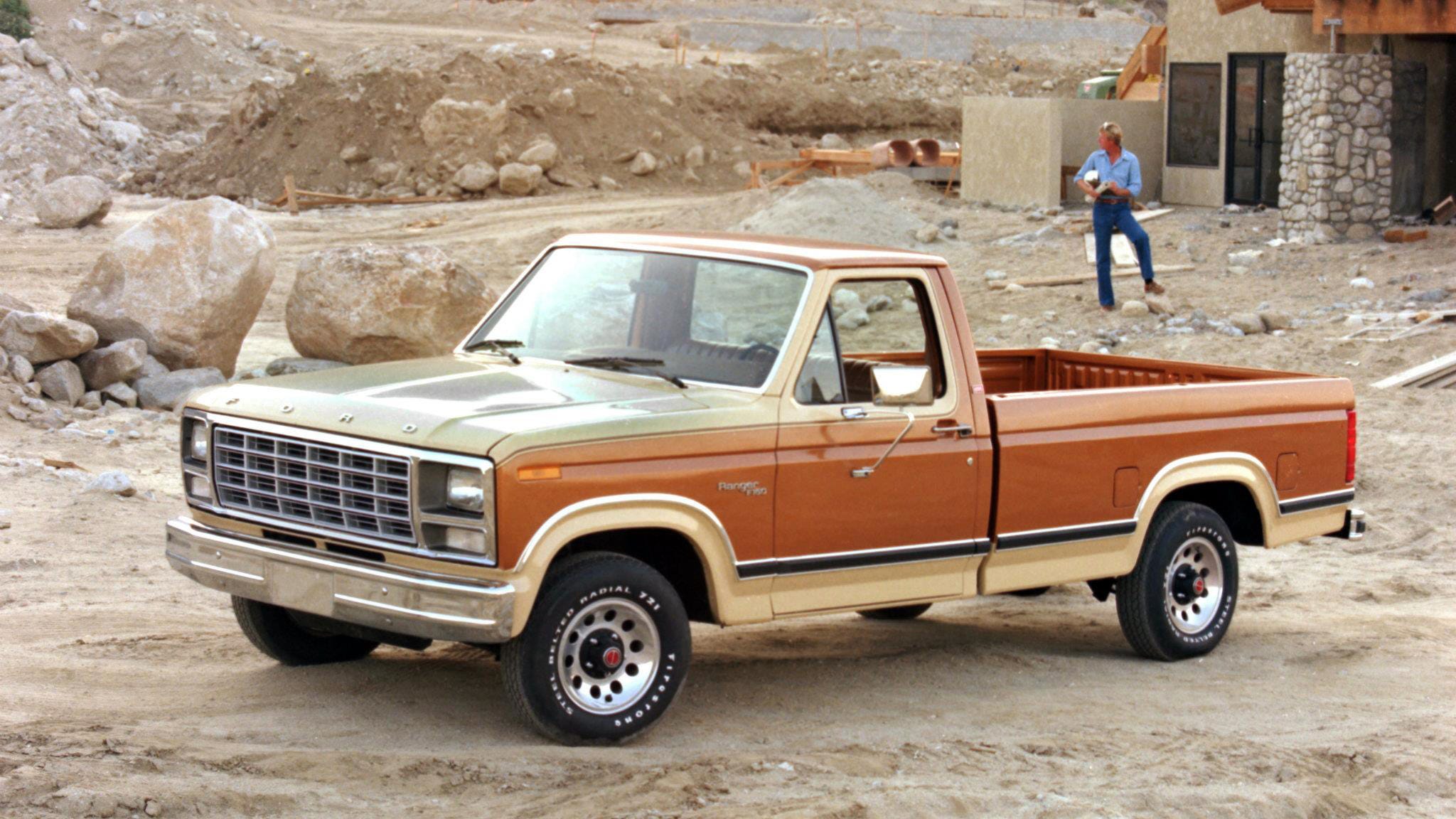
5. Ford F-150 Seventh Generation (1980-1986)
Ford introduced the F-150 designation specifically to avoid the emissions and weight regulations that applied to vehicles classified above a certain gross vehicle weight rating, and the seventh generation that carried this designation through the early and mid-1980s was the generation that established what the F-150 name would come to mean for American truck buyers.
Body design in the seventh generation used the twin I-beam front suspension that Ford had developed specifically for truck use, providing a combination of load capacity and ride quality that distinguished the F-150 from competitors using different front suspension architectures.
The twin I-beam was not perfect; it could wear in ways that caused specific front-end alignment challenges at high mileage, but it was a distinguishing engineering feature that Ford riders identified as part of the F-150’s specific character. Powertrain options, including the 300 cubic inch inline-six and the 302 and 351 cubic inch V8s, were proven powerplants with established reliability records that served buyers across the full range of work and personal use applications that the F-150 served.
These engines were not technologically advanced by the standards of what was emerging in the automotive industry during this period, but they were dependable in ways that owners of the period found genuinely valuable.
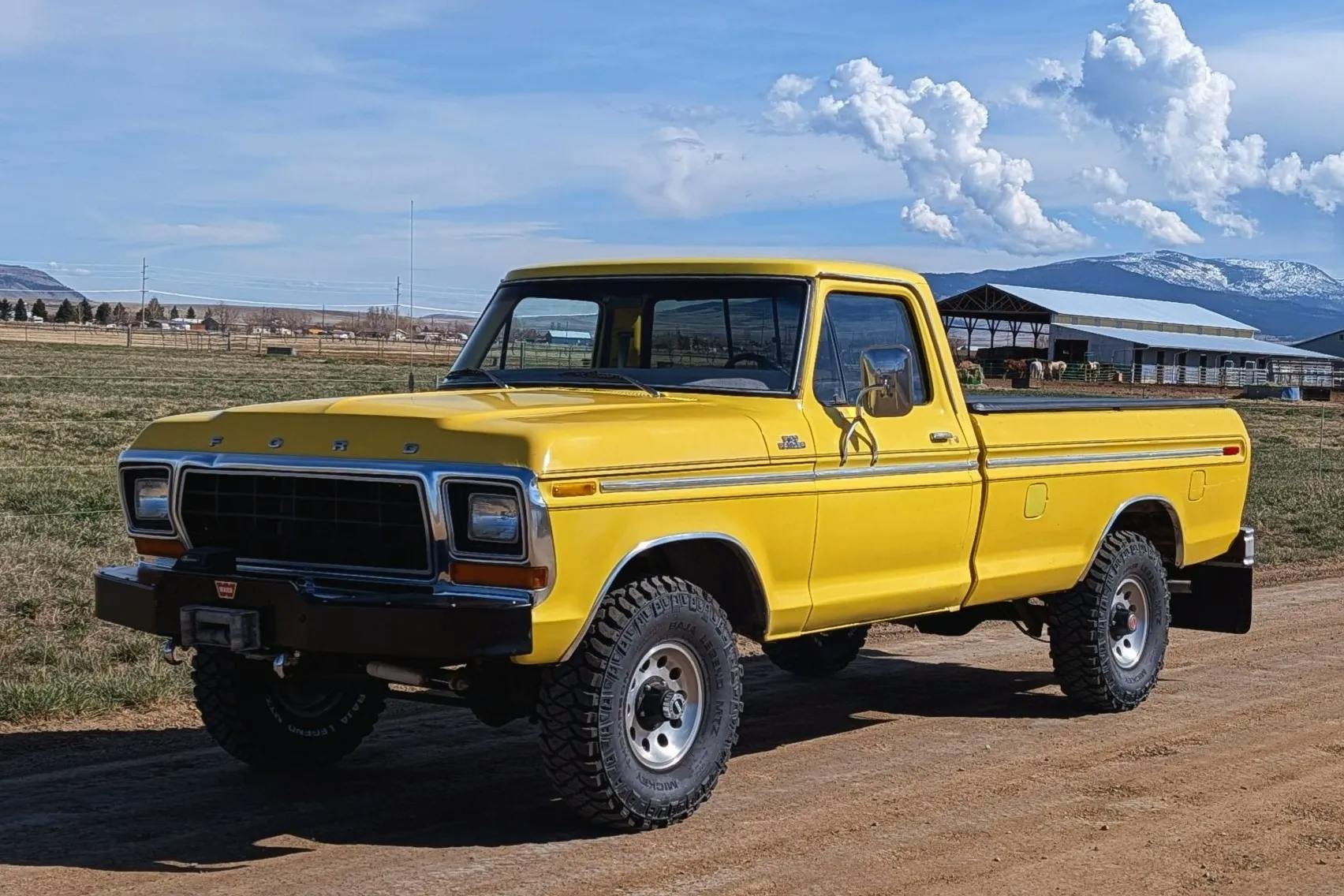
6. Ford F-150 Sixth Generation (1973-1979)
Ford’s sixth-generation F-150, if we count back to the F-100 origins that eventually became the F-150 designation, established many of the characteristics that subsequent generations would refine rather than reinvent. Solid rear axle, body-on-frame construction, a range of inline-six and V8 engine options, and a no-nonsense approach to truck utility that matched exactly what American buyers of the period required from their work and personal transportation.
Construction quality in this generation reflected American manufacturing during a period of industrial confidence, and the trucks that survive from this era in working condition today demonstrate that the materials and assembly quality were sufficient for the kind of extended service life that gives classic trucks their reputation for durability. Survivors from this generation that have been maintained rather than restored are still pulling trailers and hauling loads in some markets, which is the most honest testimony to build quality available.
Cargo and towing capability matched the needs of buyers during this period, with payload ratings and towing capacity that served the agricultural, construction, and personal recreation users who made F-series trucks the best-selling vehicles in America during this era. Ford had established market leadership through capability that buyers could verify through actual use, and this generation maintained that capability reputation with appropriate engineering investment.
Interior appointments were deliberately minimal by later standards but appropriate for the era and the buyer’s expectations of the period. Bench seats in vinyl or cloth, basic instrument clusters, and functional rather than comfortable designs were accepted norms for truck interiors in the 1970s, and the sixth generation met these expectations without falling below the standards that competitors were maintaining simultaneously.
Rust resistance was not a strength of this generation, which reflects the industry-wide approach to corrosion protection during the 1970s rather than a specific Ford shortcoming. Surviving examples from this era in rust-prone climates are fewer than their production numbers would suggest because the sheet metal and structural steel of the period were more susceptible to corrosion damage than subsequent generations would become, as Ford and the industry invested in improved corrosion protection.
The sixth generation ranks at number six because it was solid without being exceptional, building the foundation for the F-150’s market leadership while not delivering the specific advancements that define the higher-ranked generations in this list.
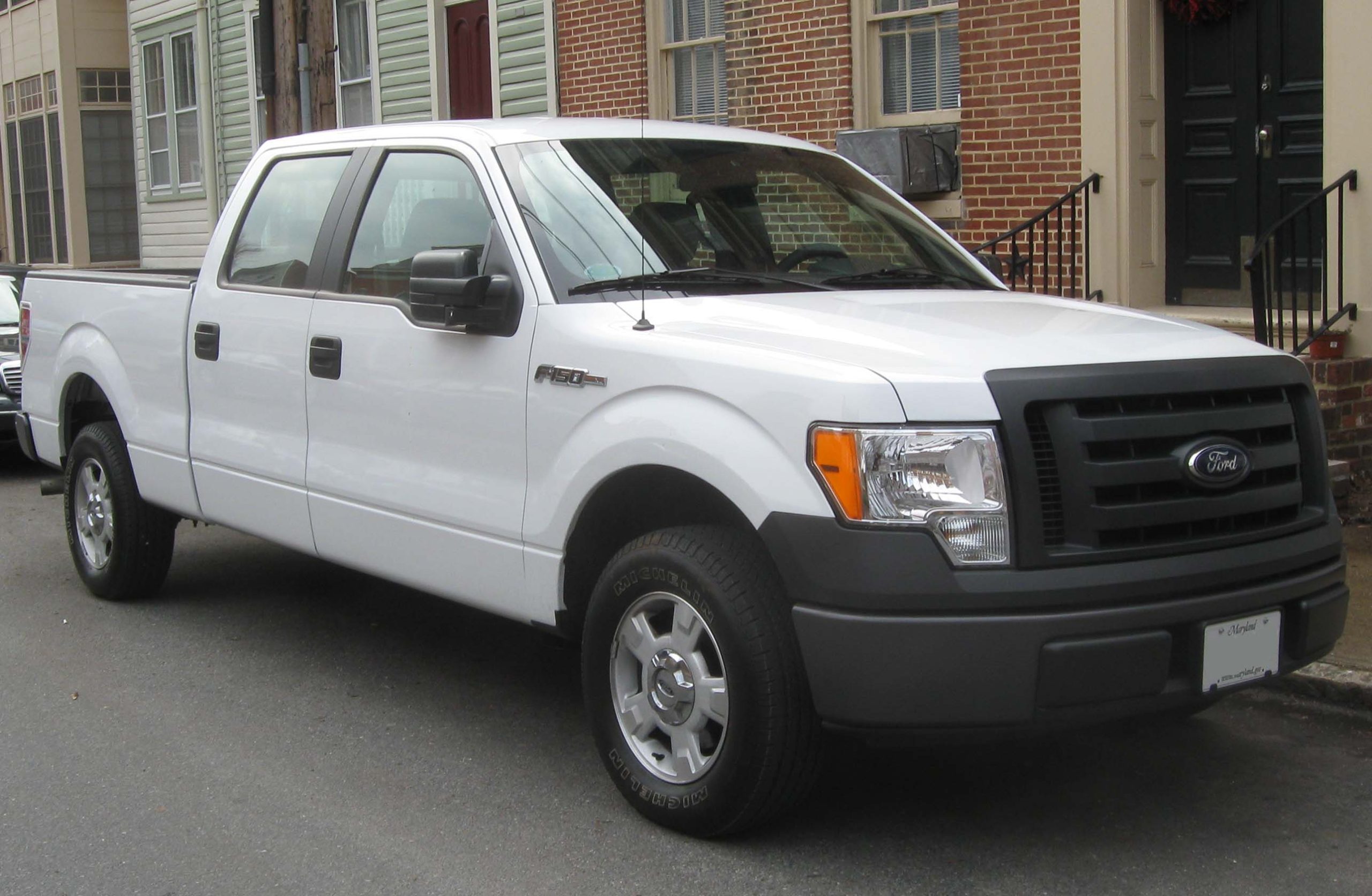
7. Ford F-150 Twelfth Generation (2009-2014)
Ford’s twelfth-generation F-150, which spanned the 2009 through 2014 model years, represents a generation whose ranking is defined largely by two factors: the resolution of many of the powertrain issues that plagued the tenth and eleventh generations, and the introduction of the SVT Raptor that created an entirely new performance truck category with the F-150’s name attached to it.
EcoBoost 3.5-liter twin-turbocharged V6 introduction for the 2011 model year was a transformative powertrain decision that Ford made against market skepticism. Truck buyers in 2011 were deeply skeptical that a turbocharged V6 could match the torque delivery, durability, and towing capability of a naturally aspirated V8, and Ford’s challenge was proving through actual truck use that the technology could deliver rather than simply claiming it on paper.
The 3.5 EcoBoost validated its capability through documented towing tests, owner experience across multiple years of service, and eventual acceptance by truck buyers who valued the combination of V8-equivalent capability with improved fuel economy.
SVT Raptor introduction in 2010 established Ford as the first manufacturer willing to build a factory high-performance desert-racing-capable truck for public sale, and the Raptor’s FOX shock absorbers, high-clearance suspension geometry, and wide-body treatment created a visual and capability statement that competitors scrambled to match for years afterward.
By creating a new truck category rather than competing within existing categories, Ford demonstrated with the twelfth-generation Raptor that the F-150 name could carry performance truck credibility alongside work truck utility. Aluminum components were not yet introduced in this generation, with the conventional steel body maintaining the approach that buyers understood and trusted during a period when the coming aluminum-body transition was not yet public knowledge.
This steel-body twelfth generation benefited from improved corrosion protection compared to earlier generations and from structural rigidity improvements that the new frame architecture provided.
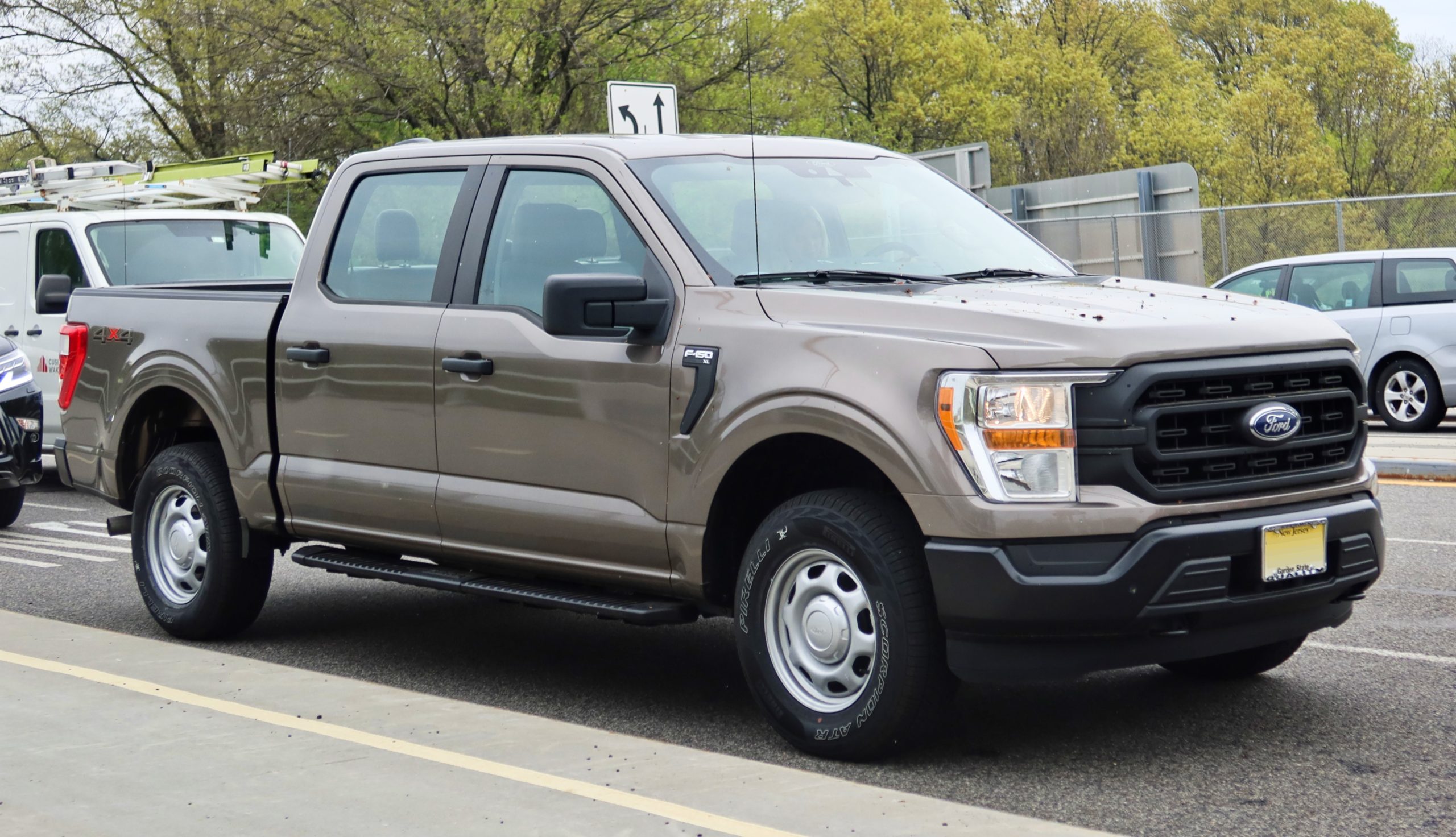
8. Ford F-150 Fourteenth Generation (2021-Present)
Ford’s fourteenth-generation F-150, launched for 2021 and continuing in production through the current model year, represents the most technologically ambitious F-150 generation produced to date, combining PowerBoost hybrid powertrain technology, Pro Power Onboard generator capability, and Max Recline rear seating with a comprehensive driver assistance and connectivity technology package that extends the truck’s utility beyond traditional transportation and work functions.
PowerBoost 3.5-liter hybrid powertrain combining the twin-turbocharged EcoBoost V6 with an electric motor that adds immediate torque and enables generator capability, represents Ford’s commitment to powertrain electrification in the truck segment without requiring buyers to accept pure electric operation before they are ready.
Hybrid assistance during towing provides supplemental torque precisely when trailer weight demands it most, at launch from a stop and during grade climbing, which produces confident pulling behavior that the combustion engine alone cannot match at equivalent displacement.
Pro Power Onboard generator producing up to 7.2 kilowatts of exportable power from the hybrid system created a specific use case that truck buyers immediately understood and valued: eliminating the need for a separate generator during job site operations, camping, outdoor events, and emergency power situations.
A truck that doubles as a power source expands its utility proposition beyond transportation and cargo capability into a category of genuine multi-use capability that no competing truck has matched at equivalent power export levels. Interior transformation in this generation produced the most refined and most car-competitive interior in F-150 history, with an available 12-inch center touchscreen,
Max Recline front seats that fold flat for sleeping, and interior ambient lighting that creates a driver environment that luxury car buyers would recognize as competitive with non-truck alternatives at equivalent price points.
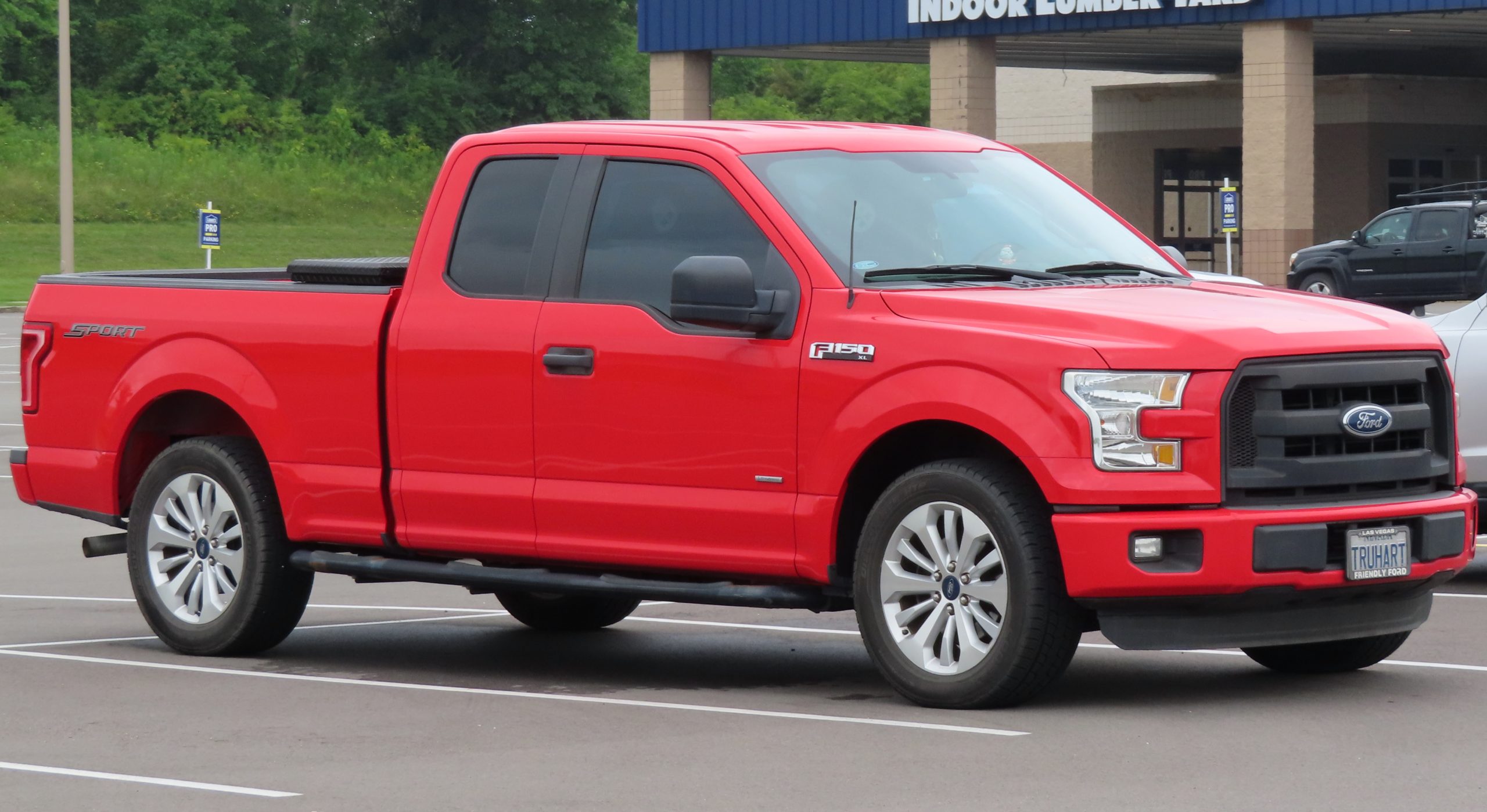
9. Ford F-150 Thirteenth Generation (2015-2020)
Ford made the most important and most controversial engineering decision in F-150 history when it introduced an aluminum alloy body for the thirteenth-generation F-150, launched for the 2015 model year. Replacing decades of steel body panels with military-grade aluminum alloy required Ford to retool its manufacturing facilities, retrain its production workforce, and convince a deeply skeptical truck-buying public that aluminum was not just acceptable for truck use but actually superior to steel in the specific ways that truck buyers value most.
The weight reduction of approximately 700 pounds compared to the outgoing twelfth-generation steel-body truck delivered improvements across multiple performance dimensions simultaneously. Payload capacity increased because the truck could carry more external weight when the structure itself weighed less.
Fuel economy improved because moving less mass requires less energy. Towing capability improved because the tow vehicle’s mass relative to trailer mass improved the stability ratio that trailer dynamics depend on. Skeptics predicted that aluminum would dent more easily, be harder to repair after minor damage, and resist corrosion less effectively than the steel it replaced.
Real-world ownership experience with the thirteenth generation produced answers to these concerns that were more favorable than the predictions suggested. Aluminum’s specific dent resistance characteristics produced different failure modes from steel but not worse ones in the range of typical truck use, and corrosion resistance from the aluminum alloy was measurably better than comparable-thickness steel body panels.
F-150 Raptor in this generation advanced beyond the twelfth-generation version with upgraded FOX suspension, wider track, 450 horsepower from the EcoBoost V6, and a new Baja-focused driving mode that provided a factory off-road truck experience that justified the Raptor’s premium pricing and created an aspirational halo product for the full F-150 lineup.
Also Read: Top 10 Affordable Classic Trucks for a First-Time Restorer
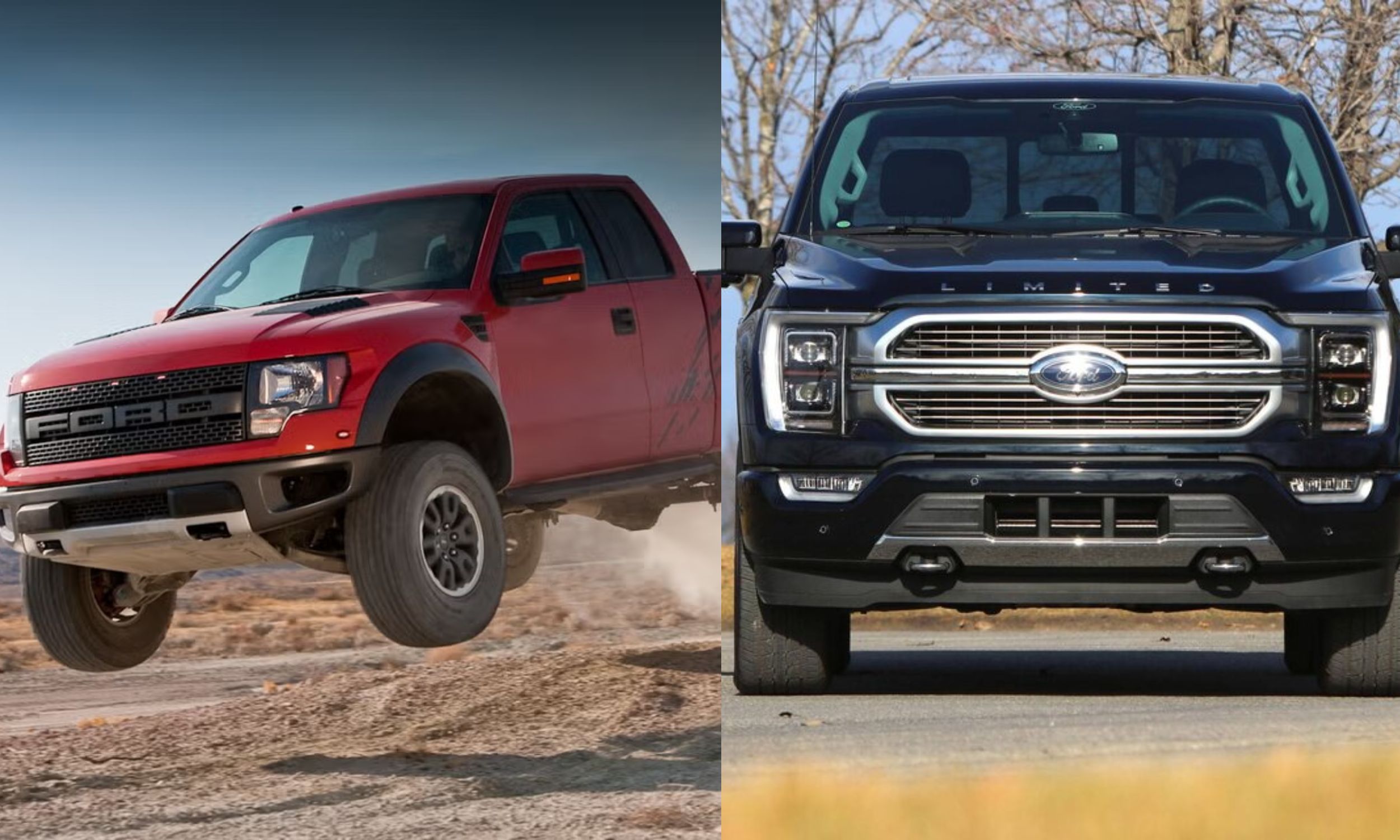
10. (Ranked Best) Ford F-150 Twelfth Generation SVT Raptor SuperCab 6.2L V8 (2010-2014) and F-150 Platinum SuperCrew EcoBoost (2011-2014) Combination Generation
Placing the twelfth generation at the top of this ranking acknowledges something that subsequent generations, for all their technological advancement, have not fully replicated: the moment when Ford simultaneously resolved the reliability issues that had damaged the truck’s reputation, introduced the most transformative performance sub-model in truck history, and launched the powertrain technology that would define the F-150’s future without abandoning the capabilities that current owners valued.
2011 through 2014 represents the period when the EcoBoost V8 replacement argument was being proven in the field, simultaneously with the Raptor establishing Ford’s off-road truck credibility, the PowerStroke diesel discussions building toward introduction, and the aluminum body transition being planned without yet being implemented.
It was a generation at peak confidence rather than peak technology, and peak confidence in a product that had been restored from reputation damage is sometimes more valuable than peak technology in a product that still has questions to answer.
Buyer satisfaction data from this generation, particularly from the 2011 through 2014 model years after the EcoBoost introduction but before the aluminum body controversy began, shows some of the highest recorded satisfaction levels in F-150 history.
Owners who bought these trucks knew they were getting proven steel-body construction with genuinely new powertrain technology that delivered on its efficiency and capability promises without requiring buyers to accept serious uncertainty about long-term outcomes.
Platinum and King Ranch trim levels during this period established F-150 interior quality at a level that made the luxury truck a credible category rather than a marketing description applied to trucks that remained fundamentally spartan inside.
This interior investment, combined with the powertrain confidence that EcoBoost was building through documented owner experience, positioned the F-150 for the continued market leadership it has maintained through subsequent generations.
