
Car safety has become one of the biggest priorities for modern automobile buyers, especially in markets where road conditions, traffic congestion, and highway speeds continue to increase every year. In the past, features like ABS, electronic stability control, and dual airbags were considered premium additions that were only available in expensive vehicles.
Today, however, the automotive industry has undergone a major transformation. Buyers are now actively comparing safety ratings, crash test performance, structural integrity, and airbag counts before purchasing a vehicle. One of the most significant developments in this shift is the growing number of cars that offer 10 airbags as standard across all variants. This move reflects the increasing importance of occupant protection in both luxury and premium vehicle segments.
Airbags play a critical role during accidents because they reduce the force of impact on passengers by acting as cushions between occupants and hard surfaces inside the cabin. A 10-airbag setup generally includes front airbags for the driver and passenger, side airbags, curtain airbags, knee airbags, and additional side protection systems designed to reduce injury during severe collisions.
These airbags work together with seatbelts, crumple zones, and advanced chassis engineering to provide comprehensive protection in frontal, side, and rollover crashes. In modern vehicles, airbags are no longer isolated systems. Instead, they are integrated into a larger safety ecosystem that includes sensors, collision detection software, and intelligent restraint systems.
Luxury automakers have been at the forefront of introducing advanced airbag technologies. Brands such as Lexus, Mercedes-Benz, Toyota, Audi, Porsche, and Aston Martin have invested heavily in research and development to improve occupant safety.
Their flagship sedans and SUVs often feature reinforced cabins, multiple airbags, advanced driver assistance systems, and autonomous emergency technologies that work together to prevent or reduce accident severity. These vehicles are engineered not only to survive crashes but also to minimize injury to passengers through carefully designed safety systems.
The rise of stricter global safety regulations has also encouraged manufacturers to increase the number of standard airbags in their vehicles. Organizations such as Euro NCAP, Global NCAP, IIHS, and Bharat NCAP have pushed automakers toward higher safety standards by rewarding vehicles that provide better occupant protection.
Consumers are also more informed today, thanks to social media, automotive reviews, and public crash-test results. As a result, buyers are increasingly willing to pay more for vehicles that offer advanced safety systems and stronger crash protection.
In this detailed article, we examine eight cars that come equipped with 10 airbags as standard. These vehicles represent some of the safest and most technologically advanced automobiles currently available.
From luxurious sedans to rugged SUVs and performance-oriented machines, every car on this list combines engineering excellence with comprehensive safety systems. The first five vehicles in particular showcase how luxury manufacturers are redefining automotive safety by making multi-airbag protection a core feature rather than an optional upgrade.
Also Read: 10 Cars With Insurance Premiums Lower Than a Compact Sedan
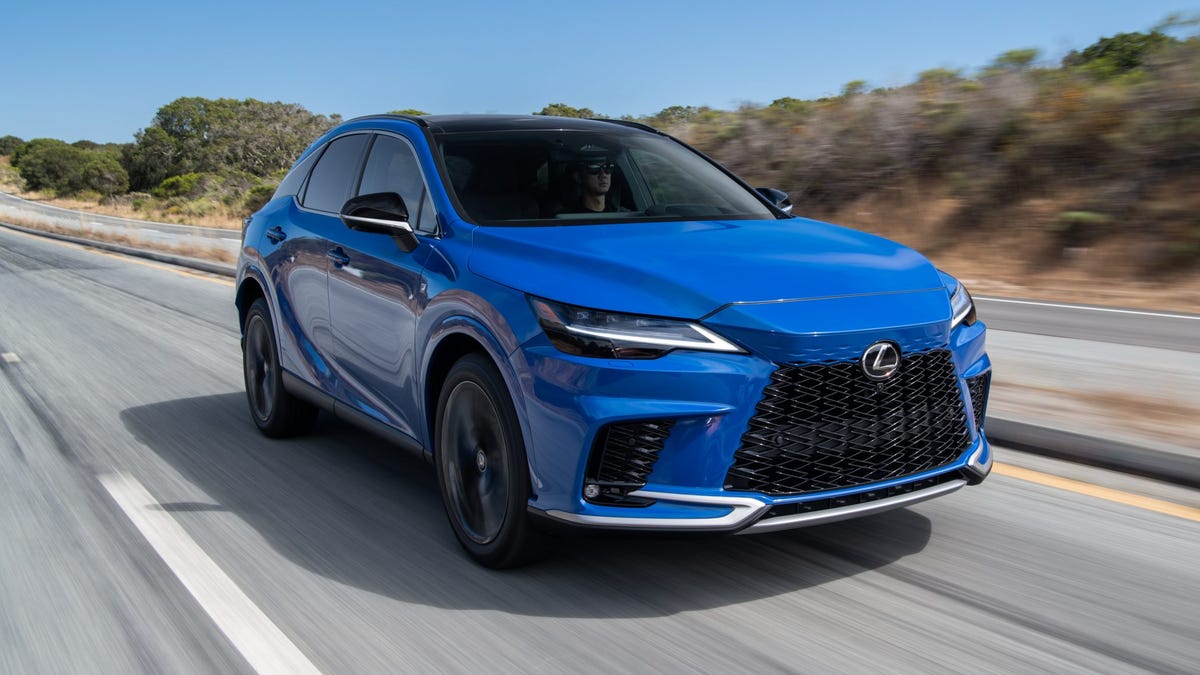
1. Lexus RX
The Lexus RX has earned a strong reputation globally as one of the most dependable and safest luxury SUVs in the premium midsize segment. Over the years, Lexus has focused heavily on creating vehicles that combine comfort, durability, refinement, and advanced safety technologies.
The RX stands out because it offers a comprehensive 10-airbag package as standard equipment, ensuring high levels of occupant protection regardless of the variant purchased. This setup typically includes dual front airbags, side airbags, curtain airbags covering both rows, and knee airbags for front occupants. Together, these systems provide protection in multiple crash scenarios, including frontal impacts, side collisions, and rollover accidents.
One of the strongest aspects of the Lexus RX is the way its passive safety systems integrate with its vehicle architecture. The SUV is built using high-strength materials that improve rigidity while maintaining controlled crumple zones. During a collision, the body structure is designed to absorb and distribute crash energy away from the passenger cabin.
This structural engineering works alongside the airbag deployment system, which uses advanced sensors to determine impact severity and activate the appropriate airbags within milliseconds. Lexus has carefully calibrated these systems to reduce injury risks while maintaining passenger comfort during normal driving conditions.
The RX also benefits from the Lexus Safety System+, a suite of active safety technologies designed to reduce accident risks before a collision even occurs. Features such as adaptive cruise control, lane departure alert, blind spot monitoring, automatic emergency braking, and pedestrian detection contribute significantly to road safety.
These technologies complement the 10-airbag system by helping drivers avoid dangerous situations. In modern safety engineering, active and passive systems are increasingly interconnected, and the RX demonstrates this philosophy exceptionally well.
Inside the cabin, the Lexus RX focuses heavily on passenger comfort and ergonomics. Seats are designed to reduce fatigue during long journeys while also supporting proper posture in the event of an accident. The cabin layout minimizes sharp surfaces and hard impact zones, further improving safety performance.
Lexus has also invested in noise reduction technologies and vibration control, creating a calm driving experience that helps reduce driver fatigue and distraction. This attention to detail enhances both comfort and safety simultaneously.
Another reason the Lexus RX remains highly respected is its reliability. Many luxury vehicles offer advanced safety technologies, but long-term dependability can sometimes become a concern. Lexus consistently ranks among the most reliable automotive brands globally, meaning the RX’s safety systems are designed to remain effective over years of ownership.
Buyers looking for a luxury SUV with a strong focus on safety, reliability, comfort, and modern technology often consider the RX one of the best packages available in the segment.
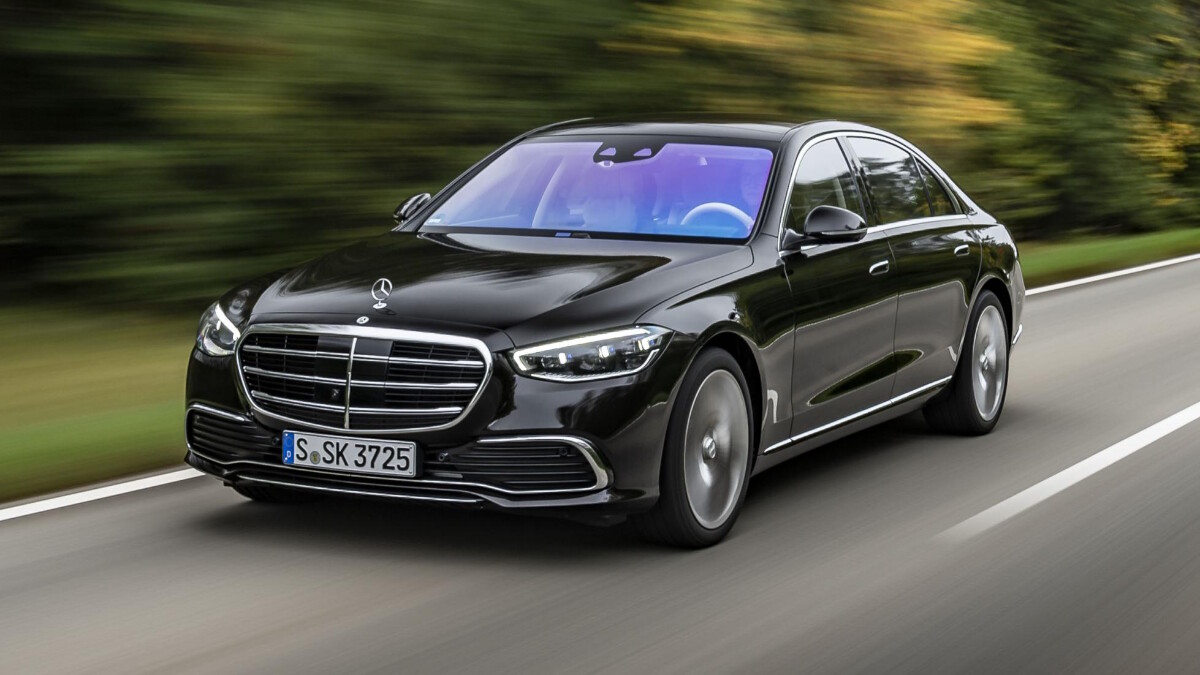
2. Mercedes-Benz S-Class
The Mercedes-Benz S-Class has long been considered the benchmark for luxury sedans, not only because of its comfort and technology but also because of its groundbreaking safety innovations.
Historically, Mercedes-Benz introduced many technologies that later became standard across the automotive industry, including ABS, electronic stability control, and advanced crash protection systems. The modern S-Class continues this tradition with a sophisticated 10-airbag configuration that provides comprehensive protection for both front and rear passengers.
The airbag setup in the S-Class is designed to respond intelligently based on the type and severity of the collision. In addition to standard front airbags, the sedan includes side airbags, curtain airbags, and knee airbags that help minimize lower-body injuries.
Mercedes-Benz has also integrated advanced occupant sensors capable of adjusting deployment force depending on passenger size and seating position. This level of precision reflects the brand’s commitment to maximizing protection while minimizing unnecessary force during airbag deployment.
One of the defining features of the S-Class is its PRE-SAFE technology. This advanced safety system can detect potential collisions before they happen and prepare the vehicle accordingly. If the system senses an imminent crash, it automatically tightens seatbelts, adjusts seat positions, closes windows, and prepares the cabin for impact.
In certain scenarios, the suspension system can even raise the vehicle slightly to redirect crash forces toward stronger structural areas. These technologies work together with the 10 airbags to create one of the most advanced occupant protection systems available in any production car.
The structural engineering of the S-Class is equally impressive. Mercedes-Benz uses a combination of ultra-high-strength steel, aluminum, and advanced composites to create a rigid yet lightweight chassis. The passenger cell is designed to remain intact during severe impacts, while designated crumple zones absorb kinetic energy. This engineering significantly improves survival space for occupants and reduces the likelihood of serious injury during major accidents.
Beyond safety, the S-Class offers unmatched interior refinement. Rear-seat passengers receive limousine-level comfort with reclining seats, advanced climate control, massage functions, and premium materials throughout the cabin.
The focus on luxury does not compromise safety in any way. In fact, Mercedes-Benz integrates safety seamlessly into every aspect of the vehicle’s design. For buyers seeking one of the safest and most technologically advanced luxury sedans in the world, the S-Class remains an industry leader.
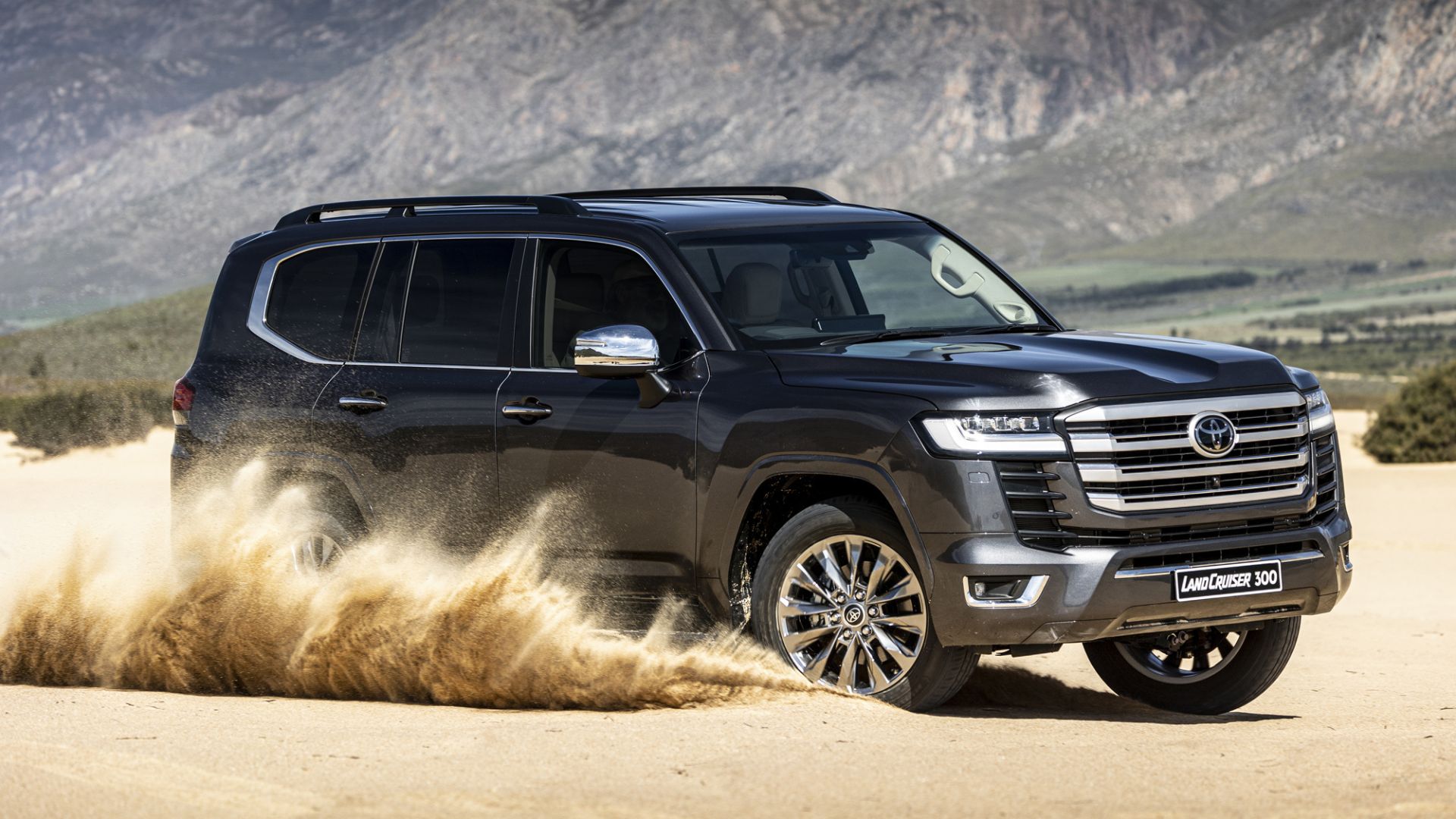
3. Toyota Land Cruiser 300
The Toyota Land Cruiser 300 is one of the most iconic SUVs ever produced, known globally for its durability, reliability, and ability to perform in extreme environments. While the Land Cruiser has traditionally been associated with off-road capability and rugged engineering, the latest generation also places significant emphasis on occupant safety. The SUV comes equipped with 10 airbags as standard, reinforcing Toyota’s commitment to combining toughness with advanced passenger protection.
The Land Cruiser 300 is built on Toyota’s TNGA-F platform, which uses a lighter yet stronger frame structure compared to previous generations. This new platform improves crash performance while maintaining the SUV’s legendary off-road strength.
During an impact, the frame and body structure work together to absorb and redirect crash energy away from the passenger compartment. Combined with the 10-airbag system, this architecture provides excellent protection for occupants in both urban and remote driving conditions.
One of the reasons the Land Cruiser 300 stands out is its versatility. Unlike many luxury SUVs designed primarily for city driving, the Land Cruiser is engineered to handle deserts, mountains, forests, and rough terrain while still delivering high levels of comfort and safety.
Driving in remote areas often involves unpredictable road conditions, making advanced safety systems even more important. Toyota has therefore equipped the vehicle with advanced electronic safety technologies, including adaptive cruise control, lane tracing assist, blind spot monitoring, and autonomous emergency braking.
The cabin design also contributes significantly to occupant safety. Seats are engineered for stability and support during rough terrain driving, while the airbag placement ensures comprehensive coverage in multiple collision scenarios. Curtain airbags protect passengers during rollover incidents, which are particularly important for taller SUVs operating on uneven surfaces. Knee airbags further reduce injury risks for front occupants by limiting lower-body movement during frontal impacts.
Another major advantage of the Land Cruiser 300 is Toyota’s reputation for reliability and global support. Safety systems are only effective if they continue functioning properly over time, and Toyota’s engineering standards ensure long-term durability.
This reliability has made the Land Cruiser a preferred choice among governments, rescue organizations, explorers, and families worldwide. It remains one of the safest and most dependable full-size SUVs currently available.
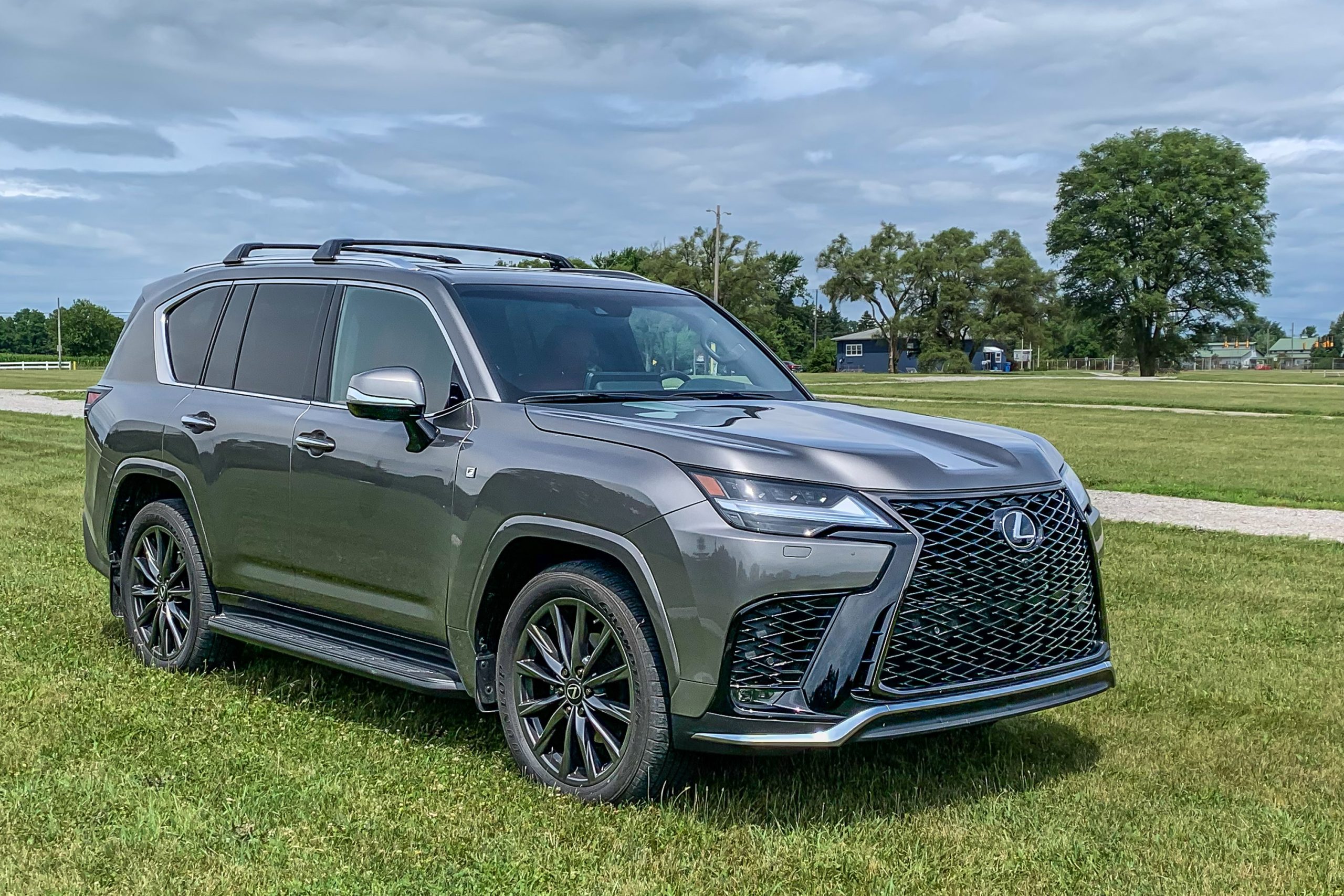
4. Lexus LX
The Lexus LX is a luxury SUV that combines premium comfort with the rugged engineering foundations of the Toyota Land Cruiser. Positioned as Lexus’s flagship SUV, the LX delivers exceptional levels of refinement while maintaining impressive durability and off-road capability. Safety is a major highlight of the vehicle, with a standard 10-airbag system designed to provide complete protection for all occupants.
The LX uses a highly reinforced body structure engineered to handle both highway collisions and off-road stress conditions. Lexus has focused heavily on maintaining structural rigidity while optimizing energy absorption during crashes.
The SUV’s airbags are strategically positioned throughout the cabin to protect passengers from multiple angles, including frontal, side, and rollover impacts. This comprehensive approach significantly reduces injury risks in severe accidents.
Luxury and safety are deeply interconnected in the Lexus LX. The cabin is designed using premium materials that not only enhance comfort but also contribute to occupant protection.
Soft-touch surfaces, carefully designed seating positions, and reinforced cabin areas all help improve passenger safety. Lexus has also incorporated advanced seatbelt systems and intelligent crash sensors that coordinate with the airbags to optimize restraint performance during impacts.
The LX also features a wide range of advanced driver assistance systems that help prevent accidents before they occur. These include adaptive cruise control, lane departure warning, rear cross-traffic alert, automatic high beams, and collision mitigation systems. Together with the airbag setup, these technologies create a multi-layered safety environment that protects occupants under various driving conditions.
Despite its large size and luxurious nature, the Lexus LX remains highly capable off-road. This combination of capability, comfort, and safety is relatively rare in the automotive industry. Buyers who need a premium SUV that can handle long-distance travel, difficult terrain, and family transportation while offering top-level safety often view the LX as one of the best choices in the segment.
Also Read: 10 Cars That Survive Being Used as Daily Uber Vehicles
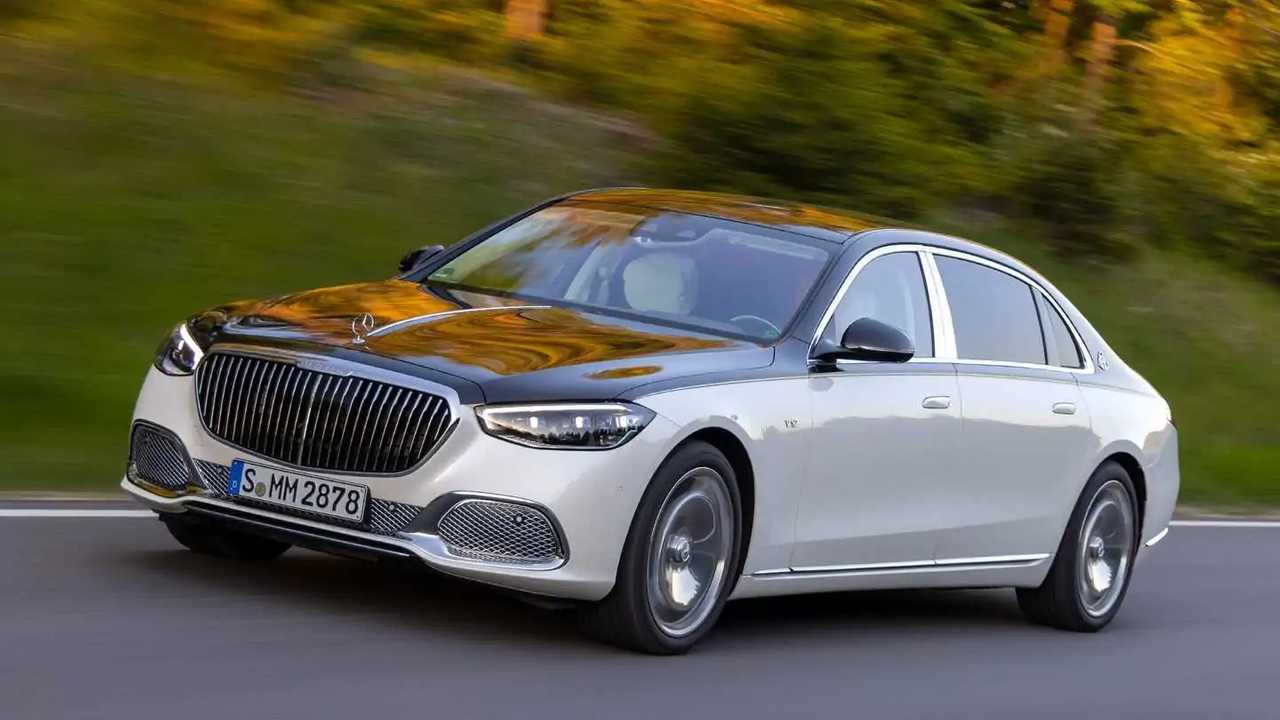
5. Mercedes-Maybach S-Class
The Mercedes-Maybach S-Class represents the pinnacle of luxury motoring, offering an unmatched blend of comfort, craftsmanship, technology, and safety. While the Maybach name is often associated with exclusivity and opulence, the vehicle is equally impressive from a safety perspective. It comes equipped with 10 airbags as standard, ensuring that both front and rear occupants receive exceptional protection during collisions.
One of the defining characteristics of the Mercedes-Maybach S-Class is its focus on rear passenger safety. Since many owners use the vehicle with chauffeurs, Mercedes-Benz has engineered the rear cabin with limousine-level protection standards. Side airbags, curtain airbags, and advanced seatbelt systems are carefully integrated into the rear seating area to reduce injury risks during impacts. The seats themselves are designed to maintain optimal posture and support in emergency situations.
The Maybach also benefits from Mercedes-Benz’s highly advanced PRE-SAFE technology. This system continuously monitors driving conditions and can prepare the vehicle for a potential collision within fractions of a second. Seatbelts tighten automatically, seats adjust into safer positions, and the cabin is secured before impact occurs. These systems work in harmony with the 10 airbags to maximize occupant protection in severe crash scenarios.
Structural engineering is another major strength of the Maybach S-Class. The vehicle uses reinforced materials and sophisticated impact management systems to preserve cabin integrity during collisions. Despite offering one of the quietest and most luxurious interiors in the world, the sedan maintains exceptionally high crash safety standards. Mercedes-Benz engineers have successfully combined comfort and safety without compromise.
Inside the cabin, every detail is designed with precision. Premium leather upholstery, ambient lighting, reclining rear seats, and advanced entertainment systems create an unmatched luxury experience. However, beneath this elegance lies a highly sophisticated safety framework designed to protect passengers in virtually every driving condition. For buyers seeking luxury with world-class safety engineering, the Mercedes-Maybach S-Class stands among the finest automobiles ever built.
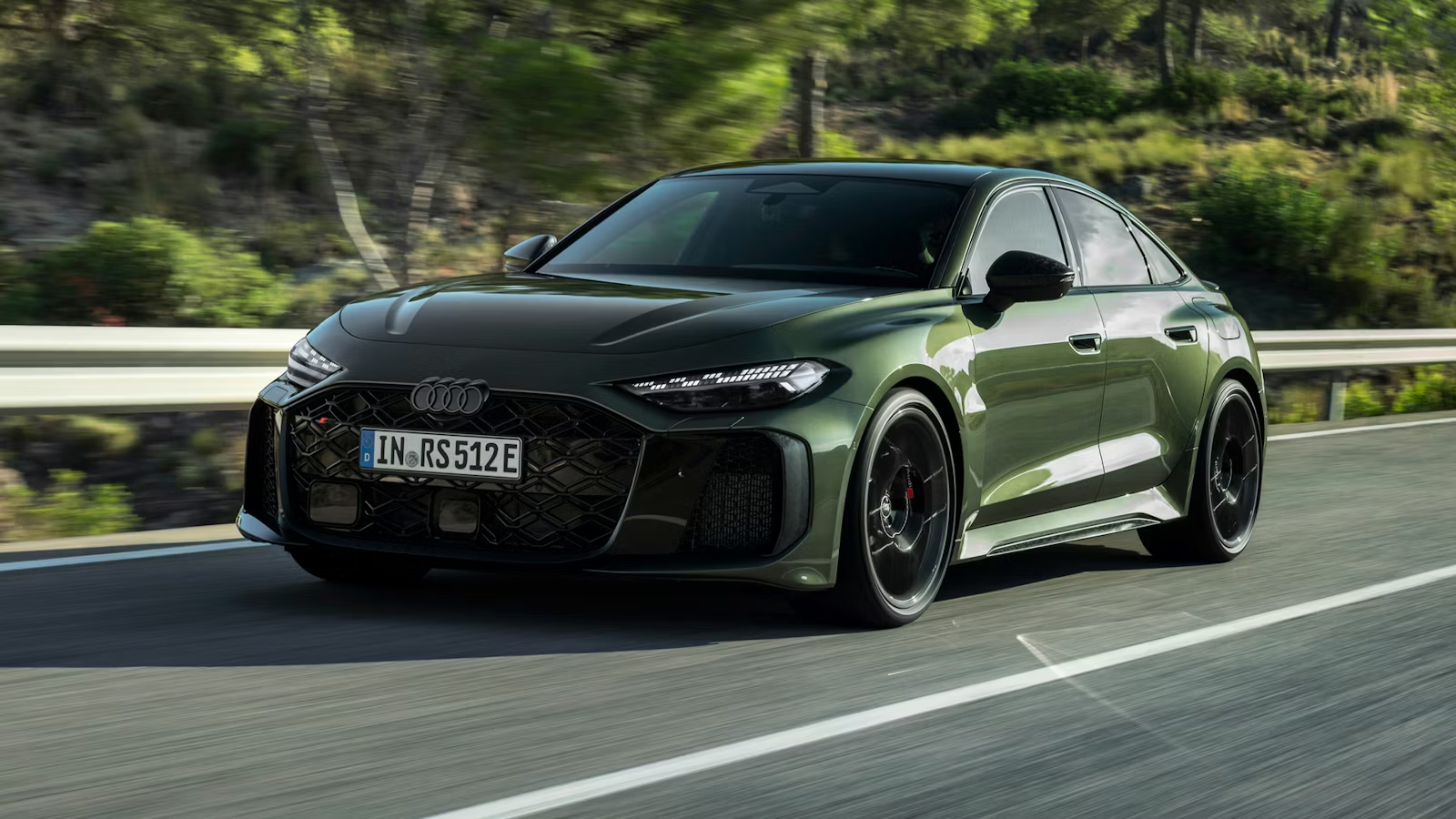
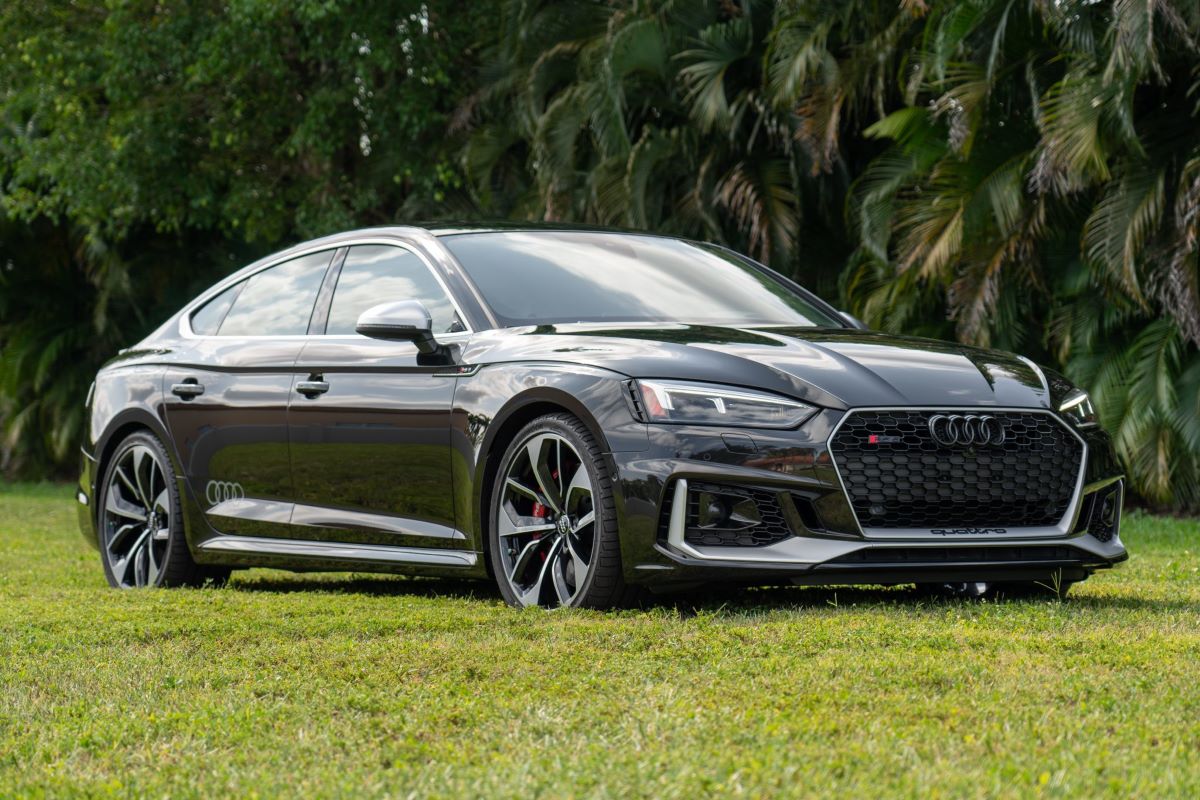
6. Audi S5 Sportback
The Audi S5 Sportback is a premium performance-oriented luxury car that successfully combines sporty dynamics, everyday practicality, and advanced safety engineering. Unlike many traditional sports sedans that focus primarily on speed and handling, the S5 Sportback delivers a balanced driving experience where passenger safety remains a top priority.
One of the most important highlights of the vehicle is its standard 10-airbag configuration, which provides extensive protection for occupants in multiple types of collision scenarios.
This setup typically includes dual front airbags, side airbags, curtain airbags covering both rows, and knee airbags designed to reduce lower-body injuries during frontal impacts. Audi has carefully engineered these systems to work together with the vehicle’s structural design for maximum effectiveness.
The body structure of the Audi S5 Sportback plays a crucial role in its safety performance. Audi uses a combination of high-strength steel and lightweight aluminum to create a rigid yet lightweight chassis that improves both crash safety and driving dynamics.
During a collision, the vehicle’s crumple zones absorb and redirect impact energy away from the passenger compartment. This helps preserve cabin integrity and reduces the force transferred to occupants. The airbag system is integrated with advanced sensors that can instantly detect the severity and direction of an impact, allowing the airbags to deploy precisely when needed. This level of engineering reflects Audi’s commitment to creating vehicles that are not only enjoyable to drive but also highly protective.
One of the standout technologies in the S5 Sportback is Audi’s Quattro all-wheel-drive system. While Quattro is primarily known for enhancing traction and performance, it also contributes significantly to safety. Improved grip and stability help reduce the likelihood of skidding, understeer, or loss of control during difficult weather conditions or emergency maneuvers.
In situations involving rain, snow, or slippery roads, the system distributes power efficiently between the wheels to maintain stability. By helping the driver retain control, Quattro works as a preventive safety feature that complements the vehicle’s passive safety systems such as airbags and reinforced body construction.
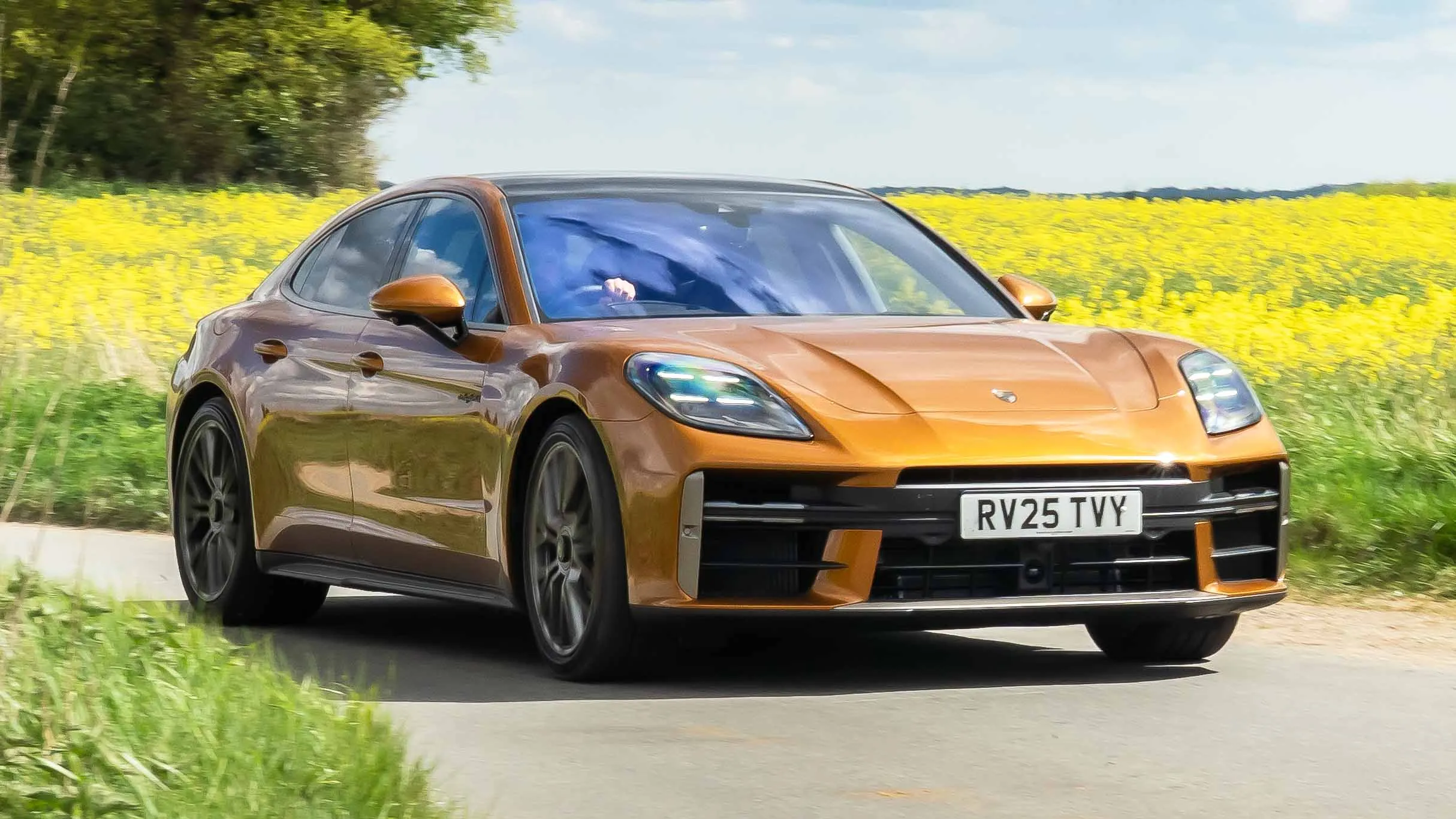
7. Porsche Panamera
The Porsche Panamera is one of the most unique luxury performance sedans in the automotive world because it successfully combines sports car DNA with executive-level comfort and advanced safety technologies. Porsche is globally recognized for producing high-performance vehicles, but the Panamera proves that exceptional speed and handling can coexist with outstanding occupant protection.
One of the most important aspects of the Panamera’s safety package is its standard 10-airbag system, which is designed to protect passengers during frontal, side, and rollover collisions. The airbag arrangement includes front airbags, side thorax airbags, curtain airbags, and knee airbags that work together to provide comprehensive protection throughout the cabin.
The structural engineering of the Porsche Panamera is among the most advanced in the luxury sedan segment. Porsche uses a combination of aluminum, ultra-high-strength steel, and lightweight composite materials to create a rigid chassis capable of withstanding significant crash forces.
The vehicle’s structure is carefully engineered to channel impact energy away from occupants while maintaining cabin integrity during severe accidents. Crumple zones at the front and rear absorb kinetic energy efficiently, reducing the amount of force transmitted to passengers. This structural design works closely with the 10-airbag system to maximize safety performance in multiple crash scenarios.
Porsche has also focused heavily on active safety systems that help drivers avoid accidents altogether. The Panamera includes advanced electronic stability management, traction control systems, adaptive suspension technologies, and highly responsive braking systems that contribute to vehicle stability.
These features are especially important in a high-performance sedan capable of reaching very high speeds. The car remains stable during sharp cornering, sudden lane changes, and emergency braking situations, giving drivers greater confidence and control in demanding conditions.
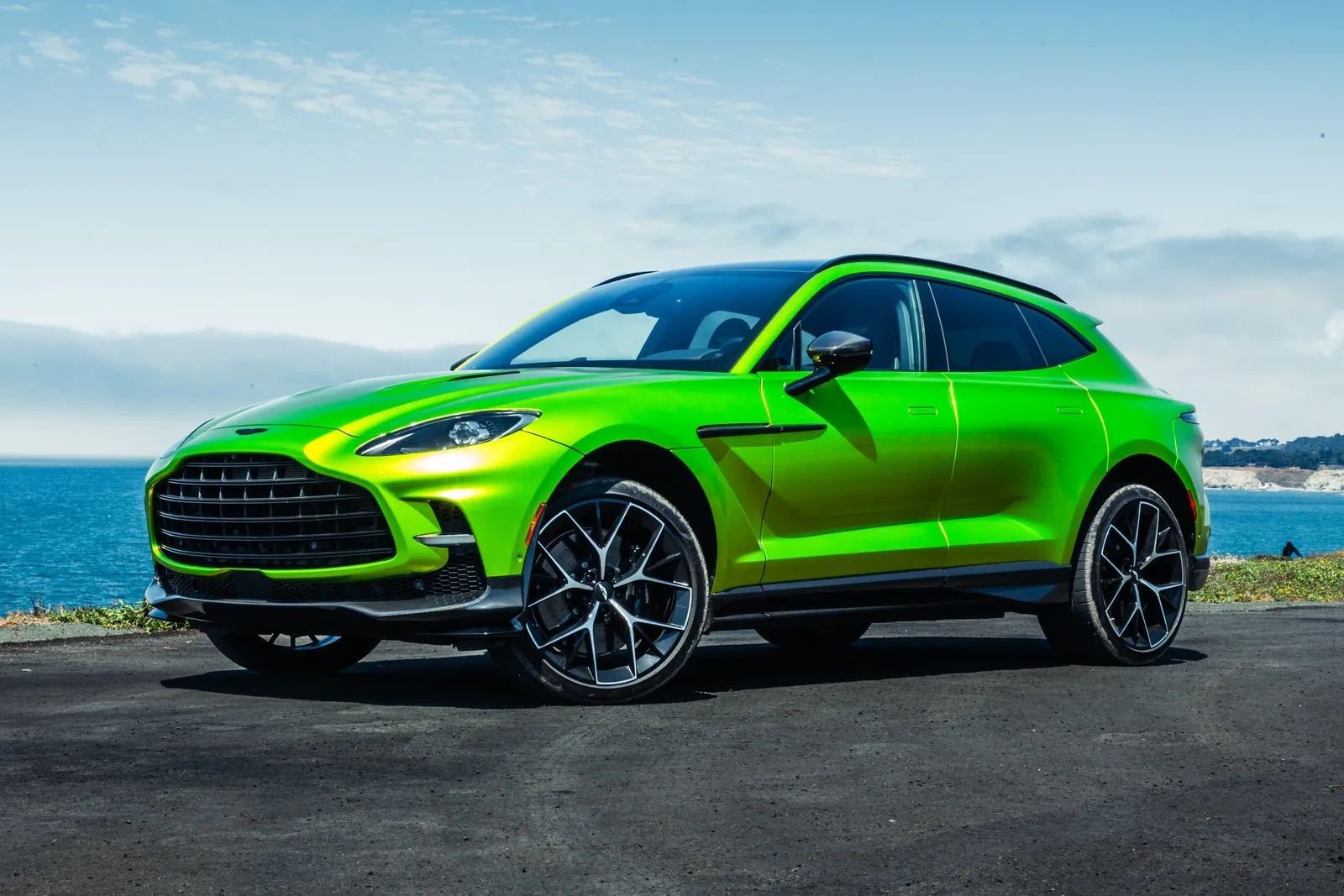
8. Aston Martin DBX
The Aston Martin DBX represents a major milestone for the legendary British luxury car manufacturer because it marks the brand’s successful entry into the high-performance SUV segment. Traditionally known for elegant sports cars and grand tourers, Aston Martin designed the DBX to combine luxury, performance, practicality, and advanced safety systems in a single package.
One of the most important highlights of the DBX is its standard 10-airbag system, which provides extensive protection for both front and rear occupants. This airbag setup includes front airbags, side airbags, curtain airbags, and knee airbags designed to reduce injuries during various types of collisions.
The structural design of the Aston Martin DBX reflects a careful balance between lightweight engineering and crash protection. The SUV uses a bonded aluminum architecture that delivers impressive rigidity while keeping weight under control. This lightweight yet strong structure improves handling and acceleration while also enhancing crash safety.
During a collision, the chassis is designed to absorb and distribute impact energy efficiently, helping preserve the integrity of the passenger cabin. Combined with the 10-airbag setup, this structural engineering provides strong protection in frontal, side, and rollover accidents.
One of the defining characteristics of the DBX is its ability to deliver sports car-like performance despite being a luxury SUV. The powerful engine, advanced suspension systems, and sophisticated all-wheel-drive technology allow the vehicle to achieve exceptional handling and stability.
These performance capabilities also contribute to safety by improving driver control in challenging road conditions. High-speed stability, responsive steering, and advanced braking systems help reduce accident risks during sudden maneuvers or emergency situations. Aston Martin has engineered the DBX to feel agile and predictable even at higher speeds, which is particularly important for a high-performance SUV.
Inside the cabin, the DBX offers a luxurious environment crafted with premium materials such as leather, aluminum, wood, and Alcantara. However, beneath this elegance lies a strong focus on occupant safety and comfort. The seats are ergonomically designed to provide support during both relaxed cruising and dynamic driving.
Aston Martin has also integrated advanced seatbelt systems, reinforced seating structures, and carefully positioned airbags to maximize passenger protection. The cabin layout minimizes distractions while maintaining excellent visibility for the driver, further enhancing road safety.
The spacious cabin, elevated driving position, and usable cargo capacity make it suitable for long-distance travel and daily use. Families who want a luxurious high-performance SUV with advanced safety systems often find the DBX an attractive option because it offers both practicality and exclusivity.
