
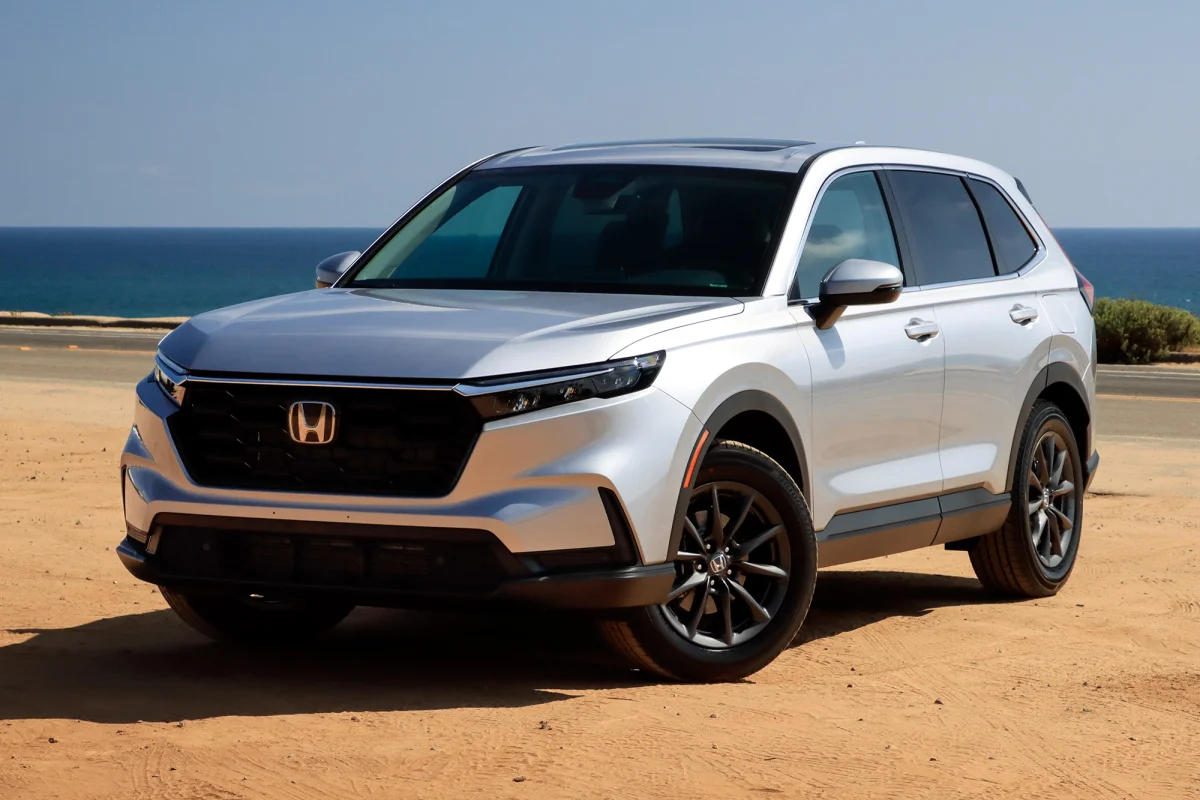
Choosing the right car after 60 is one of the most practical decisions a person can make, and it deserves far more honest conversation than it typically gets. Automotive marketing loves to target younger buyers with performance numbers and technology features that sound impressive in a commercial but mean very little to someone who simply wants to get in and out of a vehicle comfortably, see clearly through every window, drive confidently in traffic, and trust that the car will start reliably every single morning without drama.
Seniors are not a single type of driver. Some are still commuting. Some are traveling long distances to visit family. Some are running daily errands in dense urban environments, and others are covering open highway miles in retirement. What they share is a set of practical priorities that good vehicle design either addresses directly or ignores completely.
Entry and exit ease, seat height, visibility, intuitive controls, braking confidence, and suspension comfort are not luxury features. They are baseline requirements for a car that genuinely works for an older driver. Getting this decision wrong costs more than money. A car that is physically difficult to get in and out of discourages driving, which affects independence.
A car with a stiff ride on rough roads accelerates physical fatigue. A car with confusing touchscreen controls buried in menus distracts from the road. None of those outcomes serves the driver, and none of them have to happen if the right vehicle is chosen from the start.
Read both sections before making any decision. Knowing what to choose is only half the picture. Knowing what to avoid completes it.
4 Best Cars for Seniors
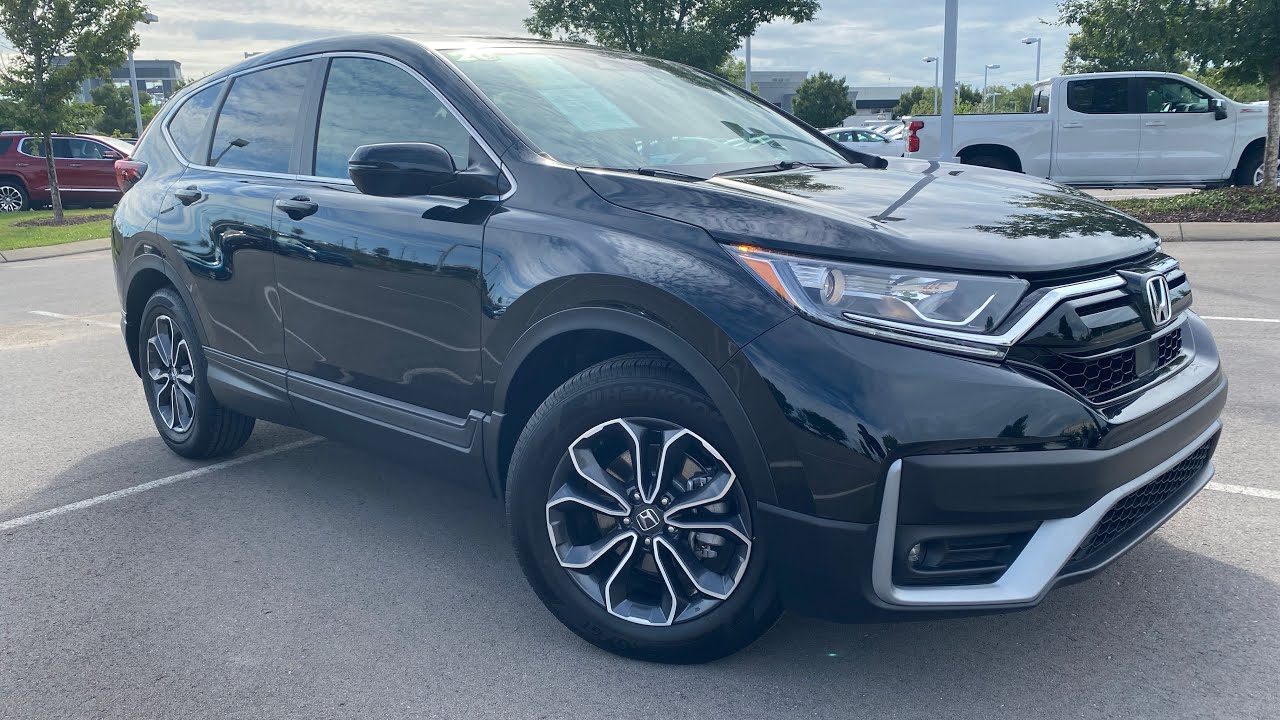
1. Honda CR-V EX-L AWD
Practicality and comfort rarely arrive in the same package without compromise, but the Honda CR-V EX-L AWD comes remarkably close to delivering both without asking the driver to give up meaningful ground in either direction. This crossover has earned its reputation as one of the most consistently recommended vehicles for senior buyers, and that recommendation is backed by specific design decisions that address real-world needs rather than theoretical ones.
Getting in and out of a vehicle is where the ownership experience begins every single day, and Honda sized the CR-V EX-L’s seating height at a point that works well for a wide range of older adults. At approximately 34 inches from the ground to the seat cushion, entry does not require the kind of upward climbing that taller SUVs demand, nor does it involve the low-drop descent that sedan seats present. Drivers simply step in and sit down, which is exactly the kind of frictionless entry that makes a vehicle genuinely livable at any age.
Outward visibility in the Honda CR-V EX-L is one of its strongest attributes for senior drivers. Honda positioned the A-pillars, side mirrors, and rear glass to minimize blind spots during normal driving. Rear cross-traffic alert and lane-keeping assist, both standard on the EX-L trim, provide electronic backup for the moments when neck rotation or peripheral vision is not what it once was.
Honda Sensing, the brand’s suite of active safety technologies, comes standard and includes collision mitigation braking, adaptive cruise control, and lane departure warning, all calibrated with response characteristics that feel supportive rather than intrusive.
Interior controls in the CR-V EX-L lean toward physical buttons and knobs for the most frequently used functions. Climate control has dedicated dials. Audio volume responds to a tactile knob. The 9-inch touchscreen handles less frequent functions but does not bury essential controls behind multiple menu layers the way some competitors do. For older drivers who find modern touchscreen-heavy interiors frustrating and distracting, Honda’s control philosophy in the CR-V represents a genuine advantage.
Ride quality on the CR-V EX-L manages the balance between body control and road comfort well enough that occupants on longer drives arrive without the fatigue that stiffer-sprung alternatives create. Front seats offer good lumbar support, reasonable bolstering for lateral stability without excessive tightness, and sufficient cushion depth to remain comfortable across highway mileage.
Honda’s powertrain, a 1.5-liter turbocharged four-cylinder paired with a continuously variable transmission, delivers smooth, predictable power delivery that does not require active management from the driver. Reliability data support the CR-V across multiple model years as one of the more dependable crossovers in its class, which matters enormously for senior buyers who want a vehicle they can trust without worry.
A car that starts every morning, handles routine maintenance without drama, and does not generate surprise repair bills is not an exciting selling point in a brochure. For a buyer who has chosen a vehicle for their primary transportation needs, it is the most important feature the car has.
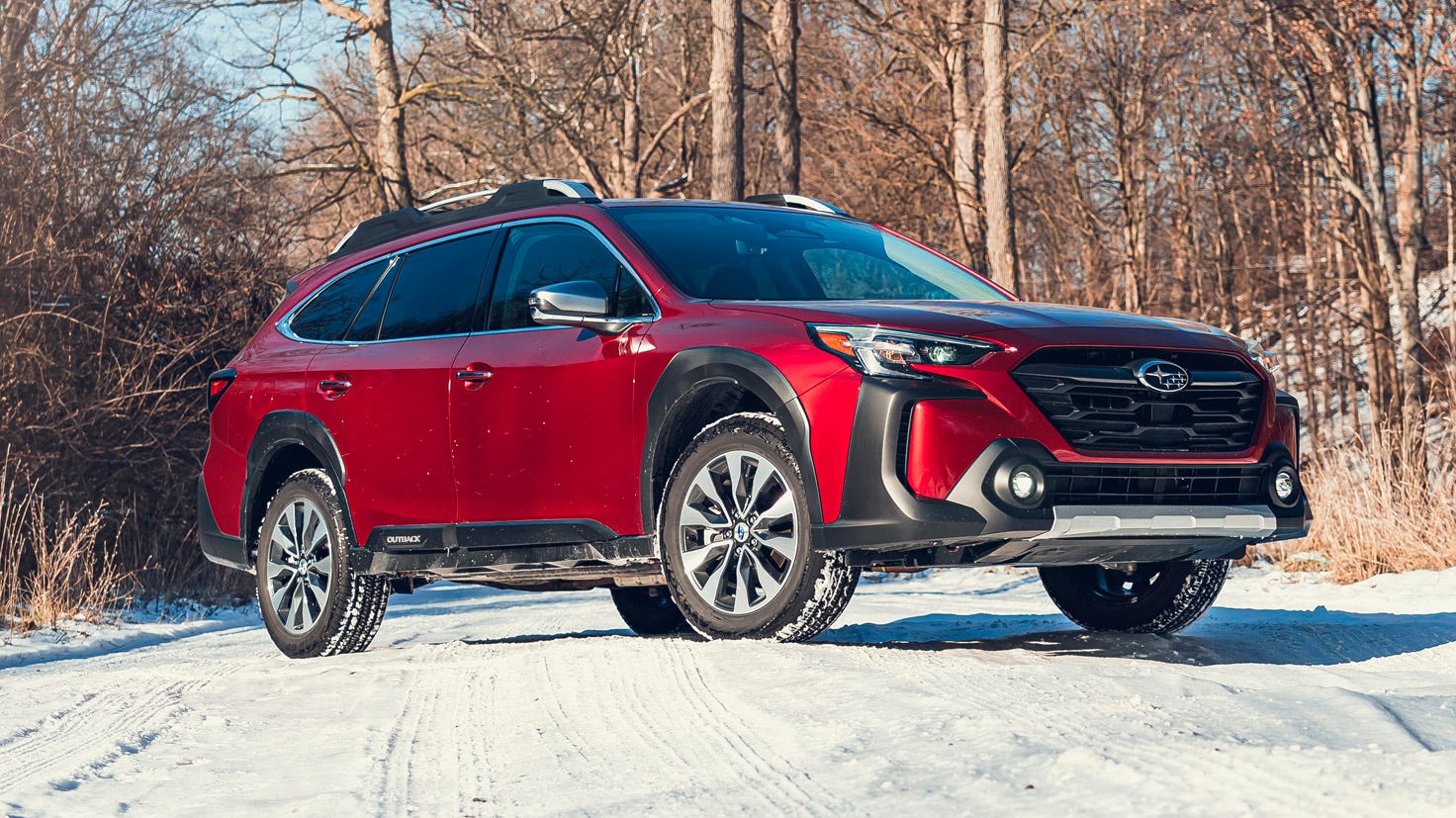
2. Subaru Outback Premium AWD
Subaru built the Outback as a crossover alternative before crossovers took over the market, and the current generation Outback Premium AWD continues to offer a combination of ground clearance, all-weather capability, and driver-friendly ergonomics that make it one of the better choices available for senior buyers who want a vehicle they can use confidently in any weather their region produces.
Seat height on the Outback Premium lands at approximately 35 inches, which positions occupants high enough for easy, natural entry and exit without requiring the kind of step-up that full SUVs demand. Subaru uses a traditional door opening that swings wide, providing good access space for sliding in and out without contortion.
Door handles are positioned at a natural grab height, and the grab handle above each door provides an assist point that senior drivers frequently find useful. All-wheel drive is standard on every Subaru Outback, which is a distinction that matters significantly in northern states and mountain regions where winter weather makes driving confidence a real daily concern.
Subaru’s Symmetrical AWD system distributes power continuously to all four wheels without driver intervention, providing traction stability on wet, icy, or snowy surfaces that front-wheel-drive vehicles cannot match. For a senior driver who lives in or travels through winter weather, the reassurance of standard AWD is worth a great deal.
EyeSight Driver Assist Technology, Subaru’s active safety suite, is standard on the Outback Premium and includes pre-collision braking, adaptive cruise control, and lane departure warning. Subaru’s pre-collision braking has received consistently high ratings from the Insurance Institute for Highway Safety across multiple testing cycles, which provides confidence that the system will perform when it matters.
Subaru also offers a DriverFocus Distraction Mitigation System on higher trims, which uses facial recognition to detect driver drowsiness and alert when attention appears to wander. Cargo access at the rear is practical for a senior driver managing grocery runs, golf bags, or luggage.
A hands-free power liftgate is available, and the cargo floor height is accessible without requiring deep reaching into a tall cargo area that truck-based SUVs demand. Interior storage is generous, with cubbies, pockets, and console space positioned where they are actually useful during daily driving.
Fuel economy from the 2.5-liter naturally aspirated Boxer four-cylinder is competitive for the segment, and the engine’s smooth, linear power delivery suits the relaxed driving style that many senior drivers prefer. Maintenance costs for Subaru Outback models are reasonable at independent shops, and parts availability is strong across the country, which keeps ownership costs predictable across the full service life of the vehicle.
Also Read: 3 Underrated Cars Worth a Second Look and 3 Overrated Ones
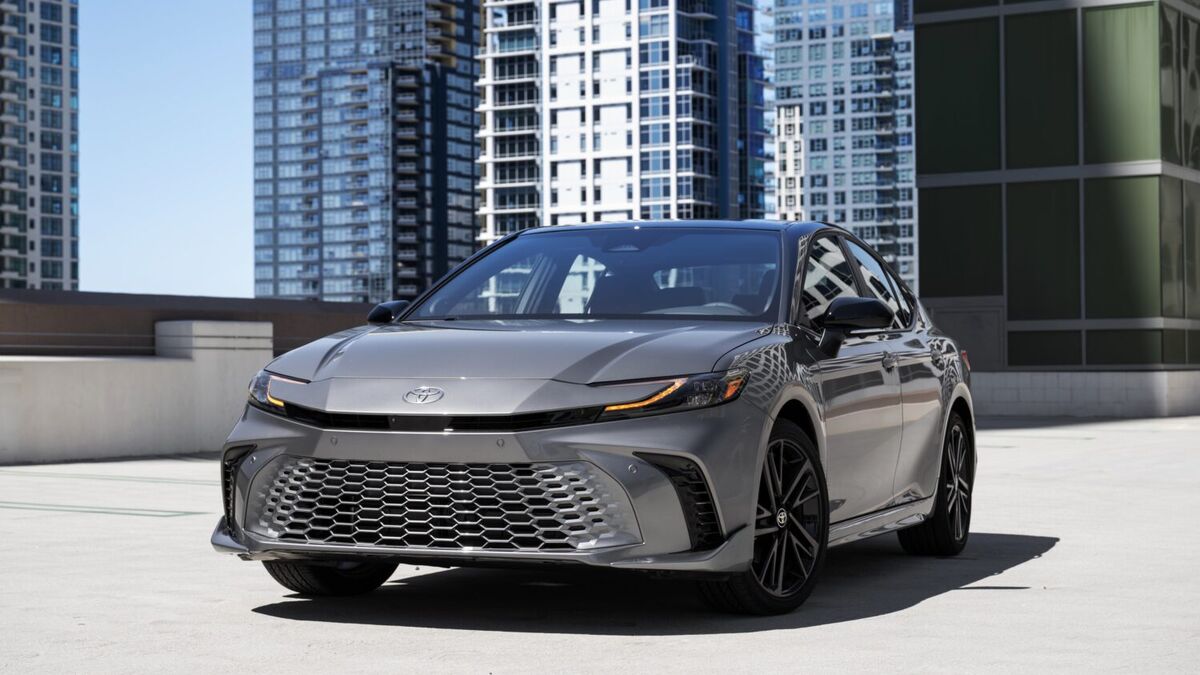
3. Toyota Camry XSE Hybrid
The Toyota Camry XSE Hybrid remains a strong option for senior drivers who prefer the balanced driving posture and efficiency of a sedan without sacrificing comfort or ease of use. Over several decades, Toyota has built a reputation for producing dependable vehicles, and this hybrid variant strengthens that standing through a refined driving experience and reduced fuel consumption. For buyers who value consistency and predictability, this model presents a practical and well-considered choice.
Seating height in the Camry XSE Hybrid is carefully positioned to strike a balance between accessibility and driving stability. It avoids the low, demanding entry associated with performance-oriented sedans while still maintaining a planted feel on the road.
This arrangement supports drivers who prefer a lower seating position without placing unnecessary strain on the knees or hips when entering or exiting the vehicle. The seats themselves are firm enough to promote proper posture during long journeys, while still offering sufficient cushioning for everyday driving comfort.
Adjustable lumbar support allows drivers to tailor seat positioning to suit their individual physical needs, which is particularly valuable for those who experience lower back discomfort. Exiting the vehicle requires a controlled movement that most senior drivers can perform comfortably, especially when the wide door opening is fully utilised. These seemingly small design choices contribute to a driving experience that feels natural rather than physically demanding.
Safety remains a major strength of this model. Toyota Safety Sense 3.0 comes standard and includes a wide range of driver assistance features designed to support awareness and reaction time. Systems such as pre-collision warning with pedestrian and cyclist detection, automatic emergency braking, adaptive cruise control with lane centring, blind spot monitoring, and rear cross-traffic alert provide meaningful support in common driving situations.
These technologies operate in a manner that feels measured and dependable, reducing unnecessary alerts that can frustrate drivers. The hybrid powertrain delivers a smooth and predictable response that aligns well with the preferences of many senior drivers.
Electric motor assistance at lower speeds allows the vehicle to move quietly and effortlessly in urban settings, reducing the need for abrupt acceleration. During deceleration, regenerative braking captures energy without creating an uncomfortable or unfamiliar pedal response, maintaining a natural driving feel.
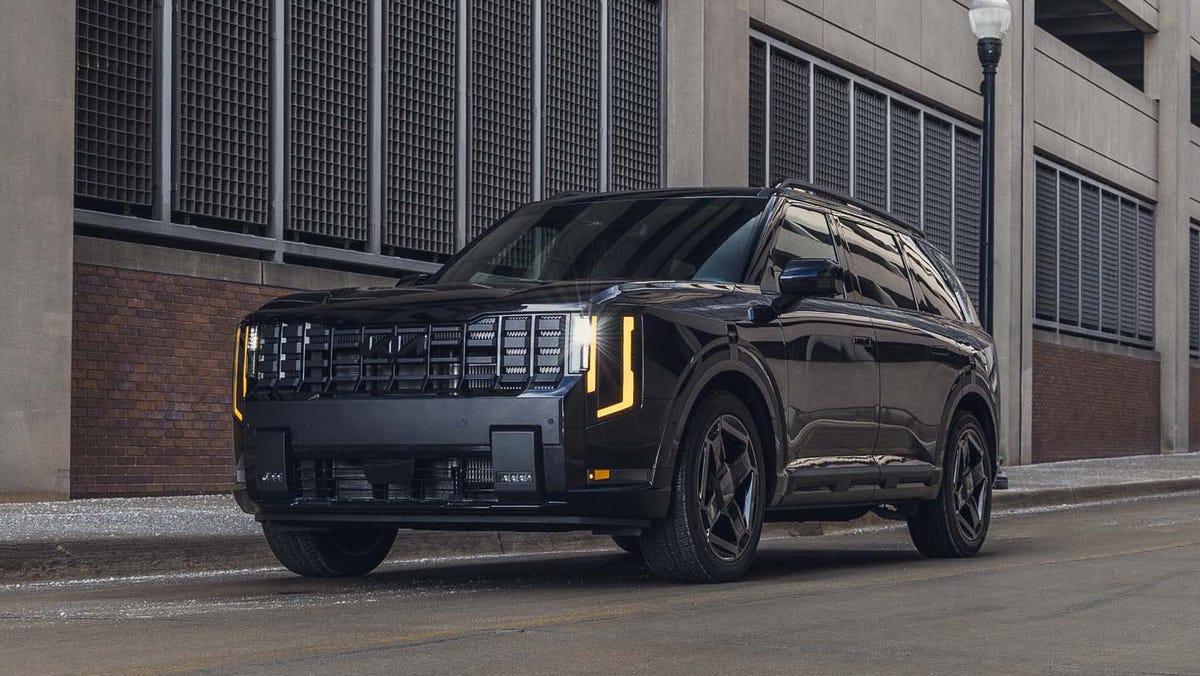
4. Kia Telluride EX AWD
The Kia Telluride EX AWD offers a well-rounded package for senior drivers who require additional space without sacrificing ease of operation. Designed as a three-row sport utility vehicle, it combines interior comfort, accessibility, and user-friendly technology in a manner that supports both driver and passengers. Its thoughtful design has made it a preferred choice among buyers seeking a spacious yet manageable vehicle.
Access into the Telluride EX is supported by a moderate step-in height, which reduces strain while entering the cabin. Kia has included a sturdy grab handle on the A-pillar, providing additional support for those who prefer a steady point of contact during entry.
The wide-opening doors further assist by allowing ample space for movement. Optional running boards can also be fitted to lower the effective step height, offering an extra level of convenience for individuals who require additional assistance.
Once inside, the elevated seating position provides a clear and confident view of the road ahead. This higher vantage point is particularly valued by senior drivers, as it improves visibility in traffic and reduces the need for constant adjustment while driving. The front seats are designed with ample headroom, legroom, and shoulder space, ensuring comfort during both short trips and extended journeys.
Passenger accommodation is equally well addressed. The second row offers easy access and supportive seating, making it suitable for family members or companions who may also benefit from straightforward entry and exit. This arrangement ensures that comfort is not limited to the driver alone but extends to all occupants within the vehicle.
Ride quality in the Telluride EX is carefully tuned to deliver a smooth and composed experience. The suspension system absorbs road imperfections effectively, reducing the impact felt within the cabin. At the same time, the vehicle maintains stability, avoiding excessive body movement that could cause discomfort. This balance contributes to a relaxed driving experience, particularly on longer journeys where consistent ride quality becomes more important.
Cabin quietness is another area where the Telluride performs well. Insulation from wind and road noise helps create a calm environment, allowing drivers to remain focused without unnecessary distraction. This refinement is especially beneficial during highway travel, where sustained noise levels can lead to fatigue.
The infotainment system is designed with clarity and ease of use in mind. A 10.25-inch touchscreen provides access to navigation, media, and vehicle settings through a straightforward interface. Physical shortcut buttons for climate and audio functions allow drivers to make adjustments quickly without relying solely on touch controls.
4 Cars That Are Not Senior-Friendly
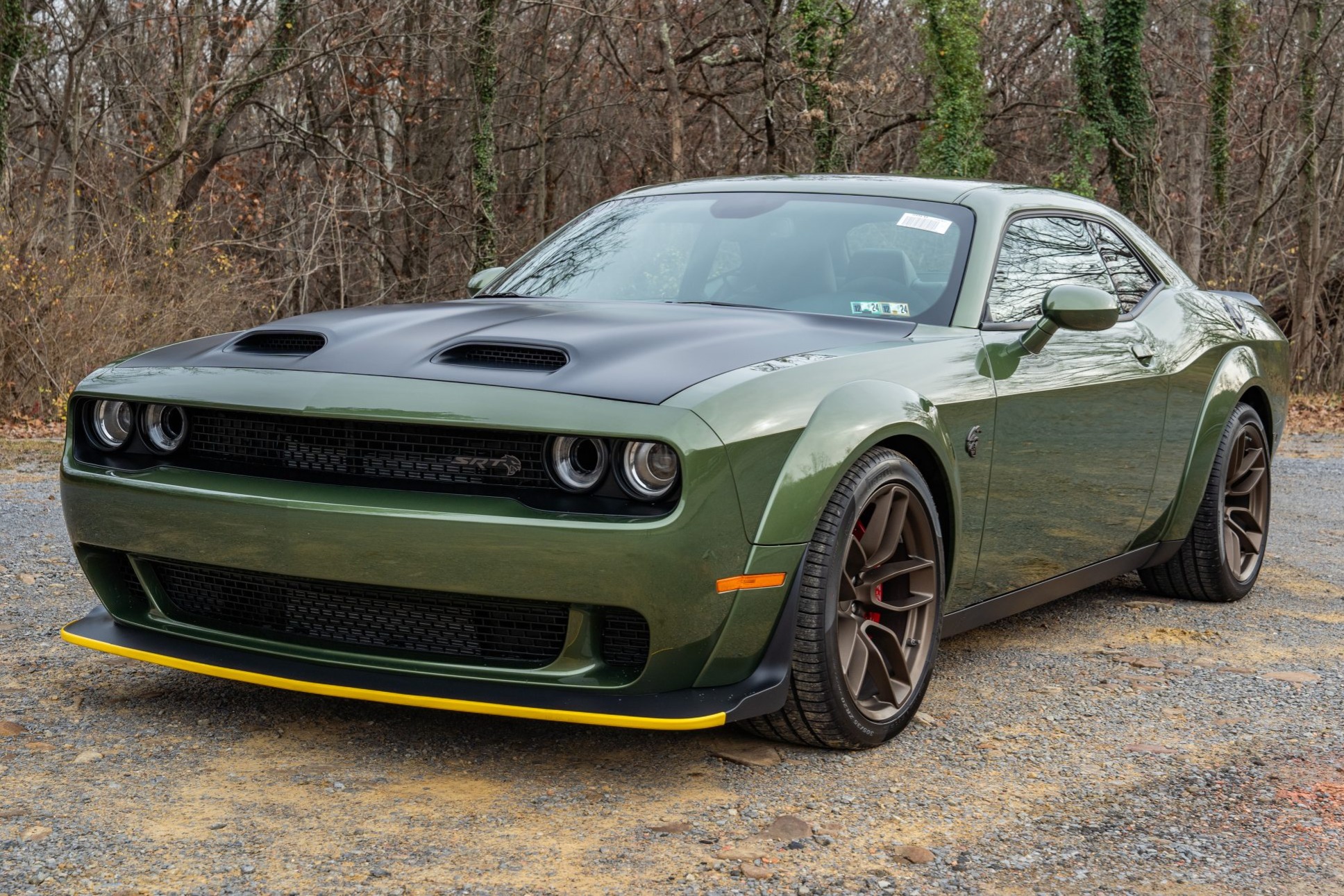
1. Dodge Challenger SRT Hellcat Widebody
Respect where it is due: the Dodge Challenger SRT Hellcat Widebody is one of the most viscerally exciting American cars produced in the last decade. Its 717-horsepower supercharged V8 engine, wide-body stance, and aggressive styling represent a legitimate statement about what American muscle can accomplish when the engineering team is given latitude to chase performance without compromise. For the right driver in the right context, it delivers an experience unlike almost anything else at its price point.
For a senior buyer, that same vehicle creates a set of daily physical challenges that become very wearing very quickly. Entry into the Challenger’s low, wide cabin requires bending considerably at the waist, swinging legs over a wide door sill, and lowering into a sport bucket seat that sits close to the floor.
Getting out reverses that process, requiring the driver to push up and out while managing a heavy door that swings on long hinges. None of those motions is catastrophic for a young, flexible driver. For a senior with any degree of joint stiffness, limited hip flexibility, or reduced lower body strength, they become a daily physical negotiation that diminishes the ownership experience rapidly.
Outward visibility in the Challenger SRT Hellcat Widebody is one of its most documented practical shortcomings. Thick rear pillars create substantial blind spots during lane changes and reverse maneuvering. Rear visibility through the small rear window is limited, and while a backup camera is standard, the combination of low seat position and restricted sightlines makes urban parking an exercise that requires more effort than senior drivers should have to invest in a routine task.
Ride quality from the performance-tuned suspension communicates road texture with a directness that performance drivers value and comfort-oriented drivers find fatiguing. Adaptive suspension is available, and softer settings improve compliance meaningfully. But even in its most comfortable configuration, the Challenger SRT Hellcat Widebody rides with a firmness that produces physical fatigue during longer drives that senior occupants feel more acutely than younger ones.
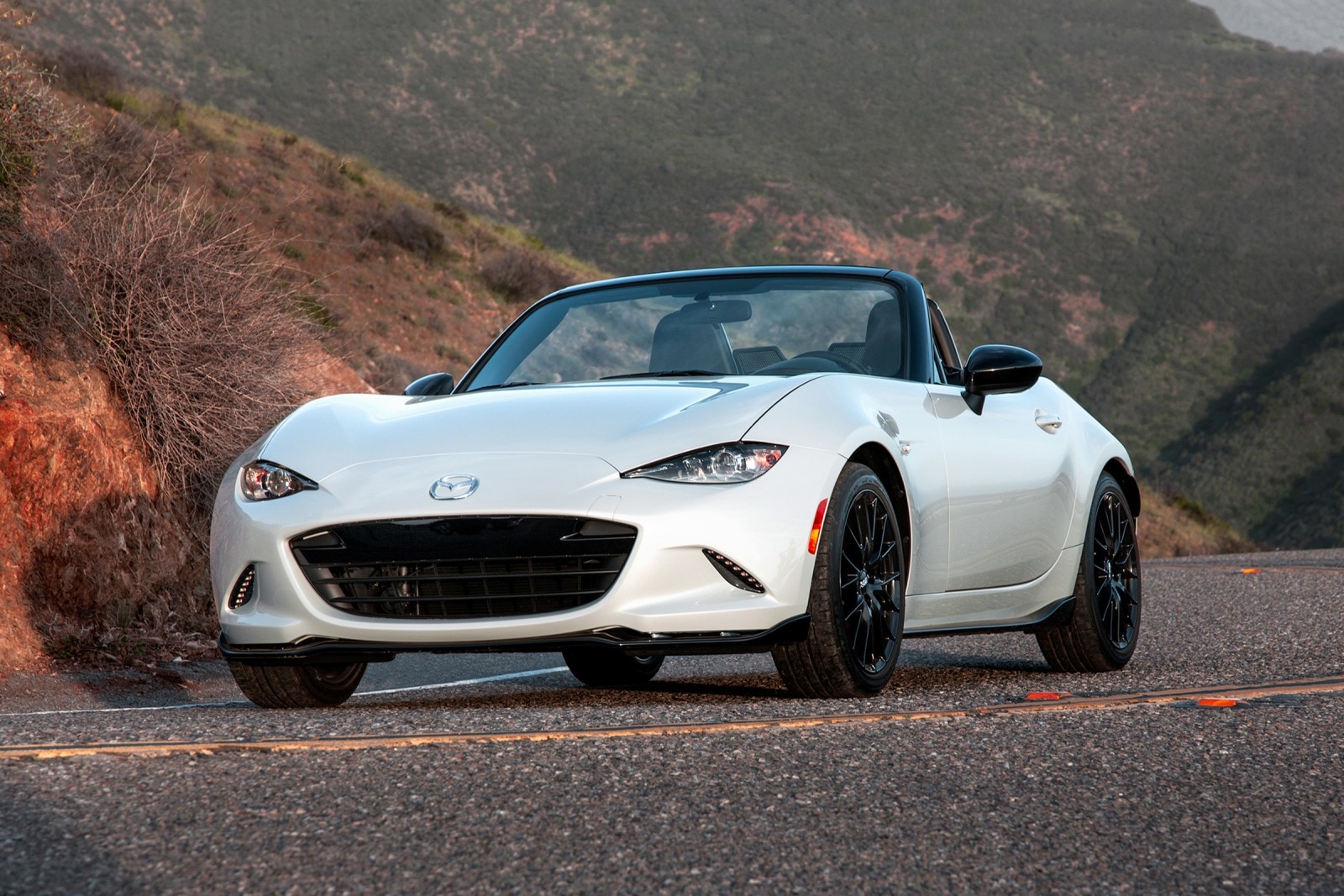
2. Mazda MX-5 Miata Sport Convertible
A thorough, honest evaluation of the Mazda MX-5 Miata Sport Convertible requires separating what makes it genuinely excellent from what makes it genuinely unsuitable for senior drivers, because both things are simultaneously true. As a driver’s car, it earns respect from nearly every automotive authority that has evaluated it. As a practical daily vehicle for an older adult, it creates a set of physical and ergonomic challenges that compound into real daily friction very quickly.
Entry into the MX-5 Sport requires stepping over a wide sill into a seat that sits approximately 23 inches from the ground. That measurement places it among the lowest seating positions of any production vehicle sold in the United States. Reaching that seat height requires a lowering motion that healthy young drivers accomplish easily, and senior drivers with any degree of hip, knee, or lower back limitation find uncomfortable or difficult.
Getting out follows the same physics in reverse, requiring the occupant to push upward and swing legs over the sill while managing a body angle that works against natural movement patterns for older adults. Soft-top operation on the MX-5 Sport is manual rather than power-assisted. Latching and unlatching the roof requires reaching overhead, applying force to release the latch, folding the top rearward, and stowing it behind the seats. That process is quick and easy for a driver in their twenties or thirties.
For a senior driver with limited shoulder mobility, reduced arm strength, or arthritis in the hands, it becomes an uncomfortable routine that discourages using the convertible function entirely. A convertible whose roof is too physically demanding to operate removes the primary reason for buying a convertible in the first place.
Cargo capacity in the MX-5 is genuinely minimal. A small trunk accommodates weekend bags for two but discourages anything approaching regular grocery or errand capacity. Senior drivers who use their vehicle for practical daily tasks will find the MX-5 Sport’s cargo limitations create a need for a second vehicle or a frequent reliance on others for larger errand runs. That dependency undermines the independence that vehicle ownership is supposed to provide.
Ride quality, while refined for a sports car, remains firm enough that extended daily driving on imperfect urban roads creates occupant fatigue that accumulates across the ownership period. The MX-5 is exceptional at what it does. It simply does not do what senior drivers need a daily vehicle to do.
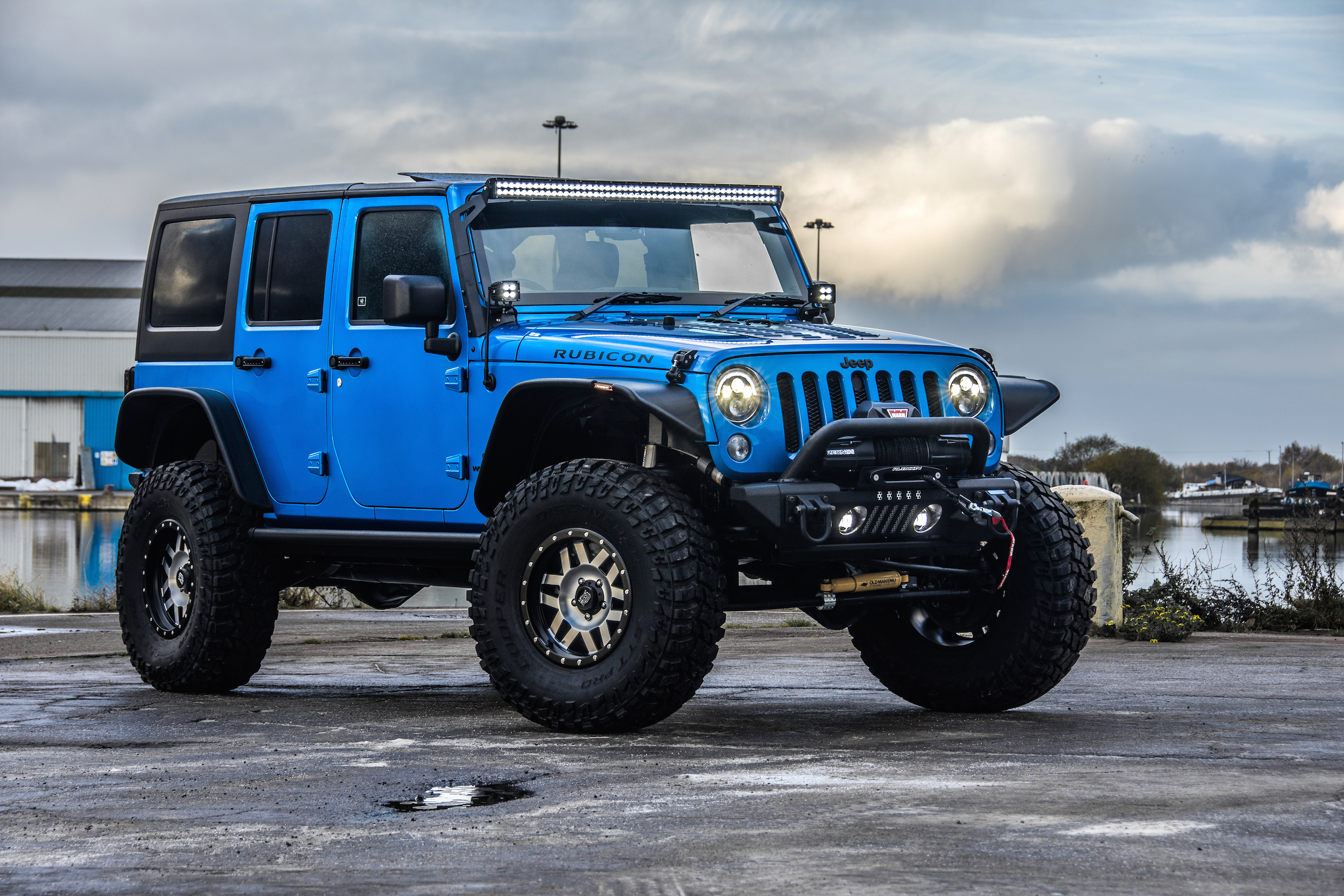
3. Jeep Wrangler Rubicon 4-Door
The Jeep Wrangler Rubicon 4-Door is designed with a very specific purpose in mind, focusing on off-road capability rather than everyday driving comfort. Its construction features solid front and rear axles, generous ground clearance, and a body-on-frame layout that supports demanding off-road conditions. While these qualities make it highly capable away from paved surfaces, they also introduce limitations that reduce its suitability for senior drivers who value ease of use, comfort, and minimal physical effort during daily mobility.
Getting into the Wrangler Rubicon 4-Door can be challenging. The seat height, typically between 35 and 37 inches depending on configuration, requires a deliberate step upward. Although a grab handle is provided on the A-pillar to assist entry, the climbing motion still requires effort.
Many owners install side steps or running boards to make access easier, which highlights the inherent difficulty of entering the cabin. For older drivers dealing with joint stiffness or reduced strength in the lower body, this routine action can become tiring and inconvenient.
Once inside, the ride quality on regular roads reflects its off-road engineering priorities. The suspension system is built to handle rough and uneven ground, prioritising durability and wheel articulation. As a result, it does not offer the level of cushioning typically expected from vehicles designed for city or highway driving.
Road imperfections are transmitted more directly into the cabin, creating a firm and occasionally unsettled ride. While short trips may remain manageable, longer journeys can lead to physical discomfort, especially for occupants who are sensitive to repeated vibration and impact.
Noise during highway travel presents another issue. The Wrangler’s design emphasises durability and removable body panels, which limit its ability to block wind and road noise effectively. At higher speeds, the cabin becomes noticeably louder than most crossovers or sedans, often requiring occupants to speak more loudly to communicate.
This constant noise level can contribute to driver fatigue, particularly during extended journeys where a quieter environment would be preferable.
Also Read: 5 Cars to Buy Before Prices Rise and 5 to Wait On
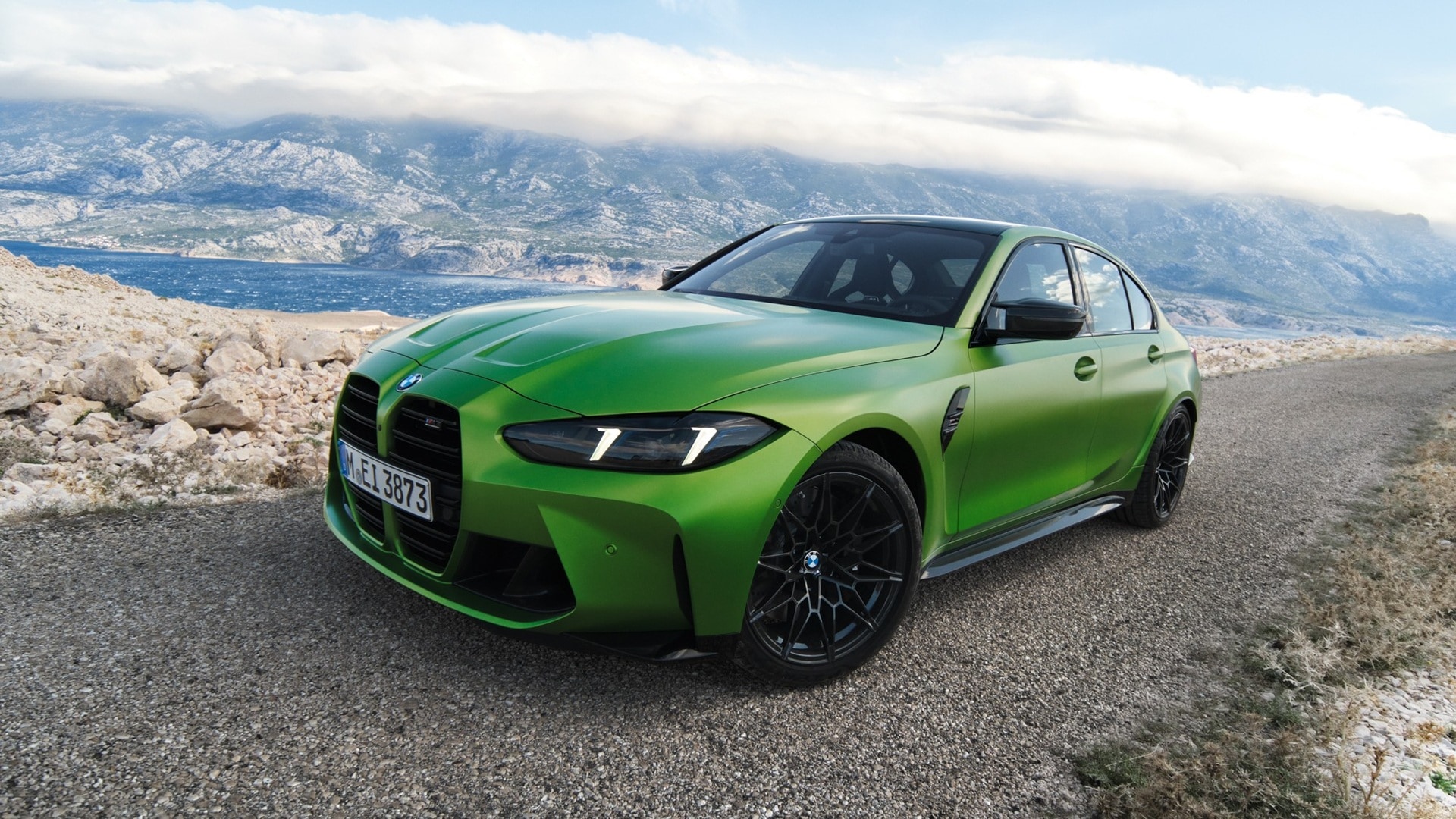
4. BMW M3 Competition Sedan
The BMW M3 Competition Sedan represents a high level of automotive engineering, designed to deliver precision handling and strong acceleration in a four-door format. It combines advanced suspension tuning, powerful engine performance, and responsive steering to create a driving experience that appeals to enthusiasts.
While these attributes are widely respected, they do not align closely with the priorities of many senior drivers, who often value comfort, simplicity, and reduced physical effort. Entry into the M3 Competition Sedan requires lowering oneself into a relatively low seating position. This design supports stability during spirited driving but can make ingress and egress less convenient.
The sport seats, shaped to provide lateral support during cornering, include firm bolsters that hold the occupant securely in place. While beneficial for performance driving, these features can make it more difficult to exit the vehicle, particularly for individuals with limited flexibility or joint sensitivity.
The driving experience itself demands a high level of engagement. Steering response, brake feedback, and throttle input are all tuned to provide immediate and precise reactions. Systems such as performance braking and adaptive suspension require the driver to remain attentive and physically involved. For drivers who prefer a relaxed and predictable experience, this level of interaction can feel demanding rather than comfortable.
Ride quality reflects the vehicle’s performance orientation. Even when the adaptive suspension is set to its softest configuration, the firmness remains evident. Urban road surfaces, including uneven pavement and minor imperfections, are transmitted into the cabin more directly than in vehicles designed primarily for comfort.
Over longer distances, this can contribute to physical discomfort, especially for occupants who prefer a smoother and more forgiving ride. Running costs present an additional consideration. The M3 Competition Sedan requires premium fuel, and its high-performance tyres tend to wear more quickly than standard alternatives, leading to higher replacement expenses.
Maintenance and servicing, whether conducted at authorised centres or specialist workshops, are priced in line with the vehicle’s advanced engineering. For individuals managing a fixed income or seeking predictable ownership costs, these financial requirements may present an ongoing burden.
Taken together, the characteristics of the BMW M3 Competition Sedan reflect a vehicle built for performance rather than everyday convenience. While it delivers exceptional capability in its intended role, the demands it places on the driver, both physically and financially, make it less suitable for senior buyers seeking comfort, ease of access, and straightforward operation in daily use.
