
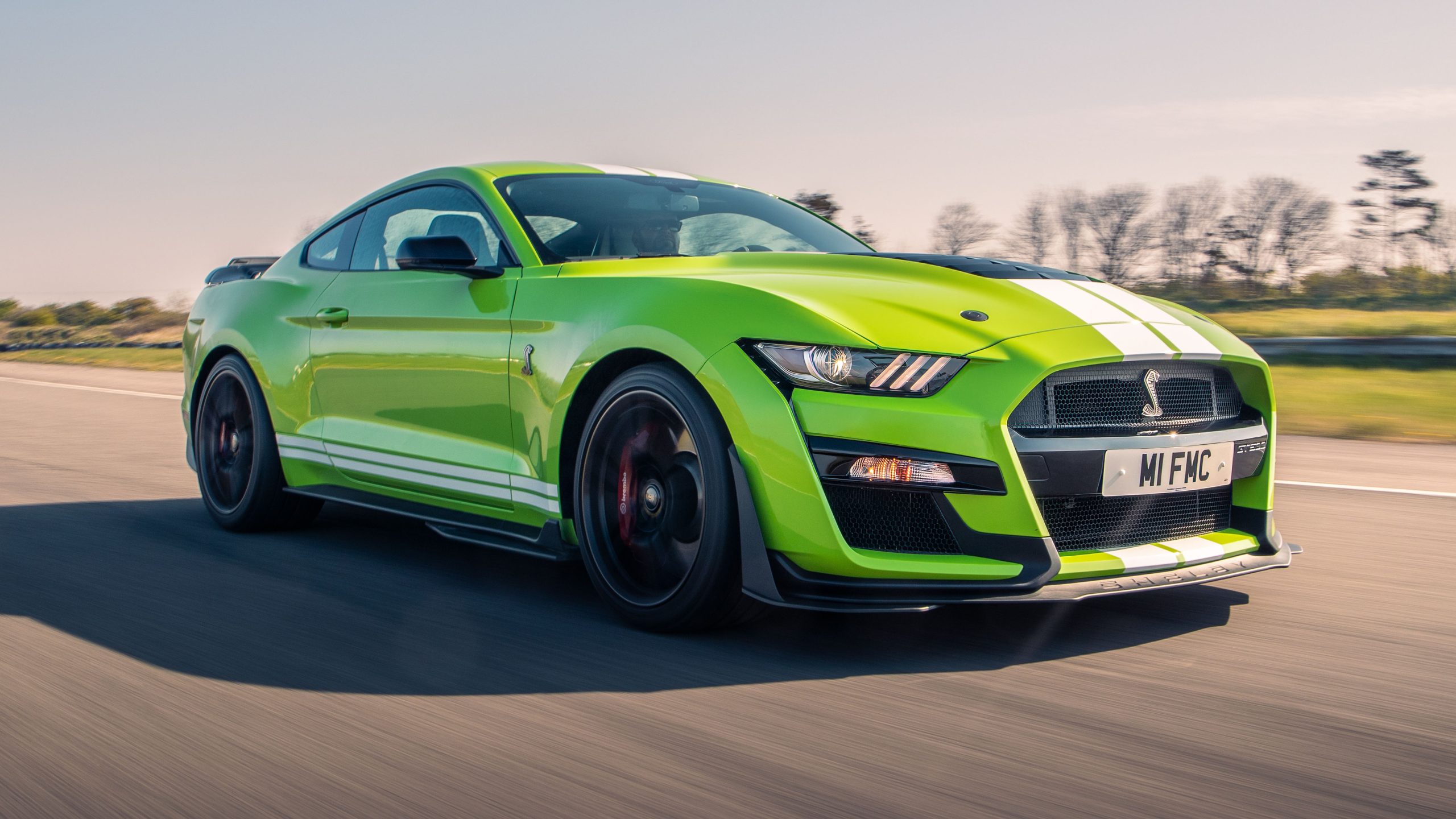
The horsepower wars have never been more intense. Engineers across the globe are pushing pistons, turbines, and electrons to their absolute limits, producing road-legal machines that carry engine outputs once reserved only for race tracks and fever dreams.
Whether powered by fire-breathing internal combustion engines, earth-shaking hybrid systems, or jaw-dropping all-electric powertrains, today’s most powerful production cars represent the absolute pinnacle of human engineering ambition.
Each one is a rolling testament to what happens when budgets are removed, limits are ignored, and brilliant minds are set free to chase numbers that were once considered impossible.
The number of powerful engines has shifted dramatically in recent years. Electric motors have stormed the conversation, delivering instant torque figures that traditional combustion engines simply cannot match at low speeds.
Yet the rumble of a supercharged V8 or the shriek of a twin-turbocharged engine still stirs something primal in the soul of every driving enthusiast. This list celebrates both worlds without prejudice.
From an American supercar producing over 1,000 horsepower to European hypercars blending combustion and electrons into unholy combinations, these ten machines represent the strongest stock engines you can buy today. Buckle up tightly.
1. Chevrolet Corvette ZR1, 1,064 Horsepower
The Chevrolet Corvette ZR1 is not just a fast car. It is a declaration of war against everything considered impossible in American performance engineering.
Under the hood sits a twin-turbocharged 5.5-liter flat-plane crank V8 engine, producing a staggering 1,064 horsepower sent entirely to the rear wheels. This is not a hybrid. There are no electric motors assisting the output; every single one of those horses comes from pure internal combustion fury.
The engine itself is a masterclass in forced induction design. Chevrolet engineers fitted the LT7 V8 with two of the largest turbochargers ever bolted onto a production car engine, paired with volumetric efficiency so extraordinary it redefines what a naturally aspirated-based architecture can accomplish under boost.
The flat-plane crankshaft gives the ZR1’s V8 a personality unlike any other American V8 in history. It revs with the urgency and shriek of a European racing engine, something never before heard from a Corvette. The sound alone is worth the price of admission.
With that power going to just the rear axle through an eight-speed dual-clutch transmission, the ZR1 covers the 0 to 60 mph sprint in under 2.7 seconds. The quarter mile falls in approximately 10.3 seconds, making it one of the quickest road-legal cars ever timed on a drag strip without a single electric motor.
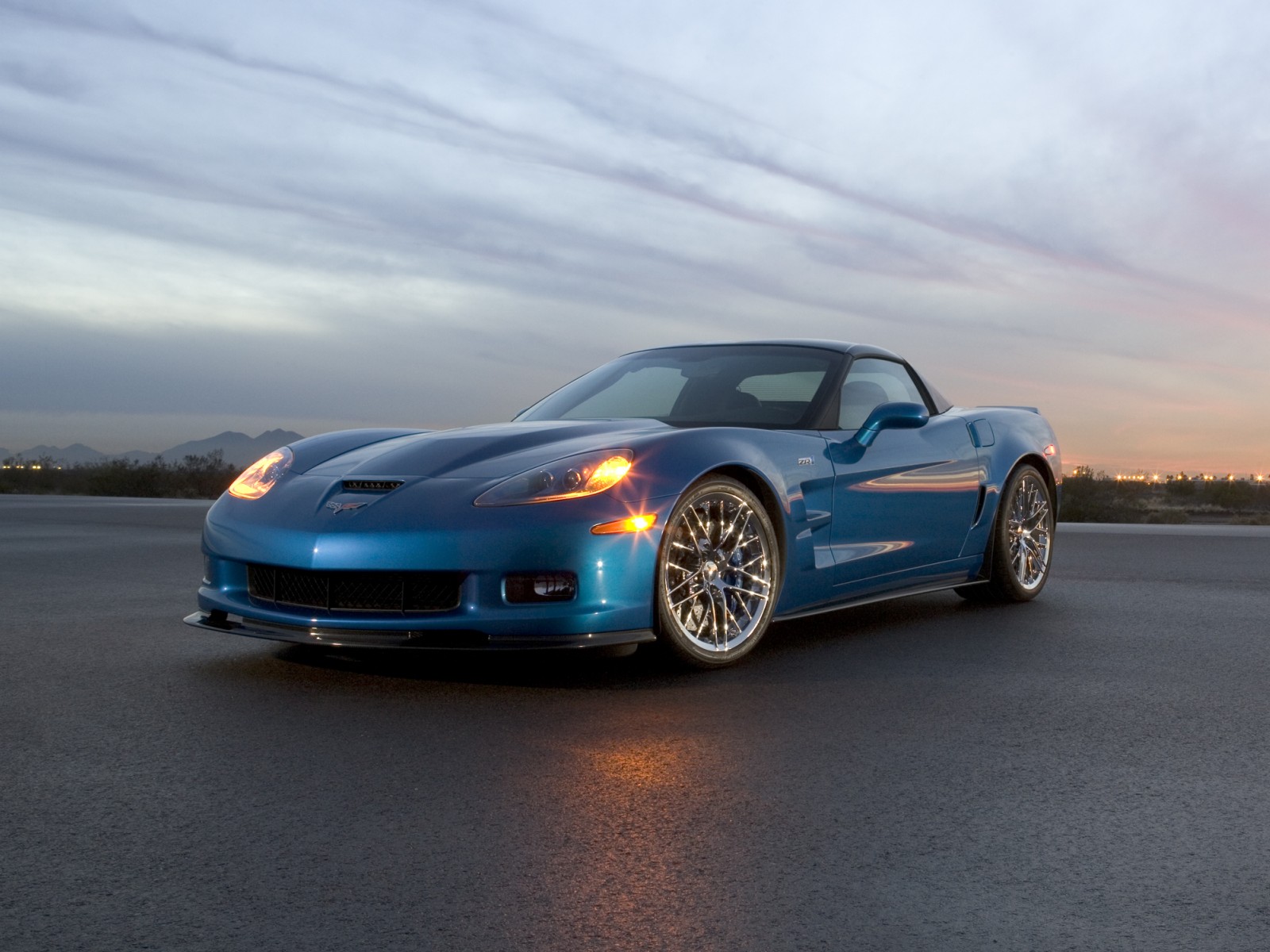
Aerodynamically, the ZR1 is as aggressive as its engine. An available high-downforce package featuring a massive rear wing and front splitter generates over 1,000 pounds of downforce, planting the car into corners at speeds that would send most vehicles airborne. It is simultaneously a drag strip destroyer and a track day weapon of the highest order.
The top speed is electronically limited to 215 mph, which is actually conservative considering the engine’s output. Chevrolet admits the car could go faster but exercised restraint for tire and safety certification reasons. That kind of restrained honesty is rare when a manufacturer has bragging rights of this magnitude.
At a base price starting around $170,000, the Corvette ZR1 offers a price-to-performance ratio that embarrasses supercars costing two to three times more. It is perhaps the greatest performance bargain on the planet right now. No other car at this price level produces this much power from a pure combustion engine.
The ZR1 is a car that will go down in automotive history. It represents the last great battle cry of the American V8 in an era increasingly dominated by electrons and hybrid systems. Every mile driven feels like a privilege.
2. Dodge Challenger SRT Hellcat Redeye, 807 Horsepower
The Dodge Challenger SRT Hellcat Redeye is the last great American muscle car in the truest, most unapologetic sense of the phrase. It arrives with a supercharged 6.2-liter HEMI V8 engine producing 807 horsepower and 707 pound-feet of torque in its top Jailbreak configuration.
That supercharger is a 2.7-liter twin-screw unit, the largest factory supercharger ever fitted to a mass-production automobile. It screams a distinctive mechanical whine under full acceleration that has become one of the most recognizable sounds in modern automotive culture.
The Redeye engine was derived from the racing Hellephant crate motor program, which itself was inspired by Dodge’s drag racing heritage going back decades. Every component inside this engine was engineered to survive repeated hard launches on a drag strip without a single moment of hesitation. Reliability at extreme output is baked into its DNA.
Dodge developed the SRT Power Chiller system specifically for this car. It diverts refrigerant from the air conditioning system to cool the supercharger intake charge, significantly dropping intake temperatures and increasing the density of air entering the combustion chambers. More oxygen means more power and better consistency lap after lap.
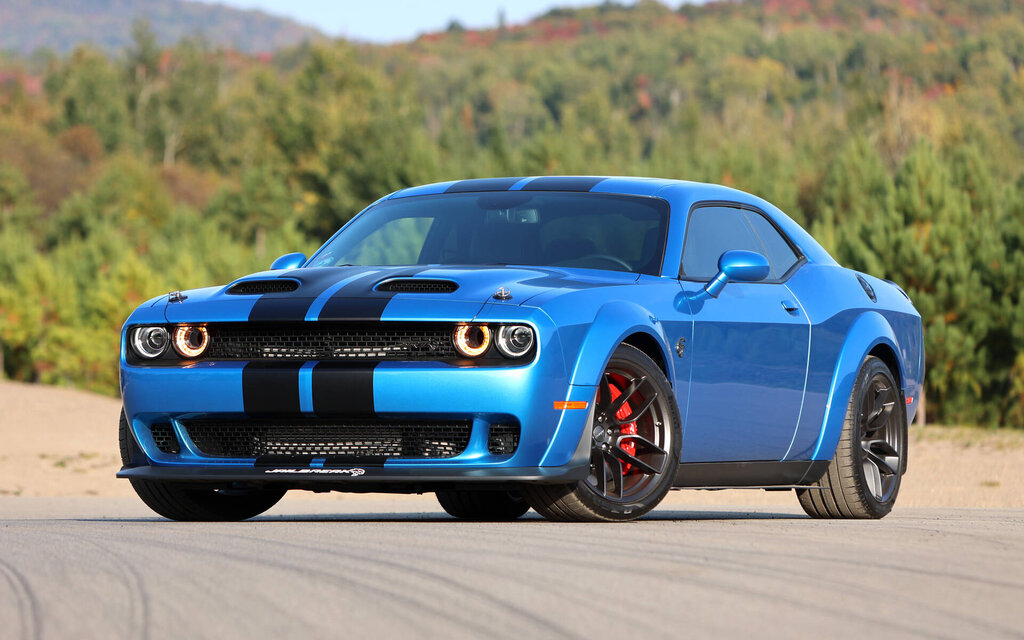
The Torque Reserve system is another stroke of engineering genius. At launch, the system can build up to 3.9 pounds per square inch of boost while the brakes are held, staging the engine for maximum explosion the moment you leave the line. Combined with the Line Lock feature for burnouts, this is a car that was designed for drag strips as much as streets.
Performance figures are nothing short of spectacular for a car weighing over 4,400 pounds. The Super Stock variant, which uses the same Redeye engine with additional drag-focused tuning, covers 0 to 60 mph in just 3.25 seconds. The quarter mile falls in 10.5 seconds, a number that humbles countless exotic sports cars costing more money dramatically.
The top speed is electronically limited to 203 mph, a figure that made the Hellcat Redeye Charger the fastest four-door production car when it was recorded. No four-door family-bodied car had ever been clocked at that speed from the factory. It was a genuinely astonishing achievement.
Dodge’s commitment to the HEMI legacy is emotional as much as it is technical. The Challenger Redeye was discontinued after the 2023 model year as Dodge transitioned toward electrification, making surviving examples increasingly precious collector items. But its engine will be remembered as one of the greatest production powerplants ever created.
3. Ford Mustang Shelby GT500, 760 Horsepower
The Ford Mustang Shelby GT500 is the most powerful street-legal Mustang Ford has ever built. It produces 760 horsepower and 625 pound-feet of torque from a supercharged 5.2-liter flat-plane crank V8, hand-assembled at Ford’s Performance Technical Center in Michigan.
This engine is a technological hybrid of two philosophies existing in perfect tension. The 5.2-liter displacement gives it cubic inches for torque, while the flat-plane crank configuration allows it to rev like a race engine and breathe with extraordinary efficiency. Bolted on top is a 2.65-liter Roots-type supercharger spinning at speeds that generate serious boost pressure.
The GT500 is mated exclusively to a Tremec 7-speed dual-clutch automatic transmission, a decision that initially frustrated purists who wanted a manual option. However, the dual-clutch shifts with mechanical precision in under 100 milliseconds, putting power to the ground faster than any human hand can manage on a clutch pedal. The results are undeniable.
Ford Performance engineers spent countless hours tuning the GT500’s MagneRide adaptive damper system specifically for both track and street use. The car can be remarkably composed and manageable at normal speeds, yet transform into something terrifyingly capable when the driving mode is switched, and the throttle is applied fully. The dual personality is part of the car’s charm.
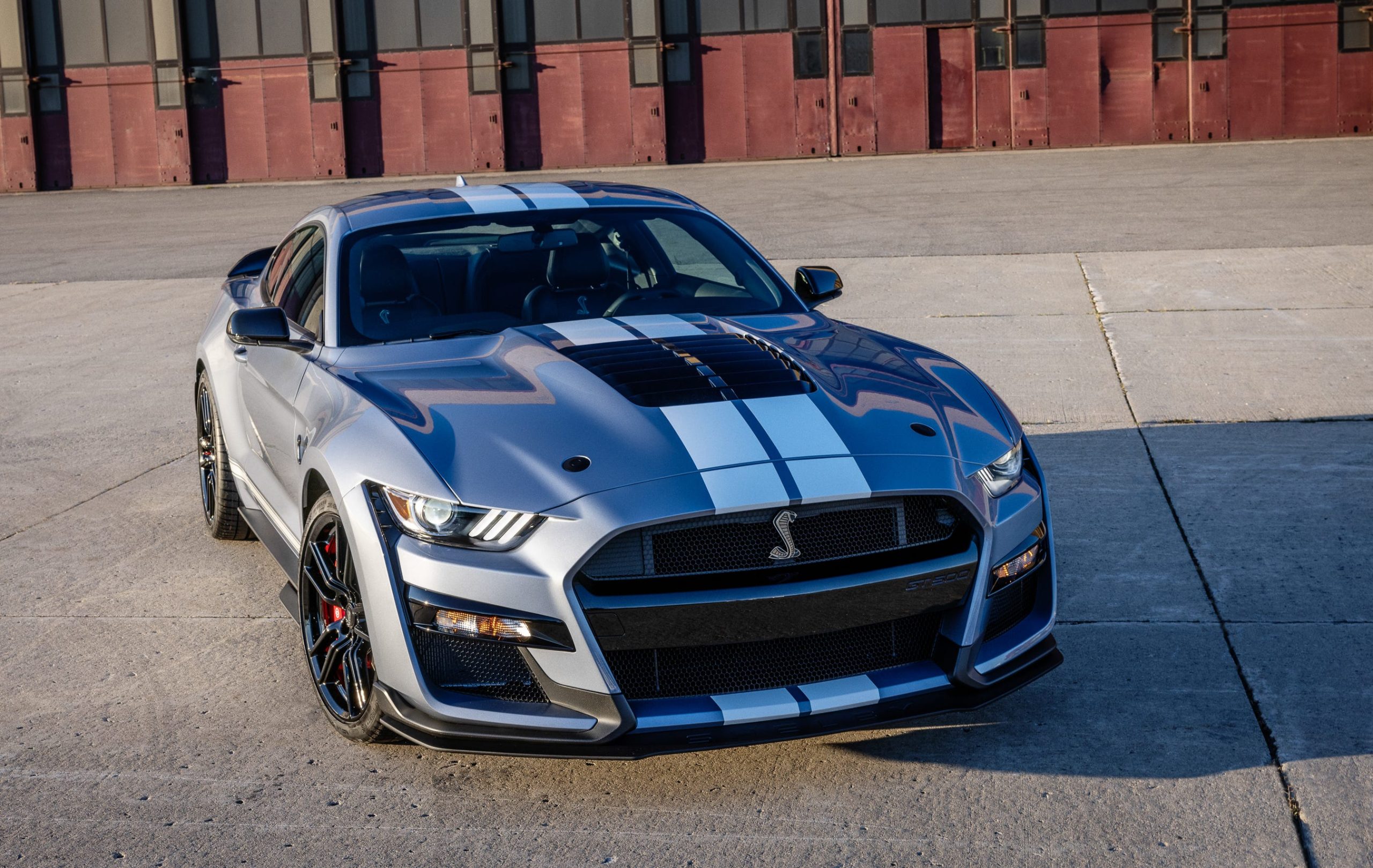
With the Carbon Fiber Track Pack installed, the GT500 becomes genuinely track-ready at a factory level. That package adds carbon fiber wheels, Michelin Pilot Sport Cup 2 tires, upgraded aerodynamics, and an exposed carbon fiber roof panel that reduces weight by 60 pounds compared to the steel roof. Every component serves performance without compromise.
Acceleration figures are extraordinary for a Mustang. The 0 to 60 mph time comes in at approximately 3.3 seconds, and the quarter mile is dispatched in the low 11-second range, depending on conditions and driver skill. For a car wearing the blue oval and carrying a production line price tag, these numbers are remarkable achievements.
The GT500 also handles far better than its muscle car heritage might suggest. Ford’s focus on aerodynamic balance means the car generates real downforce at speed, keeping it planted through corners in a way that traditional muscle cars never managed. It bridges the gap between American brute force and proper sports car dynamics convincingly.
At approximately $80,000 to start, the Shelby GT500 represents an extraordinary value proposition in the performance car market. Few competitors at this price can match its combination of straight-line speed, track capability, and legendary badge heritage.
4. BMW M5 CS / M5 Hybrid, 717 Horsepower
The BMW M5 is no longer just a sports sedan. The latest generation is a plug-in hybrid machine producing 717 horsepower from a combination of a twin-turbocharged 4.4-liter V8 and an electric motor integrated into the drivetrain. It is the most powerful car BMW has ever offered for public sale.
The combustion half of this powertrain produces 577 horsepower on its own, which would already make it a competitive performance engine by any reasonable standard. The electric motor adds another 194 horsepower to the equation, and when both systems work together, the result is a wave of acceleration so relentless that it genuinely surprises experienced drivers who underestimate the car.
BMW’s M xDrive all-wheel-drive system distributes this power with extraordinary intelligence across all four wheels. The system continuously monitors traction, steering angle, throttle position, and lateral acceleration to maximize performance while maintaining control. Despite 717 horsepower, the M5 remains accessible enough for daily driving.
The electric motor also serves a clever dual purpose beyond just adding horsepower. During moderate driving, it allows the M5 to cover several miles on electricity alone, making the car whisper-quiet for urban environments and reducing fuel consumption dramatically in real-world mixed driving. The transition between electric and combustion modes is seamless.
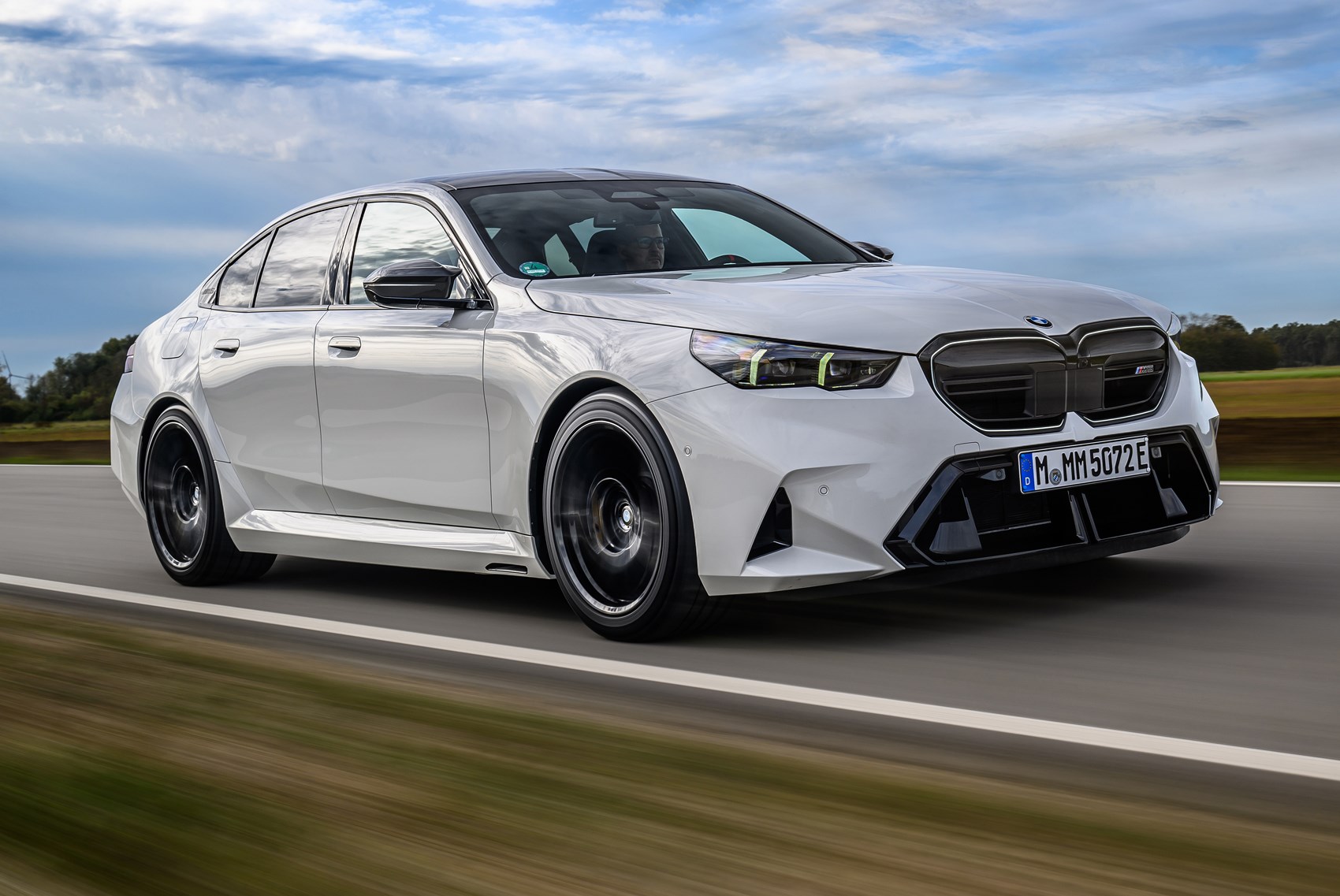
Inside, the M5 makes no sacrifices for its performance mission. Four adults can travel in genuine luxury, surrounded by carbon fiber trim, heated and ventilated M Sport seats, and one of the most advanced digital cockpit systems in the automotive industry. This is a car that does everything without apology or compromise.
The acceleration figures are predictably savage. From 0 to 60 mph takes just 2.9 seconds when launch control is activated, making this four-door family sedan faster than most dedicated sports cars. The quarter mile passes in approximately 10.7 seconds. These numbers seem impossible for something with rear doors and a proper back seat.
BMW’s engineering philosophy with the M5 has always balanced performance with usability. The new generation doesn’t abandon that balance; it accelerates it dramatically. Drivers who want a track car on Monday and a comfortable family hauler on Tuesday will find the M5 genuinely capable of both roles without complaint.
At roughly $145,000, the M5 is priced firmly in luxury sports sedan territory. Given its combination of everyday luxury, electrified efficiency, and supercar-embarrassing performance, it arguably offers exceptional value for what it delivers across the full spectrum of driving scenarios.
Also Read: No Driver, No Excuse: California Is About to Start Ticketing Robotaxis
5. Porsche 911 Turbo S, 640 Horsepower
The Porsche 911 Turbo S is the car that all others are measured against. It produces 640 horsepower from a twin-turbocharged 3.8-liter flat-six engine mounted in the rear, an architecture that Porsche has refined over six decades into something approaching mechanical perfection.
What makes the 911 Turbo S engine so extraordinary is not just its output, but the manner in which it delivers that output. Power arrives with an urgency and linearity that turbocharged engines rarely achieve. Porsche’s Variable Turbine Geometry technology essentially eliminates traditional turbo lag, making the engine feel almost as responsive as a naturally aspirated unit at low revs.
The twin-turbo flat-six is mated to Porsche’s PDK dual-clutch 8-speed transmission, which executes gear changes with a speed and smoothness that remains a benchmark for the entire automotive industry. In Sport Plus mode, upshifts happen so quickly that passengers feel a continuous surge of acceleration rather than individual gear changes. The experience is genuinely otherworldly.
Porsche Traction Management all-wheel drive distributes the Turbo S’s power across all four wheels with extraordinary precision. The front axle receives torque electronically via the PTM system, which can vector power from side to side to improve cornering behavior. Even at the car’s limits, the 911 Turbo S feels remarkably composed and predictable.
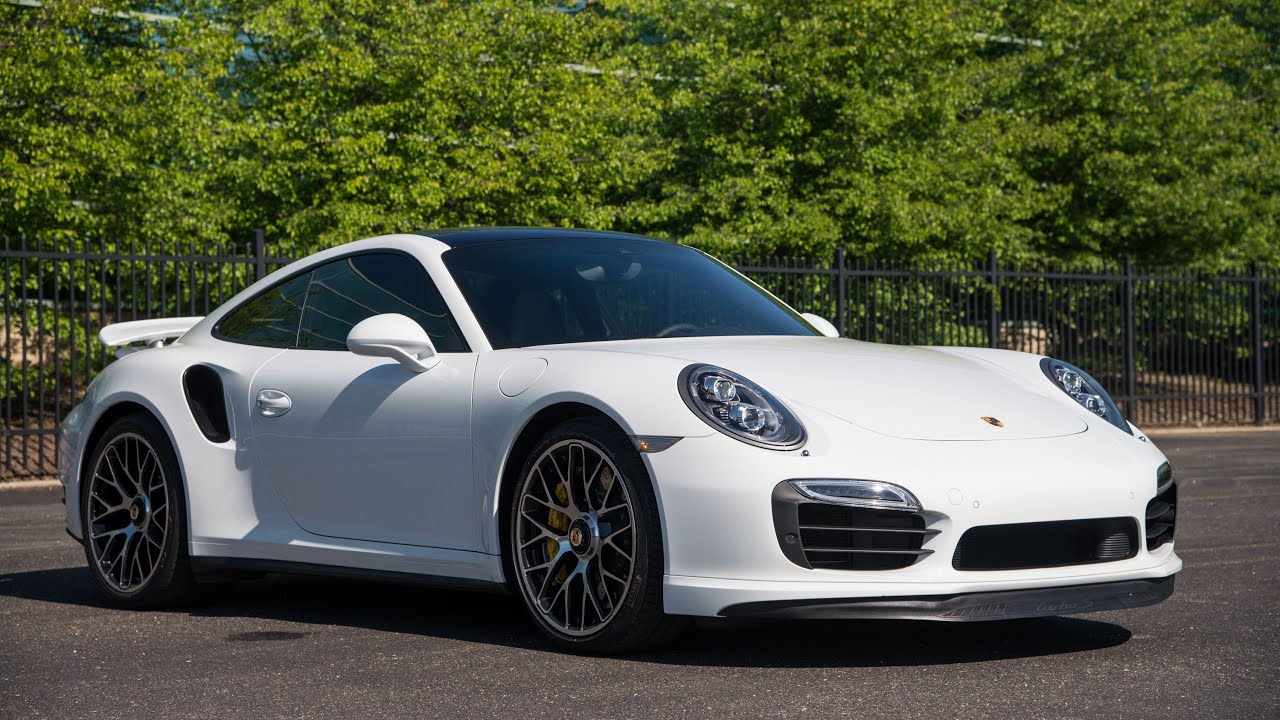
The 0 to 60 mph time of 2.6 seconds remains one of the most shocking statistics in motoring. Launch control turns this elegant sports coupe into something that physically punishes occupants with G-forces that rival fighter aircraft during catapult launches. The experience never gets easier to process, regardless of how many times you repeat it.
Beyond straight-line speed, the 911 Turbo S is an extraordinary machine in corners. Its rear-engine weight distribution, combined with rear-axle steering that turns the rear wheels in opposite or parallel directions to the fronts, depending on speed, creates a handling balance that is simultaneously playful and reassuring. It makes brilliant drivers out of average ones.
At around $230,000, the 911 Turbo S is expensive but never overpriced for what it delivers. Owners receive a car that can destroy supercars on a track, deliver daily usability without frustration, and retain its value more consistently than almost any other performance car. It is the definition of an all-weather, all-purpose performance machine.
6. Lamborghini Urus SE, 789 Horsepower
The Lamborghini Urus SE takes the concept of a high-performance SUV and accelerates it into genuinely hypercar territory. It produces 789 horsepower from a plug-in hybrid system combining a twin-turbocharged 4.0-liter V8 with an electric motor mounted on the front axle.
The combustion V8 alone produces 620 horsepower, which would make the Urus SE faster than most sports cars even without electric assistance. Adding the electric motor’s contribution brings the total to 789 horsepower, and the system delivers this power with the immediate, overwhelming torque response that only electrified powertrains can provide. It is an intoxicating combination.
Lamborghini’s engineers faced a unique challenge in packaging a high-output plug-in hybrid system inside an SUV body while maintaining the brand’s characteristic drama and aggression. They succeeded completely. The Urus SE feels like a Lamborghini in every meaningful way, with throttle responses, exhaust sounds, and body movements that are unmistakably from Sant’Agata Bolognese.
The all-wheel-drive system in the Urus SE uses torque vectoring aggressively. Power can be directed independently to each wheel based on grip, steering input, and driver mode selection. In Corsa mode, the car transforms into something that would embarrass dedicated sports cars on a handling circuit despite weighing considerably more than two tons.
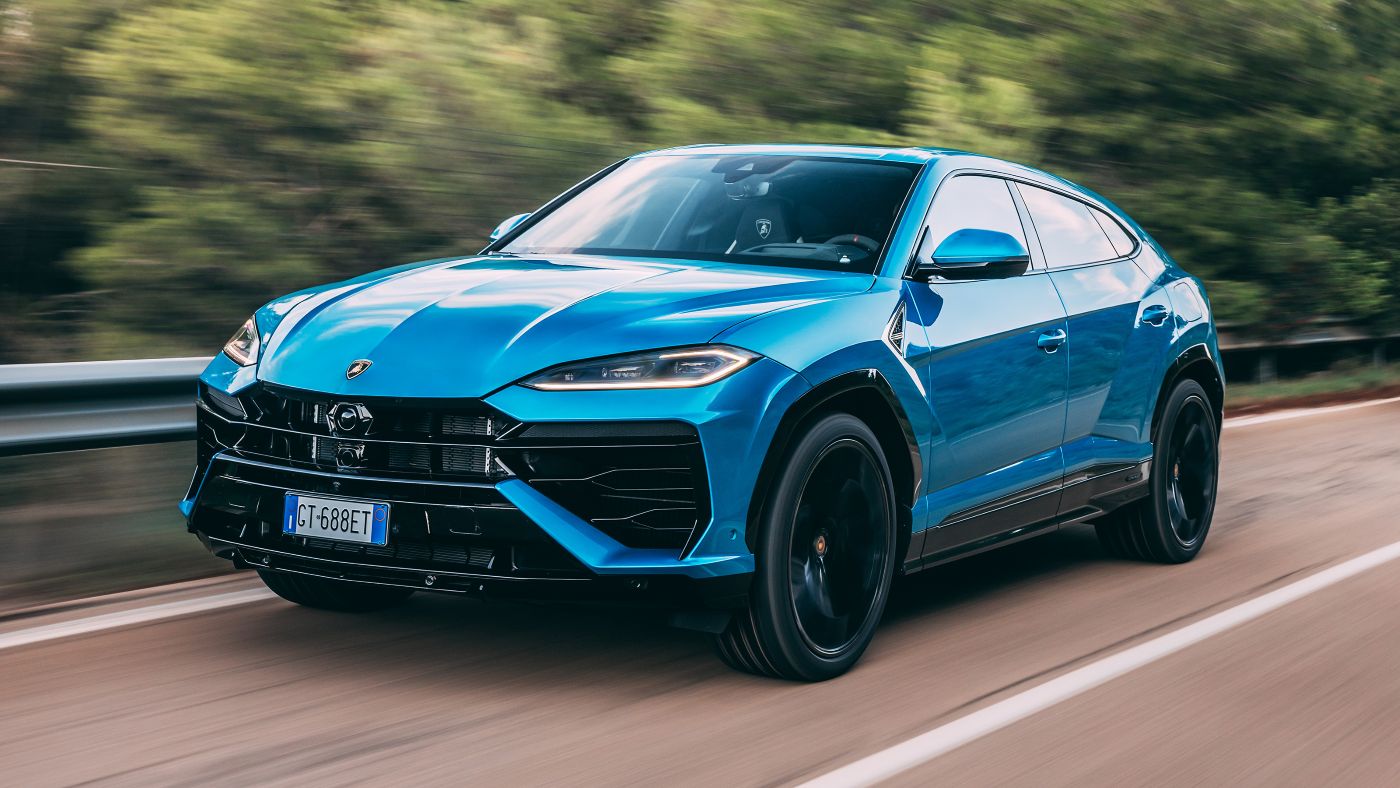
Acceleration numbers are predictably extraordinary. The sprint from 0 to 60 mph is dispatched in 3.4 seconds, making the Urus SE faster than the original Lamborghini Diablo supercar. A family-sized Italian SUV is now quicker than a 1990s Lamborghini flagship. Progress is a remarkable thing.
The electric motor also provides a pure electric driving mode for low-speed urban environments, something that seems almost philosophically incompatible with Lamborghini’s character but works remarkably well in practice. Raging bull energy, delivered silently when the neighborhood requires it, is an impressive trick.
Top speed is rated at 194 mph, making the Urus SE among the fastest SUVs ever produced anywhere. This figure would have seemed like a fantasy just twenty years ago for a vehicle with this much passenger and cargo carrying capacity. The laws of aerodynamics have been thoroughly argued into submission.
At roughly $280,000, the Urus SE costs as much as some dedicated supercars. But no dedicated supercar carries six people, fits ski equipment in the back, tows a trailer, and covers the quarter mile in under 12 seconds. The Urus SE occupies a category of one.
7. Mercedes-AMG GT 63 S E Performance, 831 Horsepower
The Mercedes-AMG GT 63 S E Performance is perhaps the most audacious four-door performance car ever put into production. It produces 831 horsepower from a system combining a hand-built 4.0-liter twin-turbocharged V8 with an electric motor on the rear axle, creating a total powertrain output that borders on insanity for a vehicle with four doors and a proper back seat.
The combustion engine alone, which AMG assembles by hand following the legendary “one man, one engine” philosophy, produces 630 horsepower in this application. Each engine is signed by the technician who built it, a tradition that connects buyers to the human being responsible for their vehicle’s mechanical heart. This tradition is meaningful and rare in modern mass manufacturing.
The electric motor adds 201 horsepower and, crucially, provides instantaneous torque at the rear axle that supplements and complements the combustion engine’s power delivery beautifully. The system uses a high-performance battery pack that can be charged externally, but also recovers energy under deceleration. The result is explosive throttle response from any speed in any gear.
AMG’s AMG Performance 4MATIC+ all-wheel-drive system distributes the combined 831 horsepower across all four wheels with precision that seems impossible at these power levels. The rear axle steering system also helps the car feel remarkably nimble for its considerable size and weight. It corners with a confidence that surprises everyone who drives it for the first time.
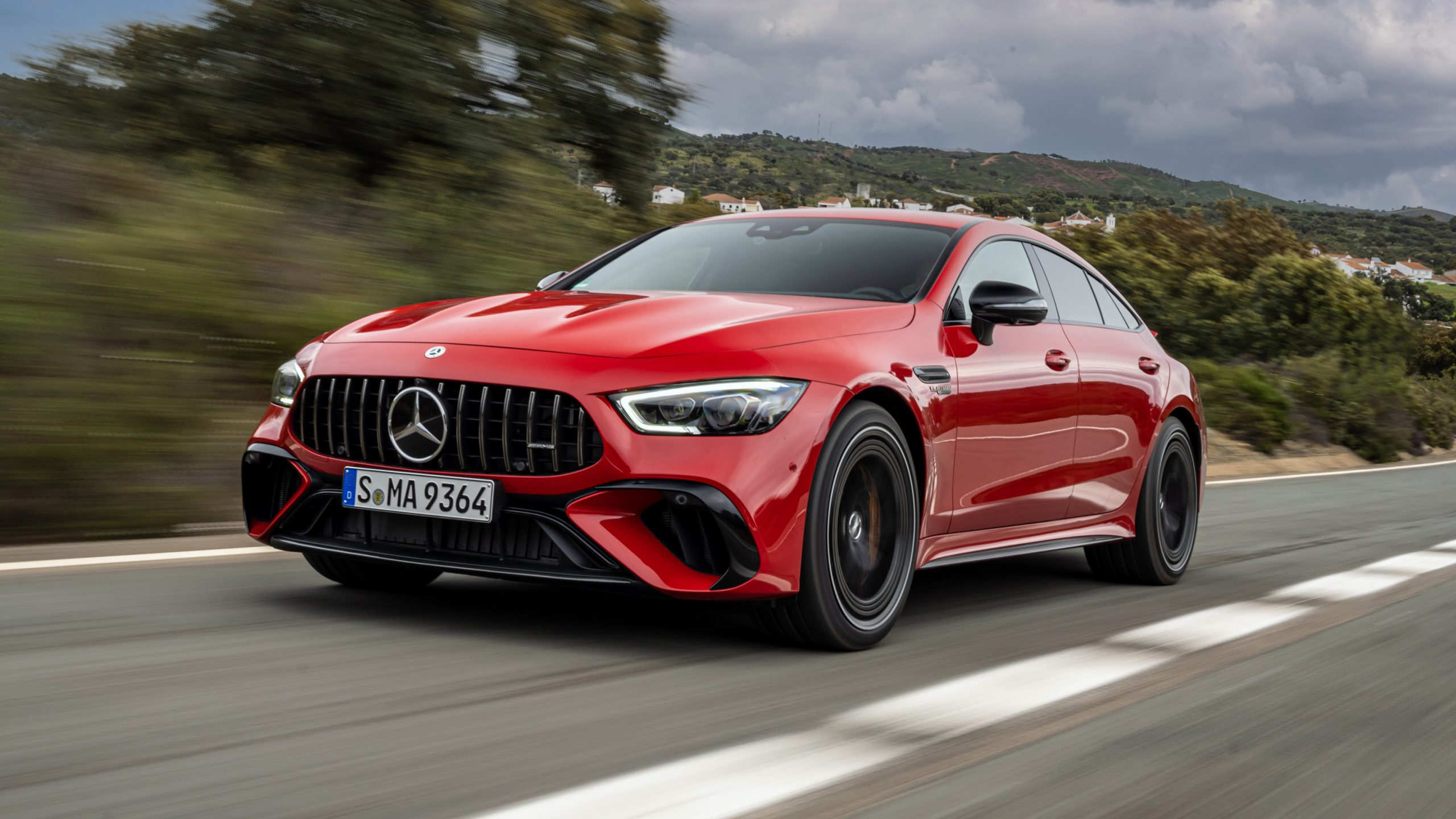
The claimed 0 to 60 mph time of 2.9 seconds is extraordinary for a car with rear doors and real rear-seat headroom. In real-world testing, drivers have managed even quicker times under optimal conditions. For passengers in the back seat, the experience is approximately equivalent to being fired from a cannon wearing leather upholstery.
The interior of the GT 63 S E Performance is finished to a standard that matches its performance ambitions. MBUX hyperscreen technology, AMG Performance seats, and materials quality that justify the approximately $200,000 price tag make this a vehicle that provides as much luxury as performance. Neither aspect is compromised for the other.
8. Ferrari SF90 Stradale, 986 Horsepower
The Ferrari SF90 Stradale represents the most powerful road car Ferrari has ever offered to the public. It produces 986 horsepower from a combination of a 4.0-liter twin-turbocharged V8 engine and three electric motors, one on the rear axle and two on the front, creating a four-wheel-drive hybrid hypercar that redefines what a Ferrari can be.
The combustion engine alone produces 769 horsepower at 8,000 rpm, which is itself remarkable for a 4.0-liter unit. Ferrari’s engineers squeezed extraordinary specific output from this engine through advanced combustion chamber geometry, a flat-plane crankshaft, and an exhaust system tuned for minimal back pressure. It is one of the finest combustion engines Ferrari has ever created.
The three electric motors add 217 horsepower to the total figure, but their contribution is most meaningful in terms of torque availability and front-axle drive. The SF90 is Ferrari’s first four-wheel-drive car, and the electric front motors provide traction and cornering capability that rear-wheel-drive alone could never achieve at these power levels. Physics demanded this solution.
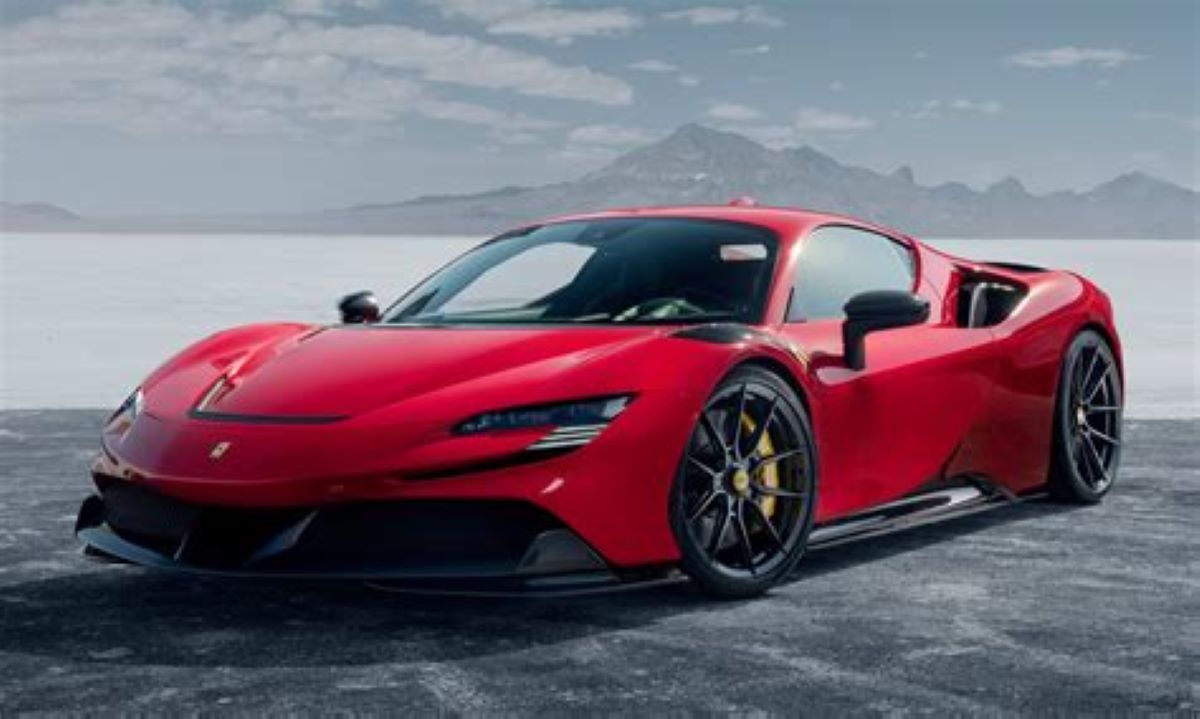
Ferrari’s eManettino switch on the steering wheel allows drivers to choose between four powertrain modes ranging from full electric to fully engaged hybrid maximum attack. In Qualify mode, all available power is deployed simultaneously, and the car covers 0 to 60 mph in under 2.5 seconds. This is hypercar territory delivered in something that can, remarkably, be driven daily.
The SF90 also offers a pure electric range of approximately 15 miles, a thoughtful feature for going through the emissions zones or silent garage arrivals at 3 a.m. after a particularly enthusiastic evening drive. Ferrari’s commitment to making this electric system genuinely useful rather than merely a marketing checkbox is evident in how seamlessly it integrates with the driving experience.
At roughly $600,000, the SF90 Stradale commands a serious premium over Ferrari’s conventional sports cars. Every cent of that premium is justified by what the engineering team has created. This is Ferrari’s vision of electrified performance done without compromise, apology, or any reduction in emotional engagement.
9. Koenigsegg Jesko, 1,600 Horsepower
The Koenigsegg Jesko is arguably the most extraordinary internal combustion engine on sale anywhere today. Its 5.0-liter twin-turbocharged V8, named “Thor,” produces an astonishing 1,600 horsepower when running on E85 biofuel, making it the most powerful combustion-only production engine currently offered by any manufacturer.
The Thor engine achieves this output without electric motor assistance of any kind. Every single horsepower arrives from burning fuel in eight cylinders through a combination of twin sequential turbochargers, lightweight reciprocating components, a flat-plane crankshaft, and combustion engineering of almost supernatural sophistication. It is what peak internal combustion engineering looks like.
Koenigsegg’s engineering team developed a nine-speed multi-clutch gearbox called the Light Speed Transmission to handle the engine’s output. This transmission has nine clutch packs, with different combinations engaged for different gears, allowing it to change gears almost instantaneously to any other gear, regardless of the current selection. It changes the direction of speed like nothing previously invented.
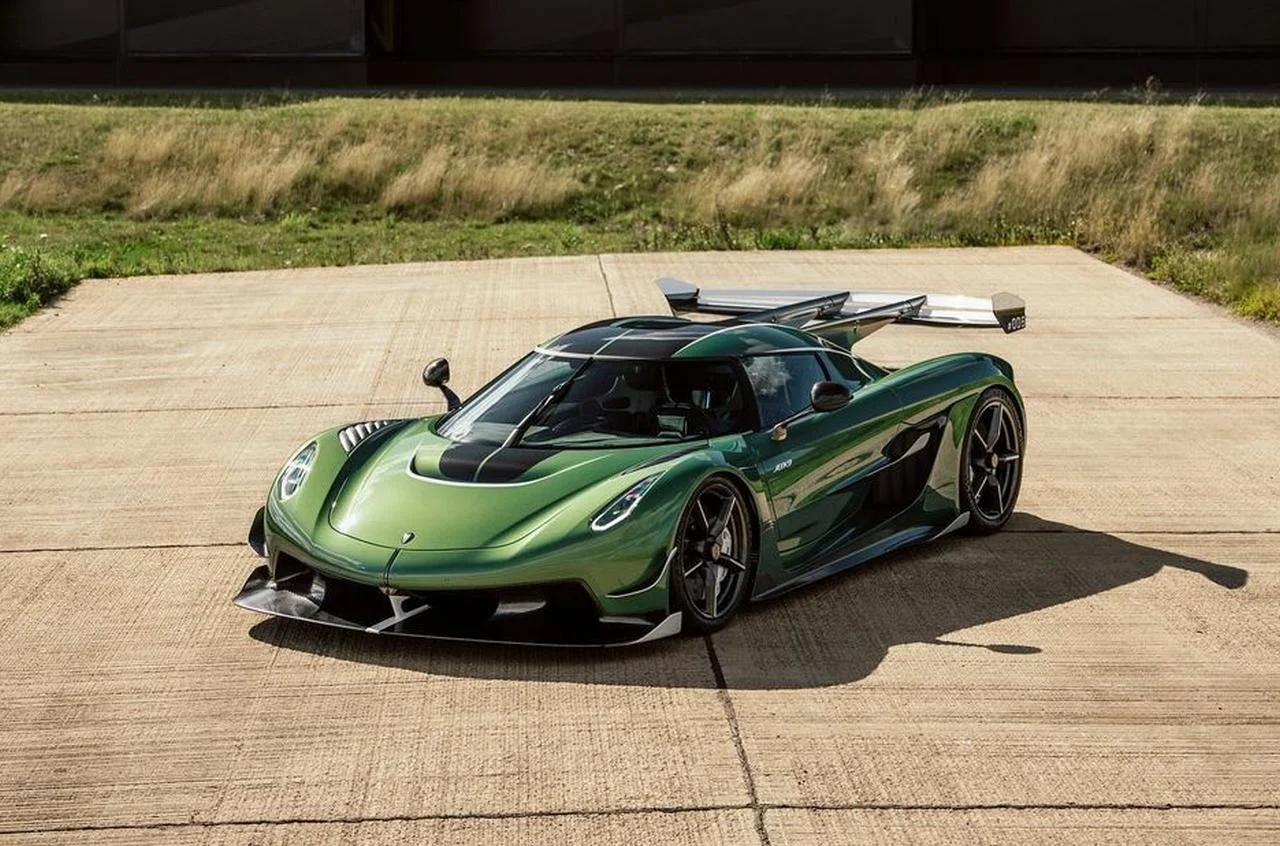
The Jesko’s chassis is built from lightweight carbon fiber with an attention to aerodynamic efficiency and structural rigidity that rivals purpose-built racing machinery. At high speeds, active aerodynamic elements manage downforce and drag simultaneously, allowing the car to be stable at speed while maintaining the lowest possible coefficient of drag during straight-line acceleration.
With 1,600 horsepower and a total weight of approximately 1,420 kilograms, the Jesko’s power-to-weight ratio is among the best of any road-legal vehicle on earth. The theoretical top speed exceeds 300 mph in the Jesko Absolut version, making it one of a very small number of cars in history capable of breaking that benchmark.
Every component of the Jesko is designed from a first-principles perspective, asking whether it is the best possible solution rather than merely an improvement on what existed before. That philosophy produces results that established manufacturers with far greater resources consistently fail to match. The Jesko is proof that brilliant engineering is ultimately more powerful than a large corporate budget.
10. Hennessey Venom F5, 1,817 Horsepower
The Hennessey Venom F5 occupies a category entirely alone at the summit of combustion performance. Its 6.6-liter twin-turbocharged V8, named “Fury,” produces 1,817 horsepower and 1,193 pound-feet of torque, making it the most powerful production combustion engine ever fitted to a road-legal automobile sold to the public.
There are no electric motors. There is no hybrid system. There is no battery pack contributing electrons to pad the horsepower figure. Every single one of those 1,817 horsepower arrives through eight cylinders, two enormous turbochargers, and combustion pressures so extreme that every internal component was engineered from scratch. This is pure internal combustion taken to its absolute theoretical limit.
The Fury engine’s architecture is based on a bespoke block that Hennessey’s team designed specifically for this car rather than adapting an existing production unit. The crankshaft, connecting rods, pistons, and cylinder heads are all custom-engineered components built to withstand the extraordinary forces generated by this level of output. Nothing in the Venom F5’s engine bay arrived from a supplier’s standard parts shelf.
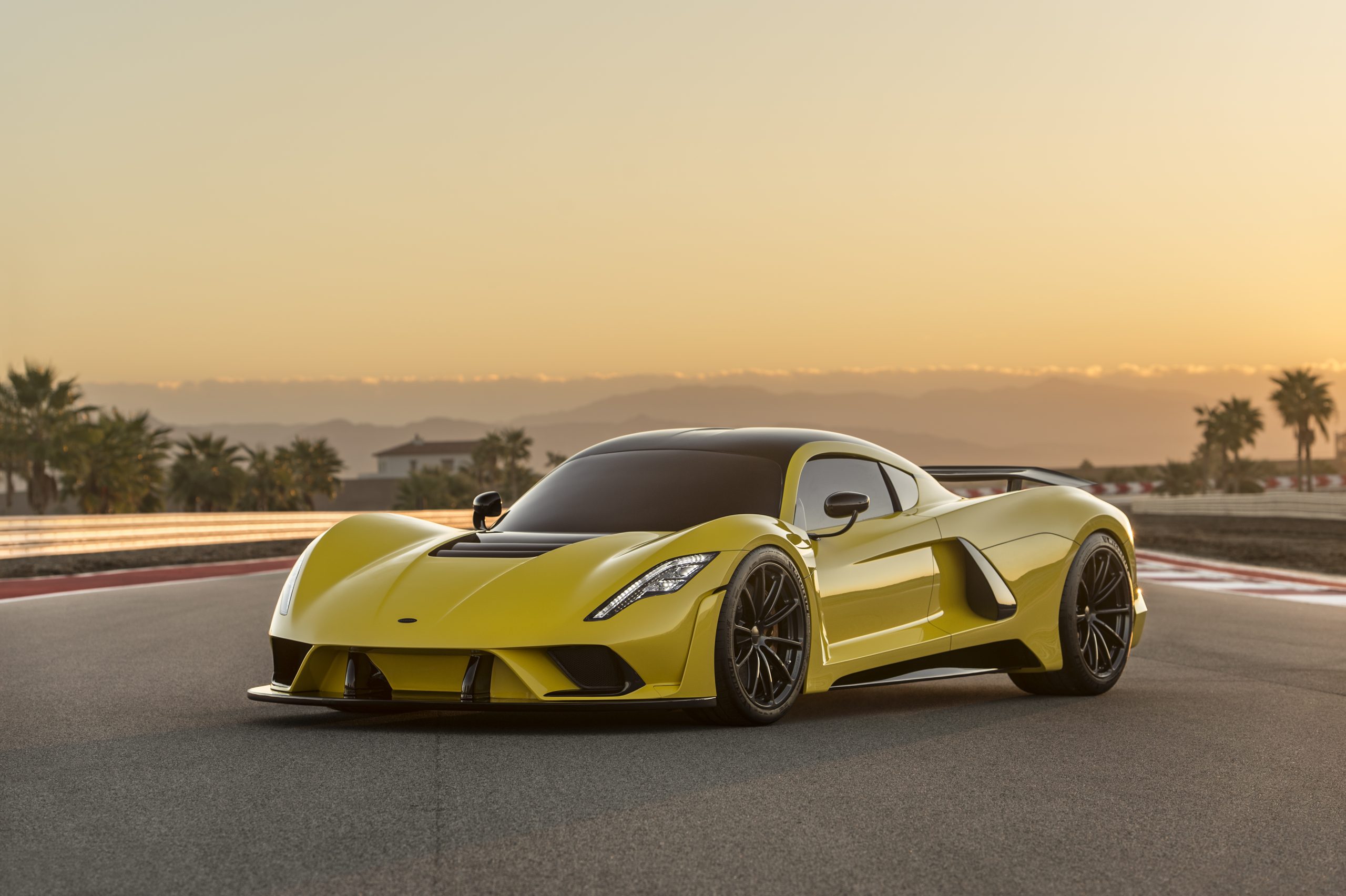
Hennessey Performance builds the Venom F5 in Sealy, Texas, with a production run limited to just 24 examples. Each car is essentially hand-built to the owner’s specification, with Hennessey’s engineering team working through every detail personally. The care and attention invested in each car reflect the brand’s racing and performance enhancement heritage spanning three decades.
The target top speed of the Venom F5 is 311 mph, which would make it the fastest production car ever timed in an official setting. While achieving that specific figure requires optimal conditions, the car’s aerodynamic design, with a drag coefficient of just 0.33, gives mathematical credibility to the claim. The numbers support the ambition.
At approximately $2.1 million per example, the Venom F5 is beyond the reach of all but the wealthiest enthusiasts on earth. But it stands as the ultimate expression of what combustion engineering can achieve when a team of talented engineers is given a blank sheet of paper, an unlimited mandate, and the singular mission of building the most powerful engine in production car history. Mission accomplished.
Also Read: Pain at the Pump Returns: Gas Jumps 31 Cents in a Single Week to $4.48
