
In an era where hybrid SUVs can deliver impressive fuel efficiency and electric vehicles are becoming increasingly mainstream, it seems almost unbelievable that some modern cars still consume fuel at an alarming rate. The automotive industry in 2026 is filled with advanced engineering, smarter transmissions, lightweight materials, and fuel-saving technologies designed to improve efficiency across every segment.
Yet despite all these innovations, there are still vehicles on the road that burn through fuel faster than many drivers expect. For some buyers, a single week of commuting in these machines can lead to fuel bills that rival monthly utility expenses.
The reality is that not every vehicle is built with efficiency as the top priority. Some automakers continue to focus on raw power, aggressive performance, off-road capability, luxury, and towing strength instead of maximizing MPG.
These vehicles are often equipped with supercharged V8 engines, oversized tires, heavy-duty Four Wheel Drive systems, and massive bodies that create enormous aerodynamic drag. While these features make them exciting to drive or highly capable in challenging conditions, they also turn them into some of the thirstiest vehicles available in 2026.
What makes the situation even more interesting is the growing difference between official fuel economy ratings and real-world driving results. Laboratory testing can only simulate ideal conditions, but everyday driving tells a much different story. Traffic congestion, rapid acceleration, heavy cargo loads, rough terrain, hot weather, and highway speeds all impact fuel consumption significantly.
As a result, many owners discover that their vehicles struggle to achieve even the MPG numbers promised on paper. In certain cases, drivers report fuel economy figures so low that frequent fuel station visits become part of daily ownership.
Despite these drawbacks, many of these vehicles remain extremely popular. Performance trucks continue attracting enthusiasts who want speed and off-road dominance. Luxury SUVs still appeal to buyers seeking premium comfort and commanding road presence.
Muscle-inspired SUVs and high-horsepower models continue to attract drivers who value excitement over practicality. For these consumers, the emotional appeal of driving a powerful machine often outweighs concerns about fuel costs. The sound of a roaring engine, rapid acceleration, and bold styling can be more important than saving money at the pump.
This article highlights eight vehicles with some of the worst real-world MPG figures of 2026. These cars and SUVs are not necessarily bad vehicles, but they stand out because of how much fuel they consume during everyday driving. From massive luxury SUVs to extreme off-road trucks, each model demonstrates the ongoing tradeoff between performance and efficiency in the modern automotive world.
Also Read: 10 Cars With Insurance Premiums Lower Than a Compact Sedan
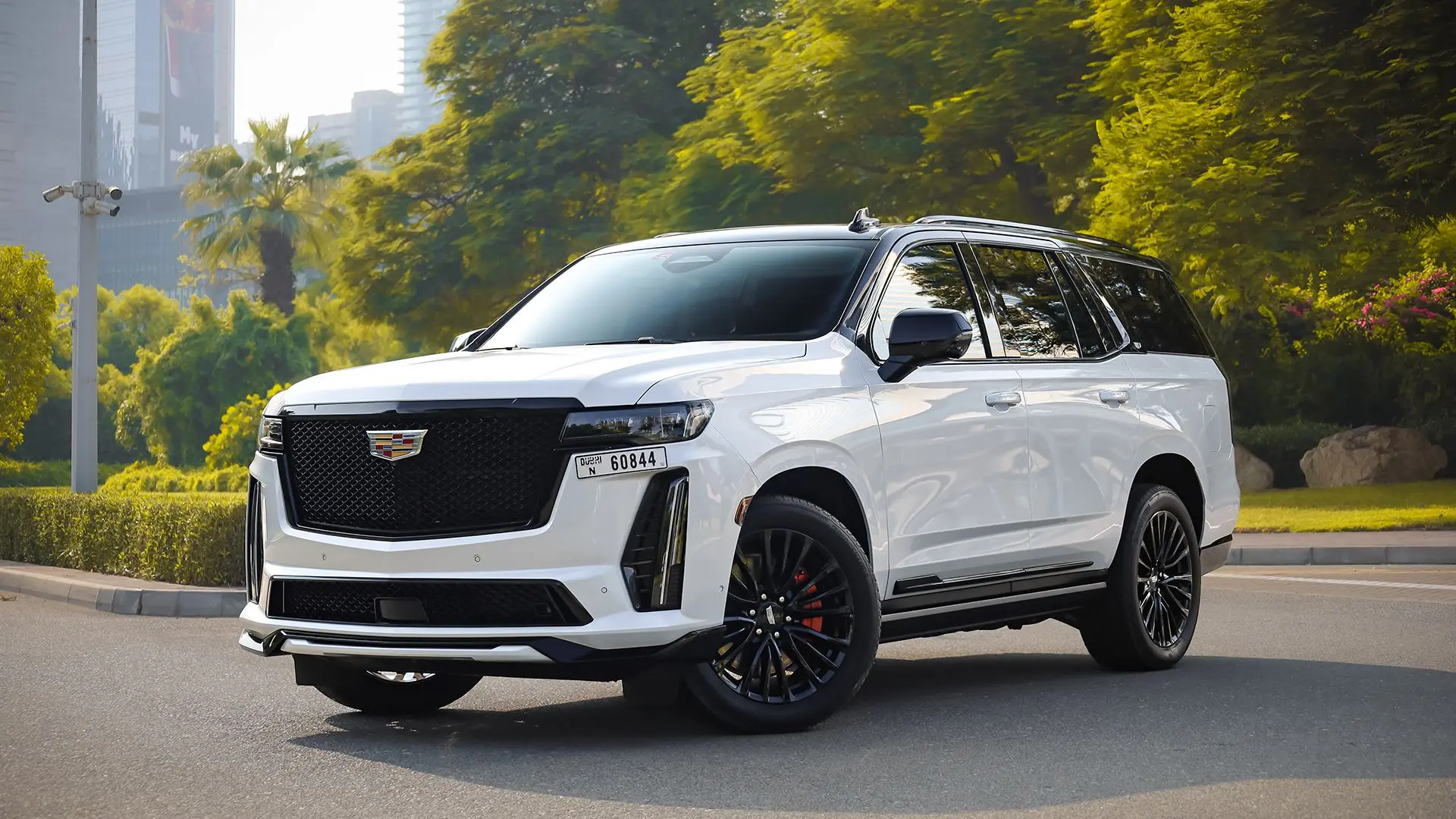
1. Cadillac Escalade V
The Cadillac Escalade V has become one of the most extreme examples of luxury and excess in the SUV market. Equipped with a supercharged 6.2-liter V8 engine producing massive horsepower, the Escalade V was never intended to be efficient. It was designed to dominate highways with aggressive acceleration while offering premium luxury features and massive interior space. Unfortunately, all that power comes at a steep cost when it comes to fuel economy.
In real-world conditions, many owners struggle to achieve even double-digit MPG figures during city driving. Heavy traffic, short trips, and aggressive throttle response can push fuel economy down to around 9 or 10 MPG.
Highway driving improves things slightly, but the Escalade V still consumes fuel at a rate that rivals some commercial vehicles. The sheer size and weight of the SUV make efficiency nearly impossible despite modern engineering improvements.
One of the biggest reasons behind the terrible MPG is the vehicle’s massive curb weight. The Escalade V weighs well over three tons, and moving such a large machine requires enormous energy. Add in All Wheel Drive hardware, performance tuning, large wheels, and luxury features, and fuel consumption rises rapidly. Even light acceleration often triggers the supercharger, which further increases fuel usage.
Another factor is driver behavior. Buyers purchasing an Escalade V are typically attracted to its performance capabilities. The powerful V8 encourages hard acceleration, and the engine note itself tempts drivers to push the throttle more aggressively.
Real-world driving, therefore, tends to be far less economical than standardized testing environments. Families using the SUV for road trips, towing, or hauling passengers often report extremely disappointing fuel costs.
Despite the terrible fuel economy, the Escalade V remains popular because it offers a unique blend of luxury, performance, and road presence. For buyers who prioritize prestige and horsepower over efficiency, fuel consumption becomes secondary. However, anyone considering this SUV should prepare for extremely frequent fuel stops and ownership costs that can quickly exceed expectations.
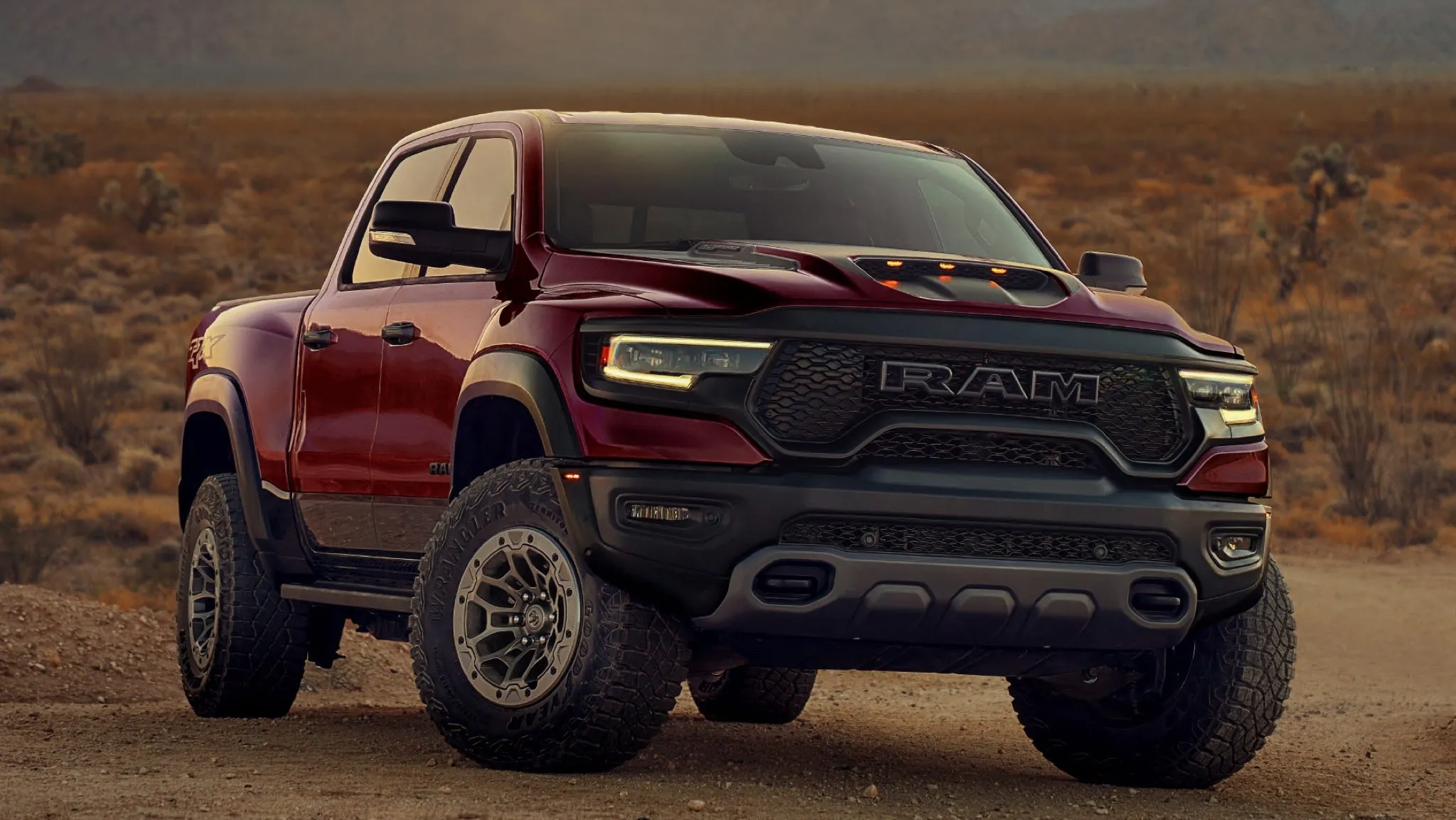
2. Ram 1500 TRX
The Ram 1500 TRX continues to represent the expression of high-performance off-road pickup engineering. Powered by a supercharged V8 engine originally developed for muscle cars, the TRX delivers extraordinary acceleration and off-road capability. Unfortunately, its real-world fuel economy is among the worst in the entire automotive industry.
Owners frequently report MPG figures in the single digits during urban driving. Even moderate commuting can result in fuel economy around 8 to 10 MPG, while spirited driving lowers efficiency even further.
Highway mileage is somewhat better, but still disappointing considering modern standards. Large off-road tires, lifted suspension geometry, and the truck’s enormous weight create a perfect storm for fuel consumption.
Aerodynamics also play a major role in the TRX’s poor MPG performance. Pickup trucks are already less aerodynamic than sedans or crossovers, but the TRX takes things further with aggressive styling, wide body panels, and off-road-focused design elements. At highway speeds, wind resistance dramatically increases fuel usage. Drivers attempting long-distance travel often discover that the truck burns fuel at an astonishing rate.
The supercharged engine itself is another major factor. Forced induction creates tremendous power, but it also demands more fuel under load. Rapid acceleration and high-speed off-road driving consume enormous amounts of gasoline. Owners who fully utilize the truck’s capabilities often experience some of the worst fuel economy numbers available in any consumer vehicle.
Towing and payload usage worsen the situation significantly. Many TRX buyers use the truck for recreational towing, camping, or hauling equipment. Once additional weight is added, fuel economy can decline even further. Long trips involving trailers can reduce MPG into extremely low territory, making operating costs surprisingly high even for truck enthusiasts.
The TRX remains appealing because it offers unmatched excitement and off-road capability. Buyers are often willing to accept terrible fuel economy in exchange for performance and durability. However, it is undeniably one of the thirstiest vehicles available in 2026.
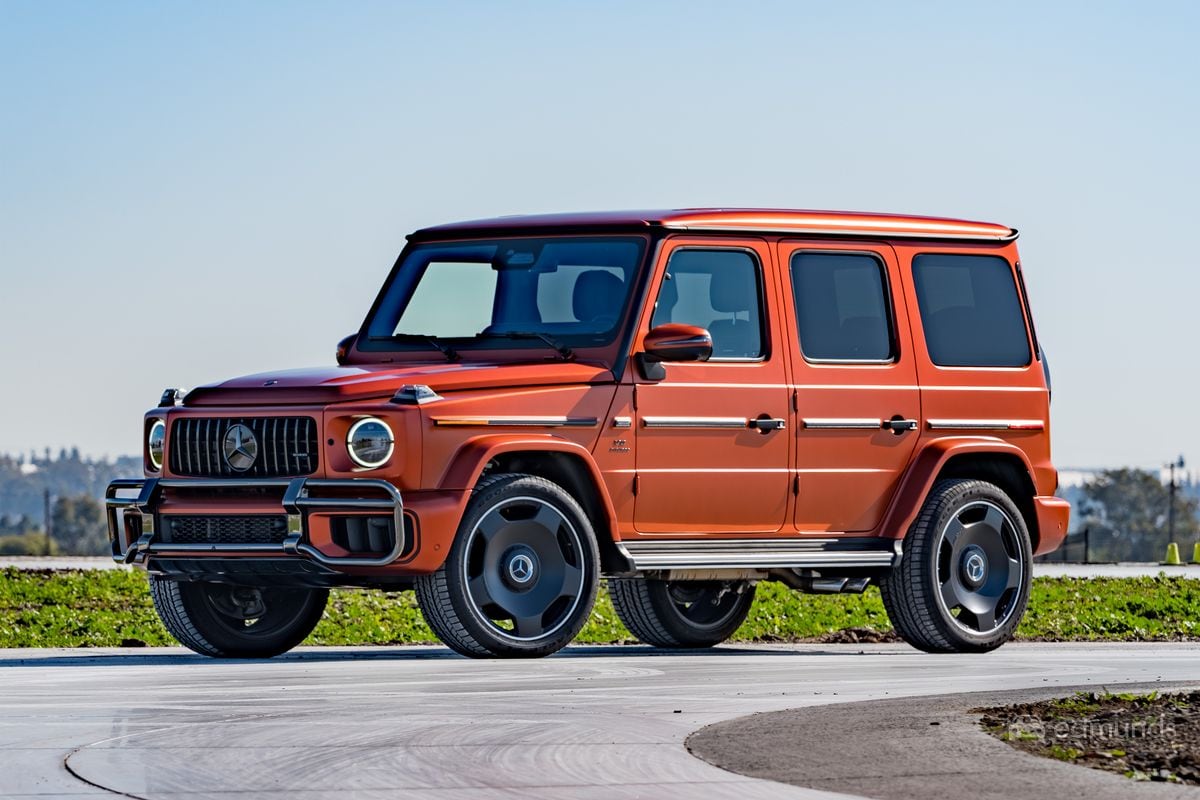
3. Mercedes AMG G63
The Mercedes AMG G63 is one of the most recognizable luxury SUVs in the world. Originally designed as a military-inspired off-roader, the G-Class has evolved into a status symbol combining luxury, performance, and rugged capability. However, its iconic boxy design contributes heavily to its terrible real-world fuel economy.
Aerodynamics is the biggest issue. Unlike modern SUVs designed with efficiency in mind, the G63 maintains a nearly flat front end and upright shape. This creates massive wind resistance at highway speeds, forcing the powerful twin turbocharged V8 engine to work harder. As a result, real-world MPG often falls well below official ratings.
City driving is especially punishing for the G63. Frequent stops combined with the SUV’s heavy structure and aggressive acceleration capabilities create extremely poor fuel efficiency. Many owners report averages near 10 MPG in urban environments. Traffic congestion, short trips, and air conditioning usage can reduce mileage even further.
Luxury equipment also contributes to the weight problem. The G63 includes premium leather seating, advanced sound systems, reinforced off-road hardware, and sophisticated suspension components. While these features improve comfort and capability, they significantly increase curb weight. Heavy vehicles naturally consume more fuel, especially during acceleration.
The AMG-tuned engine encourages spirited driving. Quick throttle response and immense torque make the G63 surprisingly fast despite its size. Drivers often accelerate aggressively simply because the vehicle feels entertaining to drive. Unfortunately, enthusiastic driving quickly destroys any chance of respectable fuel economy.
Even with its poor MPG, the G63 remains highly desirable due to its exclusivity and luxury appeal. Buyers are attracted to its commanding appearance and unique combination of off-road capability and premium craftsmanship. Still, prospective owners should understand that fuel costs are among the highest in the luxury SUV segment.
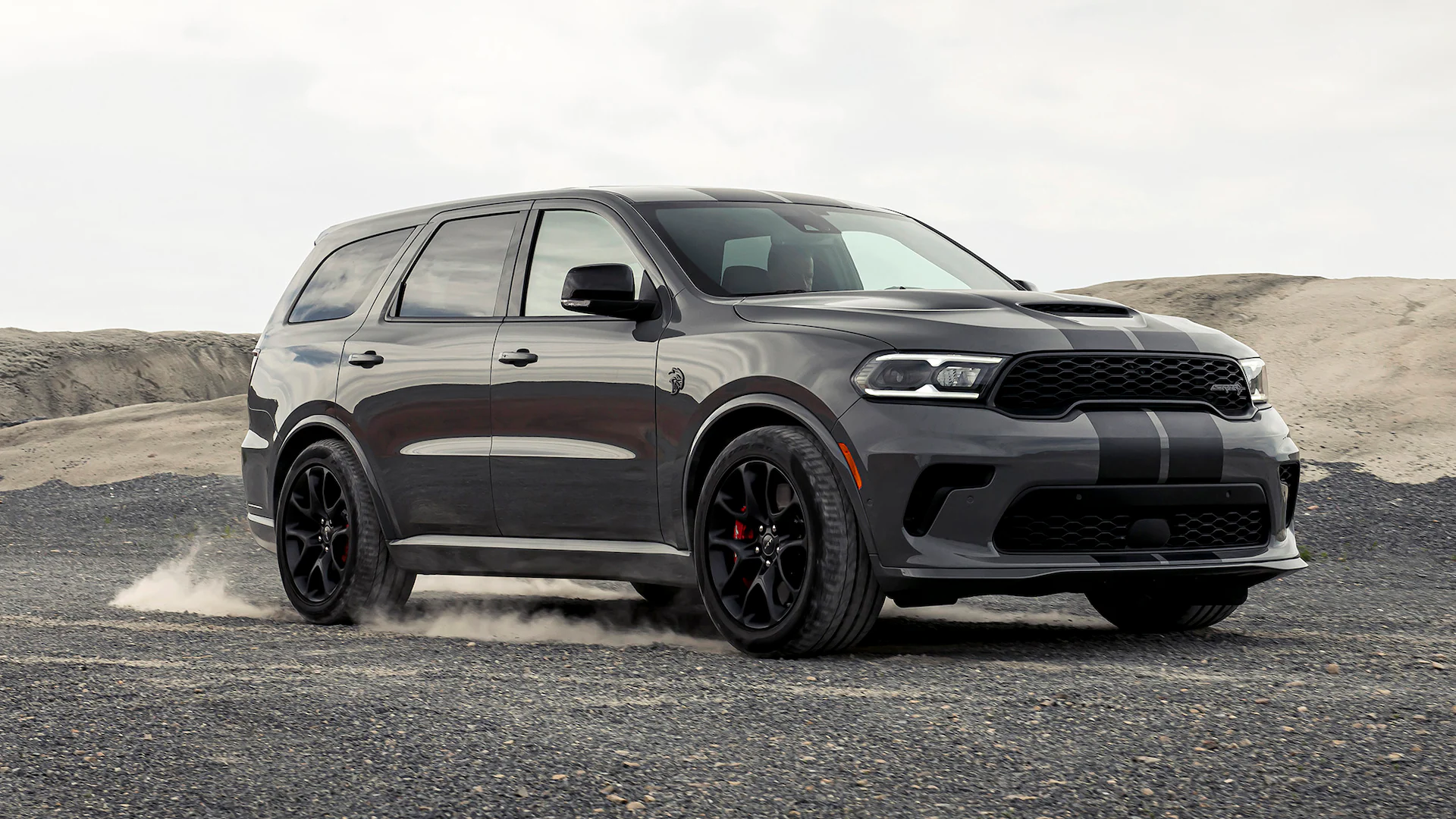
4. Dodge Durango SRT Hellcat
The Dodge Durango SRT Hellcat represents one of the most extreme family SUVs ever built. Equipped with a supercharged V8 engine delivering sports car levels of performance, the Durango Hellcat prioritizes speed and power over efficiency. Real-world MPG figures are predictably terrible.
Urban driving often results in mileage around 9 MPG, especially when drivers take advantage of the SUV’s incredible acceleration. The engine produces immense horsepower, but maintaining that level of performance requires substantial fuel consumption. Heavy throttle application can drain the fuel tank remarkably quickly.
The Durango Hellcat also suffers from weight-related inefficiency. Although technically a family SUV, it carries performance hardware designed to handle enormous power output. Reinforced drivetrain components, large brakes, All Wheel Drive systems, and heavy-duty suspension parts all contribute to substantial mass. Moving this weight repeatedly in city traffic consumes large amounts of fuel.
Highway efficiency is only slightly better because the supercharged engine still operates aggressively under load. Passing maneuvers and high-speed cruising quickly lower MPG. Long road trips, therefore, become expensive compared to more efficient three-row SUVs or hybrid alternatives.
Another issue is owner behavior. Buyers selecting a Hellcat model usually value excitement and acceleration more than economy. The loud exhaust note and instant throttle response encourage aggressive driving habits that further reduce fuel efficiency. In practical ownership situations, many drivers see numbers significantly below official estimates.
Despite the high operating costs, the Durango Hellcat has developed a loyal following among enthusiasts who want muscle car performance in an SUV package. It remains unique in the market, offering tremendous speed combined with family practicality. However, fuel economy is unquestionably one of its biggest weaknesses.
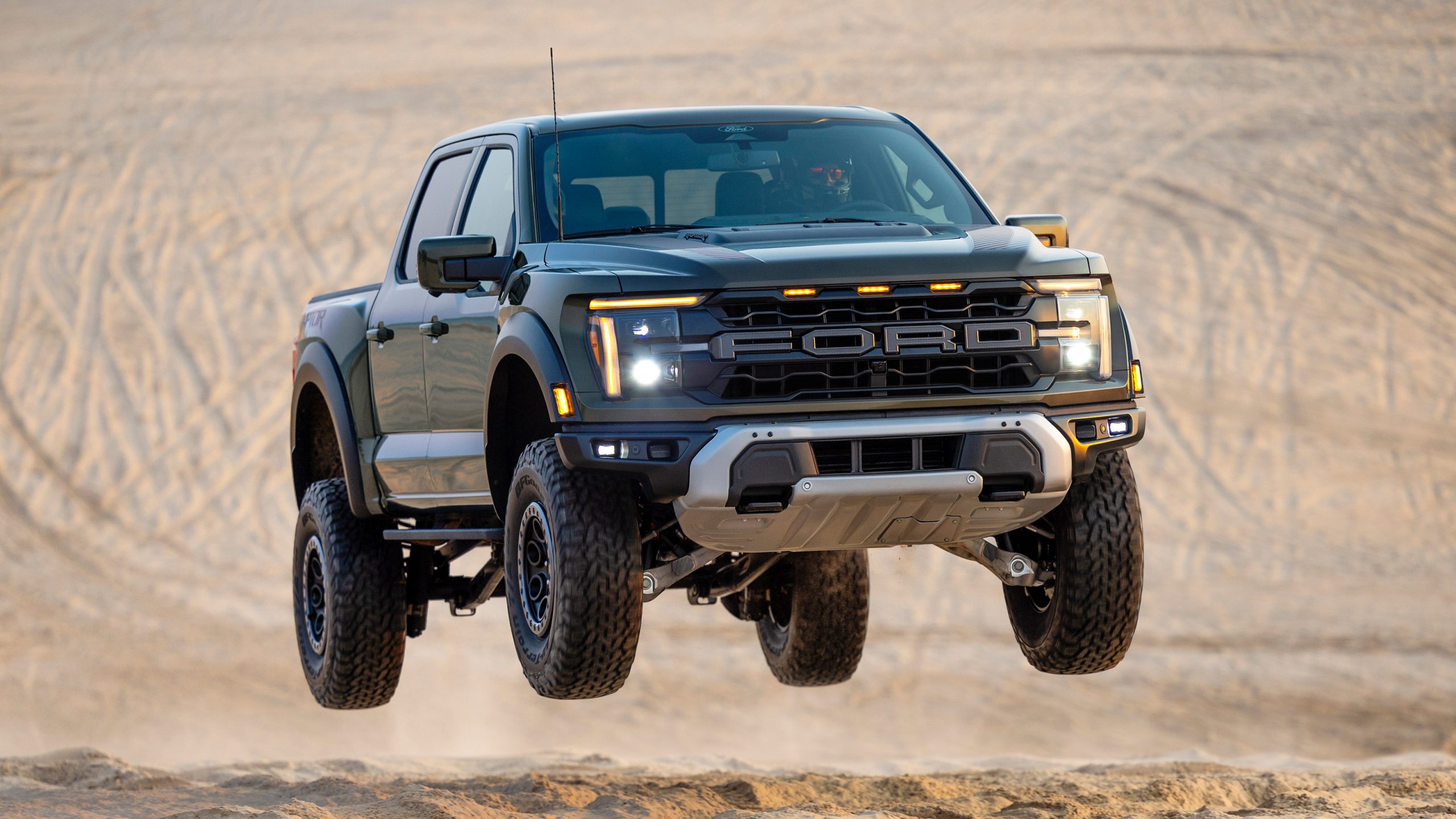
5. Ford F-150 Raptor R
The Ford F-150 Raptor R combines desert racing-inspired engineering with massive V8 power. Designed to compete with high-performance off-road trucks, the Raptor R emphasizes durability, suspension travel, and acceleration. Unsurprisingly, fuel economy was never a primary priority during development.
Real-world MPG often falls into the low double digits, especially in urban conditions. The truck’s supercharged engine consumes large amounts of fuel under acceleration, while the off-road-oriented suspension and oversized tires create additional rolling resistance. Drivers using the truck for daily commuting frequently experience disappointing efficiency.
The Raptor R also faces aerodynamic challenges similar to those of other performance trucks. Its elevated ride height and aggressive bodywork increase drag at highway speeds. Wind resistance becomes especially problematic during long-distance travel, where fuel consumption remains consistently high even at steady speeds.
Off-road capability contributes further to inefficiency. Heavy-duty suspension systems, reinforced chassis components, skid plates, and large tires all increase weight. These features are essential for desert performance and rugged terrain handling, but they dramatically hurt MPG in normal driving situations.
Towing and cargo usage worsen fuel economy significantly. Many owners use the truck for outdoor recreation, towing trailers, or carrying equipment. Additional load forces the engine to work harder, causing fuel consumption to rise sharply. Long trips involving heavy cargo can become extremely expensive due to constant refueling requirements.
Even with poor efficiency, the Raptor R remains highly desirable because of its capability and performance. Buyers appreciate its ability to handle rough terrain at high speeds while delivering thrilling acceleration. Nevertheless, anyone purchasing one should expect fuel expenses comparable to those of some exotic performance vehicles.
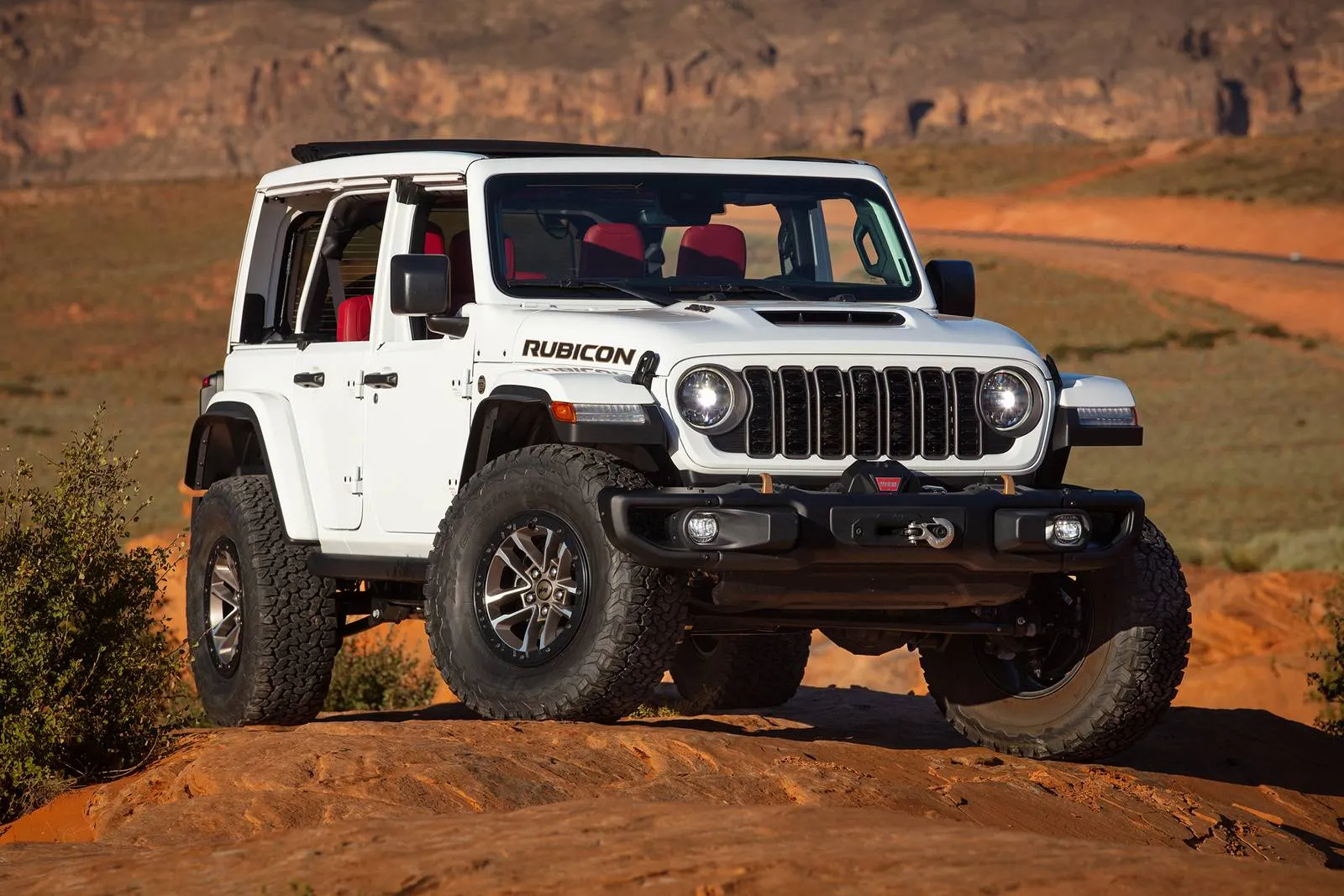
6. Jeep Wrangler Rubicon 392
The Jeep Wrangler Rubicon 392 is a dream vehicle for many off-road enthusiasts. Combining the iconic Wrangler platform with a powerful V8 engine creates a uniquely exciting driving experience. Unfortunately, the same features that make it entertaining also make it extremely inefficient.
The Wrangler’s boxy shape creates substantial aerodynamic drag. Even at moderate highway speeds, the engine must work hard to push the vehicle through the air. Combined with large off-road tires and solid axle construction, the result is consistently poor fuel economy in real-world driving.
City mileage is especially bad because the V8 engine encourages rapid acceleration. Drivers often enjoy the aggressive exhaust sound and strong torque delivery, leading to fuel consumption that can drop below 10 MPG. Stop-and-go traffic magnifies the problem significantly.
Off-road modifications further reduce efficiency. Heavy tires, lifted suspension systems, skid plates, and rugged drivetrain components all increase rolling resistance and weight. These features are essential for trail performance, but they negatively impact everyday fuel economy.
Another issue is the removable roof and doors. While these features enhance the Wrangler experience, they also disrupt airflow and increase aerodynamic inefficiency. Highway driving with open roof panels often leads to even worse MPG figures than normal.
Despite these drawbacks, the Rubicon 392 remains one of the most exciting off-road vehicles available. Enthusiasts value its personality, capability, and unique V8 character. However, anyone considering it as a daily driver should understand that fuel economy is among the worst in the SUV market.
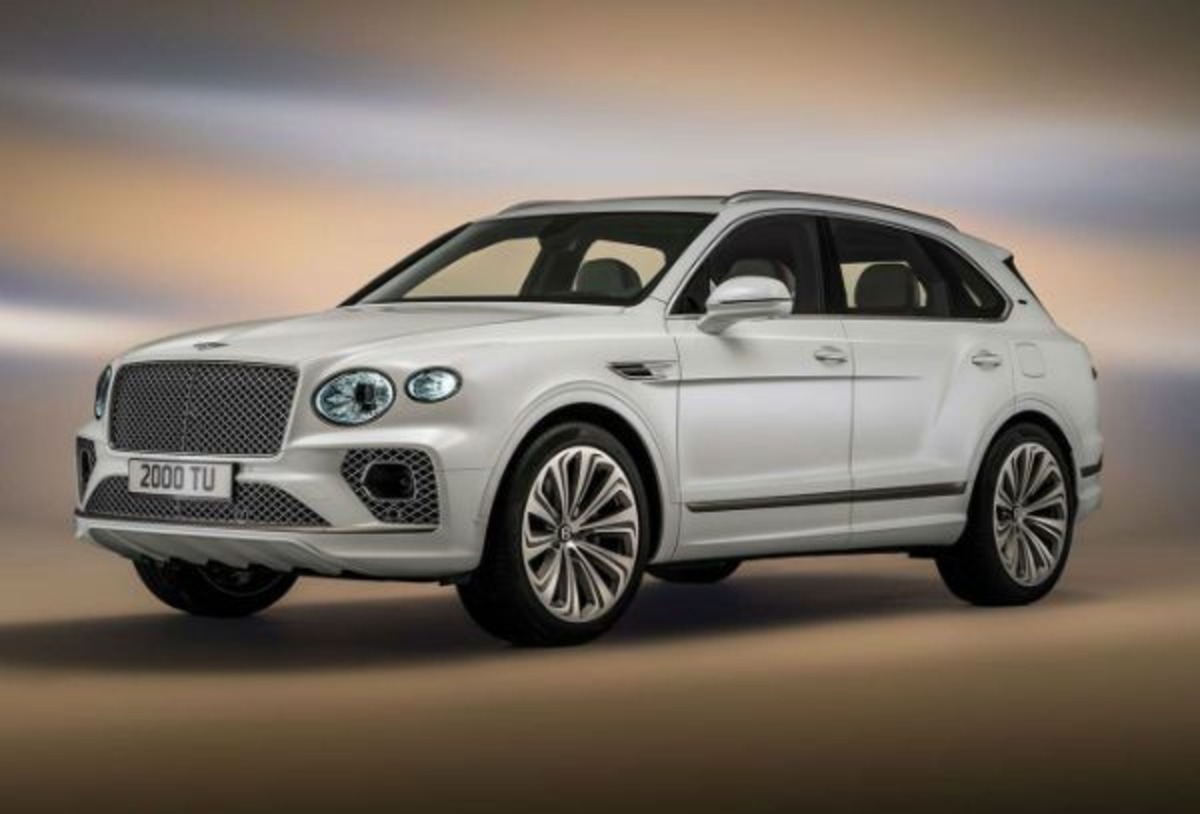
7. Bentley Bentayga Speed
The Bentley Bentayga Speed demonstrates how luxury and performance can combine to create extraordinary fuel consumption. Equipped with a massive high-output engine and packed with premium materials, the Bentayga Speed delivers impressive acceleration but struggles badly in real-world MPG tests.
Luxury SUVs already face efficiency challenges due to their size and weight. The Bentayga Speed takes things further with extensive sound insulation, premium leather interiors, advanced electronics, and performance enhancements. All these features increase curb weight substantially, forcing the engine to consume more fuel.
High-speed performance is another major reason behind poor MPG. Bentley engineered the SUV to deliver sports car levels of acceleration despite its large dimensions. Achieving this requires a powerful engine that prioritizes smoothness and speed over efficiency. Aggressive driving can quickly reduce mileage into alarming territory.
Urban driving conditions are particularly inefficient because the vehicle’s heavy mass requires significant energy during acceleration. Frequent stops, traffic congestion, and short journeys worsen fuel consumption dramatically. Owners using the Bentayga Speed primarily in city environments often report very low MPG figures.
Even highway cruising fails to deliver strong efficiency. Although the SUV includes advanced engineering technologies, the combination of weight, performance tuning, and luxury equipment limits fuel savings. Long-distance travel remains expensive compared to more efficient luxury alternatives.
Still, buyers rarely choose the Bentayga Speed for economy. Its appeal lies in craftsmanship, exclusivity, and effortless performance. For wealthy owners, fuel costs may be relatively unimportant. Nevertheless, the SUV ranks among the least efficient luxury vehicles available in 2026.
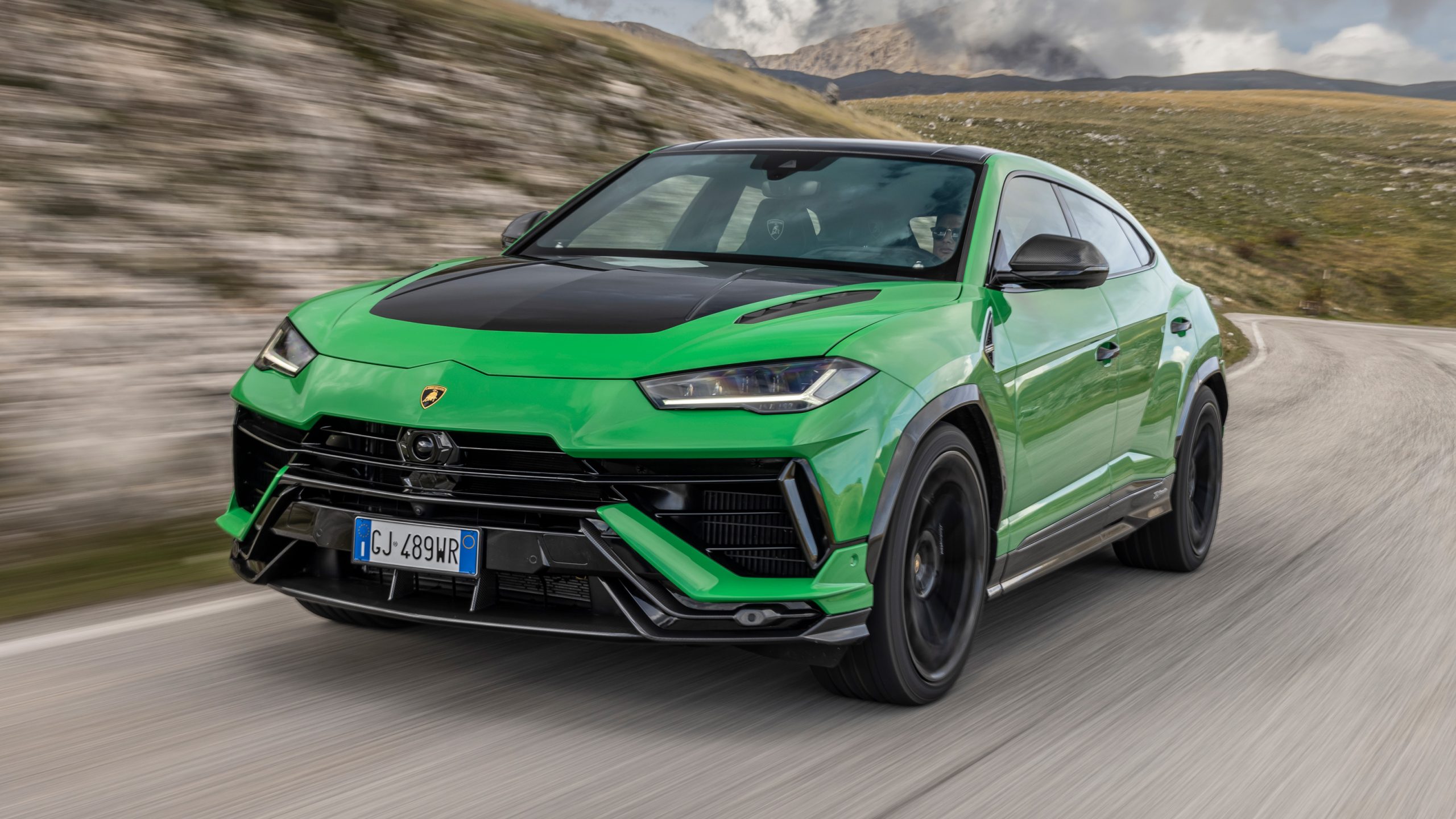
8. Lamborghini Urus Performante
The Lamborghini Urus Performante has redefined expectations for performance SUVs. Combining exotic styling with extreme horsepower, the Urus Performante delivers astonishing acceleration and handling. However, such performance inevitably comes with severe fuel economy penalties.
The twin turbocharged engine consumes large quantities of fuel under aggressive driving conditions. Rapid acceleration, launch control usage, and high-speed driving can lower MPG dramatically. Many owners purchasing the Urus specifically enjoy exploiting its performance capabilities, making poor fuel economy almost unavoidable.
Wide performance tires and advanced All Wheel Drive systems further reduce efficiency. These components improve grip and handling but increase rolling resistance. Combined with the SUV’s weight and aerodynamic demands, fuel consumption remains high in both city and highway driving.
Urban conditions are especially punishing because the Urus responds aggressively to throttle input. Even moderate acceleration often uses substantial fuel. Traffic congestion and short trips create additional inefficiency, leading to real-world MPG figures far below what many buyers initially expect.
Luxury and technology features also contribute to the problem. The SUV includes advanced infotainment systems, premium materials, active suspension technology, and sophisticated performance hardware. While these features improve comfort and driving dynamics, they also add weight and complexity.
Despite terrible fuel economy, the Urus Performante continues to attract buyers who want exotic car excitement in a practical SUV format. It delivers incredible speed and prestige, but fuel efficiency is clearly not part of its mission. Owners should prepare for some of the highest fuel expenses in the modern SUV market.
