
Muscle cars were once inexpensive performance machines built for straight-line speed and street reputation. During the golden era of the late 1960s and early 1970s, buyers could walk into dealerships and order massive V8 engines, aggressive styling packages, and track-ready upgrades without spending exotic car money.
Decades later, those same machines transformed into some of the most valuable collector vehicles in the automotive world.
By 2026, the muscle car market will remain extremely strong for rare and historically important models. Enthusiasts are paying six-figure prices not only for ultra-limited production cars but also for vehicles with matching numbers, drivetrains, factory documentation, desirable color combinations, and low-mileage originality.
Auction houses continue seeing fierce bidding wars whenever iconic American performance legends appear on stage.
Several factors push these cars into six-figure territory. Rarity matters heavily, especially when production numbers were already low from the factory. Performance reputation also plays a role. Vehicles tied to racing success, famous engine options, or legendary street status tend to attract serious collectors willing to spend enormous amounts of money.
Originality has become equally important in recent years. Collectors now place massive value on factory-correct examples that still retain original engines, transmissions, interiors, and paint codes. Restored cars can still command high prices, but untouched survivor cars sometimes generate even more excitement.
Another reason values continue climbing involves nostalgia. Many buyers who admired these cars during childhood now possess the financial resources to purchase them. That emotional connection keeps demand strong despite economic fluctuations.
The muscle cars listed below consistently attract six-figure money in 2026 because they combine rarity, historical significance, brutal V8 performance, and lasting collector appeal.
Some were drag strip legends, while others became cultural icons representing the absolute peak of the American horsepower wars. Regardless of origin, these machines now stand among the most valuable muscle cars ever built.
Also Read: 10 Brands Where Average Repair Bills Cross $9,000 for Major Jobs
1. Plymouth Hemi Cuda
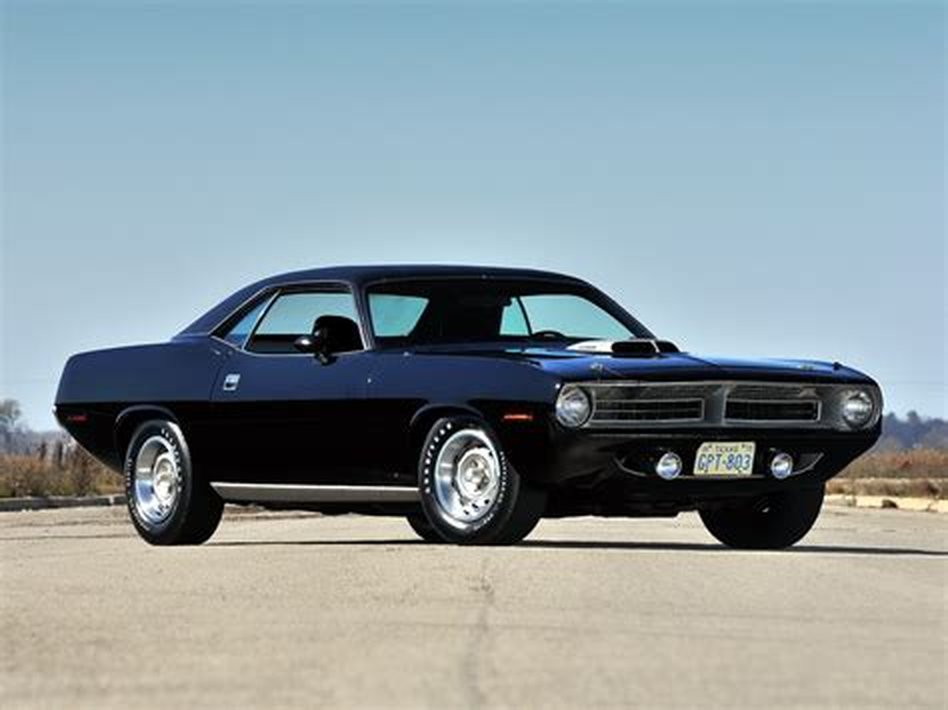
The Plymouth Hemi ‘Cuda sits at the very top of the American muscle car hierarchy when it comes to collector value and desirability. In 2026, pristine examples continue commanding astonishing six-figure prices, with the rarest configurations reaching well into seven-figure territory during major auctions.
What makes the Hemi ‘Cuda so valuable begins with its legendary 426 cubic inch Hemi V8 engine. During the peak of the muscle car wars, this engine represented pure intimidation. Massive horsepower, brutal acceleration, and an unmistakable sound transformed the car into a street racing icon almost immediately after release.
Production numbers remain one of the biggest reasons collectors fight so aggressively over surviving examples. Very few Hemi Cudas were built compared with the more common muscle cars of the era. Convertible models are especially rare, making them some of the most sought-after American performance vehicles ever produced.
Collectors also obsess over factory documentation and originality. Matching numbers, drivetrains, original paint colors, factory broadcast sheets, and authentic option packages dramatically increase value. Even small details such as shaker hoods, pistol-grip shifters, or special performance axle ratios can add enormous money to final auction prices.
The design itself continues beautifully. Aggressive body lines, wide-stance proportions, and bold graphics make the Hemi ‘Cuda visually unforgettable. Unlike some classics that rely mostly on rarity, the Plymouth still delivers an undeniable visual presence decades later.
Auction results in recent years prove the car’s staying power. Serious collectors view the Hemi ‘Cuda as more than transportation or even entertainment. It has become automotive art tied directly to one of the most exciting periods in American performance history.
Another factor supporting values involves cultural significance. The Hemi ‘Cuda symbolizes unrestricted horsepower before emissions regulations and fuel crises changed the industry permanently. That historical importance keeps demand intense among collectors worldwide.
Few muscle cars combine rarity, styling, performance reputation, and emotional appeal as completely as the Hemi ‘Cuda. In the modern collector world, owning one represents entry into the highest tier of classic American performance ownership.
2. Chevrolet Chevelle SS 454 LS6
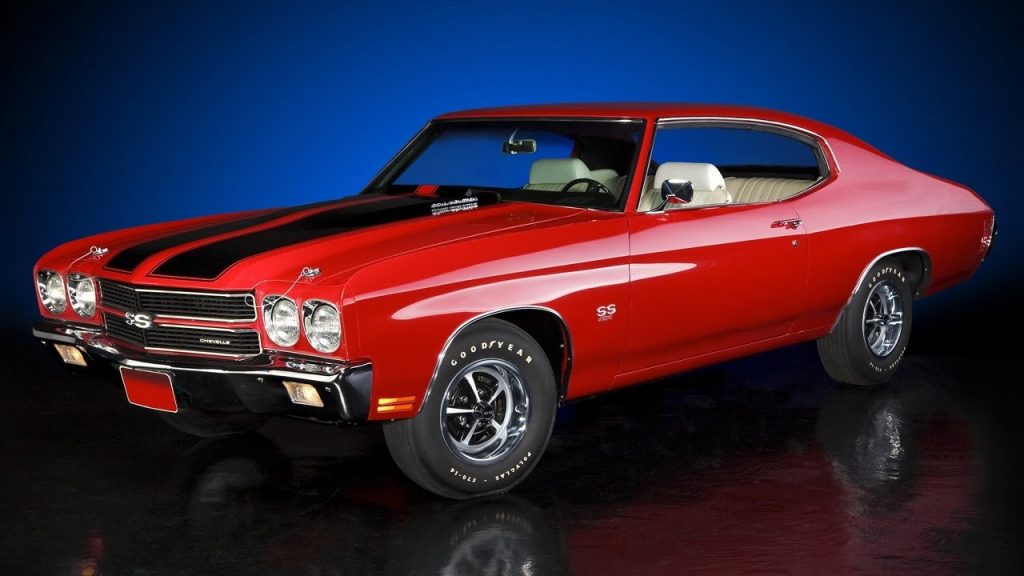
The Chevrolet Chevelle SS 454 LS6 remains one of the most feared and respected names from the muscle car era. In 2026, authentic LS6 examples continue attracting enormous collector attention, with top-quality cars regularly bringing six-figure auction results thanks to their combination of raw power and historical significance.
Chevrolet created the LS6 during a time when manufacturers competed aggressively for street performance dominance. The car’s 454-cubic-inch V8 officially carried conservative horsepower ratings, yet enthusiasts knew the true output was far higher.
Massive torque and brutal acceleration helped the Chevelle develop a reputation as one of the quickest production muscle cars of its time.
Collectors place huge importance on authenticity with LS6 cars. Matching numbers engines, correct transmissions, factory paperwork, and proper option combinations all influence value heavily. Fake clones exist because genuine LS6 production numbers were limited, making verified originals extremely valuable.
The Chevelle’s styling adds another layer to its collector appeal. Muscular rear fenders, aggressive front-end proportions, and subtle performance cues give the car a timeless appearance without feeling overly flashy. Many enthusiasts consider it one of the cleanest muscle car designs ever produced.
A driving reputation matters too. Unlike certain rare collector cars that became valuable mostly because of scarcity, the LS6 genuinely terrified competitors on the street and at drag strips. Owners and testers during the era regularly described the car as difficult to control under full throttle because of its immense power.
Auction demand remains strong because the Chevelle appeals to multiple generations simultaneously. Older collectors remember the original muscle car era firsthand, while younger enthusiasts admire the LS6 because of its legendary reputation and aggressive image.
Color combinations and factory options can push values even higher. Desirable paint colors, cowl induction hoods, four-speed manual transmissions, and documented high-performance packages all increase collector competition dramatically.
The LS6 Chevelle represents a moment when American manufacturers built giant engine performance machines with almost no restraint. That fearless engineering approach continues fascinating collectors decades later, helping secure the car’s place among the most valuable muscle machines in the world.
3. Dodge Challenger R/T SE 426 Hemi
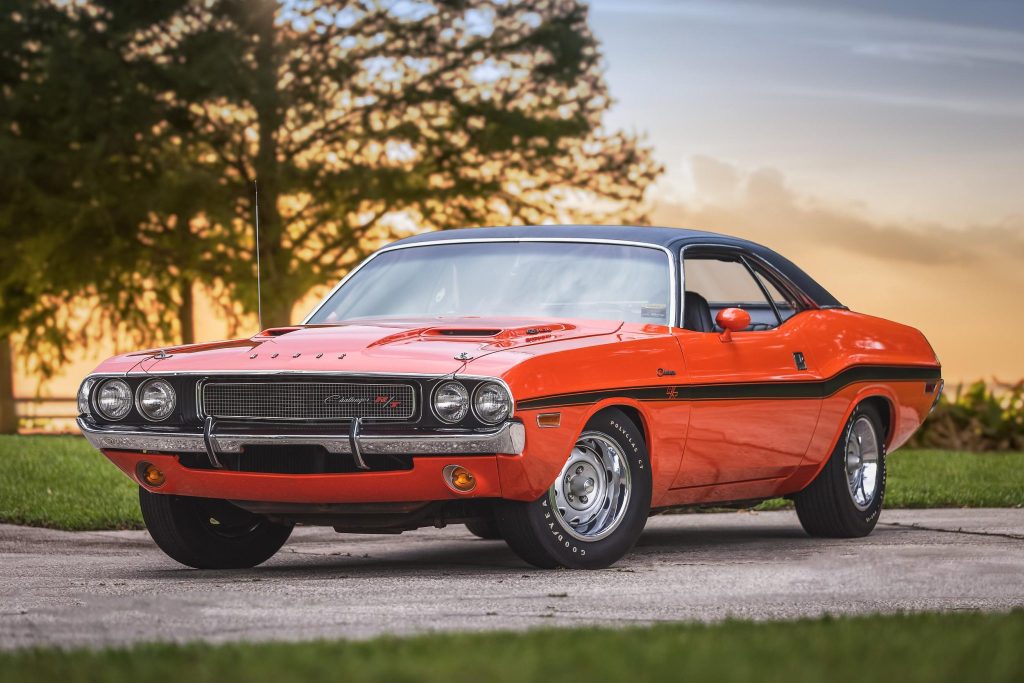
The Dodge Challenger R/T SE 426 Hemi entered the muscle car battle later than some rivals, yet it immediately established itself as one of the most intimidating machines of the era.
By 2026, the genuine Hemi-powered Challenger model will remain among the most valuable American performance cars ever produced, regularly commanding six-figure prices whenever authentic examples reach auctions or private collectors.
The biggest reason behind the car’s value is the legendary 426 Hemi engine. During the early 1970s, this powerplant represented Chrysler’s most feared performance weapon. Massive horsepower combined with brutal acceleration gave the Challenger an almost mythical reputation among street racers and drag strip enthusiasts.
Rarity plays a huge role in the market as well. Dodge produced relatively few Hemi-equipped Challenger R/T SE models, especially when compared with lower trim versions. Survivors with factory documentation, matching-number drivetrains, and original option packages are now extremely difficult to find.
Collectors pay especially close attention to originality. Authentic paint codes, shaker hood setups, factory four-speed transmissions, and special performance axle combinations can dramatically increase auction results. Even smaller details, such as original interior trim or correct carburetor setups, influence pricing heavily in today’s market.
The styling also keeps demand high. The Challenger balanced aggressive muscle proportions with upscale touches that helped it stand apart visually from some competitors. Wide body lines, hidden headlights in SE trims, and dramatic hood designs continue attracting collectors decades later.
Unlike some classics that became garage queens early in life, many Challengers lived hard, performance-focused existences. As a result, truly original survivors remain exceptionally rare. That scarcity pushes serious collectors into fierce bidding wars whenever well-preserved examples appear publicly.
Another factor helping values remain strong involves generational appeal. Older enthusiasts admire the car because they experienced the original muscle era firsthand, while younger collectors connect with the Challenger name through modern Dodge performance cars. That crossover recognition keeps interest alive across multiple age groups.
The Hemi Challenger symbolizes peak American horsepower culture before tightening regulations changed the industry permanently. Because of that legacy, authentic examples continue holding extraordinary value in the collector market.
4. Pontiac GTO Judge Ram Air IV
The Pontiac GTO Judge Ram Air IV occupies a special place in muscle car history because it combined outrageous styling with one of Pontiac’s most respected high-performance engine packages. In 2026, genuine Ram Air IV Judge models continue bringing six-figure money thanks to their rarity, performance heritage, and unmistakable visual identity.
Pontiac created the Judge partly as a response to the growing youth performance market. Bright graphics, bold colors, rear spoilers, and aggressive branding made the car impossible to ignore during the muscle era. Beneath the visual drama, however, sat serious performance engineering.
The Ram Air IV engine package upgraded the GTO into an entirely different league. High-flowing cylinder heads, aggressive camshaft tuning, and upgraded internal components gave the car exceptional performance potential. Enthusiasts during the era considered Ram Air IV cars among the strongest factory muscle machines available from Detroit.
Collectors now value originality above nearly everything else. Matching numbers engines, documented Ram Air IV equipment, original transmissions, and correct Judge graphics significantly impact auction prices. Cars retaining factory paperwork or historical ownership records often command especially intense attention. Color combinations matter heavily, too.
Bright factory shades such as Orbit Orange or Cardinal Red tend to attract stronger bids because they represent the flamboyant personality of the judge perfectly. Restored examples done correctly can still bring enormous money, though untouched survivor cars often generate even greater excitement.
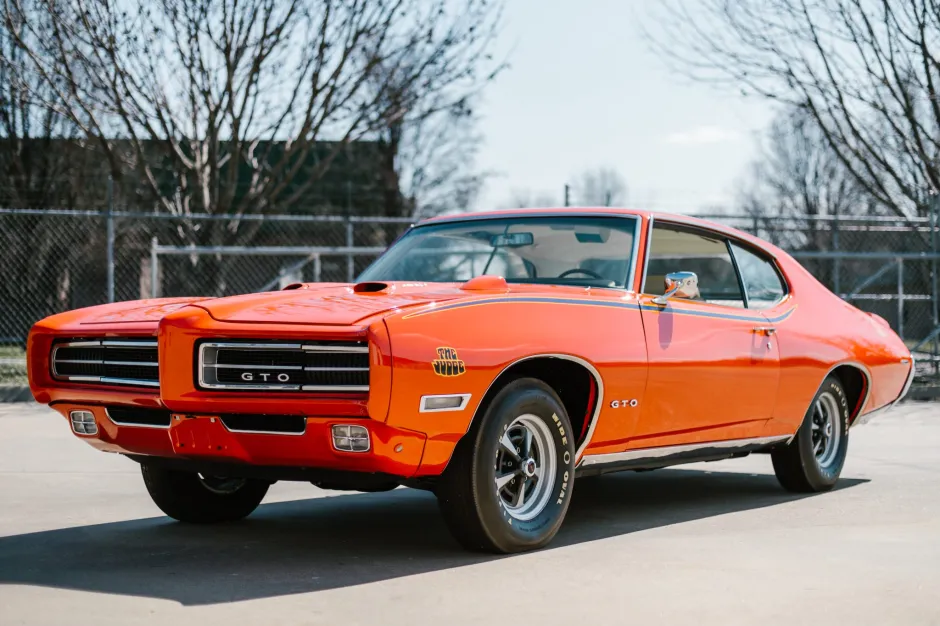
The judge also benefits from strong cultural recognition. Even people outside hardcore collector circles frequently recognize the name because of its legendary place in muscle car history. That broad awareness helps sustain demand across changing generations of enthusiasts.
Unlike some muscle cars focused purely on straight-line brutality, the GTO Judge balanced visual excitement with genuine street presence. The car looked fast standing still, and the Ram Air IV engine delivered performance capable of backing up the image convincingly.
Production numbers remained relatively limited for authentic Ram Air IV Judges, especially compared with standard GTO models. That rarity continues pushing values upward as collectors compete for fewer surviving examples each year.
The combination of aggressive styling, proven performance, and historical importance keeps the Ram Air IV Judge firmly positioned among the most valuable muscle cars in the collector world today.
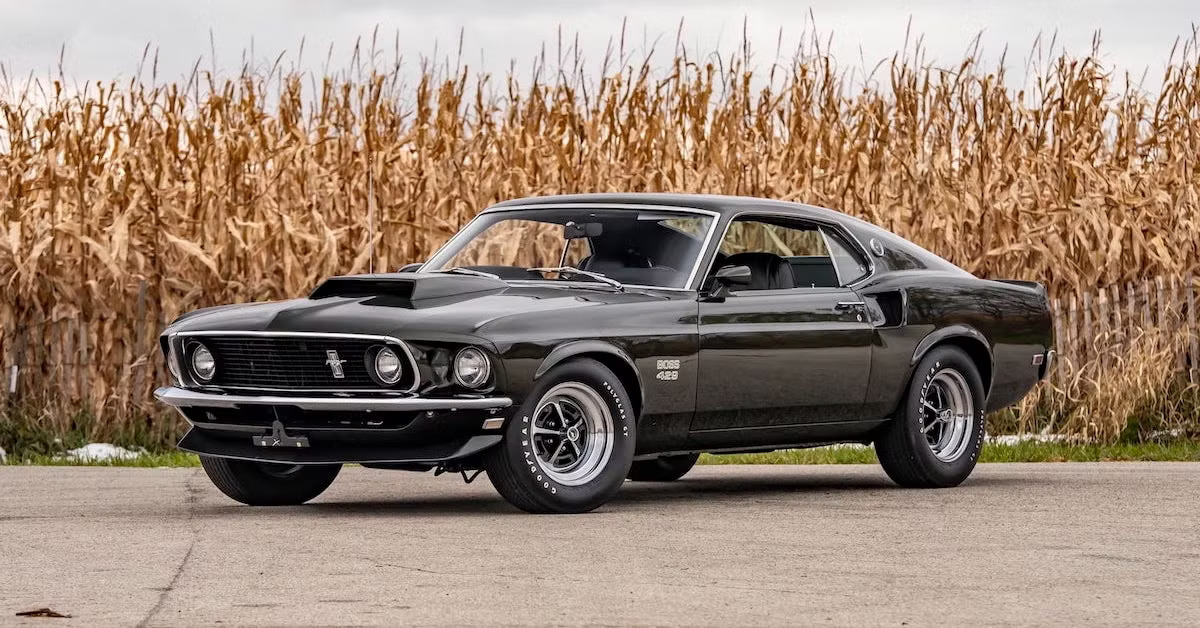
5. Ford Mustang Boss 429
The Ford Mustang Boss 429 existed because Ford wanted domination in NASCAR competition, but the result became one of the most collectible muscle cars ever created. By 2026, authentic Boss 429 Mustangs will continue selling for enormous six-figure amounts because they combine racing history, rarity, and unmistakable engineering significance.
Unlike ordinary Mustangs of the period, the Boss 429 required major structural modifications simply to fit its massive semi-hemispherical engine inside the engine bay.
Ford contracted Kar Kraft to perform extensive changes, including revised suspension geometry and reinforced shock towers. These special modifications instantly separated the Boss 429 from regular production Mustangs.
Collectors place extraordinary importance on originality because so few genuine examples exist. Matching numbers, engines, factory paint colors, original interior components, and correct documentation all influence values heavily. Cars retaining their original drivetrain setups often generate fierce bidding at major collector auctions.
The Boss 429 engine itself remains one of Ford’s most legendary powerplants. Built specifically for racing homologation purposes, the engine delivered immense performance potential and became closely tied to Ford’s motorsport ambitions during the horsepower wars of the late 1960s.
Visually, the car maintains a distinct personality. Functional hood scoops, aggressive stance proportions, and understated graphics gave the Boss 429 a serious performance image without excessive decoration. Enthusiasts appreciated the car because it looked purposeful rather than flashy.
Another reason values remain strong involves historical context. The Boss 429 represents a moment when manufacturers stretched production rules to place true racing technology into street-legal cars. Collectors see the Mustang as far more than transportation.
It symbolizes an era when American automakers built outrageous performance machines with almost no compromise.
Surviving examples remain limited because many cars were heavily modified, raced, or poorly preserved over the decades. Untouched originals with documented histories, therefore, command enormous respect within collector communities.
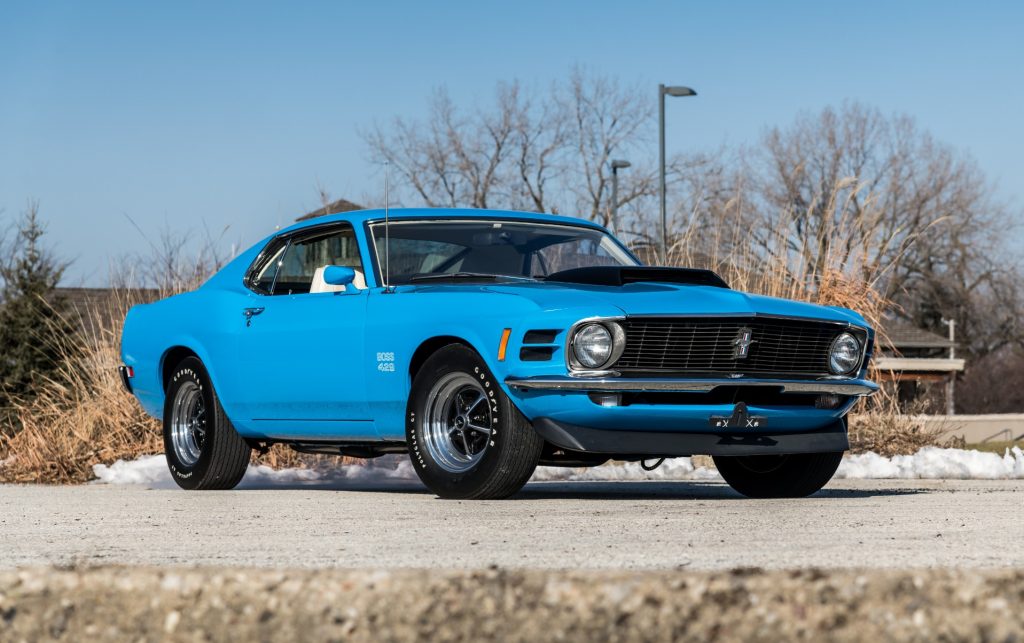
Younger enthusiasts also help sustain values because the Mustang name continues thriving through modern high-performance models. That connection between classic and modern generations keeps interest alive far beyond traditional collector circles.
The Boss 429 stands today as one of Ford’s greatest muscle car achievements, and its six-figure market strength reflects how deeply respected it remains among collectors worldwide.
6. Buick GSX Stage 1
The Buick GSX Stage 1 often surprises casual enthusiasts because Buick was traditionally associated with luxury rather than aggressive performance. Yet the GSX Stage 1 became one of the fiercest muscle cars of its era, and in 2026, authentic examples regularly command six-figure prices among serious collectors.
Buick engineered the GSX Stage 1 around massive torque rather than flashy horsepower claims. The car’s 455-cubic-inch V8 delivered incredible low-end pulling power, making it brutally quick in real-world driving conditions. Many enthusiasts from the era considered the GSX one of the strongest street performers available from Detroit.
Production numbers play a major role in current values. Buick built very few GSX models compared with the more common muscle cars from Chevrolet or Ford. Genuine Stage 1 examples are especially rare, which creates intense competition whenever verified cars reach the market.
Collectors obsess over documentation and factory authenticity. Matching numbers, drivetrains, original paint codes, correct hood tachometers, and factory-installed performance components dramatically affect value. Cars retaining their original build sheets or dealer paperwork often become centerpiece auction attractions.
The styling remains unforgettable as well. Bold stripes, rear spoilers, hood scoops, and vibrant factory colors such as Saturn Yellow gave the GSX a dramatic personality unlike anything else wearing a Buick badge. The visual contrast between Buick’s luxury heritage and brutal muscle styling still fascinates collectors today.
Another factor supporting values involves the car’s underdog reputation. Unlike Mustangs or Camaros that became instant mainstream icons, the GSX earned respect gradually among enthusiasts who recognized its serious performance abilities. That sleeper image gives the car a unique identity in the collector’s world.
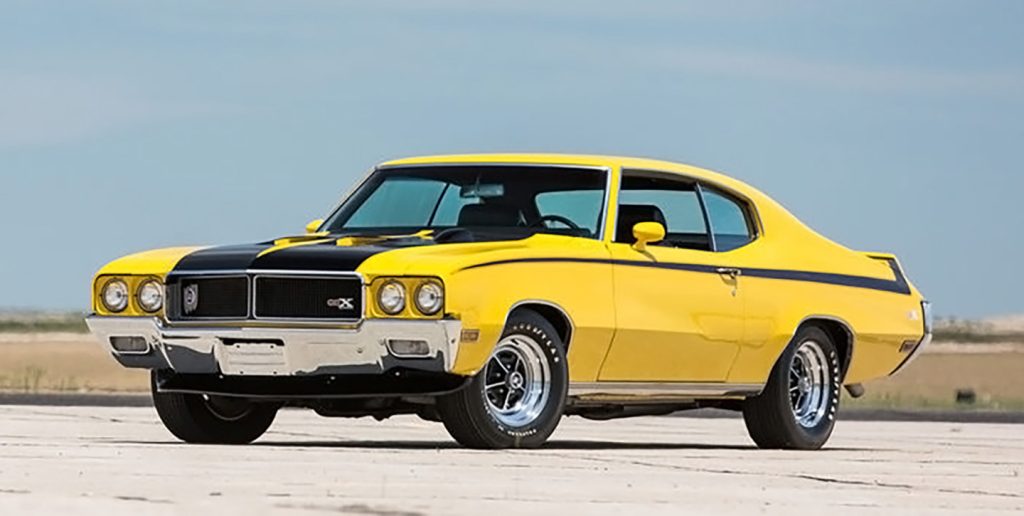
Auction demand continues rising because experienced collectors increasingly appreciate rarity and historical importance over sheer popularity alone. As fewer authentic GSX Stage 1 cars remain available, values continue climbing steadily.
The Buick GSX Stage 1 represents one of the boldest decisions ever made by a traditionally conservative American brand. That unexpected combination of luxurious roots and savage performance keeps the car firmly positioned among the most valuable muscle machines in the modern collector market.
7. Chevrolet Camaro ZL1 COPO
The Chevrolet Camaro ZL1 COPO stands among the rarest and most feared factory drag racing machines ever produced during the original muscle car era. In 2026, authentic examples continue attracting astonishing six-figure prices because collectors understand just how historically important and unbelievably scarce these cars truly are.
The story behind the COPO Camaro adds enormous value by itself. Chevrolet officially limited engine sizes in midsize and pony cars during the late 1960s, but dealers found ways around those restrictions using the Central Office Production Order system.
Through COPO, select buyers gained access to outrageous performance combinations never intended for ordinary dealership inventory.
The ZL1 version represented the absolute extreme. The all-aluminum 427 cubic inch V8 engine delivered monstrous power while reducing front-end weight significantly compared with iron-block alternatives. At the time, this made the Camaro one of the quickest production cars in America.
Production numbers remain shockingly low. Chevrolet built only a tiny number of genuine ZL1 COPO Camaros, making verified examples incredibly valuable today. Because of their rarity, collectors scrutinize documentation before spending enormous money on any claimed original car.
Performance reputation drives demand heavily as well. These Camaros were essentially factory-built drag strip weapons disguised as street cars. Enthusiasts knew they possessed racing capabilities far beyond ordinary muscle machines of the era.
The styling stayed relatively understated compared with some rivals. That subtle appearance actually helps the ZL1’s mystique because the car hides extraordinary performance beneath a familiar Camaro body. Collectors appreciate that sleeper personality even more today.
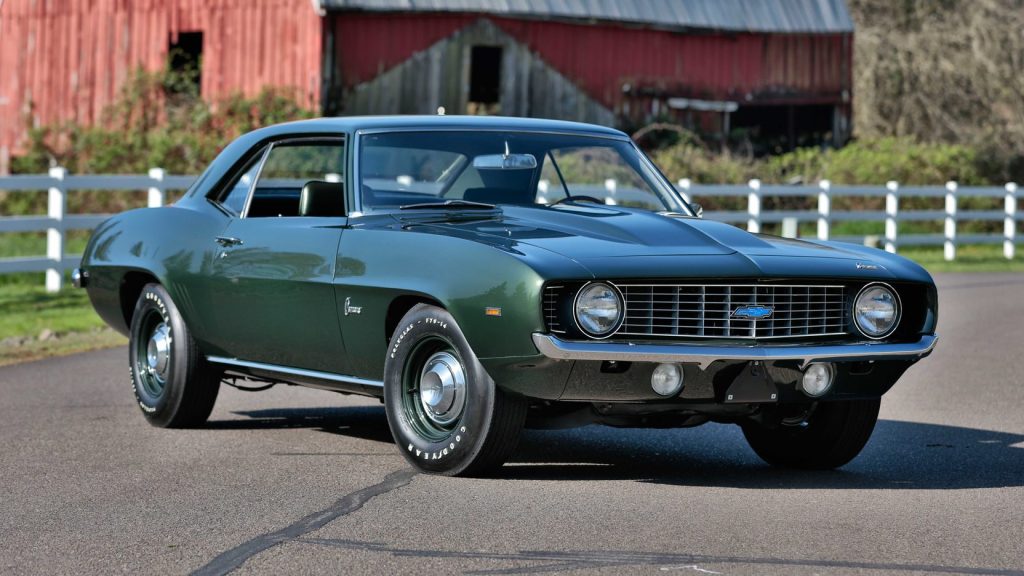
Authenticity matters tremendously in the modern market. Original drivetrains, factory paperwork, correct engine stampings, and documented ownership history all influence values dramatically. Even highly restored cars must maintain strict factory correctness to reach top auction prices.
Another reason prices remain strong involves the car’s legendary status among hardcore enthusiasts. The COPO Camaro became one of those rare machines surrounded by stories, rumors, and racing folklore for decades. That mythical reputation continues to fuel collector demand worldwide.
The ZL1 COPO represents a time when American manufacturers quietly built extreme performance monsters for buyers determined to dominate drag strips and street races. Few muscle cars carry that level of underground performance history, which explains why collectors continue paying extraordinary money for surviving originals.
8. Oldsmobile 442 W30
The Oldsmobile 442 W30 often lives slightly outside mainstream muscle car conversations, yet knowledgeable collectors understand its significance perfectly.
By 2026, authentic W30 examples consistently bring six-figure auction results because they combine rarity, engineering sophistication, and genuine performance credibility from one of General Motors’ most respected divisions.
Oldsmobile approached muscle car engineering differently than some rivals. Instead of focusing purely on flashy marketing, the company developed the 442 W30 with carefully tuned performance upgrades designed to create high real-world speed.
Functional cold air induction systems, revised camshaft tuning, lightweight components, and upgraded cylinder heads transformed the W30 into an exceptionally capable street machine.
Collectors place huge importance on documentation because authentic W30 cars are relatively rare compared with standard 442 models.
Build sheets, original invoices, matching numbers of drivetrains, and verified factory equipment dramatically influence market values. Cars lacking proper paperwork often struggle to achieve top collector status.
The styling balanced aggression with maturity. Unlike some muscle cars covered in graphics and bright colors, the 442 W30 delivered performance with a slightly more refined personality. Hood scoops, subtle striping, and muscular body proportions created an appearance that looked powerful without becoming cartoonish.
Another factor pushing values upward involves historical appreciation. For years, some collectors overlooked Oldsmobile performance cars in favor of more famous Mustangs, Camaros, or Mopars. As the collector market matured, enthusiasts began recognizing just how advanced and capable the W30 truly was.
The driving experience also contributes strongly to demand. Owners and testers from the era often praised the W30 for balancing brutal acceleration with surprisingly composed road manners. That combination helped the car stand apart from muscle machines focused only on quarter-mile performance.
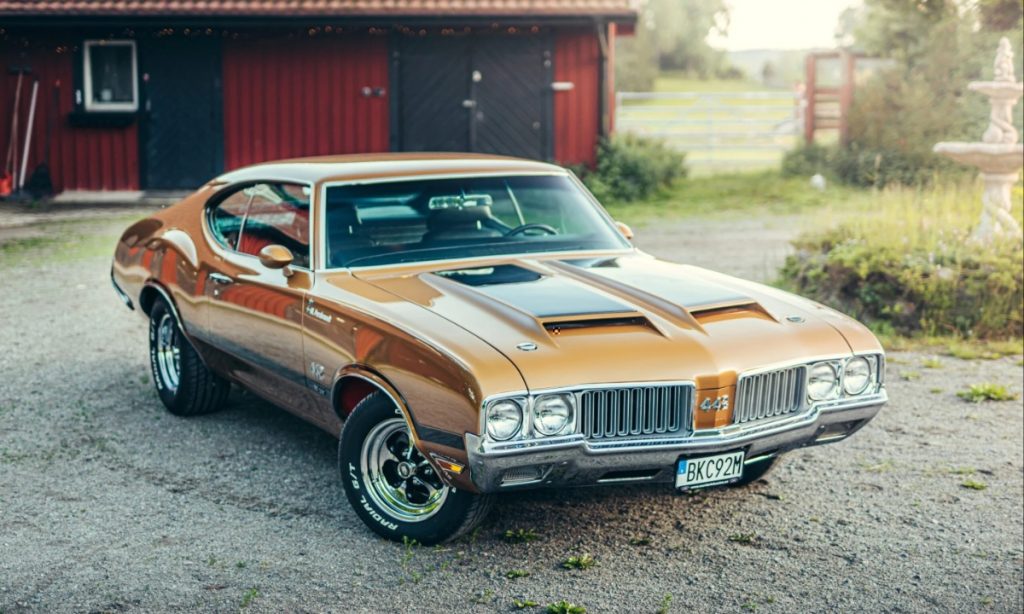
Survivor cars remain especially valuable today because many original examples disappeared through racing, modifications, or neglect over the decades. Finding a genuine W30 retaining factory equipment and proper originality has become increasingly difficult.
Collectors now view the Oldsmobile 442 W30 as one of the smartest high-end muscle investments because it combines rarity, historical importance, and understated performance appeal. The car may not always attract the loudest attention at auctions, but experienced enthusiasts know exactly how special it really is.
9. Dodge Charger Daytona
The Dodge Charger Daytona remains one of the most visually outrageous vehicles ever created during the American muscle era. Massive rear wings, aerodynamic nose cones, and NASCAR racing heritage transformed the Daytona into an instant legend, and by 2026, genuine examples continue commanding massive six-figure collector prices worldwide.
The Daytona existed because Dodge wanted aerodynamic dominance in NASCAR competitions. Engineers radically reshaped the standard Charger body using wind tunnel-influenced modifications designed specifically for high-speed stability. The result looked unlike anything else on American roads during the late 1960s.
Collectors value the Daytona partly because of its direct motorsport connection. These cars were not merely appearance packages. They represented factory-backed racing technology developed for serious competition. That authentic racing pedigree gives the Daytona enormous historical importance.
Engine choices influence values heavily. Hemi-powered Daytonas sit near the absolute top of the collector market, though even 440-powered examples command impressive six-figure money today. Original drivetrains, broadcast sheets, matching-numbers components, and documented ownership history all dramatically affect pricing.
The Daytona’s appearance guarantees instant recognition. Tall rear wings and pointed front ends created one of the boldest designs in muscle car history. Even people unfamiliar with classic cars immediately recognize the vehicle because nothing else looks remotely similar.
Production numbers also remain relatively low. Dodge built the Daytona in limited quantities to satisfy racing homologation requirements, making surviving authentic examples exceptionally desirable decades later.
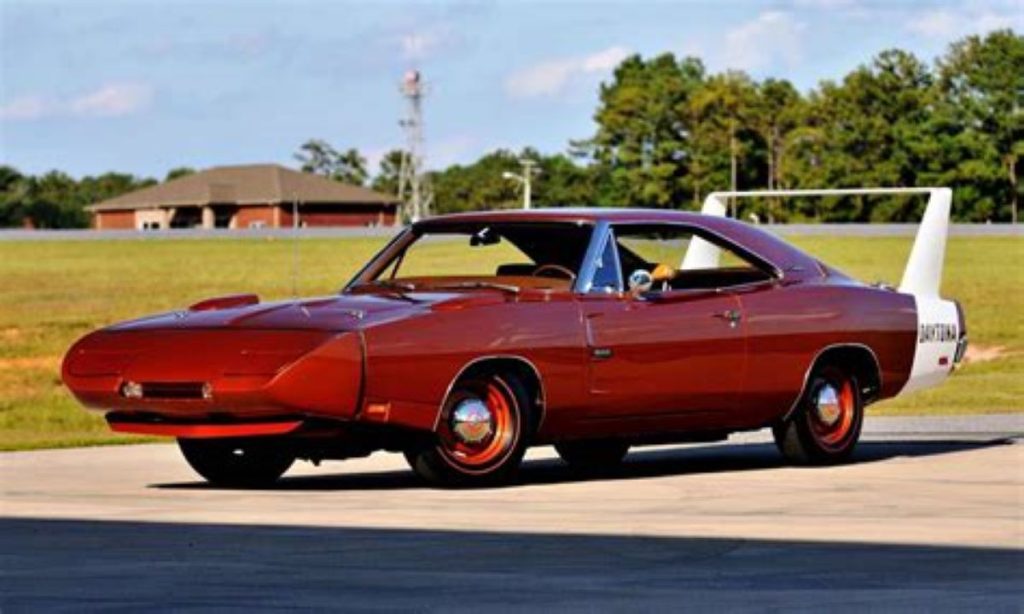
Auction demand continues to strengthen because collectors increasingly value cars tied directly to racing history and engineering innovation. The Daytona represents both simultaneously. It combined outrageous styling with real aerodynamic effectiveness that helped reshape stock car competition permanently.
Another reason values remain so strong involves emotional impact. Seeing a genuine Daytona in person still feels dramatic today. The car captures the fearless creativity and performance obsession that defined the peak muscle car years better than almost anything else from the era.
The Dodge Charger Daytona became more than just a fast car. It evolved into an automotive symbol representing the wildest and most ambitious period in American performance history.
Also Read: 9 Cars With Transmission Replacement Costs Over $6,000 in 2026
