
When luxury, performance, and advanced engineering meet, maintenance costs often follow. This list of “10 Brands Where Average Repair Bills Cross $9,000 for Major Jobs” highlights how premium automakers deliver cutting-edge technology and comfort at the cost of expensive long-term ownership.
From rugged off-roaders like Land Rover to ultra-luxury icons such as Bentley, these vehicles are built with highly complex systems that demand specialized labor, proprietary parts, and dealership-level expertise when something goes wrong.
Performance-focused brands like BMW, Porsche, and Mercedes-Benz push engineering boundaries, but that same complexity leads to costly repairs once warranties expire. Even newer technology-driven makers like Tesla and safety-focused innovators like Volvo are not exempt from high repair bills when major components fail.
Across these brands, a common pattern emerges: advanced systems improve performance, luxury, and safety, but significantly increase repair difficulty and cost. For buyers, ownership becomes a trade-off between driving excellence and long-term maintenance risk.
1. Land Rover
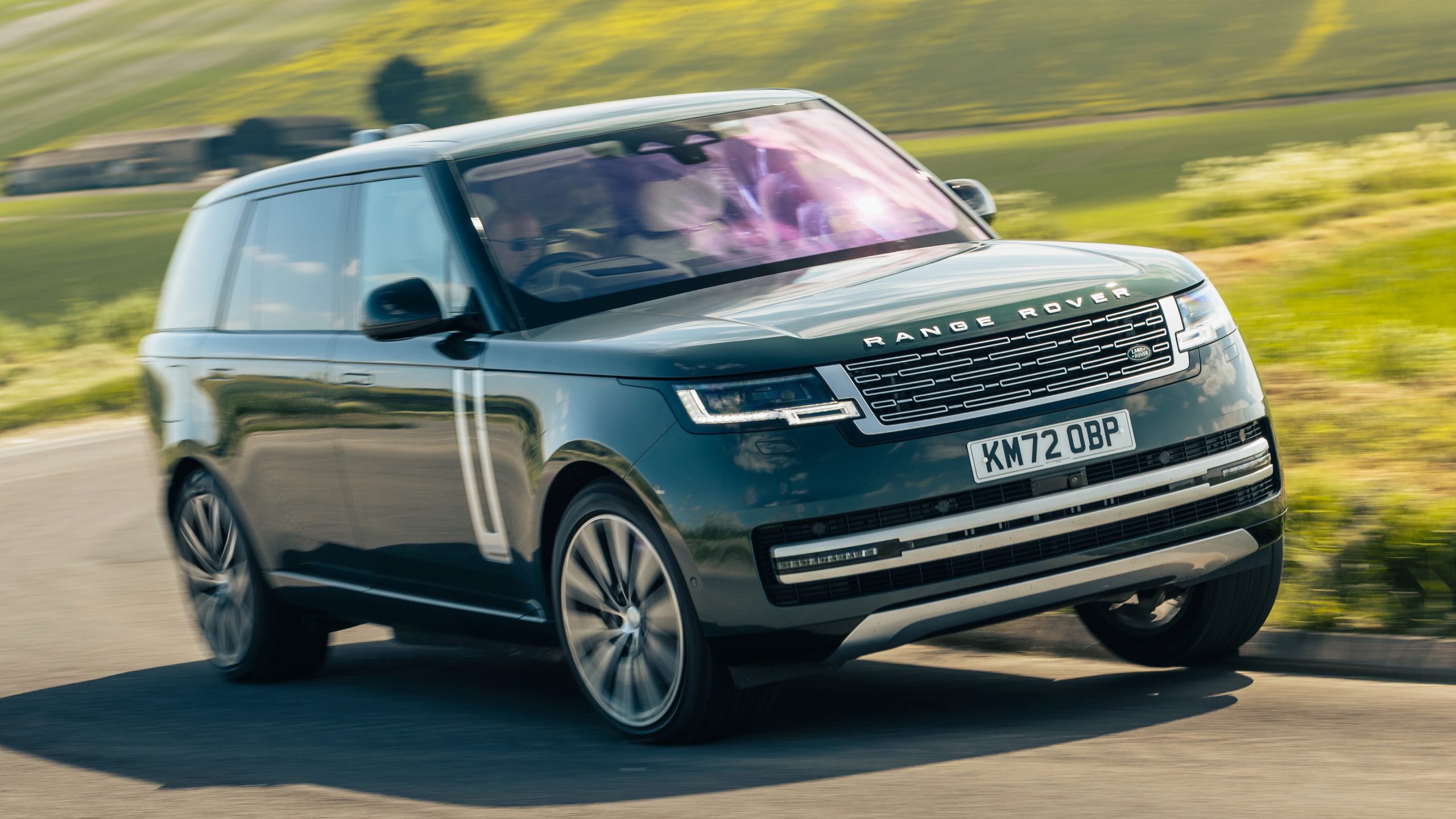
Land Rover models such as the Range Rover and Discovery are associated with extremely high repair costs, often exceeding $9,000 for major jobs. This is driven by advanced engineering, including air suspension systems, complex four-wheel-drive technology, and tightly packed engine bays that increase labor time.
When components such as turbochargers, timing chains, or air compressors fail, repairs require expensive parts and extensive disassembly at dealership labor rates. Land Rover maintains a premium status through luxury, prestige, and strong off-road capability, especially in models like the Range Rover and Land Rover Discovery.
Features such as Terrain Response systems and high-end interiors make them appealing to buyers seeking both performance and comfort. However, complexity leads to frequent electrical issues, suspension failures, and higher-than-average maintenance expenses over time. Annual ownership costs range between $1,800 and $3,000, while long-term expenses can exceed $20,000 within a decade.
Reliability varies by model year, with newer versions showing improvement, though repair frequency remains higher than that of many competitors. Owners are advised to use extended warranties, maintain strict servicing schedules, and conduct thorough inspections before purchase.
High repair frequency stems from the integration of advanced electronics and performance-focused systems that prioritize capability over simplicity. Because of this, ownership is often considered a trade-off where buyers accept elevated maintenance costs in exchange for unique versatility.
Strong brand loyalty persists due to heritage, design appeal, and the perception of unmatched all-terrain performance among luxury SUVs. Preventive maintenance and early diagnostics can reduce the likelihood of catastrophic failures, though they cannot fully eliminate high-cost repairs.
Market demand remains strong because the brand occupies a niche combining luxury, utility, and status symbolism in a single platform. Replacement parts and skilled labor availability also influence total ownership cost.

2. Bentley
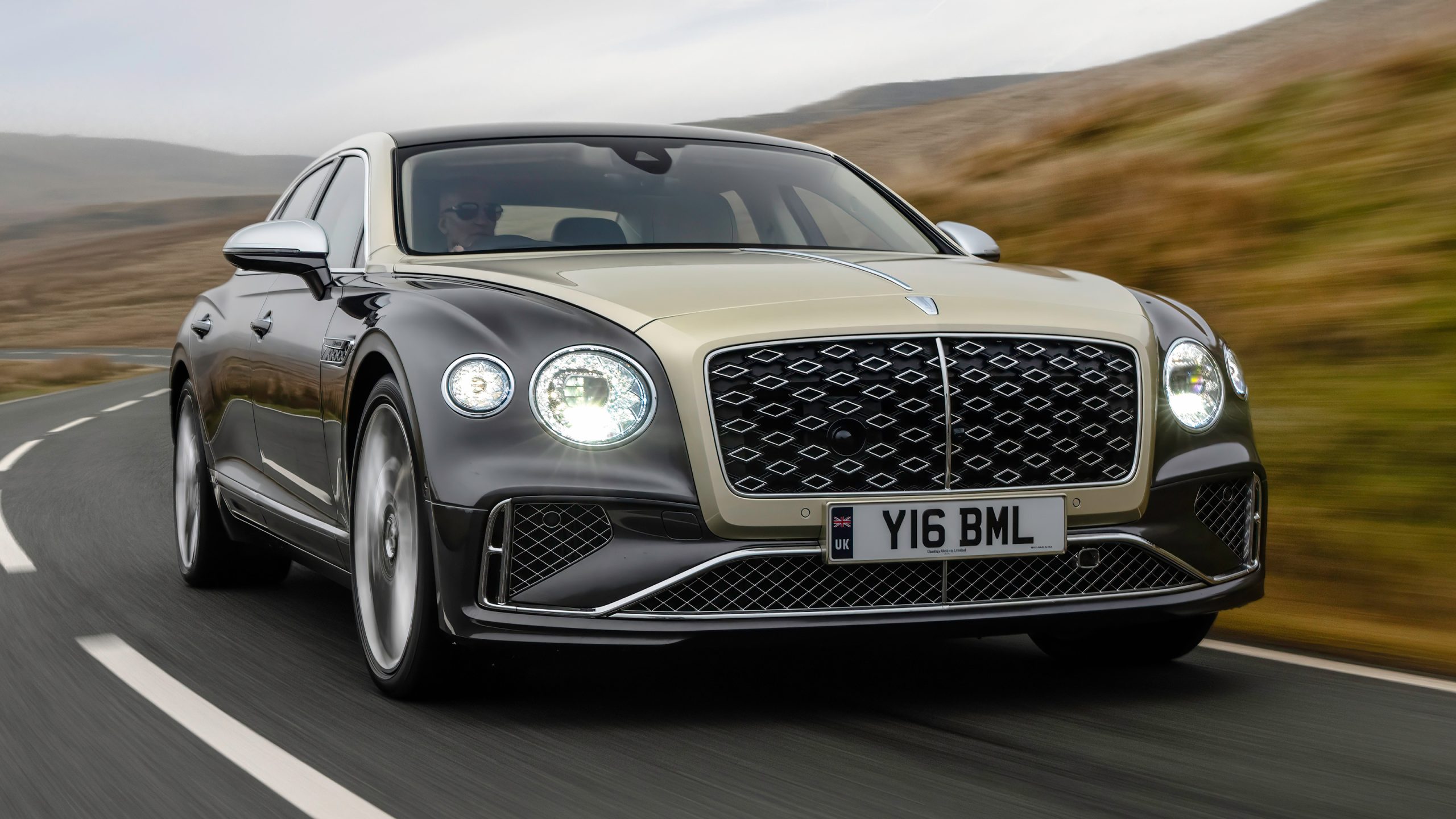
Bentley represents the pinnacle of ultra-luxury automotive engineering, but ownership comes with exceptionally high repair and maintenance costs, with major issues frequently exceeding $9,000 and sometimes reaching well beyond $12,000. Models such as the Bentley Continental GT and Bentley Bentayga are built with highly complex systems, including twin-turbocharged V8 and W12 engines, advanced air suspension, and sophisticated electronics. These systems deliver outstanding performance and comfort but significantly increase repair difficulty and cost.
A key driver of expense is the level of engineering complexity. Many major repairs, such as turbo servicing, transmission replacement, or suspension system failures, require partial or full engine removal due to tightly packed components. Parts are often bespoke, hand-finished, and sourced directly from Europe, making replacements expensive and time-consuming. In addition, only certified technicians with specialized diagnostic tools are typically authorized to work on these vehicles, leading to high labor rates.
Routine maintenance also reflects the premium nature of the brand. Oil changes can cost several hundred dollars, while annual servicing may range from $2,000 to over $4,000. Larger repair jobs, such as brake replacements, can reach $3,000–$7,000, and tire sets for high-performance models can exceed $2,000. Over a five-year ownership period, total costs including depreciation, insurance, and maintenance can surpass $200,000 in some estimates.
Despite these expenses, Bentley maintains a strong appeal due to its handcrafted interiors, bespoke customization through Mulliner, and long-standing heritage dating back to 1919. Buyers are drawn to its combination of prestige, exclusivity, and performance. However, ownership is financially demanding, and experts often recommend setting aside a significant contingency fund for unexpected repairs. Models with the 4.0L twin-turbo V8 are generally considered less costly to maintain than W12 variants, though both remain expensive compared to mainstream luxury vehicles.
The brand’s appeal persists because it delivers a uniquely tailored driving experience where luxury, craftsmanship, and performance take priority over long-term affordability and low maintenance costs.
3. Porsche
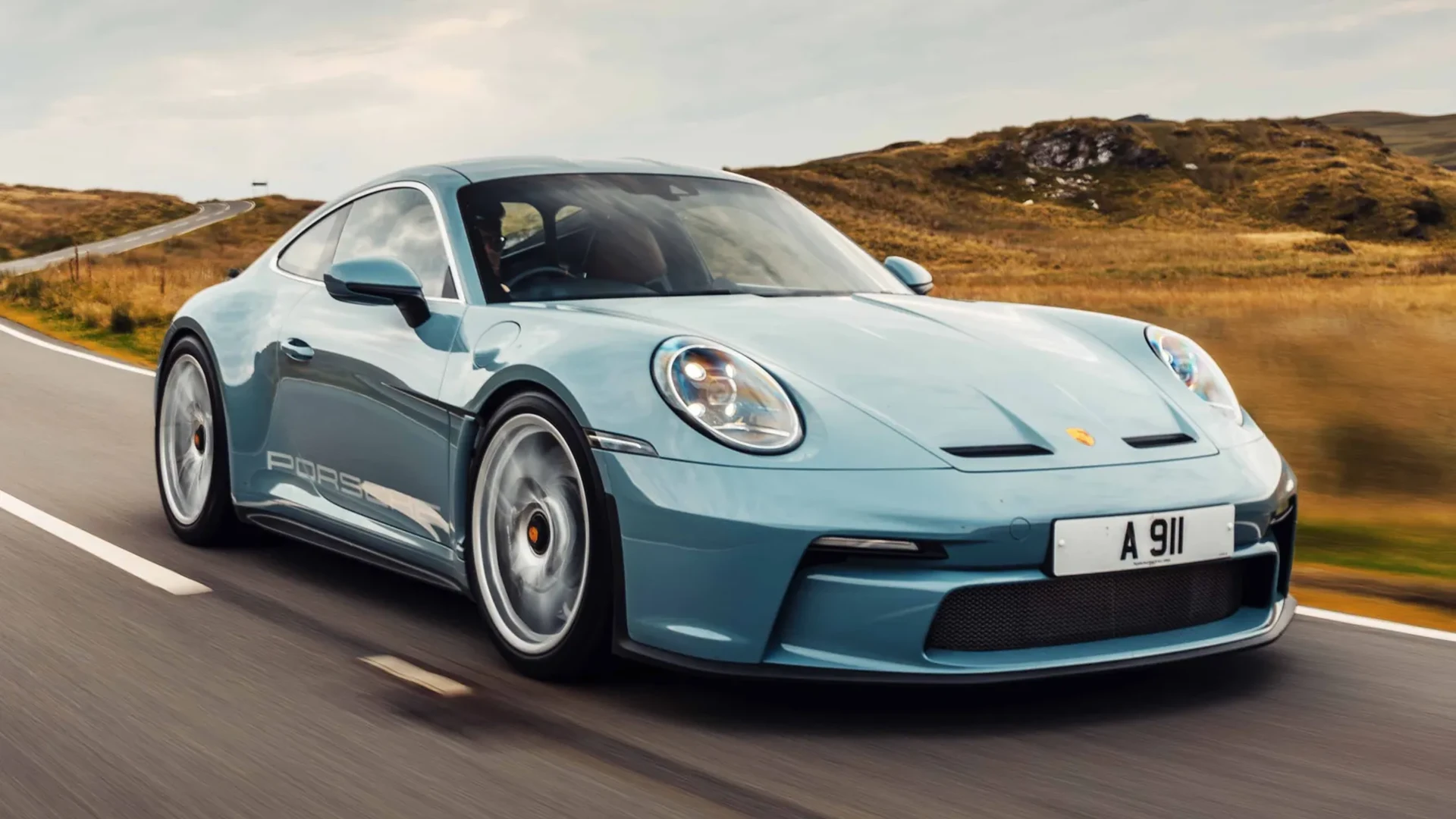
Porsche is widely regarded as one of the best performance-focused automotive brands, blending everyday usability with high-performance engineering and strong reliability. However, this advanced engineering comes with significant ownership costs, particularly once vehicles are out of warranty. Models like the Porsche Panamera and Porsche Cayenne can incur major repair bills exceeding $9,000, especially when dealing with complex systems such as the PDK dual-clutch transmission or dynamic chassis controls.
The primary reason for high repair costs is the brand’s use of specialized, performance-oriented components. Many parts are proprietary and designed specifically for Porsche vehicles, leaving little to no aftermarket alternatives. Repairs involving engines, transmissions, or variable valve timing systems require expert diagnostics and highly trained technicians, resulting in elevated labor costs. High-performance materials such as ceramic composite brakes can also be extremely expensive to replace.
Despite these costs, Porsche maintains a strong reputation due to its engineering quality and durability. Vehicles are extensively tested and built to withstand both daily driving and track use, contributing to high reliability rankings among luxury brands. In addition, models like the Porsche 911 are known for excellent resale value and low depreciation, which helps offset long-term ownership expenses.
Annual maintenance typically ranges from $1,500 to $3,500, depending on the model, while major services or repairs can easily surpass $9,000, particularly for high-performance variants. Costs are further influenced by driving habits, as aggressive use increases wear on tires, brakes, and fluids.
Owners often manage expenses by using independent specialists, following strict maintenance schedules, and setting aside a repair fund. Porsche remains highly desirable because it offers a rare balance of reliability, performance, and everyday practicality, making the higher cost of ownership acceptable for many enthusiasts.
4. BMW
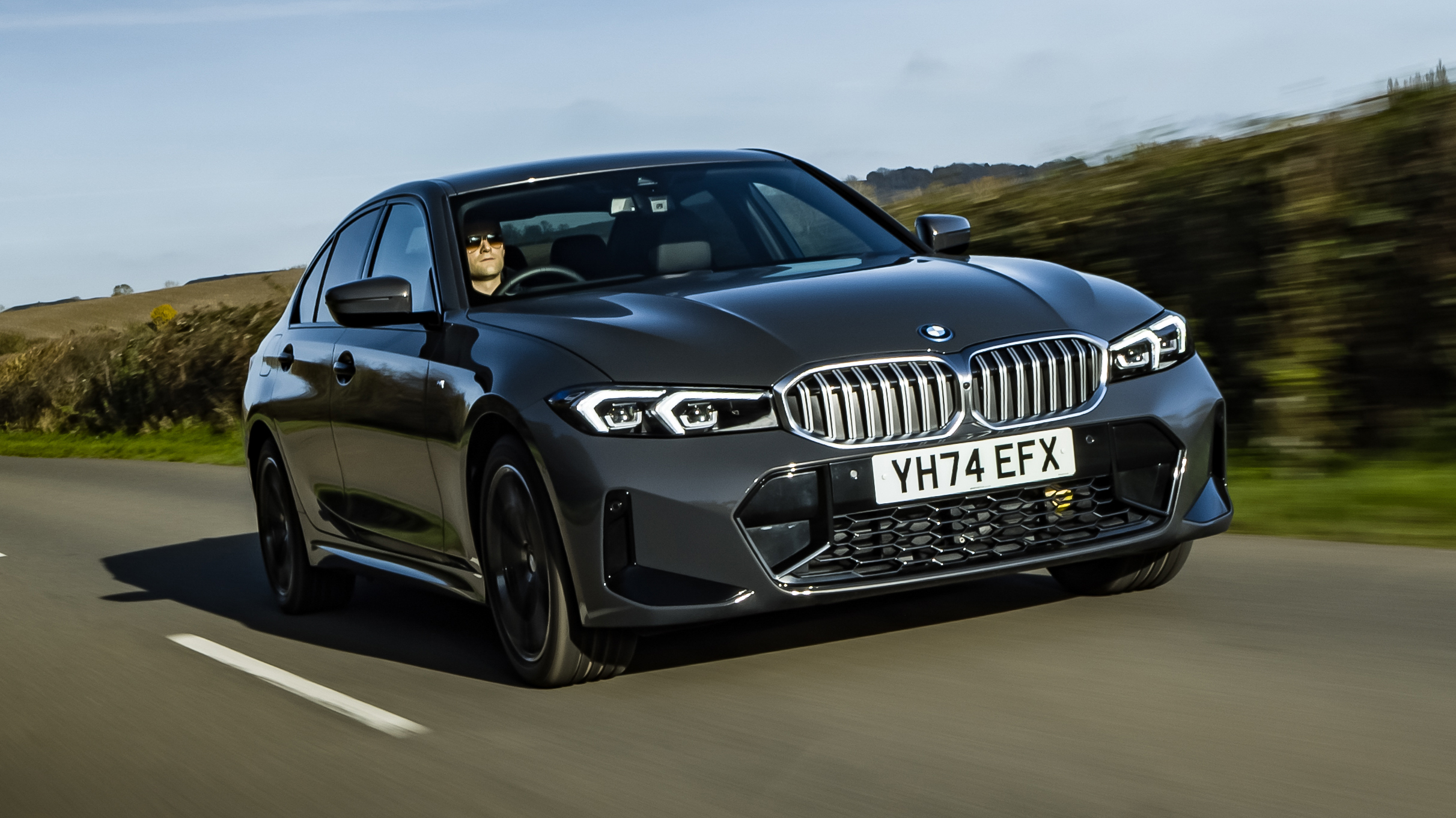
BMW is renowned for delivering exceptional driving dynamics, advanced technology, and performance-focused engineering. However, this emphasis on performance often leads to high maintenance and repair costs, particularly for models like the BMW M Series and BMW 7 Series. Major repairs can easily exceed $9,000, especially when issues involve twin-turbo systems, internal engine components, or complex electronics.
A key factor behind these costs is BMW’s intricate engineering. Many components are tightly packed within the engine bay, meaning even minor repairs can require extensive disassembly. Problems such as oil leaks, cooling system failures, or worn rod bearings may necessitate removing the engine entirely, significantly increasing labor hours. Additionally, BMW vehicles rely on proprietary parts and multiple electronic modules, including digital dashboards and advanced driver systems, which are expensive to replace and require specialized technicians.
Despite these expenses, BMW maintains its strong reputation due to its “Ultimate Driving Machine” philosophy. The brand prioritizes handling, responsiveness, and driver engagement, often outperforming competitors in performance metrics. As of 2026, BMW has also improved reliability, with some models ranking higher in dependability studies compared to rivals like Mercedes-Benz and Audi, though it still trails behind Lexus in long-term reliability.
Ownership costs remain significant. Routine maintenance typically ranges from $1,000 to $1,700 annually, but long-term expenses can exceed $16,000 over ten years. There is also about a 47% chance of a major repair within that period, higher than the industry average. Newer models with advanced features, such as electric systems or sensor-based technologies, further increase repair costs due to expensive recalibration and diagnostics.
To manage expenses, owners are advised to follow strict maintenance schedules, consider extended warranties, and set aside emergency repair funds. While BMW offers a rewarding driving experience, it comes with a higher financial commitment, especially for performance-oriented or aging models.
5. Jaguar
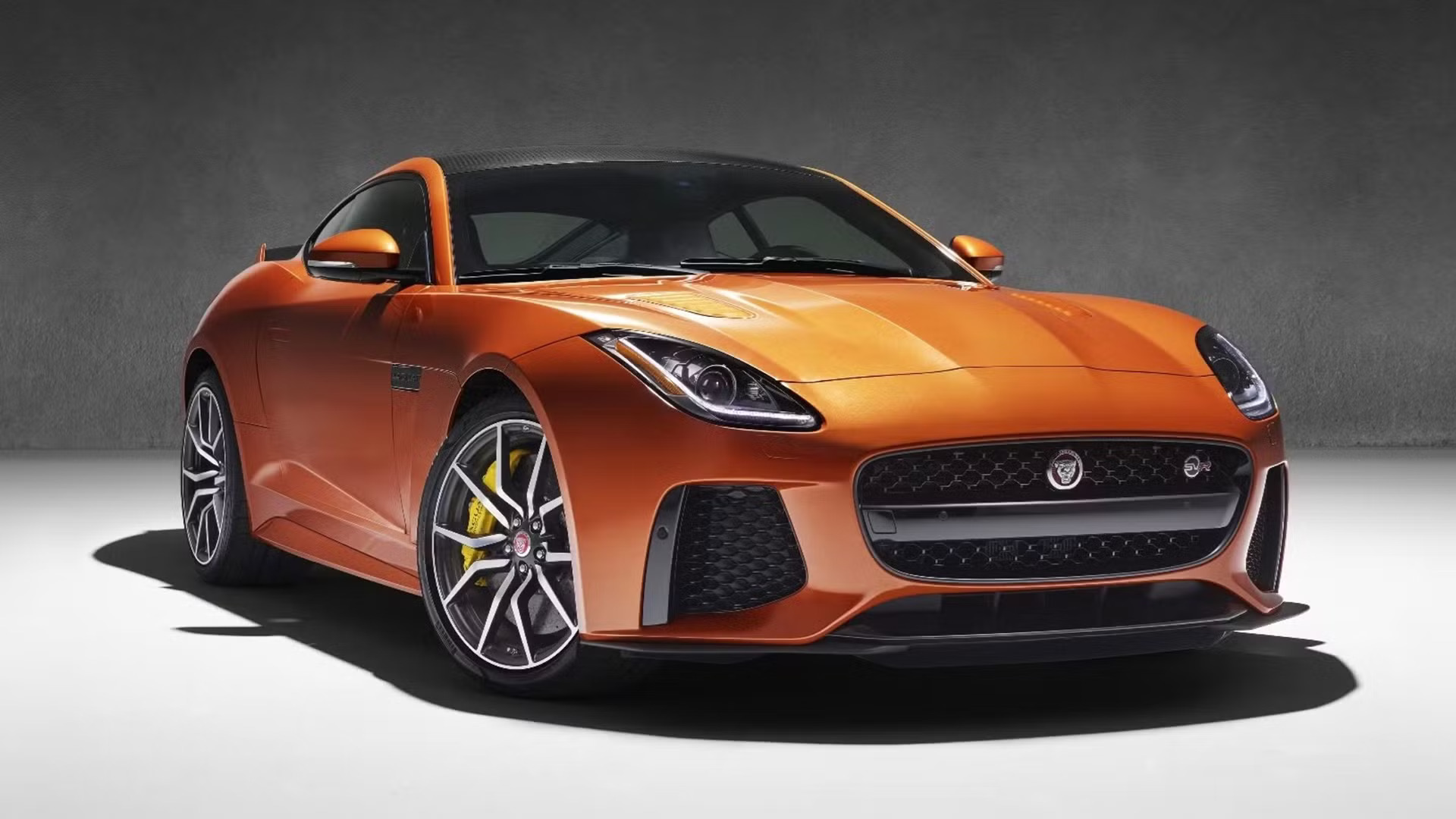
Jaguar is recognized for combining elegant British design, strong performance, and premium craftsmanship, but ownership often involves high maintenance and repair costs. Models like the Jaguar XF and Jaguar F-PACE are particularly known for expensive repairs, with major issues frequently exceeding $9,000. These costs are often linked to cooling system failures, supercharger problems, and complex electronic malfunctions.
One of the main reasons for high expenses is Jaguar’s engineering approach. The brand uses lightweight aluminum construction, which improves handling and efficiency but is more costly to repair than traditional materials. Jaguar also favors supercharged engines, which deliver smooth power but require specialized servicing. In addition, the vehicles rely heavily on intricate electronics and wiring systems, making diagnostics and repairs more complicated and time-consuming.
Labor and parts further increase ownership costs. Genuine Jaguar components are typically imported and priced at a premium, while dealership labor rates are high due to the need for trained specialists and advanced diagnostic tools. Limited aftermarket options mean owners often have fewer affordable repair alternatives. As a result, even moderate repairs can become expensive when labor and parts are combined.
Despite these costs, Jaguar remains appealing due to its distinctive styling, luxurious interiors, and performance heritage. Many owners value the brand’s unique identity and driving experience enough to accept higher expenses. Routine maintenance usually ranges from $1,100 to $2,000 annually, but repair risks increase as vehicles age.
Common problem areas include suspension systems, coolant leaks, and electronic components. Owners can reduce costs by following regular maintenance schedules, using experienced independent mechanics, and considering extended warranties to protect against major repair bills.
Also read: 10 Brands With the Highest Dealership Labor Rates in the United States
6. Maserati
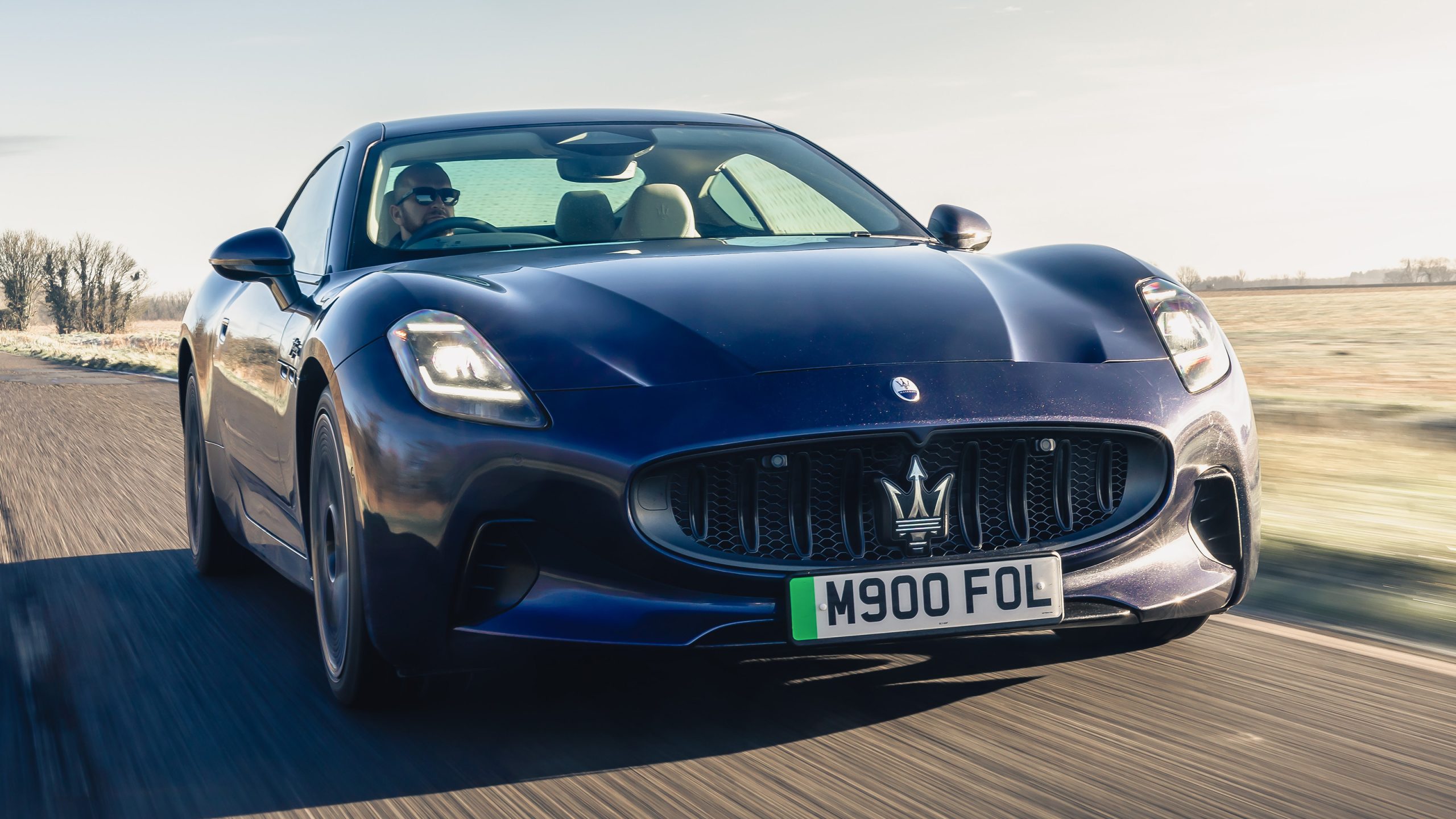
Maserati occupies a unique space in the automotive world, blending Italian luxury, exclusivity, and performance. Models such as the Maserati Ghibli and Maserati Quattroporte are known for delivering a distinctive driving experience, but they also come with significant ownership costs. Major repairs can easily exceed $9,000, particularly when issues involve the transmission, engine, or advanced suspension systems.
A major factor behind these high costs is Maserati’s performance-focused engineering. Many models, especially those produced between 2014 and 2024, feature engines developed in collaboration with Ferrari, making components rare and expensive. These engines require specialized maintenance and precise servicing, which increases both parts and labor costs. In addition, Maserati vehicles rely on complex electronics and proprietary diagnostic systems, limiting repair options to authorized technicians or highly specialized mechanics.
The brand’s exclusivity also contributes to higher expenses. Maserati produces far fewer vehicles than mainstream luxury brands, which reduces parts availability and increases pricing. Imported components from Italy add shipping costs and delays, while a smaller dealership network results in less competition and higher labor rates. Even routine wear items such as brakes and tires tend to wear faster due to performance tuning, adding to ongoing maintenance costs.
Despite these financial demands, Maserati remains appealing due to its heritage, sound, and design. Owners are often drawn to the emotional experience and exclusivity rather than practicality. Annual maintenance typically ranges from $1,500 to $2,500, while total yearly ownership costs can reach $7,000 to $15,000 when factoring in insurance and fuel.
To manage costs, owners are encouraged to follow strict service schedules, consider extended warranties, and use experienced specialists when possible. Maserati ownership delivers a unique blend of luxury and performance, but it requires careful budgeting and a willingness to handle high repair expenses.
7. Mercedes-Benz
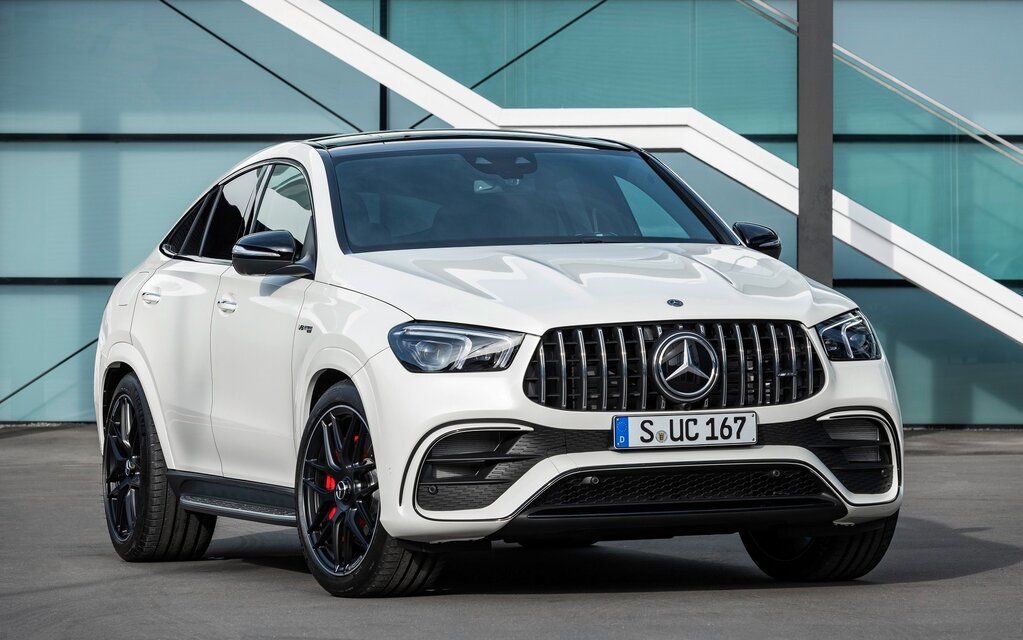
Mercedes-Benz is widely respected for its engineering excellence, luxury, and safety innovations, but ownership can become costly, particularly for flagship and performance models. Vehicles such as the Mercedes-Benz S-Class and high-performance Mercedes-AMG models are known for major repair bills that can exceed $9,000, especially as they age and move beyond warranty coverage.
These high costs are largely due to the brand’s advanced and complex engineering. Mercedes-Benz vehicles often serve as platforms for new technologies, including Airmatic air suspension systems, biturbo engines, and sophisticated driver-assistance features. While these systems enhance comfort, performance, and safety, they are expensive to repair when they fail. Replacing components such as suspension modules, transmissions, or electronic control systems can quickly escalate costs, especially when multiple systems are involved.
Another major factor is the reliance on proprietary diagnostics and specialized labor. Repairs typically require manufacturer-specific tools and software, which limits service options to dealerships or highly trained independent specialists. Labor rates at authorized service centers are high, and genuine OEM parts add further expense. Even diagnosing faults in advanced systems can incur high costs before repairs begin.
Routine maintenance is relatively manageable, averaging around $900 annually, but expenses increase significantly with vehicle age. Common high-cost issues include suspension failures, transmission problems, and engine-related repairs. Once out of warranty, owners face a higher risk of large, unexpected expenses.
Despite these challenges, Mercedes-Benz remains a top-tier brand due to its prestige, comfort, and long-standing reputation for innovation. Many owners accept higher maintenance costs as part of the luxury experience.
To reduce expenses, owners are encouraged to follow strict maintenance schedules, consider extended warranties, and explore qualified independent repair specialists. Mercedes-Benz delivers advanced technology and refined driving comfort, but maintaining these benefits requires careful financial planning.
8. Audi
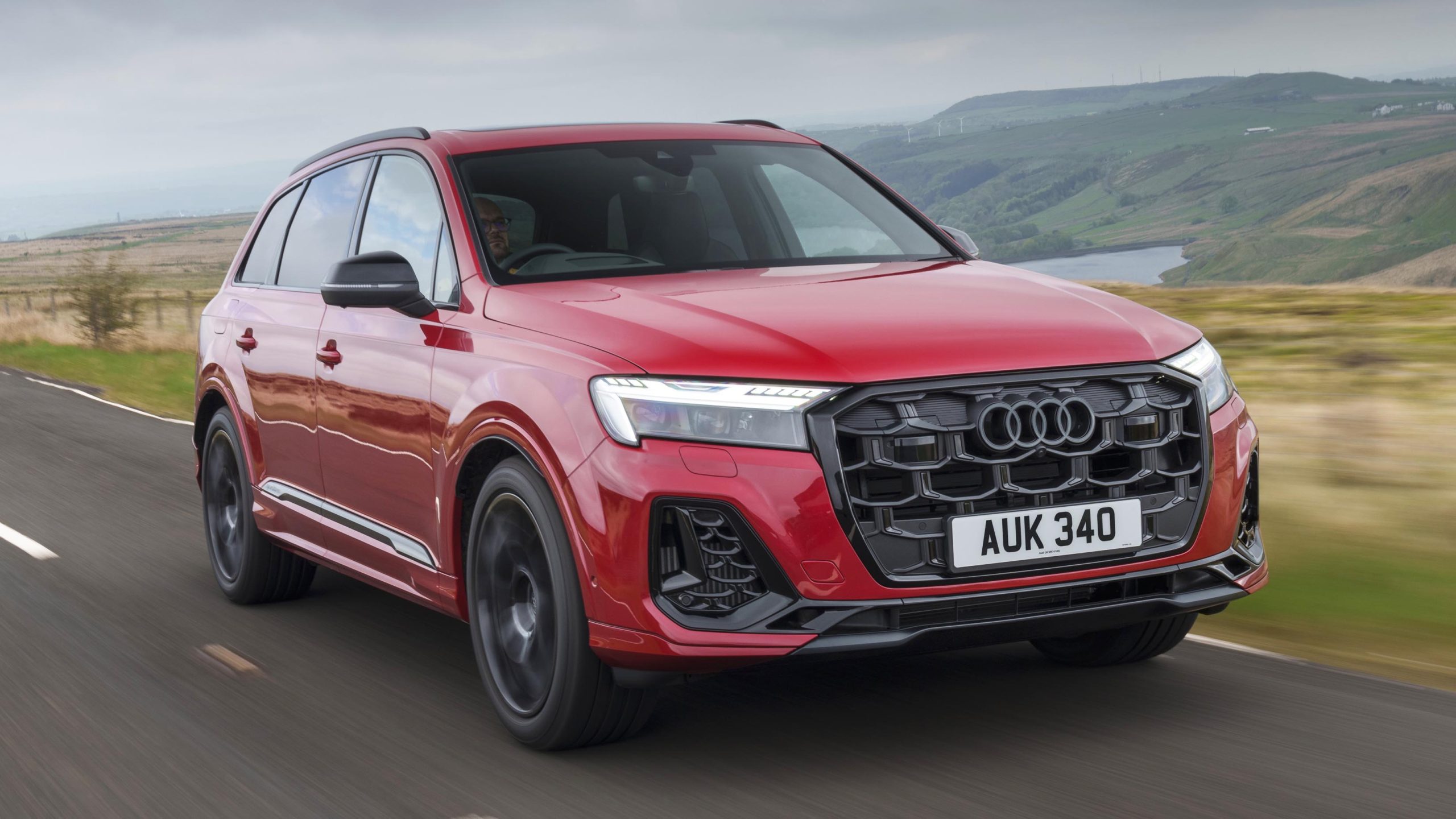
Audi is known for combining cutting-edge technology, refined luxury, and strong performance, but ownership can become costly when major repairs arise. High-end models like the Audi A8 and Audi Q7 are particularly associated with repair bills exceeding $9,000, especially when dealing with drivetrain, engine, or electronic system failures.
The primary reason for these high costs is Audi’s advanced engineering. Features such as the Quattro all-wheel-drive system, multi-link suspension setups, and tightly packed engine layouts improve performance and handling but make repairs more labor-intensive. Many procedures require placing the car in a “service position,” which involves removing front-end components just to access the engine. This significantly increases labor time and costs.
Audi vehicles also rely heavily on specialized components and modern electronics. Systems like the Virtual Cockpit and advanced driver-assistance features require proprietary diagnostic tools and skilled technicians. When issues occur, such as timing chain failures, turbocharger problems, or electronic malfunctions, repairs can quickly escalate due to expensive parts and complex labor requirements.
Routine maintenance is relatively manageable, typically ranging from $800 to $1,500 annually, but major repairs can exceed $5,000 to $10,000 or more depending on severity. Reliability is generally solid when vehicles are properly maintained, though costs tend to rise after 80,000 to 100,000 miles when major components begin to wear.
Despite these expenses, Audi remains a top-tier brand because of its premium interiors, smooth ride quality, and advanced technology. Many owners accept higher maintenance costs in exchange for performance and comfort.
To manage expenses, owners are advised to follow strict service schedules, consider extended warranties, and use experienced independent specialists when possible. Audi ownership offers a refined and high-tech driving experience, but it requires preparedness for potentially high repair costs as the vehicle ages.
9. Tesla
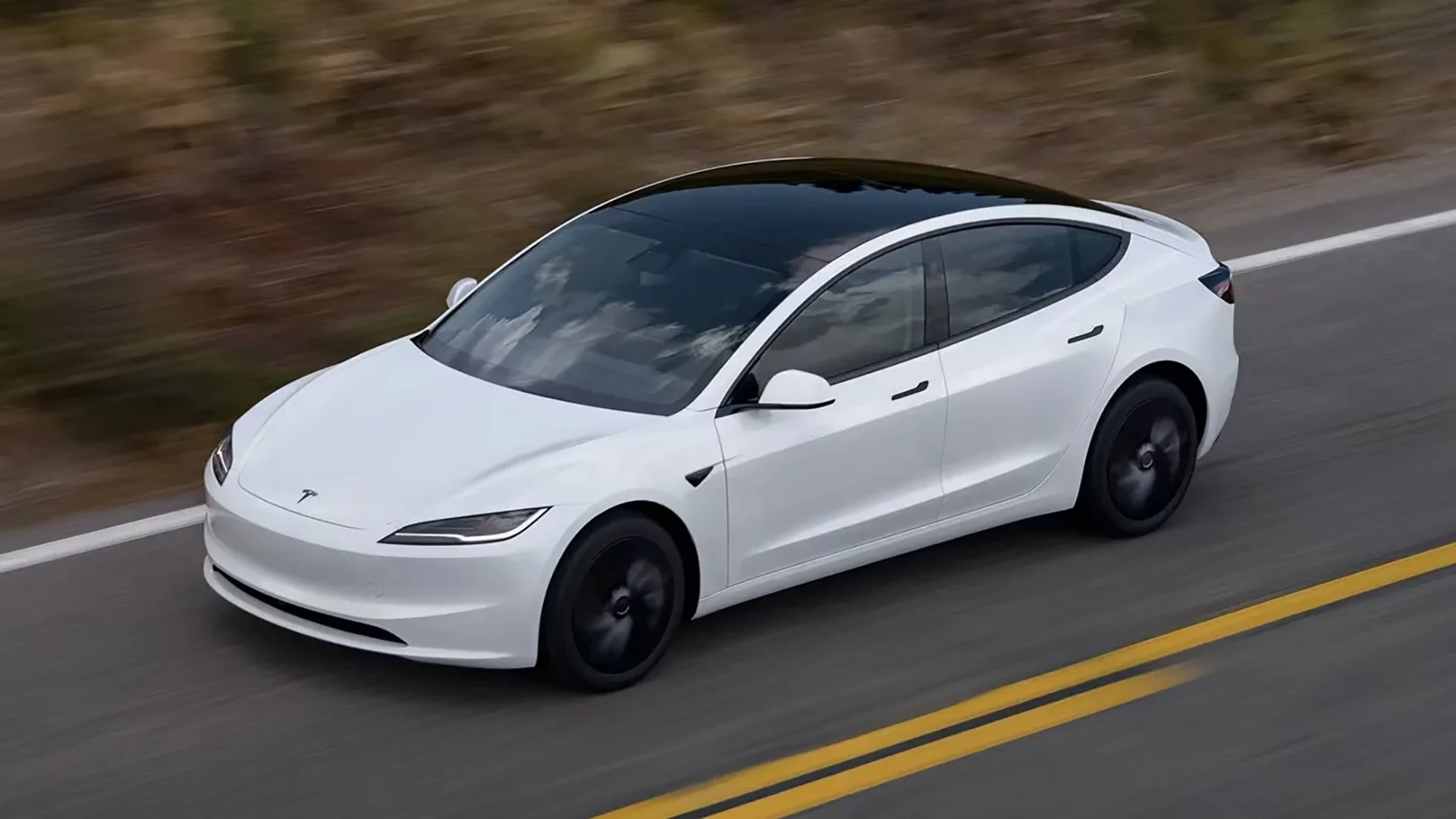
Tesla stands out among luxury brands because it offers extremely low routine maintenance while still carrying the potential for very high repair costs. Models like the Tesla Model S and Tesla Model X can generate repair bills exceeding $9,000, particularly when issues involve battery packs, structural damage, or drive unit failures.
Unlike traditional vehicles, Tesla cars have far fewer moving parts and do not require oil changes, spark plugs, or transmission servicing. Annual maintenance costs are relatively low, often ranging from about $250 to $750. However, when major problems occur, repairs become significantly more expensive due to the brand’s unique design and manufacturing approach.
One major factor is Tesla’s use of large structural castings and aluminum body construction. While this improves safety and rigidity, it also means that even moderate damage may require full component replacement instead of simple repairs. Battery packs are another major cost driver. If damaged or degraded outside warranty, replacement can be extremely expensive and often exceeds the $9,000 threshold.
Tesla also tightly controls its parts supply and limits repairs to approved service centers and certified body shops. This lack of competition increases labor costs and leads to longer repair times. In addition, advanced features like Autopilot rely on cameras and sensors that require precise recalibration after even minor collisions, adding further expense.
Despite these drawbacks, Tesla remains highly desirable due to its cutting-edge technology, over-the-air software updates, strong safety ratings, and access to a widespread charging network. High resale value and brand loyalty also help offset ownership concerns.
Owners are advised to maintain comprehensive insurance coverage and prepare for potential high repair costs. Tesla offers a modern and efficient driving experience, but unexpected repairs can be financially significant when they occur.
10. Volvo
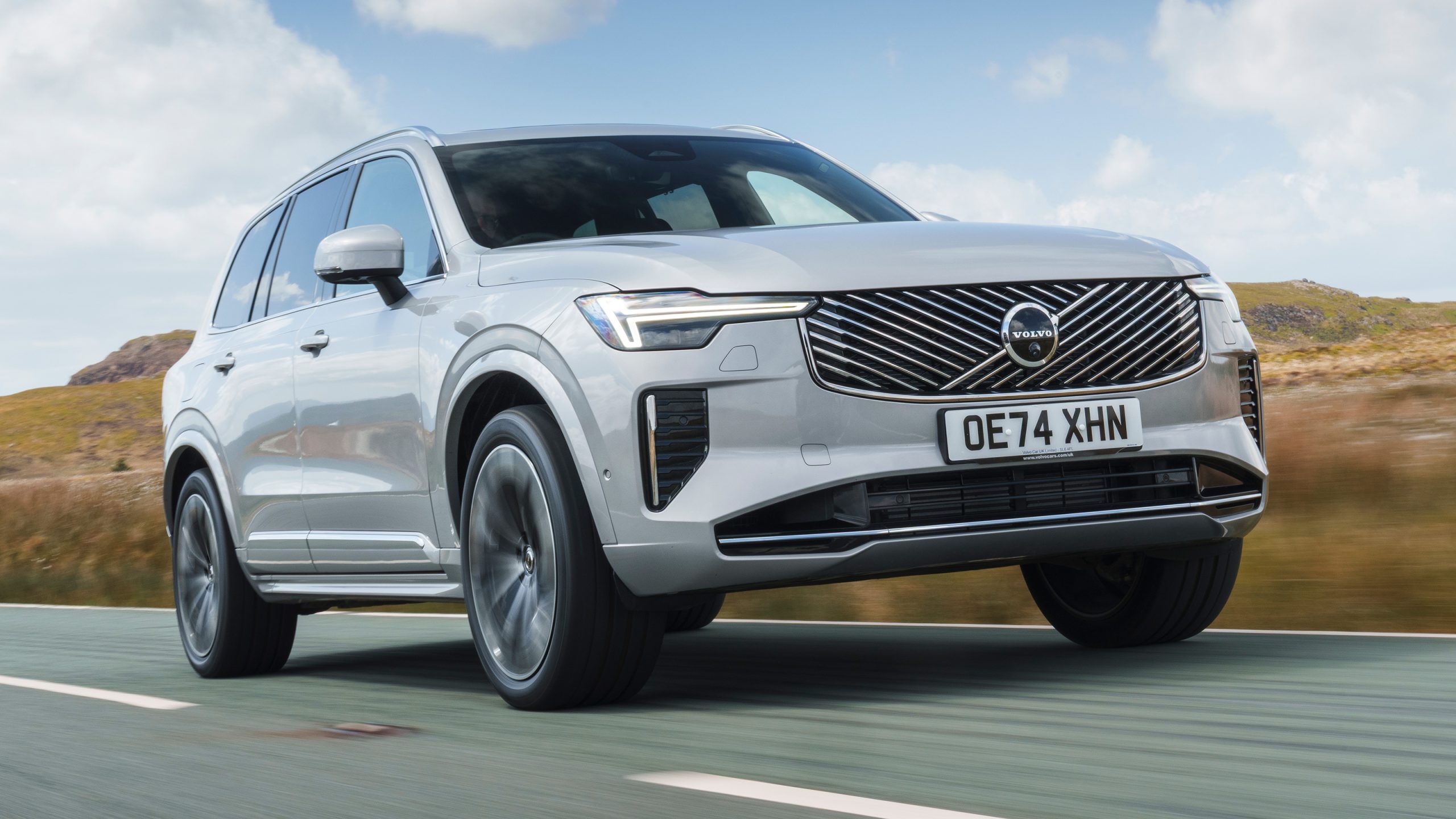
Volvo is known for combining safety, innovation, and premium comfort, but modern models can be expensive to repair when major issues arise. Vehicles such as the Volvo XC90 often feature highly sophisticated powertrains, and repairs involving these systems can exceed $9,000, particularly once the vehicle is out of warranty.
One of the main reasons for high repair costs is Volvo’s unique engine design. Many models use a combination of turbocharging, supercharging, and hybrid electrification within a single setup. While this improves performance and fuel efficiency, it also creates tightly integrated systems that are difficult to access and repair. Failures involving hybrid batteries, superchargers, or engine components require specialized tools and extensive labor, which significantly increases costs.
Volvo’s focus on safety further adds to repair expenses. Advanced systems such as collision sensors, driver-assistance features, and electronic braking technologies require precise diagnostics and recalibration. When these components fail or are damaged, repairs often involve both high-cost parts and skilled technicians trained specifically for Volvo systems.
Routine maintenance remains relatively manageable compared to some luxury competitors, averaging around $1,000 per year. The likelihood of severe repairs is slightly lower than industry averages, but when major failures occur, they can be financially significant. Over a ten-year period, maintenance and repair costs can exceed $10,000, with about a one-third chance of experiencing a major repair.
Costs tend to increase as vehicles age, especially beyond 100,000 miles, when components such as turbochargers, transmissions, or electronic systems may begin to fail. Owners can manage expenses by following strict maintenance schedules, using prepaid service plans, and considering independent specialists for certain repairs.
The ten brands featured in this list demonstrate a clear reality of modern premium automotive ownership: engineering excellence often comes with expensive consequences. Whether it is the handcrafted precision of Maserati, the advanced electronics of Audi, or the design-driven complexity of Jaguar, major repairs frequently surpass $9,000 once specialized labor and proprietary parts are required.
Even brands known for reliability or innovation, such as Volvo and Porsche, still present significant financial exposure when complex systems fail. Meanwhile, ultra-luxury marques like Bentley and technology leaders like Tesla show that different engineering philosophies lead to the same outcome: high-cost major repairs.
For owners, the key takeaway is preparation. Extended warranties, preventive maintenance, and careful budgeting are essential to manage long-term expenses. These vehicles deliver unmatched performance, comfort, and prestige, but they also require a financial commitment that goes far beyond the initial purchase price.
Also read: 5 Brands With User-Friendly Navigation vs 5 That Distract the Driver
