
The muscle car era created some of the most legendary vehicles in automotive history. Names like Mustang, Camaro, Charger, and Chevelle still dominate collector conversations decades later. Their fame became so great that many other impressive performance cars slowly fell out of public attention.
Between 1960 and 2000, several muscle machines delivered serious horsepower, aggressive styling, and unforgettable personalities, yet somehow slipped into the shadows while more famous rivals took center stage.
Some were victims of bad timing. Others arrived during changing fuel regulations, rising insurance costs, or economic uncertainty that hurt performance car sales. A few simply came from brands that lacked the marketing power of larger competitors.
Despite those challenges, many forgotten muscle cars still offered thrilling V8 engines, strong straight-line speed, and designs that captured the spirit of American performance perfectly.
The forgotten models are often the most interesting because they feel unique today. Instead of seeing them constantly at car shows or auctions, enthusiasts encounter them only occasionally. That rarity creates a different kind of appeal.
Many collectors now appreciate overlooked muscle cars because they represent parts of automotive history that newer generations barely recognize anymore.
Another reason these vehicles matter is the variety they brought to the muscle car era. Not every performance car followed the same formula. Some balanced luxury with speed, others focused purely on drag racing reputation, while a few experimented with unusual engineering ideas that separated them from mainstream competitors.
Many of these cars also influenced later performance vehicles more than people realize. Their engines, suspension setups, styling cues, or branding strategies often carried into future generations even after the original models faded from attention.
The following forgotten muscle cars deserve another look because they helped shape American performance culture between 1960 and 2000. While they may not receive the same recognition as the biggest icons from the era, each one delivered a serious attitude, memorable performance, and a unique story that still deserves respect today.
Also Read: 10 SUVs Whose Hybrid Battery Replacement Costs More Than the Car Is Worth
1. Mercury Cyclone Spoiler
The Mercury Cyclone Spoiler existed during one of the fiercest periods of American performance competition, yet today it remains one of the most overlooked muscle machines from the late 1960s.
Mercury created the Cyclone Spoiler to compete directly with the biggest street and NASCAR performance names of the era, but the car never achieved the lasting fame enjoyed by Ford Mustangs or Dodge Chargers.
Part of the reason involves branding. Mercury sat awkwardly between mainstream Ford products and more upscale offerings, which made it difficult for the Cyclone to establish a distinct identity. Despite that challenge, the car delivered serious performance credentials, especially when equipped with Cobra Jet V8 engines.
The Cyclone Spoiler looked aggressive from every angle. Flush front grilles, aerodynamic nose styling, racing stripes, and muscular body proportions gave the car an unmistakable presence. Mercury also used the model heavily in NASCAR competition, where specially prepared Cyclones proved extremely competitive on high-speed tracks.
Performance remained genuinely impressive. The 428 Cobra Jet engine transformed the Cyclone into a brutal, straight-line machine capable of embarrassing better-known rivals. Enthusiasts who actually drove the cars often described them as underrated monsters hidden beneath unfamiliar badges.
Another factor contributing to the car’s forgotten status involves production numbers. Mercury sold far fewer Cyclones than Ford sold Mustangs, meaning fewer examples survived into later decades. Many cars disappeared through racing, rust, or neglect before collectors began recognizing their importance.
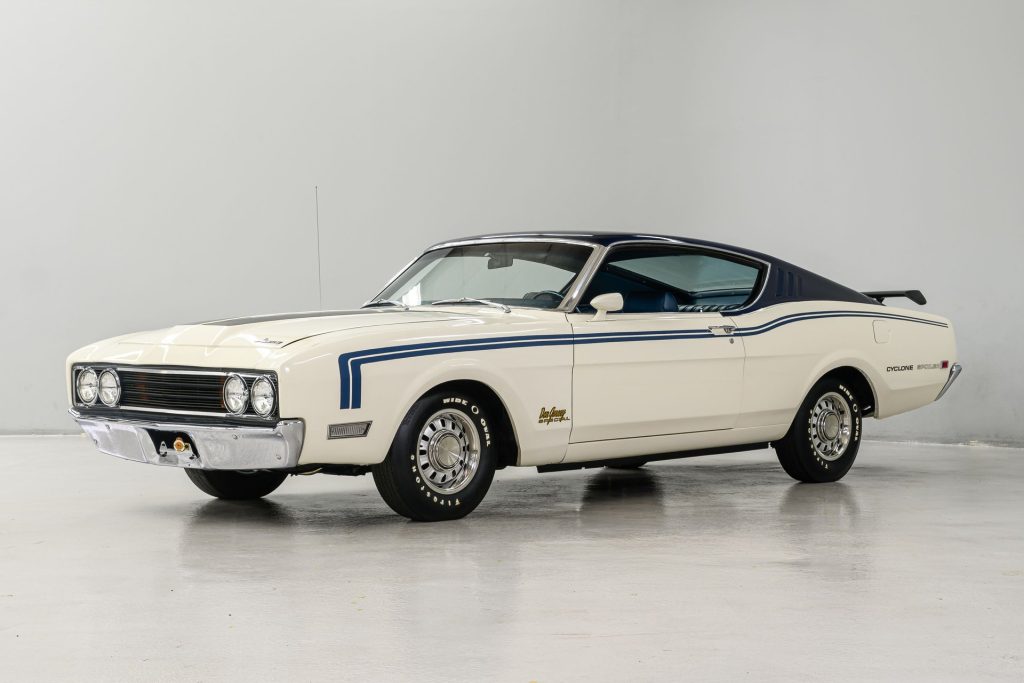
The interior also reflected the era well, blending sporty styling with a touch of upscale Mercury comfort. Drivers received performance without sacrificing basic refinement, which separated the Cyclone slightly from stripped-down muscle competitors.
Today, collectors increasingly appreciate the Cyclone Spoiler because it represents an unusual branch of Ford performance history. The car feels familiar yet different enough to stand out at classic car events.
While it never became a mainstream icon, the Mercury Cyclone Spoiler absolutely deserves recognition as one of the forgotten heavy hitters of the original muscle car wars.
2. AMC Rebel Machine
The AMC Rebel Machine arrived from one of Detroit’s smallest automakers, yet it carried enough personality and performance to challenge far larger competitors during the peak muscle era.
American Motors Corporation rarely receives the same respect as Ford, Chevrolet, or Chrysler, which partly explains why the Rebel Machine faded from popular memory despite being genuinely impressive.
AMC built the car to attract younger buyers looking for aggressive performance without purchasing from the major manufacturers dominating the market. The result became one of the wildest and most distinctive muscle cars of the early 1970s.
The Rebel Machine stood out immediately because of its bold styling. Red, white, and blue graphics combined with large hood scoops and performance branding made the car impossible to ignore. AMC intentionally designed it to feel rebellious and loud during a time when attention-grabbing muscle cars ruled American streets.
Performance matched the visual aggression. The car used a powerful 390 cubic inch V8, producing enough horsepower to compete with better-known muscle rivals. Acceleration remained strong, and the Rebel Machine quickly developed a reputation for punching far above expectations.
What made the AMC especially interesting was its underdog status. Buyers choosing the Rebel Machine often wanted something different from the endless stream of Mustangs and Camaros dominating local streets. That individuality gave the car a cult following among enthusiasts who appreciated unusual performance vehicles.
Another reason the Rebel Machine became forgotten involves AMC’s limited resources. The company lacked the marketing budgets and dealership reach of Detroit’s largest manufacturers, making it harder for the car to achieve long-term cultural visibility.
Production numbers also remained relatively low. Fewer cars sold meant fewer survivors decades later, especially since many muscle cars from the period were raced hard and poorly preserved.
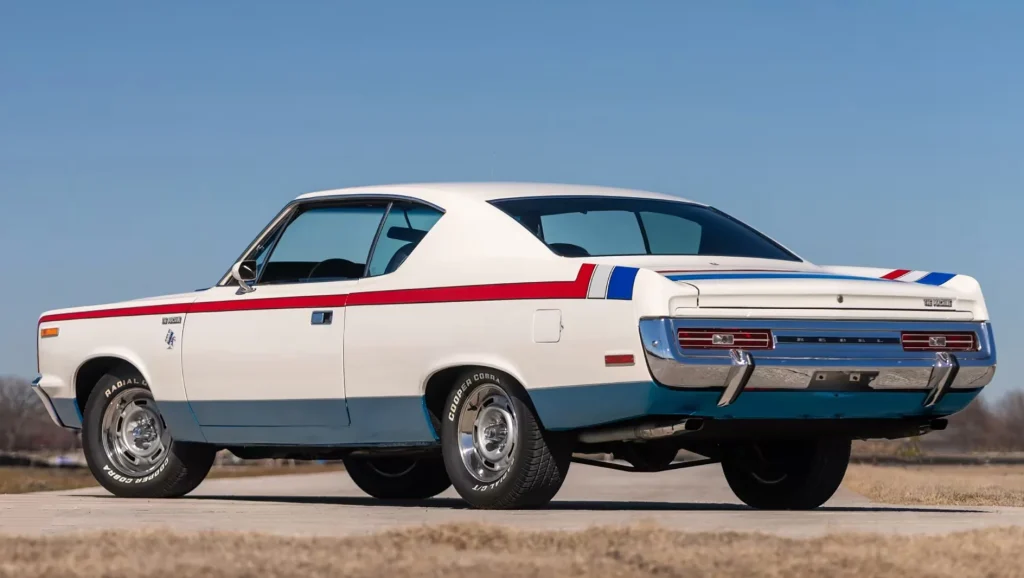
Modern collectors increasingly recognize how daring AMC’s effort truly was. The Rebel Machine represented a smaller manufacturer refusing to surrender during the height of the horsepower wars. That fighting spirit gives the car a special place in muscle car history, even if mainstream audiences rarely mention it today.
3. Oldsmobile Rallye 350
The Oldsmobile Rallye 350 arrived during a difficult moment for the American performance industry, which helps explain why it slipped into obscurity despite offering a unique personality and memorable appearance.
Introduced in 1970, the Rallye 350 attempted to combine insurance-friendly smaller engine performance with aggressive styling normally associated with larger muscle cars.
What immediately separated the car from competitors was its bright Sebring Yellow paint. Oldsmobile painted nearly every visible exterior component in the same bold shade, including bumpers and wheels.
The result looked radically different from traditional muscle cars of the era and still attracts attention today because almost nothing else from Detroit looked remotely similar.
The Rallye 350 relied on a 350 cubic inch Rocket V8 rather than massive big-block power. That decision was intentional. Insurance costs for larger-engine muscle cars had begun rising dramatically, and Oldsmobile wanted a performance machine that younger buyers could still afford to own and insure.
Despite lacking giant displacement, the car still delivered respectable performance. Strong torque, responsive acceleration, and sporty handling characteristics made the Rallye 350 enjoyable on real roads rather than only drag strips. Drivers appreciated the balance between usability and muscle styling.
Unfortunately, timing worked against the model heavily. The early 1970s brought tightening emissions regulations, rising fuel concerns, and shifting buyer priorities. Many shoppers either wanted maximum horsepower or began abandoning muscle cars entirely for smaller, more economical transportation.
Another reason the Rallye 350 became forgotten involves internal competition. Oldsmobile already had the famous 442 dominating attention within its performance lineup, leaving the Rallye struggling for identity among enthusiasts.
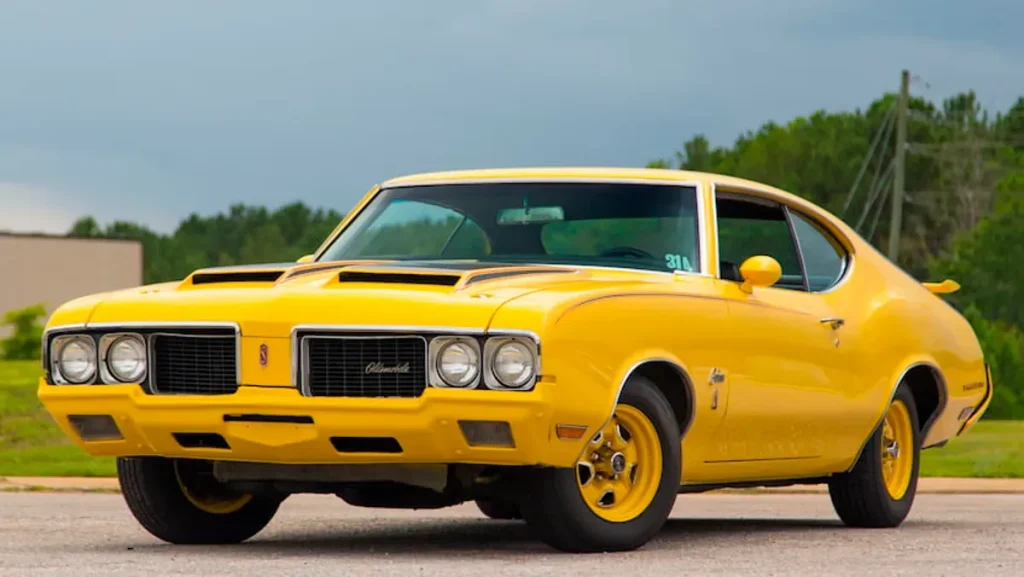
Collectors today appreciate the car because it feels so unusual compared with mainstream muscle machines. The bright colors, smaller engine strategy, and transitional place in automotive history make it fascinating to enthusiasts seeking something different from predictable Camaro or Mustang restorations.
The Rallye 350 represented one of Detroit’s early attempts to adapt muscle car performance for changing times. Even though it disappeared quickly from public attention, the car remains a creative and highly distinctive forgotten performance machine.
4. Dodge Magnum XE GT
The Dodge Magnum XE GT rarely appears in modern muscle car discussions, yet during the late 1970s, it represented Dodge’s attempt to keep performance alive during one of the industry’s most difficult periods.
While many enthusiasts focus entirely on the golden era machines of the late 1960s, cars like the Magnum XE GT reveal how manufacturers struggled to preserve muscle car identity after emissions laws and fuel crises changed everything.
The Magnum looked dramatic for its time. Long body proportions, hidden headlights, opera windows, and aggressive front styling gave the coupe a powerful road presence, even if outright horsepower no longer matched earlier muscle monsters. Dodge understood appearance still mattered greatly to performance buyers during the late 1970s.
The GT package attempted to inject genuine sportiness into the platform through suspension upgrades, performance styling cues, and available V8 engines. While the numbers no longer terrified drag strips, the Magnum still delivered satisfying torque and traditional American rear-wheel-drive character.
One reason the car became forgotten involves timing. The late 1970s are often viewed as the weakest muscle car period because emissions restrictions dramatically reduced horsepower outputs. Many enthusiasts dismissed cars from this era entirely, causing vehicles like the Magnum XE GT to vanish from mainstream collector attention.
Another factor was competition from earlier Dodge legends. Chargers, Challengers, and Super Bees already dominated the company’s performance reputation. Compared with those icons, the Magnum struggled to establish lasting credibility among hardcore muscle fans.
Yet the car possessed qualities worth remembering. Interior comfort remained impressive for the period, blending personal luxury with sporty styling in a way many traditional muscle cars never attempted. Drivers could enjoy V8 character without sacrificing highway comfort or daily usability.
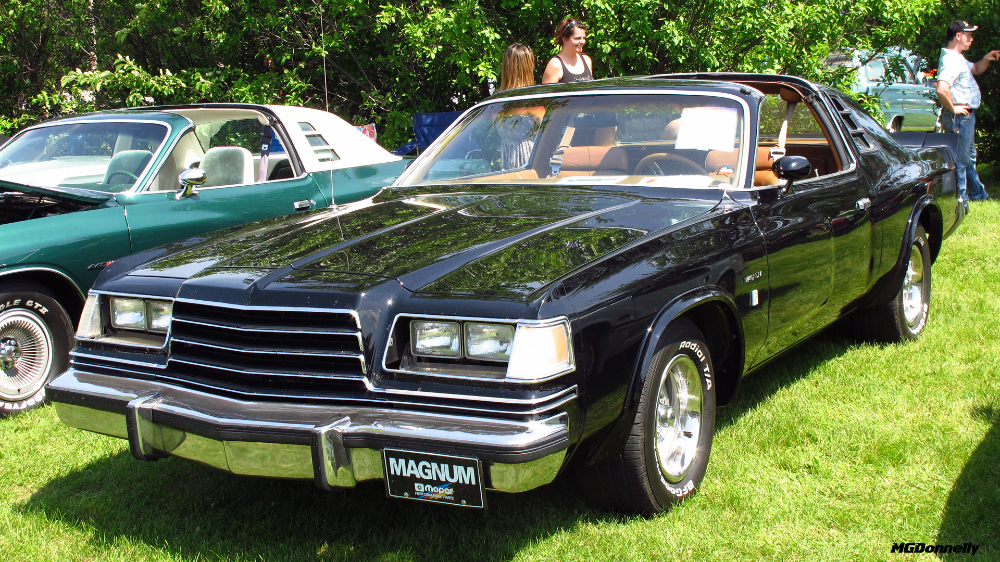
The Magnum also appeared during a transitional era where manufacturers experimented heavily with balancing performance image against stricter regulations. That historical context makes the car more interesting today than many people realize.
Modern enthusiasts increasingly appreciate forgotten late 1970s performance coupes because they capture an unusual chapter of automotive history. The Dodge Magnum XE GT may never achieve the fame of classic Hemi machines, but it still deserves recognition as one of the overlooked survivors from muscle car culture’s most difficult years.
5. Pontiac 2+2
The Pontiac 2+2 represented a very different interpretation of American muscle during the 1960s. Instead of building a lightweight intermediate coupe focused entirely on drag strip dominance, Pontiac created a huge full-size performance machine packed with massive torque and aggressive styling. Today, however, the 2+2 remains largely forgotten compared with GTOs and Firebirds from the same brand.
Pontiac originally developed the car as a performance version of its Catalina platform. Buyers could order enormous V8 engines, upgraded suspension systems, heavy-duty cooling packages, and sporty interiors. The result was a car capable of surprising acceleration despite its considerable size.
The name itself referred to bucket seats and dual exhausts, though the car evolved into something far more serious over time. Later versions equipped with 421 cubic inch engines delivered tremendous straight-line power that rivaled more well-known muscle cars of the period.
What makes the 2+2 especially interesting today is its unique identity. Most muscle cars from the era followed the midsize coupe formula, but Pontiac instead embraced the idea of a giant highway cruiser with brutal torque and dramatic road presence. That combination gave the car a personality unlike almost anything else from Detroit during the mid 1960s.
Unfortunately, the GTO quickly overshadowed it. Pontiac’s smaller, lighter performance icon became such a massive success that many enthusiasts forgot the company also offered powerful full-size machines at the same time.
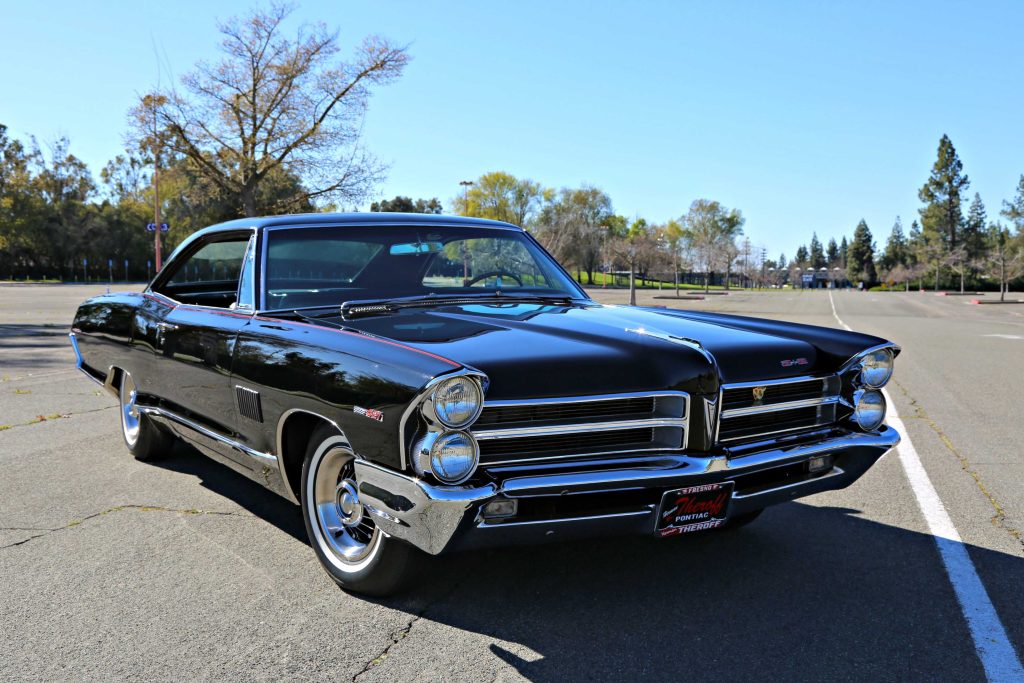
The 2+2 also suffered because fewer buyers preserved them carefully. Large cars often disappeared from collectors’ attention faster than compact muscle coupes, leading many examples to be scrapped or neglected over the decades.
Collectors who discover surviving 2+2 models today often appreciate their rarity and unusual character immediately. Massive interiors, bold styling, and huge-displacement V8 engines create an experience completely different from more famous muscle cars.
The Pontiac 2+2 deserves far more recognition because it proved muscle car performance could exist in full-size packages just as successfully as in smaller street racers.
6. Ford Torino Talladega
The Ford Torino Talladega existed for one primary reason: winning races at extremely high speeds. Ford created the Talladega specifically for NASCAR competition, yet despite its racing success and historical importance, the car remains surprisingly overlooked outside hardcore collector circles.
The Talladega differed significantly from ordinary Torinos. Ford engineers redesigned the front end carefully to improve aerodynamic efficiency, smoothing airflow for better high-speed performance on superspeedways.
Flush grilles, reshaped bumpers, and subtle body modifications helped the car cut through the air more effectively than standard production models.
Performance remained serious as well. Most Talladegas used the powerful 428 Cobra Jet V8, giving the car brutal acceleration alongside improved top speed capability. The combination proved extremely effective in NASCAR competition during the late 1960s.
One reason the Talladega became forgotten involves its subtle appearance. Unlike winged Mopars or brightly striped muscle machines, the Ford looked relatively restrained visually. Casual observers often mistake it for a standard Torino unless they recognize the aerodynamic details.
Production numbers also remained limited because the car existed mainly to satisfy racing homologation requirements. Ford never intended the Talladega to become a mainstream production performance car. That rarity makes surviving examples highly interesting to collectors today.
Another factor hurting mainstream recognition involves NASCAR history itself. Many enthusiasts remember the outrageous Dodge Daytona and Plymouth Superbird because of their giant wings and dramatic styling. The Talladega achieved success in a quieter, less visually obvious way.
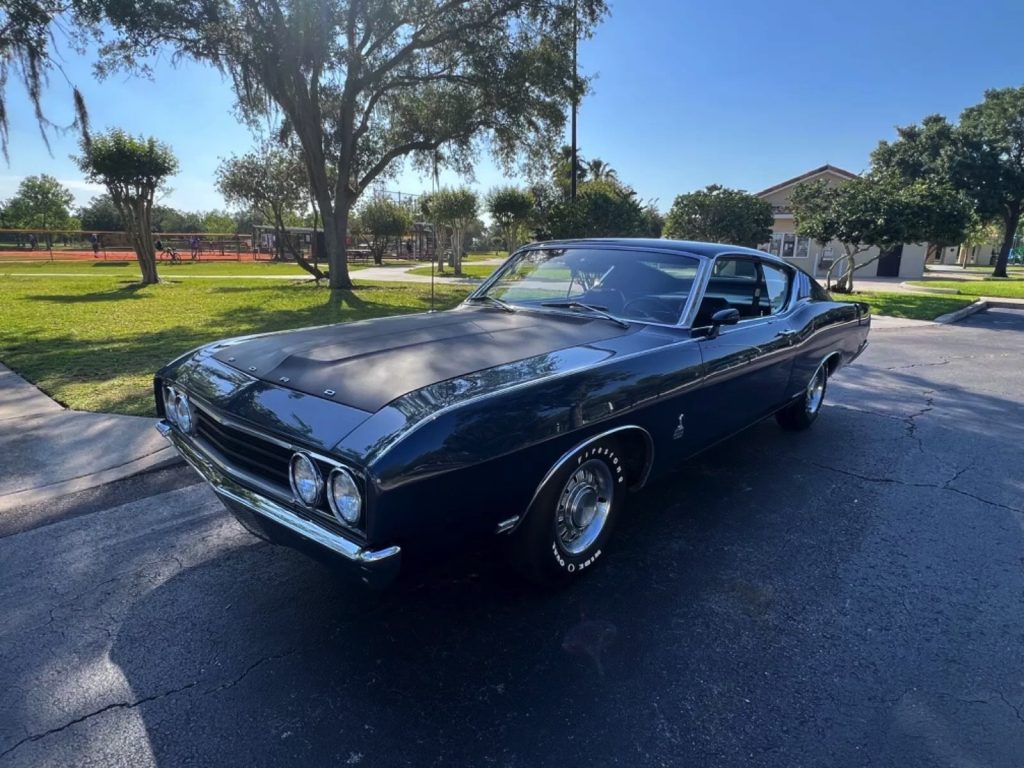
The driving experience remains impressive even by modern standards. High-speed stability, immense torque, and smooth behavior reflect the racing-focused engineering roots. Unlike some raw muscle machines, the Talladega feels composed and purposeful at speed.
Modern collectors increasingly appreciate the Talladega because it represents an important chapter in Ford performance history that often gets overshadowed by the Mustang and the Cobra. The car helped shape the aerodynamic battles that transformed NASCAR during one of its most competitive eras.
Although rarely discussed outside enthusiast communities, the Ford Torino Talladega absolutely deserves recognition as one of the most fascinating forgotten muscle cars ever built.
7. Buick Wildcat GS
The Buick Wildcat GS demonstrated that Buick understood performance far better than many people remember today. While the brand later became associated mostly with comfort and luxury, the Wildcat GS arrived during the 1960s as a genuinely powerful machine capable of competing with more famous muscle cars from Detroit.
The Wildcat used a large full-size platform, giving it enormous road presence compared with midsize muscle competitors. Wide body proportions, aggressive front styling, and hidden headlights in certain versions helped create a serious performance image despite the car’s upscale Buick roots.
Under the hood sat powerful Nailhead V8 engines delivering massive torque. The Wildcat GS focused less on lightweight drag racing aggression and more on effortless high-speed acceleration combined with premium cruising comfort. Drivers could enjoy impressive straight-line performance without sacrificing interior refinement.
One reason the car faded from public memory involves Buick’s own lineup. The GS and later GSX performance models eventually gained more attention among enthusiasts, leaving the Wildcat overshadowed within its own brand. Many collectors simply associate Buick performance with smaller intermediate cars rather than large luxury muscle coupes.
Another challenge involved changing market trends. Full-size performance cars gradually lost popularity as the muscle era evolved toward smaller, lighter platforms. Buyers seeking raw speed increasingly favor vehicles like Camaros and Road Runners instead.
Despite that, the Wildcat GS offered a unique personality. Plush interiors, smooth highway manners, and giant V8 power created an entirely different muscle car experience compared to stripped-down street racers from the same period.
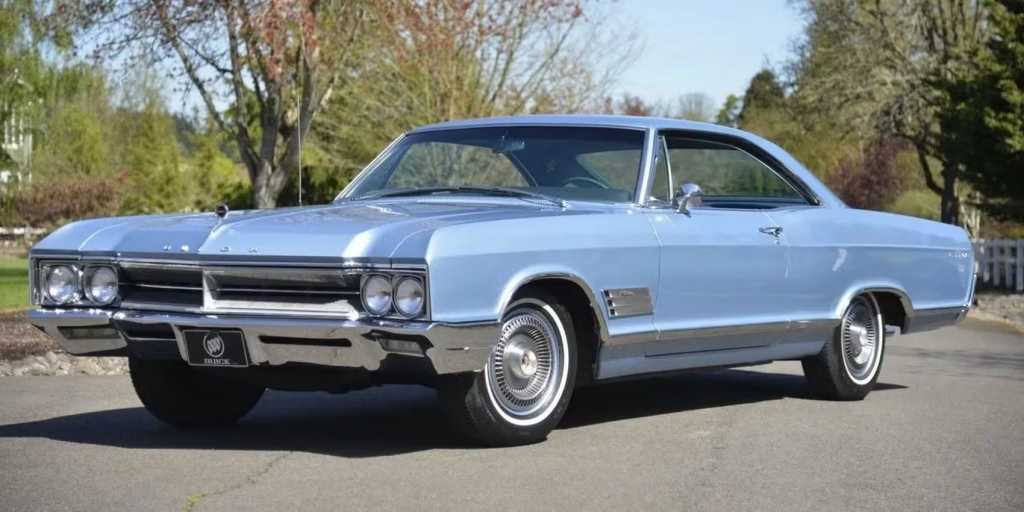
The car also represented an important moment in Buick history. It showed the company experimenting with performance image long before turbocharged Grand Nationals revived Buick’s sporty reputation decades later.
Collectors who encounter surviving Wildcat GS models today often appreciate their rarity immediately. Few examples remain compared with more famous muscle cars, making them unusual sights at modern car shows and auctions.
The Buick Wildcat GS may never receive the same recognition as legendary GTOs or Chargers, but it still deserves respect as one of the forgotten full-size bruisers from America’s golden muscle car era.
8. Chevrolet Monte Carlo SS 454
The Chevrolet Monte Carlo SS 454 blended muscle car performance with upscale comfort in a way few American cars managed during the early 1970s. Despite carrying serious big-block power and aggressive styling, the Monte Carlo SS 454 often gets ignored because enthusiasts usually focus more attention on Chevelles and Camaros from the same era.
Chevrolet designed the Monte Carlo primarily as a personal luxury coupe, but the SS 454 package transformed the car into something far more intimidating. Under the hood sat a massive 454-cubic-inch V8 capable of delivering brutal acceleration and enormous torque.
The styling separated the Monte Carlo from traditional muscle machines immediately. Long hood proportions, elegant rooflines, hidden windshield wipers, and upscale trim gave the car a sophisticated personality while still maintaining clear performance intentions. It looked mature and aggressive at the same time.
Inside, the Monte Carlo offered far more comfort than many muscle cars of the period. Plush seating, quieter cruising manners, and premium materials made the car appealing to buyers wanting both speed and refinement. This balance created a very different ownership experience compared with rougher-performance coupes.
One reason the SS 454 became forgotten involves Chevrolet’s own performance hierarchy. The Chevelle SS dominated muscle conversations during the early 1970s, leaving the Monte Carlo overlooked despite sharing much of its mechanical hardware.
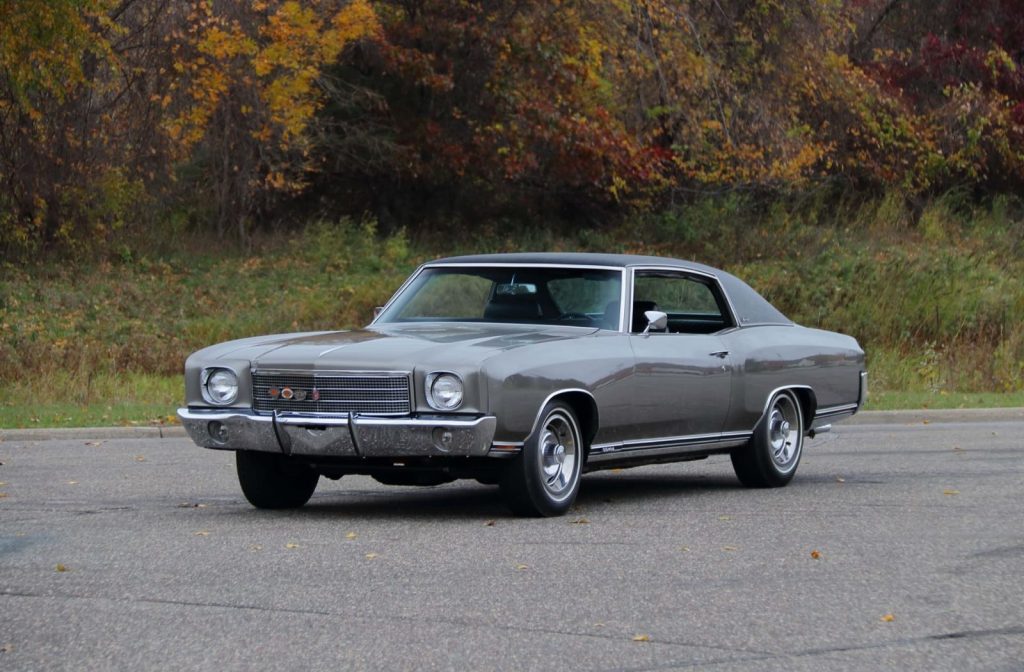
Production numbers for genuine SS 454 models were also relatively limited, making surviving examples uncommon today. Many cars disappeared through neglect because collectors initially focused on preserving more famous Chevrolet muscle models instead.
The driving experience still impresses enthusiasts who encounter the car now. Huge torque, smooth highway behavior, and dramatic long hood styling create an unmistakably classic American performance atmosphere.
Collectors increasingly recognize the Monte Carlo SS 454 as one of Chevrolet’s hidden gems from the original muscle era. The car captured a unique combination of luxury image and serious big-block performance that few competitors matched successfully.
Although it rarely receives mainstream recognition today, the Monte Carlo SS 454 remains one of the most interesting forgotten muscle coupes produced during the peak American horsepower years.
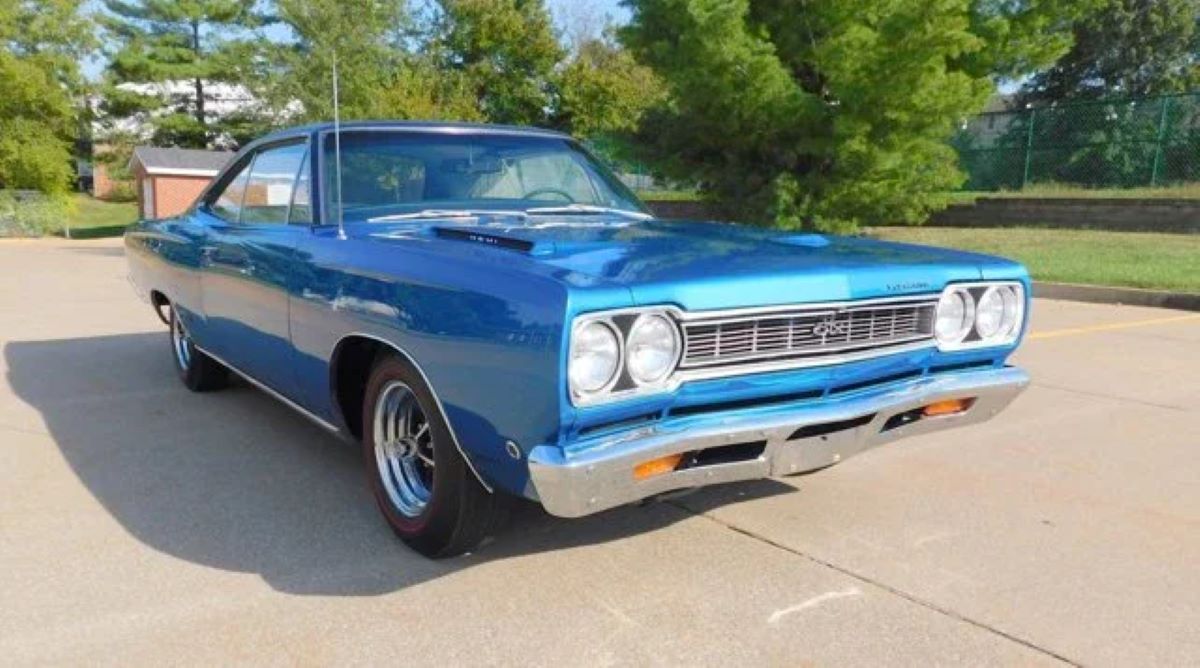
9. Plymouth GTX
The Plymouth GTX was once advertised as “the gentleman’s muscle car,” yet history slowly pushed it behind more famous Mopar legends like the Road Runner, Charger, and Hemi ‘Cuda. Despite carrying massive V8 power and premium styling, the GTX somehow became one of the most overlooked performance cars of the late 1960s and early 1970s.
Plymouth designed the GTX as a more upscale alternative to stripped-down street racers. Buyers received stronger interior materials, additional comfort features, and cleaner styling while still gaining access to some of Chrysler’s most feared engines. The combination made the car appealing to drivers who wanted brutal performance without sacrificing refinement.
Under the hood, the GTX offered serious hardware. The standard 440 Super Commando V8 already delivered immense torque and strong acceleration, while the optional 426 Hemi transformed the car into a true monster. During the height of the horsepower wars, few production vehicles could challenge a properly equipped GTX in straight-line performance.
The styling also aged remarkably well. Hidden headlamps, muscular body lines, and restrained trim details gave the GTX an elegant appearance compared with some louder muscle cars covered in stripes and decals. It looked powerful without trying too hard.
One reason the car became forgotten involves internal competition from Plymouth itself. The cheaper Road Runner captured enormous public attention because it delivered similar performance at a lower price. Many buyers simply ignored the more refined GTX in favor of the louder, more playful alternative.
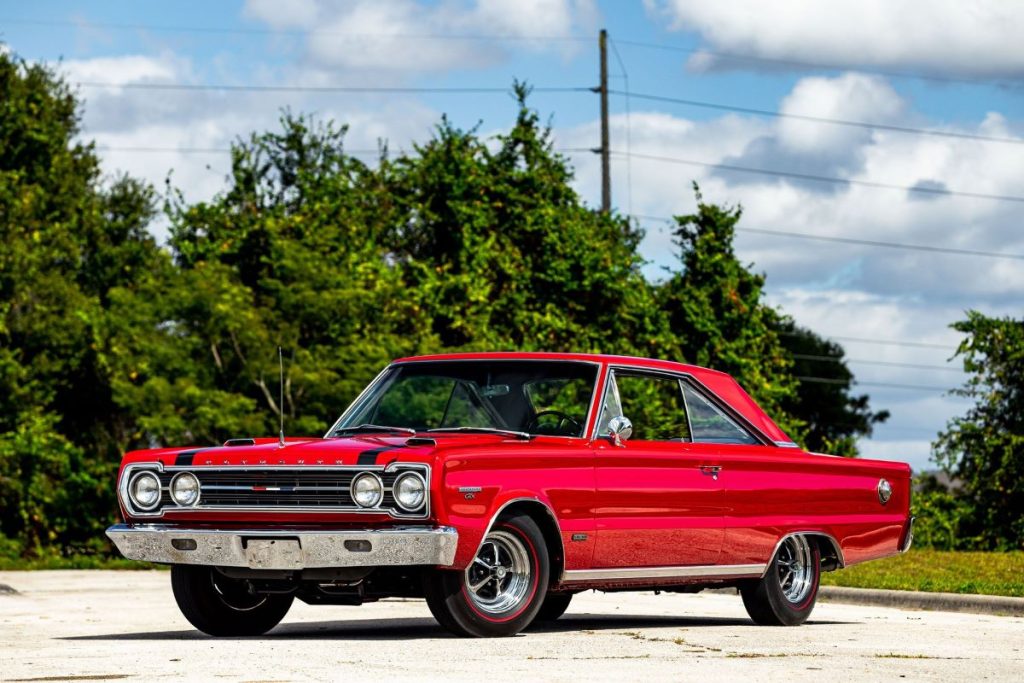
Another factor involves production volume. Fewer GTX models were built compared with mainstream muscle cars, which reduced long-term visibility at shows and auctions decades later. Many surviving examples also lost originality through modifications during the street racing era.
Collectors today increasingly appreciate the GTX because it represents a different side of muscle car culture. Instead of pure rebellion and stripped-down aggression, the car delivered mature styling combined with devastating V8 performance.
The Plymouth GTX deserves far more recognition because it successfully blended luxury, speed, and Mopar engineering into one of the era’s most complete performance machines.
10. Pontiac Can Am
The Pontiac Can-Am arrived during the late 1970s when many enthusiasts believed the muscle car era was already dead. Tight emissions regulations and shrinking horsepower numbers dominated the industry, yet Pontiac still attempted to inject excitement into American performance with this unusual and now largely forgotten coupe.
Based on the Pontiac LeMans platform, the Can-Am combined bold styling with available V8 power at a time when most manufacturers had already abandoned serious performance-image cars. Pontiac gave the vehicle aggressive striping, spoilers, shaker hood styling, and dramatic graphics that stood out strongly during an era filled with bland designs.
The car’s personality mattered just as much as raw numbers. Even though emissions restrictions limited output compared with earlier muscle legends, the Can-Am still delivered satisfying V8 torque and traditional rear-wheel drive behavior that enthusiasts appreciated greatly during the late 1970s.
One reason the Can-Am faded into obscurity involves timing. Buyers during that period increasingly focused on fuel economy and smaller imported vehicles, leaving American personal luxury performance coupes struggling for attention. Pontiac itself also shifted focus toward other models like the Trans Am, which overshadowed the Can Am almost immediately.
Production issues hurt the car, too. Planned manufacturing numbers never materialized fully because of supplier problems involving rear spoilers. As a result, relatively few Can-Am models reached customers before the project ended.
The styling remains fascinating today because it perfectly captures late 1970s performance culture. Bright decals, oversized graphics, and dramatic hood treatments reflected Detroit’s attempt to preserve excitement even while horsepower declined sharply from earlier years.
Collectors who encounter surviving Can Ams often appreciate them because they feel so different from mainstream muscle icons. The car represents determination from Pontiac to keep the American performance spirit alive during one of the industry’s toughest transitions.
Although it never achieved lasting fame, the Pontiac Trans Am deserves recognition as one of the final forgotten attempts to carry muscle car culture through the difficult years before performance returned strongly in later decades.
Also Read: 10 Hidden Features in Modern Trucks Most Owners Never Use
