
Modern trucks have evolved far beyond their traditional role as simple work vehicles built only for hauling cargo and towing heavy loads. Today’s pickup trucks are highly advanced machines that combine rugged performance with cutting-edge technology, comfort features, and intelligent systems that were once reserved for luxury cars and commercial fleets.
However, despite the rapid advancement in automotive engineering, many truck owners only use a fraction of what their vehicles are actually capable of. This means a large number of powerful, efficiency-boosting, and safety-enhancing features often go unnoticed or underutilized throughout the lifespan of the truck.
One of the main reasons these features remain hidden is that manufacturers tend to prioritize simplicity in the user experience. While dashboards, infotainment systems, and driver assistance technologies have become more intuitive, many advanced functions are buried within menus, activated through specific driving conditions, or explained only briefly in thick owner manuals that most people never fully read.
As a result, truck owners often rely on basic functions such as driving, towing, and loading, without exploring deeper capabilities that could significantly improve comfort, safety, and performance.
Another important factor is that modern trucks are designed to adapt to a wide range of users, from construction workers and farmers to urban commuters and adventure travelers. This versatility means that certain features are highly specialized and may not activate unless specific conditions are met.
For example, off-road driving modes, trailer stability systems, and adaptive cruise control settings often require a learning curve that many drivers do not take the time to explore.
Understanding these hidden features is not just about convenience; it can also directly impact fuel efficiency, vehicle lifespan, towing safety, and driving comfort. Many of these systems are designed to reduce driver fatigue, improve control in difficult conditions, and optimize performance without requiring manual adjustments. When used correctly, they can transform an ordinary driving experience into a far more efficient and enjoyable one.
In this article, we will explore 10 hidden features in modern trucks that most owners never use. Each feature will be explained in detail, including how it works, why it matters, and how it can improve everyday driving or heavy-duty tasks. Whether you use your truck for work, travel, or recreation, these insights will help you unlock its full potential and get the most value from your vehicle.
Also Read: 10 Cars With Insurance Premiums Lower Than a Compact Sedan
1. Advanced Towing Assist Systems
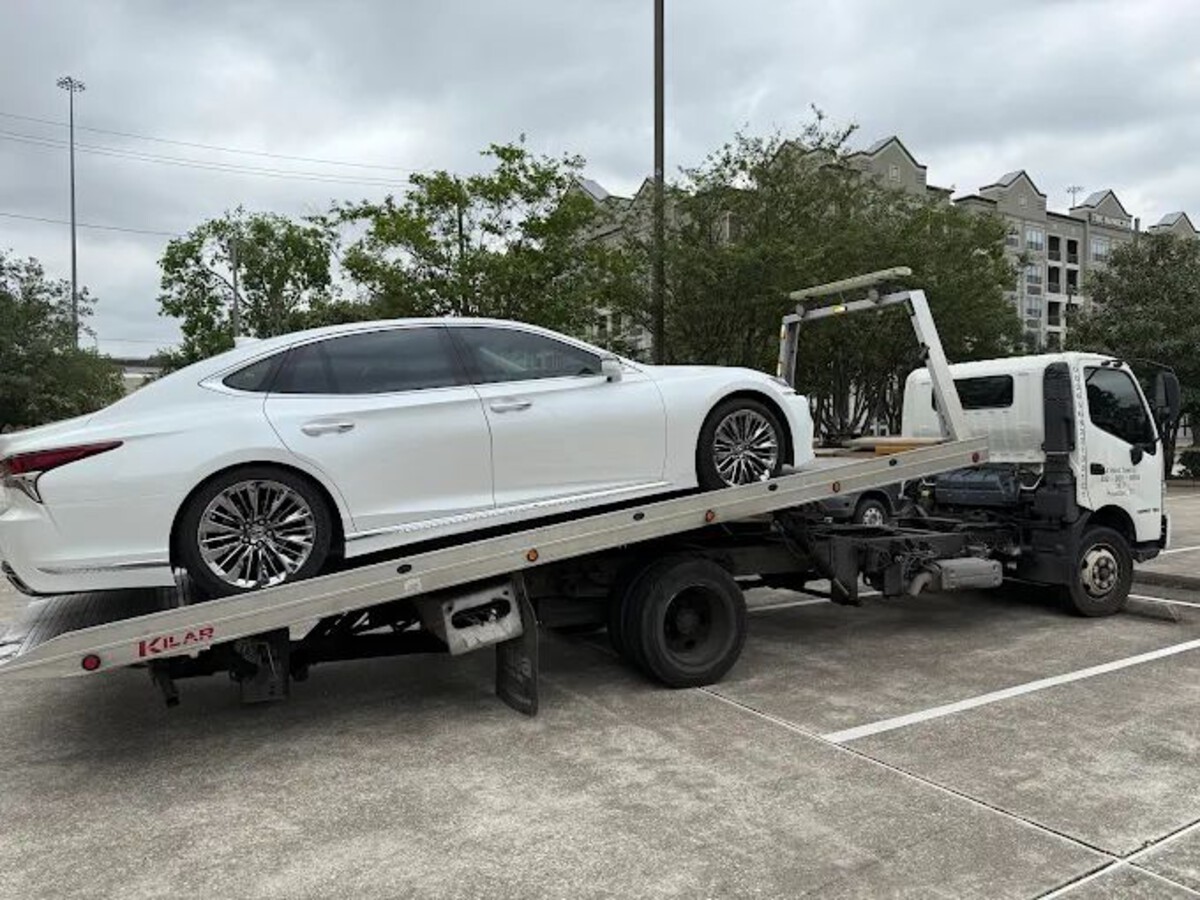
Modern trucks come equipped with advanced towing assist systems that are designed to make pulling trailers easier, safer, and more precise than ever before. These systems often include integrated steering guidance, trailer alignment assistance, and real-time feedback on trailer movement.
Despite their usefulness, many drivers rely only on mirrors and instinct, ignoring these highly intelligent tools that can reduce stress and improve accuracy during towing.
One of the most impressive aspects of towing assist technology is trailer backup guidance. This feature helps drivers reverse with a trailer by providing visual cues on the infotainment screen or dashboard display. Instead of guessing steering angles, the system shows how the trailer will move based on the current wheel input. This significantly reduces the risk of jackknifing and makes parking in tight spaces much easier.
Another overlooked component is trailer sway detection and correction. When a trailer begins to sway due to wind or uneven weight distribution, the system automatically applies braking to individual wheels and adjusts engine torque to stabilize the vehicle. Many drivers are unaware that this feature is active in the background, silently preventing dangerous situations on highways.
Some trucks also include hitch guidance cameras that provide a zoomed-in view of the trailer hitch area. This eliminates the need for a second person to guide the driver when connecting a trailer. It improves accuracy and saves time during loading and setup.
Finally, advanced towing systems often integrate with mapping software to calculate routes optimized for trailer size and weight. This helps avoid low bridges, sharp turns, or restricted roads. Unfortunately, many owners never activate or configure these settings, missing out on safer and more efficient trip planning.

2. Trailer Sway Control and Brake Controllers
Trailer sway control and integrated brake controllers are among the most important yet underused safety features in modern trucks. These systems are specifically designed to maintain stability when towing heavy loads, especially at high speeds or in windy conditions. However, many drivers either do not understand how they work or assume they activate only in extreme situations.
Trailer sway control works by continuously monitoring the movement of both the truck and the trailer. If it detects oscillation or instability, it selectively applies braking pressure to individual wheels and adjusts engine output to restore balance. This happens within seconds, often before the driver even notices the sway beginning.
Integrated brake controllers, on the other hand, manage the braking force applied to the trailer itself. Instead of relying on separate aftermarket devices, modern trucks allow drivers to adjust trailer brake sensitivity directly from the dashboard. This ensures smoother braking and reduces wear on both the truck and trailer systems.
Another important but overlooked aspect is automatic calibration. Many trucks can detect the weight of the trailer and adjust braking force accordingly. This prevents sudden stops or uneven braking, which can lead to dangerous fishtailing.
Despite these benefits, many owners leave factory settings unchanged or rely on default configurations that may not be optimized for their specific trailer type. Learning how to fine-tune these systems can dramatically improve towing safety and control.
3. Hidden Cargo Bed Storage Solutions
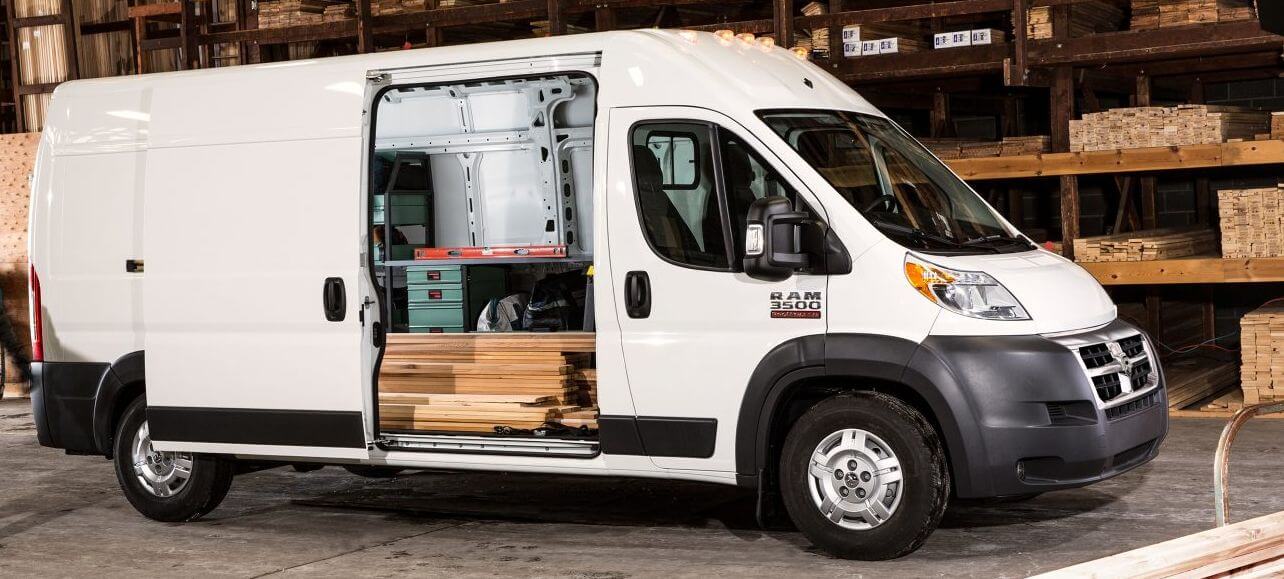
Modern truck beds are no longer just open spaces for hauling materials. Many manufacturers have introduced hidden storage compartments and multifunctional cargo solutions that most owners rarely explore. These features are designed to increase organization, security, and convenience, especially for work-related or recreational use.
One of the most common hidden features is underfloor storage. Some trucks include lockable compartments beneath the bed floor, ideal for storing tools, straps, or emergency equipment. These areas are often waterproof and protected from dust, making them far more secure than leaving items in the open bed.
Another useful feature is the built-in divider systems. These allow the cargo bed to be segmented into sections so that smaller items do not shift during transport. Despite being highly practical, many owners never adjust or install these dividers.
Some trucks also offer retractable bed walls or multi-position tailgates. These allow users to extend the usable cargo space or create a flat work surface. This is especially useful for construction work or outdoor activities.
Additionally, integrated lighting systems inside the cargo bed improve visibility at night. These lights are often activated through hidden switches or automatically when the tailgate opens, yet many drivers remain unaware of their existence.

4. Off-Road Drive Modes and Terrain Management
Off-road drive modes are one of the most advanced systems in modern trucks, yet many owners never use them unless they frequently drive in rough terrain. These systems are designed to optimize engine response, traction control, and suspension settings based on specific environments such as sand, mud, snow, or rock.
When activated, terrain management systems adjust throttle sensitivity to prevent wheel spin. For example, in sand mode, the truck may allow more wheel slip to maintain momentum, while in snow mode, it reduces torque to improve grip and stability.
Suspension adjustments are another key feature. Some trucks can automatically raise or lower ride height depending on terrain conditions. This improves ground clearance in off-road environments and enhances aerodynamics on highways.
Differential locking systems are also integrated into these modes. They help distribute power evenly across wheels to prevent getting stuck in uneven terrain. However, many drivers never engage these settings due to a lack of familiarity.
Understanding and using off-road modes can greatly improve vehicle performance in challenging environments while also reducing wear on tires and drivetrain components.
Also Read: 10 Cars That Survive Being Used as Daily Uber Vehicles
5. Adaptive Cruise Control with Stop and Go
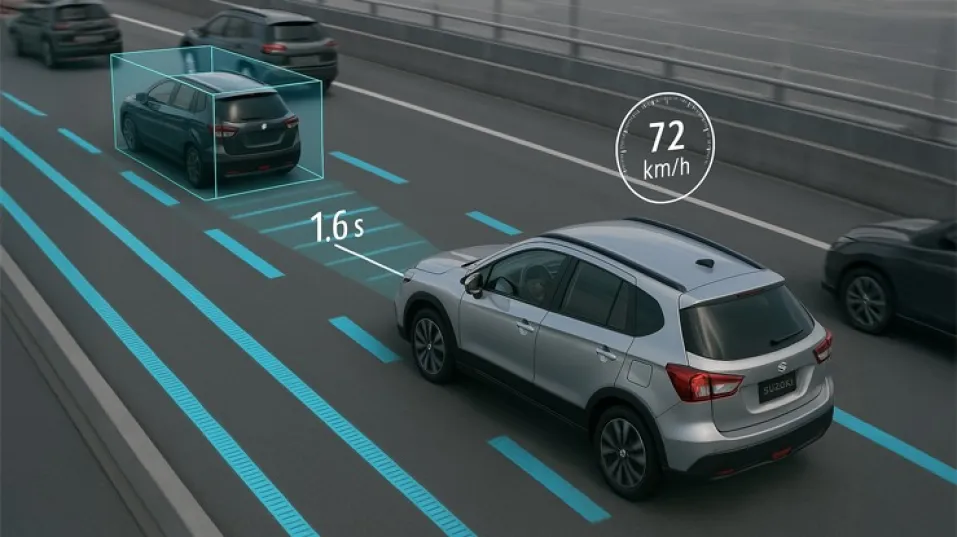
Adaptive cruise control is one of the most useful yet underappreciated driving technologies in modern trucks. Unlike traditional cruise control, this system automatically adjusts speed based on traffic conditions and maintains a safe following distance from vehicles ahead.
The stop-and-go function is particularly valuable in heavy traffic. It allows the truck to come to a complete stop and then resume movement without driver input. This significantly reduces fatigue during long commutes or highway congestion.
Radar and camera systems continuously scan the road ahead to detect changes in traffic flow. The system responds smoothly by accelerating or braking as needed, creating a more relaxed driving experience.
Despite its benefits, many drivers avoid using adaptive cruise control because they are unfamiliar with how it behaves or do not trust automated braking systems. However, when used properly, it enhances both safety and fuel efficiency.
6. Integrated Camera Systems and 360 Views
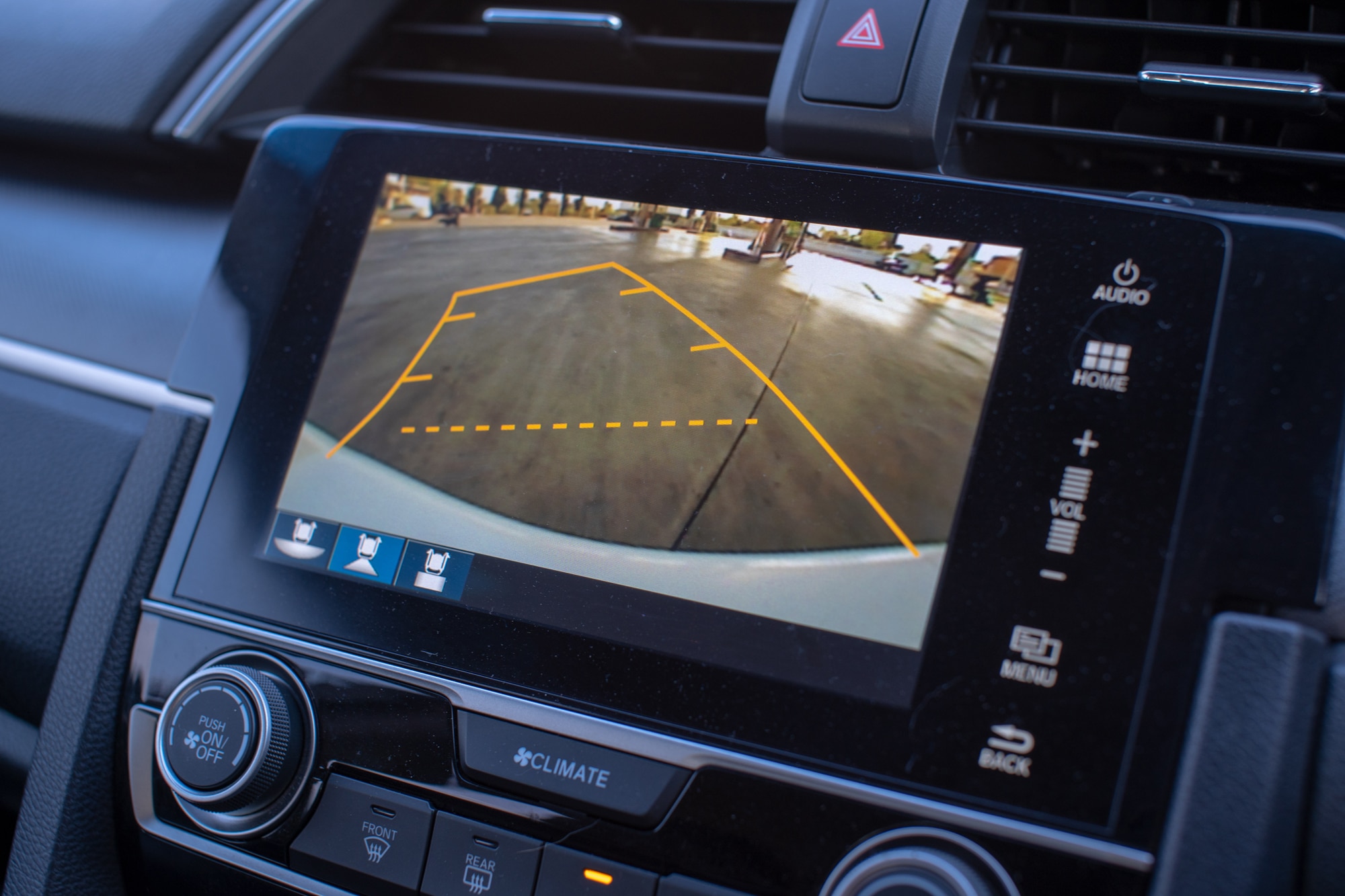
Modern trucks are increasingly equipped with advanced camera systems that go far beyond the traditional rearview camera. These systems use multiple strategically placed cameras around the vehicle to provide a complete 360-degree perspective, helping drivers navigate tight spaces, crowded parking lots, and complex towing situations.
Despite being one of the most practical innovations in recent years, many truck owners only use the basic reverse camera and ignore the full system. The 360-degree camera view, often referred to as a bird’s eye view, stitches together video feeds from front, rear, and side cameras to create a virtual top-down image of the truck.
This feature is particularly useful when parking in narrow urban environments or maneuvering around obstacles on job sites. It allows drivers to see curbs, debris, and other hazards that would otherwise remain hidden. Another valuable feature is the front-facing camera, which is especially helpful during off-road driving. When climbing steep inclines or navigating rocky terrain, the hood can block forward visibility.
The front camera compensates for this limitation by showing the ground directly ahead, helping drivers avoid obstacles and maintain control. Side-view cameras also play a crucial role in lane changes and towing. These cameras provide a clearer view of adjacent lanes, reducing blind spots and improving safety during highway driving.
Some systems even activate automatically when the turn signal is used, offering real-time assistance without requiring manual input. Additionally, many trucks include specialized trailer cameras that allow drivers to monitor cargo or view the rear of the trailer while driving.
This is especially useful for long hauls where visibility is limited. By fully utilizing these integrated camera systems, drivers can significantly enhance safety, reduce stress, and improve driving precision.
7. Over-the-Air Software Updates
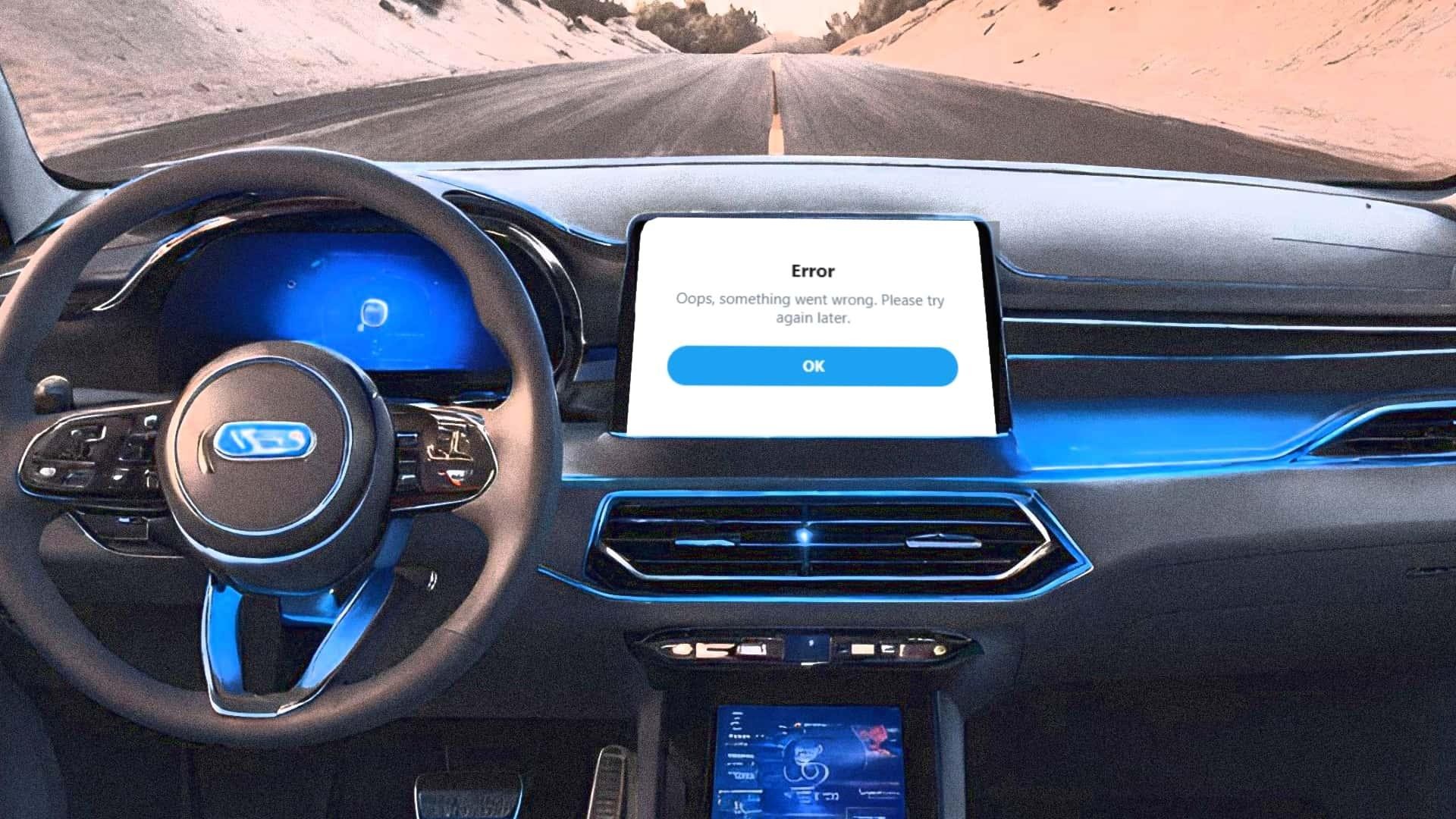
Over-the-air software updates are transforming how vehicles are maintained and improved over time. Instead of requiring a visit to a dealership for system updates, modern trucks can now receive software enhancements wirelessly, much like smartphones. Despite this convenience, many truck owners are either unaware of this capability or choose not to engage with it.
One of the most important benefits of over-the-air updates is the ability to fix software bugs and improve system stability. As vehicles become more dependent on digital systems, occasional glitches can occur. Updates ensure that these issues are resolved quickly, keeping the truck running smoothly without manual intervention.
Another major advantage is performance optimization. Manufacturers can refine engine management systems, transmission behavior, and fuel efficiency through software updates. This means that a truck can actually improve in performance over time, even after it has been purchased.
Safety enhancements are also a key component of these updates. Features such as driver assistance systems, braking algorithms, and collision detection can be upgraded to provide better protection. This ensures that the vehicle remains aligned with the latest safety standards.
In addition, over-the-air updates can introduce entirely new features. Infotainment systems may gain new apps, improved interfaces, or expanded connectivity options. By regularly accepting updates, truck owners can keep their vehicles modern and fully optimized without additional cost or effort.
8. Smart Infotainment Shortcuts and Voice Controls
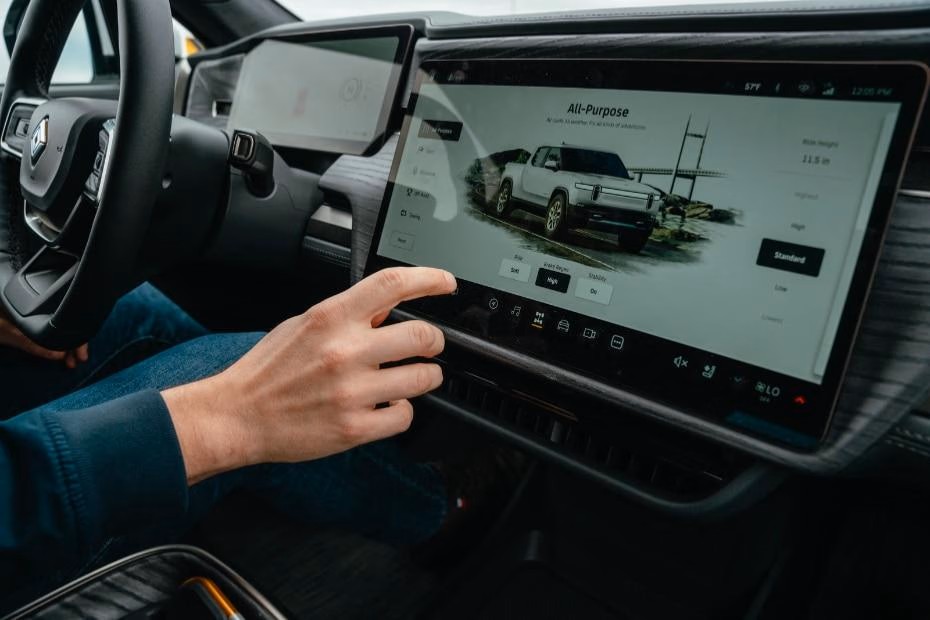
Infotainment systems in modern trucks have become highly sophisticated, offering a wide range of features that go far beyond music and navigation. However, many drivers only scratch the surface of what these systems can do, often relying on manual touch controls instead of exploring smarter and more efficient options.
Voice control is one of the most underutilized features in these systems. By using simple voice commands, drivers can adjust climate settings, make phone calls, send messages, and control navigation without taking their hands off the wheel. This not only improves convenience but also enhances safety by reducing distractions.
Another hidden feature is customizable shortcuts. Many infotainment systems allow users to assign specific functions to quick-access buttons or screen gestures. For example, a driver can set a shortcut to call a frequent contact, open navigation to a saved location, or switch audio sources instantly.
Gesture controls are also available in some advanced systems. These allow drivers to perform actions such as adjusting volume or skipping tracks with simple hand movements. While not widely used, they offer an additional layer of convenience, especially when physical controls are less accessible.
Furthermore, smartphone integration features like wireless connectivity and app mirroring provide seamless access to personal apps and services. When fully utilized, infotainment systems can significantly enhance the driving experience, making it more intuitive, connected, and efficient.
9. Engine Braking and Tow Haul Modes Optimization
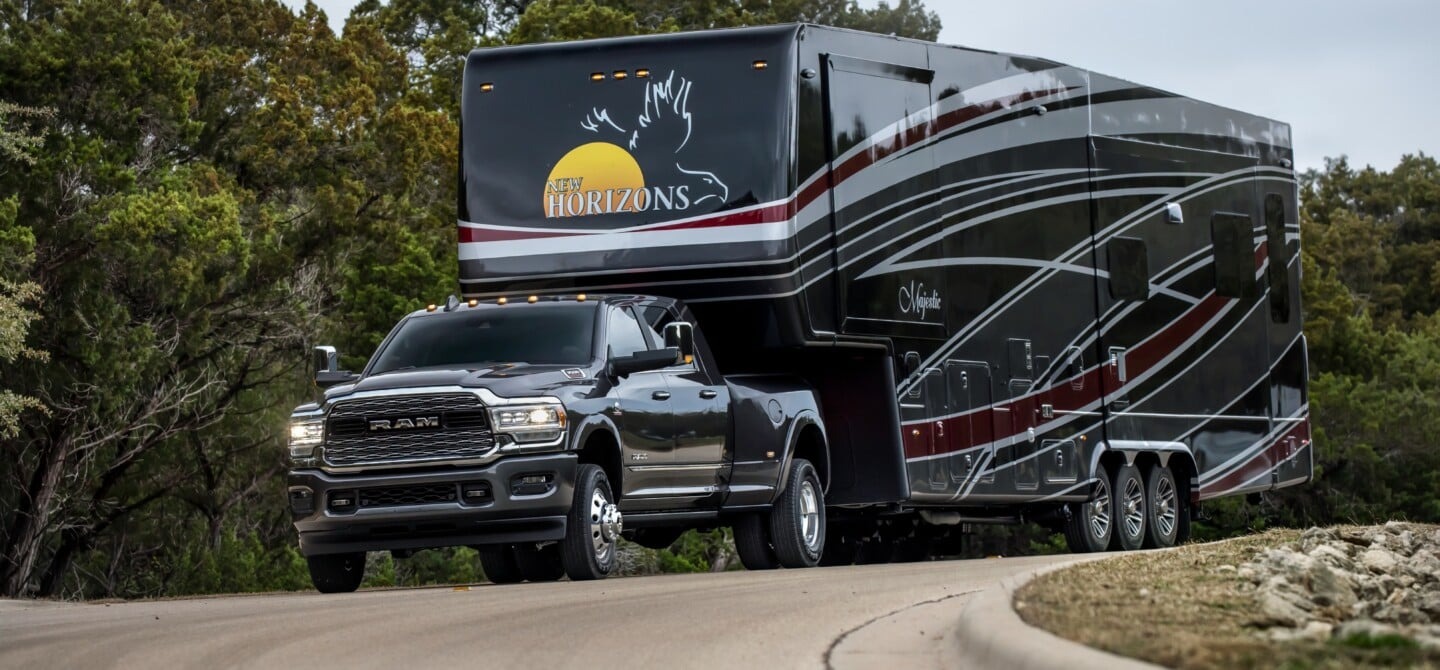
Engine braking and tow haul modes are essential features for managing heavy loads, yet they are often overlooked by truck owners who are unfamiliar with their full capabilities. These systems are specifically designed to improve control, reduce wear, and enhance safety when towing or carrying heavy cargo.
Engine braking works by using the engine’s resistance to slow down the vehicle, reducing reliance on traditional brakes. This is particularly useful when driving downhill with a heavy load, as it prevents brake overheating and maintains consistent speed without constant pedal input.
Tow-haul mode adjusts the truck’s transmission behavior to better handle heavy loads. It changes shift points to keep the engine in an optimal power range, improving performance and reducing strain on the drivetrain. This results in smoother acceleration and more controlled deceleration.
Another benefit of these systems is improved stability. By maintaining consistent engine output and reducing unnecessary gear shifts, tow-haul mode helps keep the truck balanced, especially when towing large trailers. This minimizes the risk of swaying or sudden jerks.
Additionally, these features contribute to long-term durability. By reducing stress on brakes and transmission components, they help extend the lifespan of critical systems. Drivers who regularly tow or carry heavy loads can greatly benefit from understanding and using these features effectively.
10. Power Outlets and Mobile Workstation Features
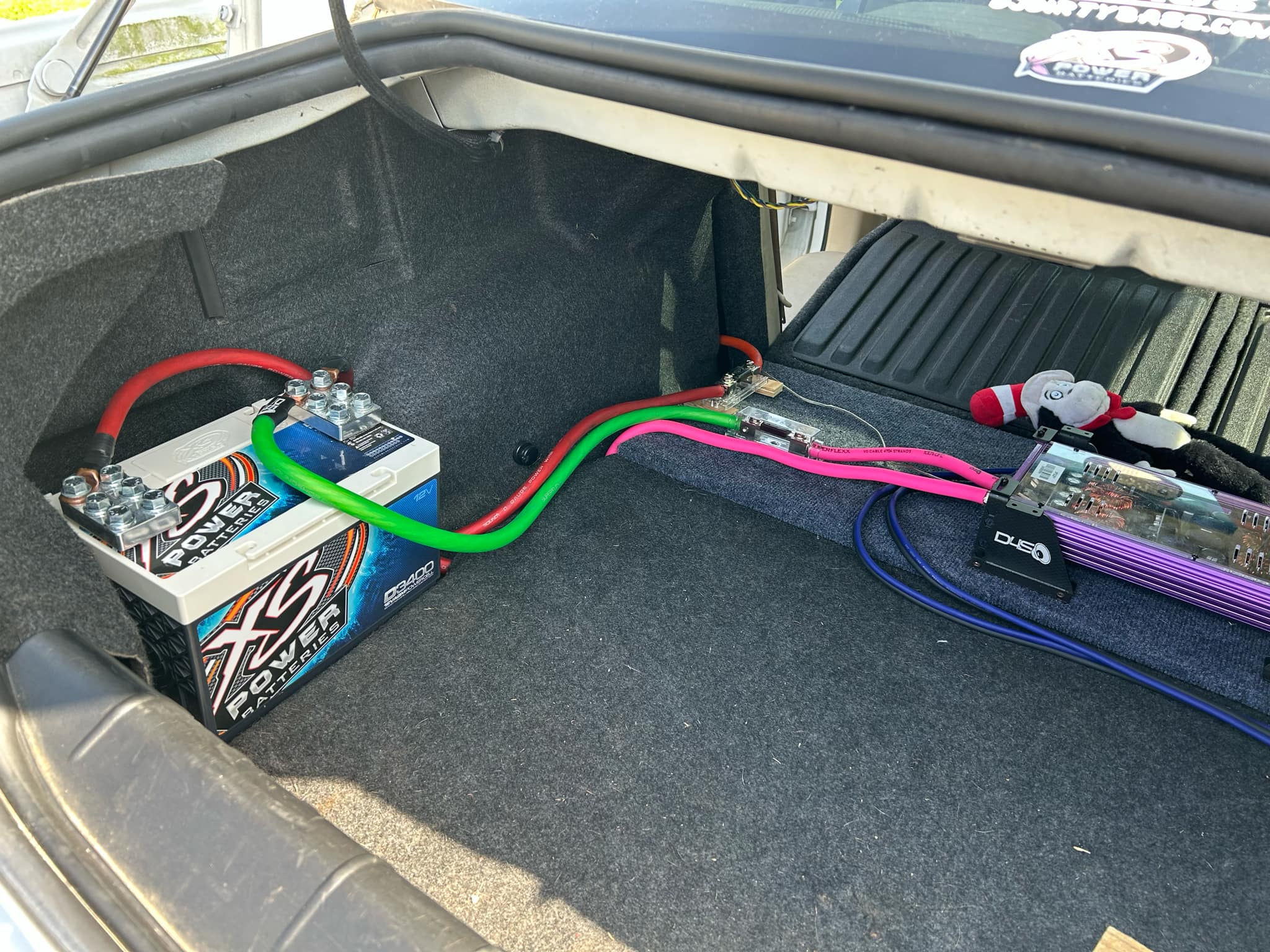
Modern trucks are no longer just transportation tools; they are increasingly being designed as mobile workstations. Equipped with multiple power outlets, USB ports, and even high-capacity inverters, these vehicles can support a wide range of devices and equipment. Despite this, many owners only use these features for basic charging.
One of the most useful capabilities is the presence of standard power outlets in the cabin and cargo bed. These outlets can power tools, laptops, and other equipment, making trucks ideal for on-site work. This eliminates the need for separate generators in many situations.
High-capacity inverter systems take this functionality even further by providing enough power to run heavy-duty equipment. Contractors, technicians, and outdoor workers can operate drills, saws, and other tools directly from the truck, increasing efficiency and reducing setup time.
Another overlooked feature is foldable work surfaces and integrated desks. Some trucks include flat surfaces that can be used for writing, planning, or working on a laptop. This transforms the cabin into a functional workspace, especially useful for professionals on the move.
Additionally, advanced connectivity options such as Wi Fi hotspots and device syncing allow trucks to function as fully connected offices. Whether managing projects, communicating with teams, or accessing cloud-based tools, these features make it easier to stay productive from anywhere. By fully utilizing these mobile workstation capabilities, truck owners can unlock a new level of versatility and convenience.
