
For decades, the glove box quietly existed as one of the most ordinary parts of a car interior. Drivers opened it without thinking, stuffed insurance papers inside, forgot old sunglasses in the back, and occasionally discovered expired fast food receipts buried beneath owner manuals.
Yet somewhere between the massive sedans of the 1970s and today’s touchscreen-dominated crossovers, the glove box began shrinking. It did not happen all at once.
No car company announced that storage space would disappear. No major advertising campaign admitted that dashboards were becoming less practical. Instead, glove compartments slowly lost depth, width, and usefulness generation after generation until modern drivers unconsciously accepted that a glove box might barely fit the vehicle documents. The strange part is that almost nobody noticed the transition while it was happening.
The evolution of the glove box tells a larger story about how automotive priorities changed over the last century. Early glove compartments existed because motorists genuinely needed driving gloves. Open-air cars exposed drivers to freezing temperatures, road dust, mud, and difficult steering systems.
Manufacturers eventually turned the storage area into a multi-purpose compartment that became standard equipment by the 1930s. Over time, glove boxes expanded in both size and utility because cars themselves became larger and dashboards remained mechanically simple.
During the middle of the twentieth century, many glove compartments could store maps, flashlights, tools, cassette tapes, paperwork, snacks, and emergency supplies simultaneously. Some luxury cars even included specialized inserts, cocktail kits, or cooling systems inside the compartment.
Modern vehicles changed that balance completely. Safety systems, passenger airbags, infotainment hardware, climate control ducts, wiring harnesses, sensors, and massive touchscreen displays now compete for every centimeter behind the dashboard. Engineers prioritize crash structures, aerodynamic interiors, digital integration, and passenger packaging efficiency over storage space.
As a result, the humble glove box became collateral damage in the redesign of the modern car cabin. Many contemporary vehicles compensate with larger center consoles, hidden storage trays, and door pockets, but the traditional glove compartment itself often feels dramatically reduced compared to older generations. Owners on automotive forums regularly complain that newer glove boxes cannot even hold common everyday items anymore.
The shrinking glove box may sound trivial, but it reflects a broader transformation in automotive culture. Cars used to emphasize mechanical practicality and physical storage. Today, they prioritize digital experiences, minimalist aesthetics, and electronic architecture.
The glove box became smaller not because people suddenly stopped needing storage, but because modern vehicles reorganized the entire philosophy of interior design.
Understanding why this happened reveals how dramatically automobiles have evolved and why one of the most overlooked components in a car quietly tells the story of changing technology, safety standards, consumer habits, and engineering compromises.
Also Read: 10 Cars With Insurance Premiums Lower Than a Compact Sedan
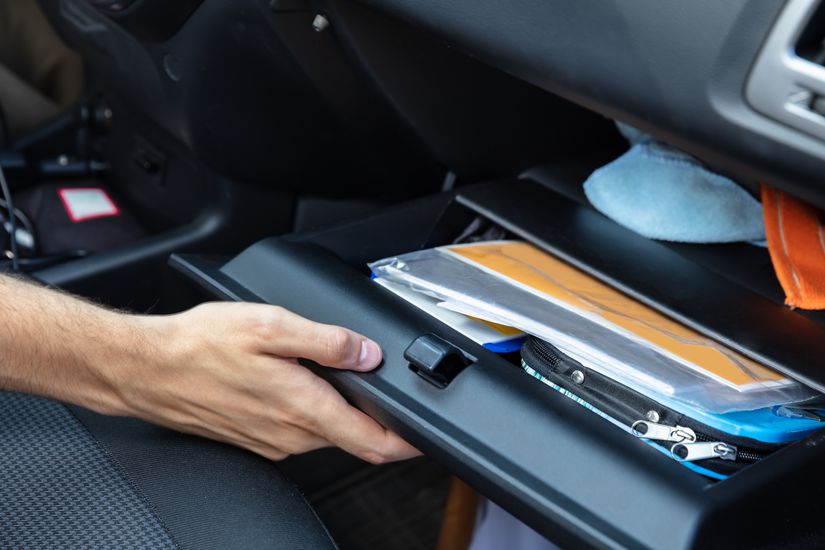
The Intended Purpose of the Glove Box
The glove box did not begin as a random storage drawer. Its existence was directly connected to the physical realities of early motoring. In the early twentieth century, automobiles were closer to horse-drawn carriages than modern luxury vehicles. Many lacked roofs, enclosed cabins, effective heating systems, or even proper windshields.
Drivers were constantly exposed to cold weather, rain, dust, and mud thrown from unpaved roads. Under those conditions, gloves were not optional fashion accessories. They were necessary protective equipment that prevented freezing hands and improved grip on difficult steering systems. Automotive historians trace the origin of the compartment to the storage boxes introduced in early cars around 1900.
The earliest versions of the glove compartment were relatively basic. They existed because manufacturers realized motorists needed a dedicated place to store important items during travel.
According to automotive history sources, the Packard Motor Car Company introduced one of the first enclosed storage boxes in 1900 to help distinguish automobiles from traditional carriages. The storage area eventually evolved into what drivers now recognize as the glove compartment. Over time, the name stuck because gloves were among the most frequently used items stored there.
As vehicle cabins became enclosed during the 1920s and 1930s, glove compartments transformed from simple utility spaces into integrated dashboard features. Manufacturers increasingly treated dashboards as central design elements rather than purely functional barriers.
The glove box became part of a symmetrical dashboard layout that balanced gauges, radios, climate controls, and trim pieces. Many vehicles from the mid twentieth century featured surprisingly spacious glove compartments because dashboards themselves contained relatively little technology. Behind the dashboard sat mostly empty space, basic wiring, and simple mechanical controls.
The growth of highway travel also increased the importance of glove compartments. During the golden age of American road trips, drivers carried paper maps, motel guides, flashlights, registration documents, cameras, and snacks. The glove box became a miniature travel archive.
In large American sedans during the 1950s and 1960s, the compartment often extended deep into the dashboard, creating enough room for bulky items that modern cars simply cannot accommodate. Luxury manufacturers occasionally added lights, locks, mirrors, and cooling systems inside the compartment to increase convenience and prestige.
By the late twentieth century, the glove box had become so normalized that few people questioned its existence or purpose anymore. Ironically, most drivers no longer store gloves inside it. Instead, it held registration papers, cassette tapes, sunglasses, pens, tissues, tools, receipts, and emergency supplies.
Online discussions today often joke about how glove boxes rarely contain gloves at all. Yet the original purpose remains embedded in the name itself, preserving a small piece of automotive history long after driving gloves disappeared from daily life.
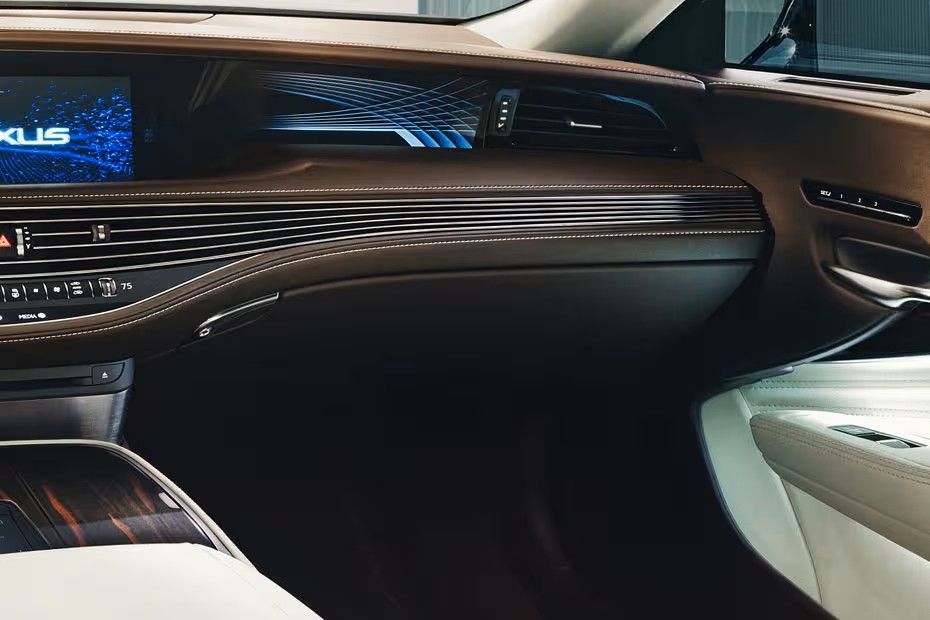
Why Glove Boxes Started Shrinking?
The shrinking glove box was not caused by a single design decision. It emerged from decades of engineering compromises as automakers packed more technology and safety equipment into increasingly complex dashboards. Modern dashboards contain more hardware than their predecessors dramatically.
Passenger airbags alone consume significant internal space, forcing manufacturers to redesign dashboard structures around deployment zones and safety regulations. In many modern vehicles, the airbag module occupies the same physical area that once allowed for a deep glove compartment. This tradeoff fundamentally changed how much usable storage space could exist behind the passenger side dashboard.
Climate control systems also became larger and more sophisticated over time. Older vehicles relied on relatively simple heating systems with limited ductwork. Modern vehicles contain extensive HVAC networks that distribute air precisely throughout the cabin while supporting dual-zone or even tri-zone climate systems.
Those ducts often snake directly behind dashboard panels, reducing the remaining space available for storage compartments. The addition of cabin air filters, electronic climate modules, and ventilation sensors further complicates packaging constraints.
Infotainment technology accelerated the trend even more. Early car dashboards contained little more than radios and analog gauges. Contemporary interiors now integrate touchscreen displays, digital instrument clusters, navigation processors, USB hubs, wireless charging systems, advanced wiring harnesses, cameras, microphones, and electronic control units.
Every new feature competes for limited dashboard volume. Engineers frequently sacrifice glove compartment depth because consumers visibly notice digital technology more than storage capacity during showroom comparisons.
Vehicle safety standards also changed dashboard design priorities. Modern crash regulations require carefully engineered structures that absorb impact forces while protecting passengers. Knee airbags, reinforced support beams, collapsible mounting systems, and advanced restraint technologies all consume internal packaging space.
Engineers must design dashboards to manage crash energy while maintaining airbag deployment clearances. Storage compartments, therefore, become secondary priorities compared to occupant safety.
Another overlooked factor involves changing aesthetic preferences. Modern automotive design increasingly emphasizes clean surfaces, thin dashboards, floating screens, and minimalist interiors. Designers often prioritize visual openness and passenger legroom over hidden storage.
Electric vehicles intensified this trend because manufacturers sought futuristic cabin designs that appeared spacious and uncluttered. Some newer vehicles even relocate traditional glove compartments entirely or replace them with center-mounted storage systems. Online discussions about newer electric vehicles reveal mixed reactions from drivers who miss the practicality of older glove box layouts.
Consumer behavior changed as well. During the twentieth century, drivers relied heavily on physical maps, CDs, cassettes, printed manuals, and travel accessories. Smartphones replaced many of those objects. Navigation systems eliminated road atlases. Streaming services replaced physical music collections.
Digital insurance cards reduced paperwork. Automakers recognized that drivers carried fewer bulky items inside glove compartments than in previous generations. As center consoles became larger and door storage improved, manufacturers have hinted that glove box size mattered less to consumers.
The reduction happened so gradually that few people noticed it in real time. Each generation lost only a small amount of space compared to its predecessor. Over decades, however, those incremental changes accumulated into a dramatic transformation.
What once served as a practical storage compartment large enough for travel essentials became, in many modern cars, a narrow shelf barely capable of holding registration papers and an owner’s manual.
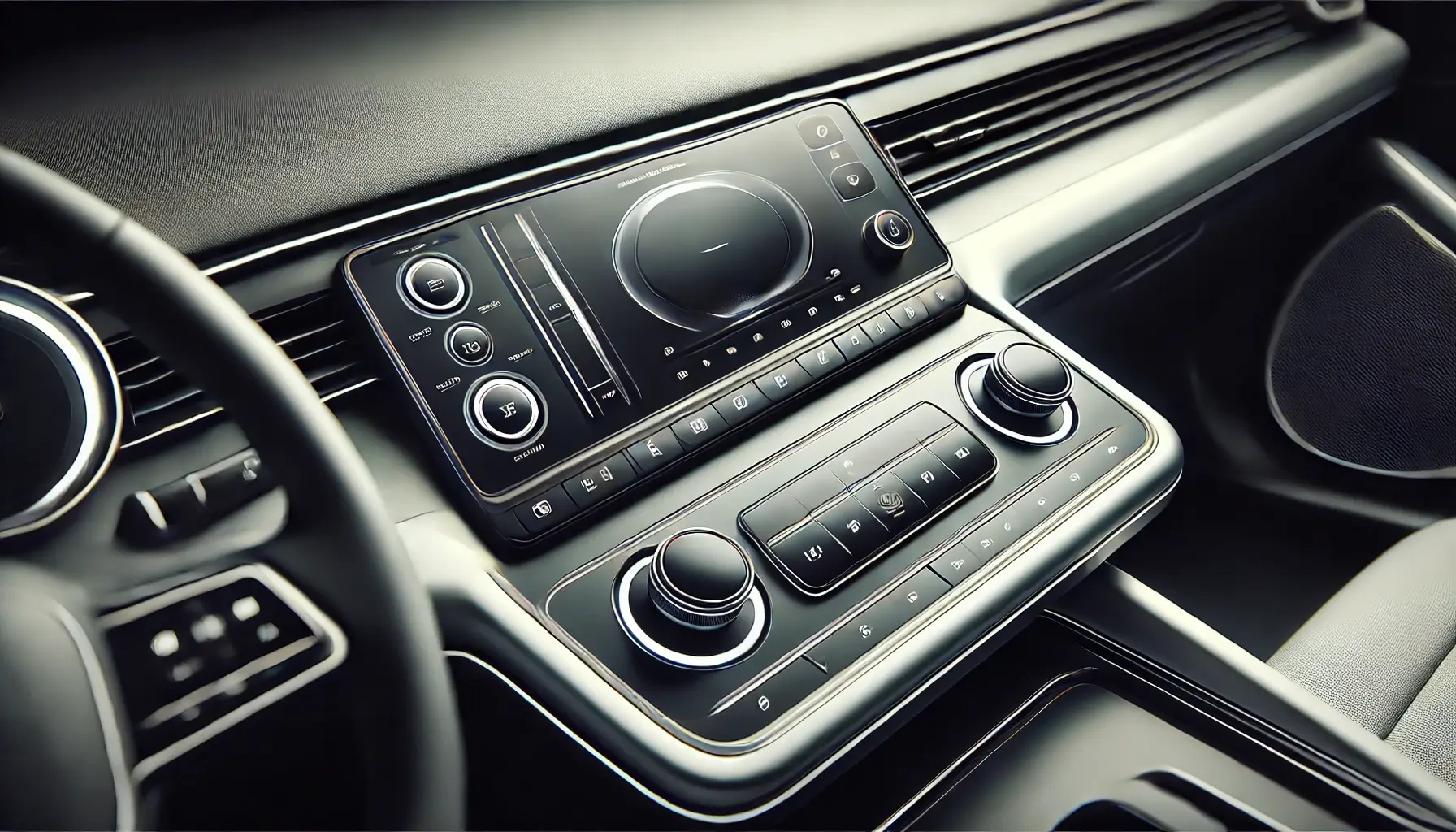
The Rise of Dashboard Tech
One of the biggest reasons glove boxes shrank is simple. Empty space inside modern dashboards no longer exists. In older vehicles, dashboards were mechanically simple structures with limited electronic complexity.
Today, they function as technological command centers packed with interconnected systems. The transformation from analog dashboards to digital ecosystems completely changed interior engineering.
During the 1960s and 1970s, dashboards contained basic gauges, radios, ventilation controls, and a small number of electrical components. Wiring harnesses were relatively straightforward, and most controls operated mechanically rather than electronically. This left substantial unused volume behind dashboard panels. Designers could therefore create large glove compartments without interfering with critical systems.
The electronic revolution of the 1980s and 1990s gradually consumed that available space. Power accessories, anti-theft systems, onboard diagnostics, advanced audio systems, and early navigation technologies introduced more modules behind the dashboard.
By the 2000s, cars resembled rolling computer networks. Modern vehicles can contain dozens of interconnected electronic control units communicating continuously through complex data systems.
Touchscreens accelerated dashboard compression even further. Large displays require processors, cooling systems, mounting structures, and dense wiring arrangements. Advanced driver assistance technologies introduced cameras, radar interfaces, lane keeping modules, and collision warning hardware that further complicated dashboard architecture. Even seemingly simple features such as wireless phone charging require additional packaging considerations.
Modern dashboard design increasingly revolves around screens rather than storage. Consumers judge interiors heavily based on digital presentation, interface quality, and visual sophistication.
Manufacturers, therefore, invest enormous resources into creating futuristic cabins with integrated displays and seamless surfaces. Large glove compartments rarely influence purchasing decisions the same way panoramic screens or ambient lighting systems do.
Passenger airbags represent another major spatial challenge. Airbag systems require carefully controlled deployment zones that cannot be obstructed by storage structures. The airbag housing itself occupies significant volume behind the passenger side dashboard.
Engineers must also design surrounding structures to break apart safely during deployment. This creates severe limitations for glove compartment depth and shape. Many drivers may not realize that the reduction in glove box space partly reflects major advancements in passenger protection technology.
Electric vehicles introduce additional complications. Although electric powertrains free up some space elsewhere in the vehicle, many EV manufacturers pursue ultra-minimalist dashboard designs with floating screens and unconventional layouts.
Some relocate storage areas to center consoles or hidden trays rather than maintaining traditional glove box proportions. Tesla became a major example of this trend, emphasizing simplified interiors that minimize visible clutter. Owners online frequently debate whether these futuristic layouts sacrifice practicality for appearance.
The irony is that modern vehicles are physically larger than many older cars, yet their interior storage spaces often feel smaller. This contradiction exists because technology has absorbed the unused volume that once allowed for spacious glove compartments. The dashboard evolved from a mostly hollow structure into one of the densest packaging zones in the entire automobile.
Also Read: 10 Cars That Survive Being Used as Daily Uber Vehicles

Why Nobody Really Noticed Until Recently?
One reason the shrinking glove box escaped widespread attention is that automotive change usually happens gradually. Manufacturers rarely redesign an entire interior overnight. Instead, each generation introduces small modifications that seem normal in isolation.
A glove compartment might lose only a few centimeters of depth during one redesign, then another few centimeters in the next generation. Consumers adapt incrementally, making the cumulative effect difficult to notice in real time.
Human memory also plays a major role. Most drivers do not directly compare a modern vehicle with a thirty-year-old equivalent every day. People tend to normalize whatever interior layout they currently use. Because glove compartments are passive features rather than active driving controls, they receive little conscious attention unless they become frustratingly impractical.
Automotive marketing contributed to this invisibility as well. Car advertisements focus heavily on horsepower, fuel economy, touchscreens, luxury materials, safety technology, and driver assistance systems. Manufacturers rarely discuss glove compartment dimensions during promotional campaigns because storage volume inside the dashboard lacks emotional excitement. Consumers, therefore, concentrated on highly visible innovations while overlooking subtle reductions in practicality.
Another reason involves generational expectations. Younger drivers who grew up with smartphones never relied on glove compartments the same way previous generations did.
They do not remember storing stacks of CDs, paper maps, cassette tapes, or travel guides inside dashboard compartments because those items disappeared before they started driving. To them, a smaller glove box feels normal because their storage needs evolved alongside digital technology.
Online culture eventually exposed the trend because automotive forums and social media created spaces for direct generational comparison. Owners now post photos comparing older and newer interiors side by side. Complaints about shrinking glove boxes became more visible once drivers could collectively recognize the pattern. Reddit discussions regularly mention tiny glove compartments in newer vehicles, especially when redesigned models noticeably sacrifice storage capacity.
The rise of minimalist electric vehicles intensified public awareness. Some modern EV interiors eliminate traditional dashboard architecture almost entirely, making storage compromises impossible to ignore.
When manufacturers relocate or shrink glove compartments dramatically, drivers suddenly notice how much practical space has disappeared over time. What once happened invisibly through gradual evolution became obvious through radical redesigns.
There is also a psychological aspect to unnoticed change. Drivers tend to assume technological progress naturally improves every aspect of a vehicle. When a modern car includes advanced safety systems, huge touchscreens, premium materials, and sophisticated software, consumers subconsciously accept small practical tradeoffs as part of innovation. The loss of glove box volume feels minor compared to the perceived benefits of modern technology.
Ironically, nostalgia plays a role in rediscovering the problem. As older vehicles gain cultural appreciation, people increasingly compare modern interiors with the practical simplicity of past decades.
Enthusiasts often praise older cars for their physical controls, spacious cabins, and usable storage compartments. This retroactive comparison highlights how much subtle practicality disappeared during the digital transformation of automotive design.
The shrinking glove box, therefore, remained invisible not because it lacked significance, but because it reflected countless interconnected changes happening simultaneously across the automotive industry. By the time people collectively noticed, the transformation had already become standard practice.
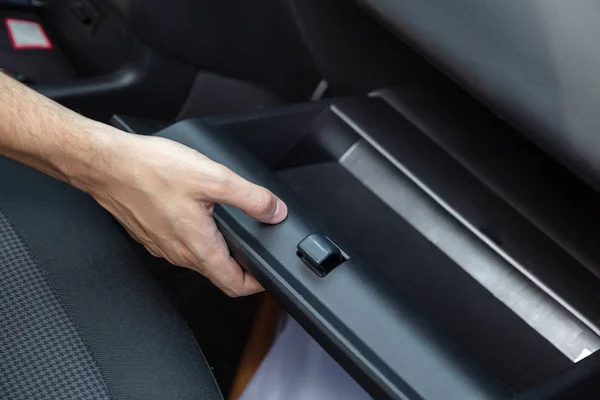
What the Tiny Modern Glove Box Says About the Future?
The evolution of the glove box reveals something larger than storage preferences. It shows how modern vehicles increasingly prioritize software, safety systems, and digital experiences over traditional mechanical practicality. As cars continue evolving toward electrification and automation, dashboard design will likely become even more technology-centered.
Future autonomous vehicles may reduce the importance of driver-oriented storage entirely. If passengers spend less time actively controlling the car, manufacturers may redesign interiors around entertainment, relaxation, or productivity instead of conventional utility layouts. Storage spaces could move away from dashboards altogether and integrate into modular seating systems or hidden compartments.
Augmented reality displays may eventually eliminate many physical dashboard components entirely. Some automakers already experiment with head-up displays that project navigation and driving information directly onto windshields.
If traditional instrument clusters disappear completely, dashboard architecture could change dramatically again. Ironically, this might create opportunities for larger storage areas to return if electronic packaging becomes more compact.
At the same time, consumer backlash against excessive minimalism may influence future design trends. Some drivers increasingly complain that touchscreen-heavy interiors sacrifice usability and practicality. Physical controls are slowly returning in certain markets because customers miss tactile interaction. The same demand for functional ergonomics could eventually encourage automakers to reconsider interior storage priorities.
The glove box also represents a fascinating case study in unnoticed design evolution. Most people never consciously thought about glove compartment size until comparisons became unavoidable. Yet the compartment reflects over a century of changing automotive technology, safety engineering, consumer behavior, and cultural expectations.
It survived the transition from open-air motoring to digital electric vehicles while quietly adapting to every major shift in automotive history.
Modern glove boxes may be smaller, but they remain symbolically important because they preserve continuity with the earliest days of motoring. The name itself still references an era when driving required gloves, goggles, and physical endurance. Even in futuristic electric cars with giant screens and advanced software, the glove compartment survives as a historical artifact hidden within the dashboard.
There is also an important lesson about technological tradeoffs. Progress rarely improves every aspect of a product equally. Modern cars are safer, cleaner, faster, more efficient, and more technologically advanced than older vehicles in almost every measurable way.
Yet some forms of practical simplicity disappeared during that progress. The shrinking glove box demonstrates how innovation often reallocates priorities rather than universally expanding capability.
Interestingly, some manufacturers may eventually market practicality itself as a premium feature. As minimalist interiors become common, vehicles with thoughtful physical storage solutions could stand out in the marketplace.
Family-oriented buyers especially continue valuing convenience features that simplify everyday use. If enough consumers complain about tiny glove compartments and inaccessible storage, automakers may respond with redesigned interiors emphasizing usability alongside technology.
The story of the shrinking glove box matters because it captures how ordinary objects evolve invisibly over time. Nobody announced the disappearance of large dashboard storage.
No single generation eliminated it completely. Instead, countless engineering decisions slowly transformed one of the most familiar components in every car. By the time people noticed, the glove box had already become a smaller, less central part of automotive life.
And perhaps that is why the change feels strangely fascinating. Something as mundane as a glove compartment quietly recorded more than a century of automotive evolution without most drivers ever realizing it.
