
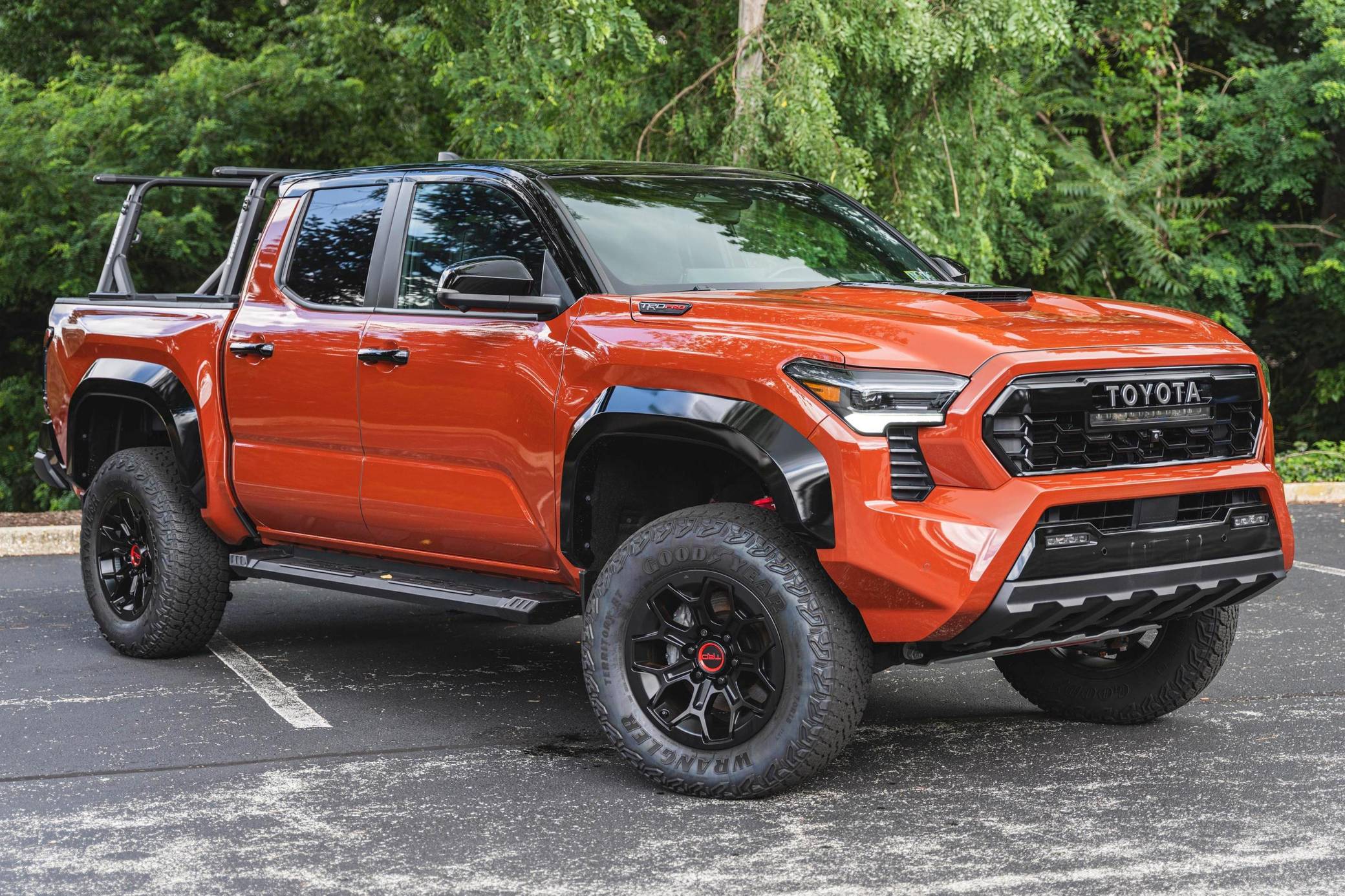
For years, the Toyota Tacoma built its reputation on being the dependable, reasonably priced midsize truck that buyers could count on for durability, resale value, and everyday usability. The Toyota Tundra, meanwhile, occupied a very different part of the market as Toyota’s larger full-size pickup with bigger engines, larger dimensions, and significantly higher pricing.
That separation between the Tacoma and Tundra used to be obvious. If you wanted affordability and manageable size, you bought a Tacoma. If you wanted towing power, V8 performance, and a spacious cabin, you stepped up to a Tundra. Today, however, the line between the two trucks has blurred in ways that would have seemed unbelievable just a decade ago.
The newest Tacoma has become so expensive that many of its higher trims now cost as much as older Tundra models once did, and in some cases, they even approach the pricing of modern Tundra trims. This dramatic shift has sparked debates among truck enthusiasts, automotive journalists, and longtime Toyota buyers who are wondering whether the Tacoma still represents good value.
The issue is not simply that prices have gone up because inflation affects every vehicle segment. The bigger concern is that the Tacoma has transformed from a simple midsize workhorse into a highly sophisticated lifestyle truck packed with advanced suspension systems, hybrid powertrains, premium technology, and luxury-oriented features.
As Toyota pushed the Tacoma further upscale, the truck entered price territory traditionally reserved for full-size pickups. According to Toyota pricing reports and automotive publications, some top Tacoma trims now exceed $60,000, while a 2014 Toyota Tundra Platinum CrewMax 4×4 started at roughly $47,320 when new.
The result is a market situation where buyers shopping for a midsize Tacoma are suddenly forced to compare it against larger trucks with more capability. This pricing evolution says a great deal about the modern truck industry, changing consumer expectations, and Toyota’s strategy for maximizing profit in one of America’s most competitive automotive categories.
Understanding how the Tacoma reached this point requires looking at the truck’s history, changing buyer demands, technology growth, inflation trends, and the broader transformation of the pickup market itself.
Also Read: 10 Cars With Insurance Premiums Lower Than a Compact Sedan
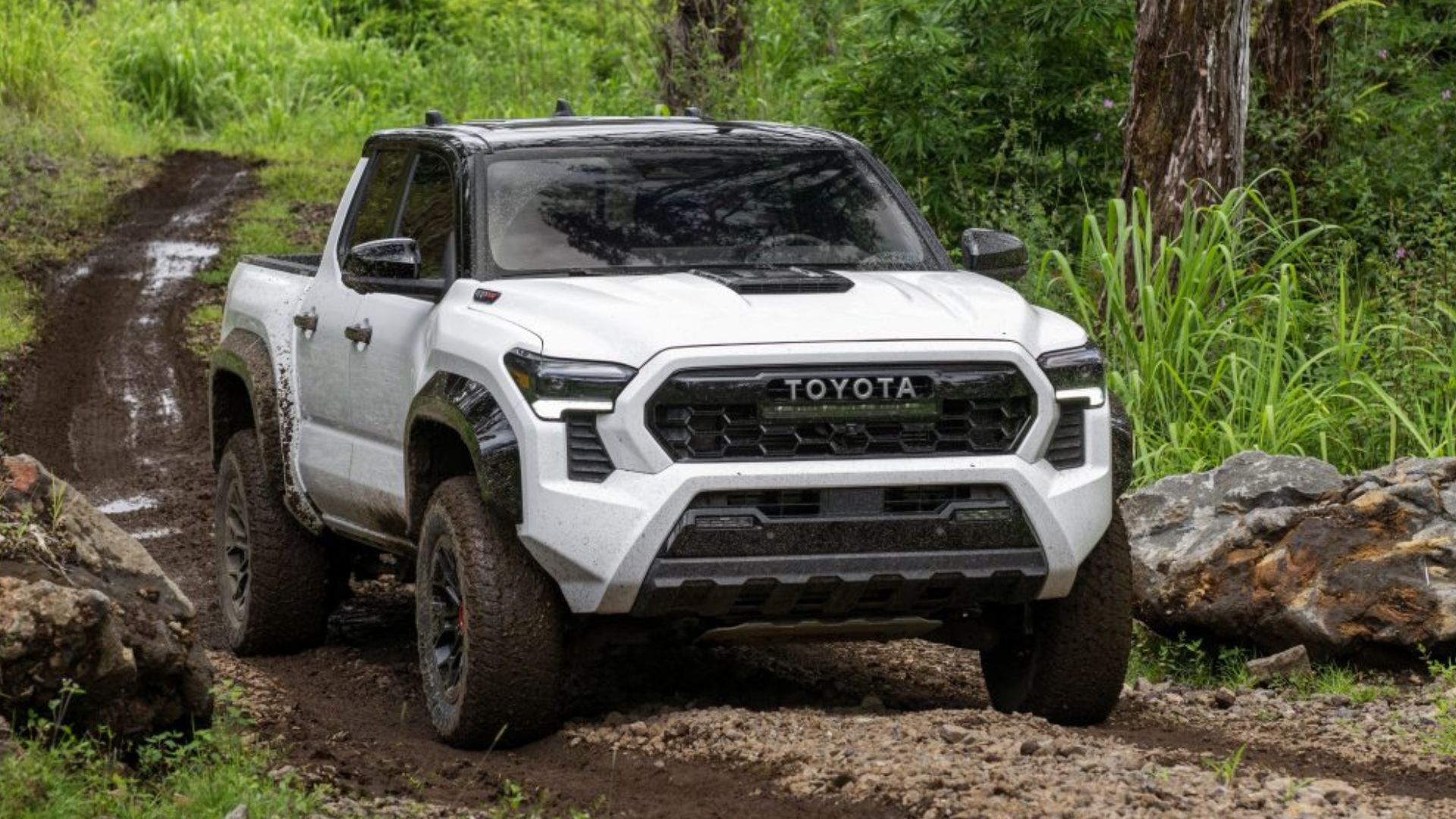
The Tacoma Was the Affordable Toyota Truck
When the Tacoma first gained popularity in the United States, its appeal centered around simplicity and practicality. Buyers loved the truck because it delivered Toyota reliability in a package that was smaller, cheaper, and easier to live with than a full-size pickup.
Earlier generations of the Tacoma were not overloaded with expensive technology or luxury features. Instead, they focused on durability, fuel economy relative to larger trucks, and strong resale value. This straightforward formula helped the Tacoma dominate the midsize truck segment for decades.
The pricing difference between the Tacoma and Tundra was once substantial. In 2014, Toyota listed the Tundra with a base MSRP starting around $25,920, while premium trims like the Platinum and 1794 Edition CrewMax 4×4 reached approximately $47,320.
At that time, a Tacoma buyer could still purchase a capable truck without entering luxury vehicle pricing territory. The Tacoma was widely viewed as the financially sensible choice for buyers who did not need massive towing capacity or oversized cabins.
Back then, the midsize truck category itself was very different from today. Trucks such as the Tacoma, Nissan Frontier, and Chevrolet Colorado were primarily purchased for utility and light recreational use. Most buyers did not expect massive touchscreens, digital gauge clusters, adaptive suspension systems, or hybrid powertrains.
Trucks were tools first and lifestyle statements second. Because of that mindset, automakers could keep costs lower and still satisfy customer expectations.
Another factor that kept Tacoma prices relatively low was competition from compact trucks and SUVs. Consumers who wanted affordability had many alternatives available. Smaller pickups, crossover SUVs, and entry-level work trucks all competed for budget-conscious buyers. Toyota, therefore, had strong incentives to keep the Tacoma accessible to a wide audience rather than positioning it as a premium lifestyle vehicle.
The Tacoma’s strong reputation for reliability also contributed to its affordability advantage over time. Buyers understood that even if the Tacoma cost slightly more than domestic competitors upfront, it often retained value far better. This resale strength allowed Toyota to charge modest premiums without losing customers.
Still, even with strong resale values, the Tacoma remained far below the pricing territory occupied by luxury pickups and high-end full-size trucks. That balance between value, durability, and affordability was central to the Tacoma’s identity for many years.
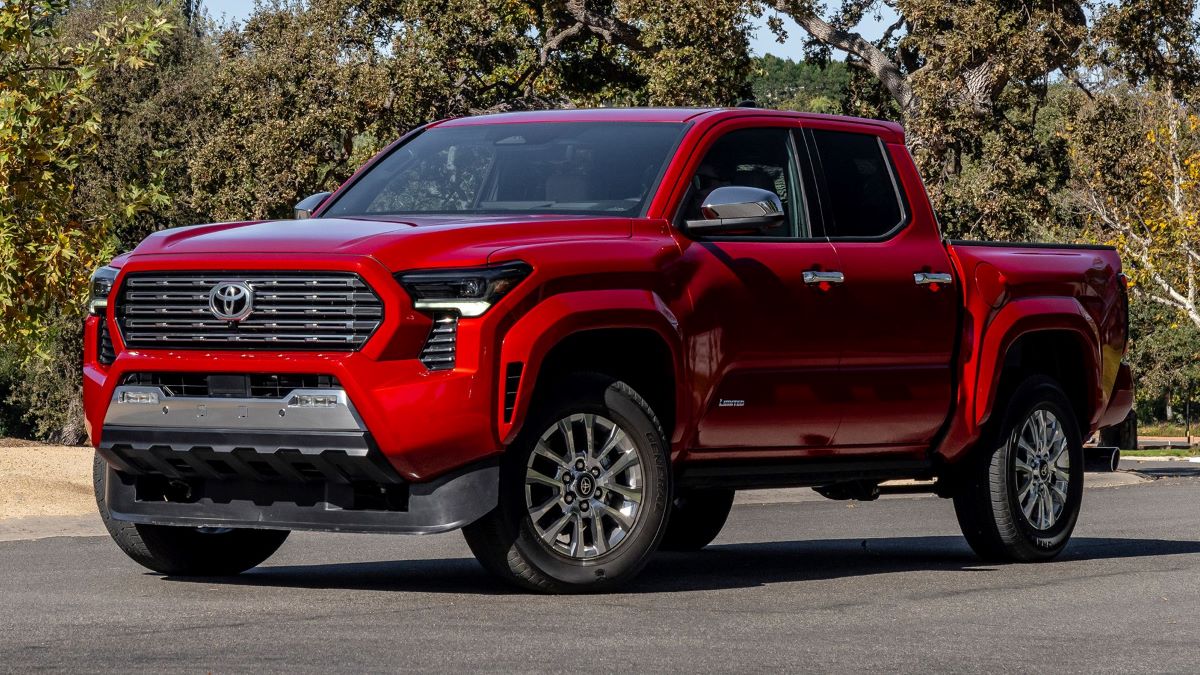
Why the New Tacoma Became So Expensive?
The biggest reason the modern Tacoma costs dramatically more than older models is that the truck itself has changed completely. The newest generation is no longer a simple midsize pickup designed mainly for basic transportation and occasional hauling. Instead, it has become an advanced off-road machine loaded with premium technology, expensive engineering, and high-performance components.
Toyota redesigned the 2024 Tacoma using a modern body-on-frame platform related to the newer Tundra and Sequoia. This new architecture significantly improved rigidity, ride quality, safety, and off-road performance, but it also increased manufacturing complexity and development costs.
Modern trucks require expensive crash structures, sophisticated electronics, and advanced driver assistance systems that were either optional or nonexistent a decade ago.
Powertrain development also played a major role in rising prices. Older Tacomas relied heavily on naturally aspirated engines with relatively straightforward engineering. The new Tacoma introduces turbocharged four-cylinder engines and hybrid systems capable of producing far more torque and performance.
The Tacoma TRD Pro now offers a hybrid setup generating 326 horsepower and 465 pound-feet of torque. Such systems are far more expensive to engineer and manufacture than traditional engines.
Another major factor is consumer demand for premium features. Truck buyers increasingly expect luxury-level interiors even in midsize pickups. Heated and ventilated seats, panoramic cameras, large infotainment displays, digital instrument clusters, wireless smartphone integration, premium audio systems, and advanced off-road technology all add high cost. Modern Tacoma buyers are often seeking adventure-oriented lifestyle vehicles rather than simple work trucks.
Inflation and supply chain pressures have further accelerated pricing increases across the automotive industry. Since the pandemic era, vehicle production costs have risen sharply because of semiconductor shortages, higher raw material prices, transportation costs, and labor expenses.
These industry-wide issues affected nearly every manufacturer, including Toyota. While inflation alone does not fully explain Tacoma pricing, it certainly amplified existing trends toward more expensive vehicles.
Toyota also understands the Tacoma’s unique market strength. The truck has an intensely loyal customer base and consistently strong resale values. Buyers often wait months for specific Tacoma trims and willingly pay premiums for desirable configurations.
Because demand remains high, Toyota has little incentive to aggressively lower prices. The company knows many customers will continue paying premium prices because of the Tacoma’s reputation for reliability and resale value.
Also Read: 10 Cars That Survive Being Used as Daily Uber Vehicles
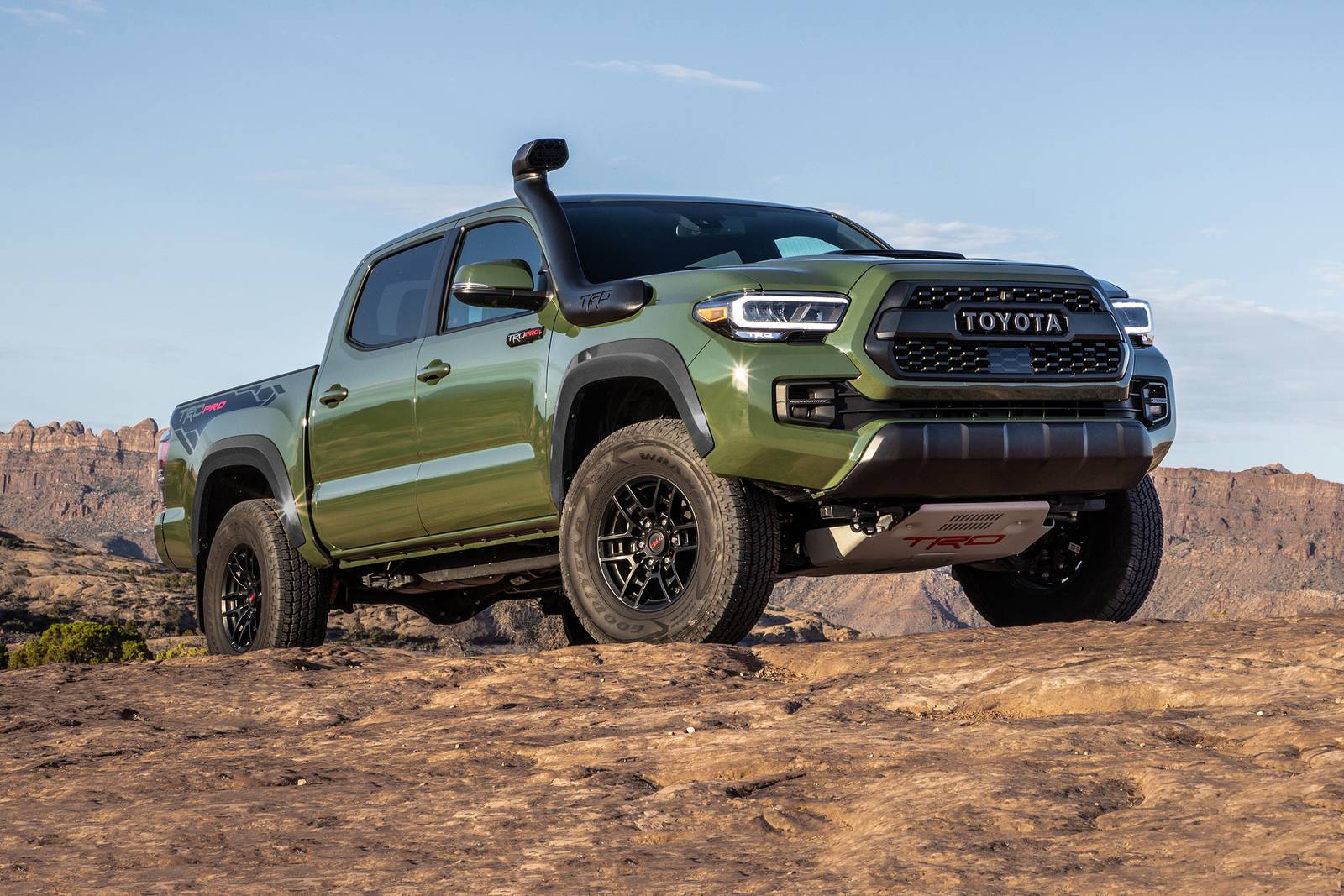
The Modern Tacoma Is Competing with Full-Size Trucks
One of the most surprising developments in today’s truck market is how close midsize truck pricing has moved toward full-size truck pricing. Historically, buyers accepted compromises in space, towing, and comfort because midsize trucks delivered major savings. That value gap has narrowed dramatically.
According to comparisons between the 2024 Tacoma and the 2024 Tundra, the base Tacoma starts around $28,250 while the Tundra begins near $39,965. On paper, this still looks like a significant difference. However, once buyers begin adding Four Wheel Drive systems, premium packages, off-road equipment, and upscale trims, Tacoma prices climb rapidly into the $50,000 and even $60,000 range.
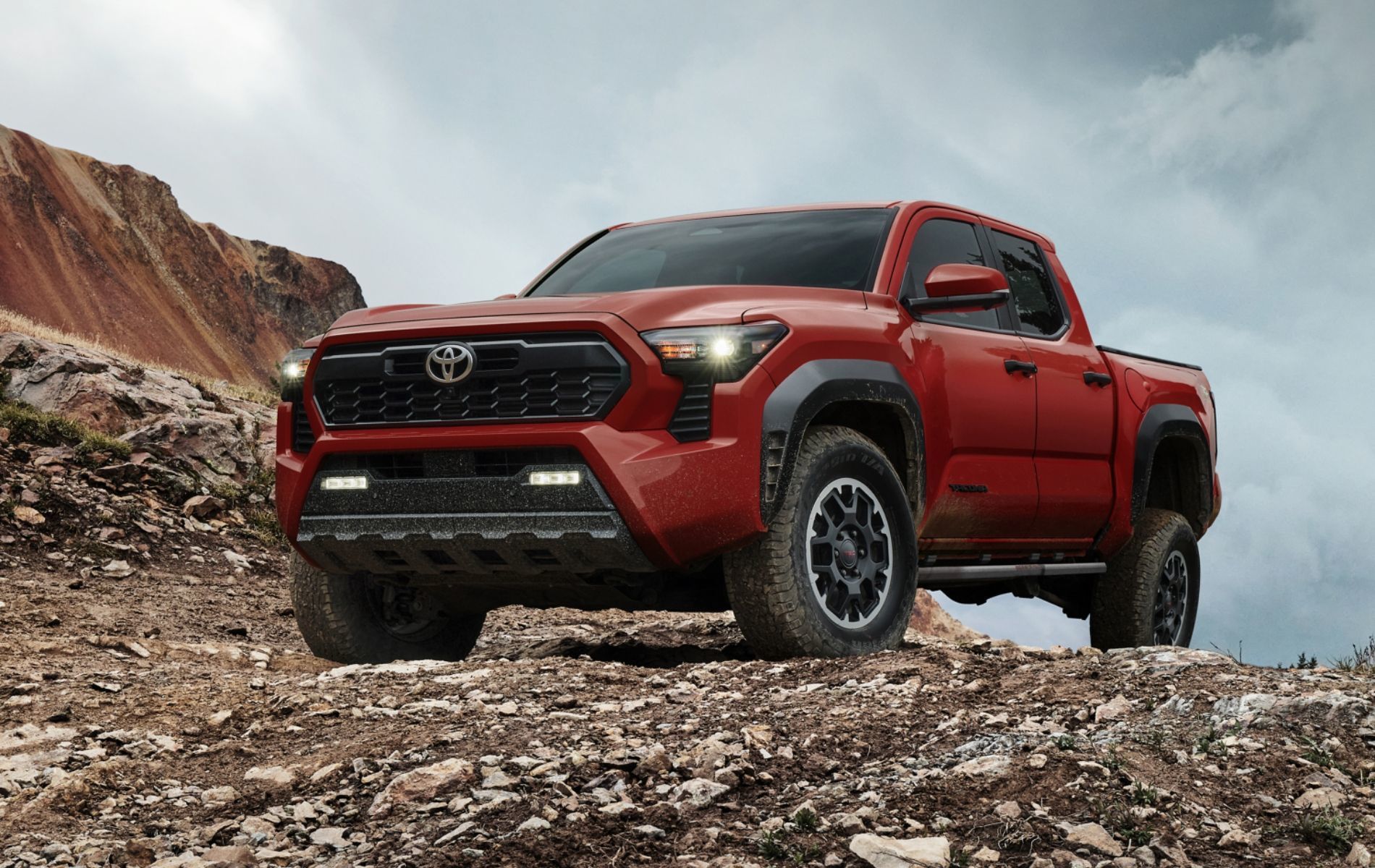
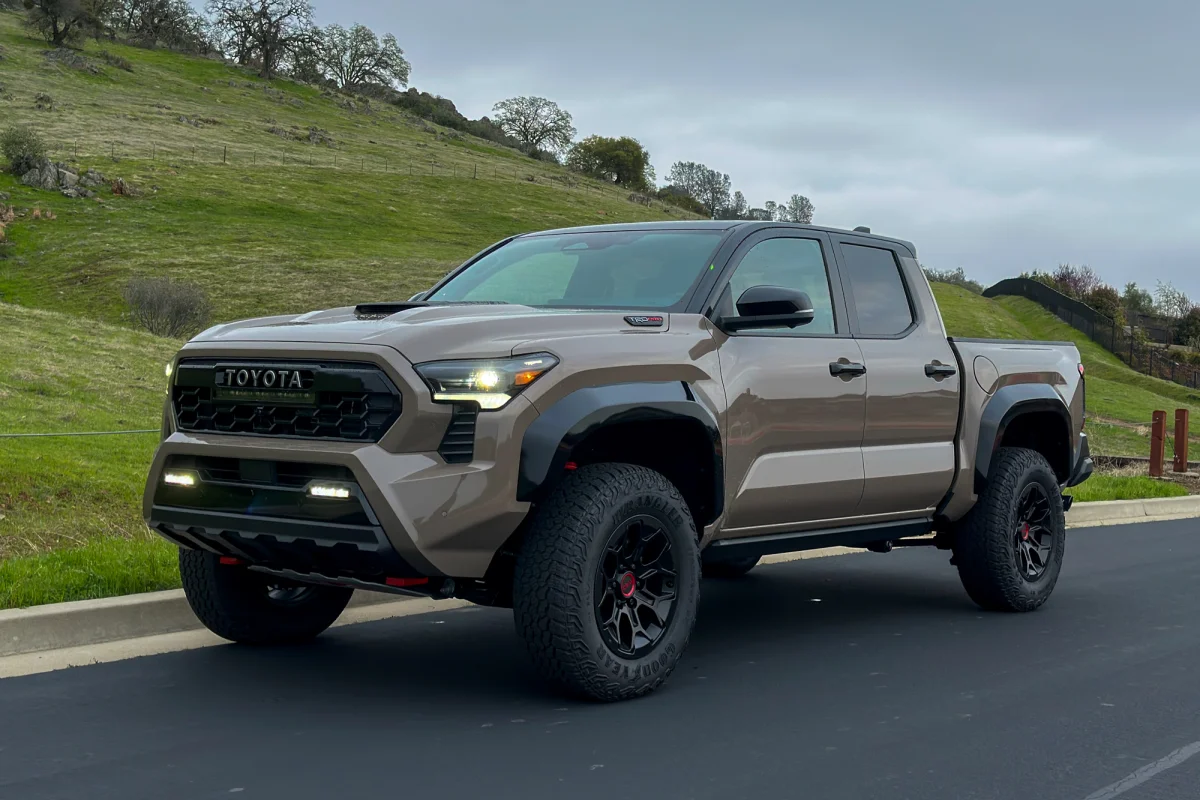
The Tacoma TRD Pro is one of the clearest examples of this shift. Reports show that the truck starts at above $63,000 before destination fees and options. At that price, buyers are entering territory once occupied exclusively by luxury full-size pickups. A truck that was originally intended as a compact alternative to larger pickups now competes financially with premium Tundra models and even some domestic half-ton trucks.
This creates a serious value debate among consumers. Buyers looking at a $60,000 Tacoma naturally begin asking why they should not simply purchase a larger truck with more towing capacity, interior space, and power. Reddit discussions and automotive forums frequently feature comments from users questioning whether the Tacoma still makes financial sense compared with the Tundra.
However, the Tacoma still offers advantages that many buyers prioritize over sheer size. The truck remains easier to maneuver in cities, simpler to park, and more suitable for narrow trails and garages. Many off-road enthusiasts prefer midsize trucks because they provide better agility in difficult terrain. Tacoma owners also appreciate the truck’s reputation for durability and its historically strong resale value.
Toyota appears comfortable positioning the Tacoma as a premium lifestyle truck rather than a budget work vehicle. This mirrors broader trends across the industry. Vehicles that once targeted affordability are increasingly marketed as aspirational products with luxury features and adventure-oriented branding.
Automakers have discovered that buyers are willing to spend heavily on vehicles that project capability, freedom, and rugged identity.
How Inflation and Market Changed Truck Pricing?
The Tacoma’s pricing story cannot be understood without examining larger economic and market trends affecting the automotive industry. Inflation has dramatically changed vehicle prices over the past decade, especially after global supply chain disruptions and rising manufacturing costs.
In 2014, a fully loaded Tundra priced around $47,320 represented a premium truck purchase. Adjusted for inflation, that amount would equal substantially more today. Even so, many consumers still experience sticker shock because wage growth has not fully matched the rapid rise in vehicle prices. Trucks that once seemed affordable now feel financially out of reach for average buyers.
Another important trend is the shift toward high-profit trims. Automakers earn significantly larger profit margins on upscale models packed with expensive options. Instead of focusing heavily on low-margin base trucks, manufacturers increasingly market premium versions with luxury interiors, advanced technology, and off-road equipment. The Tacoma’s TRD Pro and Trailhunter trims perfectly reflect this strategy.
The pickup truck market itself has transformed culturally. Trucks are no longer viewed purely as work tools. They have become family vehicles, luxury commuters, and outdoor lifestyle symbols. Consumers increasingly expect pickups to deliver comfort and technology comparable to luxury SUVs. This demand pushes manufacturers toward more expensive designs and features.
Competition within the truck market also contributes to rising prices. Modern midsize trucks such as the Ford Ranger, Chevrolet Colorado, and GMC Canyon now offer sophisticated technology and upscale interiors. Toyota cannot afford to release a bare-bones Tacoma if competitors provide more premium experiences. As every manufacturer adds features, pricing across the entire segment rises together.
Consumer financing trends further mask these price increases. Many buyers focus primarily on monthly payments rather than total purchase prices. Longer loan terms allow customers to afford increasingly expensive vehicles on paper, even if they pay far more over time. This financing environment enables manufacturers to continue raising prices without immediately collapsing demand.
The used vehicle market has also changed dramatically. Toyota trucks historically maintain excellent resale values, and recent supply shortages pushed used truck prices even higher.
Some consumers rationalize expensive Tacoma purchases by assuming they will recover much of the value during resale. While Tacoma depreciation remains relatively strong compared with competitors, the initial purchase price still represents a major financial commitment.
Is the Tacoma Still Worth the Money?
Whether the new Tacoma justifies its price depends heavily on what buyers expect from a truck. For some consumers, the Tacoma still represents one of the best choices available because of its reliability, off-road capability, resale value, and manageable size. For others, the truck’s rising price undermines the very qualities that once made it attractive.
From a capability standpoint, the newest Tacoma is unquestionably impressive. The truck offers advanced suspension systems, hybrid torque delivery, modern safety technology, improved ride quality, and serious off-road performance.
Toyota transformed the Tacoma into a far more refined and technologically advanced vehicle than earlier generations. Buyers seeking adventure-oriented performance may view these upgrades as worth the premium pricing.
The Tacoma’s resale value also remains a major strength. Toyota trucks traditionally retain value exceptionally well compared with many competitors. This means buyers often recover more money when selling or trading in the vehicle later. While high resale value does not reduce the initial purchase cost, it can improve long-term ownership economics.
Reliability continues to be one of Toyota’s strongest selling points. Many consumers willingly pay extra because they trust Toyota engineering and expect lower long-term maintenance costs. That trust gives Toyota significant pricing power. Buyers often perceive the Tacoma as a safer long-term investment compared with less proven competitors.
Still, critics argue that the Tacoma has drifted too far from its original mission. Many longtime fans miss the days when the truck prioritized simplicity, affordability, and utility over luxury features and high-end branding. The fact that some Tacoma trims now exceed $60,000 feels disconnected from the truck’s historical identity as an accessible midsize pickup.
The comparison with the Tundra further complicates the issue. When similarly priced full-size trucks offer more towing capacity, larger cabins, and stronger capability, some buyers struggle to justify paying premium prices for a smaller vehicle. Reddit discussions frequently highlight this tension, with users debating whether the Tacoma’s smaller footprint and off-road advantages outweigh the Tundra’s added practicality.
The Tacoma’s pricing reflects broader changes across the automotive industry. Trucks have evolved into lifestyle products loaded with technology and premium features. Consumers demanded more comfort, more performance, and more sophistication, and manufacturers responded by building increasingly expensive vehicles.
The Tacoma is no longer the affordable compact pickup many people remember. It is now a premium midsize truck designed for buyers willing to pay for capability, branding, and advanced features.
