
The used electric vehicle market has become one of the most unpredictable areas in the automotive industry. Only a few years ago, many EVs carried extremely strong resale values because demand exceeded supply and production shortages limited availability.
Buyers often paid above sticker price for certain models, believing electric vehicles would hold value exceptionally well as the market expanded. That confidence changed rapidly once production increased, government incentives shifted, and manufacturers began aggressive price cuts on new EV inventory.
Unlike traditional gasoline vehicles, electric cars face unusually fast technological changes. Battery improvements, charging speed upgrades, and software updates can make a three-year-old EV feel outdated far quicker than an older gas-powered sedan or SUV. When newer models arrive with longer range and lower prices, used values can collapse surprisingly fast.
Another major factor involves the manufacturer’s pricing strategy. Several automakers sharply reduced new EV prices to stay competitive, especially after demand cooled in some regions.
These cuts immediately damaged used market values because buyers realized they could purchase brand-new electric vehicles for prices close to lightly used examples. Owners who financed expensive EVs during peak pricing periods suddenly found themselves deeply underwater on loans.
Tax incentives also played a role. Certain new EVs qualified for government credits and rebates that effectively lowered transaction prices dramatically. Used vehicles could not always compete against those incentives, causing resale values to slide even further.
Consumer concerns about battery degradation, charging infrastructure, and long-term repair costs added more pressure to the used market as well. While many EVs remain excellent vehicles, uncertainty surrounding long-term ownership continues to influence resale behavior differently from traditional cars.
The vehicles in this article experienced some of the sharpest used market declines within remarkably short time periods. In many cases, prices dropped dramatically in only six months due to changing demand, aggressive manufacturer discounts, oversupply, or rapid technological shifts.
Some still represent excellent used bargains today, while others demonstrate how volatile the electric vehicle market can become when consumer sentiment changes quickly.
Also Read: 10 Cars With the Coldest AC Out of the Factory
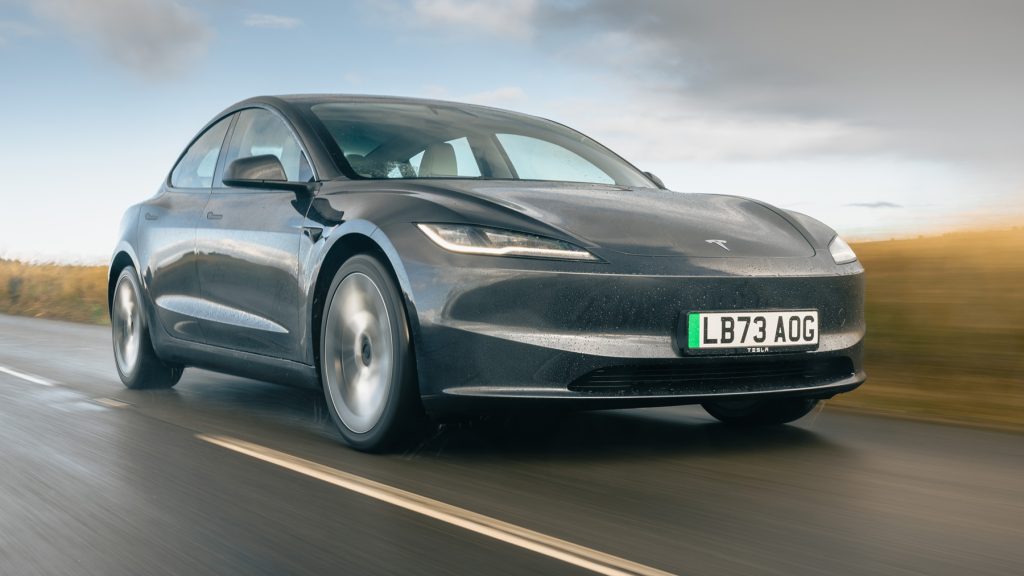
1. Tesla Model 3
The Tesla Model 3 became one of the most recognizable electric vehicles in the world thanks to strong performance, impressive range, and widespread charging infrastructure access.
For several years, used examples held surprisingly strong values because demand remained extremely high while production struggled to keep pace. That situation changed dramatically once Tesla began reducing prices on new inventory aggressively.
One of the biggest shocks came when Tesla repeatedly lowered new Model 3 pricing within short periods. Buyers who had recently paid premium prices suddenly watched identical used vehicles lose thousands of dollars in market value almost overnight.
Since Tesla sells directly to consumers and adjusts pricing quickly, the used market reacted immediately.
Another factor involved production growth. Early shortages created inflated resale conditions because buyers could not obtain new vehicles easily. Once supply improved, the urgency disappeared. Used Model 3 inventory increased while consumers gained more options from competing EV brands entering the market.
Technology progression also hurts resale strength. Tesla continuously updated battery efficiency, software systems, and interior features. As newer versions improved, older models appeared less attractive despite still functioning well mechanically. Some buyers worried about missing newer battery chemistry or updated range figures.
Tax incentives created additional complications. In certain markets, new Model 3 buyers qualified for financial incentives that narrowed the price difference between used and brand-new vehicles significantly. Consumers naturally gravitated toward newer cars with warranty coverage and updated technology.
The used EV market itself also cooled after early excitement faded. Rising interest rates and concerns about long-term depreciation caused many buyers to become more cautious. Vehicles once viewed as guaranteed value retainers suddenly faced normal market pressures.
Despite the sharp depreciation, the Model 3 still offers many strengths as a used purchase. Charging access, strong acceleration, and low operating costs remain appealing.
However, the rapid price decline demonstrated how vulnerable EV resale values can become when manufacturers cut prices aggressively, and market conditions shift quickly. Few vehicles illustrated the volatility of the modern electric car market more clearly than the Tesla Model 3.
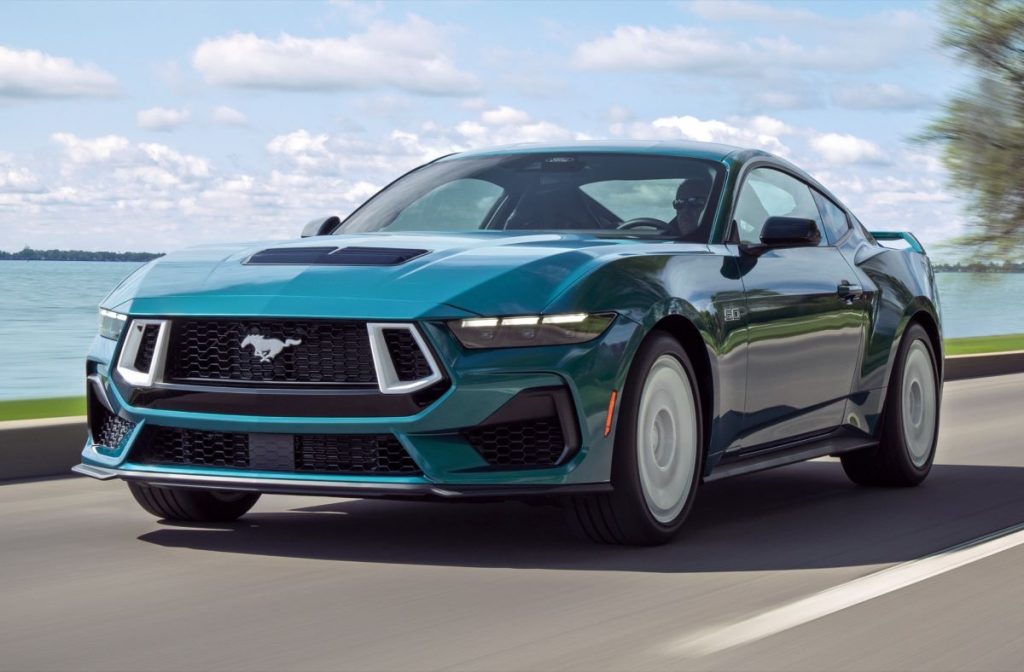
2. Ford Mustang Mach-E
The Ford Mustang Mach-E entered the market with enormous attention and strong early demand. Buyers rushed toward the vehicle because it combined recognizable Mustang branding with practical electric crossover packaging.
During the initial launch period, some dealers even added major markups above sticker price due to limited supply. Within a relatively short time, however, used prices began falling sharply.
Several issues contributed to the decline. Ford increased production steadily while the broader EV market became more competitive. Consumers suddenly had more choices from Hyundai, Kia, Tesla, and other manufacturers, reducing the exclusivity that initially helped the Mach-E command premium pricing.
Price reductions on competing electric vehicles also affected resale values directly. Tesla’s aggressive pricing strategy pressured nearly every mainstream EV manufacturer, forcing many brands to reconsider pricing structures. As new EV transaction prices dropped, used Mach-E values followed quickly.
Another challenge involved dealer markups during the launch phase. Some early buyers paid far above MSRP, creating unrealistic value expectations. Once supply stabilized and dealer inventories improved, those inflated purchase prices became impossible to maintain in the used market.
The Mach-E also faced rapid technological competition. Battery range improvements and charging advancements across the industry made slightly older electric vehicles feel less desirable than newer alternatives arriving every year.
Buyers shopping for said EVs started demanding significant discounts to compensate for future depreciation concerns.
Consumer hesitation surrounding long-term battery durability and software support added more pressure. While the Mach-E generally received positive reviews for performance and practicality, uncertainty about future resale stability affected demand in the pre-owned market.
Interestingly, the sharp depreciation created opportunities for secondhand buyers. Used Mach-E models suddenly offered strong performance, comfortable interiors, and respectable range at far lower prices than many early adopters expected.
Still, the speed of the value drop surprised many industry observers. The Mach-E highlighted how quickly electric vehicle pricing can shift once supply improves, competition increases, and manufacturers begin adjusting new vehicle pricing aggressively.
3. Hyundai Ioniq 5
The Hyundai Ioniq 5 arrived with enormous excitement because it combined futuristic styling, ultra-fast charging capability, and impressive interior space in a package that looked completely different from most electric vehicles on the road.
Early demand surged quickly, and many buyers willingly paid high prices to secure one during the first production waves. Yet within months, used values started falling far faster than many owners expected.
One major reason involved inventory growth. During the launch period, supply remained tight, and dealerships often struggled to keep vehicles on lots.
Once Hyundai increased production and availability improved, the urgency surrounding the Ioniq 5 weakened substantially. Buyers no longer felt pressured to pay inflated prices for lightly used examples.
Competition intensified rapidly as well. More electric crossovers entered the market with similar range figures and increasingly advanced technology. Consumers who once viewed the Ioniq 5 as uniquely futuristic suddenly had multiple alternatives to compare.
Government incentives created additional pressure on resale values. In many cases, new EV buyers qualified for rebates or tax benefits that dramatically reduced the real transaction price of brand-new vehicles. Used examples could not compete effectively once those incentives narrowed the gap between new and pre-owned pricing.
Technology progression also played a role. EV buyers tend to focus heavily on charging speeds, battery range, and software features. As newer vehicles introduced improvements in those areas, earlier Ioniq 5 models began feeling less cutting-edge despite still being highly capable daily drivers.
Another factor involved consumer caution toward EV depreciation itself. After seeing several electric vehicles lose value rapidly, many used car shoppers became hesitant about paying premium prices for secondhand EVs. That caution created downward pressure across the segment, including on desirable models like the Ioniq 5.
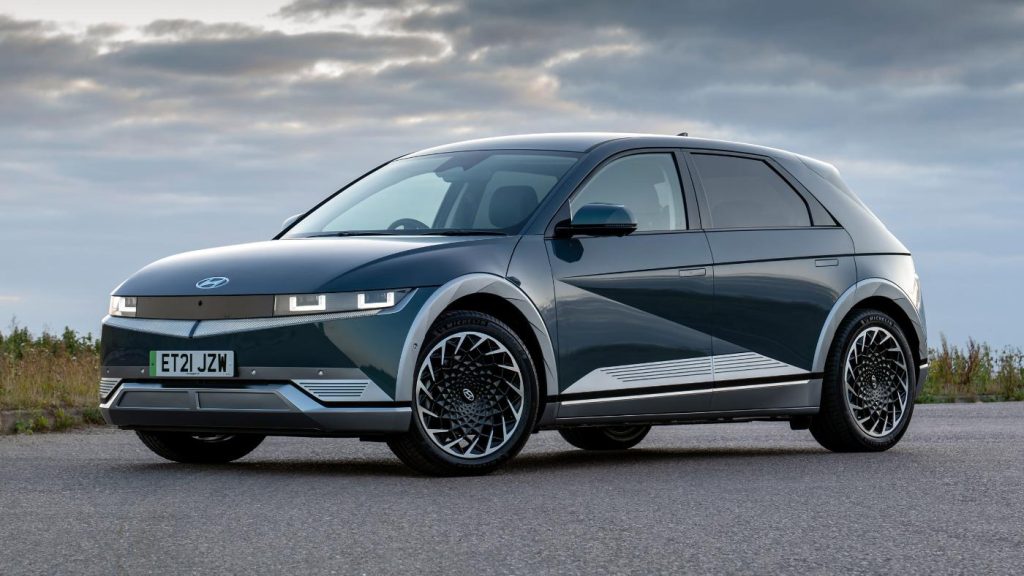
Ironically, the depreciation strengthened the vehicle’s appeal for used buyers. Once prices softened, the Ioniq 5 became one of the more attractive electric crossover bargains available thanks to its comfortable cabin, excellent charging performance, and distinctive design.
The rapid value drop showed how quickly the EV market can shift from scarcity-driven pricing to aggressive depreciation once production rises and competition expands across the industry.
4. Porsche Taycan
The Porsche Taycan entered the luxury EV market with enormous prestige and exceptional performance credentials. Porsche engineered the Taycan to feel like a true sports car rather than simply an electric luxury sedan, and early buyers responded enthusiastically.
Initial demand remained extremely strong, especially for high-performance trims loaded with expensive options. However, prices later dropped sharply as the luxury EV market changed direction.
One major issue involved original pricing. Many Taycans left dealerships carrying enormous sticker prices once buyers added premium wheels, performance packages, upgraded interiors, and technology options. That created a difficult situation for resale because used luxury buyers rarely pay full value for expensive factory options.
Rapid EV technology changes also affected perception. Wealthy buyers shopping in the luxury segment often want the newest battery improvements and software updates available.
As newer EVs introduced longer ranges and updated charging capabilities, earlier Taycan models began facing stronger depreciation pressure than traditional Porsche sports cars usually experience.
Tesla price cuts influenced the market, too. Even though the Taycan targets a different audience, falling prices across premium EV segments weakened resale confidence broadly. Buyers started expecting discounts throughout the electric vehicle market, including among luxury performance models.
Another factor involved market psychology. Traditional Porsche products historically hold value well because enthusiast demand stays strong for gasoline-powered sports cars. The Taycan, however, entered a far newer and more uncertain market where long-term battery concerns and rapid innovation created hesitation among used buyers.
Leased returns increased supply as well. Many luxury EV customers lease rather than purchase outright, meaning large numbers of lightly used Taycans eventually entered the secondary market simultaneously. Increased inventory naturally pushed prices downward.
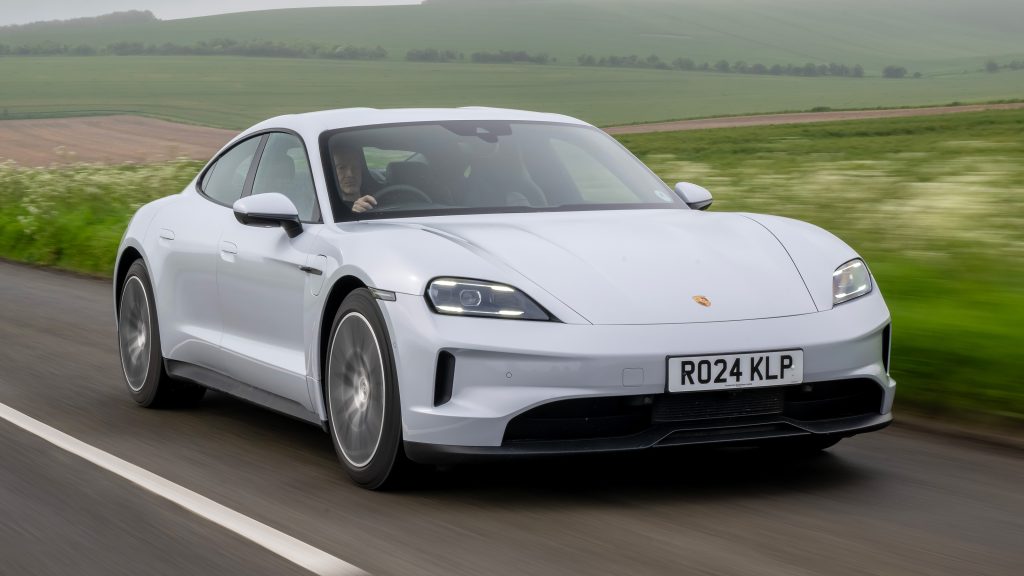
Despite the depreciation, the Taycan remains an impressive machine. It still delivers exceptional acceleration, sharp handling, and one of the most refined driving experiences available in an electric vehicle.
For used buyers, the falling prices actually created rare opportunities to access Porsche engineering at significantly lower costs than original owners paid.
The Taycan demonstrated that even prestigious luxury brands cannot completely escape the unusually volatile pricing conditions shaping the modern EV market.
5. Nissan Leaf
The Nissan Leaf helped introduce electric vehicles to mainstream buyers long before many competitors entered the market. Early on, the Leaf gained popularity because it offered affordable electric transportation with simple daily usability.
Yet, as the EV market evolved rapidly, used values for many Leaf models declined at an unusually fast pace within short periods.
One major reason involved battery technology. Earlier Leafs carried relatively modest driving range figures compared with newer electric vehicles entering the market. As competitors introduced longer-range batteries and faster charging systems, older Leafs quickly began feeling outdated to many shoppers.
Battery degradation concerns also affected resale demand heavily. Unlike some later EVs with advanced thermal battery management systems, older Leaf models developed reputations for losing usable range over time in hotter climates. Buyers researching used EV ownership became cautious, especially when considering high-mileage examples from warm states.
Another issue involved charging infrastructure changes. As faster charging standards improved across the industry, the Leaf’s older charging capabilities appeared less competitive. Consumers increasingly prioritized flexibility for road trips and long-distance travel, areas where newer EVs offered stronger performance.
Government incentives for newer electric vehicles added additional pressure. Buyers could often purchase brand-new EVs with modern technology and warranty coverage at surprisingly competitive prices once rebates were applied. That weakened the demand for used Leafs significantly.
The market itself also changed dramatically. When the Leaf first appeared, affordable EV competition remained limited. Later, buyers gained access to many alternatives offering a better range, newer software systems, and more attractive designs. The Leaf, therefore, faced pricing pressure from nearly every direction simultaneously.
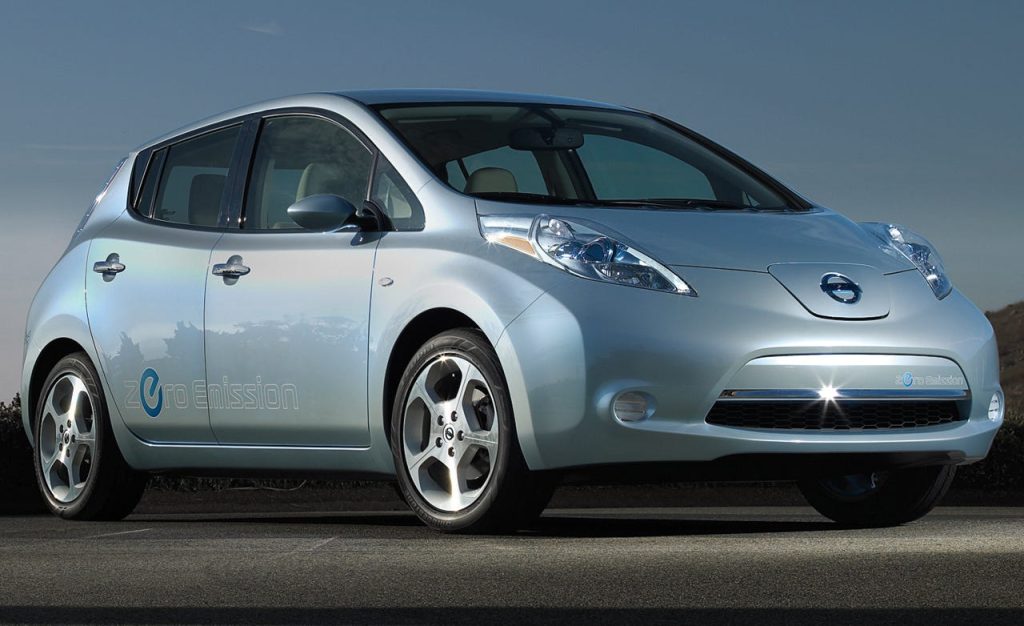
Despite the depreciation, the Leaf still makes sense for certain buyers. Drivers needing inexpensive city transportation with short commuting distances often find used Leafs remarkably affordable to operate. Low maintenance costs and simple charging needs remain attractive for urban environments.
However, the speed of the resale decline illustrated how vulnerable older generation EVs can become once battery expectations rise across the market. Vehicles once considered advanced may lose value rapidly when newer technology shifts consumer expectations in only a few years.
6. Audi e-tron
The Audi e-tron entered the EV market with the quiet refinement and premium comfort buyers expected from Audi. Early reviews praised its smooth ride quality, elegant interior, and solid build standards. Yet despite those strengths, used prices fell sharply within relatively short periods as the luxury EV market became increasingly competitive.
One challenge involved range perception. While the e-tron delivered respectable real-world comfort and charging performance, some rivals arrived with significantly longer advertised range figures.
EV buyers often focus intensely on range numbers, causing vehicles with lower ratings to experience stronger depreciation pressure even if daily usability remains excellent.
Luxury EV competition expanded rapidly, too. Mercedes-Benz, BMW, Tesla, Porsche, and other manufacturers all introduced high-end electric SUVs targeting similar buyers. As more options reached dealerships, exclusivity disappeared, and resale values weakened across the segment.
The original pricing structure created additional difficulties. Matrons were sold with expensive optional packages that inflated transaction prices considerably. Used buyers, however, rarely pay proportional premiums for those features years later. This caused resale values to fall harder than some owners anticipated.
Technology progression played a role as well. Software systems, battery management, and charging capabilities improved rapidly throughout the EV industry. Buyers comparing used luxury EVs became increasingly selective because they worried newer generations would continue improving much faster than traditional gasoline luxury vehicles.
Leasing patterns added more pressure. Many luxury EV customers leased their vehicles rather than purchasing them outright. Once lease returns started entering the market in larger numbers, inventory increased significantly, and resale prices softened further.
The e-tron still delivers many impressive qualities today. Cabin refinement remains excellent, ride comfort feels genuinely premium, and Audi’s interior craftsmanship continues to stand out in the EV segment. Falling used prices actually made the SUV more appealing for secondhand buyers seeking luxury at reduced cost.
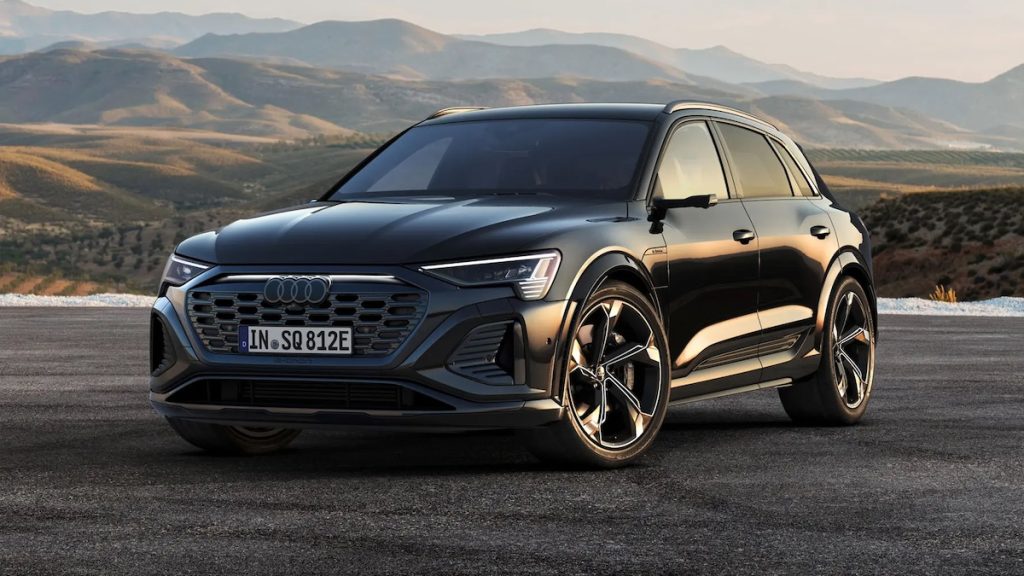
Still, the rapid depreciation highlighted how difficult the luxury EV market can become when technology evolves quickly, and manufacturers compete aggressively on pricing, range, and features.
7. Jaguar I-PACE
The Jaguar I-PACE arrived before many traditional luxury brands fully committed to electric vehicles, giving Jaguar an early opportunity to stand out in the premium EV market.
At launch, the I-PACE received praise for its striking design, athletic handling, and upscale interior. For a short period, it looked like Jaguar had created one of the most exciting electric crossovers available. Then the used market shifted dramatically.
One issue involved the speed of EV competition. When the I-PACE first appeared, premium electric SUV choices remained limited.
Within only a few years, however, nearly every luxury manufacturer introduced rivals with newer battery technology, improved software systems, and longer driving ranges. The I-PACE suddenly faced much stronger competition than it did initially.
Brand perception also influenced resale performance. Jaguar has long produced stylish luxury vehicles, but concerns about long-term reliability have affected the used market confidence for years. Buyers spending serious money on used EVs often prioritize dependability heavily because battery and software repairs can become expensive outside warranty coverage.
The I-PACE also suffered from the rapid advancement of charging technology. Newer EVs began offering better charging speeds and greater efficiency, making earlier luxury EVs feel dated more quickly than comparable gasoline vehicles.
Another factor involved the pricing strategy. Luxury EVs frequently carried high original MSRPs filled with expensive option packages. Once depreciation began, the used market corrected aggressively because buyers no longer viewed those extras as worth massive premiums.
Jaguar’s dealer network and EV support infrastructure remained smaller than some larger competitors, too. Certain buyers worried about long-term service accessibility, especially compared with brands that invested heavily in nationwide EV support systems.
Ironically, the falling prices improved the I-PACE’s appeal significantly for secondhand shoppers. Once depreciation lowered entry costs, buyers gained access to a beautifully designed luxury EV with strong performance and impressive ride quality for far less money than original owners paid.
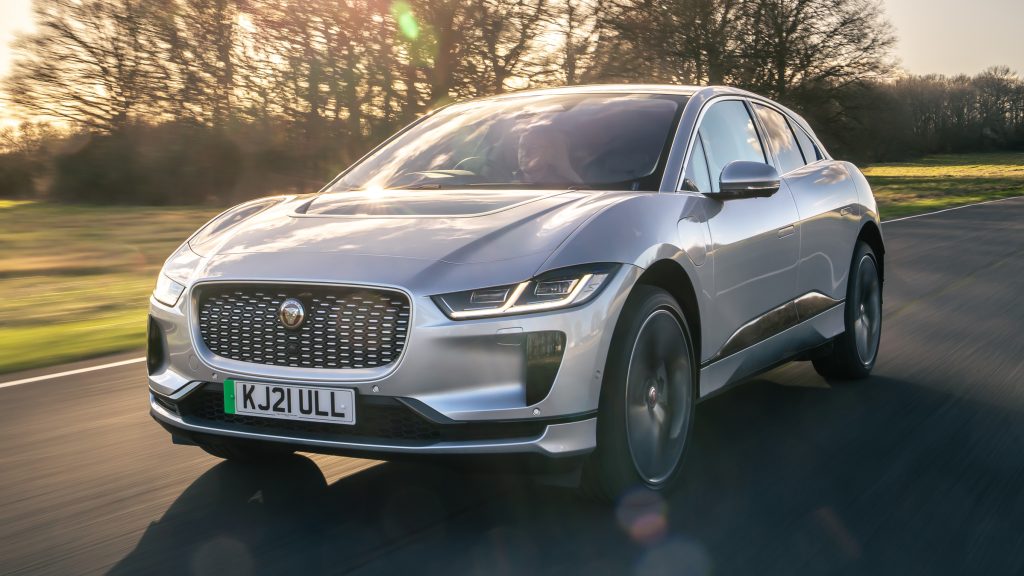
The i-PACE demonstrated how even highly praised electric vehicles can experience steep value declines when technology evolves quickly, and consumer confidence shifts toward newer alternatives.
8. Mercedes-Benz EQS
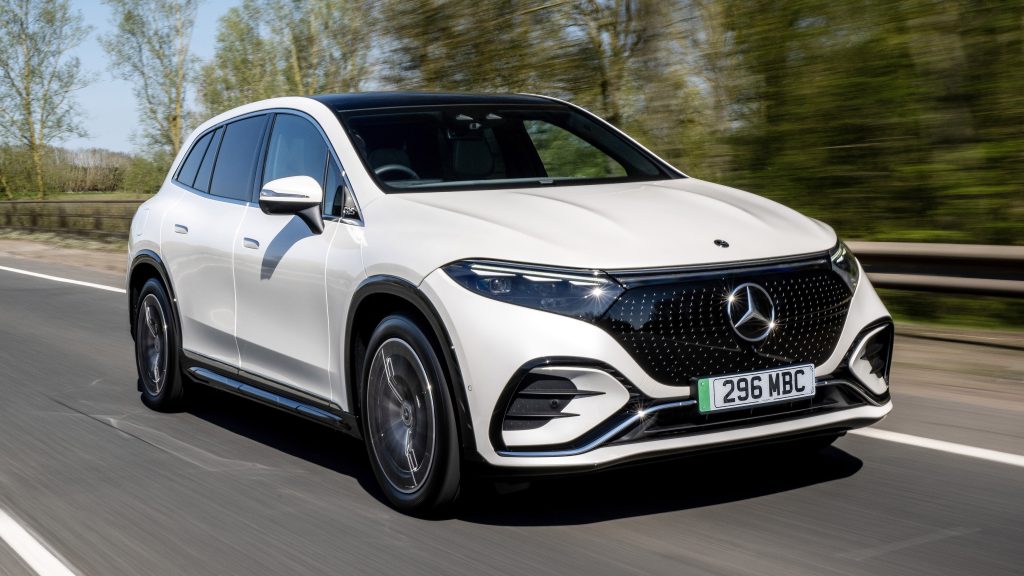
The Mercedes-Benz EQS entered the market as one of the most technologically advanced electric sedans ever produced.
Mercedes designed the EQS to represent the future of luxury transportation, filling the cabin with enormous digital displays, advanced driver assistance systems, and ultra-quiet electric power. Despite the engineering ambition, used prices declined rapidly within months of launch.
One major reason involved the original purchase price. Many EQS models reached extremely high transaction amounts once luxury options and premium trims were included. Historically, expensive luxury sedans already depreciate heavily, and the addition of fast-moving EV technology accelerated that trend further.
The styling also divided buyers. Mercedes focused heavily on aerodynamic efficiency, creating a smooth, rounded shape that maximized range but lacked the traditional, imposing appearance many luxury sedan customers expected. Some shoppers admired the futuristic design, while others preferred more conventional luxury styling.
Technology progression became another challenge. Buyers paying premium prices for flagship EVs expect cutting-edge hardware and software constantly. Because electric vehicle systems evolve rapidly, even recently launched luxury EVs can feel outdated surprisingly quickly compared with newer releases.
Lease returns contributed to falling values, too. Many high-income luxury buyers lease vehicles rather than purchase them outright, meaning used inventories increased quickly once early contracts ended. Rising supply naturally weakened resale pricing.
Competition intensified across the luxury EV market as well. Tesla, Porsche, BMW, Lucid, and Audi all fought aggressively for premium electric buyers, forcing prices downward throughout the segment.
Consumer hesitation about long-term repair costs created additional uncertainty. Advanced electronic systems and battery technology made some buyers cautious about purchasing expensive used EVs without full warranty protection.
Despite the depreciation, the EQS still delivers extraordinary comfort and technology. Quiet highway cruising, advanced interior features, and impressive electric driving range remain major strengths. Falling used prices, therefore, created opportunities for secondhand buyers who previously could not approach the vehicle’s original pricing.
The EQS became another example of how luxury EVs can lose value rapidly when high launch prices collide with aggressive competition and fast-changing technology expectations.
9. Kia EV6
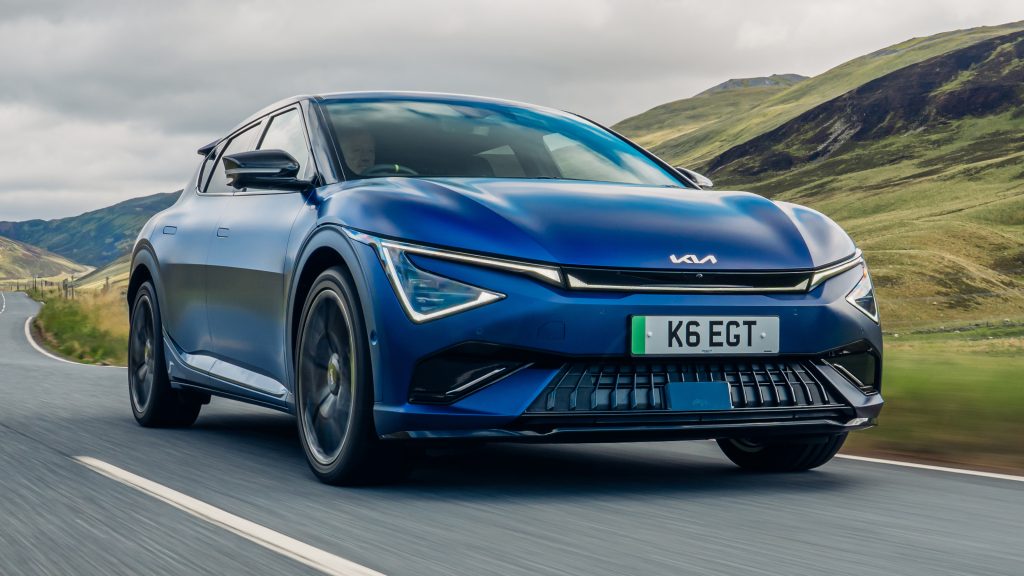
The Kia EV6 entered the market with strong reviews, futuristic styling, and impressive charging performance. Early buyers praised its sharp handling, quick acceleration, and modern interior design.
Demand initially remained very strong, especially when EV inventory shortages affected dealerships nationwide. Yet within a relatively short period, used prices dropped faster than many owners expected.
One major factor involved increased competition. When the EV6 launched, relatively few mainstream EVs combined long-range capability with ultra-fast charging.
Soon afterwards, rival manufacturers introduced multiple alternatives with similar technology and competitive pricing. Buyers suddenly had many more choices in the electric crossover segment.
Another issue came from aggressive new vehicle incentives. Government rebates and manufacturer promotions lowered effective prices on new EV6 models significantly in some markets. Used examples, therefore, struggled to maintain earlier resale values because consumers could purchase brand new vehicles for surprisingly close prices.
Kia also expanded production steadily, improving dealership supply. During the launch phase, scarcity helped maintain strong used pricing because buyers faced long waiting periods for new inventory. Once availability improved, inflated resale conditions disappeared quickly.
Technology expectations within the EV market created additional pressure. Consumers shopping for electric vehicles often focus heavily on future battery improvements, software support, and charging speed developments. That mindset tends to accelerate depreciation compared with traditional gasoline vehicles.
Despite the resale decline, the EV6 remains highly appealing as a used purchase. It still offers excellent charging capability, modern styling, and strong real-world usability. Falling prices simply made it far more accessible to secondhand buyers than it was during the early launch period.
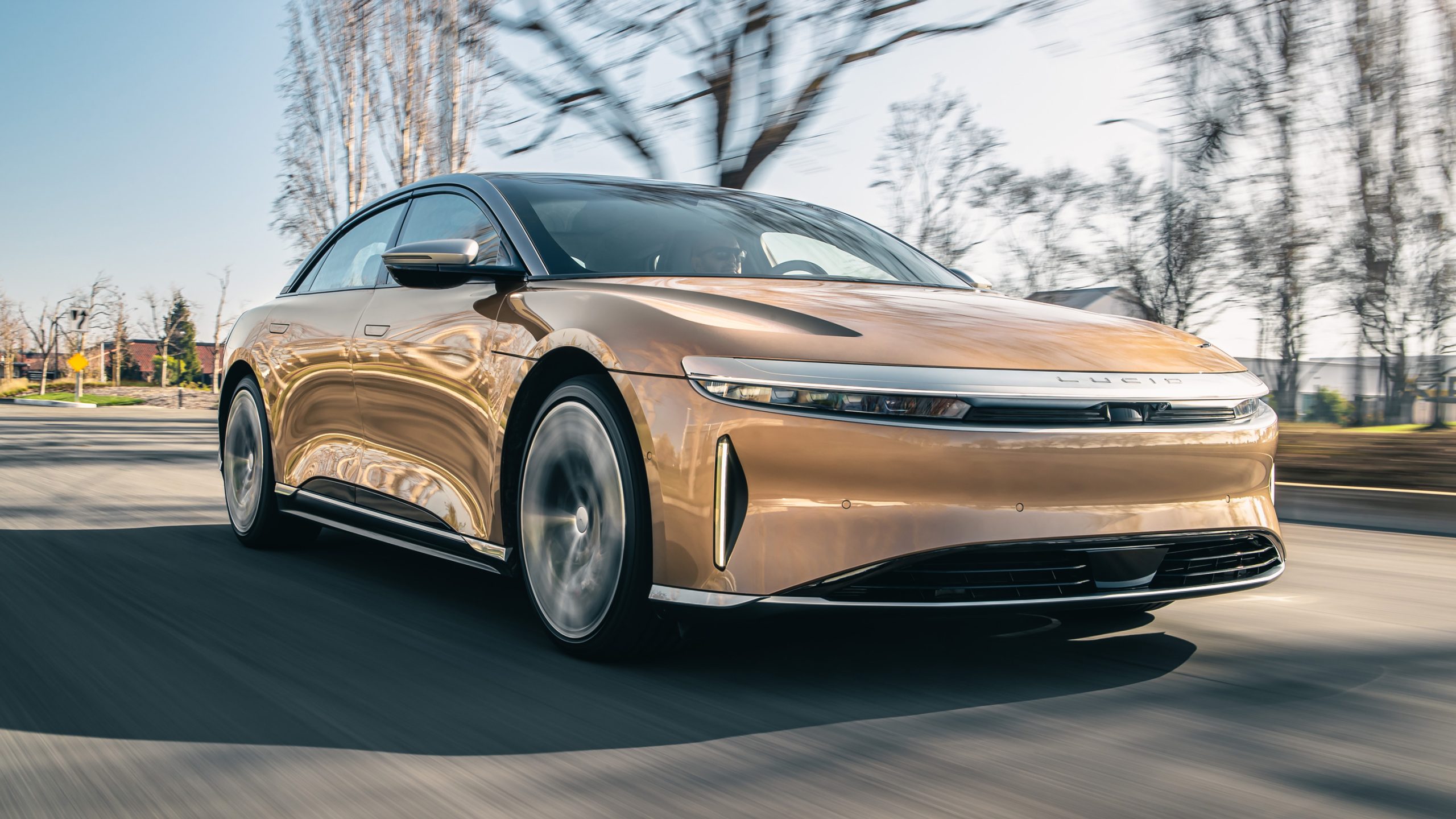
10. Lucid Air
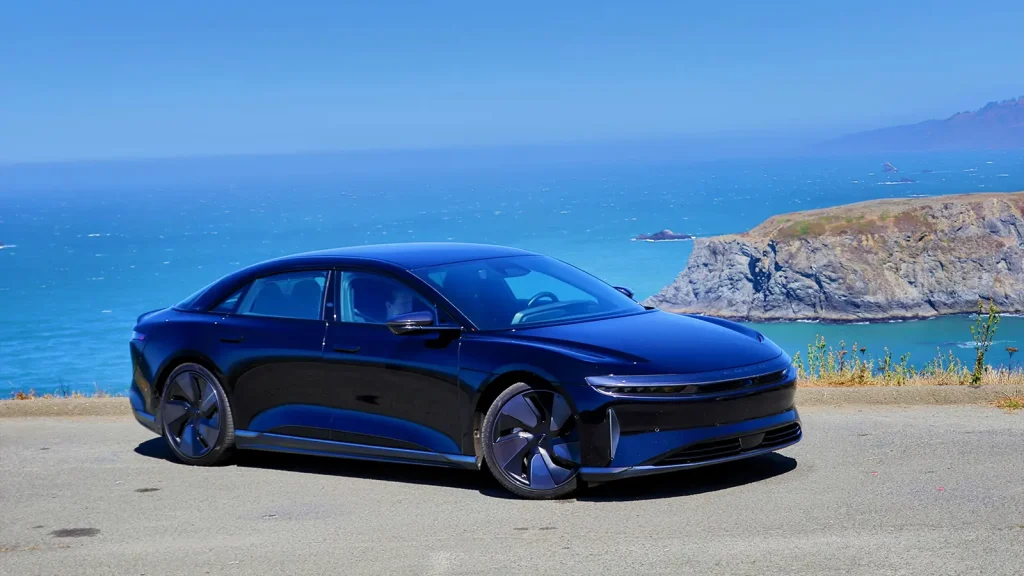
The Lucid Air arrived with enormous ambition and extraordinary specifications. Lucid promised an ultra-long driving range, exceptional acceleration, and premium luxury capable of challenging established brands like Mercedes-Benz and Tesla.
Early attention surrounding the Air was intense, and some buyers paid enormous sums to secure limited-production models. However, prices later dropped sharply as the luxury EV market evolved.
One major reason involved the vehicle’s extremely high original pricing. Fully equipped Lucid Air models often entered six-figure territory, creating steep depreciation risk from the beginning. Luxury sedans traditionally lose value quickly, and rapid EV technology changes accelerated that process further.
Production growth also affected exclusivity. Early hype surrounding limited availability helped maintain strong values initially, but increasing inventory gradually reduced scarcity in the market.
Another challenge involved brand familiarity. While Lucid impressed many reviewers with engineering quality and driving range, the company remained a newer manufacturer without the long-established reputation enjoyed by traditional luxury brands. Some buyers hesitated because of concerns surrounding long-term service support and resale stability.
Competition intensified rapidly as well. Premium EV buyers suddenly gained access to more luxury electric sedans from Porsche, BMW, Mercedes-Benz, and Tesla. That crowded marketplace weakened pricing power across the segment.
The Air still delivers remarkable performance and one of the strongest driving ranges available in an EV today. Yet the used market demonstrated how quickly values can decline when expensive luxury EVs face aggressive competition and uncertain long-term consumer confidence.
For secondhand buyers, the depreciation created opportunities to access advanced technology and luxury at prices far below original sticker costs.
