
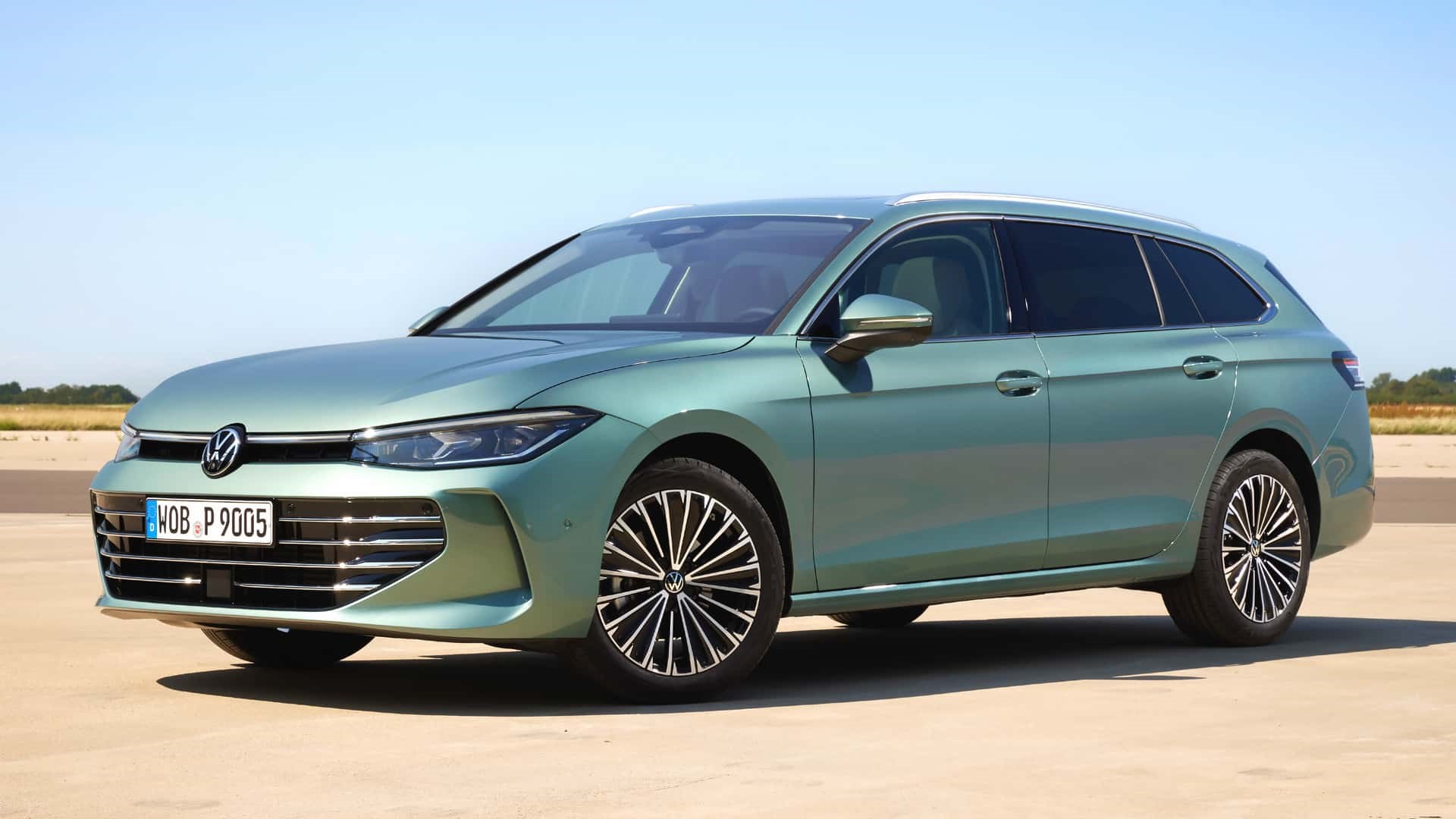
For years, SUVs have dominated the automotive market by promising practicality, family friendliness, and large cargo areas. Many buyers automatically assume an SUV will always provide more usable storage than a sedan simply because it sits taller and looks bulkier.
Yet real-world measurements often tell a very different story. Some sedans quietly offer trunks so large and cleverly designed that they outperform crossover relatives sharing the same showroom floor.
This surprises many modern buyers because sedans are often viewed as less versatile. The reality is that trunk design matters just as much as vehicle height. A deep, wide sedan trunk can swallow luggage, groceries, sports equipment, and travel bags more efficiently than certain compact or midsize SUVs with awkward cargo layouts.
In some cases, the sedan version of a vehicle platform actually delivers more dedicated enclosed storage space than the crossover derived from it.
Another important factor involves shape. SUV cargo areas frequently sacrifice usable depth because of sloping rooflines, thick rear suspension components, or raised load floors needed for all-wheel drive systems.
Sedans, meanwhile, can use long rear sections to create massive trunks without compromising passenger comfort. Some manufacturers have quietly perfected this formula over decades, producing four-door cars capable of handling family road trips just as effectively as taller utility vehicles.
There is also the advantage of security and organization. Sedan trunks separate cargo completely from passengers, reducing noise and keeping valuables hidden from outside view. Many business travelers and commuters still prefer this arrangement because it feels cleaner and more practical for daily use than an open SUV cargo bay.
The vehicles in this article prove that bigger exterior dimensions do not always guarantee better storage capability. These sedans combine comfort, efficiency, and surprisingly generous cargo capacity while outperforming SUV relatives that many shoppers assume are more practical.
In several cases, the sedan option even provides a better balance between space, driving dynamics, and fuel economy without forcing owners into oversized crossover designs they may not actually need.
Also Read: 9 SUVs With the Lowest 10-Year Maintenance Costs
1. Toyota Avalon
The Toyota Avalon spent years quietly delivering one of the most spacious trunks in the sedan market, often outperforming compact and midsize SUVs connected to the same brand family.
While many buyers rushed toward crossovers like the Toyota RAV4, the Avalon continued offering a cargo area capable of handling large suitcases, airport runs, and family travel with surprising ease.
One reason the Avalon succeeds comes from its long-body design. Toyota used the extended rear section to create a deep trunk opening with substantial floor space.
Unlike some SUVs that lose usable room because of high load floors or sloping rear glass, the Avalon focuses entirely on maximizing enclosed storage efficiency. Owners often discover they can fit luggage more neatly into the sedan than into certain crossovers, where cargo must stack vertically.
The trunk shape also makes daily use easier. Wide openings and flat floor designs allow bulky objects to slide in without awkward lifting angles. Grocery bags stay secure instead of shifting around inside an open cargo area.
Business travelers especially appreciate the separate trunk because it keeps luggage hidden and protected from direct sunlight or prying eyes.
Passenger comfort remains another major strength. The Avalon combines its generous cargo capacity with rear-seat space normally associated with larger luxury sedans. That creates a practical combination many SUVs struggle to balance without becoming physically enormous.
Interestingly, the sedan also benefits from better ride quality and a lower center of gravity compared to taller crossovers. Drivers receive comfortable highway manners while still carrying substantial cargo loads. This balance helped the Avalon build a loyal following among families and long-distance commuters.
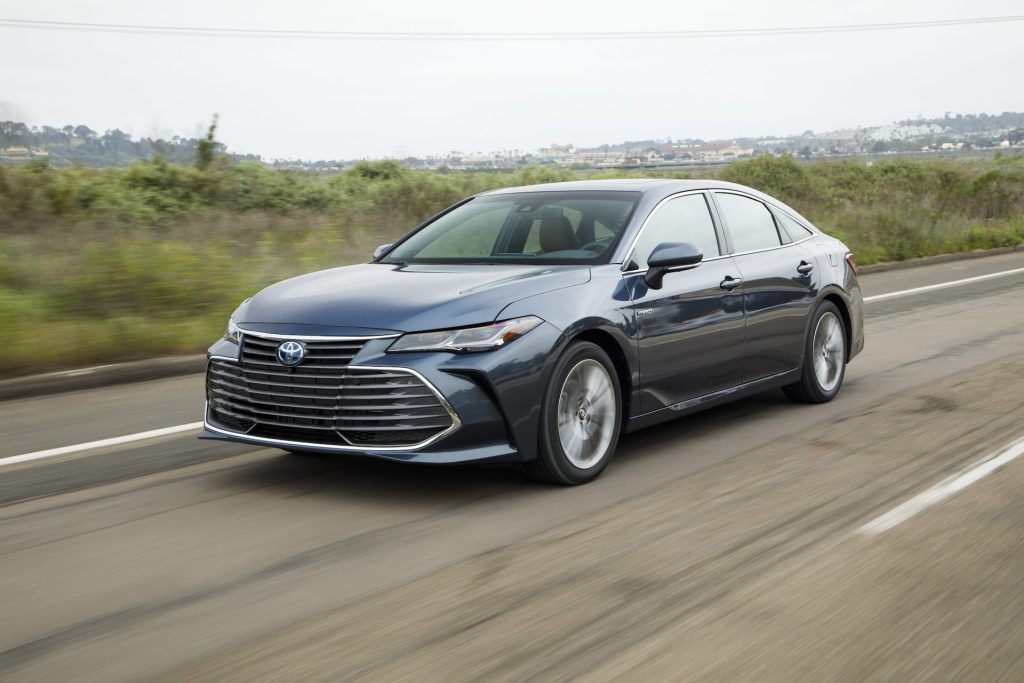
Although Toyota eventually discontinued the Avalon as consumer demand shifted toward SUVs, the car remains an excellent example of how traditional sedan packaging can still outperform modern crossovers in practical everyday storage situations. Its trunk capacity proved that efficient design sometimes matters more than simply adding vehicle height.
2. Chevrolet Impala
Large American sedans once dominated highways because they balanced passenger comfort with serious practicality, and the Chevrolet Impala carried that tradition well into the modern era. While SUVs became increasingly popular, the Impala quietly continued offering a massive trunk that could outperform many compact and midsize crossovers in real-world cargo use.
Chevrolet designed the Impala with long proportions that allowed engineers to maximize storage behind the rear seats.
The result was a trunk capable of swallowing multiple full-size suitcases, large shopping loads, sports equipment, and travel gear without forcing owners to fold seats or stack items awkwardly. In some situations, it proved easier to pack than SUVs with taller but narrower cargo compartments.
Families appreciated another important advantage. Because the trunk remained fully enclosed, luggage stayed separated from passengers, reducing interior clutter during long trips.
Parents carrying strollers, backpacks, and groceries often discovered the sedan layout worked more efficiently than expected. The low lift over height also made loading heavy bags easier compared to taller crossover cargo floors.
The Impala also benefited from wide rear openings that simplified loading bulky objects. Some SUVs technically offered similar cubic footage numbers, but their sloping rooflines and wheel well intrusions limited usable space. Chevrolet’s sedan used straightforward packaging that prioritized practical storage instead of fashionable styling compromises.
Highway comfort further strengthened the Impala’s appeal. Long wheelbase proportions delivered smooth ride quality while maintaining impressive cabin quietness. Drivers could carry large amounts of cargo without sacrificing fuel economy, the way heavier SUVs often did.
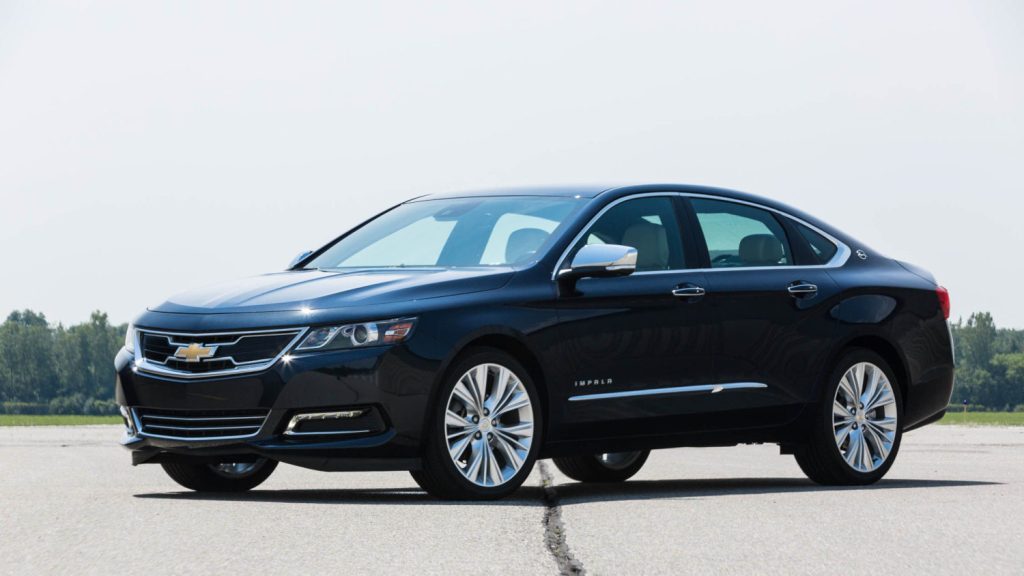
Another overlooked strength involved urban driving. Despite its huge trunk, the Impala remained lower and more stable than many crossovers, making parking garages and highway travel less tiring. Owners gained cargo capability without stepping into oversized utility vehicle territory.
Even though Chevrolet eventually ended production as the market shifted toward SUVs, the Impala demonstrated how traditional sedans could still meet family and travel needs extremely well.
Its cargo space proved that practicality is not determined solely by roof height or rugged styling. Sometimes, a thoughtfully designed sedan trunk delivers better everyday usability than vehicles marketed specifically for utility purposes.
3. Honda Accord
The Honda Accord has built its reputation on balance for decades. Buyers usually praise it for reliability, fuel efficiency, and comfort, yet one of its most underrated strengths is cargo capacity.
Despite competing in the midsize sedan segment, the Accord frequently delivers trunk space that rivals or even surpasses certain compact SUVs people assume are more practical.
Honda achieved this through intelligent packaging rather than sheer vehicle size. The Accord’s trunk is deep, wide, and shaped efficiently, allowing luggage and daily cargo to fit naturally without wasting space.
Weekend road trips become surprisingly easy because several large suitcases can slide into place without forcing passengers to compromise seating comfort.
The car also benefits from a relatively low cargo floor. Heavy objects require less lifting effort compared to taller crossovers, where owners must raise bags higher into the vehicle. That difference becomes noticeable during grocery runs, airport pickups, or frequent business travel.
One particularly useful feature involves the folding rear seats. Longer items such as skis, small furniture pieces, or sports equipment can extend into the cabin while still leaving room for passengers. Some compact SUVs technically offer flexible cargo areas too, but thick wheel arches and uneven floors often reduce usable space.
The Accord succeeds because Honda focused on real-world practicality instead of simply chasing fashionable SUV styling. The sedan’s long wheelbase provides generous passenger room while preserving substantial trunk volume. Drivers gain family-friendly usefulness without the additional weight and fuel consumption that frequently accompany crossovers.
Another advantage appears during highway driving. The lower body structure improves aerodynamics and stability, helping the Accord maintain excellent fuel economy even when loaded with cargo. Owners often appreciate that they can carry substantial luggage without paying the efficiency penalties associated with larger utility vehicles.
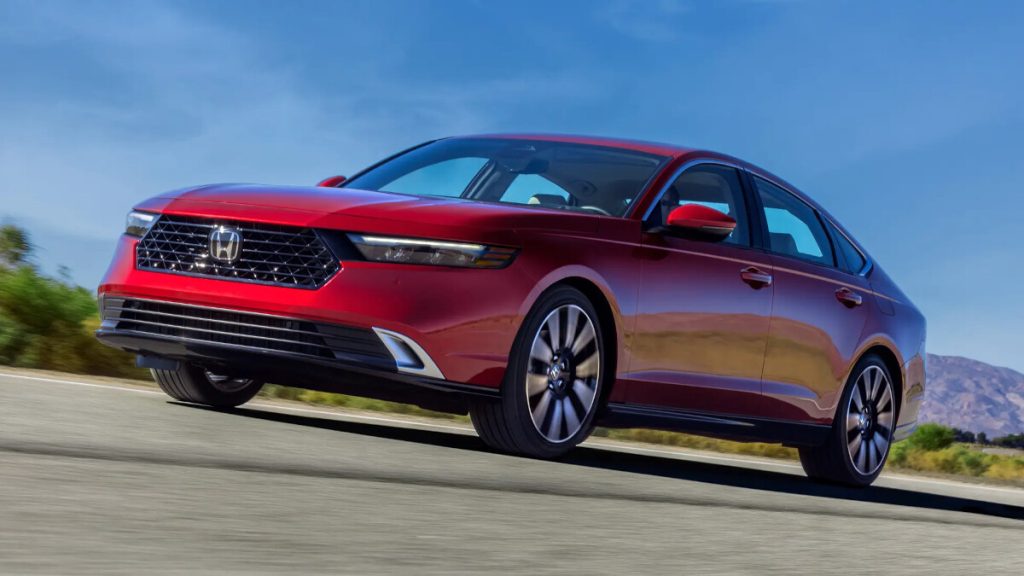
In today’s market, many shoppers automatically overlook sedans when searching for practical transportation. The Accord continues proving that assumption wrong. Its spacious trunk and clever design show how a midsize sedan can still outperform SUV relatives in the areas many buyers care about most.
4. Hyundai Sonata
The Hyundai Sonata has evolved far beyond basic commuter transportation. Modern versions combine sharp styling, advanced technology, and one of the most practical trunks in the midsize sedan category. Surprisingly, its cargo area often competes directly with smaller SUVs that buyers assume should automatically offer greater usefulness.
Hyundai approached the Sonata with efficiency in mind. Instead of relying on tall bodywork, the company created a long rear section that maximizes horizontal storage space. This gives the trunk an unusually wide and deep layout capable of handling large suitcases, shopping bags, and everyday family gear with minimal effort.
One of the biggest benefits comes during travel. Airport pickups and weekend vacations become easier because luggage fits neatly without stacking items vertically.
Some compact crossovers advertise flexible cargo capacity, yet their sloped rooflines and raised floors can reduce practical loading space. The Sonata avoids those compromises by using a traditional sedan layout optimized for clean organization.
Another area where the Sonata performs well involves loading convenience. The trunk opening is broad enough to handle bulky objects, while the low ride height reduces lifting strain. Owners carrying heavy grocery bags or work equipment often appreciate how accessible the storage area feels compared to taller SUVs.
Hyundai also designed the cabin efficiently, ensuring rear passenger comfort remains strong despite the generous trunk dimensions. This creates a balanced vehicle capable of handling family duties without becoming oversized or difficult to maneuver in crowded urban settings.
Fuel efficiency adds another layer of practicality. While many SUVs consume more fuel due to extra weight and taller aerodynamics, the Sonata maintains respectable efficiency even when carrying passengers and luggage. That balance appeals strongly to commuters and long-distance drivers alike.
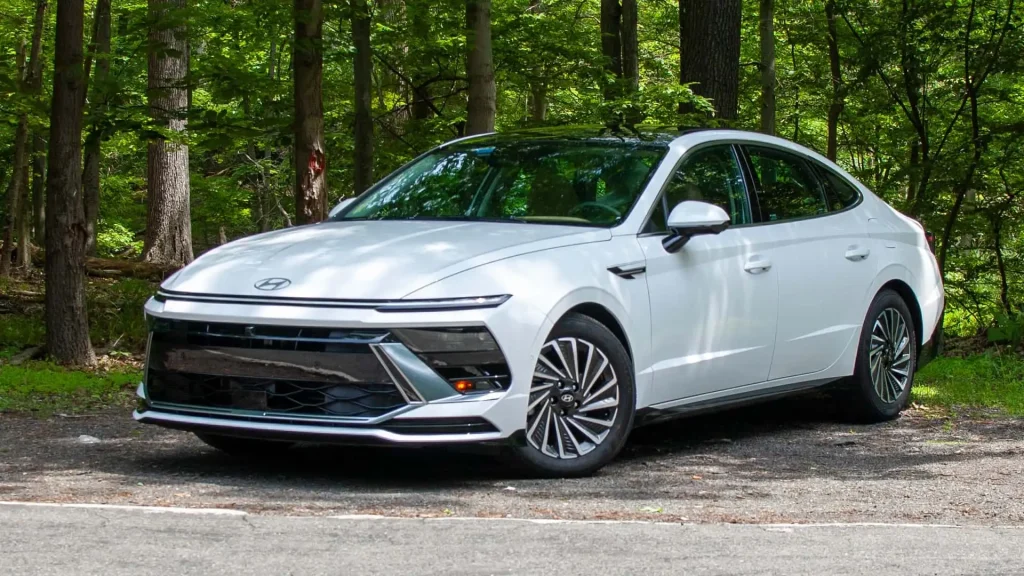
The Sonata demonstrates how thoughtful engineering can challenge common assumptions about vehicle practicality. Buyers expecting SUVs to dominate cargo utility sometimes discover that a well-designed sedan actually suits their daily needs better.
In the Sonata’s case, the large trunk, comfortable ride, and efficient packaging create a combination many crossover competitors struggle to match.
5. Chrysler 300
Few modern sedans carry road presence quite like the Chrysler 300. Its bold proportions and muscular styling often attract attention first, but hidden beneath that imposing exterior sits one of the most spacious trunks available in a traditional four-door car.
In many practical situations, the Chrysler 300 delivers cargo capability that rivals or exceeds several midsize SUVs.
The secret lies in the car’s massive body dimensions. Chrysler used the long rear deck to create a deep and highly usable trunk area designed for real-world travel needs.
Large suitcases, golf bags, shopping loads, and work equipment fit comfortably without forcing creative packing arrangements. The wide trunk opening also makes loading easier than many people expect from a sedan.
Unlike certain SUVs that sacrifice usable cargo space for aggressive styling, the 300 focuses on straightforward practicality. The flat trunk floor and generous width allow items to sit securely instead of shifting during travel.
Business travelers especially appreciate how the enclosed design keeps valuables hidden while maintaining a clean passenger cabin.
The sedan’s low stance creates another advantage. Loading heavy cargo requires far less lifting compared to tall crossovers, where owners must raise objects significantly higher. That may sound minor at first, but it becomes noticeable during repeated daily use.
Inside, the Chrysler 300 delivers roomy seating and a comfortable highway ride that complements the huge trunk capacity well. Families can carry passengers and luggage simultaneously without feeling cramped. Long-distance cruising remains one of the car’s greatest strengths because the suspension favors comfort and stability.
Interestingly, many SUV buyers seeking practicality may never realize how much storage the 300 actually offers. Modern marketing heavily emphasizes crossover versatility, causing large sedans to fade into the background despite their excellent packaging efficiency.
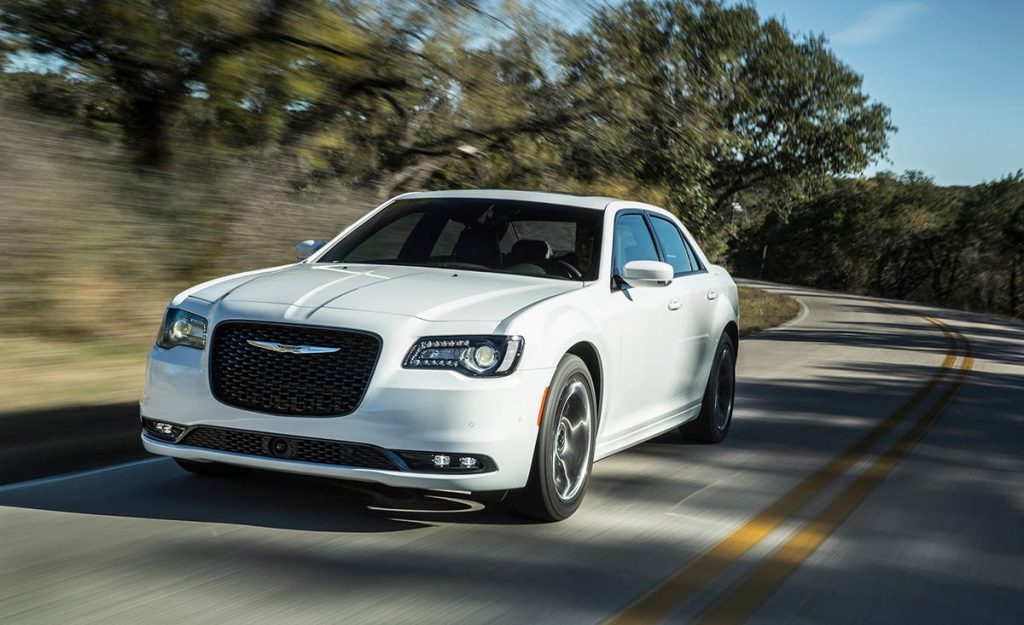
The Chrysler 300 proves that traditional American sedan design still holds practical advantages. Its cargo space works exceptionally well because the vehicle prioritizes usable proportions instead of trendy body shapes.
Even in an SUV-dominated market, the big Chrysler continues showing that a sedan can remain remarkably functional for everyday life.
6. Volkswagen Passat
The Volkswagen Passat built a reputation around understated practicality. While it rarely attracted the same attention as flashy SUVs or performance vehicles, the Passat quietly delivered one of the most useful trunk designs in the midsize sedan segment.
In several real-world situations, it could carry cargo more efficiently than compact crossovers that many buyers automatically viewed as more versatile.
Volkswagen focused heavily on interior packaging. The Passat’s trunk extends deep into the rear body structure, creating impressive usable volume without making the car feel oversized from the outside. Large luggage sets fit comfortably, and the square shape of the cargo area allows owners to organize items neatly instead of stacking them awkwardly.
One major strength involves consistency. Some SUVs advertise large cargo capacity figures, yet their sloping rear glass or upgraded floor designs reduce practical usability.
The Passat avoids those compromises by keeping the trunk opening wide and the storage floor relatively flat. Everyday tasks such as grocery shopping, airport trips, or carrying office equipment become remarkably simple.
The sedan also performs well during long-distance travel. Families can pack substantial luggage while passengers still enjoy generous rear seat comfort. Volkswagen engineered the car with highway cruising in mind, giving the Passat a stable ride and quiet cabin that pair naturally with its practical cargo-carrying abilities.
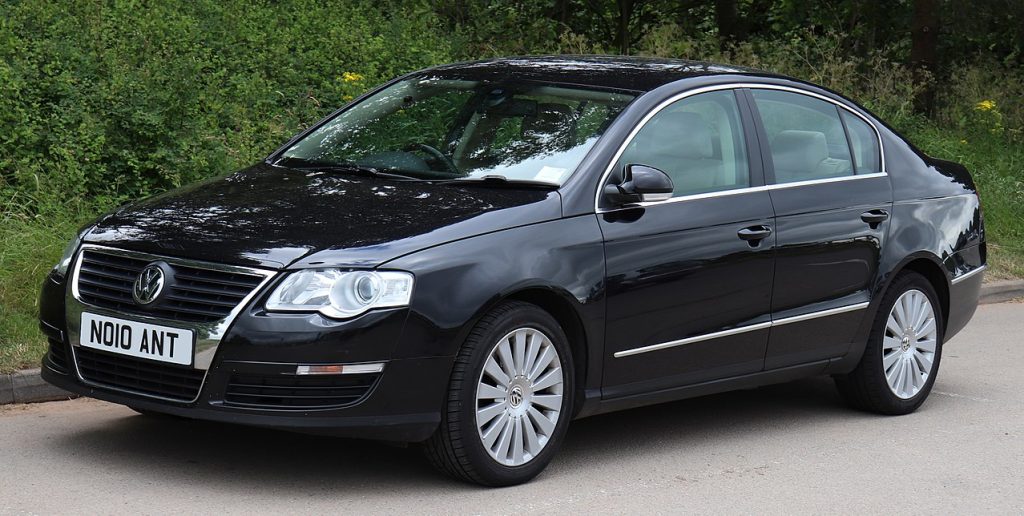
Another overlooked benefit comes from efficiency. Compared with heavier SUVs, the Passat maintains better fuel economy while still offering serious storage capability. Drivers who spend large amounts of time commuting often appreciate carrying substantial cargo without accepting the extra fuel costs associated with taller utility vehicles.
The Passat’s restrained styling may have caused some shoppers to overlook it during the SUV boom, but that simplicity actually supports its practicality. The design prioritizes function and comfort rather than exaggerated body shapes that compromise usable space.
Even though Volkswagen eventually reduced its sedan presence in several markets, the Passat remains an excellent reminder that practical transportation does not always require crossover dimensions.
Its spacious trunk and intelligent packaging allowed it to outperform many SUV relatives in daily cargo duties while delivering a smoother and more efficient driving experience.
7. Kia K5
Modern sedans rarely receive credit for practicality anymore, yet the Kia K5 continues to challenge that assumption. Known for its sporty styling and sleek roofline, the K5 surprises many drivers by offering a trunk spacious enough to compete directly with smaller SUVs that appear more utility-focused at first glance.
Kia designed the rear cargo area carefully to preserve usable space despite the car’s coupe-inspired appearance. The trunk stretches wide and deep, allowing multiple suitcases, shopping bags, and work equipment to fit comfortably without requiring complicated packing strategies. Owners often discover the sedan handles weekend travel duties far better than expected.
One reason the K5 works so well involves efficient proportions. Instead of wasting space on excessive ride height or bulky body cladding, Kia concentrated on maximizing interior volume within a streamlined shape. That decision helps the sedan maintain respectable cargo capacity while still delivering strong fuel efficiency and stable road manners.
The trunk opening itself also deserves attention. Some sedans sacrifice practicality for dramatic styling, creating narrow access points that make loading difficult. The K5 avoids this problem with an opening large enough to handle bulky luggage and everyday household items reasonably well.
Passengers benefit too. Rear seat comfort remains solid even with the generous cargo area behind it, making the car useful for families and commuters alike. Fold-down rear seats add further flexibility, allowing longer objects to extend through the cabin when necessary.
Compared with compact SUVs, the K5 often feels easier to drive in crowded cities and parking garages. The lower center of gravity improves handling, while the reduced height simplifies loading groceries and heavy cargo. Drivers gain practicality without stepping into the taller crossover segment dominating the market today.
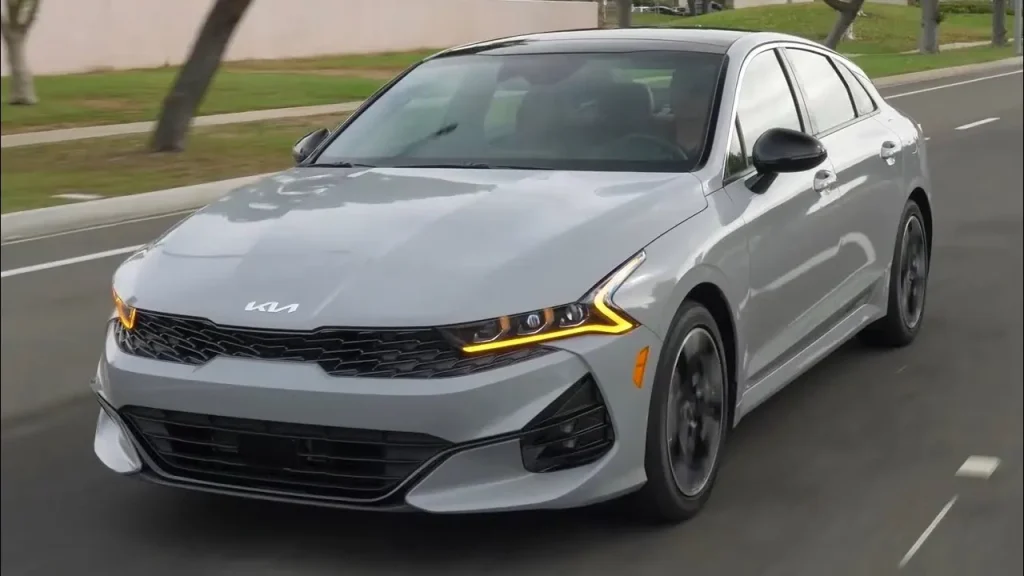
The Kia K5 demonstrates that modern sedans can still compete strongly in areas many consumers associate exclusively with SUVs. Its large trunk, efficient packaging, and comfortable cabin prove practicality does not always require rugged styling or oversized dimensions.
8. Nissan Maxima
For decades, the Nissan Maxima occupied a unique place in the sedan market by blending sporty character with family practicality. While many buyers focused on SUVs for cargo-carrying duties, the Maxima quietly continued offering a trunk spacious enough to rival several compact and midsize crossovers in everyday use.
Nissan designed the Maxima with long proportions that naturally favored interior room and luggage capacity. The trunk benefits from a deep floor and wide dimensions, making it easy to pack multiple suitcases, shopping bags, and business travel equipment without sacrificing rear passenger comfort.
Instead of relying on vertical space like many SUVs, the Maxima uses smart horizontal packaging to maximize usable storage.
The sedan’s lower body height creates another practical advantage. Loading heavy items requires less effort because owners do not need to lift cargo high into the vehicle. Grocery runs, airport pickups, and family road trips, therefore, become more convenient than many shoppers initially expect from a four-door sedan.
Nissan also gave the Maxima a relatively wide trunk opening, helping larger items slide into place more naturally. Certain compact SUVs technically offer similar cargo measurements, yet their thicker wheel arches and sloping rooflines can make organization surprisingly awkward. The Maxima avoids that issue with a cleaner and more straightforward cargo layout.
One interesting aspect of the car involves balance. Despite its substantial storage area, the Maxima still delivers strong acceleration and confident highway handling. Drivers who dislike the taller driving position and heavier feel of SUVs often appreciate this combination greatly.
Long-distance comfort further strengthens the car’s appeal. The spacious cabin, supportive seating, and smooth highway ride make the Maxima an excellent travel companion capable of carrying passengers and luggage comfortably at the same time.
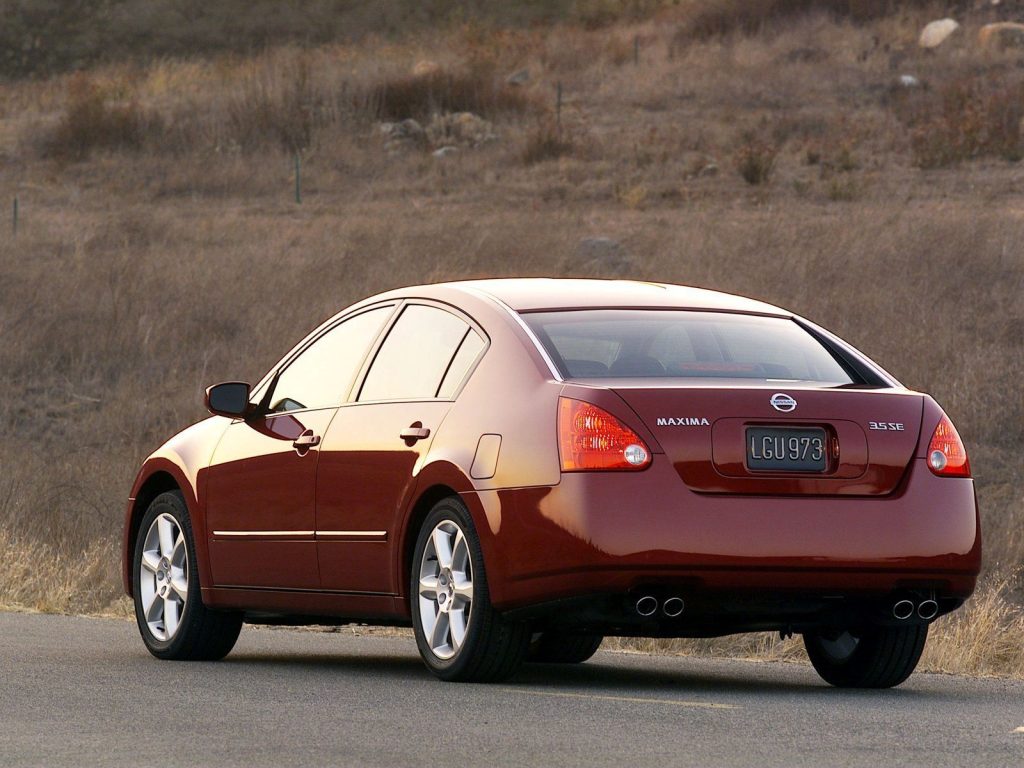
Although Nissan eventually shifted more attention toward crossover production, the Maxima remains proof that traditional sedans can still meet practical family needs extremely well. Its cargo space demonstrates how thoughtful engineering and efficient packaging sometimes outperform the taller shapes dominating modern automotive trends.
9. Buick LaCrosse
The Buick LaCrosse never relied on flashy marketing or rugged SUV styling to attract buyers. Instead, it focused on quiet comfort, smooth highway manners, and impressive practicality hidden beneath a refined exterior. One of its strongest but most overlooked qualities was a large trunk capable of outperforming several crossover relatives in real-world cargo situations.
Buick designed the LaCrosse with long, flowing proportions that allowed substantial storage space behind the rear seats.
The trunk easily handled luggage for extended trips, large grocery runs, and everyday family cargo without creating clutter inside the passenger cabin. Owners often appreciated how neatly items fit compared to certain SUVs, where vertical stacking became necessary.
Another benefit came from the sedan’s low loading height. Heavy bags and bulky objects could slide directly into the trunk without requiring awkward lifting motions. This made repeated daily use less tiring, especially for older drivers or commuters frequently carrying work equipment.
The LaCrosse also excelled at maintaining passenger comfort while carrying cargo. Rear seat room remained generous, allowing adults to travel comfortably even during long highway journeys with a fully packed trunk.
Buick’s emphasis on ride quality further improved the experience by delivering a quiet and composed character many crossovers struggled to match.
Unlike SUVs chasing aggressive styling trends, the LaCrosse used simple packaging efficiency to create practicality. Its trunk shape remained wide and accessible, avoiding many of the compromises caused by sloping rooflines and upgraded cargo floors in modern utility vehicles.
Fuel economy provided another advantage. Because the sedan sat lower and weighed less than comparable SUVs, it often achieved better efficiency while still offering substantial luggage capacity. Buyers, therefore, have gained practicality without accepting the penalties that frequently accompany larger crossover designs.
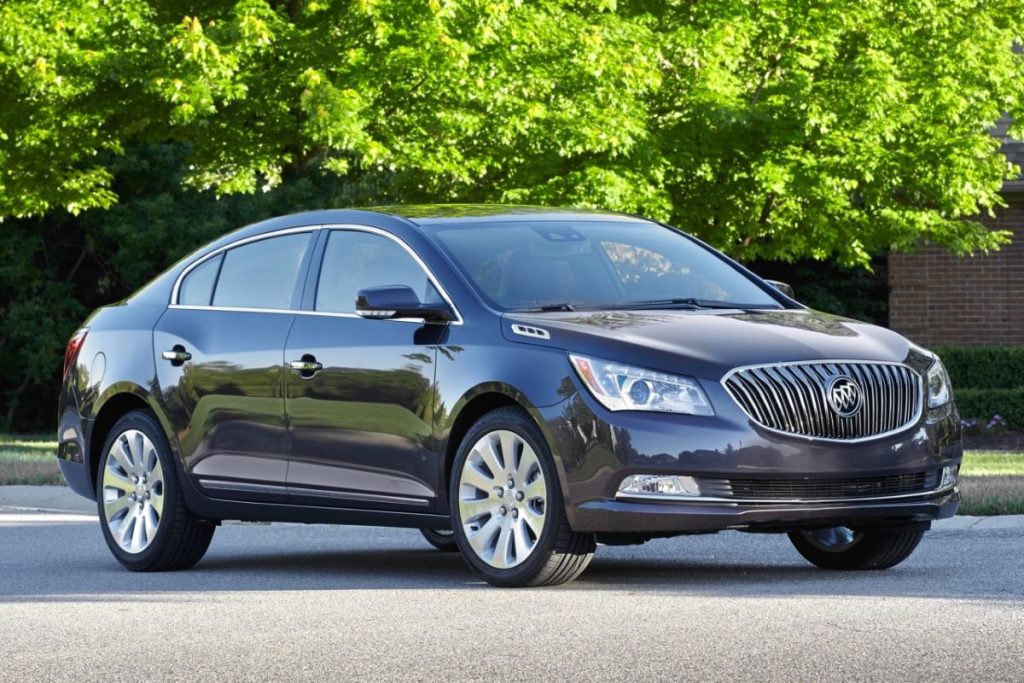
Even though Buick reduced its sedan lineup as consumer preferences shifted, the LaCrosse stands as a strong example of how premium sedans can quietly outperform SUVs in areas many shoppers rarely consider carefully. Its spacious trunk and comfortable nature proved that traditional four-door cars still possess meaningful practical advantages.
10. Ford Taurus
The Ford Taurus spent decades serving as one of America’s more recognizable family sedans, and throughout much of its history, it delivered cargo capacity that rivaled or exceeded many SUVs sharing dealership floors.
While crossovers eventually dominated consumer attention, the Taurus continued offering practical storage solutions that many buyers underestimated.
Ford engineered the Taurus with a large trunk designed to handle everyday family demands easily. Suitcases, sports equipment, grocery loads, and work bags fit comfortably in the deep rear cargo area and broad trunk floor.
Instead of emphasizing vertical storage height like an SUV, the Taurus focused on creating wide and usable horizontal space that simplified organization.
One of the sedan’s greatest strengths involved accessibility. The lower trunk opening allowed owners to slide heavy cargo inside without excessive lifting effort. During repeated daily use, this became far more convenient than loading items into taller crossovers with raised cargo floors.
Families also benefited from the separation between passengers and luggage. The enclosed trunk kept shopping bags, travel gear, and personal belongings hidden while reducing cabin noise during highway trips. For long-distance travel, this created a cleaner and more comfortable environment than open SUV cargo bays often provide.
The Taurus succeeded because it balanced multiple priorities at once. It offered roomy seating, smooth ride quality, and substantial luggage capacity without becoming physically intimidating to drive. Many SUVs eventually grew much larger and heavier, while the Taurus maintained easier maneuverability in cities and parking garages.
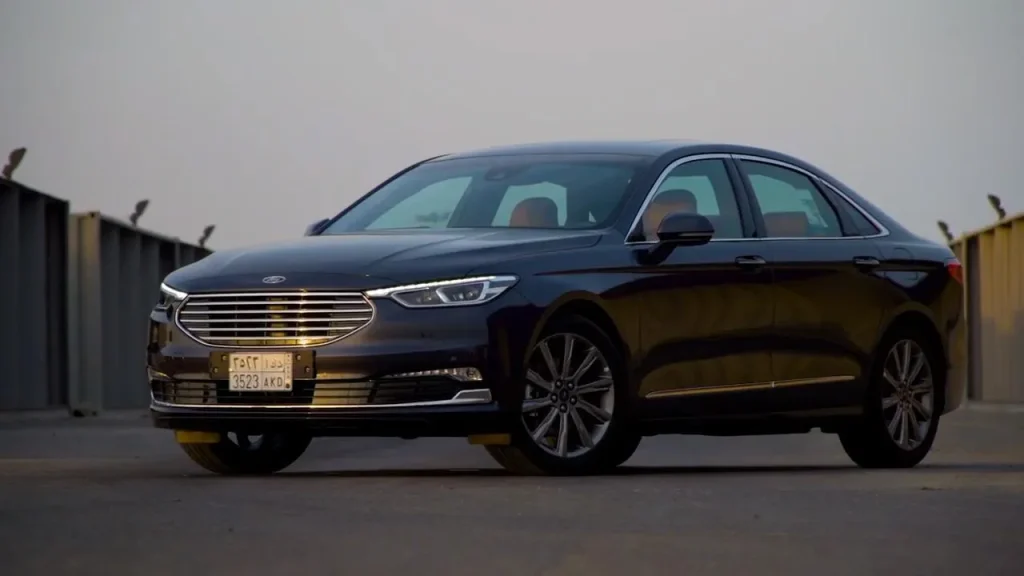
Ford also gave later versions of the Taurus fold-down rear seats, increasing flexibility for carrying longer objects when necessary. This allowed the sedan to handle surprisingly diverse cargo needs despite retaining a traditional four-door design.
Another overlooked advantage involved fuel efficiency during highway driving. Compared with similarly sized SUVs, the Taurus often consumed less fuel while still transporting passengers and luggage comfortably. That balance appealed strongly to commuters and road trip travelers alike.
Although production eventually ended as Ford shifted almost entirely toward trucks and SUVs, the Taurus remains a reminder that sedans can still deliver excellent practicality. Its spacious trunk and efficient packaging showed that useful cargo space does not always require tall ride heights or crossover styling trends.
Also Read: Ford’s Biggest Truck Now Comes Standard With a Bigger V8
