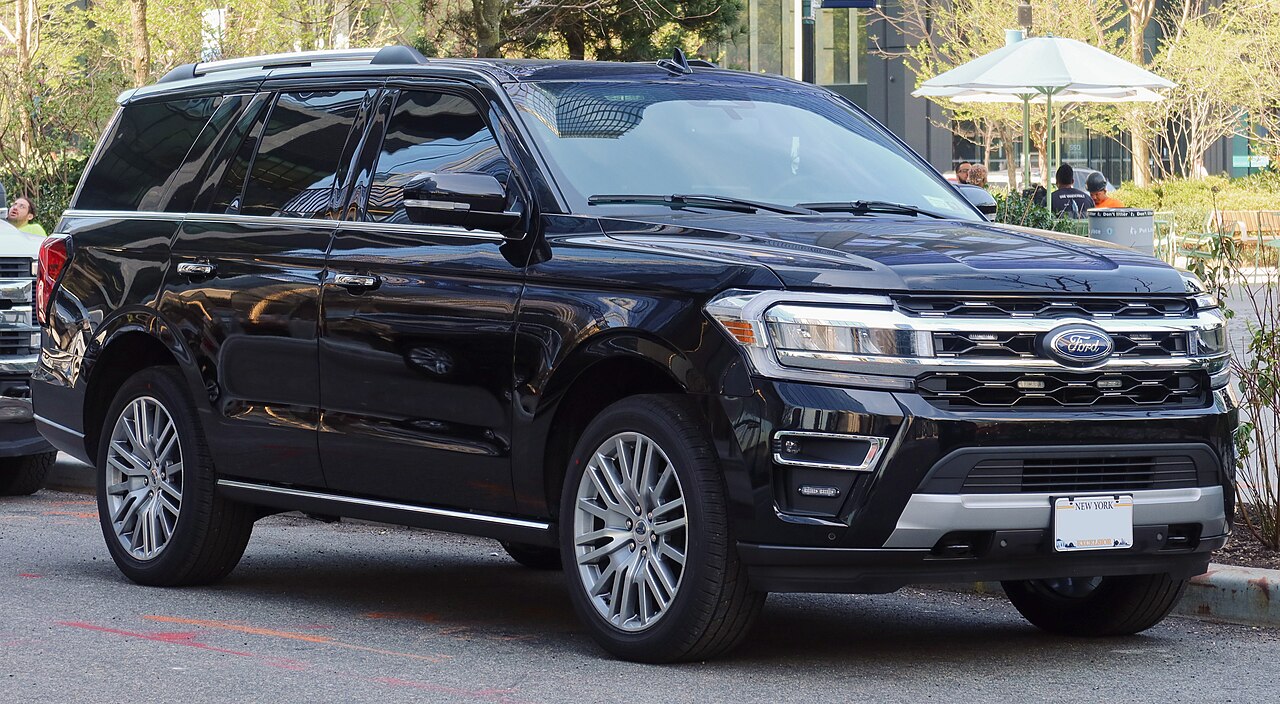
Ford is making a clear statement about the future of heavy-duty trucks in America, and that message revolves around bigger gasoline engines rather than aggressive electrification.
The automaker announced this week that its largest pickup truck will now come standard with a larger V8 engine, a move many industry analysts see as part of a broader strategy shift inside the company as it responds to changing consumer demand and slowing enthusiasm for all-electric work vehicles.
The decision arrives during a period when several automakers are reassessing earlier plans that focused heavily on rapid EV expansion.
While electric vehicles continue growing in certain segments, heavy-duty truck buyers have remained strongly attached to traditional internal combustion power, especially when towing capability, long-distance hauling, and reliability under demanding conditions are involved.
Ford appears to be listening carefully to that market. By upgrading its biggest truck with a larger standard V8, the company is reinforcing its commitment to customers who still prioritize proven gas-powered performance over experimental alternatives.
The move also reflects a larger industry realization that the transition toward electrification may happen far more gradually in the truck segment than early forecasts suggested.
For Ford, the decision is especially important because trucks remain the financial backbone of the company’s North American business.
Also Read: The Mechanic Shortage Is Why Your Car Sits at the Shop for Three Weeks!
Ford Is Leaning Into Traditional Truck Strengths
Heavy-duty truck buyers often approach vehicle purchases differently from mainstream passenger car consumers. Many owners rely on their trucks for work, towing, construction, agriculture, commercial transportation, or equipment hauling. In those situations, durability and dependability usually matter more than futuristic technology trends.
Ford’s latest move recognizes that reality directly. The larger V8 becoming standard equipment signals that the company still believes traditional engine power remains critical for customers operating in demanding environments.
Bigger displacement engines continue to carry a strong appeal among truck owners who value torque, towing confidence, and long-term mechanical familiarity.
For decades, the sound and feel of a large V8 engine have represented an essential part of the heavy-duty truck experience in America. Even as smaller turbocharged engines and hybrid systems entered the market, many buyers continued preferring naturally aspirated or larger displacement powerplants for serious work applications.
Ford appears determined not to abandon that audience. The company’s heavy-duty pickups generate enormous loyalty across rural America, commercial fleets, and towing-focused buyers.
Any major shift away from traditional power too quickly could risk alienating customers who depend on these vehicles daily for income and transportation. That concern has become increasingly visible throughout the industry.
Automakers Are Reconsidering Earlier EV Strategies
During the past several years, many automotive companies announced aggressive electrification timelines as governments tightened emissions regulations and investors pushed for rapid EV adoption.
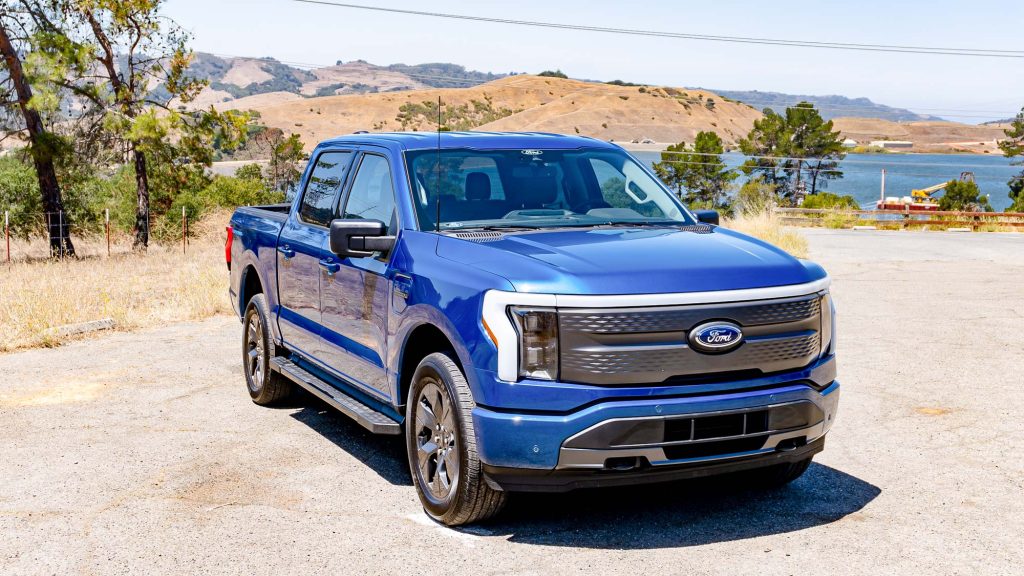
Ford itself invested heavily in electric vehicle development, including the launch of the F-150 Lightning and broader plans for battery-powered trucks and SUVs. However, market conditions have become more complicated than expected.
Electric vehicle demand continues growing, but not at the explosive pace many early forecasts predicted. Consumers remain concerned about charging infrastructure, high purchase prices, battery longevity, and towing limitations in electric trucks.
Heavy-duty buyers in particular have shown hesitation toward replacing proven gasoline or diesel platforms with newer technology. Towing remains one of the largest challenges.
While electric trucks can deliver impressive acceleration and torque, hauling heavy loads dramatically reduces driving range. For contractors, farmers, RV owners, and long-distance operators, that limitation creates practical concerns difficult to ignore. Ford’s latest V8 decision suggests the company understands those reservations clearly.
Instead of forcing rapid electrification across every truck segment, Ford now appears focused on balancing EV development with continued investment in traditional gasoline-powered products that still generate strong demand and consistent profits.
That approach mirrors similar adjustments happening across the broader automotive industry.
Several manufacturers have recently slowed EV expansion plans, delayed electric model launches, or increased investment in hybrid and gasoline-powered vehicles after recognizing that consumer adoption rates vary significantly depending on vehicle category and buyer needs.
Truck Buyers Continue Prioritising Capability Over Trends
One reason large gasoline engines remain popular is that truck buyers often value practical capability more than industry trends or environmental messaging. Many heavy-duty customers purchase vehicles based on towing numbers, payload capacity, repair familiarity, and long-term durability rather than technological experimentation.
Ford’s larger standard V8 directly targets those priorities. A bigger engine typically signals greater confidence in hauling performance, especially for buyers pulling trailers, heavy equipment, or work tools regularly.
Even though turbocharged smaller engines can produce strong output figures, many traditional truck owners still trust larger displacement powerplants more when it comes to demanding workloads.
That emotional confidence matters. Truck ownership in America has always involved more than transportation alone. Heavy-duty pickups often represent identity, work ethic, and lifestyle in ways many passenger vehicles do not.
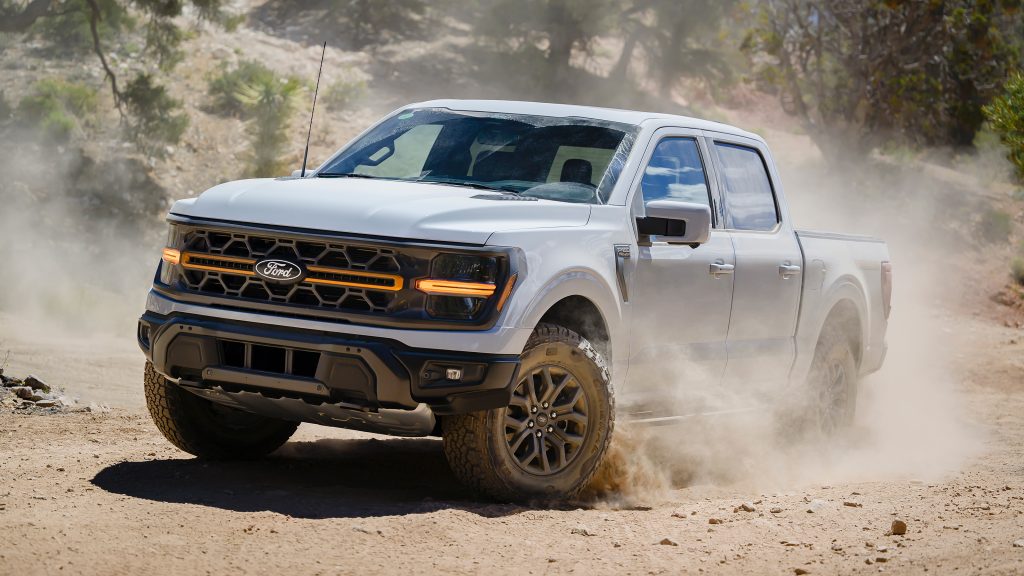
Buyers frequently develop deep loyalty toward certain engines, drivetrains, and mechanical setups based on years of personal experience.
Ford’s decision acknowledges that cultural reality rather than trying to replace it immediately. The company also understands that heavy-duty truck customers tend to keep vehicles longer than average buyers.
Long-term reliability and maintenance familiarity become extremely important in those purchasing decisions. Proven V8 platforms offer reassurance because owners and mechanics already understand how they perform over extended periods.
Ford’s Truck Business Remains Critical to the Company
The timing of the announcement also highlights how important trucks remain to Ford’s full financial health. The company’s pickup lineup continues generating enormous revenue and profit margins, particularly in North America, where full-size trucks dominate sales charts year after year.
The Super Duty series, in particular, represents one of Ford’s most valuable product lines. Heavy-duty trucks often sell at high transaction prices because buyers add towing packages, upgraded interiors, commercial equipment, and premium options.
Protecting that business remains essential as Ford navigates the expensive transition toward electrification across other parts of its lineup.
Analysts believe Ford cannot afford to weaken its truck dominance while competitors continue fighting aggressively for market share.
General Motors and Ram both maintain strong positions in the heavy-duty segment, and each company continues emphasizing traditional powertrain capability alongside newer technologies. Ford’s larger standard V8 helps reinforce its reputation among buyers who still associate the brand strongly with toughness and work-oriented performance.
The company’s messaging also reflects changing consumer attitudes. Over the last year, enthusiasm surrounding electric trucks cooled somewhat after early excitement encountered real-world limitations involving towing range, charging infrastructure, and high purchase costs.
Some buyers who initially considered EV trucks ultimately returned to gasoline-powered models after evaluating practical daily use. Ford appears to be adapting to that reality rather than resisting it.
The Future of Trucks May Be More Balanced Than Expected
The latest move from Ford does not necessarily mean electric trucks are disappearing. Instead, it suggests the future truck market may become far more balanced than earlier predictions implied.
Electric trucks will likely continue growing in urban fleets, local delivery operations, and lifestyle-oriented segments where shorter driving distances make charging easier. Hybrid technology may also play a larger role as manufacturers search for ways to improve fuel efficiency without sacrificing capability.
But for heavy-duty buyers operating in demanding environments, large gasoline and diesel engines are clearly not going away anytime soon.
Ford’s decision to make a bigger V8 standard equipment reinforces that conclusion strongly. The company appears to recognize that truck customers prioritize reliability, familiarity, and proven performance above rapid technological transformation.
In many ways, the announcement reflects a broader shift happening throughout the auto industry.
After years of presenting electrification as an immediate replacement for traditional engines, automakers are now acknowledging that different vehicle categories require different transition timelines.
Passenger cars, commuter crossovers, and city-focused transportation may electrify relatively quickly, but heavy-duty trucks remain tied closely to practical capability requirements that battery technology still struggles to fully match.
Ford’s larger V8 strategy speaks directly to those realities. For truck buyers who still trust traditional power above all else, the company’s latest decision sends a simple message: the age of the big American V8 is far from over.
Also Read: Why Buying a Hybrid Out of Warranty Is the Single Riskiest Used-Car Purchase?