
Buying a new car often begins with practical thinking. Fuel economy, monthly payments, reliability ratings, cargo space, and safety technology usually dominate the decision-making process.
During a short dealership test drive, many buyers convince themselves they do not really need strong acceleration or extra horsepower. The car feels acceptable for a few minutes around town, so they focus on saving money instead of considering long-term driving satisfaction.
Daily commuting, highway merging, carrying passengers, climbing hills, and dealing with fast-moving traffic quickly reveal whether a vehicle has enough power for comfortable driving.
A car that initially felt “good enough” can start feeling frustrating within months. Drivers find themselves flooring the accelerator constantly, waiting too long for passing opportunities, or struggling to maintain confidence during highway entry ramps.
Underpowered cars create a specific type of regret because the problem affects nearly every drive. Unlike a disappointing infotainment system or mediocre interior material, weak acceleration becomes impossible to ignore once owners experience the vehicle in demanding situations repeatedly.
The frustration grows gradually until many drivers begin wishing they had upgraded to a stronger engine option or chosen a different model entirely.
Another issue is modern vehicle weight. Many affordable cars now carry more safety equipment, larger bodies, and additional technology than older models, yet some manufacturers still pair them with engines that feel overwhelmed by the extra mass.
On paper, horsepower numbers may appear acceptable. In reality, the driving experience often feels strained and sluggish.
Some vehicles on this list sell extremely well despite their weak performance because buyers prioritize affordability or efficiency initially. Others disappoint because their styling suggests sporty driving characteristics that the engines simply cannot deliver.
These cars are not necessarily terrible vehicles. Some offer excellent reliability, comfort, or fuel economy. The problem is that many owners realize within the first year that living with limited power every single day becomes tiring much faster than expected.
Also Read: 10 Subcompact SUVs Ranked Worst to Best for 26
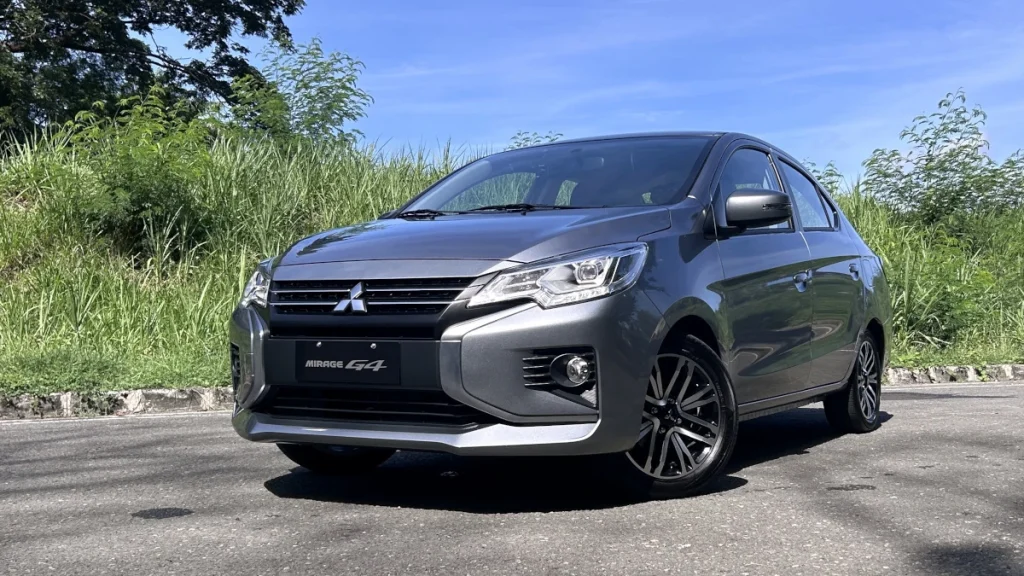
1. Mitsubishi Mirage
The Mitsubishi Mirage attracts buyers with one major advantage above everything else. Price. It consistently ranks among the cheapest new cars available, making it appealing to first-time buyers, students, and drivers searching for minimal monthly payments.
During a short test drive around city streets, the tiny hatchback can even feel reasonably acceptable. After several months of ownership, however, many drivers begin to realize how underpowered the Mirage truly is.
The biggest issue comes from the combination of extremely modest horsepower and modern traffic conditions. The small three-cylinder engine struggles during highway merging, uphill driving, and situations requiring quick acceleration. Drivers often need to push the accelerator pedal aggressively just to keep pace with surrounding traffic.
Passing slower vehicles becomes frustrating as well. The Mirage requires careful planning before attempting highway overtakes because acceleration builds very slowly once speeds increase. Many owners eventually lose confidence during situations demanding quick bursts of speed.
Another problem involves noise. Since the engine works so hard constantly, the cabin becomes loud under acceleration. Instead of smooth, effortless movement, the Mirage often sounds strained and overwhelmed. Long highway drives can become tiring because the car feels like it operates near its limits much of the time.
The continuously variable transmission adds to the frustration for some buyers. During acceleration, the engine drones loudly while the car gains speed gradually. Drivers expecting responsive throttle behavior often become disappointed quickly.
Interestingly, many owners initially convince themselves that the weak performance will not matter because they mainly drive in urban environments. Then, daily reality changes that perspective. Carrying passengers, using air conditioning, or climbing steep roads makes the lack of power even more noticeable.
The Mirage does deliver strong fuel economy and low ownership costs, which explains why buyers continue considering it. Yet many drivers eventually realize they sacrificed too much drivability simply to save money up front.
The regret usually appears slowly rather than instantly. After months of struggling through highway traffic and hearing the tiny engine work desperately during normal driving situations, owners begin wishing they had stretched the budget slightly further for something with more usable power and better real-world flexibility.
2. Toyota C-HR
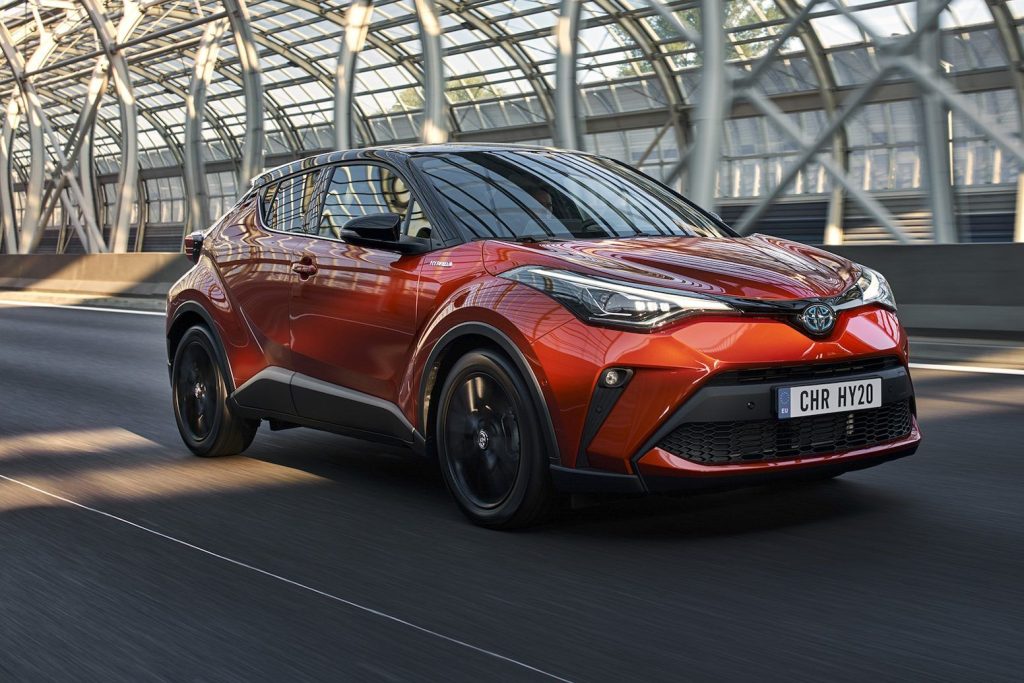
The Toyota C-HR looked like it should have been sporty. Sharp body lines, aggressive styling, coupe-inspired proportions, and dramatic design details gave buyers the impression they were purchasing a fun compact crossover with a youthful personality.
Unfortunately, many owners discovered within the first year that the driving experience failed to match the appearance.
The biggest disappointment came from the engine. Toyota paired the C-HR with a naturally aspirated four-cylinder producing modest power, and the crossover’s extra weight made acceleration feel sluggish during everyday driving. Around town, the car behaved adequately, but highway situations exposed the lack of performance quickly.
Merging onto fast roads often required heavy throttle input and careful timing. Drivers expecting energetic acceleration from such sporty styling became frustrated by how slowly the C-HR gathered speed once traffic conditions demanded urgency.
The transmission also contributed to owner dissatisfaction. The continuously variable transmission prioritized fuel efficiency over responsiveness, causing the engine to drone loudly during acceleration while the vehicle itself moved forward without much enthusiasm. Many drivers described the experience as disconnected and tiring.
Another factor increasing regret involved expectations. Buyers naturally assumed the aggressive exterior design reflected sporty engineering underneath. Instead, the C HR behaved more like a cautious commuter crossover, struggling to balance efficiency and practicality.
The lack of available all-wheel drive in certain markets further hurt confidence for some owners because the car already lacked strong acceleration. Combined with modest power output, the crossover sometimes felt less capable than rivals offering turbocharged engines or more responsive drivetrains.
Interior practicality also failed to compensate fully for the weak performance. Rear visibility felt limited because of the styling, and rear passenger space disappointed some families expecting greater crossover versatility.
Toyota’s reliability remained a strong advantage, which prevented the C-HR from becoming a complete ownership disaster. Fuel economy stayed respectable as well. Yet many buyers realized dependability alone could not eliminate the frustration of constantly demanding maximum effort from the engine during routine driving.
The C HR became a classic example of styling creating expectations that the powertrain simply could not satisfy long-term.
3. Nissan Kicks
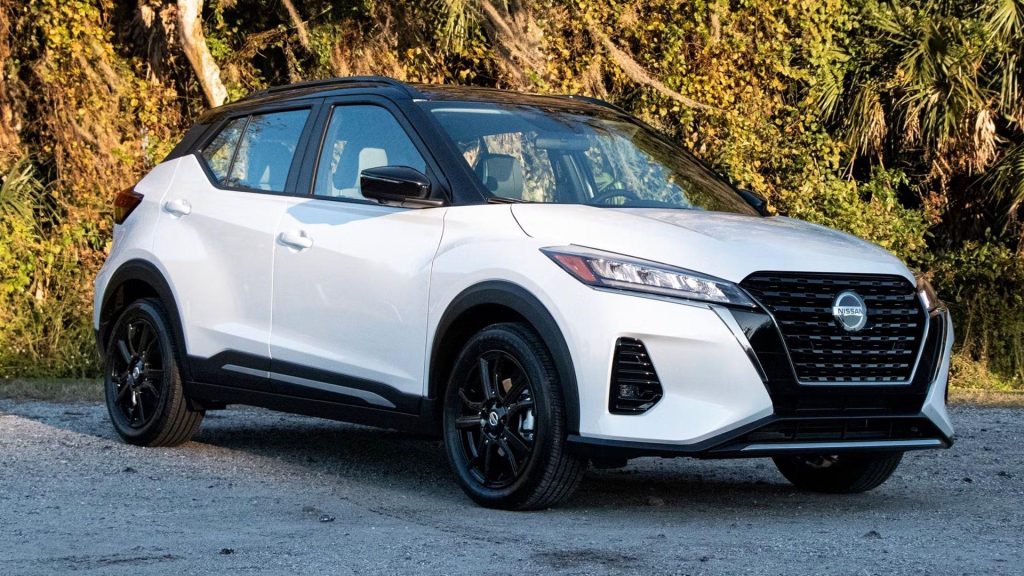
The Nissan Kicks became popular because it offered affordable crossover styling, impressive fuel economy, and a surprisingly spacious cabin for its size. On paper, the formula looked smart for budget-conscious buyers wanting SUV practicality without major fuel costs.
The problem appeared after owners spent enough time driving the vehicle in real-world conditions, where the weak engine became impossible to ignore.
Power comes from a small naturally aspirated four-cylinder engine that struggles once the crossover carries passengers, cargo, or highway speeds. Around quiet city streets, the Kicks feels manageable enough. The moment traffic becomes faster, or roads become steeper, the lack of acceleration becomes painfully obvious.
Many owners specifically complain about highway merging. The Kicks often requires full throttle just to reach comfortable entry speeds, and even then, the acceleration feels delayed and strained. Drivers can quickly lose confidence when trying to enter busy highways surrounded by much faster traffic.
The continuously variable transmission adds another layer of frustration. During acceleration, engine RPM rises loudly while forward movement remains slow and gradual. Instead of feeling responsive, the Kicks behaves like it is constantly trying to catch up with the driver’s demands.
Another reason regret develops involves the crossover segment itself. Buyers often expect SUVs to feel versatile and capable because of their larger appearance. The Kicks looks modern and practical, yet the weak powertrain struggles to support that image once owners begin taking road trips or carrying multiple passengers regularly.
The lightweight steering and comfortable ride help during urban commuting, but those strengths cannot completely compensate for the constant feeling of underpowered performance. Even moderate hills or air conditioning usage make the engine work noticeably harder.
Interior space remains one of the Kicks’ strongest qualities. Nissan packaged the cabin efficiently, giving owners good cargo flexibility for the size. Fuel economy also stays competitive, helping reduce ownership costs.
Still, many drivers eventually conclude they would gladly sacrifice a few miles per gallon for stronger acceleration and more confident highway behavior. The regret rarely comes from one dramatic moment. Instead, it builds through repeated daily situations where the engine simply feels overwhelmed.
The Nissan Kicks succeeds as basic transportation, but many owners realize within a year that the lack of usable power affects driving satisfaction far more than expected.
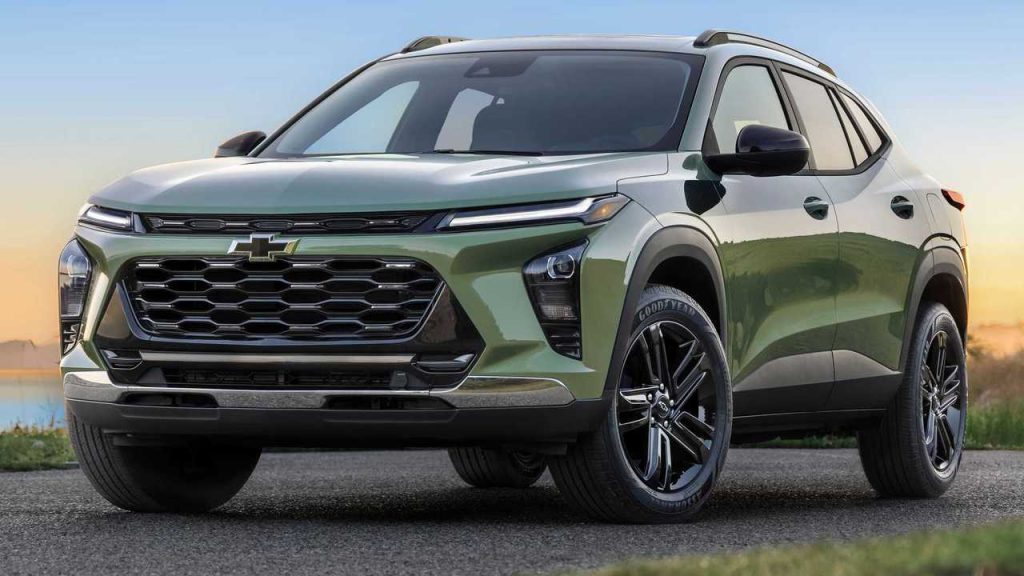
4. Chevrolet Trax
The Chevrolet Trax appealed to buyers looking for affordable crossover practicality in a compact and easy-to-park package. It offered decent technology, reasonable cargo space, and SUV styling at a price lower than many rivals.
Unfortunately, earlier versions especially developed a reputation for feeling disappointingly underpowered once owners lived with them beyond the first few months.
One major issue involved the small turbocharged engine paired with the crossover’s weight and transmission calibration. On paper, the power figures appeared acceptable for urban commuting. In real driving conditions, acceleration often felt sluggish and hesitant, particularly when trying to merge onto highways or pass slower traffic.
Drivers frequently noticed turbo lag during quick throttle inputs. Instead of immediate acceleration, the Trax sometimes paused before building speed, creating a disconnected feeling behind the wheel. That hesitation became frustrating during busy traffic situations where quick responses mattered most.
The problem grew worse with passengers or cargo on board. A fully loaded Trax could feel strained during uphill driving or rapid acceleration attempts. Owners expecting crossover versatility often became disappointed once they realized how easily the engine felt overwhelmed.
Noise levels also contributed to dissatisfaction. Under hard acceleration, the small engine produced noticeable strain and cabin noise without delivering corresponding performance. Drivers heard the effort constantly, even when the vehicle itself was not moving particularly quickly.
Another reason regret developed involved competition. Rival compact crossovers increasingly adopted more responsive turbocharged engines or stronger naturally aspirated setups, making the Trax feel outdated by comparison. Buyers who test-drove competitors later often realized how much smoother and more capable other affordable SUVs could feel.
The Trax did offer positive qualities. The higher seating position appealed to many drivers; parking remained easy because of compact dimensions, and fuel economy stayed reasonable for daily commuting.
Still, many owners eventually concluded that the weak performance affected everyday confidence more than expected. Simple tasks such as highway entry, lane changes, or climbing steep roads became regular reminders that the engine lacked sufficient strength for comfortable long-term ownership.
The Chevrolet Trax proved that affordable crossover styling alone cannot fully satisfy buyers once real-world driving exposes an underpowered drivetrain repeatedly.
5. Hyundai Venue
The Hyundai Venue entered the market as a stylish and affordable urban crossover aimed at younger buyers and city commuters. Its compact size, modern technology, and low ownership costs made it attractive during dealership visits.
After extended ownership, however, many drivers began to realize the small crossover lacked the power needed for comfortable driving outside crowded city streets.
The Venue’s naturally aspirated four-cylinder engine works adequately during slow urban traffic, where speeds remain modest. Problems appear once the vehicle enters highways, climbs steep hills, or carries multiple passengers.
Acceleration becomes sluggish quickly, forcing drivers to push the engine hard during situations that should feel effortless.
One common complaint involves highway merging confidence. Drivers often discover the Venue requires nearly full throttle to keep up with fast-moving traffic. The engine produces noticeable noise while the crossover gains speed gradually, creating a strained and tiring driving experience during longer trips.
The continuously variable transmission also contributes to frustration for some owners. Instead of delivering a crisp response, the setup often allows the engine to drone loudly while acceleration remains slow. Buyers expecting lively crossover behavior from the Venue’s youthful styling frequently become disappointed after months of daily use.
Another reason regret develops is changing driving needs. Many buyers initially assume they mainly drive short urban routes. Over time, road trips, family outings, airport runs, and highway commuting expose the limits of the weak powertrain more clearly.
The venue does offer positive qualities. Parking is extremely easy because of the compact dimensions; fuel economy remains strong, and Hyundai includes useful technology features even on lower trims. The cabin layout also feels practical for city living.
Still, many owners eventually realize that acceptable city performance does not always translate into satisfying long-term ownership. Constantly demanding maximum effort from the engine during normal driving situations becomes exhausting over time.
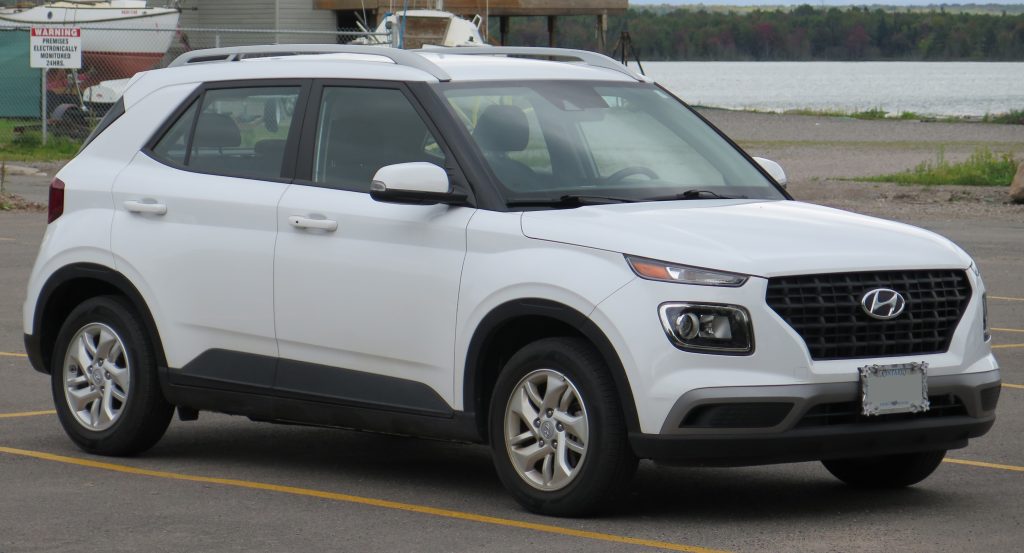
The Hyundai Venue succeeds as basic transportation for urban environments, but buyers expecting crossover versatility often regret choosing such limited performance once real-world driving conditions become more demanding.
6. Kia Rio
The Kia Rio has always focused heavily on affordability and fuel economy, which explains why many first-time buyers consider it seriously. During a quick test drive, the compact sedan or hatchback can feel light and manageable enough for daily commuting.
The regret usually begins later, once owners experience how underpowered the car feels during regular highway driving and fully loaded situations.
The Rio’s small engine struggles, particularly at higher speeds. While city driving remains acceptable, acceleration becomes weak and unconvincing once the car needs to gain speed quickly. Passing slower vehicles often requires careful planning because the engine lacks strong midrange power.
Another issue involves cabin refinement under acceleration. Drivers frequently notice the engine becoming loud and strained while the car itself gains speed slowly. That mismatch creates frustration because the vehicle sounds like it is working extremely hard even during ordinary traffic maneuvers.
The transmission calibration adds to the feeling of sluggishness. Whether equipped with automatic or continuously variable setups depending on model year, the Rio tends to prioritize fuel efficiency rather than responsive acceleration. Owners hoping for lively behavior often become disappointed quickly.
One reason the regret surprises buyers is that the Rio actually handles city commuting competently. Parking remains easy, visibility stays decent, and fuel costs remain low. Those strengths can temporarily hide the lack of power during short dealership drives.
Long-term ownership changes the perspective completely. Carrying passengers, using air conditioning during hot weather, or driving through hilly terrain reveals just how limited the powertrain really is. Even moderate inclines can force the engine into noisy high RPM operation.
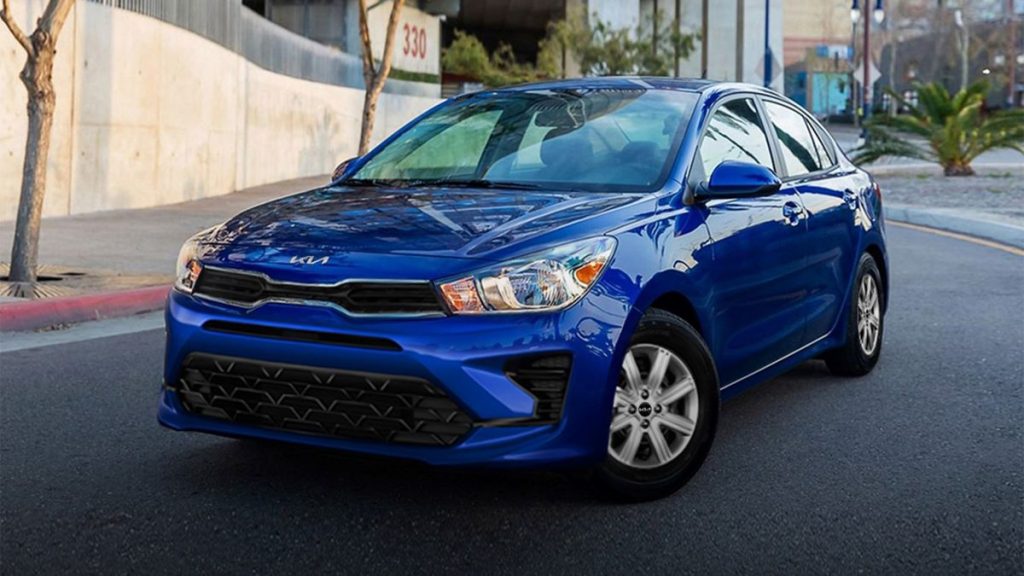
The Rio does deserve credit for reliability improvements and strong-value equipment relative to price. Kia also gave newer versions more attractive styling than older economy cars traditionally offered.
Yet many buyers eventually realize that saving money up front comes with a major compromise in daily driving satisfaction. The lack of acceleration affects confidence and comfort far more often than expected, especially in modern traffic conditions where vehicles need stronger real-world performance than basic horsepower figures might suggest.
The Kia Rio proves affordable transportation can still become frustrating when the engine constantly feels one step behind the driver’s needs.
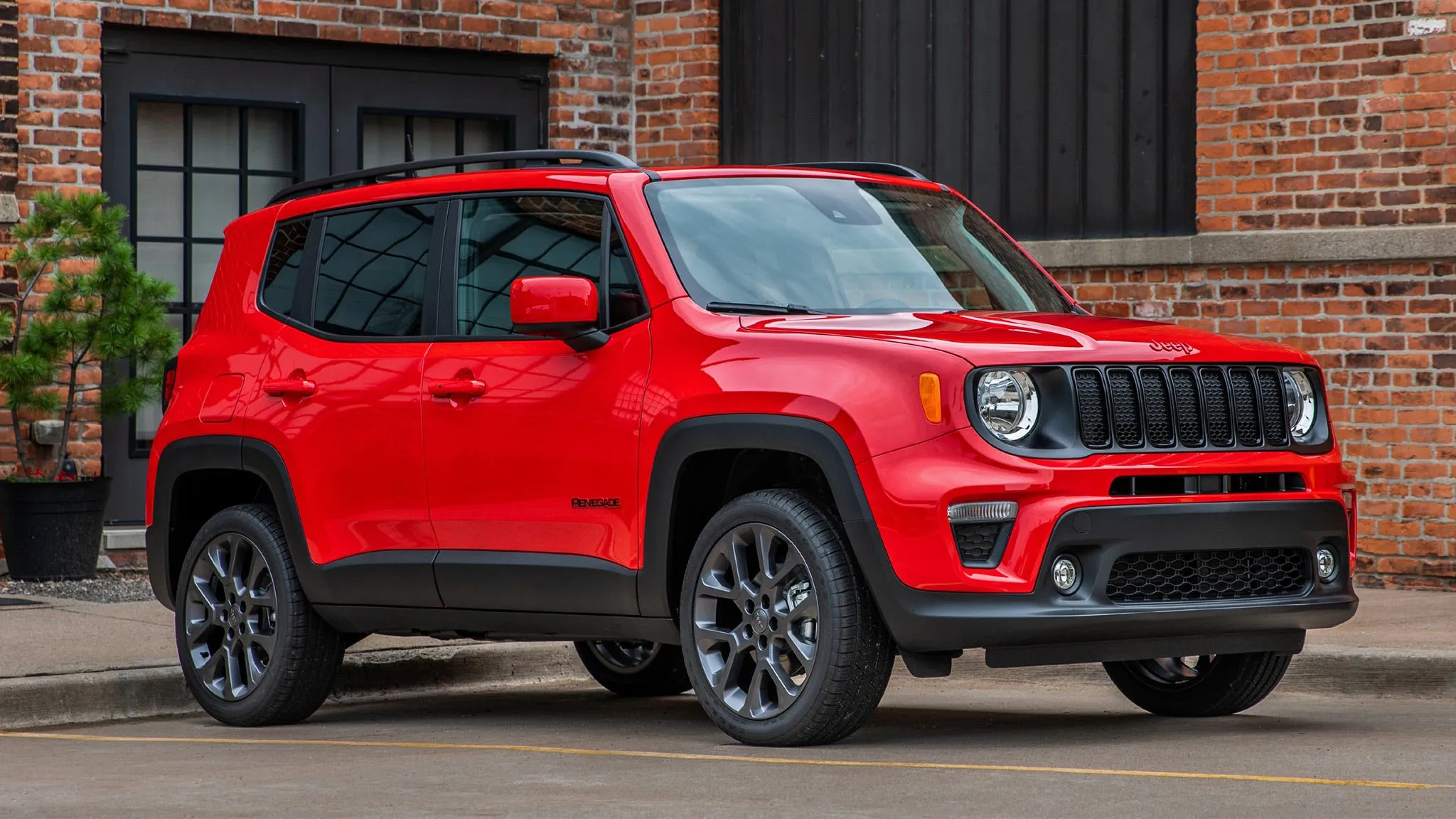
7. Jeep Renegade
The Jeep Renegade attracted buyers with rugged styling, compact SUV practicality, and the promise of an adventurous personality in a small package. It looked tough and capable compared to ordinary subcompact crossovers, which made many shoppers assume it would feel energetic and versatile on the road.
Unfortunately, owners often discovered within the first year that certain Renegade engine options felt painfully underpowered for the vehicle’s weight and shape.
One major issue involved the base engine struggling during everyday driving situations. Around town, the Renegade behaved adequately enough, but highway acceleration exposed clear weaknesses quickly. Drivers frequently complained about slow merging performance and delayed throttle response when attempting to pass slower traffic.
The problem became more noticeable because the Renegade looked like a rugged SUV capable of handling demanding conditions confidently. Instead, many owners experienced an engine that felt overwhelmed once passengers, cargo, or steep inclines entered the picture.
Transmission behaviour also contributed heavily to frustration. Some versions paired the engine with automatic gearboxes that hunted constantly for the correct ratio, making acceleration feel inconsistent and disconnected.
Drivers often pressed the throttle, expecting a stronger response, only to receive hesitation and excessive engine noise.
Fuel economy failed to compensate fully either. Buyers might tolerate weak acceleration if efficiency numbers felt exceptional, but many owners believed the Renegade sacrificed too much performance without delivering class-leading mileage in return.
Another factor increasing regret involved road trips. The upright body design and Jeep branding encouraged adventurous driving plans, yet sustained highway travel often highlighted how hard the engine worked just to maintain comfortable cruising speeds.
The Renegade still offered certain strengths. Interior design carried a unique personality, visibility remained decent, and compact dimensions helped maneuverability in urban environments. Off-road-themed trims also added visual appeal that many competitors lacked.
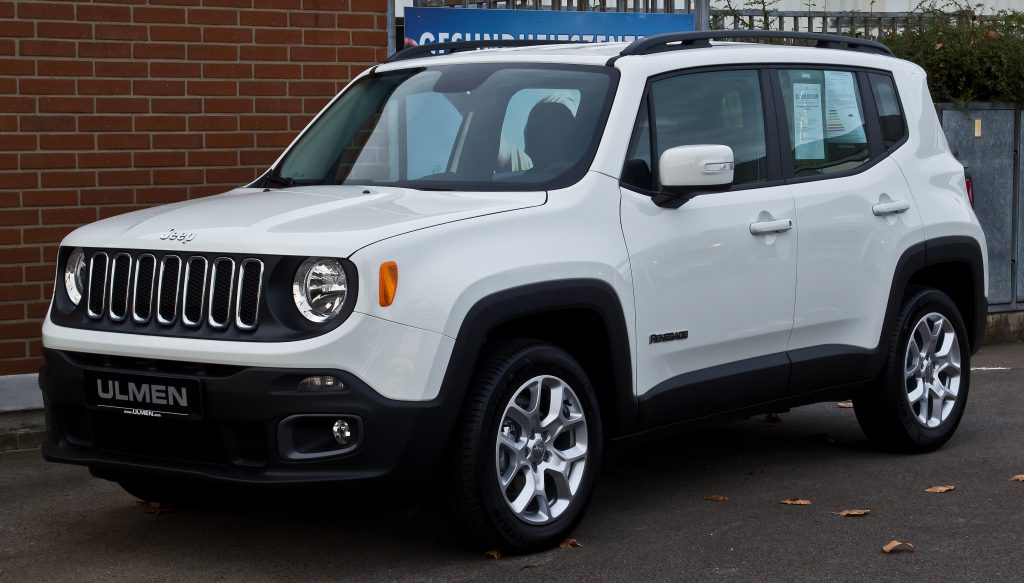
Even so, many owners eventually realized the styling and branding created expectations that the drivetrain could not satisfy. A vehicle marketed around adventure and freedom felt frustratingly sluggish during ordinary driving tasks.
The Jeep Renegade demonstrates how appearance alone can influence buyer expectations dramatically. When the powertrain fails to support that image, regret often arrives much sooner than expected.
8. Toyota Prius C
The Toyota Prius C appealed to buyers wanting maximum fuel efficiency in an affordable and compact package. At first glance, the car seemed like a smart financial decision for commuters spending long hours in city traffic.
Over time, however, many owners realised the tiny hybrid hatchback sacrificed too much acceleration and driving confidence in pursuit of economy.
The Prius C used a smaller hybrid system than the regular Prius, which helped improve affordability but also reduced available power noticeably.
During calm urban driving, the setup felt acceptable enough because electric assistance delivered smooth low-speed movement. Problems appeared once drivers entered highways or attempted rapid acceleration.
Merging onto fast roads became one of the biggest complaints. The Prius C struggled to build speed quickly, forcing drivers to plan carefully before entering traffic. With passengers onboard or air conditioning running, the lack of power became even more obvious.
Another issue involved noise during acceleration. The continuously variable transmission caused the engine to drone loudly while the car gained speed slowly. Drivers often felt the vehicle sounded stressed despite delivering modest performance at best.
The lightweight body and compact size helped parking and city manoeuvrability significantly, which explains why many buyers initially liked the car. Fuel economy numbers also remained excellent, keeping operating costs extremely low.
Yet long-term ownership revealed limitations difficult to ignore. Highway driving required patience, uphill roads exposed weak acceleration clearly, and carrying extra cargo reduced responsiveness even further. Many owners eventually admitted they would happily sacrifice a small amount of fuel efficiency for stronger real-world drivability.
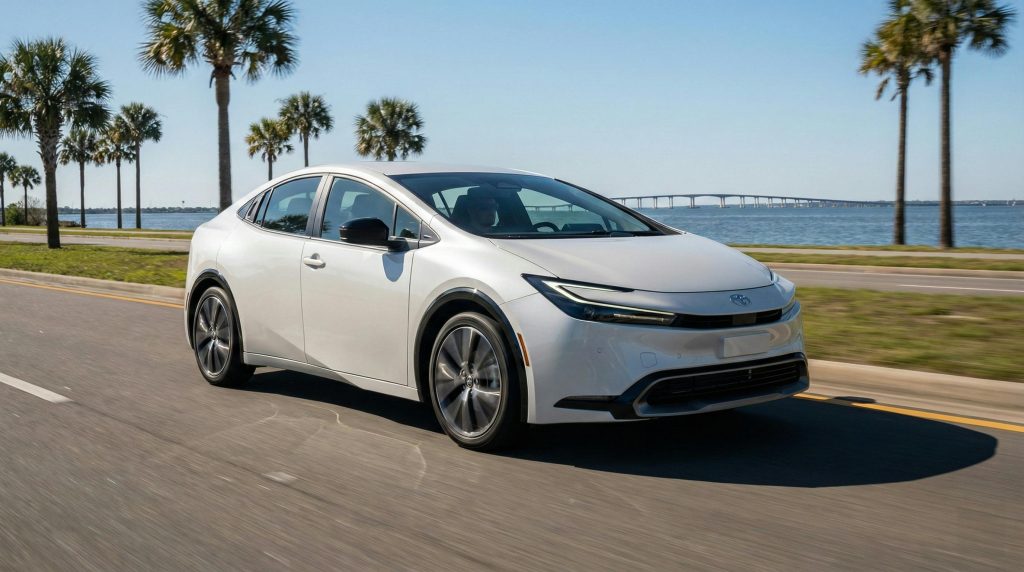
The Prius C also suffered from changing expectations in the automotive market. As newer hybrids and small cars became quicker and more refined, the older Prius C started feeling outdated and underpowered by comparison.
Toyota’s reliability remained a major positive factor, preventing complete ownership dissatisfaction. Still, dependable engineering alone could not fully erase the frustration caused by constantly pushing the accelerator harder than expected during normal driving situations.
The Prius C succeeded brilliantly at minimising fuel consumption, but many owners realised too late that extreme efficiency sometimes comes at the cost of enjoyable everyday performance.
9. Subaru Crosstrek Base 2.0
The Subaru Crosstrek became extremely popular because it combined crossover practicality, standard all-wheel drive, and rugged styling in a relatively affordable package. Buyers loved the adventurous image, comfortable ride height, and reputation for handling bad weather confidently.
The problem for many owners appeared after months of living with the base 2.0-liter engine, which often felt too weak for the vehicle’s personality and weight.
At first, the Crosstrek seems acceptable during calm city driving. The steering feels light, visibility remains excellent, and the suspension handles rough roads comfortably. Then, real-world driving situations begin exposing the limits of the small engine.
Highway merging becomes slower than expected, passing requires significant planning, and steep inclines force the engine to work extremely hard.
One major frustration comes from the mismatch between appearance and performance. The Crosstrek looks adventurous and capable enough for road trips, mountain travel, and outdoor activities.
Buyers naturally assume the vehicle will feel energetic during those experiences. Instead, many discover the engine struggles once passengers, cargo, bicycles, or camping equipment are added.
The continuously variable transmission adds another layer of dissatisfaction for some owners. During acceleration, the engine often drones loudly while the crossover gains speed gradually. Drivers hear plenty of effort without feeling much urgency from the vehicle itself.
Another reason regret develops involves long-distance driving. Many Crosstrek owners purchased the vehicle specifically for active lifestyles involving highways and changing terrain. Over time, the lack of usable power during mountain roads or fast traffic situations becomes increasingly irritating.
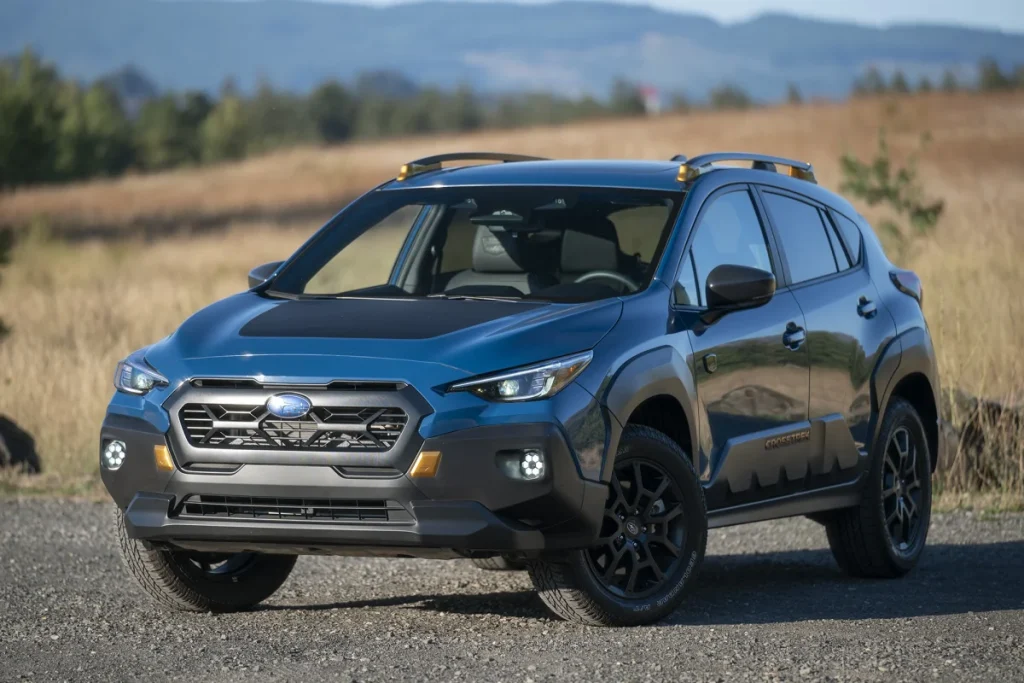
Subaru eventually responded by offering a stronger 2.5-liter engine in higher trims, which indirectly confirmed what many buyers already suspected. The base engine simply lacked enough performance for comfortable everyday flexibility.
The Crosstrek still offers many strengths. Standard all-wheel drive remains valuable in poor weather, interior practicality works well for active owners, and Subaru safety technology continues improving steadily.
Yet many base engine owners admit they would choose the larger engine option immediately if given another chance. The constant feeling of needing more power slowly transforms satisfaction into regret.
The Subaru Crosstrek proves that practicality and rugged styling alone cannot fully compensate for an underpowered drivetrain once real-world driving demands increase over time.
