
Subcompact SUVs have become one of the most competitive segments in the automotive industry because they combine affordability, upgraded seating positions, fuel efficiency, and city-friendly dimensions in a single package.
Buyers who once purchased compact sedans or hatchbacks increasingly move toward these small crossovers because they offer more cargo flexibility and a stronger sense of practicality without becoming difficult to park or expensive to operate.
The problem is that not every subcompact SUV delivers the same quality level. Some models focus heavily on low pricing but sacrifice ride comfort, interior refinement, or engine performance. Others attempt to appear sporty while failing to provide enough passenger space or real-world usability.
A few vehicles stand out because they balance technology, efficiency, reliability, and driving comfort exceptionally well, making them feel far more expensive than their price tags suggest.
The 2026 model year continues showing how rapidly this category evolves. Manufacturers now compete aggressively on infotainment systems, hybrid technology, safety features, and cabin design. Buyers can find everything from rugged-looking adventure-themed crossovers to sleek urban-focused vehicles emphasizing fuel economy and premium interiors.
Ranking these SUVs requires looking beyond simple horsepower numbers or flashy styling. Ride quality, long-term dependability, cargo practicality, value for money, and daily drivability matter enormously in this segment because most buyers use these vehicles for commuting, errands, family transportation, and occasional road trips rather than hardcore off-roading.
Another important factor involves balance. The best subcompact SUVs avoid major weaknesses. They may not dominate every category individually, but they provide enough comfort, efficiency, and technology to satisfy a wide range of drivers.
The weaker entries often struggle because they feel outdated, cramped, underpowered, or overpriced compared with increasingly refined competitors.
This ranking moves from the least impressive vehicles in the segment to the strongest all-around choices available for 2026. Some SUVs succeed through value and practicality, while others rise because they deliver premium experiences in compact packages.
Together, they show just how crowded and competitive the modern subcompact crossover market has become.
Also Read: 10 Cars With the Coldest AC Out of the Factory
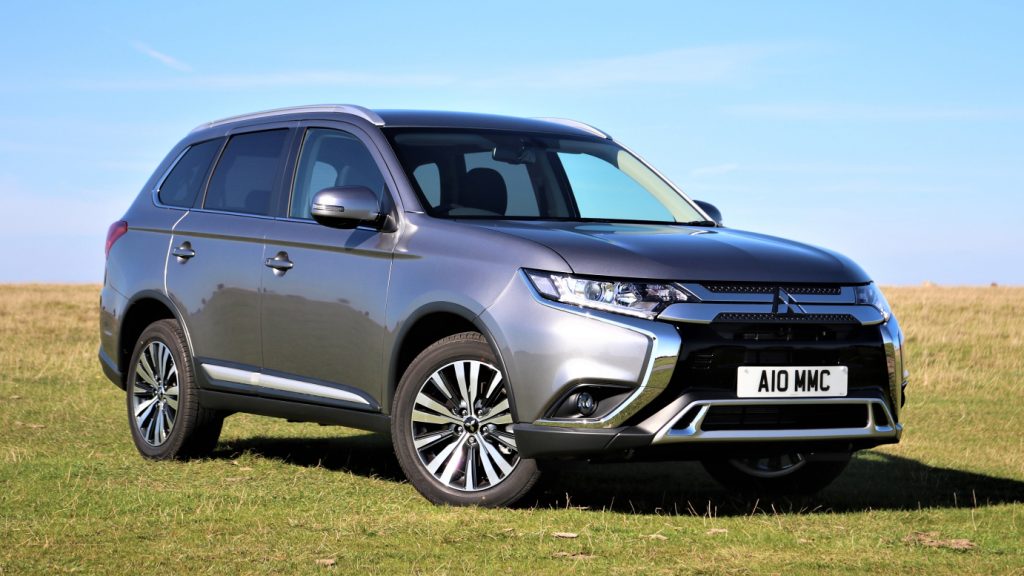
1. Mitsubishi Outlander Sport
The Mitsubishi Outlander Sport continues surviving in the market largely because of affordability, but by 2026, it feels noticeably behind many rivals in nearly every major category.
While newer competitors introduced modern technology, refined interiors, and efficient hybrid systems, the Outlander Sport remained heavily tied to an older design philosophy that struggled to keep pace with changing buyer expectations.
One of the biggest issues involves interior quality. Hard plastics, dated dashboard layouts, and limited cabin sophistication make the vehicle feel older than many competitors immediately after stepping inside. Buyers comparing it against newer subcompact SUVs often notice the difference quickly, especially in infotainment responsiveness and material quality.
Performance also remains underwhelming. The available engines provide acceptable basic transportation, yet acceleration feels sluggish during highway merging and passing situations. Several rivals now offer turbocharged engines or hybrid systems delivering stronger efficiency and smoother power delivery than the Mitsubishi can match.
Ride quality creates mixed impressions as well. Around town, the suspension handles daily driving reasonably enough, but rough pavement and highway travel reveal the vehicle’s aging platform. Road noise and cabin refinement fall short compared with newer competitors designed with more modern engineering standards.
Cargo space and practicality remain decent for the segment, which helps the Outlander Sport retain some appeal among budget-focused shoppers. Mitsubishi also continues offering one of the better warranty packages in the industry, something that attracts buyers concerned about long-term ownership costs.
However, value alone no longer guarantees strong positioning in this category. Many competitors now provide significantly better interiors, stronger safety technology, and more refined driving experiences without massive price differences.
The Outlander Sport, therefore, ranks near the bottom because it struggles to evolve within a segment advancing rapidly each year.
While it still serves basic transportation needs adequately, the SUV increasingly feels like a leftover from an earlier generation of subcompact crossovers rather than a modern class leader prepared for 2026 competition.
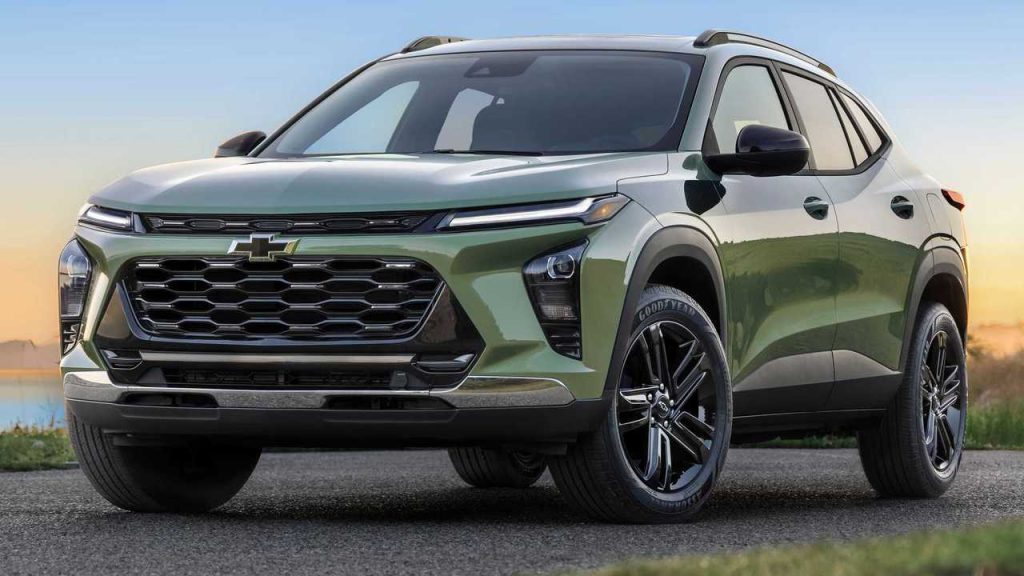
2. Chevrolet Trax
The Chevrolet Trax improved considerably compared with earlier generations, yet it still lands near the lower end of the 2026 rankings because the segment surrounding it has become incredibly competitive.
Chevrolet succeeded in making the Trax more stylish and spacious than before, but several weaknesses continue preventing it from standing alongside the strongest vehicles in the category.
One positive change involves exterior design. The newer Trax looks more modern and athletic than the older model, abandoning the awkward proportions that previously hurt its appeal. Chevrolet gave the crossover sharper lines and a lower stance that helped it feel more contemporary in crowded urban environments.
Interior packaging also improved noticeably. Passenger space feels generous for a subcompact SUV, and the cabin layout appears cleaner than earlier versions. Buyers moving from small sedans may appreciate the comfortable seating position and respectable cargo flexibility during daily commuting and shopping trips.
However, the driving experience remains only average. The small turbocharged engine delivers acceptable city performance, but acceleration can feel strained when the vehicle carries multiple passengers or merges onto fast highways.
Several competitors now offer smoother hybrid systems or more responsive turbocharged setups that feel stronger in real-world conditions.
Cabin refinement creates another limitation. Wind noise and road noise become more noticeable during highway driving compared with higher-ranked rivals. The suspension prioritizes affordability rather than sophistication, meaning rough pavement can unsettle the ride more than expected.
Material quality also reflects Trax’s budget positioning. While the interior no longer feels outdated, some plastics and trim pieces still lack the refinement buyers increasingly expect, even in entry-level crossovers. Competitors from Hyundai, Mazda, and Honda generally provide more upscale environments.
Technology and safety features remain competitive for the price, helping the Trax maintain value appeal. Chevrolet packed the SUV with modern connectivity systems and practical driver assistance features that younger buyers often prioritize heavily.
Still, the segment now contains vehicles delivering stronger fuel economy, better ride comfort, and more polished interiors simultaneously. The Trax, therefore, succeeds mainly as an affordable transportation solution rather than a standout all-around performer.
For shoppers prioritizing price and basic practicality, it remains a reasonable choice. Against the best subcompact SUVs of 2026, though, it struggles to rise beyond the lower half of the rankings because competitors simply feel more complete and refined.
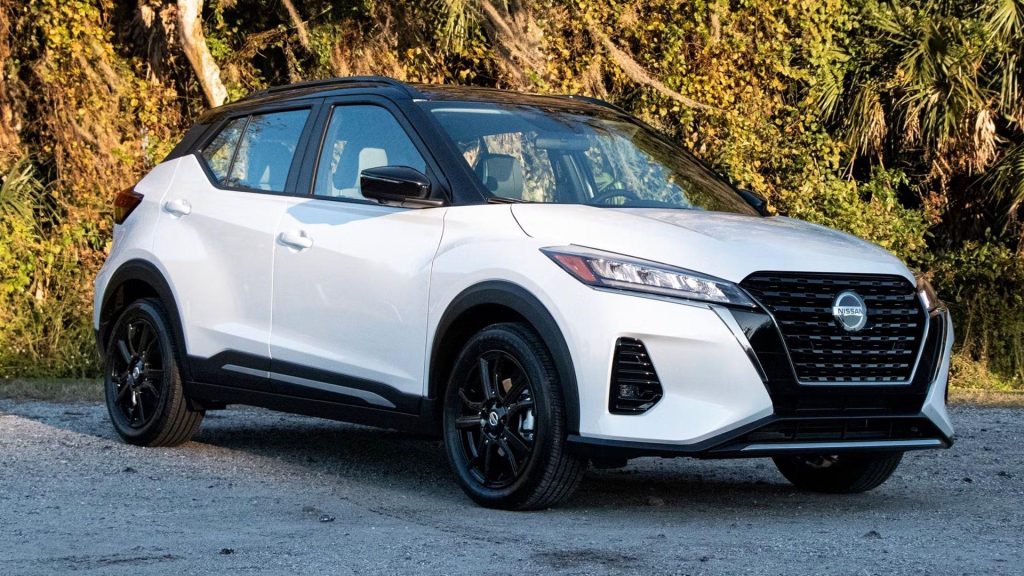
3. Nissan Kicks
The Nissan Kicks built much of its reputation around affordability and fuel efficiency, making it appealing to city drivers and first-time SUV buyers. For 2026, the Kicks still performs certain tasks well, yet several shortcomings prevent it from competing with the strongest entries in the segment.
One area where the Kicks succeeds involves maneuverability. The lightweight structure and compact dimensions make parking easy in crowded urban areas, while visibility remains excellent from the driver’s seat. Commuters dealing with tight traffic situations often appreciate how effortless the vehicle feels during daily use.
Fuel economy also continues ranking among the SUV’s strongest advantages. The Kicks focuses heavily on efficiency, helping owners keep operating costs relatively low compared with larger crossovers. Buyers prioritizing economy over performance may find this especially attractive.
Inside the cabin, Nissan designed the layout with simplicity in mind. Controls remain straightforward, and cargo flexibility works reasonably well for a vehicle this size. The rear passenger room also surprises some drivers because the packaging uses available space efficiently.
The biggest weakness involves power delivery. Acceleration feels modest even by subcompact SUV standards, particularly during highway merging or steep climbs. The continuously variable transmission prioritizes fuel savings rather than responsiveness, creating a driving experience that can feel strained under heavier throttle input.
Ride refinement presents another challenge. While comfortable enough around town, the Kicks struggles to isolate road noise and rough pavement as effectively as top competitors. Longer highway drives, therefore, feel less composed than they do in more polished rivals.
Interior materials also reveal the SUV’s budget-focused mission. Some surfaces and trim pieces lack the sophistication now common in newer competitors from Korea and Japan. Buyers comparing multiple vehicles in the segment often notice this immediately.
Safety technology remains fairly competitive, and Nissan continues to improve infotainment features, which helps the Kicks remain relevant among value-conscious shoppers.
Yet the category evolved rapidly, and many rivals now combine stronger performance, better refinement, and superior cabin quality without dramatically higher prices.
The Kicks, therefore, land near the lower middle of the rankings. It handles city commuting efficiently and keeps ownership costs manageable, but it struggles to deliver the complete driving and ownership experience offered by the best subcompact SUVs available for 2026.
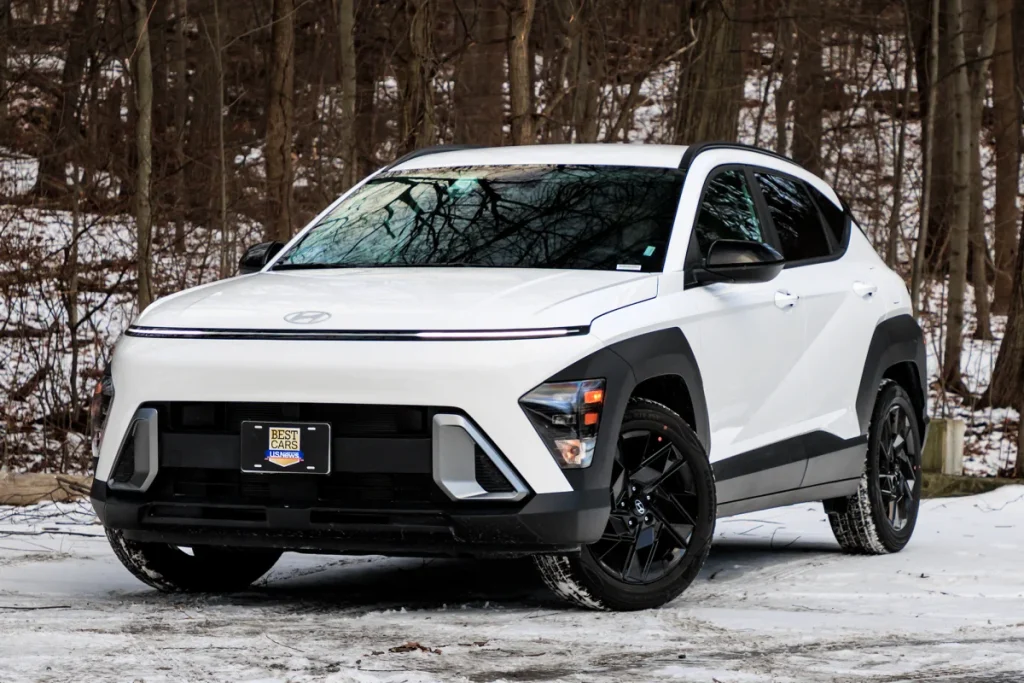
4. Hyundai Kona
The Hyundai Kona stands out immediately because of its bold styling and wide range of available powertrains. Hyundai designed the Kona to appeal to younger buyers wanting something more visually distinctive than a typical economy crossover, and in many ways, the strategy works well.
However, several compromises keep the vehicle from reaching the very top tier of the 2026 segment rankings.
One of the Kona’s biggest strengths involves technology. Hyundai packed the cabin with modern infotainment systems, sharp digital displays, and useful driver assistance features that make the SUV feel advanced for its class. Even lower trims often provide more equipment than buyers expect at this price point.
The redesigned interior also feels cleaner and more spacious than previous generations. Front seat comfort improved significantly, and the dashboard layout now looks more mature and organized. Hyundai clearly focused on creating a cabin environment capable of competing with more expensive vehicles.
Performance varies depending on the chosen engine. The turbocharged versions feel lively and energetic around town, while hybrid and electric variants provide strong efficiency. Drivers wanting something more engaging than the average subcompact crossover may appreciate the Kona’s sharper personality.
Yet ride quality remains somewhat inconsistent. On smooth pavement, the SUV feels composed and responsive, but rough roads can reveal firmer suspension tuning that occasionally reduces comfort during longer drives. Some competitors deliver a more balanced ride without sacrificing handling confidence.
Rear passenger space also trails several top rivals. While the Kona improved practicality compared with earlier models, taller passengers may still notice tighter accommodations in the back seats during extended travel.
Another factor holding the Kona slightly lower involves refinement. Wind and road noise are not excessive, but premium rivals in the segment isolate the cabin more effectively at highway speeds. This becomes noticeable during longer commutes or road trips.
The Kona still represents one of the strongest entries in the category because it combines technology, styling, and efficiency extremely well. Hyundai also continues offering strong warranty coverage that adds long-term ownership appeal.
However, the best subcompact SUVs of 2026 manage to blend practicality, comfort, refinement, and driving balance more seamlessly. The Kona succeeds strongly in several areas but still carries enough compromises to place it in the middle of this increasingly competitive segment.
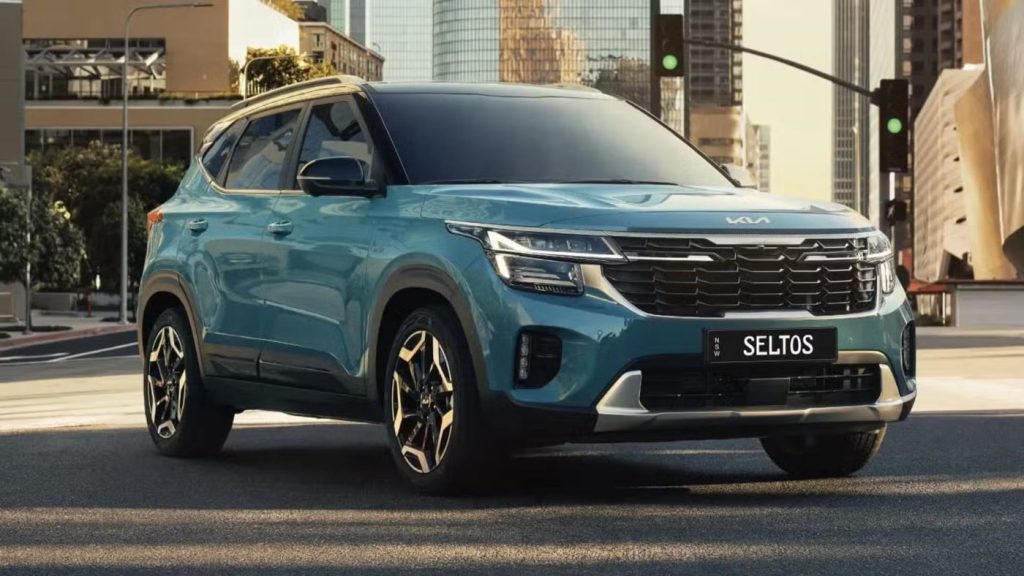
5. Kia Seltos
The Kia Seltos occupies an interesting position within the subcompact crossover market because it often feels larger and more practical than many direct competitors.
Kia designed the Seltos to bridge the gap between traditional subcompact SUVs and slightly larger compact crossovers, giving buyers more interior space without sacrificing maneuverability completely.
The passenger room remains one of the vehicle’s greatest strengths. Rear-seat comfort exceeds expectations for the class, and cargo capacity compares favorably with several larger SUVs. Families needing practical everyday transportation often appreciate how usable the cabin feels during shopping trips and longer drives.
Kia also equipped the Seltos with a generous amount of technology. Large infotainment screens, modern safety systems, and attractive dashboard layouts help the crossover feel upscale relative to its price range. Higher trims especially create a near-premium impression inside the cabin.
The available turbocharged engine provides respectable acceleration as well. Unlike some smaller crossovers that struggle during highway driving, the Seltos delivers enough power to feel comfortable merging and passing without excessive strain.
Ride quality remains mostly comfortable, particularly in urban environments where the suspension absorbs bumps reasonably well. Steering feels light and predictable, making the vehicle approachable for newer drivers and commuters alike.
However, the Seltos still falls short of the segment leaders in a few important areas. Cabin refinement at highway speeds could be stronger because road and wind noise become noticeable during longer travel. Some interior materials also feel less substantial than the best vehicles in the category despite the attractive design.
Fuel economy remains competitive but not class-leading, especially in more powerful turbocharged versions. Buyers prioritizing maximum efficiency may find hybrid rivals more appealing.
Another challenge involves driving personality. While competent in nearly every area, the Seltos does not deliver the same level of athletic handling or premium polish found in the highest-ranked subcompact SUVs. It succeeds through balance rather than standout emotional appeal.
Even so, the Seltos remains a highly practical and well-equipped crossover that fits many buyers extremely well. Spacious packaging, modern technology, and strong value keep it competitive in a segment where weaknesses are increasingly difficult to hide.
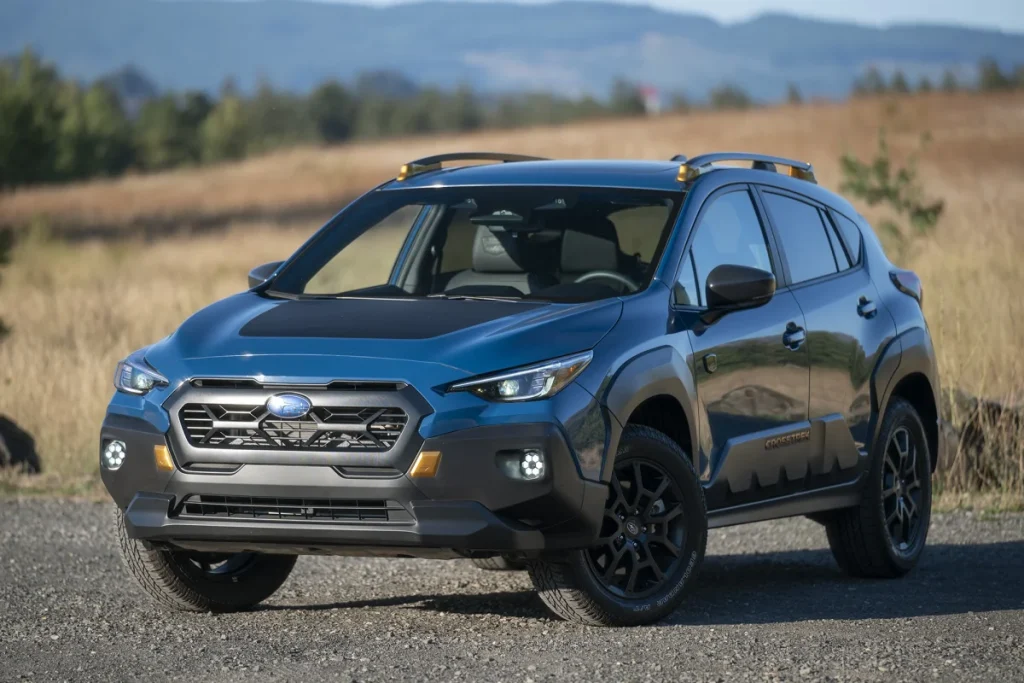
6. Subaru Crosstrek
The Subaru Crosstrek approaches the segment differently from many rivals because it prioritizes rugged capability and all-weather confidence rather than purely urban practicality. Subaru built the Crosstrek for buyers who want a small SUV capable of handling snow, gravel roads, camping trips, and outdoor lifestyles without stepping into a much larger crossover.
Standard all-wheel drive remains one of its strongest advantages. While many competitors charge extra for additional traction systems or skip them entirely, Subaru includes all-wheel drive across the lineup. This gives the Crosstrek excellent confidence during bad weather and light off-road conditions, helping it stand apart from more city-focused rivals.
Ground clearance also exceeds that of much of the class. Drivers traveling rough roads or uneven trails appreciate the extra ride height, especially in regions with snow or poor pavement. The Crosstrek, therefore, appeals strongly to outdoor-oriented buyers who value versatility over sporty styling.
Inside, the cabin focuses more on durability and function than on flashy luxury. Controls remain straightforward to use, while cargo flexibility works well for carrying camping gear, bicycles, and travel equipment. The seating position feels comfortable during long drives, adding to the SUV’s practical personality.
Ride quality generally stays composed, particularly on rough roads where the suspension absorbs impacts effectively. Unlike some former competitors, the Crosstrek handles broken pavement with a calm and controlled character that suits daily commuting well.
However, the vehicle still has limitations preventing a higher ranking. Acceleration remains modest with the standard engine, and even upgraded powertrains do not feel especially quick compared with several turbocharged rivals. High-speed passing sometimes requires patience, especially with passengers and cargo onboard.
Fuel economy also trails some hybrid competitors now entering the segment. Buyers focused heavily on efficiency may find stronger options elsewhere.
Another factor involves interior refinement. While practical and durable, the Crosstrek’s cabin does not feel as upscale or technologically polished as top entries from Hyundai, Mazda, or Honda.
Even with those drawbacks, the Crosstrek remains one of the most distinctive choices in the segment because of its capability and dependable personality. It succeeds by serving buyers who value traction, versatility, and outdoor practicality more than outright speed or luxury.
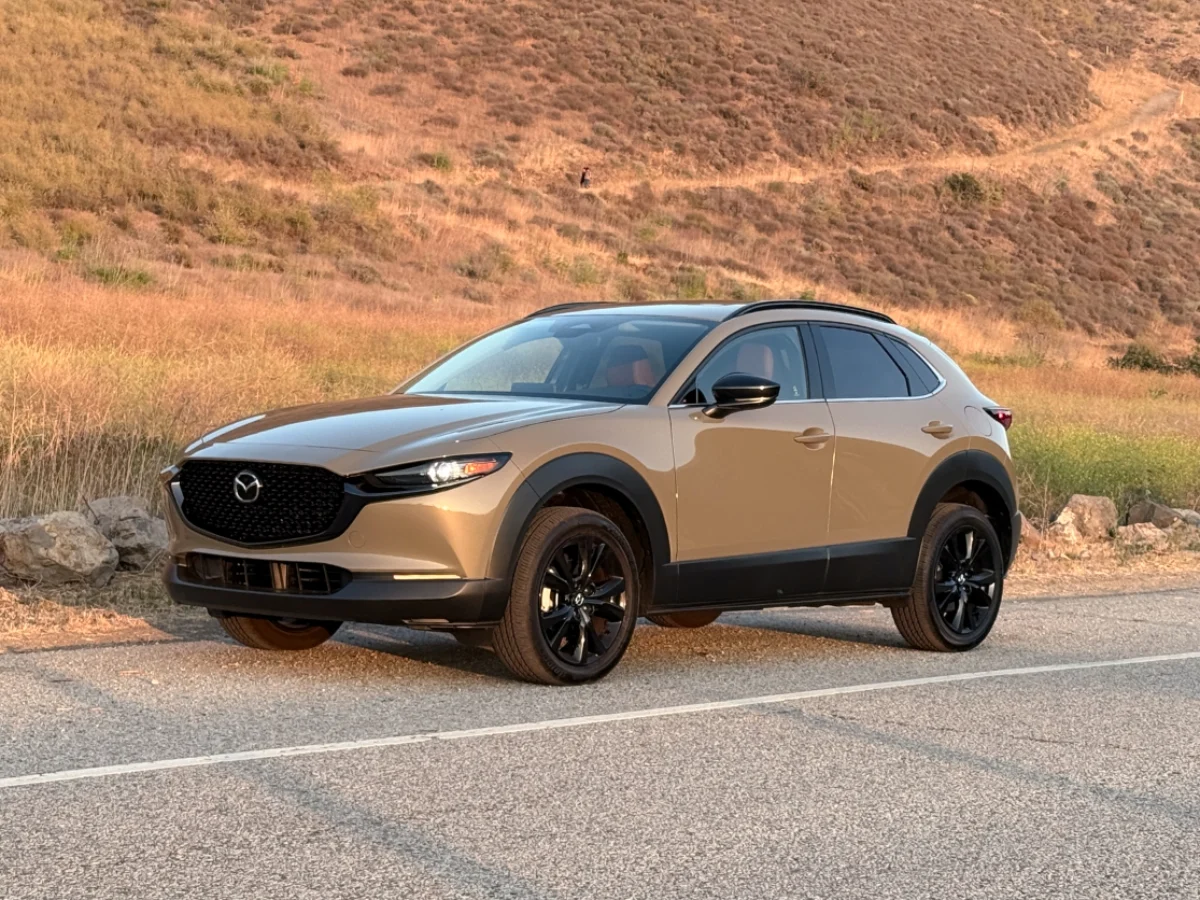
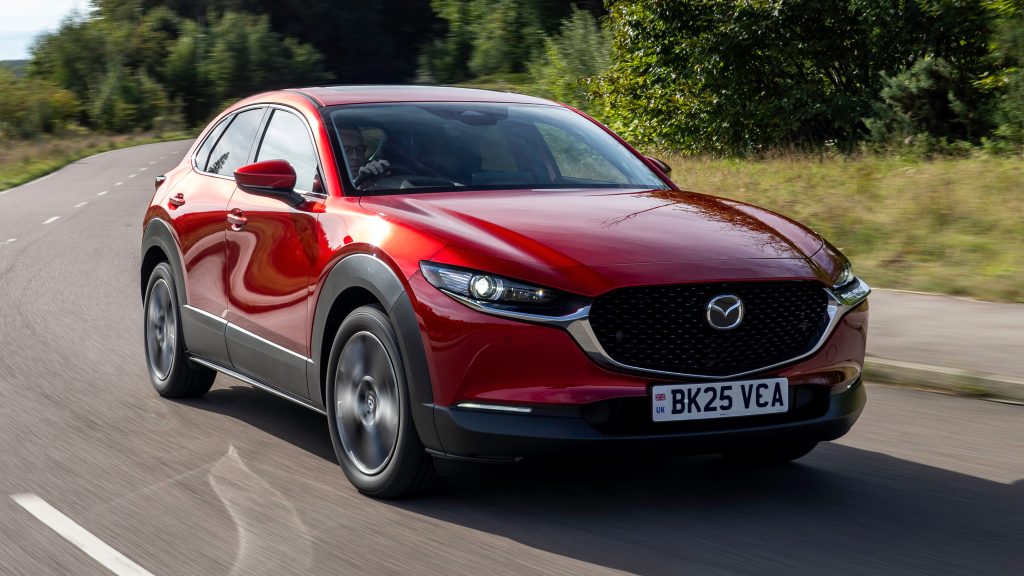
7. Mazda CX-30
The Mazda CX-30 stands out immediately because it feels more premium and refined than most vehicles in its class. Mazda approached the subcompact crossover segment with a different philosophy, focusing heavily on driving dynamics, upscale interior quality, and elegant styling rather than simply maximizing cargo numbers or flashy technology features.
The cabin creates one of the strongest first impressions in the category. Soft-touch materials, a clean dashboard design, and supportive seating make the CX-30 feel closer to an entry-level luxury vehicle than a budget crossover. Even lower trims maintain a level of sophistication many competitors struggle to match.
Driving behavior represents another major advantage. Steering feels precise, body control remains composed, and the suspension strikes an impressive balance between comfort and agility. The CX-30 handles winding roads with confidence rarely found in subcompact SUVs, giving the vehicle a more engaging personality than many of its rivals.
Available turbocharged engines provide strong acceleration, too. Unlike some underpowered competitors, the CX-30 feels energetic during highway merging and passing situations, making longer trips more relaxed and enjoyable.
Exterior styling also deserves credit. Mazda avoided exaggerated SUV design trends and instead created a sleek, mature shape that ages gracefully. The crossover carries a more sophisticated appearance than many youthful-looking competitors in the segment.
Still, a few compromises prevent the CX-30 from reaching the very top of the rankings. Rear passenger space remains tighter than several competitors’, especially for taller adults sitting in the back seats. Cargo capacity also trails more practical rivals because Mazda prioritized styling and driving balance over maximum interior volume.
Infotainment controls may frustrate some buyers as well. Mazda relies heavily on a rotary controller rather than fully touchscreen-focused systems, creating a learning curve for drivers accustomed to simpler interfaces.
Despite those limitations, the CX-30 delivers one of the most polished and enjoyable driving experiences in the subcompact SUV category. It appeals strongly to buyers wanting refinement and premium character without paying luxury brand prices.
Mazda succeeded in creating a crossover that feels intentionally crafted rather than merely functional, helping the CX-30 earn a strong position near the top of the 2026 rankings.
8. Toyota Corolla Cross
The Toyota Corolla Cross earns its strong ranking because it delivers exactly what many buyers in this segment want most: practicality, reliability, efficiency, and ease of ownership. Toyota avoided trying to make the Corolla Cross flashy or aggressively sporty.
Instead, the company focused on building a crossover capable of handling everyday life with minimal stress and long-term dependability.
One of the vehicle’s biggest strengths involves efficiency. The available hybrid version especially stands out by combining excellent fuel economy with smooth daily drivability. Buyers dealing with long commutes or rising fuel prices often appreciate how inexpensive the Corolla Cross feels to operate compared with many traditional gasoline rivals.
Interior packaging works well, too. Passenger space feels comfortable for the segment, and cargo capacity remains genuinely useful for grocery runs, family errands, and road trips. Toyota designed the cabin carefully to maximise practicality without making the SUV physically difficult to manoeuvre in urban areas.
Ride comfort also contributes strongly to the vehicle’s appeal. The suspension favors calm and predictable behavior, rather than sporty handling, which suits the crossover’s mission perfectly. Highway cruising feels stable and relaxed, while city driving remains easy and approachable for drivers of all experience levels.
Toyota’s reputation for reliability adds another major advantage. Many buyers choose the Corolla Cross specifically because they expect low maintenance costs and strong long-term durability. In a segment where value matters heavily, that confidence carries enormous weight.
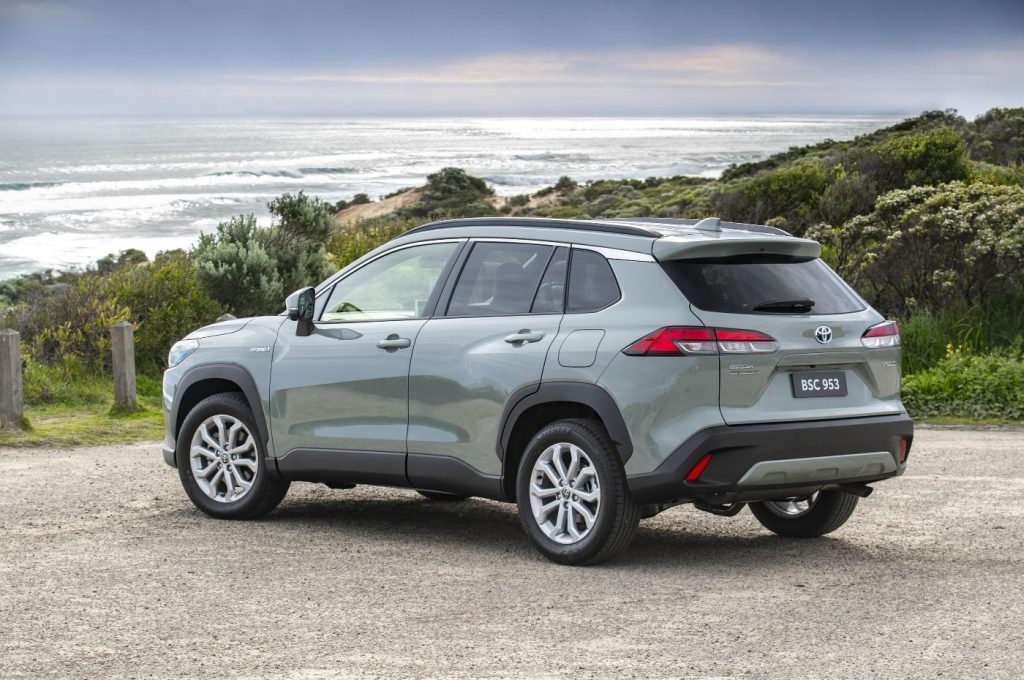
The SUV does have limitations. Performance remains modest, especially in non-hybrid versions where acceleration can feel uninspiring compared with turbocharged competitors. Interior styling also leans conservative, lacking some of the visual excitement offered by Hyundai, Kia, or Mazda rivals.
Still, the Corolla Cross succeeds because it avoids serious weaknesses. It delivers dependable transportation, strong efficiency, comfortable ride quality, and practical packaging in a balanced and approachable package.
Toyota understood that many subcompact SUV buyers prioritize peace of mind over dramatic styling or aggressive performance. That strategy helped the Corolla Cross become one of the most complete and sensible entries in the category for 2026.
9. Honda HR-V
The Honda HR-V rises near the top of the rankings because it combines maturity, practicality, and refinement better than most competitors in the segment. Honda redesigned the HR-V with a more grown-up personality, transforming it from a quirky small crossover into a genuinely polished everyday vehicle capable of appealing to a wide range of buyers.
One of the strongest aspects involves ride quality. The HR-V feels stable, smooth, and composed in situations where many smaller SUVs become noisy or unsettled. Highway driving especially highlights Honda’s suspension tuning because the vehicle maintains comfort without feeling overly soft or disconnected.
Interior space also impresses. Honda engineered the cabin efficiently, giving both front and rear passengers generous room for the class. Cargo flexibility remains strong as well, making the HR-V practical for families, commuters, and road trips alike.
The dashboard layout reflects Honda’s recent design philosophy by emphasising simplicity and usability rather than excessive visual complexity. Controls feel intuitive, visibility remains excellent, and material quality has improved noticeably compared with older generations.
Fuel economy stays competitive, and the vehicle’s predictable handling makes it easy to drive in both urban and suburban environments. The HR-V succeeds because it never feels difficult or demanding. Instead, it delivers calm and consistent competence in nearly every category.
There are still areas where rivals hold advantages. The standard engine provides acceptable performance, but acceleration lacks the punch of turbocharged competitors. Enthusiastic drivers may find the HR-V less engaging than sportier alternatives such as the Mazda CX-30.
Exterior styling also remains fairly conservative. Honda prioritised timeless design and broad appeal rather than bold experimentation, which may leave some buyers wanting more visual excitement.
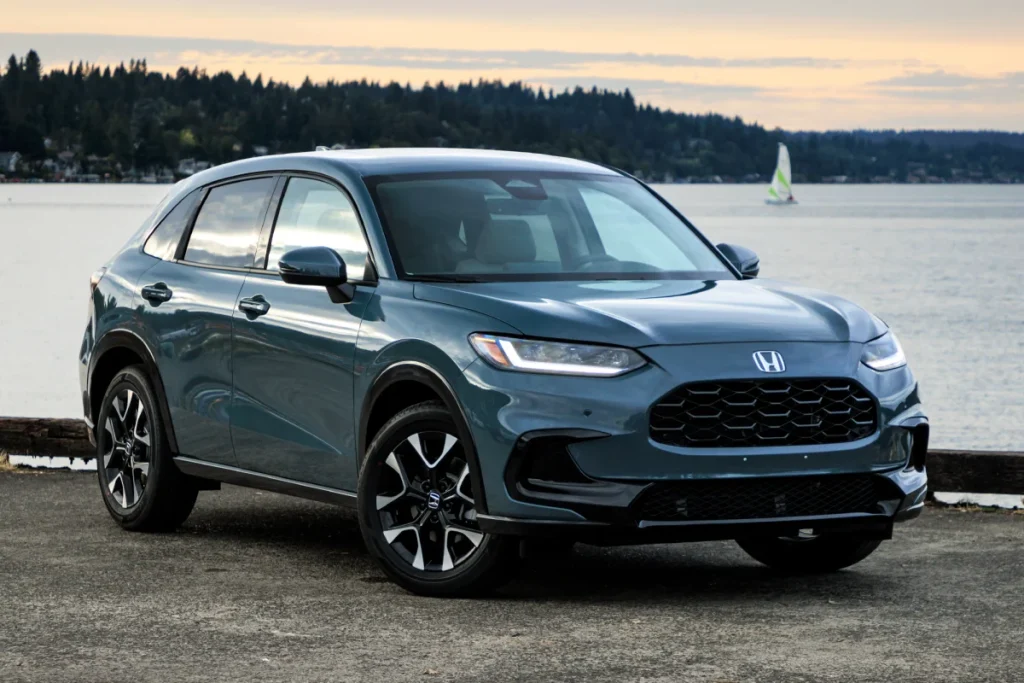
Yet these tradeoffs rarely damage the ownership experience significantly. The HR-V excels because of its balance, comfort, and usability. It feels more refined and complete than many subcompact SUVs attempting to impress through flashy technology or aggressive styling alone.
Honda created a crossover that performs daily tasks exceptionally well without introducing major compromises, helping the HR-V secure one of the strongest positions in the 2026 segment rankings.
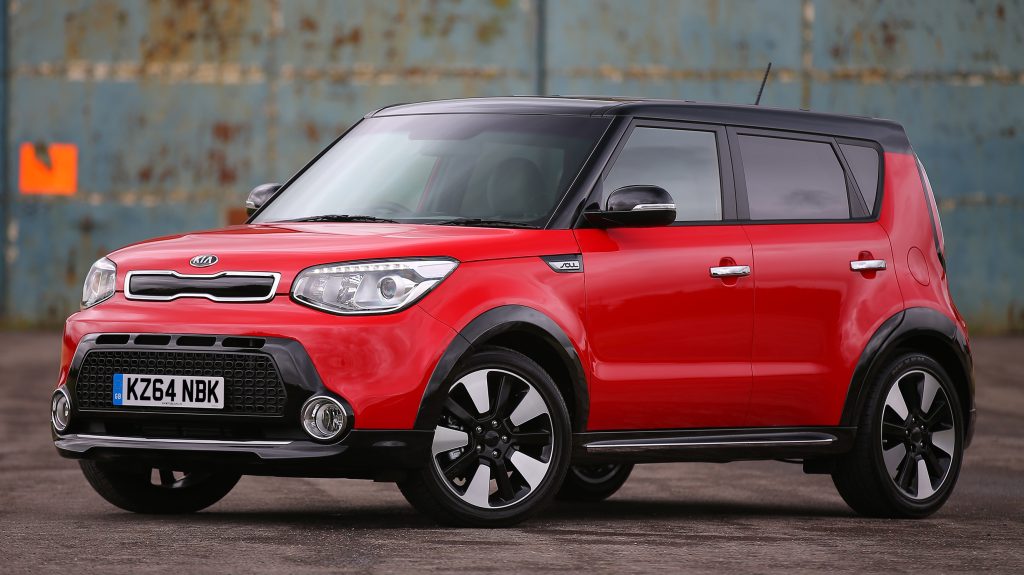
10. Kia Soul
The Kia Soul claims the top position because it delivers something many rivals struggle to achieve: genuine practicality combined with personality and value. While several subcompact SUVs chase sporty styling trends, the Soul embraces its boxy shape to maximise passenger room and cargo flexibility without becoming difficult to drive in crowded cities.
Interior space stands out immediately. The tall roofline creates excellent headroom, and rear passengers enjoy more comfort than expected from a vehicle in this class. Cargo capacity also benefits from the upright design, making the Soul surprisingly useful for shopping trips, luggage, and everyday family duties.
Kia equipped the Soul with user-friendly technology and modern infotainment systems that feel intuitive even for less tech-focused drivers. Higher trims add upscale touches that make the cabin feel more refined than its affordable pricing suggests.
The driving experience focuses on comfort and simplicity. Steering feels light, visibility remains excellent, and city manoeuvrability ranks among the best in the segment. Fuel economy also stays competitive, helping the Soul remain affordable to operate long-term.
Another major advantage involves value for money. Kia includes strong warranty coverage and a generous feature list, giving buyers impressive equipment without forcing them into expensive trim levels.
The Soul may not offer aggressive off-road styling or high-performance engines, but it succeeds by being practical, comfortable, spacious, and easy to live with every single day.
Also Read: 10 Forgotten Muscle Cars From 1960 to 2000
