
Buying a new car has become far more complicated than simply checking the sticker price and monthly payment. Many buyers walk into dealerships believing they understand the financial commitment clearly, only to discover additional charges appearing throughout the purchase process.
Some fees are legitimate and unavoidable, while others feel carefully designed to inflate profits quietly without attracting immediate attention.
The most frustrating part is how easily these extra costs can exceed two thousand dollars before buyers fully realize what happened.
Dealer-installed accessories, mandatory protection packages, inflated documentation fees, wheel and tire plans, paint coatings, nitrogen-filled tires, tracking systems, delivery add-ons, and subscription-based technology services now appear regularly on new vehicle contracts.
Buyers focusing heavily on monthly payments sometimes fail to notice how quickly these charges increase the total purchase price.
Luxury vehicles create especially dangerous situations because dealers know buyers already expect expensive ownership costs.
Hidden fees become easier to disguise inside larger financing agreements. Performance cars and highly desirable SUVs also attract aggressive markup tactics because dealerships understand demand remains strong.
Electric vehicles introduced additional financial surprises in recent years as well. Charging packages, installation recommendations, software subscriptions, and home equipment costs often appear after buyers have already committed emotionally to the purchase.
Another issue involves modern technology itself. Features once included permanently with the car now sometimes require annual subscriptions after trial periods expire.
Drivers purchasing expensive vehicles occasionally discover that heated seats, navigation services, remote start systems, or advanced driver assistance tools carry continuing costs long after the purchase date.
The vehicles on this list developed reputations for producing ownership experiences where hidden charges, dealer add-ons, or unexpected financial extras frequently pushed the real transaction price dramatically higher than buyers initially expected.
These cars may still offer strong performance, luxury, or practicality. The frustration comes from how quickly “small extras” transform into thousands of dollars that many shoppers never planned to spend when they first entered the dealership.
Also Read: 10 Sedans That Beat Their SUV Cousins on Cargo Space
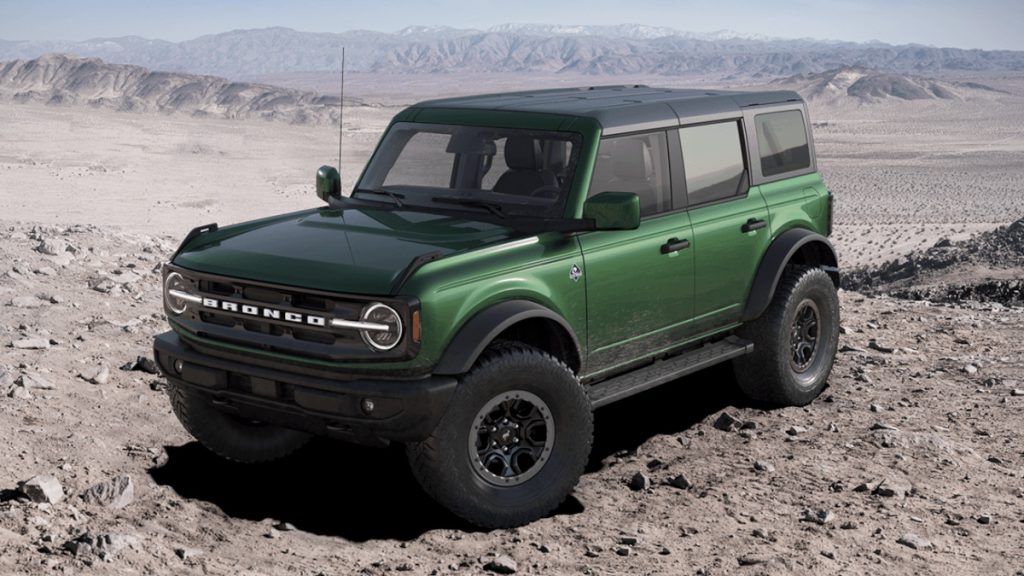
1. Ford Bronco
The Ford Bronco became one of the hottest vehicles on the market because buyers loved its rugged styling, removable roof, and serious off-road image.
Walking into a dealership for a Bronco purchase, however, often turned into a financial surprise far larger than expected. Many buyers discovered hidden charges and dealer add-ons pushing transaction prices thousands above the original advertised number.
One major issue involved mandatory accessory packages. Dealers frequently installed upgraded wheels, off-road tires, roof racks, paint protection products, or appearance packages before the vehicle even reached the showroom floor.
Buyers excited about finally securing a Bronco often felt pressured into accepting these extras because inventory remained limited.
Market adjustment markups became another enormous source of frustration. Some dealerships added thousands of dollars simply because demand remained high. Even buyers ordering vehicles months in advance occasionally faced unexpected pricing changes once the Bronco finally arrived.
Off-road-themed accessories created another trap. Dealers understood Bronco buyers wanted adventure-focused equipment, so items such as auxiliary lighting, lift kits, recovery gear, and upgraded bumpers appeared frequently on contracts at inflated pricing.
Financing offices added even more costs through extended warranties, tire protection plans, windshield coverage, and prepaid maintenance packages. Buyers focused heavily on monthly payments, sometimes overlooking how dramatically these extras increased the final purchase amount.
Another unexpected cost involved storing the removable roof and doors. While these features sounded appealing during the purchase process, many owners later discovered they needed to spend extra money on proper storage racks, protective covers, and handling equipment to keep the components safe when not in use.
Fuel economy also surprised some buyers negatively. Larger tires and rugged trims increased running costs significantly, especially for owners using the Bronco mainly as a daily commuter rather than an occasional adventure vehicle.
Insurance premiums became another overlooked cost because replacement parts and theft concerns pushed rates higher than many buyers anticipated.
The Bronco absolutely delivers personality and off-road capability. Unfortunately, many shoppers entered dealerships expecting one price and left facing thousands in unexpected extras disguised as necessary upgrades, protection packages, or unavoidable market adjustments tied directly to the vehicle’s popularity.
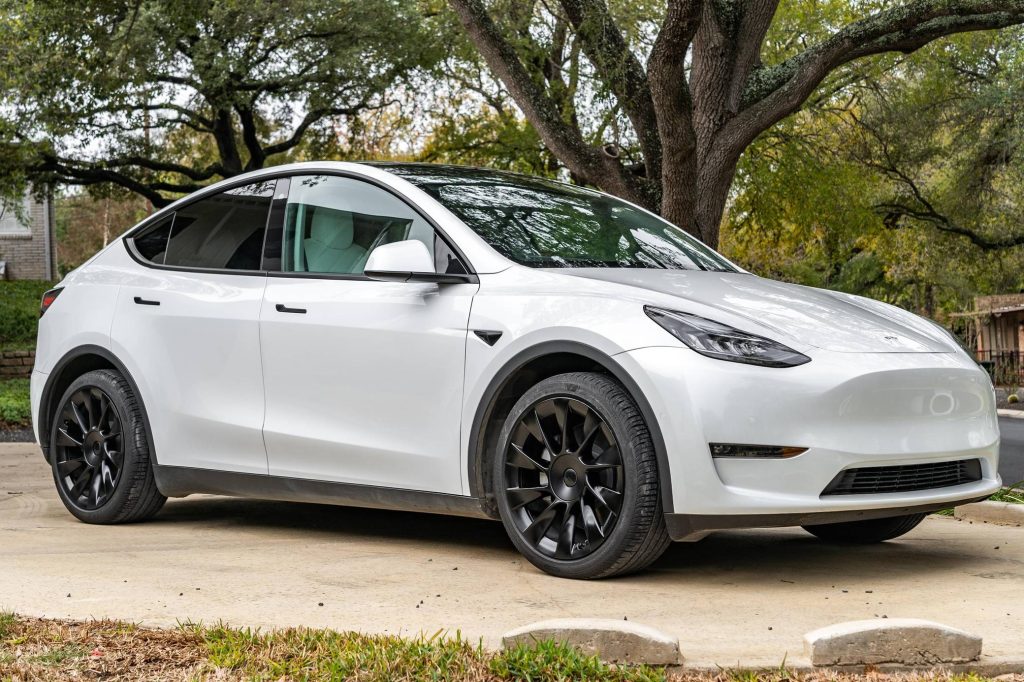
2. Tesla Model Y
The Tesla Model Y attracts buyers with clean styling, impressive technology, and the promise of modern electric ownership. At first glance, the ordering process appears simpler than traditional dealerships because Tesla sells directly online.
Many buyers later discover the real ownership cost often climbs far beyond the initial advertised price through hidden expenses and additional requirements.
One of the biggest surprises involves charging setup costs. Buyers excited about purchasing the Model Y frequently underestimate the expense of installing proper home charging equipment. Electrical upgrades, professional installation, permits, and wall chargers can quickly add thousands beyond the vehicle purchase itself.
Another overlooked expense involves software-based features and digital upgrades. Many buyers are surprised to learn that certain technology functions and performance enhancements remain unavailable unless additional payments are made after purchasing the vehicle.
Features like advanced driver assistance systems, premium connectivity services, or acceleration upgrades can significantly raise the full cost of ownership over time
.Insurance premiums also shock many owners. Repair costs for Teslas remain extremely high because of specialized parts, advanced sensors, and limited repair networks. Monthly insurance bills often rise far above what buyers previously paid for gasoline vehicles.
Wheel and tire damage creates another expensive issue. Large wheels combined with the vehicle’s heavy battery weight increase wear noticeably. Replacement tires for performance trims can become surprisingly costly much sooner than expected.
Charging during road trips additionally becomes more expensive than some buyers assume. While home charging remains affordable in many regions, fast charging costs during frequent long-distance travel can add up quickly over time.
Another overlooked charge involves accessories that Tesla does not always include traditionally. Home charging adapters, cargo accessories, roof racks, floor mats, and upgraded connectivity services often require separate purchases after delivery.
Depreciation fluctuations also created frustration for some owners after Tesla repeatedly adjusted pricing, affecting resale values unexpectedly.
The Model Y absolutely provides strong performance and modern technology, but many buyers later realize the simple online ordering experience hides numerous ownership-related expenses capable of adding thousands beyond the attractive initial purchase price.
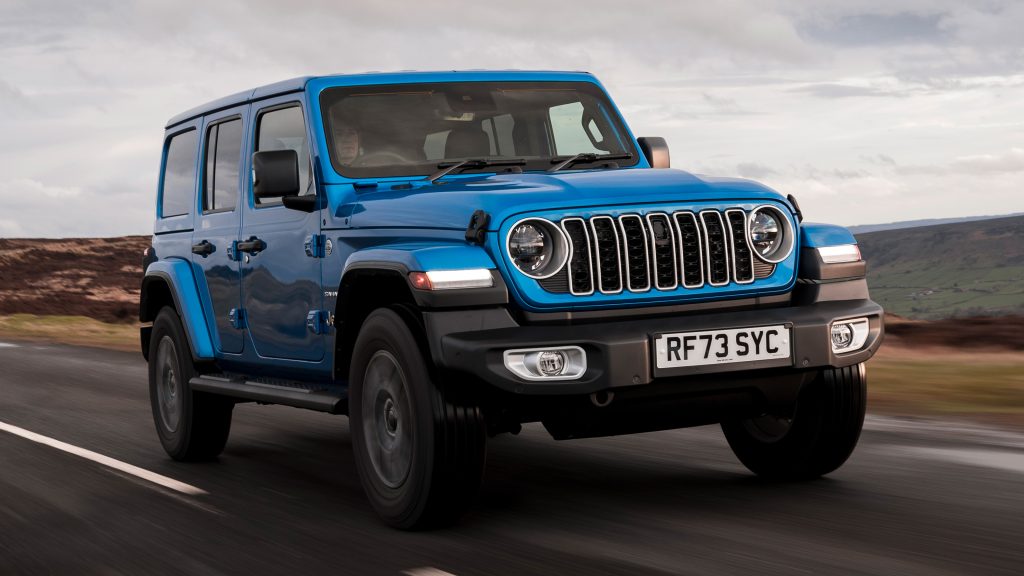
3. Jeep Wrangler
The Jeep Wrangler remains one of the most recognizable vehicles on the road because of its rugged image, removable doors, and legendary off-road capability. Buyers often enter dealerships expecting an adventurous lifestyle vehicle capable of handling trails, beaches, and mountain roads effortlessly.
Many owners later discover the Wrangler comes with hidden charges and extra expenses, pushing ownership costs far beyond the original sticker price.
One of the biggest concerns comes from dealer-added accessories. Jeep Wrangler models usually do not stay on dealership lots for very long.
Many arrive already fitted with lift kits, larger tires, custom wheels, off-road lights, side steps, heavy-duty bumpers, and roof gear, with dealers often charging far more for these upgrades than what buyers would typically pay through aftermarket shops.
Another unexpected expense comes from soft-top and hard-top accessories and maintenance. Buyers who choose removable roof configurations often discover that storage racks, security equipment, and weather-protection accessories cost far more than anticipated.
Over time, repairing damaged roof panels, replacing worn soft tops, and maintaining seals and hardware can also become surprisingly expensive.
Fuel economy creates another financial surprise. Larger tires and off-road-focused gearing reduce efficiency significantly, especially for owners using the Wrangler as a daily commuter rather than a weekend adventure vehicle.
Insurance premiums additionally remain higher than many buyers anticipate. Theft risk, expensive replacement parts, and accident repair costs contribute to upgraded rates compared to ordinary SUVs.
Financing departments also aggressively market off-road protection plans, wheel coverage, and extended warranties because Wrangler buyers often intend to use the vehicle in rough environments. Those packages can increase total ownership costs dramatically.
Ride quality-related modifications become another trap. Many owners quickly begin upgrading suspension systems or tires, trying to improve comfort, handling, or appearance after realizing stock setups feel less refined during everyday driving.
Road noise and wind noise also surprise first-time Wrangler owners, leading some buyers to spend additional money on insulation kits or aftermarket upgrades, attempting to improve daily usability.
The Wrangler absolutely delivers a unique personality and serious off-road capability. Unfortunately, many owners eventually realize the vehicle’s adventure-focused image encourages constant spending on accessories, upgrades, and add-ons that quietly push real ownership costs thousands above the advertised purchase price.
4. Mercedes-Benz EQS SUV
The Mercedes-Benz EQS SUV entered the luxury EV market, promising futuristic technology, ultra-quiet comfort, and cutting-edge design. Buyers expecting a smooth premium ownership experience often discovered hidden costs and additional charges appearing quickly after purchase, pushing the real price far beyond the already expensive starting figure.
One major surprise involves optional technology packaging. Many advanced features buyers assume come standard on a flagship luxury EV actually require expensive packages, adding thousands to the final transaction price.
Rear wheel steering, upgraded audio systems, executive seating, and advanced driver assistance options can dramatically inflate the vehicle cost.
Charging infrastructure expenses create another hidden financial burden. Installing proper high-capacity home charging systems frequently requires electrical upgrades, specialized labor, and permits that buyers underestimate initially.
The EQS SUV’s enormous digital interface also introduces subscription-related concerns. Certain connected services, navigation functions, and software features may require ongoing payments after trial periods expire, creating continuing ownership costs beyond the purchase itself.
Wheel and tire replacement expenses also catch many owners by surprise. Large luxury EV wheels, combined with the added weight of battery packs, can accelerate tire wear much faster than expected. On premium trims, replacement tires are often extremely expensive, making routine maintenance far costlier over time.
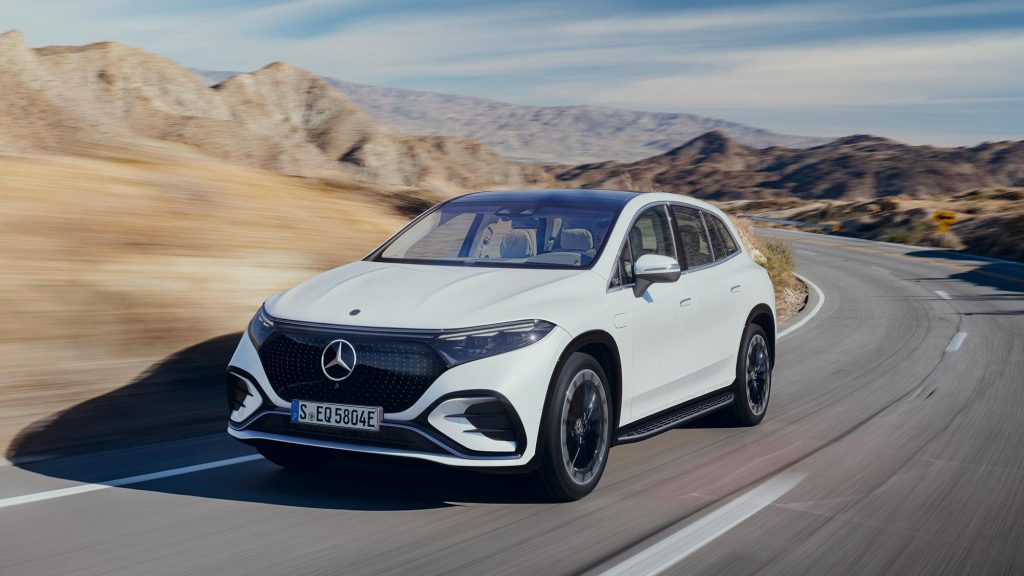
Insurance premiums additionally rise because of expensive repair procedures tied to sensors, battery systems, and advanced lighting technology. Even small accidents can generate repair bills much larger than buyers expect.
Another hidden issue involves depreciation uncertainty. Luxury EV markets continue changing rapidly, making resale values less predictable than those of traditional luxury SUVs. Buyers hoping strong residual values would offset ownership costs sometimes face disappointment later.
Interior repair costs also remain substantial. Premium leather, ambient lighting systems, and large glass surfaces create expensive maintenance and replacement situations if damage occurs.
The EQS SUV absolutely delivers impressive comfort and technology. Yet many owners later realize the luxury EV experience includes numerous hidden financial extras extending far beyond the attractive showroom presentation and base purchase price.
5. Chevrolet Corvette E Ray
The Chevrolet Corvette E-Ray arrived with enormous excitement because it combined traditional Corvette performance with hybrid technology and all-wheel-drive capability. Buyers loved the idea of owning a futuristic American supercar without stepping into exotic European pricing territory.
Many owners later discovered the real financial picture involved hidden charges and unexpected costs, adding thousands beyond the advertised purchase price.
One major issue involved dealer markups. Demand for the E-Ray remained extremely high, allowing many dealerships to add aggressive market adjustment fees on top of MSRP. Buyers excited about securing an allocation often accepted inflated pricing simply to avoid long waiting lists.
Performance-related accessories created another financial trap. Dealers frequently added carbon fiber trim, wheel packages, upgraded exhaust systems, and appearance enhancements before delivery. These extras pushed transaction prices dramatically higher while offering huge profit margins for dealerships.
Insurance premiums shocked many buyers, too. Despite carrying the Corvette name, the E-Ray’s hybrid performance system and expensive components increased repair complexity significantly, resulting in much higher insurance rates than owners expected.
Wheel and tire replacement costs also turned into a major expense for many owners. The Chevrolet Corvette E-Ray uses ultra-high-performance tires that can wear out rapidly during aggressive driving, and replacement tire sets often cost far more than what typical sports car buyers expect to pay.
Another expense involved calibration and repair requirements for advanced technology systems. Complex hybrid components, front-axle electric motors, and sophisticated performance electronics often make repairs far more complicated and expensive after minor collisions or mechanical issues.
Specialized diagnostics, recalibration procedures, and replacement parts can significantly raise long-term service costs.
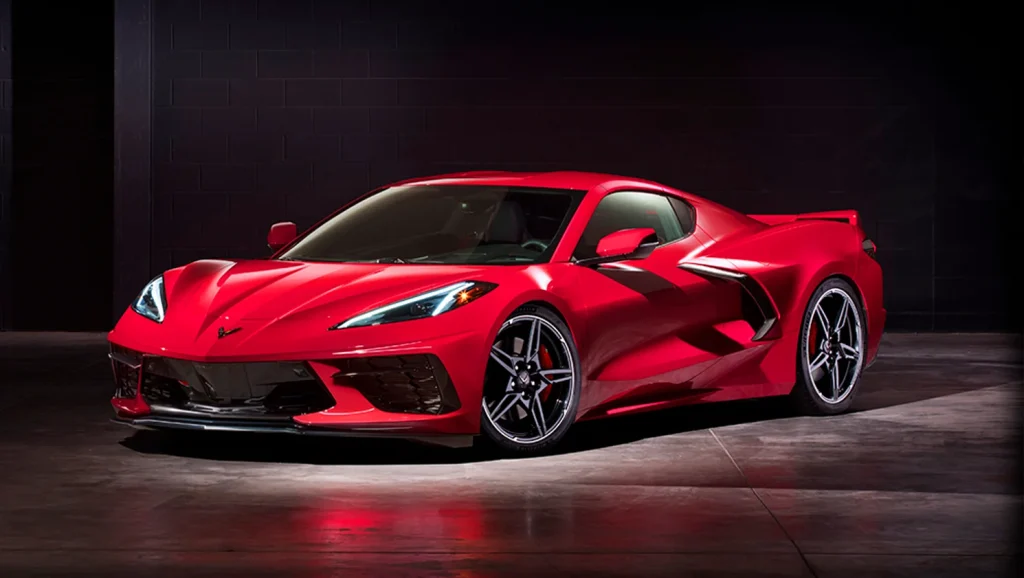
Fuel savings compared to traditional Corvettes also disappointed some buyers. While the hybrid setup improved performance dramatically, real-world efficiency gains often remained smaller than expected once aggressive driving entered the picture.
Extended warranty packages became another common upsell because buyers worried about long-term hybrid system reliability in a high-performance application.
The E-Ray absolutely delivers incredible speed and futuristic engineering. Unfortunately, many owners later realized the excitement surrounding the first hybrid Corvette made it easier for dealers and financing offices to attach expensive extras that buyers barely noticed during the emotional purchasing process.
6. Toyota Sequoia Hybrid
The Toyota Sequoia Hybrid entered the full-size SUV market, promising stronger efficiency, modern technology, and family practicality combined with Toyota reliability. Buyers expecting predictable ownership costs often discovered hidden expenses and additional charges, increasing the real transaction price far beyond the original window sticker.
One major issue involved dealer-installed packages. Because demand for large family SUVs remained strong, many Sequoias arrived on lots already equipped with overpriced accessories such as roof racks, running boards, cargo organizers, paint protection packages, and wheel upgrades buyers never originally requested.
Another surprise came from financing office add-ons. Families purchasing expensive SUVs frequently encounter aggressive upselling involving extended warranties, prepaid maintenance plans, wheel protection coverage, and interior protection products capable of adding thousands to final contracts.
Fuel economy expectations also created frustration. While the hybrid powertrain improved efficiency compared to older V8 models, many buyers expected much larger savings considering the hybrid branding. Real-world mileage during towing or heavy family use often disappointed owners.
Insurance premiums increased, too, because of the SUV’s high replacement value and advanced technology systems. Large family vehicles carrying sophisticated safety equipment cost significantly more to repair after accidents than some buyers realize initially.
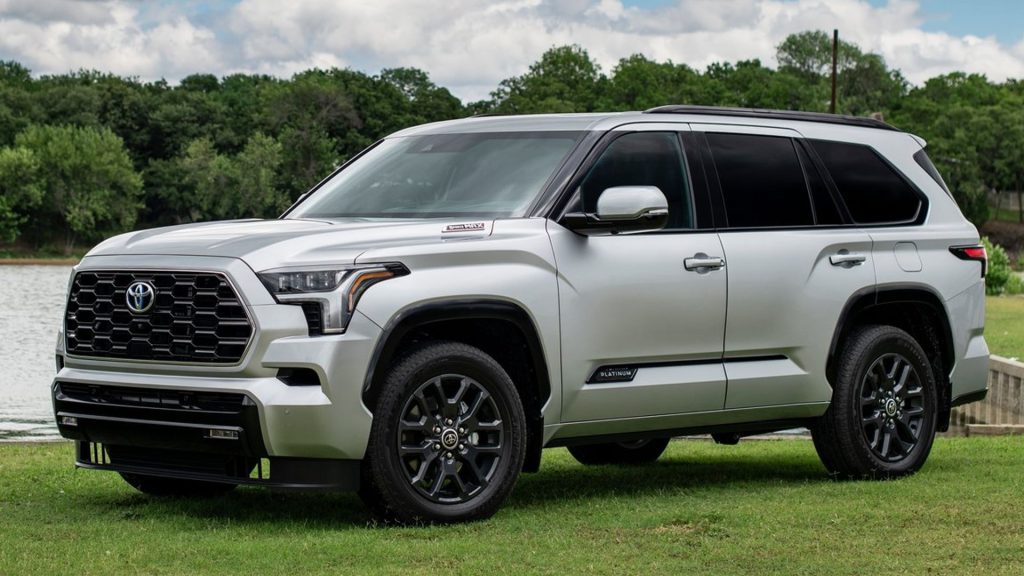
The Sequoia’s large wheels additionally contribute to hidden long-term expenses through expensive tire replacements and higher maintenance costs compared to smaller SUVs.
Another overlooked issue involves accessories tied to family ownership. Cargo systems, towing equipment, roof carriers, rear entertainment accessories, and upgraded floor protection frequently become necessary purchases after delivery.
Depreciation also surprised some owners because rising transaction prices pushed fully equipped Sequoias into luxury SUV territory financially.
The Sequoia Hybrid remains spacious, capable, and reliable. Yet many buyers eventually realize the combination of dealer add-ons, financing extras, and ownership-related expenses quietly pushes total costs thousands above what they originally planned when beginning the shopping process.
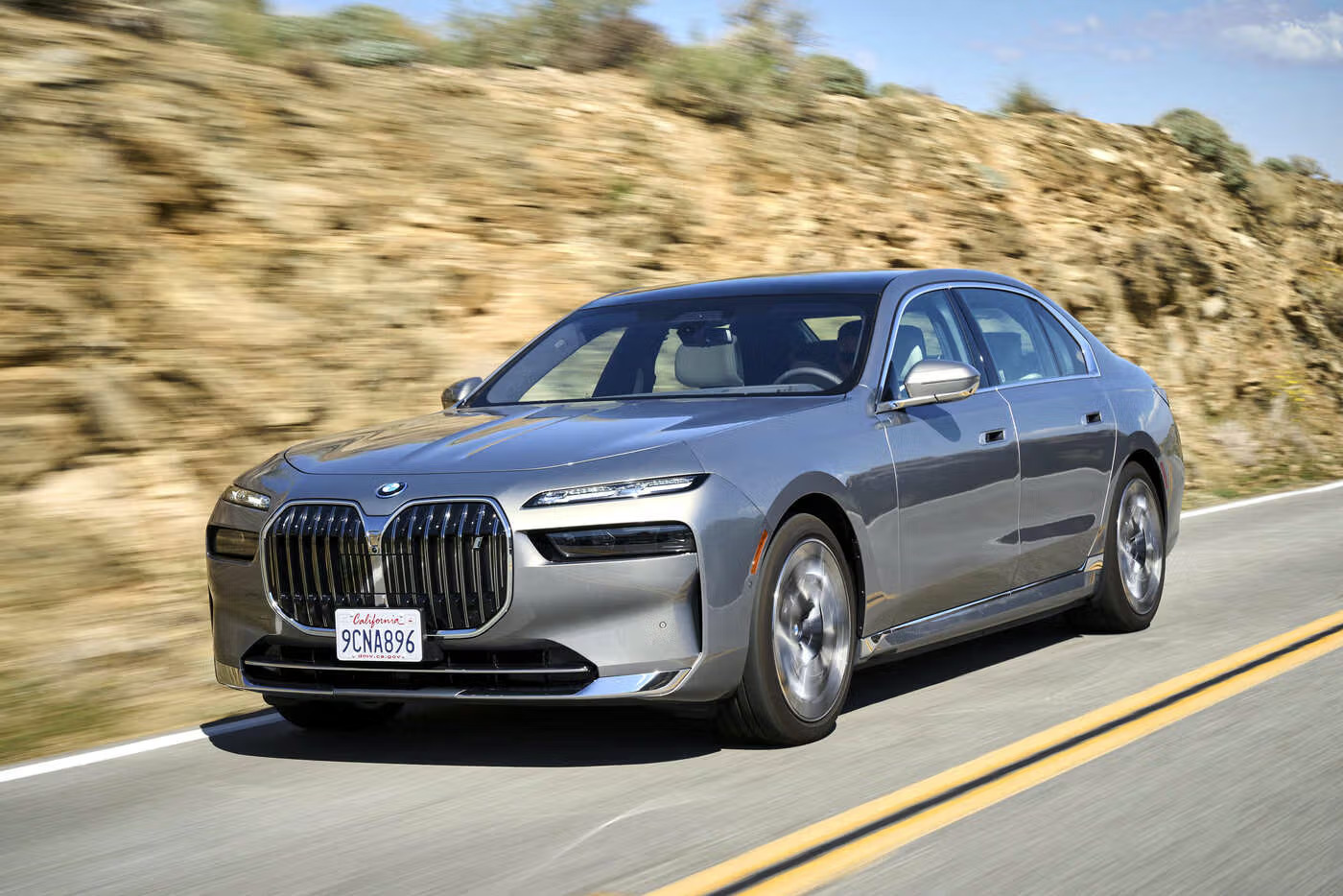
7. BMW i7
The BMW i7 entered the luxury EV segment as a technological showcase filled with premium materials, massive screens, and advanced electric performance. Buyers expected a smooth flagship ownership experience matching the enormous price tag.
Many later discovered hidden costs and unexpected charges, pushing the real ownership expense far beyond the already expensive purchase price.
One significant problem involves the way optional features are packaged. Many buyers expect high-end technology and comfort features in a flagship BMW to come standard, only to discover they are locked behind expensive upgrade packages.
Features such as executive-style rear seats, premium audio systems, advanced lighting technology, and rear entertainment options can add thousands to the vehicle’s final purchase price.
Charging infrastructure expenses also catches buyers off guard. Installing high-capacity home charging systems frequently requires electrical upgrades, specialized labor, and permitting costs capable of adding substantial expense after delivery.
Insurance premiums become another unpleasant surprise. The i7’s advanced sensors, expensive lighting systems, and large battery pack make repair costs extremely high after accidents, increasing monthly insurance payments significantly.
Another hidden charge involves wheel and tire replacement. Large luxury EV wheels paired with heavy battery weight increase tire wear noticeably, and replacement performance tires cost far more than many buyers expect.
Technology subscriptions create additional long-term expenses. Certain connected services and digital features require ongoing payments after introductory periods expire, adding continuing costs long after the original purchase.
Depreciation uncertainty also worries many owners because luxury EV markets change rapidly with new technology releases and pricing adjustments affecting resale values unpredictably.
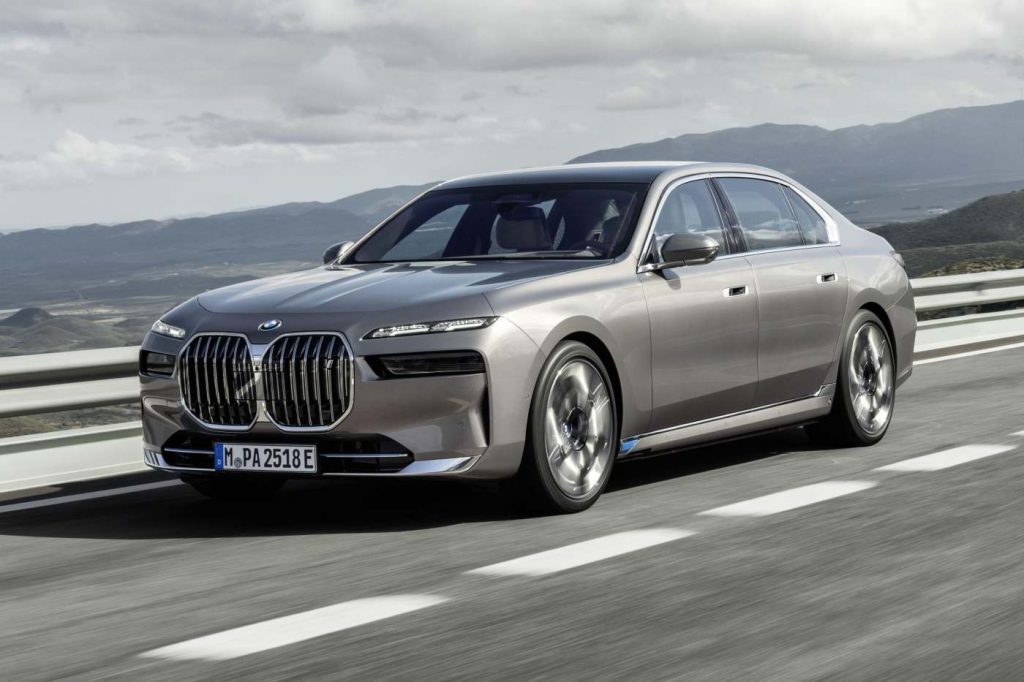
Interior repair expenses remain extremely high as well. Premium leather surfaces, crystal controls, large digital displays, and motorized luxury features create costly repair situations if damage occurs.
The i7 absolutely delivers extraordinary comfort and futuristic technology. Yet many owners later realize the true cost of flagship electric luxury extends far beyond the showroom price once charging setup, subscriptions, insurance, and optional equipment begin accumulating.
8. GMC Sierra Denali Ultimate
The GMC Sierra Denali Ultimate targets buyers wanting full-size truck capability combined with near-luxury SUV levels of comfort and technology.
At first glance, the truck appears loaded with premium equipment already. Many buyers later discover hidden charges, and expensive extras quietly push the final transaction price thousands higher than expected.
One major concern involves dealer markups and forced accessory bundles. Popular pickup trucks are often sold with pre-installed items such as bed covers, upgraded wheels, paint protection treatments, side steps, and appearance packages already included in the deal.
These add-ons are frequently priced far above their actual market value, significantly increasing the final purchase cost for buyers.
Another financial surprise comes from financing office products. Dealers aggressively market extended warranties, tire protection plans, towing coverage, maintenance packages, and interior protection services because buyers spending luxury-level money on trucks often accept additional monthly costs more easily.
Fuel expenses also become larger than expected. Despite modern engine technology, large luxury trucks remain expensive to operate daily, especially when equipped with oversized wheels or aggressive tire packages.
Insurance premiums create another hidden cost because replacement parts, advanced driver assistance systems, and luxury trim repairs carry premium pricing after accidents.
The Sierra Denali Ultimate’s large wheels additionally produce expensive tire replacement bills much sooner than some owners anticipate. Premium truck tires combined with heavy curb weight increase wear noticeably over time.
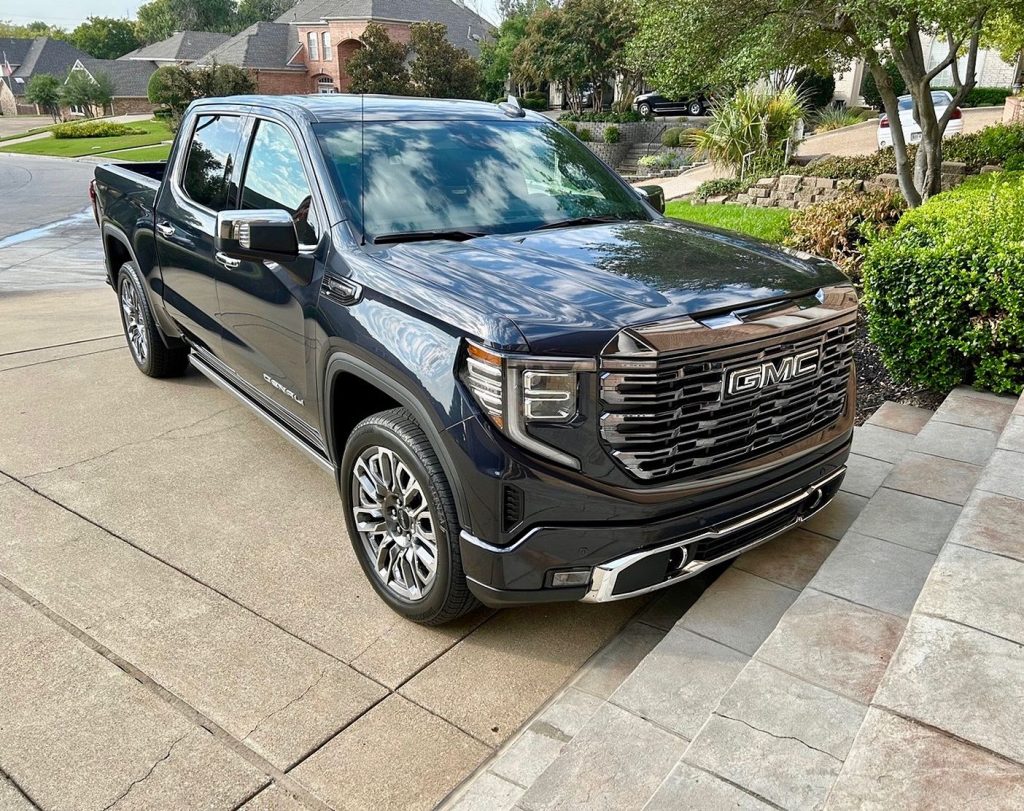
Another overlooked expense involves towing equipment and truck accessories purchased after delivery. Owners frequently add bed liners, trailer brake controllers, cargo systems, tonneau covers, and towing upgrades once they begin using the truck regularly.
Depreciation also surprises certain buyers because fully loaded luxury trucks now reach price ranges once reserved for exotic luxury SUVs.
The Sierra Denali Ultimate absolutely delivers comfort and impressive capability. Unfortunately, many buyers later realize luxury truck ownership often includes thousands in hidden extras and dealer add-ons barely noticeable during the excitement of purchasing such an expensive and feature-packed pickup.
9. Porsche Cayenne Coupe
The Porsche Cayenne Coupe attracts buyers with sporty styling, luxury performance, and the prestige associated with the Porsche badge. Many shoppers enter dealerships believing they already understand the vehicle’s expensive nature.
The real surprise comes later when hidden charges and additional ownership costs quietly push the final financial commitment thousands beyond expectations.
One major issue involves optional equipment pricing. Porsche is famous for charging extra for features that many luxury brands include as standard.
Buyers often begin with a reasonable base price, only to discover items such as upgraded seats, premium audio systems, driver assistance technology, larger wheels, and interior trim packages inflate the cost dramatically.
Dealer-installed accessories create another financial trap. Paint protection film, ceramic coatings, wheel insurance, cargo packages, and appearance upgrades frequently appear on contracts before buyers fully realize how much they increase the total purchase amount.
Wheel and tire costs become another unpleasant surprise. Large performance wheels paired with low-profile tires wear quickly and cost enormous amounts to replace, especially on higher-performance trims.
Insurance premiums also remain extremely high because Porsche repair costs, advanced electronics, and expensive body panels make even small accidents financially painful.
Fuel costs additionally disappoint certain buyers. Despite sporty engineering and modern turbocharged engines, the Cayenne Coupe still consumes fuel aggressively when driven the way many owners naturally enjoy it.
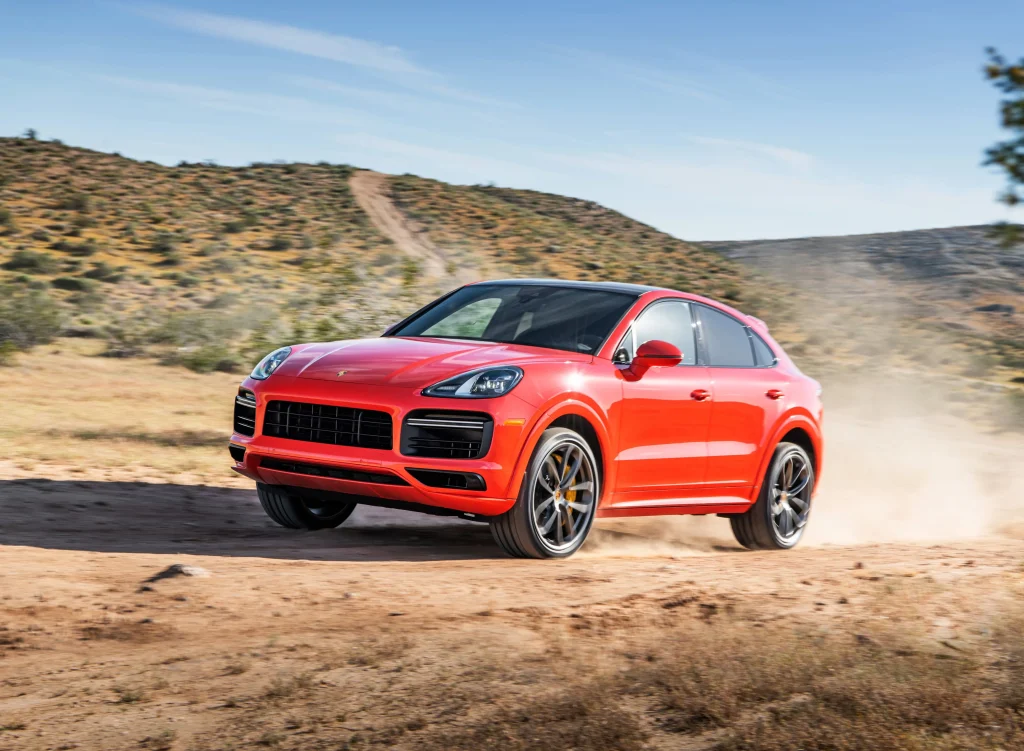
Another hidden expense involves maintenance expectations. Premium brakes, performance components, and luxury electronics increase long-term servicing costs far beyond ordinary SUVs.
The Cayenne Coupe absolutely delivers luxury and driving excitement. Unfortunately, many buyers later realize the attractive base price barely represents the true cost once options, dealer extras, insurance, and performance-related ownership expenses begin stacking together.
10. Cadillac Celestiq
The Cadillac Celestiq entered the ultra-luxury EV market as one of the most ambitious American cars ever created. Buyers expected exclusivity, futuristic technology, and handcrafted luxury rivalling exotic European brands.
What many owners quickly discovered was that the true cost of ownership extended far beyond the already staggering purchase price.
One major source of hidden expense involves customization. Cadillac encourages buyers to personalize nearly every aspect of the Celestiq, but premium materials, unique finishes, and bespoke options increase costs dramatically. Features initially sounding minor can quietly add thousands to the final build.
Charging infrastructure also becomes expensive because many Celestiq owners install advanced home charging systems alongside electrical upgrades capable of supporting ultra-luxury EV charging demands. These installation costs often arrive after the excitement of ordering the vehicle has already faded.
Insurance premiums shock many buyers as well. The Celestiq’s limited production numbers, expensive body components, advanced lighting systems, and massive digital technology setup make repair costs extremely high after even small accidents.
Another hidden issue involves software and connected services. Ultra luxury EVs increasingly depend on digital ecosystems, subscriptions, and ongoing updates requiring additional payments over time.
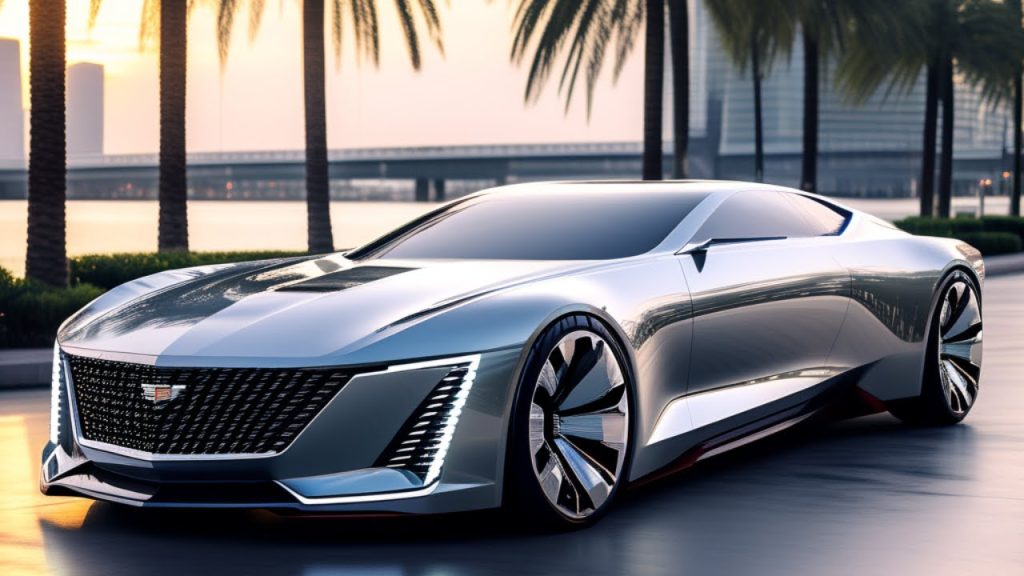
Tire and wheel replacement costs can also become exceptionally expensive because the Cadillac Celestiq uses exclusive luxury-performance parts that are difficult to find and costly to replace. Custom-built wheels and specialized tire setups add significantly to long-term ownership expenses.
Depreciation uncertainty adds another layer of financial risk. Since the Celestiq represents a completely new ultra-luxury direction for Cadillac, long-term resale values remain difficult to predict.
The Celestiq absolutely delivers exclusivity and technological sophistication that few vehicles can match. Yet many buyers later realize the hidden expenses tied to customization, technology, insurance, and luxury EV ownership can escalate far beyond what even wealthy shoppers originally expected.
