
The early 2000s created a fascinating era for sports cars. Automakers were experimenting with sharper styling, higher-revving engines, improved suspension technology, and increasingly bold performance identities.
Yet these vehicles arrived before modern regulations, oversized screens, hybrid systems, and heavy driver-assistance technology transformed the industry. As a result, many Y2K sports cars delivered a raw and mechanical driving experience that feels increasingly rare today.
For years, collectors focused heavily on muscle cars from the 1960s, analog performance icons from the 1980s, or legendary Japanese tuner cars that became internet celebrities.
Meanwhile, many sports cars from the late 1990s and early 2000s quietly remained affordable. Buyers treated them as used performance machines rather than future collectibles. That perception is changing rapidly.
A new generation of enthusiasts now has disposable income and emotional attachment to the cars they admired during childhood. Video games, movies, magazine covers, and street racing culture helped turn many Y2K-era sports cars into dream machines for younger enthusiasts who are now entering the collector market.
Clean examples are becoming harder to find because many were modified heavily, neglected, crashed, or driven aggressively for years.
Another reason these cars are gaining collector attention is their simplicity. Many Y2K sports cars still offered manual transmissions, naturally aspirated engines, hydraulic steering, and physical driver involvement that newer performance vehicles often lack. Modern sports cars may be faster on paper, but older models frequently feel more engaging at normal road speeds.
Design also plays a huge role. The Y2K period produced bold curves, dramatic headlights, compact proportions, and futuristic styling themes that perfectly captured the optimism of the era. Today, those once ordinary designs suddenly look nostalgic and distinctive.
Some of these sports cars are already climbing rapidly in value, while others remain surprisingly attainable despite growing demand.
Enthusiasts paying attention now are beginning to realize that many forgotten performance cars from the Y2K era are no longer simply used vehicles. They are becoming modern collectibles with rising cultural importance and strong enthusiast followings.
Also Read: 10 Cars With the Most Expensive Total Ownership Cost
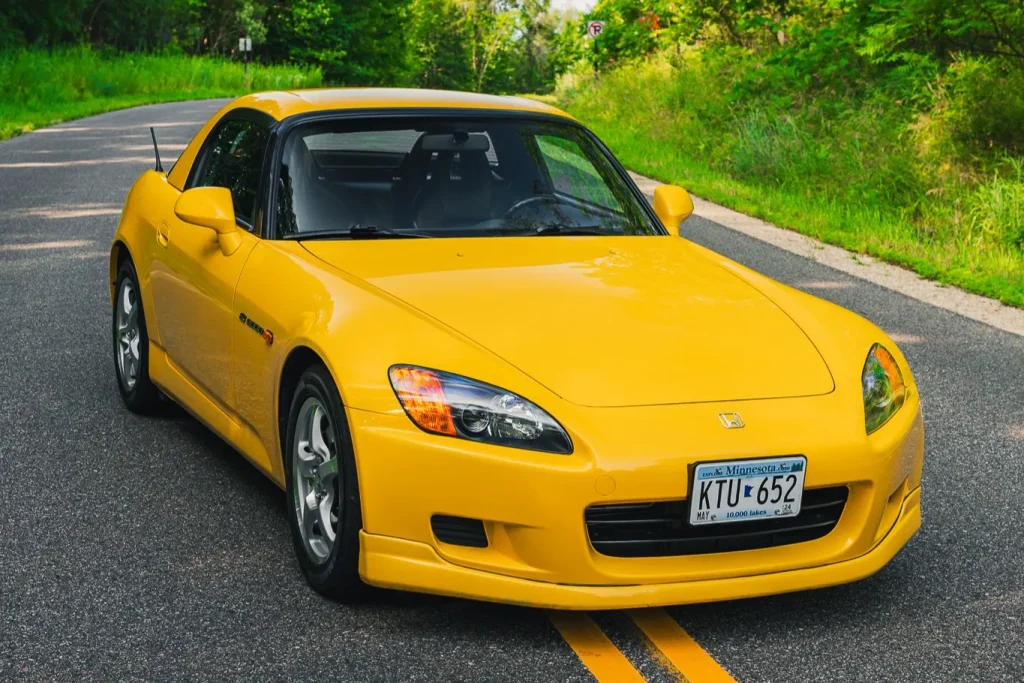
1. Honda S2000
The Honda S2000 spent years sitting in an unusual space within the sports car market. Enthusiasts respected it deeply, but collectors largely ignored it while prices remained relatively reasonable.
That situation has changed dramatically as buyers finally recognize how special this roadster truly was. Clean, unmodified examples are becoming harder to find, and values continue climbing as demand grows.
One reason the S2000 is becoming collectable is its engine. Honda engineered the car around a naturally aspirated four-cylinder that loved revving higher than almost anything else on the road at the time.
The AP1 generation especially became famous for its screaming 9,000 RPM redline, delivering an experience modern turbocharged sports cars rarely replicate. Drivers had to work the gearbox and chase revs actively, which created a strong connection between driver and machine.
The styling aged remarkably well, too. Unlike some Y2K sports cars that now appear overly futuristic or dated, the S2000 still looks clean and purposeful. The long hood, short rear deck, and compact dimensions give it classic roadster proportions that continue attracting younger enthusiasts.
Collectors also appreciate the car’s purity. The interior remained focused entirely on driving rather than luxury distractions. Analog gauges, a tight six-speed manual transmission, and responsive steering created an experience centered around engagement instead of comfort.
That formula feels increasingly valuable in a modern automotive world filled with automation and digital isolation.
Another factor driving collectibility is rarity in good condition. Many SS2000s were modified heavily during the tuning boom of the 2000s. Others suffered from aggressive driving, neglected maintenance, or accident damage.
Completely stock examples with low mileage are becoming difficult to locate, which naturally increases demand among collectors seeking originality.
The S2000 also gained legendary reliability status compared to many European sports cars from the same period. Buyers realized they could own a high-revving performance machine without constant mechanical anxiety. That balance between excitement and dependability broadened the car’s appeal significantly.
Driving impressions continue fueling the hype as well. Enthusiasts who experience an S2000 today often walk away surprised by how alive the car feels. Lightweight construction, sharp throttle response, and exceptional gearbox precision make the roadster memorable even by modern standards.
For years, the S2000 remained an enthusiast secret, hiding in plain sight. Today, collectors increasingly understand that Honda created one of the purest sports cars of its generation, and the market is reacting accordingly.
2. Nissan 350Z
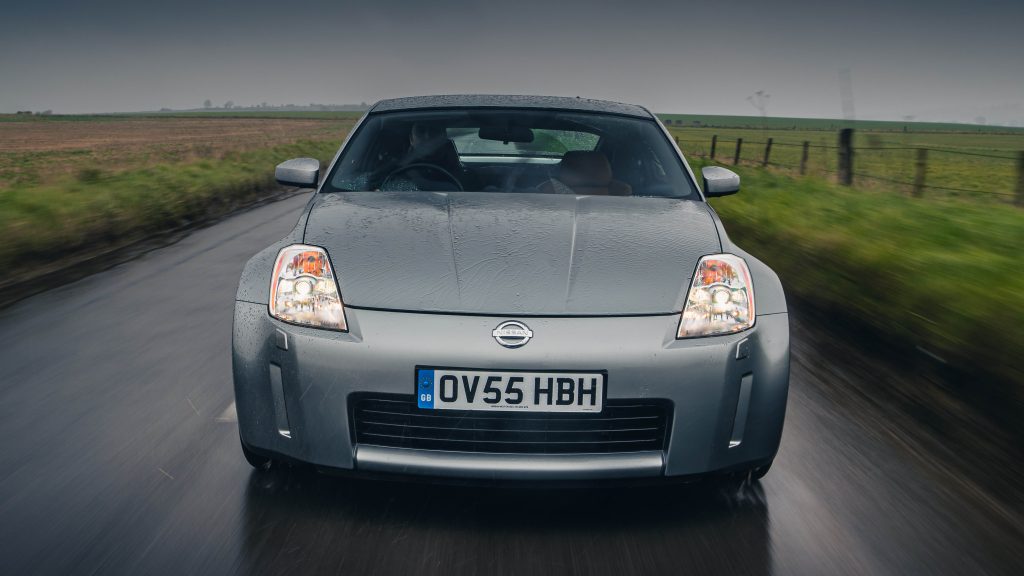
The Nissan 350Z arrived during a period when affordable rear-wheel-drive sports cars were becoming increasingly rare. Nissan revived the legendary Z badge with aggressive styling, strong V6 performance, and a driver-focused personality that immediately attracted enthusiasts.
At the time, many buyers simply viewed it as an accessible sports coupe. Today, collectors are beginning to realize the 350Z represents one of the defining Japanese performance cars of the Y2K era.
Its design remains one of the car’s strongest assets. The 350Z looked muscular and compact, with a stance that communicated performance instantly. The long hood, short cabin, and wide rear proportions gave it visual drama without becoming overly complicated.
Two decades later, the styling still feels bold and unmistakably tied to early 2000s automotive culture.
Performance also played a major role in shaping the car’s reputation. Nissan equipped the 350Z with the VQ series V6 engine, which delivered strong power, a distinctive exhaust note, and excellent tuning potential.
Combined with rear-wheel drive and available manual transmissions, the coupe became popular among drifting communities, weekend racers, and street performance enthusiasts.
That popularity, however, created a future rarity problem. Many 350Zs were modified aggressively during the tuner era. Cheap aftermarket parts, body kits, questionable suspension setups, and hard driving became extremely common.
As a result, finding clean and unmodified examples today is becoming increasingly difficult. Collectors are now paying close attention to original cars that escaped years of abuse.
The driving experience also feels refreshingly analog by modern standards. Hydraulic steering provides direct feedback, the chassis feels mechanical rather than computerized, and drivers remain heavily involved in the experience. Modern sports cars may offer greater speed, but the 350Z delivers a raw personality that enthusiasts continue to crave.
Video game culture helped strengthen the car’s collector status as well. The 350Z appeared prominently in racing games, movies, and tuner magazines throughout the 2000s, making it an icon for an entire generation of car enthusiasts. Nostalgia now plays a huge role as those younger fans enter the collector market.
Another reason values are rising is the disappearance of affordable Japanese sports cars in general. As prices for icons like the Toyota Supra and Nissan Skyline exploded, collectors started looking toward cars that still offered authentic Y2K Japanese performance identity at lower entry points.
The 350Z may have once been considered merely a used sports coupe, but it is steadily transitioning into something far more important within modern collector culture.
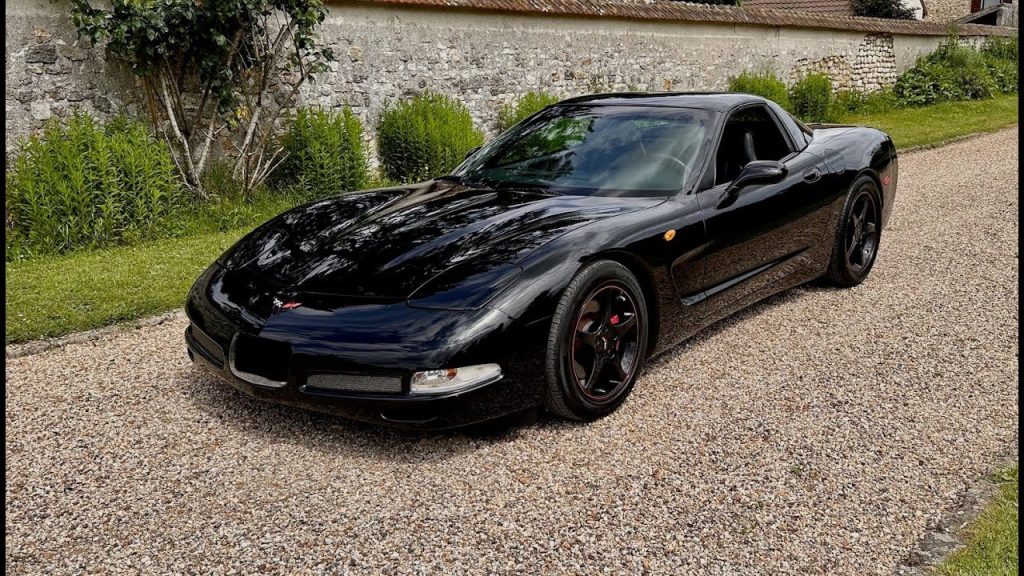
3. Chevrolet Corvette C5
The Chevrolet Corvette C5 spent years living in the shadow of earlier classic Corvettes and newer high-horsepower generations. For a long time, buyers viewed it as simply an older used performance car with cheap speed.
Quietly, that perception has started changing. Enthusiasts are beginning to recognize the C5 as one of the most important American sports cars of the Y2K era, and clean examples are becoming increasingly desirable among collectors.
Part of the C5’s growing appeal comes from how advanced it was when introduced. Chevrolet transformed the Corvette into a far more serious sports machine with improved chassis balance, better structural rigidity, and the legendary LS1 V8 engine.
Performance numbers remain impressive even today, yet the car still delivers an analog experience missing from many modern vehicles.
The LS1 engine deserves enormous credit for the car’s rising reputation. It became one of General Motors’ most respected V8 platforms because of its durability, tuning potential, and strong power delivery.
Enthusiasts love the engine because it responds well to modifications while remaining relatively simple compared to newer performance drivetrains packed with electronic complexity.
Another major factor helping the C5 gain collector attention is affordability relative to capability. For years, buyers could purchase a C5 for surprisingly low prices considering the level of performance offered.
That value attracted younger enthusiasts, but as clean cars disappear, collectors have started targeting low-mileage examples and special variants such as the Z06.
The design now feels deeply connected to late 1990s and early 2000s American performance culture. Pop-up headlights, wide proportions, and smooth aerodynamic curves capture the era perfectly. What once looked ordinary beside exotic supercars now carries a nostalgic charm that resonates strongly with collectors.
Interior simplicity also works in the car’s favor today. The cabin focused on driving rather than digital distractions. Analog gauges, physical controls, and a straightforward cockpit create a mechanical atmosphere that many enthusiasts prefer over giant touchscreen-dominated interiors.
The C5 additionally benefits from strong enthusiast communities. Owners maintain these cars carefully, share technical knowledge widely, and continue supporting the platform through aftermarket upgrades and restoration parts. Healthy enthusiast support often plays a major role in helping vehicles transition from used cars into respected collectibles.
Driving a C5 today is a reminder of why it still matters. By modern standards it feels light, responsive, loud, and distinctly American, delivering pure excitement without heavy electronic interference. That unfiltered character stands out even more now, as the automotive world shifts quickly toward automation.
The Corvette C5 is no longer just a bargain performance car. It is steadily earning recognition as a defining sports car from the Y2K period with genuine long-term collector potential.
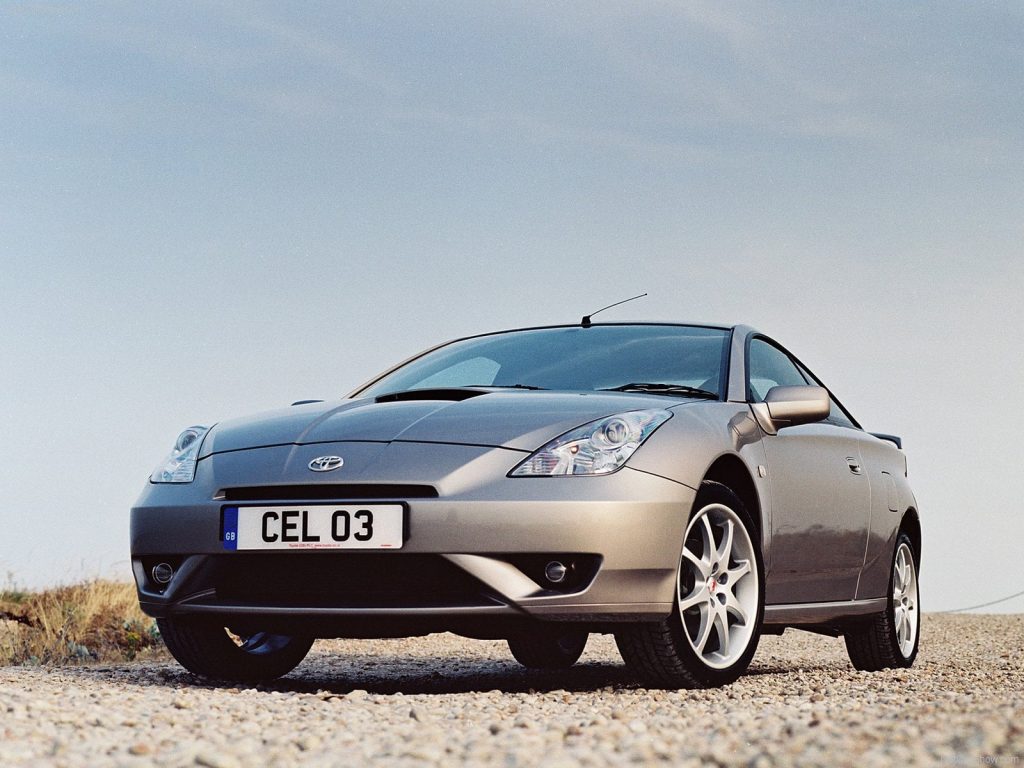
4. Toyota Celica GT S
The seventh-generation Toyota Celica GT-S arrived at a strange moment in automotive history. Buyers expected turbocharged power and aggressive straight-line speed from Japanese sports coupes after the glory years of the 1990s.
Instead, Toyota delivered a lightweight front-wheel-drive hatchback focused on high-revving excitement and agile handling. At first, some enthusiasts dismissed it. Years later, collectors are beginning to appreciate just how unique this car really was.
One reason the Celica GT-S is gaining attention now is its engine character. Toyota equipped the car with the 2ZZ-GE engine, developed with help from Yamaha.
This naturally aspirated four-cylinder featured variable valve timing technology that completely changed personality at high RPMs. Drivers had to push the engine hard to unlock its best performance, creating an experience far more involving than many modern turbocharged cars.
The styling captured Y2K energy perfectly. Sharp lines, triangular headlights, dramatic body creases, and compact proportions gave the Celica an unmistakably futuristic appearance for its time. Today, those design choices feel nostalgic rather than strange, helping the car stand out among more generic modern hatchbacks.
Collectors are also paying attention because relatively few clean GT-S models remain. Many examples were modified heavily during the tuner boom, while others suffered from hard driving or poor maintenance. Original cars with factory wheels, stock interiors, and untouched drivetrains are becoming increasingly difficult to locate.
The Celica’s lightweight nature contributes heavily to its appeal, too. Modern sports cars often weigh far more because of safety systems, luxury features, and larger dimensions. The GT S feels nimble and eager by comparison, rewarding drivers who enjoy momentum-based performance rather than pure horsepower numbers.
Another reason interest is growing involves nostalgia from gaming and tuner culture. The Celica appeared frequently in racing games, aftermarket catalogues, and import car magazines during the early 2000s. Younger enthusiasts who once admired the car digitally are now reaching the age where they can purchase and preserve one themselves.
Toyota reliability adds another layer of attractiveness. Unlike some temperamental performance cars from the era, the Celica GT S can remain dependable when maintained properly. Buyers appreciate sports cars that combine excitement with manageable ownership costs.
The interior also reflects a disappearing automotive philosophy. Simple gauges, physical controls, and a driver-oriented layout make the cabin feel engaging without unnecessary complexity. Nothing distracts from the driving experience itself.
For years, the Celica GT-S sat quietly beneath the radar while flashier Japanese sports cars dominated collector conversations. That is beginning to change as enthusiasts recognize the car’s unique blend of rev-happy performance, distinctive styling, and authentic Y2K personality.
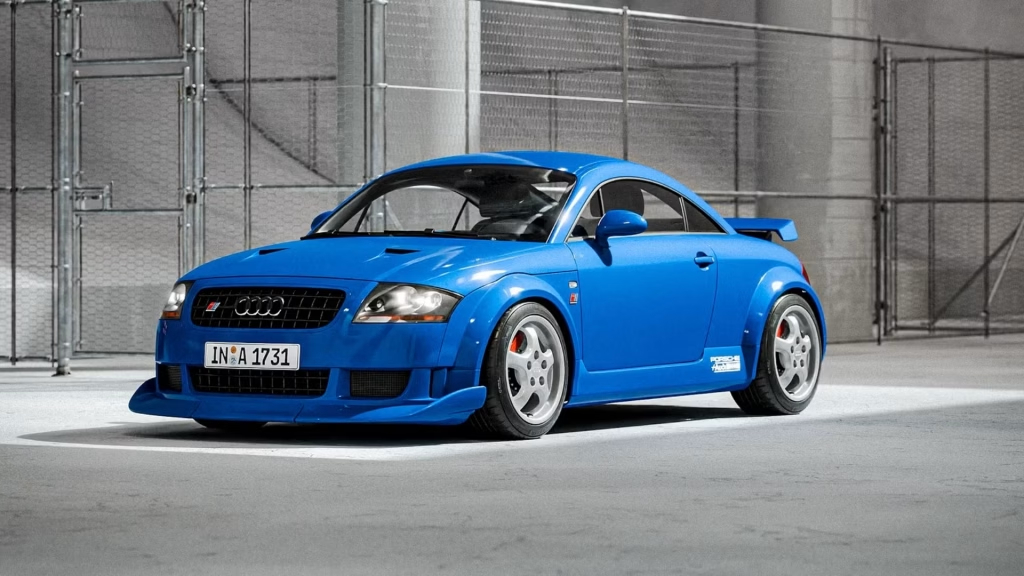
5. Audi TT Quattro
The Audi TT Quattro looked unlike almost anything else on the road when it first appeared. Its rounded body, compact proportions, and minimalist styling created instant attention during the late 1990s and early 2000s.
Some people considered it too futuristic at the time, while others immediately recognized it as a design icon. Today, collectors are beginning to see the TT Quattro as one of the defining sports cars of the Y2K era.
What makes the TT especially interesting is how well the design survived changing trends. Many sports cars from that period now appear overly complicated or dated, but the TT still looks modern and distinctive.
Audi created a shape that feels timeless because it avoided excessive aggression. The smooth curves and clean surfaces now represent a very specific moment in automotive design history.
Performance also played a major role in building the car’s reputation. The turbocharged engine delivered strong midrange power, and the Quattro all-wheel-drive system gave the TT impressive grip in different weather conditions.
It was not the fastest sports coupe of its generation, but it balanced style, usability, and performance in a way that attracted a broad range of enthusiasts.
The interior deserves special recognition, too. Audi filled the cabin with aluminum accents, circular air vents, and tactile controls that made the car feel far more premium than many rivals. Sitting inside an early TT still feels special because the design focused heavily on materials and driver interaction rather than giant screens and software menus.
Collectors are increasingly targeting original examples because so many TTs were modified during the tuner era. Lowered suspensions, aftermarket wheels, oversized body kits, and questionable performance upgrades became common. Finding a clean Quattro model with factory specifications intact is becoming much more difficult.
The TT also benefits from strong nostalgia tied to early 2000s culture. It represented modern European coolness during a time when automotive design was becoming increasingly experimental. The car appeared in movies, advertisements, fashion photography, and video games, helping cement its image as a stylish performance icon.
Another factor driving the TT’s growing collectability is the shift in the automotive industry. Compact sports coupes with manual transmissions, turbocharged engines, and distinctive styling are becoming increasingly rare. Modern vehicles often prioritize crossover practicality instead.
Driving an early TT today feels refreshingly mechanical. The steering has character, the turbocharged engine delivers a satisfying punch, and the small dimensions make the car feel agile on winding roads. That analog charm matters more every year as performance cars become heavier and more digitally filtered.
The Audi TT Quattro quietly evolved from a stylish used coupe into genuine collector material because it captured the optimism, creativity, and driving personality of the Y2K period better than almost any rival.
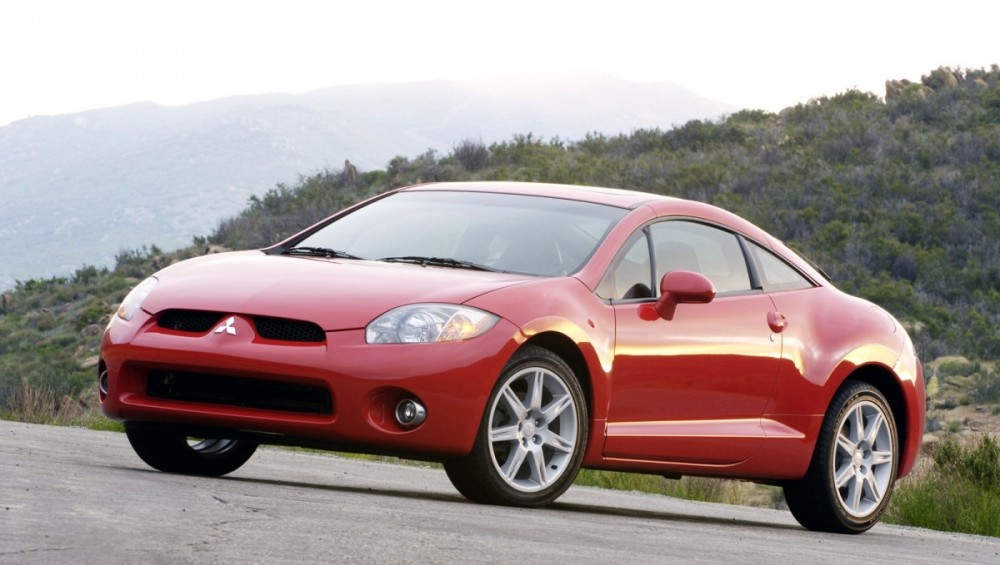
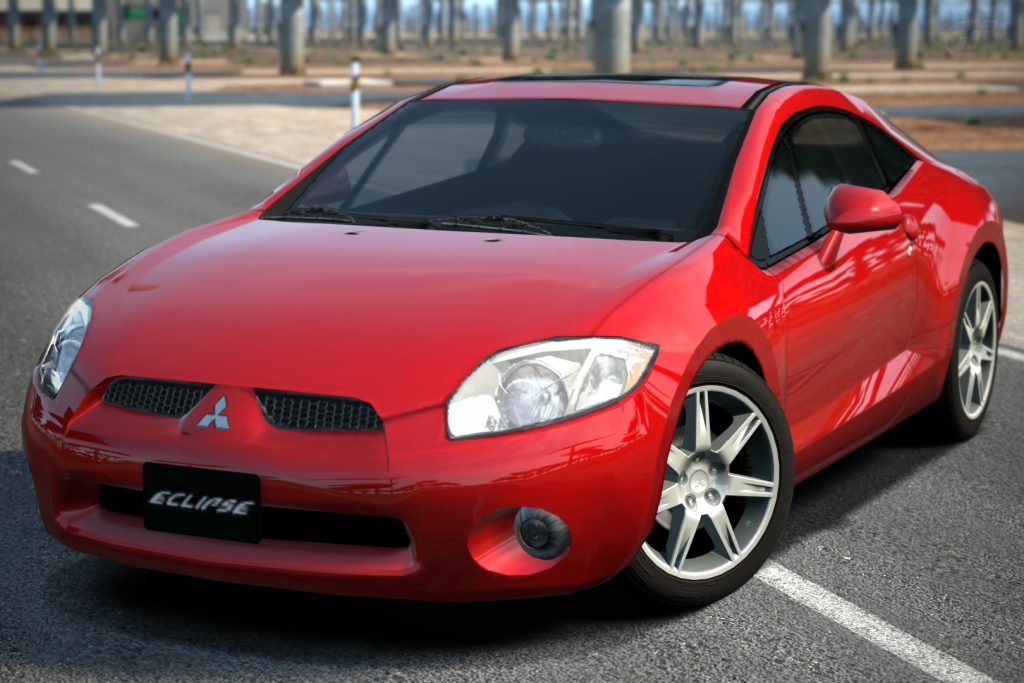
6. Mitsubishi Eclipse GT
The Mitsubishi Eclipse GT once stood at the center of early 2000s tuner culture. Aggressive styling, sporty proportions, and strong V6 performance made it popular among younger enthusiasts looking for an affordable coupe with dramatic road presence.
For years, however, collectors largely ignored the Eclipse because so many examples were modified, abused, or dismissed as products of the tuner craze. That attitude is beginning to shift.
One reason the Eclipse GT is gaining renewed attention is styling nostalgia. The third-generation and fourth-generation Eclipse models perfectly captured Y2K automotive design themes.
Sharp headlights, sweeping rooflines, sculpted side panels, and futuristic interiors reflected the optimism of the period. Today, those once common shapes suddenly feel unique compared to modern crossovers dominating roads.
The GT trim specifically stands out because of its V6 engine. While turbocharged four-cylinder sports compacts became extremely common during the tuner era, the Eclipse GT delivered smooth, naturally aspirated power with strong acceleration and a distinctive exhaust note. It gave the car a different personality from smaller import coupes of the same period.
Pop culture influence also plays a massive role in rising interest. The Eclipse became deeply connected with street racing movies, racing games, aftermarket magazines, and custom car shows during the 2000s.
Younger enthusiasts who grew up seeing modified Eclipses on posters and television are now entering the collector market with strong emotional attachments to the car.
Finding good examples has become surprisingly difficult. Many Eclipses suffered from extreme modifications, poor tuning decisions, neglected maintenance, or accident damage after years of hard driving. Completely stock GT models with clean interiors and factory paint are becoming increasingly uncommon, which naturally raises collector interest.
The driving experience feels nostalgic in ways modern sports coupes often cannot replicate. Hydraulic steering, physical controls, naturally aspirated throttle response, and compact dimensions create a direct connection between driver and car. The Eclipse reminds enthusiasts of a period before digital driving aids dominated the experience.
Another reason values may continue rising involves the scarcity of affordable Y2K performance icons. Prices for legendary Japanese sports cars skyrocketed years ago, forcing collectors to search for overlooked alternatives from the same cultural era.
The Eclipse GT fits perfectly into that category because it carries strong nostalgia without already reaching unattainable pricing.
The interior design also reflects the early 2000s sports coupe philosophy beautifully. Deep gauge clusters, driver-angled dashboards, and tactile controls create an environment that feels energetic and youthful even today.
For a long time, the Mitsubishi Eclipse GT was remembered mainly as a tuner car from an exaggerated automotive era. Now, collectors are beginning to appreciate it as an authentic symbol of Y2K performance culture with growing historical importance.
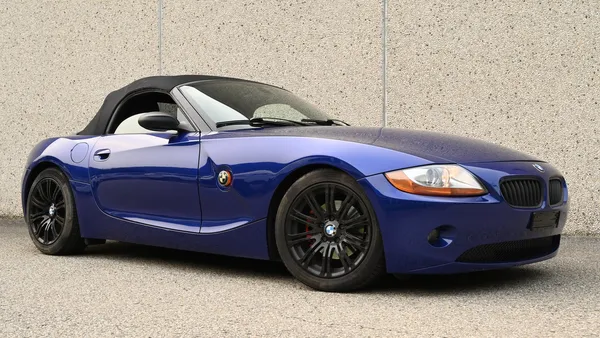
7. BMW Z4 3.0i
The first-generation BMW Z4 3.0i arrived during a period when BMW still prioritized mechanical driving feel above digital technology. At launch, some enthusiasts considered the styling controversial because of its sharp creases and dramatic proportions.
Years later, that bold design has become one of the very reasons the car is attracting collector attention. The Z4 now stands as a clear representation of early 2000s German sports car thinking.
One of the biggest reasons the Z4 is becoming collectable is its driving experience. The naturally aspirated inline-six engine delivers smooth power with a distinctive sound that modern turbocharged engines struggle to replicate.
Combined with rear-wheel drive and available manual transmissions, the car feels balanced and engaging in a way many modern roadsters no longer do.
BMW also engineered the Z4 with strong chassis rigidity, giving the car a more serious sports car personality than the softer Z3 that came before it.
Steering feedback feels direct, the suspension communicates road texture clearly, and the compact proportions make the roadster enjoyable even at legal speeds. Drivers do not need extreme horsepower to appreciate the car’s character.
The styling now looks far more distinctive than many newer convertibles. Long hood proportions, short rear overhangs, and dramatic body surfacing helped the Z4 stand apart from safer-looking rivals. What once seemed unusual now feels refreshing because modern sports cars often share similar aerodynamic shapes.
Collectors are increasingly searching for untouched examples because many early Z4S were modified or poorly maintained after values dropped. Lowered suspensions, aftermarket wheels, and neglected interiors became common during the used car years. Clean 3.0i models with manual gearboxes and factory specifications are becoming harder to locate each year.
Interior design contributes heavily to the car’s charm, too. Earlier BMW cabins focused on drivers rather than screens, and the Z4 reflected that philosophy perfectly. Analog gauges, physical climate controls, and a simple center stack created a cockpit that felt functional and sporty without unnecessary complexity.
The car also benefits from shifting enthusiast tastes. Buyers who once focused entirely on horsepower numbers are beginning to appreciate lightweight analog sports cars again. The Z4 represents a period before electric steering, oversized infotainment systems, and heavy driver assistance features changed the sports car formula.
Another important factor is emotional connection. The Z4 feels alive during ordinary driving. The engine note, steering weight, open-roof experience, and rear-wheel-drive balance create memorable moments even during short trips.
The first-generation Z4 3.0i quietly evolved from an overlooked used roadster into a respected modern classic because it preserved traditional BMW sports car character at exactly the right moment in automotive history.
8. Acura RSX Type S
The Acura RSX Type S has transformed from an affordable tuner favorite into one of the most sought-after front-wheel-drive performance cars of the Y2K era.
When new, buyers appreciated its reliability, sharp styling, and high-revving engine, but few imagined clean examples would become collectable. Today, demand continues growing rapidly as enthusiasts recognise how rare untouched RSX Type S models have become.
The heart of the car’s appeal is its K-series engine. Acura engineered the Type S to reward drivers who enjoyed pushing engines toward the redline.
The naturally aspirated four-cylinder produced its best performance at high RPM, creating an energetic personality that modern turbocharged hot hatches often lack. Combined with one of the best manual gearboxes of its era, the RSX delivered an experience enthusiasts still praise passionately.
Styling also helped the car age gracefully. The hatchback coupe shape gave the RSX practicality while maintaining sporty proportions. Sharp headlights, clean body lines, and compact dimensions captured the early 2000s performance aesthetic perfectly without appearing exaggerated today.
The RSX Type S gained enormous popularity during the tuner boom, which ironically created future rarity. Many cars were modified extensively with aftermarket exhausts, suspension kits, body modifications, and engine upgrades.
Others were wrecked, crashed, or stolen. Completely stock examples with original paint and factory components are becoming increasingly scarce, pushing collector interest higher.
Acura reliability gives the car another major advantage. Buyers appreciate sports cars that they can actually drive regularly without constant repair concerns. The RSX Type S combined performance excitement with dependable engineering, making ownership far less stressful than many European rivals from the same period.
The driving experience remains impressive even by current standards. Lightweight construction, responsive steering, excellent visibility, and sharp throttle response create a sense of connection that modern performance cars sometimes lose beneath layers of technology. Drivers must participate actively, especially when keeping the engine in its power band.
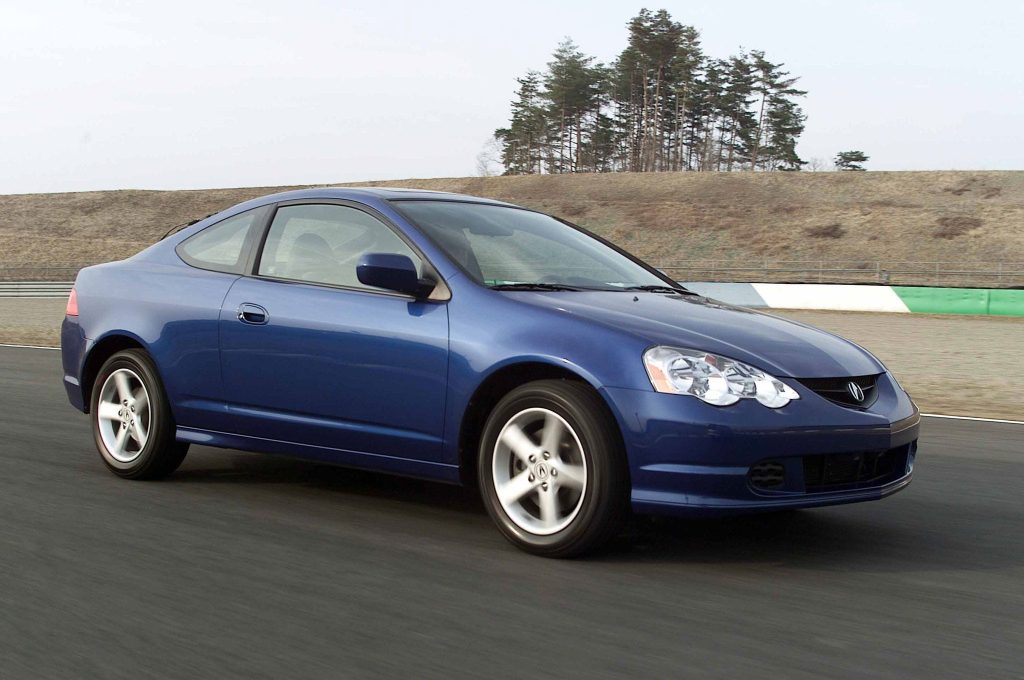
Inside the cabin, the RSX reflects an era before touchscreens dominated everything. Clear analog gauges, physical controls, supportive seats, and a driver-focused layout make the interior feel purposeful. Nothing distracts from the act of driving itself.
Cultural nostalgia continues to fuel the car’s rise as well. The RSX became deeply connected with street racing culture, import magazines, aftermarket tuning scenes, and racing video games throughout the 2000s. Enthusiasts who admired the car during childhood now want to own preserved examples before prices climb even higher.
The Acura RSX Type S represents more than just an old sporty hatchback now. It symbolizes a special moment when lightweight Japanese performance cars balanced reliability, high-revving excitement, and tuner culture perfectly. That combination is exactly why collectors are paying attention today.
Also Read: 9 Vehicles With the Most Tech Buried in the Base Trim
