
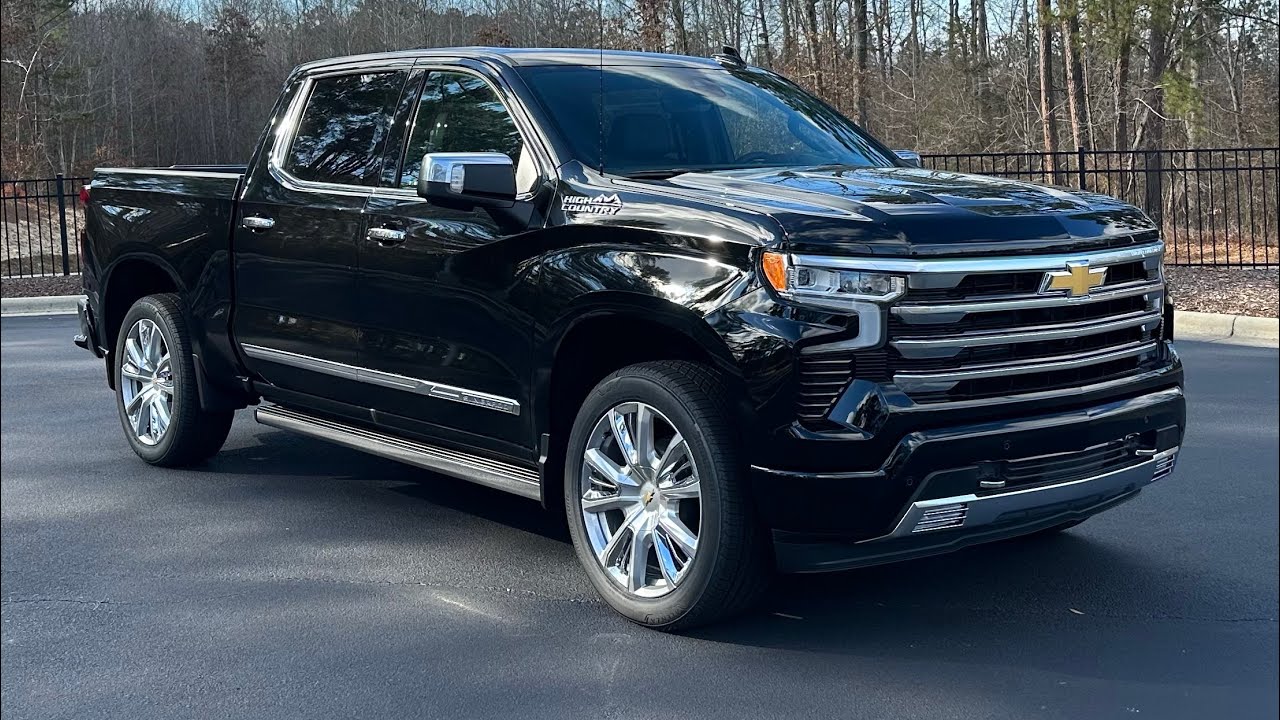
The modern American pickup truck has evolved into something very different from what it was originally designed to be. Decades ago, pickups existed mainly as work tools used by farmers, contractors, ranchers, construction crews, and people whose daily routines genuinely required towing capacity, cargo beds, and rugged durability.
Today, however, the pickup truck market looks completely different. A large percentage of modern truck buyers rarely tow trailers, haul heavy loads, or use their trucks in demanding work environments, yet pickup sales continue dominating the American auto industry.
That contradiction says a great deal about how vehicle buying habits have changed in recent years.
Automakers continue advertising trucks climbing rocky trails, towing massive trailers through mountains, and surviving brutal jobsite conditions because those images still sell the emotional idea of toughness and capability.
But in reality, many trucks now spend most of their lives commuting through suburban traffic, sitting in office parking lots, or carrying nothing more demanding than groceries and gym bags.
Despite that reality, Americans continue buying larger, more expensive, and more luxurious trucks every year.
The reason is simple. Modern pickup ownership is no longer driven purely by practical utility. For many buyers, trucks now represent lifestyle, identity, comfort, and emotional satisfaction as much as transportation itself.
Also Read: Laid-Off GM Employees Reveal Ominous Email and Role of AI in Job Cuts
Pickup Trucks Have Become Luxury Vehicles in Disguise
One of the biggest changes in the truck market is how dramatically pickups moved into luxury territory. A modern full-size truck no longer feels like a stripped-down work machine focused only on durability and function. Instead, many pickups now rival high-end SUVs when it comes to interior materials, technology, comfort, and pricing.
It is now completely normal to see trucks equipped with massive touchscreen systems, premium leather interiors, panoramic sunroofs, heated and ventilated seats, advanced driver assistance systems, adaptive suspensions, and sound insulation levels once reserved for luxury sedans.
Manufacturers did not move in this direction accidentally. Automakers realized years ago that many truck buyers were no longer using pickups exclusively for demanding labor or commercial tasks.
A growing number of customers wanted trucks because they liked the commanding seating position, rugged styling, spacious interiors, and image associated with truck ownership.
The industry responded by transforming pickups into upscale lifestyle vehicles capable of handling daily commuting as comfortably as any luxury SUV.
Financially, the strategy worked extremely well. Large pickups generate enormous profits for automakers because buyers willingly spend huge amounts of money on premium trim packages, oversized wheels, advanced infotainment systems, and cosmetic upgrades.
In many cases, appearance and comfort became more important selling points than towing or payload figures. That shift fundamentally changed what pickup trucks represent in American culture.
Most Truck Buyers Rarely Use the Maximum Capability
Industry studies conducted over the years repeatedly suggested that many pickup owners tow infrequently or not at all. Some buyers may tow a boat or small trailer once or twice annually, while others occasionally use the bed for furniture or home improvement projects.
However, the number of owners consistently using heavy-duty towing capability remains far smaller than truck advertising often implies. Yet modern trucks continue to become larger and more extreme.
Today’s half-ton pickups produce towing figures that would have seemed unbelievable twenty years ago. Horsepower numbers continue climbing, off-road packages grow increasingly aggressive, and manufacturers constantly compete to offer bigger engines and more capability.
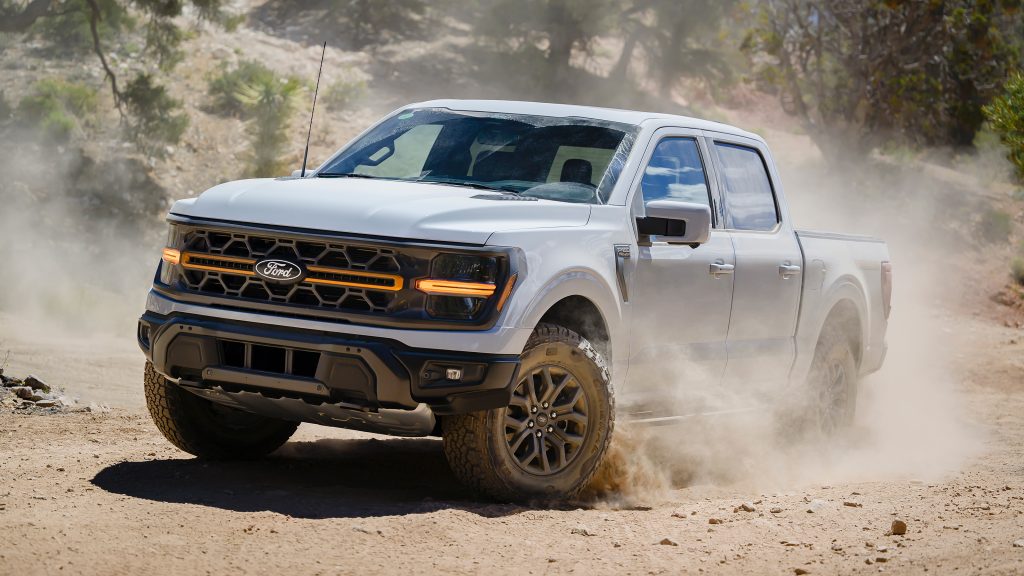
For many buyers, though, these numbers function more as emotional reassurance than actual daily necessity.
The average suburban commuter driving a lifted pickup to an office job rarely needs 12,000 pounds of towing capacity. Most owners will never approach the engineering limits built into modern trucks. Still, buyers continue gravitating toward these vehicles because capability itself has become part of the appeal.
People like owning something that feels powerful and prepared for any situation, even if that capability remains mostly unused.
That emotional connection explains why truck sales remain so strong despite rising fuel costs, higher insurance premiums, and increasing vehicle prices.
Trucks Became Symbols of Identity and Lifestyle
The rise of pickup trucks as personal vehicles has less to do with practicality alone and more to do with what trucks symbolize culturally. In America, especially, trucks became deeply connected to ideas of independence, toughness, freedom, and self-reliance.
For many buyers, owning a truck projects an image of capability even if their daily lifestyle does not require serious hauling or towing. A pickup creates the feeling that the owner could tow a trailer across the country, drive into remote wilderness, or start a construction business if necessary.
That emotional flexibility matters more than many people realize. Vehicle purchases are rarely based purely on logic. Consumers buy cars that reflect how they see themselves or how they want to be perceived. Trucks successfully tap into that psychology because they combine practicality with an image of strength and ruggedness.
Automakers understand this extremely well. That is why truck commercials continue focusing on mountains, dirt roads, construction sites, and outdoor adventure rather than ordinary commuting.
Even though many trucks spend most of their time in suburban neighborhoods, the marketing still sells aspiration and lifestyle rather than daily reality. The truck becomes less about actual work requirements and more about personal identity.
Modern Pickups Are Becoming Too Large for Everyday Use
Ironically, many trucks have now become so large that they create practical challenges during normal daily driving.
Parking modern full-size pickups in crowded garages or urban parking lots can be frustrating. Maneuvering narrow city streets becomes more difficult, and some garages barely accommodate newer truck dimensions comfortably.
Fuel costs and tire replacement expenses continue increasing alongside truck size as well. Yet consumers continue embracing larger models.
Manufacturers fueled this trend for years by constantly competing for higher towing numbers, taller ride heights, larger cabins, and more aggressive styling. Every new generation grew slightly bigger because size itself became associated with strength and desirability.
At some point, however, many trucks stopped behaving like simple work vehicles and started functioning more like oversized luxury SUVs with cargo beds attached.
That does not mean trucks lost their usefulness entirely. Many buyers still genuinely rely on pickups for work, towing, farming, construction, landscaping, or outdoor recreation.
These customers remain extremely important to the market and continue using trucks exactly as intended. The difference is that they are no longer the only group driving pickup demand.
Smaller Trucks Reveal What Many Buyers Actually Want
The popularity of compact pickups like the Ford Maverick revealed something extremely important about today’s truck market. Many consumers still want the flexibility, image, and utility of truck ownership, but they no longer want enormous size or luxury-level pricing.
That shift exposed how much of modern truck demand revolves around lifestyle rather than maximum capability.
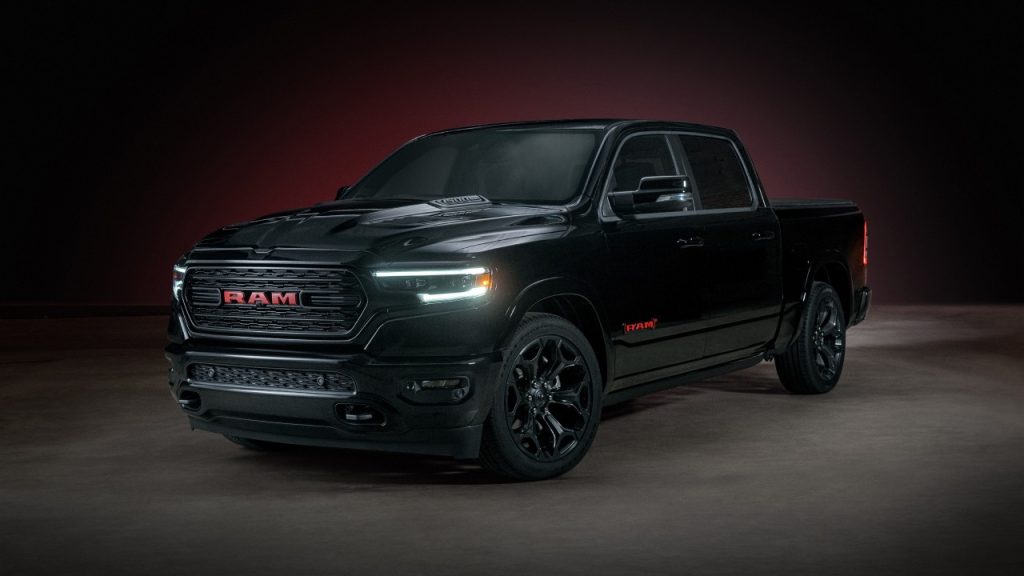
People appreciate open cargo beds for occasional hauling. They enjoy sitting higher above traffic. They like rugged styling and the versatility trucks provide. But many buyers do not actually need giant V8 engines or extreme towing figures.
Smaller trucks suddenly made sense because they aligned more closely with how average consumers realistically use their vehicles.
The success of these compact pickups demonstrated that many Americans want practical transportation with occasional utility rather than full commercial capability. Yet the broader industry remains heavily focused on large, expensive trucks because profit margins are much stronger.
That creates an interesting divide between what buyers emotionally desire and what manufacturers prioritize financially.
Automakers Will Keep Building Bigger Trucks Because Buyers Keep Paying
From a business perspective, there is little reason for manufacturers to reverse course anytime soon. Full-size pickups remain among the most profitable vehicles sold in America. Buyers continue paying premium prices despite rising interest rates and growing affordability concerns.
Truck owners also tend to remain extremely loyal to specific brands, creating long-term customer relationships highly valuable to automakers.
As long as demand remains strong, manufacturers will continue building larger, more luxurious, and more capable trucks regardless of how often owners actually use those capabilities.
The irony is obvious. Many trucks now spend their lives carrying engineering designed for towing massive trailers through harsh terrain while commuting quietly through suburban neighborhoods every day.
That gap between truck marketing and actual truck usage continues growing wider with each generation. Still, consumers continue buying them because modern pickups fulfill emotional needs just as effectively as practical ones.
The average pickup buyer in 2026 may never tow a trailer or haul heavy equipment regularly, but that buyer still values the feeling of capability and freedom a truck provides. In today’s automotive market, that feeling may matter more than actual utility ever did.
Also Read: Toyota North America CEO Warns Affordability Is Industry’s Top Concern, Compact Truck Still Coming
