
Buying a new or used car is one of the biggest financial decisions most people make, yet many buyers spend hours negotiating the vehicle price and only a few minutes reviewing the dealer’s add-ons presented in the finance office. This is where dealerships often generate significant profit.
Some extras can genuinely improve ownership experience, reduce long-term expenses, and protect the vehicle from damage or costly repairs. Others are overpriced, unnecessary, or available elsewhere for a fraction of the cost. Understanding the difference between useful car dealer add-ons and expensive upsells can save buyers thousands of dollars while helping them make smarter decisions.
When customers reach the final paperwork stage, they are usually excited, mentally exhausted, and eager to drive home in their new vehicle. Dealers know this, which is why many finance managers present optional products as if they are essential. Buyers may hear phrases like “most customers choose this package” or “this protection is highly recommended.”
While some options do provide real value depending on the driver’s habits, climate, mileage, and ownership plans, others mainly benefit the dealership rather than the customer. This creates confusion for buyers who simply want to know which products are worth considering and which should be declined immediately.
The truth is that not all dealer add-ons are scams. Certain products, such as extended warranties for unreliable models or gap insurance for low down payment loans, can provide meaningful financial protection. Likewise, accessories like all-weather floor mats or paint protection in harsh climates may help preserve resale value.
However, products such as VIN etching, nitrogen-filled tires, or inflated fabric protection packages often cost far more than their actual benefit. In many cases, similar services can be purchased independently at a lower price and with better coverage.
A smart buyer approaches dealer add-ons the same way they approach the car purchase itself by comparing costs, evaluating personal needs, and avoiding emotional pressure. Every buyer’s situation is different.
Someone who drives 25,000 kilometers annually may benefit from an extended service plan, while a low-mileage driver who changes cars every three years probably will not. Buyers with limited savings may appreciate certain protections that reduce unexpected repair bills, while financially prepared customers may prefer to self-insure against minor issues.
This guide explains five car dealer add-ons that may actually be worth paying for and five commonly offered extras that buyers should usually refuse. By understanding the true value, typical pricing, and practical benefits of each option, consumers can avoid unnecessary expenses and focus their budget on products that genuinely improve the ownership experience.
Whether you are buying your first vehicle or upgrading to a luxury model, knowing how to evaluate dealership add-ons can help you make a more confident and financially responsible purchase.
Also Read: 10 Cars With Insurance Premiums Lower Than a Compact Sedan
Add-On Worth Paying For
1. Extended Warranty
An extended warranty is one of the most debated dealership add-ons, but in certain situations, it can provide significant financial protection.
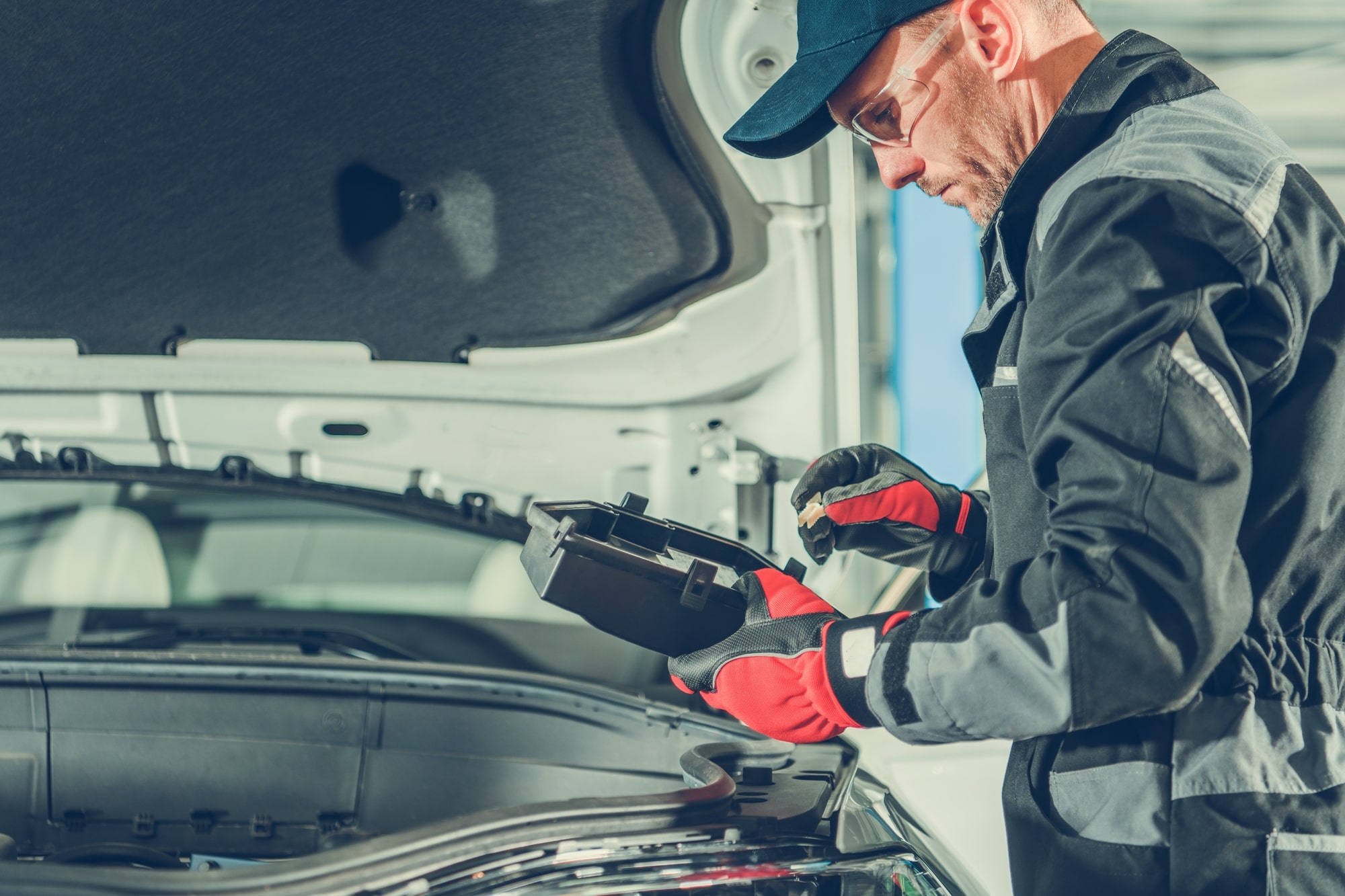
Modern vehicles contain advanced electronics, turbocharged engines, driver assistance systems, infotainment technology, and expensive sensors that can cost substantial amounts to repair after the manufacturer’s warranty expires. For buyers planning to keep their vehicle for many years, a quality extended warranty may reduce the risk of large unexpected repair bills.
The value of an extended warranty depends heavily on the reliability of the specific vehicle being purchased. Brands and models with strong long-term reliability records may not justify expensive coverage. However, luxury vehicles, high-performance models, and vehicles with complex technology often experience costly repairs as they age.
Replacing electronic modules, touchscreen systems, adaptive suspension components, or advanced safety sensors can cost thousands. In these cases, extended coverage may provide peace of mind and financial predictability.
Another important factor is ownership duration. Buyers who lease vehicles or trade them within three to five years may never use the additional coverage. On the other hand, drivers who plan to keep a vehicle beyond the factory warranty period are more likely to benefit. High-mileage drivers especially face increased wear and a greater risk of mechanical problems. An extended warranty can help manage maintenance costs during later ownership years when repairs become more common.
Not all extended warranties are equal, which is why buyers should carefully review contract details. Some warranties exclude major components, limit labor reimbursement rates, or require strict maintenance documentation.
Manufacturer-backed warranties are generally more reliable than third-party plans because they are supported through authorized service networks and often provide broader coverage. Buyers should examine deductibles, transferability, roadside assistance benefits, and repair authorization procedures before purchasing any plan.
Negotiation is essential because dealerships often mark up warranty prices substantially. The first price offered is rarely the lowest available. Consumers can compare warranty pricing from multiple dealerships or independent providers before making a decision.
In some cases, purchasing an extended warranty later rather than during the initial sale may also be possible. Buyers should avoid emotional pressure and instead focus on whether projected repair costs justify the coverage expense.
An extended warranty is particularly valuable for buyers who prefer predictable expenses over financial uncertainty. While some owners may never use the coverage, others may save far more than the warranty cost through major repairs.
The key is selecting a reliable provider, negotiating pricing aggressively, and matching coverage to expected ownership plans. When purchased thoughtfully for the right vehicle, an extended warranty can be one of the few dealership add-ons that genuinely provides long-term value.
2. Gap Insurance
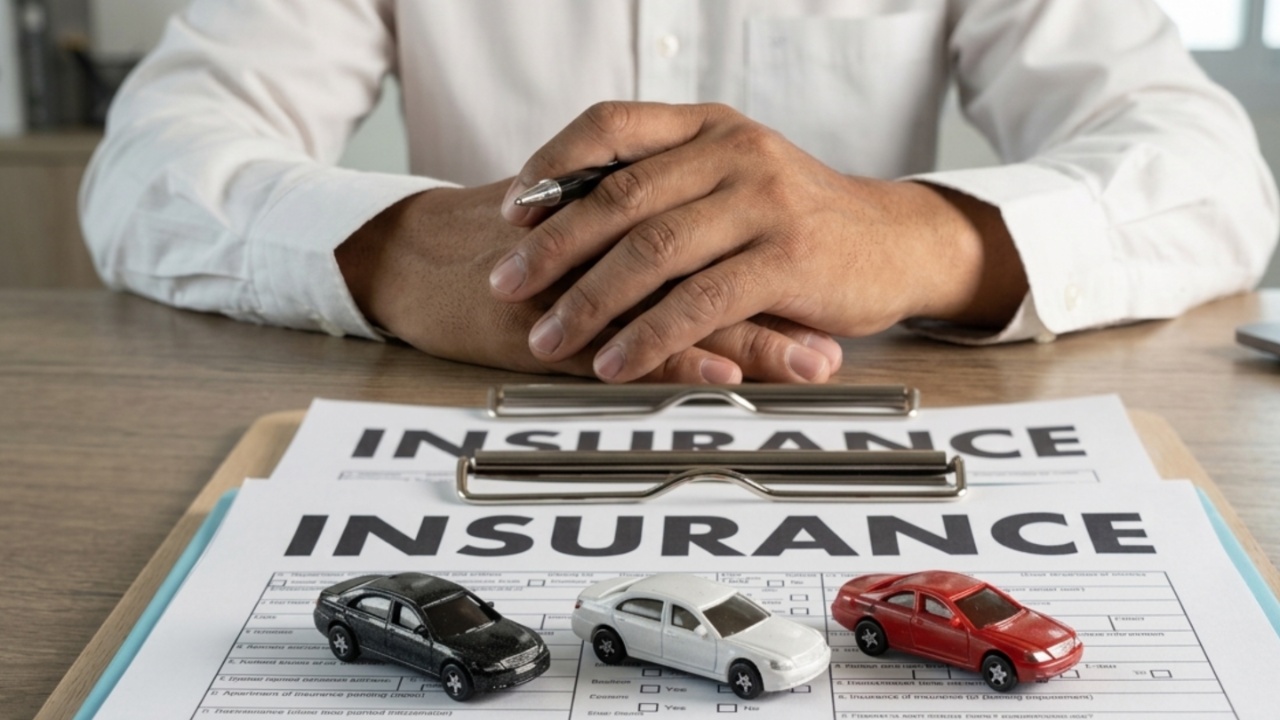
Gap insurance is often overlooked by car buyers, yet it can become extremely important for people financing a vehicle with a small down payment or a long loan term. Standard auto insurance usually pays only the current market value of the vehicle if it is totaled or stolen.
However, many car loans exceed the vehicle’s market value during the early years of ownership because cars depreciate quickly. Gap insurance covers the difference between the remaining loan balance and the insurance payout.
This type of protection is especially valuable for buyers who finance vehicles for six or seven years. Long-term loans reduce monthly payments but slow the rate at which loan balances decline.
Combined with rapid depreciation, this can leave owners owing thousands more than the vehicle is worth. If the car is declared a total loss after an accident, the owner may still owe money on a vehicle they no longer possess. Gap insurance prevents this financial burden.
Low down payment buyers also benefit significantly from gap coverage. When little or no money is paid up front, negative equity develops more easily. Luxury vehicles, electric cars, and some brands with steep depreciation curves may lose value faster than average, increasing the importance of gap protection. Without coverage, buyers could face substantial out-of-pocket debt after an accident, even though their insurance company paid the vehicle’s market value.
Although dealerships offer gap insurance, buyers should compare alternatives before accepting dealer pricing. Auto insurance companies and lenders sometimes provide similar coverage at lower costs.
Nevertheless, dealership gap insurance may still be competitive depending on the financing arrangement. Consumers should compare total pricing, cancellation policies, and coverage limits before deciding where to purchase the protection.
Gap insurance is less important for buyers making large down payments or financing vehicles over shorter periods. Customers who rapidly build equity may not face significant financial risk if the vehicle is totaled.
Likewise, buyers purchasing vehicles with strong resale value retention may have less need for gap protection. Evaluating depreciation trends and loan structure can help determine whether the add-on is worthwhile.
For many financed car purchases, gap insurance provides practical and affordable financial protection. Unlike cosmetic add-ons that offer questionable value, gap coverage addresses a genuine risk that can create serious financial hardship. Buyers with minimal savings or high loan balances may find the small additional cost worthwhile for the security it provides during the early years of ownership.
3. All-Weather Floor Mats
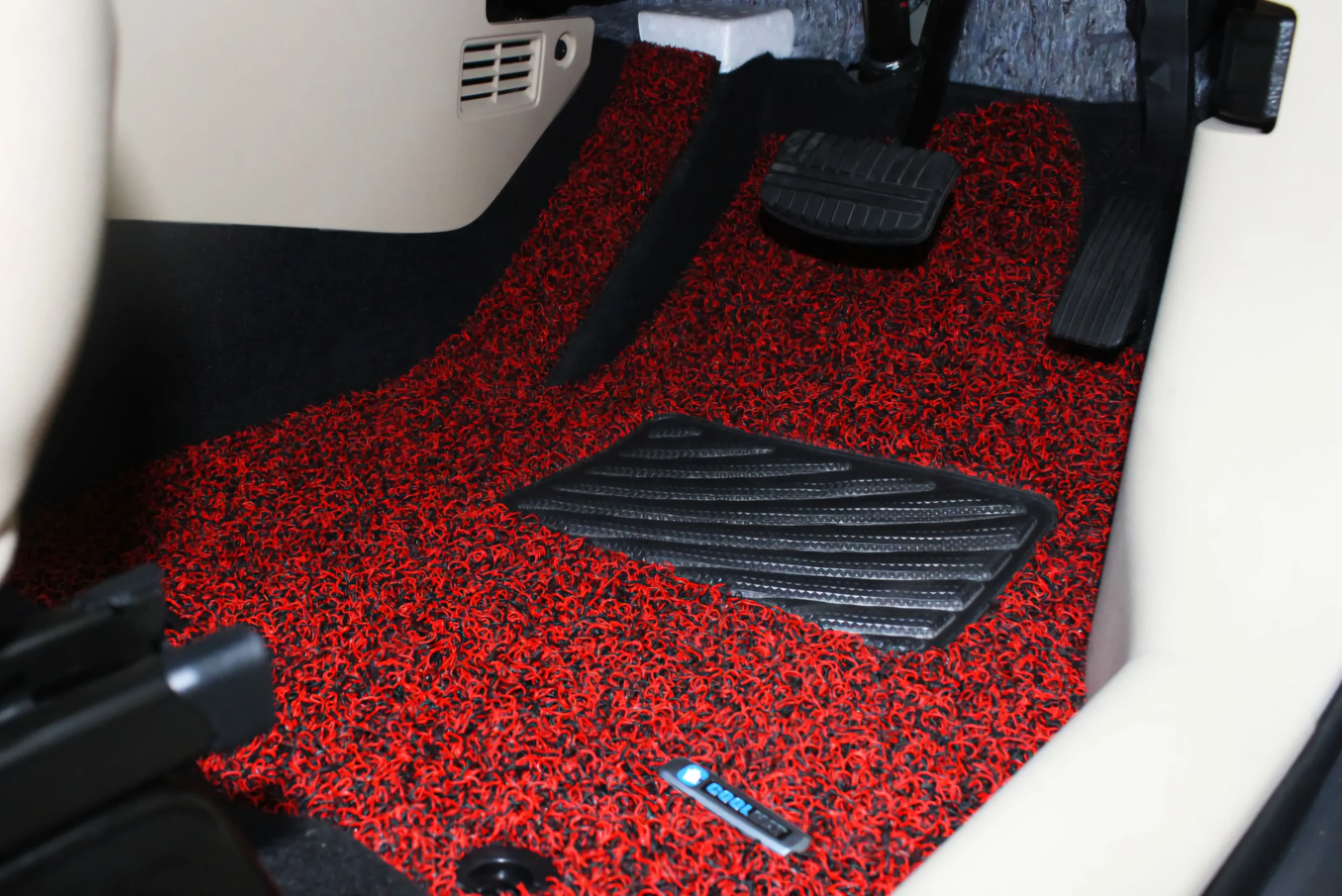
All-weather floor mats may seem like a simple accessory, but they can significantly improve a vehicle’s interior durability and resale value. Standard carpet mats supplied with many vehicles often provide limited protection against mud, rain, snow, sand, food spills, and everyday wear. High-quality all-weather mats create a protective barrier that helps preserve the original carpeting and makes cleaning easier throughout the ownership period.
Drivers living in regions with heavy rainfall, snow, or dusty conditions benefit the most from these mats. Moisture trapped in carpet can create unpleasant odors, stains, and long-term deterioration.
Salt used on winter roads can also damage carpeting over time. All weather mats are specifically designed to contain water, dirt, and debris, reducing the likelihood of permanent interior damage. Families with children or pets may also appreciate the easier maintenance they provide.
Resale value is another important consideration. Vehicle interiors strongly influence buyer impressions, and stained or worn carpets can reduce trade-in offers. Well-maintained flooring suggests responsible ownership and helps preserve cabin appearance. Buyers shopping for used cars often inspect interiors closely because signs of neglect may indicate poor maintenance elsewhere. Simple accessories like quality floor mats can therefore contribute to stronger resale performance.
The key is avoiding overpriced dealership versions when equivalent aftermarket options exist. Some manufacturers offer premium custom-fitted mats that justify higher pricing through superior quality and precise design. However, many dealerships heavily mark up standard floor mat packages. Buyers should compare pricing online and evaluate material thickness, coverage area, and durability before purchasing.
Custom-fitted mats generally outperform universal designs because they match vehicle contours more accurately and stay securely in place. Poorly fitted mats can interfere with pedals or shift during driving, creating safety concerns. Reputable brands often provide raised edges, textured surfaces, and durable rubber compounds that withstand years of use. Buyers planning long-term ownership may find the investment worthwhile.
Unlike many cosmetic dealer add-ons, all-weather floor mats provide practical everyday benefits. They improve cleanliness, simplify maintenance, and help preserve interior condition over time. For drivers exposed to harsh weather, outdoor activities, or frequent passenger traffic, quality floor mats can be one of the most useful and cost-effective accessories available.
4. Tire and Wheel Protection
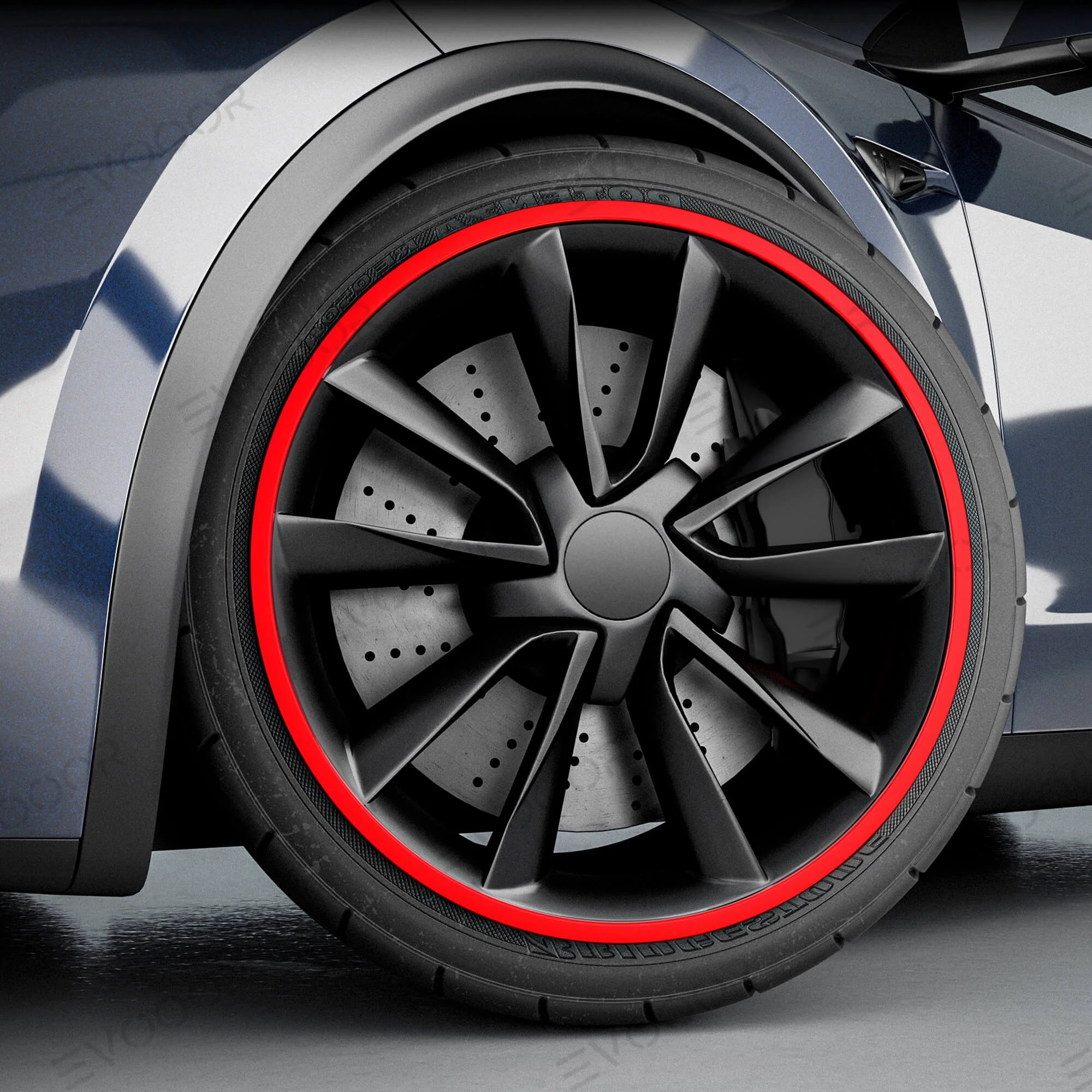
Tire and wheel protection plans can provide real value for drivers who frequently encounter poor road conditions, potholes, debris, or expensive low-profile tires. Modern vehicles increasingly use larger alloy wheels and thinner tire sidewalls to improve appearance and handling. While visually appealing, these setups are often more vulnerable to damage from rough roads. Replacing damaged wheels or performance tires can become surprisingly expensive.
Urban drivers and commuters in areas with deteriorating roads face an elevated risk of tire punctures, bent rims, and sidewall damage. Luxury vehicles and sports cars often use specialized tires that cost significantly more than standard models.
In such cases, a protection plan covering repairs or replacements may save money over the ownership period. Some plans also include roadside assistance, towing, and wheel alignment services.
Electric vehicles may benefit particularly from wheel and tire coverage because many use heavy battery packs combined with large wheels and specialized low rolling resistance tires. These tires can wear faster and cost more to replace than conventional options. Drivers who regularly travel on construction zones, highways with potholes, or uneven roads may experience repeated tire issues that justify protection costs.
However, buyers should carefully review coverage terms because not all plans offer equal value. Some warranties exclude cosmetic wheel damage, limit replacement frequency, or require damage inspection before approval. Understanding deductibles, claim procedures, and coverage duration is essential before accepting dealership offers. Buyers should also compare plan pricing with the cost of setting aside emergency repair savings independently.
This add-on is less valuable for drivers in areas with excellent roads or vehicles using inexpensive tire sizes. Basic compact cars with affordable replacement tires may not justify the additional expense. Similarly, cautious low-mileage drivers may experience few tire-related issues over several years of ownership. The value depends heavily on the driving environment and vehicle configuration.
When matched to the right driving conditions, tire and wheel protection can reduce stress and unexpected expenses. Drivers of luxury vehicles, performance models, and cars with large wheels may especially appreciate the convenience and savings if damage occurs. As with all add-ons, comparing coverage quality and negotiating price remain essential for maximizing value.
5. Paint Protection Film
Paint protection film has become increasingly popular among car enthusiasts and long-term owners because it provides physical protection against chips, scratches, and road debris.
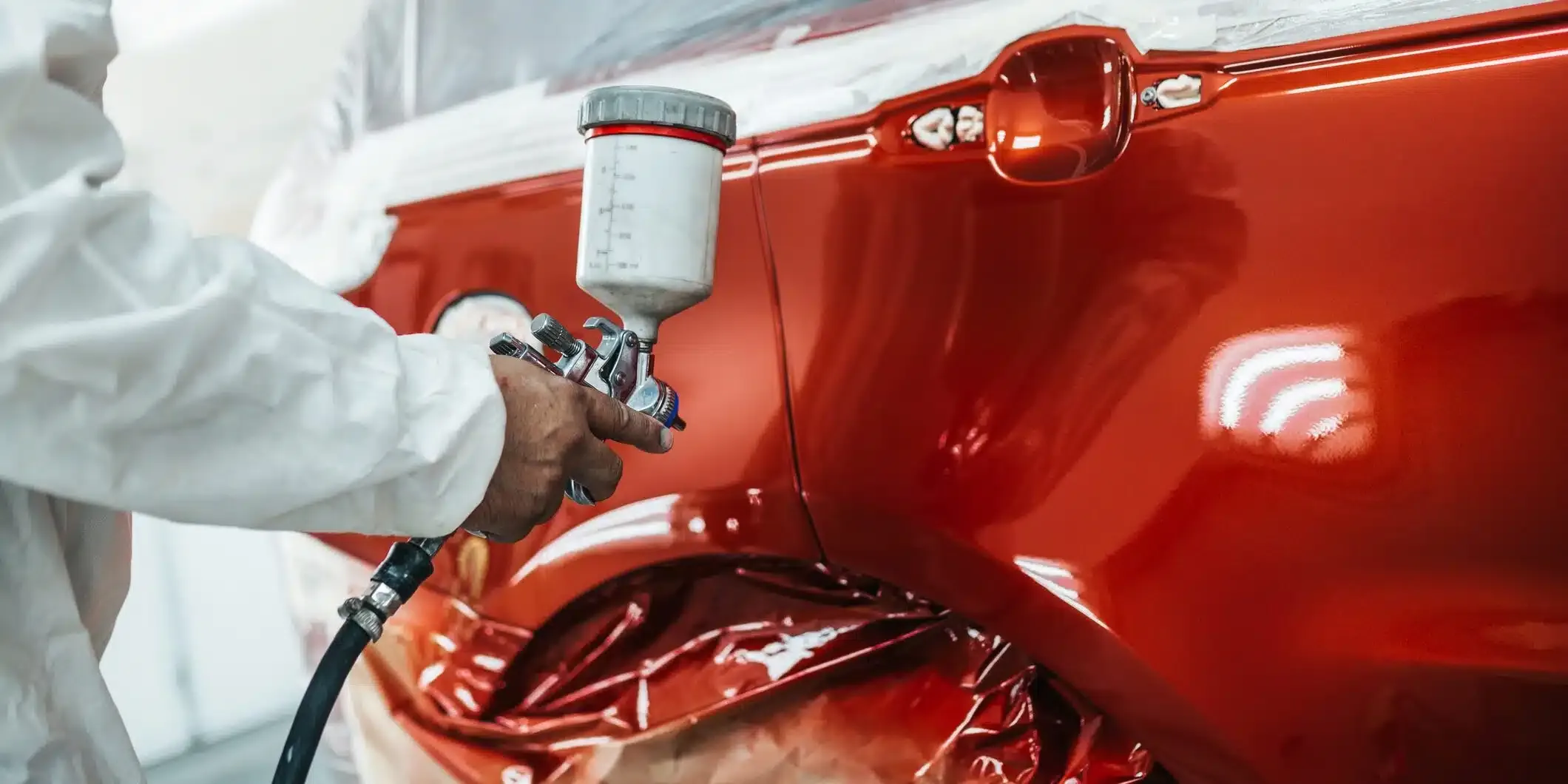
Unlike simple waxes or dealer sealants, high-quality paint protection film uses transparent polyurethane material applied directly to vulnerable surfaces such as the hood, bumper, mirrors, and fenders. This protective layer absorbs impacts that would otherwise damage the paint.
Drivers who frequently travel on highways benefit significantly because road debris and stones can quickly create paint chips, especially on darker colored vehicles. Luxury and high-performance vehicles often have expensive paint finishes that are costly to repair professionally. Paint protection film helps preserve appearance and reduce long-term cosmetic damage. It may also maintain stronger resale value by keeping exterior surfaces in better condition.
Another advantage is easier maintenance. Modern protection films often include self-healing properties that minimize the visibility of light scratches when exposed to heat. The film also creates a barrier against bird droppings, bug splatter, tree sap, and environmental contaminants that can damage clear coat finishes over time. Vehicle owners who prioritize appearance may appreciate the reduced need for paint correction and detailing services.
The quality of installation is critical because poorly applied film can bubble, peel, or discolor. Buyers should ensure the dealership uses reputable film brands and trained installers. In some cases, independent specialty shops may offer better workmanship than dealerships. Comparing installation experience, warranty terms, and material quality is essential before making a purchase decision.
Paint protection film is most valuable for long-term ownership and premium vehicles. Buyers who replace cars frequently may not recover the investment through resale value. Likewise, economy vehicles used primarily for short city commutes may not require extensive paint protection. Full vehicle coverage can also become expensive, so many owners choose partial coverage for high-impact areas instead.
Although expensive, quality paint protection film provides genuine physical benefits that many cosmetic dealer add-ons cannot match. For buyers who care deeply about maintaining appearance, reducing paint damage, and preserving long term value, this add on can be a worthwhile investment when installed professionally and priced fairly.
Also Read: 10 Cars That Survive Being Used as Daily Uber Vehicles
Add On You Should Refuse
1. VIN Etching
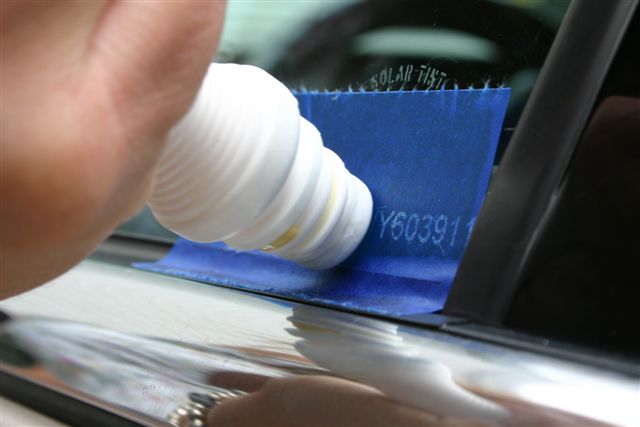
VIN etching is one of the most commonly overpriced dealer add-ons and is usually unnecessary for most buyers. The process involves engraving the vehicle identification number onto windows to discourage theft and improve recovery chances if the car is stolen. While the concept sounds useful, the actual value provided rarely justifies dealership pricing, which can sometimes reach hundreds of dollars.
Many insurance companies already offer discounts for VIN etching programs, but these discounts are often minimal and may not offset the upfront cost.
In addition, vehicle theft prevention technology has advanced significantly. Most modern cars already include electronic immobilizers, alarms, tracking systems, and sophisticated anti-theft features that provide stronger protection than window etching alone.
Another issue is cost inflation. VIN etching kits are inexpensive and can even be purchased online for very low prices. Some dealerships pre-install the service on all vehicles and then attempt to charge customers substantial fees during final paperwork.
Buyers may feel pressured because the etching has already been completed, but this does not mean the charge is mandatory. In many cases, the fee can be negotiated down or removed entirely.
The practical theft deterrent effect is also limited. Professional car thieves are rarely discouraged by etched windows because stolen vehicles are often dismantled for parts rather than resold intact. Replacing windows is also relatively simple for organized theft operations. While VIN etching may slightly improve identification, it does not provide the comprehensive protection implied during sales presentations.
Consumers should carefully distinguish between low-cost security improvements and inflated dealership profit items. If a buyer genuinely wants VIN etching, purchasing an independent kit or using a local service provider usually costs far less than dealership pricing. Some law enforcement agencies and community organizations even offer etching services at reduced rates during safety events.
For most buyers, VIN etching represents poor value compared with more meaningful protections like gap insurance or extended warranty coverage. The service itself is not entirely useless, but dealership pricing often turns a minor security feature into an overpriced upsell. Buyers should resist pressure tactics and evaluate whether the small potential benefit justifies the additional cost.
2. Nitrogen Filled Tires
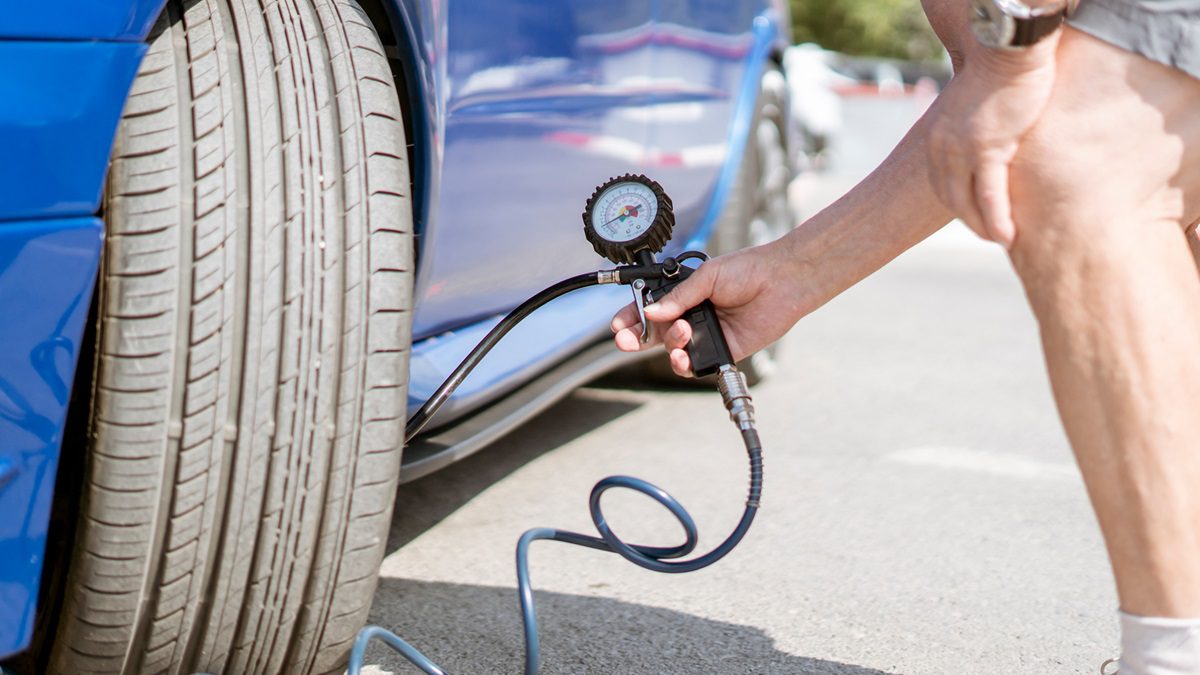
Nitrogen-filled tires are heavily promoted by some dealerships as a premium performance enhancement, yet the actual benefits for everyday drivers are minimal. Dealers often claim nitrogen improves fuel economy, extends tire life, and maintains more stable tire pressure.
While nitrogen does have certain scientific advantages in specialized environments such as aviation and professional racing, these benefits are generally insignificant for normal passenger vehicles.
Regular air already contains approximately 78 percent nitrogen, meaning standard tire inflation is largely nitrogen-based to begin with.
Pure nitrogen may reduce pressure fluctuations slightly because it contains less moisture, but the difference is extremely small under normal driving conditions. Most drivers will never notice measurable improvements in handling, tire wear, or fuel efficiency from nitrogen inflation alone.
Dealerships frequently charge excessive fees for nitrogen packages despite the low cost of the service itself. Some buyers unknowingly pay hundreds for tire inflation that can later be diluted with regular air during routine maintenance. Once ordinary air is added, the purity advantage largely disappears. Many tire shops also offer nitrogen inflation for little or no additional charge.
Proper tire maintenance matters far more than the type of gas inside the tires. Maintaining correct pressure, rotating tires regularly, checking alignment, and replacing worn tires on time have a much greater impact on safety, fuel economy, and tire longevity. Drivers who ignore these fundamentals will gain little from nitrogen inflation regardless of dealership claims.
Commercial aircraft, racing teams, and industrial applications use nitrogen because they operate under extreme temperature and pressure conditions. Passenger cars driven in everyday environments simply do not experience the same demands. This makes nitrogen an example of a technically valid concept exaggerated into a questionable consumer upsell.
Buyers should focus their budget on practical maintenance and genuinely useful protections rather than expensive tire inflation packages. Unless nitrogen service is included free of charge, most consumers are better off refusing this add-on and maintaining proper tire pressure with standard air.
3. Fabric and Paint Sealant Packages
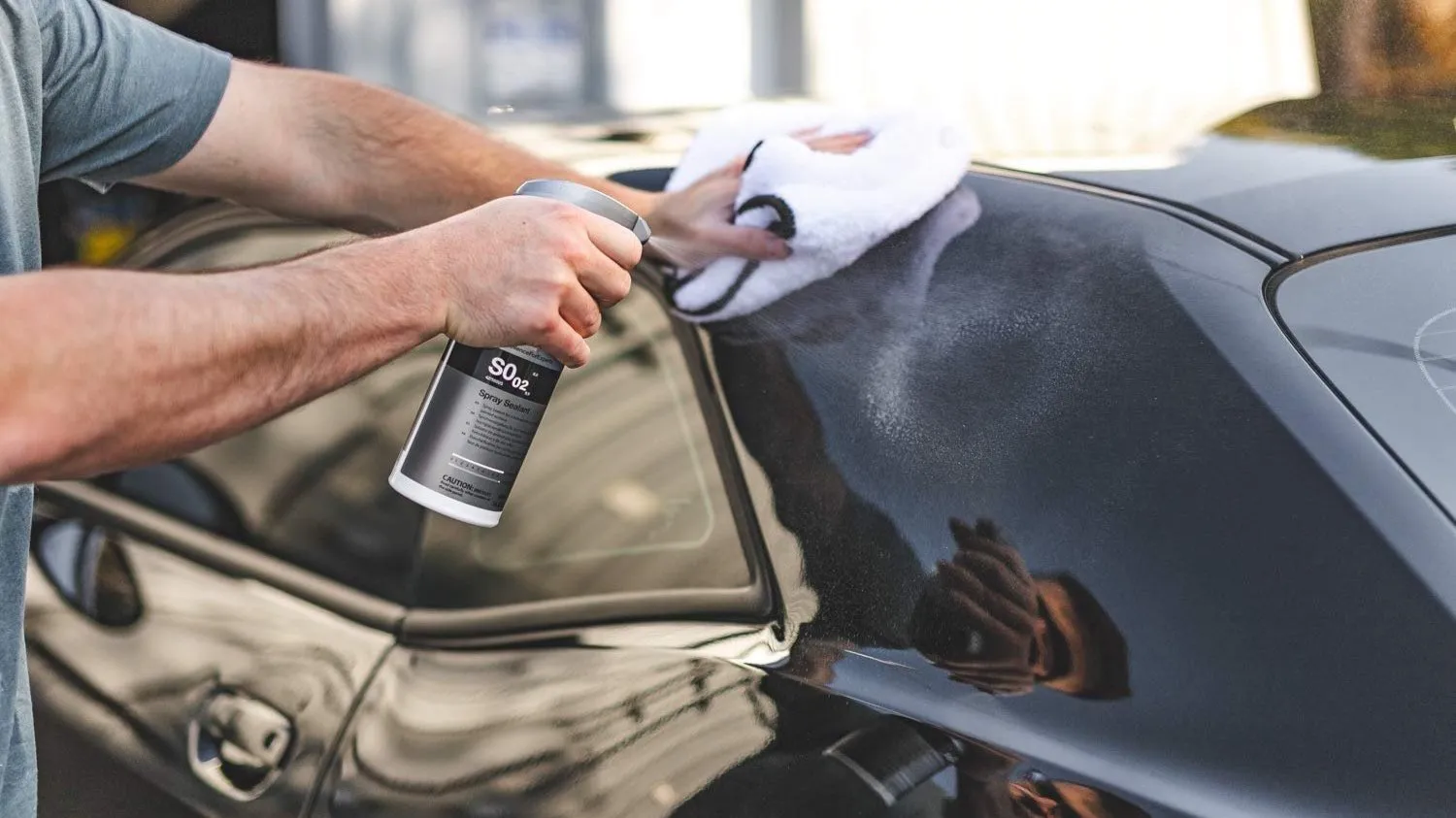
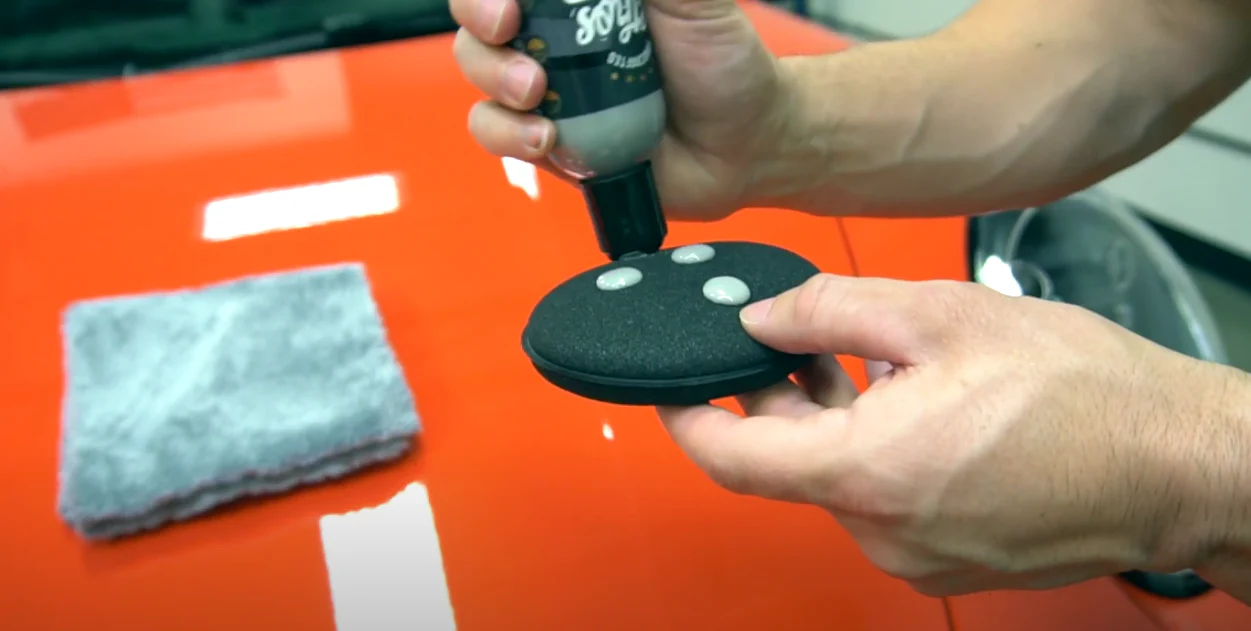
Fabric and paint sealant packages are among the most aggressively marketed dealership add-ons, yet they often provide far less value than advertised. Sales presentations typically emphasize protection against stains, fading, spills, bird droppings, and environmental damage. While modern sealants and interior protectants can offer some benefits, dealership packages are frequently overpriced compared with independent detailing services or do-it-yourself products.
Many new vehicles already leave the factory with durable paint finishes and interior materials designed to resist normal wear. Dealers may imply that factory protection is insufficient, encouraging customers to purchase expensive additional coatings. In reality, routine washing, waxing, and interior cleaning are usually enough to maintain vehicle appearance for most owners.
Another issue is vague warranty coverage. Some fabric and paint protection packages promise repair or cleaning if damage occurs, but the terms often contain strict exclusions and maintenance requirements.
Buyers may discover that stains, scratches, or environmental damage are not covered under specific circumstances. Reading the contract carefully is essential because advertised promises can sound broader than the actual protection provided.
Professional detailing shops frequently offer higher-quality ceramic coatings or paint treatments at competitive prices. Independent specialists may spend more time preparing the surface properly and use superior products compared with rushed dealership applications. Buyers interested in advanced paint protection should compare professional detailing options rather than automatically accepting dealership packages.
Interior fabric protection also has limited necessity for some drivers. Leather interiors are relatively easy to clean, and modern cloth materials often resist staining reasonably well with normal care. Families with young children or rideshare drivers may benefit more from removable seat covers or regular detailing rather than expensive dealer-applied chemicals.
These packages are especially problematic because dealerships sometimes bundle them into non-negotiable add-ons already installed on vehicles. Buyers should challenge these charges and negotiate aggressively if they do not want the products. In many cases, the actual application cost is far lower than the selling price.
While quality detailing products can help preserve appearance, dealership fabric and paint sealant packages rarely justify their inflated cost. Consumers willing to perform regular maintenance or seek independent detailing services can often achieve equal or better results for significantly less money.
4. Dealer-Installed GPS Trackers
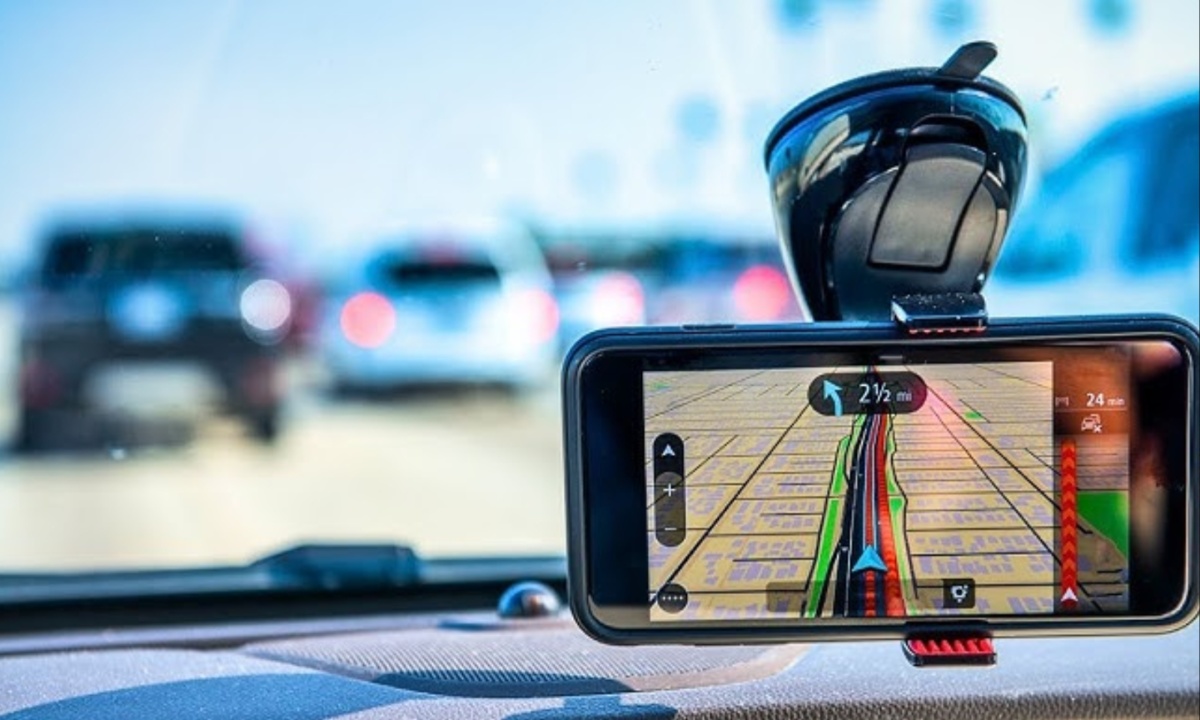
Dealer-installed GPS trackers are increasingly common, especially on financed vehicles, but they are often unnecessary and overpriced for most buyers. Dealers may market these systems as theft recovery tools that improve security and help locate stolen vehicles. Some trackers can indeed assist recovery efforts, but many consumers already have equivalent technology built into modern smartphones, manufacturer-connected services, or insurance programs.
One major concern is pricing. Dealerships often charge substantial amounts for GPS tracking systems that cost relatively little to install. In some cases, buyers may also face recurring subscription fees for monitoring services. The total long-term cost can become surprisingly high compared with alternative theft recovery solutions available independently.
Privacy concerns also deserve attention. Certain systems allow lenders or dealerships to monitor vehicle location, especially in subprime financing arrangements. While this may assist repossession efforts for lenders, some consumers may feel uncomfortable with continuous tracking capabilities linked to their vehicle ownership experience. Buyers should fully understand what data is collected and who can access it.
Modern vehicles increasingly include manufacturer-connected services with emergency assistance, stolen vehicle tracking, remote diagnostics, and smartphone integration. Paying separately for dealer-installed tracking may duplicate features already available through the vehicle itself. Smartphone apps and aftermarket tracking devices can also provide similar functionality at a lower cost and with greater flexibility.
The actual theft prevention effect varies significantly. GPS tracking may help recover a stolen vehicle after the fact, but it does not necessarily prevent theft from occurring. Comprehensive insurance coverage remains the most important financial protection against vehicle theft. Buyers should avoid being pressured into expensive tracking systems based solely on fear-based sales tactics.
There are situations where advanced tracking systems may provide value, such as commercial fleet management or high-risk theft environments. However, for the average private vehicle owner, dealership GPS trackers are often redundant and overpriced. Consumers should evaluate existing vehicle technology, insurance benefits, and independent alternatives before agreeing to this add-on.
Instead of paying inflated dealership pricing for GPS tracking, buyers may achieve better results through manufacturer services, affordable aftermarket devices, or strong insurance coverage. In most cases, dealer-installed trackers represent a profit-focused upsell rather than an essential ownership investment.
5. Credit Insurance
Credit insurance is another dealership add-on that many buyers should decline because it often provides limited value at a high cost. This product is designed to cover loan payments if the borrower experiences events such as disability, unemployment, or death.
While the concept may sound reassuring, the coverage terms and pricing frequently make it an inefficient financial product compared with alternatives.
One problem is that many buyers already possess overlapping protection through existing life insurance, disability insurance, emergency savings, or employment benefits. Purchasing additional dealership credit insurance may duplicate coverage without providing meaningful new financial security. Consumers should evaluate their broader financial situation before accepting this type of policy.
Credit insurance sold through dealerships is often expensive relative to the benefits offered. Premiums may be rolled into the vehicle loan, meaning buyers not only pay for the insurance itself but also pay interest on the added amount over time. This increases total borrowing costs significantly while reducing long-term affordability.
Coverage limitations are another concern. Policies may exclude pre-existing conditions, impose waiting periods, or contain strict eligibility requirements. Some unemployment coverage plans only activate under narrow circumstances, leaving borrowers unprotected in many real-world situations. Buyers may assume broad financial protection exists when the actual policy contains numerous restrictions.
Financial experts generally recommend building emergency savings and maintaining adequate traditional insurance policies rather than relying on expensive dealership credit products.
A healthy emergency fund provides more flexible protection that can cover various expenses beyond car payments alone. Life and disability insurance purchased independently also tend to offer broader coverage at a better value.
Consumers under financial pressure may be especially vulnerable to emotional sales tactics involving credit insurance. Finance managers may frame the product as responsible family protection, making buyers feel guilty for declining coverage. However, purchasing expensive insurance without understanding its limitations can worsen financial strain rather than reduce it.
For most buyers, dealership credit insurance is not the most efficient way to manage financial risk. Evaluating existing insurance coverage, strengthening emergency savings, and avoiding unnecessary financed add-ons usually provide stronger long-term financial health than accepting costly dealership credit protection packages.
