
The automotive market has always been influenced by shifting consumer preferences, economic conditions, reliability concerns, and long-term ownership costs. While many vehicles enjoy strong sales when they first launch, only a select group achieves something even more remarkable.
These are the cars that become more popular in the used market than they ever were as brand-new models sitting in dealership showrooms. In many cases, these vehicles were misunderstood during their initial release, priced too aggressively, or overshadowed by competitors.
Yet over time, they developed a loyal following among second-hand buyers who recognized their hidden value, durability, practicality, or unique driving experience.
The rise of the used car market has transformed how people purchase vehicles. Buyers today are more informed than ever, with access to reliability ratings, maintenance histories, owner reviews, and resale value data. As a result, many shoppers actively avoid buying new vehicles because of rapid depreciation and instead seek proven models that have already demonstrated their long-term worth.
Some cars that struggled to attract new buyers later became stars in the pre-owned market because they offered exceptional value after depreciation. Others earned reputations for reliability or performance that only became apparent after years on the road.
Another major factor behind strong used sales is affordability. Vehicles that were once expensive or niche often become highly desirable once their prices drop into a more accessible range. Luxury sedans, capable SUVs, and performance cars frequently find larger audiences in the used market because buyers can finally afford them without paying the original premium.
In some cases, vehicles that failed commercially as new models gained cult status years later because enthusiasts appreciated qualities that mainstream buyers initially overlooked.
This article explores nine cars that sold better as used vehicles than they did when new. These vehicles achieved remarkable popularity in the second-hand market for different reasons, including reliability, practicality, affordability, uniqueness, and lasting performance.
Some became favorites among families looking for dependable transportation, while others gained recognition among enthusiasts searching for affordable excitement. By examining each model’s journey from underwhelming new sales to thriving used demand, we can better understand how perceptions in the automotive world evolve over time.
These stories also reveal an important truth about car ownership. Sometimes the smartest purchase is not the newest vehicle on the lot, but the proven one waiting in the used market.
Also Read: 10 Cars With Insurance Premiums Lower Than a Compact Sedan
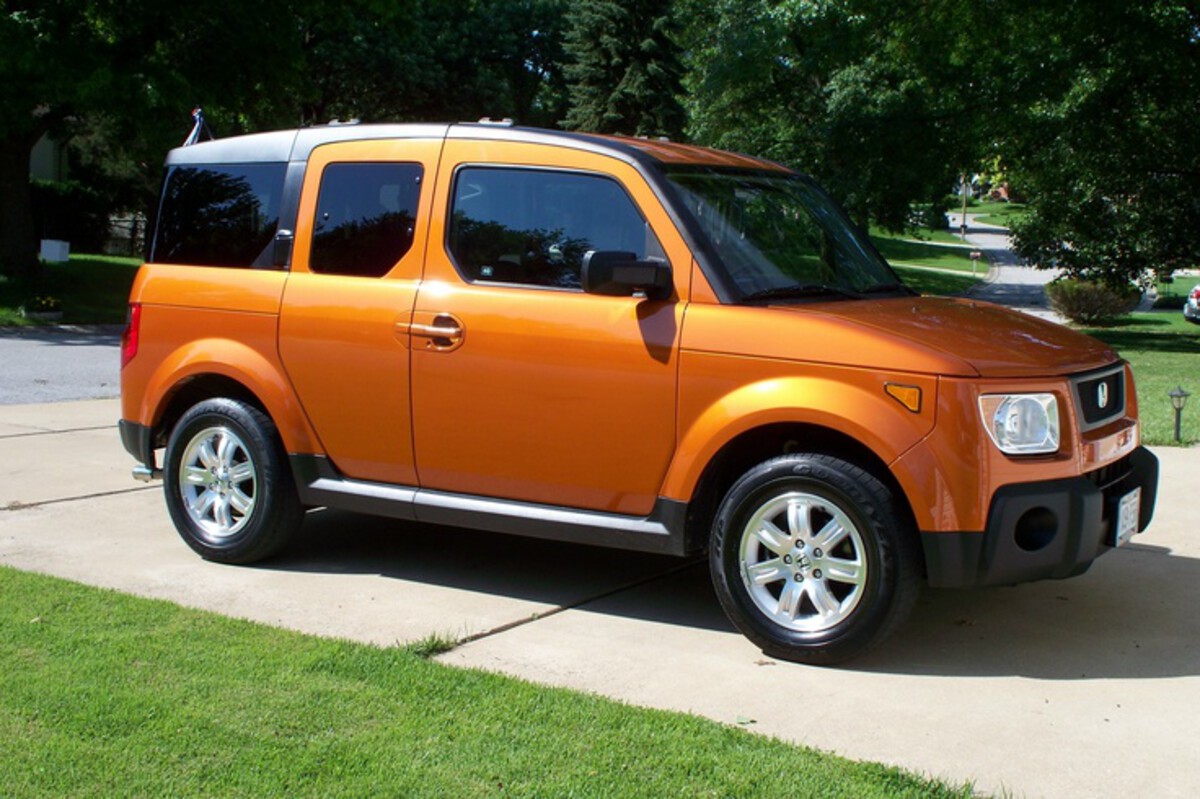
1. Honda Element
The Honda Element is one of the best examples of a vehicle that found greater appreciation after its production years than during its initial release. Introduced in the early 2000s, the Element was marketed as a youthful and adventurous compact crossover designed for active lifestyles.
Despite its practical design and innovative features, new car buyers were uncertain about its unusual boxy styling, unconventional rear doors, and minimalist interior. As a result, the Element never became a mainstream sales success during its production run. However, the used market completely changed the vehicle’s reputation.
One of the biggest reasons for the Honda Element’s success as a used vehicle is its incredible practicality. The spacious interior, washable floors, removable rear seats, and flexible cargo space made it ideal for camping, road trips, pet owners, and outdoor enthusiasts.
Many buyers discovered that the Element could easily transport bicycles, surfboards, camping gear, and even serve as a compact sleeping space during travel adventures. These qualities became far more appreciated over time, especially as lifestyle-oriented vehicles gained popularity.
Reliability also played a huge role in boosting used demand. Built on dependable Honda engineering, the Element earned a reputation for long-lasting durability and relatively low maintenance costs.
Another factor that increased sales was the rise of the outdoor and van life culture. Social media and travel trends inspired many people to seek versatile vehicles capable of supporting adventure lifestyles. The Honda Element fits perfectly into this movement.
Owners customized their Elements for camping and road travel, sharing photos and experiences online that further elevated the vehicle’s cult following. As a result, demand for used Elements increased significantly even years after production ended.
The Honda Element also benefited from a limited supply. Since production ended in 2011 and sales numbers were never extremely high, the number of available used models remained relatively small. This scarcity helped maintain strong resale values and increased buyer interest.
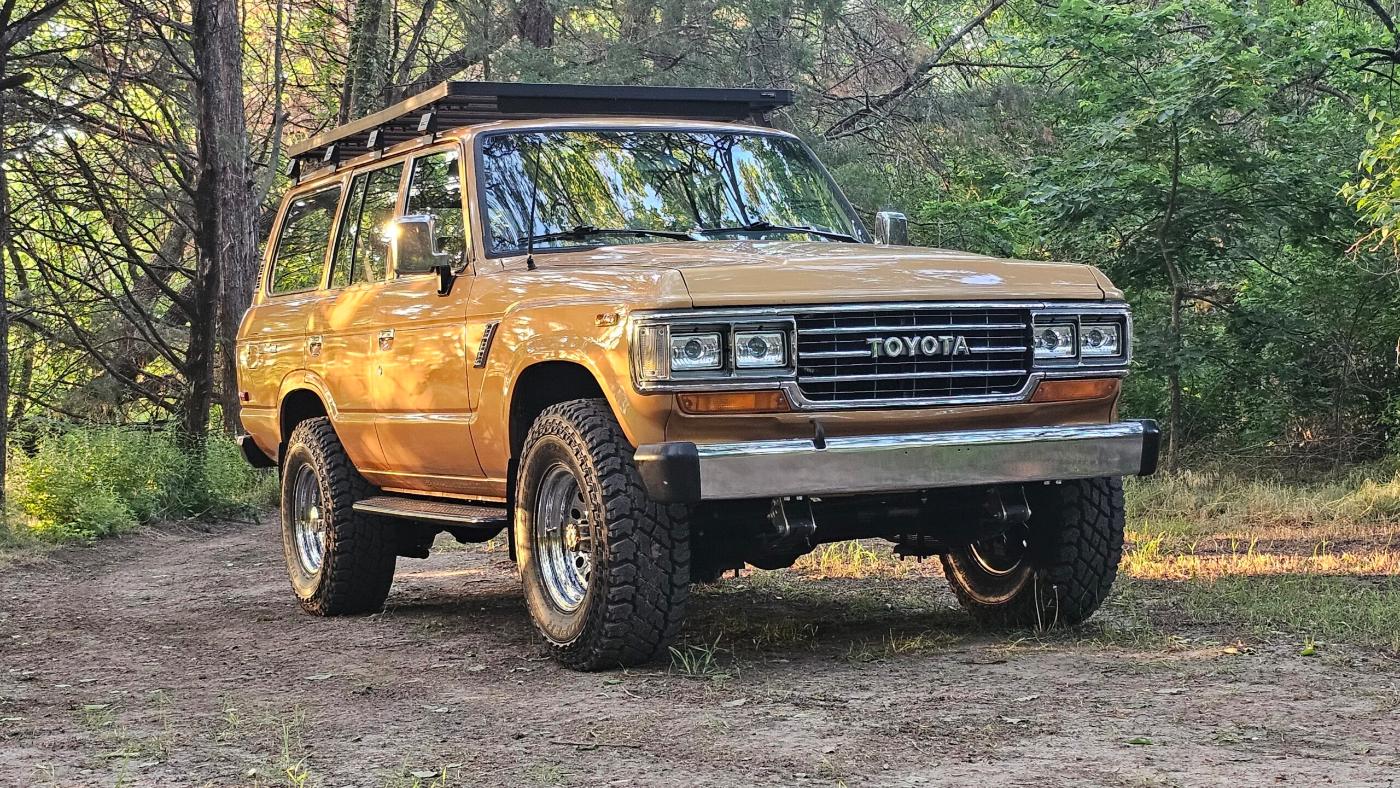
2. Toyota FJ Cruiser
The Toyota FJ Cruiser entered the market with bold retro styling inspired by the legendary Toyota Land Cruiser FJ40. While it attracted attention for its rugged appearance and off-road capability, it struggled to achieve consistent mainstream success as a new vehicle.
Some buyers found the design too unconventional, while others criticized the limited rear visibility and awkward rear seat access. Despite these challenges, the FJ Cruiser gradually became one of the most desirable used SUVs on the market.
A major reason behind the FJ Cruiser’s used market success is its exceptional off-road performance. Built with Toyota’s durable truck-based platform, the FJ Cruiser proved itself capable in rough terrain, making it highly appealing to adventure seekers and off-road enthusiasts.
As outdoor recreation and overlanding grew in popularity, more used buyers sought reliable off-road vehicles that could handle demanding environments without requiring expensive modifications.
Toyota’s reputation for reliability significantly boosted used sales as well. Many consumers trust Toyota vehicles for their durability and longevity, and the FJ Cruiser reinforced that image. Used buyers appreciated the SUV’s strong mechanical reliability, powerful V6 engine, and ability to withstand years of tough use.
Unlike some modern SUVs focused mainly on comfort and technology, the FJ Cruiser maintained a rugged simplicity that appealed to drivers seeking dependable utility.
The rise of social media communities dedicated to off-roading and overlanding further fueled interest in the FJ Cruiser. Owners frequently showcased custom builds, off-road adventures, and camping setups online, inspiring more buyers to search for used examples. This enthusiast culture strengthened the SUV’s reputation and contributed to its long-term popularity.
Finally, the FJ Cruiser appealed to buyers looking for something different from ordinary family crossovers. In a market increasingly dominated by similar-looking SUVs, the FJ Cruiser offered distinctive styling and authentic off-road credentials. Used buyers recognized its unique character and enduring capability, transforming it from a niche new vehicle into one of the most respected used SUVs in recent automotive history.
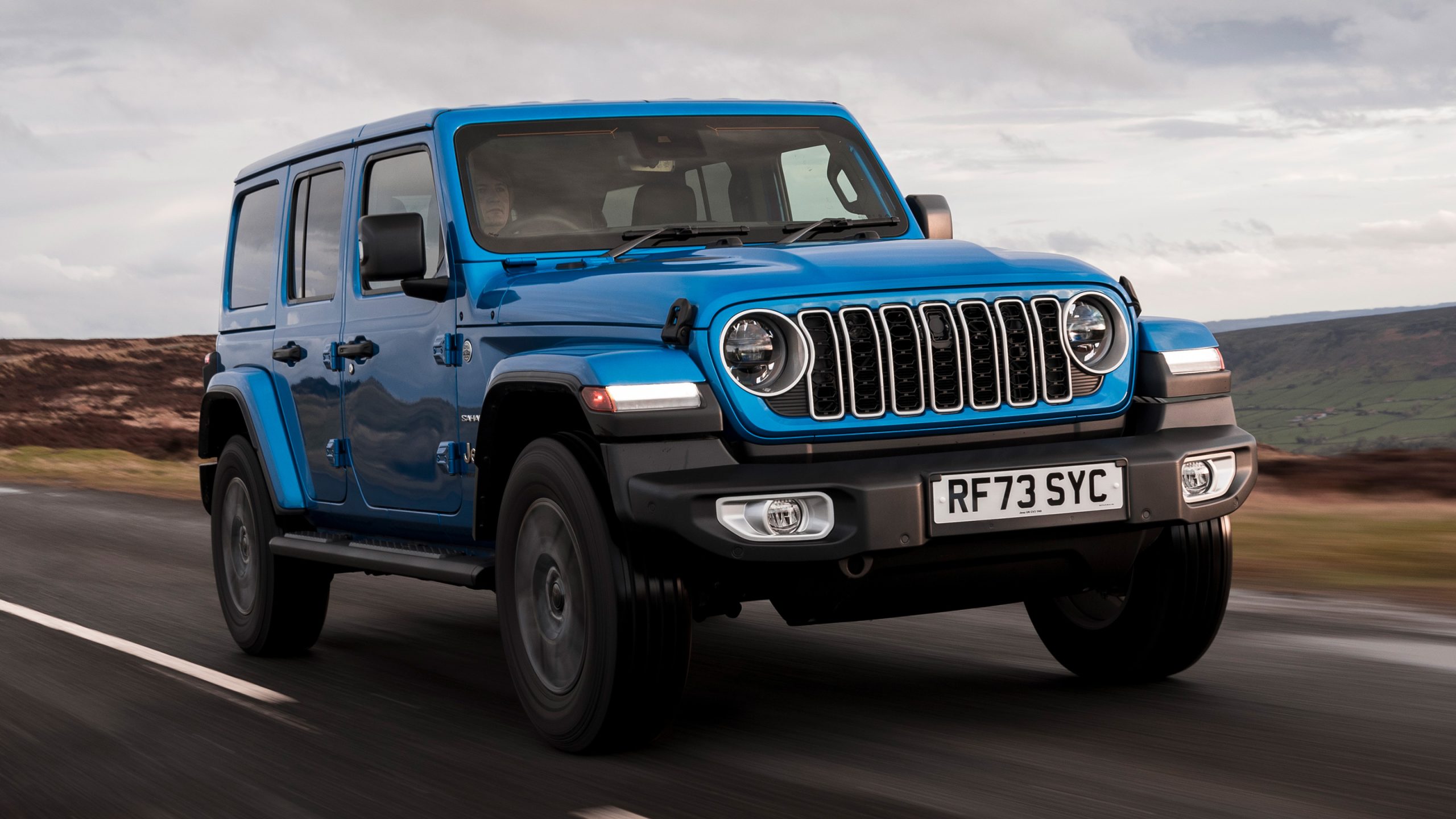
3. Jeep Wrangler
The Jeep Wrangler has long been a symbol of freedom, adventure, and rugged off-road capability. While it has always maintained a dedicated fan base, the Wrangler’s used market often performs even stronger than its new sales numbers suggest. This phenomenon is largely driven by the vehicle’s timeless appeal, exceptional resale value, and unique position in the automotive industry.
One reason the Wrangler thrives in the used market is its iconic design. Unlike many vehicles that quickly appear outdated after redesigns, the Wrangler retains a recognizable identity across generations. This consistency helps older models remain attractive to buyers years after production. Consumers shopping for used Wranglers often feel they are still getting a vehicle with modern style and classic Jeep heritage.
Another factor is affordability. Brand new Wranglers can be expensive, especially higher trim models equipped with off-road packages and advanced technology. Many buyers who admire the Wrangler lifestyle simply cannot justify the cost of a new model. The used market provides a more accessible entry point, allowing drivers to experience Jeep ownership at a lower price while still enjoying the vehicle’s core strengths.
Durability plays an important role as well. Wranglers are designed to handle challenging conditions, and many owners maintain them carefully because of their enthusiast appeal. Buyers frequently discover well-preserved used examples with extensive maintenance histories and tasteful modifications. This confidence encourages strong activity in the used market.
Community culture surrounding the Wrangler further enhances its popularity. Jeep owners often participate in clubs, trail events, and online forums dedicated to off-roading and customization. This passionate culture creates long-lasting loyalty that extends beyond new vehicle purchases. Many enthusiasts specifically seek used Wranglers because they prefer older designs or enjoy restoring and modifying vehicles themselves.
The Wrangler’s resale values remain among the strongest in the automotive world. Because demand consistently exceeds supply, used models retain impressive value for years. In some cases, buyers even purchase Wranglers with the expectation that depreciation will be minimal. This unusual market dynamic helps explain why the Wrangler often appears more dominant in the used market than in traditional new vehicle sales rankings.
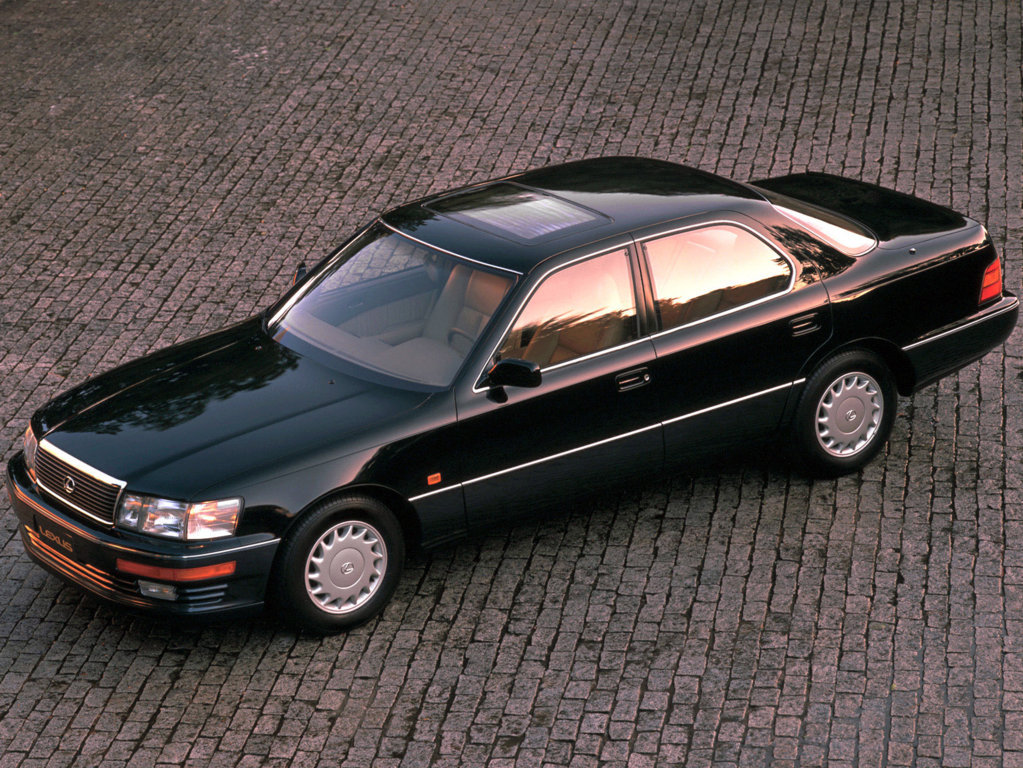
4. Lexus LS400
When the Lexus LS400 debuted in the early 1990s, it represented Toyota’s ambitious attempt to compete with established European luxury brands.
Although critics praised its engineering excellence, refinement, and reliability, luxury buyers at the time were often hesitant to abandon prestigious German brands for a newcomer. Consequently, the LS400 achieved respectable but not overwhelming new sales during its early years. Over time, however, the vehicle became a legend in the used luxury market.
One major reason for the LS400’s success as a used car is its extraordinary reliability. Unlike many luxury sedans that become expensive maintenance nightmares as they age, the LS400 developed a reputation for dependable long-term ownership.
Toyota engineering ensured that the car’s V8 engine, transmission, and interior components often remained in excellent condition even after hundreds of thousands of miles. This reliability made the LS400 highly attractive to used buyers seeking affordable luxury without constant repair bills.
Another factor was changing consumer perception. During the 1990s, Lexus lacked the heritage and prestige associated with brands like Mercedes-Benz and BMW. However, as the company established itself globally, appreciation for early Lexus models increased dramatically. Enthusiasts and everyday drivers alike began recognizing the LS400 as one of the finest luxury sedans ever produced.
Affordability significantly boosted used demand as well. The LS400 originally carried a luxury-level price tag beyond the reach of many buyers. Years later, depreciation allowed a much larger audience to access the vehicle. Used buyers discovered they could enjoy high-quality luxury features, smooth performance, and long-term reliability for surprisingly reasonable prices.
The rise of online automotive communities further strengthened the LS400’s reputation. Enthusiasts praised the car’s durability, understated elegance, and engineering quality. Videos showcasing high-mileage LS400s still running smoothly attracted millions of views and reinforced the model’s legendary status. Today, clean used examples are increasingly sought after by collectors and enthusiasts who appreciate the car’s timeless quality and historical significance in the luxury market.
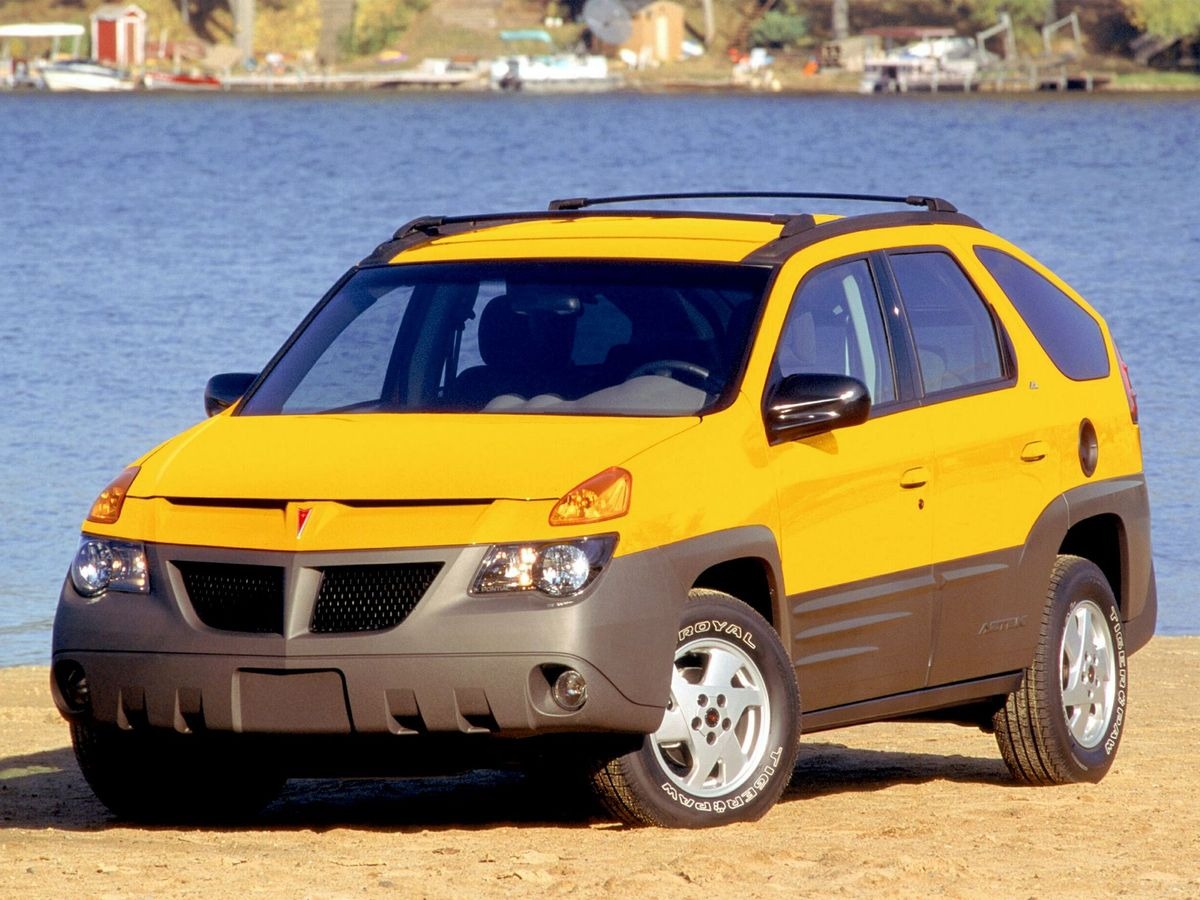
5. Pontiac Aztek
The Pontiac Aztek is often remembered as one of the most controversial vehicle designs in automotive history. When it launched in the early 2000s, critics and consumers harshly criticized its unconventional styling, leading to disappointing new sales. Despite this rough introduction, the Aztek eventually gained surprising popularity in the used market for reasons few could have predicted during its production years.
One reason the Aztek performed better as a used vehicle was its practicality. Beneath the polarizing exterior design, the Aztek offered an impressively versatile interior with flexible cargo configurations, removable cooler storage, and camping-friendly features. Used buyers focused less on appearance and more on functionality, discovering that the vehicle excelled at carrying gear, road trips, and everyday utility.
The rise of crossover popularity also helped the Aztek gain delayed appreciation. During its production period, crossover SUVs were still evolving as a market segment. Years later, buyers recognized that the Aztek had actually anticipated many trends that became mainstream, including car-based SUV practicality and adventure-oriented versatility. Some automotive analysts even described the Aztek as ahead of its time.
Pop culture exposure dramatically improved the Aztek’s image as well. The vehicle gained widespread recognition through its prominent role in the television series Breaking Bad. This exposure transformed the Aztek from an automotive joke into a recognizable cultural icon. Fans of the show developed an interest in owning the same vehicle featured on screen, increasing demand in the used market.
Reliability and simple maintenance also contributed to the Aztek’s appeal among second-hand buyers. While it never achieved the engineering reputation of Japanese competitors, the vehicle’s mechanical components were generally affordable to repair and maintain. Buyers seeking inexpensive transportation appreciated this practicality.
Finally, the Aztek benefited from changing attitudes toward automotive design. Over time, some consumers began appreciating its bold and unconventional styling precisely because it was different.
In a market filled with similar-looking crossovers, the Aztek stood out. This uniqueness, combined with affordability and utility, allowed it to achieve far more recognition and appreciation in the used market than it ever enjoyed as a new vehicle.
Also Read: 10 Cars That Survive Being Used as Daily Uber Vehicles

6. Subaru Baja
The Subaru Baja is another example of a vehicle that struggled during its original sales period but later gained popularity as a used model. Combining elements of a compact pickup truck and crossover wagon, the Baja confused many buyers when new because it did not fit neatly into any traditional category. However, years later, used buyers embraced its quirky personality and practical versatility.
Practicality also contributed to the vehicle’s growing popularity. The Baja offered the utility of a small pickup while retaining the comfort and handling characteristics of a passenger car. Buyers appreciated being able to transport bikes, gardening supplies, camping equipment, and small furniture without needing a full-size truck. This versatility became especially appealing as urban buyers searched for practical alternatives to large pickups.
Subaru’s reputation for All Wheel Drive capability further boosted demand. The Baja performed well in snowy and challenging weather conditions, making it attractive to drivers in colder climates. Used buyers trusted Subaru’s engineering and valued the vehicle’s ability to handle outdoor adventures and daily commuting with equal confidence.
Reliability played an important role as well. Many Baja models remained dependable for years when properly maintained, encouraging buyers to seek used examples despite the vehicle’s age. Subaru enthusiasts often praised the Baja’s durability and practicality in online communities, helping sustain interest long after production ended.
The growing popularity of lifestyle vehicles also worked in the Baja’s favor. Modern consumers increasingly value vehicles that support active hobbies and outdoor activities. The Baja’s compact truck bed and adventurous image aligned perfectly with these preferences. What once seemed like an unusual experiment gradually appeared innovative and forward-thinking.
Limited production numbers increased demand even further. Since relatively few Bajas were built, clean used examples became harder to find over time. This scarcity elevated resale values and strengthened the model’s reputation among collectors and enthusiasts. Today, the Subaru Baja is widely regarded as one of the most interesting and underrated utility vehicles of its era.
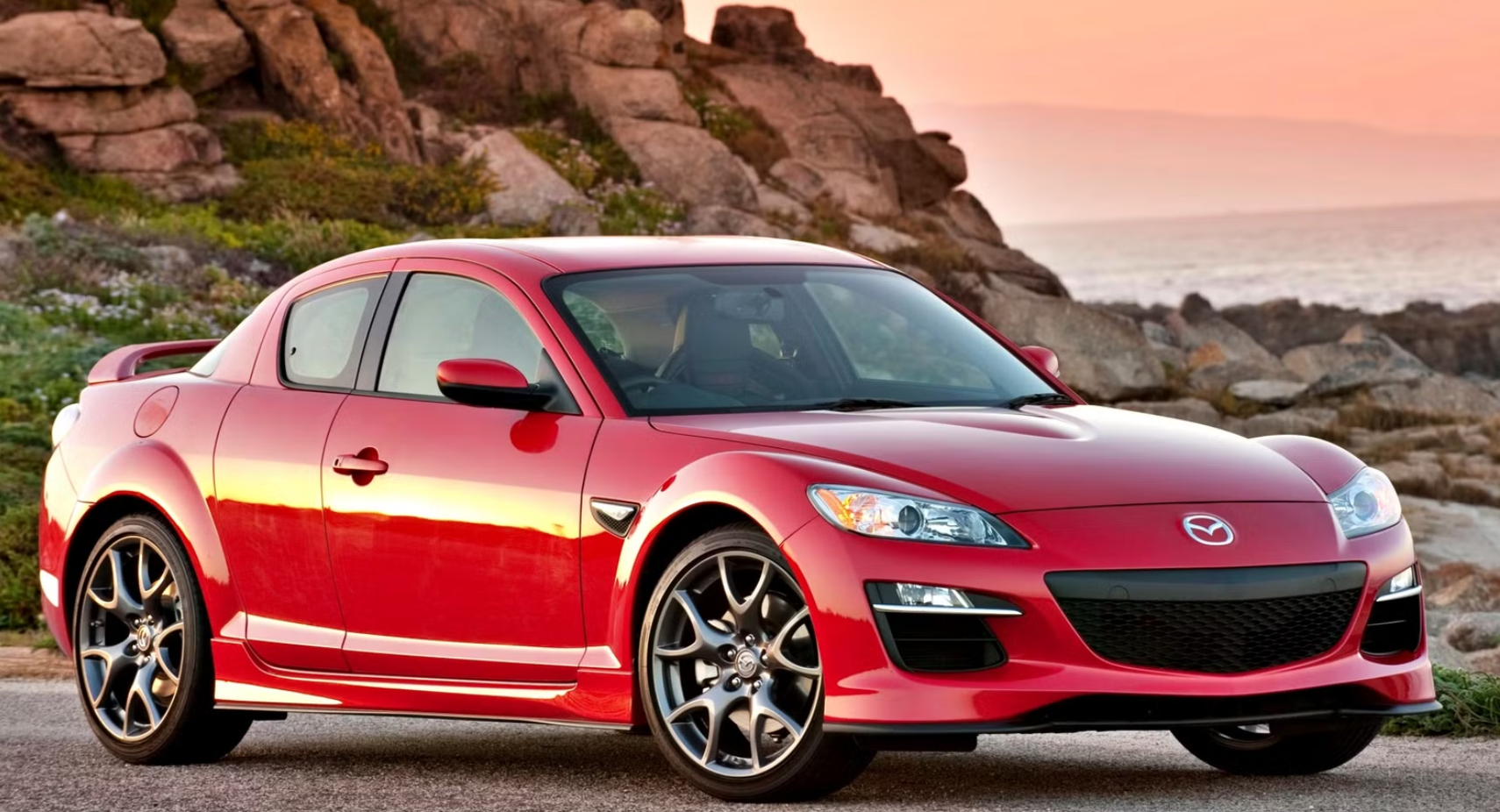
7. Mazda RX8
The Mazda RX8 experienced a complicated journey in the automotive market. When new, the sports car attracted attention for its sleek styling, lightweight handling, and unique rotary engine.
However, concerns about reliability, fuel economy, and maintenance costs limited mainstream sales success. In the used market, though, the RX8 developed a loyal following among driving enthusiasts who appreciated qualities that many original buyers overlooked.
One major reason for the RX8’s popularity is its exceptional driving dynamics. Mazda engineered the car with balanced handling, responsive steering, and near-perfect weight distribution.
Enthusiasts seeking affordable sports cars quickly recognized that the RX8 delivered an engaging driving experience rarely found at similar used prices. The vehicle’s performance characteristics appealed strongly to drivers who valued handling over straight-line speed.
Affordability played a critical role as well. Because of concerns surrounding the rotary engine, depreciation significantly reduced used prices. This allowed enthusiasts to purchase a stylish and capable sports car for a fraction of its original cost. Buyers willing to understand and maintain the rotary engine often found tremendous value in the RX8.
The car’s unique rotary engine also contributed to its cult following. Unlike conventional piston engines, the rotary design offered smooth, high-revving performance and a distinctive character.
Automotive enthusiasts appreciated this engineering uniqueness, especially as rotary-powered vehicles became increasingly rare. Used buyers interested in unusual and memorable driving experiences frequently gravitated toward the RX8.
Another factor behind the RX8’s success was practicality compared to other sports cars. The vehicle included small rear seats and rear-hinged back doors, making it more usable for everyday driving than many two-seat competitors. Buyers seeking a practical sports car appreciated this balance between excitement and functionality.
Online communities helped preserve and strengthen the RX8’s reputation. Enthusiasts shared maintenance tips, restoration advice, and performance modifications that improved ownership experiences. This support network encouraged more buyers to consider used RX8s despite concerns about reliability.
Finally, the RX8 benefited from growing appreciation for analog sports cars. As modern vehicles became increasingly digital and automated, many enthusiasts began seeking older cars with direct steering feel, lightweight construction, and naturally engaging driving experiences. The RX8 fit perfectly into this trend, allowing it to thrive in the used market even after production ended.
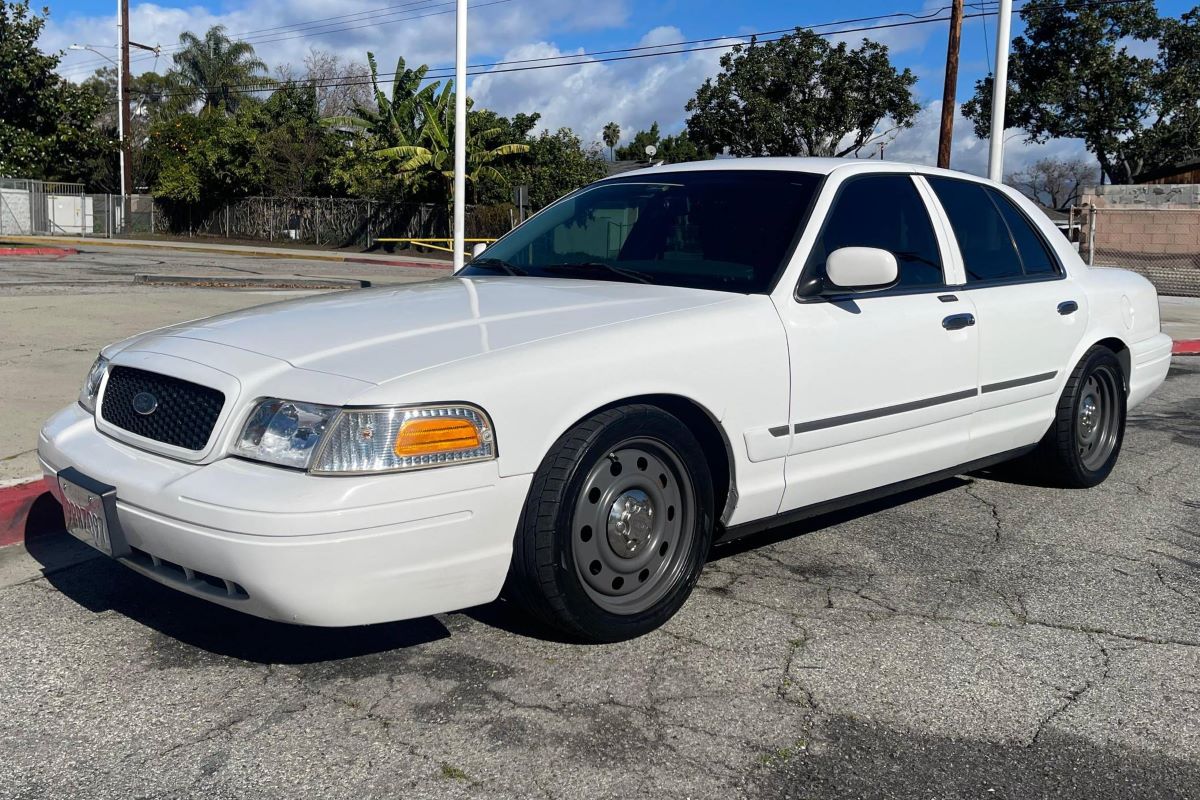
8. Ford Crown Victoria
The Ford Crown Victoria was never considered glamorous during its production years, but it became one of the most respected used sedans in North America. Known primarily as a police car and taxi, the Crown Victoria enjoyed moderate fleet sales when new but achieved extraordinary popularity in the used market due to its durability, affordability, and simplicity.
One of the biggest reasons for the Crown Victoria’s used market success is its legendary reliability. Built on a body-on-frame platform with proven mechanical components, the sedan earned a reputation for surviving extremely high mileage under demanding conditions. Police departments and taxi companies trusted the vehicle because it could withstand years of hard use with relatively low maintenance costs.
The simplicity of the vehicle also appealed to used buyers. Unlike many modern cars filled with complex electronics and expensive repair requirements, the Crown Victoria featured straightforward engineering that mechanics could easily service. Parts remained widely available and affordable, further reducing ownership costs.
Comfort and interior space contributed to the sedan’s popularity as well. The Crown Victoria offered soft suspension tuning, large seats, and a roomy cabin ideal for long-distance driving. Many buyers appreciated the traditional American sedan experience that newer vehicles no longer provided.
Another factor was the car’s reputation for safety and durability. Built to meet demanding police standards, the Crown Victoria earned respect for its strong construction. Buyers felt confident driving a vehicle known for toughness and dependability.
The Crown Victoria also benefited from enthusiast interest. Some owners modified former police interceptors for performance or nostalgic appeal, while others appreciated the car’s classic Rear Wheel Drive layout. Online communities dedicated to the Panther platform vehicles helped sustain demand and share maintenance knowledge.
Although it was often overlooked as a new consumer vehicle, the Ford Crown Victoria became a used market legend because it delivered reliability, affordability, and practicality better than many modern alternatives.
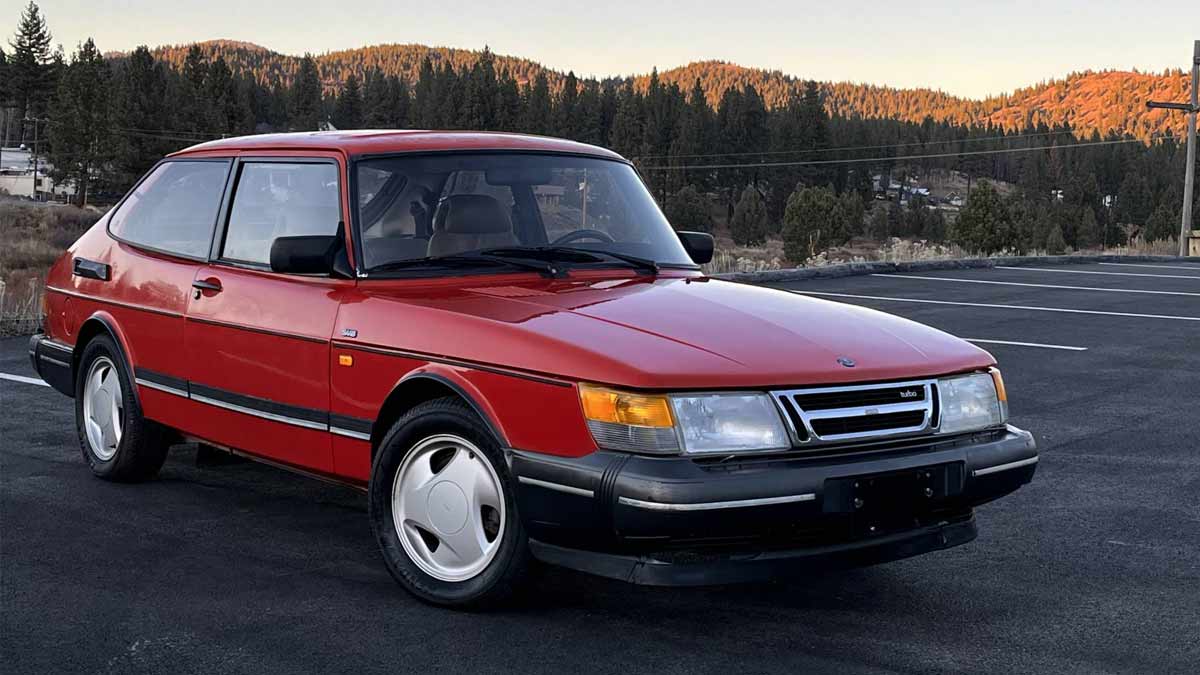
9. Saab 900 Turbo
The Saab 900 Turbo represents one of the most fascinating examples of delayed automotive appreciation. During its production years, Saab appealed to a niche audience that valued safety, engineering innovation, and unconventional Scandinavian design.
However, the brand struggled to compete with larger luxury manufacturers in mainstream new car sales. Over time, the 900 Turbo developed a passionate following in the used market that far exceeded its original commercial success.
The 900 Turbo’s advanced engineering also contributed to its cult status. Saab introduced many safety and turbocharging innovations ahead of competitors, earning respect among knowledgeable buyers. Used shoppers interested in unique automotive engineering often gravitated toward the 900 Turbo because it represented a different philosophy from mainstream manufacturers.
Affordability played a major role as well. As Saab faced financial struggles and eventually disappeared from the automotive market, depreciation reduced used prices significantly. Buyers discovered they could own a stylish European turbocharged car with premium features at relatively accessible prices.
Another factor was the car’s practicality. Despite its sporty character, the 900 Turbo offered spacious seating, hatchback versatility, and comfortable long-distance driving manners. Buyers appreciated this balance between performance and everyday usability.
The Saab enthusiast community helped maintain interest long after production ended. Dedicated owners preserved vehicles carefully, shared technical expertise, and organized events celebrating the brand’s heritage. This passionate support network encouraged more used buyers to explore Saab ownership.
Finally, the 900 Turbo benefited from growing nostalgia for unique automotive brands. As modern vehicles became increasingly standardized, many enthusiasts began appreciating older cars with distinctive identities and engineering philosophies. The Saab 900 Turbo embodied this individuality, allowing it to achieve lasting admiration in the used market.
