
The automotive industry has always been one of the most competitive and unpredictable industries in the world. Over the last century, hundreds of car manufacturers have entered the market with ambitious ideas, innovative engineering, and bold promises.
Some brands became global icons, while others disappeared after economic recessions, poor management decisions, changing consumer preferences, or intense market competition. Yet in many fascinating cases, the vehicles themselves proved far more durable and memorable than the companies that created them.
Long after the manufacturers vanished from showrooms, certain automobiles continued to survive on roads, in private collections, and in automotive history books. These vehicles earned reputations for reliability, uniqueness, performance, or cultural significance that allowed them to outlive the very brands behind them.
Many of these automobiles became symbols of engineering excellence during difficult times for their parent companies. Some were launched too late to save a struggling automaker financially, while others gained appreciation only years after production ended.
In several cases, the vehicle developed a cult following strong enough to keep replacement parts, restoration communities, and enthusiast clubs alive decades after the original manufacturer collapsed. The result is a rare automotive legacy where the machine becomes more famous than the company itself.
The stories behind these vehicles reveal important lessons about innovation, timing, branding, and consumer loyalty. A great car alone is not always enough to guarantee a company’s survival. Economic downturns, rising production costs, government regulations, and market miscalculations have destroyed many automakers despite producing exceptional products.
Meanwhile, collectors and enthusiasts continue to preserve these cars because they represent milestones in design, technology, and automotive culture. Some are admired for their groundbreaking engineering, while others remain beloved because of their rugged reliability or unforgettable styling.
From powerful American muscle cars to innovative European sedans and quirky compact vehicles, the automotive world is filled with examples of machines that transcended the fate of their creators.
These vehicles continue to appear at classic car shows, auctions, museums, and enthusiast gatherings around the globe. They serve as reminders that while corporations may fail, truly memorable engineering can achieve a kind of immortality.
This article explores 7 remarkable vehicles that outlasted the brands that built them. Each one carries a unique story of ambition, innovation, success, and corporate collapse. Together, they demonstrate how exceptional automobiles can preserve a manufacturer’s legacy long after the company itself disappears from the automotive industry.
Also Read: 10 Cars With Insurance Premiums Lower Than a Compact Sedan
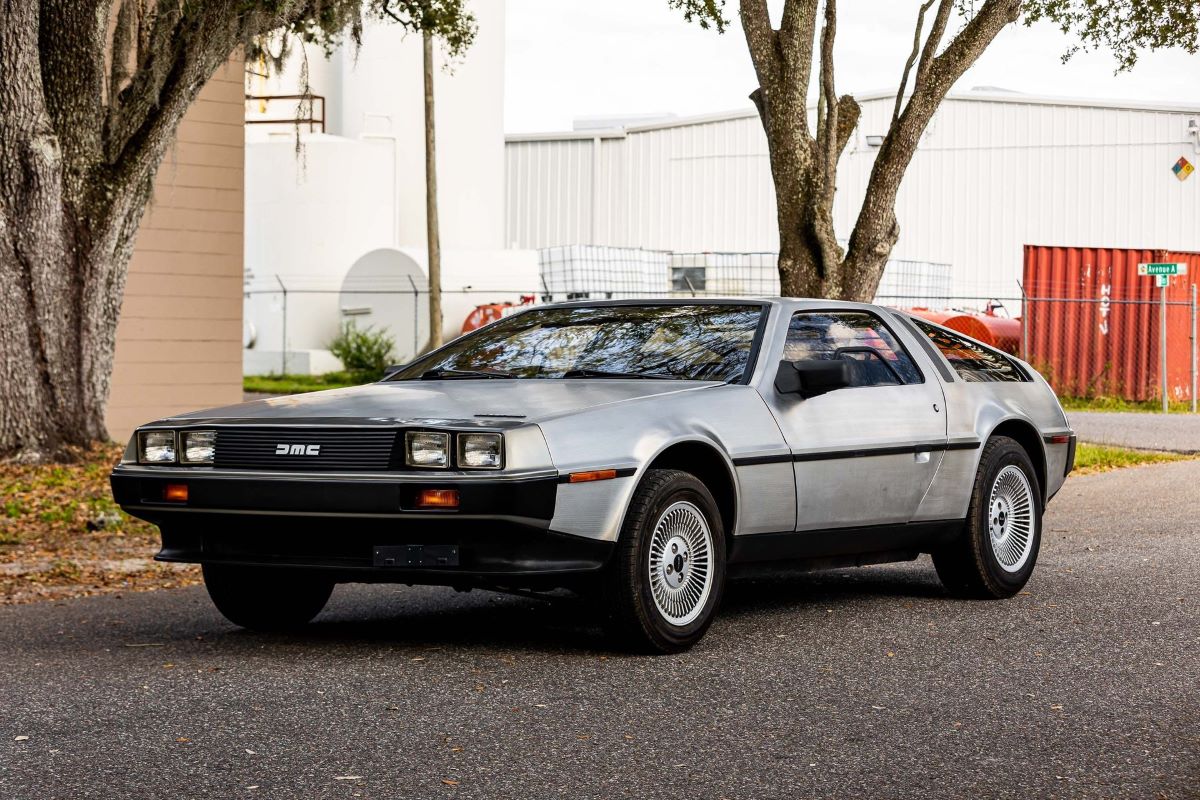
1. DeLorean DMC 12
The DeLorean DMC-12 remains one of the most recognizable cars in automotive history despite the collapse of the DeLorean Motor Company shortly after production began. Introduced in the early 1980s, the stainless steel sports car became instantly famous for its futuristic design, gullwing doors, and distinctive appearance.
Although the company survived for only a brief period, the vehicle became immortal thanks to its appearance in popular culture and its unique styling. Today, many people recognize the car even if they know little about the company behind it.
The origins of the DMC 12 were filled with ambition and controversy. John DeLorean, a former executive at General Motors, envisioned a revolutionary sports car that combined safety, durability, and futuristic design. The vehicle featured stainless steel body panels and was engineered with assistance from respected automotive designers.
Production began in Northern Ireland with support from the British government, which hoped the factory would create jobs in a struggling economy. Unfortunately, delays, cost overruns, and quality control problems hurt the company from the beginning.
Despite its stylish appearance, the DMC 12 faced criticism for underwhelming performance. The car’s V6 engine lacked the power many sports car buyers expected during the era. At the same time, the global economy entered a recession, reducing demand for expensive specialty vehicles.
Financial problems quickly mounted for the company, and production stopped after only about 9,000 units were built. The legal troubles involving John DeLorean further damaged the brand’s reputation and accelerated the company’s collapse.
Ironically, the car’s true fame arrived after the manufacturer disappeared. The DMC 12 became a global icon after appearing as the time machine in the film Back to the Future. The movie transformed the once-struggling sports car into a pop culture legend recognized across generations. Fans around the world began collecting and restoring surviving examples, and the vehicle gained a devoted enthusiast community that continues to thrive today.
Modern collectors value the DMC 12 not only for its cinematic legacy but also for its unusual engineering and historical significance. Replacement parts remain available through specialty suppliers, and many restored models continue to appear at automotive events worldwide.
The DeLorean story demonstrates how a single memorable vehicle can survive long after the original company disappears from the marketplace.
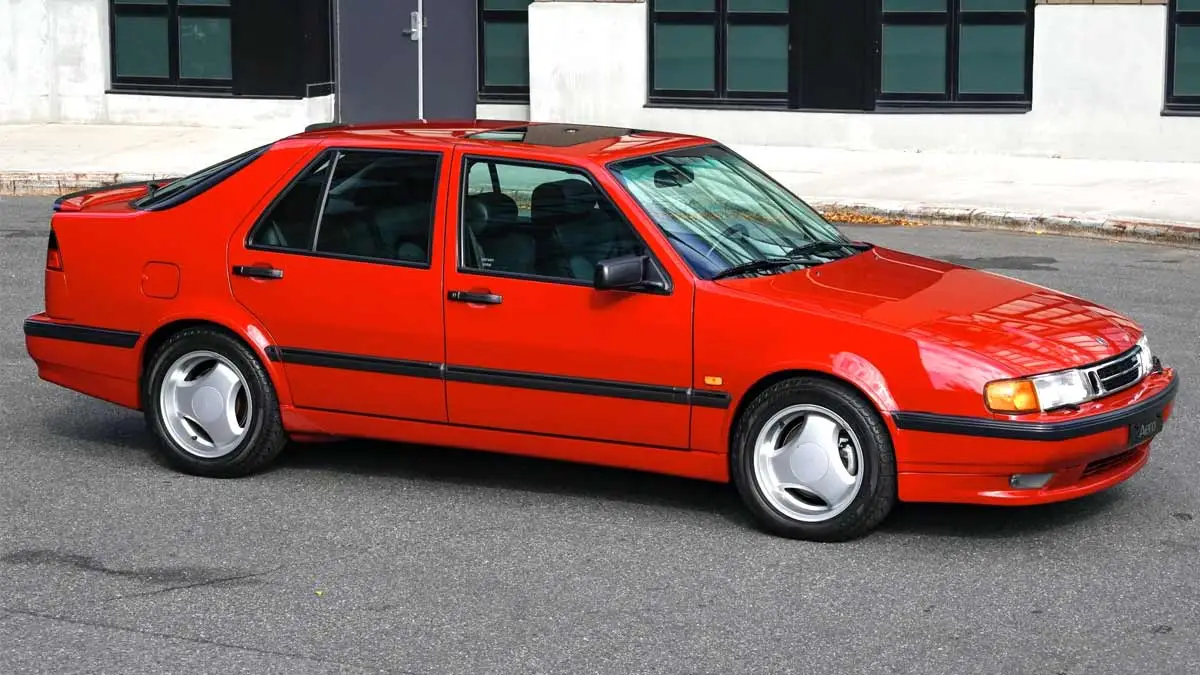
2. Saab 900
The Saab 900 became a symbol of individuality and engineering innovation long after the decline of Saab Automobile. Known for its aircraft-inspired design philosophy, unusual dashboard layout, and turbocharged performance, the Saab 900 attracted drivers who wanted something different from mainstream European luxury cars.
Even though Saab eventually disappeared from the automotive market, the 900 continues to enjoy a loyal following among enthusiasts.
Saab originally began as an aerospace company before expanding into automobile manufacturing. This aviation heritage heavily influenced the design of its vehicles. The Saab 900 featured wraparound windshields, driver-focused controls, and strong safety engineering that distinguished it from competitors.
During the 1980s and 1990s, the vehicle developed a reputation for intelligent design and reliable turbocharged engines. It appealed to professionals, intellectuals, and drivers seeking practicality combined with performance.
One of the most distinctive aspects of the Saab 900 was its commitment to unconventional engineering solutions. The ignition switch was mounted between the front seats rather than on the steering column, a decision intended to improve crash safety.
The vehicle also offered excellent visibility, comfortable seating, and practical hatchback versatility. These features helped the 900 establish a dedicated customer base in Europe and North America.
Unfortunately, Saab struggled financially despite producing respected vehicles. Ownership changes involving General Motors and later attempts at restructuring failed to stabilize the company. Increasing competition from larger luxury brands made survival difficult, and Saab eventually ceased automobile production in the early 2010s. Although the company disappeared, many Saab vehicles remained on the road due to their durability and devoted owners.
Today, the Saab 900 is considered a modern classic. Enthusiasts appreciate its unique personality, turbocharged performance, and engineering originality.
Owners often maintain their cars for decades, and enthusiast communities continue to share technical knowledge and spare parts. The Saab 900 proves that distinctive engineering and brand identity can leave a lasting impact even after the manufacturer vanishes.
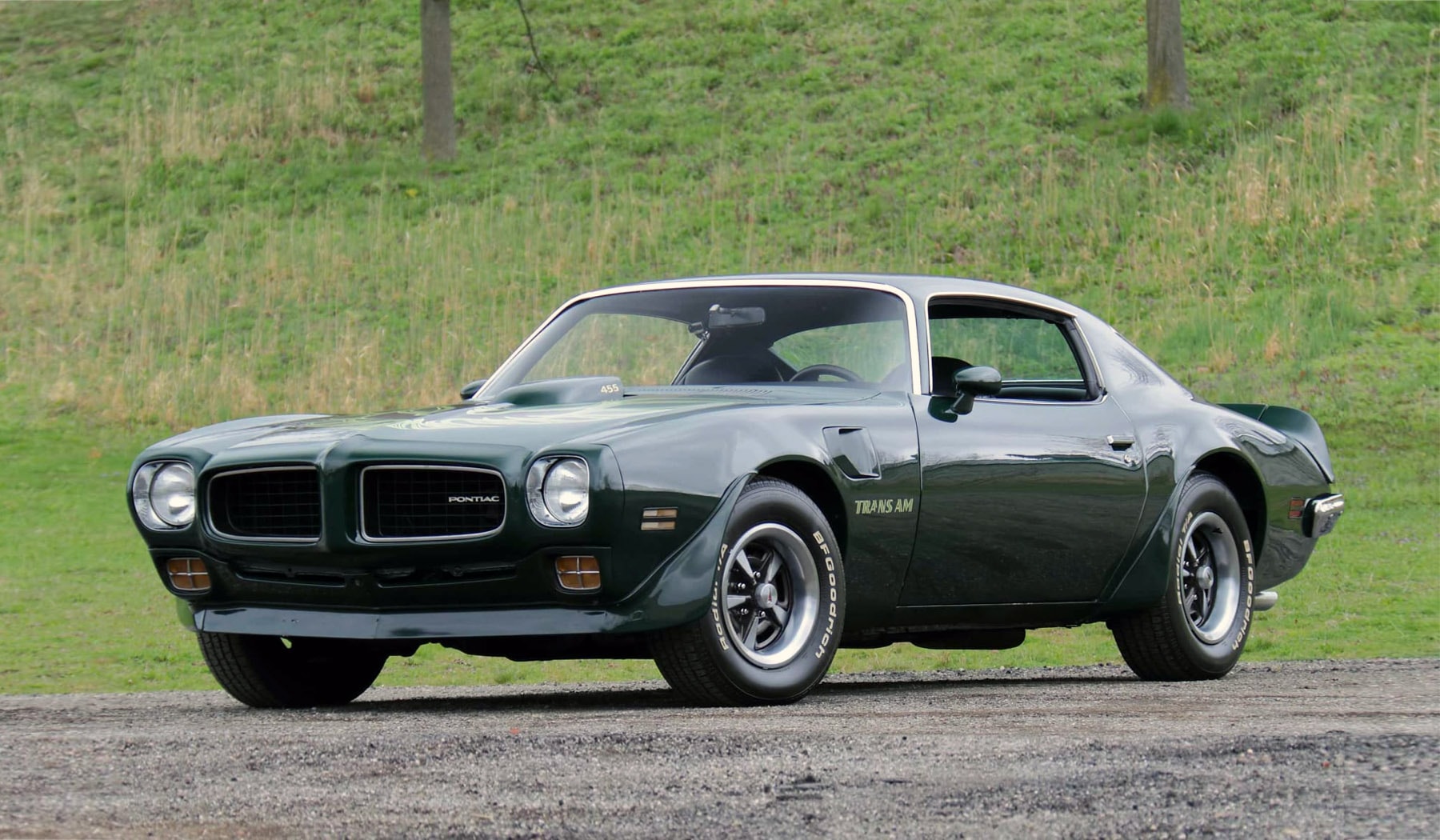
3. Pontiac Firebird Trans Am
The Pontiac Firebird Trans Am survived the demise of Pontiac and remains an enduring symbol of American performance culture. For decades, Pontiac represented excitement and sporty driving within the General Motors lineup. The Firebird Trans Am became one of the brand’s most famous creations thanks to its aggressive styling, powerful engines, and memorable appearances in movies and television.
Introduced during the golden age of muscle cars, the Firebird competed directly with the Ford Mustang and other performance-oriented vehicles.
The Trans Am variant added larger engines, upgraded suspension systems, and bold exterior graphics that appealed to enthusiasts seeking speed and visual impact. Throughout the 1970s and 1980s, the car became closely associated with American automotive culture and freedom on the open road.
The Firebird Trans Am achieved even greater fame through its role in popular entertainment. The black and gold Trans Am featured in Smokey and the Bandit became one of the most iconic movie cars of all time. Television audiences also embraced the futuristic Trans Am used in Knight Rider. These appearances transformed the vehicle into a cultural icon beyond the automotive world.
Despite the popularity of models like the Firebird, Pontiac struggled in the changing automotive market of the 2000s. Rising fuel prices, shifting consumer preferences toward SUVs, and economic pressures forced General Motors to restructure during the financial crisis.
Pontiac was discontinued in 2010 as part of the company’s broader reorganization efforts. Although the brand disappeared, surviving Firebird Trans Am models remained highly collectible.
Collectors continue to restore and preserve these muscle cars because they represent an important chapter in American automotive history. Auction values for well-maintained examples have risen steadily, particularly for rare performance versions. The Firebird Trans Am outlived Pontiac by becoming a permanent symbol of classic American muscle and entertainment culture.
4. Plymouth Prowler
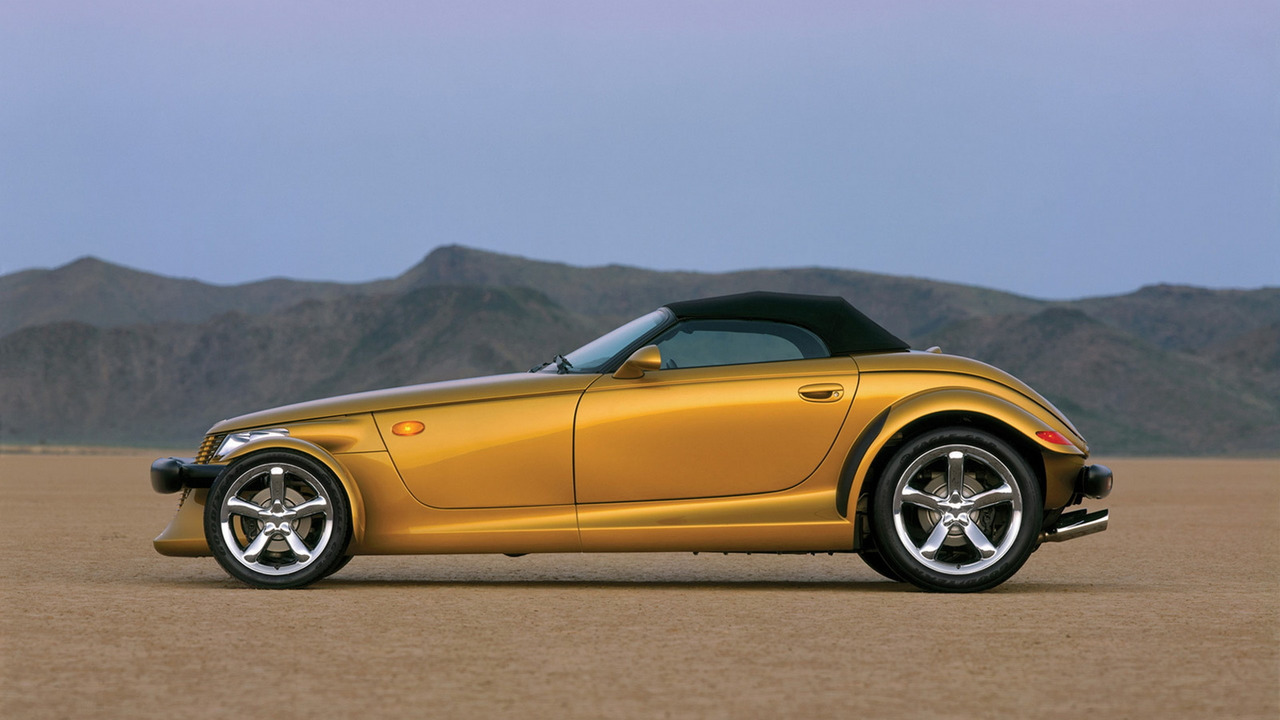
The Plymouth Prowler stands as one of the boldest design experiments ever produced by Plymouth. Released during the late 1990s, the Prowler featured dramatic retro styling inspired by classic hot rods from the 1930s. Although Plymouth as a brand disappeared shortly after the car entered production, the Prowler continues to attract attention for its distinctive appearance and unusual place in automotive history.
At a time when many automakers focused on conservative designs, the Prowler represented a daring attempt to revive emotional styling in the American market. Its open front wheels, low body, and custom hot rod-inspired proportions made it unlike anything else on the road.
The vehicle showcased advanced manufacturing techniques and lightweight aluminum construction that demonstrated Chrysler’s engineering capabilities during the era.
Despite its striking design, the Prowler received mixed reviews from automotive critics. Many enthusiasts expected a powerful V8 engine to match its aggressive appearance, but the car instead used a V6 engine paired with an automatic transmission.
While performance was respectable, some buyers felt the vehicle lacked the raw muscle car character suggested by its styling. Nevertheless, the Prowler remained popular among collectors who appreciated its uniqueness.
Plymouth itself faced declining sales and a shrinking market position within Chrysler. The company decided to discontinue the Plymouth brand in 2001 to focus resources on other divisions. The Prowler briefly continued production under the Chrysler name before eventually ending production entirely. Even so, the vehicle had already established itself as one of the most memorable retro designs of its generation.
Today, the Plymouth Prowler enjoys a strong following among collectors and automotive enthusiasts. Its rarity and unconventional styling help it stand out at car shows and enthusiast gatherings. The Prowler demonstrates how bold design choices can create a lasting legacy even when the parent brand disappears from the market.
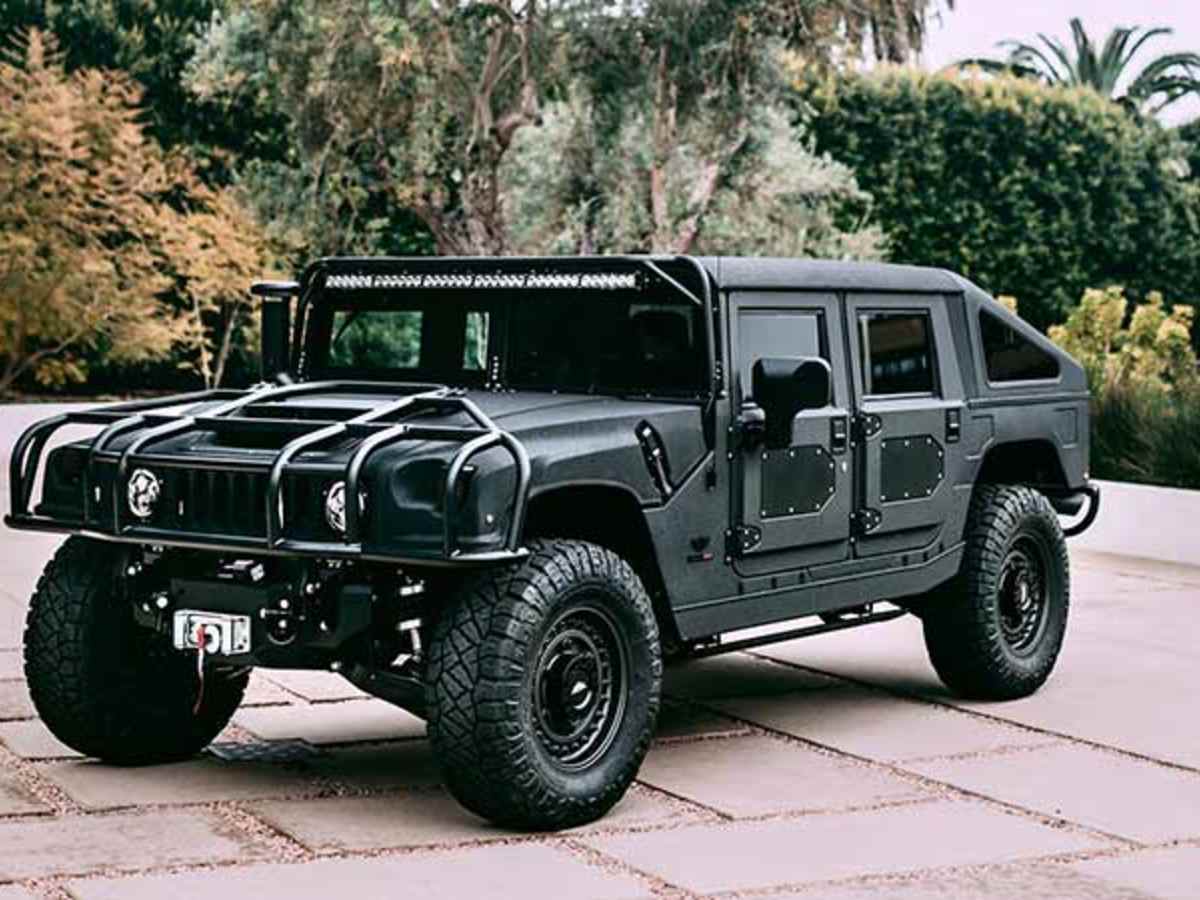
5. Hummer H1
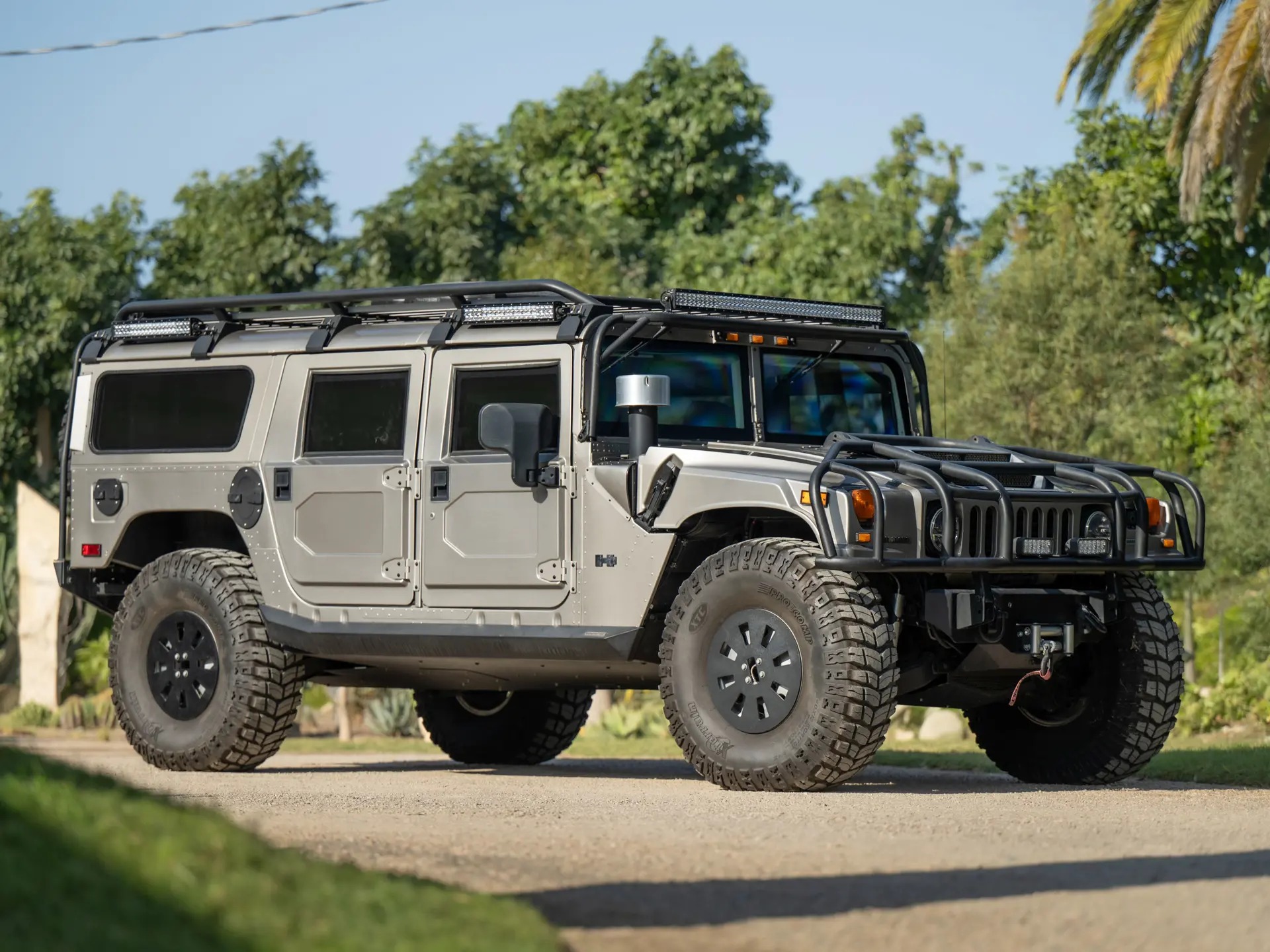
The Hummer H1 became one of the most recognizable SUVs ever built despite the eventual collapse of the original Hummer. Derived from the military Humvee, the H1 gained fame for its extreme off-road capability, imposing appearance, and military-inspired design. Although the Hummer brand disappeared during the financial crisis of the late 2000s, the H1 remains an enduring symbol of rugged automotive excess.
The civilian Hummer originated from military technology developed by AM General. Public interest in the vehicle increased dramatically after it appeared during military operations and gained celebrity attention in the 1990s.
Consumers were fascinated by its massive size, unmatched off-road capability, and aggressive styling. The H1 offered features such as high ground clearance, central tire inflation systems, and exceptional durability.
As sport utility vehicles became increasingly popular, Hummer expanded into a full automotive brand under General Motors ownership. While later models targeted mainstream buyers, the original H1 retained its hardcore off-road identity. The vehicle became associated with adventure, wealth, and larger-than-life American automotive culture. However, rising fuel prices and environmental concerns gradually shifted public opinion against oversized SUVs.
The financial crisis of 2008 severely impacted the automotive industry, and General Motors decided to discontinue several struggling brands during its restructuring process. Hummer became one of the casualties despite its strong brand recognition. Production ended, and the original Hummer brand effectively disappeared from the market. Yet the H1 continued to maintain a strong enthusiast following.
Collectors and off-road enthusiasts still value the H1 for its unmatched capability and military heritage. Surviving examples often command high prices due to their rarity and unique engineering. Even though the original Hummer brand vanished, the H1 remains instantly recognizable around the world and continues to represent extreme off-road performance.
Also Read: 10 Cars That Survive Being Used as Daily Uber Vehicles
6. Oldsmobile Cutlass
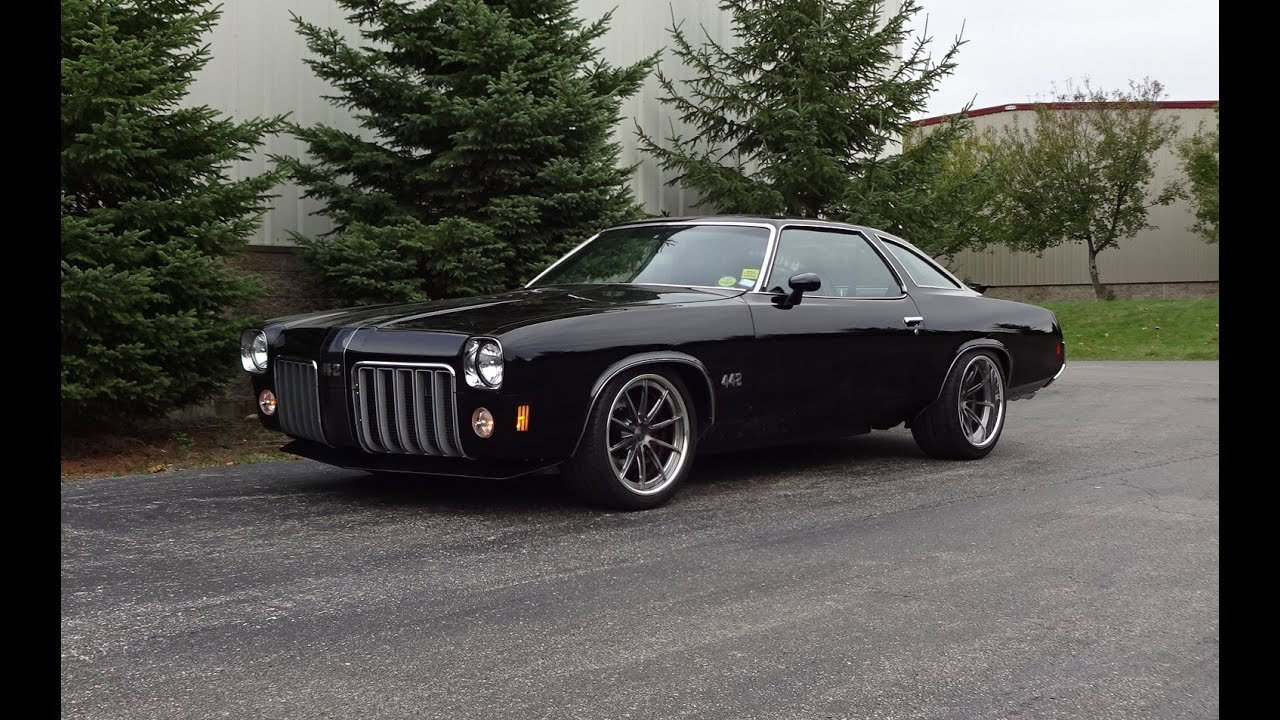
The Oldsmobile Cutlass survived the disappearance of Oldsmobile and remains one of the most successful American cars ever produced. For decades, the Cutlass served as a reliable and practical choice for millions of consumers, becoming a fixture of American roads throughout the twentieth century.
Although Oldsmobile eventually disappeared after more than a century in business, the Cutlass continued to influence automotive culture.
Oldsmobile was one of America’s oldest automobile manufacturers and played a major role in the development of the automotive industry. The Cutlass emerged as one of its most important models during the 1960s and quickly became known for combining comfort, affordability, and performance. Various versions ranged from economical family sedans to powerful muscle car variants, allowing the Cutlass to appeal to a broad audience.
During the 1970s and 1980s, the Cutlass achieved extraordinary sales success. At one point, it became the best-selling car in the United States. Consumers appreciated its dependable engineering, comfortable ride quality, and wide range of available features. The vehicle represented mainstream American transportation during an era when domestic automakers dominated the market.
However, Oldsmobile struggled to maintain a clear identity as competition from foreign manufacturers increased. General Motors attempted multiple redesigns and marketing campaigns, but declining sales eventually led to the decision to discontinue the brand in 2004. Despite the company’s closure, countless Cutlass models remained on the road due to their durability and widespread popularity.
Classic car enthusiasts continue to restore performance-oriented Cutlass variants, while many ordinary examples survive as reminders of a different automotive era. The Cutlass outlasted Oldsmobile by becoming deeply embedded in American automotive history and culture.
7. Mercury Grand Marquis
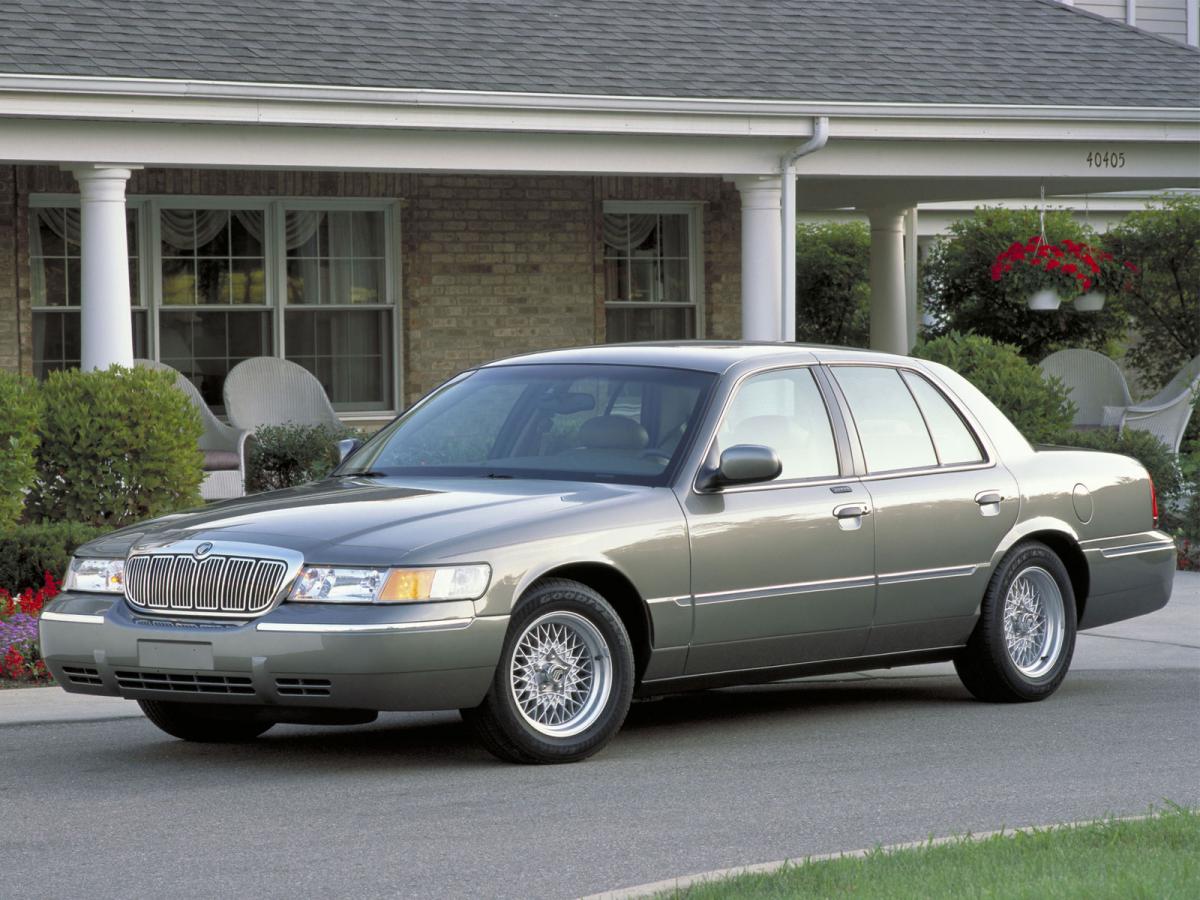
The Mercury Grand Marquis remained popular long after the decline of Mercury. Known for its comfort, durability, and traditional body-on-frame construction, the Grand Marquis became especially beloved among older drivers, taxi companies, and law enforcement fleets. Even after Mercury disappeared, the car continued to maintain a loyal following.
The Grand Marquis represented traditional American automotive values during a period when many competitors moved toward smaller Front Wheel Drive designs.
Its large dimensions, soft suspension, spacious interior, and V8 engine appealed to buyers seeking comfort and simplicity. Built on the same platform as the Ford Crown Victoria, the vehicle developed a reputation for exceptional reliability and longevity.
Fleet operators valued the Grand Marquis because of its low maintenance costs and durable construction. Many examples have accumulated hundreds of thousands of kilometers while remaining dependable. Private owners also appreciated the car’s smooth ride and straightforward mechanical design, which made repairs relatively simple compared to more complex modern vehicles.
Despite the strengths of the Grand Marquis, the Mercury brand struggled with declining relevance in the modern market. Positioned between Ford and Lincoln, Mercury increasingly lacked a distinct identity. As consumer preferences shifted toward crossovers and SUVs, sales continued to decline. Ford eventually discontinued Mercury in 2011 as part of a broader restructuring effort.
Even after Mercury disappeared, many Grand Marquis sedans remained in daily use for years. Their durability and comfort allowed them to outlive the brand itself. Today, enthusiasts continue to preserve clean examples as symbols of traditional American sedan engineering.
