
The American sedan market changed dramatically after 2015. SUVs and crossovers began dominating sales charts, forcing manufacturers to cancel many traditional four-door models that once defined daily transportation in the United States.
Some of these sedans disappeared quietly because buyers moved on to taller vehicles, while others vanished despite offering strong reliability, comfortable cabins, and dependable long-term ownership. Years later, many drivers now realize several discontinued American sedans were far better than their declining sales numbers suggested.
Reliability became one of the biggest factors separating memorable discontinued sedans from forgettable ones. Certain models developed strong reputations for surviving high mileage with minimal trouble, inexpensive maintenance, and durable powertrains that handled years of commuting without major failures.
Others improved significantly near the end of production after early problems were corrected through redesigns and updated engineering. As used car prices continue to fluctuate, dependable, discontinued sedans have gained renewed attention from buyers searching for affordable transportation with proven durability.
American automakers also experimented heavily during the final years of sedan competition. Some companies focused on fuel economy and simple maintenance, while others attempted to mix luxury features with mainstream pricing.
A few models delivered surprisingly refined driving experiences without sacrificing mechanical dependability. Even though production ended, many of these sedans still remain common on roads because owners continue trusting them for daily use.
Another interesting aspect of discontinued American sedans is how differently they aged compared with crossovers from the same period. Sedans often carried lower ownership costs, lighter curb weights, and fewer complicated drivetrain systems.
That simplicity sometimes helped reliability over the long term. Fleet operators, taxi companies, and high-mileage commuters especially valued models that could withstand constant use without becoming financial burdens.
This ranking focuses on ten American sedans discontinued since 2015 that earned reputations for solid reliability. Some were full-size comfort cruisers, while others targeted practical commuters or near-luxury buyers.
They may no longer sit in dealership showrooms, but these cars still remind drivers that dependable American sedans once competed strongly before the market shifted heavily toward SUVs.
Also Read: 10 Pickups With the Worst Owner Regret in 2026
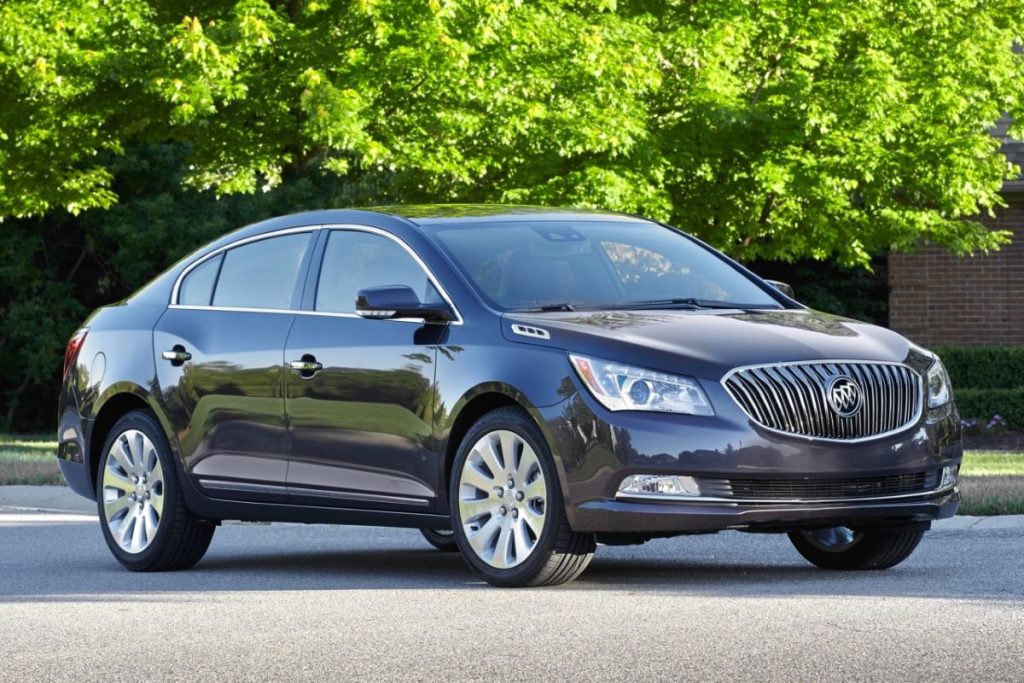
1. Buick LaCrosse
The Buick LaCrosse ended production in North America after the 2019 model year, yet it remains one of the most dependable large American sedans from the last decade.
Buick refined the LaCrosse carefully through multiple generations, and by its final years, the car delivered a level of reliability that surprised many buyers who had overlooked the brand entirely. Owners frequently report smooth operation well beyond 150,000 miles with relatively few serious mechanical problems.
One reason the LaCrosse aged so well involves its powertrain choices. The available V6 engine proved durable when maintained correctly, while the transmission calibration became much smoother and more refined than earlier GM sedans from the late 2000s.
The car avoided excessive turbocharging complexity, which helped reduce long-term maintenance concerns compared with some modern competitors chasing aggressive fuel economy numbers.
Comfort also played a major role in the sedan’s appeal. The suspension tuning focused heavily on quiet highway driving, giving the LaCrosse a relaxed personality ideal for commuters and older buyers.
Even after years of use, many examples maintain solid ride quality without developing severe interior rattles or major electrical failures. That kind of long-term consistency helped the sedan build a loyal owner base.
Fleet use further demonstrated the car’s durability. Many Lacrosses served as executive transport vehicles and highway commuter cars that accumulated large mileage quickly. Despite constant driving, the engines and transmissions generally held up well when owners followed regular maintenance schedules.
Buick also improved interior quality significantly during the sedan’s final generation. Materials felt more upscale than many mainstream rivals, yet repair costs remained manageable because the underlying mechanical components were shared with broader GM platforms.
This balance of comfort, durability, and moderate ownership expense became one of the LaCrosse’s strongest advantages.
Although crossovers eventually replaced it in Buick’s lineup, the LaCrosse remains a strong reminder that American automakers could still build quiet, reliable full-size sedans capable of lasting for many years without becoming constant repair projects.
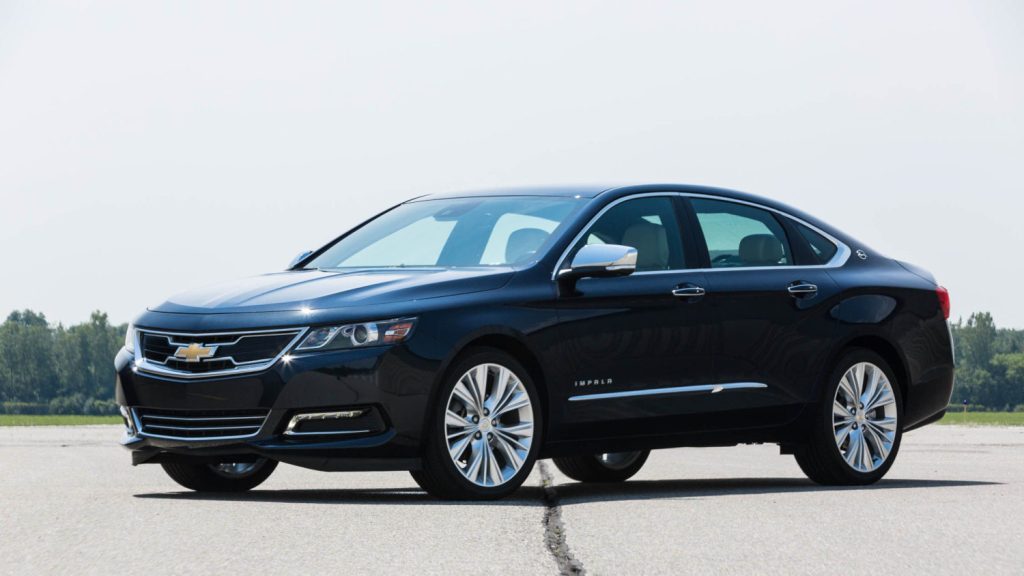
2. Chevrolet Impala
The Chevrolet Impala survived decades of changing automotive trends before finally leaving production in 2020.
By the end of its lifespan, the Impala had evolved into a surprisingly dependable and refined sedan that earned respect from rental fleets, private owners, and long-distance commuters alike.
Earlier generations experienced mixed reliability, but the final version corrected many of those issues and became one of Chevrolet’s most durable passenger cars.
The sedan’s strongest quality came from its straightforward engineering. Chevrolet avoided unnecessary complexity in many Impala trims, allowing the car to remain relatively easy and affordable to maintain.
The available V6 engine gained praise for smooth performance and dependable long-term durability, particularly among drivers who spent large amounts of time on highways.
Inside the cabin, the Impala offered far more room than most midsize competitors. Rear seat comfort became one of the car’s biggest selling points, making it popular among families and ride service drivers. Even high-mileage examples often retain solid interior quality with fewer squeaks and trim failures than many rivals from the same period.
Another reason reliability rankings favor the Impala involves its strong performance in fleet environments. Rental companies and government agencies operated these sedans under demanding conditions for years.
Cars exposed to constant driving, heavy traffic, and minimal downtime reveal weaknesses quickly, yet the Impala consistently proved capable of handling abuse without catastrophic mechanical breakdowns.
Chevrolet also improved safety and technology features during the sedan’s later years without overloading the car with fragile electronics.
That balance helped reduce expensive repair situations once the vehicles aged. Mechanics frequently describe the final Impala as predictable and simple to service, which becomes valuable once a car passes the 100,000-mile mark.
The market shift toward SUVs ultimately ended the Impala’s production run, but its reputation remained stronger than many critics expected. Among discontinued American sedans, it stands out as a comfortable, durable car that quietly earned trust through years of dependable everyday performance.
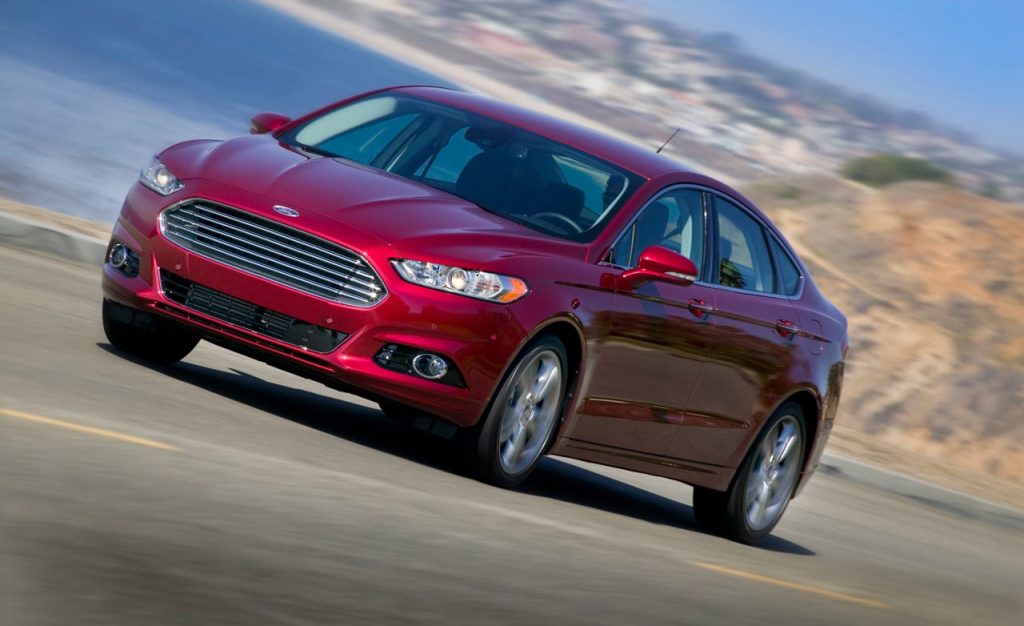
3. Ford Fusion
The Ford Fusion became one of Ford’s most successful modern sedans before production ended in 2020. While crossovers eventually replaced it in the company’s lineup, the Fusion built a reputation for reliability that helped it remain popular in both private ownership and commercial fleets.
Drivers appreciated its balanced nature because it combined respectable fuel economy, comfortable road manners, and dependable mechanical components without becoming overly expensive to maintain.
Unlike some midsize sedans that chased aggressive styling at the cost of practicality, the Fusion focused on consistency. The naturally aspirated engines proved especially durable when serviced regularly, and the transmissions in later model years became far more refined than those in earlier Ford products from the previous decade.
Many owners report reaching high mileage with only routine repairs such as brakes, tires, and suspension wear items.
The Fusion also performed well in daily commuting environments. Highway stability remained excellent, and cabin insulation helped reduce fatigue during long drives.
This made the sedan particularly attractive to sales representatives, rideshare drivers, and commuters who spent several hours behind the wheel every week. A reliable car becomes even more valuable when it operates constantly under heavy usage.
Ford improved the interior steadily throughout the Fusion’s lifespan. Earlier complaints about confusing infotainment systems and cheap materials were addressed in later updates, giving the sedan a more mature feel. Reliability ratings improved alongside those refinements because electronic glitches became less common as the platform aged.
Hybrid versions added another layer to the Fusion’s reputation. Many owners experienced excellent fuel economy while still reporting dependable battery performance over long periods. Taxi operators in several cities used Fusion Hybrids extensively because of their low running costs and durable drivetrains.
Even though SUVs dominated Ford’s future strategy, the Fusion left production with a far stronger reputation than many discontinued sedans.
It succeeded by delivering dependable transportation without dramatic weaknesses, and that steady reliability continues making used examples attractive years after the final model rolled off the assembly line.
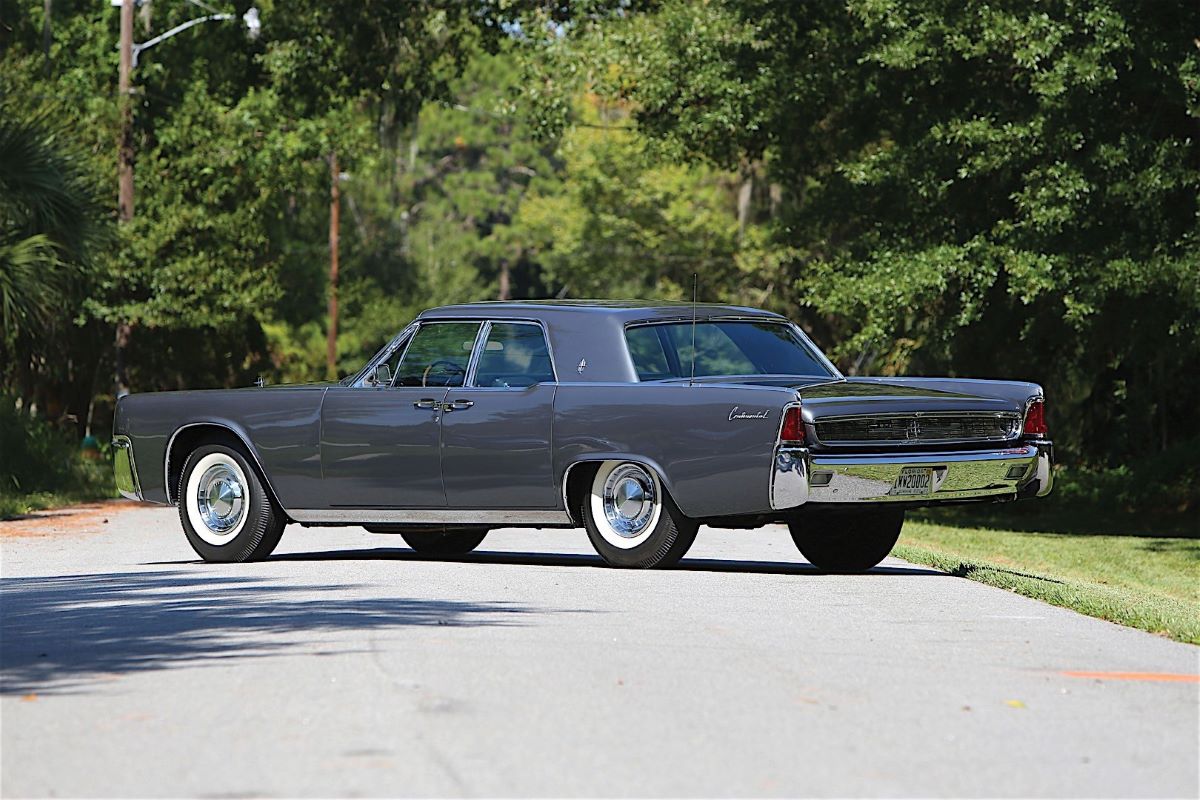
4. Lincoln Continental
The Lincoln Continental returned briefly as a flagship luxury sedan before disappearing again in 2020. Although it lived a short modern life, the Continental managed to establish itself as one of the more dependable American luxury sedans of its era.
Lincoln focused heavily on comfort, quietness, and smooth power delivery rather than aggressive sportiness, which helped the car age gracefully compared with several complicated European competitors.
One of the sedan’s biggest strengths involved refinement. The Continental delivered a calm driving experience with excellent sound insulation and soft suspension tuning.
Owners often compared the car to traditional American luxury sedans from decades earlier because it prioritized relaxed cruising instead of harsh performance-oriented handling. This approach reduced strain on many mechanical components and contributed to long-term durability.
The available engines also played an important role in reliability. While the twin turbocharged options produced strong power, the naturally aspirated configurations generally earned the best reputation for longevity and lower maintenance costs.
Transmission performance improved significantly compared with older Lincoln sedans, giving the Continental smoother operation during everyday driving.
Interior quality became another standout feature. Lincoln invested heavily in premium seating, upscale materials, and elegant cabin design.
Even after years of use, many examples maintain their luxurious appearance surprisingly well. Owners frequently praise the seats in particular, describing them as some of the most comfortable found in any American sedan from the period.
The Continental never sold in massive numbers, which ironically helped preserve its reputation. Many buyers treated the car carefully and maintained it consistently, leading to cleaner used examples with strong service histories.
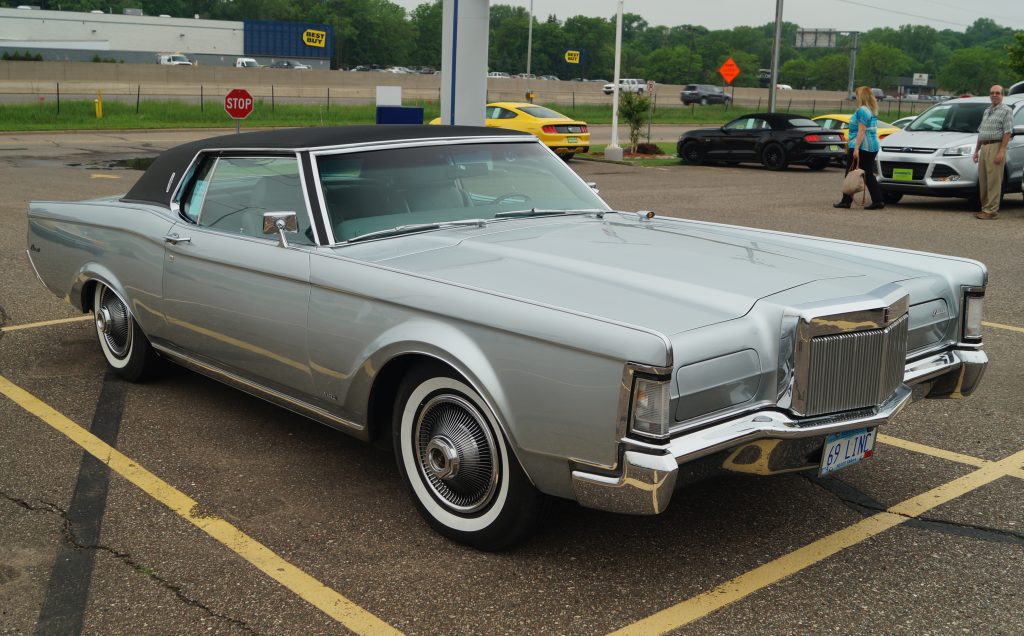
Mechanics also appreciated that several mechanical systems were shared with Ford platforms, helping keep parts availability reasonable despite the car’s luxury status.
Its discontinuation reflected changing market trends rather than failure. The Continental proved there was still room for a dependable American luxury sedan focused on comfort and long-distance driving.
Years after production ended, it remains respected among drivers who value reliability combined with traditional luxury character.
5. Cadillac CT6
The Cadillac CT6 represented Cadillac’s ambitious attempt to compete with established European luxury sedans before production ended in 2020.
Despite its relatively short lifespan, the CT6 gained recognition for combining advanced engineering with respectable reliability, something that had not always been associated with large American luxury cars.
Drivers who owned later model years often discovered the sedan delivered far fewer major issues than expected from a technology-heavy flagship.
Cadillac designed the CT6 with a lightweight structure that improved both handling and efficiency.
Unlike older luxury sedans that relied purely on size and soft suspension tuning, the CT6 balanced comfort with surprisingly sharp road manners. Even so, the car maintained the quiet ride quality buyers expected from a premium American sedan.
The naturally aspirated V6 versions earned the strongest reliability reputation. Those models avoided some of the long-term concerns associated with more complicated turbocharged powertrains while still delivering smooth acceleration and refined highway performance.
Transmission tuning also improved steadily during production, helping the sedan feel polished in everyday use.
One interesting aspect of the CT6 involved its durability under long-distance driving. Owners frequently praised the car’s ability to cover highway miles comfortably without developing excessive cabin noise or major interior wear.
Cadillac used higher-quality materials than many earlier models, and the improved craftsmanship became noticeable after years of ownership.
Technology integration was ambitious yet reasonably dependable compared with several rivals packed with fragile electronics. While occasional infotainment complaints appeared, the sedan avoided the severe reliability disasters that sometimes hurt luxury flagships loaded with experimental systems.
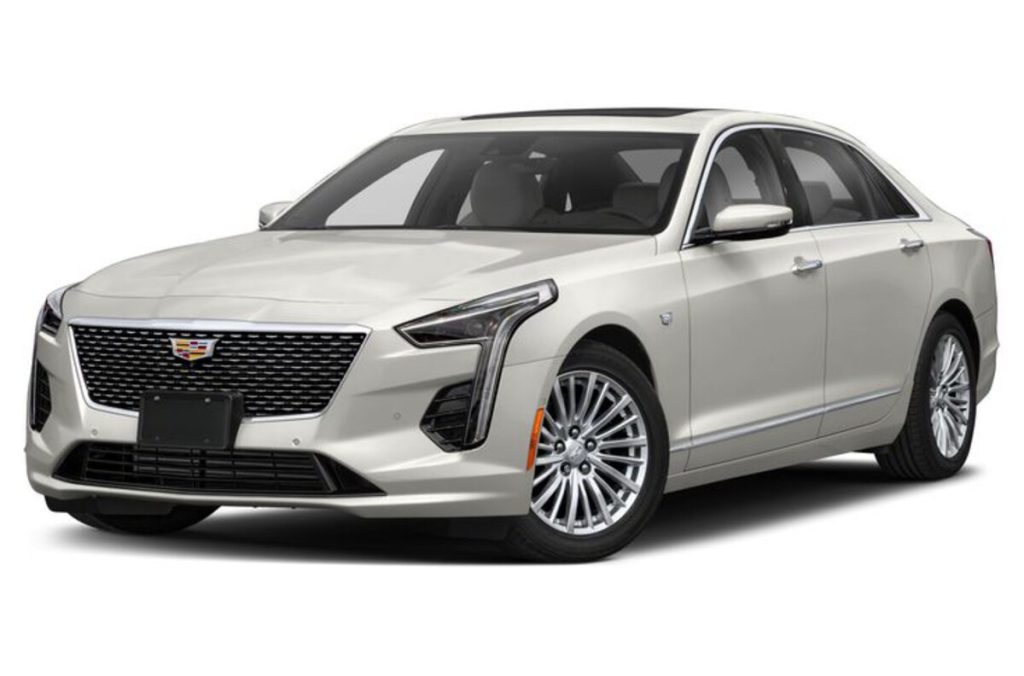
The CT6 also benefited from Cadillac’s effort to modernize its image. Engineers focused on creating a genuinely competitive sedan instead of relying only on brand heritage. Although SUVs eventually pushed the car out of production, the CT6 left behind a stronger reliability legacy than many expected.
It proved that an American luxury sedan could deliver advanced engineering, long-distance comfort, and dependable ownership without constantly demanding expensive repairs.
6. Chrysler 300
The Chrysler 300 survived far longer than many analysts predicted before finally ending production in 2023. Its old-school rear-wheel-drive layout and bold styling gave it a personality few modern sedans could match.
Beneath the dramatic appearance, the 300 also earned a surprisingly solid reliability reputation in later years, especially when equipped with the dependable Pentastar V6 engine.
The sedan’s durability improved significantly after Chrysler corrected many early production issues from older generations. By the late 2010s, the 300 had matured into a comfortable and relatively straightforward full-size car with fewer major mechanical weaknesses than critics often assumed.
Owners appreciated the fact that many parts remained widely available and reasonably affordable due to platform sharing within Stellantis products.
Ride comfort became one of the sedan’s defining strengths. The long wheelbase allowed the 300 to absorb rough pavement smoothly, making it popular among highway commuters and drivers who preferred traditional American sedan characteristics. Even after years of use, many examples continue operating quietly with strong structural solidity.
The V8-powered trims attracted enthusiasts, but the V6 versions generally proved more dependable and less expensive to maintain over time. Fleet operators and private owners alike often reported high mileage reliability when routine maintenance schedules were followed consistently.
Interior quality improved gradually throughout the sedan’s long production run. While earlier models faced criticism for cheap materials, later versions offered more refined cabins with upgraded technology and better fit and finish.
The simple dashboard layout also helped reduce electronic frustrations compared with some luxury rivals overloaded with complicated controls.
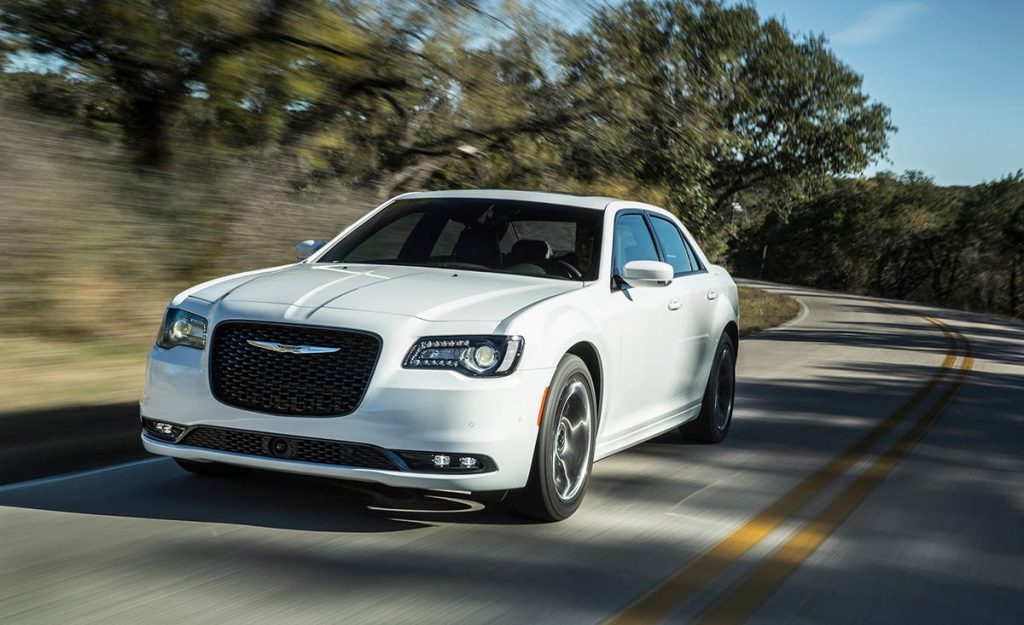
Another reason the Chrysler 300 ranks well in reliability discussions is its predictable nature. Mechanics became extremely familiar with the platform after years of production, making repairs easier and less intimidating for owners. That familiarity helped keep maintenance costs manageable once the vehicles aged.
The market eventually moved away from large sedans, but the Chrysler 300 remained memorable because it combined classic American style with dependable long-term usability in a way very few modern cars managed successfully.
7. Chevrolet Cruze
The Chevrolet Cruze entered a highly competitive compact car segment and gradually became one of Chevrolet’s more dependable small sedans before its discontinuation in 2019.
Early model years experienced some reliability concerns, particularly involving cooling systems and turbocharged components, but Chevrolet improved the platform steadily. By the final production years, the Cruze had matured into a practical and efficient commuter car with surprisingly solid long-term durability.
Fuel economy became one of the sedan’s strongest advantages. Drivers covering long highway distances appreciated the Cruze because it delivered impressive mileage without sacrificing ride comfort.
Many owners also discovered the cabin remained quieter than expected for a compact American sedan, giving the car a more refined personality during everyday commuting.
The later generation Cruze benefited from better engineering and weight reduction. Chevrolet improved chassis rigidity while simplifying certain mechanical systems, helping reliability scores climb compared with earlier versions.
Owners who maintained the turbocharged engines carefully often reported dependable performance deep into high-mileage territory.
Another reason the Cruze gained a better reputation involved maintenance affordability. Replacement parts remained easy to source, and repair costs typically stayed lower than those of many imported compact sedans loaded with more complicated electronics.
Independent mechanics became familiar with the platform quickly, which helped owners avoid excessive labor charges for common repairs.
The car also served successfully in rental and commuter fleets, where vehicles experience constant daily use. Sedans surviving that kind of environment tend to reveal weaknesses rapidly, yet later Cruze models handled the workload respectably.
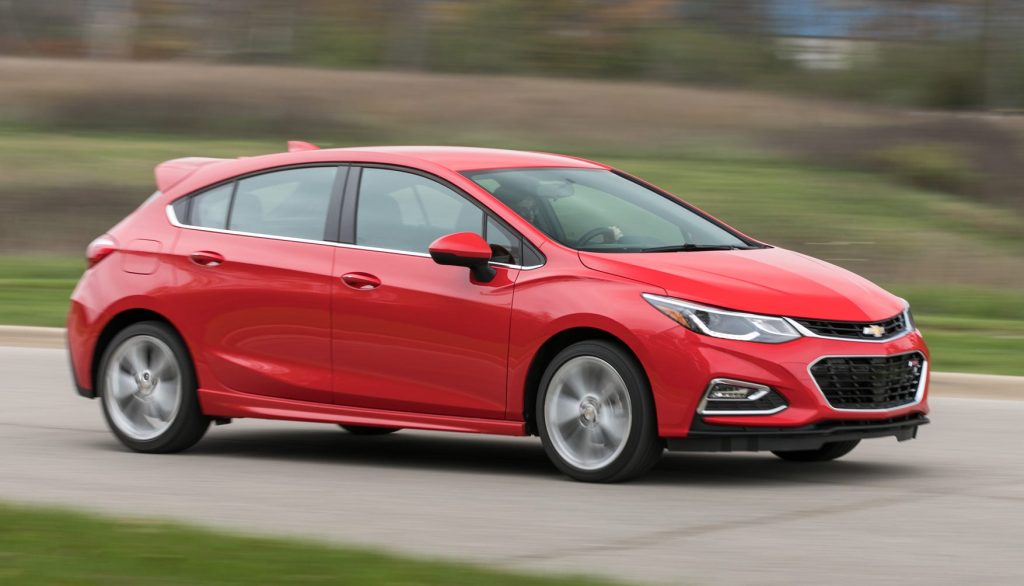
Interior wear rates improved as well, with many cabins holding together better than critics originally expected.
Chevrolet ultimately shifted focus toward crossovers, ending production despite the Cruze becoming far more competent near the end of its run. Its final years proved that compact American sedans could still offer dependable transportation with reasonable ownership costs.
Among discontinued cars from the late 2010s, the Cruze quietly earned recognition as a much stronger reliability performer than many buyers initially realized.
8. Dodge Dart
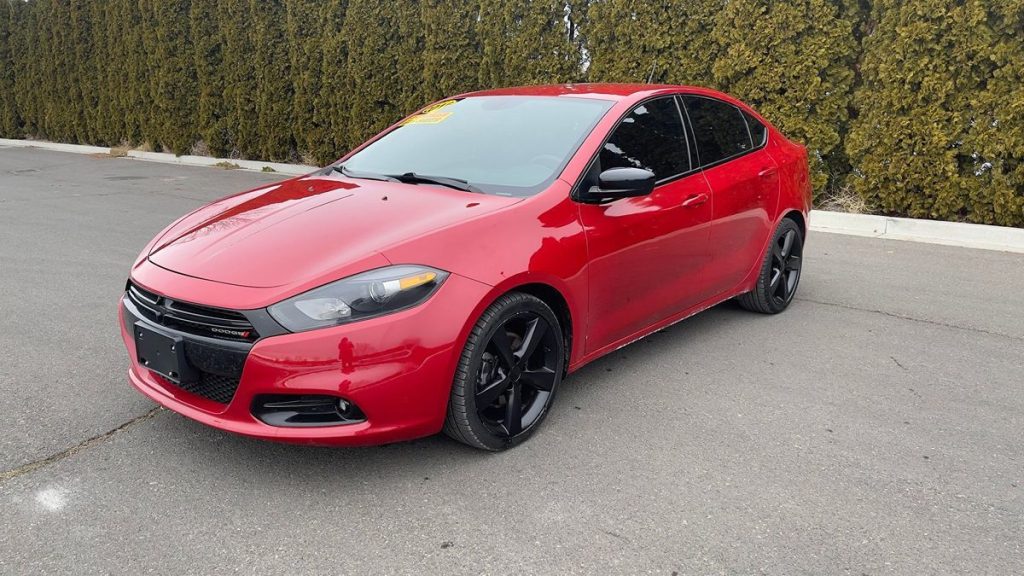
The Dodge Dart had a short production life, disappearing after the 2016 model year, yet its story became more interesting over time.
While the Dart struggled initially because of inconsistent quality control and a crowded compact sedan market, certain versions eventually earned respectable reliability reputations once the early problems were understood and addressed.
Owners who selected the right engine and transmission combinations often experienced dependable long-term operation.
One reason the Dart improved with age was mechanical simplicity in lower trims. Models equipped with the naturally aspirated engines avoided many of the issues tied to more complex turbocharged setups.
Drivers seeking basic daily transportation frequently discovered these simpler configurations handled commuting duties reliably while keeping maintenance costs manageable.
The sedan also offered a surprisingly spacious interior for its class. Passengers benefited from comfortable seating and a cabin layout that felt more substantial than many compact rivals. Dodge gave the Dart a heavier, more solid road feel than some lightweight economy cars, which appealed to drivers wanting something more stable on highways.
Reliability perceptions improved further because many surviving Darts today belong to owners who maintained them carefully after learning from early ownership experiences.
Software updates, transmission recalibrations, and regular servicing corrected several complaints that affected the car during its launch period. Later production examples generally performed much better than the earliest models.
Another overlooked strength involved repair accessibility. Mechanics familiar with Chrysler products often found the Dart relatively straightforward to diagnose and maintain compared with certain imported compact cars using highly specialized components.
Parts availability also remained strong due to the shared corporate engineering found across multiple Stellantis vehicles.
The Dart never achieved the market success Dodge hoped for, and competition from Japanese and Korean rivals remained intense throughout its short lifespan.
Even so, the sedan deserves recognition because it became more dependable than its reputation suggests. Buyers willing to research the better model years often discovered a practical compact sedan capable of providing years of affordable and reliable transportation.
9. Ford Taurus
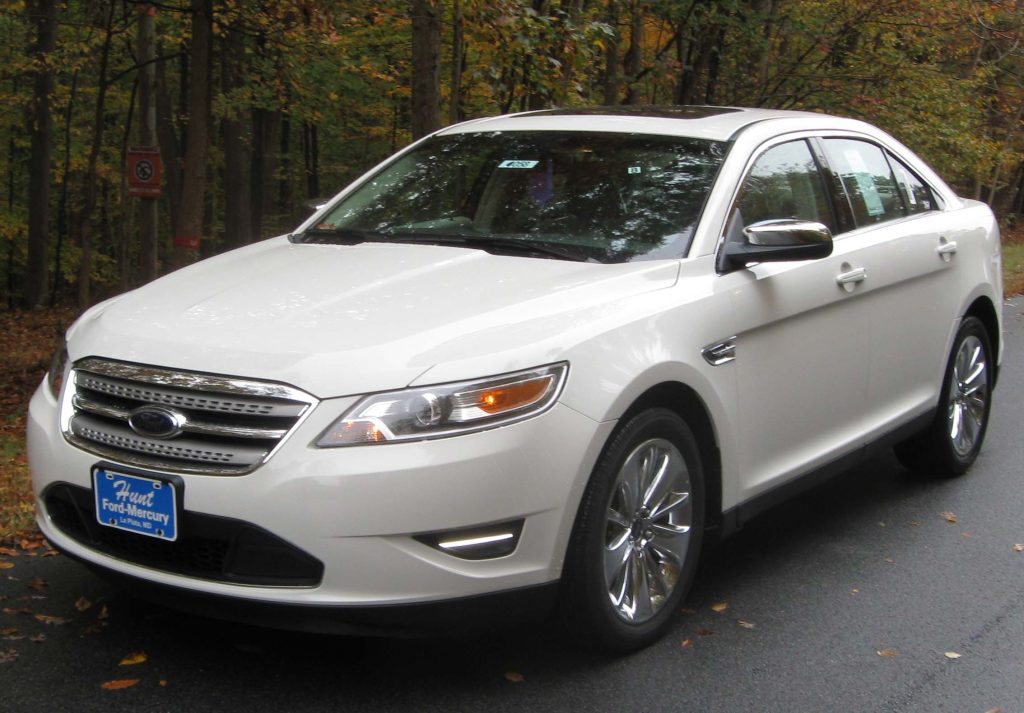
The Ford Taurus closed its long American production story in 2019 after decades as one of Ford’s most recognizable passenger cars. By the time it disappeared, the Taurus had transformed from a once revolutionary family sedan into a quiet, dependable highway cruiser trusted by police departments, government fleets, and private owners alike.
Its final generation never dominated headlines, yet it developed a reputation for durability that became more appreciated after production ended.
One major strength of the Taurus is its solid mechanical foundation. The naturally aspirated V6 engine proved capable of handling high mileage with relatively few catastrophic failures when maintained correctly.
Transmission reliability also improved significantly compared with some earlier Ford products, helping the sedan remain dependable under heavy daily use.
The Taurus excelled at long-distance driving. Thick insulation, stable handling, and comfortable seating gave the car a calm personality suited for interstate travel.
Fleet operators valued this trait because drivers spending entire days behind the wheel needed comfort as much as reliability. Police interceptor variants further demonstrated how durable the platform could be under demanding conditions.
Ford designed the Taurus with safety in mind as well. The sedan’s heavy structure contributed to a secure driving feel that appealed to families and older buyers.
Even after years of ownership, many examples maintain impressive structural integrity with minimal cabin deterioration compared with lighter economy sedans from the same era.
Technology systems remained relatively manageable, too. While modern enough to include advanced features, the Taurus avoided becoming overloaded with fragile electronics that often create expensive aging problems in large sedans.
Owners frequently describe the car as predictable and easy to live with, which becomes an important advantage once warranty coverage expires.
The rise of SUVs eventually pushed the Taurus aside, but the sedan earned lasting respect through consistency rather than excitement. It rarely tried to be flashy or aggressively sporty.
Instead, it focused on dependable transportation, strong highway comfort, and long-term usability. Years after discontinuation, many Taurus sedans continue operating reliably with high mileage, proving how durable Ford’s final large sedan truly became.
10. Cadillac XTS
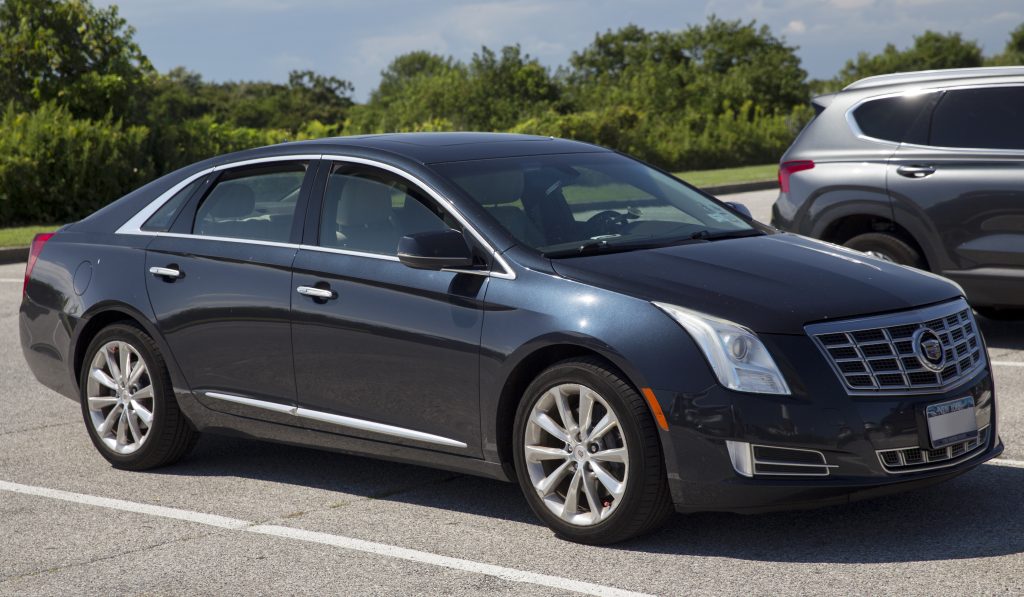
The Cadillac XTS remained in production until 2019 and quietly became one of the most reliable large luxury sedans Cadillac produced in recent decades.
Unlike performance-focused European rivals chasing aggressive handling numbers, the XTS concentrated on comfort, interior space, and smooth long-distance cruising. That traditional luxury philosophy ended up helping the sedan age gracefully in everyday ownership.
The XTS relied heavily on proven GM engineering, which worked in its favor. The naturally aspirated V6 engine gained a strong reputation for durability, especially compared with more complicated turbocharged luxury powertrains.
Owners regularly reported dependable operation well past six-figure mileage totals when maintenance schedules were followed properly.
Ride quality became one of the car’s defining characteristics. The suspension absorbed rough pavement effectively, giving passengers a relaxed experience during city driving and highway travel alike.
Chauffeur services and executive transportation companies appreciated this comfort because the sedan handled constant use without developing excessive mechanical issues.
Interior durability also surprised many luxury car shoppers. Cadillac improved cabin materials significantly during the XTS era, and many older examples still retain attractive interiors with limited wear. The seats remained particularly comfortable during long trips, reinforcing the sedan’s focus on traditional American luxury.
Another reason the XTS ranks highly in reliability discussions is its relatively low-drama ownership experience. While certain luxury competitors became notorious for expensive electronic failures and complicated repair procedures, the XTS generally stayed simpler and more predictable.
Mechanics familiar with GM vehicles could service the sedan without specialized exotic equipment, helping reduce ownership stress.
Sales numbers never reached the level Cadillac hoped for because buyer preferences shifted rapidly toward SUVs and crossovers. Still, the XTS built a loyal following among drivers who valued comfort and dependability more than aggressive styling or track-inspired handling.
Its discontinuation marked the end of an era for large American luxury sedans. Even so, the XTS remains respected because it delivered reliable luxury transportation in a market increasingly dominated by vehicles chasing trends instead of long-term durability.
