
Pontiac once represented excitement inside General Motors. While Chevrolet often targeted mass-market buyers and Buick leaned toward comfort, Pontiac built its reputation around performance, aggressive styling, and youthful energy.
For decades, the brand produced some of America’s most memorable muscle cars, sporty coupes, and driver-focused sedans. Even ordinary Pontiac models usually carried bolder designs and stronger personalities than many competitors sharing the same corporate platforms.
When General Motors discontinued Pontiac in 2010 during its restructuring period, enthusiasts viewed it as the end of an important chapter in American automotive history. The closure instantly changed how collectors viewed many Pontiac vehicles.
Cars that were once common daily transportation slowly began transforming into nostalgic symbols of a vanished performance brand. Some models gained value because of rarity, while others became desirable due to racing heritage, cultural influence, or limited production numbers.
Collector demand today varies heavily depending on engine choices, originality, condition, and historical importance. Certain Pontiacs now command extremely high auction prices because they represent peak muscle car culture from the 1960s and 1970s.
Others attract younger enthusiasts who grew up around late 1990s and early 2000s performance models. Limited editions, factory high-performance trims, and rare option combinations usually sit at the top of the value ladder.
Another interesting aspect of Pontiac collecting involves emotional attachment. Many owners remember these cars from family garages, high school years, drag racing scenes, or classic road trips.
That nostalgia continues driving values upward as enthusiasts search for well-preserved examples connected to personal memories and American performance history.
This list ranks eight discontinued Pontiac models based on collector value and modern desirability. Some became icons of the muscle car era, while others earned cult status years after production ended. Together, they represent the strongest collector pieces from a brand that built its identity around excitement, style, and performance-driven ambition.
Also Read: 10 Best Sports Cars. From the 1980s
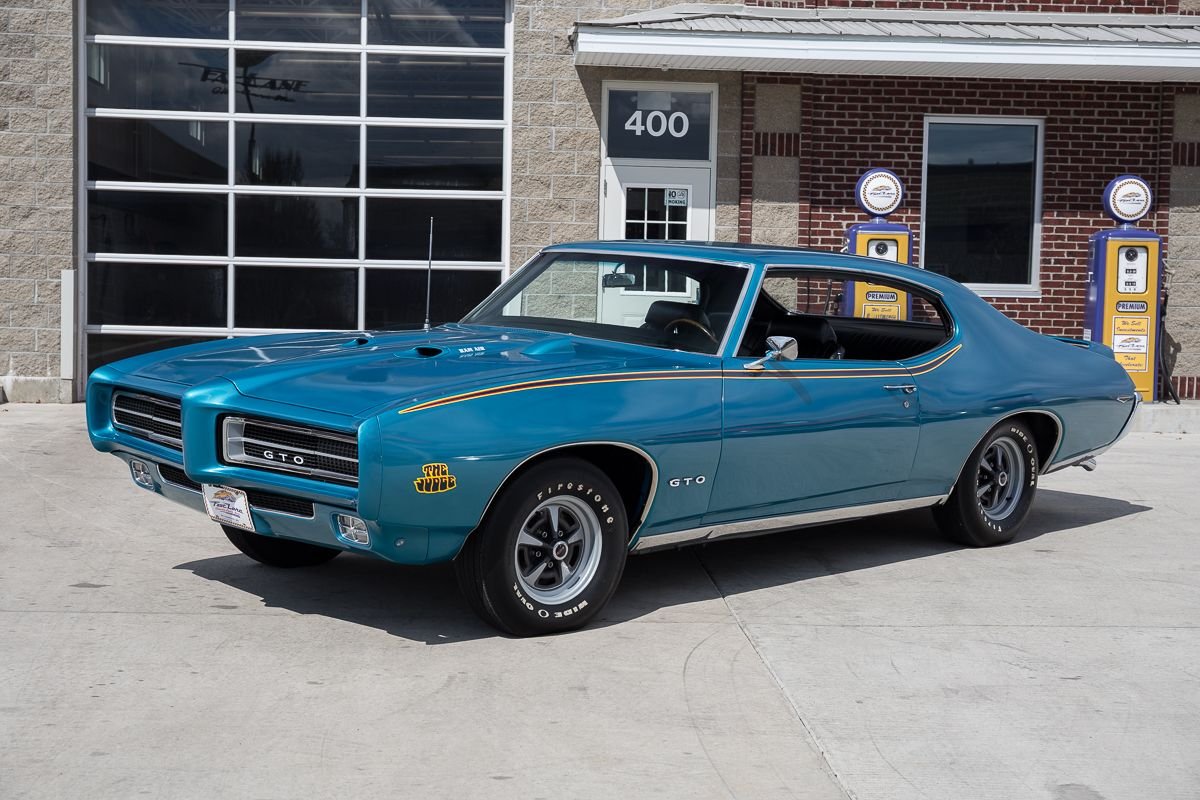
1. Pontiac GTO Judge
The Pontiac GTO Judge stands near the top of Pontiac collector value rankings because it represents one of the most famous and influential muscle cars ever produced. Introduced during the peak of America’s performance wars, the Judge transformed the already respected GTO into something louder, more aggressive, and far more memorable.
Today, authentic examples command enormous prices at collector auctions due to rarity, cultural importance, and intense enthusiast demand.
One reason the Judge became so valuable involves its connection to muscle car history itself. Pontiac essentially helped create the muscle car formula during the 1960s, and the Judge captured that spirit perfectly.
Bright graphics, rear spoilers, performance engines, and bold color options made the car impossible to ignore on the street. Buyers wanting maximum attention gravitated toward it immediately.
Performance played a huge role in the judge’s reputation. Ram Air engine options delivered serious power for the era, turning the car into a legitimate street and drag strip machine. Enthusiasts still admire the raw driving experience because the Judge feels unapologetically aggressive compared with many modern performance cars filtered heavily by electronics.
Collector demand also remains strong because surviving numbers are relatively limited. Many original cars were raced, modified, or destroyed over decades of use, making authentic, well-documented examples increasingly difficult to find. Matching numbers, drivetrains, and factory-correct restorations significantly increase values today.
The judge additionally benefits from strong cultural visibility. Movies, television appearances, and decades of automotive media coverage cemented its reputation as one of Pontiac’s defining vehicles. Even people unfamiliar with classic cars often recognize the name instantly.
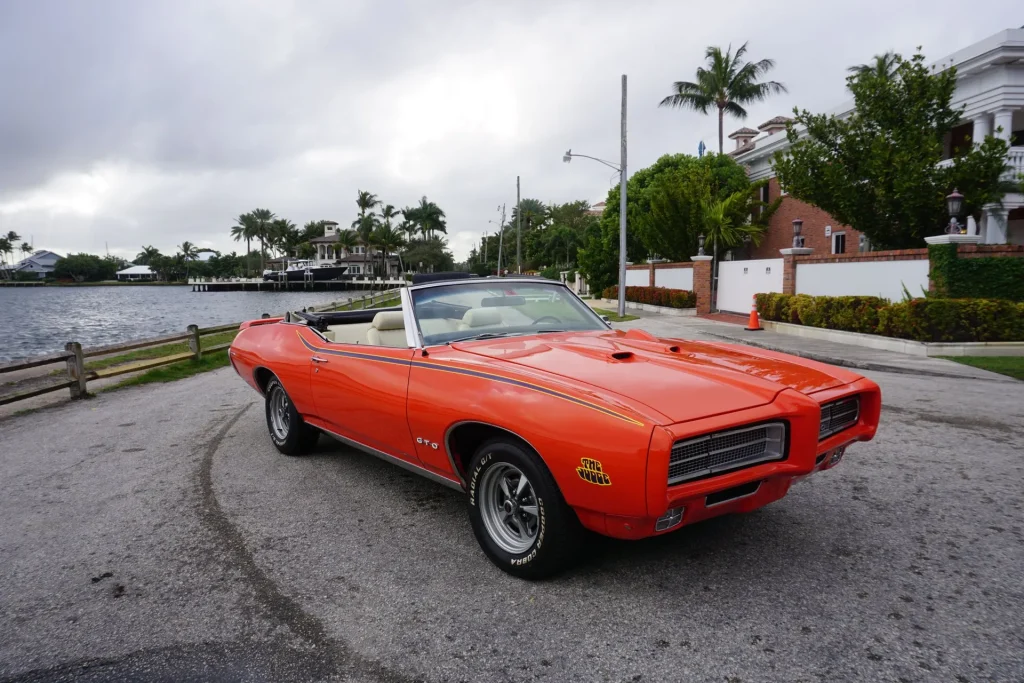
Color combinations matter heavily in the collector market as well. Carousel Red models became especially iconic, though rare factory colors can attract enormous attention during auctions. Documentation from Pontiac Historical Services further strengthens authenticity and value for serious collectors.
Driving nostalgia continues to boost interest, too. Many enthusiasts grew up hearing stories about GTOs dominating local streets during the late 1960s and early 1970s. Owning a Judge today represents more than simply purchasing a car. It means owning a symbol of the original muscle car era.
As Pontiac’s reputation continues to strengthen among collectors, the GTO Judge remains one of the brand’s ultimate achievements and one of the most valuable discontinued Pontiacs ever built.
2. Pontiac Trans Am Super Duty 455
The Pontiac Trans Am Super Duty 455 achieved legendary collector status because it arrived during a difficult period when American performance cars were rapidly losing power due to tightening emissions regulations and rising insurance costs.
While many muscle cars weakened dramatically during the early 1970s, Pontiac surprised enthusiasts by releasing the Super Duty 455, one of the last truly high-performance American V8 machines of the classic muscle era.
What makes this car especially valuable today is its rarity combined with genuine engineering credibility. Pontiac designed the Super Duty 455 engine far more seriously than ordinary emissions-era V8s.
Reinforced internal components, improved airflow, and racing-inspired engineering gave the car performance capabilities well beyond most competitors from the same period.
Collectors admire the Super Duty because it represents resistance against the decline of muscle cars. During an era when horsepower numbers collapsed industry-wide, Pontiac still delivered a machine capable of impressive acceleration and strong street performance. That rebellious identity continues fueling demand decades later.
The Trans Am body style also contributes heavily to collector appeal. Aggressive hood scoops, flared fenders, shaker hood designs, and dramatic graphics gave the car an unmistakable presence.
The styling captured the personality of 1970s American performance culture perfectly, helping the car become visually iconic even among non-enthusiasts.
Production numbers remained low, which dramatically increased modern wages. Authentic Super Duty cars with factory documentation are highly sought after because so few survived unmodified. Matching number examples often attract intense bidding during collector auctions, especially when finished in desirable factory colors.
Another factor boosting value involves cultural nostalgia. The Trans Am became deeply associated with American road culture and performance imagery during the 1970s. Enthusiasts who grew up admiring these cars now compete for clean, surviving examples, steadily driving prices upward.
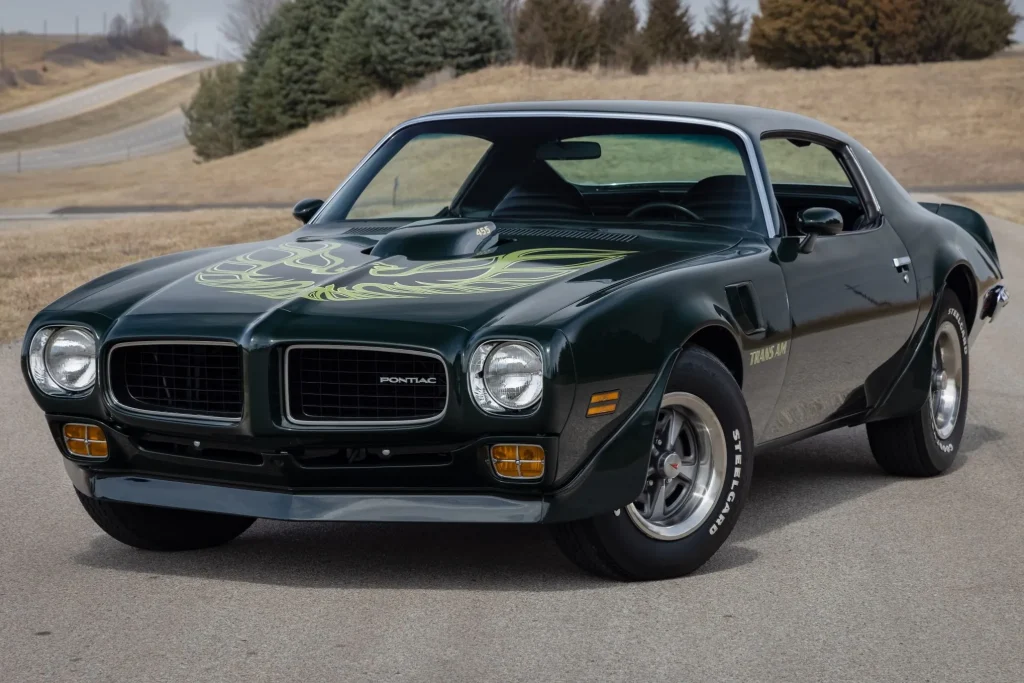
A driving character further separates the Super Duty from ordinary classics. The large displacement V8 delivers massive low-end torque and a raw mechanical feel absent from modern performance vehicles. Collectors value this authenticity because it captures the unfiltered nature of old-school muscle cars.
The Super Duty 455 remains one of Pontiac’s proudest engineering achievements. It arrived at exactly the moment when traditional American performance seemed to be disappearing, and that timing transformed it into one of the most respected and collectible Pontiacs ever produced.
3. Pontiac Firebird Trans Am WS6
The Pontiac Firebird Trans Am WS6 became one of the most collectable modern Pontiacs because it represented the final years of traditional American rear-wheel-drive V8 performance before Pontiac disappeared entirely.
Produced during the late 1990s and early 2000s, the WS6 package transformed the already aggressive Trans Am into a sharper and more powerful machine that enthusiasts now chase heavily in the collector market.
Unlike many older muscle cars valued mainly for nostalgia, the WS6 still delivers genuinely strong performance even by modern standards.
Ram air induction systems, upgraded suspension tuning, freer-flowing exhaust setups, and powerful LS series V8 engines gave the car impressive acceleration and highway speed capability. Enthusiasts appreciated that the WS6 combined old-school muscle character with more modern handling and reliability.
Styling played a major role in its collector appeal as well. The dramatic hood design, aggressive front fascia, large rear spoiler, and low, wide stance gave the car unmistakable road presence.
Pontiac pushed the styling much further than Chevrolet did with the related Camaro, helping the WS6 develop a stronger personality and a more loyal enthusiast following.
Another reason collector values continue rising involves the end of Pontiac itself. When General Motors shut down the brand in 2010, many enthusiasts began reevaluating late-model Pontiacs more seriously. The WS6 especially benefited because it represented one of the last truly performance-focused vehicles Pontiac ever produced.
Manual transmission examples command especially strong prices today. Buyers searching for authentic driver-focused experiences often prefer six-speed cars paired with the LS1 engine because they deliver a raw and engaging feel that modern sports cars sometimes lack. Low-mileage, untouched examples have become increasingly difficult to find.
The car also gained popularity through motorsports culture, street racing scenes, and automotive media during the early 2000s. Younger enthusiasts who admired these cars growing up are now entering the collector market, steadily increasing demand.
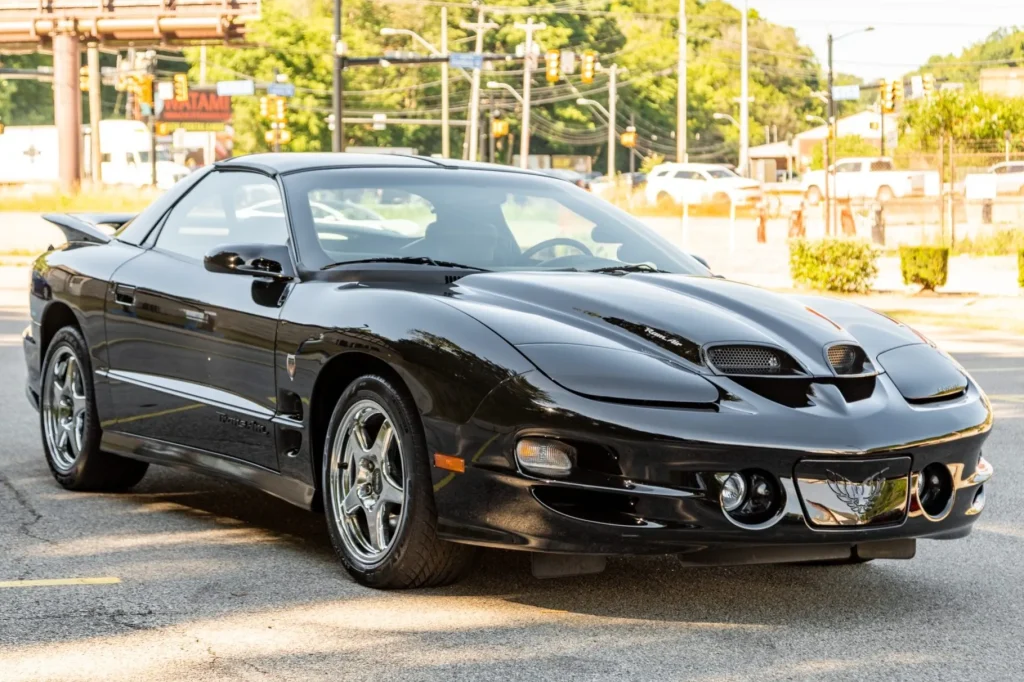
Another important factor is modification history. Many Firebird WS6 models were heavily customized over the years, making clean, original cars significantly more valuable today. Collectors often pay premiums for factory-correct examples with documentation and limited aftermarket changes.
The WS6 captured the final expression of Pontiac performance before the brand vanished. Its combination of V8 power, aggressive styling, and emotional connection to the end of an era continues pushing collector values upward year after year.
4. Pontiac Catalina 2+2
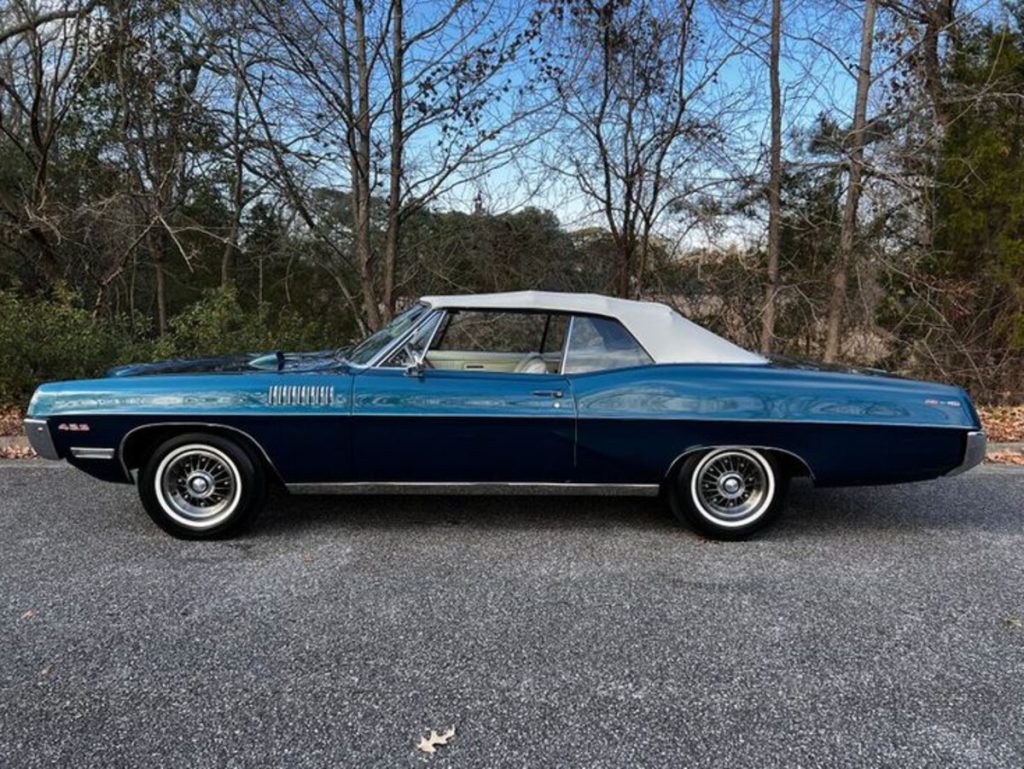
The Pontiac Catalina 2+2 occupies a fascinating place in Pontiac history because it blended full-size American comfort with serious muscle car performance during the 1960s.
Although overshadowed at times by the GTO, the Catalina 2+2 has gained enormous collector respect due to its rarity, powerful engine options, and unique identity as a high-performance full-size coupe.
One reason the 2+2 commands a strong collector value today involves exclusivity. Production numbers remained relatively limited compared with more famous Pontiac muscle cars, which means surviving examples are far less common at auctions and car shows.
Rarity naturally increases interest among collectors searching for unusual performance vehicles from the golden era of American muscle.
The car also delivered remarkable performance for its size. Pontiac equipped many 2+2 models with large-displacement V8 engines producing huge torque and strong straight-line speed. Despite being physically larger than compact muscle cars, the Catalina 2+2 could surprise drivers with its acceleration and highway power.
Styling further strengthened its collector appeal. Wide-body proportions, stacked headlights, chrome detailing, and long sweeping lines gave the car an unmistakable 1960s American presence. Enthusiasts often describe the Catalina 2+2 as elegant yet intimidating because it balances luxury-inspired styling with aggressive performance capability.
Another interesting factor involves historical timing. The 2+2 arrived before insurance costs and emissions restrictions dramatically reshaped the American performance market. It therefore represents a period when manufacturers experimented boldly with combining full-size comfort and massive horsepower in ways that would later become impossible.
Collectors also appreciate the driving experience itself. Large V8 engines deliver effortless torque, while the long wheelbase creates a smooth and commanding highway feel. Unlike smaller muscle cars that can feel raw and cramped, the Catalina 2+2 offers a more relaxed yet still powerful character.
Documentation and originality matter heavily in today’s collector market. Matching numbers drivetrains, factory four-speed transmissions, and rare performance options significantly increase values. Cars retaining original interiors and authentic trim pieces are especially sought after because restoration parts can be difficult to locate.
The Catalina 2+2 may not always receive the same mainstream attention as the GTO or Trans Am, but serious Pontiac collectors understand its significance clearly.
It remains one of the brand’s most unique and desirable performance machines from an era when American automakers built massive cars with truly outrageous power.
5. Pontiac Fiero GT
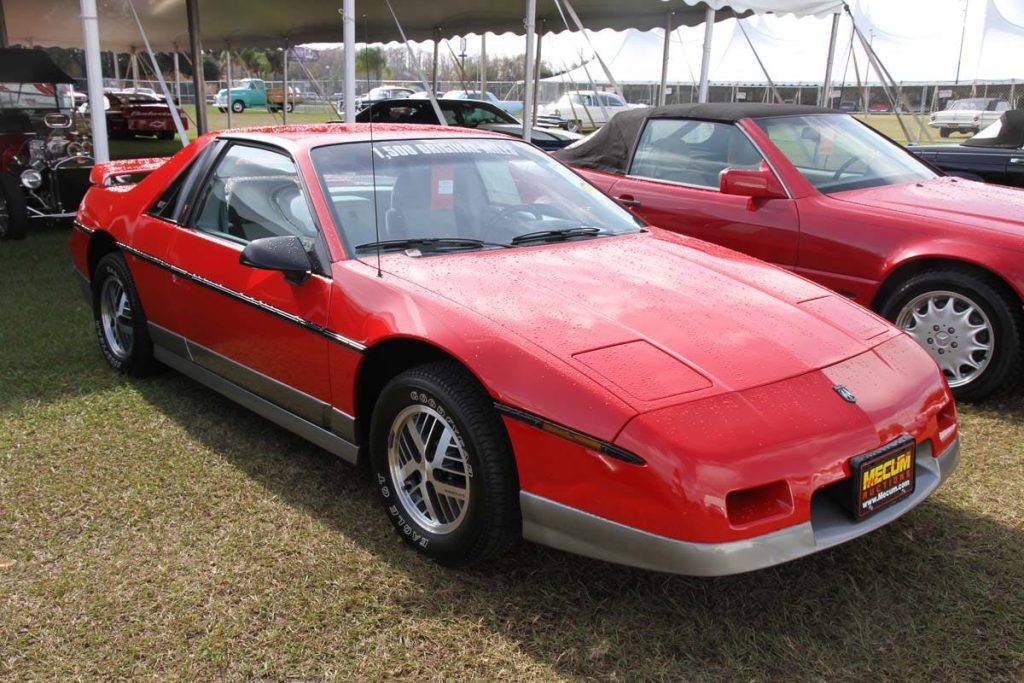
The Pontiac Fiero GT experienced one of the most dramatic reputation changes in Pontiac history. When the Fiero first arrived during the 1980s, buyers praised its futuristic styling and mid-engine layout, but early reliability problems and performance limitations damaged its image quickly.
Decades later, collectors began reassessing the car more seriously, especially the later GT versions that showcased the platform’s true potential before Pontiac canceled production.
One major reason the collector value has risen involves rarity and unrealized potential. The Fiero represented a bold engineering experiment for General Motors because it used a mid-engine design rarely seen in affordable American cars.
Pontiac intended the car to evolve into something far more advanced, and the improved later models hinted at what could have happened if production had continued longer.
The GT trim became especially desirable because it delivered better performance and sharper styling than early base models. Fastback bodywork, upgraded suspension tuning, and stronger V6 engines transformed the car into a much more complete sports coupe.
Enthusiasts today often focus specifically on the 1987 and 1988 GT versions because Pontiac corrected many earlier flaws by that point.
Another factor boosting collector value involves uniqueness. Few American manufacturers attempted affordable mid-engine sports cars during the 1980s, which gives the Fiero a distinct identity even today. Parked among ordinary front-wheel-drive coupes from the same era, the Fiero still looks unusual and futuristic.
The car also developed a dedicated enthusiast community over the years. Owners restored, modified, and preserved Fieros long after production ended, helping maintain interest in the platform.
Engine swaps and performance upgrades became common, though original, unmodified GT examples are now increasingly valuable because so many cars were altered heavily.
The Fiero’s cancellation also contributed to its collector appeal. Pontiac ended production just as the platform was improving significantly, creating a sense of unfinished history that fascinates enthusiasts. Many collectors view the GT as a glimpse of what Pontiac could have achieved if the project had received more time and development.
The driving character further separates the car from typical American vehicles of its era. Mid-engine balance and compact dimensions create a completely different feel compared with traditional front-engine muscle cars. Collectors appreciate this uniqueness because it shows Pontiac was willing to take risks creatively.
The Fiero GT transformed from a misunderstood experiment into a respected collectible. Its rising value today reflects growing appreciation for rare engineering ideas and distinctive sports cars that dared to challenge expectations within the American automotive industry.
6. Pontiac Grand Prix GXP
The Pontiac Grand Prix GXP has become increasingly collectable because it represents one of the final serious performance sedans Pontiac produced before the brand disappeared.
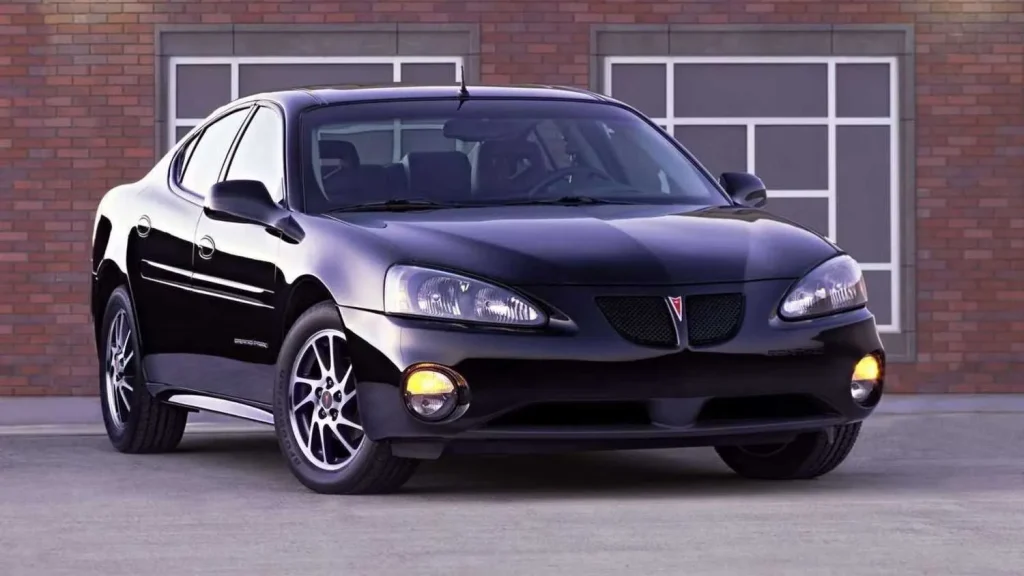
During the mid 2000s, when front-wheel-drive family sedans dominated the market, the Grand Prix GXP attempted to preserve Pontiac’s performance image by combining aggressive styling with genuine V8 power in a practical four-door package.
One reason collector interest continues growing involves the car’s rarity compared with more mainstream Pontiac models. Production numbers were never especially high, and many GXPs were used heavily as daily transportation rather than preserved carefully. Finding low-mileage original examples today has therefore become much more difficult.
The GXP also carried something unusual for its segment: a V8 engine in a front-wheel-drive sedan. Pontiac installed the 5.3-liter V8 to create a dramatic step above ordinary family cars, giving the sedan strong acceleration and a distinct personality. Enthusiasts appreciated the unexpected combination of practicality and muscle car-inspired performance.
Styling further strengthened the car’s identity. Aggressive front fascias, large wheels, dual exhaust systems, and lowered suspension setups helped the GXP stand apart visually from standard Grand Prix trims. The design captured Pontiac’s sporty image during its final years as a brand.
Another factor influencing collector value involves nostalgia for late-model Pontiacs. As time passes, enthusiasts increasingly recognize vehicles like the GXP as important pieces of Pontiac’s final chapter. The car represents a moment when the company still attempted to build exciting driver-focused sedans despite changing market conditions.
The interior also reflected Pontiac’s performance ambitions. Supportive seats, driver-oriented controls, and sporty trim details created a cabin that felt more engaging than typical midsize sedans from the same period. Buyers wanting something practical yet distinctive found the GXP appealing.
Many surviving examples today show high mileage or heavy modifications, which increases the desirability of clean, factory-correct cars. Collectors now pay more attention to originality because untouched GXPs are becoming scarce quickly.
The Grand Prix GXP may not command the extreme auction prices of classic 1960s Pontiacs, but its collector value continues rising steadily due to rarity, V8 performance, and emotional connections to Pontiac’s final years.
It stands as one of the brand’s last efforts to keep excitement alive in an increasingly conservative automotive market.
7. Pontiac Solstice GXP
The Pontiac Solstice GXP gained collector attention surprisingly quickly after Pontiac disappeared because it represented one of the brand’s final attempts to build a genuinely modern sports car with distinctive styling and strong performance.
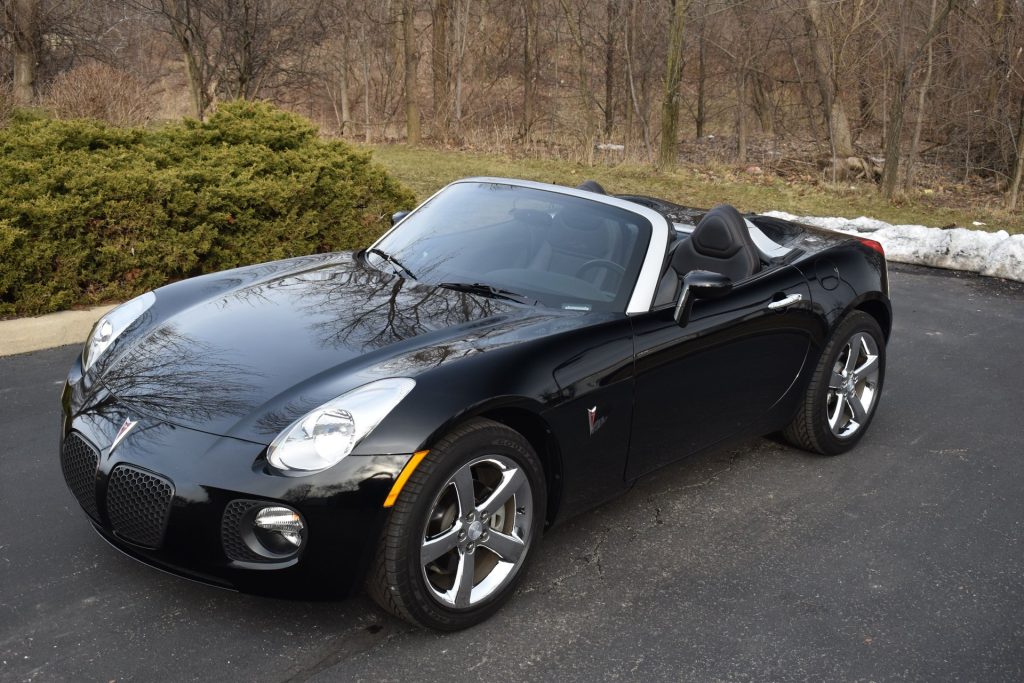
Introduced during the mid-2000s, the Solstice immediately stood out thanks to dramatic proportions, rear-wheel-drive balance, and a design that looked far more exotic than its price suggested.
The GXP version became especially valuable because Pontiac transformed the standard roadster into a legitimately quick performance machine.
Turbocharged power gave the lightweight two-seater strong acceleration and an impressive driving character that surprised many enthusiasts. Buyers expecting only stylish cruising discovered the GXP could deliver real sports car excitement.
Styling played an enormous role in the car’s modern collector appeal. Wide rear fenders, low body lines, and aggressive proportions gave the Solstice a visual personality completely different from typical American cars of the era. Even today, the design still attracts attention because it avoided generic styling trends.
Another factor helping values rise involves limited production timing. Pontiac disappeared not long after the Solstice launched, which instantly froze production numbers and increased the car’s historical importance. Collectors now view the GXP as one of the final true enthusiast vehicles Pontiac ever produced before the brand vanished completely.
Driving dynamics also strengthened the car’s reputation over time. Rear-wheel-drive layout, balanced handling, and compact dimensions made the Solstice feel engaging in ways many front-wheel-drive performance cars could not match. Enthusiasts appreciated that Pontiac built something focused primarily on driving enjoyment rather than practicality.
The turbocharged engine further separated the GXP from ordinary roadsters. Strong torque delivery and tuning potential made the car popular among performance enthusiasts, though heavily modified examples are now less desirable than clean, factory-original cars in collector circles.
The Solstice additionally benefited from rarity. Pontiac did not produce enormous numbers before the brand closed, and many cars ended up modified or poorly maintained. Low-mileage examples with original paint and documented ownership histories are, therefore, becoming increasingly valuable.
Collectors also appreciate the emotional symbolism attached to the car. The Solstice GXP represents Pontiac trying to reinvent itself with fresh design ideas and genuine sports car ambition during its final years. That sense of unfinished potential adds another layer of fascination for enthusiasts today.
The GXP continues gaining recognition as one of the most interesting modern Pontiacs. Its mix of turbocharged performance, striking styling, and connection to the ethos of the brand keeps collector demand steadily increasing.
8. Pontiac Bonneville SSEi
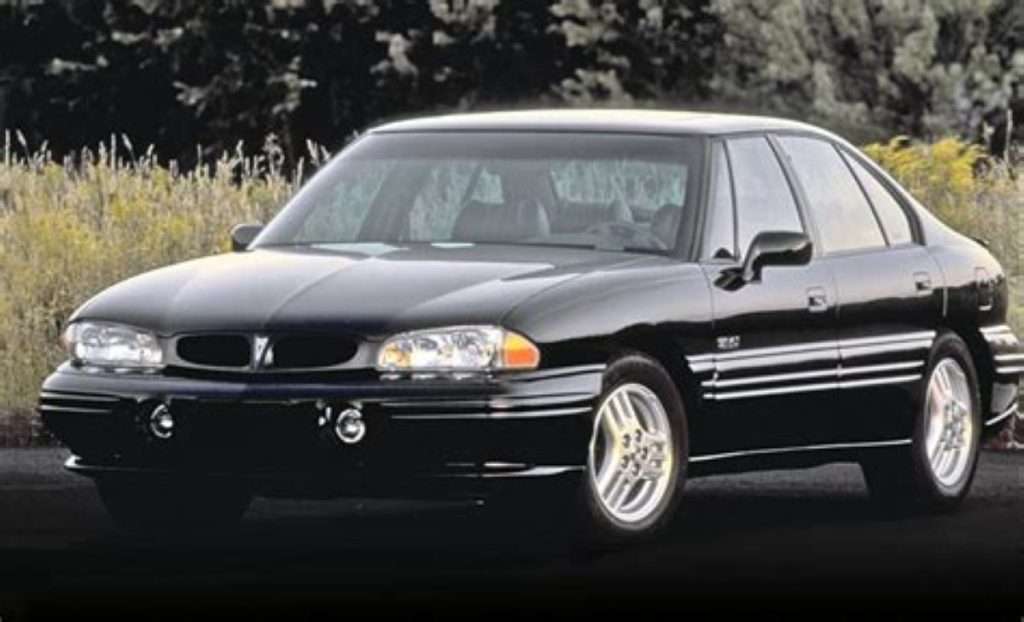
The Pontiac Bonneville SSEi earned growing collector respect because it represented a unique era when American manufacturers experimented with combining front-wheel-drive practicality and supercharged performance.
During the 1990s and early 2000s, the Bonneville SSEi stood apart from ordinary family sedans by offering aggressive styling, advanced technology for its time, and surprisingly strong acceleration.
One reason collector interest continues increasing involves the car’s distinctive personality. Pontiac designed the SSEi to feel sporty and futuristic compared with traditional full-size sedans. Aggressive body cladding, sporty wheels, rear spoilers, and performance-inspired interiors gave the car a much more youthful image than competitors in the same segment.
The supercharged V6 engine became the car’s defining feature. Smooth yet powerful acceleration allowed the Bonneville SSEi to outperform many larger V8 sedans while still maintaining respectable fuel economy.
Enthusiasts appreciated the balance between comfort and performance because the car felt capable during highway driving without sacrificing practicality.
Another factor contributing to collector value involves rarity through survival rates. Many Bonneville SSEi models were driven extensively as daily transportation and eventually scrapped after accumulating high mileage. Clean, unmodified examples are now far harder to locate than many people realize, increasing demand among Pontiac enthusiasts.
The interior also reflected Pontiac’s ambitions during that period. Head-up displays, premium audio systems, driver-focused controls, and supportive seating created an upscale atmosphere unusual for mainstream American sedans at the time. Buyers seeking something different from ordinary domestic cars often found the SSEi especially appealing.
Nostalgia continues playing a major role as well. Drivers who grew up seeing supercharged Bonnevilles during the late 1990s now view them as symbols of an era when Pontiac still prioritized excitement and individuality. This emotional connection steadily pushes interest higher among collectors searching for overlooked performance sedans.
Another interesting aspect involves originality. Because many surviving SSEi models received aftermarket modifications or suffered neglect, factory-correct cars with clean interiors and documented maintenance histories now command increasing respect in enthusiast circles.
The Bonneville SSEi may not achieve the auction prices of classic GTOs or Trans Ams, but its collector status keeps strengthening because it captured Pontiac’s sporty spirit in a practical, modern sedan format. It remains one of the most distinctive discontinued Pontiacs from the brand’s later years.
Also Read: 10 Vintage Cars Whose Values Doubled In The Last 10 Years
