
Taxi drivers learn very quickly which cars deserve trust and which ones become financial disasters. A private owner may tolerate occasional repairs because the vehicle spends much of its life parked. Still, a taxi operates constantly in traffic, heat, potholes, and endless stop-and-go conditions.
That harsh environment exposes weaknesses faster than normal driving ever could. Some vehicles survive this punishment for decades and pile on mileage numbers that seem impossible. Others begin developing serious mechanical problems long before reaching what many drivers consider high mileage.
The cars that succeed in taxi service usually share several important traits. Their engines are designed with durability in mind rather than maximum power. Their transmissions can tolerate nonstop shifting in crowded cities.
Repair costs remain manageable, and replacement parts are widely available. Taxi companies also value cars that spend less time inside repair shops because every breakdown means lost income.
At the opposite end are vehicles that looked promising in showrooms but struggled badly as the miles accumulated. Some suffer from weak transmissions, others develop expensive electronic failures, and a few are ruined by poorly engineered engines.
These models may offer luxury, speed, or modern styling, yet those advantages become meaningless when repair bills pile up before 300,000 miles.
This comparison highlights both extremes of automotive durability. One group became famous among professional drivers for surviving extraordinary mileage totals with dependable performance.
The other group earned a reputation for expensive failures and disappointing longevity. Looking at both sides reveals an important truth about the auto industry. Real reliability is proven on the road after years of punishment, not through advertisements or flashy technology.
Also Read: 10 Best Sports Cars. From the 1980s
6 Cars Cabbies Trust for a Million Miles
Taxi fleets are some of the toughest testing grounds in the automotive world. Drivers spend entire days behind the wheel, often covering more miles in a month than ordinary owners drive in half a year.
Cars used in this business endure heavy loads, rough roads, long idling periods, and constant urban traffic. Because of that, cab companies quickly discover which models are truly durable and which ones cannot survive commercial use.
The vehicles in this category built their reputations through real-world performance rather than marketing claims. Many became legends among taxi operators because they consistently handled extreme mileage while keeping maintenance costs reasonable.
Drivers trusted them to start every morning, operate for long shifts without overheating, and continue functioning long after rival models were retired.
Another reason these cars became favorites among cabbies involves simplicity. Durable engines, proven transmissions, and straightforward mechanical layouts helped reduce repair complexity.
When parts wore out, mechanics could usually repair the vehicles quickly without massive labor or costs. That reliability directly affected profits, making dependable cars extremely valuable for taxi businesses.
Passenger comfort also mattered. Taxi drivers spend countless hours inside these vehicles, so supportive seating, smooth ride quality, and practical interiors became major advantages. Some models gained popularity because passengers preferred riding in them, especially during airport trips or long urban commutes.
Several cars listed here became famous for reaching astonishing mileage totals with original drivetrains still functioning. Their stories spread through taxi fleets across different countries, creating loyal followings that lasted for generations.
These were not simply good cars for their time. They became symbols of endurance, practicality, and engineering that prioritized long-term reliability above trends or flashy gimmicks.
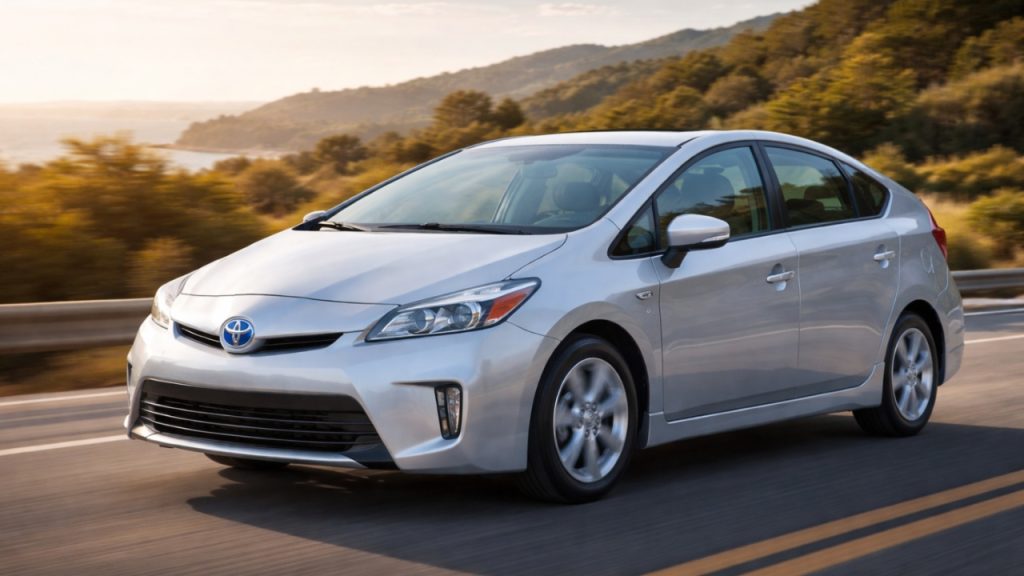
1. Toyota Prius
When the Toyota Prius first appeared in taxi fleets, many traditional drivers doubted that a hybrid vehicle could survive the brutal demands of commercial service.
Battery concerns dominated conversations, and critics predicted expensive failures long before high mileage totals became possible. Instead, the Prius shocked the industry by becoming one of the most dependable taxi vehicles of the modern era.
Its hybrid system turned out to be a huge advantage in city driving. Because electric assistance reduced strain on the gasoline engine during stop-and-go traffic, many components experienced less wear than they would in a conventional sedan.
Taxi operators quickly noticed lower fuel costs and fewer trips to the repair shop. For businesses managing large fleets, those savings became extremely important.
The Prius also handled constant idling better than many competitors because the gasoline engine did not need to run continuously. In crowded urban areas, this reduced fuel consumption dramatically. Brake wear decreased, too, thanks to regenerative braking technology that recovered energy while slowing the vehicle.
Inside the cabin, the Prius focused on practicality rather than luxury. Drivers appreciated the roomy hatchback design, easy visibility, and comfortable seating during long shifts. Passengers benefited from generous rear space and quiet operation at lower speeds.
Perhaps the most impressive part of the Prius story involves its long-term durability record. Numerous taxi examples crossed 300,000 and 400,000 miles with original hybrid batteries still functioning properly. A few famous cases even approached or exceeded one million miles after careful maintenance.
The Prius proved that efficiency and longevity could exist together. Instead of becoming a fragile technology experiment, it earned genuine respect among professional drivers who depended on reliability every single day.
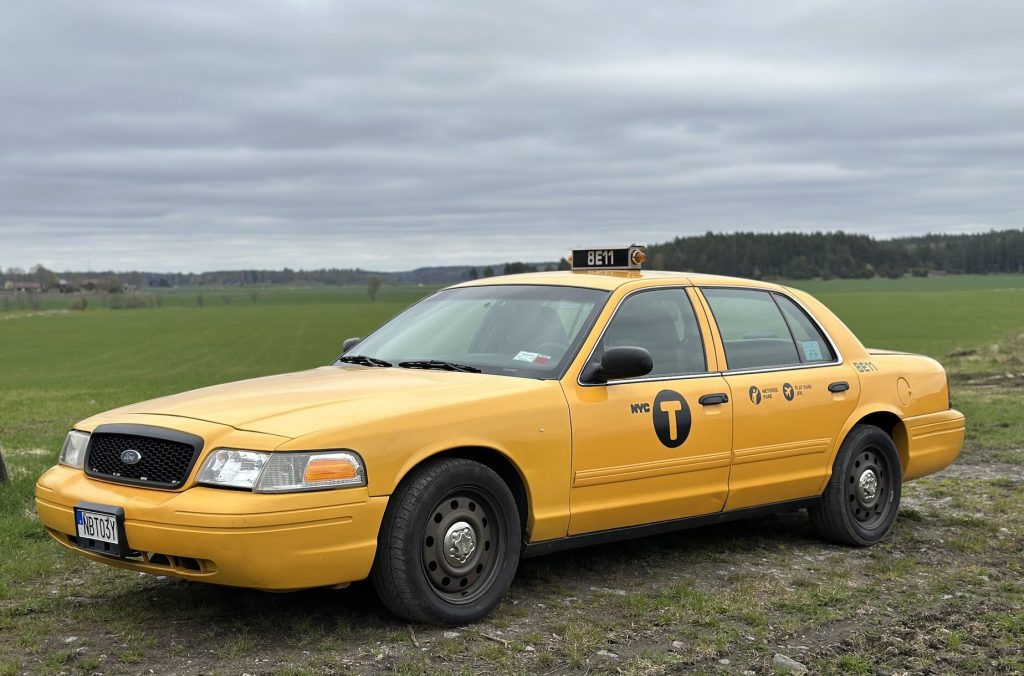
2. Ford Crown Victoria
Few vehicles earned the loyalty of taxi fleets quite like the Ford Crown Victoria. For years, it dominated airports and city streets across North America because drivers trusted its toughness more than almost anything else on the road.
While many modern sedans focused on styling or advanced technology, the Crown Victoria stayed committed to durability and simplicity. That decision helped it survive punishing commercial service for decades.
One of the biggest reasons behind its reputation was the dependable 4.6-liter V8 engine. It was not the fastest motor in its class, but it tolerated abuse remarkably well.
Taxi drivers often left these cars idling for hours in hot weather without serious overheating problems. Mechanics also appreciated the roomy engine bay because repairs could be completed without fighting cramped layouts or complicated electronics.
Another strength came from its body-on-frame construction. Unlike many unibody sedans, the Crown Victoria handled potholes, curb strikes, and minor collisions with impressive resilience.
Taxi operators valued this because city driving constantly exposes vehicles to rough treatment. Damaged body panels could often be repaired without retiring the car completely.
The interior added to its popularity. Wide seats and a spacious rear cabin made long rides comfortable for passengers, while drivers benefited from excellent visibility in traffic. Large trunks also helped during airport runs where luggage space mattered.
Fuel economy was never outstanding, especially compared with later hybrid models, but many cab companies accepted that weakness because repair costs stayed manageable. Replacement parts were inexpensive and widely available, allowing fleets to keep cars operating for years.
The Crown Victoria became more than just transportation. It represented dependable engineering that prioritized longevity over trends, and that reputation made it one of the most respected taxi vehicles ever produced.
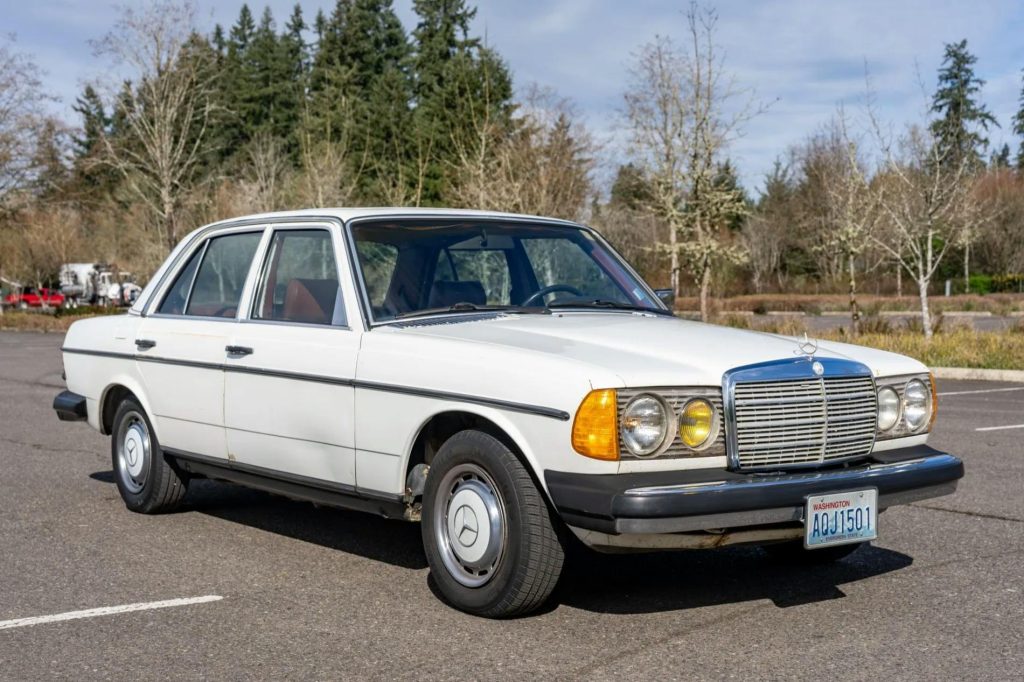
3. Mercedes-Benz W123 Diesel
The Mercedes-Benz W123 diesel built a reputation so strong that many mechanics still describe it as one of the toughest passenger cars ever made.
Across Europe, Africa, and the Middle East, these sedans became famous in taxi fleets because they continued operating under conditions that destroyed many competitors. Some owners treated them carefully, while others subjected them to endless abuse, yet the cars kept moving.
A major reason for this durability came from the diesel engines. Mercedes engineered them with longevity as the priority rather than speed or excitement. Acceleration felt slow compared with modern cars, but the engines were incredibly robust internally.
Thick components, conservative tuning, and durable fuel systems allowed many W123 diesels to accumulate astonishing mileage totals with only routine maintenance.
Taxi drivers especially admired how well these cars handled constant daily operations. Long highway trips, crowded city traffic, and poor road conditions rarely seemed to stop them. Cooling systems held up well during extended use, and transmissions gained reputations for smooth, dependable operation over enormous distances.
The cabin also reflected Mercedes’ engineering philosophy from that era. Materials felt solid, switches operated with precision, and seats remained comfortable after years of heavy use. Even older examples often avoided the rattles and interior deterioration common in lesser vehicles.
Mechanics appreciated the straightforward design because repairs did not require complicated diagnostic systems. In many countries, independent workshops learned to service W123 models efficiently, helping taxi operators keep maintenance expenses under control.
Another factor behind the car’s popularity involved prestige. Passengers enjoyed riding in a Mercedes, even an older diesel sedan used for commercial service. That combination of comfort, durability, and reputation made the W123 stand apart from ordinary taxis.
Its legacy still survives today because few vehicles managed to blend luxury and mechanical endurance as successfully as the W123 diesel.
4. Honda Accord
The Honda Accord earned respect in taxi services through balance and consistency rather than dramatic headlines. It was never marketed as an indestructible commercial machine, yet many fleet operators discovered the Accord could handle enormous mileage with fewer major failures than many rivals.
That reliability helped the sedan build a loyal following among drivers who needed dependable transportation every single day.
Honda’s naturally aspirated four-cylinder engines played a major role in the Accord’s long lifespan. These engines delivered strong fuel economy while avoiding the excessive stress placed on smaller turbocharged motors.
Taxi operators appreciated powertrains that remained smooth after years of heavy use, especially in urban traffic, where constant acceleration and braking can quickly wear out weaker vehicles.
The Accord also offered a driving experience that reduced fatigue during long shifts. Steering felt predictable, seats remained supportive, and visibility stayed excellent in crowded streets. Those qualities matter greatly to professional drivers spending ten or twelve hours behind the wheel. A comfortable driver can work longer without becoming exhausted.
Maintenance costs added another advantage. Replacement parts were easy to find in most markets, and independent mechanics had years of experience working on Honda vehicles. Routine servicing rarely became overly expensive, helping taxi companies manage operating budgets more effectively.
Passengers benefited from the Accord’s roomy interior and refined ride quality. Unlike some compact taxis that felt cramped or noisy, the Accord delivered a more relaxed atmosphere during longer trips. That comfort helped improve customer satisfaction, particularly for airport transportation and business travel.
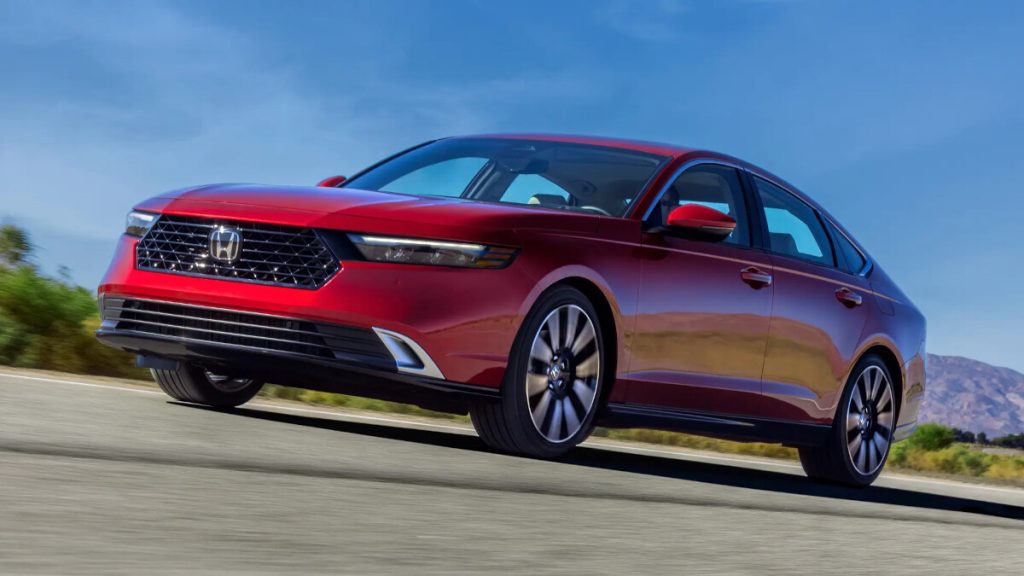
One reason the Accord became trusted in high-mileage service involved reliability and consistency across multiple generations. While some vehicles have one legendary version surrounded by weaker models, the Accord repeatedly proved dependable through different production years.
That steady track record strengthened confidence among drivers looking for a sedan capable of surviving extreme mileage with minimal drama.
5. Toyota Camry
The Toyota Camry became one of the most trusted sedans in taxi fleets because it excelled in nearly every area that matters to professional drivers. It was dependable, comfortable, fuel-efficient, and inexpensive to maintain.
While some cars impressed buyers with aggressive styling or powerful engines, the Camry earned loyalty through long-term reliability that owners could count on year after year.
Taxi operators quickly discovered that the Camry handled high mileage remarkably well. Its engines were designed with durability as a priority, particularly the naturally aspirated four-cylinder versions that became famous for surviving hundreds of thousands of miles with proper maintenance.
Many drivers preferred the Camry because it rarely developed catastrophic engine failures compared with more complicated competitors.
Ride quality also helped separate it from many rivals in commercial use. Suspension tuning focused on comfort, allowing drivers to spend long hours on rough city streets without excessive fatigue. Passengers appreciated the smooth ride and quiet cabin during commutes or airport trips.
Another important factor behind the Camry’s success involved maintenance simplicity. Oil changes, brake jobs, and suspension repairs could usually be completed quickly and at a reasonable cost.
Parts availability remained excellent because Toyota sold huge numbers of Camrys globally. That widespread support reduced downtime and helped taxi businesses stay profitable.
Unlike certain modern sedans overloaded with fragile electronics, the Camry maintained a reputation for dependable day-to-day operation. Controls remained straightforward, and major systems generally aged gracefully under heavy use.
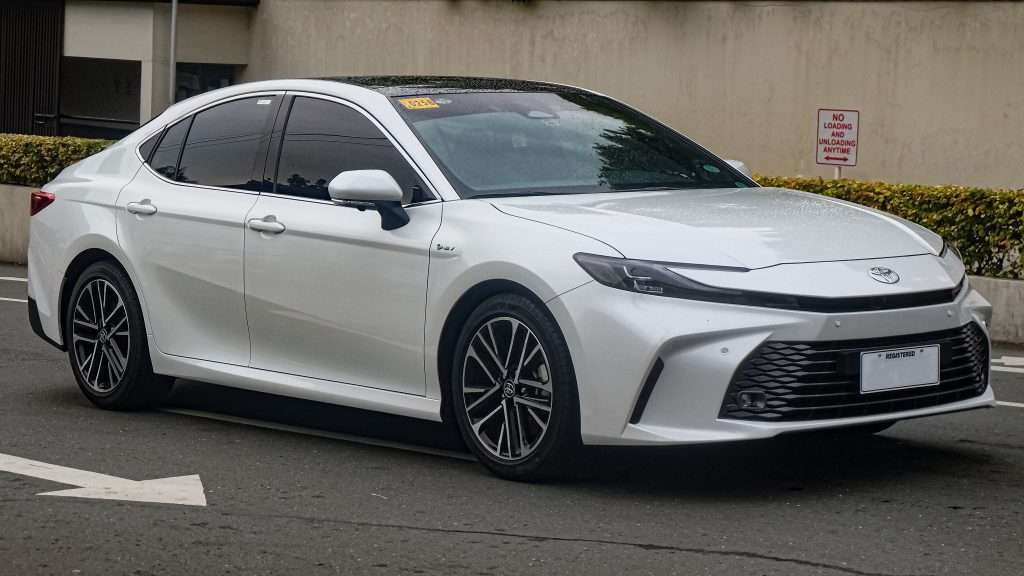
The Camry also appealed to private buyers who noticed its popularity among taxi fleets. Many people reasoned that if professional drivers trusted a car for nonstop daily service, it would certainly survive ordinary family use.
That reputation transformed the Camry into one of the automotive industry’s most respected long-term ownership vehicles.
6. Lincoln Town Car
The Lincoln Town Car became a symbol of old-school American comfort and durability in commercial transportation.
While many newer luxury sedans focused heavily on complicated technology and flashy performance, the Town Car stayed committed to simplicity, space, and reliability. That formula made it extremely popular among taxi operators, limousine services, and airport transportation companies for many years.
One of the biggest reasons drivers trusted the Town Car involved its connection to the Ford Crown Victoria platform. Beneath the luxury styling sat proven mechanical components that had already earned strong reputations in police and taxi service.
The dependable 4.6-liter V8 engine handled constant driving and long idling periods with impressive durability. Fleet owners valued engines that could survive endless daily operation without major failures.
Passenger comfort became another major strength. Rear seat space felt enormous compared with most sedans, and the soft suspension created a smooth ride even on rough urban roads.
Airport transportation companies especially appreciated the huge trunk because it easily carried luggage for multiple travelers. Riders often preferred the Town Car because it felt more relaxing than smaller taxis.
The interior also aged surprisingly well under heavy use. Large buttons, straightforward controls, and durable seating materials helped the cabin remain functional after years in service. Drivers liked the comfortable seating position during long shifts, while mechanics appreciated how accessible many components were during repairs.
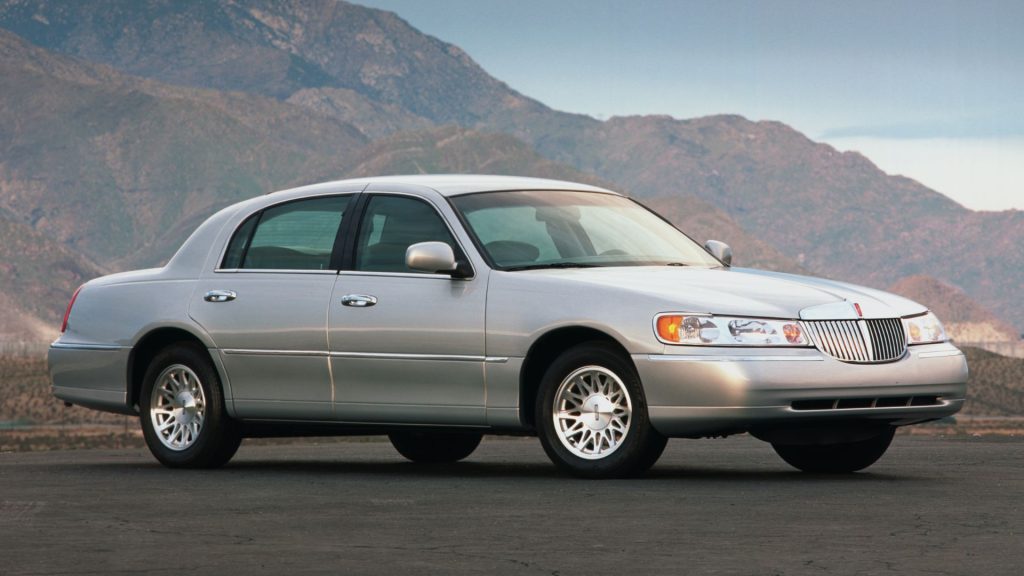
Fuel economy was not its strongest feature, especially when compared with efficient hybrid taxis. Even so, many operators accepted higher fuel costs because the Town Car delivered dependable service for extremely long periods.
Replacement parts remained easy to find, and repairs were usually less complicated than those involving modern luxury vehicles.
The Town Car succeeded because it focused on practical strengths rather than trends. Its durability and comfort earned genuine trust from professional drivers who depended on their cars to make a living every day.
6 That Don’t Make 300,000
Not every vehicle is built for extreme mileage. Some cars begin showing serious weaknesses long before reaching the numbers routinely achieved by trusted taxi sedans. In many cases, these problems come from complicated engineering, fragile transmissions, unreliable electronics, or engines pushed too hard in the pursuit of performance and efficiency.
A vehicle may feel impressive when new, yet long-term durability tells a completely different story.
Cars that struggle to survive beyond 300,000 miles often develop issues that become too expensive to justify repairing.
Owners may face transmission replacements, turbocharger failures, electrical nightmares, or severe engine problems that cost more than the vehicle itself is worth. At that point, many drivers simply give up and move on to another car.
Modern technology sometimes contributes to these failures. Sophisticated infotainment systems, advanced driver-assistance features, and highly stressed turbocharged engines can increase repair complexity dramatically.
When these systems age poorly, maintenance costs rise quickly. Luxury vehicles are especially vulnerable because replacement parts and labor costs can become overwhelming after the warranty expires.
Another issue involves poor engineering decisions. Some manufacturers introduced transmissions or engines with known design flaws that damaged their reliability reputations permanently. Even regular maintenance could not fully prevent expensive breakdowns in certain models.
The cars in this section gained attention for the wrong reasons. Many disappointed owners have had repeated repairs or catastrophic failures far earlier than expected. While some offered excellent comfort, strong performance, or attractive styling, those advantages meant little once reliability problems started appearing.
These vehicles serve as reminders that long-term dependability requires careful engineering and proven mechanical design. Without those qualities, reaching 300,000 miles becomes far more difficult than advertisements might suggest.
1. Chrysler 200
The Chrysler 200 entered the midsize sedan market with sleek styling and a modern interior, but long-term durability quickly became a major weakness. Many owners discovered that the car struggled with reliability problems far earlier than expected, preventing it from building the kind of high-mileage reputation trusted taxi vehicles earned.
Transmission issues became one of the largest complaints, particularly with the nine-speed automatic gearbox used in later models. Drivers frequently reported rough shifting, hesitation during acceleration, and unexpected behavior in traffic.
For a commuter car expected to provide dependable transportation, those problems created frustration and expensive repair bills.
Electrical troubles also damaged the Chrysler 200’s reputation. Owners experienced infotainment glitches, sensor failures, warning lights, and unpredictable electronic behavior as the vehicles aged. Modern cars depend heavily on electronics, so repeated failures in those systems can quickly make ownership exhausting.
Engine reliability varied depending on configuration, but some versions suffered from oil consumption concerns and cooling system issues after higher mileage had been accumulated. Maintenance costs often increased rapidly once the warranty period ended.
The car also struggled to earn trust among commercial operators because downtime hurt profitability. Taxi fleets generally avoid vehicles with unpredictable reliability records, and the Chrysler 200 never became known as a dependable workhorse.
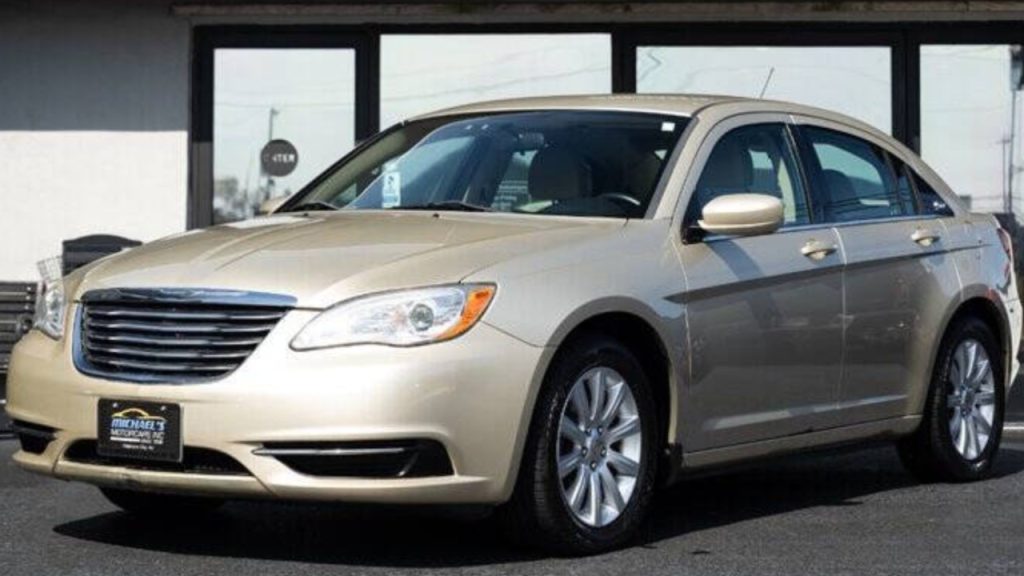
Although it offered comfortable seating and attractive styling when new, the Chrysler 200 failed to prove itself as a long-lasting sedan capable of surviving extreme mileage. Many owners moved on before ever approaching 300,000 miles because repair costs and recurring issues became too difficult to ignore.
2. BMW 7 Series
The BMW 7 Series delivers impressive luxury, advanced technology, and powerful performance, but durability has often been a serious concern once mileage begins climbing.
While the car feels refined and expensive during its early years, maintaining one long-term can become financially overwhelming. That reality prevents many examples from surviving beyond 300,000 miles.
A major issue comes from complexity. The 7 Series packs sophisticated electronics, advanced suspension systems, turbocharged engines, and countless luxury features into one vehicle. As the car ages, those systems become expensive to repair and difficult to diagnose. Even relatively minor problems can lead to huge service bills.
Air suspension failures are common in older high-mileage examples. When components wear out, the cost of restoring the system properly can shock owners. Electronic glitches involving infotainment systems, sensors, and driver assistance technology also become more frequent with age.
Engine reliability depends heavily on maintenance history, but some turbocharged BMW engines developed oil leaks, cooling system failures, and timing-related concerns over time. Repairs often require significant labor because the engine bays are tightly packed with components.
Another factor limiting longevity involves ownership patterns. Many buyers lease luxury sedans for a few years and then move on before expensive maintenance begins. Later owners sometimes neglect proper servicing because repair costs become difficult to justify.
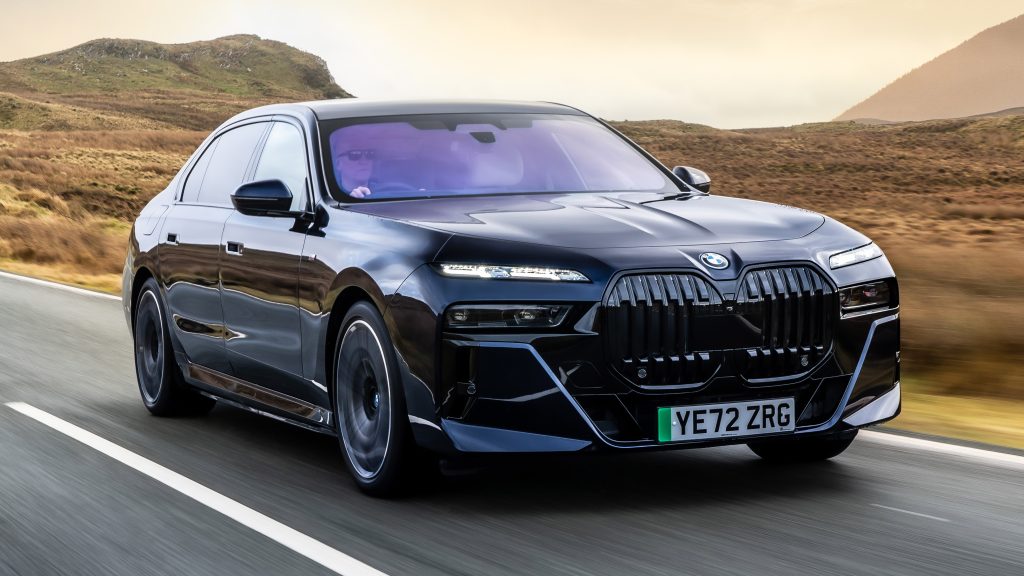
The 7 Series remains an impressive luxury car for comfort and performance, but it rarely develops the kind of million-mile reputation associated with durable taxi legends. High maintenance expenses and increasing mechanical complexity often end these cars’ lives long before reaching extraordinary mileage totals.
3. Nissan Altima
The Nissan Altima became popular because it offered good fuel economy, attractive styling, and comfortable everyday driving at a competitive price. However, long-term durability concerns prevented it from building the same legendary reputation as the most trusted high-mileage sedans.
While some Altimas survived years of commuting without major trouble, many owners experienced serious mechanical problems well before reaching extreme mileage figures.
The biggest issue involved Nissan’s continuously variable transmission, commonly known as the CVT. Numerous drivers reported transmission overheating, delayed acceleration, jerking movements, and sudden failures after years of regular use.
Replacing a damaged CVT often became extremely expensive, especially once warranty coverage expired. Because taxis and high-mileage commuters depend heavily on transmission durability, this weakness damaged the Altima’s long-term reputation significantly.
Another concern came from inconsistent build quality across different generations. Certain models developed premature suspension wear, steering problems, or electrical glitches that increased maintenance costs over time. Interior materials in some versions also aged poorly under heavy daily use.
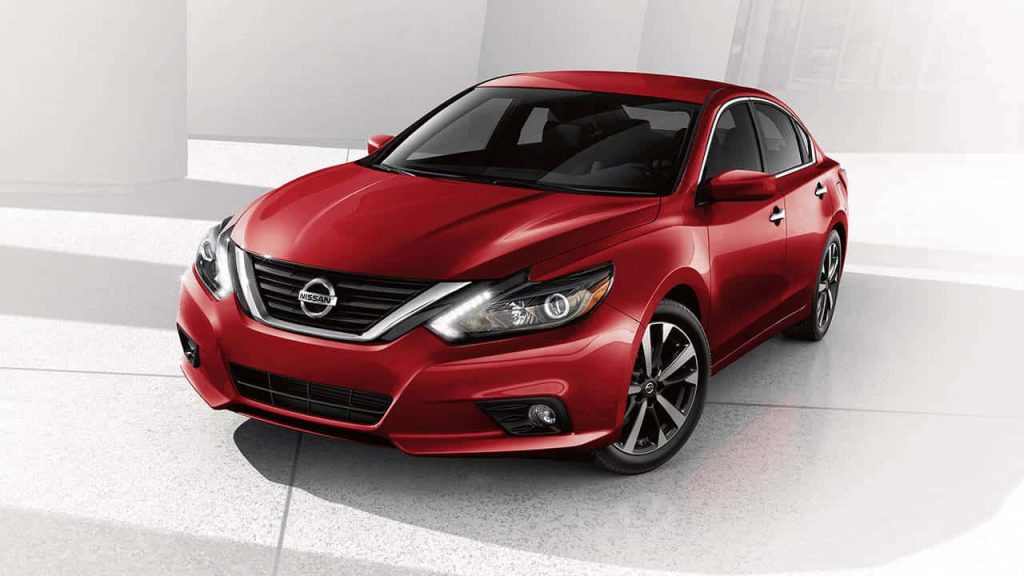
Although the Altima delivered a smooth ride and decent cabin comfort, professional fleet operators generally preferred more proven alternatives like the Toyota Camry or Honda Accord. Those rivals built stronger records for reliability and lower repair costs over hundreds of thousands of miles.
The Altima succeeded as a practical commuter for many owners during its early life, but recurring transmission concerns prevented it from becoming a true endurance champion in the automotive world.
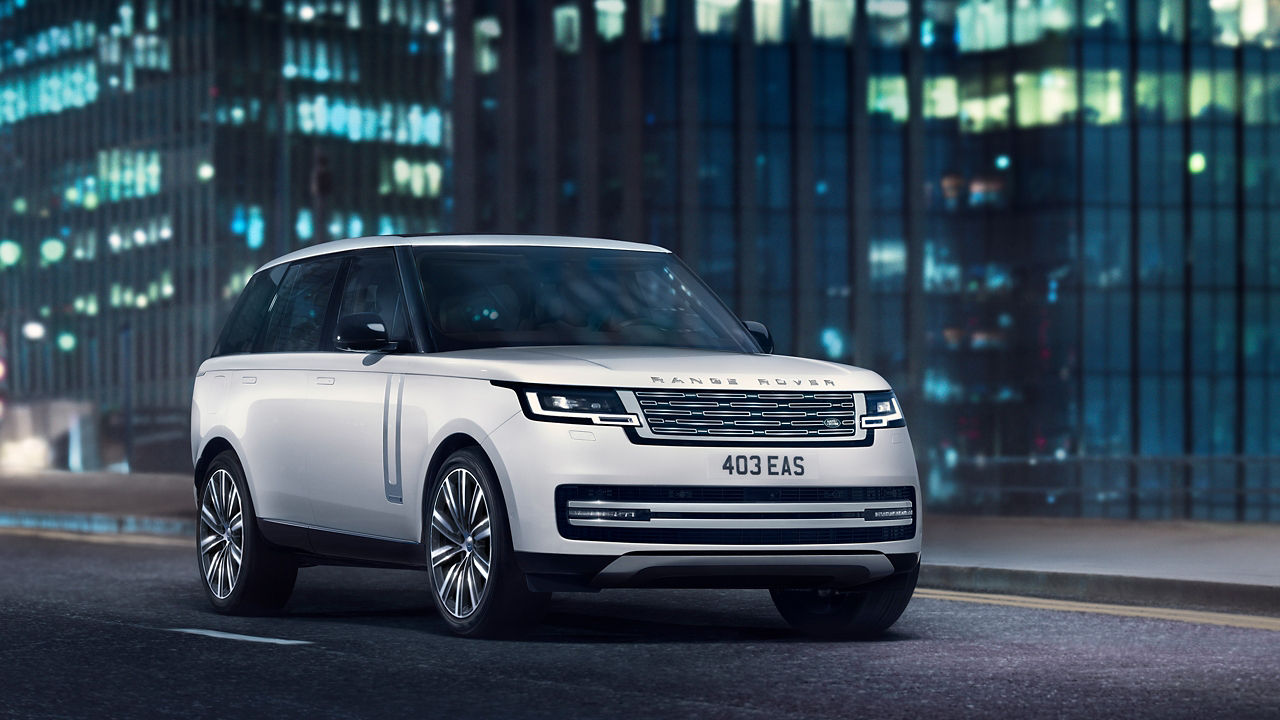
4. Land Rover Range Rover
The Range Rover offers luxury, off-road capability, and commanding road presence, yet long-term reliability has often disappointed owners once mileage climbs.
While the vehicle delivers a premium driving experience when new, keeping one operating smoothly after years of use can become extremely expensive. That reality explains why few examples survive beyond 300,000 miles without massive repair bills.
Air suspension problems became one of the most common complaints among aging Range Rovers. The system provides excellent ride comfort, but repairs are costly when compressors, air springs, or electronic controls fail. Many owners faced repeated suspension repairs as mileage increased.
Electrical complexity created another major weakness. Modern Range Rovers contain advanced infotainment systems, luxury electronics, sensors, and computerized features throughout the vehicle.
As these systems age, glitches and warning lights become increasingly common. Diagnosing electrical faults can require significant labor and specialized expertise.
Engine and cooling system reliability also raised concerns in certain generations. Oil leaks, overheating issues, and timing-related failures occasionally appeared long before owners expected serious mechanical trouble from a luxury SUV.
Maintenance costs further hurt long-term ownership prospects. Genuine replacement parts are expensive, and labor rates at luxury repair shops remain high. Once repair bills start accumulating, many owners decide the vehicle is no longer financially practical to keep.
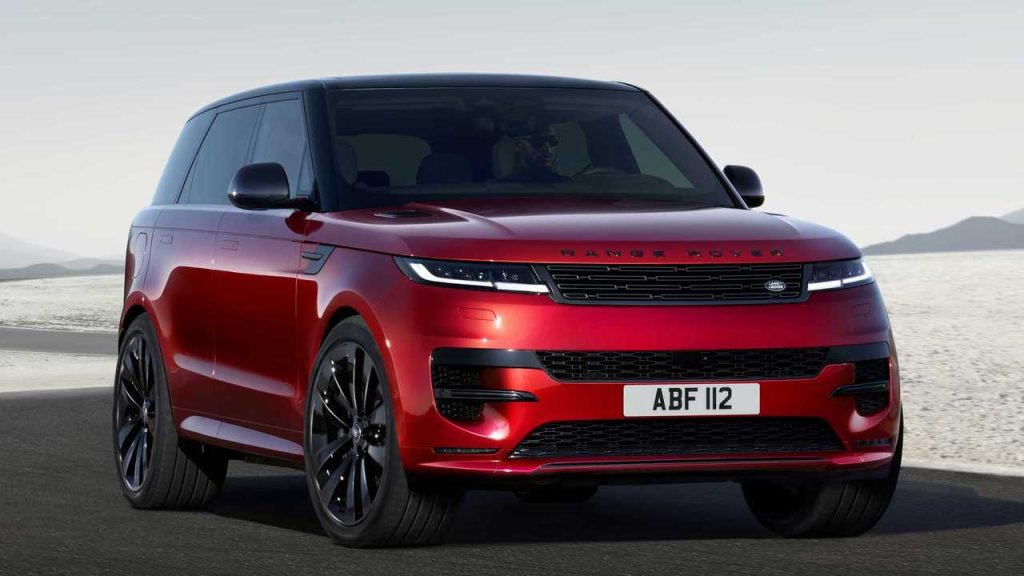
The Range Rover excels at comfort and prestige, but durability under extreme mileage conditions has rarely matched its premium image. That gap between luxury appeal and long-term reliability keeps many examples from reaching truly high mileage numbers.
5. Chevrolet Cruze
The Chevrolet Cruze entered the compact sedan market with strong fuel economy and modern styling, attracting buyers looking for affordable transportation. Despite those advantages, the car struggled to establish a reputation for long-term durability.
Many owners encountered mechanical and electrical issues that became increasingly frustrating as mileage accumulated.
Turbocharged engine problems appeared in numerous Cruze models, especially in early production years. Coolant leaks, water pump failures, and overheating complaints became common topics among owners.
Some vehicles also developed oil leaks and turbocharger-related issues that increased repair costs significantly after warranty coverage ended.
The cooling system became a particularly weak area. Plastic components in the system often wore out prematurely, creating repeated maintenance headaches for drivers expecting dependable daily transportation. High-mileage owners sometimes faced multiple cooling-related repairs over the vehicle’s lifespan.
Transmission reliability varied depending on model year and maintenance history, but some drivers reported rough shifting behavior and premature wear. Electrical issues involving sensors and dashboard warning lights also appeared in aging examples.
Another challenge involved interior durability. Certain cabin materials aged poorly under heavy use, leading to worn trim pieces and rattles after years of commuting. Taxi fleets generally avoid vehicles that show rapid interior deterioration because passenger comfort affects customer satisfaction.
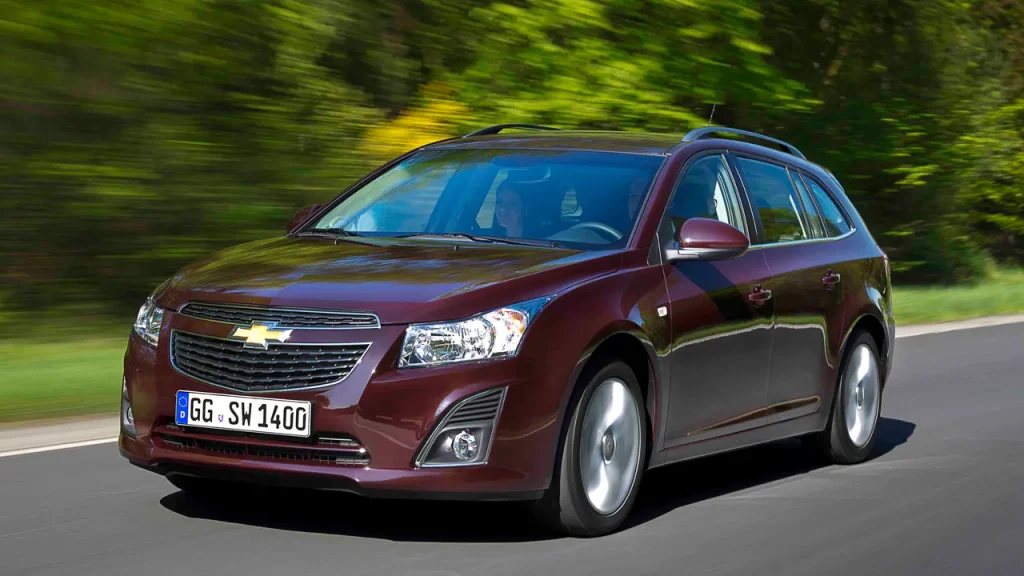
While the Cruze worked reasonably well for shorter ownership periods, it rarely demonstrated the extreme longevity associated with legendary high-mileage sedans.
Many owners found themselves facing expensive repairs before approaching 300,000 miles, limiting the car’s appeal for drivers seeking long-term durability and dependable operation.
6. Mini Cooper
The Mini Cooper attracted buyers with its distinctive styling, sporty handling, and compact size, perfect for urban driving. During its early years, the car delivered an entertaining experience that stood out from ordinary small hatchbacks.
Unfortunately, long-term reliability concerns prevented many examples from surviving the kind of extreme mileage achieved by truly durable vehicles.
One major issue involved maintenance complexity. Although the Mini Cooper is physically small, repairs can become surprisingly labor-intensive because components are packed tightly into the engine bay. Simple maintenance jobs sometimes require far more time than owners expect, increasing repair expenses significantly.
Turbocharged engines in certain generations developed reputations for timing chain problems, oil leaks, and cooling system failures. Ignoring these issues often led to severe engine damage. Even diligent owners sometimes encountered expensive repairs long before reaching exceptionally high mileage totals.
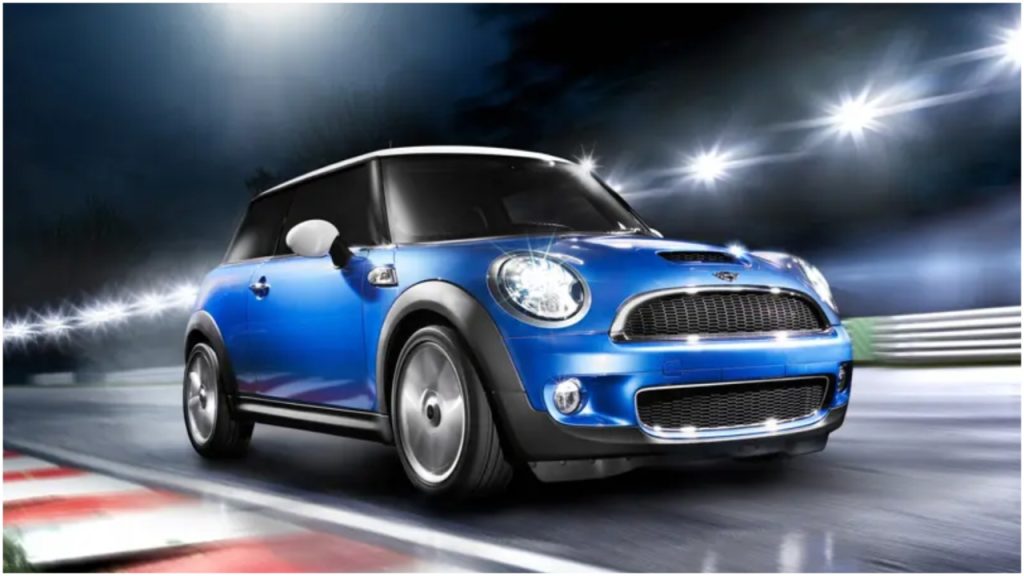
Electrical glitches also became common as vehicles aged. Problems involving sensors, warning lights, power accessories, and infotainment systems frustrated many long-term owners. Because minis contain numerous specialized components, repair costs often remain higher than those of comparable compact cars.
Suspension wear added another challenge. The sporty tuning that made the Mini fun to drive could also result in faster wear on components when exposed to rough roads and heavy commuting.
The Mini Cooper succeeded as a stylish and engaging city car, but it struggled to build a reputation for extreme longevity.
Many owners enjoyed the driving experience during the first several years, yet increasing maintenance demands and expensive repairs often prevented these cars from remaining practical long enough to approach 300,000 miles.
Also Read: 10 Affordable Cars With Standard Pedestrian Detection
