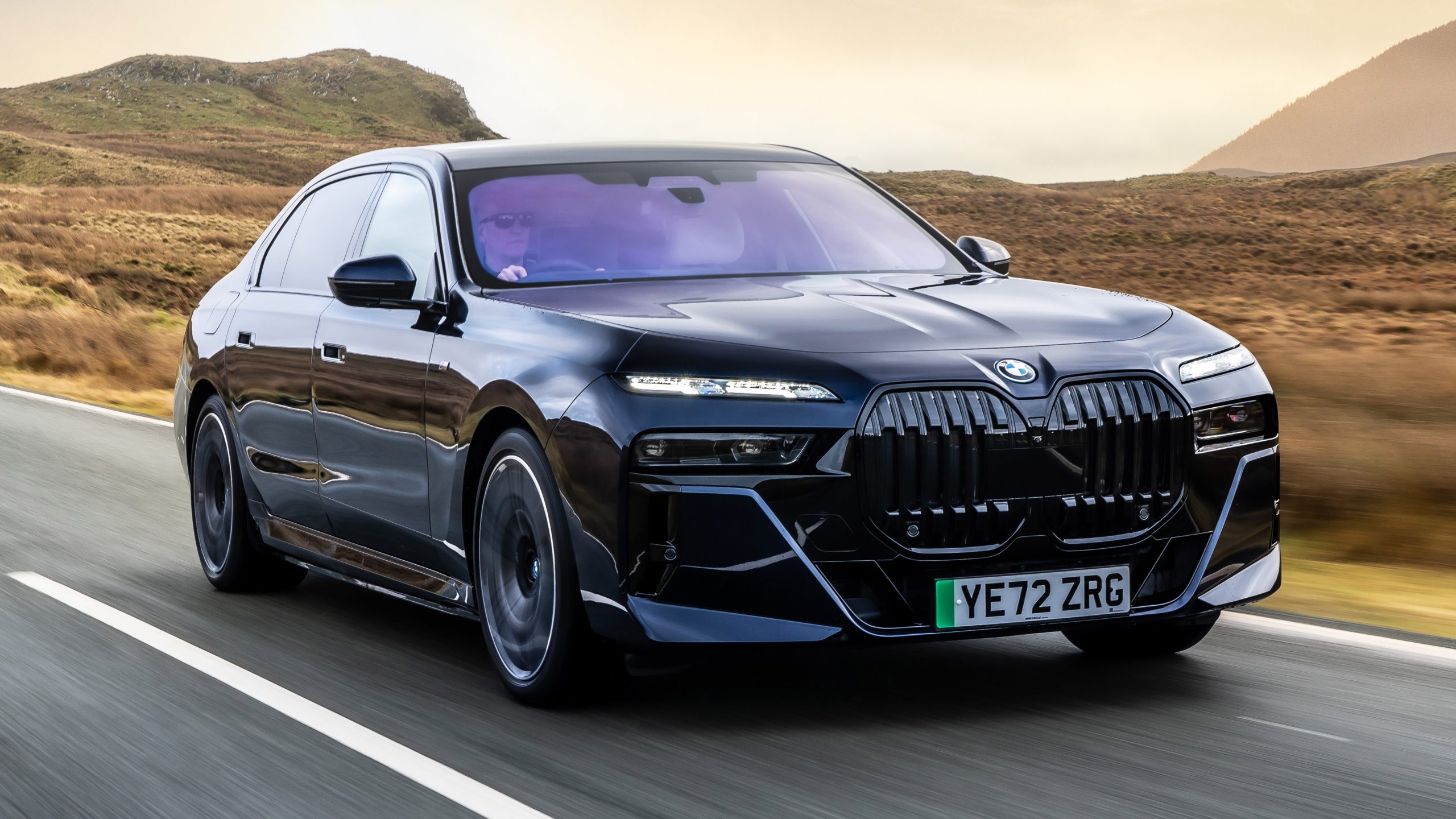
Rear-seat comfort has become one of the most important measures of a sedan’s real-world usability, especially for families, professionals, and chauffeur-driven passengers. Today’s midsize and full-size sedans go far beyond basic transportation, with manufacturers carefully engineering wheelbase length, seat design, and cabin layout to maximize space and comfort in the second row.
From luxury flagships with reclining executive seats to practical family sedans with clever packaging, rear passengers now enjoy more legroom, better ergonomics, and richer amenities than ever before. This list brings together eight sedans that stand out for their exceptional back-seat room, showing how different brands approach the balance between space, comfort, efficiency, and refinement.
Whether it’s ultra-luxury models designed like mobile lounges or mainstream cars offering surprising spaciousness at accessible prices, each vehicle demonstrates a unique interpretation of rear-seat excellence and long-distance comfort.
1. BMW 7 Series
The BMW 7 Series represents the brand’s flagship sedan, combining spacious rear-seat comfort with advanced engineering and modern technology. Designed with a long-wheelbase structure, it offers an expansive cabin that prioritizes passenger relaxation, particularly in the rear.
With 42.8 inches of legroom and 56.3 inches of shoulder room, the sedan accommodates passengers of varying heights with ease. Deep footwells allow occupants to stretch their legs fully, even when the front seats are pushed far back, while premium sound insulation and large side glass create a calm, open, and quiet interior environment.
A standout feature is the optional 31-inch roof-mounted Theater Screen, which folds down smoothly without reducing headroom or visibility. This system, paired with 5G connectivity, allows rear passengers to stream content and interact with controls integrated into the doors.
The rear cabin is designed as an interactive space, offering a tailored experience through advanced climate and entertainment systems. Executive seating options include reclining seats with ventilation, massage functions, and multiple adjustments, creating a lounge-like setting for long journeys. Standard features such as heated rear seats and four-zone climate control further enhance passenger comfort.
The 7 Series also delivers strong performance across its engine lineup. The 740i features a 375-hp turbocharged inline-six engine with mild-hybrid assistance, while the 750e combines a turbocharged engine with an electric motor for a total of 483 horsepower.
The range-topping 760i xDrive uses a 536-hp twin-turbo V8, offering quick acceleration and smooth power delivery. All models use an 8-speed automatic transmission, with available rear-wheel or all-wheel drive. Adaptive air suspension, rear-wheel steering, and advanced dampers help the car remain composed and comfortable while still feeling responsive.
Inside, premium materials such as leather, wood, and glass accents are complemented by BMW’s iDrive 8.5 infotainment system and a large touchscreen display. Advanced driver-assistance systems, including hands-free highway driving and automated parking, add convenience and safety, making the 7 Series a strong competitor in the luxury sedan segment.
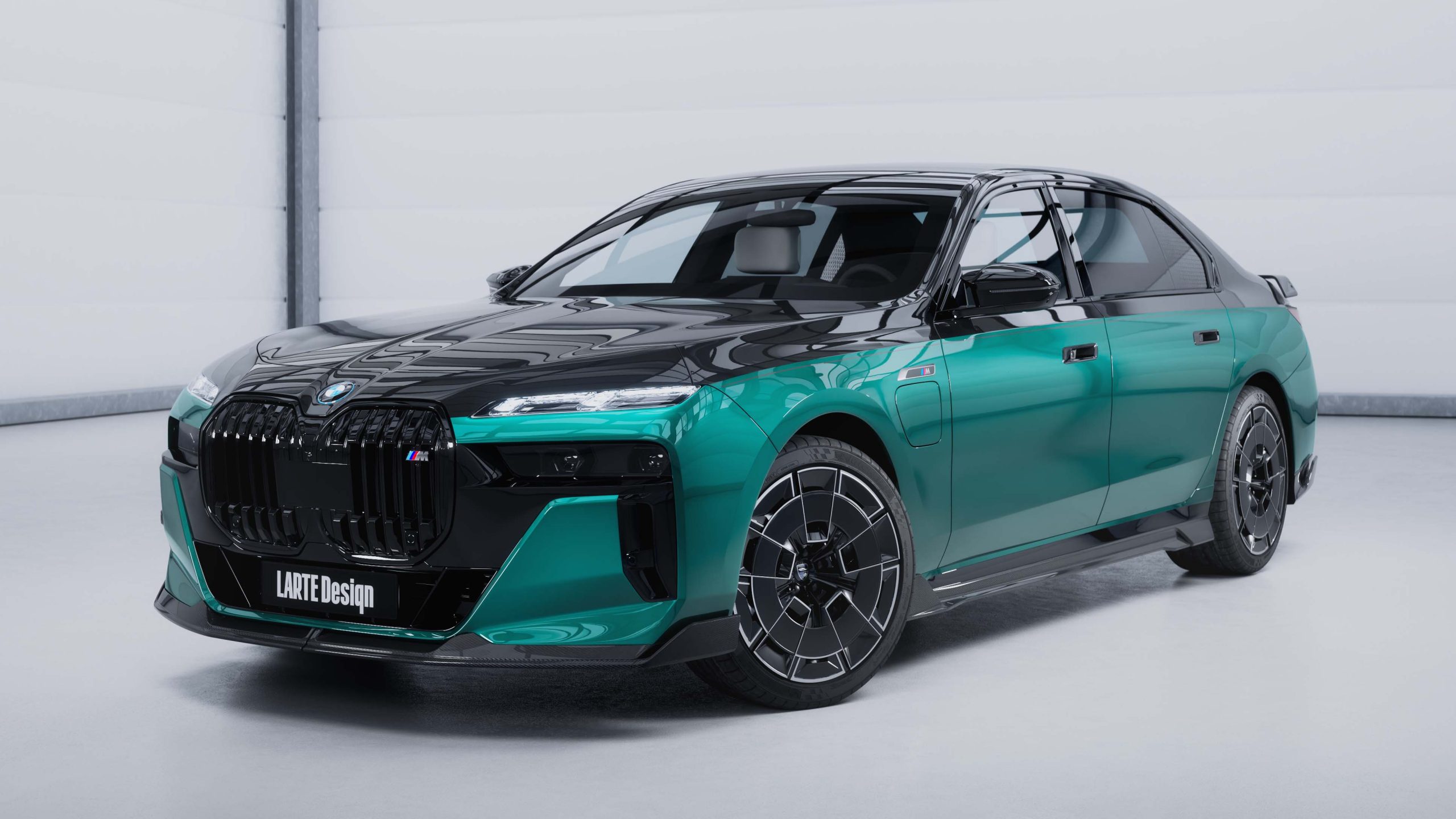
2. Audi A8 L
The Audi A8 L is designed as a long-wheelbase luxury sedan that prioritizes rear-seat comfort above all else, offering one of the most spacious cabins in its class. With 44.3 inches of rear legroom, the extended body layout shifts the rear axle rearward to create a wide, open seating area focused on passenger relaxation. The rear seats provide excellent thigh support and generous knee room, while the optional four-seat executive layout adds a center console and a deployable footrest for added comfort during long journeys.
The cabin is built to feel calm and premium, using high-end materials like Valcona leather, fine wood trim, and soft ambient lighting that enhances the sense of space, especially at night. Rear passengers can enjoy heated, ventilated, and massaging seats, along with four-zone climate control for individualized comfort. Additional features such as rear sunshades, entertainment screens, and a remote control system allow passengers to adjust settings easily, reinforcing the sedan’s focus on a personalized travel experience.
Ride quality is another major strength, supported by adaptive air suspension that smooths out road imperfections and creates a relaxed, floating sensation on highways. The A8 L is powered by a 3.0-liter V6 engine producing 340 horsepower, offering smooth and quiet acceleration with a 0–60 mph time just over five seconds. It is tuned more for effortless cruising than aggressive driving, making it well-suited for long-distance comfort.
Technology inside the cabin includes Audi’s dual-screen MMI infotainment setup, strong smartphone integration, and a premium Bang & Olufsen sound system. The system layout is modern and responsive, with additional controls dedicated to climate and seating functions.
Competing directly with models like the BMW 7 Series and Mercedes-Benz S-Class, the A8 L stands out for its understated design, expansive rear space, and consistent focus on passenger comfort and refinement.
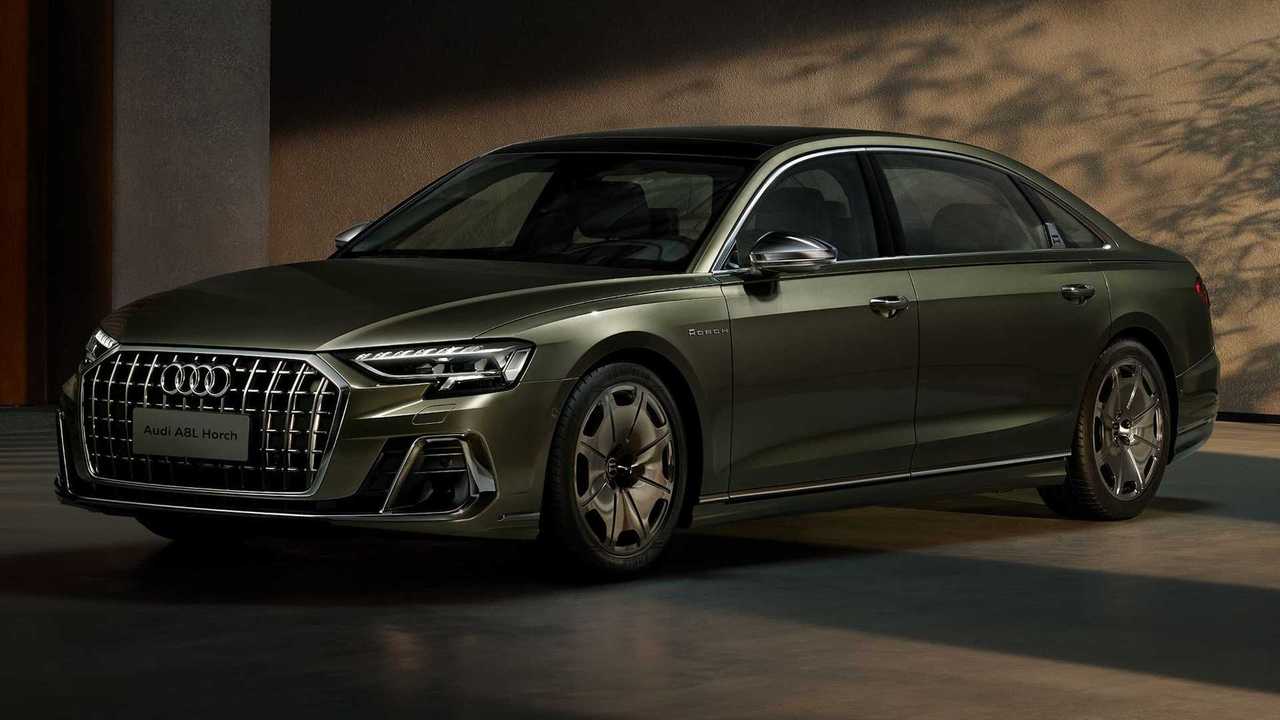
3. Mercedes-Benz S-Class
The Mercedes-Benz S-Class is widely regarded as the benchmark for chauffeured luxury sedans, designed to prioritize rear-seat comfort, refinement, and advanced technology. In its long-wheelbase configuration, it provides 43.8 inches of rear legroom, along with generous knee and foot space created by its extended chassis. The cabin is carefully engineered to maximize passenger comfort while maintaining a balanced exterior proportion and practical trunk space.
Rear passengers benefit from a highly customizable environment, especially when equipped with the Executive Line package. This adds power-reclining seats with up to 43.5 degrees of tilt, calf rests, and neck-warming pillows, turning the rear cabin into a first-class lounge.
Additional features include heated, ventilated, and massaging seats, rear-seat entertainment displays, and a chauffeur-oriented configuration that allows the front passenger seat to move forward for extra space. The elevated seating position improves outward visibility, contributing to a more open and relaxed travel experience.
The interior emphasizes luxury craftsmanship, featuring premium materials, ambient lighting, and thoughtful ergonomics. Rear occupants gain access to folding tables, wireless charging, USB-C ports, and temperature-controlled cupholders, reinforcing its role as a mobile workspace or relaxation suite. A four-seat executive layout further enhances comfort with a reclining rear seat and ottoman for extended rest.
Ride quality is a defining strength, supported by advanced air suspension and intelligent damping systems that adapt to road conditions in real time. The cabin is heavily insulated to reduce noise, ensuring a smooth and quiet journey even at high speeds.
Performance options include a 443-hp turbocharged inline-six (S500), a 530-hp twin-turbo V8 (S580), and a plug-in hybrid variant producing up to 577 horsepower. All models use a 9-speed automatic transmission and all-wheel drive, delivering strong acceleration while maintaining composure and refinement. The hybrid version also offers a substantial electric driving range for short urban trips.
Advanced infotainment includes large dual touchscreens, a passenger display, and a premium Burmester audio system. Safety technology is extensive, featuring automated driving aids, collision protection systems, and advanced parking assistance.
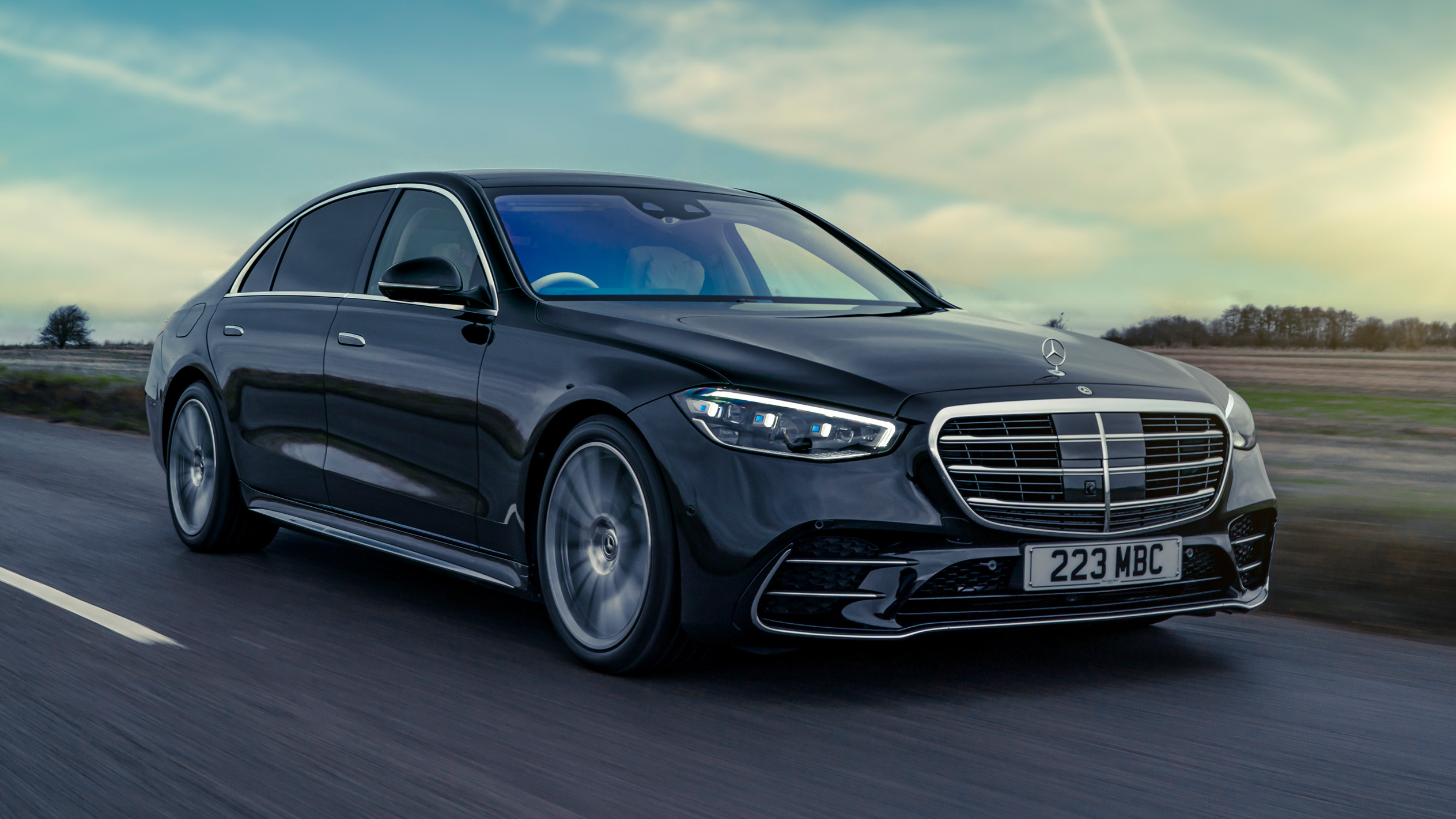
Also read: 10 Cars With the Most Expensive Total Ownership Cost
4. Toyota Avalon
Before its discontinuation, the Toyota Avalon stood out as a full-size sedan that delivered near-luxury rear-seat comfort at a mainstream price. It offered 40.3 inches of rear legroom, supported by a long-wheelbase design built on the TNGA-K platform. A flat rear floor eliminated the usual center tunnel hump, making the middle seat more practical for adult passengers.
Rear seatbacks also featured a rare 10-degree reclining function, allowing passengers to lean back comfortably on long highway journeys. Sculpted door panels added extra elbow space, while soft-touch materials throughout the cabin created a refined and relaxed environment that rivaled entry-level luxury sedans.
Comfort was a key focus of the Avalon’s engineering. Its suspension tuning prioritized smoothness, effectively absorbing road imperfections and keeping the cabin calm over long distances. The platform shared influences with Lexus models, contributing to a quiet ride and a premium feel despite its mainstream positioning. Together, these elements made the Avalon a strong option for passengers who valued space and comfort over sportiness.
Performance options included a 3.5-liter V6 producing 301 horsepower paired with an 8-speed automatic transmission, as well as a hybrid setup combining a 2.5-liter four-cylinder engine with electric motors for improved efficiency. While the V6 delivered a 0–60 mph time of around 6.0 seconds, the hybrid prioritized fuel economy and smooth operation through a CVT. Front-wheel drive was standard across all versions, with driving dynamics tuned more for comfort than aggressive handling.
Fuel efficiency was another strong point. The V6 achieved up to 22 mpg city and 32 mpg highway, while the hybrid variant reached up to 43–44 mpg combined in EPA estimates. Real-world testing confirmed strong highway efficiency, especially in hybrid models.
Inside, the Avalon featured a well-designed cabin with a waterfall-style center console, quality materials, and an intuitive infotainment system. It provided 16 cubic feet of trunk space, expandable through 60/40 split-folding rear seats, making it practical for luggage and long trips.
Standard safety systems included adaptive cruise control, lane-keeping assist, and automated emergency braking, ensuring a strong safety profile. Complimentary maintenance and solid warranty coverage added further value, reinforcing its reputation as a comfort-focused sedan that bridged the gap between mainstream and luxury segments.
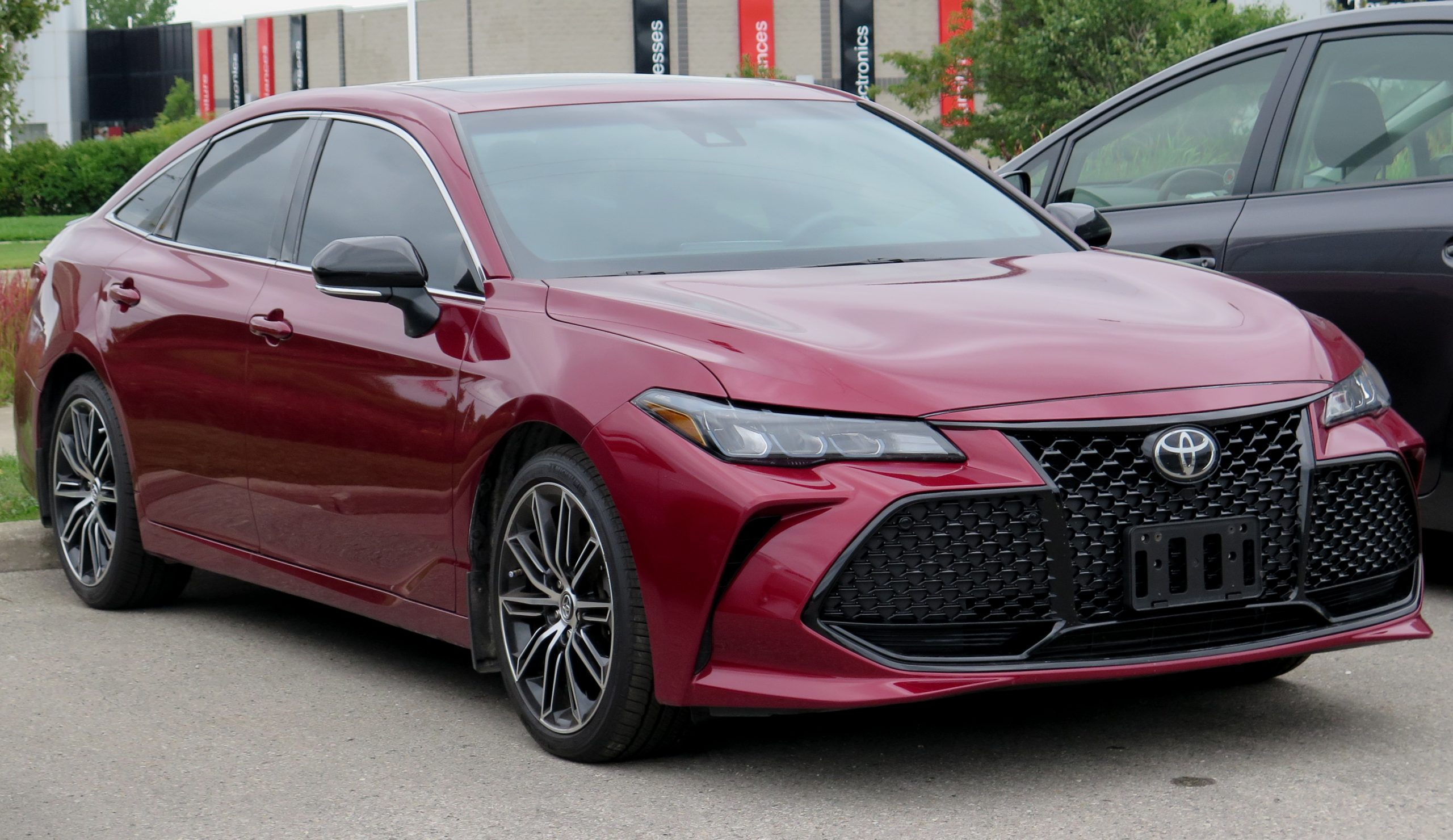
5. Honda Accord
The Honda Accord redefines expectations for midsize sedans by delivering exceptional rear-seat space, often matching or exceeding larger full-size models. It offers 40.8 inches of rear legroom, achieved through clever interior packaging that includes rear seats angled for better comfort and front seatbacks sculpted to maximize knee clearance.
Wide, tall door openings make entry and exit easy, while a flat rear floor improves footroom for up to three passengers. These design choices make the Accord especially practical for families and frequent passengers.
Inside, the Accord focuses on comfort and refinement. The cabin uses soft-touch materials and a clean, modern design that aligns with Honda’s newer lineup. Rear passengers benefit from generous legroom and knee space, though the sloping roofline slightly reduces headroom. Higher trims add convenience features such as rear climate controls, sunshades, and enhanced seating comfort, giving the rear cabin a more premium feel despite its mainstream positioning.
Performance options include a 192-hp turbocharged 1.5-liter engine paired with a CVT, as well as a 204-hp hybrid system combining a 2.0-liter engine with electric motors. Both configurations are front-wheel drive. While not designed for high-speed performance, the Accord delivers smooth acceleration, stable handling, and a comfortable ride. The hybrid variant improves efficiency while maintaining composure in everyday driving.
Fuel economy is a major strength. The nonhybrid model achieves up to 32 mpg combined, while the hybrid reaches up to 48 mpg combined under EPA estimates. Real-world testing confirms strong highway efficiency for both versions, reinforcing its reputation as a practical daily driver.
The interior includes a 9-inch or optional 12.3-inch touchscreen, wireless Apple CarPlay and Android Auto, and a digital driver display. Cargo space is also generous at 16.7 cubic feet, expanding significantly with folded rear seats for larger loads.
Standard Honda Sensing safety features include adaptive cruise control, lane-keeping assist, and automated emergency braking. Warranty coverage is solid for the segment, with complimentary maintenance for the first year.
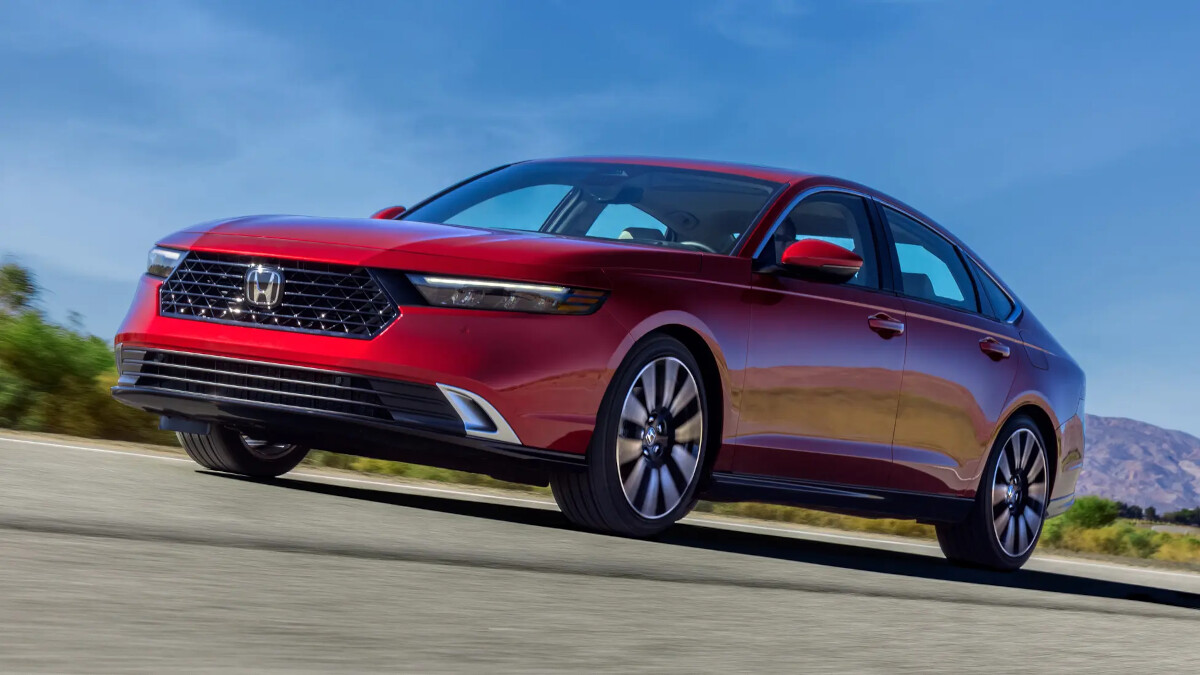
6. Volvo S90
The Volvo S90 is a midsize luxury sedan designed with a strong emphasis on rear-seat comfort, offering 40.4 inches of rear legroom through its long-wheelbase architecture. This design prioritizes second-row space by extending the wheelbase and dedicating more of the vehicle’s length to passenger comfort rather than trunk volume.
The result is a rear cabin that feels open and relaxing, supported by wide door openings, generous headroom, and a clean Scandinavian design language. Large panoramic glass, minimal clutter, and soft interior lines create an airy atmosphere, while optional four-zone climate control, window sunshades, and heated or ventilated seats enhance long-distance comfort.
The rear seating experience is further improved by thoughtful ergonomic design, including supportive cushioning and available controls that allow passengers to adjust their environment. The S90’s focus on simplicity and usability is evident throughout the cabin, where premium materials like open-pore wood, metal accents, and fine leather contribute to a refined yet understated luxury feel.
Performance is provided by a B6 mild-hybrid engine producing 295 horsepower or a more powerful T8 plug-in hybrid system. The B6 delivers a 0–60 mph time of around 6.4 seconds, while the hybrid is significantly quicker and more efficient. Driving dynamics are stable and composed, but ride quality is firmer than some rivals, with more road feedback entering the cabin over rough surfaces. Steering is weighty but less precise, reinforcing the S90’s comfort-first rather than sporty character.
Fuel economy is competitive, with the B6 achieving up to 31 mpg highway and the hybrid reaching up to 66 MPGe combined. Real-world testing confirms strong efficiency during highway cruising. Inside, the S90 features a 9-inch touchscreen infotainment system running Volvo’s Android-based interface with Apple CarPlay and over-the-air updates, though it requires adjustment to use due to its menu-heavy design.
Safety is a key strength, with standard features such as adaptive cruise control, lane-keeping assist, and automated emergency braking. Warranty coverage includes four years or 50,000 miles, along with three years of complimentary maintenance, reinforcing the S90’s reputation as a calm, spacious, and safety-focused luxury sedan.
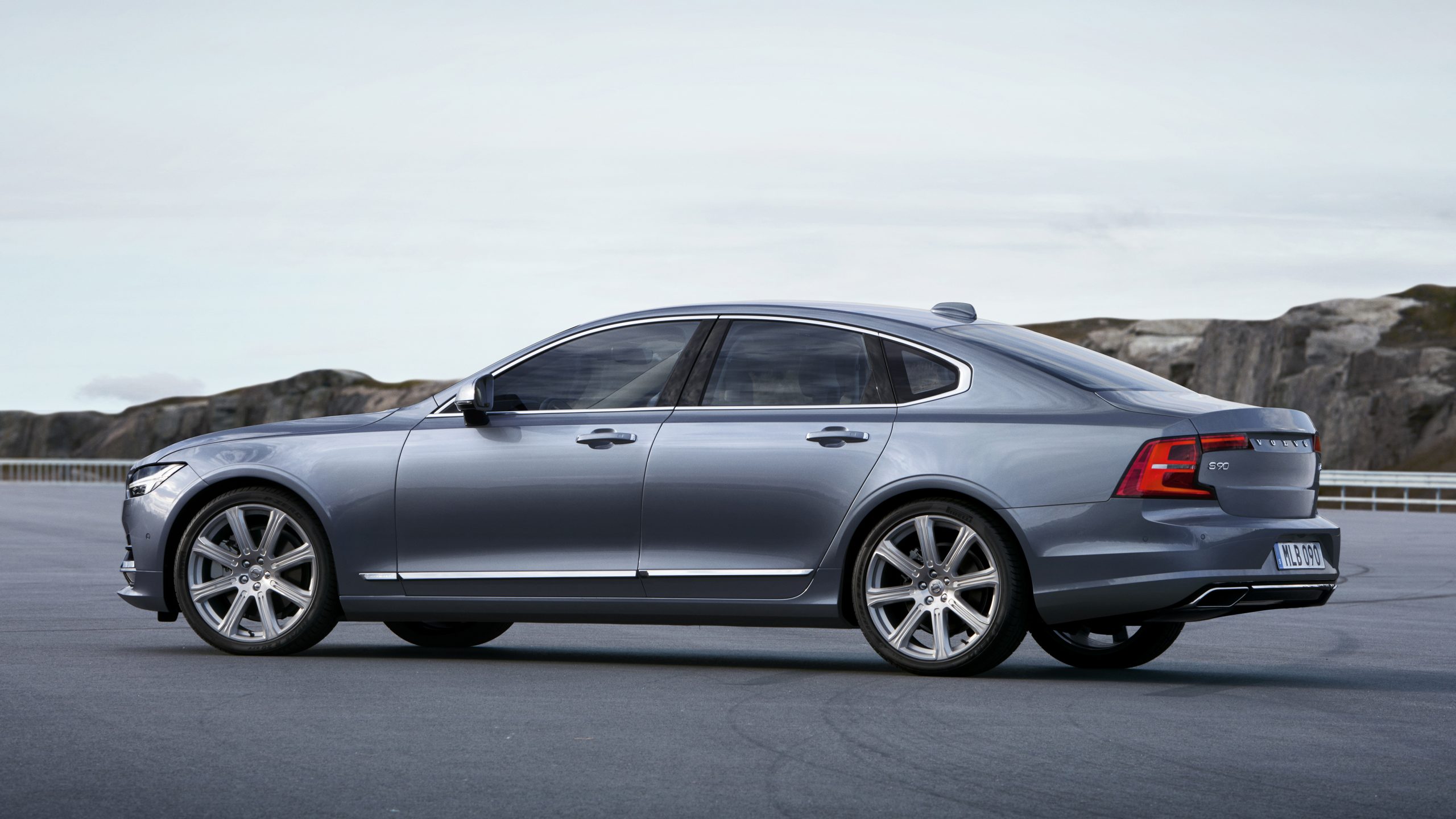
7. Subaru Legacy
The Subaru Legacy is a midsize sedan designed around everyday usability, passenger comfort, and all-weather confidence. It provides 39.5 inches of rear legroom and a total passenger volume of 105.5 cubic feet, creating a cabin that feels open and airy for both front and rear occupants.
Its traditional upright roofline contributes to strong rear headroom, while large side windows increase natural light and enhance the sense of space. An open area beneath the front seats allows rear passengers to stretch their legs more easily, making longer journeys more comfortable than expected for its class.
Comfort is further supported by a calm, well-insulated ride and supportive seating. Higher trims add premium materials such as leather upholstery, while base models use durable cloth finishes. The cabin design is simple but functional, with thoughtfully arranged controls and a focus on practicality. The trunk is also notably spacious, capable of holding eight carry-on suitcases in testing, giving it strong cargo versatility compared to rivals.
Performance comes from either a 182-hp 2.5-liter engine or a 260-hp turbocharged 2.4-liter engine, both paired with a CVT and standard all-wheel drive. While the base engine prioritizes efficiency, the turbo variant significantly improves acceleration, reducing the 0–60 mph time to around 5.7–6.1 seconds depending on configuration. Despite this, the Legacy is tuned more for stability and comfort than driving excitement, offering predictable handling and a smooth ride.
Fuel economy remains competitive, with non-turbo models achieving up to 30 mpg combined and turbo versions averaging slightly lower figures. Real-world highway testing shows strong efficiency, especially for a standard all-wheel-drive sedan.
Inside, the Legacy features Subaru’s Starlink infotainment system with touchscreen options ranging from dual 7-inch displays to an 11.6-inch vertical screen on higher trims. Apple CarPlay and Android Auto are standard, and premium audio systems are available. Safety is a major strength thanks to Subaru’s EyeSight suite, which includes adaptive cruise control, lane-keeping assist, and automated emergency braking as standard equipment.
With strong safety ratings, practical space, and standard all-wheel drive, the Legacy stands out as a dependable and comfortable family sedan, though it prioritizes function over driving excitement.
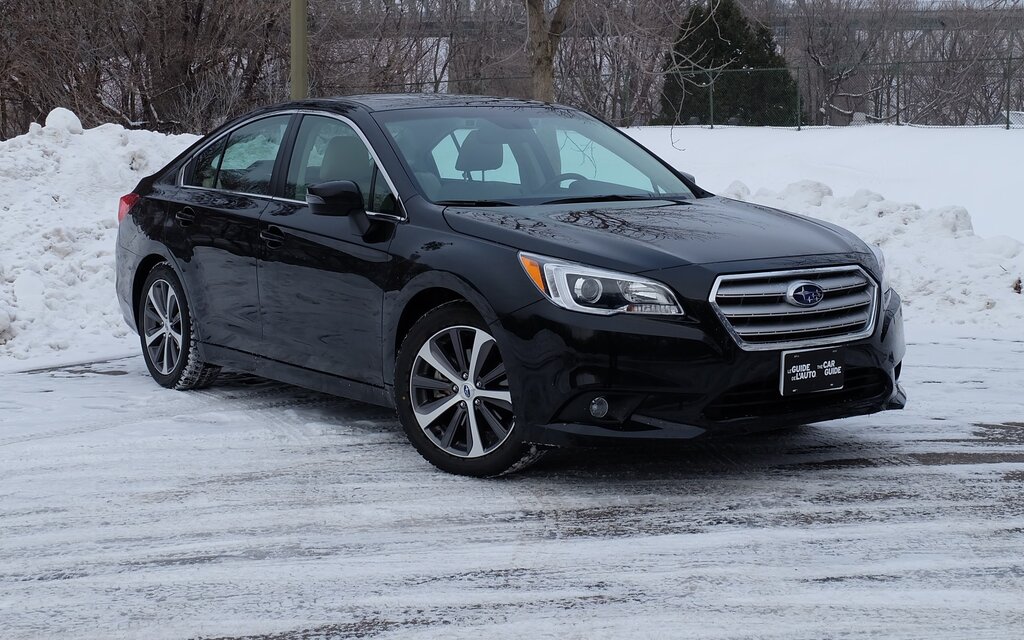
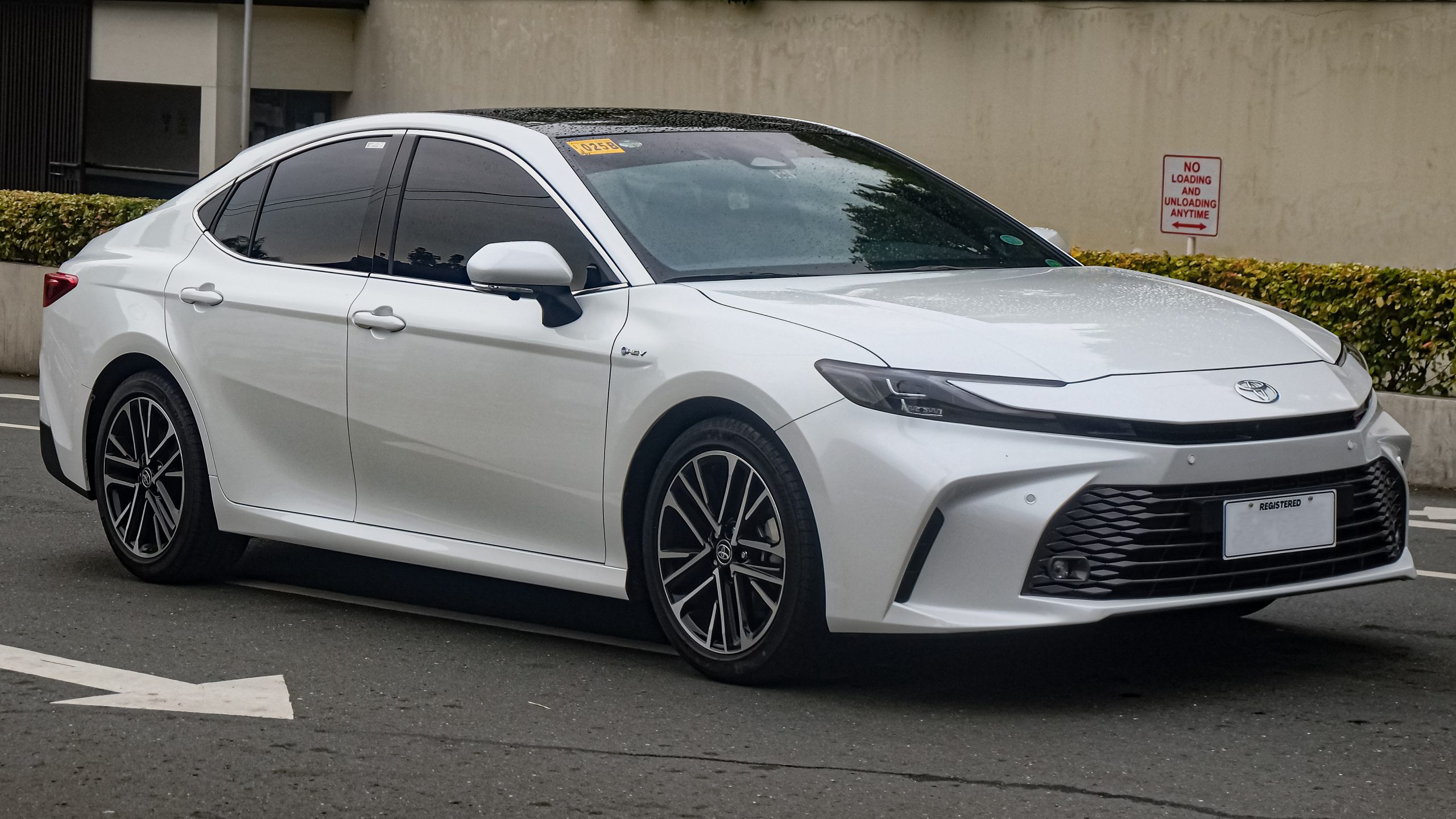
8. Toyota Camry
The Toyota Camry is a midsize sedan engineered to balance reliability, fuel efficiency, and strong passenger comfort, offering 38.0 inches of rear legroom through an intelligently packaged interior. Rather than focusing only on maximum dimensions, its design prioritizes ergonomics.
The rear seat cushion is shaped to provide better under-thigh support, helping reduce fatigue on longer journeys. Slim front seatbacks increase knee room, while wide door openings make entry and exit simple for passengers of different ages. These details create a practical and comfortable rear seating environment well-suited for daily commuting and highway travel.
Comfort is reinforced by a calm and refined ride quality, especially in hybrid variants that emphasize smoothness and quiet operation. Higher trims add more premium touches such as leather upholstery, heated front seats, ambient lighting, rear air vents, and improved cabin insulation. The interior layout is clean and functional, focusing on ease of use while still delivering a slightly upscale feel in upper trims.
The Camry lineup is powered primarily by hybrid systems combining a 2.5-liter four-cylinder engine with electric motors, producing between 225 and 232 horsepower depending on front- or all-wheel-drive configuration. A CVT transmission helps maintain smooth power delivery and efficiency. Acceleration is modest but adequate, with 0–60 mph times ranging from 6.8 to 7.0 seconds, supported by strong low-speed response from the electric motors.
Fuel economy is one of the Camry’s strongest advantages. EPA estimates reach up to 52 mpg in the city and 49 mpg on the highway in its most efficient configuration. Even AWD versions remain highly efficient, and real-world highway testing confirms strong results for long-distance driving.
Inside, the Camry features an 8-inch or optional 12.3-inch touchscreen infotainment system with wireless Apple CarPlay and Android Auto. Higher trims include a JBL sound system and a fully digital gauge cluster. Cargo space is practical, with room for seven carry-on suitcases in the trunk and significantly more when the rear seats are folded.
Standard Toyota Safety Sense technology includes adaptive cruise control, lane-keeping assist, and automated emergency braking, reinforcing its reputation as a dependable, efficient, and passenger-friendly sedan.
These eight sedans highlight how far rear-seat comfort has evolved across the automotive world, blending space, practicality, and technology in different ways depending on segment and purpose. Luxury models such as the BMW 7 Series, Audi A8 L, and Mercedes-Benz S-Class focus on creating first-class, lounge-like environments with advanced seating, entertainment systems, and premium materials.
Meanwhile, vehicles like the Toyota Camry, Honda Accord, and Subaru Legacy prove that strong rear-seat space and comfort are not limited to luxury pricing, offering impressive legroom and thoughtful interior design for everyday use.
The Volvo S90 and Toyota Avalon bridge both worlds, delivering near-luxury comfort with a focus on refinement and usability. Together, these sedans show that rear-seat space has become a key benchmark in modern car design, ensuring comfort for every passenger, not just the driver.
Also read: 5 Cars With Manufacturer Maintenance Plans That Pay Off vs 5 That Don’t