
Rural mail delivery is one of the harshest real-world tests for any pickup truck. Unlike highway commuting or occasional towing, mail routes force vehicles to handle nonstop stopping, rough gravel roads, muddy driveways, uneven terrain, and endless idling in every season imaginable.
Drivers may spend hours moving slowly through isolated areas where reliability matters more than luxury or speed. A truck that breaks down in the middle of a rural route creates major delays and expensive repairs, so durability becomes the most important quality of all.
Certain pickups earned strong reputations among rural drivers for handling punishment without constant mechanical failures. These trucks combined dependable engines, strong suspensions, practical interiors, and simple maintenance requirements.
Mail carriers and rural workers trusted them because they could survive years of abuse while remaining affordable to maintain. Some became famous for lasting hundreds of thousands of miles with only basic servicing.
On the opposite side are pickups that looked impressive when new but struggled badly under hard, daily use. Some suffered from weak transmissions, unreliable electronics, rust issues, or engines that developed expensive problems far too early.
Rural driving exposes weaknesses quickly because these trucks operate constantly on rough roads rather than smooth highways. A pickup built with poor durability standards rarely survives long in that environment.
This comparison highlights the difference between trucks designed with long-term toughness in mind and those that failed to live up to expectations. Rural mail routes reveal the truth about engineering faster than advertisements ever can.
The pickups that succeed become trusted tools for hardworking drivers, while the ones that fall apart become expensive lessons in poor reliability and weak construction.
Also Read: 10 Cars That Hit 60 MPH Faster Than Advertised
5 Pickups Built for Rural Mail Routes
Rural mail carriers need trucks that can survive conditions most ordinary vehicles never experience. Daily driving on gravel roads, repeated stops every few minutes, harsh winters, deep mud, and heavy cargo loads place enormous strain on pickups.
Unlike recreational truck owners, rural drivers cannot afford constant downtime or complicated repairs. Their vehicles are essential work tools that must operate dependably every single day.
The pickups in this section built reputations through years of proven reliability under difficult conditions. These trucks became favorites among rural workers because they offered durable drivetrains, rugged suspensions, and practical cabins that remained comfortable during long routes. Many also featured simple mechanical layouts that allowed repairs to be completed quickly without massive labor costs.
Another important factor is longevity. Rural mail routes add mileage quickly, and rough surfaces accelerate wear on suspension components, steering systems, and transmissions. Trucks that survived these conditions for years earned deep loyalty from drivers who depended on them for income and daily transportation.
Fuel economy mattered as well, especially for long routes covering isolated areas. A dependable truck that consumes less fuel could save owners significant money over time. At the same time, these vehicles still needed enough strength to carry supplies, mail, and equipment without struggling under load.
The five pickups below gained respect because they consistently handled tough rural service better than many competitors. Some became known for bulletproof engines, while others impressed drivers with rust resistance or easy maintenance access. What they all share is a reputation for reliability in environments where weak trucks quickly reveal their flaws.
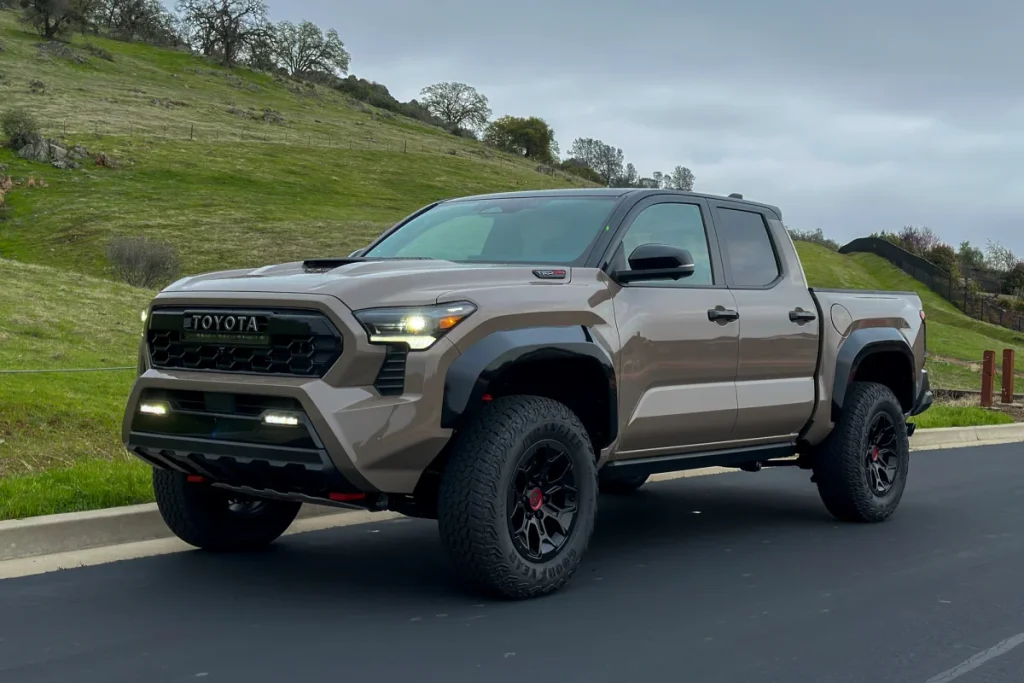
1. Toyota Tacoma
The Toyota Tacoma became one of the most respected pickups for rural driving because it combined durability with manageable operating costs. Many rural mail carriers preferred the Tacoma because it handled rough backroads without constantly needing expensive repairs.
Its reputation for reliability spread through farming communities, forestry workers, and delivery routes where dependable transportation mattered more than luxury features.
One major advantage of the Tacoma involved its sturdy suspension setup. Gravel roads, potholes, and muddy trails can quickly wear out weaker trucks, but the Tacoma handled these surfaces with impressive resilience. Drivers appreciated how the truck maintained stability even after years of rough daily use.
Toyota’s engines also contributed heavily to the Tacoma’s reputation. The naturally aspirated four-cylinder and V6 options became known for surviving extremely high mileage with proper maintenance. Rural drivers often keep trucks for many years, so long-term engine reliability carries enormous importance.
The Tacoma’s smaller size created another benefit. Tight rural roads and narrow driveways are easier to navigate in a midsize pickup than in a massive heavy-duty truck. Mail carriers valued that maneuverability during long routes involving frequent stops and sharp turns.
Maintenance simplicity helped reduce downtime as well. Parts remained widely available, and many independent mechanics were familiar with Toyota trucks. That made routine servicing easier and more affordable compared with certain competitors loaded with complex systems.
Inside the cabin, the Tacoma focused more on practicality than luxury. Controls stayed straightforward, seats remained durable, and the truck tolerated dirty work environments well. Rural drivers needed a pickup that could survive harsh treatment without constant interior damage.
The Tacoma earned loyalty because it consistently delivered dependable performance under demanding real-world conditions where reliability always matters most.
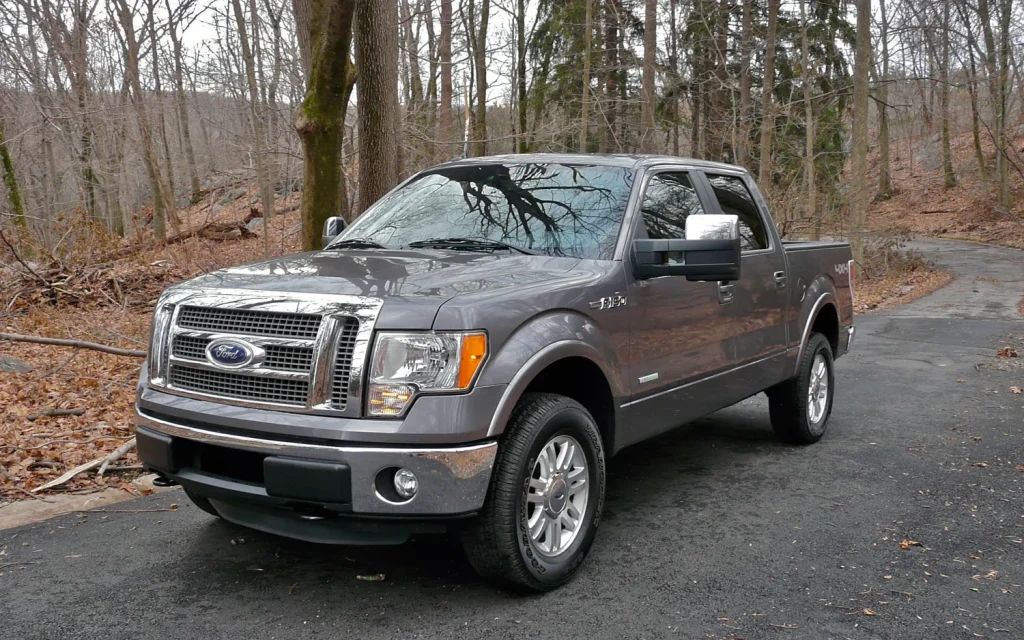
2. Ford F-150
The Ford F150 built its reputation as a dependable work truck through decades of service on farms, construction sites, and rural communities across America. For many mail carriers working isolated routes, the F-150 became a trusted companion because it offered strong capability without sacrificing everyday usability.
Its combination of durability, comfort, and parts availability helped make it one of the most practical pickups for demanding rural driving.
One reason rural drivers favored the F150 involved its wide range of engine choices. Certain naturally aspirated V8 models became especially respected for long-term durability under heavy use. These engines handled towing, rough terrain, and constant stop-and-go driving with fewer major problems than many competitors.
The truck’s suspension also proved capable on uneven roads. Rural mail routes often include washboard gravel, broken pavement, and muddy trails that punish weaker pickups. The F-150 absorbed much of that abuse while still maintaining decent ride comfort for drivers spending hours behind the wheel each day.
Another advantage came from repair accessibility. Because the F-150 sold in massive numbers, replacement parts remained easy to find nearly everywhere. Mechanics across small towns and rural areas understood the truck well, reducing labor time and helping owners avoid long delays waiting for repairs.
Cabin practicality played an important role, too. Drivers appreciated supportive seating, useful storage areas, and simple controls during long shifts. Modern luxury was less important than functionality and comfort that lasted through years of heavy use.
Fuel economy varied depending on engine choice, but many operators accepted slightly higher fuel costs because the truck offered dependable performance and strong hauling ability. The F150 succeeded by balancing work capability with durability, making it one of the most trusted pickups for rural services.
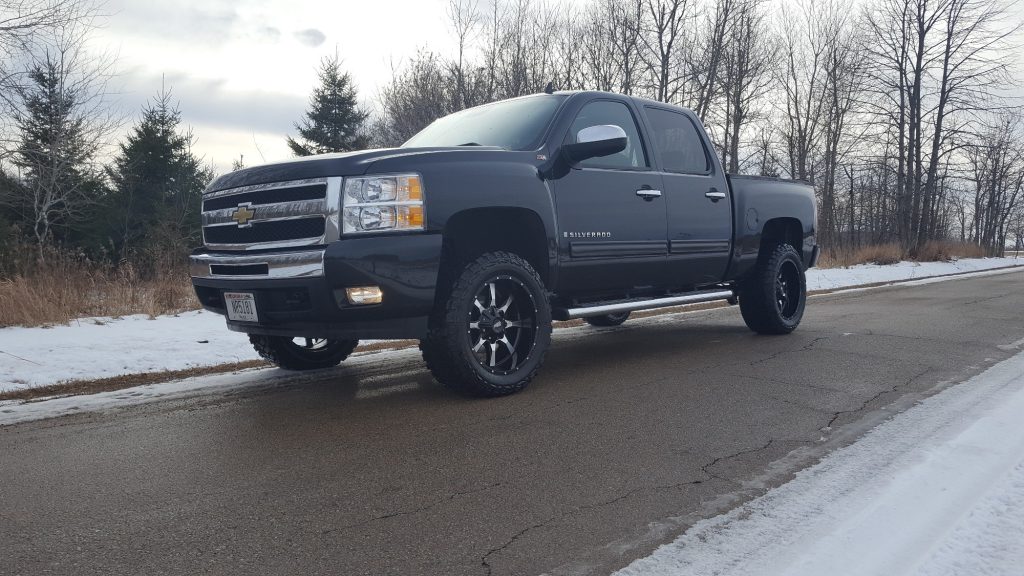
3. Chevrolet Silverado 1500
The Chevrolet Silverado 1500 earned respect among rural drivers because it delivered straightforward truck capability without becoming overly complicated.
In remote areas where repair shops may be miles away, many mail carriers prefer vehicles with proven mechanical reliability and durable drivetrains. The Silverado developed that reputation through years of hard work on farms, backroads, and demanding delivery routes.
One of the Silverado’s biggest strengths involved its V8 engines. Certain generations equipped with naturally aspirated small-block V8 motors became famous for surviving high mileage under difficult conditions.
These engines produced dependable torque for hauling cargo and climbing muddy hills without constantly feeling strained. Rural drivers valued that confidence during long routes in isolated locations.
The truck’s frame and suspension setup also handled rough terrain effectively. Gravel roads can wear out steering and suspension components quickly, yet many Silverado owners reported solid durability even after years of punishment. Drivers appreciated how the truck remained composed while carrying heavy loads over uneven surfaces.
Another factor behind the Silverado’s popularity was cabin practicality. Rural mail carriers often spend entire days inside their vehicles, so supportive seats and easy-to-use controls matter greatly. The Silverado offered spacious interiors in many configurations, helping reduce fatigue during extended routes.
Maintenance costs stayed manageable because replacement parts were widely available in small towns and larger cities alike. Independent mechanics knew these trucks well, which reduced labor complexity for common repairs. That accessibility became a major advantage for owners who depended on their vehicles daily.
The Silverado succeeded because it focused on traditional truck strengths. It delivered durability, hauling ability, and dependable long-term operation without sacrificing practicality for unnecessary complexity or flashy design trends.
4. Nissan Frontier
The Nissan Frontier quietly built one of the strongest durability reputations in the midsize truck segment. While some competitors chased aggressive redesigns and complicated technology upgrades, the Frontier stayed relatively simple for many years.
That simplicity turned into a major advantage for rural mail carriers who needed dependable transportation capable of surviving rough daily use.
Many drivers appreciated the Frontier’s rugged mechanical design. Its naturally aspirated V6 engine became known for reliability and steady performance even after years of high-mileage driving. Rural routes place constant stress on engines because of nonstop acceleration, idling, and rough terrain, yet the Frontier handled those conditions better than many expected.
The truck’s compact dimensions made it useful on narrow country roads and tight driveways. Larger pickups can feel cumbersome during repeated stops, but the Frontier remained easy to manoeuvre in difficult rural environments. Drivers valued that practicality during long delivery routes involving constant turning and backing up.
Suspension durability also contributed to the truck’s reputation. Washboard gravel roads and potholes quickly expose weak chassis engineering, but the Frontier tolerated rough surfaces with impressive toughness. Many owners used these trucks for years without major suspension failures despite heavy workloads.
Another reason the Frontier earned loyalty involved maintenance simplicity. Because Nissan kept the platform relatively unchanged for extended periods, mechanics became highly familiar with common repairs and servicing procedures. Parts availability improved as well, helping reduce downtime and repair expenses.
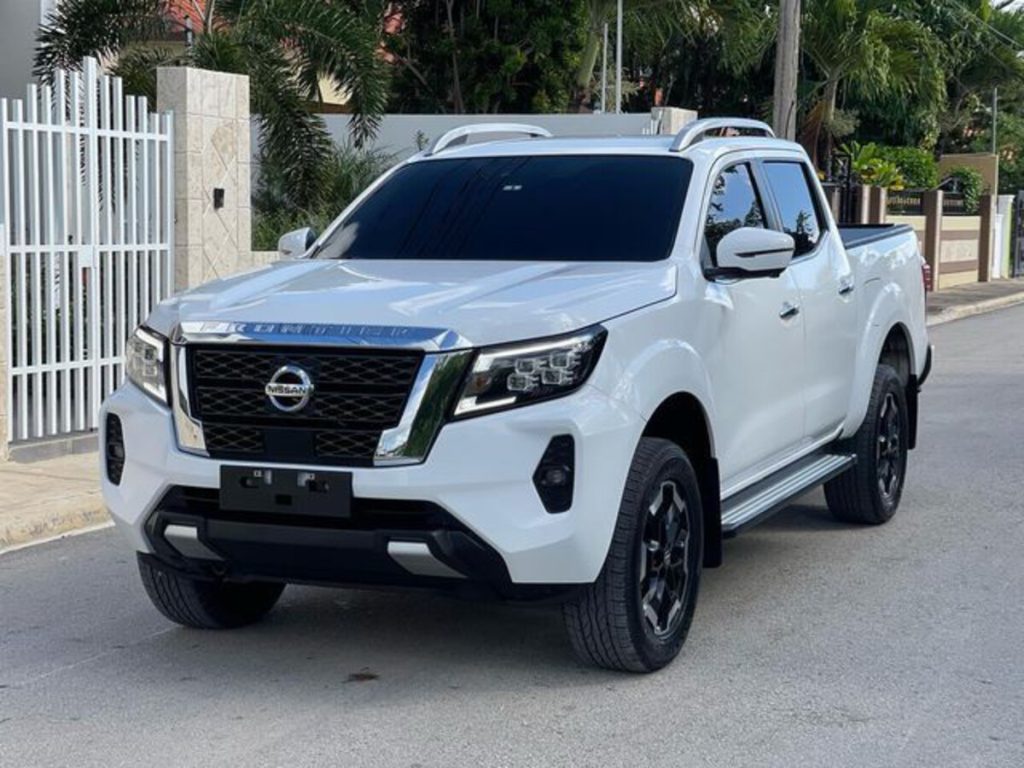
Inside the cabin, the Frontier focused more on functionality than luxury. Controls stayed straightforward, seating remained durable, and the truck avoided excessive electronic complexity that can create long-term reliability problems.
The Frontier succeeded because it prioritized dependable performance and rugged usability in conditions where fragile trucks often fail quickly.
5. Toyota Tundra
The Toyota Tundra gained a loyal following among rural drivers because it combined full-size truck capability with Toyota’s well-known reputation for long-term durability.
Many mail carriers and rural workers trusted the Tundra for demanding routes where breakdowns could create major problems. It was not always the most fuel-efficient pickup in its class, but reliability often mattered far more than saving a small amount at the gas station.
One of the tundra’s strongest qualities involved its V8 engines. Toyota engineered these powerplants for durability rather than extreme performance numbers, and that approach paid off in long-term ownership.
Many high-mileage examples continued operating smoothly after years of hauling loads, travelling rough backroads, and enduring harsh weather conditions.
The truck’s frame and suspension were also designed to handle punishment. Rural routes frequently include potholes, muddy trails, loose gravel, and uneven terrain that place constant stress on chassis components. The tundra developed a reputation for tolerating that abuse without rapidly falling apart.
Drivers appreciated the roomy interior during long workdays. Seats remained comfortable for extended periods behind the wheel, while the controls stayed simple and easy to operate. Unlike some competitors overloaded with fragile electronics, many Tundras are focused on dependable functionality.
Another important factor was maintenance reliability. Routine servicing remained straightforward, and major mechanical failures appeared less frequently than in several rival trucks. Rural owners especially valued vehicles that could continue operating dependably with consistent basic maintenance instead of requiring repeated expensive repairs.
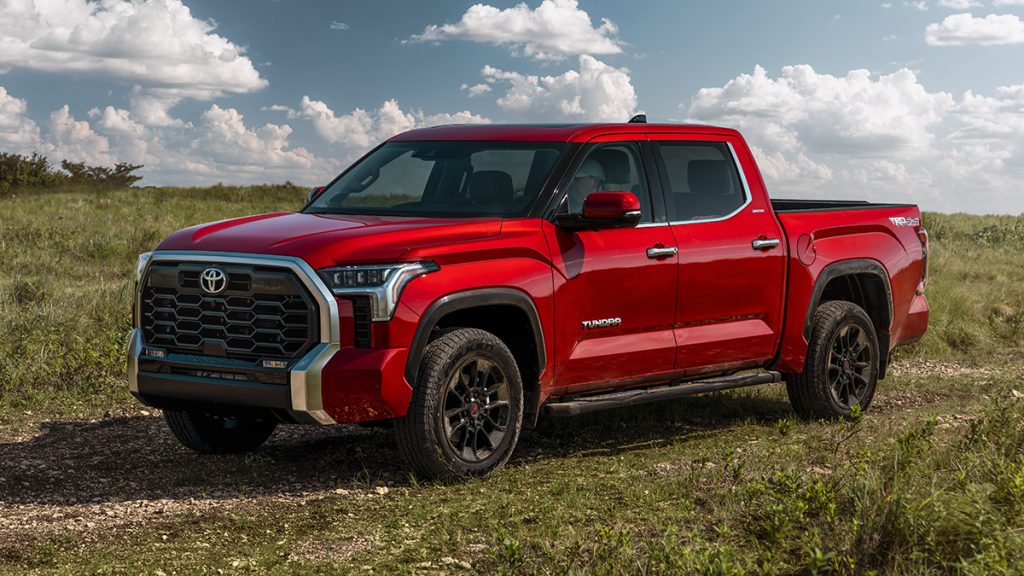
The Tundra earned respect because it delivered confidence in difficult conditions. Whether driving through snow-covered roads, muddy farmland, or isolated rural highways, owners trusted the truck to keep moving.
That dependability made it one of the strongest choices for harsh mail routes and demanding daily work.
5 That Fall Apart
Not every pickup truck is prepared for the brutal demands of rural mail routes. Rough roads, nonstop stopping, harsh weather, and heavy daily use quickly expose weak engineering and poor durability.
Some trucks perform well during their first few years but begin developing major problems long before owners expect serious repairs. In rural areas where reliability is essential, those weaknesses become impossible to ignore.
Many pickups that struggle in long-term service suffer from recurring transmission failures, rust issues, weak suspensions, or unreliable electronics. Modern trucks often include complicated systems designed for comfort and technology, but those features can become expensive liabilities as mileage increases.
Rural drivers generally prefer simple and durable designs because downtime directly affects their ability to work.
Another issue involves build quality inconsistency. Certain pickups developed reputations for premature wear in critical components such as steering systems, cooling systems, and drivetrain parts. Rough gravel roads and constant vibration accelerate these failures far faster than normal highway commuting.
Repair costs also become a major concern. Some trucks require expensive labor for relatively common repairs, making long-term ownership difficult once warranty coverage expires. Owners facing repeated breakdowns often decide the truck is not worth keeping beyond moderate mileage.
The pickups in this section disappointed many drivers who expected dependable work vehicles. Some offered strong towing numbers or attractive styling, yet those advantages meant little once serious reliability problems started appearing.
Rural routes are unforgiving, and trucks with weak engineering rarely survive years of punishment without costly consequences.
1. Chevrolet Colorado
The Chevrolet Colorado attracted buyers with manageable size, modern styling, and strong towing capability, but certain generations struggled with durability problems that hurt the truck’s reputation among rural drivers. While it worked well for light everyday use, harsh mail routes often exposed weaknesses that became expensive over time.
Transmission issues created one of the biggest concerns for long-term owners. Some Colorado models developed rough shifting behavior, shuddering during acceleration, and premature transmission wear after repeated heavy use.
Rural routes involving constant stopping and uneven terrain placed even more strain on these systems, making reliability concerns harder to ignore.
Electrical problems also frustrated many drivers. Owners reported glitches involving dashboard systems, sensors, power accessories, and warning lights. In isolated rural areas where dependable transportation is critical, unpredictable electronics quickly become a serious inconvenience.
Suspension durability varied depending on driving conditions, but rough gravel roads accelerated wear on components in some high-mileage trucks. Drivers covering difficult terrain every day often faced repeated repairs involving steering and suspension systems.
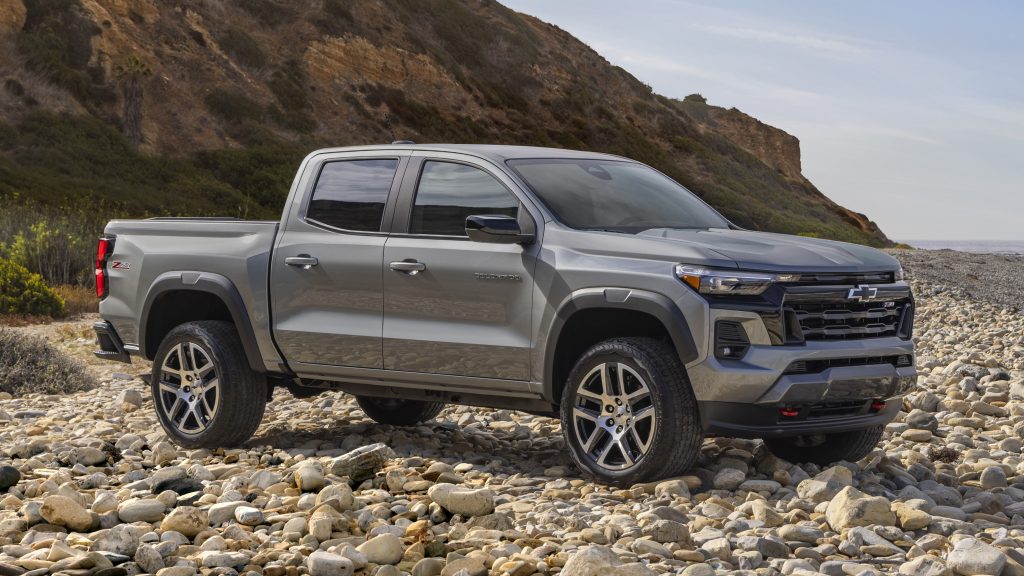
Another weakness involved long-term interior durability. Certain materials aged poorly under heavy use, leading to worn trim pieces and rattles much earlier than expected for a work-oriented pickup. Rural mail carriers usually need cabins capable of handling years of constant entry and exit without falling apart.
Although the Colorado offered comfortable driving manners and useful capability when new, it never achieved the trusted reliability reputation of stronger rural workhorses. For drivers needing extreme durability over hundreds of thousands of miles, many competitors proved more dependable in demanding real-world conditions.
2. Ram 1500 EcoDiesel
The Ram 1500 EcoDiesel attracted attention by promising strong fuel economy combined with full-size truck capability. On paper, it sounded perfect for rural drivers covering long distances every day. However, many owners later discovered that the truck’s long-term reliability could become a major concern, especially once mileage started climbing.
Engine-related issues damaged confidence in the EcoDiesel models. Some owners experienced problems involving emissions equipment, turbochargers, oil coolers, and exhaust systems. Modern diesel technology often relies on complex emissions controls, and those systems can become extremely expensive to repair after years of heavy use.
Rural mail routes place unique stress on diesel trucks because of constant stopping and low-speed operation.
Diesel engines generally perform best during long highway drives, so repeated short trips and extended idling sometimes contribute to additional maintenance complications. Drivers expecting simple durability often found themselves dealing with costly repairs instead.
Electrical concerns also appeared in certain Ram models. Infotainment glitches, sensor failures, and electronic warning messages frustrated owners who needed dependable daily transportation. In remote areas, diagnosing these problems could become especially inconvenient.
Air suspension systems available on some trims created another reliability concern. While the suspension improved ride comfort, aging occasionally led to expensive repairs once the trucks accumulated significant mileage.
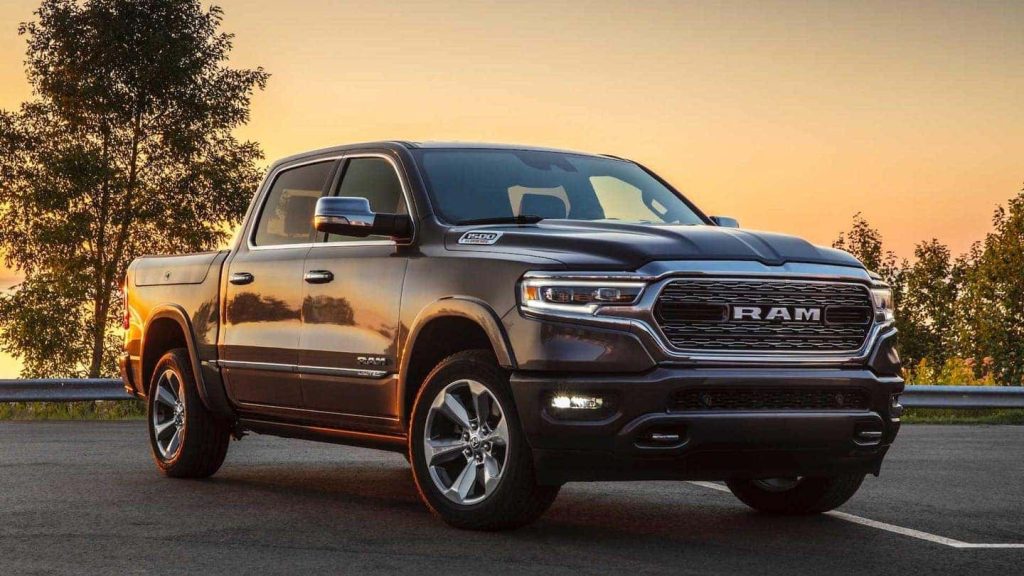
The Ram 1500 EcoDiesel delivered impressive torque and a refined interior, but durability concerns prevented it from becoming a trusted long-term rural workhorse.
Many owners appreciated the truck during its early years, yet increasing repair costs often made high-mileage ownership difficult compared with simpler and more proven pickups.
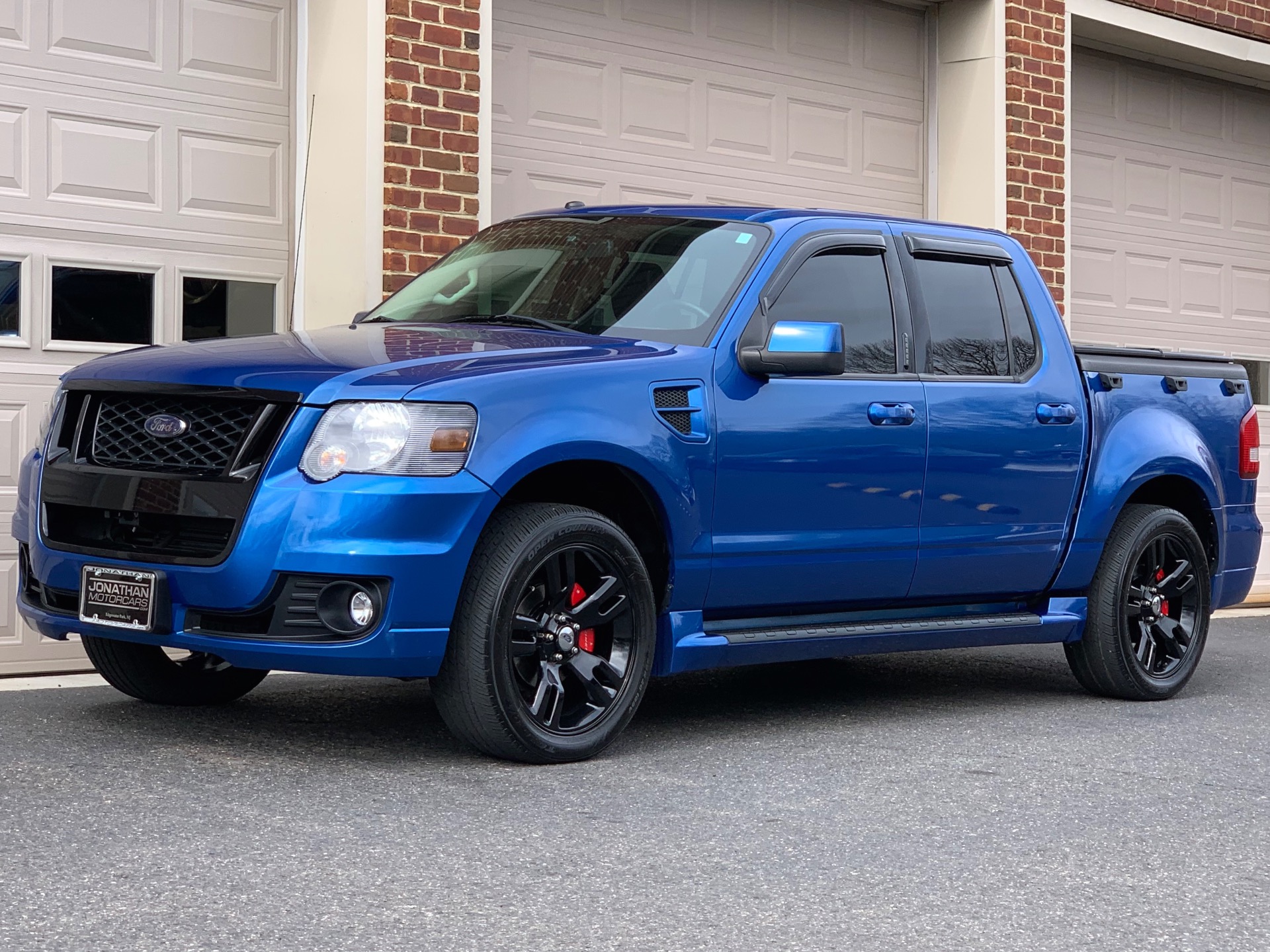
3. Ford Explorer Sport Trac
The Ford Explorer Sport Trac attempted to combine SUV comfort with pickup utility, creating a vehicle that appealed to buyers wanting something different from traditional trucks.
While the idea looked promising, long-term durability problems prevented the Sport Trac from becoming a trusted option for harsh rural work. Drivers needing dependable transportation for demanding routes often discovered weaknesses that appeared earlier than expected.
One major concern involved transmission reliability. Certain Sport Trac models developed shifting problems, slipping gears, and premature transmission wear after years of regular use. Rural mail routes create constant stop-and-go stress, and those conditions accelerated drivetrain wear significantly in some trucks.
Suspension durability also became an issue on rough backroads. Gravel surfaces and potholes quickly exposed weaknesses in steering and suspension components. Owners frequently faced repairs involving wheel bearings, ball joints, and other parts that wore out under heavy daily punishment.
Another factor limiting the Sport Trac’s long-term reputation involves aging. Plastic trim pieces, seat materials, and dashboard components often showed wear faster than drivers expected from a utility vehicle designed for work and daily use. Constant entry and exit during mail delivery routes added even more strain.
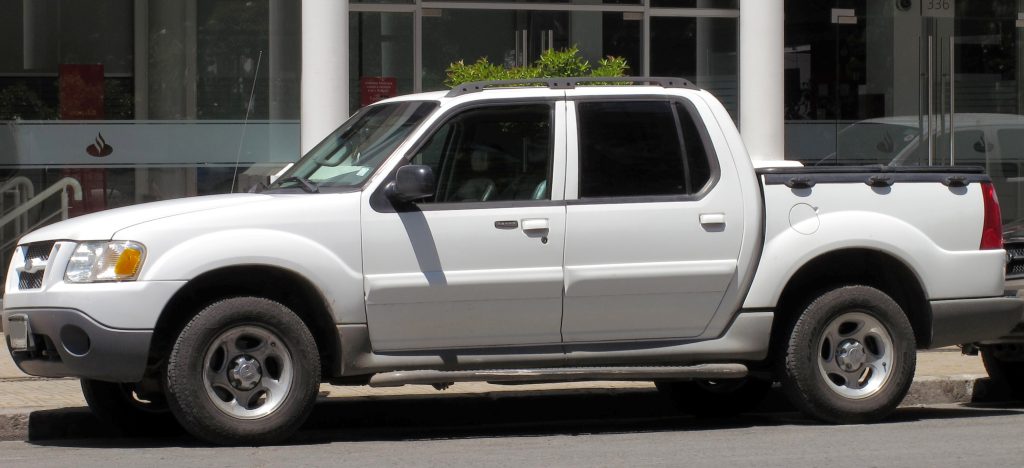
Fuel economy failed to impress as well. Despite its midsize dimensions, the Sport Trac often consumed fuel like a larger truck while lacking the same durability advantages. For rural drivers covering long routes every day, that became an expensive downside.
The Sport Trac succeeded in offering versatility and comfortable road manners, but it struggled to survive the relentless abuse associated with true rural work environments. Many owners enjoyed the truck during moderate use, yet high mileage reliability concerns kept it from earning the long-lasting reputation of tougher and more dependable pickups.
4. GMC Canyon
The GMC Canyon entered the midsize truck segment with refined styling and comfortable road manners, but certain generations developed reliability concerns that hurt the truck’s long-term durability reputation.
While it offered practical size and useful hauling capability, harsh rural driving conditions often exposed weaknesses that became costly for owners over time.
Transmission problems became a frequent complaint in some Canyon models. Drivers reported rough shifting, hesitation, and vibration issues after higher mileage had accumulated. Rural mail routes place continuous stress on transmissions because of repeated stopping, uneven roads, and heavy daily operation, making these problems even more frustrating.
Electrical issues also appeared in the age of examples. Faulty sensors, dashboard warning lights, infotainment glitches, and power accessory failures created headaches for drivers who relied on their trucks every day. In isolated areas where quick repairs are not always available, electronic reliability becomes extremely important.
Suspension wear represented another weak point. Gravel roads and rough terrain accelerated wear on steering components and suspension hardware, leading to repairs that many owners did not expect so early in the truck’s life. Rural work quickly reveals whether a pickup is truly built for punishment.
Interior durability disappointed some long-term owners as well. Certain trim materials wore down faster than expected under heavy use, especially in work-oriented environments involving mud, dust, and frequent entry and exit.
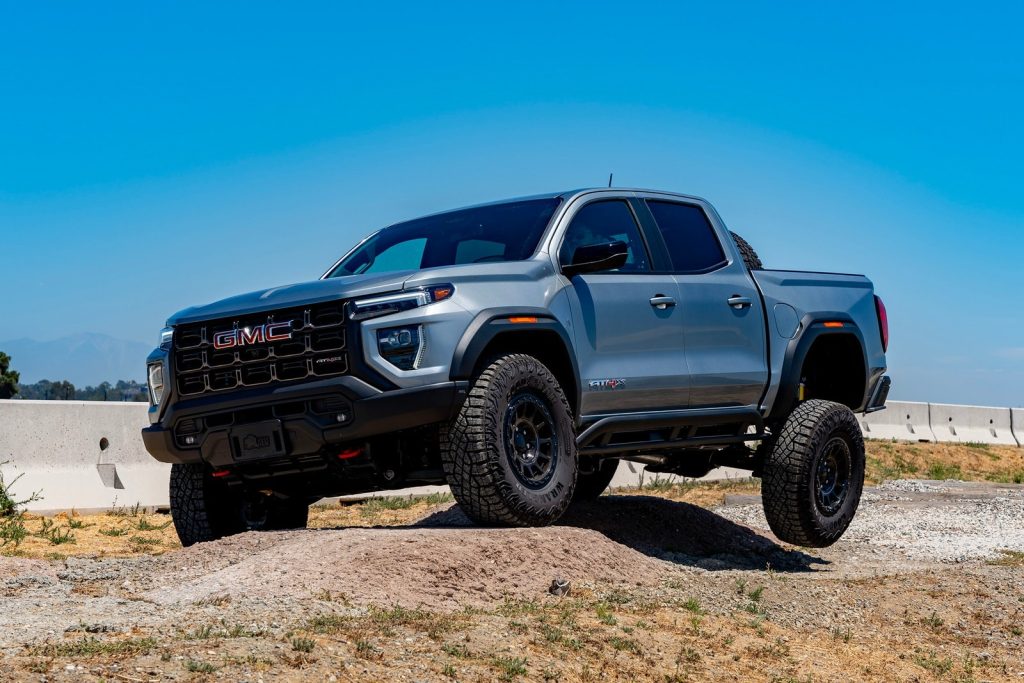
The Canyon performed well as a comfortable everyday truck for many buyers, but it struggled to build a reputation for extreme durability. Drivers seeking a pickup capable of surviving years of demanding rural routes often found more dependable alternatives with stronger records for long-term reliability and lower repair costs.
5. Nissan Titan
The Nissan Titan entered the full-size truck market with strong V8 power and bold styling, but it struggled to achieve the same long-term durability reputation as the segment’s top workhorses.
While some owners enjoyed years of dependable service, the Titan often faced criticism for mechanical issues and inconsistent reliability once mileage increased. In harsh rural conditions, those weaknesses became much harder to ignore.
One major concern involved suspension and drivetrain wear under heavy use. Rural mail routes punish trucks with endless gravel roads, potholes, and repeated stops, and some Titan owners reported premature wear in components such as differentials, wheel bearings, and suspension hardware. Repairs in these areas became increasingly expensive as the trucks aged.
Fuel economy created another disadvantage. The Titan’s large V8 engine delivered respectable power, but fuel consumption remained high compared with several competitors. Rural drivers covering long routes every day often faced substantial fuel costs, especially when combined with rising maintenance expenses.
Certain model years also developed reliability complaints involving cooling systems and electrical components. Sensor failures, dashboard warning lights, and electronic glitches frustrated owners who needed dependable daily transportation without constant repair visits.
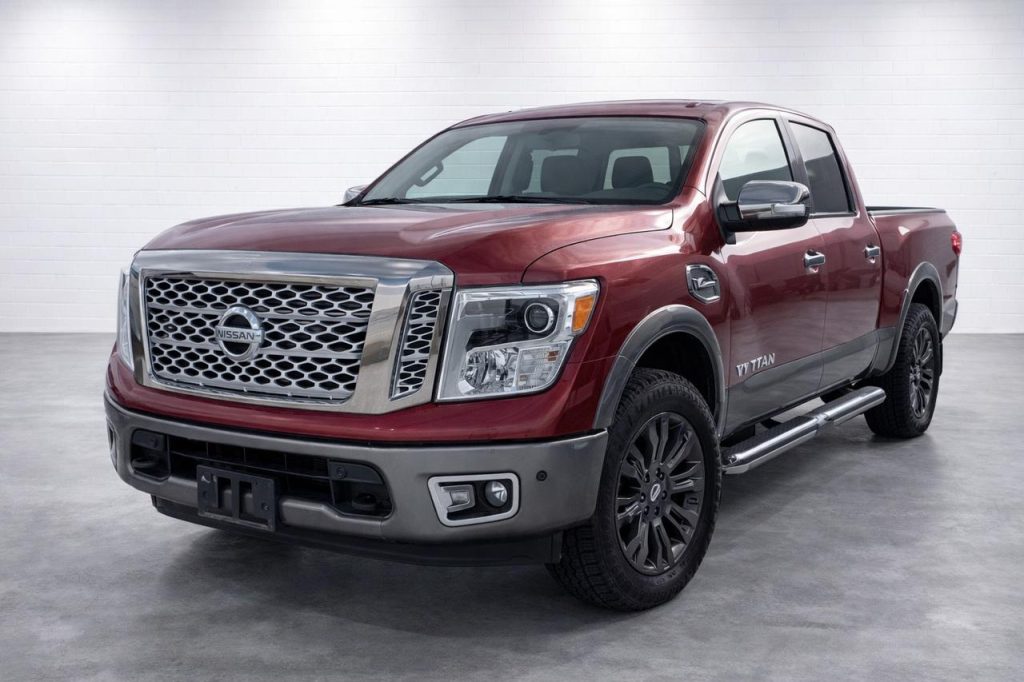
Interior quality varied depending on generation, but some cabins aged poorly after years of work-oriented use. Trim pieces loosened, controls showed wear, and rattles became more noticeable over time. Rural mail carriers require trucks capable of tolerating constant entry and exit, dirt, and rough roads without rapid deterioration.
The Titan offered comfortable seating and useful towing strength, yet it never became a dominant choice for demanding long-term rural service. Many drivers found that competing trucks provided stronger durability, lower operating costs, and better reliability once the miles started adding up under difficult real-world conditions.
