
Pickup truck owners usually pay attention to engines, towing numbers, suspension strength, and payload ratings. Yet one of the most frustrating long-term problems hides underneath the bed. Rusted bed bolts can turn simple maintenance jobs into expensive nightmares.
Once corrosion attacks the mounting hardware, removing the truck bed becomes difficult, time-consuming, and sometimes nearly impossible without cutting tools. In snowy states and coastal regions, salt exposure speeds up the process and destroys untreated steel hardware much faster than many owners expect.
Some manufacturers handled this issue far better than others. They used coated fasteners, improved drainage systems, galvanized steel components, aluminum construction, or smarter underbody protection that prevented moisture from sitting around the mounting points.
A few trucks became famous among mechanics because their bed bolts still loosen normally after ten or fifteen years of use. That reputation matters because many owners keep pickups longer than ordinary passenger vehicles, especially when the truck is used for work, towing, or hauling equipment every week.
Truck enthusiasts also know that rust resistance says a lot about build quality. If the mounting hardware survives years of abuse, road grime, mud, and winter chemicals, it usually means the manufacturer invested effort into long-term durability rather than short-term appearance.
Bed bolt corrosion often begins where protective coatings fail, water collects, or dissimilar metals react poorly together. The best pickups avoided those problems through better engineering and stronger materials.
This list highlights ten pickups that earned praise for bed bolt durability and resistance to corrosion. Some became legends for their reliability in harsh climates, while others quietly proved themselves after years on the road with minimal underbody decay.
These trucks are not perfect in every category, but when it comes to keeping their bed hardware intact and serviceable, they consistently stand above the crowd. Rust may attack many parts of an aging truck, but these pickups showed impressive resistance where it mattered most.
Also Read: 10 Pickups With the Worst Owner Regret in 2026
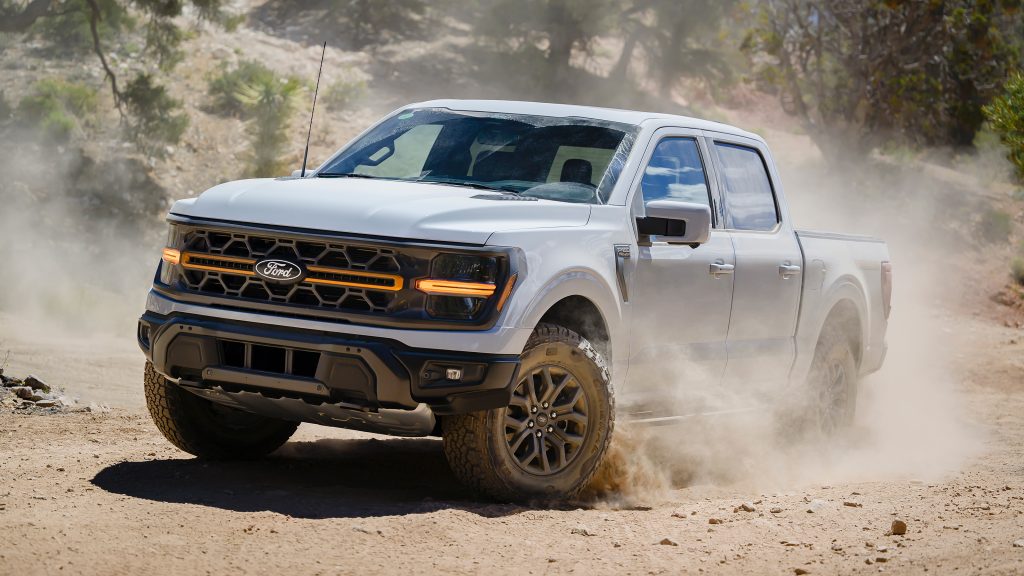
1. Ford F-150
The modern Ford F-150 has built a strong reputation partly because Ford aggressively improved corrosion protection during the aluminum body transition. Beginning with the 2015 redesign, the truck moved to an aluminum-intensive body structure that eliminated many traditional steel rust issues around the bed.
Owners living in snow-heavy states quickly noticed a major difference underneath the truck after several winters. The bed bolts remained cleaner and easier to remove compared with older steel-body pickups that often seized badly with age.
Ford also improved protective coatings around the mounting points. The hardware itself received better anti-corrosion treatment, while the frame areas surrounding the bolts resisted moisture buildup more effectively.
Mechanics frequently mention that bed removal on these trucks stays relatively straightforward even after years of road salt exposure. That matters because fleet vehicles often require bed removal for fuel tank service, wiring repairs, or frame inspections.
Another factor helping the F-150 is drainage design. Water does not collect around the mounting locations as heavily as it did on older trucks from previous decades.
Dirt accumulation still happens, especially on work trucks used in muddy environments, but the corrosion progression tends to be slower and more manageable. Owners who perform occasional underbody washes often report remarkably clean hardware after high-mileage use.
The truck’s popularity in commercial fleets also helped prove its durability. Contractors, utility companies, and municipal departments operate F-150s in difficult conditions year-round.
Those trucks experience salt, gravel, construction debris, and constant exposure to moisture. Despite that punishment, seized bed bolts are far less common than many competing pickups from earlier generations.
Not every F 150 escapes rust entirely, especially in neglected environments, but the combination of aluminum body panels, improved coatings, and smarter engineering dramatically reduced one of the most aggravating corrosion issues truck owners once faced regularly.
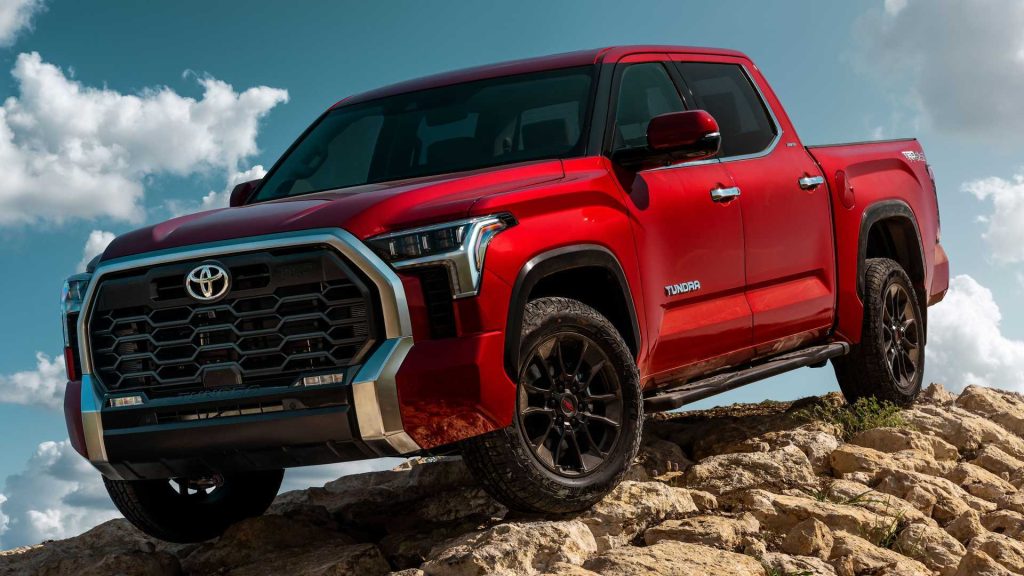
2. Toyota Tundra
The Toyota Tundra earned respect among long-term truck owners because of its consistent durability in harsh climates. While Toyota faced frame rust criticism on some older truck platforms, the Tundra itself still developed a reputation for bed hardware that resisted corrosion surprisingly well when maintained properly.
Many independent mechanics note that the bed bolts usually remain removable long after comparable domestic rivals begin seizing.
Toyota approached corrosion protection with conservative engineering rather than flashy innovation. The company focused heavily on coatings, drainage paths, and durable fastener materials.
Owners in northern states often discovered that while surface rust appeared on exposed underbody sections, the actual mounting hardware stayed structurally solid and serviceable. That distinction became important when trucks reached ten years of age and required larger repair work.
A major reason behind the tundra’s strong performance involves its dependable underbody sealing methods. Mud and road salt do not become trapped around the mounting points as aggressively as on some competing trucks.
This reduces the constant moisture exposure that typically destroys untreated bolts over time. Even trucks used for towing boats or hauling equipment near coastal regions frequently retain cleaner hardware than expected.
Toyota’s reliability culture also influenced supplier quality. The fasteners themselves tend to maintain their structural integrity rather than flaking apart under heavy corrosion.
Technicians working on older Tundras regularly comment that removing the bed remains a manageable task instead of turning into an hours-long extraction process involving cutting torches and broken hardware.
Another advantage comes from owner demographics. Many Tundra buyers keep their trucks for extremely long periods and perform regular maintenance.
Underbody washing, rust prevention sprays, and proper cleaning habits further extend the life of the mounting hardware. Combined with Toyota’s careful manufacturing standards, this created a pickup known for aging gracefully underneath.
The Tundra may not dominate every category in the modern truck market, but its long-term resistance to stubborn bed bolt corrosion helped strengthen its image as one of the most dependable full-size pickups available.
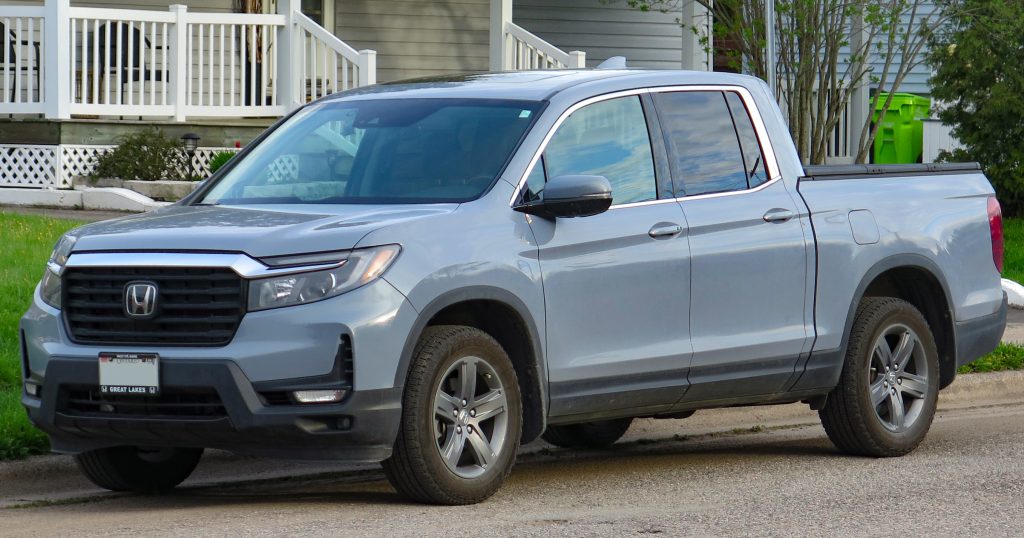
3. Honda Ridgeline
The Honda Ridgeline approaches truck engineering differently from traditional body-on-frame pickups, and that unique construction helped it avoid many corrosion headaches tied to bed hardware.
Because the Ridgeline uses a unibody platform instead of a separate steel bed mounted onto a ladder frame, the design naturally reduces some of the moisture traps that commonly destroy bed bolts on older trucks. Owners who live in wet climates often discover the underbody ages far better than expected.
Honda also paid close attention to sealing and structural protection. The integrated bed design limits the amount of debris, salt, and standing water collecting around attachment points.
Unlike older trucks, where mud can sit around exposed mounting hardware for months, the Ridgeline’s underside stays comparatively cleaner during daily use. This has given the truck an excellent reputation among drivers who regularly face winter roads.
Another reason the Ridgeline performs well comes from its target audience. Many buyers use the truck as a daily driver rather than an extreme off-road machine. That means fewer examples are spent years buried in mud, deep water, or construction site debris.
Even so, the hardware quality itself deserves credit because many high-mileage Ridgelines still show impressive resistance to seized fasteners and severe corrosion around the bed structure.
Technicians frequently mention how much easier major repairs can be on aging Ridgelines compared with heavily rusted traditional pickups.
Accessing components beneath the bed area rarely turns into a battle against fused bolts and decayed brackets. Honda’s protective coatings also hold up surprisingly well after long-term exposure to rain and road chemicals.
The Ridgeline never tried to compete with heavy-duty trucks in brute strength, but it quietly excelled in long-term ownership satisfaction. Rust prevention became one of the hidden advantages that owners appreciated years after purchase.
While some truck enthusiasts dismissed the unibody design initially, it ended up helping the Ridgeline avoid one of the most irritating maintenance issues faced by many conventional pickups.
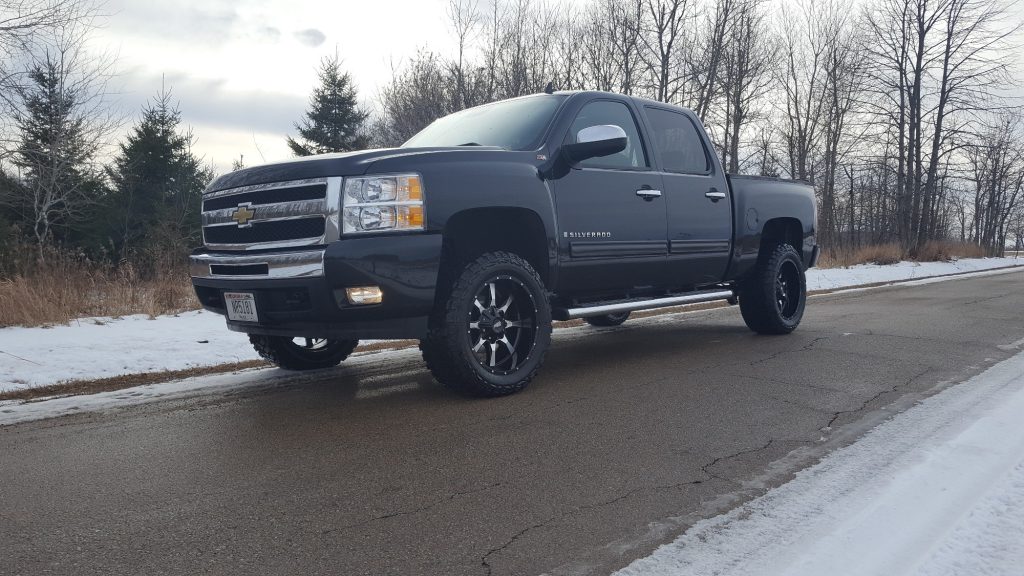
4. Chevrolet Silverado 1500
The Chevrolet Silverado 1500 improved significantly in corrosion resistance during the late 2000s and especially through more modern generations.
Earlier GM trucks developed a mixed reputation for rust problems in salt-heavy regions, but Chevrolet responded with better coatings, upgraded materials, and more durable mounting hardware that greatly reduced bed bolt failures over time.
One of the Silverado’s strongest improvements involved frame and underbody protection. Engineers redesigned several areas underneath the truck to improve drainage and reduce debris accumulation near mounting points.
This matters because trapped moisture is often what destroys bed hardware first. Owners in northern climates noticed newer Silverados keeping cleaner bolts and brackets even after years of winter driving.
Fleet operators also contributed to the truck’s reputation. Thousands of Silverados work in utility service, landscaping, municipal maintenance, and road construction. These are difficult environments where corrosion develops quickly.
Yet mechanics servicing high-mileage fleet trucks often report that bed removal remains more manageable than expected. Bolts usually retain enough integrity to loosen without snapping immediately under pressure.
Chevrolet additionally improved factory coatings on exposed hardware. While no steel fastener is completely immune to corrosion, the protective treatments slowed the process enough that severe seizure became less common.
Trucks receiving basic maintenance, such as underbody rinsing and seasonal cleaning, often maintain surprisingly solid mounting points far into their lifespan.
The Silverado benefits from a large aftermarket community as well. Many owners apply extra rust prevention early in ownership, extending durability even further. Combined with factory improvements, this has helped modern models avoid the horror stories associated with some older pickups from decades ago.
What makes the Silverado notable is how dramatically its reputation improved. Instead of becoming known for impossible bed removal jobs, newer generations gained praise for practical serviceability.
For truck owners planning to keep their vehicles long-term, that kind of corrosion resistance becomes a major advantage once the odometer climbs deep into six-figure mileage territory.
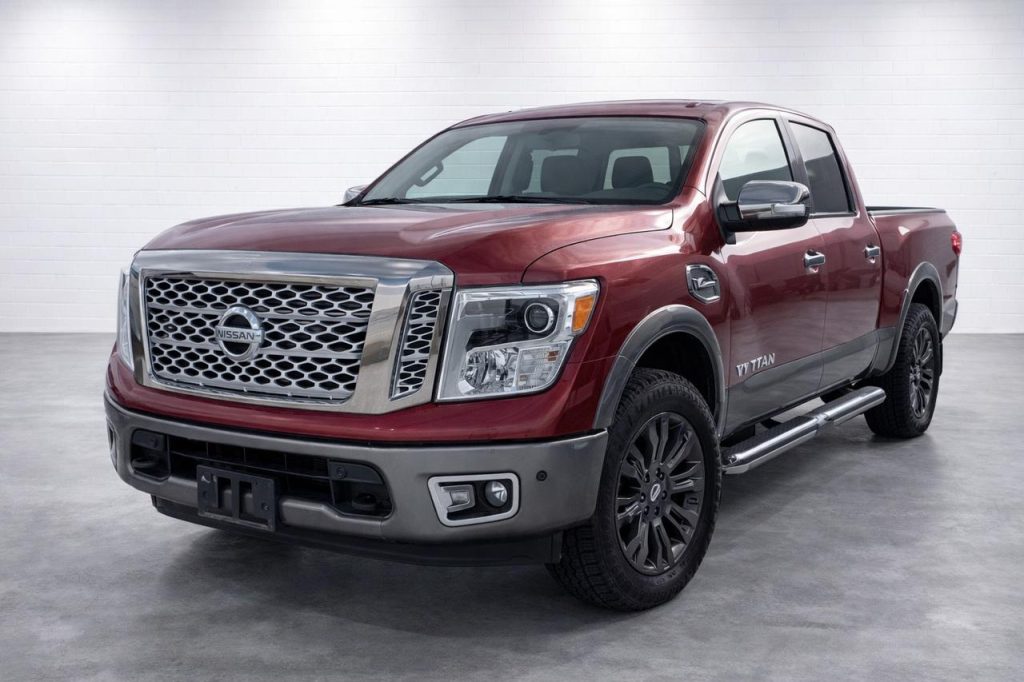
5. Nissan Titan
The Nissan Titan never achieved the sales numbers of America’s largest truck brands, yet it quietly developed a reputation for solid long-term durability underneath the body.
Owners who worked on older Titans often noticed that the bed mounting hardware aged better than expected, especially in areas where harsh winters quickly destroy untreated steel components. Nissan invested heavily in corrosion resistance during the truck’s development, and that effort became visible after years on the road.
One detail that helped the Titan stand apart was its sturdy frame treatment. The underbody coatings resisted chipping and peeling more effectively than many competitors from the same period.
Once protective coatings fail, moisture starts attacking the hardware directly, leading to seized bolts and broken fasteners. The Titan slowed that process considerably, particularly on trucks that received occasional cleaning during the winter months.
The truck also benefited from simpler engineering around the bed structure. Mechanics often prefer designs that leave enough space around mounting points to prevent constant dirt buildup.
Titans usually avoid the heavy mud packing that accelerates rust around bed bolts on some older pickups. This may sound minor, but airflow and drainage play a massive role in long-term corrosion resistance.
Another interesting advantage comes from owner usage patterns. Titans were frequently bought by drivers who wanted full-size capability without turning the truck into a dedicated commercial workhorse.
Many examples spent their lives towing campers, hauling recreational gear, or serving as personal transportation instead of operating nonstop on salted construction sites. As a result, a large number of used Titans still show healthy mounting hardware years later.
Technicians who remove truck beds for fuel pump replacements or wiring repairs often mention the Titan as one of the less frustrating full-size pickups to service.
Bolts generally break loose with normal tools instead of requiring heat or cutting equipment. That reliability under the truck strengthened Nissan’s image among owners who value long-term maintenance simplicity.
The Titan may have remained an underdog in sales charts, but its resistance to serious bed bolt corrosion became one of its quiet strengths, appreciated by experienced truck owners and repair shops alike.
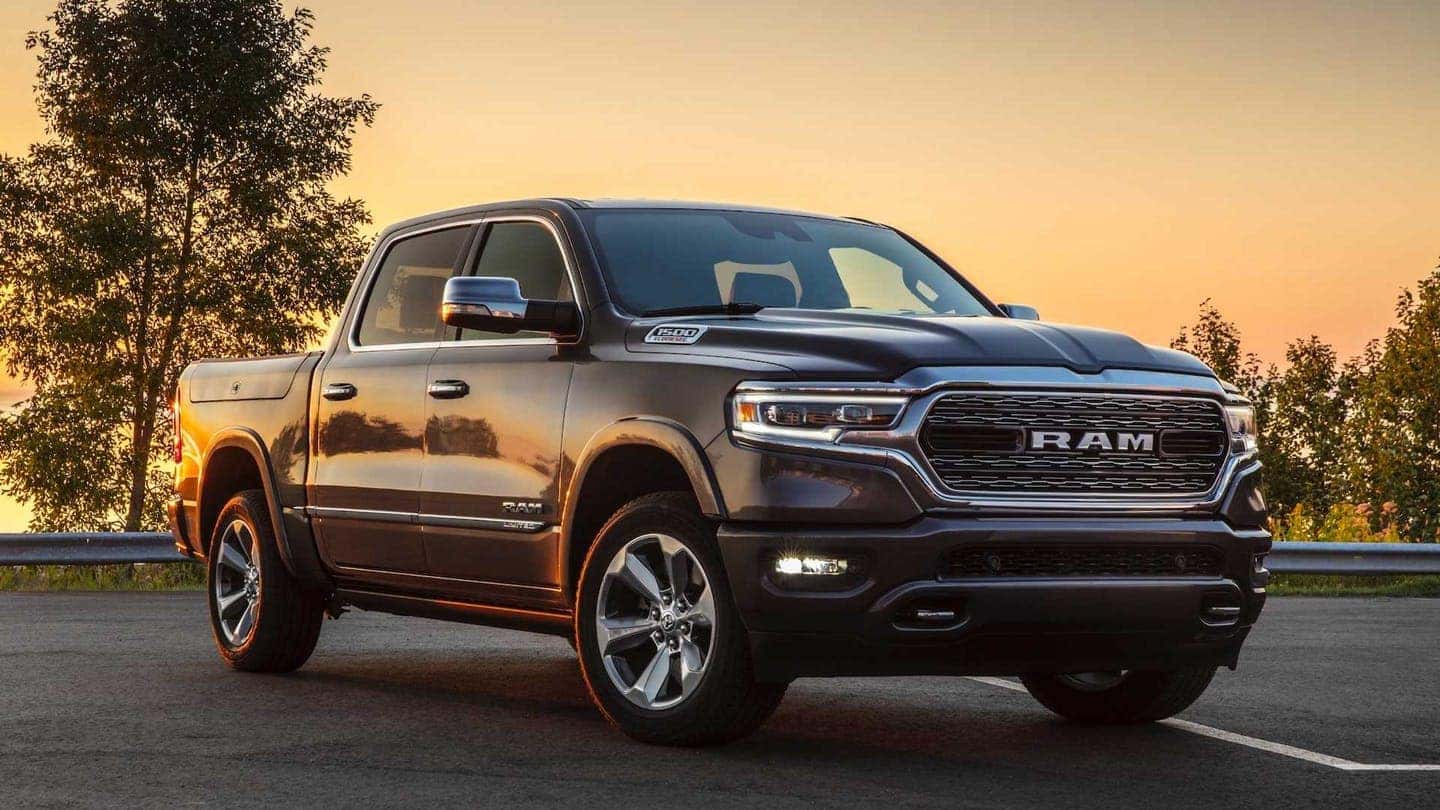
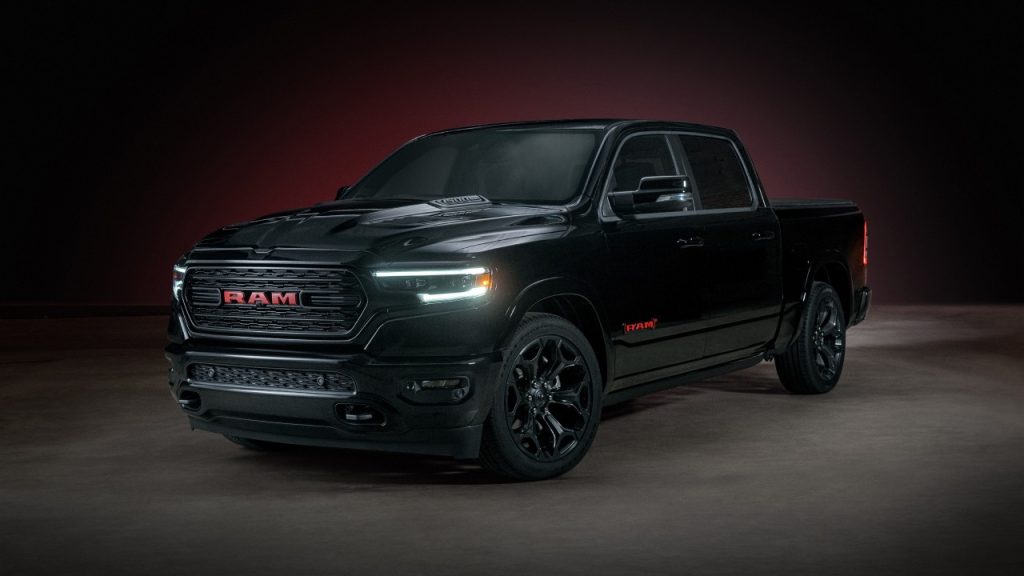
6. Ram 1500
The Ram 1500 transformed dramatically during the last decade, and corrosion resistance became one of the areas where engineers made noticeable progress. Earlier Dodge trucks struggled with rust in several regions, especially where roads are heavily salted during winter.
Ram worked hard to change that reputation by improving underbody coatings, redesigning drainage systems, and upgrading hardware quality throughout newer generations.
One reason the Ram 1500 performs better today involves improved frame manufacturing techniques. Moisture no longer becomes trapped around mounting areas as aggressively as it did on older models.
Water retention is one of the biggest reasons bed bolts seize permanently, especially after repeated freeze-and-thaw cycles. Ram’s revised designs reduced those corrosion pockets and allowed hardware to stay cleaner over time.
The company also introduced stronger protective finishes on many exposed fasteners underneath the truck.
Owners who inspect newer Ram models after several winters often notice that while some surface rust appears on suspension components, the actual bed mounting bolts remain usable and structurally healthy.
That difference becomes extremely important once the truck reaches high mileage and larger repairs become necessary.
Unlike some pickups that rely heavily on flashy marketing, the Ram gained praise through real-world owner experiences. Independent repair shops frequently mention that modern Ram beds come off with far fewer broken bolts than expected.
Fuel tank service, wiring jobs, and suspension repairs, therefore, become less expensive because technicians spend less time fighting rusted hardware.
The truck’s ride comfort also attracted many suburban and highway drivers who maintain their vehicles carefully. Regular washing and underbody cleaning further help preserve the hardware. Combined with improved factory engineering, these habits allow many Ram Trucks to age far more gracefully than their predecessors from the early 2000s.
Ram still operates in harsh environments where corrosion is unavoidable, but the improvements made across newer generations have changed owner expectations significantly. Instead of fearing seized bed bolts after a decade of use, many owners now report hardware that remains surprisingly cooperative even after years of difficult weather exposure.
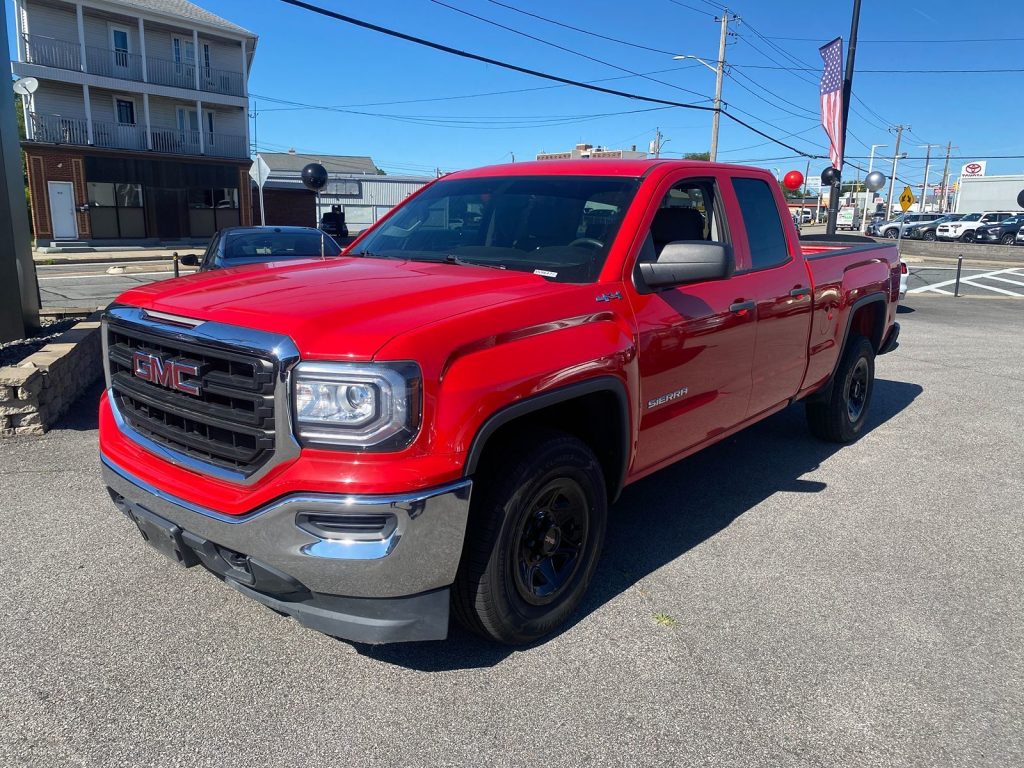
7. GMC Sierra 1500
The GMC Sierra 1500 shares much of its engineering with the Chevrolet Silverado, yet the Sierra has built its own reputation among truck owners who want durability combined with a more premium feel.
One area where the truck quietly impressed long-term owners was corrosion resistance around the bed-mounting hardware. In regions known for brutal winters, many Sierra trucks aged far better underneath than earlier GM products from previous decades.
GMC improved rust prevention through multiple changes rather than relying on a single solution. Better frame coatings played a large role, but drainage management underneath the truck mattered just as much.
Water and road salt tend to accelerate corrosion when they remain trapped around mounting locations. The Sierra’s underbody design reduced that issue by allowing debris and moisture to clear more efficiently during normal driving.
The hardware quality itself also deserves attention. Many mechanics report that Sierra bed bolts maintain structural strength even when surface corrosion becomes visible.
That distinction is important because heavily rusted-looking bolts are not always seized internally. On many aging trucks, Sierra hardware still loosens with ordinary tools instead of snapping instantly during removal attempts.
Owners who tow boats or travel frequently through wet climates have especially praised the truck’s resistance to aggressive rust formation.
Coastal moisture destroys poorly protected steel quickly, yet numerous Sierras continue operating for years without catastrophic bed-mounted corrosion. Drivers who apply seasonal rust protection sprays often preserve the underside in remarkably good condition.
Another factor helping the Sierra is how many examples avoid severe commercial abuse. While plenty serve as work trucks, many are privately owned vehicles used for commuting, towing campers, or family transportation.
This lighter usage pattern sometimes helps reduce constant exposure to mud, gravel, and construction debris that can trap moisture underneath the bed.
Long-term ownership stories strengthened the Sierra’s standing among used truck buyers. High-mileage examples frequently retain serviceable hardware long after competing trucks begin developing serious corrosion headaches.
That reliability underneath the body may not attract headlines, but it becomes extremely valuable when expensive repairs require removing the truck bed years later.
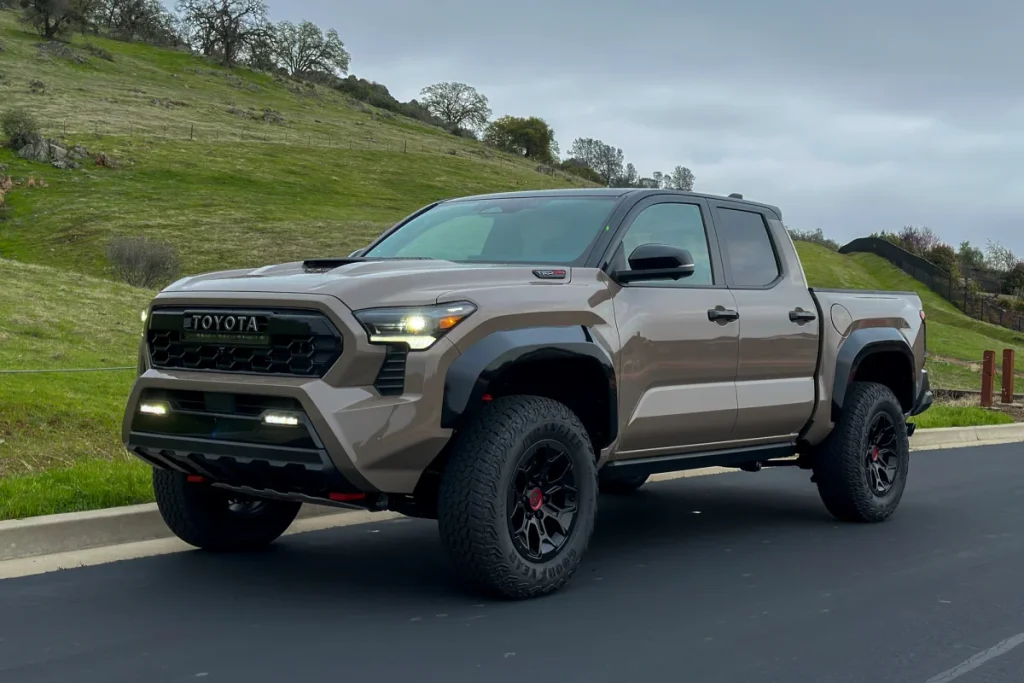
8. Toyota Tacoma
The Toyota Tacoma became famous for durability in rough environments, and despite Toyota’s historical frame rust controversies on certain older models, the Tacoma still earned praise for bed hardware longevity in many generations.
Owners who keep these trucks for decades often point out that the bed bolts remain surprisingly manageable even after hard use in snowy or muddy regions.
Part of Tacoma’s strength comes from its straightforward engineering philosophy. Toyota avoided unnecessary complexity around the bed mounting structure, which reduced places where moisture and debris could collect.
Simple layouts often age better because trapped dirt and standing water are among the biggest enemies of underbody hardware. Tacoma owners who regularly wash the underside frequently report very little severe corrosion around the mounting points.
The truck’s smaller size compared with full-size pickups also helps in certain situations. Lower weight and slightly different stress distribution can reduce long-term strain around attachment areas.
Combined with durable coatings and solid fastener quality, the Tacoma developed a reputation for maintaining structurally healthy bed hardware well into old age.
Off-road enthusiasts provide another reason the Tacoma stands out. These trucks are routinely exposed to mud, creek crossings, snow, and rocky terrain that would rapidly destroy weak corrosion protection.
Yet many older Tacomas still retain removable bed bolts after years of recreational abuse. That kind of durability impressed mechanics who regularly work on aging trucks from multiple manufacturers.
Toyota’s supplier standards also contributed to the Tacoma’s long-term reliability. The hardware generally resists severe deterioration better than cheaper, untreated components found on some competitors. Even when surface rust appears, the bolts themselves often remain functional instead of disintegrating internally.
Used Tacoma values further prove the truck’s reputation. Buyers are willing to pay strong prices for older examples partly because the platform tends to age well underneath when maintained properly.
Rust can still become a problem in neglected environments, but compared with many midsize rivals from the same era, the Tacoma consistently showed stronger resistance around its critical bed mounting hardware.
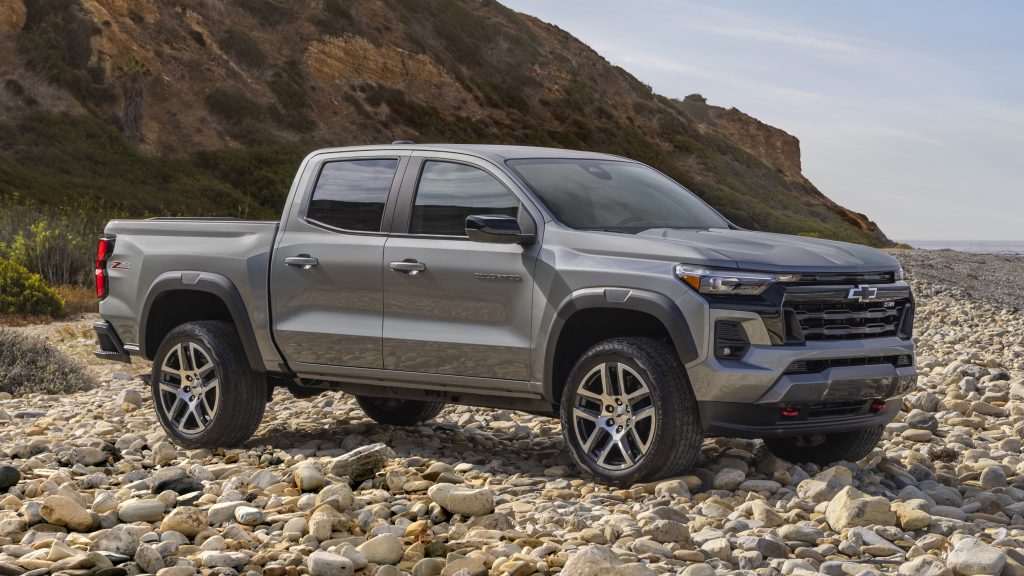
9. Chevrolet Colorado
The Chevrolet Colorado matured into one of the more durable midsize pickups when it comes to resisting corrosion around bed mounting areas. Earlier compact trucks often suffered badly from seized hardware because manufacturers treated underbody protection as a lower priority.
Chevrolet improved this with stronger coatings, cleaner frame layouts, and hardware that tolerated moisture far better during long-term ownership.
Colorado owners in northern states regularly mention how well the truck survives repeated winter exposure. Salt, slush, and road grime still create surface corrosion underneath, but the bed bolts usually remain functional years later.
That becomes important during repairs involving fuel systems, rear suspension work, or electrical routing beneath the bed.
Another reason Colorado performs well is its balanced design. The truck is capable enough for hauling and towing, yet many examples avoid the nonstop punishment experienced by heavy commercial pickups.
Because of this, the underbody often avoids excessive mud packing and trapped debris around the mounting points. Better airflow underneath the truck also helps moisture dry faster after rain or snow.
Technicians appreciate the Colorado because maintenance tends to remain manageable on older models. Instead of snapping bolts immediately during removal attempts, the hardware usually responds normally with penetrating oil and standard tools. That saves time and prevents expensive repair complications.
Chevrolet also improved factory corrosion protection throughout newer generations of the Colorado. Owners who wash the underside occasionally often preserve the bed mounting areas in excellent condition for many years.
While no truck becomes completely immune to rust, the Colorado proved far more resilient than many midsize pickups from earlier decades. Its strong balance of practicality, durability, and serviceability helped it earn respect among truck owners looking for dependable long-term performance.
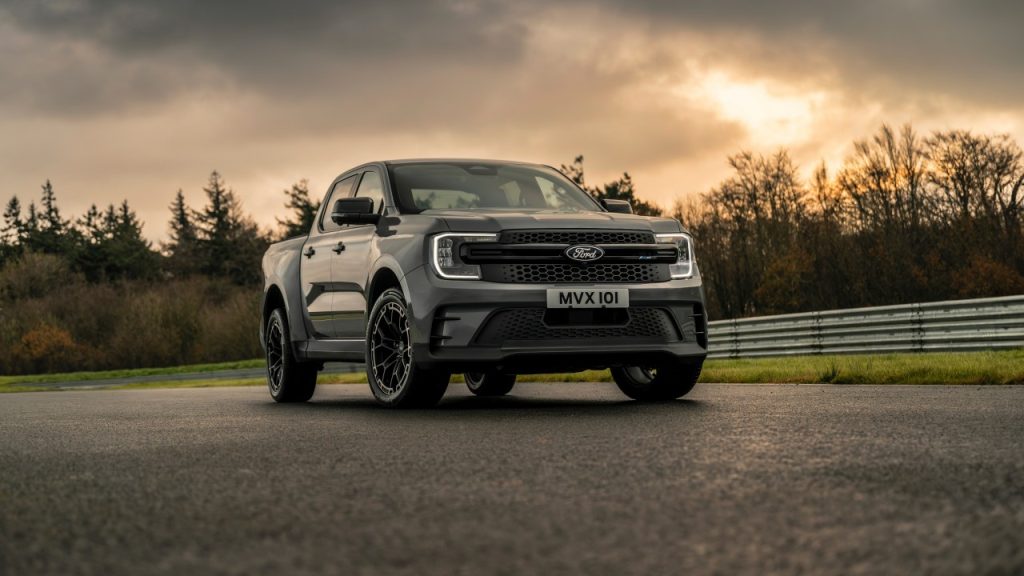
10. Ford Ranger
The Ford Ranger built its reputation through simplicity and durability, especially in global markets where trucks endure rough conditions daily. Modern Rangers continued that tradition with improved corrosion resistance around the frame and bed-mounting hardware.
Owners who keep these trucks for long periods often report that the bed bolts stay surprisingly solid even after years of exposure to rain, dirt, and winter chemicals.
Ford strengthened the Ranger’s underbody protection with better coatings and smarter drainage design. Moisture no longer sits around the mounting areas as aggressively as it did on many older compact trucks. This helps slow the formation of deep corrosion that eventually locks bolts permanently into place.
The Ranger also benefits from practical engineering. Mechanics frequently describe the truck as straightforward to service because access around the mounting points remains relatively clean and uncluttered.
Dirt buildup still occurs on heavily used trucks, but the hardware itself usually maintains enough integrity to allow normal removal procedures during repairs.
Many rangers spend their lives in demanding environments such as farms, utility fleets, and outdoor recreation use. These conditions test corrosion protection constantly. Despite that, countless high-mileage examples still retain usable bed hardware without severe structural decay underneath.
Another strength comes from the owner’s maintenance habits. Ranger buyers often treat their trucks as long-term tools rather than temporary vehicles.
Regular washing and basic rust prevention routines help preserve the underbody for many years. Combined with Ford’s improved manufacturing quality, the truck developed a strong reputation for aging gracefully.
The Ranger may not dominate headlines in the way larger pickups do, but its dependable resistance to rusted bed bolts has become one of the reasons loyal owners continue trusting it for everyday work and long-term reliability.
Also Read: 10 Most Powerful Factory Engines You Can Buy in 2026
