
Air suspension technology has transformed the way modern vehicles handle comfort, stability, and driving dynamics. Once reserved primarily for luxury sedans and high-end SUVs, air suspension systems are now available across a wider range of vehicles, from executive saloons to performance SUVs and even off-road focused machines.
Unlike traditional coil spring setups, air suspension uses inflatable air springs controlled by electronic compressors and sensors to automatically adjust ride height, damping, and stiffness based on driving conditions. This allows vehicles to deliver a smoother ride on highways, improved handling through corners, and enhanced capability over rough terrain.
For drivers who prioritize comfort without sacrificing performance, air suspension has become one of the most desirable automotive technologies available today.
Modern air suspension systems do much more than simply soften the ride. Advanced setups can lower the vehicle at high speeds for improved aerodynamics and fuel efficiency, while raising ground clearance when driving over obstacles or rough roads.
Many luxury automakers have invested heavily in refining these systems to create what feels like a floating sensation on the road. Brands such as Mercedes-Benz, BMW, Audi, Land Rover, and Porsche have all developed highly sophisticated air suspension technologies that adapt in milliseconds to changing road conditions.
Some systems even scan the road ahead using cameras and sensors, preparing the suspension before the vehicle encounters bumps or potholes. This level of sophistication has dramatically improved ride quality and passenger comfort.
For SUV buyers, air suspension offers another major advantage in the form of versatility. Vehicles equipped with adjustable ride height can comfortably cruise on highways one moment and tackle challenging trails the next. Off-road enthusiasts appreciate the additional clearance, while urban drivers benefit from easier entry and exit when the suspension lowers itself.
Luxury car owners also enjoy the prestige and premium feel associated with air suspension systems, which often create a quieter and more refined cabin experience. In recent years, advancements in durability and engineering have made these systems more reliable than earlier generations, helping increase their popularity among mainstream buyers.
Choosing a car with excellent air suspension requires looking beyond simple ride comfort. The best systems balance softness with precise control, ensuring the vehicle remains composed during aggressive driving. They also integrate seamlessly with adaptive dampers, steering systems, and driving modes to create a tailored driving experience.
Some vehicles prioritize plush comfort for long-distance touring, while others use air suspension to enhance sporty handling or maximize off-road capability. Understanding how different manufacturers tune their systems can help buyers select the right vehicle for their needs.
This article explores nine cars and SUVs that currently offer some of the best air suspension systems in the automotive industry. These vehicles stand out for their comfort, innovation, handling, and driving experience.
Whether you are looking for a luxurious daily commuter, a high-performance SUV, or an all-terrain adventurer, the following models represent the finest examples of what modern air suspension technology can achieve.
Also Read: 10 Cars With Insurance Premiums Lower Than a Compact Sedan
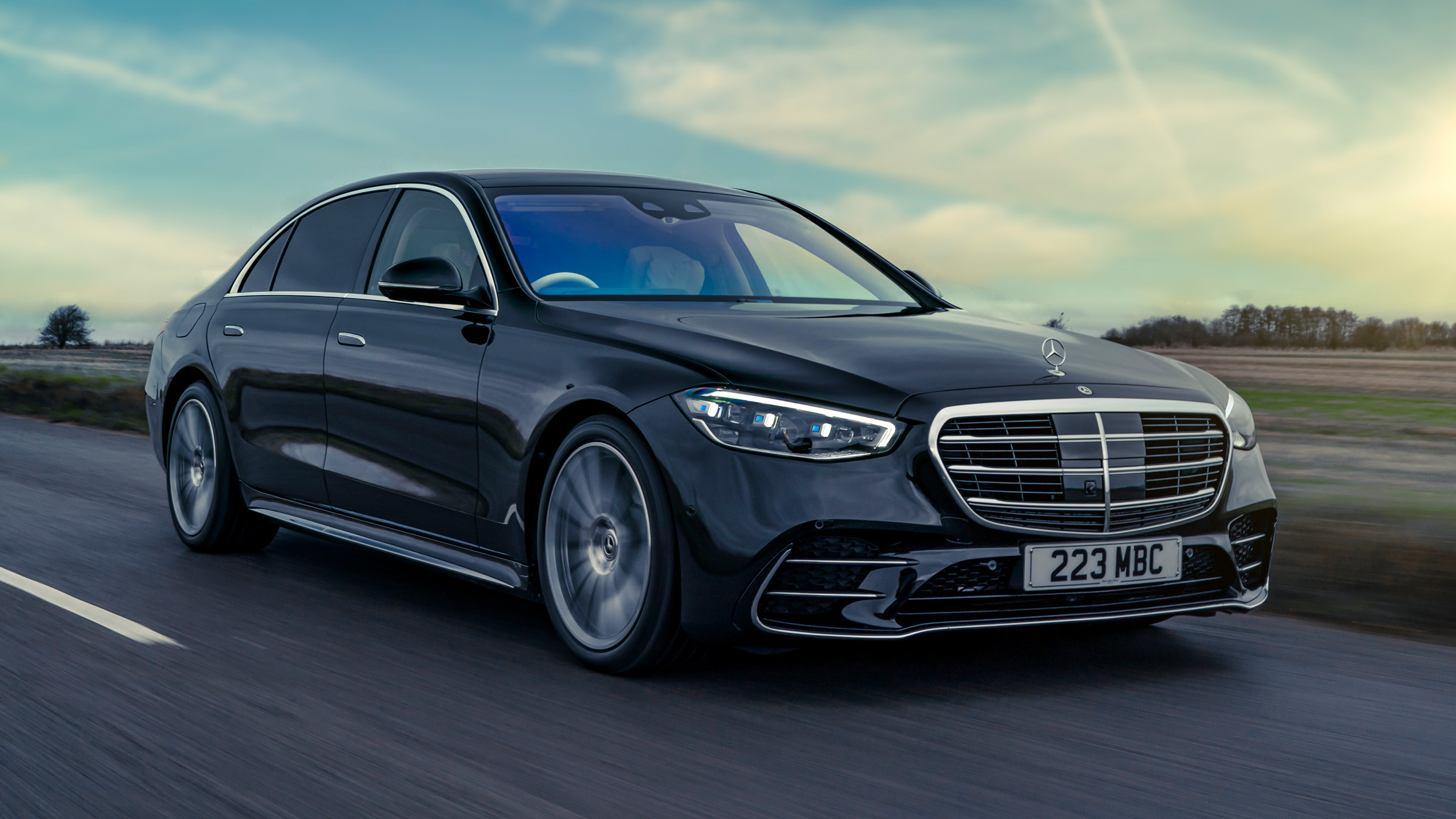
1. Mercedes-Benz S Class
The Mercedes-Benz S-Class has long been considered the benchmark for luxury sedans, and its air suspension system is one of the biggest reasons why. Mercedes introduced advanced suspension technology decades ago, and the latest S-Class continues that tradition with the sophisticated E Active Body Control system.
This setup combines air suspension with active hydraulic technology to create one of the smoothest rides available in any production car. The system constantly monitors road conditions and adjusts each wheel independently to maintain maximum comfort and stability.
One of the most impressive features of the S-Class air suspension is its predictive capability. Cameras scan the road surface ahead, identifying bumps, dips, and imperfections before the vehicle reaches them. The suspension then prepares itself in advance, minimizing disturbances felt inside the cabin.
Passengers experience an exceptionally calm and composed ride, even on rough pavement. This predictive technology gives the S Class a near-magical driving feel that few competitors can match.
Comfort is not the only strength of the S-Class suspension system. Despite its soft ride quality, the sedan remains remarkably stable through corners and at high speeds. The system can counteract body roll during turns and maintain a level stance during acceleration and braking. This creates a sense of confidence for drivers while preserving comfort for passengers. Long highway journeys become significantly less tiring because the suspension absorbs road imperfections so effectively.
The S Class also benefits from adjustable ride height. At highway speeds, the vehicle lowers itself slightly to improve aerodynamics and fuel efficiency.
In poor road conditions, the suspension can raise the car for additional clearance. This adaptability makes the sedan surprisingly practical despite its luxury focus. Drivers can switch between comfort-oriented and sportier driving modes depending on their preferences.
Mercedes engineers have refined this suspension technology to operate almost silently, contributing to the S-Class’s reputation as one of the quietest cars in the world. Combined with premium cabin insulation and advanced driver assistance systems, the air suspension creates a first-class experience that continues to define automotive luxury.
For buyers seeking unmatched comfort and technological sophistication, the Mercedes-Benz S-Class remains one of the finest examples of air suspension engineering.
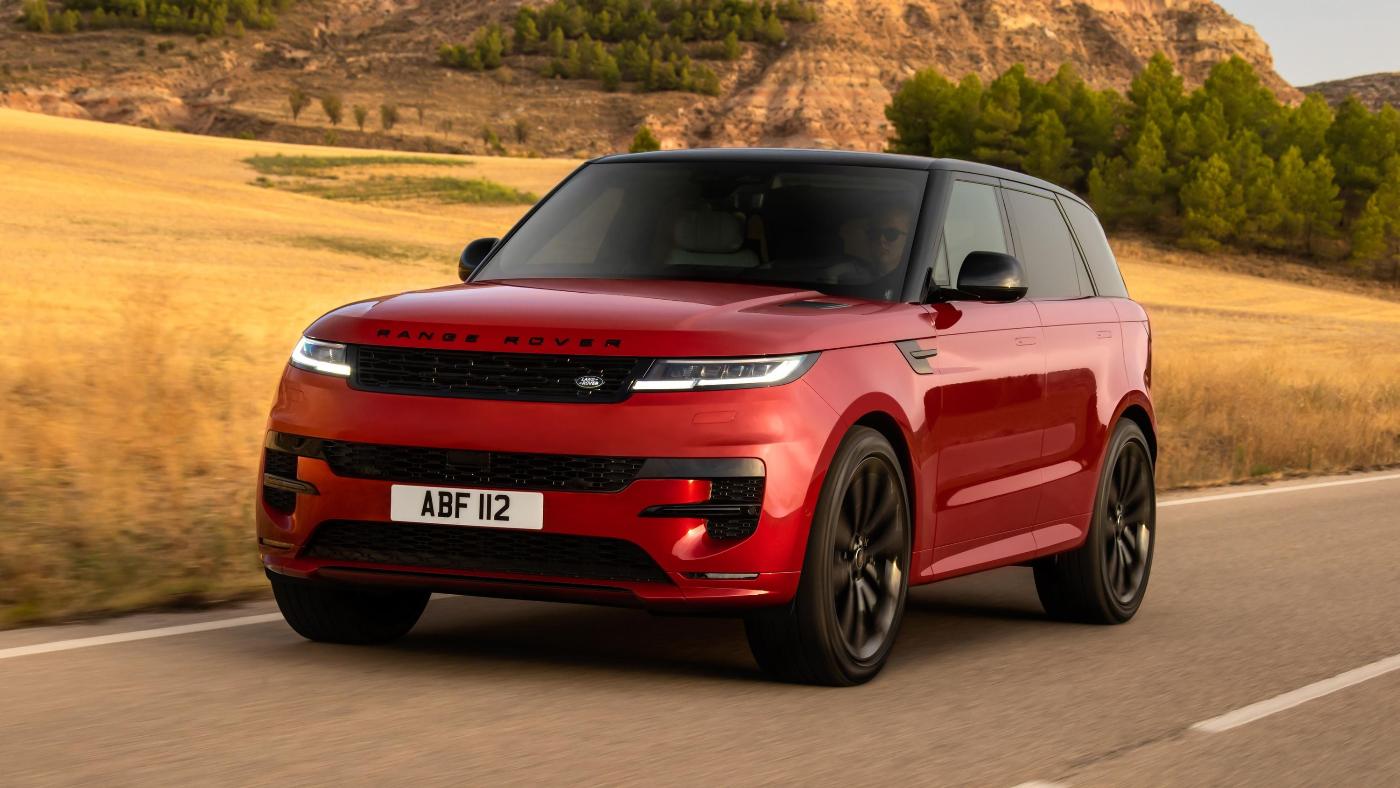
2. Range Rover
The Range Rover is famous for blending luxury with genuine off-road capability, and its advanced air suspension system plays a central role in achieving that balance. Unlike many luxury SUVs that focus primarily on road comfort, the Range Rover uses air suspension to excel both on highways and challenging terrain.
The system can dramatically adjust ride height depending on driving conditions, making the SUV one of the most versatile vehicles in the world.
On paved roads, the Range Rover delivers an exceptionally smooth and composed ride. The air suspension absorbs potholes, uneven surfaces, and highway imperfections with ease. Passengers often describe the experience as gliding across the road. Even large wheels and low-profile tires fail to compromise comfort thanks to the sophisticated suspension tuning. Long journeys feel relaxed and refined, which is essential for a luxury SUV in this segment.
Off-road capability is where the Range Rover air suspension truly shines. Drivers can raise the ride height significantly to boost ground clearance when tackling rocky terrain, deep mud, or water crossings.
The system works seamlessly with Land Rover terrain management technology, automatically adjusting height and damping for different environments. This allows the Range Rover to tackle terrain that would challenge many dedicated off-road vehicles.
Another advantage of the Range Rover suspension system is its ability to maintain stability despite the vehicle’s size and weight. Large SUVs often suffer from excessive body roll, but the Range Rover remains controlled and confident through corners. Adaptive damping continuously adjusts suspension firmness based on driving style and road conditions, ensuring a balanced experience between comfort and handling.
The latest Range Rover models also include advanced features such as automatic lowering for easier passenger entry and cargo loading.
These practical touches enhance daily usability while maintaining the premium feel expected from a flagship SUV. Few vehicles combine luxury, technology, and off-road capability as effectively as the Range Rover, making its air suspension system one of the best in the automotive world.
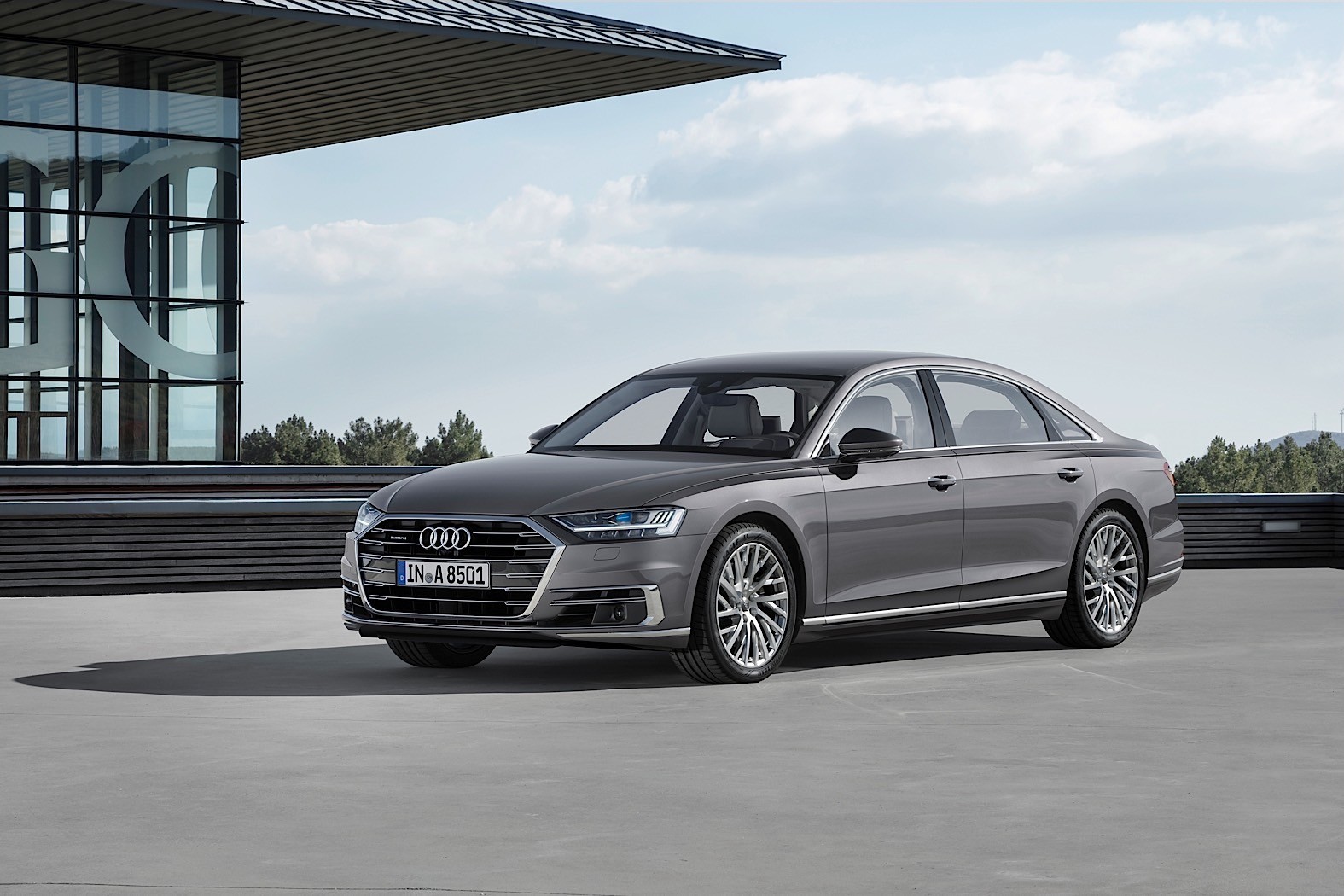
3. Audi A8
The Audi A8 represents the German brand’s pinnacle of luxury and technology, and its predictive active suspension system is among the most advanced available today. Audi engineers designed the A8 air suspension to deliver exceptional comfort while maintaining the sharp handling characteristics the brand is known for. The result is a sedan that feels refined yet engaging behind the wheel.
One of the standout features of the Audi A8 suspension system is its ability to actively manage body movement. Electric motors at each wheel can raise or lower the suspension independently, reducing body roll during cornering and minimizing pitch during braking and acceleration. This creates a smoother and more controlled driving experience, especially during spirited driving.
The A8 also uses cameras to scan the road ahead, allowing the suspension to prepare for bumps before they are encountered. This proactive approach significantly improves ride quality, particularly on uneven roads. Passengers notice fewer vibrations and jolts inside the cabin, reinforcing the A8’s reputation as a premium luxury sedan designed for comfort.
Audi has carefully tuned the air suspension to balance comfort with responsiveness. In comfort mode, the sedan feels soft and isolated from road imperfections. Switching to dynamic mode firms up the suspension and sharpens handling characteristics, giving the car a more athletic personality. This versatility appeals to buyers who want both luxury and driving enjoyment in a single package.
Another impressive aspect of the A8 suspension system is its integration with safety features. In the event of an imminent side collision, the suspension can quickly raise the body to direct impact forces toward stronger parts of the structure.
This innovative technology demonstrates how air suspension can contribute not only to comfort and performance but also to occupant safety. The Audi A8 remains one of the most technologically sophisticated luxury sedans available today.
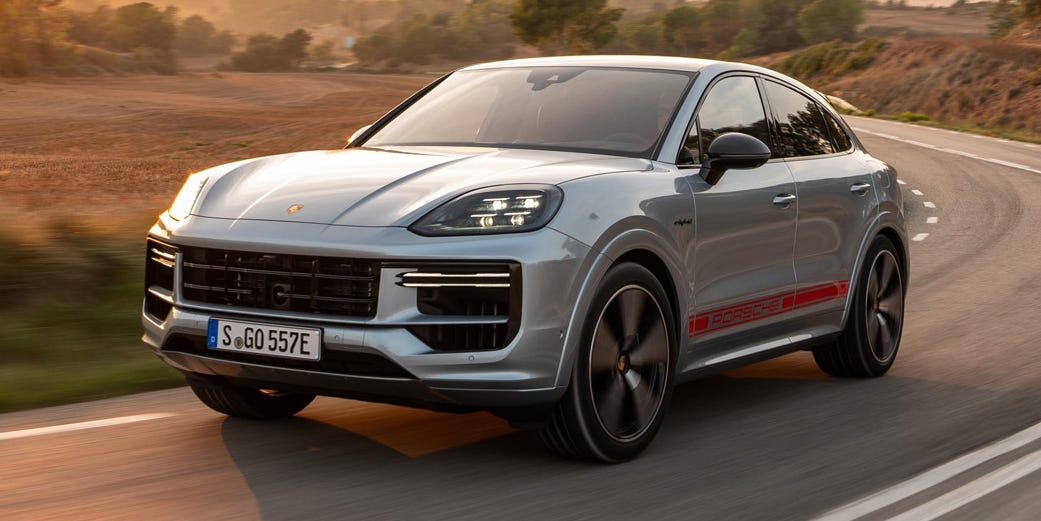
4. Porsche Cayenne
The Porsche Cayenne proves that air suspension can enhance performance as much as comfort. Unlike many SUVs that prioritize softness, Porsche engineered the Cayenne suspension system to deliver sports car-like handling while preserving everyday usability. This dual personality has helped the Cayenne become one of the most respected performance SUVs on the market.
The adaptive air suspension in the Cayenne allows drivers to adjust ride height and stiffness based on driving conditions. In comfort mode, the SUV provides a smooth and compliant ride suitable for long-distance travel. Road imperfections are absorbed effectively, and passengers enjoy impressive refinement. However, switching to sport or sport plus mode transforms the vehicle dramatically.
When driving aggressively, the Cayenne lowers itself closer to the ground, reducing body roll and improving aerodynamics.
The suspension firms up to provide sharper responses and better cornering stability. Combined with Porsche’s active suspension management, the system keeps the SUV composed even during high-speed driving on winding roads. This level of control is remarkable for a vehicle of its size.
The Cayenne also benefits from air suspension during off-road driving. Additional ride height improves ground clearance and allows the SUV to tackle rough terrain more confidently. While it is not as focused on extreme off-roading as a Range Rover, the Cayenne still offers impressive versatility for adventurous drivers who occasionally leave paved roads behind.
Porsche’s attention to detail is evident in the way the air suspension communicates with other vehicle systems. Steering, braking, and power delivery all work together seamlessly to create a cohesive driving experience. Few SUVs manage to feel as athletic and comfortable simultaneously.
The Cayenne air suspension system perfectly reflects Porsche’s engineering philosophy by combining luxury, practicality, and dynamic performance.
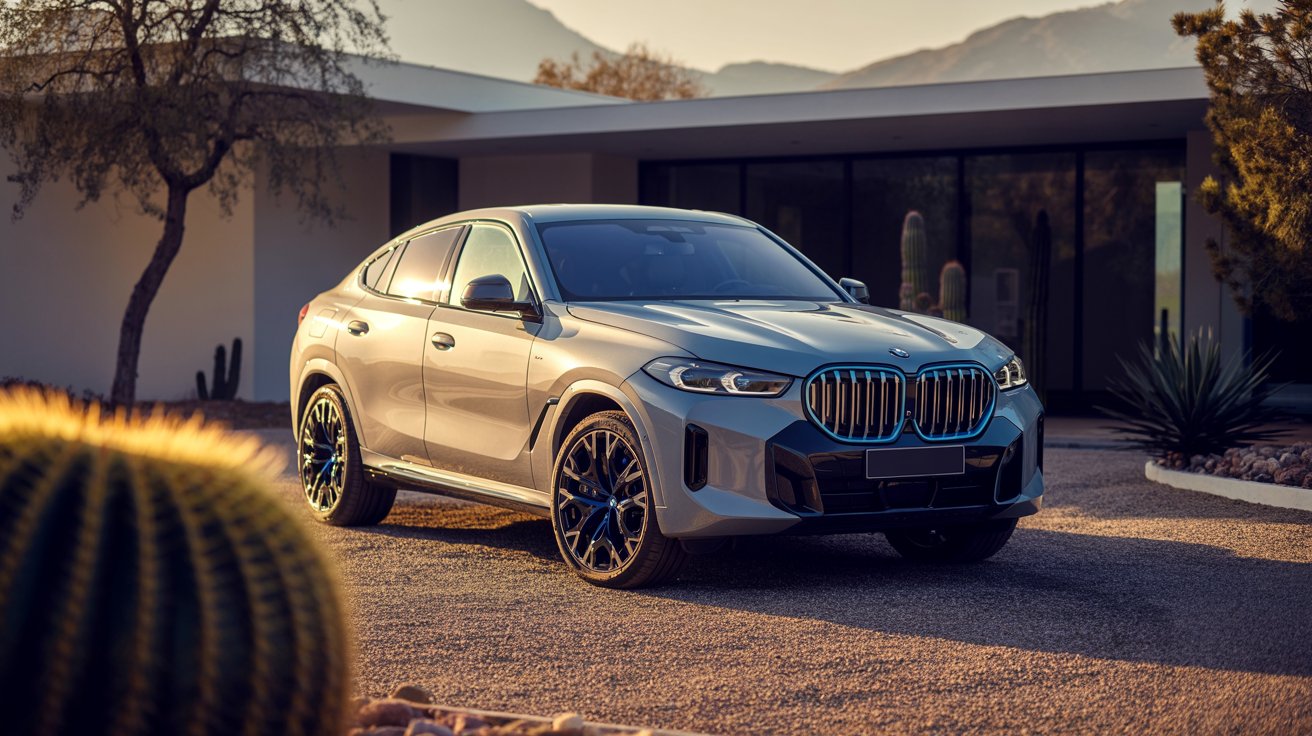
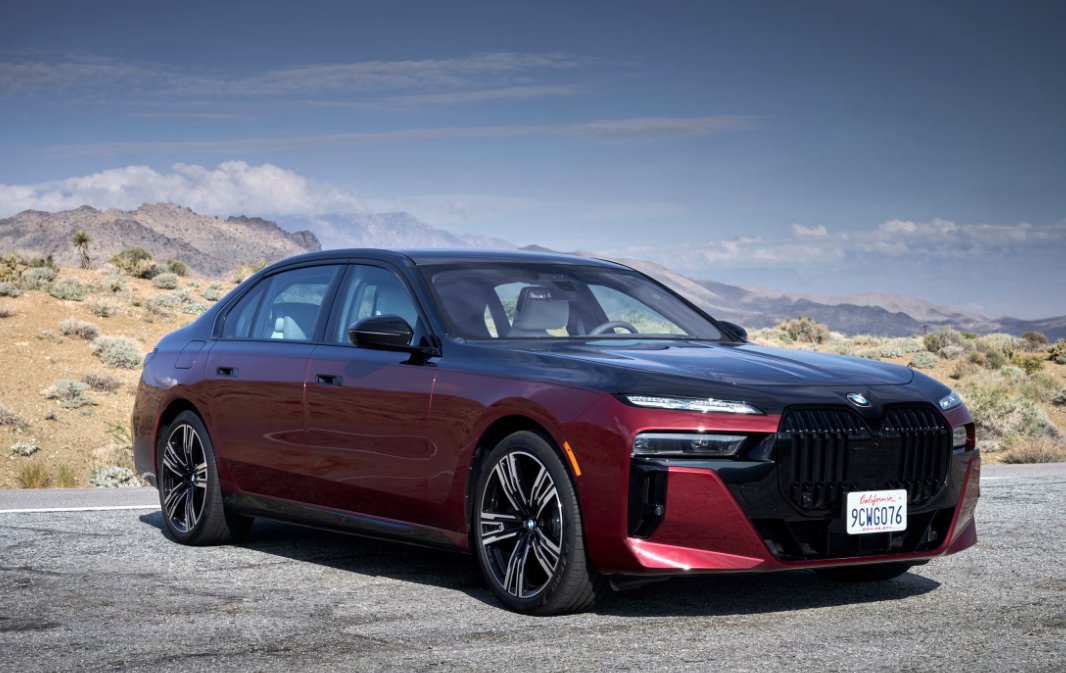
5. BMW 7 Series
The BMW 7 Series combines luxury comfort with the sporty character traditionally associated with the brand. Its adaptive air suspension system is central to achieving this balance. BMW has refined the setup to provide excellent ride quality without sacrificing driver engagement, making the 7 Series a strong competitor in the flagship luxury sedan segment.
One of the key strengths of the 7 Series air suspension is its adaptability. The system constantly adjusts damping and ride height based on speed, road conditions, and driving style. On smooth highways, the suspension delivers a calm and composed ride that isolates passengers from imperfections. In urban environments, it effectively absorbs potholes and rough surfaces.
BMW engineers have also focused heavily on maintaining precise handling characteristics. Despite its large size, the 7 Series feels surprisingly agile. The air suspension works alongside rear wheel steering and adaptive dampers to reduce body roll and improve cornering stability. Drivers benefit from a sense of control that is uncommon in full-size luxury sedans.
The suspension system also enhances efficiency by lowering the vehicle at higher speeds. This improves aerodynamics and contributes to reduced fuel consumption. Such features demonstrate how modern air suspension technology can benefit multiple aspects of vehicle performance beyond ride comfort alone.
Inside the cabin, passengers experience the refined character expected from a flagship BMW. Vibrations and road noise are minimized, creating a relaxed environment suitable for long journeys.
The suspension tuning strikes a careful balance between softness and responsiveness, ensuring that both drivers and passengers remain satisfied. The BMW 7 Series continues to showcase how luxury and sportiness can coexist effectively through advanced suspension engineering.
Also Read: 10 Cars That Survive Being Used as Daily Uber Vehicles
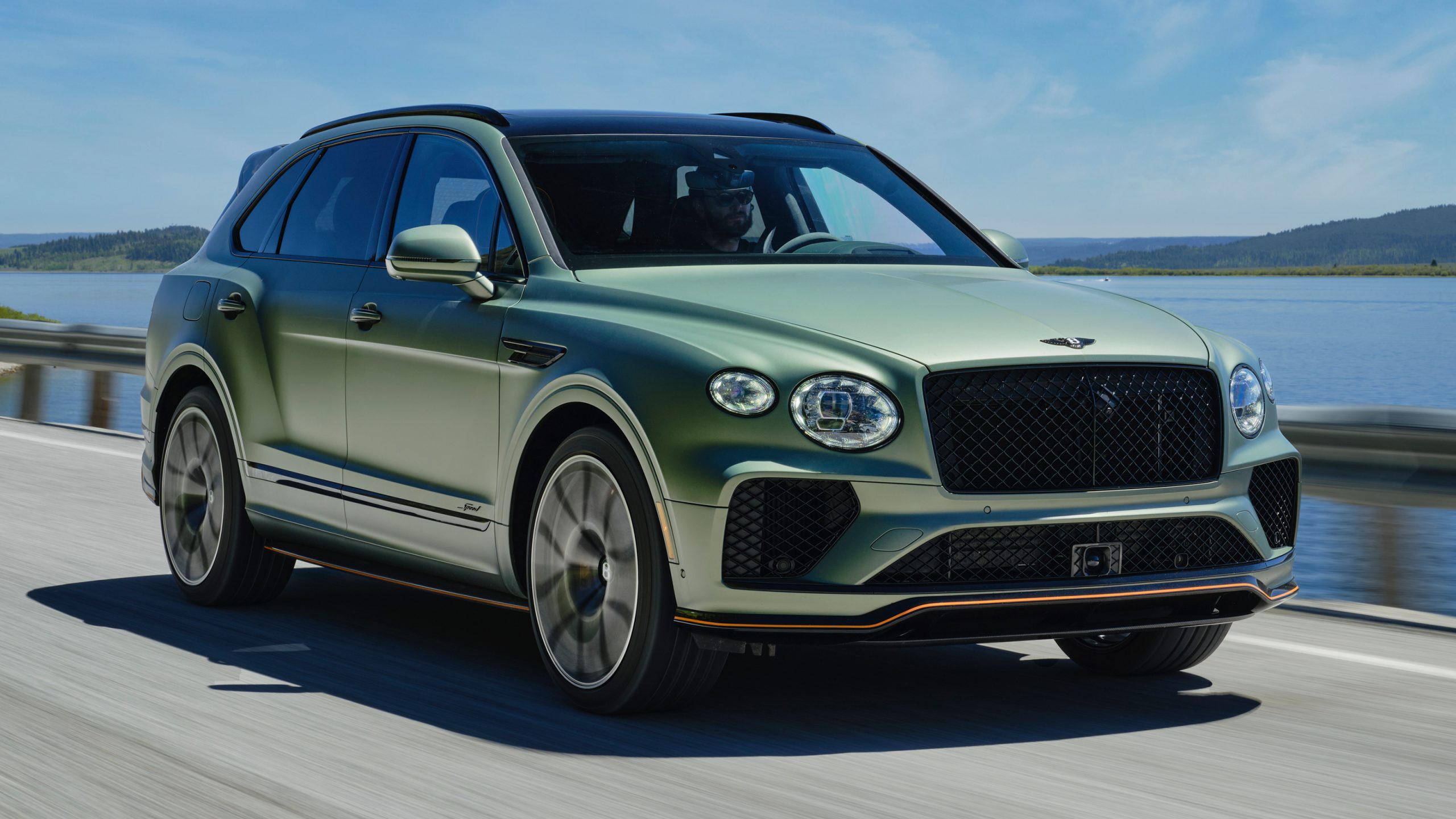
6. Bentley Bentayga
The Bentley Bentayga takes luxury SUV comfort to extraordinary levels, and its air suspension system is a major reason why. Bentley designed the suspension to deliver the refinement expected from a handcrafted luxury vehicle while preserving the performance capabilities associated with the brand. The result is one of the smoothest and most sophisticated SUVs available today.
The Bentayga uses a highly advanced three-chamber air suspension setup that allows for a wide range of adjustment. This system can vary suspension stiffness dramatically, enabling the SUV to switch between ultra comfortable cruising and surprisingly sporty handling. In comfort mode, passengers experience a serene ride quality that rivals some luxury sedans.
Despite its focus on comfort, the Bentayga handles corners with impressive composure. Active anti-roll technology works with the air suspension to minimize body movement during aggressive driving. This gives the large SUV a level of agility that defies its size and weight. Drivers can enjoy confident handling without compromising passenger comfort.
The adjustable ride height system also improves practicality and versatility. The Bentayga can raise itself for rough terrain or lower for easier passenger access and improved aerodynamics. This adaptability enhances the SUV’s ability to handle different driving situations with ease.
Bentley showcases its precision through finely tuned suspension calibration, where every movement feels smooth and intentional. This careful engineering enhances the sense of refinement inside the cabin. Paired with high-end materials and meticulous craftsmanship, the air suspension contributes to an experience that feels truly exclusive. The Bentley Bentayga highlights how advanced suspension systems can enhance both ride comfort and driving capability in the ultra-luxury segment.
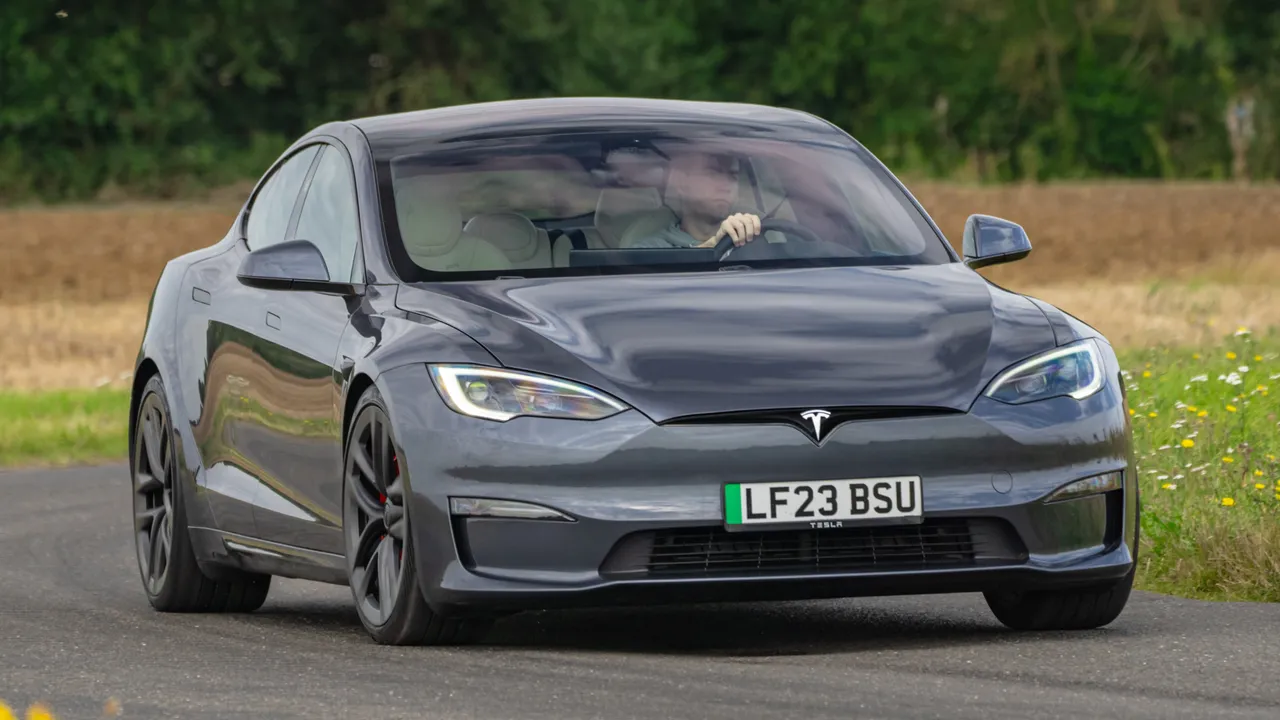
7. Tesla Model S
The Tesla Model S introduced many drivers to the benefits of air suspension in electric vehicles. Tesla designed the system to maximize efficiency, comfort, and performance while complementing the unique characteristics of an electric powertrain. Over the years, software updates have continuously refined the suspension behavior, showcasing the advantages of modern vehicle technology.
One major benefit of the Model S air suspension is its ability to improve aerodynamics. At higher speeds, the car automatically lowers itself to reduce drag and increase driving range. This is particularly important for electric vehicles, where efficiency directly affects battery performance. The system can also raise the vehicle when extra ground clearance is needed.
Ride quality in the Model S is smooth and composed, especially on highways. The suspension absorbs bumps effectively while maintaining stability during acceleration and cornering. Electric vehicles are often heavier due to battery packs, but the air suspension helps manage this weight efficiently, creating a balanced driving experience.
Tesla also uses adaptive settings that learn from frequently traveled routes. The car can remember locations where additional ride height is useful, such as steep driveways or speed bumps, automatically adjusting the suspension when approaching those areas. This feature adds convenience and demonstrates how software integration enhances the ownership experience.
Performance remains a key strength of the Model S despite its comfort-oriented suspension tuning. Instant electric torque combined with a low center of gravity allows the sedan to accelerate rapidly while remaining stable. The air suspension contributes to this stability by keeping the body controlled during aggressive driving. The Tesla Model S proves that air suspension technology works exceptionally well in modern electric vehicles.
8. Lexus LS
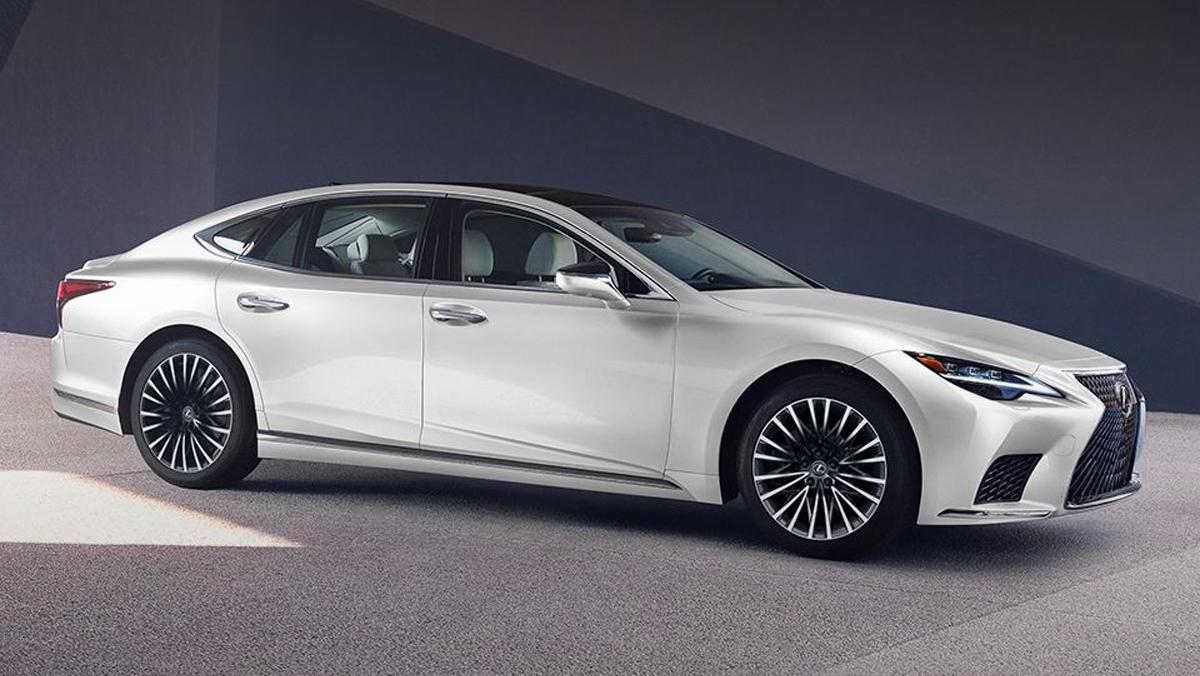
The Lexus LS is renowned for comfort, refinement, and reliability, and its adaptive air suspension system enhances all three qualities. Lexus engineers focused heavily on creating a serene driving experience, making the LS one of the most comfortable luxury sedans available today. The suspension tuning prioritizes smoothness while still maintaining enough control for confident handling.
Driving the Lexus LS feels remarkably calming thanks to the way the air suspension absorbs road imperfections. Small bumps and uneven surfaces are barely noticeable inside the cabin. This contributes to the quiet and isolated atmosphere that Lexus vehicles are famous for. Long-distance travel becomes effortless because passengers remain relaxed even after hours on the road.
The adaptive suspension also adjusts continuously based on driving conditions. During spirited driving, the system firms up slightly to improve body control and steering response. While the LS is not intended to be a sports sedan, it still handles predictably and confidently. Lexus has managed to preserve comfort without making the vehicle feel disconnected from the road.
Another advantage of the LS air suspension is its durability and smooth operation. Lexus has a strong reputation for reliability, and the suspension components are engineered with longevity in mind. Owners often appreciate the combination of advanced technology and dependable performance, which is not always guaranteed in luxury vehicles with complex systems.
Passenger comfort extends beyond ride quality alone. The suspension works alongside excellent cabin insulation and luxurious seating to create an environment that feels almost spa-like. The Lexus LS may not attract as much attention as some German rivals, but its air suspension system delivers exceptional refinement and comfort that rivals the best in the industry.
9. Audi Q7
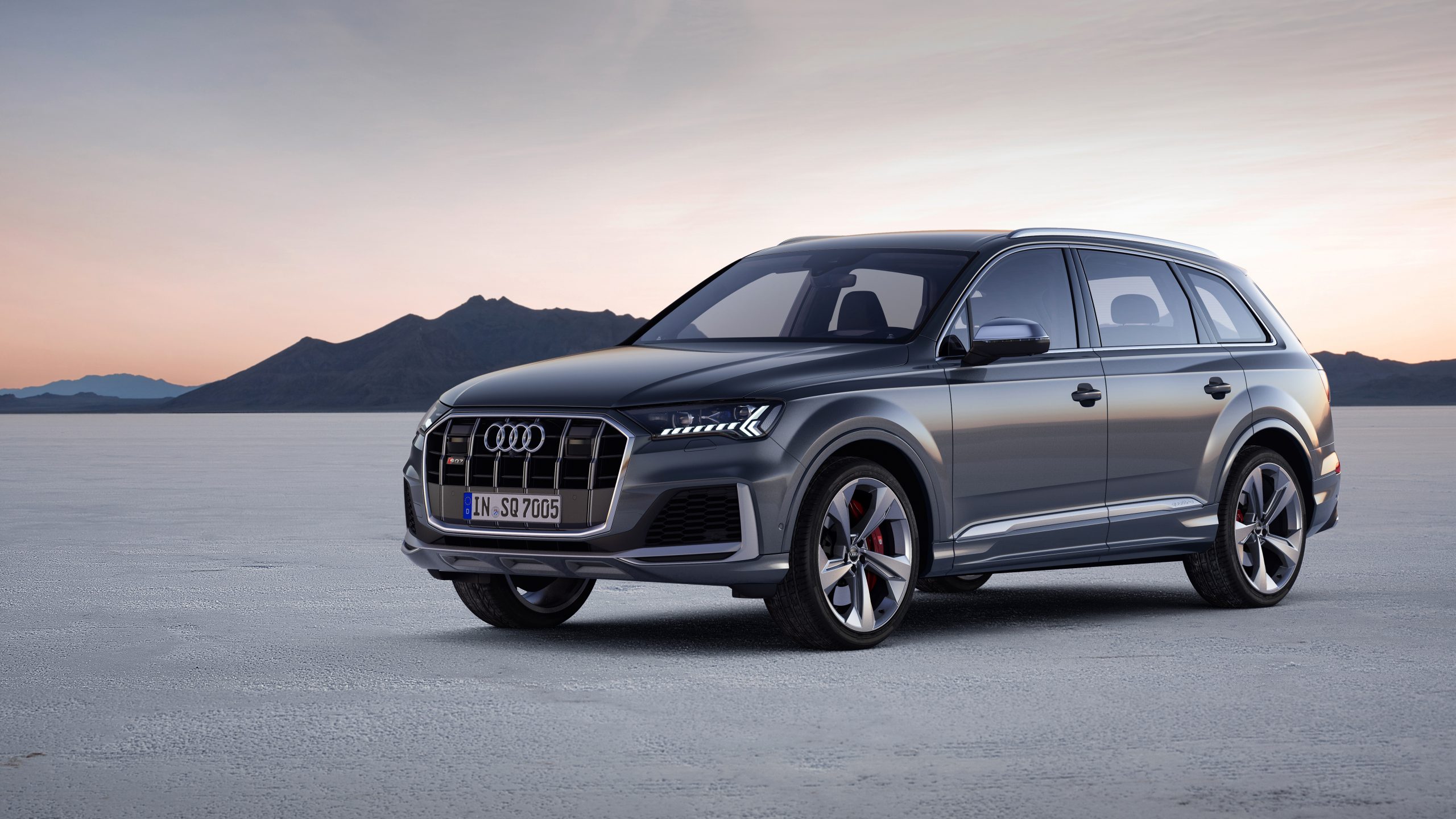
The Audi Q7 is a versatile luxury SUV that combines practicality, comfort, and advanced technology, and its adaptive air suspension system is one of its most impressive features. Designed to accommodate families while still delivering premium driving dynamics, the Q7 uses air suspension to enhance both comfort and handling across a wide range of conditions.
On everyday roads, the Q7 provides a smooth and composed ride that effectively absorbs imperfections. Whether driving through city streets or cruising on highways, passengers enjoy a refined experience with minimal vibrations and harshness. Audi has tuned the suspension to create a balance between softness and stability, ensuring confidence at higher speeds.
The adjustable ride height system improves versatility significantly. Drivers can lower the SUV for easier entry and loading or raise it when driving on rough terrain or snow-covered roads. This flexibility makes the Q7 suitable for a variety of lifestyles, from urban commuting to family road trips and outdoor adventures.
Handling is another area where the Q7 air suspension excels. The system works with Audi quattro All Wheel Drive technology to maintain grip and composure through corners. Body roll is minimized, and steering response feels precise for a vehicle of this size. This gives the Q7 a more engaging driving character than many competing family SUVs.
Technology integration further enhances the driving experience. Different drive modes allow users to customize suspension behavior according to personal preferences. Comfort mode emphasizes smoothness, while dynamic mode sharpens handling responses.
The result is a luxury SUV that adapts effectively to different situations. The Audi Q7 demonstrates how air suspension can improve practicality, comfort, and performance simultaneously.
