
Reaching 600,000 miles in fleet service is not luck. It is the result of engineering precision, relentless maintenance, and decades of real-world punishment that separates legendary trucks from average ones.
Fleet operators do not choose trucks lightly. They crunch fuel costs, downtime statistics, parts availability, and resale value before committing millions of dollars to a fleet purchase. Only a handful of truck models have consistently proven they can go the distance literally.
The trucks in this list were not chosen based on manufacturer claims or marketing brochures. They earned their reputation on highway runs, construction sites, long-haul freight corridors, and municipal service routes across the world. Each one has documented fleet histories showing odometer readings that most vehicles never approach.
600,000 miles is roughly equivalent to circling the Earth 24 times. At average highway speeds, that represents over 10,000 hours of engine run time. The mechanical stress involved is almost incomprehensible for a standard passenger vehicle.
But for these nine trucks, 600,000 miles was not the end. In many documented fleet cases, it was simply a milestone on the way to even higher numbers. What makes them special is not one single feature, but a combination of robust drivetrains, serviceable components, and designs built with longevity as a core philosophy.
This article explores each of these trucks in depth, examining the engineering decisions, real-world fleet data, and maintenance practices that allowed them to reach this extraordinary benchmark.
1. Volvo FH Series
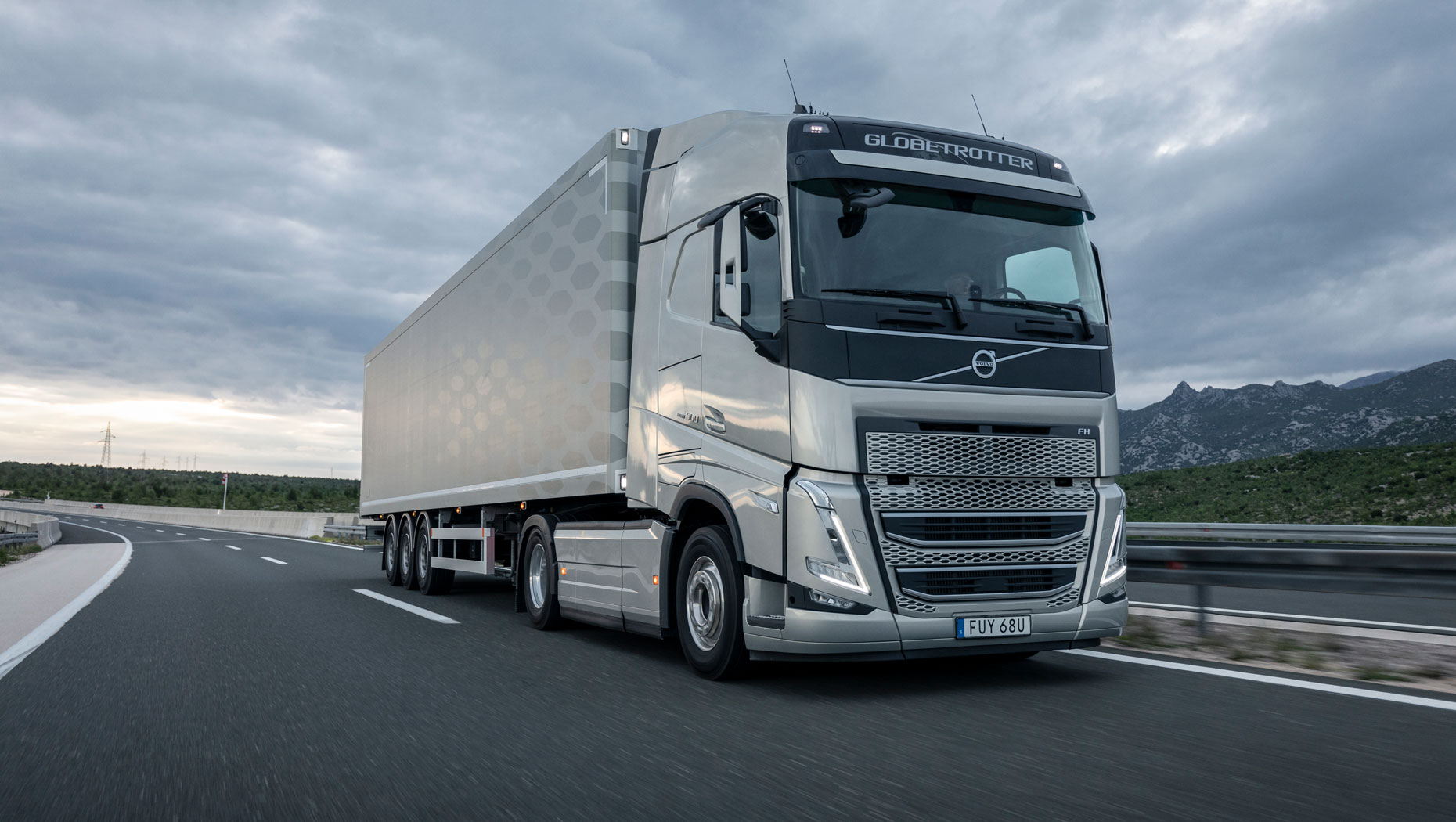
The Volvo FH Series has long been the benchmark for long-haul trucking in Europe and increasingly across global markets. It is a truck that was engineered from the ground up for maximum uptime and driver comfort. Fleet operators running Volvo FH units across Scandinavia, the UK, and Australia have reported verified mileage figures well beyond the 600,000-mile mark.
The secret lies in Volvo’s powertrain philosophy. The FH’s D13 and D16 diesel engines are built with remarkably tight manufacturing tolerances. Volvo uses a combination of forged steel components and precision-honed cylinder bores that resist wear over hundreds of thousands of miles. The engine’s architecture prioritizes low internal friction, which directly translates into extended service life.
The I-Shift automated manual transmission has been a game-changer for the FH’s longevity. It eliminates the micro-mistakes that human drivers make with conventional gearboxes. Every gear change is executed at the optimal engine speed, which reduces stress on the drivetrain and extends the life of clutch components dramatically.
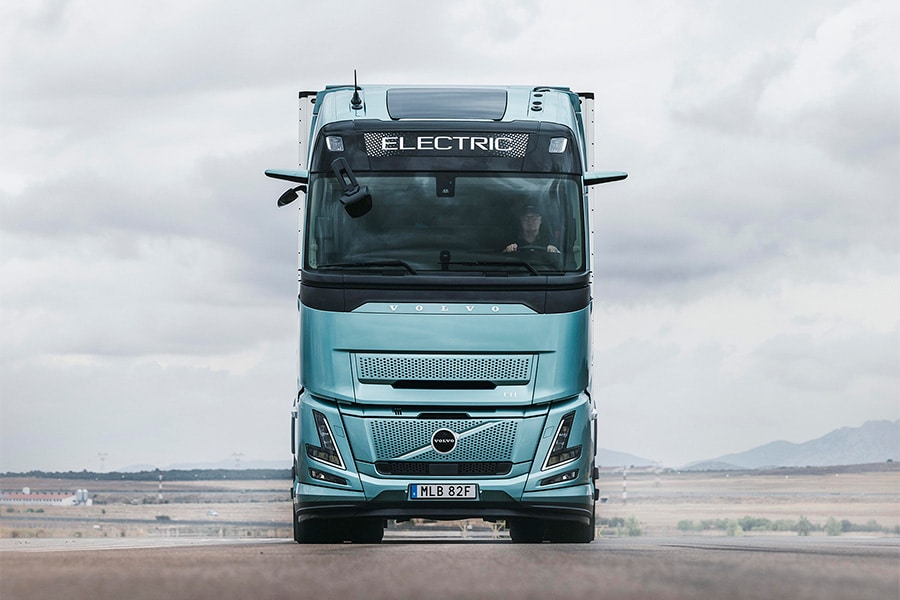
Volvo’s Dynamic Steering system also plays a role in longevity that is often overlooked. Reducing the physical strain on front axle components, it extends the service life of steering knuckles, tie rods, and wheel bearings. Less driver effort also means less overloading of these components during tight maneuvering.
Preventive maintenance is deeply embedded in the FH’s design. The truck’s ADAS driver support systems monitor everything from brake pad wear to coolant temperature variations. Fleet managers receive real-time alerts long before a problem becomes a breakdown. This predictive approach keeps FH units on the road instead of in the workshop.
European fleet operators report that FH Series trucks commonly hit 1.2 million kilometers in line-haul service. That figure translates to approximately 745,000 miles. Several documented cases in Scandinavian cold-chain logistics fleets show FH units operating beyond 800,000 miles before a major overhaul is required.
The cab structure also contributes to the FH’s longevity story. Volvo uses high-strength steel with additional galvanization in the cab floor and frame mounting points. Corrosion, which kills many trucks long before their engines fail, is aggressively engineered out of the FH’s design.
Resale value tells the real story of fleet confidence. Used FH Series units with 400,000 to 500,000 miles on the clock still command strong prices in the secondary market. Buyers know these trucks have significant life remaining. That market confidence is the ultimate validation of the FH’s long-service reputation.
2. Kenworth T680
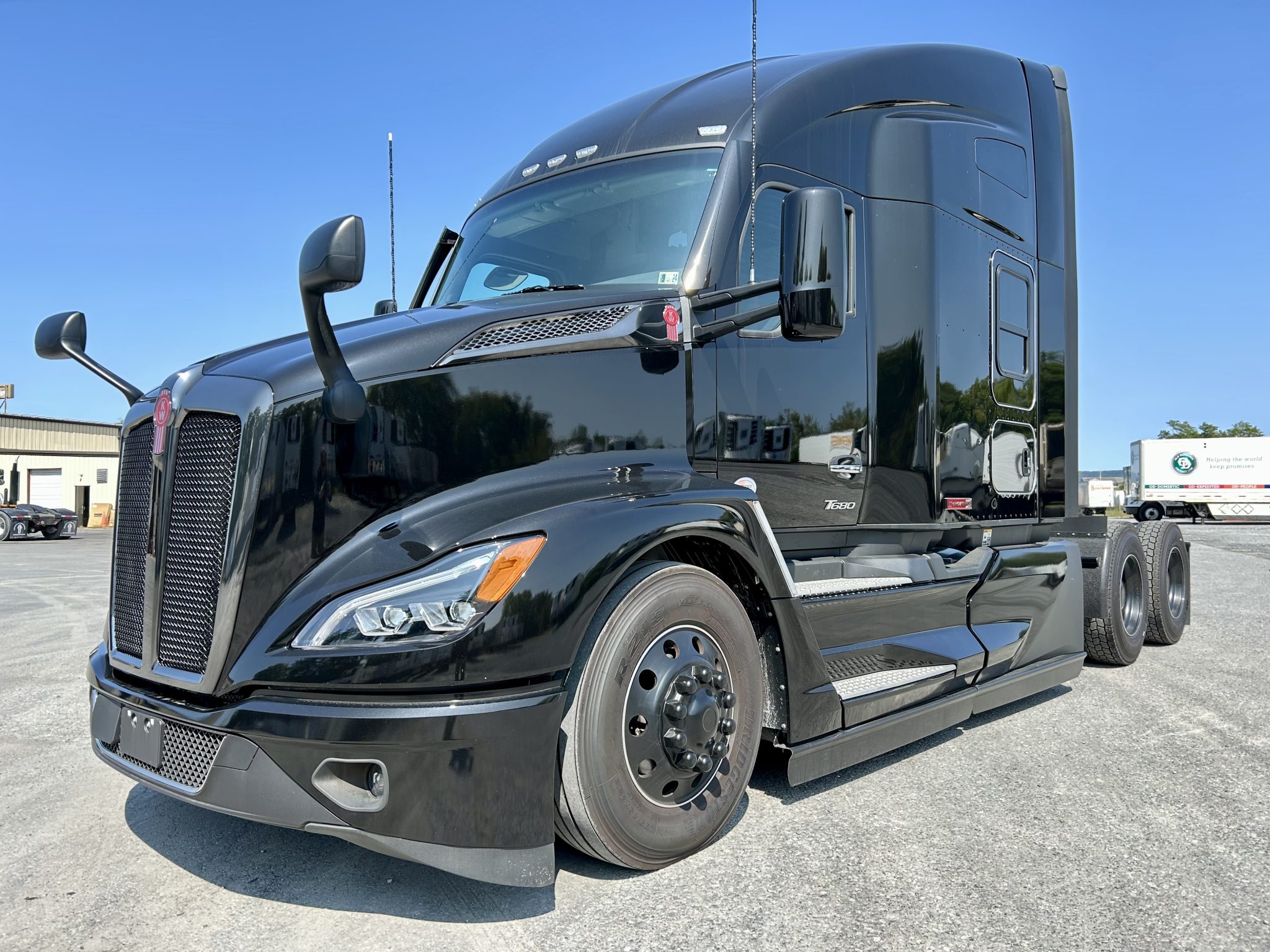
The Kenworth T680 is the workhorse of American long-haul trucking. It has redefined what fleet operators expect from a Class 8 truck in terms of fuel economy, driver experience, and total cost of ownership over a high-mileage lifespan. Fleets running T680s across the continental United States have documented units reaching and surpassing 600,000 miles with remarkable consistency.
At the heart of the T680’s longevity is its PACCAR MX-13 engine. This engine was designed with extended oil change intervals and reduced internal friction as primary objectives. PACCAR’s engineers used a compacted graphite iron block that is significantly stronger and more heat-resistant than conventional cast iron. The result is an engine that resists the micro-crack formation that eventually destroys lesser power plants.
The T680’s aerodynamic design contributes more to longevity than most operators realize. By reducing aerodynamic drag, the truck requires less fuel per mile. Lower fuel consumption means the engine runs at reduced load for the same output. Lower load means less heat, less wear, and longer component life across the entire drivetrain.
Kenworth’s integrated PACCAR automated transmission works in harmony with the MX-13 engine. The transmission’s predictive technology reads GPS-grade data and adjusts shift points proactively. This intelligent shifting minimizes unnecessary clutch engagement and keeps engine RPMs in the optimal efficiency band during hill climbs.
Frame construction on the T680 uses heat-treated alloy steel rails with tight control over yield strength. The frame is designed to absorb road shock progressively rather than transferring it rigidly through the chassis. This progressive absorption protects cab mounts, suspension bushings, and body mounting hardware over millions of miles.
Several major US trucking companies have published fleet reports indicating that their T680 units average between 550,000 and 700,000 miles before requiring a significant powertrain intervention. Companies operating temperature-controlled freight, which demands consistent engine operation, have been particularly pleased with the T680’s durability.
The sleeper cab’s structural integrity at high mileages is another point of pride for T680 owners. Unlike some competitors whose cab mounting points fatigue and cause annoying creaks and structural looseness, the T680’s cab remains tight and quiet well past the 500,000-mile mark.
Driver retention data collected by large T680 fleets shows that drivers specifically request these trucks. A comfortable, reliable truck reduces driver turnover, which itself extends vehicle life. Familiar drivers who know their specific truck maintain it more carefully and report problems earlier. This human factor is an underrated part of the T680’s longevity story.
3. Mercedes-Benz Actros
The Mercedes-Benz Actros is not simply a truck. It is a statement about what German engineering can achieve when longevity and innovation are the primary objectives. Across European fleets, the Actros has established a reputation for achieving extraordinarily high mileages with minimal unplanned downtime. Several documented European fleet operations have reported Actros units surpassing 600,000 miles and continuing in productive service.
The Actros’s OM 471 engine family is the cornerstone of its durability. Mercedes-Benz engineers designed this engine with what they call a modular diesel system architecture. This approach separates high-wear components into easily serviceable modules that can be replaced without dismantling the entire engine. Fleet maintenance costs at high mileages are substantially lower as a result.
The Predictive Powertrain Control system on modern Actros trucks uses GPS topography data to anticipate upcoming grades and corners. The system adjusts engine output and transmission behavior seconds before the terrain changes. This proactive management of powertrain stress is a significant contributor to reduced wear over long service lives.

Mercedes-Benz’s IPCS (Integrated Powertrain Control System) manages the interaction between the engine, transmission, and retarder as a single coordinated system. Fleet operators have noted that Actros trucks equipped with this system show markedly less brake wear and transmission fatigue compared to trucks where these systems operate independently.
The Actros cab construction uses aerospace-influenced bonding techniques in addition to conventional welding. Mercedes-Benz applies structural adhesives in the cab assembly that distribute stress loads more evenly than weld-only construction. This prevents the stress concentration points that eventually cause fatigue cracks in high-mileage cabs.
German fleet operators in particular have pushed the Actros to exceptional mileages. A well-documented case from a German logistics company showed a fleet of Actros MP4 units reaching an average of 1.5 million kilometers, approximately 932,000 miles, before any major engine work. These were trucks operating on consistent highway routes with rigorous scheduled maintenance.
The Actros benefits from one of the most comprehensive dealer and service networks in the commercial truck industry. Parts availability in remote locations is a critical factor for fleet operators. When a truck can be repaired quickly anywhere in its operating territory, it accumulates miles instead of sitting in unfamiliar service bays.
Mercedes-Benz’s commitment to long-interval service scheduling has also made the Actros a fleet favorite. Oil change intervals on modern Actros engines can reach 150,000 kilometers under appropriate conditions. Fewer service stops mean more productive hours and reduced total maintenance costs over the truck’s service life.
4. Peterbilt 389
The Peterbilt 389 occupies a unique position in American trucking culture. It is simultaneously a working tool and an icon. Fleets that deploy the 389 on serious long-haul routes consistently report high-mileage performance that validates its legendary status. Documented fleet cases show 389 units regularly surpassing 600,000 miles with careful maintenance.
The 389’s conventional cab design, which many assume is simply nostalgic, actually offers a meaningful engineering advantage at high mileages. The long hood places the engine far forward of the firewall, making access for maintenance and inspection genuinely easy. Mechanics can service the engine with the hood open without contorting into impossible positions. Faster service times mean less workshop downtime and more miles covered.
PACCAR MX engine options in the 389 share the same fundamental architecture as those used in the Kenworth T680. These engines are built to last, with forged internals and PACCAR’s proprietary cylinder liner design that maintains optimal combustion geometry through hundreds of thousands of miles of service.
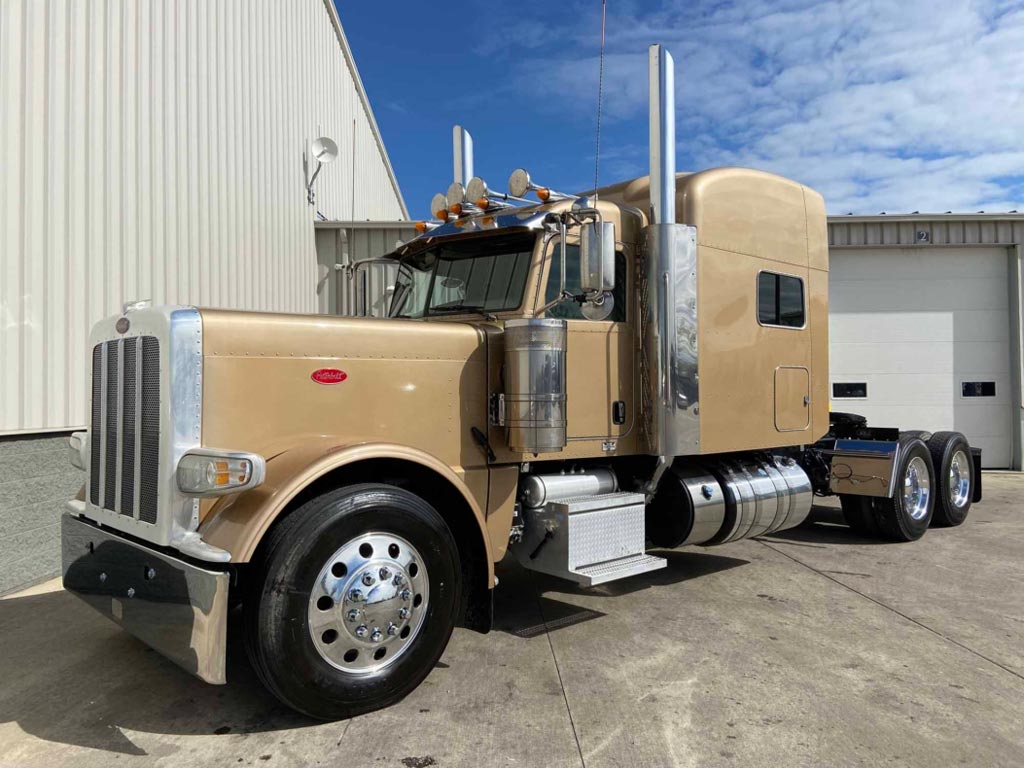
The 389’s chrome and stainless steel exterior components are not merely cosmetic. They are significantly more corrosion-resistant than painted steel alternatives. In fleets operating in regions with road salt and humidity, this corrosion resistance extends the structural life of the cab exterior dramatically.
Frame specifications on the 389 include optional heavy-duty frame rails rated to exceptional torque and payload capacities. Fleet operators matching the 389 to heavy or specialized loads benefit from the additional frame stiffness. Properly specced, the frame shows minimal fatigue after decades of heavy service.
Owner-operators who maintain meticulous maintenance logs have shared data showing 389 units exceeding 700,000 miles on original engines. These accounts, while representing ideal maintenance scenarios, demonstrate the outer boundary of what the 389 platform can achieve. Fleet operations with multiple 389 units confirm that 600,000-mile examples are not exceptional outliers but regular outcomes with disciplined maintenance.
The 389’s strong resale market creates an interesting ecosystem that supports longevity. High resale values motivate owners to maintain trucks properly throughout their service life. Trucks that will be sold at high mileages are better maintained than trucks headed for the scrap yard. This economic incentive reinforces the mechanical durability that the 389 was designed with.
Aftermarket support for the 389 is extraordinary. Because the platform uses many common PACCAR components shared across multiple Kenworth and Peterbilt models, parts are widely available and competitively priced. Fleet operators know they will never be stranded by parts unavailability, which encourages confidence in running 389 units to very high mileages.
Also Read: 10 Best Cars for Driving Cross-Country With a Dog
5. Scania R-Series
The Scania R-Series is the long-haul workhorse that European logistics companies have relied on for decades. Its modular construction philosophy, where engines, gearboxes, and axles are built to work in various combinations, allows fleet operators to specify exactly the right truck for their operational demands. That precise specification is a major factor in why R-Series units so frequently reach and exceed 600,000 miles.
Scania’s DC13 and DC16 engine families are perhaps the most celebrated diesel engines in European trucking. These engines use a modular block design where individual cylinder units can theoretically be replaced without pulling the entire engine. In practice, the internal quality is so high that such intervention is rarely needed before enormous mileage is accumulated.
The Scania Opticruise gearbox is an engineering landmark. This automated manual transmission was one of the first in the industry to use vehicle speed and road load prediction to optimize shift points. Decades of refinement have made it extraordinarily reliable. Fleet maintenance data from Scania’s own customer records shows Opticruise units requiring minimal gearbox work before 500,000 miles in normal operation.
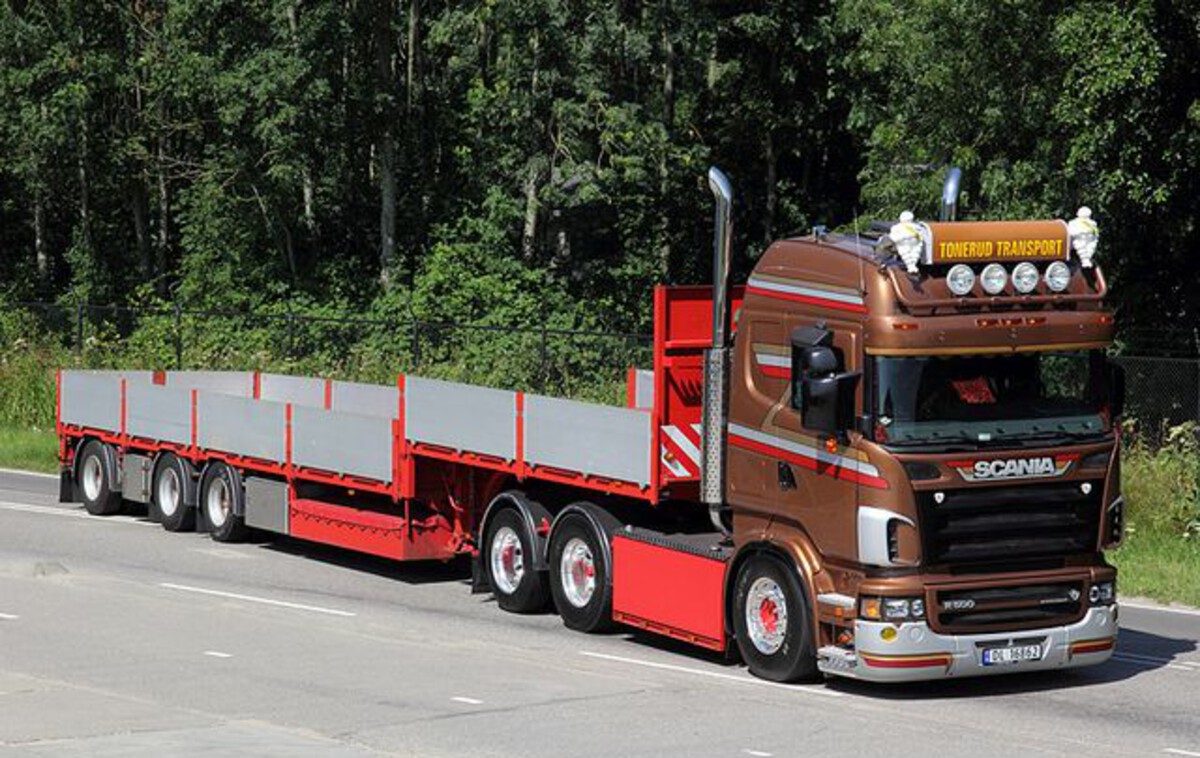
Scania’s fleet management system, now branded as Scania Fleet Management, provides real-time data on fuel consumption, brake usage, idle time, and driver behavior. Fleets using this system proactively can identify problems before they cause failures. The combination of mechanical quality and data-driven maintenance creates the conditions for extraordinary service life.
Nordic fleet operators have been particularly important in pushing the R-Series to maximum mileages. Operating in extremely demanding winter conditions with full payloads on long routes, these operators have documented R-Series trucks reaching 1.8 million kilometers over 1.1 million miles before requiring a major engine overhaul. These figures represent the pinnacle of what the R-Series can achieve.
The R-Series cab is built with Scania’s proprietary high-strength steel construction method. The cab uses a mix of conventional steel stampings and hydroformed structural members. Hydroforming produces parts with more consistent wall thickness and greater structural strength than conventional pressing. This construction method results in cabs that remain structurally tight and rattle-free at very high mileages.
Scania’s global service network is another underrated factor. With authorized service centers across Europe, Asia, and South America, R-Series fleets can be maintained almost anywhere they operate. Parts standardization across Scania’s range means that components are interchangeable across multiple model years. This part’s commonality reduces the cost of maintaining high-mileage units.
The R-Series driver’s reputation also feeds into its longevity story. Drivers who prefer the R-Series are typically experienced professionals who take vehicle care seriously. They report problems early, maintain correct tire pressures, and treat the vehicle’s mechanical systems with appropriate care. The professional culture surrounding R-Series ownership contributes meaningfully to the truck’s high-mileage track record.
6. Freightliner Cascadia
The Freightliner Cascadia is the best-selling Class 8 truck in North America, and its sales dominance is not accidental. It was designed with fleet economics as the primary objective, and fleet economics over a 600,000-mile service life demands exceptional durability.
Multiple large North American fleets have documented Cascadia units reaching and surpassing 600,000 miles in regular line-haul service. The Cascadia’s Detroit DD13 and DD15 engine options are central to its long-service reputation. Detroit Diesel redesigned both engines with extended oil drain intervals as a core objective.
The DD15, in particular, uses a patented X15 efficiency series block design that manages thermal expansion more effectively than older engine architectures. Controlled thermal expansion means cylinder bore geometry stays closer to optimal throughout millions of thermal cycles.
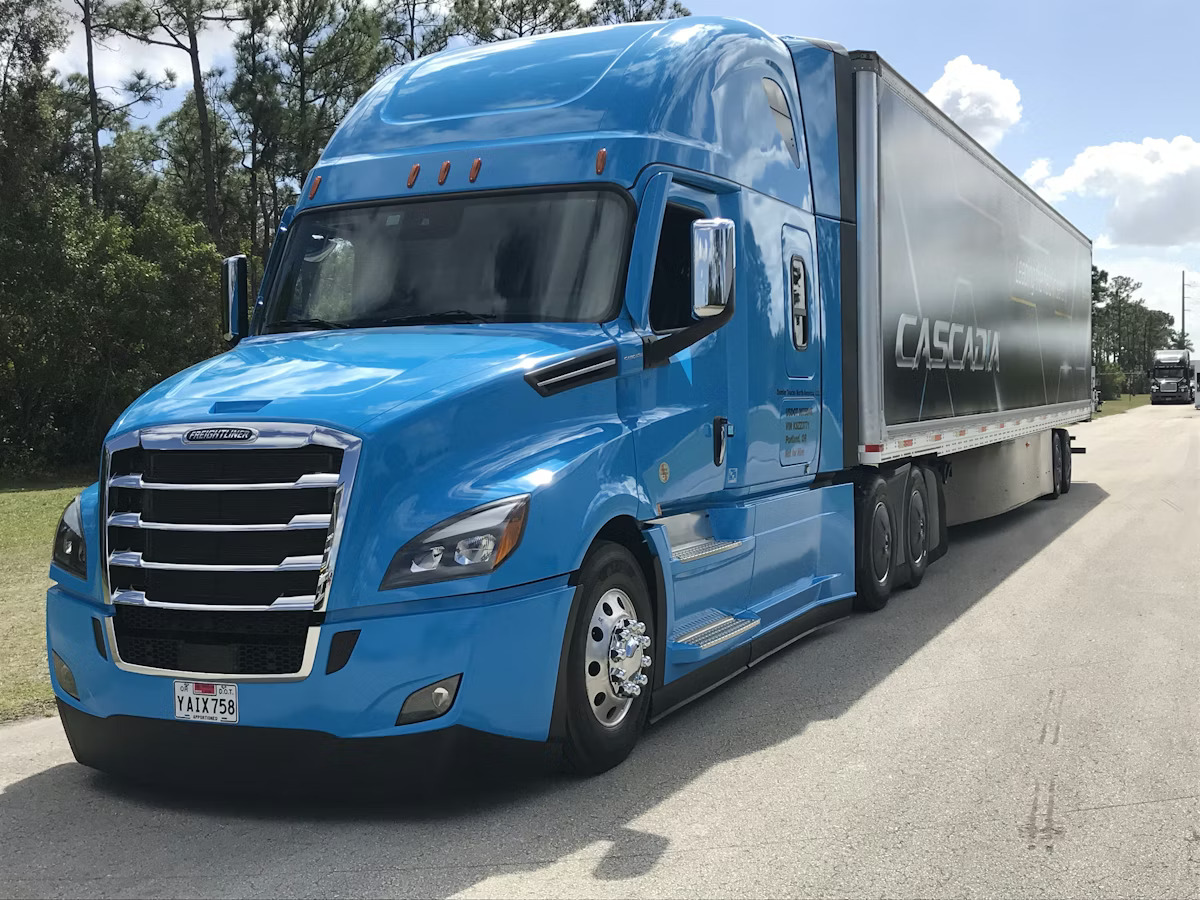
The Detroit DT12 automated manual transmission, available across the Cascadia lineup, uses predictive cruise control that integrates with GPS topography data. The transmission anticipates grade changes and shifts proactively, keeping engine load in the optimal efficiency range. This intelligent power management is a major contributor to reduced drivetrain wear over high-mileage service.
Freightliner’s aerodynamic investments in the Cascadia go beyond fuel savings. The truck’s integrated fairings, chassis skirts, and trailer gap reducers lower the drag coefficient substantially. Lower aerodynamic drag allows the engine to operate at reduced throttle for highway cruise, which directly reduces thermal stress and combustion wear.
The Cascadia’s Detroit Connect telematics platform provides fleet operators with detailed vehicle health monitoring. Engine fault codes, brake performance data, and predictive maintenance alerts are transmitted in real time.
Large fleets using Detroit Connect report measurable reductions in unplanned downtime. Less unplanned downtime means more miles, and more miles mean the per-mile cost of the original truck investment continues to fall.
Several of North America’s largest trucking companies have published sustainability reports that include fleet longevity data. These reports consistently show Cascadia units averaging between 600,000 and 750,000 miles before major powertrain reconditioning. The Cascadia’s parts availability through Freightliner’s extensive dealer network makes maintenance at high mileages practical and cost-effective.
The Cascadia’s structural engineering includes a fully integrated cab and chassis mounting system that uses elastomeric isolators to separate cab vibrations from chassis movement. This isolation protects the cab structure and interior components from the cumulative fatigue that causes cab deterioration in high-mileage trucks. Drivers report that even high-mileage Cascadias feel structurally solid.
Fleet resale data for the Cascadia shows strong residual values at 500,000 miles and beyond. Secondary buyers know that these trucks have significant mechanical life remaining. This healthy resale market creates a positive feedback loop that encourages fleet operators to maintain Cascadias properly throughout their service life.
7. MAN TGX
The MAN TGX is Germany’s answer to the question of what a truck looks like when efficiency and longevity are treated as inseparable objectives. Across European fleet operations, the TGX has earned a reputation for delivering high mileages with low total operating costs.
Documented fleet histories from German, Polish, and Benelux operators consistently show TGX units reaching 600,000 miles and beyond. MAN’s D26 and D38 engine families are the powertrain foundation of the TGX’s longevity.
MAN uses a unique combustion chamber design that promotes more complete fuel burn at a wider range of operating loads. More complete combustion means less carbon deposition on injectors, valves, and exhaust passages. Clean combustion systems maintain their efficiency further into the engine’s service life.
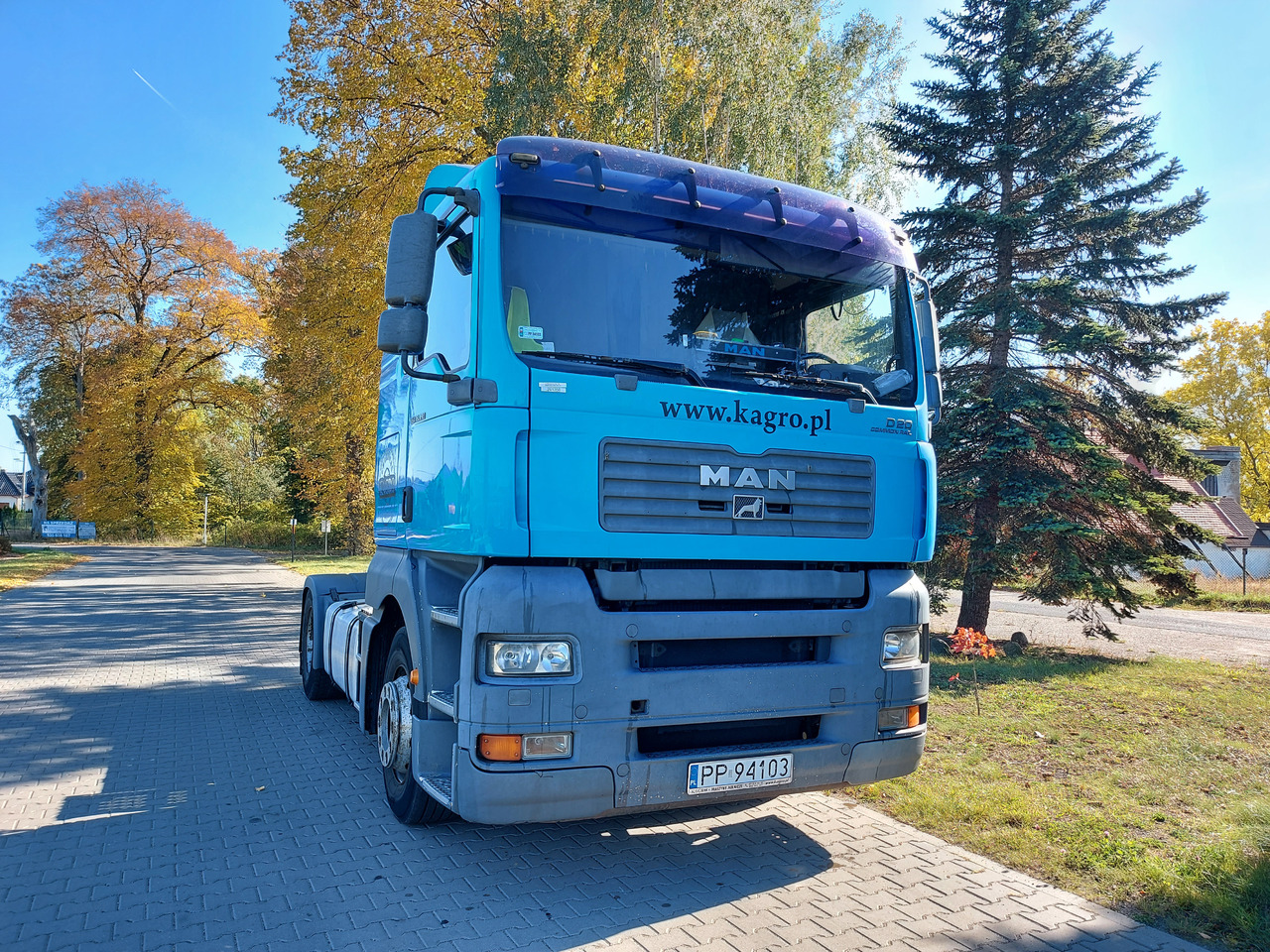
The MAN TipMatic transmission system uses a proprietary control algorithm that continuously learns the specific driver’s behavior and adapts shift strategies accordingly. Over thousands of miles, the system optimizes itself for the individual driver and route characteristics. This adaptive behavior reduces unnecessary wear from gear hunting and suboptimal shift timing.
MAN’s EfficientCruise predictive cruise control system takes a similar approach to powertrain management as Scania and Volvo. The system reads GPS topography data and plans a kinetic energy strategy for the upcoming terrain. By using gravity to coast downhill and recovering momentum, the system reduces both fuel consumption and brake wear simultaneously. Lower brake wear has a compounding effect on fleet economics at high mileages.
The TGX frame uses MAN’s proprietary ladder frame construction with additional crossmember reinforcement at high-stress attachment points. MAN engineers used finite element analysis to identify exactly where fatigue cracks initiate in high-mileage trucks. These weak points were addressed with targeted reinforcement that adds minimal weight but dramatically improves frame fatigue life.
Eastern European fleet operators, who often push trucks harder and farther than their Western European counterparts, have been consistent advocates for the TGX’s high-mileage capability. Polish logistics companies operating TGX fleets on demanding international routes report average mileages of 1.3 to 1.6 million kilometers before major engine work. These figures translate to approximately 800,000 to 1 million miles.
MAN’s ProfiDrive driver training program has also contributed to the TGX’s high-mileage reputation in an indirect but meaningful way. Fleets that have invested in driver training through this program report measurably lower fuel consumption and component wear rates. Better-trained drivers extend truck life because they understand how to use the truck’s systems in ways that minimize stress on mechanical components.
The TGX’s cab comfort level has a practical longevity benefit. Driver fatigue causes thousands of micro-decisions per journey, and fatigued drivers make more errors that stress mechanical systems. The TGX’s ergonomic cab reduces driver fatigue on long runs, which indirectly reduces the frequency of hard braking events, aggressive acceleration inputs, and other behaviors that accelerate wear.
8. DAF XF
The DAF XF has won the International Truck of the Year award multiple times, and those accolades reflect genuine engineering achievement rather than marketing momentum. European fleet operators running DAF XF units on long-haul routes have consistently documented exceptionally high-mileage performance. Multiple fleet operations have reported XF units surpassing 600,000 miles with original engines and drivetrains intact.
The PACCAR MX-11 and MX-13 engines powering the XF are the same engine family developed for the Kenworth and Peterbilt trucks discussed earlier. PACCAR’s investment in this engine architecture has benefited both its American and European brands. The MX engine’s cast-in-place cylinder liners, precision-balanced crankshaft, and optimized cooling system are direct contributors to the XF’s high-mileage capability.
DAF’s TraXon gearbox, developed in partnership with ZF, brings the ZF-7 automatic transmission’s reliability to the XF drivetrain. ZF transmissions have one of the best reliability records in the commercial vehicle industry. Their consistent performance across millions of fleet miles of documented data gives fleet procurement managers high confidence in specifying XF units for high-mileage routes.
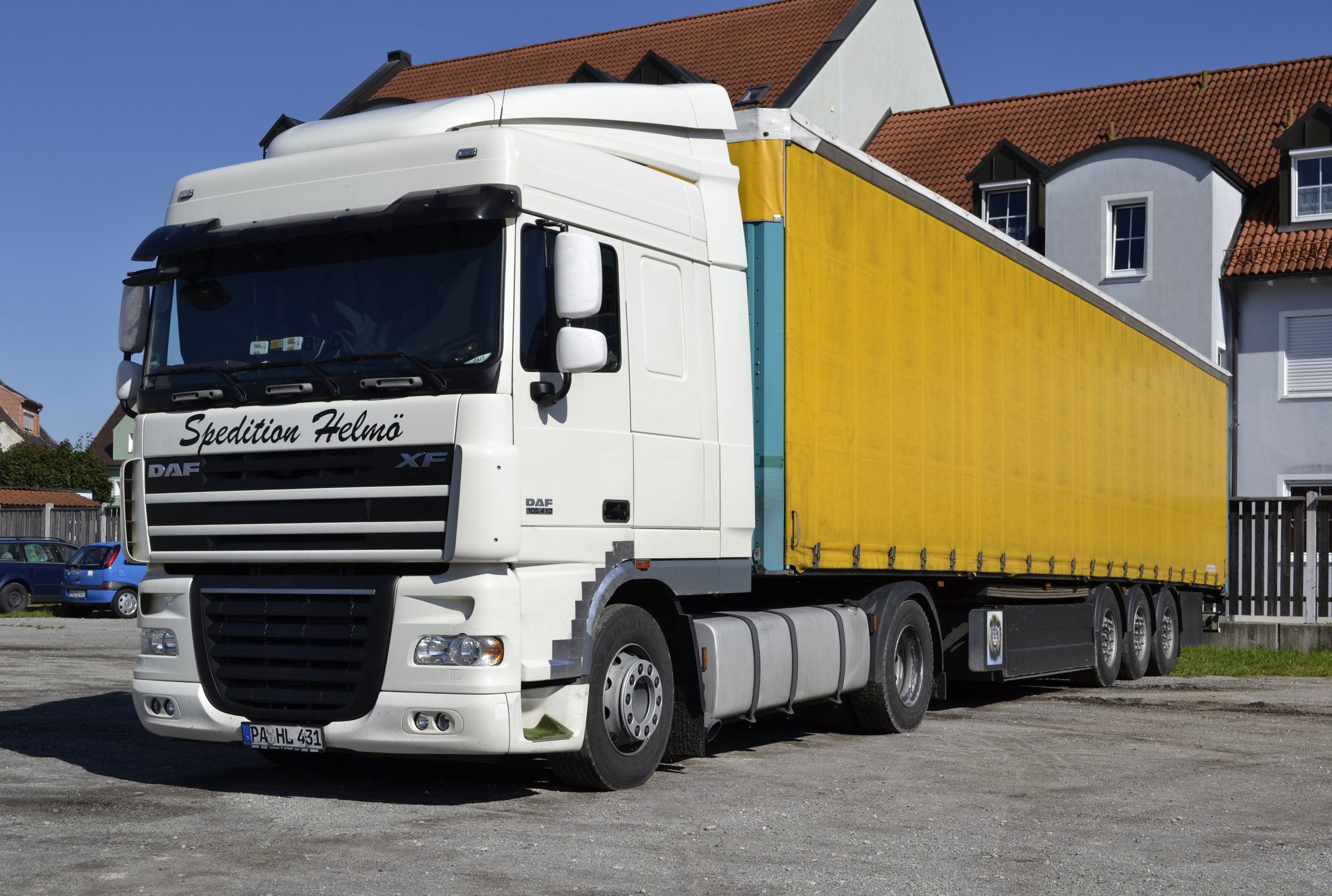
The XF’s cab design underwent a fundamental structural revision with the XF generation 5 introduction. DAF engineers used structural simulation software to optimize the cab frame topology. The result was a cab structure that uses material precisely where strength is needed and eliminates mass where it is not. This optimized structure is both lighter and stronger than its predecessor.
DAF’s Performance Guarantee service contracts have been instrumental in building fleet confidence in the XF at high mileages. Under these contracts, DAF commits to specific uptime guarantees for XF fleets. The commercial commitment to uptime performance forces the engineering teams to build trucks that genuinely achieve the guaranteed reliability levels. When the manufacturer’s commercial exposure depends on vehicle uptime, engineering quality improves.
Dutch and Belgian fleet operators have been important proof points for the XF’s longevity. Operating on demanding European routes with full payloads and tight delivery schedules, these fleets have accumulated extensive high-mileage data on XF units. Average fleet mileages of 1.2 to 1.5 million kilometers before major intervention are commonly reported in these markets.
The XF’s complete digital integration allows it to connect with modern fleet management systems from multiple vendors. This flexibility means fleet operators can use their preferred telematics provider to monitor XF units. Better data means better maintenance scheduling, and better maintenance scheduling is one of the most powerful tools for extending truck service life.
DAF’s expanding global service network has made the XF a realistic choice for operators in markets beyond Europe. As the service network grows, so does the ability to maintain XF units at high mileages in more remote locations. This expanding support infrastructure continues to grow the pool of operators willing to push XF units to maximum mileage.
9. Mack Anthem
The Mack Anthem represents Mack Trucks’ most ambitious reinvention in decades. It combines the brand’s century of durability heritage with modern aerodynamics, intelligent powertrains, and data-driven fleet management tools. Large American freight fleets deploying the Anthem have reported units reaching 600,000 miles with mechanical reliability that has impressed even experienced fleet managers.
The Mack MP8 and MP8HE engines are the powertrains that make the Anthem’s high-mileage performance possible. The MP8’s block casting uses a high-silicon aluminum alloy that provides exceptional thermal stability. Consistent thermal behavior means cylinder bores and piston rings maintain their designed geometry throughout extended thermal cycling. Consistent geometry is the foundation of long engine life.
Mack’s mDRIVE automated manual transmission uses Mack’s proprietary road grade prediction system to select optimal gear ratios. The mDRIVE’s predictive capability is particularly valuable on the varied terrain found across North America. By avoiding gear hunting on rolling terrain, the transmission significantly reduces clutch pack wear compared to manually shifted transmissions or basic automatic systems.
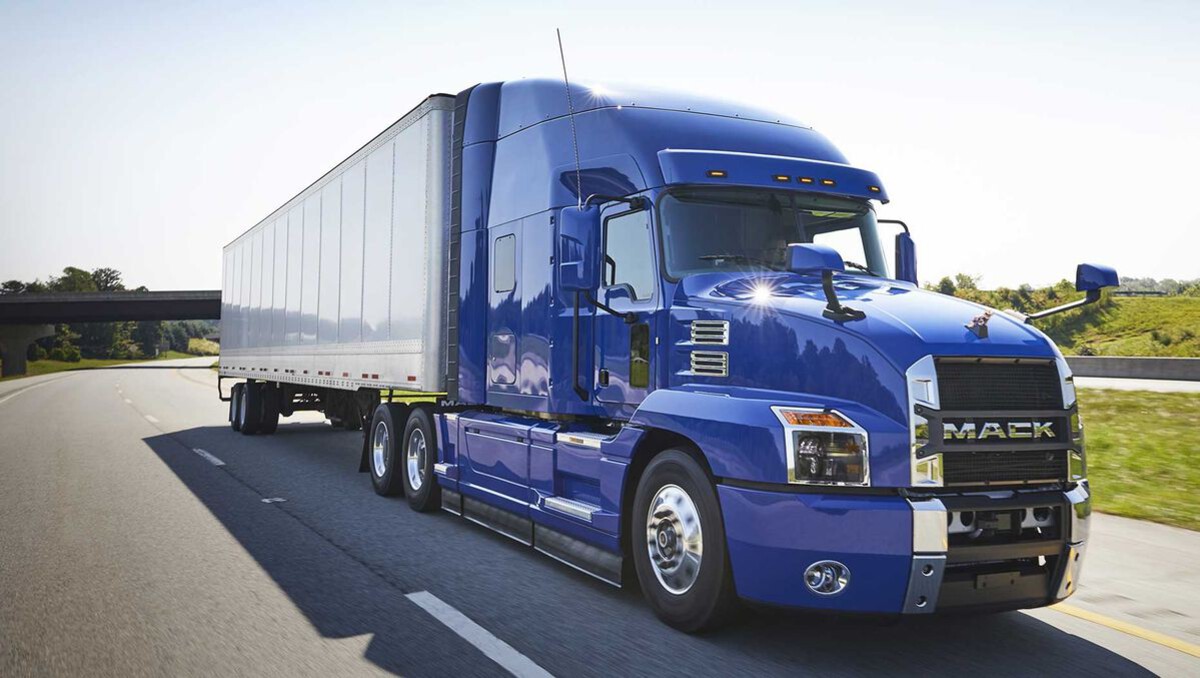
The Anthem’s Co-Pilot driver interface provides real-time feedback on driving efficiency. Drivers receive immediate coaching on fuel economy, braking habits, and idle management.
This continuous coaching creates a feedback loop that improves driver behavior over time. Fleets using Co-Pilot actively report measurable improvements in vehicle wear rates because their drivers develop better habits.
Mack’s GuardDog Connect telematics system monitors the Anthem around the clock. The system uses sophisticated algorithms to distinguish between normal wear patterns and anomalies that signal developing problems.
Fleet managers receive specific maintenance recommendations rather than generic alerts. This targeted approach to preventive maintenance keeps Anthem units running longer between unplanned stops.
The Anthem’s frame uses high-strength steel rails with Mack’s proprietary heat treatment process. The heat treatment creates a harder surface layer while maintaining a tough, ductile core in the rail material.
This case-hardened outer layer resists the surface pitting that eventually propagates into fatigue cracks in conventionally manufactured frame rails. The result is a frame that accumulates mileage without developing the stress-induced micro-cracking that shortens the life of lesser frames.
American fleet operators in the less-than-truckload and full truckload sectors have been enthusiastic advocates for Anthem’s durability. Several publicly available fleet case studies document Anthem units achieving 600,000 miles with original engine components in place. One documented case from a major southeastern US fleet showed multiple Anthems exceeding 650,000 miles without engine rebuilds.
Mack’s dealer network across North America provides the parts availability and service expertise needed to keep Anthem units running at extreme mileages.
Mack’s commitment to long-term parts support means that fleet operators investing in Anthem trucks today can expect parts availability for many years into the future. Long-term parts security is a prerequisite for any fleet serious about maximizing vehicle service life and pushing trucks to their absolute mechanical limits.
Also Read: 8 Best Pickups for Towing a 6,000-Pound Travel Trailer
