
Most buyers avoid vehicles with more than 200,000 miles because they assume expensive repairs are waiting around every corner. Mechanics often think differently. People who spend their lives repairing vehicles know that mileage alone does not determine whether a truck is worth buying.
Some trucks become unreliable nightmares long before reaching six digits, while others continue working dependably even after decades of towing, hauling, and hard labor. Experienced mechanics understand which models were engineered strongly enough to survive extreme mileage without becoming financial disasters.
High-mileage trucks attract mechanics for several reasons. First, they can usually be purchased at far lower prices than newer models, which creates tremendous value when the underlying platform is durable.
Second, mechanics recognize proven drivetrains and understand which engines, transmissions, and suspension systems still have years of life remaining if maintained properly. A truck with 220,000 miles and excellent maintenance history can sometimes be a smarter purchase than a neglected truck with half that mileage.
Another important factor is repair simplicity. Many older trucks use straightforward mechanical designs that remain easier and cheaper to maintain than newer vehicles packed with complicated electronics and emissions systems.
Mechanics often prefer dependable older trucks because replacement parts are widely available and repairs can be performed without specialized dealership equipment.
The trucks on this list earned reputations for durability through years of real-world use. Construction workers, ranchers, contractors, and fleet operators repeatedly pushed these models to enormous mileage totals under demanding conditions.
Mechanics saw which trucks survived and which ones constantly returned to the shop with catastrophic failures. That experience shaped their buying decisions.
Some of these trucks are famous for bulletproof engines. Others became respected because of strong transmissions, durable frames, or simple maintenance requirements. A few may not have the newest technology or best fuel economy, but they continue delivering reliable service long after many competitors have already been scrapped.
These are the trucks mechanics still willingly buy even after the odometer passes 200,000 miles because proven durability matters far more than a low mileage number on the dashboard.
Also Read: 8 Discontinued Pontiac Models Ranked by Collector Value Today
1. Toyota Tacoma
Mechanics trust the Toyota Tacoma at high mileage because they have seen firsthand how difficult these trucks are to kill. It is common to find Tacomas still working reliably with more than 250,000 miles, and many continue driving well beyond that point with only routine maintenance.
That reputation did not appear through marketing alone. It developed because owners repeatedly used these trucks for construction work, off-roading, towing, and daily commuting without major drivetrain failures.
One of the biggest reasons mechanics buy high-mileage Tacomas is the durability of the engines. Toyota’s naturally aspirated four-cylinder and V6 engines became known for lasting enormous distances when owners performed basic oil changes and cooling system maintenance.
Unlike many modern turbocharged trucks, older Tacomas rely on simpler engine designs with fewer expensive failure points.
The transmissions also deserve praise. Both manual and automatic versions generally tolerate years of hard use extremely well. Mechanics often mention that neglected maintenance harms Tacomas less severely than it harms many competing midsize trucks. Even older examples frequently continue shifting smoothly after decades of work.
Another reason mechanics trust these trucks is the frame and suspension strength. Earlier generations did experience rust issues in certain climates, but Toyota addressed many of those concerns through recalls and frame replacement programs. When rust is controlled properly, the chassis remains impressively durable.
Repair costs stay manageable, too. Parts are widely available, and the truck’s mechanical layout is relatively straightforward compared with newer pickups packed with complex electronics. That simplicity allows experienced owners to keep them running affordably even at very high mileage.
The Tacoma does have weaknesses. Rear seat space can feel cramped, ride quality is sometimes stiff, and fuel economy is only average. Yet mechanics usually care more about reliability than luxury. They value trucks that start every morning and survive demanding use without constant repairs.
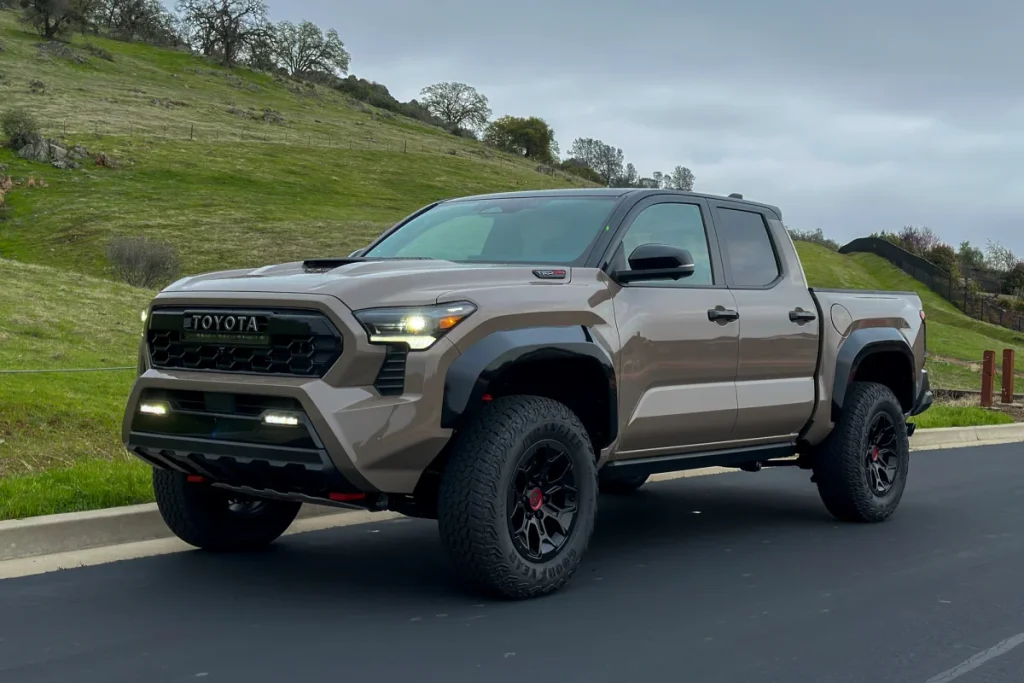
A Tacoma with 220,000 miles may scare ordinary buyers, but many mechanics view it differently. If maintenance records look solid and rust is limited, they know the truck likely still has substantial life remaining. That level of confidence is why the Tacoma remains one of the most trusted high-mileage trucks in the industry.
2. Ford F-250 Super Duty With The 7.3 Power Stroke
Few diesel trucks earned more respect among mechanics than the Ford F-250 Super Duty equipped with the legendary 7.3-liter Power Stroke diesel engine.
Even with well over 200,000 miles, these trucks remain highly desirable because mechanics know the drivetrain was engineered for brutal workloads and long-term durability instead of short-term comfort alone.
The 7.3 Power Stroke became famous because of its reliability under heavy towing and commercial use. Contractors, farmers, and fleet operators pushed these trucks through years of demanding labor, yet many engines continued running strongly after crossing 300,000 or even 400,000 miles.
Mechanics repeatedly witnessed durability in real-world conditions, which explains why they still seek these trucks out today.
Another reason mechanics buy them involves mechanical simplicity compared with newer diesel pickups. Modern diesel trucks often contain extremely complicated emissions systems that create expensive repair headaches as vehicles age.
The older 7.3 trucks avoid much of that complexity, making them easier and cheaper to maintain long-term.
Transmission durability varies slightly depending on maintenance history, though properly serviced examples usually remain dependable. Many owners upgraded cooling systems or transmission components to improve longevity further, especially if the truck spent years towing heavy trailers.
The chassis and suspension are equally respected. These trucks were designed for serious payload and towing demands, so frames and axles generally hold up extremely well even after decades of hard use.
Mechanics often prefer older heavy-duty trucks like this because they still feel structurally solid long after lighter-duty pickups begin wearing out.
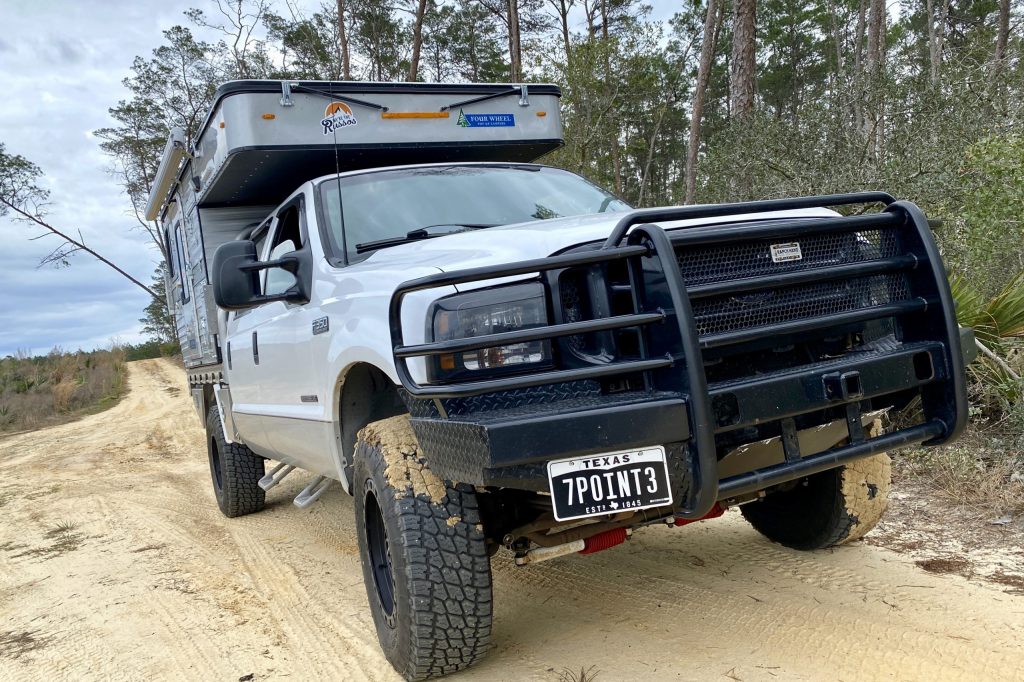
Fuel economy is not impressive by modern standards, and the trucks themselves ride harshly compared with newer luxury-oriented pickups. Interiors also feel dated and basic. Yet buyers searching for a durable work truck usually care far more about dependability than comfort features.
Repair accessibility represents another huge advantage. Parts remain widely available, and countless mechanics understand these trucks thoroughly because they have worked on them for years. That familiarity keeps ownership less intimidating than maintaining newer diesel pickups with advanced electronics and emissions equipment.
To many mechanics, a clean F-250 with the 7.3 diesel and 230,000 miles is not considered worn out at all. Instead, it represents a proven truck with decades of remaining usefulness if maintained properly.
3. Chevrolet Silverado 1500 With The 5.3 V8
Mechanics frequently buy older Chevrolet Silverado 1500 trucks with the 5.3-liter V8 because they understand how durable these engines can become when maintained correctly. High-mileage Silverados remain common on roads, construction sites, and farms across America, which says a great deal about how well these trucks tolerate years of hard work.
The 5.3 V8 earned its reputation through consistency. It may not produce the highest towing numbers or most advanced technology, but mechanics trust it because they have seen countless examples exceed 250,000 miles with relatively modest repair costs.
Oil changes, cooling system maintenance, and transmission servicing usually keep these engines running smoothly for extremely long periods.
Parts availability also makes the Silverado attractive at high mileage. General Motors sold huge numbers of these trucks, meaning replacement parts are affordable and easy to source almost anywhere. Mechanics appreciate vehicles that they can repair quickly without chasing rare components or dealing with complicated engineering layouts.
The Silverado’s driving experience ages well, too. Even older examples often maintain comfortable ride quality and stable highway manners. Suspension systems are generally durable, and cabins hold up reasonably well considering the demanding environments many trucks experience.
Transmission reliability depends heavily on maintenance history. Neglected fluid changes can shorten lifespan significantly, though well-maintained transmissions frequently survive high mileage without catastrophic issues. Mechanics inspecting used Silverados often focus closely on service records for this reason.
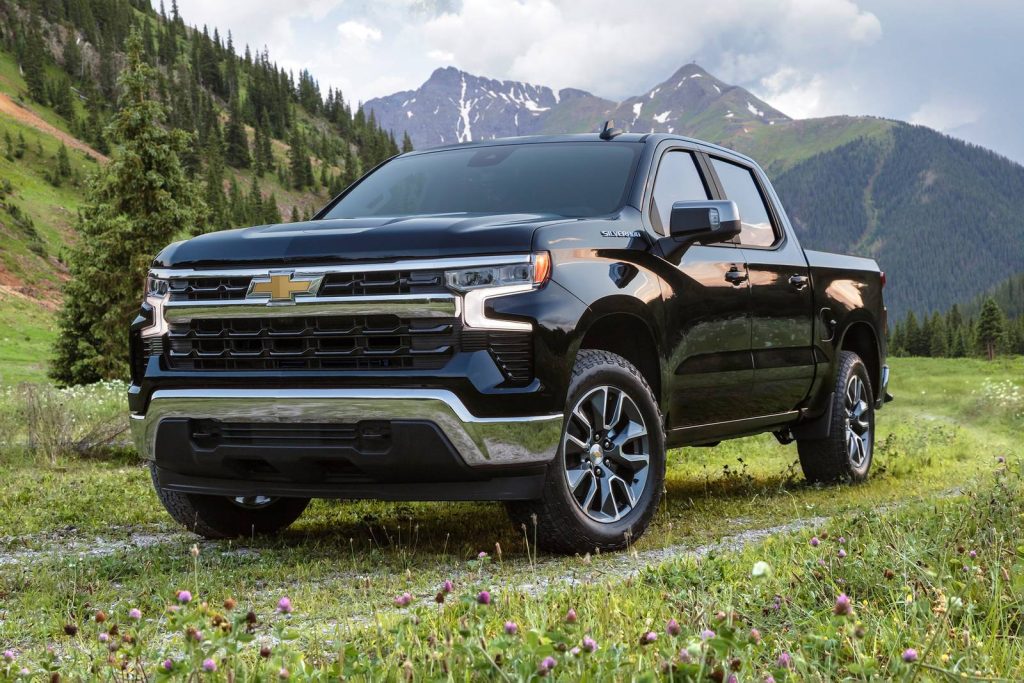
Another major advantage is repair simplicity. Older Silverados avoid some of the electronic complexity found in modern trucks, allowing many repairs to be completed more easily and cheaply. Mechanics often prefer this balance of capability and straightforward design over newer vehicles overloaded with difficult technology.
The Silverado is not flawless. Some model years developed active fuel management concerns, and rust can become an issue in harsh climates. Fuel economy also remains average at best. Yet these drawbacks rarely outweigh the truck’s broader reputation for durability and low ownership stress.
To experienced mechanics, a Silverado showing 220,000 miles often represents opportunity rather than danger. If the drivetrain sounds healthy and the maintenance history appears solid, they know the truck may still deliver years of dependable service without becoming a financial burden.
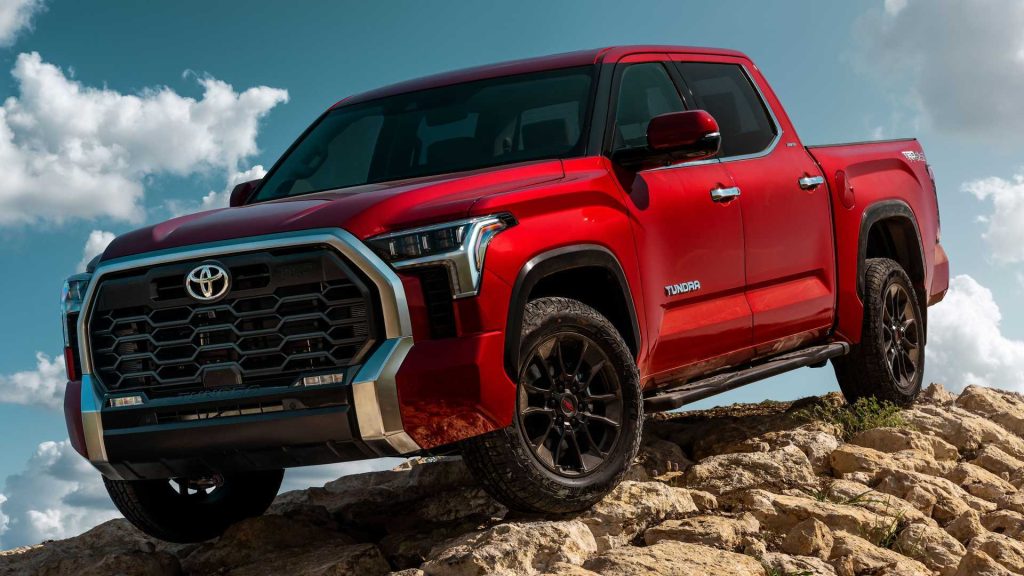
4. Toyota Tundra
The Toyota Tundra developed one of the strongest long-term durability reputations in the full-size truck market because Toyota focused heavily on reliability instead of chasing constant redesigns and risky engineering changes.
Mechanics regularly buy high-mileage Tundras because they have seen these trucks survive extreme use while avoiding many of the catastrophic failures affecting competitors.
Its V8 engines play the biggest role in that reputation. Toyota’s 4.7-liter and 5.7-liter V8s became famous for longevity, especially among owners who followed basic maintenance schedules.
Many Tundras easily exceed 300,000 miles without requiring major engine work, which is exactly the kind of reliability mechanics trust when purchasing older trucks.
Another reason mechanics favor the Tundra involves drivetrain strength. Automatic transmissions in well-maintained examples generally hold up extremely well under towing and hauling demands. Differentials, transfer cases, and suspension components also tend to age gracefully compared with some rival trucks used for heavy work.
The Tundra’s interior durability impresses many owners, too. Seats, controls, and dashboard materials usually withstand years of abuse without falling apart. While the design may feel less flashy than modern luxury pickups, mechanics often prefer durability over oversized screens and complicated electronics.
Rust resistance improved significantly in later generations, helping many Tundras remain structurally solid deep into high-mileage ownership. Frames and chassis components typically feel sturdy even after years of towing trailers or driving rough roads.
Fuel economy is one obvious weakness. The large V8 engines consume substantial fuel, especially compared with newer turbocharged trucks. Ride quality can also feel firmer than certain competitors. However, mechanics often accept those compromises because the trucks continue operating dependably year after year.
Repair costs remain manageable because major failures occur less frequently than in many competing full-size pickups. Parts availability is strong, and the mechanical layout stays relatively simple compared with newer trucks filled with advanced driver systems and highly complex powertrains.
For ordinary buyers, seeing 250,000 miles on a Tundra might seem alarming. Mechanics usually react differently. They know that a properly maintained Tundra with high mileage may still provide thousands of reliable work hours without demanding constant repairs.
That level of trust explains why these trucks remain extremely desirable even long after crossing the 200,000-mile mark.
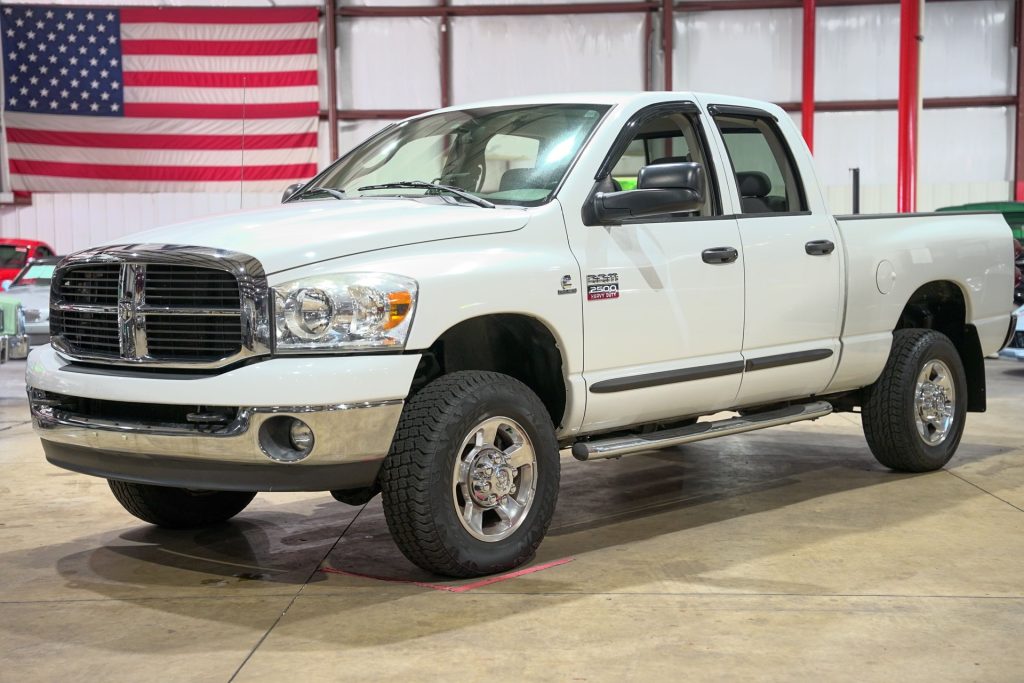
5. Dodge Ram 2500 With The Cummins Diesel
Mechanics often trust the Dodge Ram 2500 equipped with the Cummins diesel because few truck engines have developed a stronger reputation for surviving extreme mileage. Even when odometers climb far beyond 200,000 miles, these trucks continue attracting buyers who understand how durable the drivetrain can be under proper maintenance.
The Cummins inline-six diesel engine sits at the center of that reputation. Its heavy-duty design was built for commercial workloads and towing demands that would quickly wear out lighter-duty engines.
Mechanics regularly encounter Cummins-powered Rams still operating strongly after 300,000 or even 400,000 miles, particularly when owners kept up with fuel system maintenance and oil changes.
Torque delivery is another major strength. Even older examples pull trailers confidently and maintain strong low-speed power without stressing the engine excessively. Mechanics value trucks that continue performing serious work deep into high-mileage territory rather than simply surviving basic commuting.
Unlike many newer diesel trucks, older Cummins Rams also avoid some of the complicated emissions systems that create expensive failures later in life. This mechanical simplicity makes repairs easier and keeps ownership costs more manageable for experienced owners willing to maintain them properly.
The truck itself does show weaknesses outside the engine. Interior materials in older Rams often wear faster than competitors’, and automatic transmissions in certain years require careful inspection because towing abuse can shorten lifespan significantly. Suspension components may also need attention after years of heavy hauling.
Still, mechanics usually prioritize the engine and drivetrain above cosmetic concerns. They know a worn seat or faded dashboard matters far less than a dependable diesel capable of another decade of hard labor.
Another reason mechanics buy these trucks involves aftermarket support. Cummins-powered Rams have enormous communities of owners, meaning parts availability and repair knowledge remain excellent even for older models.
For ordinary shoppers, a diesel truck with 250,000 miles may appear intimidating. Experienced mechanics frequently see it differently.
If the engine runs smoothly and maintenance records look solid, they understand the truck may still have tremendous working life remaining. That confidence keeps high-mileage Cummins Rams among the most respected used trucks available.
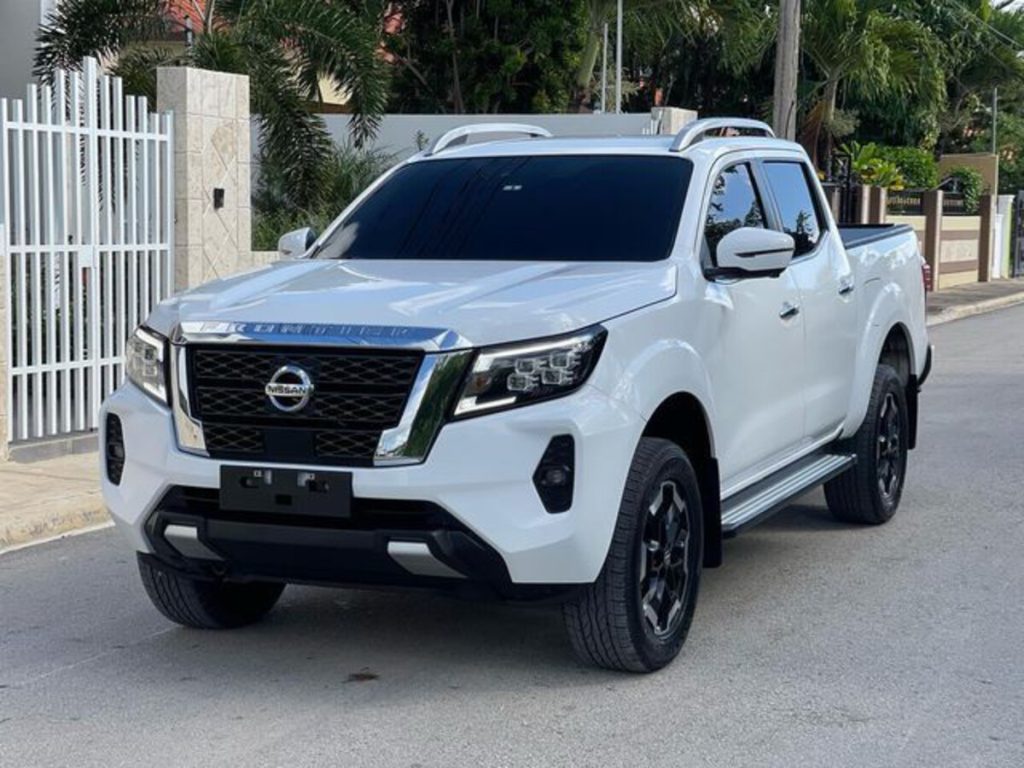
6. Nissan Frontier
The Nissan Frontier earned respect among mechanics by staying simple while many other midsize trucks became increasingly complicated. Older Frontiers may lack the flashy interiors or oversized technology displays found in newer pickups, but they developed a reputation for dependable long-term durability that mechanics trust even after 200,000 miles.
One major reason is the truck’s straightforward engineering. Nissan kept certain Frontier generations largely unchanged for many years, which allowed the company to refine problems gradually instead of constantly introducing risky redesigns.
Mechanics appreciate this because proven components usually age more predictably than brand-new systems loaded with untested technology.
The Frontier’s V6 engine became especially respected for reliability. It delivers solid power without relying on turbochargers or overly complicated fuel systems. Many owners report crossing extremely high mileage totals with only routine maintenance and occasional wear item replacements.
Transmission durability is another strength when maintenance has been performed correctly. Both manual and automatic versions generally survive hard use better than many people expect from midsize trucks. Mechanics often mention that the Frontier feels mechanically tougher than its affordable price originally suggested.
The chassis also contributes positively to long-term ownership. Suspension systems hold up reasonably well under work duties, and the truck’s compact dimensions make it easier to manoeuvre than full-size pickups. This practicality appeals to mechanics wanting reliable utility without oversized truck operating costs.
Interior refinement remains limited compared with newer competitors. Older Frontiers especially feature basic cabins and outdated technology. Fuel economy also falls short of some modern midsize trucks despite modest engine output. Yet mechanics buying high-mileage trucks usually value durability more than luxury features.
Repair accessibility helps the Frontier remain attractive, too. Parts are affordable, and the truck’s mechanical systems are relatively easy to service. Mechanics know they can keep these trucks running without facing endless electronic headaches or expensive specialty repairs.
Rust inspection remains important in certain climates, but structurally sound Frontiers often continue operating reliably long after competitors begin suffering major drivetrain failures.
A Nissan Frontier showing 210,000 or 230,000 miles rarely scares experienced mechanics if the truck has been maintained properly. They understand the platform’s simplicity and durability can still provide years of useful service, making it one of the smarter high-mileage truck purchases available.
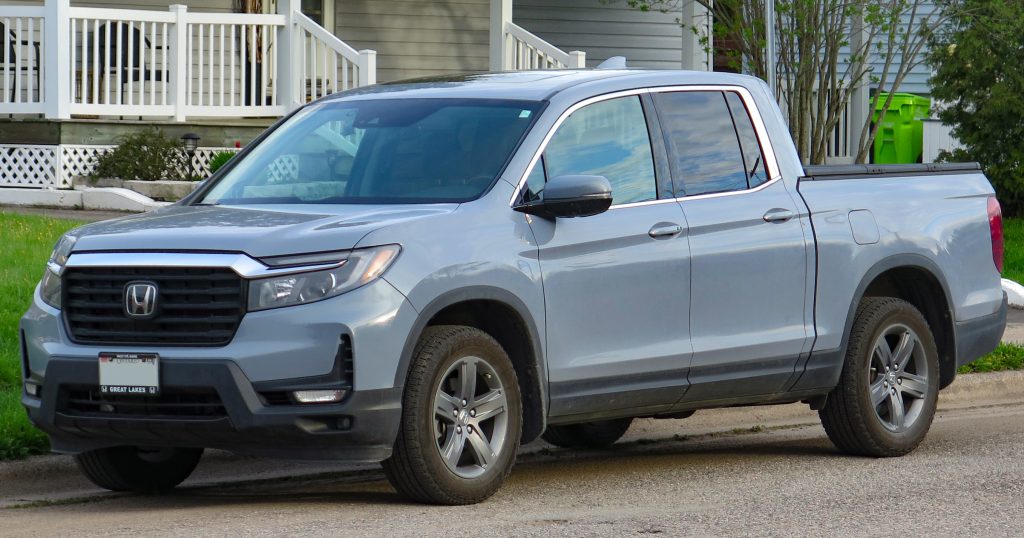
7. Honda Ridgeline
The Honda Ridgeline earns respect from mechanics because it approaches truck ownership differently from traditional body-on-frame pickups.
While it may not target extreme towing or hardcore off-road use, the Ridgeline became known for reliability, comfort, and low long-term ownership stress. Many mechanics willingly buy high-mileage examples because they understand how durable the platform can remain after 200,000 miles.
Its V6 engine plays a major role in that reputation. Honda designed the powertrain for smoothness and efficiency rather than brute force, which helps reduce long-term mechanical strain. Properly maintained engines frequently continue running quietly and reliably far beyond six-digit mileage totals.
The Ridgeline’s unibody design also creates advantages. Ride quality feels smoother and more car-like than traditional pickups, making older examples comfortable for daily driving even after years of use. Suspension systems generally age gracefully when owners avoid excessive overloading.
Interior durability surprises many buyers, too. Seats, controls, and cabin materials usually hold up well compared with work-focused trucks exposed to constant abuse. Mechanics appreciate vehicles that still feel solid inside after years on the road.
Another strength involves repair frequency. The Ridgeline typically avoids many of the major transmission and engine failures seen in some competitors. Maintenance costs also remain reasonable because Honda parts’ availability is strong.
Its limitations include lower towing capacity and reduced off-road capability compared with heavy-duty trucks. Yet mechanics buying these trucks usually want dependable transportation and light utility rather than maximum towing numbers.
A well-maintained Ridgeline with 200,000 miles often still feels refined and dependable, which explains why experienced mechanics continue trusting them long after ordinary buyers become hesitant.
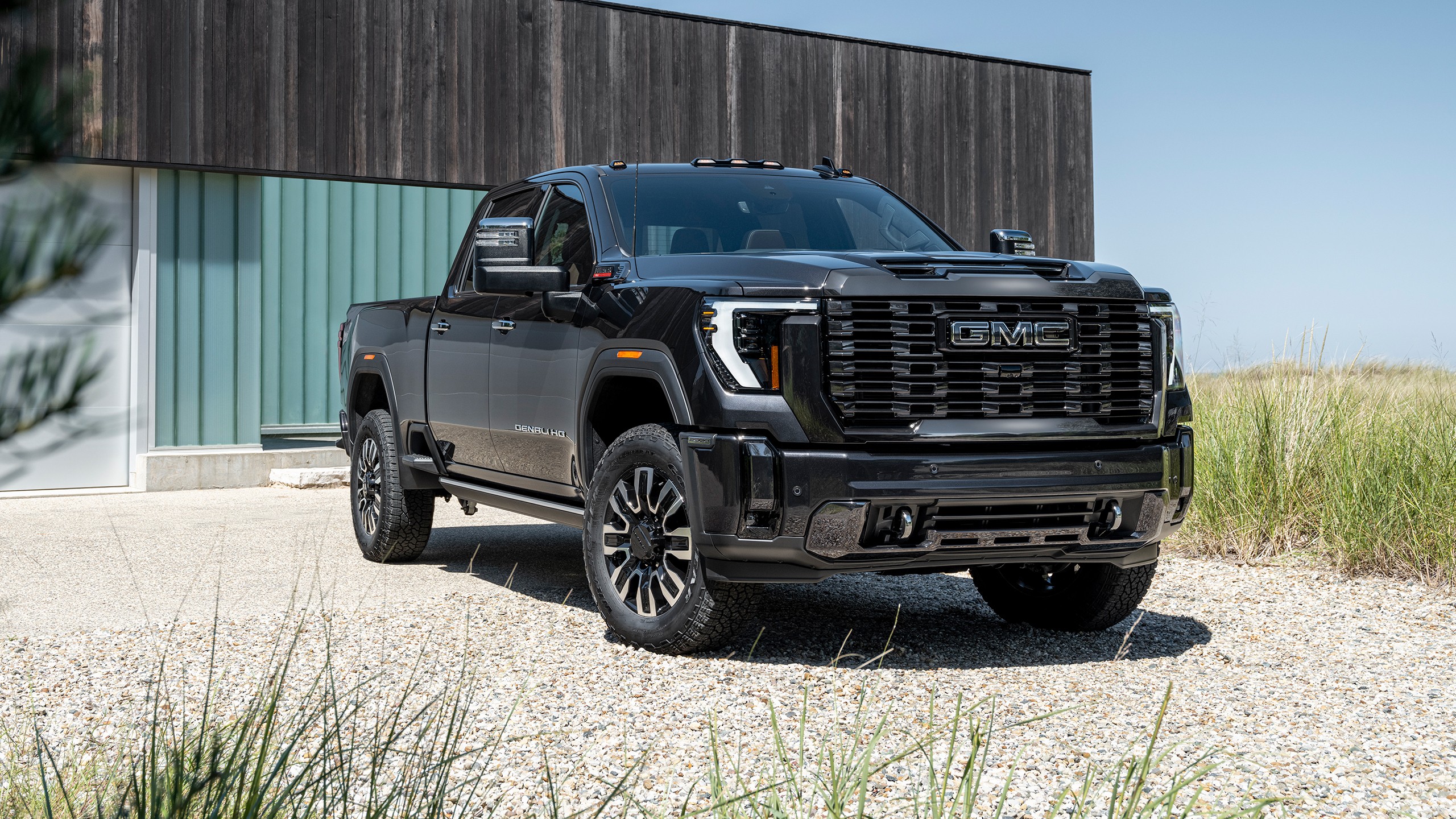
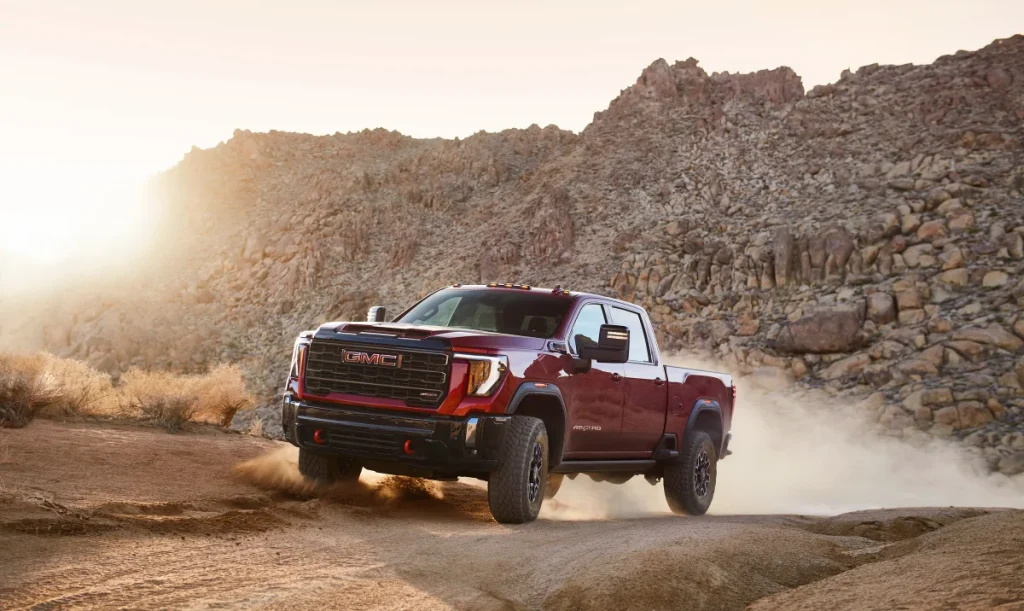
8. GMC Sierra 2500 HD
The GMC Sierra 2500 HD attracts mechanics at high mileage because it was engineered for serious workloads from the beginning. Heavy-duty frames, strong drivetrains, and durable suspension systems allow these trucks to survive years of towing and hauling that would overwhelm lighter pickups.
Diesel versions equipped with the Duramax engine are especially respected. Mechanics regularly see these trucks surpass 300,000 miles while still handling demanding towing duties confidently. Strong torque delivery and dependable highway performance make them popular among contractors and long-distance hauliers.
Gasoline-powered models also hold up well when maintained correctly. Large V8 engines in the Sierra HD lineup generally tolerate heavy use without developing catastrophic problems early in life. Transmission durability improves significantly when owners service fluids regularly and avoid excessive abuse.
Another advantage is chassis strength. Even older Sierra HD trucks often remain structurally solid because the platform was designed to carry substantial payloads. Suspension systems may require wear item replacements over time, though the truck itself usually continues feeling stable and capable.
Mechanics also appreciate repair accessibility. Parts remain widely available, and many independent shops understand the platform thoroughly. Compared with some modern trucks packed with difficult electronics, older Sierra HD models remain relatively manageable to maintain.
Fuel economy is predictably poor, especially with diesel towing setups. Large size can also make urban driving inconvenient. However, mechanics typically prioritize dependability and capability over efficiency in heavy-duty trucks.
Interior quality varies by trim level, though many cabins still age reasonably well considering the demanding work environments these trucks experience. Properly cared-for examples continue functioning effectively as work vehicles long after lighter-duty pickups begin wearing out.
For mechanics, a Sierra 2500 HD with 220,000 miles often represents a proven machine rather than a risky purchase. If maintenance history looks strong, they know the truck may still have years of reliable heavy-duty service remaining.
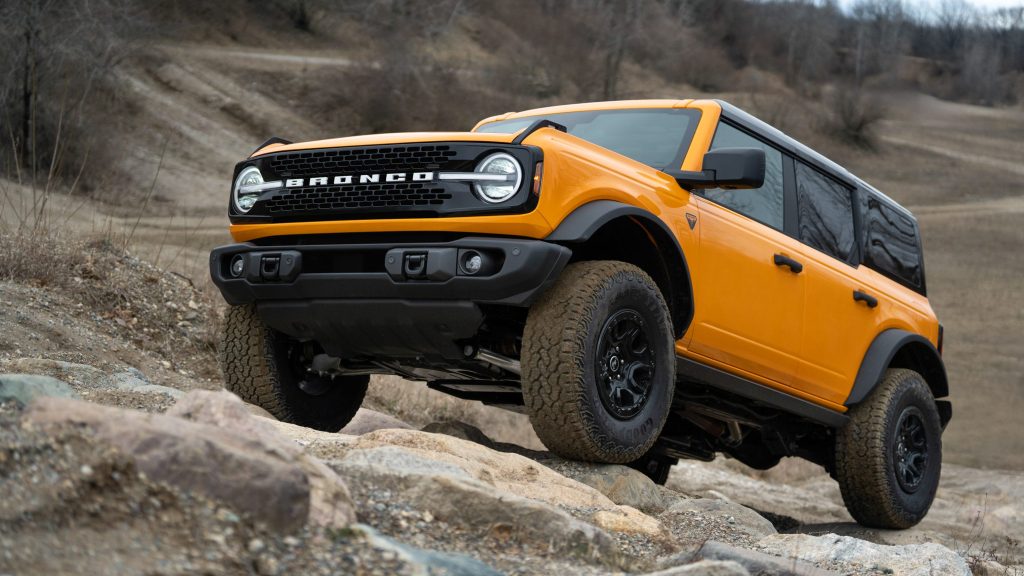
9. Ford Ranger
The Ford Ranger became a favorite among mechanics because of its balance between simplicity, durability, and affordable ownership costs.
Older Rangers especially earned reputations for surviving years of hard use without developing the expensive mechanical failures that often end the lives of compact cars prematurely. Even with more than 200,000 miles, many Rangers still operate dependably with basic maintenance.
One of the truck’s biggest strengths is mechanical simplicity. Earlier Ranger generations used straightforward engines and uncomplicated drivetrains that remain relatively easy to repair. Mechanics appreciate vehicles that do not require specialized tools or endless electronic diagnostics for routine repairs.
The Ranger’s smaller size also works in its favor. Compact dimensions reduce weight and strain on suspension and drivetrain components, helping the truck age gracefully. Many owners used Rangers for commuting, light hauling, landscaping work, and small business duties for decades.
Durable four-cylinder and V6 engines contributed heavily to the truck’s long-term reputation. Oil leaks and wear items eventually appear, like in any older vehicle, though catastrophic engine failures are relatively uncommon when maintenance has been performed correctly.
Parts availability remains another advantage. Rangers have been sold in large numbers for many years, so replacement components stay affordable and easy to locate. This helps mechanics keep high-mileage examples running without major financial stress.
Ride quality and interior refinement feel dated compared with modern trucks, and towing capability remains modest. Yet mechanics buying old Rangers usually care more about dependable operation than luxury features.
A Ranger with 210,000 miles may look worn cosmetically, but experienced mechanics know these trucks often continue delivering reliable service long after newer vehicles develop expensive electronic or drivetrain problems.
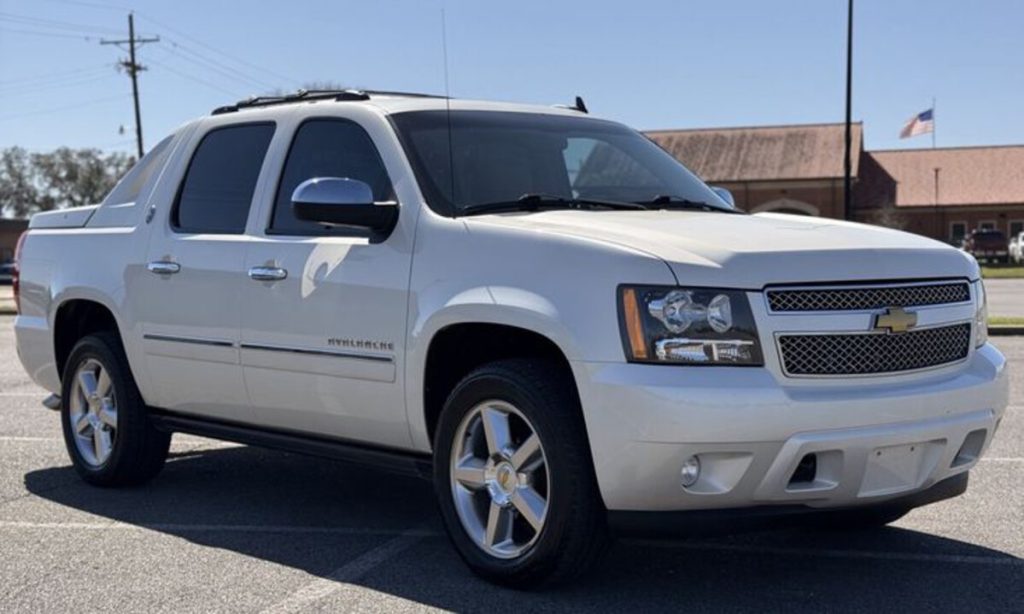
10. Chevrolet Avalanche
The Chevrolet Avalanche earned a unique place among truck buyers because it combined SUV comfort with pickup utility. Some people originally dismissed it because of its unusual styling, but mechanics often learned to appreciate how durable and versatile these trucks became after years of ownership.
Built on the same basic platform as the Chevrolet Tahoe and Silverado, the Avalanche benefited from proven General Motors V8 engines and sturdy body-on-frame construction. Mechanics regularly encounter examples with extremely high mileage still operating reliably as daily drivers, towing vehicles, or work trucks.
The 5.3-liter V8 became especially respected for longevity. With regular oil changes and cooling system maintenance, many Avalanches surpass 250,000 miles without requiring major engine repairs. Transmission durability improves significantly when fluid changes are not neglected.
Another reason mechanics buy high-mileage Avalanches involves practicality. The midgate design allows owners to expand cargo space while still maintaining SUV-style passenger comfort. This flexibility remains useful even years after production ended.
Interior comfort also ages better than many work-oriented trucks. Seats stay supportive, cabins remain spacious, and highway ride quality feels smoother than in smaller pickups. Many mechanics appreciate older trucks that still feel comfortable during long commutes or road trips.
Fuel economy is poor, and exterior plastic body cladding on some models fades badly with age. Certain electronic systems may also require occasional repairs. Yet the truck’s core drivetrain and chassis remain impressively durable when maintained properly.
Mechanics understand that underneath the unusual appearance sits a proven full-size GM truck platform capable of surviving serious mileage. For buyers willing to maintain them correctly, Avalanches often continue providing dependable service well beyond 200,000 miles without becoming financial disasters.
Also Read: 10 Pickups Where the Bed Bolts Never Rust
