
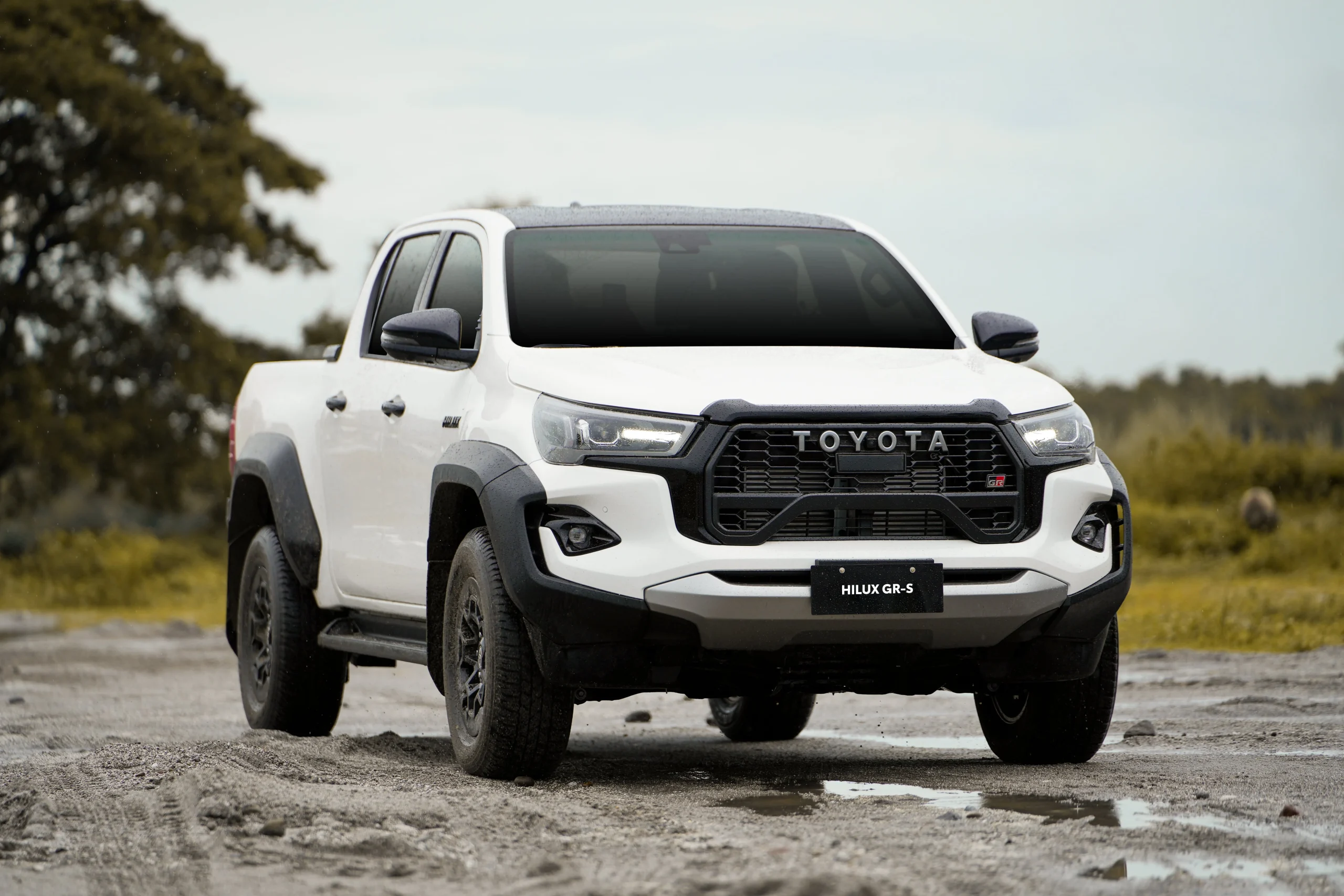
Some trucks are built to last a season. Others are engineered to outlast generations. The pickup truck market is flooded with options promising durability and toughness. But only a handful of models have actually proven themselves across decades of hard use.
A truck’s frame is its backbone. It carries the load, absorbs the punishment, and determines whether a vehicle survives long enough to pass between multiple owners.
When a frame outlasts three owners, something remarkable has happened. The engineers got it right, the steel was chosen wisely, and the design stood the test of time.
These are not trucks that merely look tough in commercials. These are machines that have been driven into the ground by one owner, revived by a second, and kept running by a third.
Farmers, contractors, off-roaders, and everyday workers have all put these trucks through punishment that would destroy lesser vehicles. Yet these frames kept holding.
This list covers ten pickup trucks that have earned legendary reputations for frame longevity. Some are Japanese. Some are American. All of them are genuinely built differently.
1. Toyota Hilux (1979–1997 Generations)
The Toyota Hilux is perhaps the most famous indestructible vehicle ever made. Its reputation has been tested not just by owners, but by television shows, war zones, and natural disasters.
The frame on these early Hilux generations was constructed using high-tensile steel with deep ladder-frame geometry. This design distributed stress across a wide surface area rather than concentrating it at vulnerable points.
The 1979 to 1997 production run is particularly celebrated among truck enthusiasts. These years represent the golden era of Hilux engineering, before modern cost-cutting influenced manufacturing decisions.
One of the most famous durability tests came from the BBC show Top Gear. The hosts tried to destroy a Hilux through flooding, fire, rooftop drops, and demolition the frame survived everything.
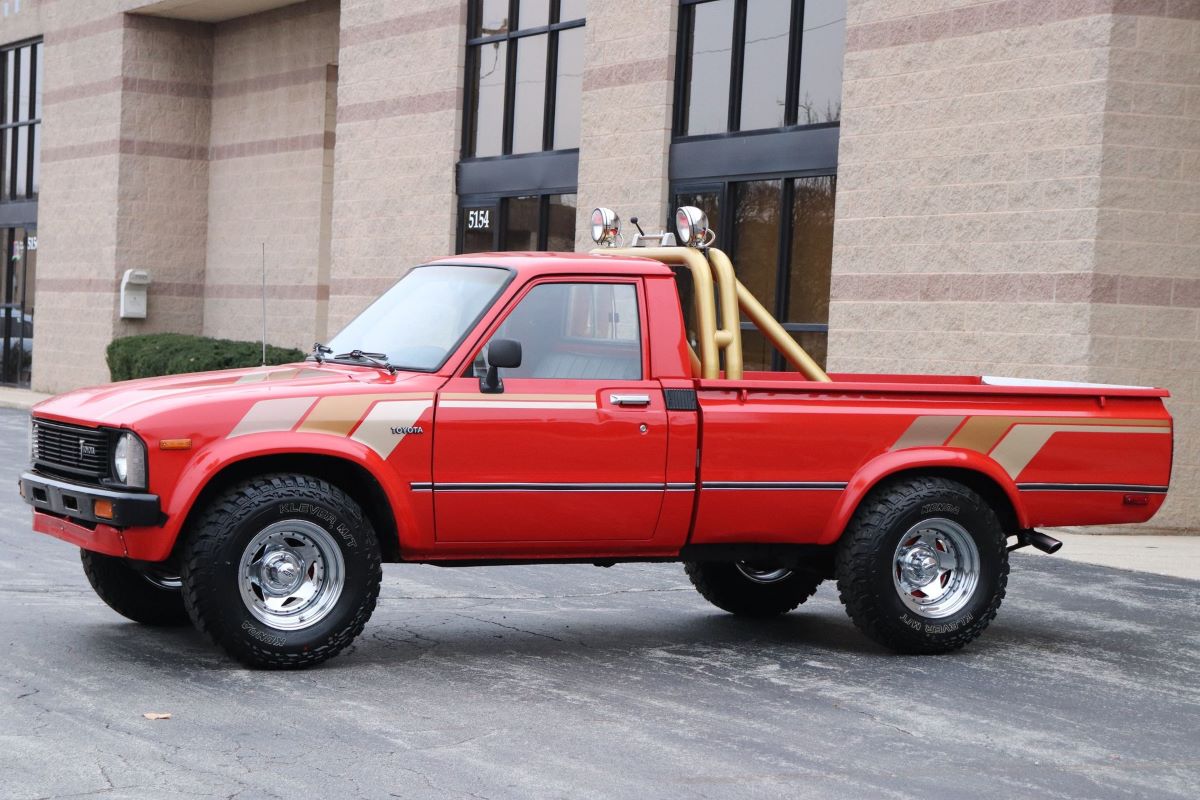
This was not staged drama. The structural integrity of the Hilux frame is backed by decades of field evidence from developing nations. In countries like Uganda, the Philippines, and Colombia, first-generation Hilux trucks are still used as daily workhorses. Some of these vehicles are over forty years old and still carry loads daily.
The secret lies in Toyota’s engineering philosophy during that era. Engineers over-engineered components beyond minimum requirements, adding safety margins that paid off over decades.
The crossmembers on the Hilux frame are notably thick and welded with precision that resists fatigue cracking. Most competitor frames from the same era have long since rusted apart or cracked under stress.
Rust protection on early models was admittedly basic. However, the raw steel thickness compensated for surface corrosion, leaving structural integrity intact long after surface rust appeared.
Owners who buy a Hilux from the second or third hand know they are getting something special. The truck may need a new engine, interior work, or electrical repairs but the frame rarely needs attention.
Many restoration shops specifically seek out Hilux frames from this era. They build entirely new trucks around these frames, trusting the original structural steel over anything modern or aftermarket.
The Hilux also benefits from a remarkably simple suspension setup. Fewer moving parts mean fewer failure points, and the suspension geometry keeps the frame stress-loads predictable and manageable.
Mechanics across the world know how to work on these trucks. Parts availability, mechanical simplicity, and frame durability combine to make the Hilux a multi-generational vehicle without equal.
Buying a used Hilux from this era is considered an investment in many markets. The frame alone holds the truck’s value, even when everything else has worn out.
2. Ford F-250 Super Duty (1999–2010)
The Ford F-250 Super Duty launched in 1999 as a purpose-built heavy-hauler. Ford engineers designed this truck from the ground up to handle commercial and agricultural abuse for decades.
The frame on these early Super Duty models is a fully boxed hydroformed steel structure. This manufacturing process creates frame rails with exceptional rigidity and resistance to twisting forces.
Ford used high-strength steel alloys in the main frame rails. These alloys provide significantly better tensile strength than the mild steel used in lighter-duty trucks of the same era.
The crossmember design on the F-250 is particularly noteworthy. Each crossmember is welded and gusseted in ways that prevent the frame from racking under heavy towing or off-road articulation.
One of the reasons this frame outlasts multiple owners is the sheer amount of steel involved. The F-250 frame is heavier and thicker than most competitors, which translates directly into longevity.
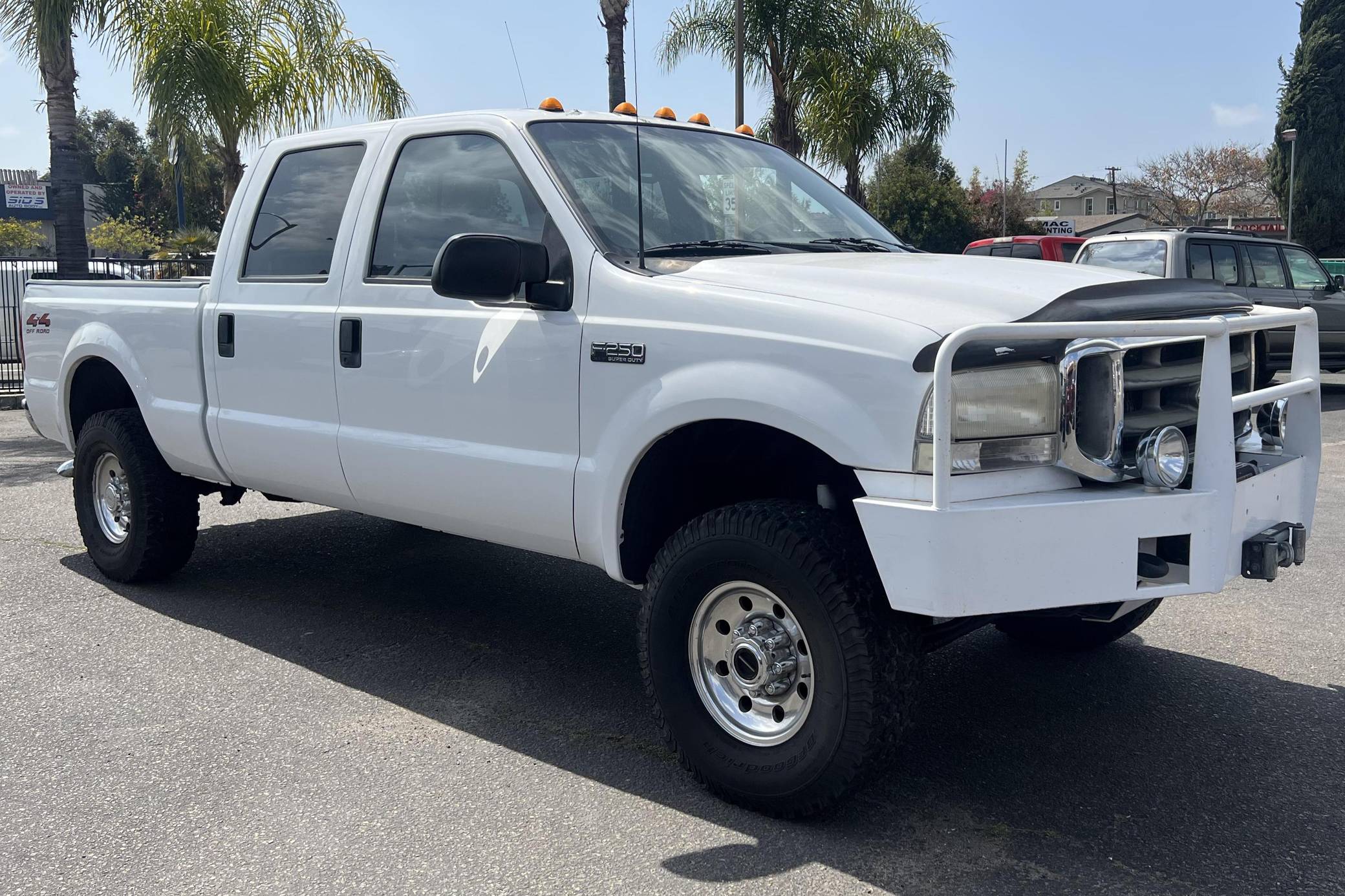
Contractors who used these trucks daily for a decade often sold them still structurally sound. The second owner would use them for another eight to ten years before passing them along again.
The 6.0L and 7.3L diesel engines in these years sometimes required expensive repairs. However, the frame underneath those engines remained solid even when the powertrain needed rebuilding.
This is the key distinction of the Super Duty platform. The frame was engineered to outlive multiple engines, multiple transmissions, and multiple owners without bending.
Ford’s decision to fully box the frame rather than use a C-channel design made an enormous difference in long-term durability. Boxed frames resist fatigue cracking far better under cyclic loading.
Ranchers in Texas and Montana are still running these trucks daily. Many have over 300,000 miles on the odometer and a third or fourth owner behind the wheel.
The frame’s corrosion resistance is also surprisingly good for a domestic truck of that era. Ford applied adequate undercoating at the factory, and the steel gauge gave extra margin against rust perforation.
Restorers and builders prize the Super Duty frame for diesel swaps and custom builds. The frame’s strength makes it ideal as a foundation for everything from campers to work rigs.
Buying a used F-250 from this generation with a tired engine is considered a smart move. The buyer gets a world-class frame that simply needs new mechanical components to live another decade.
3. Toyota Tacoma (1995–2004, First Generation)
The first-generation Toyota Tacoma built a reputation for frame durability that eventually resulted in a nationwide recall ironically proving just how seriously owners took frame integrity on these trucks.
Wait that sounds counterintuitive. But hear the full story before concluding. Toyota issued a frame rust recall on first-gen Tacomas because owners refused to scrap trucks with rusted frames. They demanded fixes because everything else on the truck was still working perfectly.
The frame itself, when maintained or living in dry climates, is among the strongest ever fitted to a mid-size pickup. The steel is thick, the welds are clean, and the geometry is conservatively over-engineered.
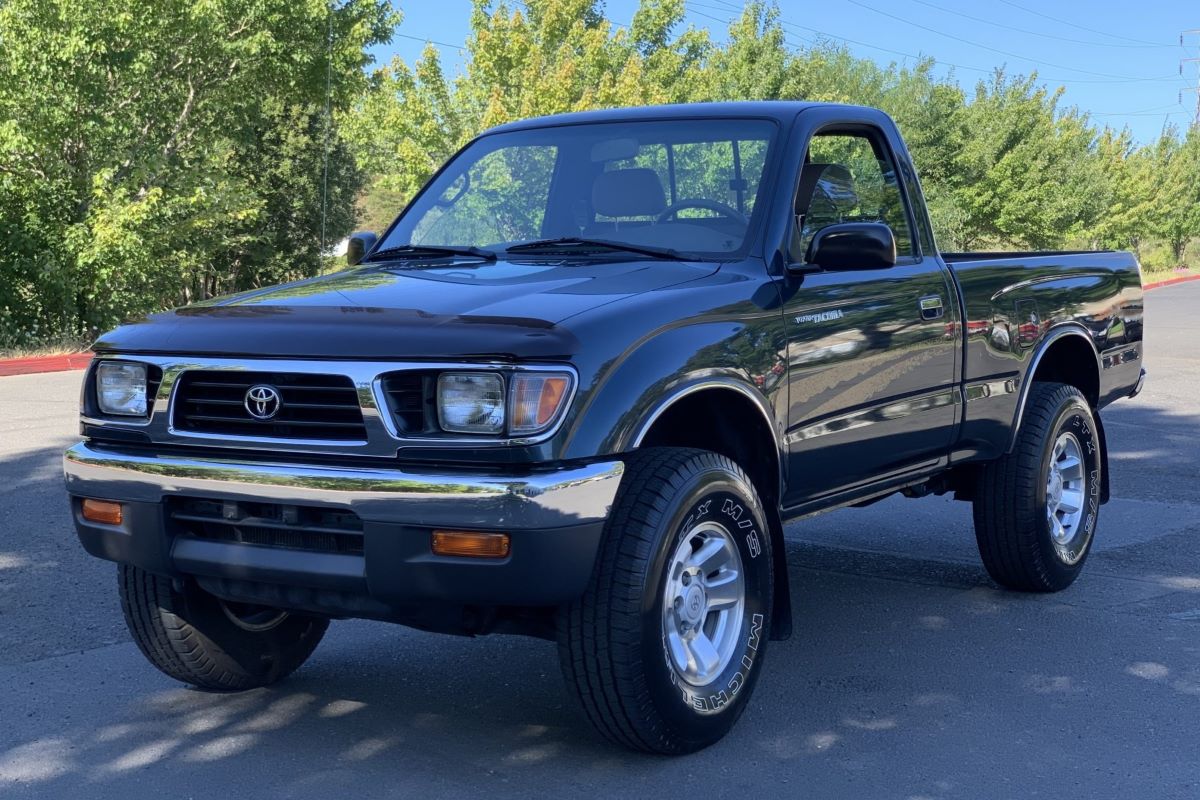
The 1995 to 2004 Tacomas used a fully welded ladder frame with boxed front horns and open C-channel rear sections. The boxed fronts handled the engine and suspension loads exceptionally well.
Toyota’s quality control during this era was exceptionally tight. Frame components were inspected to tolerances that exceeded industry standards at the time of manufacture.
Owners in Arizona, Colorado, and California where road salt is rarely used have Tacomas from this generation with virtually perfect frames. These trucks regularly pass through three or four owners.
The 2.7L four-cylinder and 3.4L V6 options were both reliable enough to keep the trucks running long enough for the frame to prove itself. Powertrains rarely died before the frame showed wear.
Off-road enthusiasts specifically seek out first-gen Tacomas for their frame rigidity during rock crawling. The frame flexes appropriately without cracking, which is the hallmark of intelligent structural engineering.
Aftermarket support for these frames is enormous. Skid plates, suspension lifts, and reinforcement brackets are all available, allowing owners to strengthen an already strong platform.
Used first-gen Tacomas in dry states command surprisingly high prices. Buyers know the frame is likely still solid, making the investment worthwhile even with high mileage elsewhere.
The truck’s simplicity complements its frame longevity. Less weight, fewer electronic systems, and straightforward mechanicals keep stress loads on the frame lower than modern equivalents.
Multi-owner Tacomas from this era are common in the truck community. Stories of 300,000-mile trucks passing between siblings, parents, and children are not unusual they are celebrated.
4. Chevrolet C/K Pickup (1973–1987, Square Body)
The Square Body Chevy is one of the most beloved truck generations in American automotive history. Its frame is a primary reason the trucks are still everywhere fifty years after production.
General Motors used a conventional ladder-frame design during this era. However, the steel gauge and crossmember spacing were more generous than competitors, giving the frame exceptional longevity.
The 1973 to 1987 production span covers what enthusiasts call the “sweet spot” of GM truck engineering. The trucks were simple enough to be easily maintained and built strongly enough to last for generations.
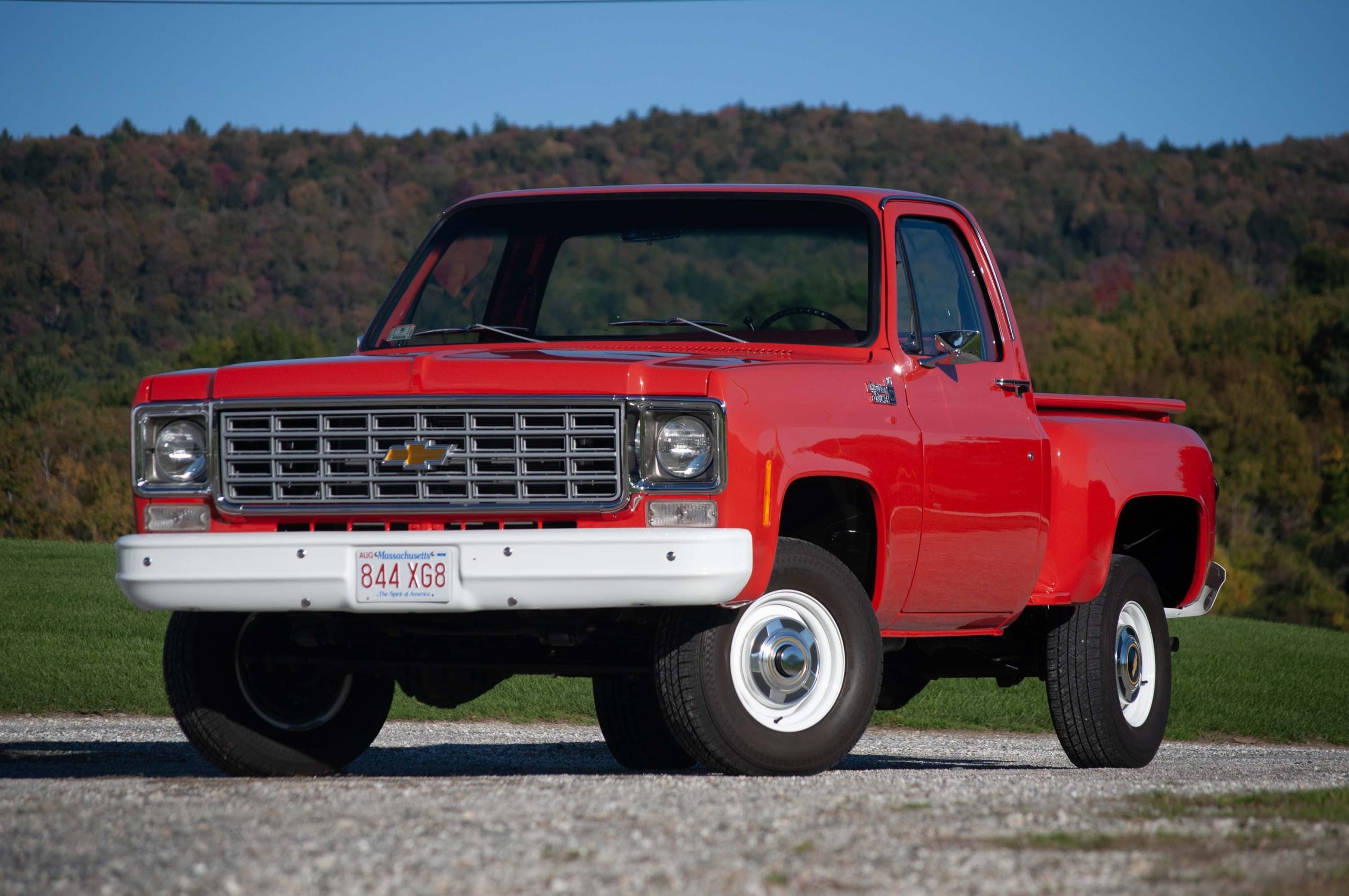
Frame rails on Square Body trucks are thick-walled C-channel steel. The channel dimensions provide ample resistance to bending along the truck’s length, which is the primary stress direction during hauling.
Crossmembers are spaced at intervals that prevent frame resonance under load. This prevents the fatigue cracking that plagues trucks with wider crossmember spacing.
These trucks were used hard by the original owners. Farms, construction sites, and industrial worksites were common environments for Square Body trucks throughout the 1970s and 1980s.
Despite decades of hard use, the frames on these trucks are regularly found in serviceable condition today. Surface rust is common, but perforating rust that compromises structure is less frequent than expected.
The Square Body frame has become a popular foundation for custom truck builds. Builders strip everything else and start fresh on the original frame, trusting its geometry and strength above all else.
Hot rodders, off-road builders, and restoration specialists all compete for solid Square Body frames. The demand keeps prices for even rough examples surprisingly raised in the current market.
GM’s decision to keep this platform relatively unchanged for fifteen years was beneficial in an unexpected way. It meant continuous manufacturing improvements without fundamental design changes.
Later 1980s examples benefit from incremental improvements in steel quality and welding technique. These refinements make the late Square Body frames slightly superior to early examples in longevity terms.
Three-owner Square Body trucks are extremely common. The first owner used it for work. The second owner drove it casually. The third owner is usually restoring it to its former glory on that original frame.
Also Read: 9 Best Cars for Sales Reps Driving 30,000 Miles a Year
5. Dodge Ram 2500 (2003–2009, Third Generation)
The third-generation Dodge Ram 2500 arrived with a frame that was specifically engineered to compete with Ford’s Super Duty. Chrysler engineers built something surprisingly durable in the process.
The frame on these trucks uses high-strength steel in a fully boxed configuration forward of the cab. The rear section transitions to an open channel that allows appropriate flex during heavy payload situations.
This hybrid approach boxed front, open rear was a deliberate engineering decision. It balances rigidity where rigidity matters and compliance where compliance prevents cracking.
The Cummins 5.9L diesel engine available in these trucks is legendary for longevity. When paired with the robust frame, these trucks become genuinely multi-generational machines.
Farmers in the Midwest trusted the Ram 2500 for serious work throughout the 2000s. Many of these farm trucks are now on their second or third owner without frame repairs.
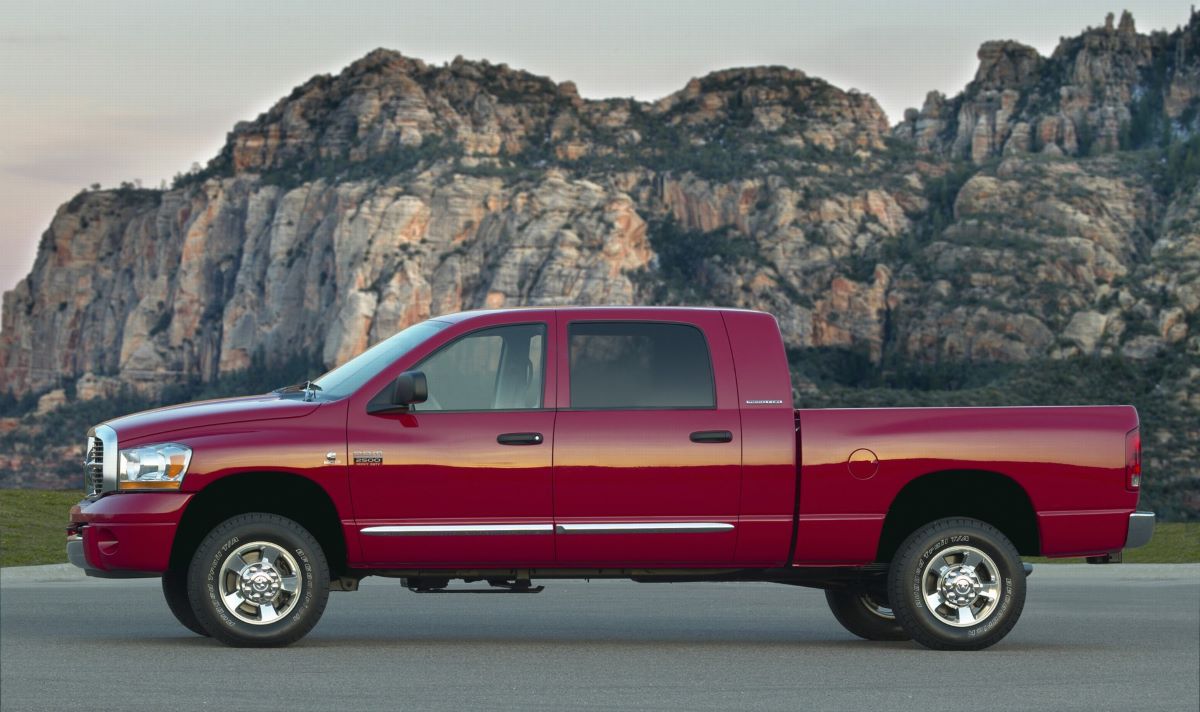
The frame’s towing capacity was rated at significantly higher levels than competitors in some configurations. Engineering for higher loads means the frame was over-built for typical use, which translates into long-term survival.
Dodge used quality control improvements during this generation that are often overlooked. The welds on these frames are notably clean, reducing stress concentration points that lead to fatigue cracking.
Rust protection was a weak point historically for Dodge trucks. However, owners who undercoated these trucks early found that the raw steel thickness underneath was more than adequate for structural survival.
Used Ram 2500s from this era with the Cummins engine command high prices. Buyers are often purchasing specifically for the frame-and-engine combination, knowing both are built to last.
The suspension mounting points on these frames are particularly well-reinforced. Heavy towing repeatedly compresses and extends the suspension, and the frame mounting points on these trucks show minimal wear even after decades.
Third-generation Ram 2500s with over 400,000 miles are not mythological. They exist in real working environments, on original frames, doing real work for owners who never expected to keep them this long.
The truck’s reputation for frame longevity has grown as these trucks have aged into the 20-year mark. What was once speculation is now confirmed by a generation of real-world data.
6. Ford Ranger (1983–1992, First Generation)
The first-generation Ford Ranger is often overlooked in durability conversations dominated by full-size trucks. This is a mistake. The Ranger’s compact ladder frame is among the most enduring ever built.
Ford engineered the Ranger as a work truck for buyers who didn’t need full-size capability. The engineers built the frame with the same philosophy smaller in scale, but not smaller in quality.
The ladder frame uses boxed front rails with C-channel rear sections. The proportions are appropriate for the truck’s intended loads, and the steel gauge was chosen conservatively.
First-generation Rangers were used as daily drivers, farm runabouts, and light commercial vehicles throughout the 1980s. They accumulated hard miles in the hands of owners who didn’t baby them.
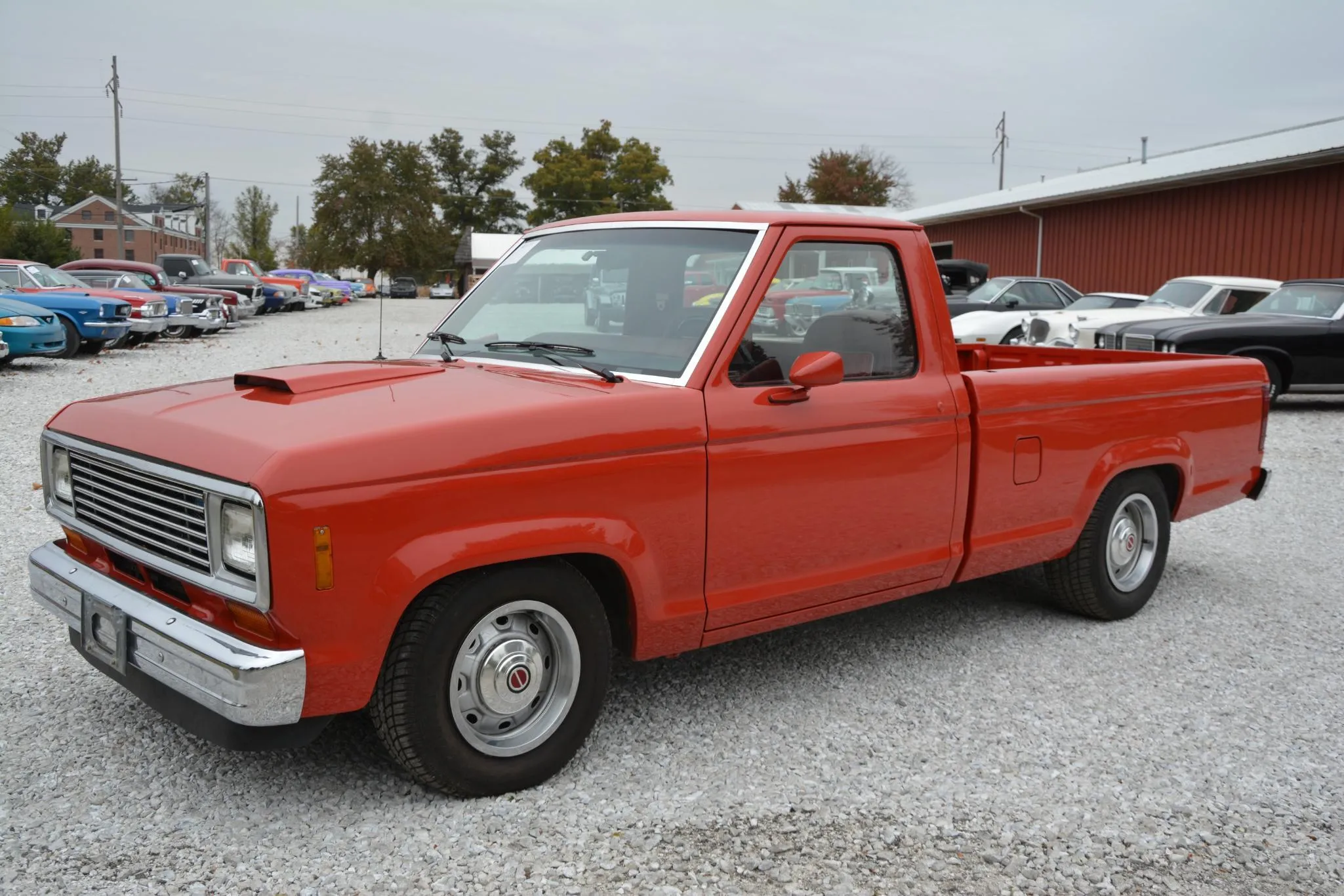
Forty years later, frames from this generation are still found structurally sound in dry climates. The steel was thick enough that even surface rust took decades to approach structural significance.
The simplicity of the first-gen Ranger worked in the frame’s favor. Less weight meant lower stress loads on the frame throughout its working life, which directly extended structural longevity.
2.3L four-cylinder and 2.8L V6 engines were both light enough that frame stress during operation was minimal. Engine vibration and torque loads never challenged the frame’s fatigue limits.
Off-road communities have embraced the first-gen Ranger frame for budget trail builds. The frame’s lightness and strength ratio makes it an ideal platform for stripped-down adventure vehicles.
Finding a solid first-gen Ranger frame today is genuinely exciting in the truck community. These frames are increasingly rare in the rust belt but plentiful in southern and western states.
The three-owner pattern on first-gen Rangers is common. The original owner drove it until the interior fell apart. The second owner replaced the mechanicals. The third is currently driving it with pride.
Ford’s manufacturing quality during the early 1980s was improving rapidly following the difficult 1970s. The Ranger benefited from this improvement culture, resulting in better-than-expected frame quality for an economy truck.
These trucks are now considered classics by many enthusiasts. The frame’s durability is a primary reason a truck whose frame fails doesn’t become a classic, it becomes scrap.
7. Nissan Hardbody (D21, 1986–1997)
The Nissan Hardbody earned its nickname honestly. This compact pickup was built with a frame rigidity that surprised buyers accustomed to flimsy small trucks of the era.
Nissan engineers used a fully welded ladder frame with thoughtfully placed crossmembers. The frame geometry was designed to handle light commercial loads without flexing excessively in any axis.
The steel used in the Hardbody frame was notably consistent in quality. Japanese manufacturing standards of the era were among the tightest, and the Hardbody benefited from that culture.
Original Hardbody owners used these trucks for everything from landscaping to surf trips. The frame absorbed both commercial loads and recreational abuse with equal indifference.
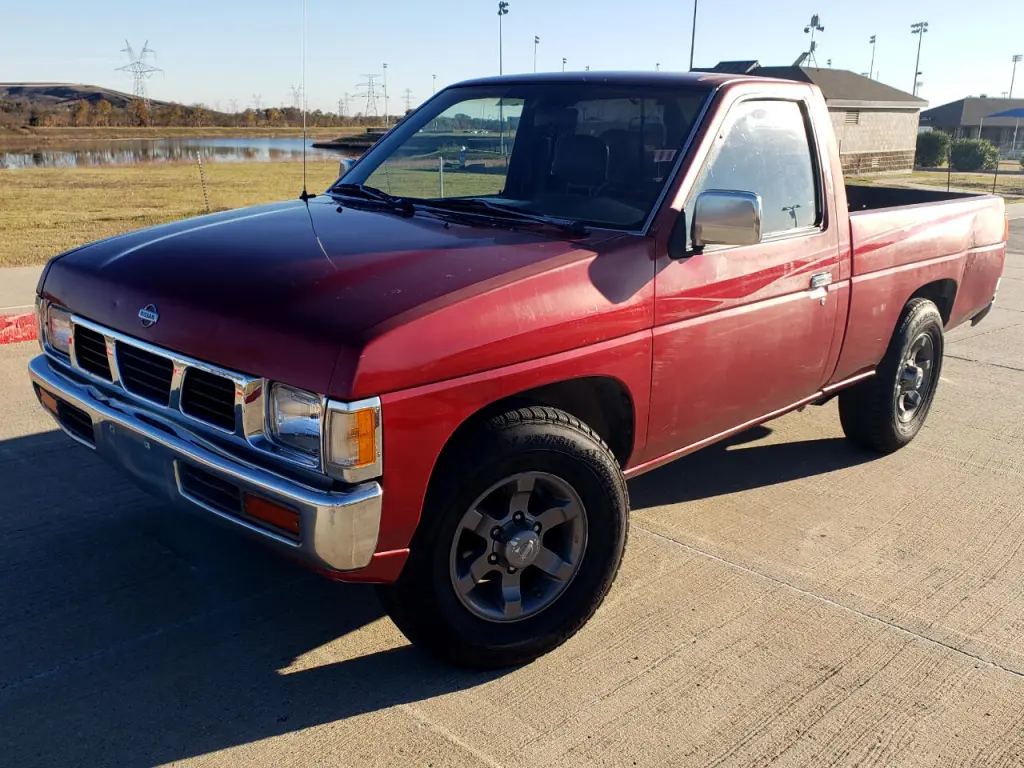
Three-owner Hardbodies are common sights in California, Hawaii, and other coastal states where road salt is absent. The frames on these trucks look rough on the outside but measure solid on inspection.
The Hardbody’s 2.4L KA24E engine was bulletproof. When the engine kept running for 300,000 miles, the frame inevitably proved itself alongside it the truck simply refused to die.
Nissan’s rust protection during this era was adequate for Japanese market conditions. Trucks that ended up in dry American climates fared exceptionally well, with frames lasting far longer than the original owners anticipated.
The compact dimensions of the Hardbody frame worked in its favor for longevity. Lower weight means lower fatigue stress throughout the frame’s working life, extending the timeline before cracks appear.
Off-road builders have discovered the Hardbody frame as a platform for mini-truck builds. The compact dimensions and frame strength make it ideal for lifted expedition rigs on a budget.
Hardbody trucks are increasingly collectible. The frame’s reputation for outlasting engines, transmissions, and body panels has made original-frame examples genuinely desirable in the used truck market.
Mechanics who specialize in Japanese trucks consistently praise the Hardbody frame’s weld quality. The joint integrity on these frames exceeds what inspectors find on domestic competitors of the same era.
Finding a Hardbody with a solid frame is the starting point for a restoration. Everything else can be replaced but the frame defines whether the project is worth beginning.
8. Toyota Land Cruiser Pickup (FJ45, 1960–1984)
The FJ45 Toyota Land Cruiser Pickup occupies a rarefied category of frame durability. These trucks were built for some of the harshest environments on earth, and the frames reflected those demands.
Toyota designed the FJ45 for use in Australian outback conditions, African development projects, and Middle Eastern oil field operations. The frame had to survive conditions that would destroy ordinary trucks within months.
The ladder frame uses extraordinarily thick steel rails by any measurement standard. The gauge of steel chosen for the FJ45 frame exceeds what was used in contemporary American full-size trucks in several dimensions.
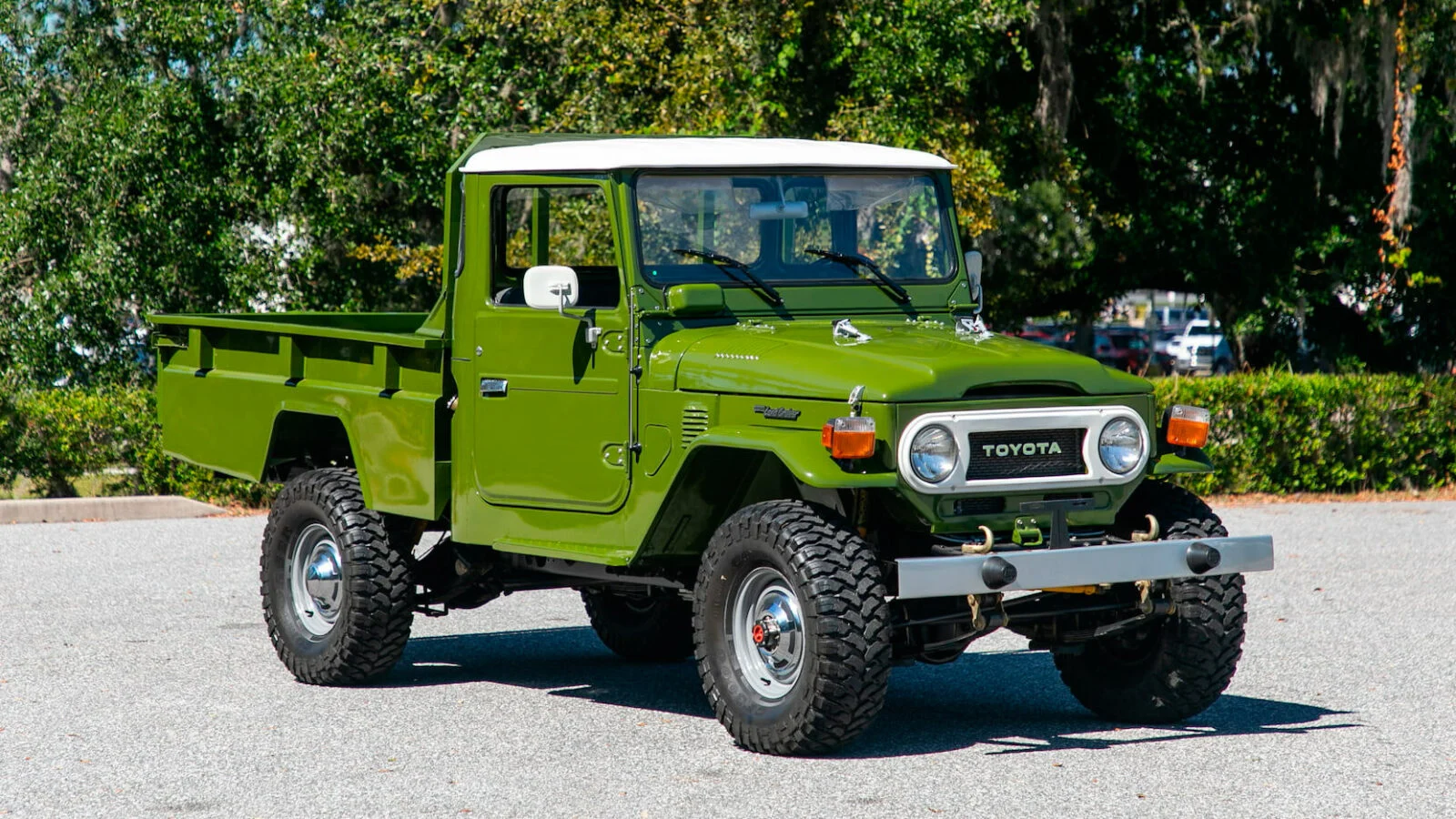
Crossmembers are spaced and sized to handle extreme articulation without the frame twisting to failure. This was essential for a truck designed to traverse terrain with no roads, no recovery vehicles, and no second chances.
Three-owner FJ45s are common in Australia, where the trucks have been working continuously since the 1960s. Some Australian examples have passed through multiple families across two generations.
The frame’s coating was basic by modern standards, but the steel thickness provided decades of protection before rust could cause structural concerns. Many frames are still fully intact under surface rust.
Toyota’s engineering conservatism during this era resulted in frames that were over-built relative to the trucks’ rated load capacity. This excess capacity is what transforms a durable truck into a generational one.
Collectors worldwide search specifically for FJ45 trucks with solid frames. The frame is the single most important factor in determining whether a restoration project is viable or cost-prohibitive.
Value for intact FJ45 frames has risen dramatically in recent years. Collectors recognize that the original frame is irreplaceable modern reproductions simply cannot match the original steel quality and geometry.
Australian overlanders have documented FJ45 trucks working continuously in remote areas for over fifty years. These trucks represent the ultimate validation of Toyota’s original engineering decisions.
The FJ45 frame set the template for all subsequent Toyota truck frames. The engineering principles established in this model influenced Hilux, Tacoma, and Land Cruiser designs for decades.
Owning an FJ45 today means owning a piece of automotive engineering history. The frame underneath is not just durable it is arguably the most proven frame in the history of pickup trucks.
9. GMC Sierra 2500HD (2001–2007, Classic Generation)
The classic-generation GMC Sierra 2500HD shares its platform with the Chevy Silverado 2500HD. However, subtle differences in trim and buyer demographics have made the Sierra’s multi-owner durability stories particularly well-documented.
GM engineers developed this platform with heavy commercial use specifically in mind. The frame was tested extensively for towing, payload, and off-road abuse before production began.
The frame uses a fully boxed hydroformed steel structure through the cab section. The hydroforming process creates rails with internal geometry that resists twisting better than traditional stamped-and-welded construction.
Rear frame sections transition to a more compliant design that prevents cracking under payload stress. This is the same philosophy used by the best heavy-duty frames of the era.
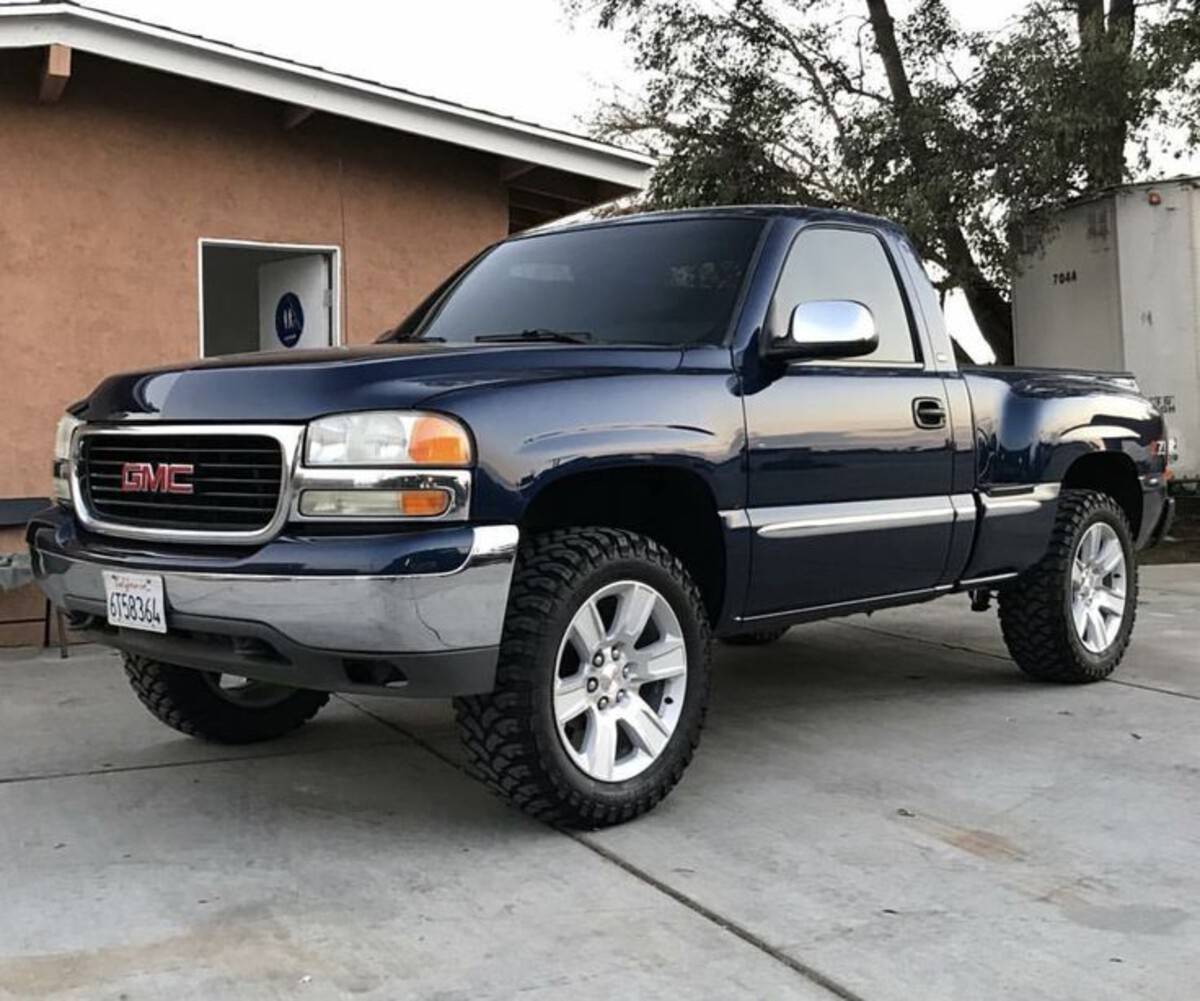
Duramax diesel-equipped Sierra 2500HDs from this generation are particularly sought after. The LB7 and LLY engines, despite their known issues, kept running long enough to prove the frame’s longevity.
Service fleets across the United States retired these trucks after ten years of hard commercial use. Those retired trucks then entered private ownership, where second and third owners continue driving them today.
The frame’s mounting points for suspension components show minimal wear even after twenty years of heavy use. This is the result of generous steel thickness at high-stress locations.
GM’s decision to make frame components available through dealer parts programs meant that minor frame repairs were accessible. This repairability extended the trucks’ practical lifespan significantly.
Used Sierra 2500HDs from this generation with 250,000 miles on the odometer are considered solid used truck purchases. Buyers specifically look for intact original frames as the primary qualification criterion.
The frame’s reputation has grown as these trucks have aged past the fifteen and twenty-year marks. Real-world durability data has confirmed what the engineering specifications suggested from the beginning.
Three-owner patterns on these trucks are well-documented in truck forums and enthusiast communities. The consistency of these stories points to a genuine engineering achievement rather than isolated luck.
High-mileage examples on original frames are regularly featured in truck publications as proof-of-concept for GM’s heavy-duty platform engineering decisions during this era.
10. Ford F-100 (1967–1972, Fifth Generation)
The fifth-generation Ford F-100 represents an American automotive landmark. These trucks were built during a period when Ford committed serious engineering resources to the pickup truck segment.
The frame introduced in 1967 was a significant advancement over previous F-series designs. Ford engineers incorporated lessons from commercial truck development into the consumer pickup platform.
The twin I-beam front suspension system on these trucks is mounted to frame points that remain structurally sound decades later. Ford reinforced these mounting locations beyond minimum requirements.
Ladder frame rails on the 1967–1972 F-100 are constructed with generous steel thickness throughout their length. The consistency of this thickness without thinning in low-stress areas reflects conservative engineering choices.
Crossmembers are positioned and reinforced to handle the torsional loads generated by the truck’s leaf spring suspension. The geometry prevents frame racking under uneven loading conditions.
Original owners used these trucks for farm work, light commercial hauling, and daily transportation throughout the late 1960s and early 1970s. The frames absorbed all of it without complaint.
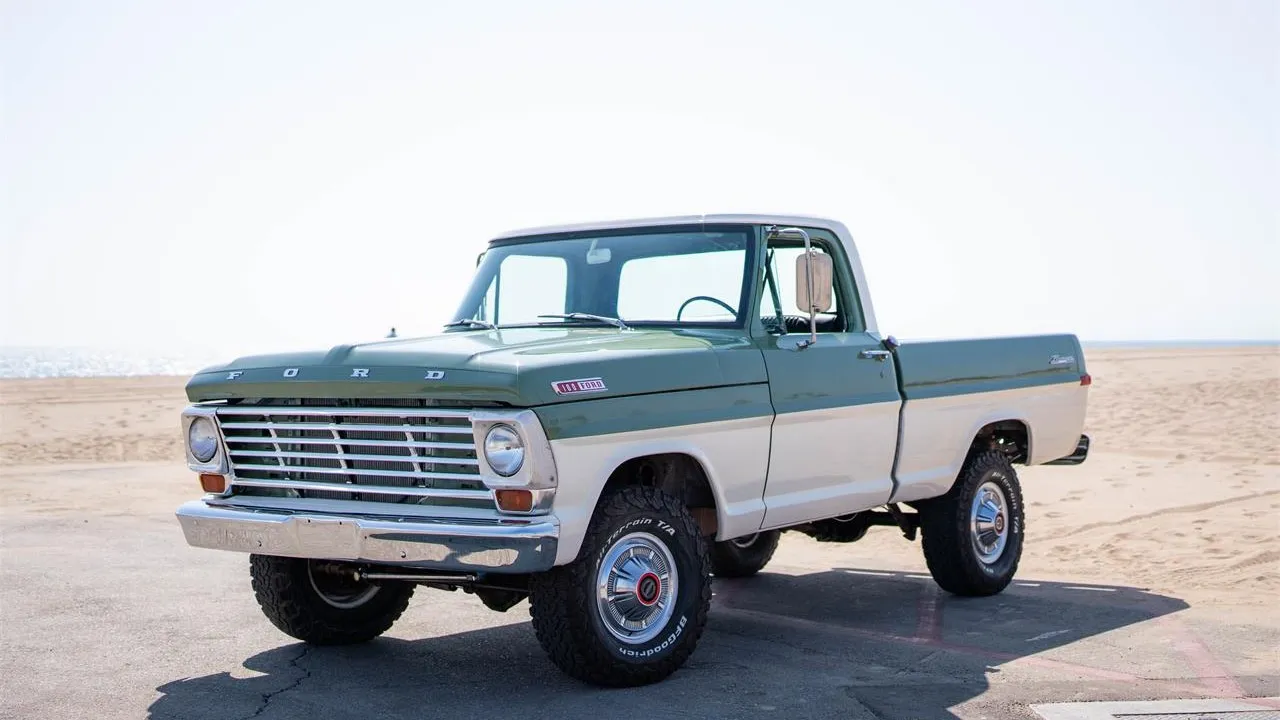
Five decades later, these frames are found in restoration shops across the country. Builders specifically seek out original F-100 frames for restorations and custom projects because of their known structural integrity.
The 1967–1972 F-100 has become one of the most collectible American trucks in history. The frame’s durability is a direct contributor to how many survived long enough to achieve classic status.
Ford’s manufacturing quality during this era was reaching a historical peak. The workers and processes that built these frames were operating with pride and precision that resulted in exceptional output quality.
Three-owner F-100s are documented regularly in classic truck registries. The consistent presence of these trucks in multiple-owner histories validates the frame’s extraordinary longevity.
Rust is the primary enemy of F-100 frames in northern states. However, southern and western examples regularly present with frames that need nothing more than cleaning and painting before returning to service.
Owning a fifth-generation F-100 on its original frame is considered a mark of distinction in the classic truck community. These frames represent Ford engineering at its most confident and capable and they have proven it across more than half a century of real-world use.
Also Read: Ford Partners With Carhartt for Rugged New Super Duty Work Truck Package
