
Buying a Nissan can be either a smart long-term investment or a frustrating ownership experience, depending on which model and production year you choose. Over the last two decades, Nissan has produced some genuinely excellent vehicles known for reliability, practicality, comfort, and strong value for money.
At the same time, the brand has also released several models that have developed serious reputational problems involving transmission failures, outdated engineering, weak resale value, or expensive maintenance concerns.
That split personality is exactly why buyers need to research carefully before committing to any Nissan vehicle, especially in the used car market, where reliability history matters far more than styling or technology features.
One of the biggest reasons Nissan models vary so dramatically in quality comes down to engineering choices and manufacturing periods. During the late 1990s and early 2000s, Nissan earned praise for building durable sedans, trucks, and sports cars that could comfortably exceed 200,000 miles with proper maintenance.
Vehicles like the Altima, Frontier, and Maxima gained loyal followings because they balanced affordability with dependable mechanical performance. However, beginning in the late 2000s, Nissan aggressively expanded the use of continuously variable transmissions, commonly known as CVTs.
While these transmissions improved fuel economy on paper, many owners experienced premature failures, hesitation, overheating, and costly replacements. As a result, several Nissan models from this era became notorious among mechanics and used car shoppers.
Another important factor is intended use. Some Nissan vehicles excel as commuter cars, family crossovers, or work trucks, while others struggle to deliver long-term value due to cramped interiors, weak powertrains, or aging platforms. Buyers often make the mistake of assuming every Nissan offers the same level of durability simply because they share the same badge.
In reality, there is a major difference between a proven vehicle like the Frontier and a problematic model like the early Pathfinder equipped with a troubled CVT setup. Understanding these distinctions can save thousands of dollars in repair bills and prevent years of ownership frustration.
This article examines four Nissan models that are genuinely worth buying because of their reliability, practicality, resale value, and owner satisfaction. It also highlights four Nissan models buyers should approach cautiously or avoid altogether due to recurring mechanical issues, poor reliability ratings, or disappointing ownership experiences.
The goal is not to criticize the brand unfairly but to help shoppers make informed decisions based on long-term ownership realities rather than marketing promises. Whether you are shopping for a dependable daily driver, a family SUV, or an affordable used vehicle, knowing which Nissan models stand out positively and which ones raise red flags can make all the difference.
Also Read: 10 Cars With Insurance Premiums Lower Than a Compact Sedan
4 Nissan Models Worth Buying
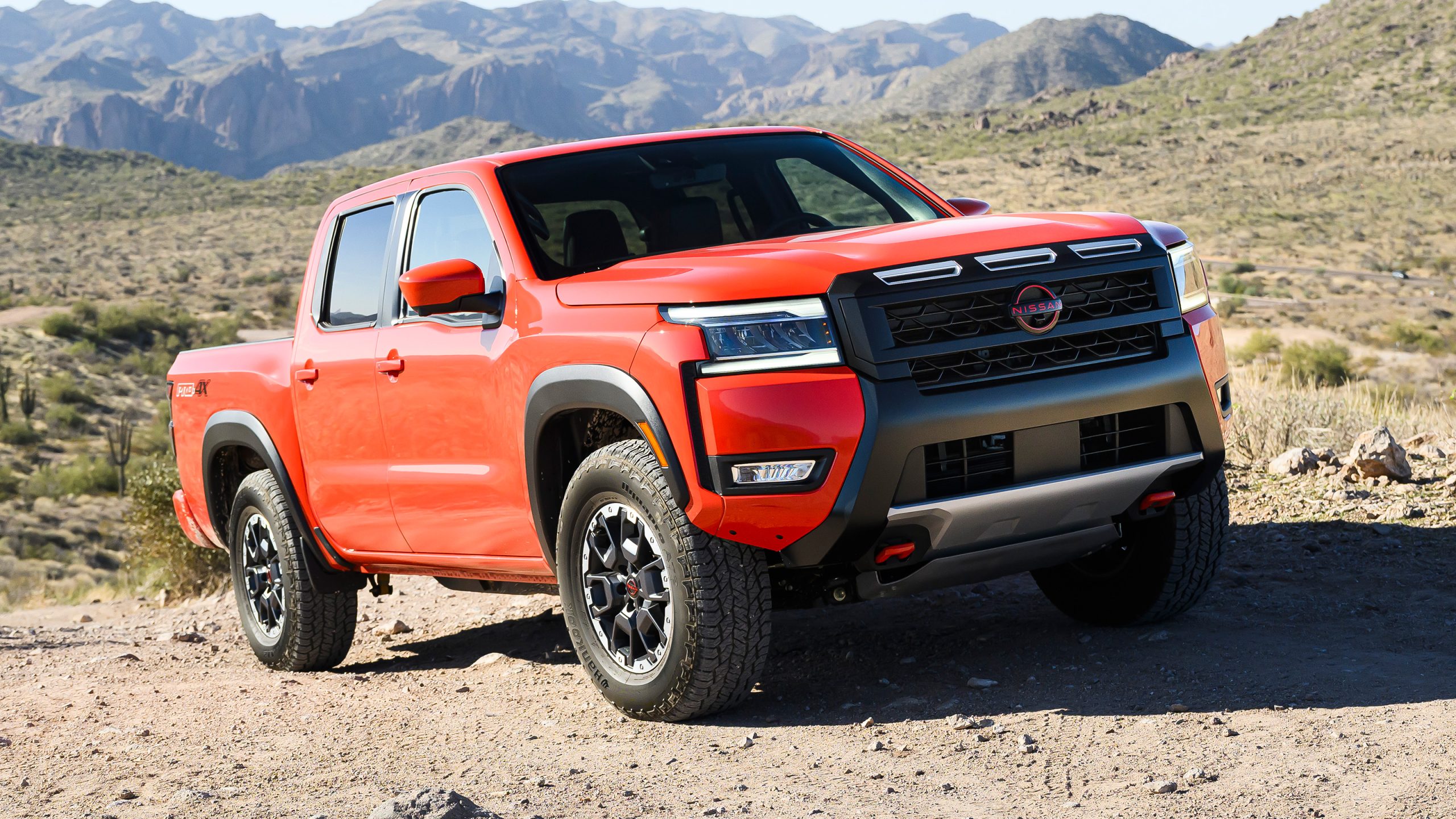
1. Nissan Frontier
The Nissan Frontier has quietly become one of the most dependable midsize pickup trucks on the market. While competitors often receive more attention, the Frontier built a reputation for durability and simplicity that appeals strongly to truck buyers who value reliability over flashy features.
For years, Nissan kept the Frontier on a relatively old platform, which some critics mocked as outdated. However, that conservative engineering approach turned out to be beneficial because it avoided many of the complicated systems and reliability issues seen in newer rivals. The result is a truck known for strong longevity and lower ownership costs.
One of the biggest strengths of the Frontier is its naturally aspirated V6 engine. Unlike many modern trucks that rely on turbocharged engines with additional complexity, the Frontier’s V6 delivers straightforward performance and proven dependability.
Owners consistently report high mileage capability with relatively few major mechanical issues. The engine provides adequate towing power, smooth highway driving, and respectable acceleration without feeling strained. This simplicity is especially appealing for buyers who plan to keep their trucks for many years or use them in demanding work environments.
The Frontier also performs well in terms of maintenance affordability. Parts availability is excellent, and many independent mechanics are familiar with the truck’s drivetrain. Routine maintenance tends to be straightforward, which helps keep long-term ownership expenses manageable.
Compared to some competitors that require expensive electronic repairs or specialized service procedures, the Frontier remains refreshingly practical. This makes it a particularly attractive option in the used truck market, where repair costs can quickly erase any initial purchase savings.
Interior quality has historically been one of the Frontier’s weaker points, but newer generations have improved significantly. Earlier models focused more on functionality than luxury, offering durable materials and easy-to-use controls rather than high-end finishes.
For many truck buyers, this tradeoff is perfectly acceptable because the cabin holds up well to heavy use. The latest generation introduced more modern technology, better seating comfort, and improved safety systems without sacrificing the truck’s core durability. Nissan successfully modernized the vehicle while preserving the rugged character longtime owners appreciated.
Resale value is another area where the Frontier performs better than many people expect. Trucks generally hold value well, and the Frontier’s reliability reputation helps it remain desirable in the used market.
Buyers looking for an affordable alternative to more expensive midsize trucks often discover that the Frontier provides similar utility at a lower cost. For anyone wanting a dependable work truck, outdoor adventure vehicle, or long-lasting daily driver, the Nissan Frontier stands out as one of the safest and smartest purchases in Nissan’s lineup.
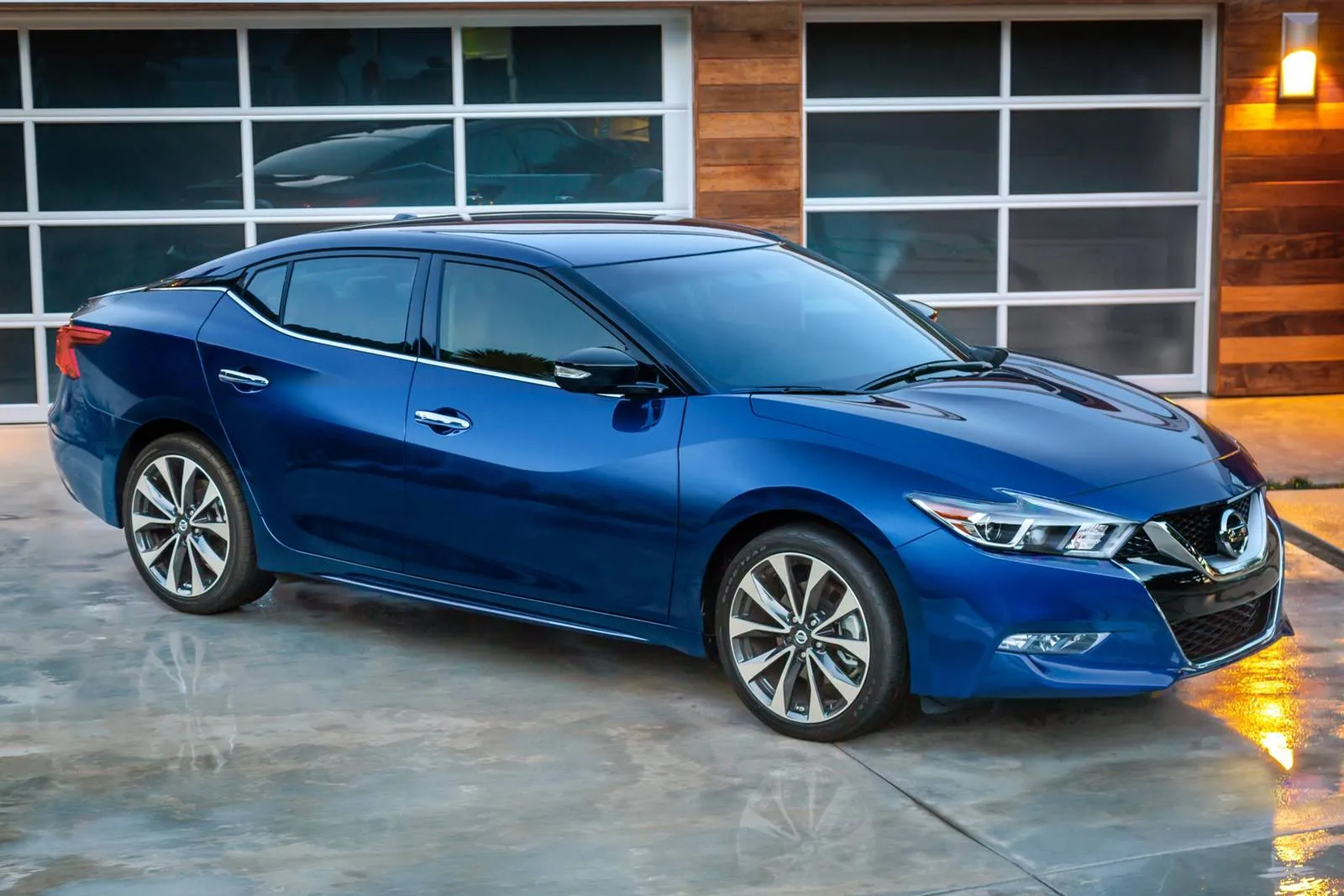
2. Nissan Maxima
The Nissan Maxima has long been known as Nissan’s flagship sedan, combining sporty performance with upscale comfort. While the sedan market has declined in popularity due to the rise of SUVs, the Maxima remains one of the most enjoyable and refined mainstream sedans Nissan has ever produced.
Buyers seeking a comfortable highway cruiser with strong acceleration and premium styling often find the Maxima to be an underrated gem. Unlike some smaller Nissan sedans that struggled with underpowered engines or low-quality interiors, the Maxima consistently aimed higher.
Interior quality is another major strength. Nissan positioned the Maxima above the Altima in terms of luxury and design, and that difference is immediately noticeable inside the cabin. Higher quality materials, supportive seating, and an upscale dashboard layout help the Maxima feel closer to an entry-level luxury car than a typical mainstream sedan.
Later generations introduced features such as premium audio systems, advanced driver assistance technologies, and stylish interior accents that improved the ownership experience further. The cabin remains one of the best aspects of the vehicle.
Another reason the Maxima is worth buying is value retention in the used market. Because consumer demand shifted heavily toward SUVs, used Maximas often sell for surprisingly affordable prices despite offering premium features and strong performance.
This creates an opportunity for buyers to obtain a comfortable and well-equipped sedan without spending luxury car money. Drivers who prioritize comfort, performance, and long-distance cruising ability frequently discover that the Maxima provides far more refinement than expected for the price. It remains one of Nissan’s most successful and appealing sedan offerings.
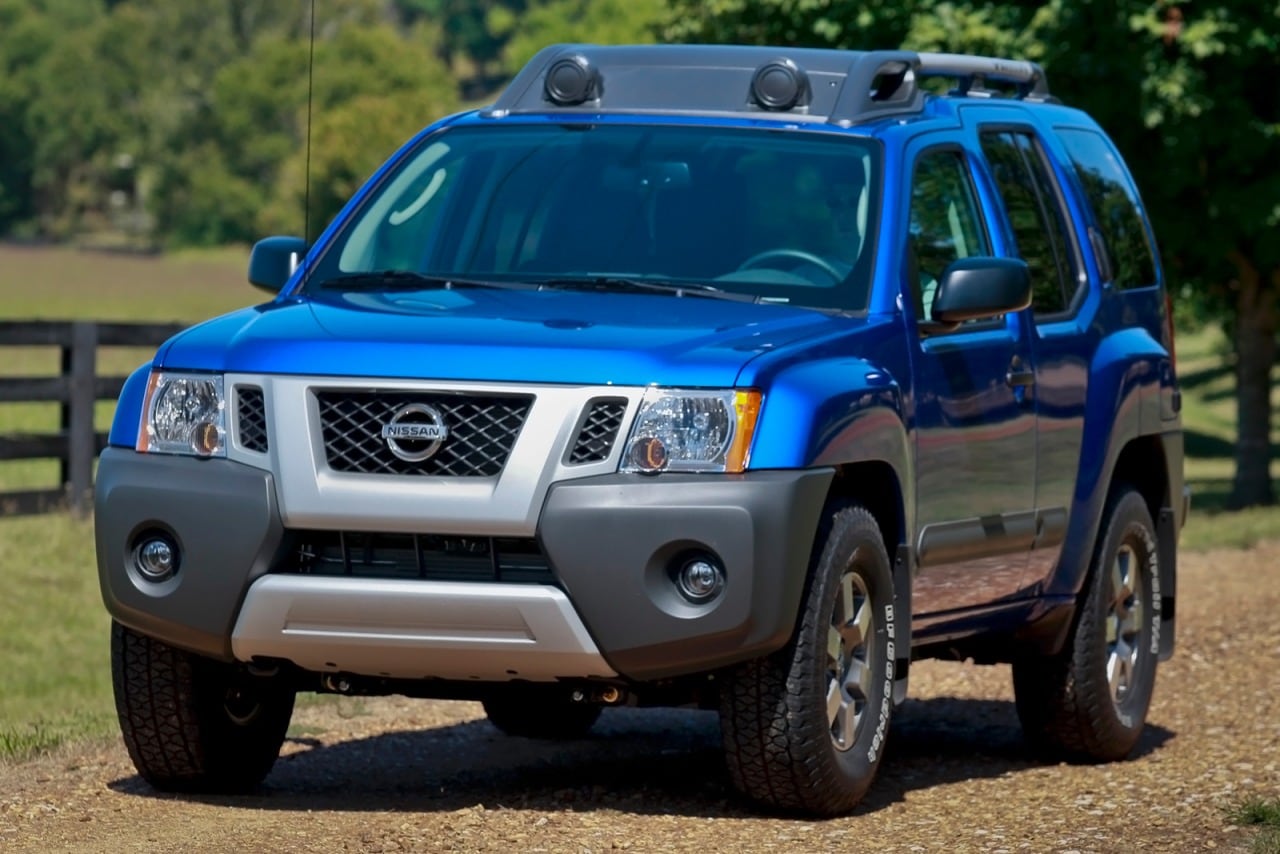
3. Nissan Xterra
The Nissan Xterra earned a loyal following by embracing rugged simplicity at a time when many SUVs became increasingly car-like. Built with genuine off-road capability and durable truck-based construction, the Xterra appealed to buyers who wanted adventure-oriented utility without luxury-focused distractions.
Although Nissan eventually discontinued the Xterra, its reputation has remained strong among outdoor enthusiasts, off-road fans, and used SUV buyers looking for dependable capability.
One of the defining strengths of the Xterra is durability. The vehicle was engineered with a body-on-frame platform that could handle rough terrain, towing duties, and demanding driving conditions.
Unlike many crossover SUVs designed primarily for urban commuting, the Xterra maintained authentic off-road capability with available Four Wheel Drive systems, skid plates, and rugged suspension components. Owners appreciated the confidence the vehicle inspired during camping trips, trail driving, and winter weather conditions. This practical toughness helped the Xterra stand apart from softer competitors.
The V6 engine used in most Xterra models delivered solid performance and respectable reliability. While fuel economy was never a major selling point, buyers generally accepted that tradeoff because the SUV prioritized strength and utility.
The engine provided enough torque for towing and off-road driving while remaining relatively durable under heavy use. Many owners report extremely high mileage with proper maintenance, reinforcing the Xterra’s reputation as a long-lasting SUV capable of handling years of demanding service.
Interior design focused heavily on practicality. Nissan equipped the Xterra with durable materials, easy-to-clean surfaces, and functional storage solutions tailored toward active lifestyles. Roof-mounted gear storage, cargo area versatility, and rugged seat materials made the vehicle especially popular among hikers, surfers, campers, and outdoor adventurers. While the interior lacked the luxury feel of more expensive SUVs, its functional design aged well and proved highly practical for real-world use.
Another important advantage of the Xterra is aftermarket support. Because the SUV gained popularity within off-road communities, owners can easily find lift kits, off-road tires, roof racks, suspension upgrades, and protective accessories.
This strong enthusiast following contributes to the vehicle’s lasting popularity and resale strength. Buyers who enjoy customizing vehicles or participating in outdoor activities often see the Xterra as one of the best affordable adventure SUVs available on the used market.
Despite being discontinued, the Xterra continues to attract buyers who value reliability and ruggedness over modern trends. Its combination of truck-based durability, capable Four Wheel Drive systems, and straightforward mechanical design makes it one of Nissan’s most respected SUVs.
For anyone seeking a dependable used off-road vehicle with genuine character, the Xterra remains a highly worthwhile purchase.
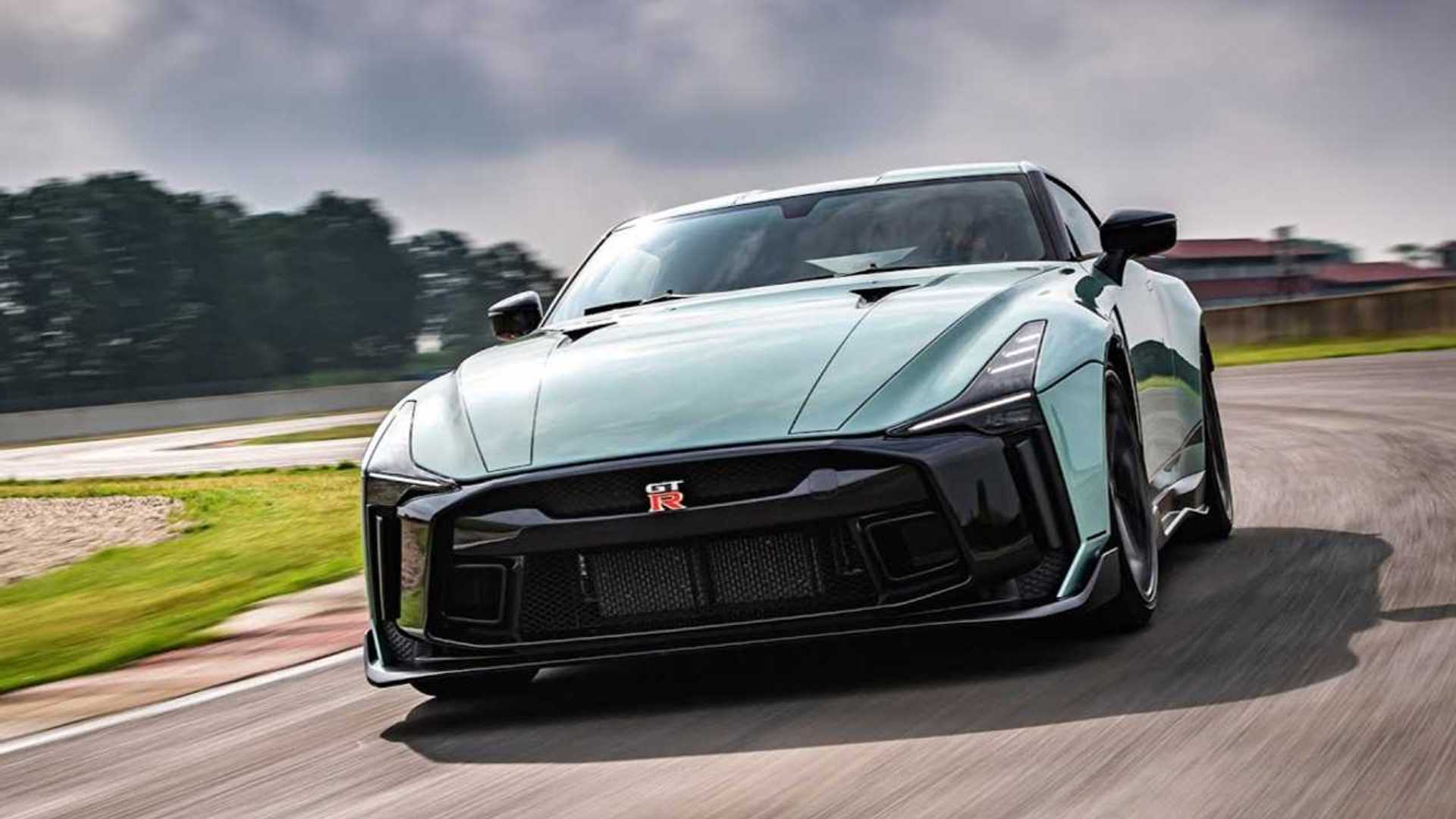
4. Nissan GT-R
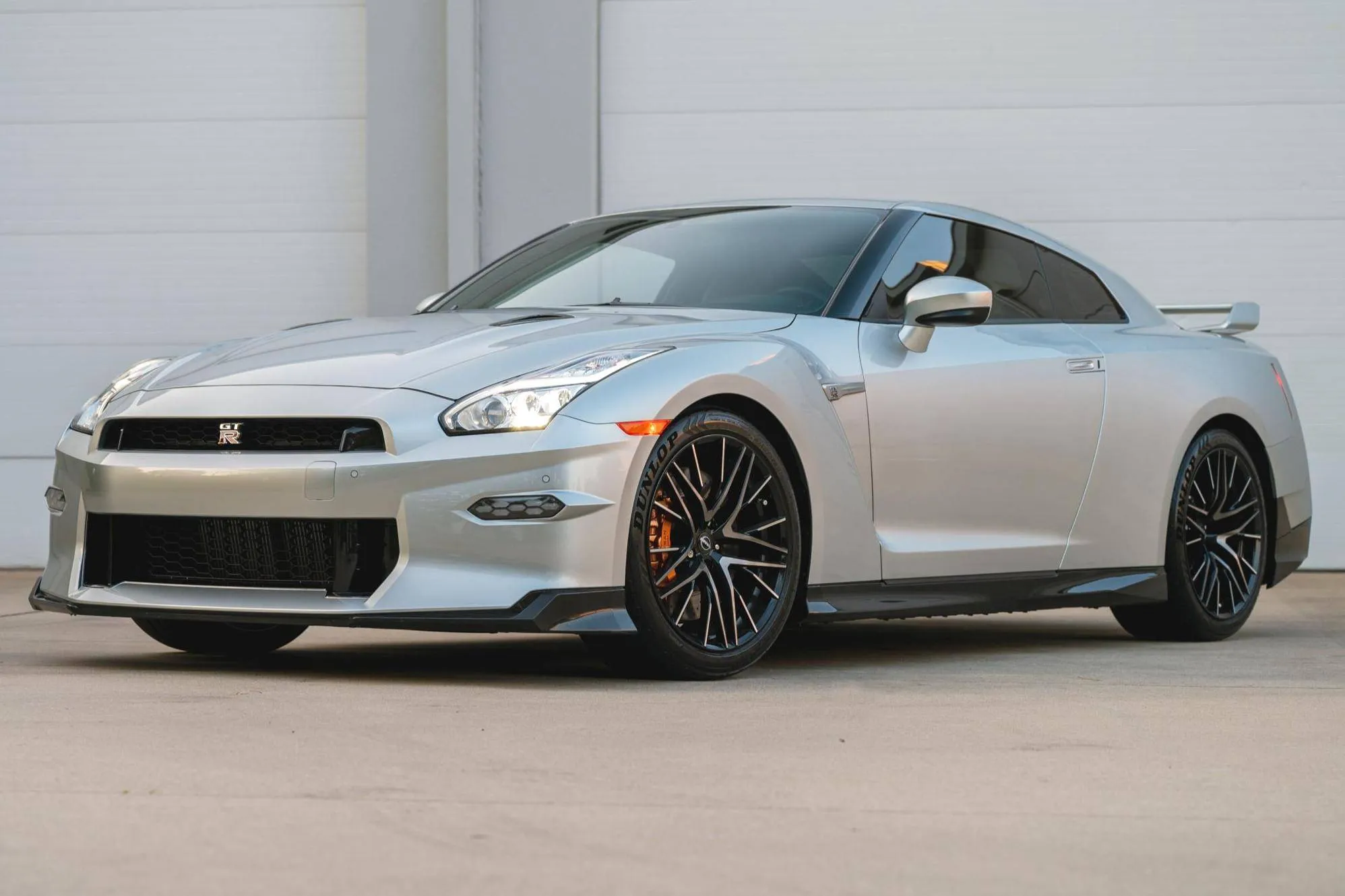
The Nissan GT-R represents one of the most iconic performance cars ever produced by Nissan. Nicknamed “Godzilla” by enthusiasts, the G-R earned worldwide respect for delivering supercar-level performance at a comparatively accessible price point.
While many high-performance cars sacrifice practicality or reliability, the GT-R managed to balance extreme speed with surprising everyday usability. This combination helped establish it as a legend among automotive enthusiasts and performance car buyers alike.
The GT-R’s twin-turbocharged V6 engine is one of its most celebrated features. Producing massive horsepower and acceleration figures capable of rivaling exotic European sports cars, the engine transformed the GT-R into a performance powerhouse.
Nissan paired this engine with an advanced All Wheel Drive system and sophisticated launch control technology, allowing the car to achieve astonishing acceleration while maintaining impressive stability and traction. The engineering behind the GT-R demonstrated Nissan’s ability to compete directly with far more expensive luxury brands.
Handling capability is another area where the GT-R excels. The car’s chassis tuning, suspension setup, and advanced drivetrain technologies create remarkable cornering performance. Drivers consistently praise the GT-R for feeling planted and confident even at high speeds.
Unlike some supercars that can feel intimidating or overly delicate, the GT-R provides a level of accessibility that allows ordinary drivers to experience extraordinary performance. This usability broadened the car’s appeal beyond hardcore racing enthusiasts.
Surprisingly, the GT-R also offers reasonable practicality for a high-performance sports car. The interior includes usable seating, modern technology features, and enough comfort for daily driving. Visibility is better than that of many exotic competitors, and the cabin remains functional for longer trips. Owners often appreciate that the GT-R can serve as both a weekend performance machine and a comfortable daily commuter. This dual personality significantly contributes to the vehicle’s enduring popularity.
Reliability has generally been strong for a car operating at such extreme performance levels. While maintenance costs are certainly higher than those of ordinary vehicles, the G-R earned a reputation for mechanical robustness compared to many European supercars.
Enthusiasts value the car because it can handle aggressive driving and tuning modifications without immediately becoming unreliable. This durability further enhances its appeal among performance-focused buyers who want excitement without constant mechanical headaches.
The GT-R’s legendary status also supports excellent resale value and long-term collectibility. Many enthusiasts view it as one of the defining Japanese performance cars of its era. Even older models continue attracting strong demand due to their reputation, tuning potential, and motorsport heritage.
For buyers who appreciate engineering excellence and thrilling performance, the Nissan GT-R remains one of the most worthwhile vehicles Nissan has ever produced.
Also Read: 10 Cars That Survive Being Used as Daily Uber Vehicles
4 to Avoid
1. Nissan Juke
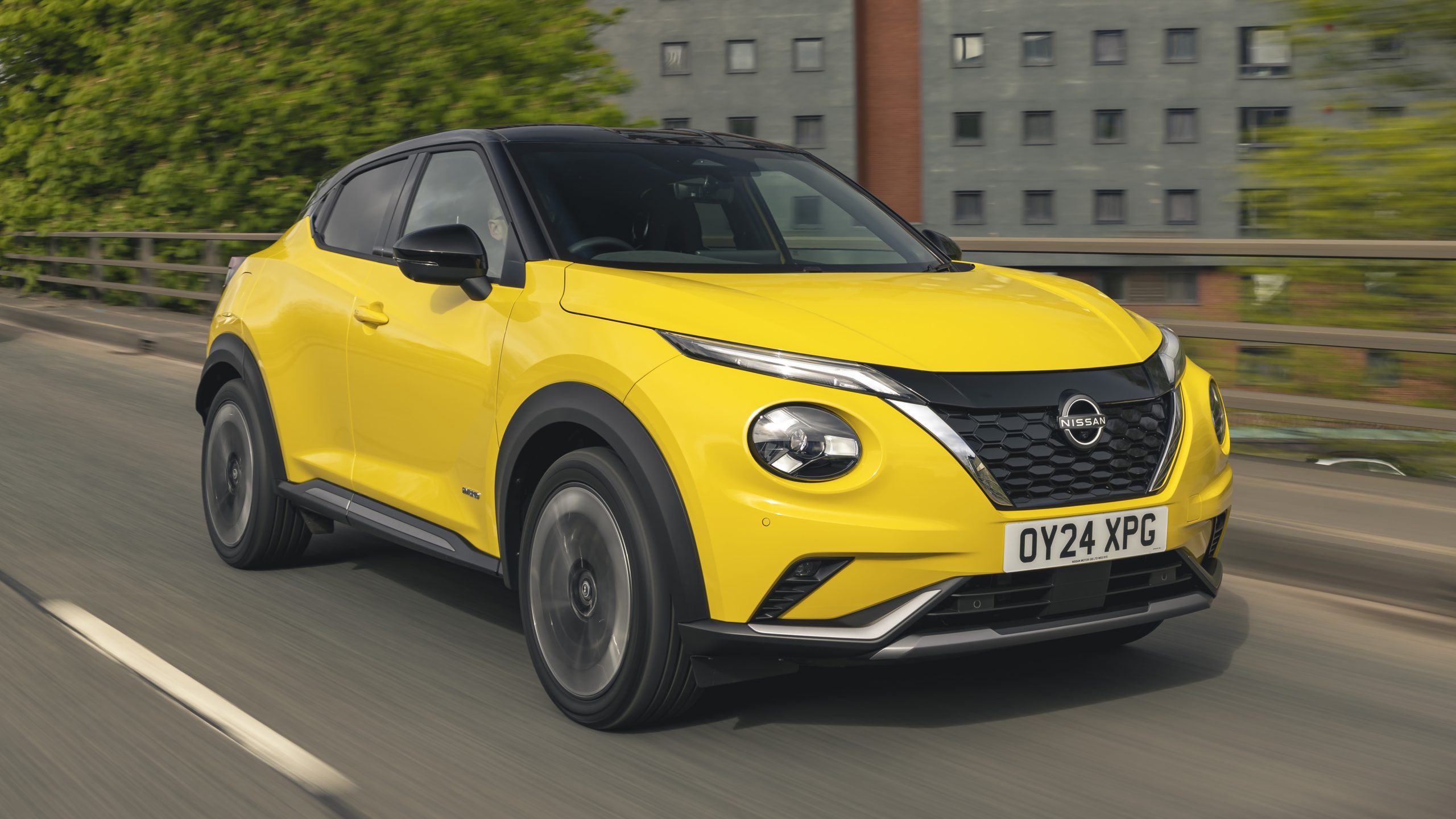
The Nissan Juke generated attention immediately after launch because of its unusual styling and compact dimensions. While some buyers appreciated its quirky appearance and sporty marketing image, the Juke quickly developed a divisive reputation among consumers and automotive critics.
Beneath the distinctive exterior design, the vehicle suffered from several shortcomings that limited its long-term appeal and reliability reputation.
One of the biggest criticisms directed at the Juke involves interior practicality. Despite being classified as a crossover SUV, the vehicle offers surprisingly limited rear passenger space and cargo capacity.
Tall passengers often find the back seats cramped and uncomfortable, while cargo space falls short compared to many rivals in the subcompact crossover segment. Buyers expecting SUV-like versatility frequently become disappointed once they experience the restricted interior dimensions in real-world situations.
Reliability concerns further damaged the Juke’s reputation. Turbocharged engine variants and CVT transmission combinations created long-term durability worries for many owners. Transmission issues in particular became a recurring complaint, with some drivers experiencing hesitation, overheating, or premature failure.
Repair costs could become substantial, especially once vehicles move beyond warranty coverage. These reliability concerns significantly reduced confidence in the vehicle among used car shoppers.
The Juke’s styling also hurt resale value. Although its bold appearance initially attracted attention, the design proved highly polarizing over time.
Used vehicle buyers tend to favor more universally appealing designs, and the Juke’s unconventional aesthetics limited its broader market appeal. As a result, depreciation rates became relatively steep compared to more mainstream competitors. Owners hoping for strong resale value often discovered that demand for used Jukes remained weaker than expected.
Another problem is market competition. The subcompact crossover segment became intensely competitive with better alternatives offering more space, improved reliability, superior fuel economy, and more refined interiors.
Vehicles from rival manufacturers frequently outperformed the Juke in owner satisfaction surveys and long-term dependability ratings. While some enthusiasts still appreciate the Juke’s quirky personality, most buyers are likely better served by more practical and reliable crossover options.
2. Nissan Versa
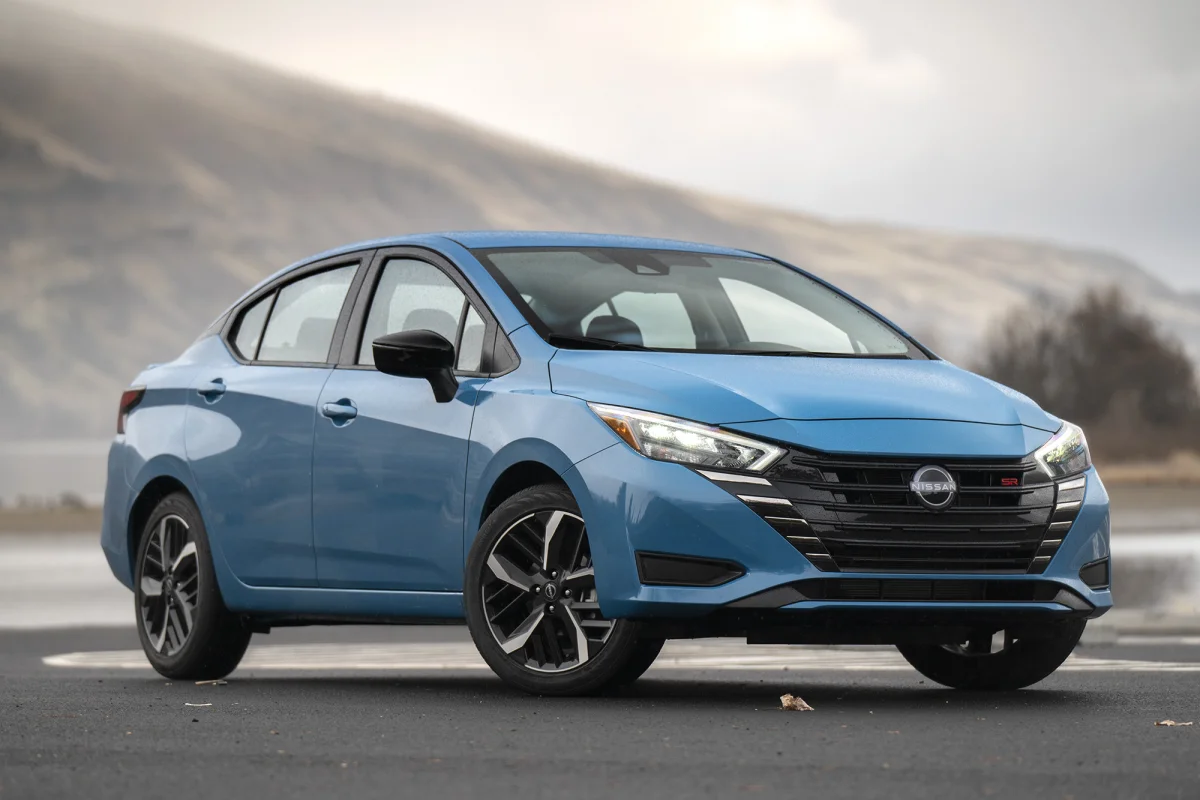
The Nissan Versa has long been positioned as one of the cheapest new cars available in many markets. While affordability can certainly attract budget-conscious buyers, the Versa often demonstrates the risks associated with prioritizing low purchase price above all else.
Throughout several generations, the vehicle developed a reputation for underwhelming performance, mediocre build quality, and long-term reliability concerns that outweighed its initial cost savings.
Reliability concerns surrounding the CVT transmission further damaged the Versa’s reputation. Many owners experienced transmission-related issues, including shuddering, delayed acceleration, overheating, and complete failure.
Since transmission replacement costs can exceed the value of older Versa models, some owners faced financially devastating repair bills. These problems became especially concerning because the Versa often attracted budget-conscious buyers least prepared for expensive, unexpected repairs.
Safety performance also lagged behind competitors for many years. Earlier Versa models lacked advanced safety technologies and achieved less impressive crash test ratings compared to segment leaders. Although Nissan eventually improved safety features in newer versions, the model spent years trailing rivals in this critical category.
Buyers seeking affordable transportation increasingly discovered that competing small cars offered stronger safety credentials without dramatically higher prices.
3. Nissan Pathfinder
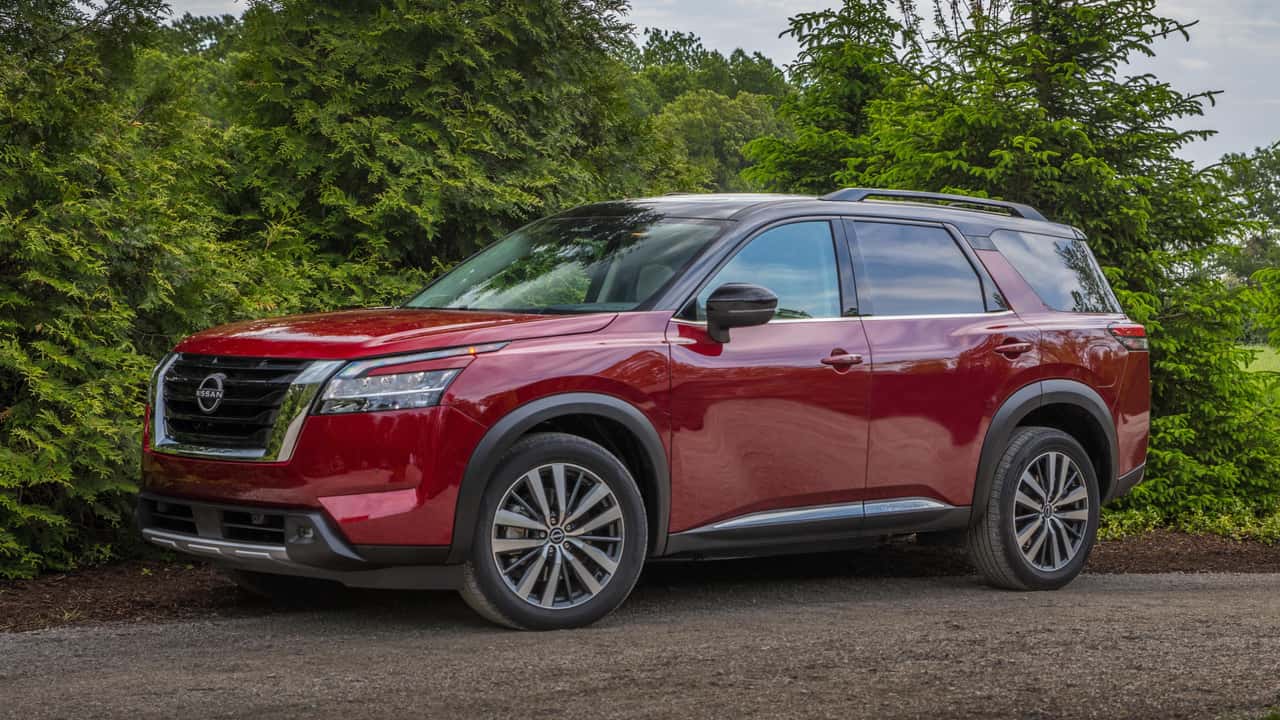
The Nissan Pathfinder was once regarded as a rugged and dependable midsize SUV with genuine utility and off-road capability. Earlier generations built strong reputations thanks to truck-based construction and durable engineering. However, certain newer Pathfinder generations experienced significant reliability and design problems that transformed the vehicle from a respected SUV into one many used car buyers now approach cautiously.
A major turning point came when Nissan redesigned the Pathfinder into a more crossover-oriented family SUV. While this shift improved fuel economy and interior comfort, it also introduced the widespread use of CVT transmissions that quickly became one of the model’s biggest weaknesses.
Numerous owners reported transmission shuddering, overheating, delayed acceleration, and complete failures at relatively low mileage. These issues proved expensive to repair and significantly harmed the owner’s confidence in the vehicle.
Towing capability also suffered compared to earlier truck-based Pathfinders. Previous generations earned respect for their ruggedness and ability to handle demanding conditions, but the crossover redesign emphasized suburban comfort instead of durability.
Buyers expecting traditional SUV toughness often felt disappointed by the newer Pathfinder’s softer driving dynamics and reduced off-road performance. This identity shift alienated some longtime Nissan customers who valued capability over fuel economy improvements.
Interior quality and technology integration also received mixed reactions. Although newer Pathfinders offered more modern cabins and family-friendly features, some owners complained about electronic glitches, infotainment system problems, and inconsistent material quality.
Certain model years developed reputations for rattles, premature wear, and frustrating user interface designs. While these issues may seem minor individually, they contributed to a broader perception that quality control had declined.
Fuel economy gains also failed to fully compensate for the vehicle’s reliability concerns. Buyers choosing crossover SUVs often prioritize low ownership costs and dependable operation, but repeated transmission issues undermined those advantages.
Once expensive repairs entered the equation, many owners discovered that the Pathfinder no longer represented a particularly economical choice. Competing midsize SUVs from rival manufacturers frequently delivered stronger reliability records and better long-term value retention.
It is important to note that not every Pathfinder generation deserves criticism. Earlier body-on-frame models remain respected for durability and capability, while some recent redesigns have shown signs of improvement.
However, buyers considering used Pathfinders from the problematic CVT era should proceed carefully, research model year reliability thoroughly, and ensure transmission maintenance history is documented. Failing to do so can result in costly ownership headaches that outweigh the SUV’s otherwise appealing family-friendly features.
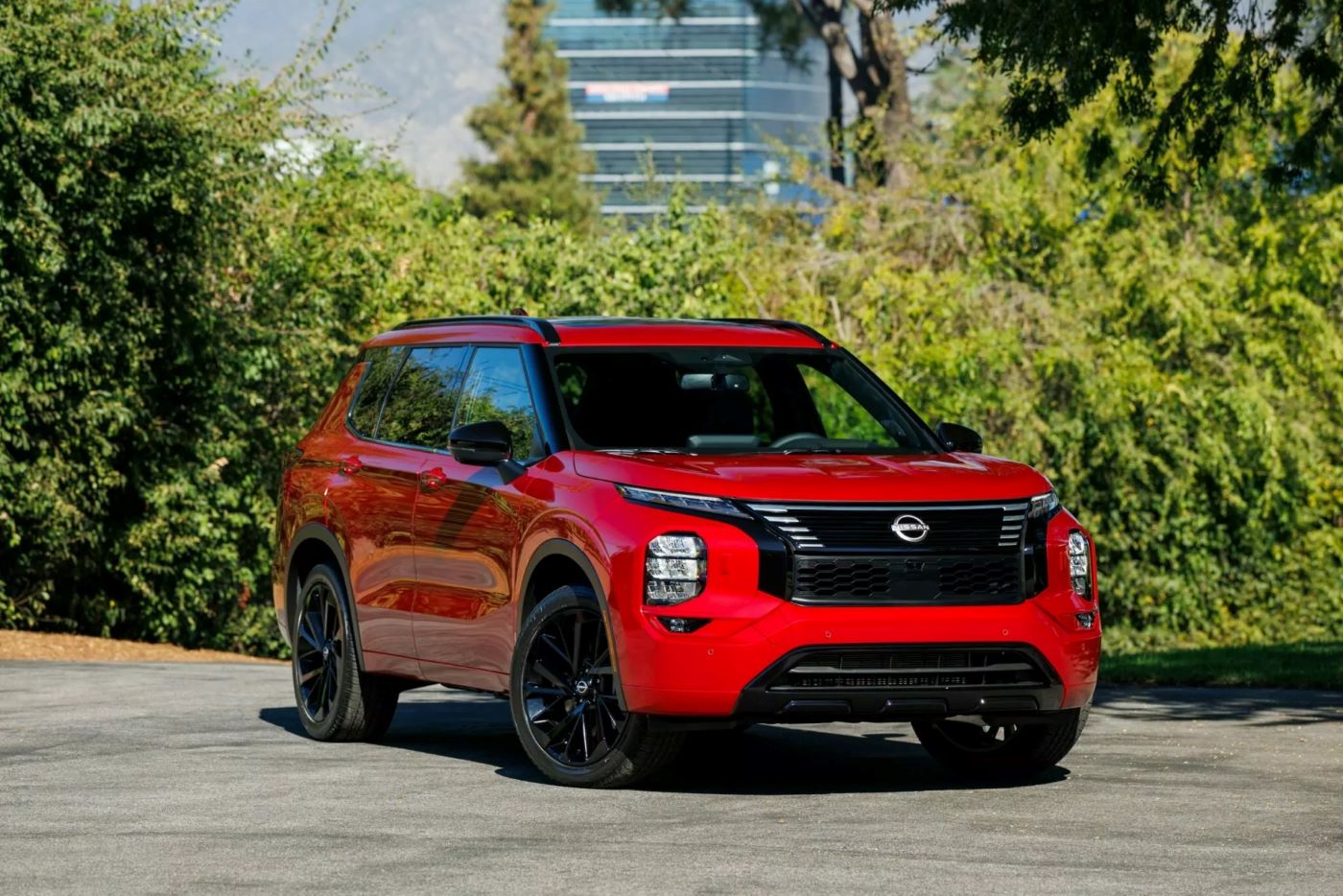
4. Nissan Rogue
The Nissan Rogue became one of Nissan’s best-selling vehicles because it targeted the highly competitive compact crossover market. Offering comfortable seating, decent fuel economy, and family-friendly practicality, the Rogue initially appeared well-positioned for success.
However, several model years developed significant reliability concerns that continue to affect the vehicle’s reputation among used car buyers and mechanics.
The most serious issue involves the CVT transmission. Numerous Rogue owners reported transmission failures, overheating problems, jerking sensations, delayed throttle response, and sudden loss of power.
These issues became so widespread that the Rogue developed one of the most problematic reputations in Nissan’s lineup. Transmission replacements often cost thousands of dollars, creating major financial burdens for owners. Even regular maintenance did not always prevent failures from occurring.
Driving dynamics also disappointed some consumers. While the Rogue delivers acceptable comfort for everyday commuting, many drivers find the steering numb and the acceleration uninspiring. The CVT transmission contributes heavily to this issue because it can produce unpleasant engine droning noises during acceleration. Instead of feeling smooth and refined, the driving experience sometimes feels strained and disconnected compared to rivals using traditional automatic transmissions.
Interior quality varies significantly depending on model year. Some Rogue versions offer comfortable seating and practical storage solutions, but others suffer from cheap materials, excessive plastic surfaces, and weak sound insulation.
Over time, certain interiors show premature wear that negatively impacts long-term ownership satisfaction. Competing compact crossovers often provide more upscale cabins and stronger perceived quality at similar price points.
Another problem is competition within the segment itself. The compact crossover market contains exceptionally strong alternatives known for reliability, resale value, and owner satisfaction.
Vehicles from competitors frequently outperform the Rogue in dependability rankings and long-term durability studies. As buyers increasingly prioritize reliability in family-oriented vehicles, the Rogue’s transmission reputation became a significant disadvantage in the marketplace.
